Peruvian food starts with ingredients the Andes gave the world: potatoes, corn, quinoa and chilli peppers called ají, above all the yellow ají amarillo. Over five centuries, Spanish, African, Chinese, Japanese and Italian cooks added their own ideas, so a Peruvian meal can include a stir-fry cooked in a wok or raw fish in lime juice. Breakfast is usually simple. Lunch (el almuerzo) is the main meal of the day: many small restaurants serve a cheap set lunch called the 'menú', with a starter or soup, a main dish and a drink such as chicha morada. Supper is lighter.
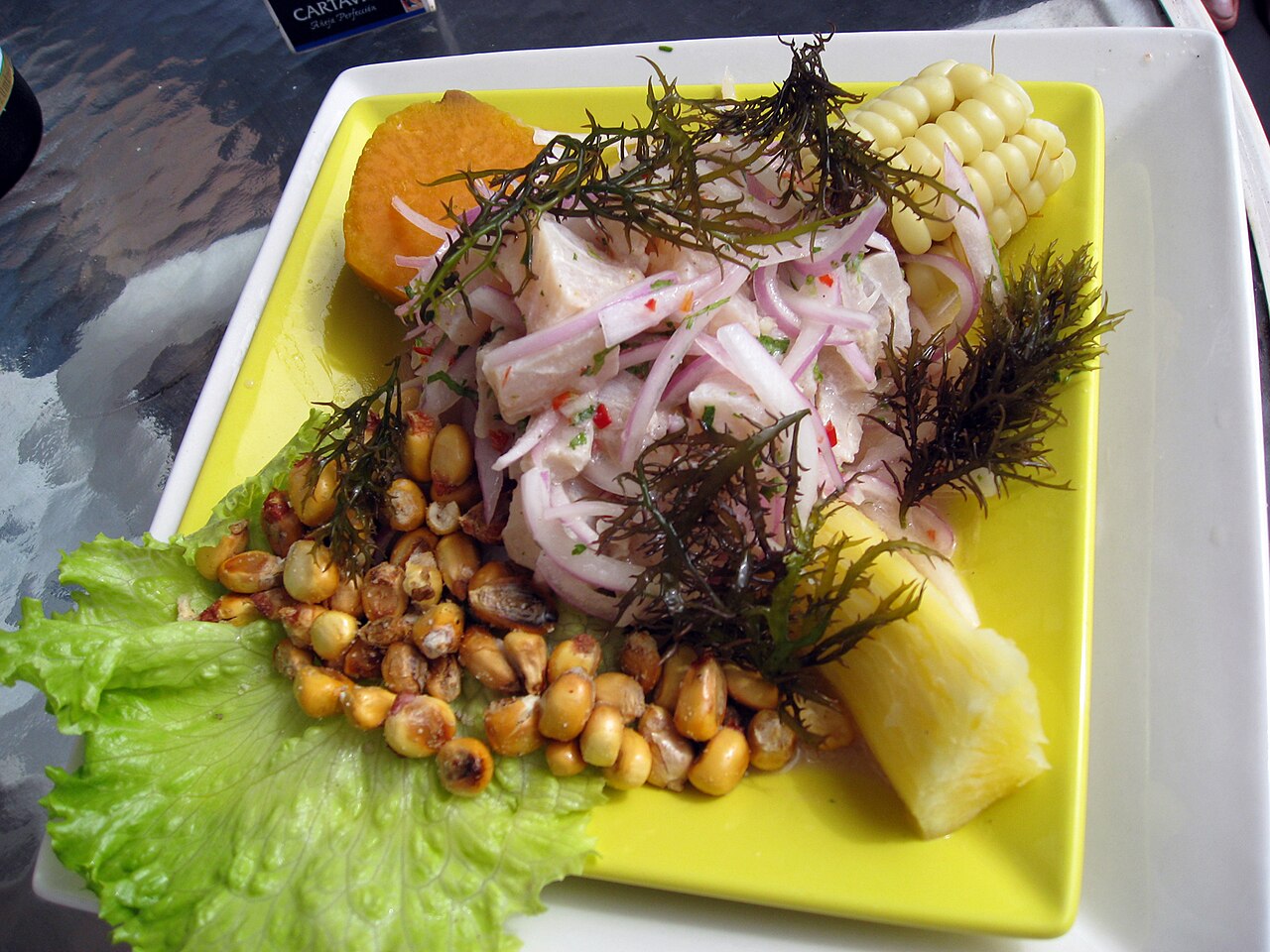
Pieces of very fresh raw fish marinated in lime juice with red onion, salt and chilli, served with sweet potato, corn and crunchy toasted corn (cancha). The lime turns the fish white and firm, but it does not cook it the way heat does.
In 2008 Peru declared 28 June its National Ceviche Day, and in 2023 UNESCO added the traditions of Peruvian ceviche to its list of intangible cultural heritage. The leftover marinade is called leche de tigre, tiger's milk.
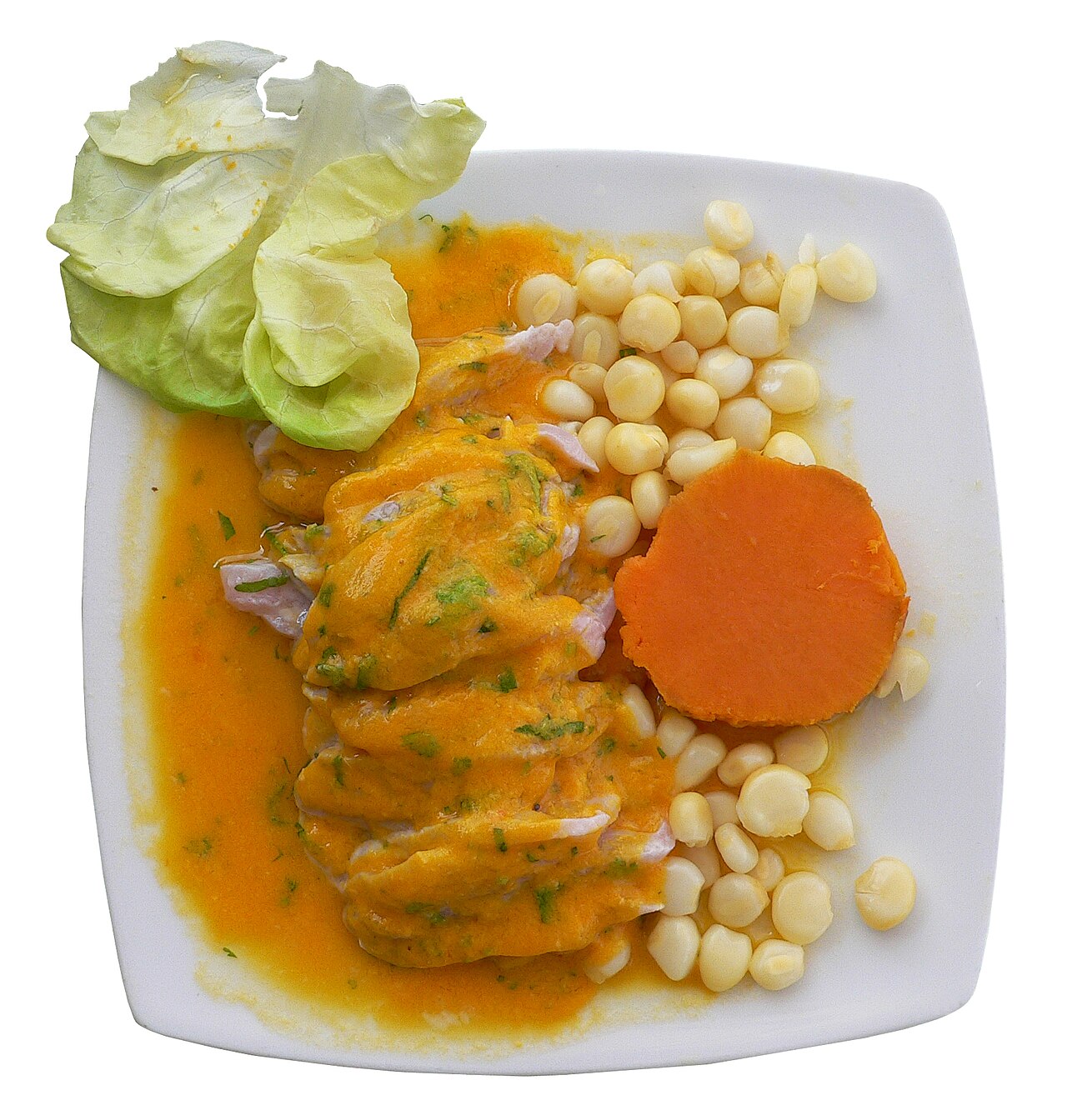
Thin slices of raw fish, cut like Japanese sashimi, with a spicy sauce poured over just before serving. Unlike ceviche, the fish is sliced, not cubed, and usually has no onion.
Tiradito shows the influence of Japanese immigrants on Peruvian food. Because the sauce is added at the last moment, the fish stays completely raw.
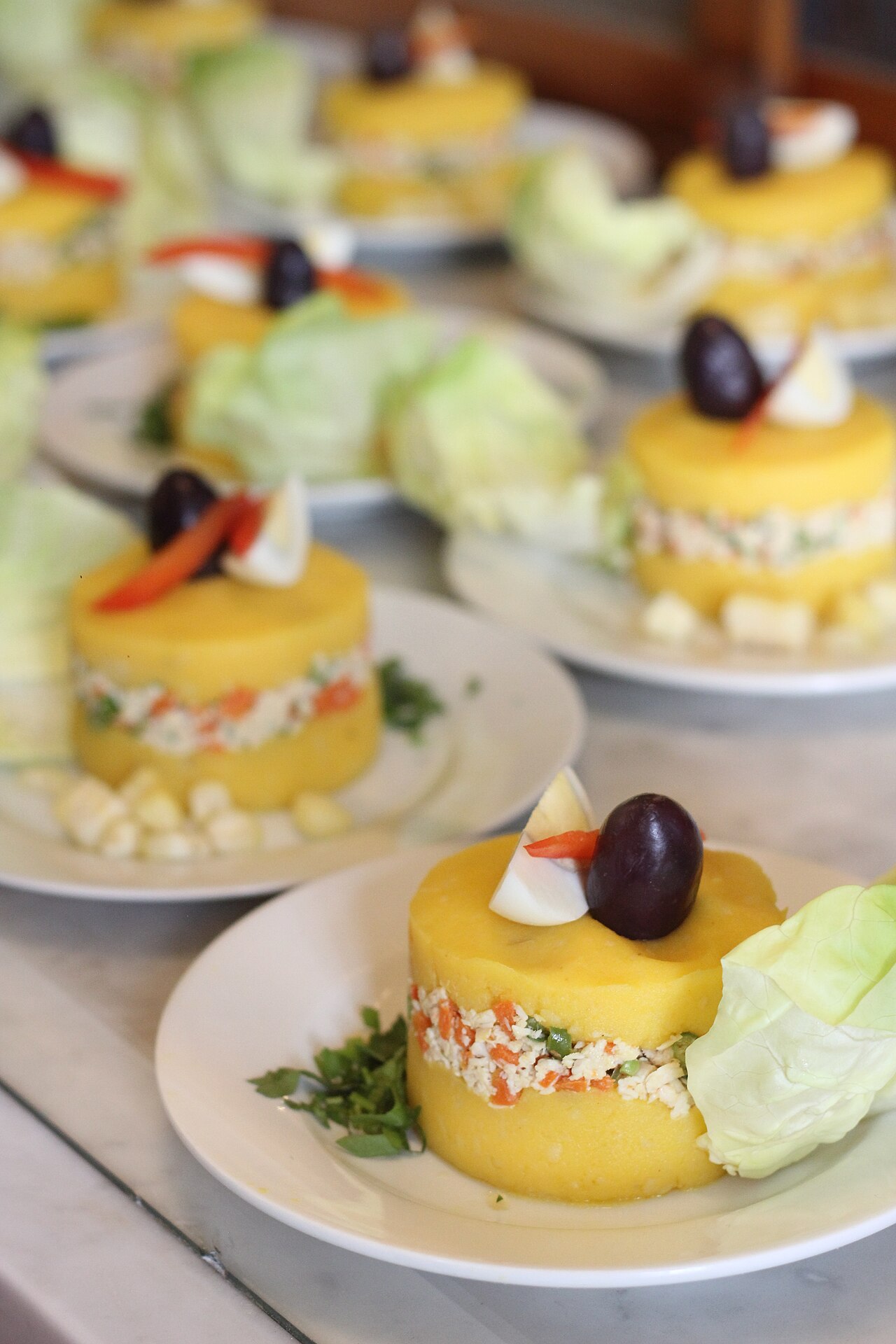
Cold layers of mashed yellow potato, seasoned with lime and yellow chilli, filled with chicken or tuna salad and avocado. It is cut into squares and looks like a small, colourful cake.
Named after Huancayo, in the central Andes, now eaten all over Peru
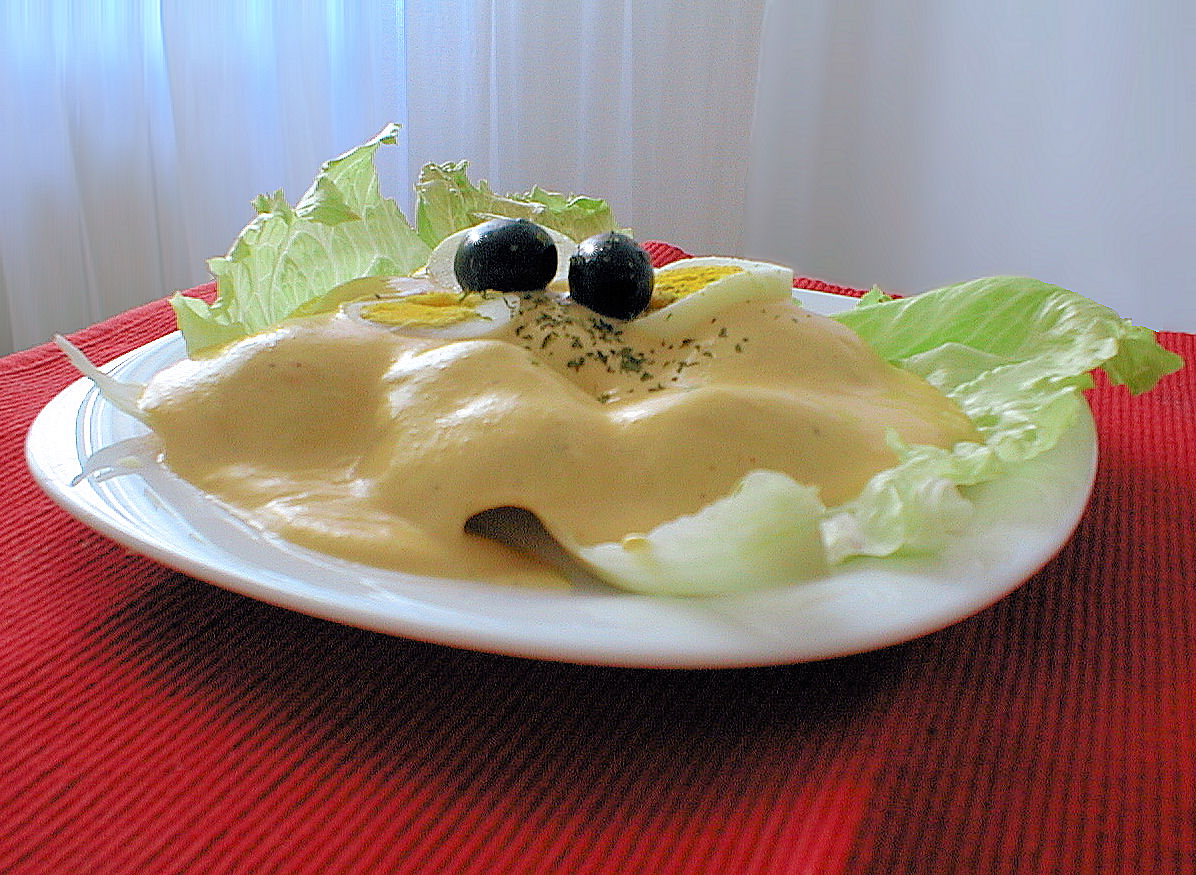
Slices of boiled potato covered in a creamy, gently spicy sauce of fresh white cheese and yellow ají amarillo chilli, served cold on lettuce with a black olive and a slice of hard-boiled egg.
The best-known story says the dish was sold to passengers, or cooked for workers, along the railway between Lima and Huancayo, which gave it the name 'potatoes Huancayo style'.
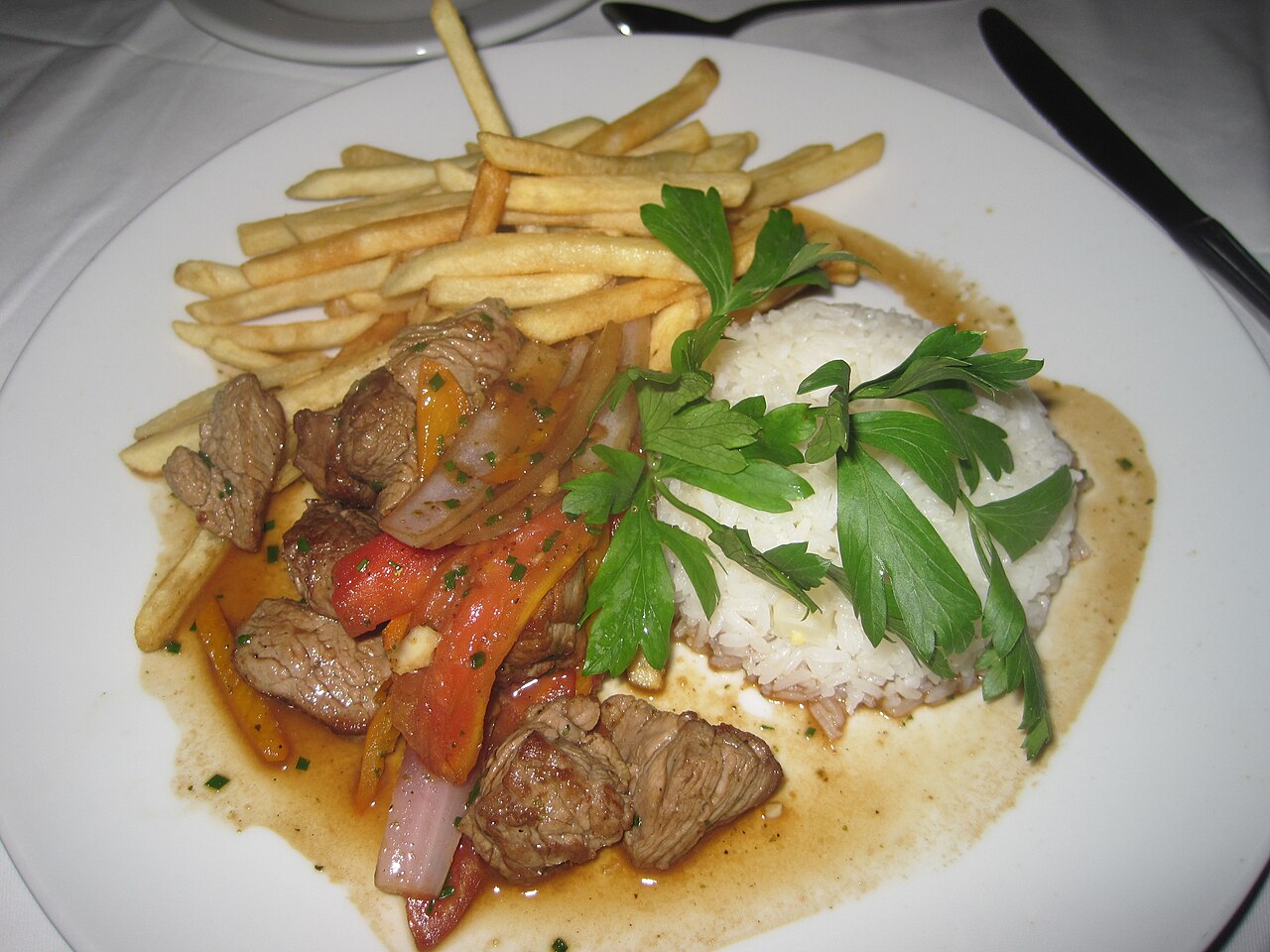
Strips of beef stir-fried at high heat with red onion, tomato, soy sauce and vinegar, then mixed with chips (French fries) and served with white rice. It is one of Peru's best-loved everyday main dishes.
It uses both potatoes, which come from the Andes, and rice, which comes from Asia: a meeting of two worlds on one plate.
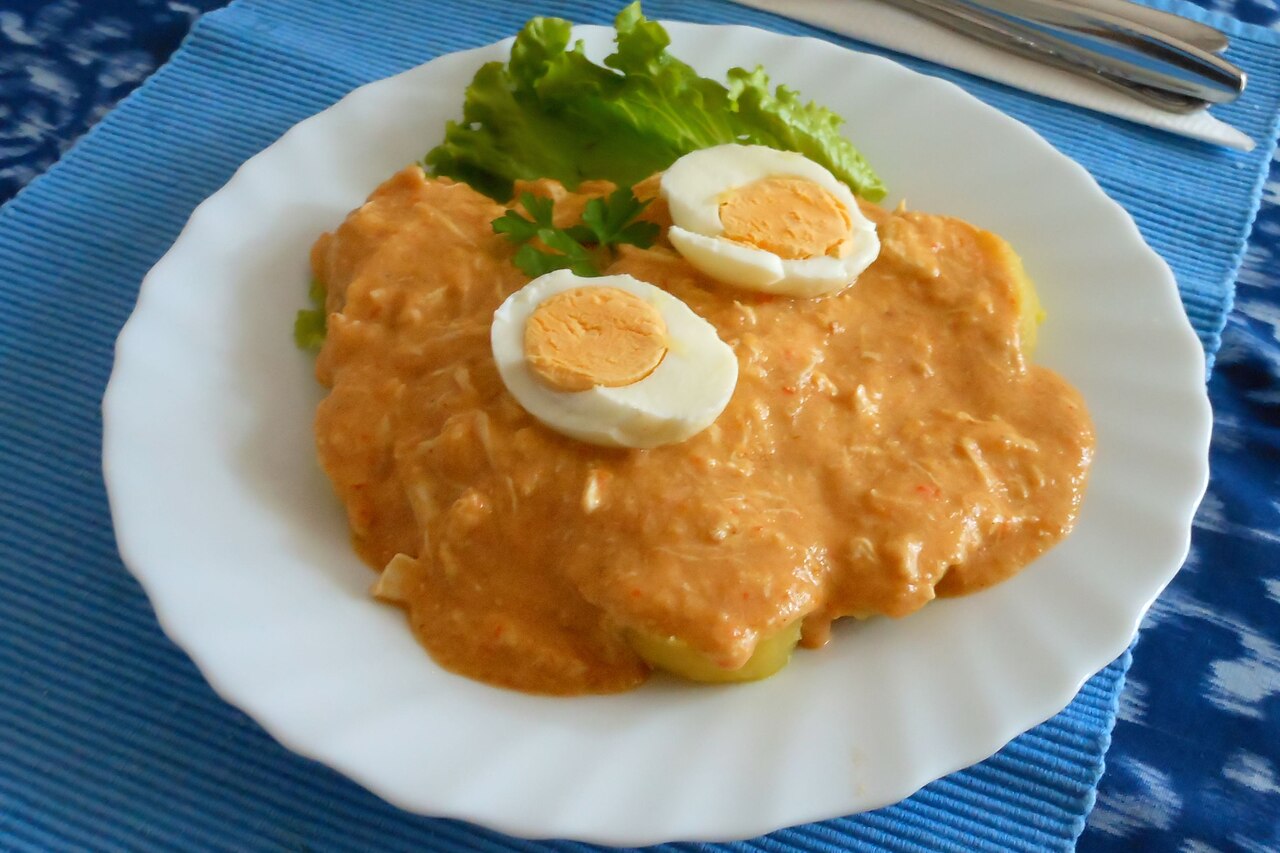
Shredded chicken in a thick, creamy yellow sauce of ají amarillo chilli, onion, garlic, bread soaked in milk, cheese and ground walnuts or pecans. It is mild, rich and comforting, served with rice, boiled potatoes, olives and egg.
It is believed to come from manjar blanco, a medieval dish of chicken with almonds and milk that the Moors brought to Spain.
Chinese-Peruvian (chifa) restaurants, now everywhere
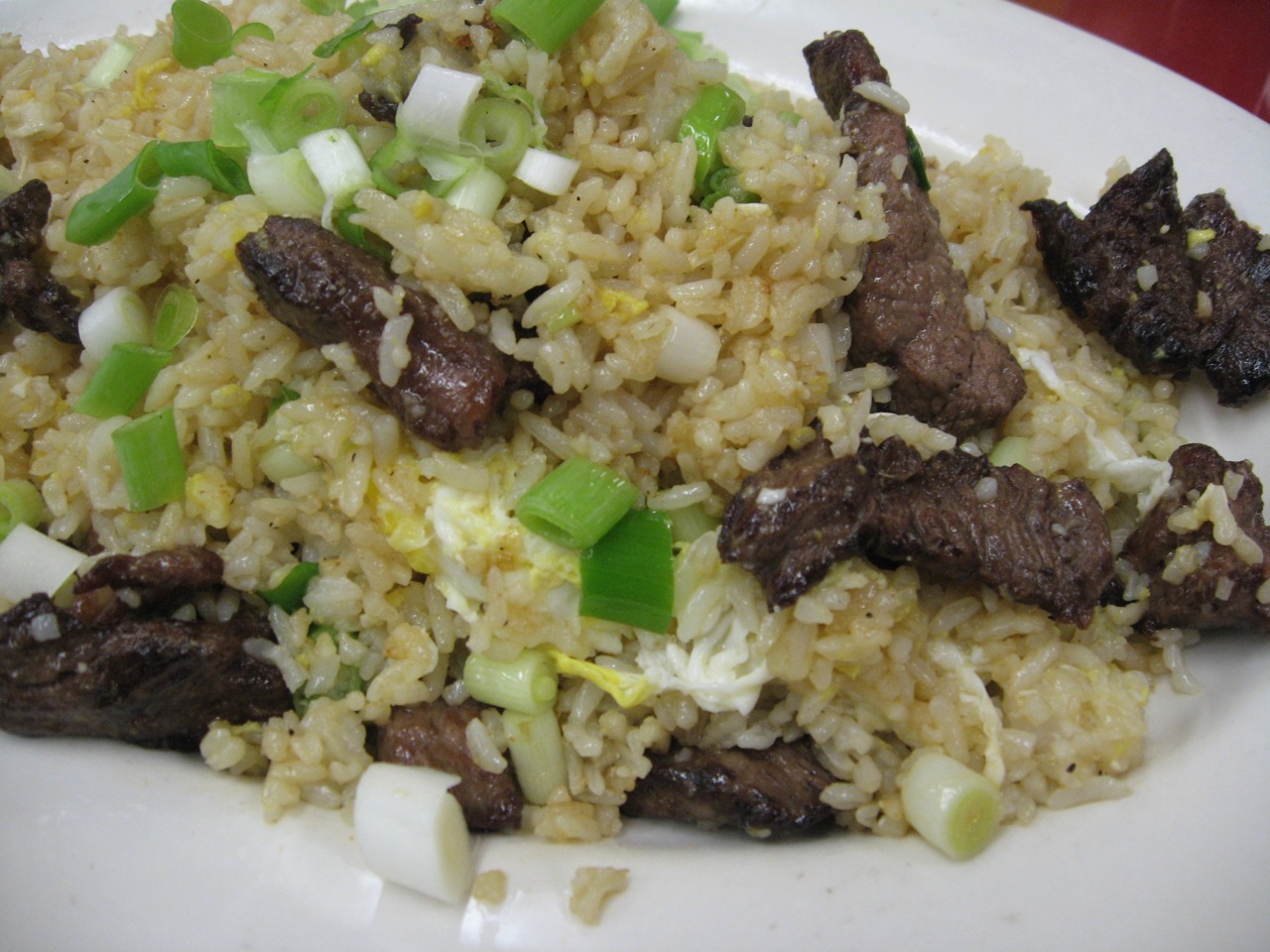
Fried rice cooked fast in a very hot wok with egg, spring onions, soy sauce and chicken, pork or prawns. It is one of the most popular dishes in Peru.
The word chaufa comes from the Cantonese word for fried rice, and chifa, the name for Chinese-Peruvian restaurants, from a Cantonese call to come and eat.
The Andes, since Inca times. Now a street food in Lima
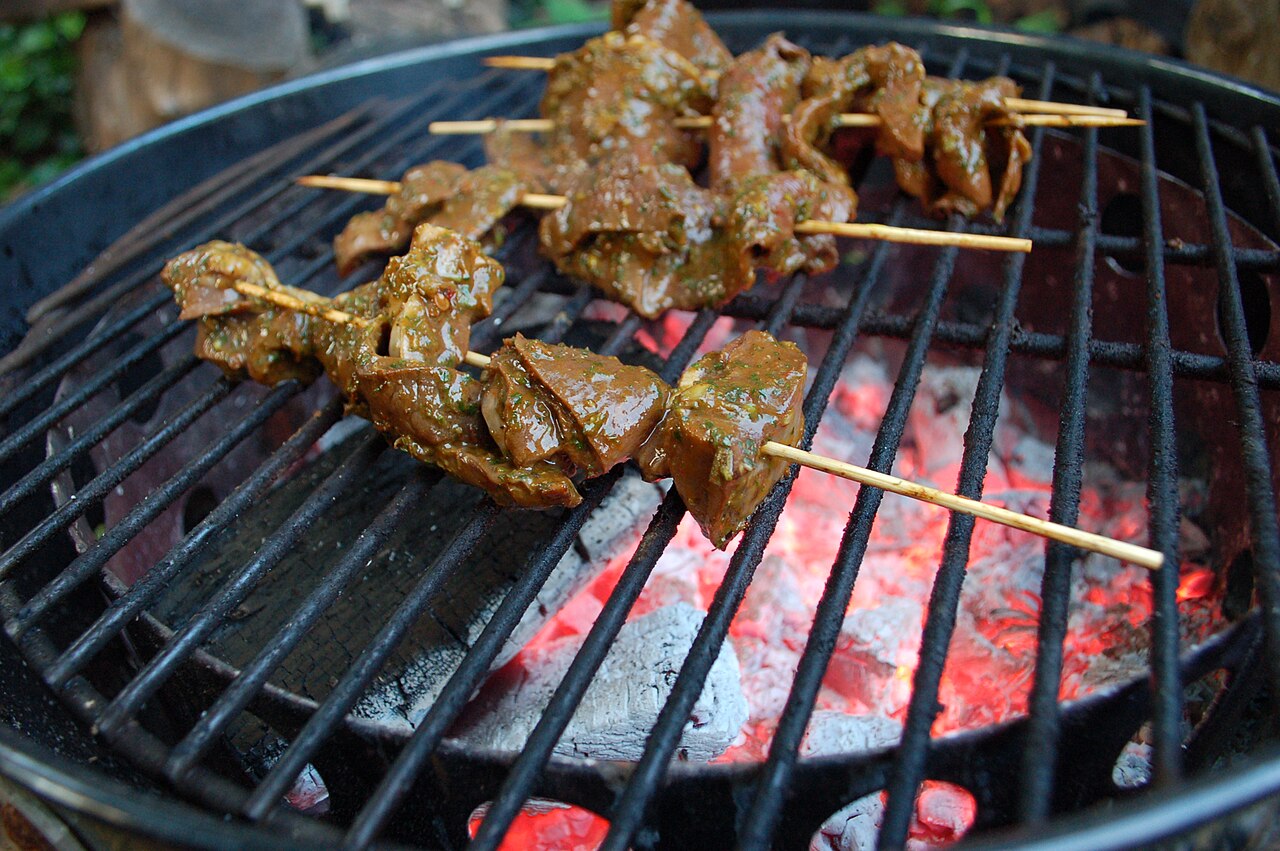
Skewers of marinated beef heart, grilled over charcoal and served with boiled potato, corn and a spicy sauce. They are tender, smoky and much loved at street stalls in the evening.
In Inca times anticuchos were made with llama meat. In colonial times beef took its place, and, the story goes, enslaved Africans were left the beef heart, a cut the Spanish did not want, which is how most anticuchos are made today.
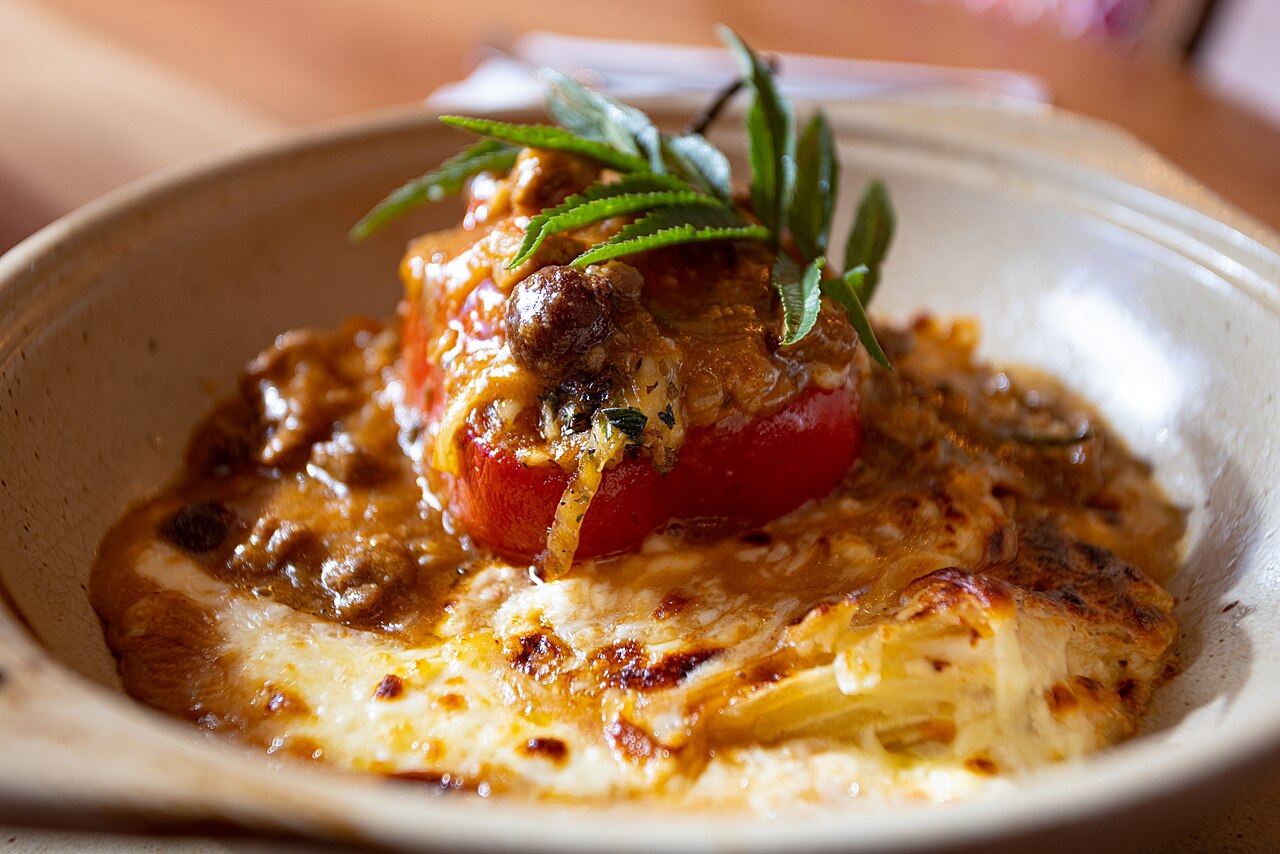
Rocoto, a round red chilli, stuffed with a spiced filling of minced meat and onion, topped with cheese and baked. The rocoto is one of Peru's hottest chillies, so the dish can be very spicy.
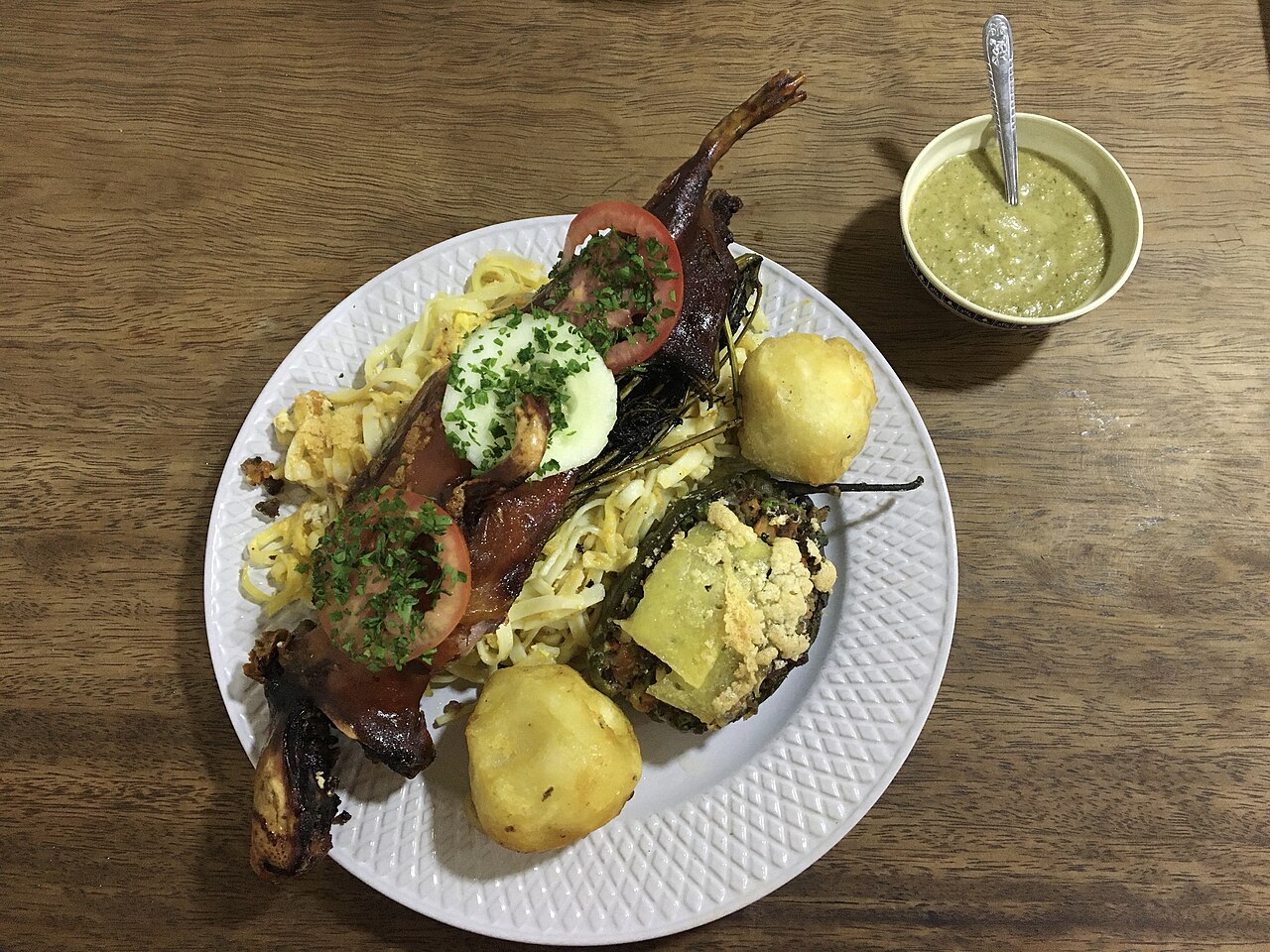
Guinea pig, roasted or fried whole until the skin is crisp. In the Andes it has been eaten for thousands of years and is a dish for festivals and family celebrations.
Guinea pigs were first domesticated for food in the Andes, perhaps as early as 5000 BC.
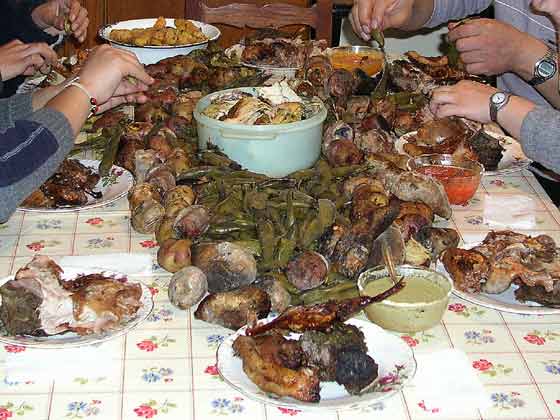
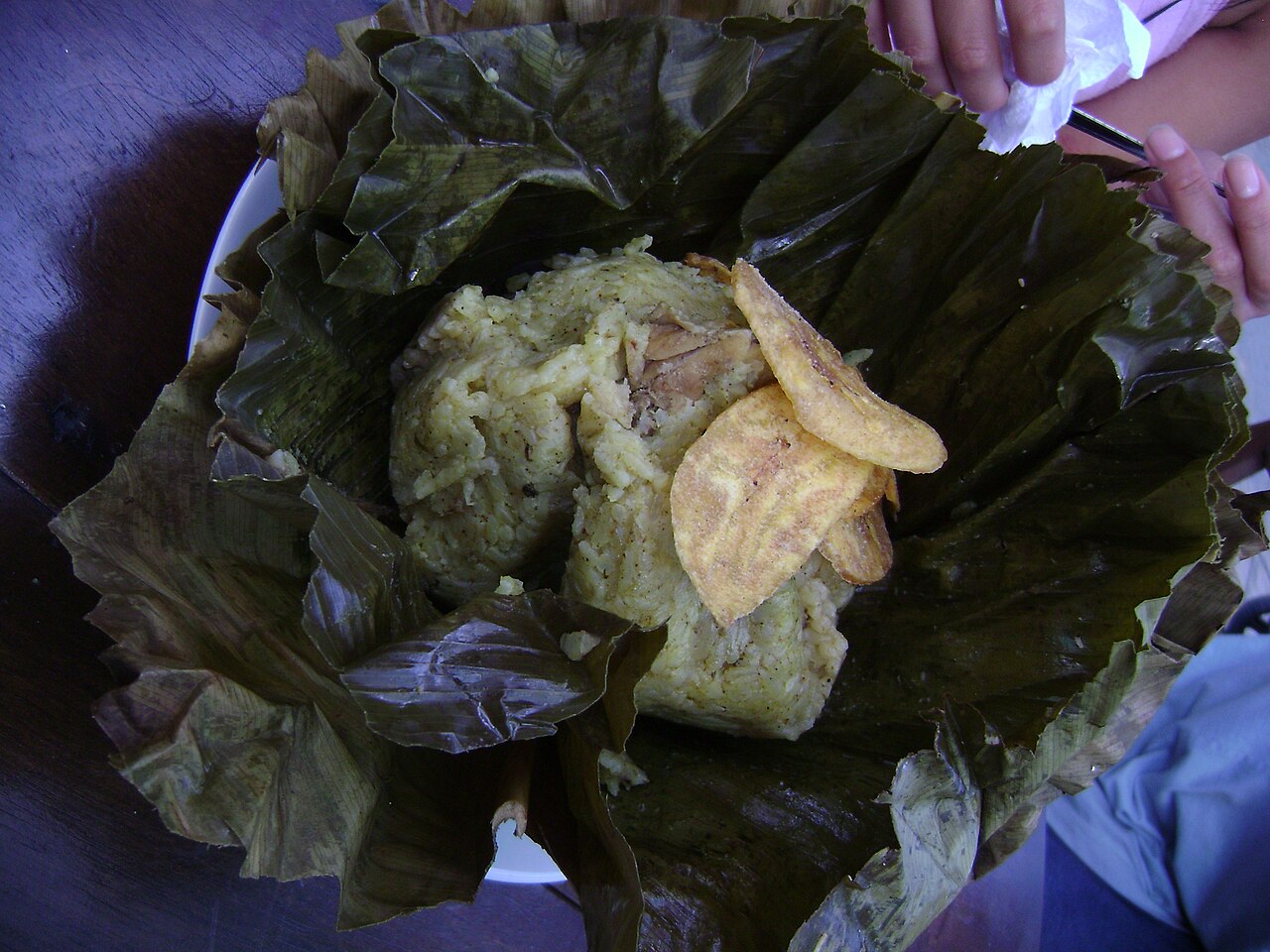
Meats, potatoes, sweet potatoes, broad beans and corn cooked slowly under the ground on hot stones, wrapped in herbs and covered with earth. It is a feast for a crowd.
The name comes from Quechua: pacha means earth and manka means cooking pot.
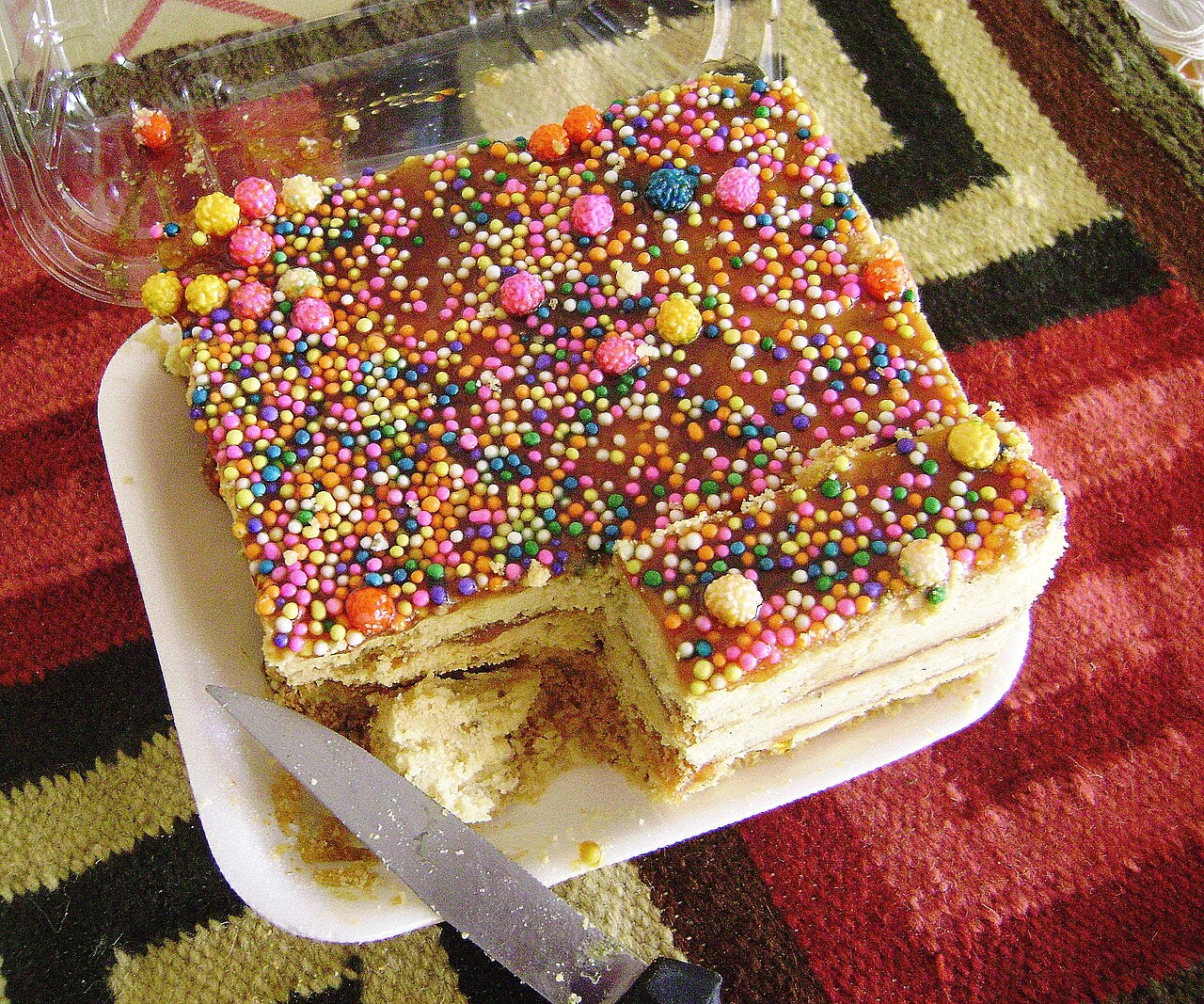
A nougat-like sweet of anise-flavoured pastry sticks layered with a thick syrup of chancaca (dark raw cane sugar) cooked with fruit, decorated with colourful sprinkles.
It is eaten in October for the procession of the Lord of Miracles (Señor de los Milagros), Lima's biggest religious festival. Tradition says a woman called Doña Josefa Marmanillo first made it.
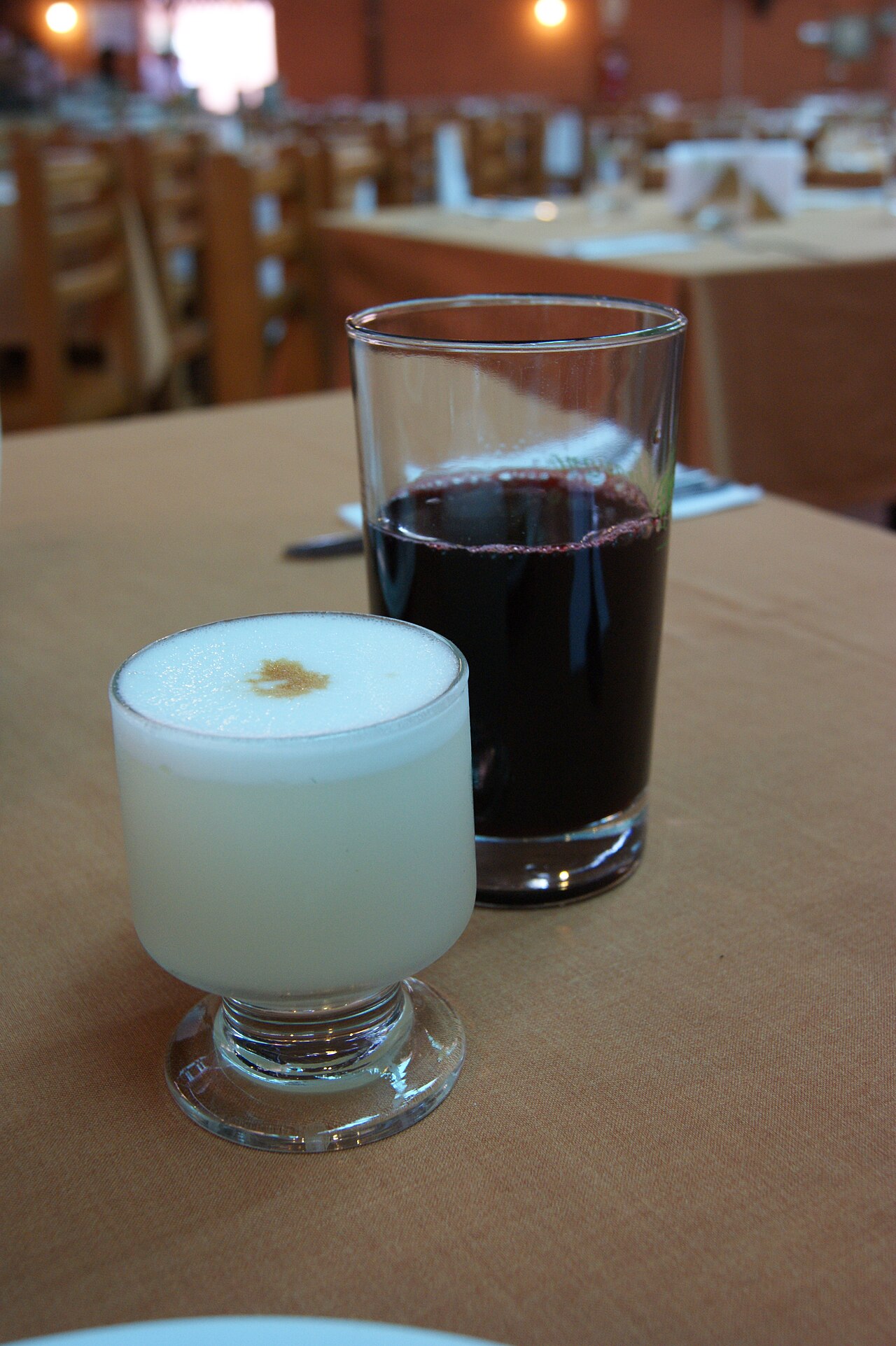
A sweet, deep purple soft drink made by boiling purple corn with pineapple peel, quince, cinnamon and cloves, then sweetening it. It is served cold, often with lunch.
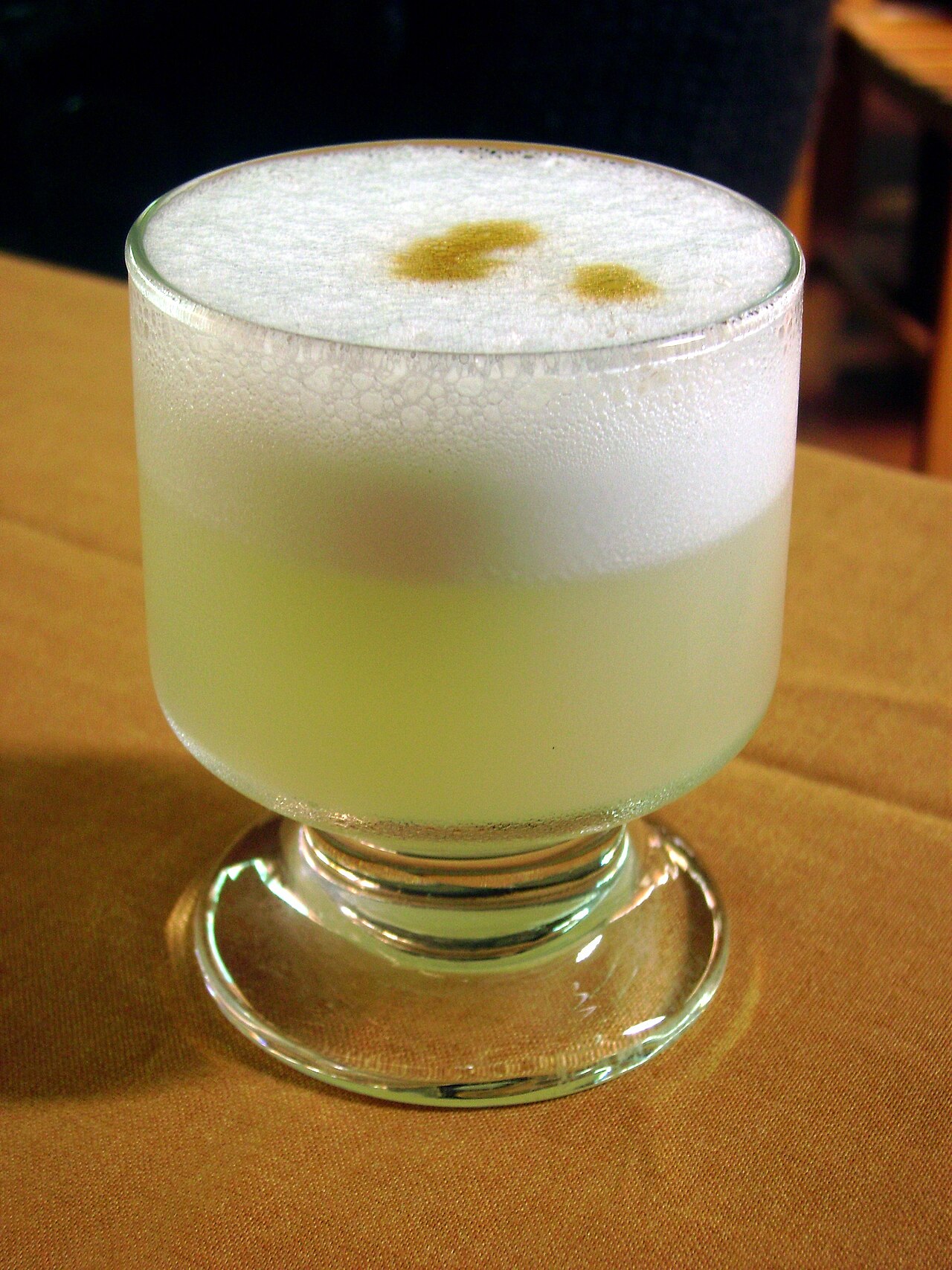
In the Peruvian version, pisco, a grape brandy, is shaken with lime juice, sugar syrup, ice and egg white, and topped with a few drops of bitters; the Chilean version has no egg white or bitters. The egg white is raw: pregnant women, older people and anyone with a weak immune system should ask for it without egg or with pasteurised egg white.
The cocktail as we know it is usually credited to Victor Morris, an American who ran a bar in Lima in the 1920s. Pisco is made in both Peru and Chile, and both countries claim the pisco sour as their national drink.
At the table in Peru
Lunch, el almuerzo, is the main meal of the day. Many small restaurants serve a cheap set lunch, the 'menú', at midday.
Before you start, or when you pass people who are eating, it is polite to say '¡Buen provecho!', which means 'enjoy your meal'.
Ceviche is a lunchtime dish. Peruvians eat it fresh, at midday, and many cevicherías close in the late afternoon.
Taste sauces carefully before you pour them on. Rocoto sauce, often red, is much hotter than it looks.
Waiters do not bring the bill until you ask. Say 'La cuenta, por favor'.
In restaurants a tip of about 10 percent is welcome for good service. Check the bill first, because some restaurants already add a service charge.