Cuban cooking grew mostly from Spanish food, with African, Taíno and Caribbean influences. Rice and black beans are the heart of almost every meal, cooked together or side by side, with plantains, yuca (cassava) and slow-cooked pork or beef. Garlic, cumin, oregano and bay leaves are the main seasonings. A traditional meal is not served in courses: everything comes to the table at the same time. Food rationing has been part of Cuban life for decades, and it limits how often many Cuban families can cook these dishes.
All of Cuba (brought by settlers from the Canary Islands)
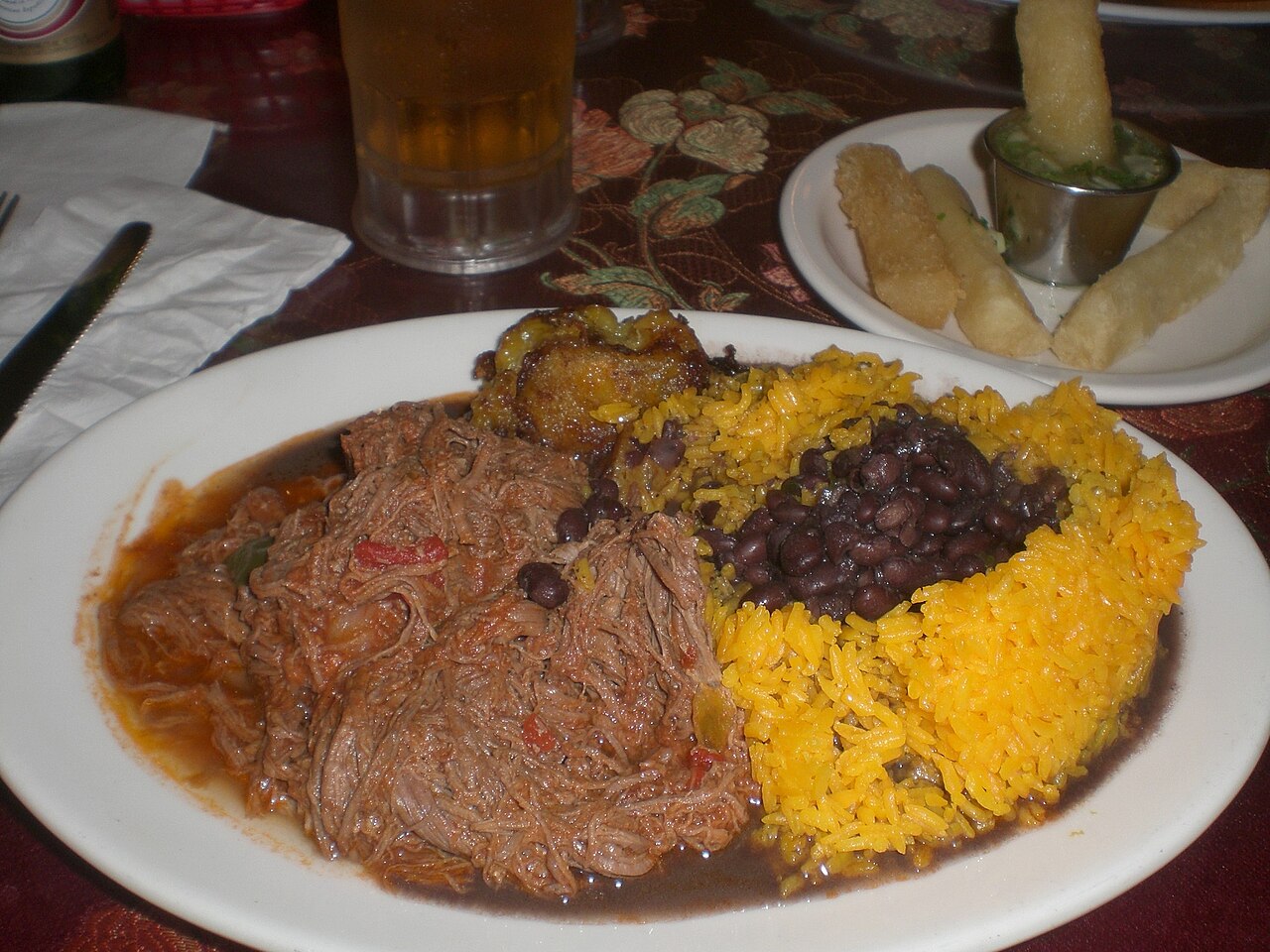
Beef slow-cooked until it falls apart into strands, then simmered with tomato, onion, peppers and garlic. It is one of Cuba's national dishes and is usually served with rice, black beans and fried plantains.
The name means 'old clothes', perhaps because the shredded beef looks like rags, or because it was first made from leftovers.
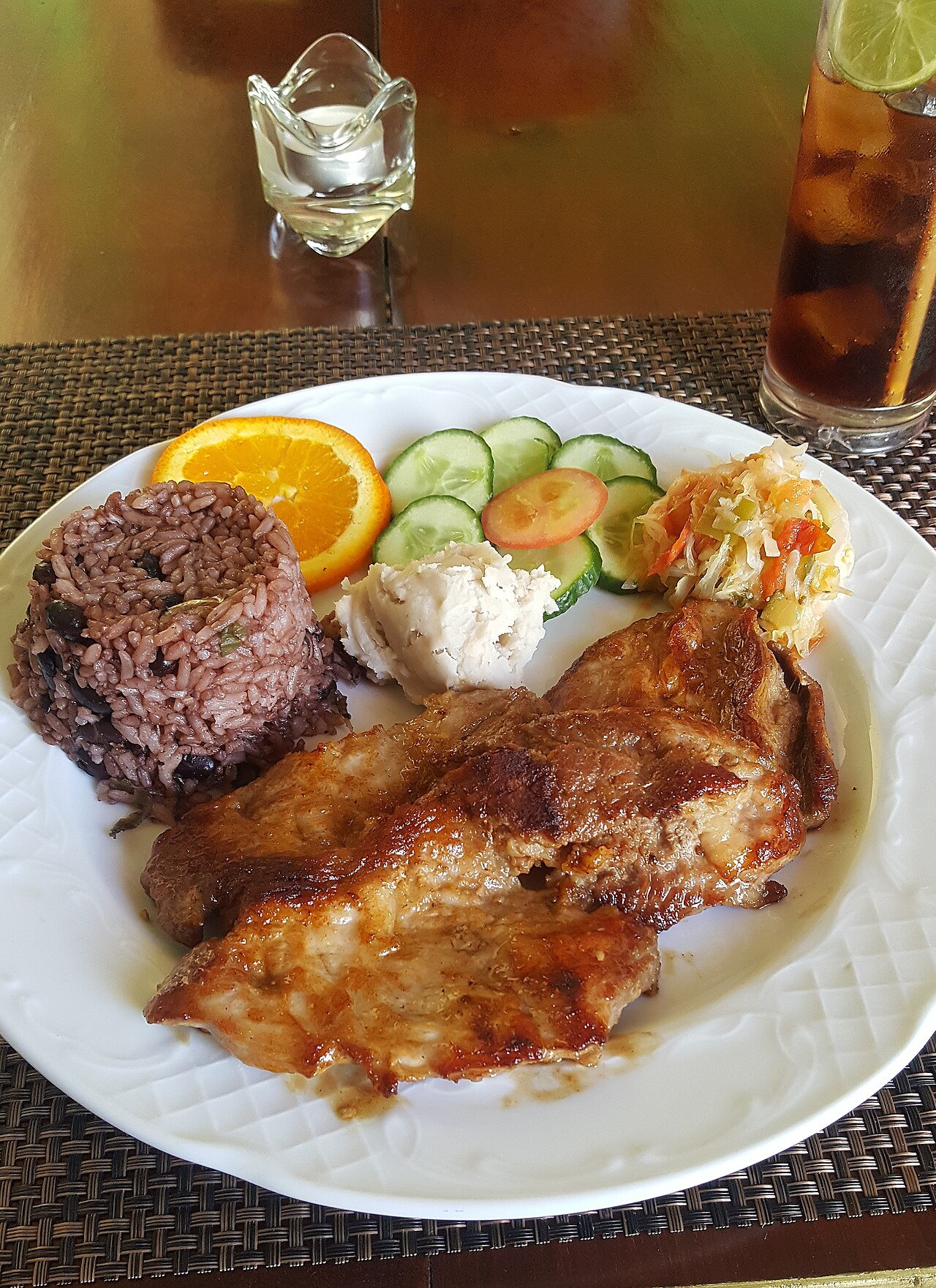
White rice and black beans cooked together in one pot with a base of onion, garlic and peppers, seasoned with cumin, oregano and bay leaf. In the east of the island, a similar dish made with red beans is called congrí.
The name means 'Moors and Christians': the black beans are the Moors and the white rice the Christians, a reference to medieval Spain.
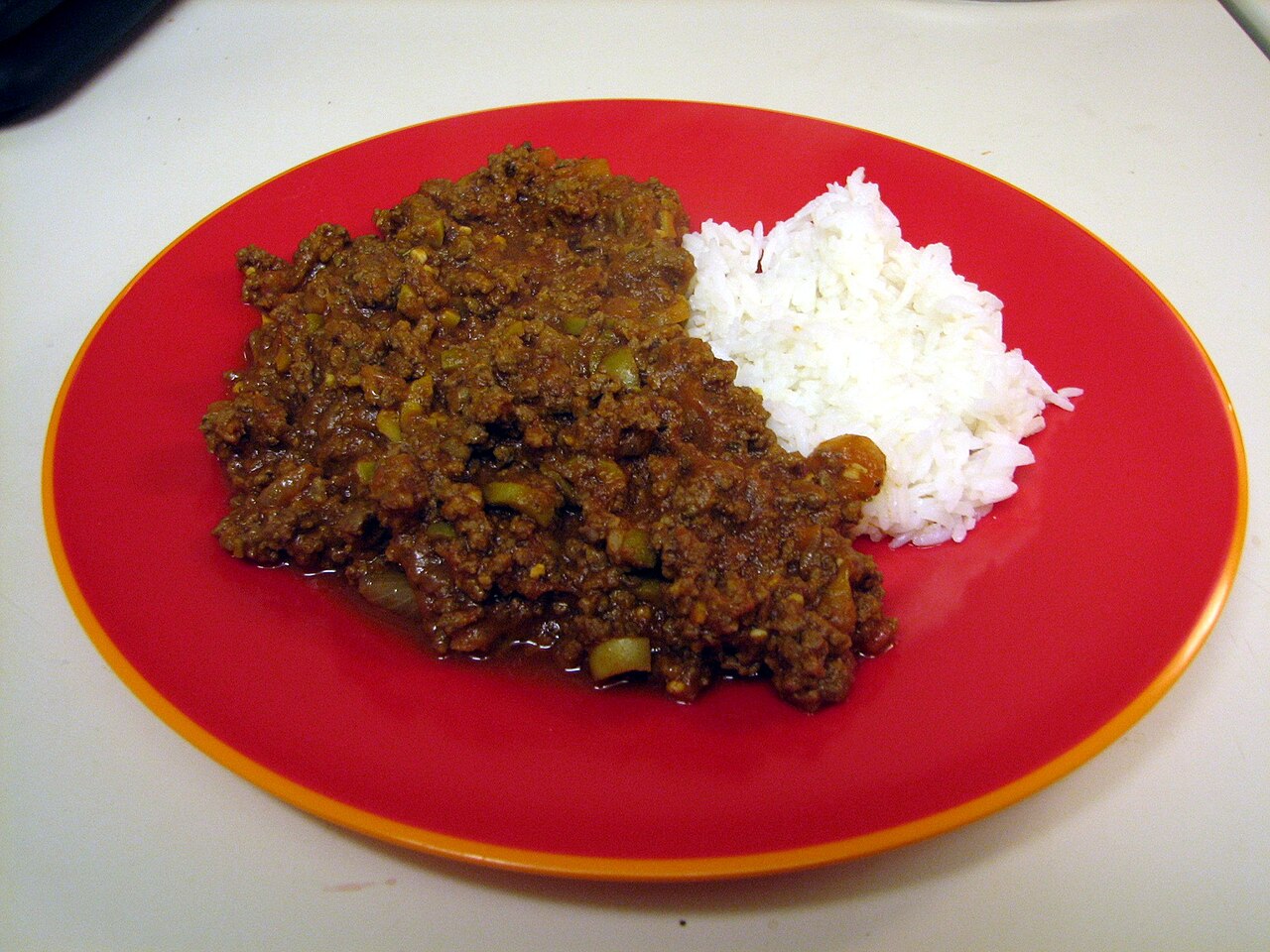
Minced beef cooked with onion, peppers, garlic, cumin, oregano and tomato sauce, with green olives, capers and often raisins. It is served over white rice, or used to fill pastries and stuffed potato balls called papas rellenas.
The name comes from the Spanish verb picar, 'to mince'.
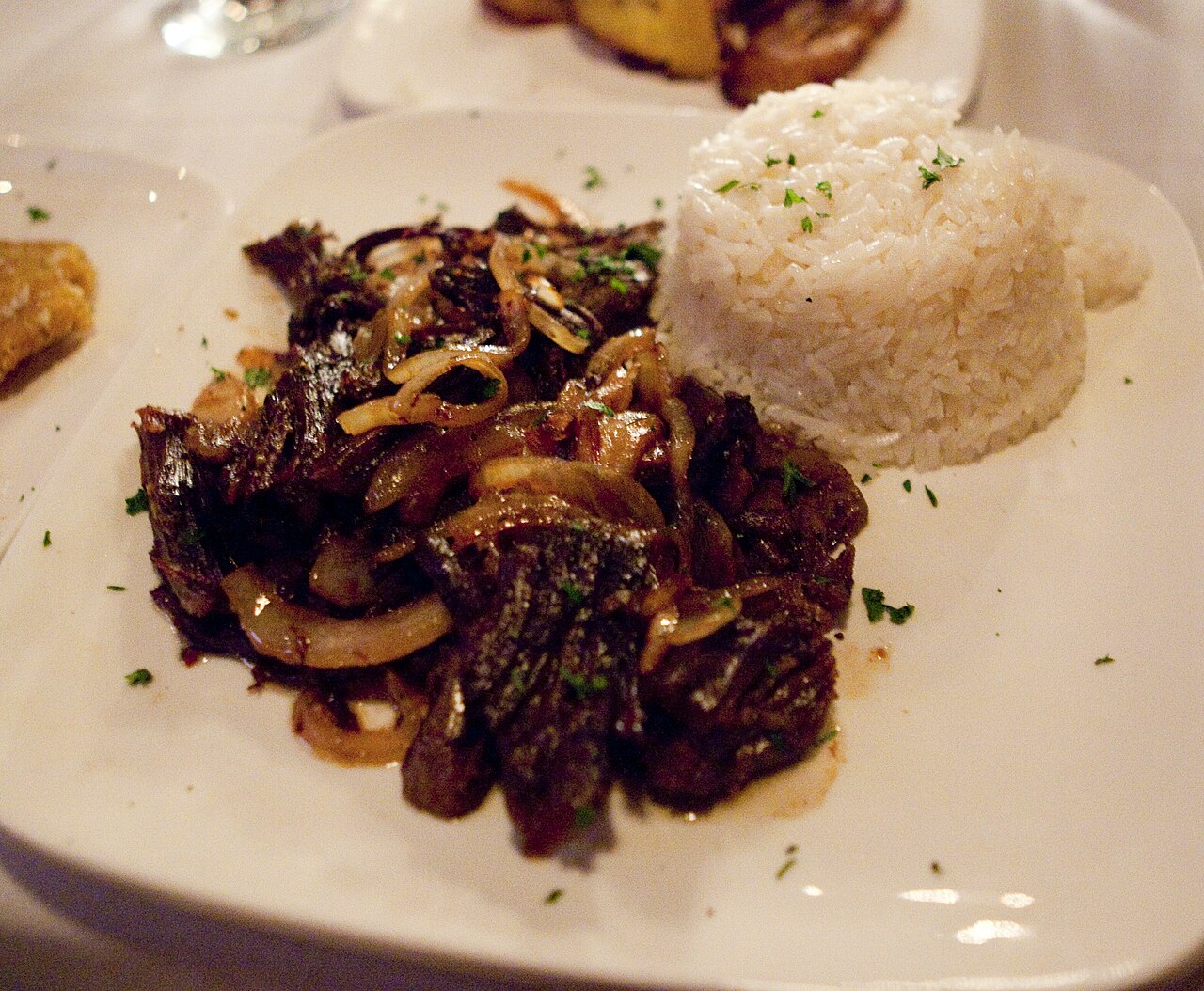
Flank or skirt steak that is slow-cooked, shredded, then fried until crisp at the edges and topped with soft onions and a squeeze of lime. It is served with rice and black beans.
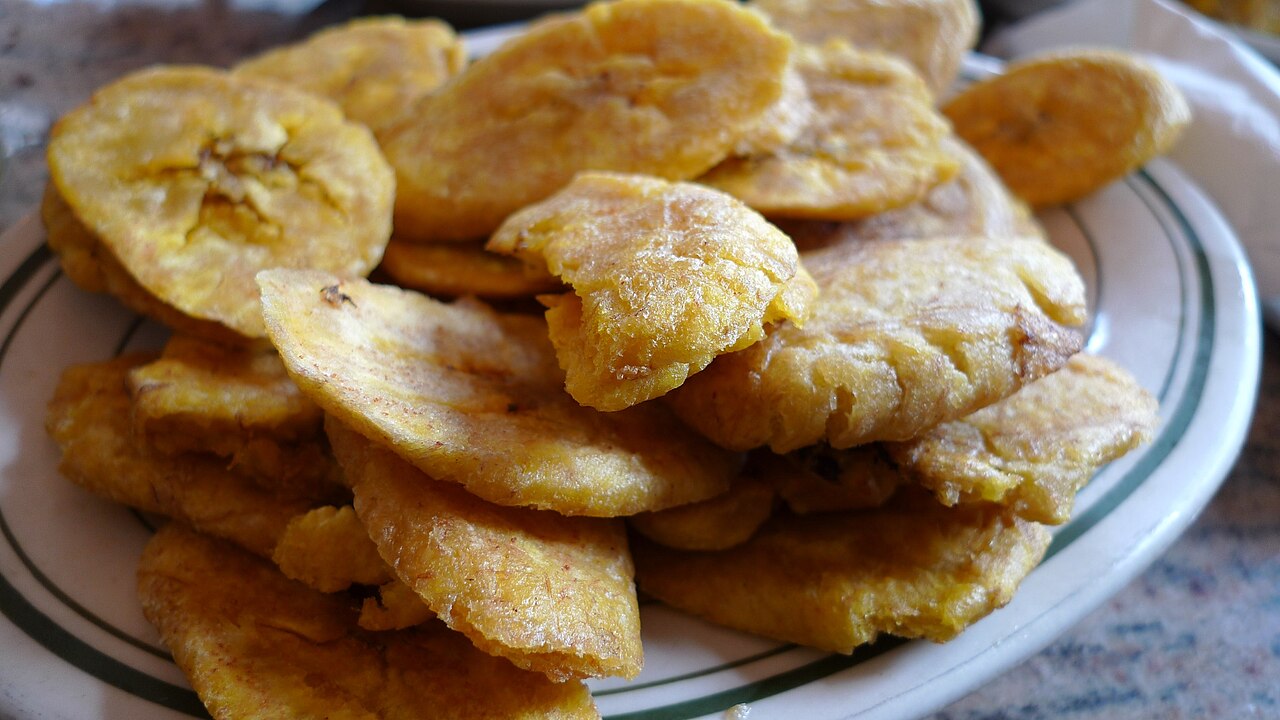
Thick slices of green, unripe plantain fried once, flattened, then fried again until crisp and golden. They are salted and eaten like crisps, often dipped in mojo, a garlic and citrus sauce.
In Cuba they are also called chatinos or tachinos. The name tostones comes from the Spanish verb tostar, 'to toast'.
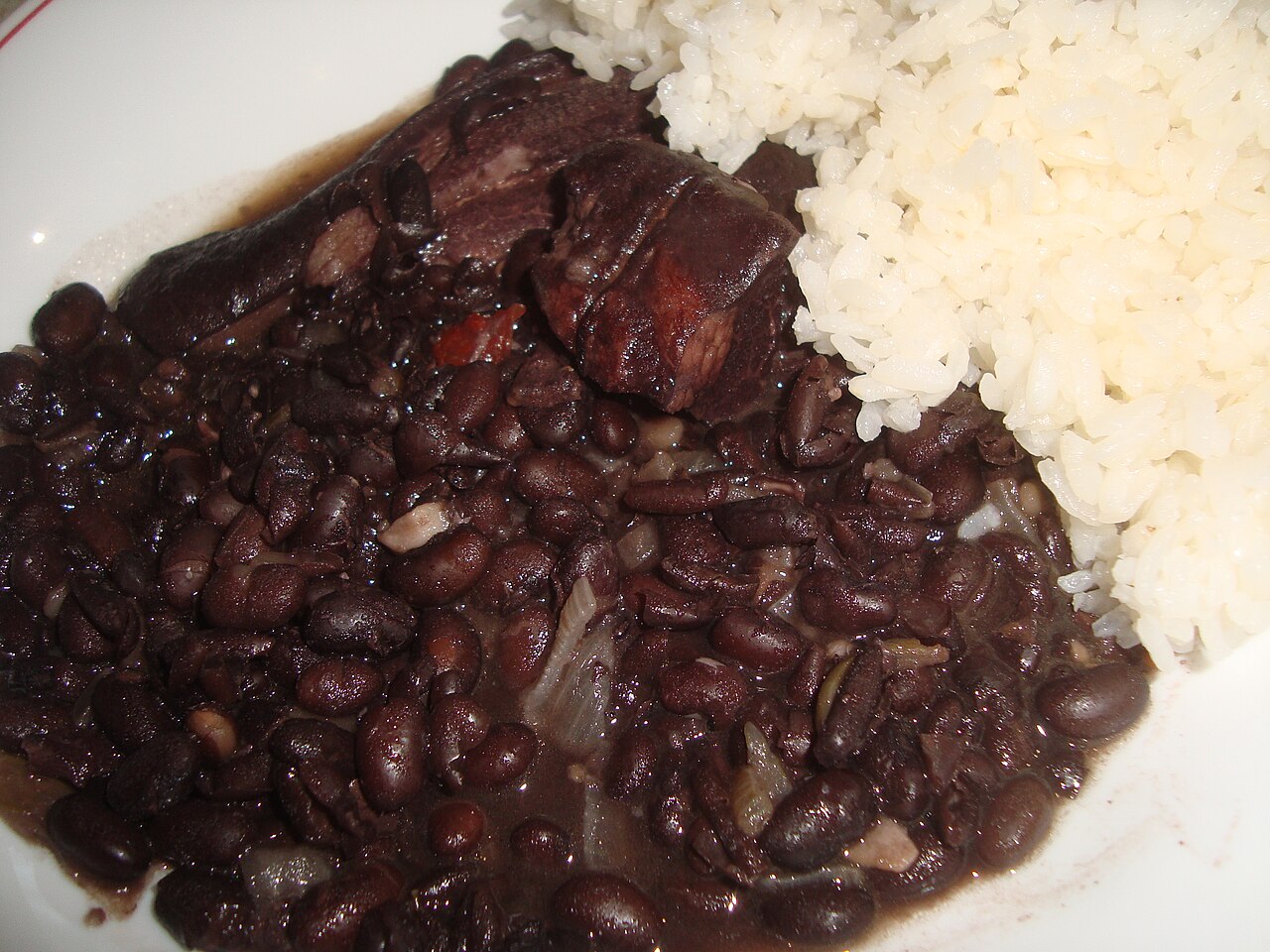
Black beans slowly cooked with onion, garlic, cumin, oregano and a dash of vinegar until thick and velvety. They are served over white rice, or made thinner as black bean soup.
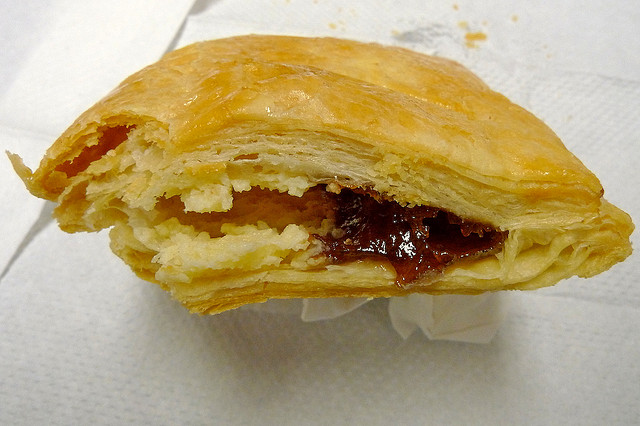
Crisp, flaky puff pastries filled with sweet guava paste, sometimes with cream cheese too, and brushed with a sugary glaze. Savoury versions are filled with seasoned minced beef. They are eaten at any time of day, often with a small coffee.
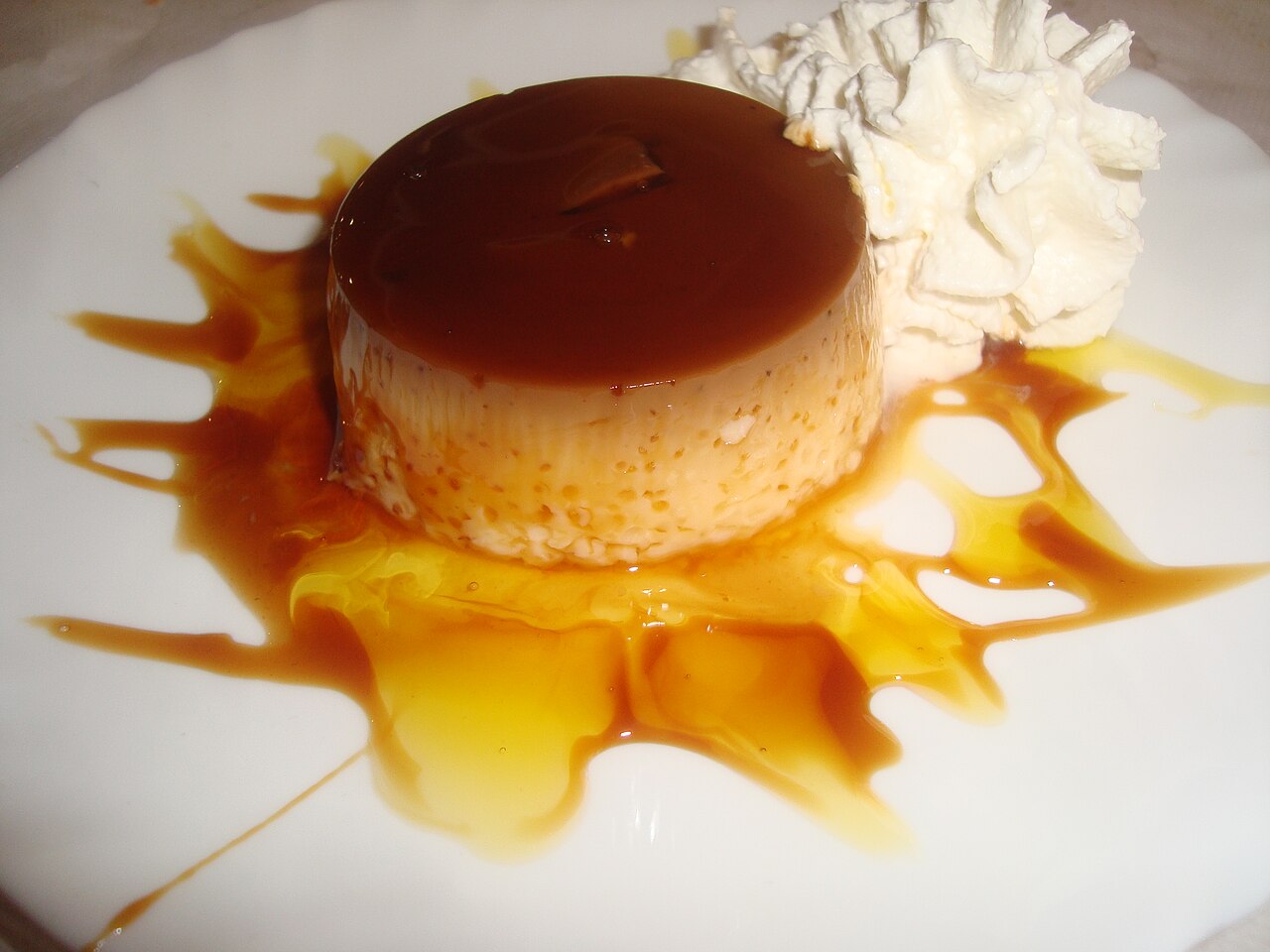
A smooth baked egg custard with a layer of golden caramel, turned out of its mould so the caramel runs down the sides. Cuban cooks also make versions with coconut, guava or pumpkin.
A small, strong, very sweet espresso. The first drops of coffee are whipped with sugar into a pale foam called espumita, which sits on top of the cup. For breakfast, many Cubans drink café con leche, coffee with hot milk, with buttered toasted bread.
Sharing a cafecito is an everyday social ritual. A colada is several shots served in one cup with small cups for sharing.
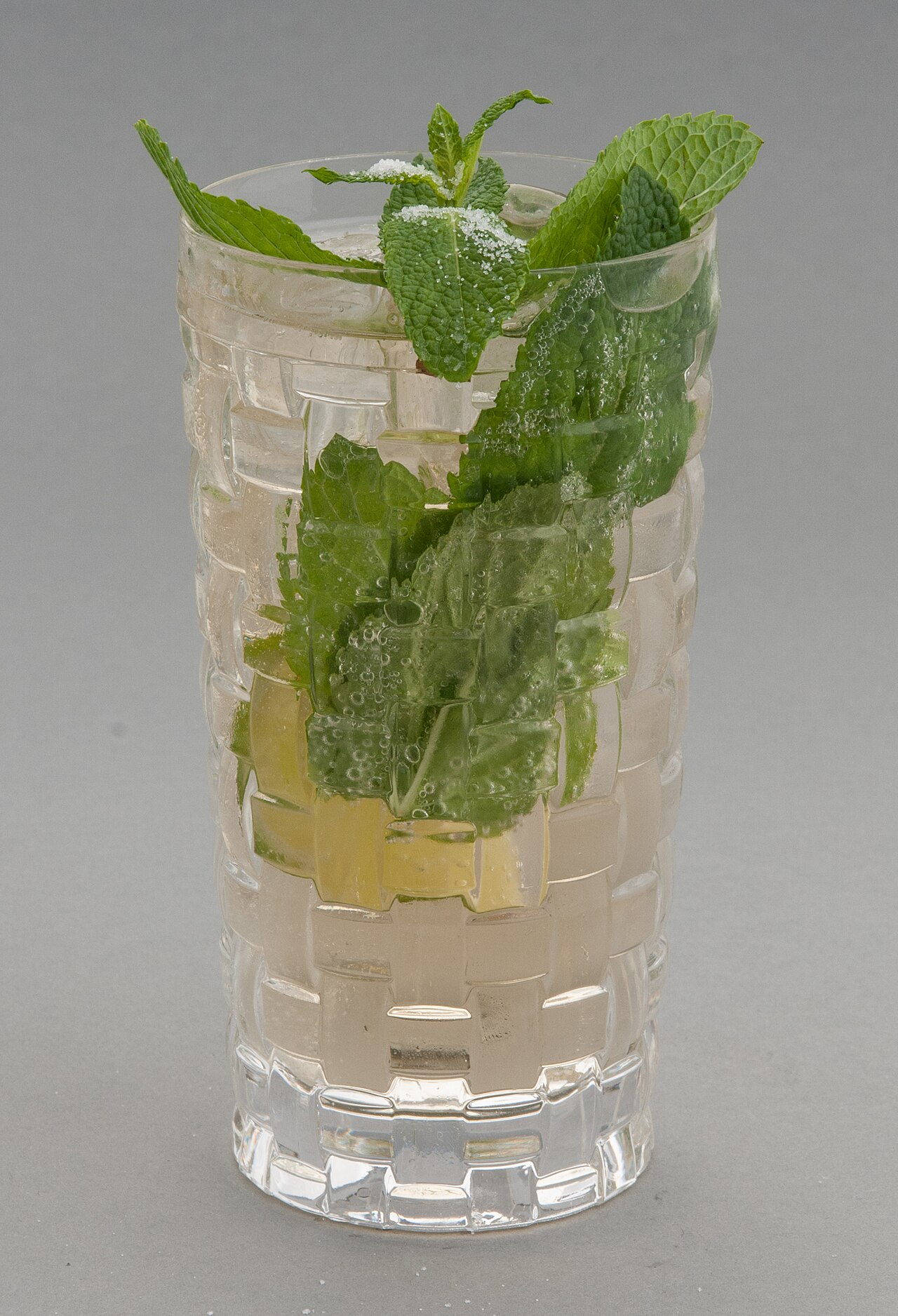
White rum, lime juice, sugar and fresh mint, topped with crushed ice and soda water. In Cuba the mint used is usually a local kind called yerba buena, with a light, citrus-like scent.
A signed note on the wall of La Bodeguita del Medio in Havana, said to be Ernest Hemingway's, reads 'My mojito in La Bodeguita, my daiquiri in El Floridita', although his biographers doubt it.
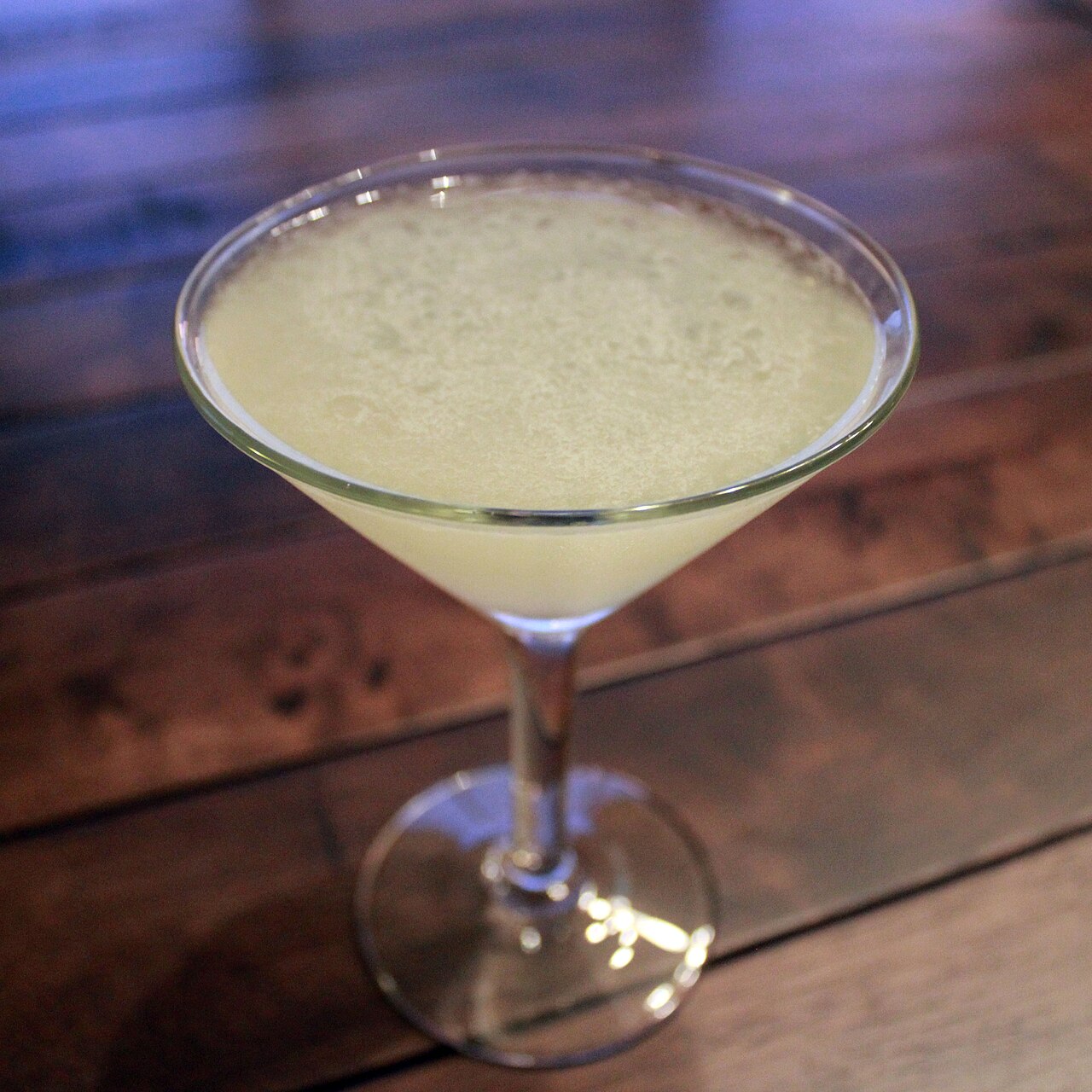
White rum shaken with fresh lime juice and sugar and served very cold. Bartenders in Havana later refined the drink and made it world famous.
Daiquirí is the name of a beach and an old iron mine near Santiago de Cuba. The drink is usually credited to an American mining engineer, Jennings Cox, who worked there around 1898.
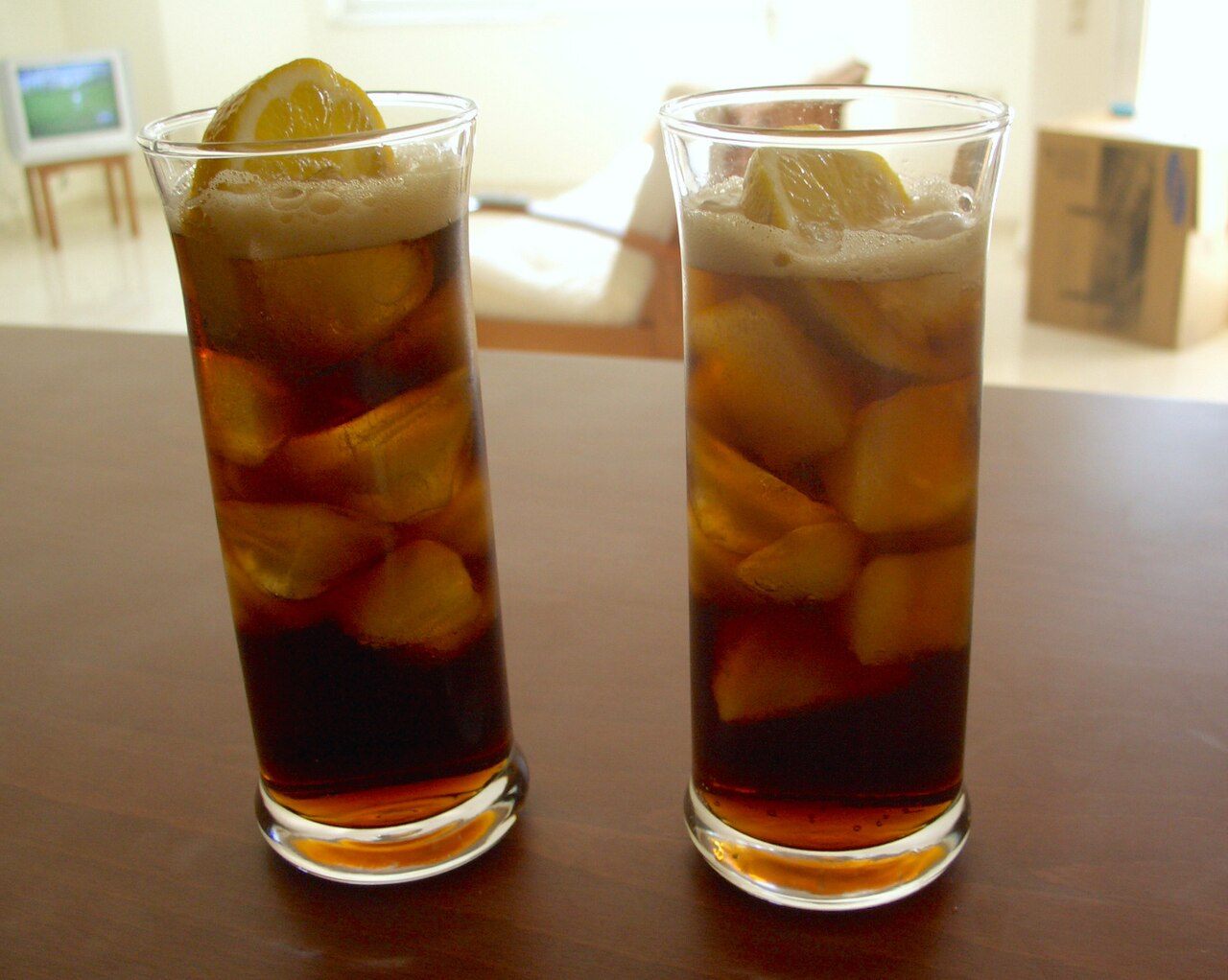
Light rum and cola over ice with a squeeze of lime. It became popular soon after 1900, when bottled cola first arrived in Cuba from the United States.
'Cuba libre' means 'Free Cuba', the rallying cry of the independence movement. Since the embargo of 1960, bars in Cuba have mostly used a Cuban cola called TuKola.
At the table in Cuba
A traditional meal is not served in courses: rice, beans, meat and plantains all come to the table at the same time.
Rice and black beans are part of almost every lunch and dinner, either cooked together as moros or served side by side.
Private family-run restaurants are called paladares. They were first allowed in the 1990s, grew in number after reforms in 2010, and are popular with visitors.
Sharing a small, very sweet coffee is an everyday social ritual. For breakfast, café con leche comes with buttered toasted bread.
Food is rationed and many ingredients are scarce, so a dish on the menu may not be available. Be patient and understanding if a restaurant has run out.