Dominican food mixes Spanish, Taíno and African cooking, with later touches from Lebanese and Syrian immigrants and from workers who came from the English-speaking Caribbean islands. The day often starts with mangú, mashed green plantains, perhaps with fried cheese, salami and eggs. Lunch is the biggest meal of the day, and the classic plate is la bandera, 'the flag': white rice, red beans and stewed meat, usually with salad or fried plantains. Many dishes start with sofrito, a mix of onion, peppers, garlic and herbs, and the favourite herb is Dominican oregano. Rice, plantains, cassava (yuca) and pork are everywhere, the spicing is mild, and desserts are sweet and often made with coconut.
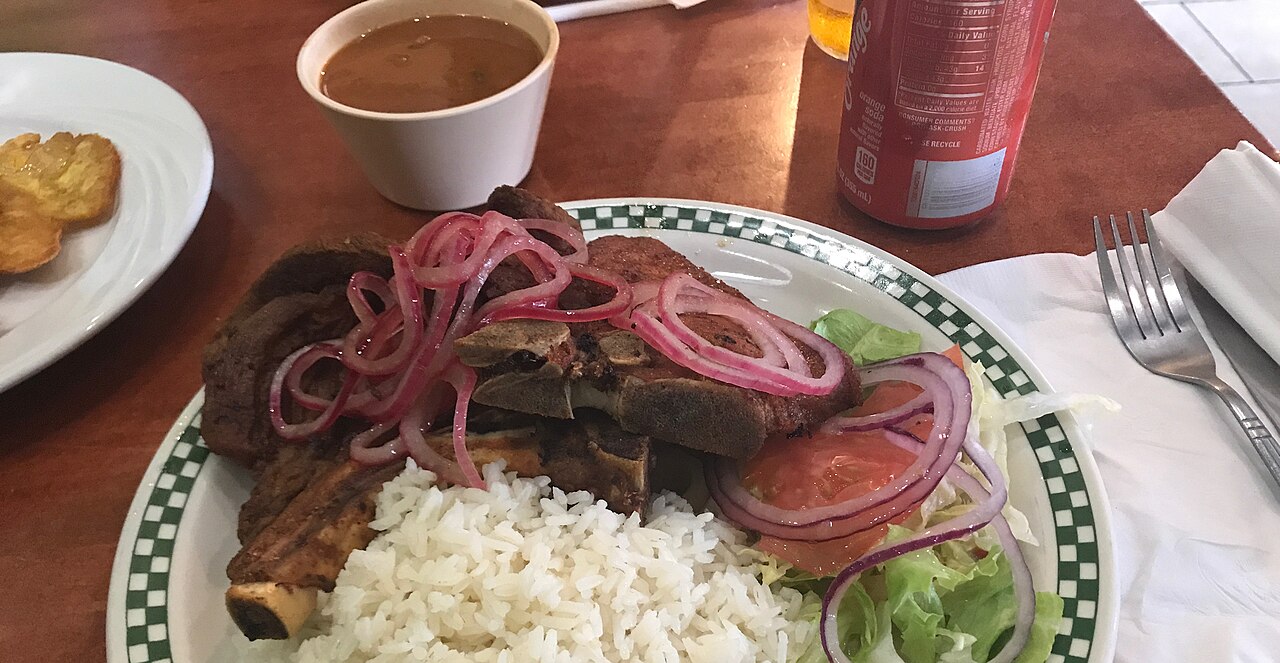
The everyday Dominican lunch, and the most popular dish in the country. It is a plate of fluffy white rice with red beans stewed in a sauce, and meat stewed in a tomato sauce, usually chicken, beef or pork. Salad, fried plantains or avocado often come on the side.
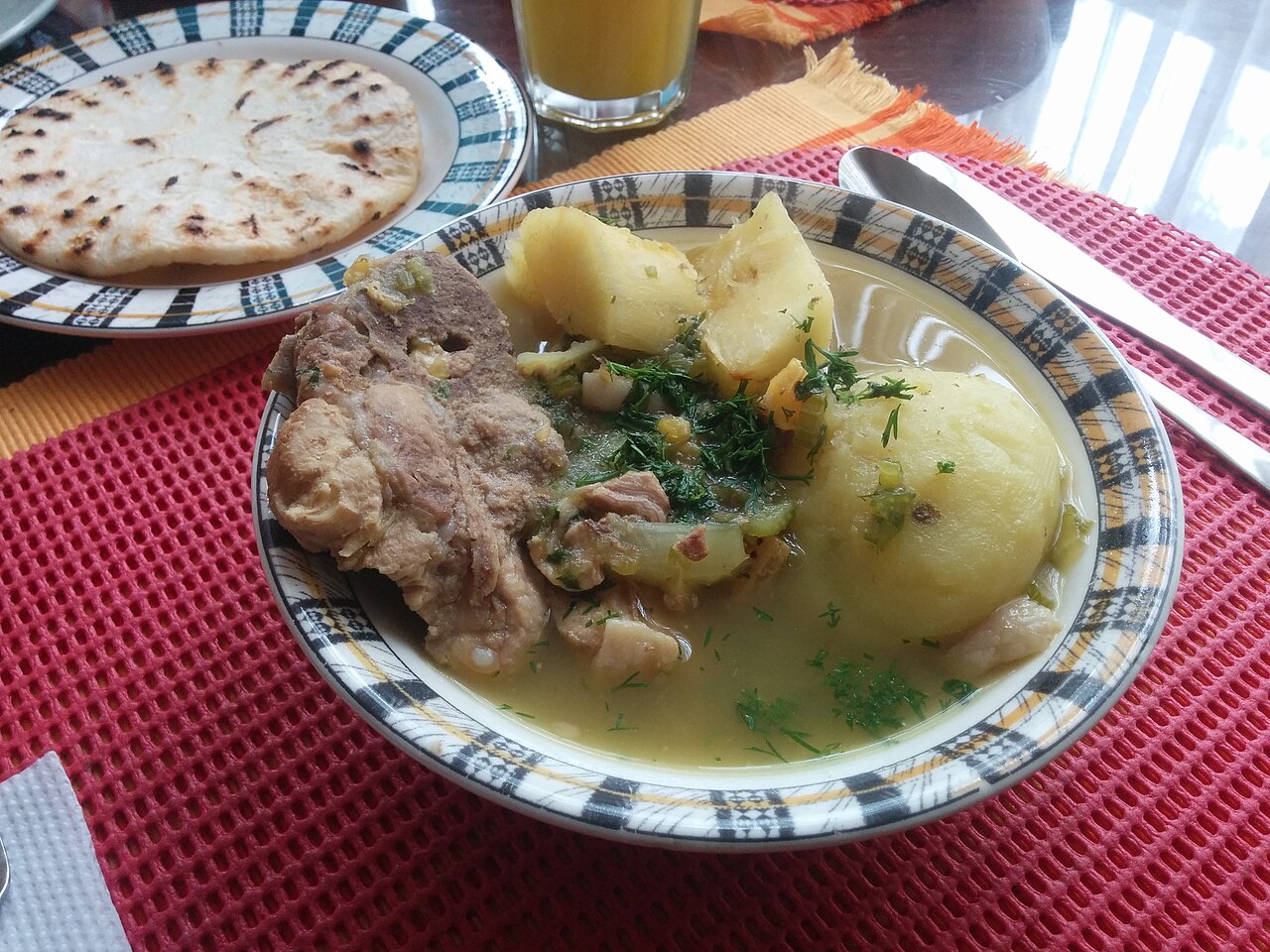
A thick, hearty stew of meat, root vegetables such as cassava, yautía and potato, green plantain, corn and pumpkin, simmered until the broth becomes rich and creamy. It is served with white rice and slices of avocado, and it is a favourite dish for family gatherings and celebrations.
The grandest version, sancocho de siete carnes, is made with seven kinds of meat, such as chicken, beef, pork, goat and sausage.
The whole country, with roots in West African fufu
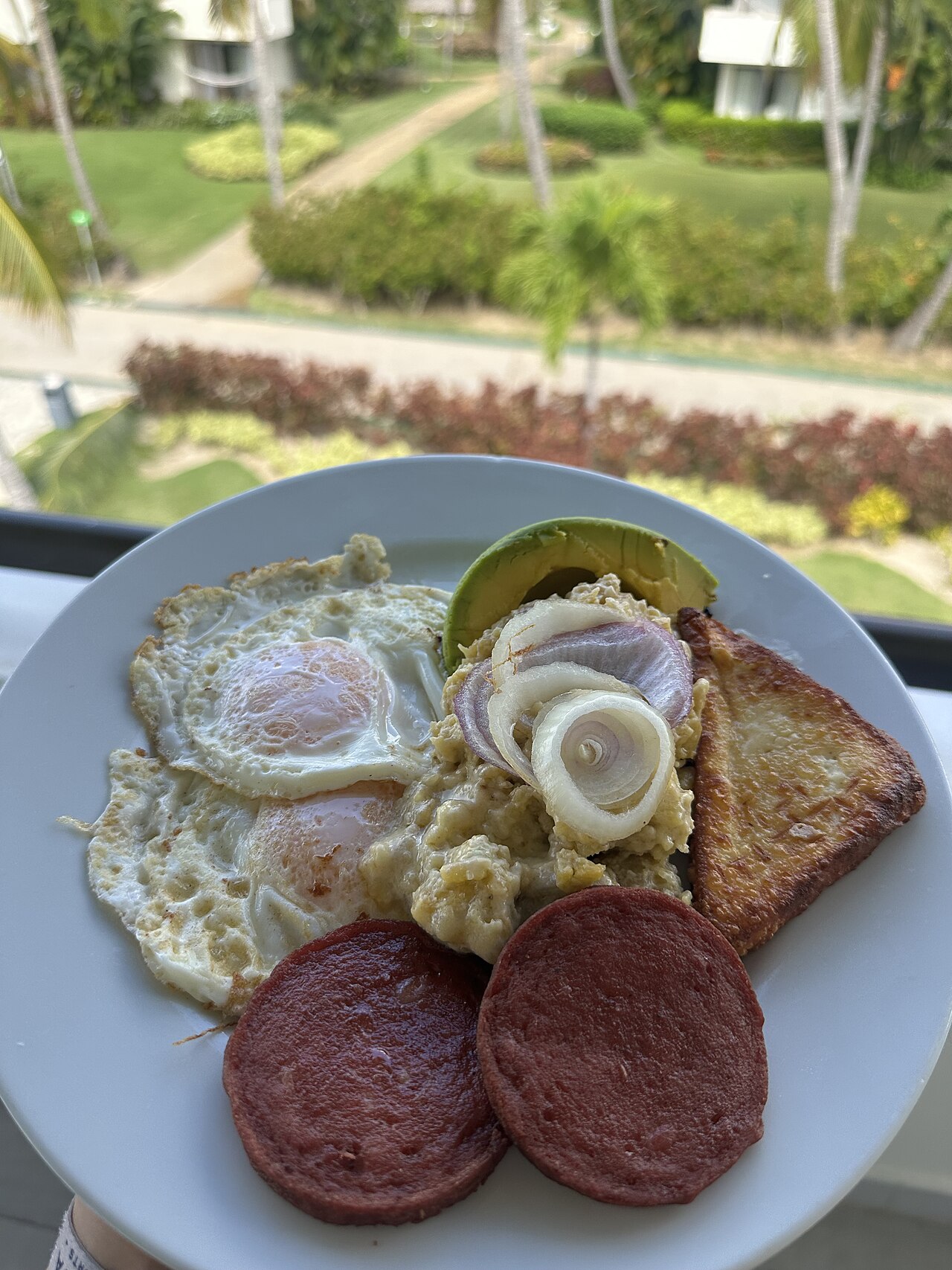
The national breakfast dish: boiled green plantains mashed until smooth with a little of the cooking water, often with butter, and topped with red onions softened in vinegar and oil. Served with fried cheese, fried Dominican salami and fried eggs, it is called 'los tres golpes', 'the three hits'. It is also eaten at lunch and dinner.
Mashed plantains came to the Caribbean with enslaved Africans; mangú is a relative of West African fufu.
The whole country, and across the Caribbean and Latin America
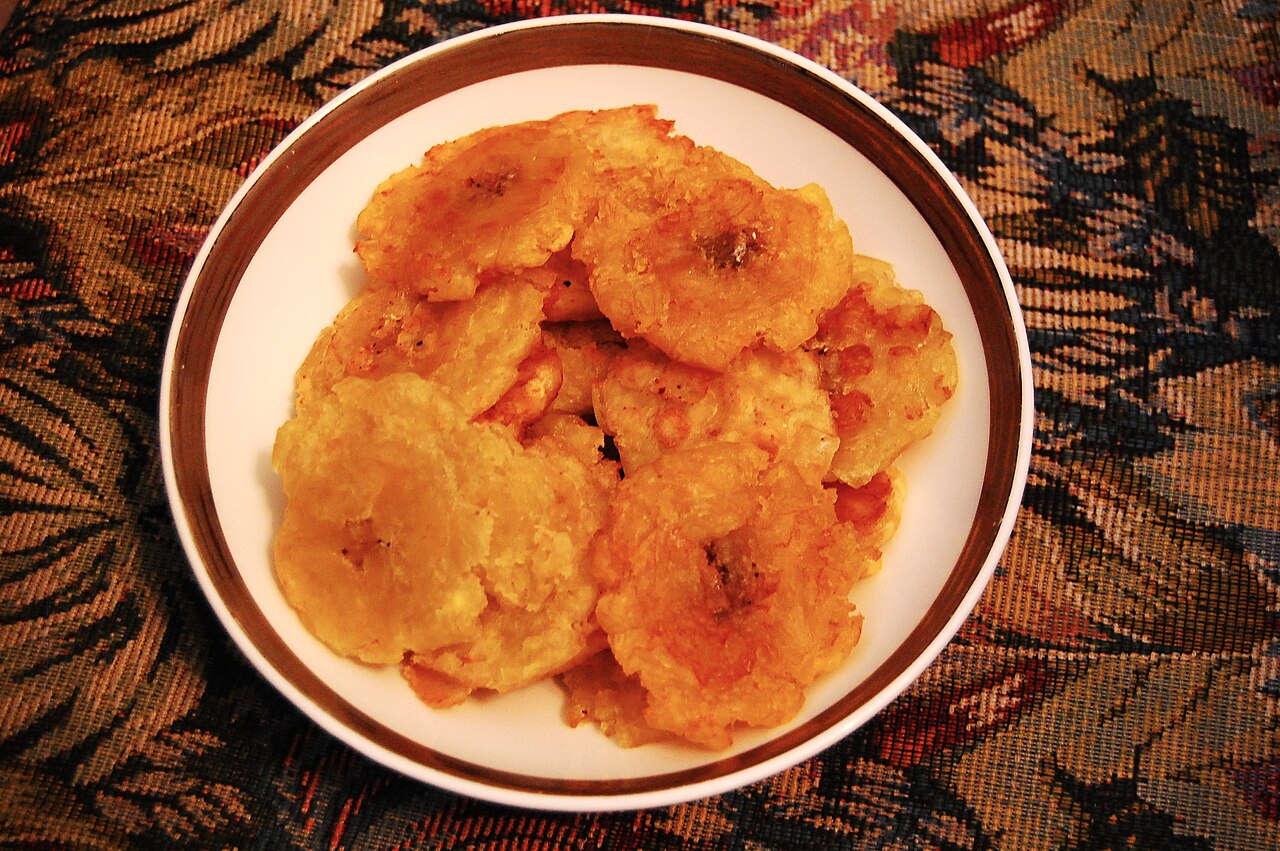
Slices of green plantain fried once, flattened, then fried again until crisp and golden. They come with almost everything, from fried fish at the beach to pork and chicken, and in the Dominican Republic they are usually served with lime wedges and salt.
The name comes from the Spanish verb 'tostar', to toast.
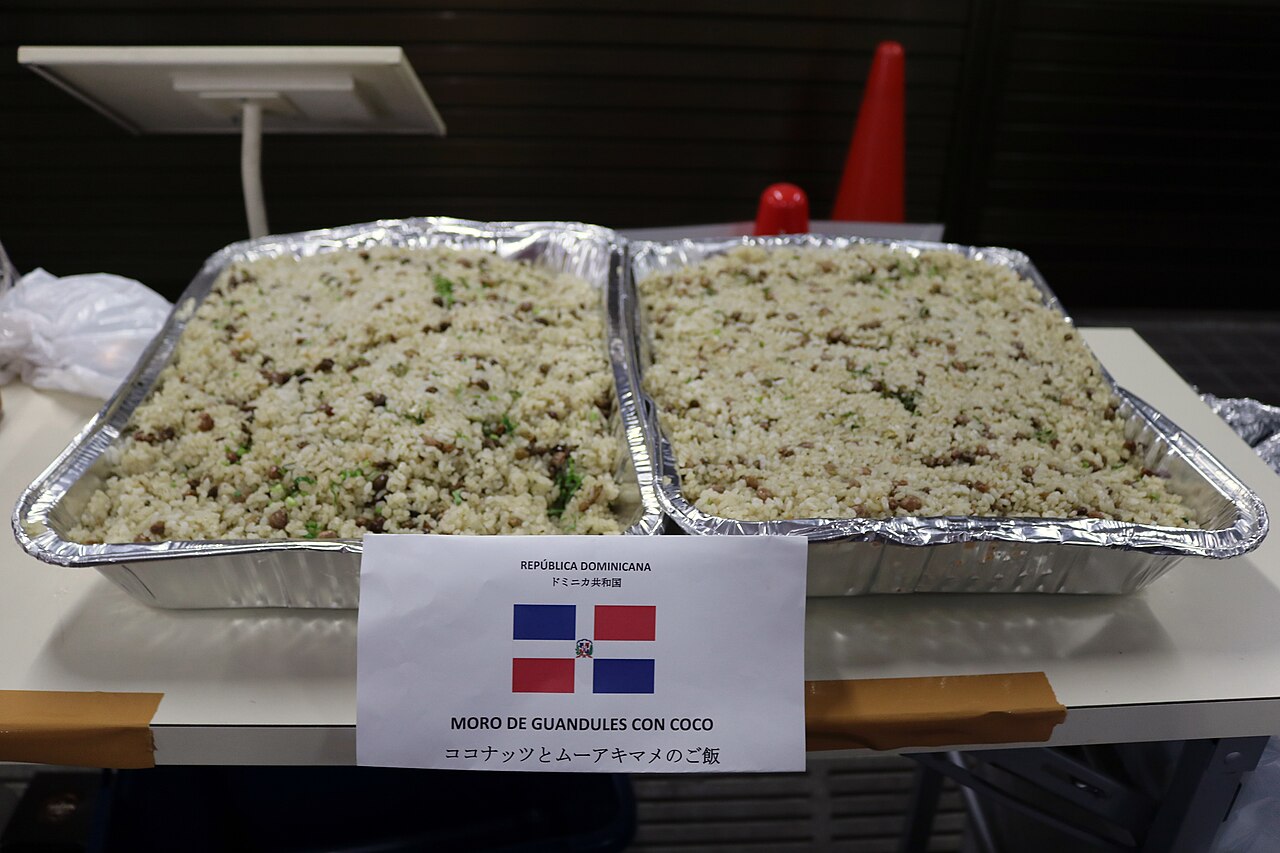
A one-pot dish of rice cooked with pigeon peas (guandules), celery, peppers, onion, garlic, herbs and a little tomato paste. Cooked with coconut milk it becomes moro de guandules con coco, a favourite at Christmas and on the coconut-growing northeast coast.
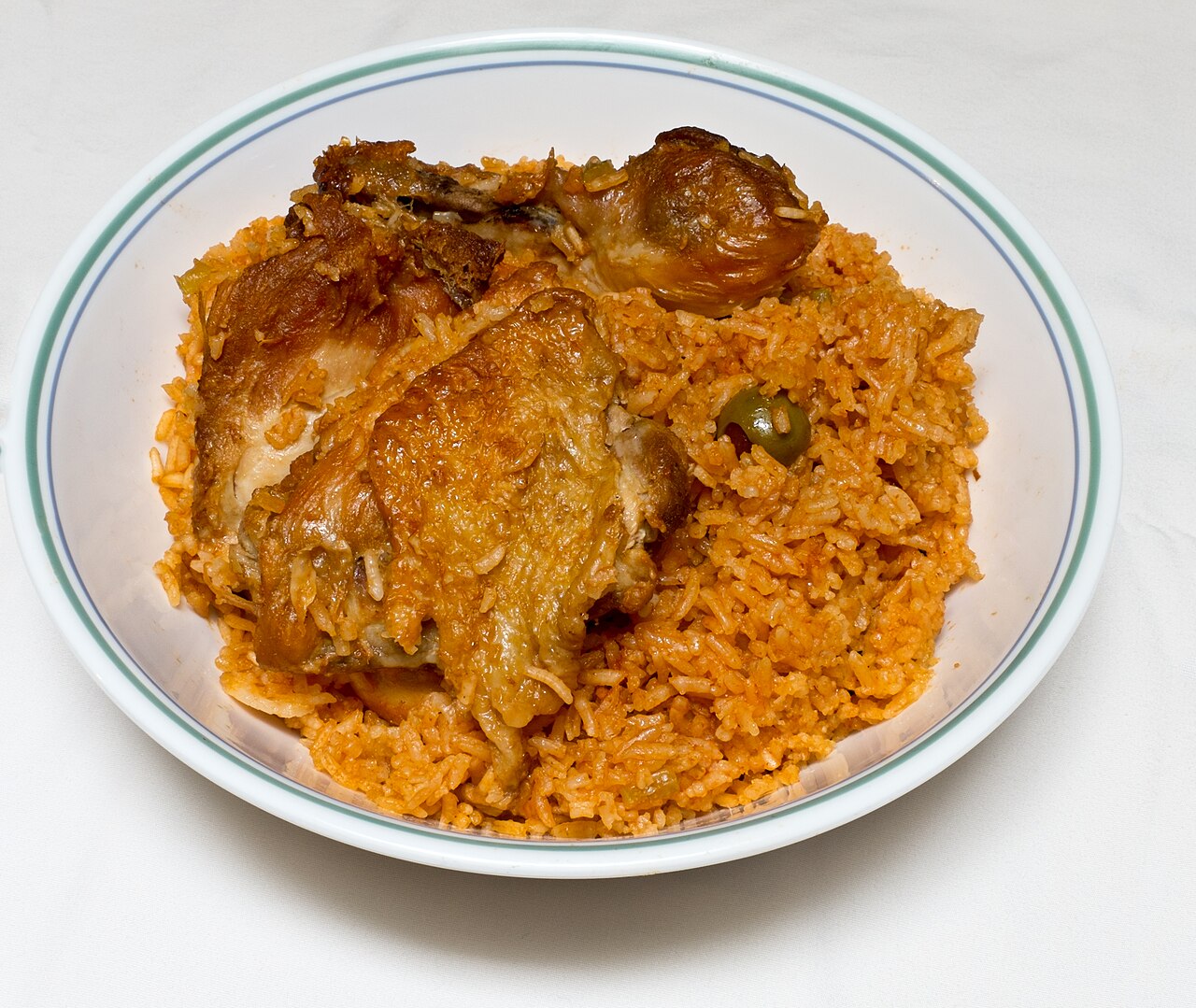
Seasoned rice cooked in one pot with chicken, and a close cousin of Spanish paella. Locrio can also be made with Dominican salami, pork, herring, sardines or seafood.
The crisp layer of rice left at the bottom of the pot is called concón, and many Dominicans think it is the best part.
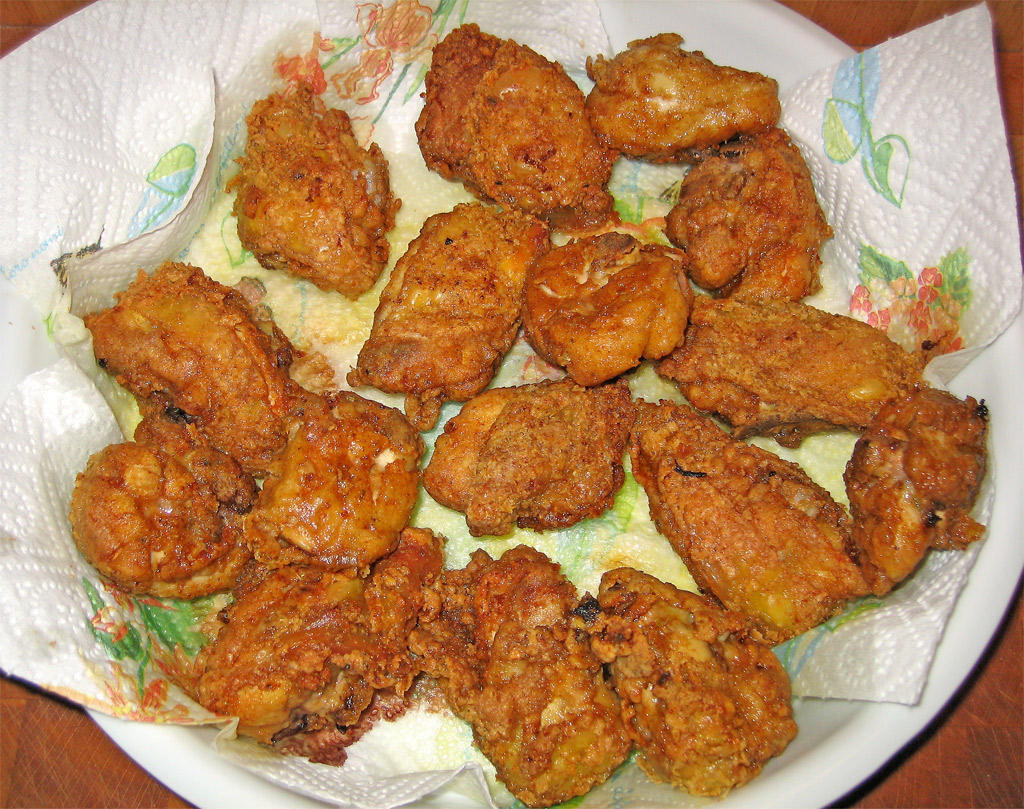
Dominican fried chicken: small pieces of chicken marinated in lime juice, garlic and oregano, coated in seasoned flour and fried until very crisp. It is sold in small fast-food shops all over the country and is served with tostones and lime.
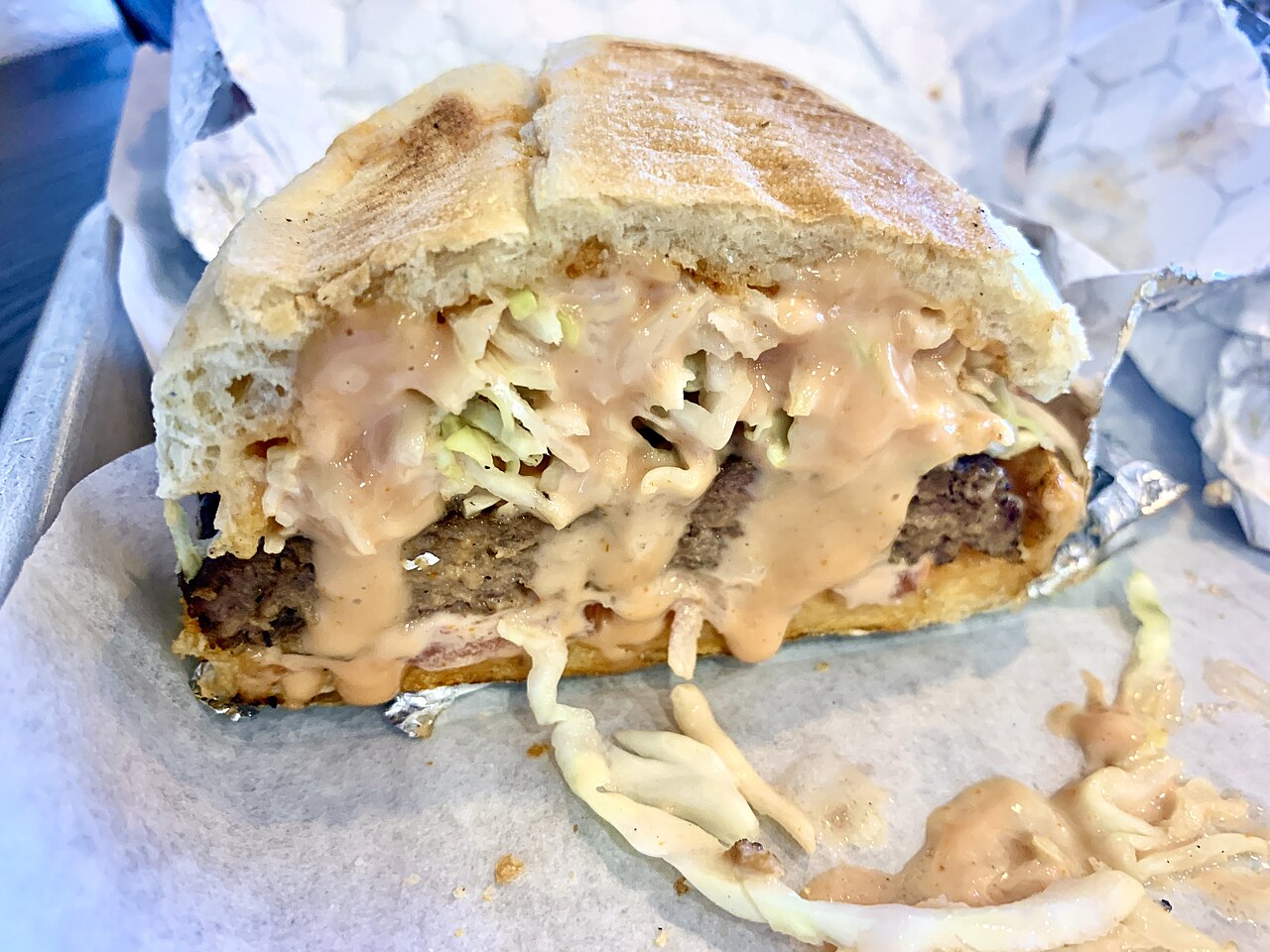
The Dominican street burger: a seasoned patty of ground pork or beef, grilled and served in a soft bread roll with shredded cabbage, onion, tomato and a pink sauce of ketchup and mayonnaise. It is sold from street carts and food trucks.
Many Dominicans credit an Argentine cook who moved to the country in the 1970s, and the name recalls Argentina's chimichurri sauce.
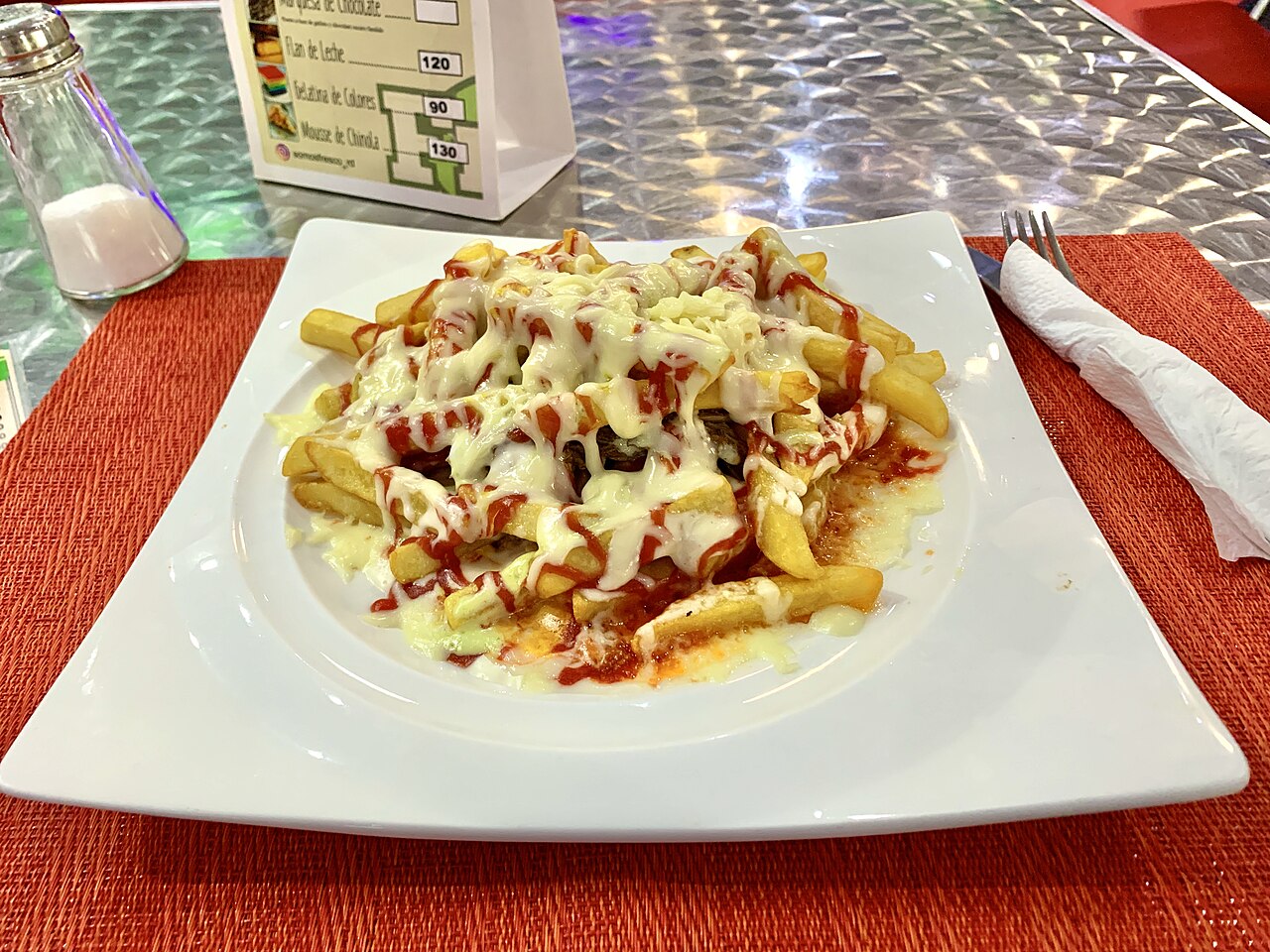
A generous street dish sold from food trucks: a layer of mashed plantain, cassava or chips, topped with seasoned minced beef or chicken, melted cheese, and ketchup and mayonnaise.
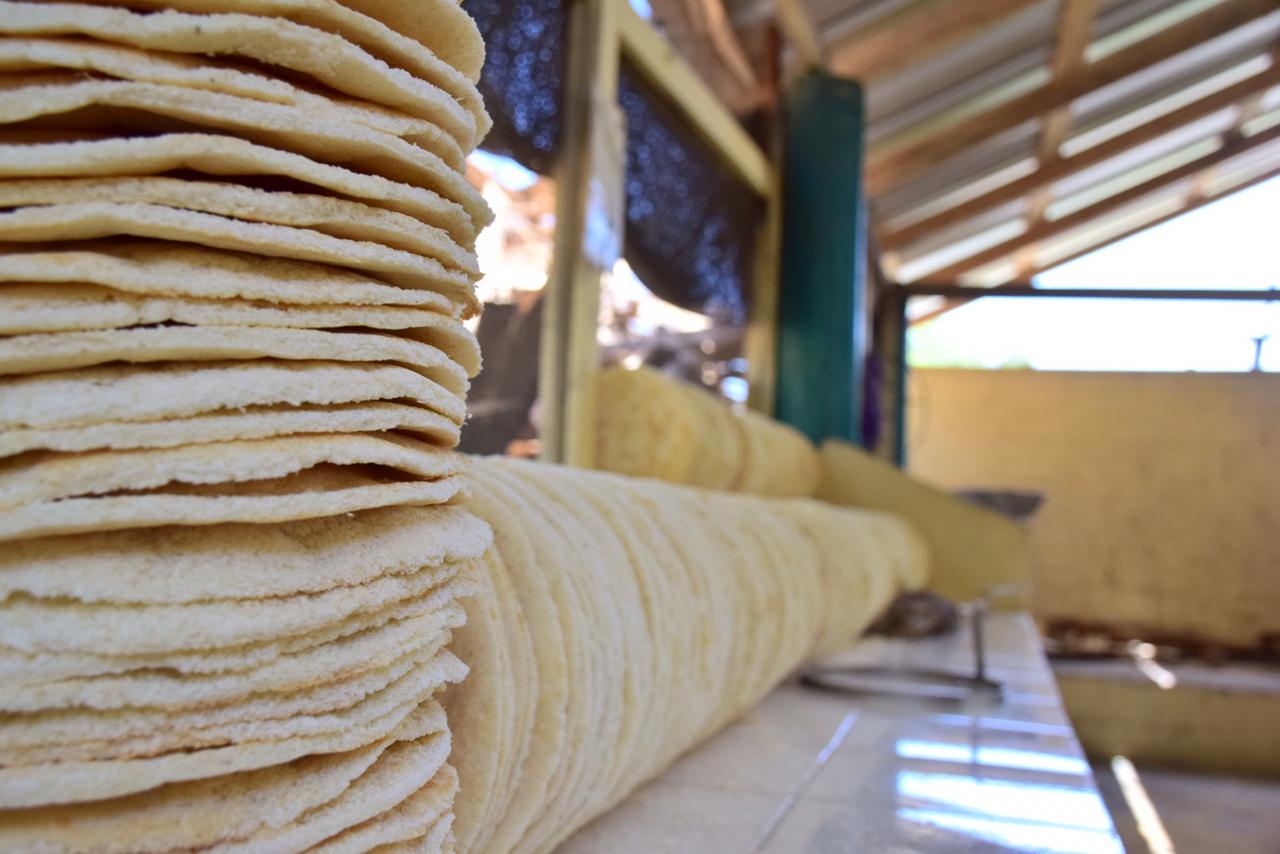
A thin, crisp round flatbread made from grated cassava, pressed to remove the juice and baked on a hot griddle. It keeps for months, and it is eaten with soups and stews, with avocado, or broken over sweet bean dessert.
In December 2024 UNESCO listed the knowledge and practices of making cassava bread as Intangible Cultural Heritage, in a joint listing for Cuba, the Dominican Republic, Haiti, Honduras and Venezuela.
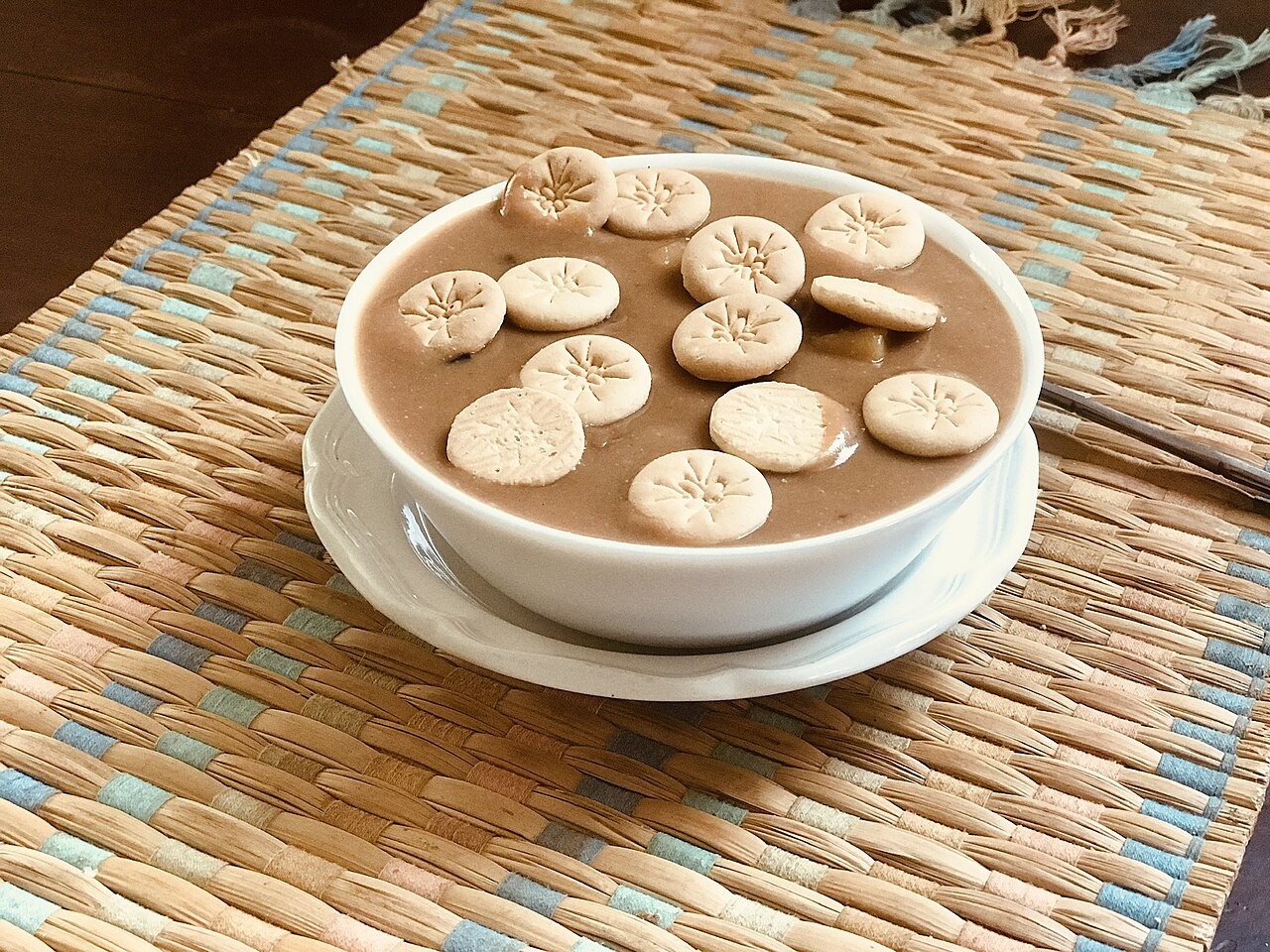
A sweet, creamy dessert made from red beans cooked with coconut milk, evaporated milk, sugar, cinnamon, cloves, raisins and small pieces of sweet potato. It is served warm or cold, topped with little milk biscuits or pieces of casabe.
It is especially popular in Lent and at Easter, when many families make a big pot.
The Dominican celebration cake: moist, light layers of butter cake flavoured with vanilla and orange, filled with pineapple jam and covered in a thick, glossy meringue frosting called suspiro. It appears at most family celebrations, from birthdays to first communions.
Dominican bakers like to use a clear vanilla flavouring rather than dark vanilla, so the cake stays pale and tastes very sweet.
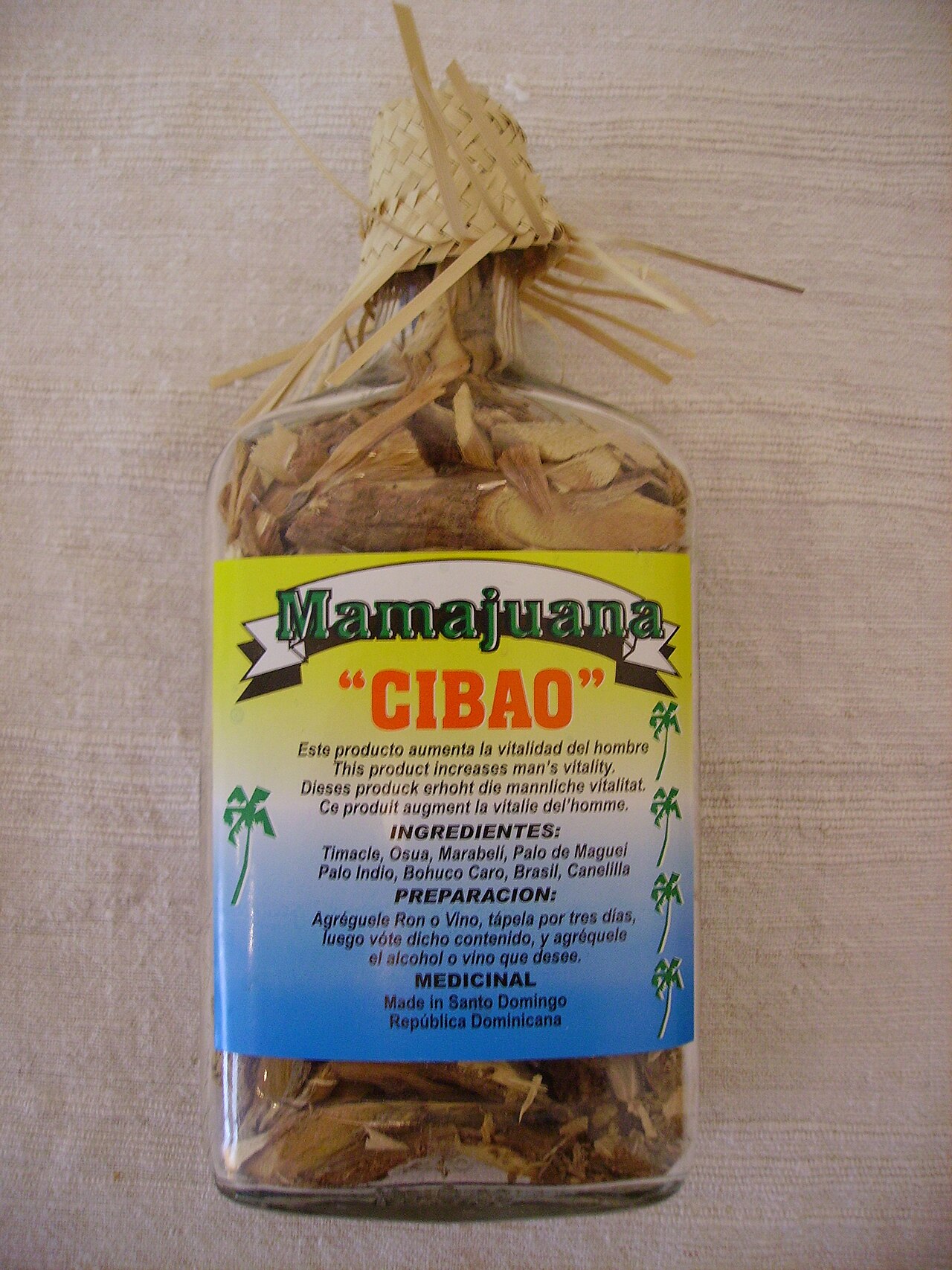
A strong drink made by soaking a mix of tree bark, roots and herbs in rum, red wine and honey for weeks. It is deep red, tastes a little like port, and is sold in bottles packed with sticks.
The name comes from the Spanish 'damajuana', a big wicker-covered bottle, the same word as the English 'demijohn'.
At the table in the Dominican Republic
Lunch, served around midday, is the main meal of the day. Breakfast and dinner are usually lighter.
When you pass people who are eating, or sit down near them, it is polite to say '¡Buen provecho!', enjoy your meal.
Most restaurant bills add 18 percent tax and a 10 percent service charge. For very good service, many people leave about 10 percent more in cash.
Many families prize the concón, the crisp rice from the bottom of the pot, and share it out at the table.
Drink bottled water, and avoid ice and washed salads outside good hotels and restaurants.