Jamaican food is a mix of many peoples: the Taíno gave jerk cooking and cassava bammy, Africans brought ackee and one-pot cooking, the Spanish brought escovitch and stews, the British brought baked buns and pies, and Indian and Chinese workers added curry, soy sauce and hard dough bread. The day often starts with a big breakfast of ackee and saltfish with fried dumplings, boiled green bananas or breadfruit. Lunch might be a patty in coco bread from a bakery. Sunday dinner, after church, is the great family meal: rice and peas with brown stew chicken, curry goat or oxtail, followed by something sweet. Scotch bonnet peppers and allspice, called pimento here, flavour almost everything.
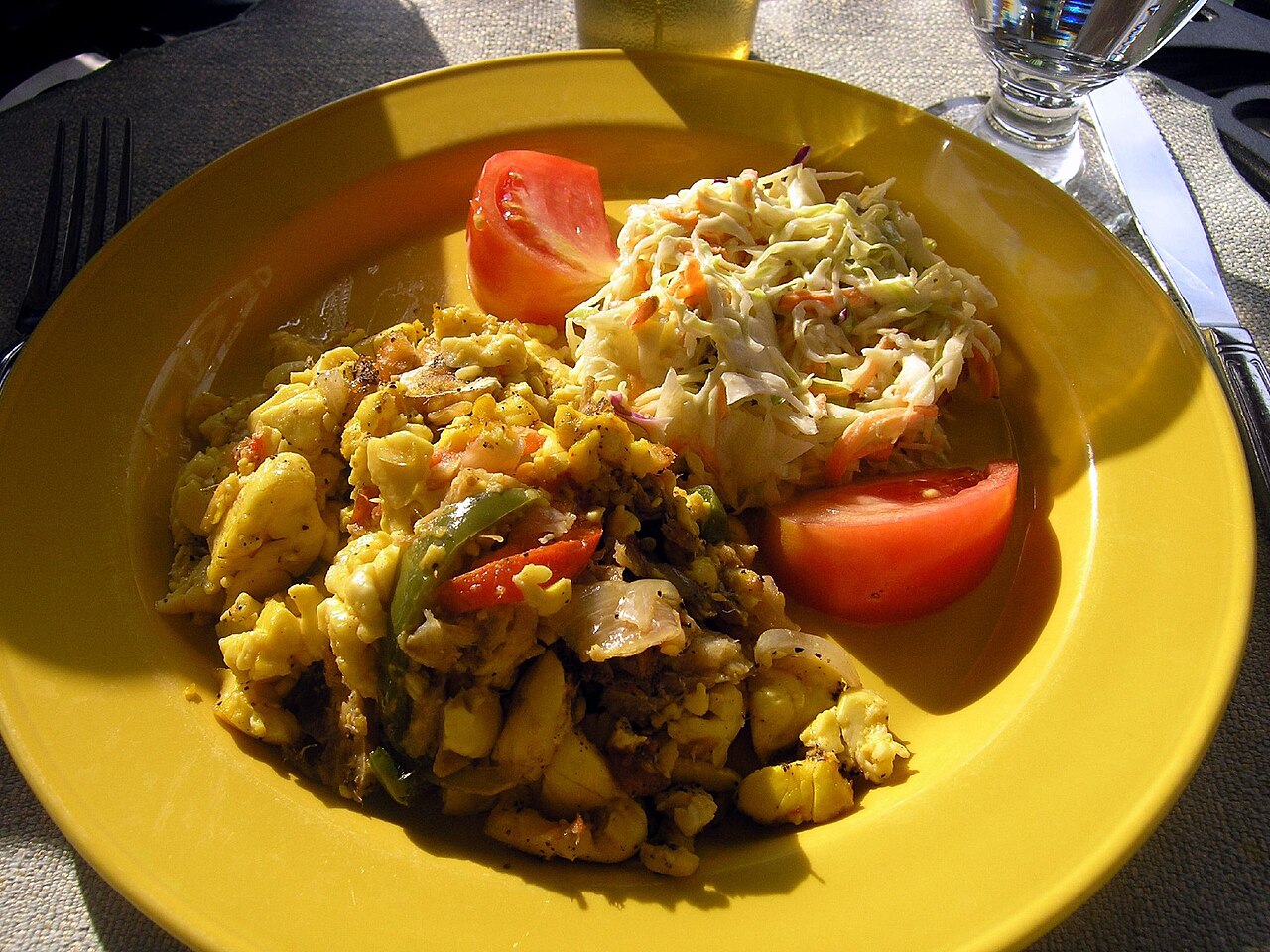
Jamaica's national dish: soft yellow ackee fruit cooked with flakes of salted cod, onion, tomato, thyme and Scotch bonnet pepper. The ackee looks and tastes a little like scrambled eggs. It is eaten above all at breakfast, with fried dumplings, boiled green bananas, breadfruit or hard dough bread.
The ackee tree came from West Africa in the 1700s. Its scientific name, Blighia sapida, honours Captain William Bligh, who took the fruit from Jamaica to Kew Gardens in England in 1793. Harry Belafonte sang 'Ackee rice, saltfish are nice' in his 1956 hit 'Jamaica Farewell'.
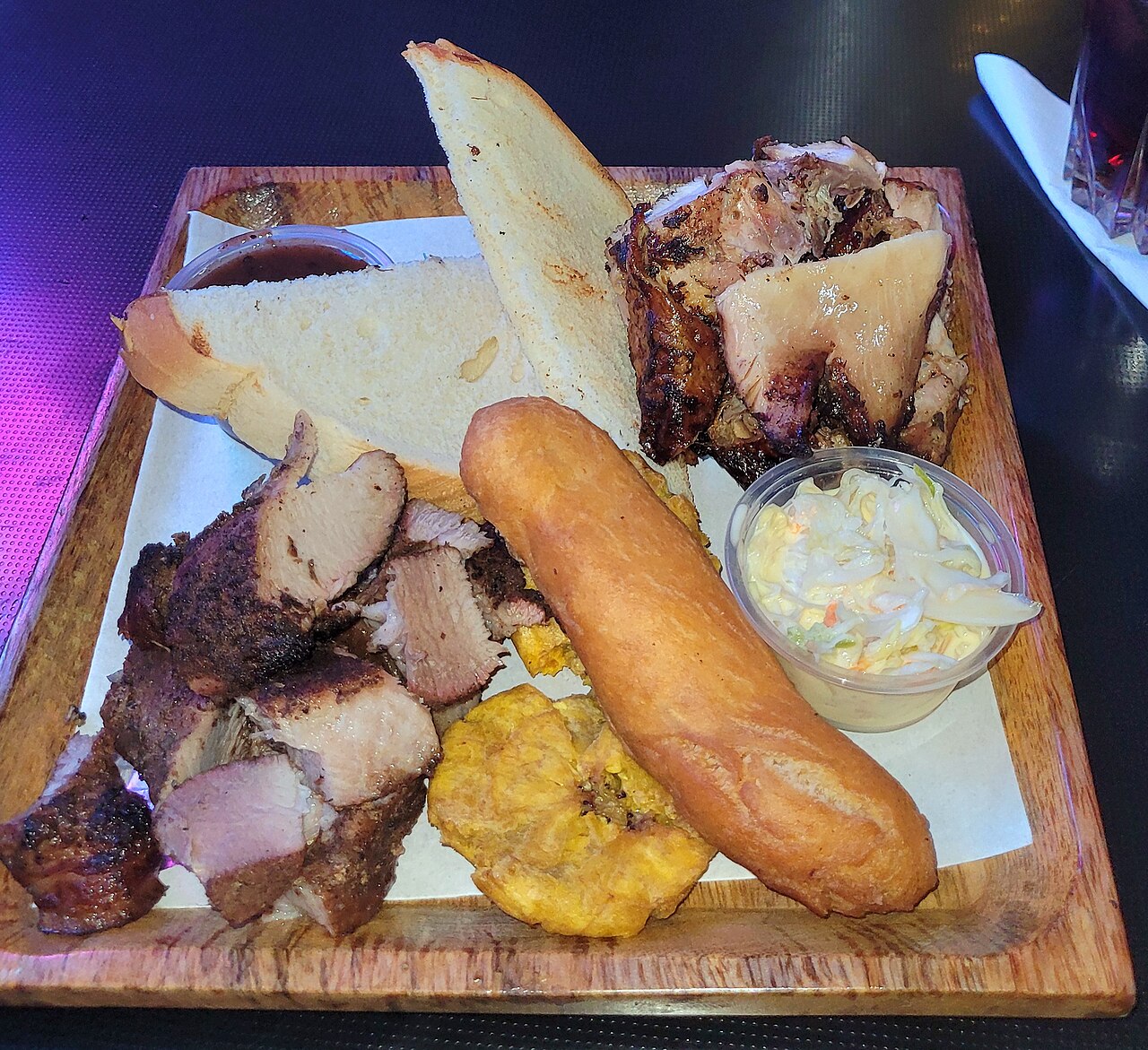
Chicken or pork rubbed with a fiery paste of Scotch bonnet peppers, allspice, spring onion, thyme and other spices, then cooked slowly over a smoky fire, traditionally of pimento wood. Jerk is sold at roadside stalls all over the island and eaten with hard dough bread or festival.
The Taíno smoked meat on a wooden frame they called a barbacoa, the root of the word 'barbecue'. The word 'jerk' is thought to come from charqui, a Spanish word of Quechua origin for dried meat, which also gave English the word 'jerky'.
Brought by workers from India, who arrived from 1845
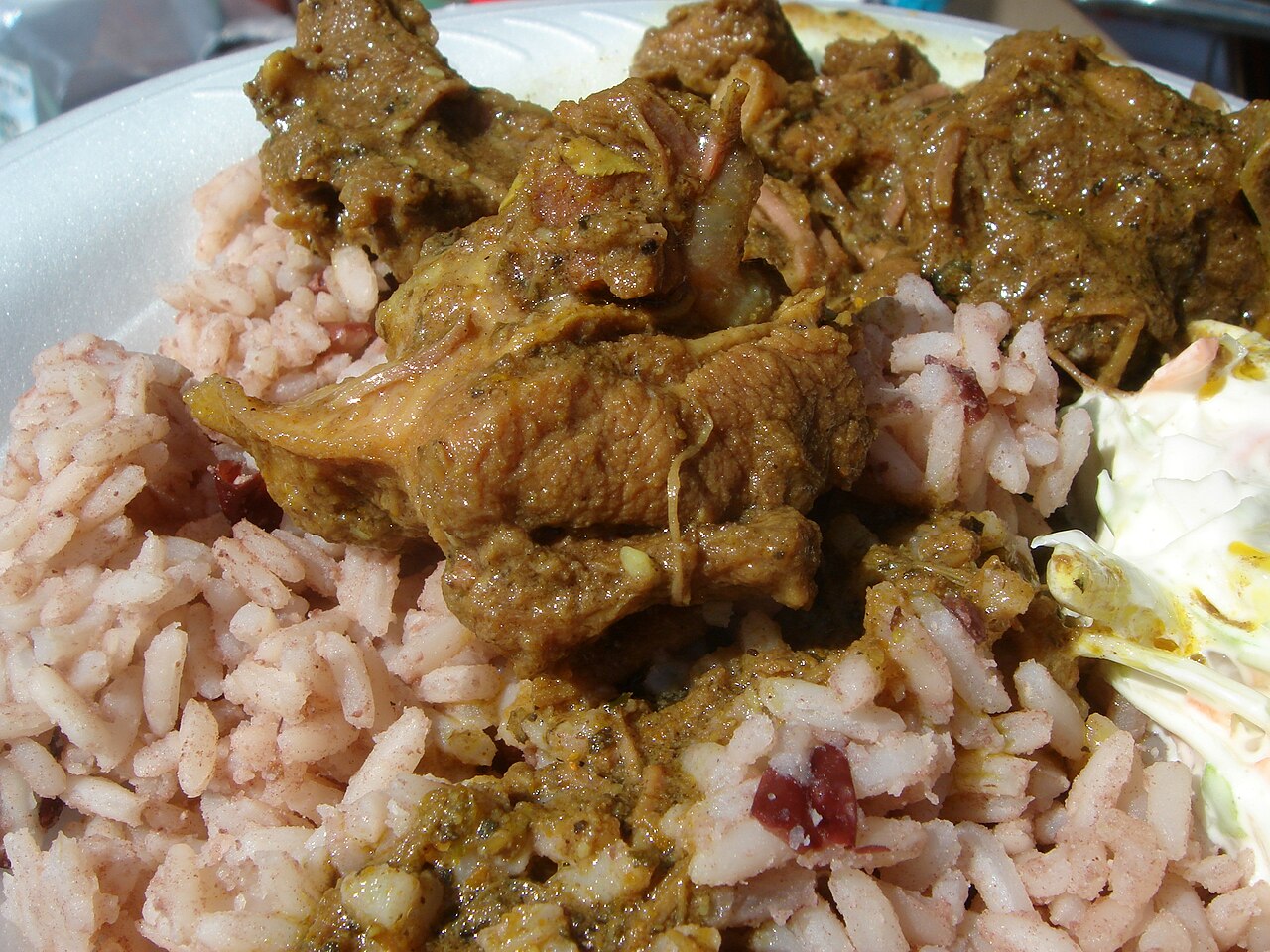
Pieces of goat on the bone, marinated in Jamaican curry powder, garlic, thyme and Scotch bonnet, then browned and simmered slowly until tender, often with potatoes. It is the dish for parties and special occasions, served with white rice or rice and peas.
Indian indentured labourers brought curry and turmeric to Jamaica after slavery ended. Jamaican curry powder, heavy with turmeric and allspice, is now a kitchen staple.
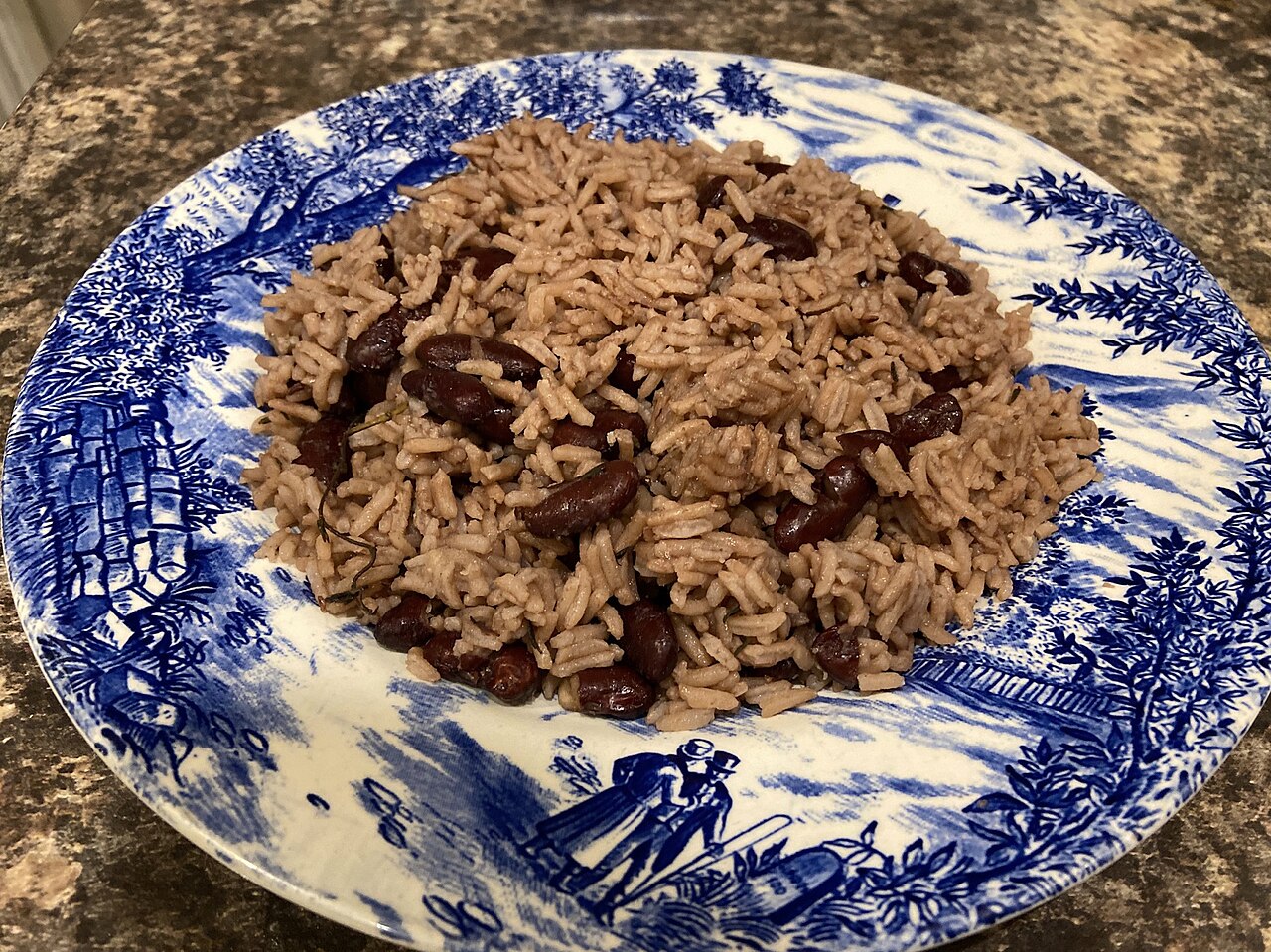
Rice cooked with red kidney beans, which Jamaicans call 'peas', in coconut milk with thyme, spring onion, allspice and a whole Scotch bonnet pepper for flavour. It is the classic Sunday dinner side dish. At Christmas many families make it with gungo (pigeon) peas instead.
In 1961 the linguist Frederic Cassidy wrote that rice and peas had been called 'Jamaica's coat of arms'.
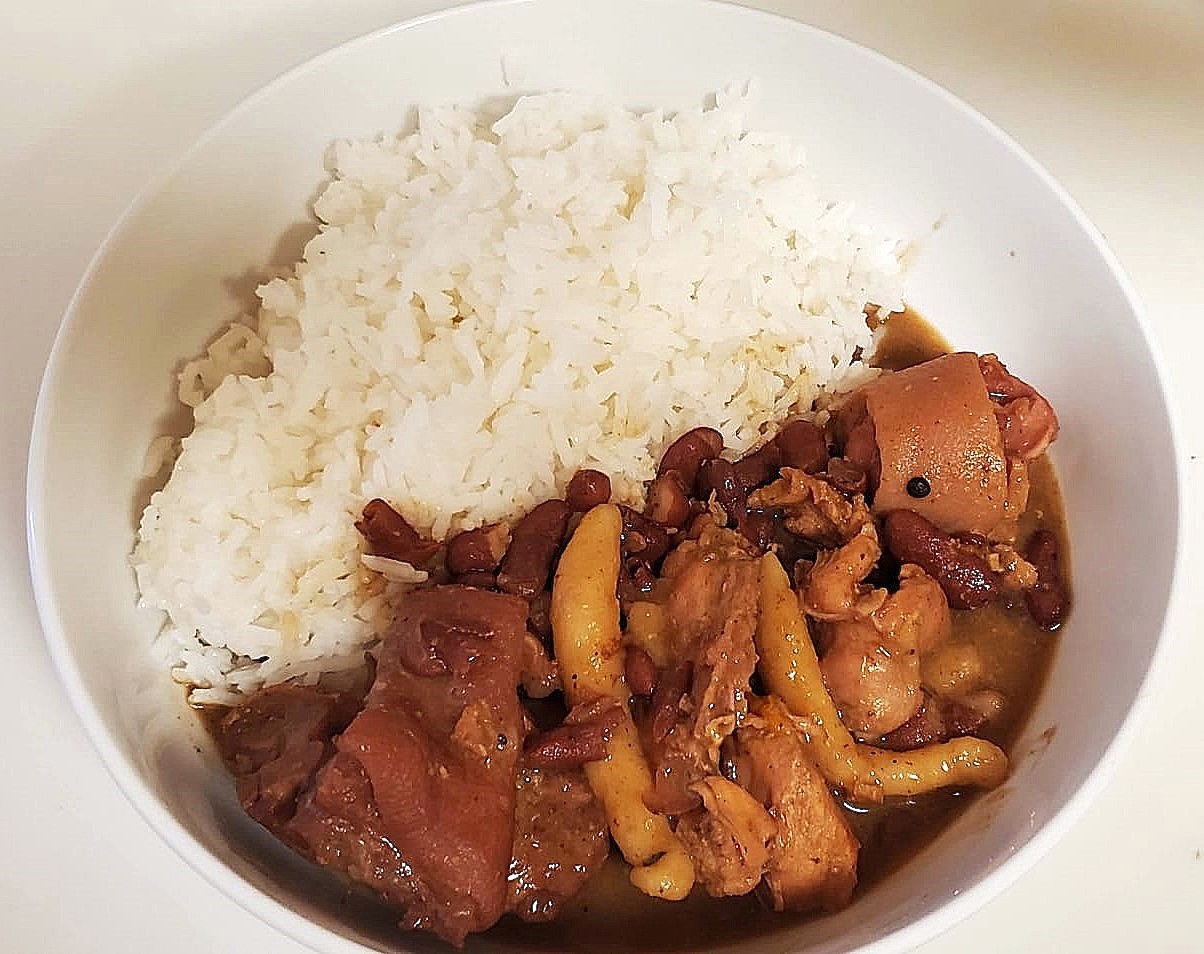
A thick, comforting stew of red kidney beans cooked with coconut milk, salted pork or beef, pigtail, thyme and allspice, with thin flour dumplings called 'spinners'. It is served over white rice. A version without meat is called ital stew peas.
In September 1992 the Jamaican newspaper The Gleaner called stew peas with rice 'the best dish made in Jamaica'.
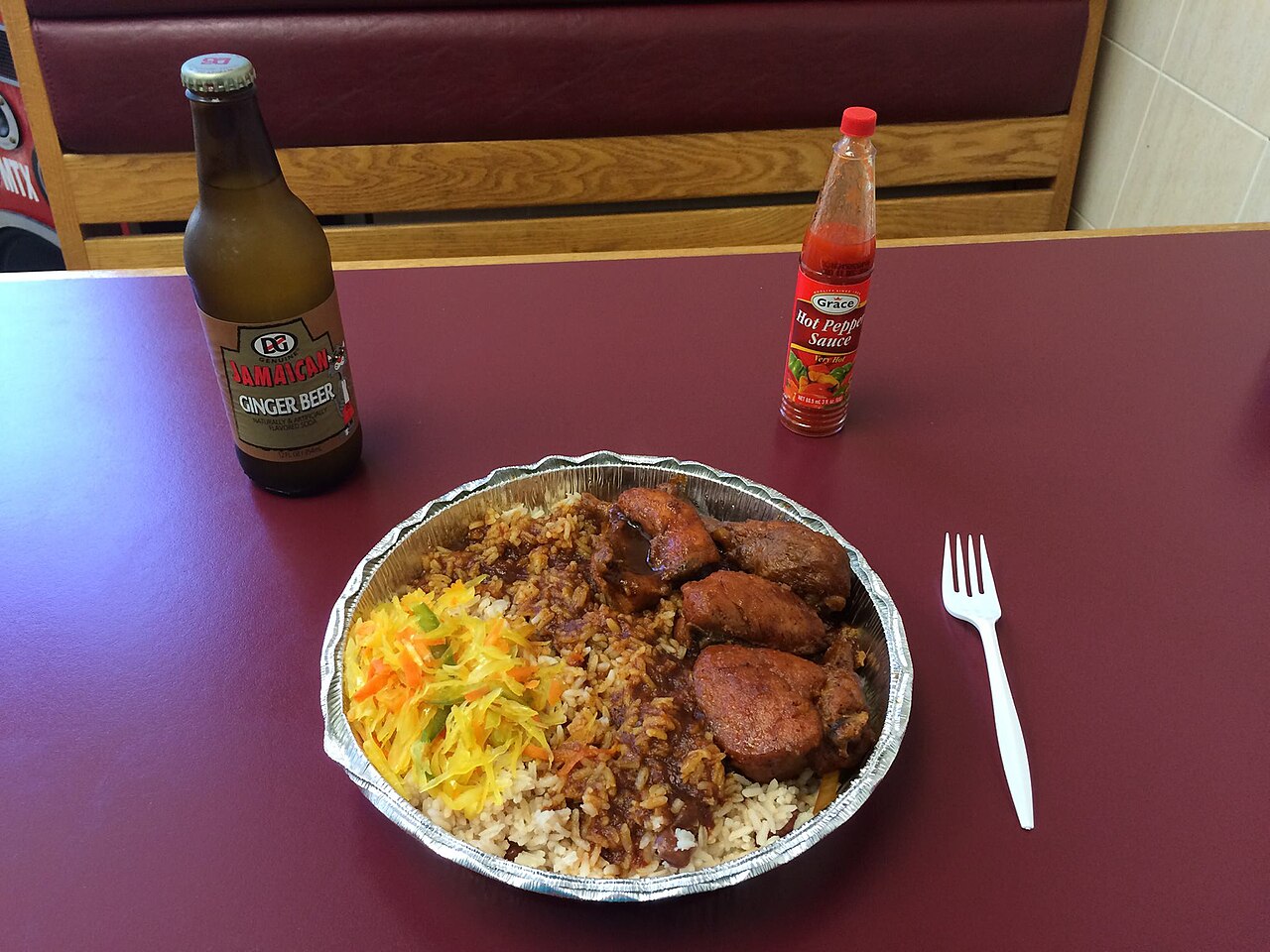
Chicken pieces seasoned and browned in hot oil, then simmered slowly with onion, carrot, tomato, garlic, thyme and a little ketchup until the sauce is dark and rich. It is a favourite Sunday dinner with rice and peas. The same method is used for pork, oxtail and cow foot.
The ginger, spring onion and soy sauce in many Jamaican brown stews are a legacy of Chinese Jamaican cooks.
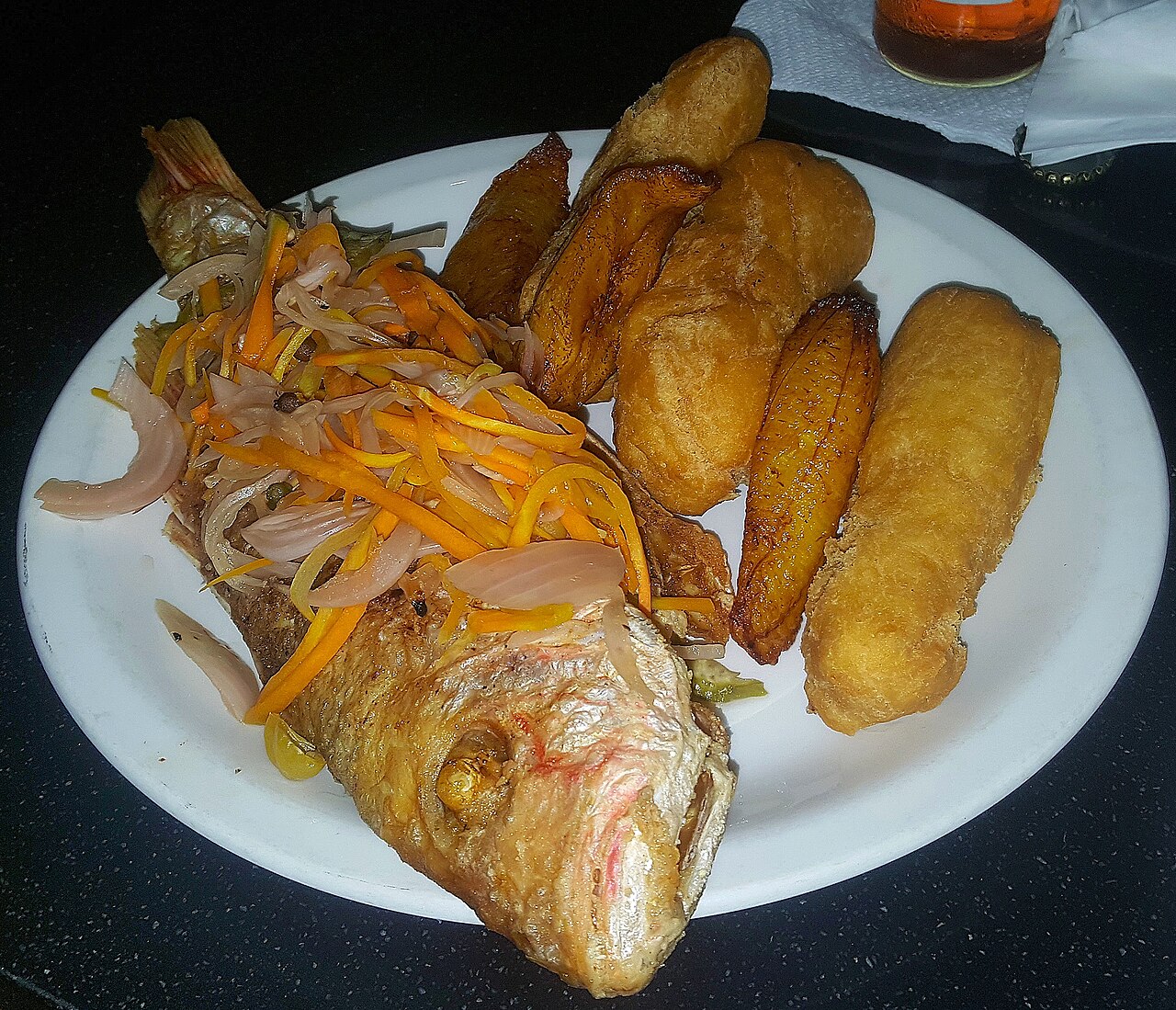
A whole fried fish covered with a sharp pickle of vinegar with thin strips of onion, carrot and Scotch bonnet pepper. It is served hot or cold with festival or bammy, especially at beachside cook shops.
Like saltfish, escovitch fish has long been a favourite during Lent and at Easter, especially on Good Friday.
The whole island, with roots in the Cornish pasty and the Spanish empanada
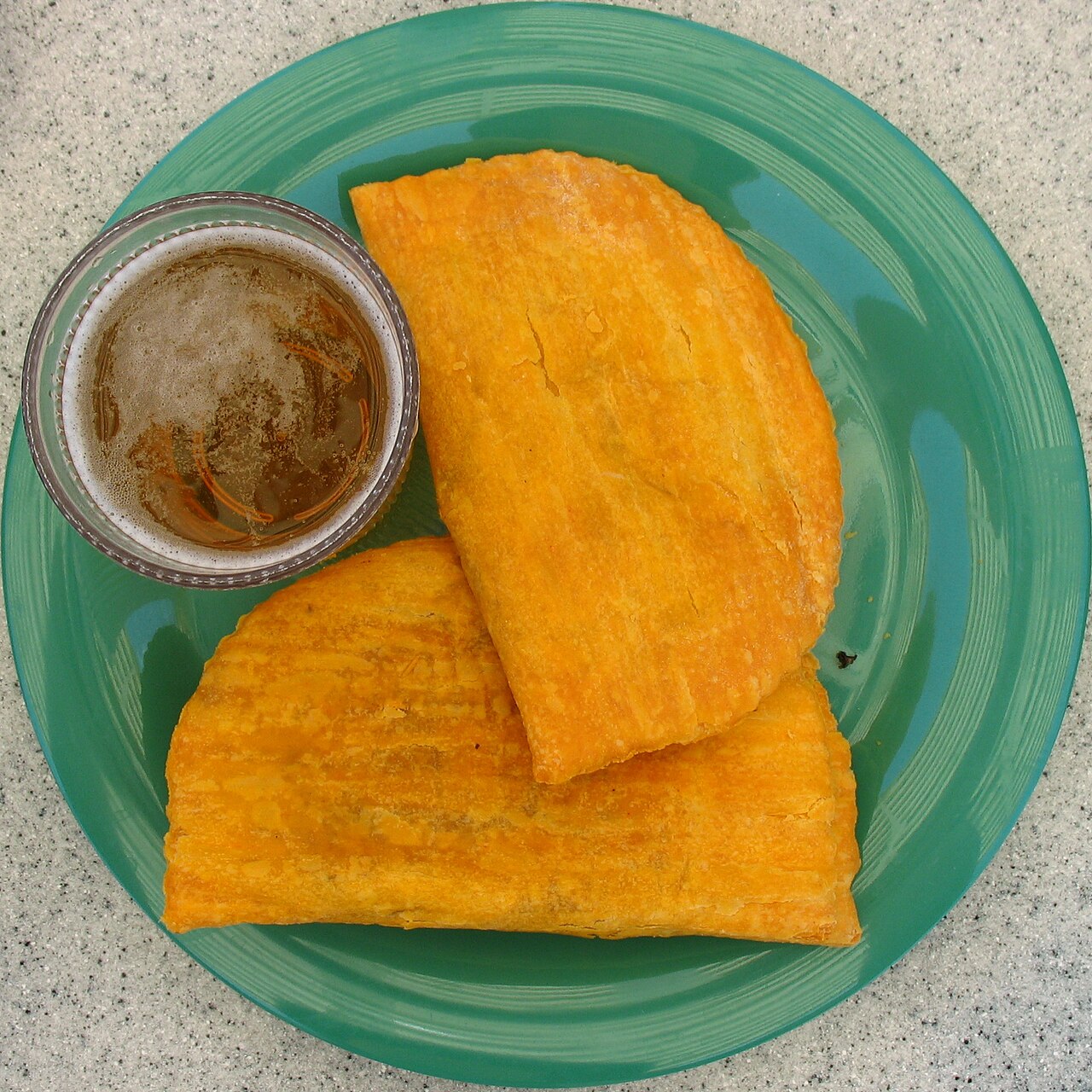
A half-moon pastry with a flaky yellow crust, coloured with turmeric or annatto, filled with spicy minced beef. There are also chicken, vegetable, callaloo and cheese fillings. Many Jamaicans eat a patty for lunch folded inside a soft coco bread.
In 1985 Canadian officials tried to stop Toronto bakers from calling them 'beef patties', because the term was reserved for hamburgers. After the so-called Patty War, the compromise name was 'Jamaican patty'.
The whole island; popular at Hellshire Beach since the 1970s
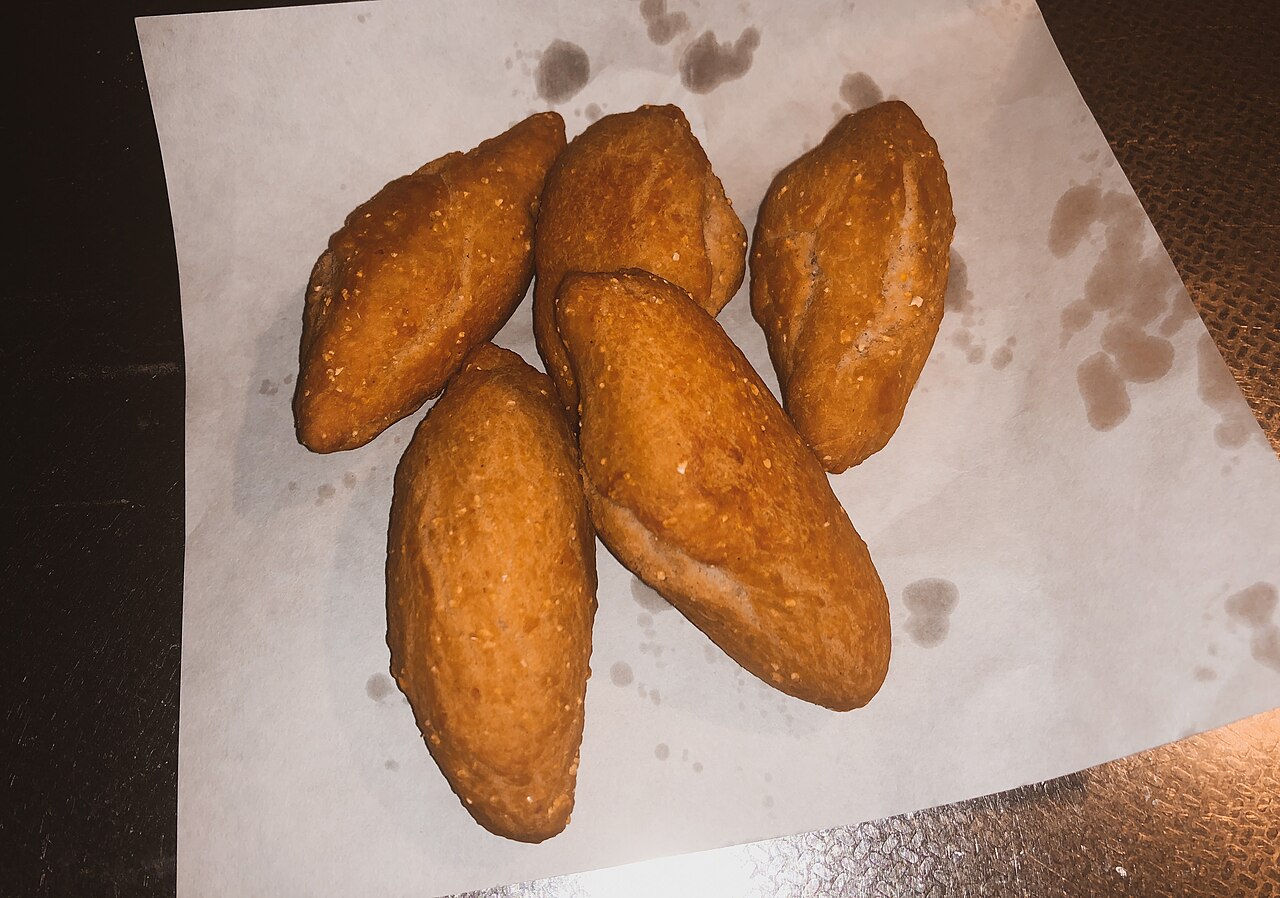
A slightly sweet fried dough of flour and cornmeal, shaped into long ovals, crisp outside and soft inside. It is the classic partner for fried fish, escovitch fish and jerk, and is also eaten at breakfast.
Festival is often described as a sweeter cousin of the round, savoury Jamaican fried dumpling.
The Taíno; still made in St Elizabeth and Manchester
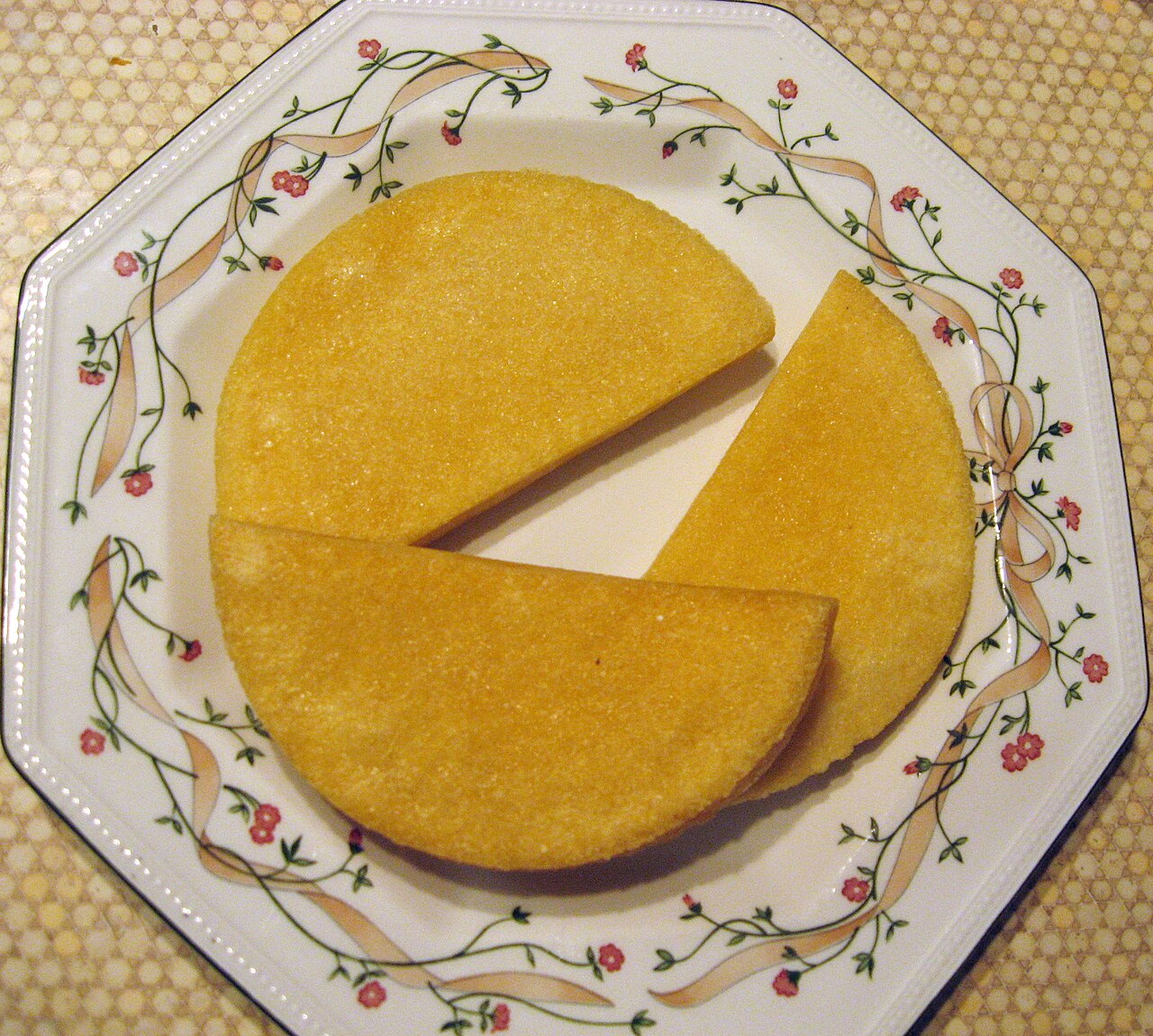
A round, flat bread made from grated cassava, pressed to remove its juice, then baked on a griddle. It has been eaten on the island since before Columbus. Today it is sold in supermarkets and served with fried fish at seaside restaurants.
For centuries bammy was the everyday bread of rural Jamaica, until cheaper wheat bread took over after the Second World War. In the 1990s a programme was set up to revive it.
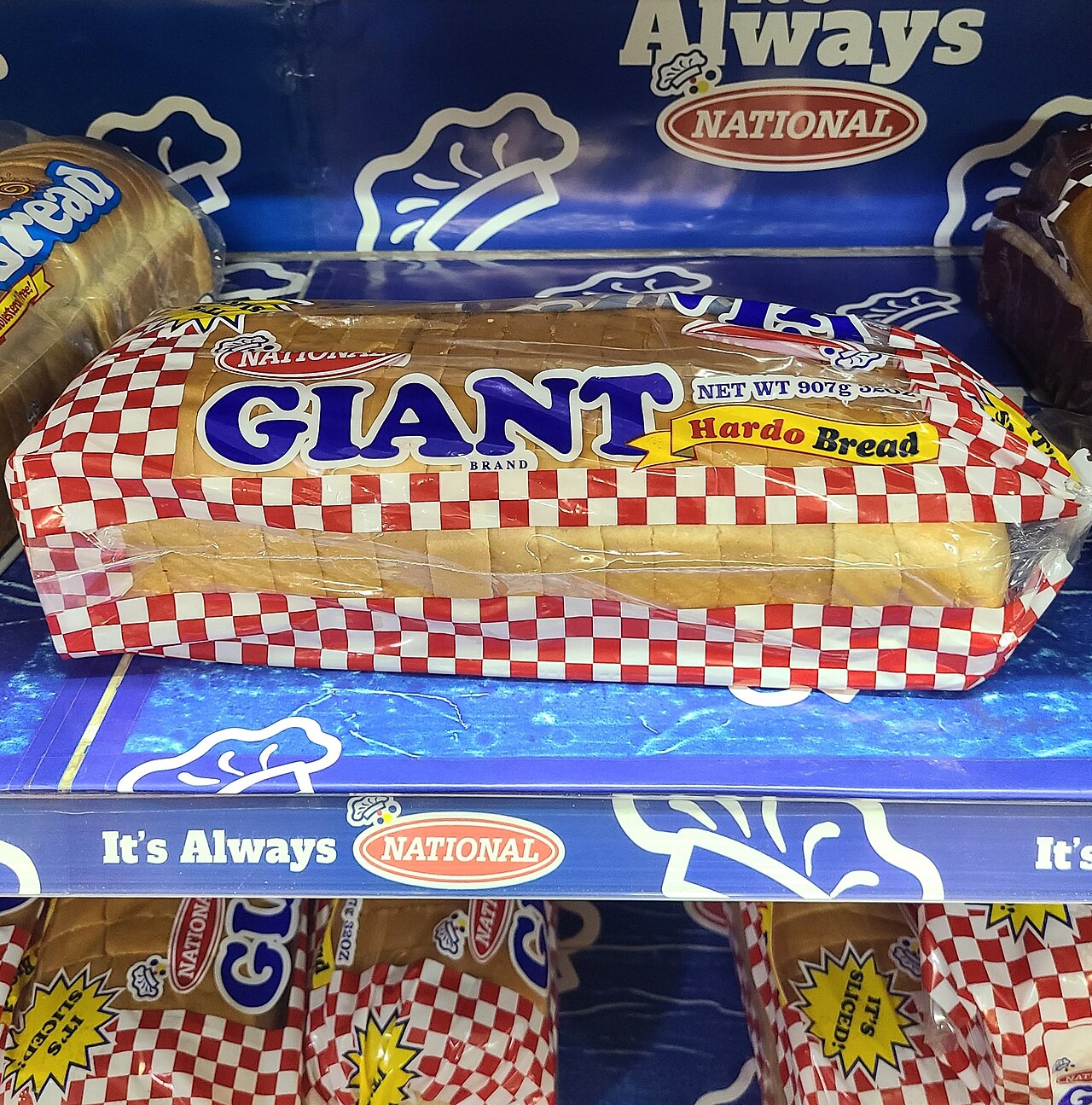
A dense, soft, slightly sweet white loaf with a glossy top, usually sold sliced. It is eaten with butter and cheese, dunked in porridge, or served beside jerk, fried fish and ackee and saltfish.
It is often called 'hardo'. The earliest known use of the word 'hard-dough' was in 1911, in the Daily Gleaner in Kingston.
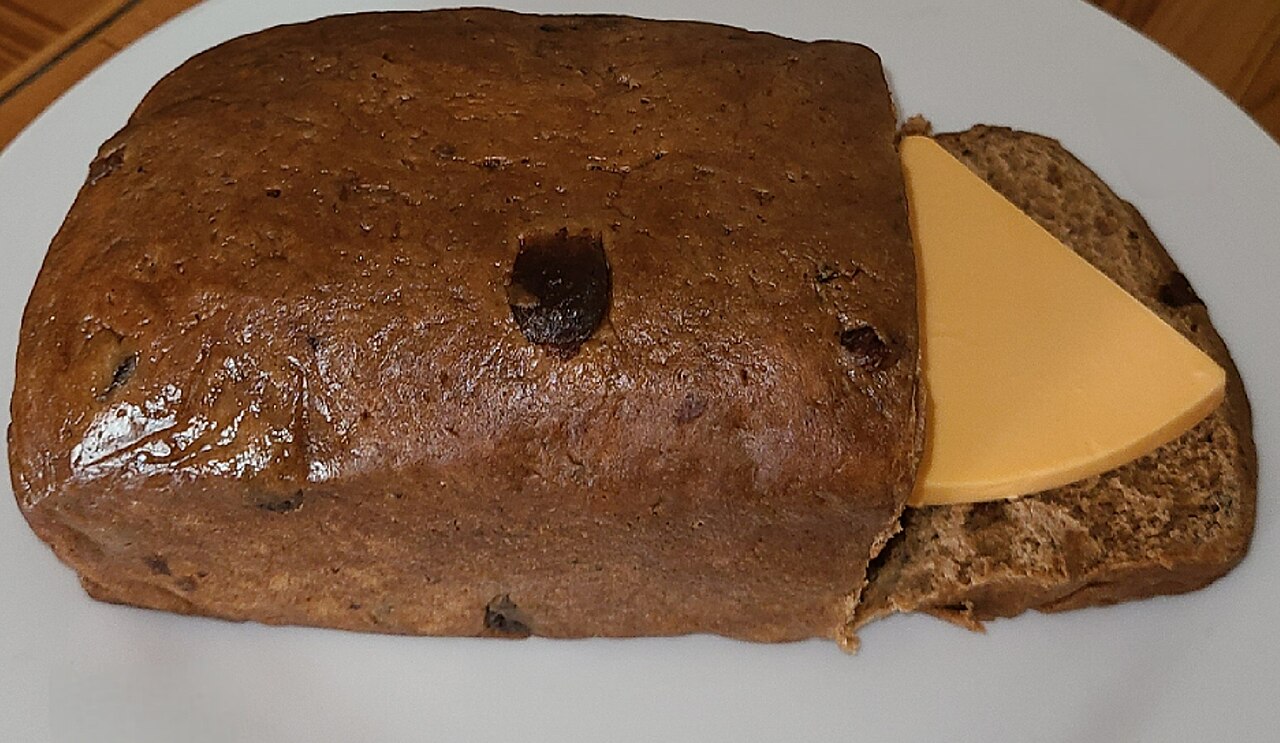
A dark, sweet, spiced loaf with dried fruit, sliced and eaten with a slice of cheese. It is the great treat of the Easter season, when bakeries and supermarkets are full of it.
Spiced buns are one of many Jamaican baked treats with British roots, and eating a slice of bun with cheese is the Jamaican way to enjoy one.
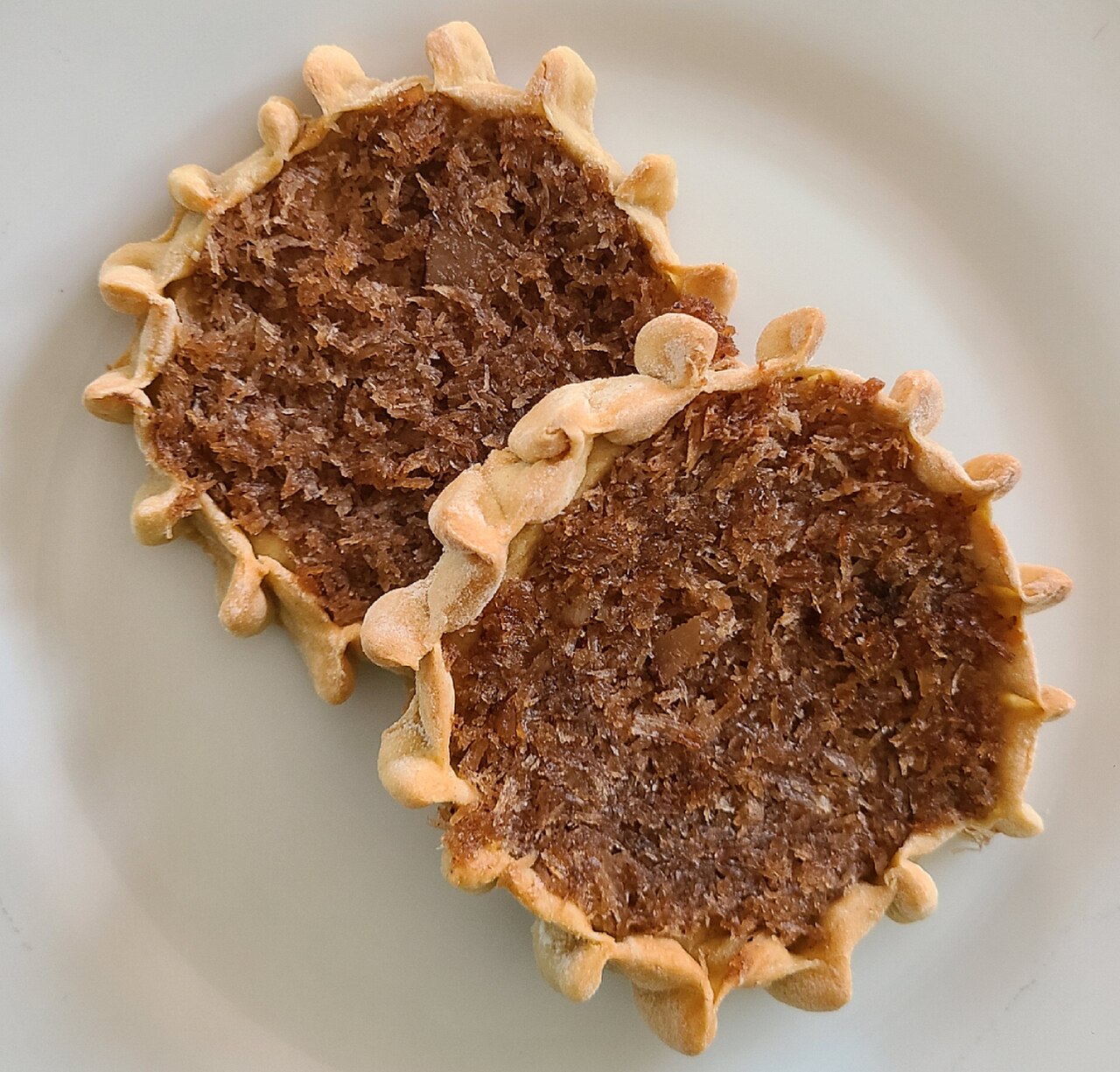
A small, crisp pastry shell with a pinched, star-like edge, filled with grated coconut cooked with brown sugar, ginger, nutmeg and cinnamon. It is sold at bakeries, on street stalls and even on buses.
Its other name is 'pinch-me-round', after the way the edge of the pastry is pinched by hand. The name gizzada comes from the Portuguese guisada, 'stewed'.
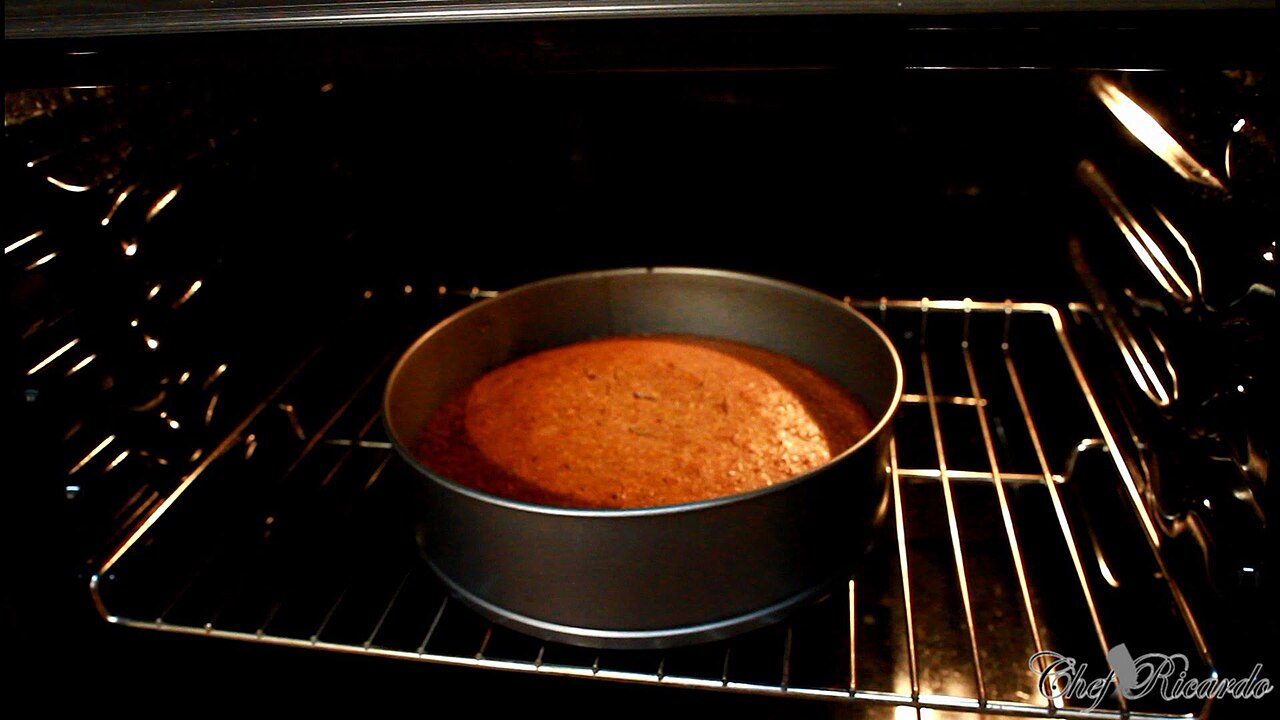
A small, dense coconut cake made with grated coconut, brown sugar, flour and coconut milk, spiced with nutmeg, cinnamon or allspice. It is baked at home for family gatherings and Sunday dinners and eaten warm or cold.
Toto recipes are usually handed down within families rather than sold in shops, and some families say their recipe dates back to the 1800s.
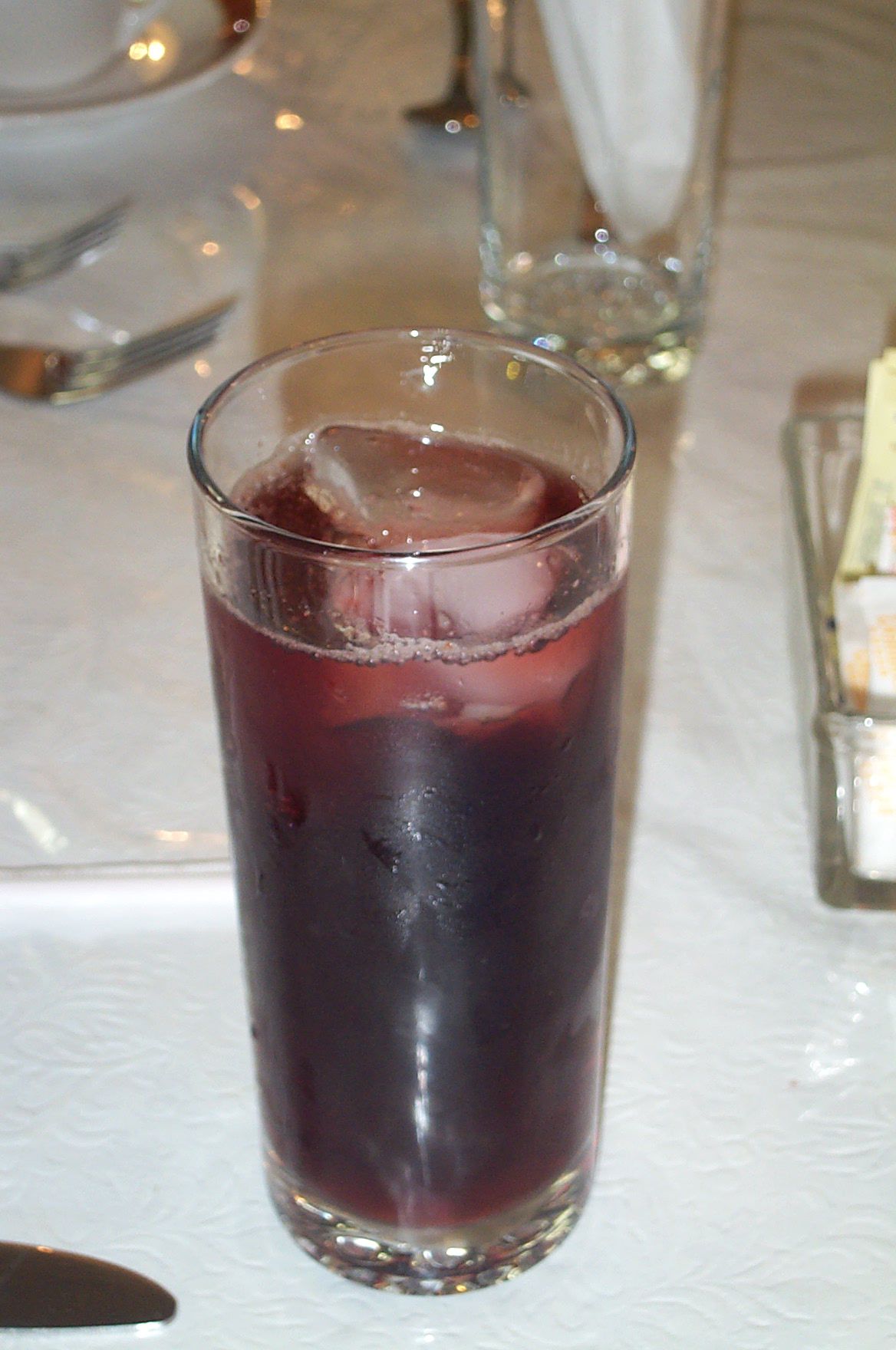
A deep red drink made by steeping dried hibiscus flowers (called sorrel in Jamaica) with fresh ginger, allspice and cloves, sweetened and served cold. It is Jamaica's Christmas drink. Many families also add a splash of rum; the version below has none.
The drink has African roots, and the ginger that gives Jamaican sorrel its bite is thought to be a Chinese Jamaican addition.
The Blue Mountains, between Kingston and Port Antonio
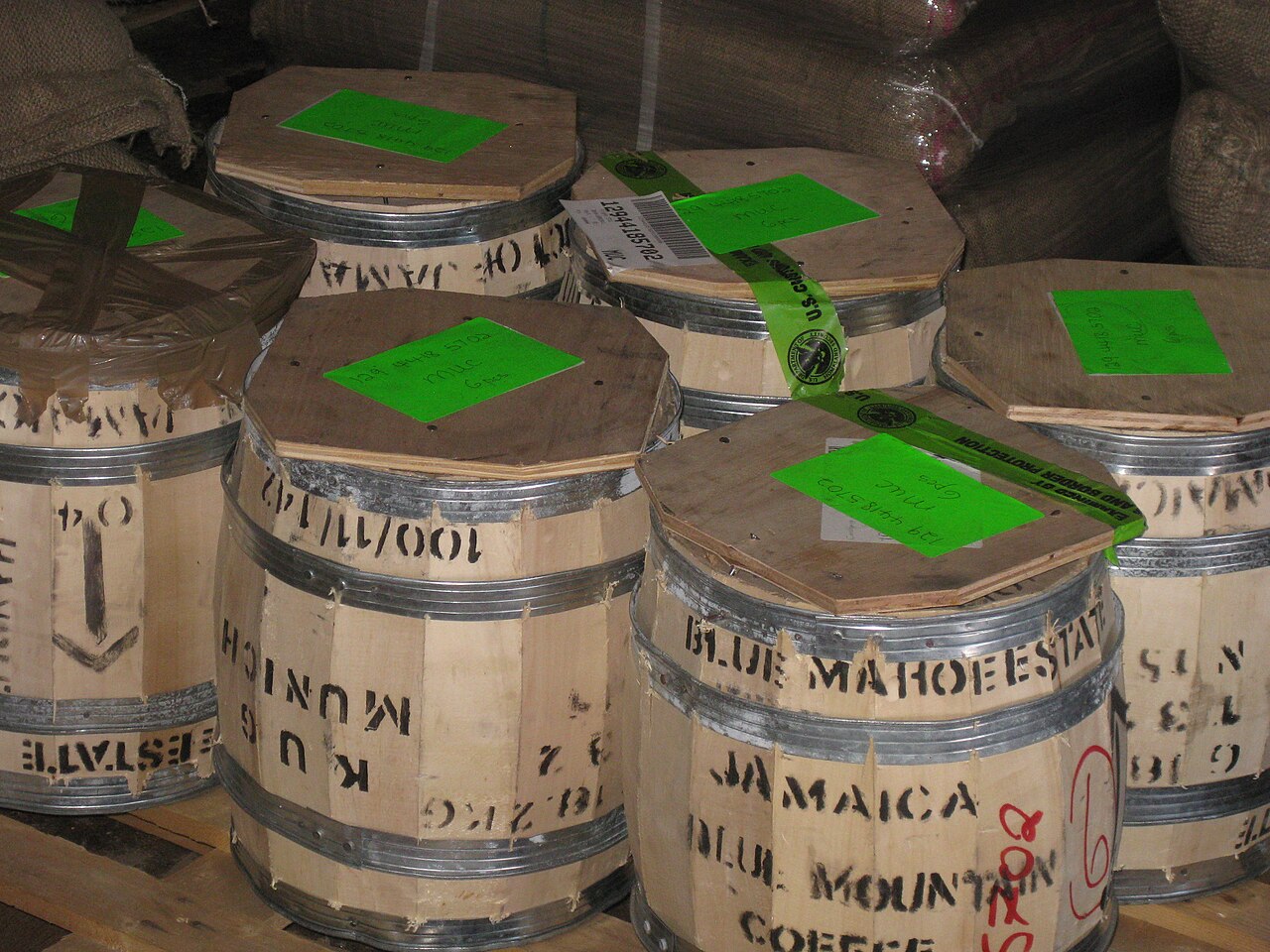
Arabica coffee grown on the cool, misty slopes of the Blue Mountains, known for its mild flavour and lack of bitterness. It is one of the most expensive coffees in the world. Only coffee from the recognised growing area, certified by Jamaica's regulator, may use the name.
Coffee came to Jamaica in 1728. A large share of the Blue Mountain crop is exported to Japan, and the beans are also the flavour base of Tia Maria coffee liqueur.
At the table in Jamaica
Greet everyone with 'Good morning' or 'Good afternoon' when you walk into a shop, café or home, before asking for anything. Jamaicans find it rude to skip the greeting.
Sunday dinner is the big family meal, usually after church. If you are invited, expect rice and peas with a meat dish, and say yes to a second helping.
Scotch bonnet peppers are very hot. When a dish comes with pepper sauce on the table, try a tiny drop first.
Jerk and patties are often eaten with your hands, straight from the paper, at a roadside stall or bakery. This is completely normal.
Many dishes are cooked with a whole Scotch bonnet for flavour. If you find it on your plate, leave it aside unless you love very hot food.
Address older people politely as 'sir' or 'ma'am'. Respect for elders matters a great deal at the table and elsewhere.