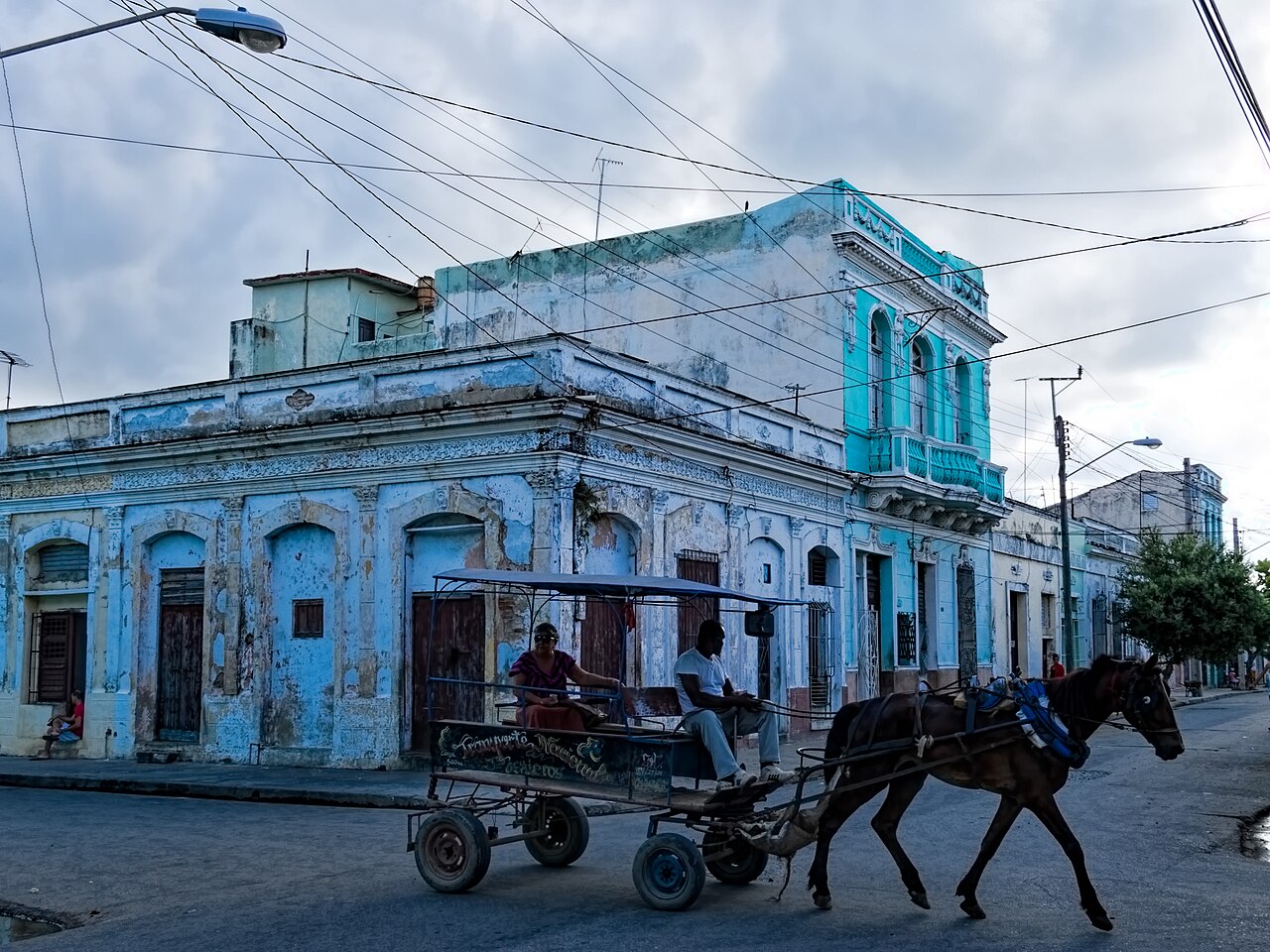
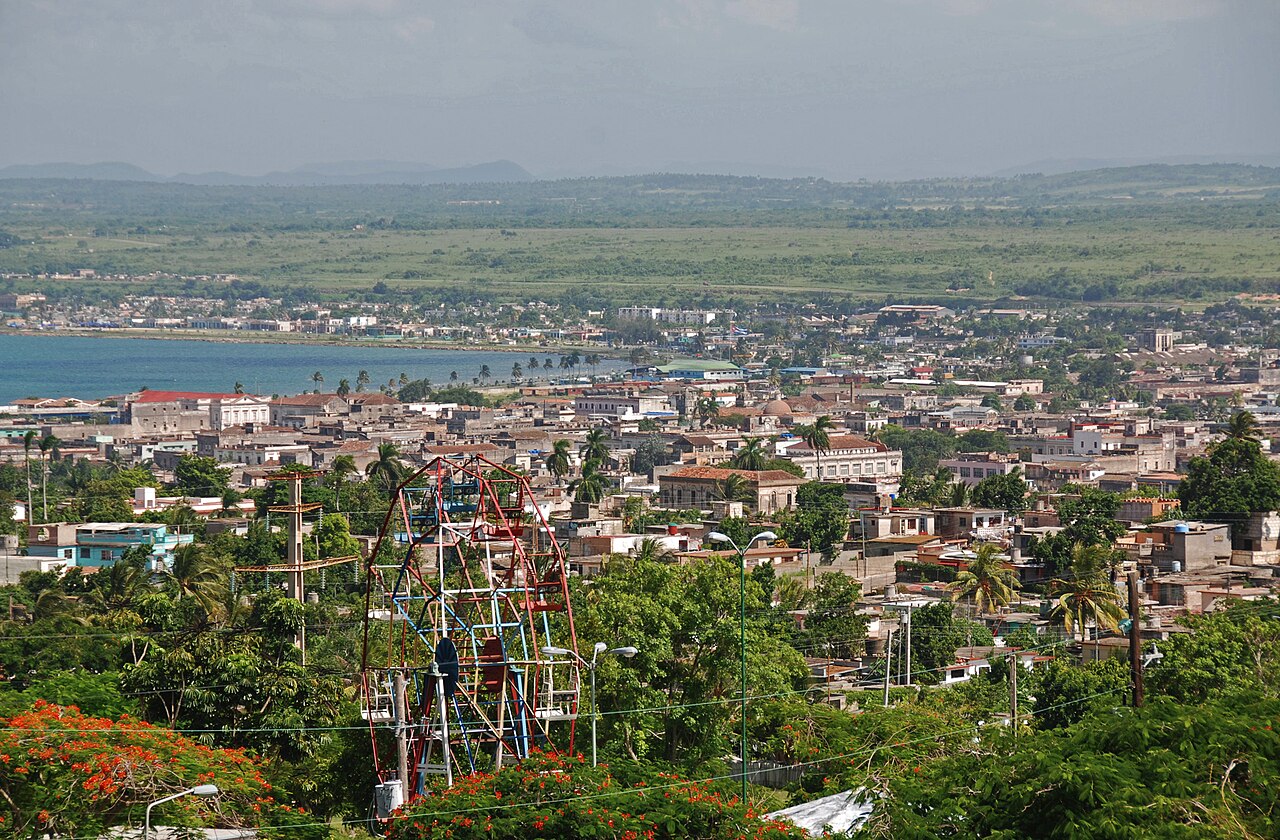
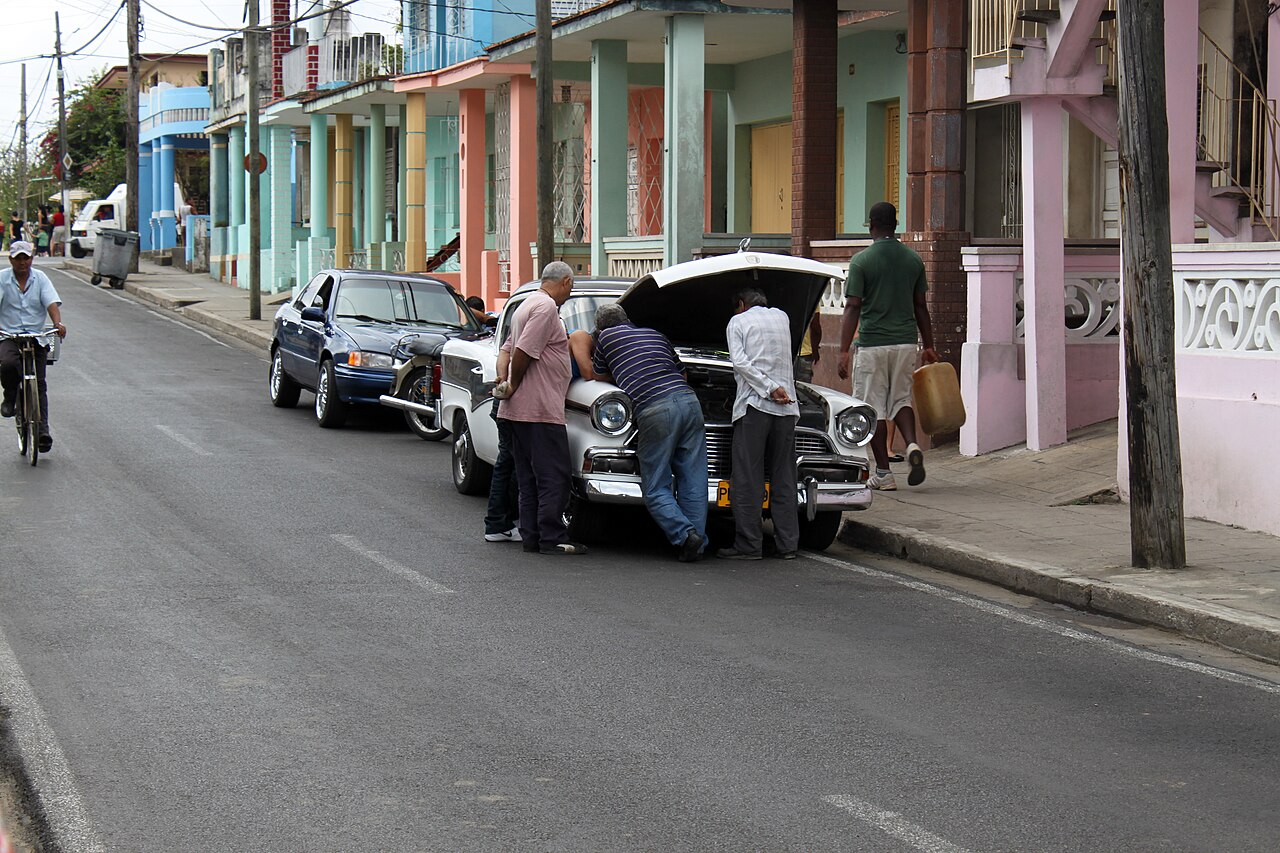
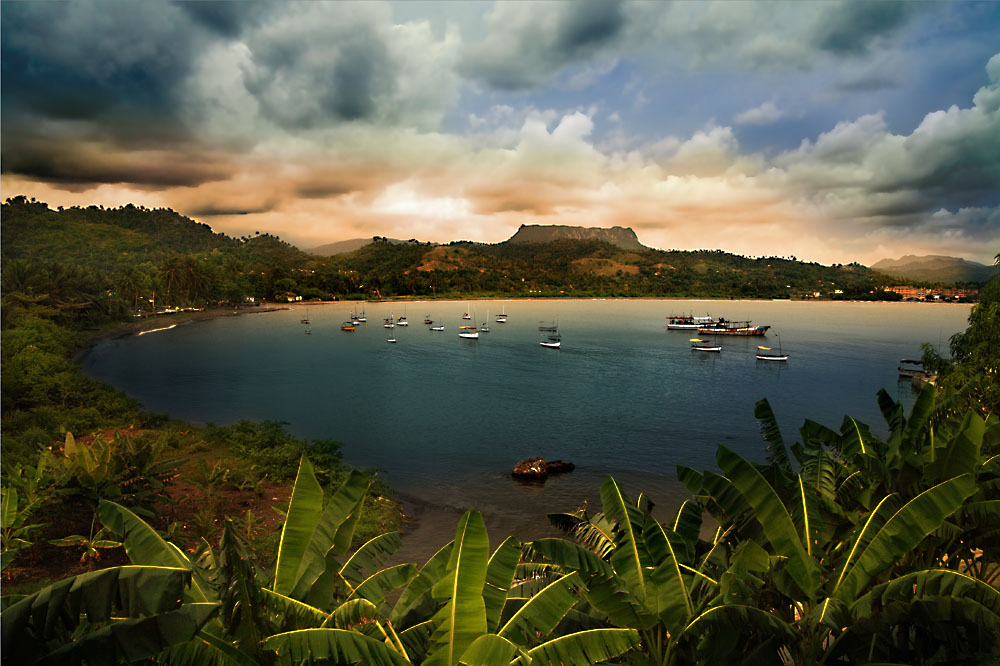
Colonial squares, old sea forts, tobacco valleys, rumba and son, and the largest island in the Caribbean.
Your trip to Cuba
Ready for the trip?
10 questionsAbout 3 minutesNo timer
Explore Cuba
You have explored 0 of 9 parts. Scroll on to discover the rest.
Print the Cuba pack
A free large-print PDF. Choose what goes in: facts, map, history, dishes and recipes, phrases, fun facts, a quiz with or without answers. Made for clubs, care homes, libraries and family afternoons.
Cuba lies where the Caribbean Sea, the Gulf of Mexico and the Atlantic Ocean meet, about 150 km south of Key West in Florida. The country is made up of the long main island, about 1,250 km from end to end and the largest island in the Caribbean, plus more than 4,000 smaller islands and cays. Most of the land is flat or gently rolling, with the Sierra Maestra mountains rising in the southeast.
The Taíno and earlier peoples lived here long before Christopher Columbus arrived in 1492. Spain ruled Cuba for about four centuries, and in the 1800s sugar plantations worked by enslaved Africans made the island the world's leading sugar producer. After long wars of independence and the Spanish–American War of 1898, Cuba became an independent republic in 1902. In 1959 a revolution led by Fidel Castro overthrew the government of Fulgencio Batista.
Since the revolution, Cuba has been a one-party socialist state led by the Communist Party. It is known for its free education and health care, and it is also criticised for limits on political freedom and the press. As of September 2026, the country is going through a deep economic crisis, with fuel shortages and long power cuts. Its people are a blend of Spanish, African and Taíno roots, and its music, from son and rumba to the cha-cha-chá, is loved around the world.
CapitalHavana
PopulationAbout 9.4 million (official estimate for 2025, down from about 11.2 million in 2012)
Official languageSpanish
CurrencyCuban peso (CUP). The Cuban convertible peso (CUC) was withdrawn in 2021
AreaAbout 110,000 km² (official figure 109,884 km²)
GovernmentOne-party socialist republic. The constitution names the Communist Party of Cuba as the leading force of society and the state
Highest mountainPico Turquino, 1,974 m, in the Sierra Maestra
Longest riverThe Cauto, about 343 km, in the southeast
NeighboursNone by land. Across the sea: the Bahamas (about 22 km to the north at its closest), Haiti (78 km east), Jamaica (148 km south), the United States (Key West, about 150 km north) and Mexico (210 km west). The United States holds a naval base at Guantánamo Bay under a lease that Cuba regards as illegal
Cuba's story runs from ancient island peoples and the Taíno, through four centuries of Spanish rule built on sugar and slavery, to long wars of independence, a republic shaped by its powerful northern neighbour, and the revolution of 1959 that put the island at the centre of the Cold War.
4000 BC
First people settle Cuba
People first settled Cuba around 6,000 years ago, arriving from South or Central America. Much later, around 1,700 years ago, the ancestors of the Taíno arrived from South America. The Taíno grew crops, made pottery and smoked tobacco, a habit the Spanish later carried to Europe.
1492
Columbus reaches Cuba
On 27 October 1492, during his first voyage, Christopher Columbus sighted Cuba and landed the next day. He claimed the island for Spain.
1511
The Spanish found Baracoa
Diego Velázquez de Cuéllar founded Baracoa, near the eastern tip of the island, in 1511. It was the first Spanish settlement in Cuba and its first capital. The Taíno were forced to work for the settlers, and within a century most had died from disease and harsh treatment.
1519
Havana is founded on its harbour
San Cristóbal de la Habana was first founded on the south coast and moved in 1519 to its present site on a deep natural harbour. Havana became the stopping point for Spanish treasure fleets sailing home, and forts and walls were built to protect it.
1762
The British capture Havana
During the Seven Years' War, a British force besieged and captured Havana in 1762. Britain handed the city back to Spain in 1763 under the Treaty of Paris.
1868
The Ten Years' War begins
On 10 October 1868 the sugar planter Carlos Manuel de Céspedes freed his slaves and proclaimed Cuban independence. The war that followed lasted ten years and ended in 1878 without independence.
1886
Slavery is abolished
Hundreds of thousands of enslaved Africans had been brought to Cuba to work on sugar plantations. Slavery was finally abolished by Spanish royal decree on 7 October 1886, making Cuba one of the last places in the Americas to end it.
1895
José Martí dies in battle
A new war of independence began on 24 February 1895. The poet and writer José Martí, who had organised it from exile in New York, was killed in battle at Dos Ríos on 19 May 1895. He is remembered as Cuba's national hero.
1898
The USS Maine sinks in Havana harbour
On 15 February 1898 the American warship USS Maine exploded and sank in Havana harbour. The cause is still debated, but the event helped lead to the Spanish–American War that April. Spain lost, and gave up Cuba at the end of 1898.
1902
Cuba becomes an independent republic
After a period of US military rule, Cuba became the independent Republic of Cuba on 20 May 1902. Under the Platt Amendment the United States kept the right to intervene in Cuban affairs, and in 1903 it leased Guantánamo Bay as a naval base.
1953
Rebels attack the Moncada Barracks
On 26 July 1953 a small group of rebels led by Fidel Castro attacked the Moncada Barracks in Santiago de Cuba. The attack failed, but it is widely seen as the start of the Cuban Revolution, and Castro named his movement after the date.
1959
The revolutionaries take power
After rebel columns captured Santa Clara at the end of 1958, President Fulgencio Batista fled the country on 1 January 1959. Rebel columns reached Havana within days, and Fidel Castro arrived there on 8 January. The new government nationalised land and businesses and moved closer to the Soviet Union.
1961
The Bay of Pigs invasion fails
On 17 April 1961 about 1,400 Cuban exiles, trained and funded by the US government, landed at the Bay of Pigs on the south coast. Cuban troops and militias defeated them within three days.
1962
The Cuban Missile Crisis
In October 1962 the United States discovered Soviet nuclear missiles in Cuba. For 13 days the world stood close to nuclear war, until the Soviet Union agreed to remove the missiles in exchange for a US promise not to invade Cuba.
1991
The Special Period begins
When the Soviet Union collapsed in 1991, Cuba lost most of its trade and aid. In the years of shortage known as the Special Period, food and fuel became scarce and the economy shrank by about a third.
2015
Cuba and the United States restore relations
In July 2015 Cuba and the United States reopened embassies in each other's capitals after more than 50 years, and in 2016 Barack Obama visited Havana. From 2017 the United States reversed much of this opening, and the US trade embargo, in place since the early 1960s, remains.
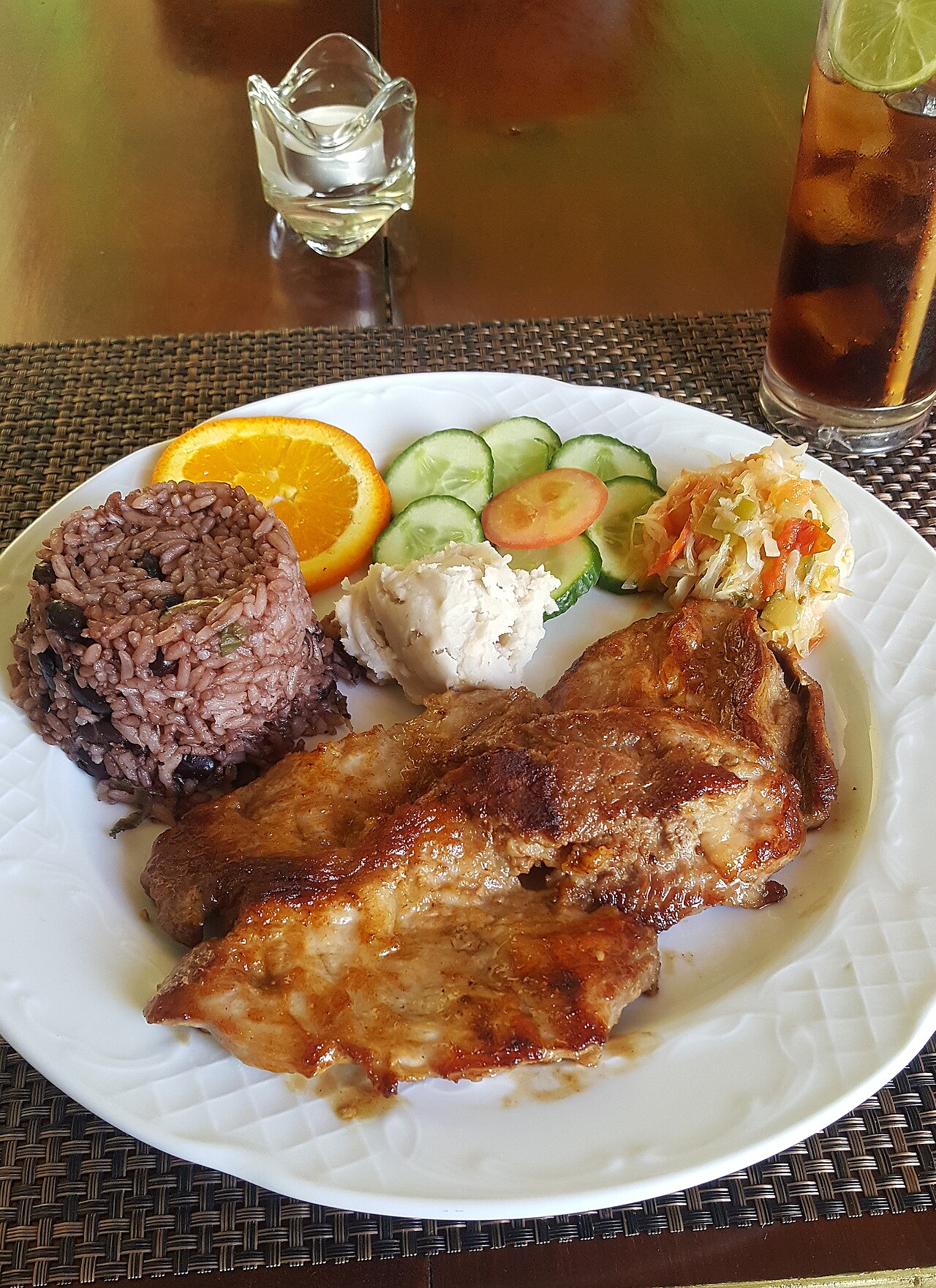
Cuban cooking grew mostly from Spanish food, with African, Taíno and Caribbean influences. Rice and black beans are the heart of almost every meal, cooked together or side by side, with plantains, yuca (cassava) and slow-cooked pork or beef. Garlic, cumin, oregano and bay leaves are the main seasonings. A traditional meal is not served in courses: everything comes to the table at the same time. Food rationing has been part of Cuban life for decades, and it limits how often many Cuban families can cook these dishes.
All of Cuba (brought by settlers from the Canary Islands)
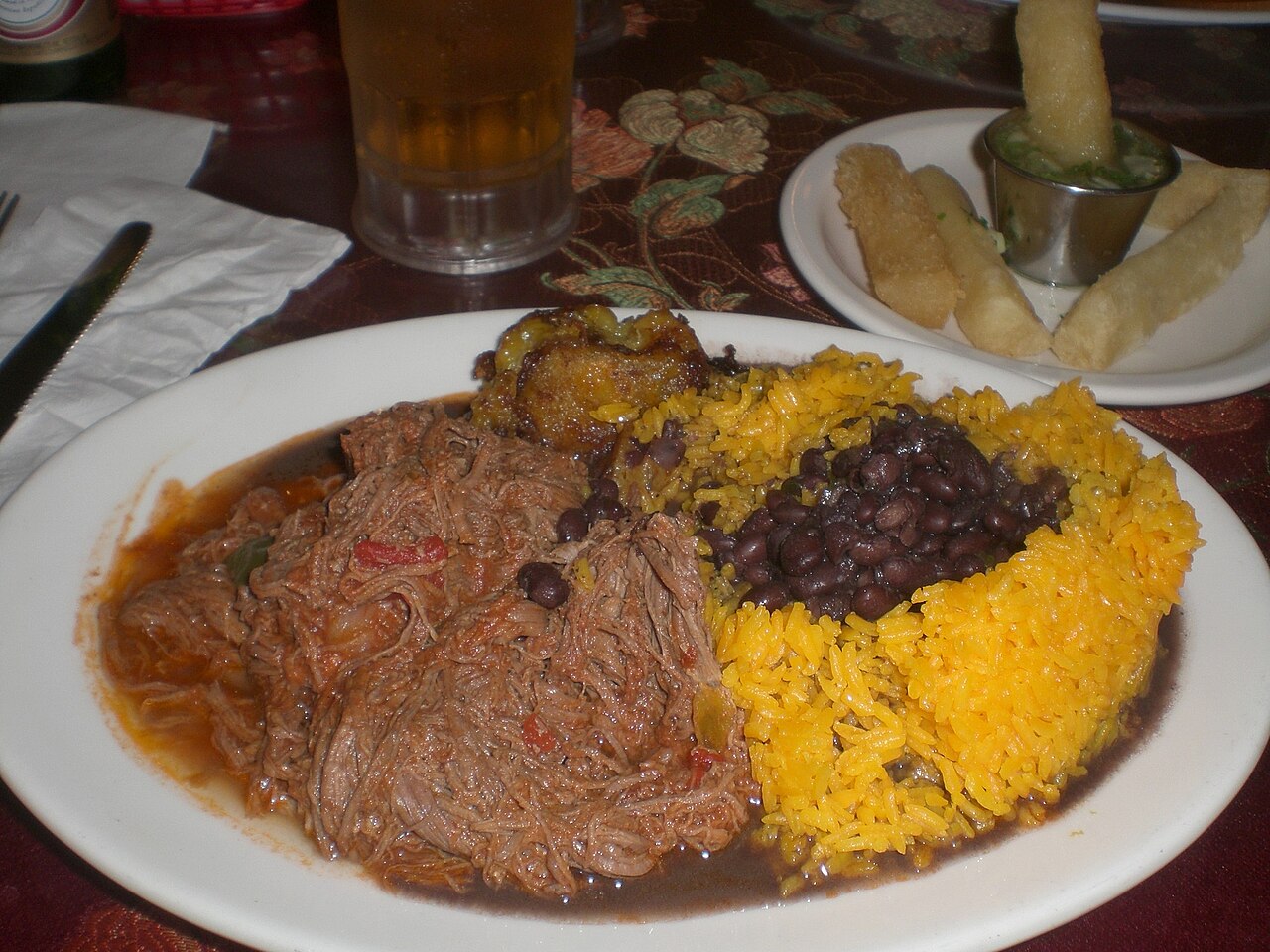
Beef slow-cooked until it falls apart into strands, then simmered with tomato, onion, peppers and garlic. It is one of Cuba's national dishes and is usually served with rice, black beans and fried plantains.
The name means 'old clothes', perhaps because the shredded beef looks like rags, or because it was first made from leftovers.
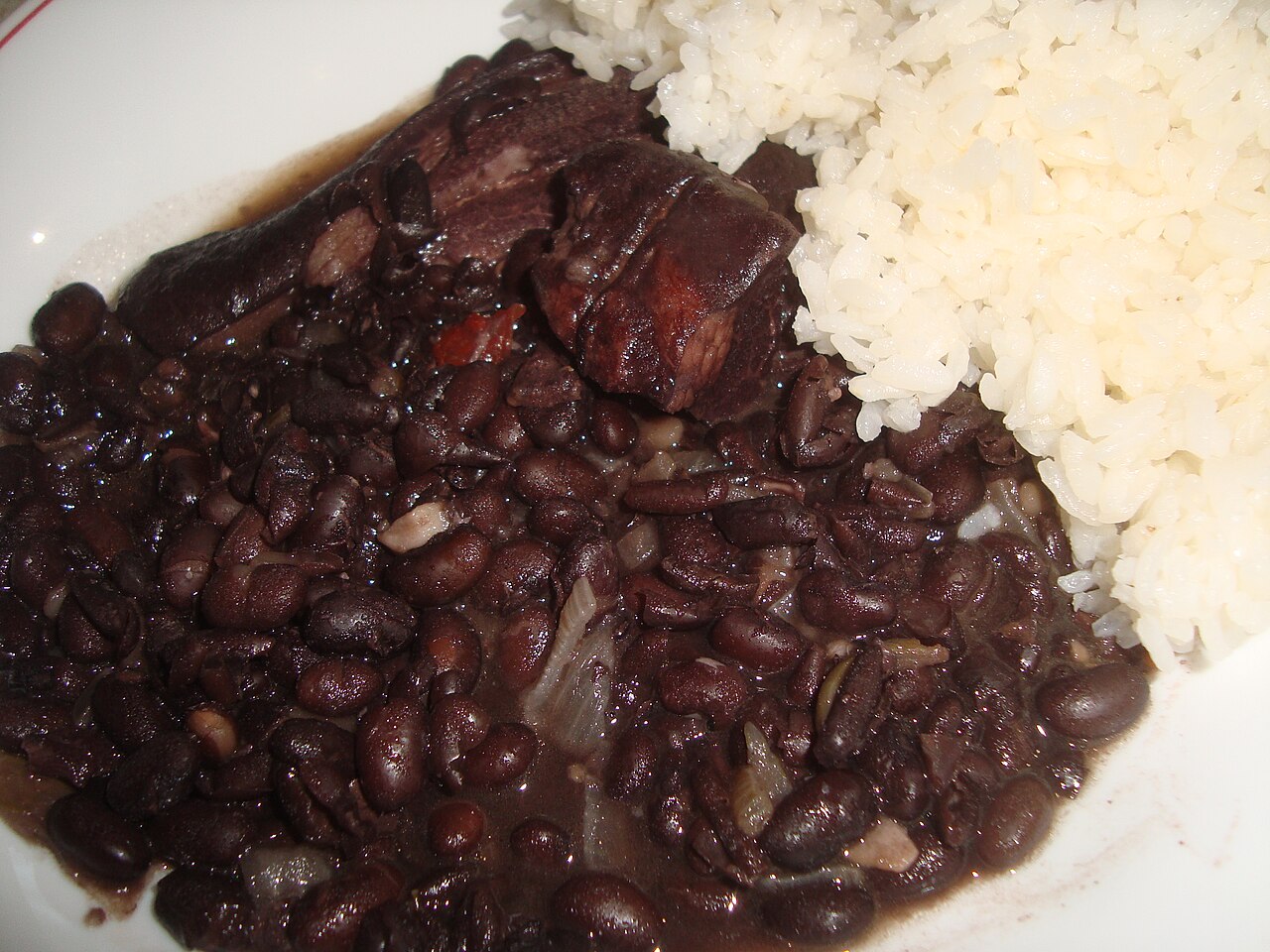
White rice and black beans cooked together in one pot with a base of onion, garlic and peppers, seasoned with cumin, oregano and bay leaf. In the east of the island, a similar dish made with red beans is called congrí.
The name means 'Moors and Christians': the black beans are the Moors and the white rice the Christians, a reference to medieval Spain.
See the recipe
Serves 4
50 min
Ingredients
2 tablespoons olive oil
1 onion, finely chopped
1 green pepper, finely chopped
3 garlic cloves, crushed
1 teaspoon ground cumin
1 teaspoon dried oregano
1 bay leaf
400 g cooked black beans (1 tin), with 250 ml of their liquid or water
200 g long-grain white rice, rinsed
250 ml water or stock
1 teaspoon salt and a splash of vinegar
Method
Heat the oil in a heavy pan and gently fry the onion and pepper for 8 minutes until soft. Add the garlic, cumin and oregano and cook for 1 minute.
Add the black beans with their liquid, the water or stock, the bay leaf, salt and vinegar, and bring to the boil.
Stir in the rice, turn the heat down to very low and cover with a tight lid.
Cook for about 20 minutes, without lifting the lid, until the rice is tender and the liquid is absorbed.
Leave to rest for 5 minutes, remove the bay leaf, fluff with a fork and serve.
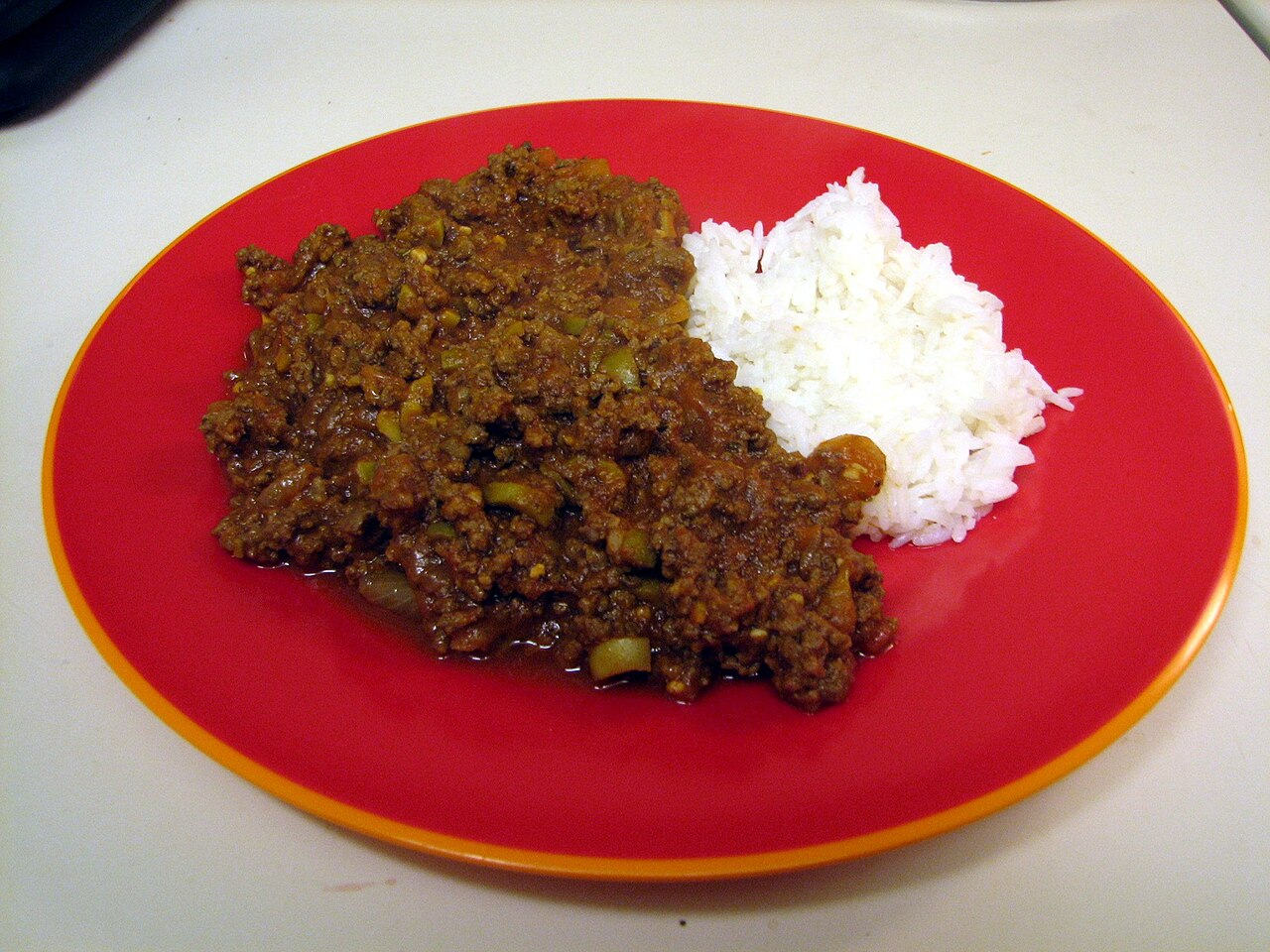
Minced beef cooked with onion, peppers, garlic, cumin, oregano and tomato sauce, with green olives, capers and often raisins. It is served over white rice, or used to fill pastries and stuffed potato balls called papas rellenas.
The name comes from the Spanish verb picar, 'to mince'.
See the recipe
Serves 4
40 min
Ingredients
2 tablespoons olive oil
1 onion, finely chopped
1 green pepper, finely chopped
3 garlic cloves, crushed
500 g minced beef
1 teaspoon ground cumin
1 teaspoon dried oregano
1 bay leaf
250 ml tomato passata or tomato sauce
60 ml dry white wine (optional)
12 pimento-stuffed green olives, halved, and 1 tablespoon capers
2 tablespoons raisins (optional)
Salt and pepper, and white rice to serve
Method
Heat the oil and fry the onion and pepper gently for 8 minutes until soft. Add the garlic and cook for 1 minute.
Add the beef and cook, breaking it up with a spoon, until it is browned all over.
Stir in the cumin, oregano, bay leaf, tomato and wine, and simmer for 15 minutes.
Add the olives, capers and raisins and cook for 5 more minutes. Season to taste.
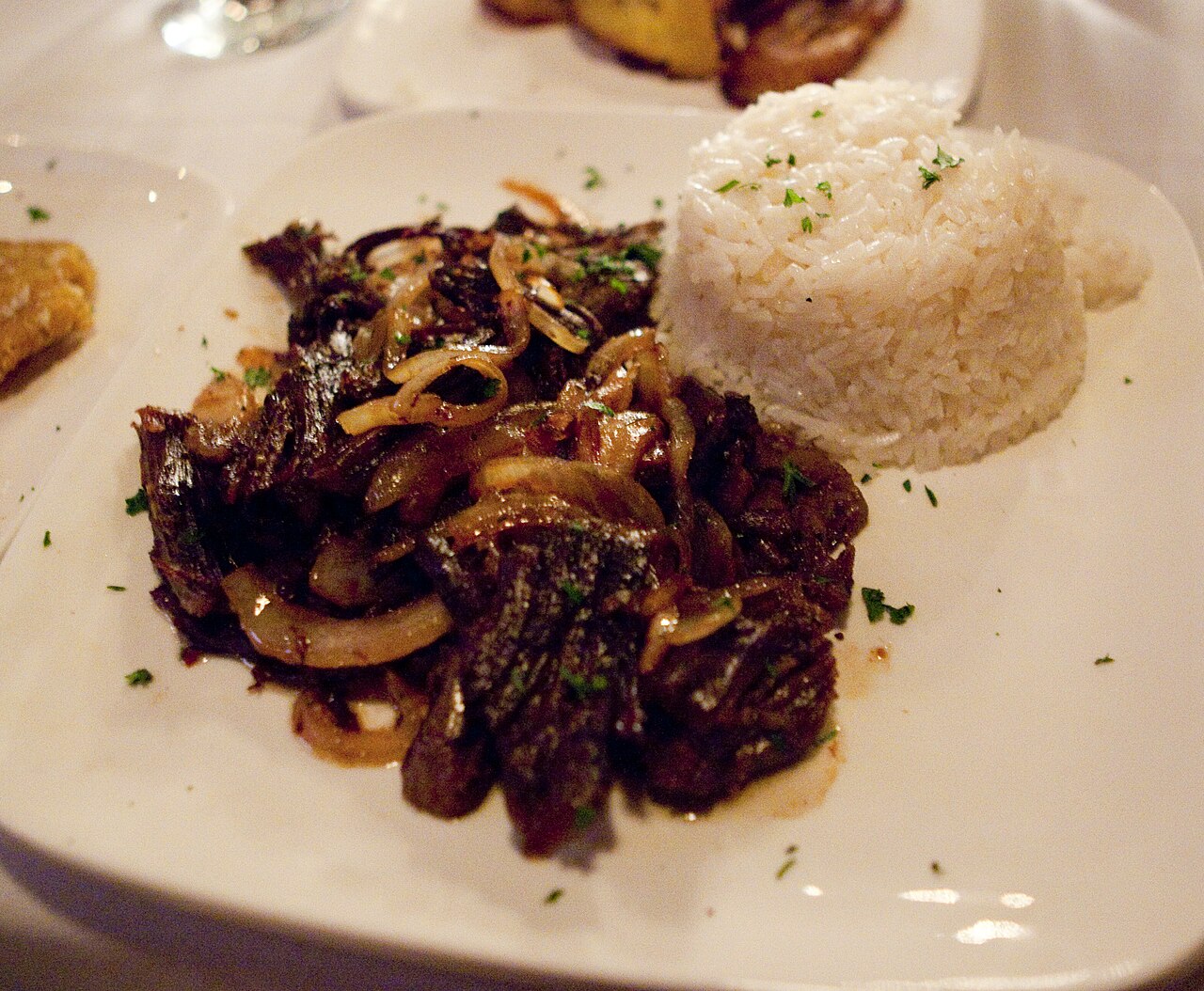
Flank or skirt steak that is slow-cooked, shredded, then fried until crisp at the edges and topped with soft onions and a squeeze of lime. It is served with rice and black beans.
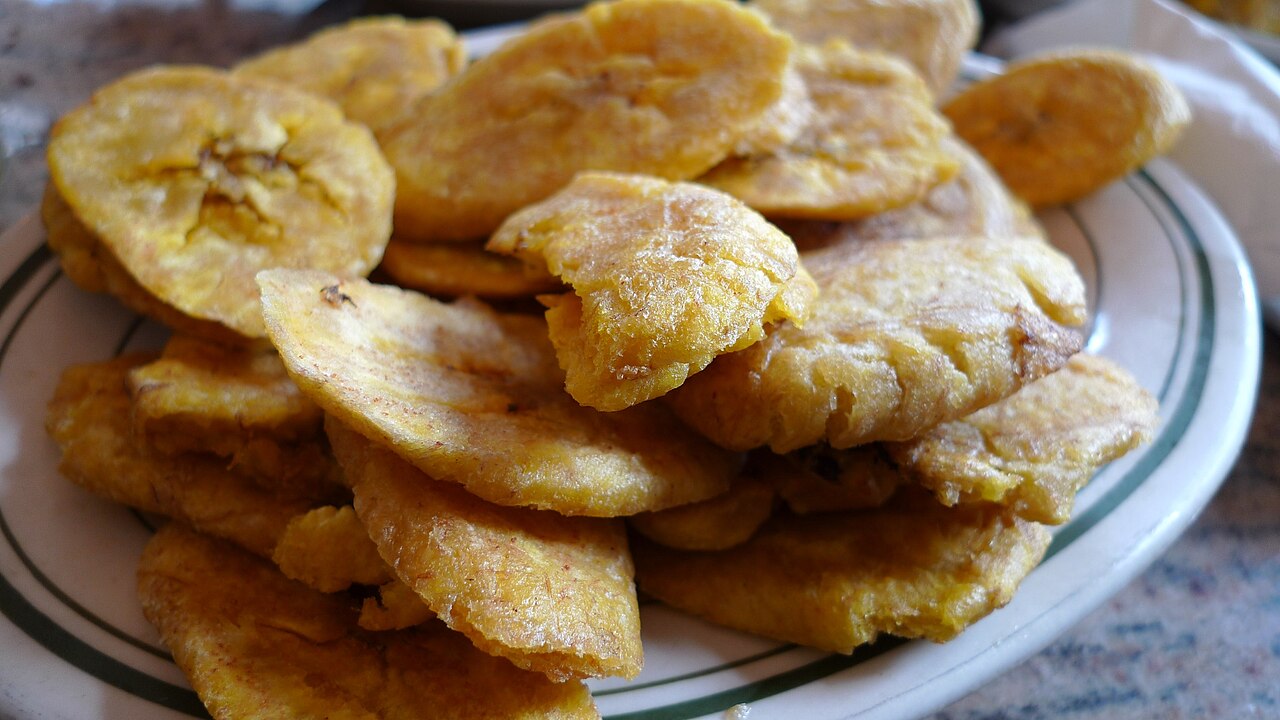
Thick slices of green, unripe plantain fried once, flattened, then fried again until crisp and golden. They are salted and eaten like crisps, often dipped in mojo, a garlic and citrus sauce.
In Cuba they are also called chatinos or tachinos. The name tostones comes from the Spanish verb tostar, 'to toast'.
See the recipe
Serves 4
30 min
Ingredients
2 green (unripe) plantains
Vegetable oil for frying
Salt
For the garlic dip (mojo): 3 garlic cloves, crushed, 3 tablespoons olive oil, juice of 1 lime and 1 orange, a pinch of salt
Method
Cut off the ends of the plantains, slit the skin lengthwise and peel it away. Cut into slices about 2.5 cm thick.
Heat about 2 cm of oil in a deep frying pan over medium heat. Fry the slices for 3 to 4 minutes, turning once, until pale gold. Lift out onto kitchen paper.
Press each slice flat to about 1 cm with the bottom of a glass or a small plate.
Fry the flattened pieces again for 2 to 3 minutes until crisp and golden. Drain and sprinkle with salt. Take care with the hot oil and never leave the pan alone.
For the dip, warm the garlic gently in the olive oil for 1 minute, take off the heat and stir in the citrus juice and salt. Serve with the hot tostones.
Black beans slowly cooked with onion, garlic, cumin, oregano and a dash of vinegar until thick and velvety. They are served over white rice, or made thinner as black bean soup.
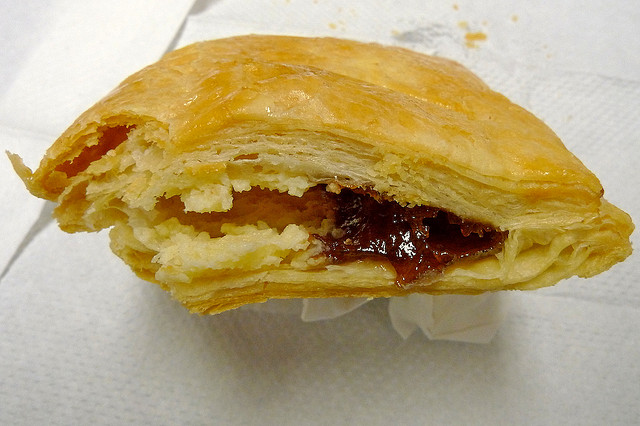
Crisp, flaky puff pastries filled with sweet guava paste, sometimes with cream cheese too, and brushed with a sugary glaze. Savoury versions are filled with seasoned minced beef. They are eaten at any time of day, often with a small coffee.
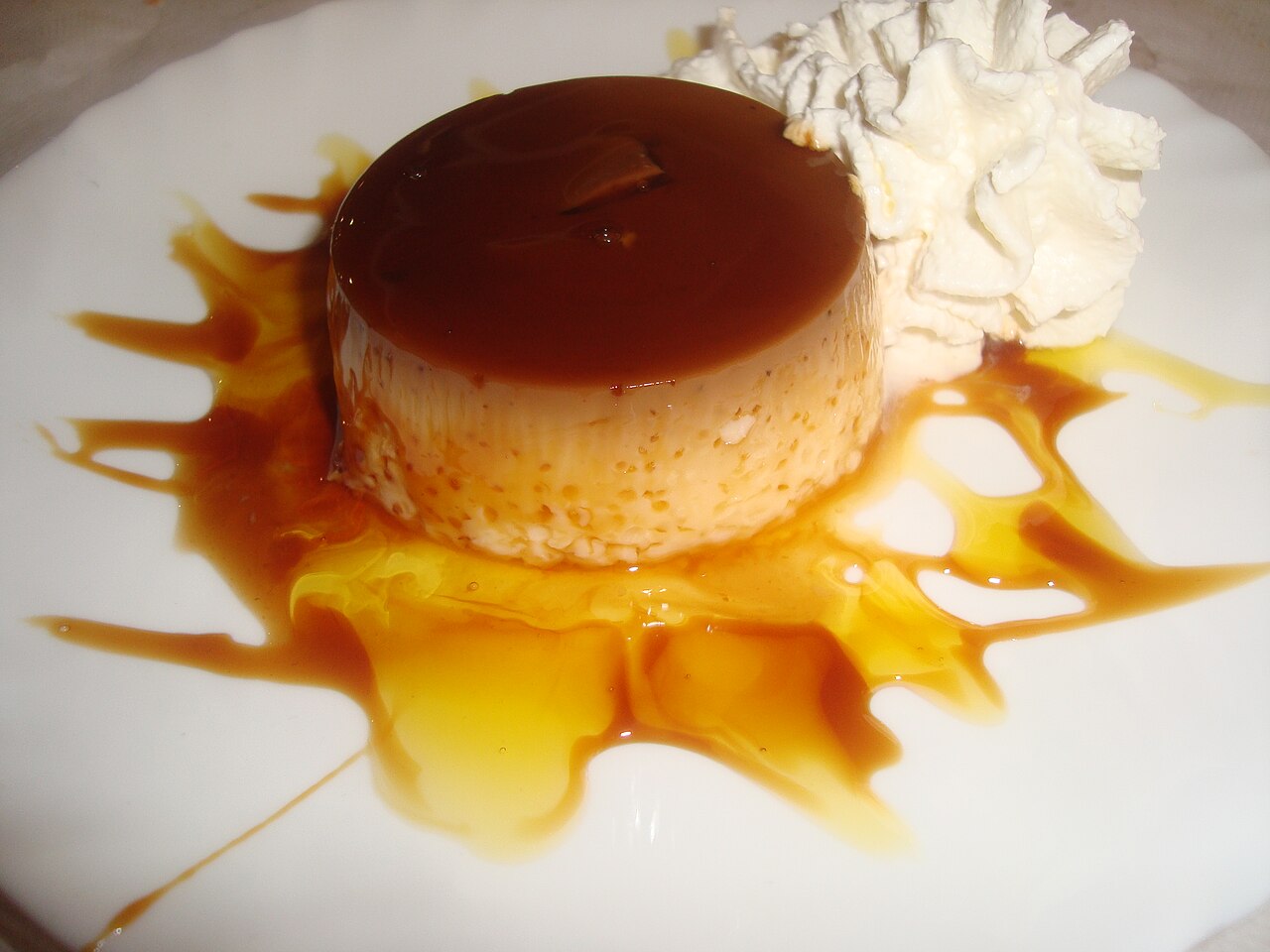
A smooth baked egg custard with a layer of golden caramel, turned out of its mould so the caramel runs down the sides. Cuban cooks also make versions with coconut, guava or pumpkin.
See the recipe
Serves 6
1 h 30 min
Ingredients
150 g sugar and 3 tablespoons water, for the caramel
4 eggs
1 tin (397 g) sweetened condensed milk
1 tin (410 g) evaporated milk
1 teaspoon vanilla extract
A pinch of salt
Method
Heat the oven to 160 °C (140 °C fan). Put the sugar and water in a small pan over medium heat, without stirring, until it turns a deep golden caramel. Pour it at once into a 20 cm round dish and tilt to coat the bottom. Hot caramel burns badly, so take great care.
Whisk the eggs, then whisk in both milks, the vanilla and the salt until smooth. Pour through a sieve into the dish.
Cover with foil and stand the dish in a roasting tin. Pour hot water into the tin to come halfway up the sides.
Bake for about 60 minutes, until the flan is set but still wobbles slightly in the middle. The eggs are fully cooked when it is set.
Cool, then chill for at least 4 hours. Run a knife around the edge, put a plate on top and turn it over quickly so the caramel pours over the flan.
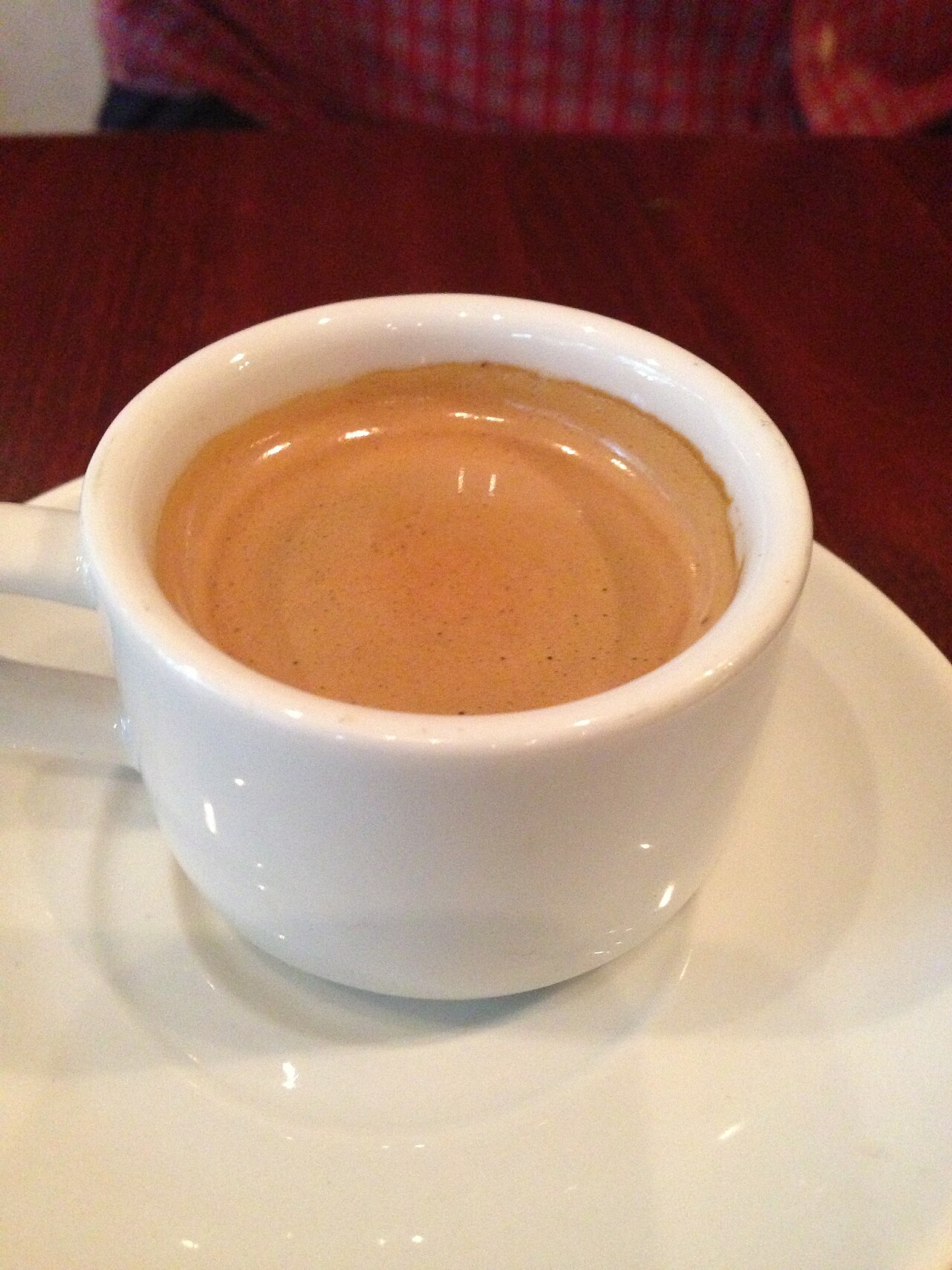
A small, strong, very sweet espresso. The first drops of coffee are whipped with sugar into a pale foam called espumita, which sits on top of the cup. For breakfast, many Cubans drink café con leche, coffee with hot milk, with buttered toasted bread.
Sharing a cafecito is an everyday social ritual. A colada is several shots served in one cup with small cups for sharing.
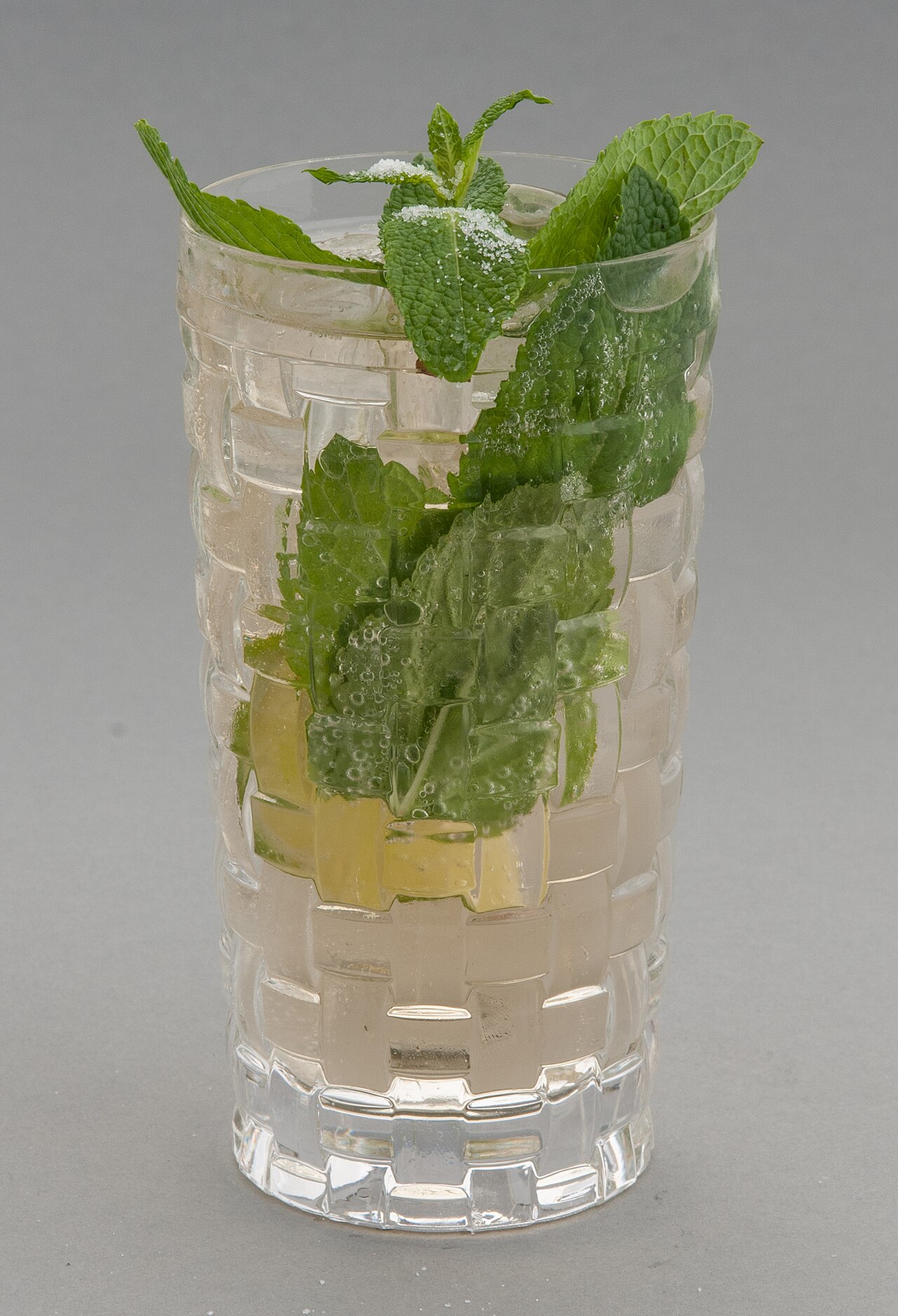
White rum, lime juice, sugar and fresh mint, topped with crushed ice and soda water. In Cuba the mint used is usually a local kind called yerba buena, with a light, citrus-like scent.
A signed note on the wall of La Bodeguita del Medio in Havana, said to be Ernest Hemingway's, reads 'My mojito in La Bodeguita, my daiquiri in El Floridita', although his biographers doubt it.
See the recipe
Serves 1
5 min
Ingredients
10 fresh mint leaves, plus a sprig to garnish
Juice of 1 lime
2 teaspoons caster sugar
50 ml white rum (or leave it out for an alcohol-free version)
Crushed ice
Soda water
Method
Put the mint, lime juice and sugar in a tall glass.
Press gently with a muddler or the end of a wooden spoon, just enough to bruise the mint, not shred it.
Add the rum and stir until the sugar dissolves.
Fill the glass with crushed ice and top up with soda water.
Stir once and garnish with a mint sprig. Please drink alcohol responsibly.
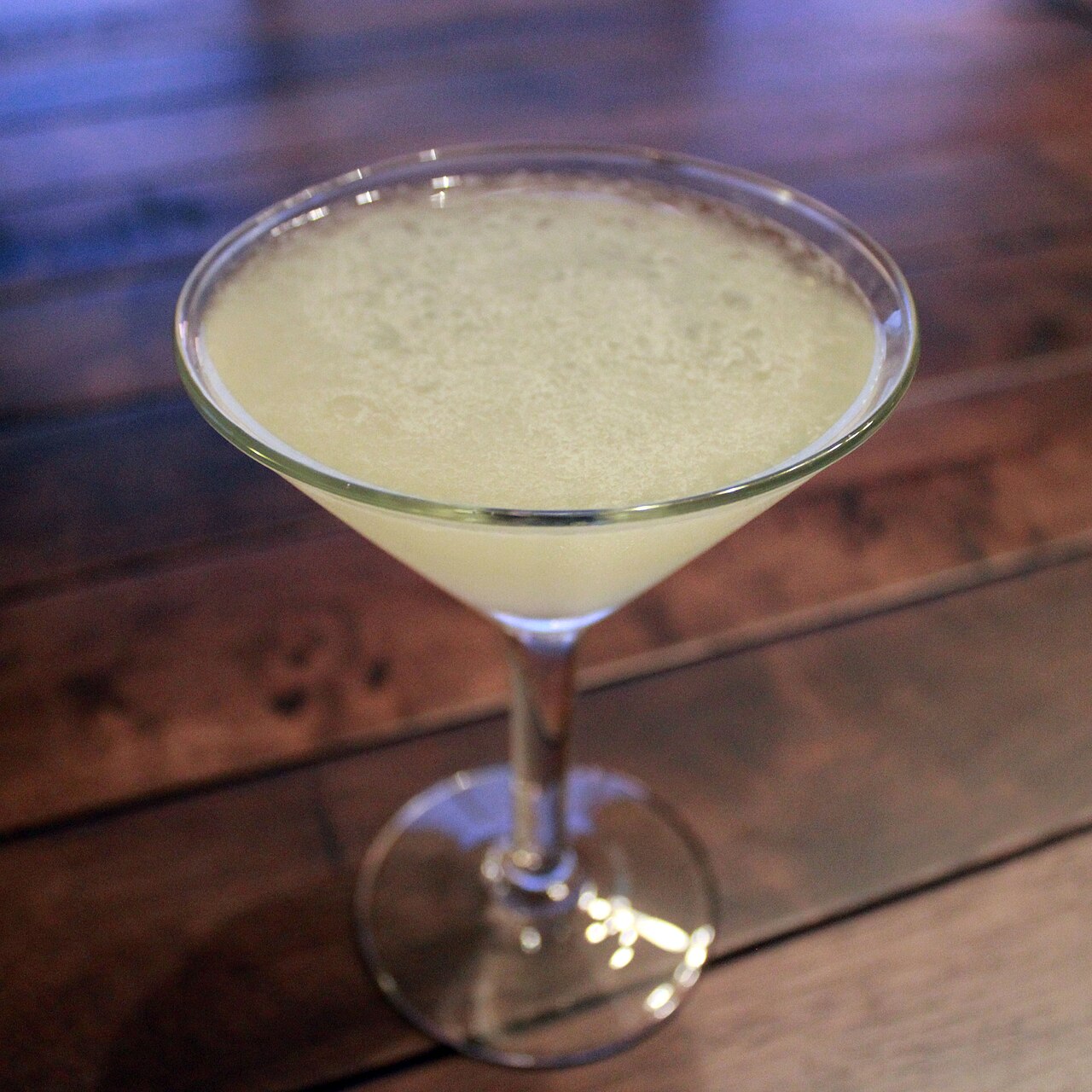
White rum shaken with fresh lime juice and sugar and served very cold. Bartenders in Havana later refined the drink and made it world famous.
Daiquirí is the name of a beach and an old iron mine near Santiago de Cuba. The drink is usually credited to an American mining engineer, Jennings Cox, who worked there around 1898.
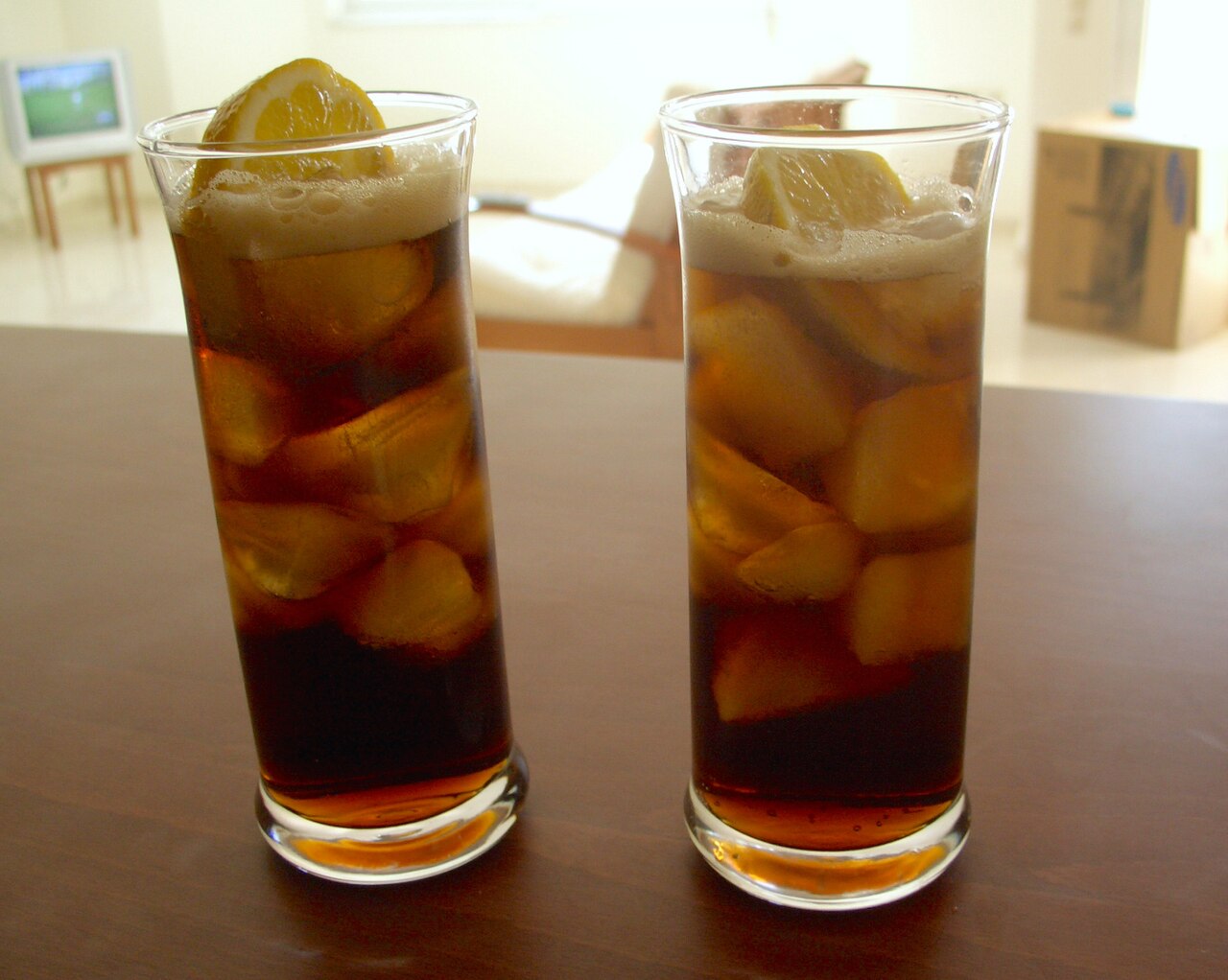
Light rum and cola over ice with a squeeze of lime. It became popular soon after 1900, when bottled cola first arrived in Cuba from the United States.
'Cuba libre' means 'Free Cuba', the rallying cry of the independence movement. Since the embargo of 1960, bars in Cuba have mostly used a Cuban cola called TuKola.
Table manners
A traditional meal is not served in courses: rice, beans, meat and plantains all come to the table at the same time.
Rice and black beans are part of almost every lunch and dinner, either cooked together as moros or served side by side.
Private family-run restaurants are called paladares. They were first allowed in the 1990s, grew in number after reforms in 2010, and are popular with visitors.
Sharing a small, very sweet coffee is an everyday social ritual. For breakfast, café con leche comes with buttered toasted bread.
Food is rationed and many ingredients are scarce, so a dish on the menu may not be available. Be patient and understanding if a restaurant has run out.
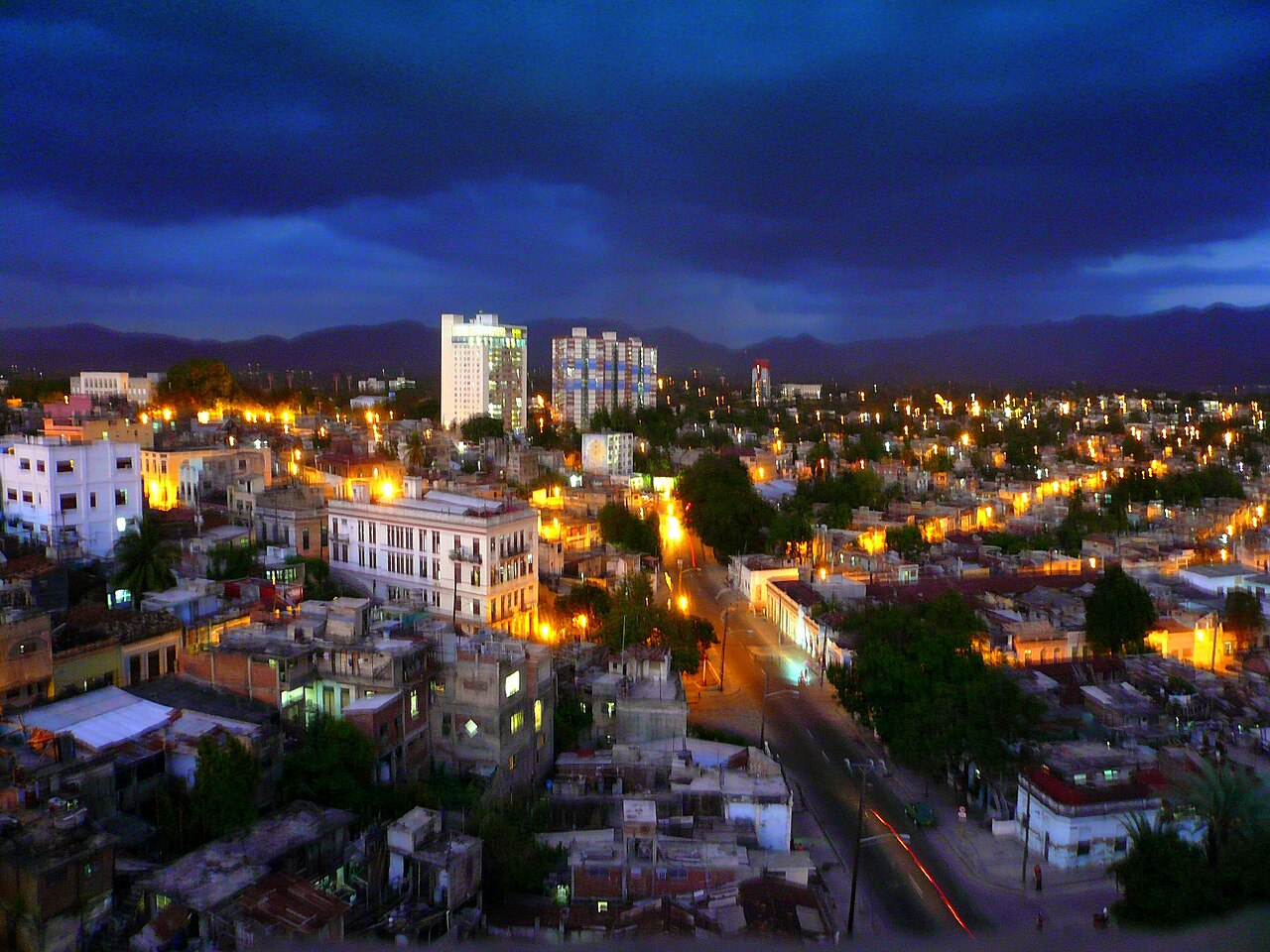
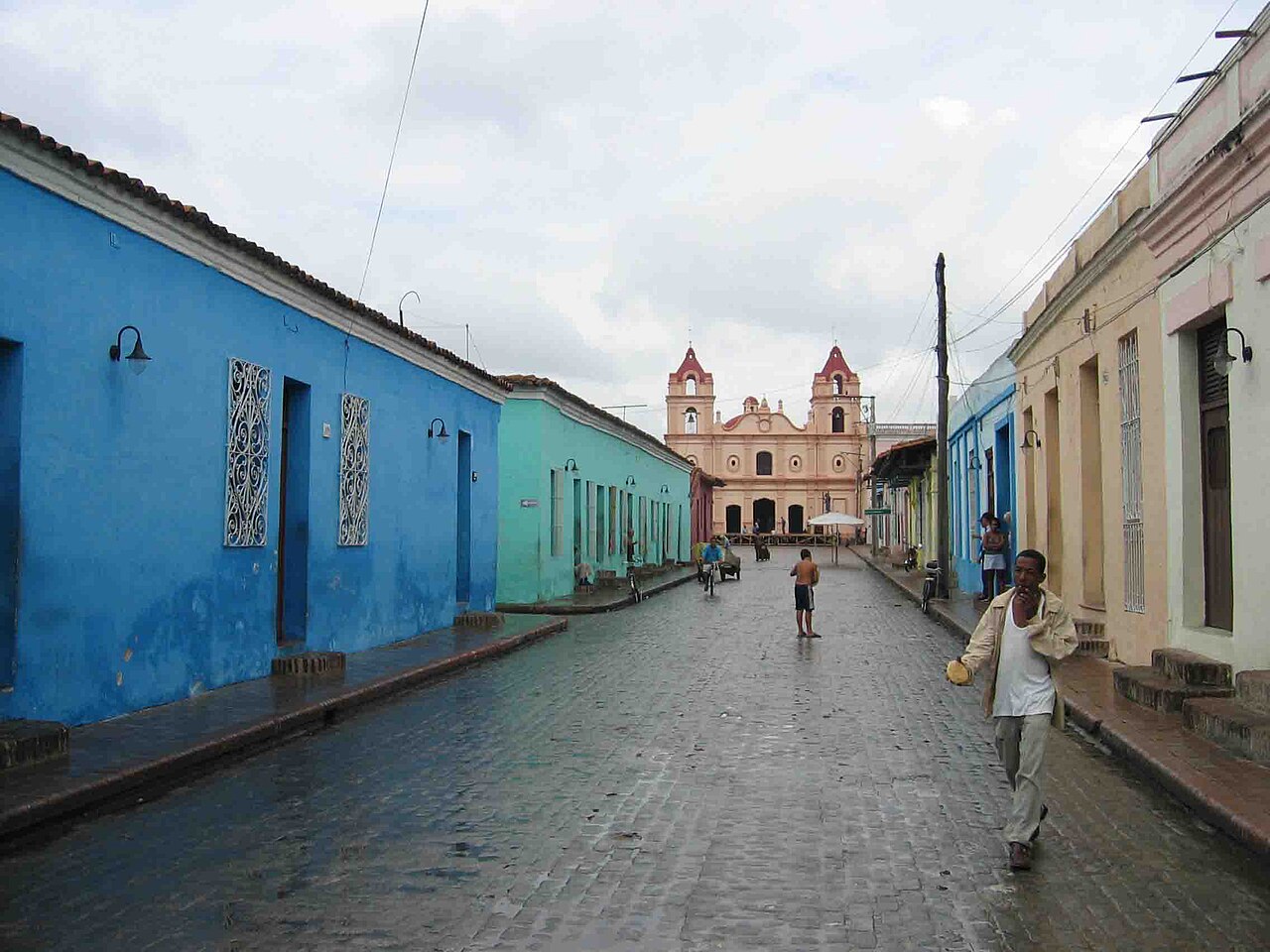
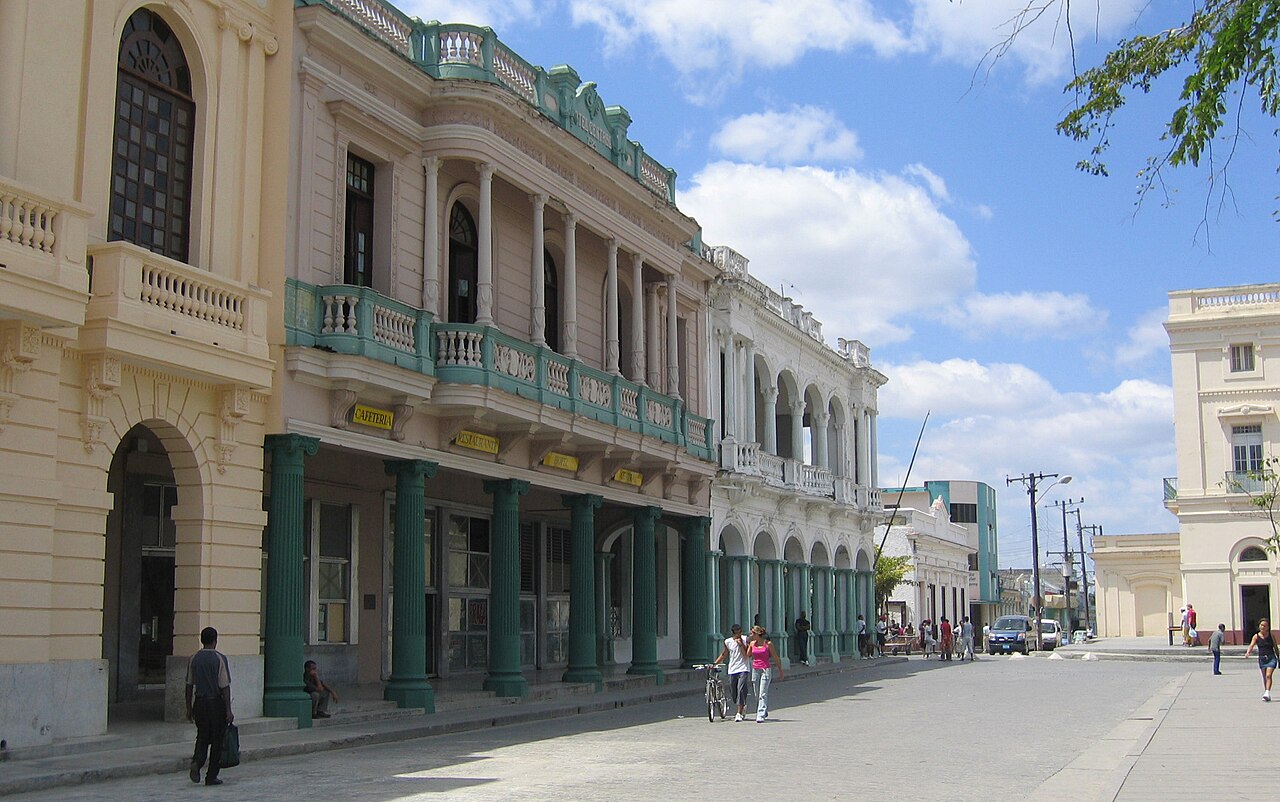
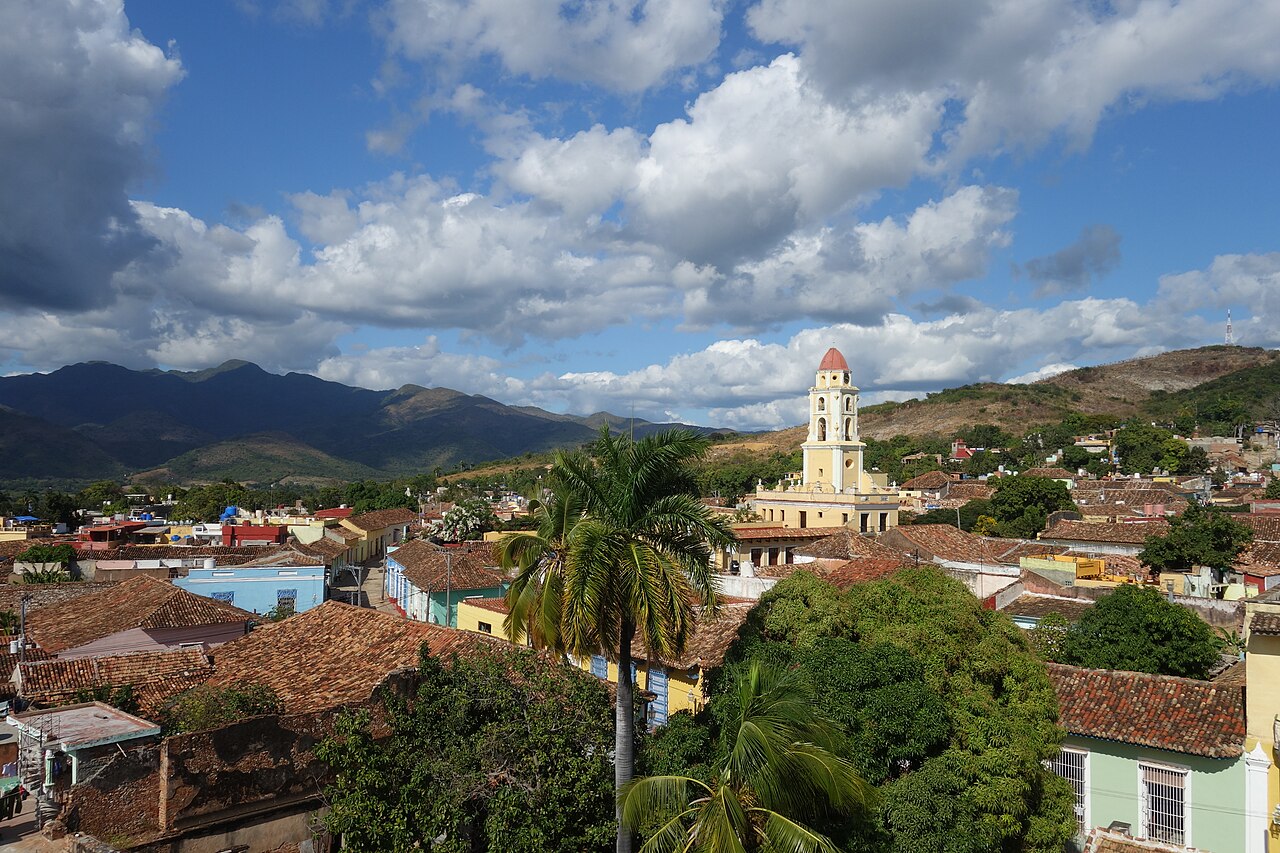
Most Cuban cities were founded by the Spanish in the 1500s. From the big harbour capital of Havana in the west to the music-filled streets of Santiago in the east, many still keep their colonial squares and churches, and several are UNESCO World Heritage Sites.
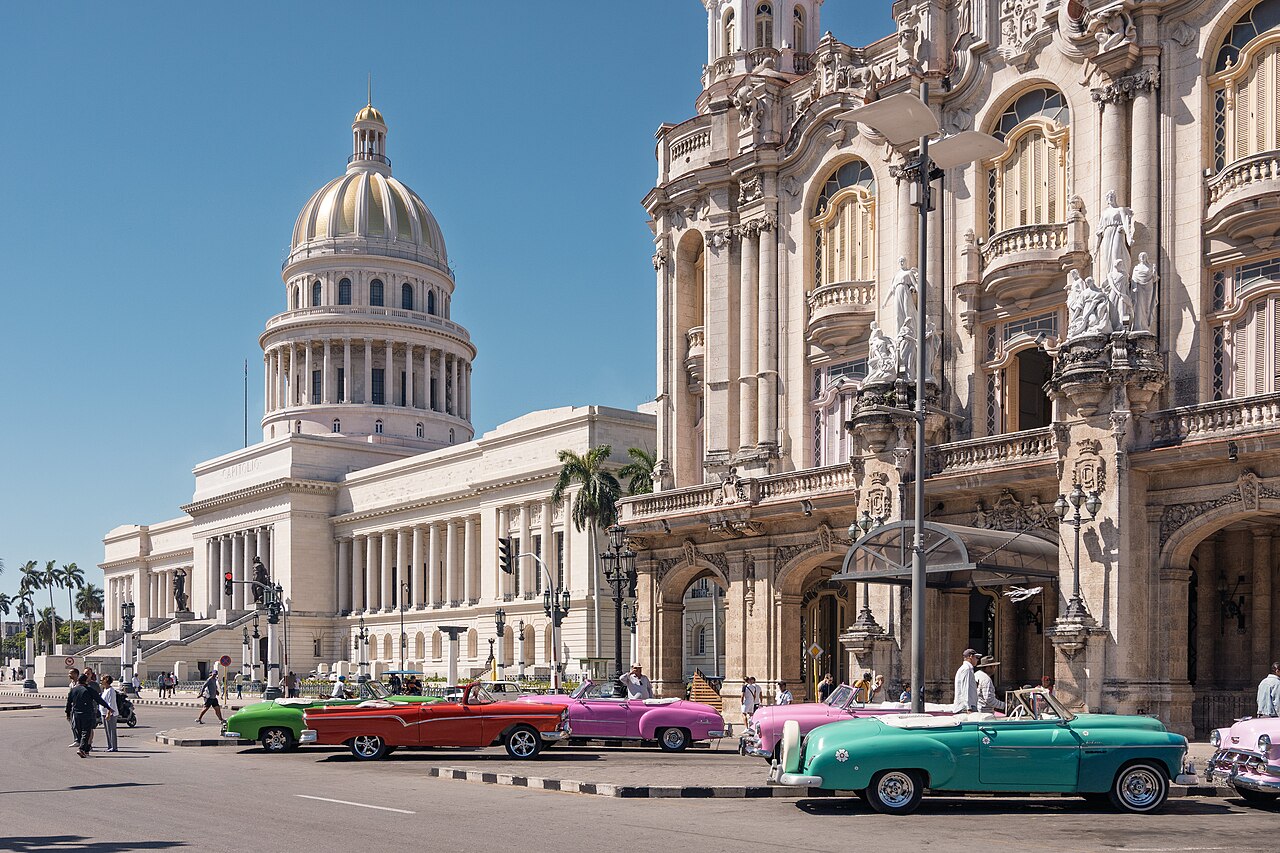
The capital, largest city and main port, founded in 1519 on a deep natural harbour. Old Havana, with its squares, churches and fortresses, has been a UNESCO World Heritage Site since 1982. As of the end of 2024, the city had about 1.75 million people.
Cuba's second-largest city, on a sheltered bay in the southeast, about 870 km from Havana. Founded in 1515, it was long the island's second most important city, and the Cuban bolero was born here in the 1800s.
Cuba's third-largest city, with more than 333,000 people, in the centre of the island. After the pirate Henry Morgan burned it in the 1600s, it was rebuilt as a maze of winding lanes to confuse attackers. Its old town has been a UNESCO World Heritage Site since 2008.
The capital of Villa Clara province, in the middle of Cuba. At the end of 1958 it was the scene of the last big battle of the Cuban Revolution, when rebels led by Che Guevara derailed an armoured government train.
A small colonial town founded in 1514, grown rich on the sugar trade of the 1700s and 1800s. With its cobbled streets and pastel houses, it is one of the best-preserved colonial towns in the Caribbean, and a UNESCO World Heritage Site together with the nearby Valle de los Ingenios since 1988.
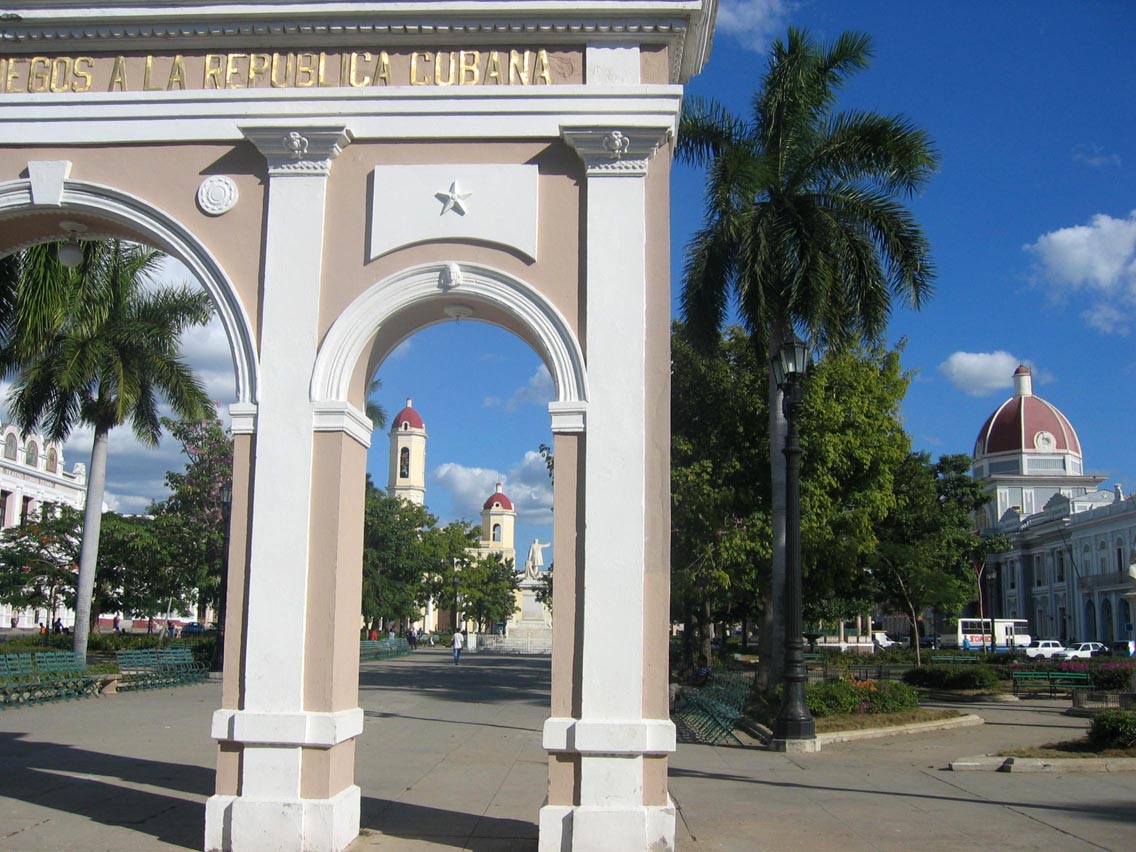
An elegant port on the south coast, nicknamed the 'Pearl of the South'. It was founded in 1819 by French settlers from Bordeaux and Louisiana, and its neat grid of streets and grand buildings has been a UNESCO World Heritage Site since 2005.
A port on the north coast about 100 km east of Havana. Three rivers and seventeen bridges earned it the name 'City of Bridges', and its poets the name 'Athens of Cuba'. It is known as the birthplace of the danzón and of rumba.
A small, remote town near the eastern tip of Cuba, founded in 1511. It is the oldest Spanish settlement in Cuba and was its first capital, so it is nicknamed the 'First City'.
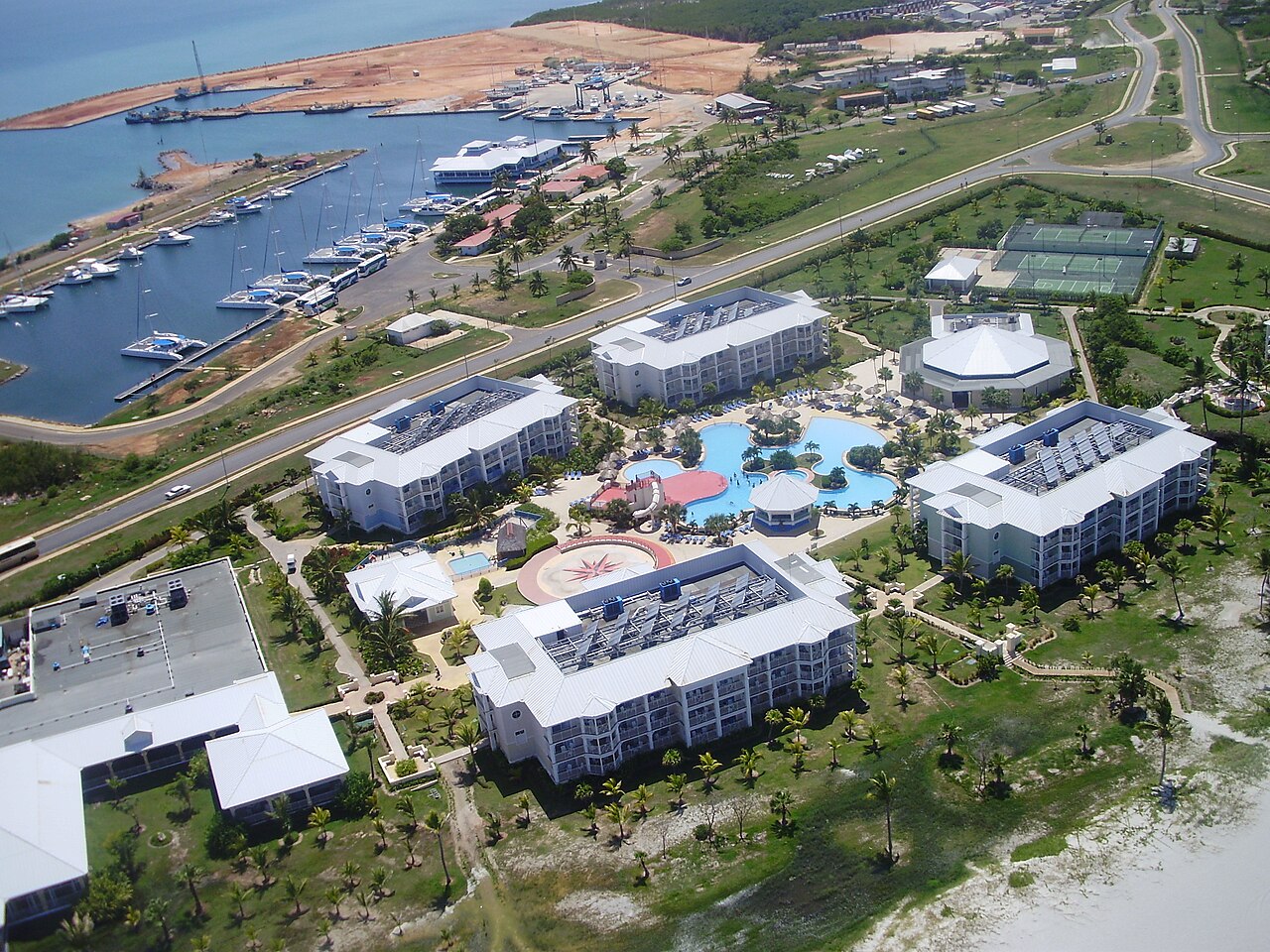
A resort town on the narrow Hicacos Peninsula on the north coast, about 140 km east of Havana, and one of the largest resort areas in the Caribbean. It has more than 20 km of white sandy beaches, rated among the world's best in TripAdvisor awards since 2019.
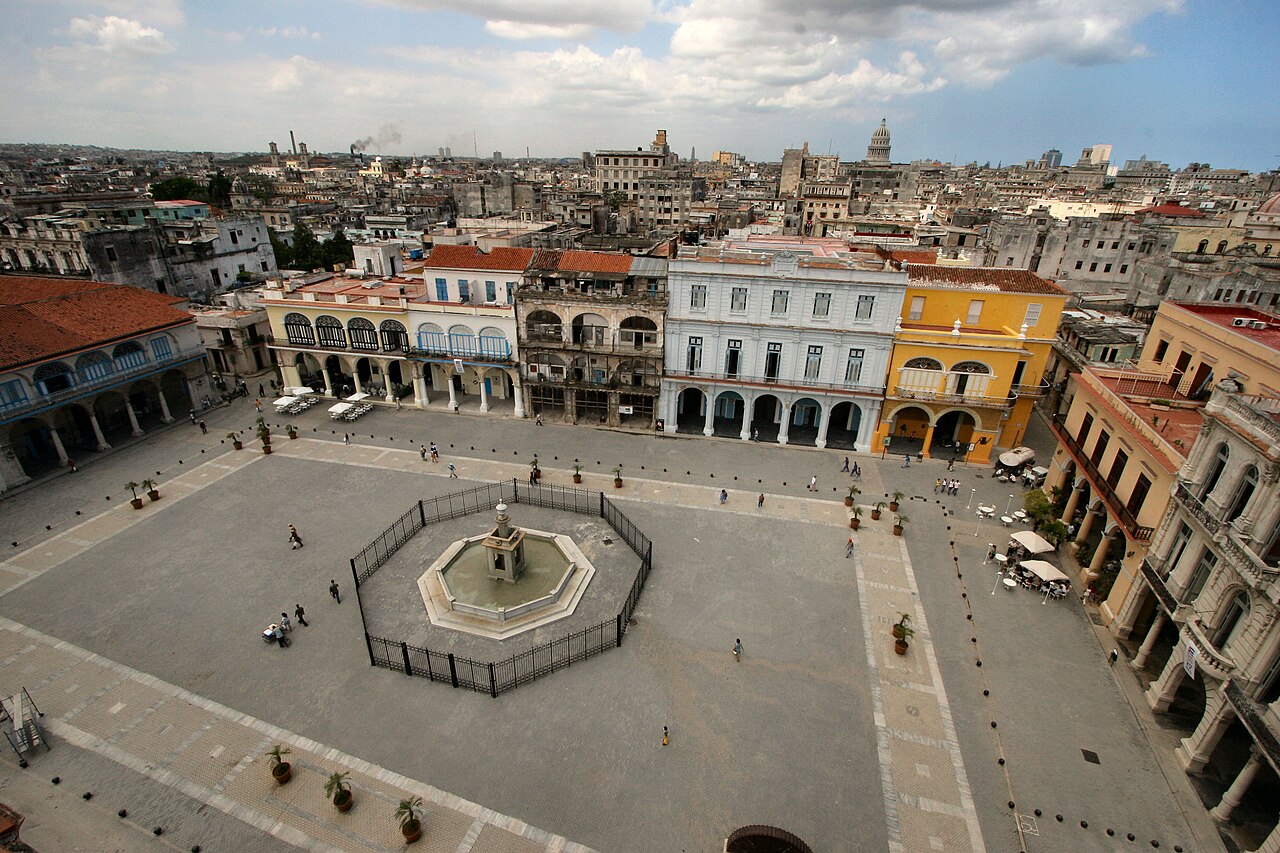
The historic heart of Havana, inside the line of the old city walls. Its squares, Baroque churches, colonnades and courtyards grew rich on the Spanish treasure fleets. Together with the forts that guarded the harbour, it was listed by UNESCO in 1982, and many of its buildings are being restored.
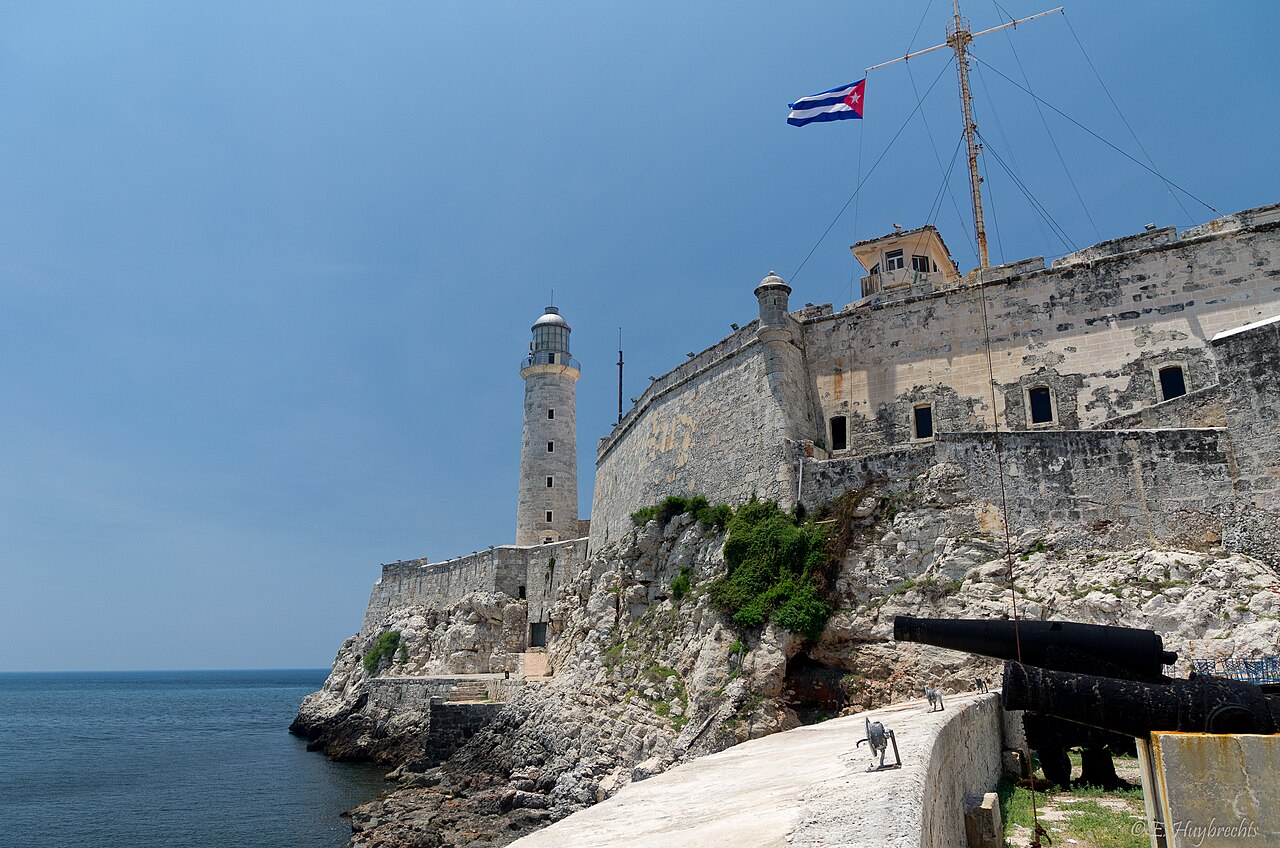
The Castle of the Three Kings of the Morro, on the rocky point across the harbour mouth from Old Havana, begun in 1589 against pirate raids. The British captured it in 1762. It is part of the Old Havana World Heritage Site.
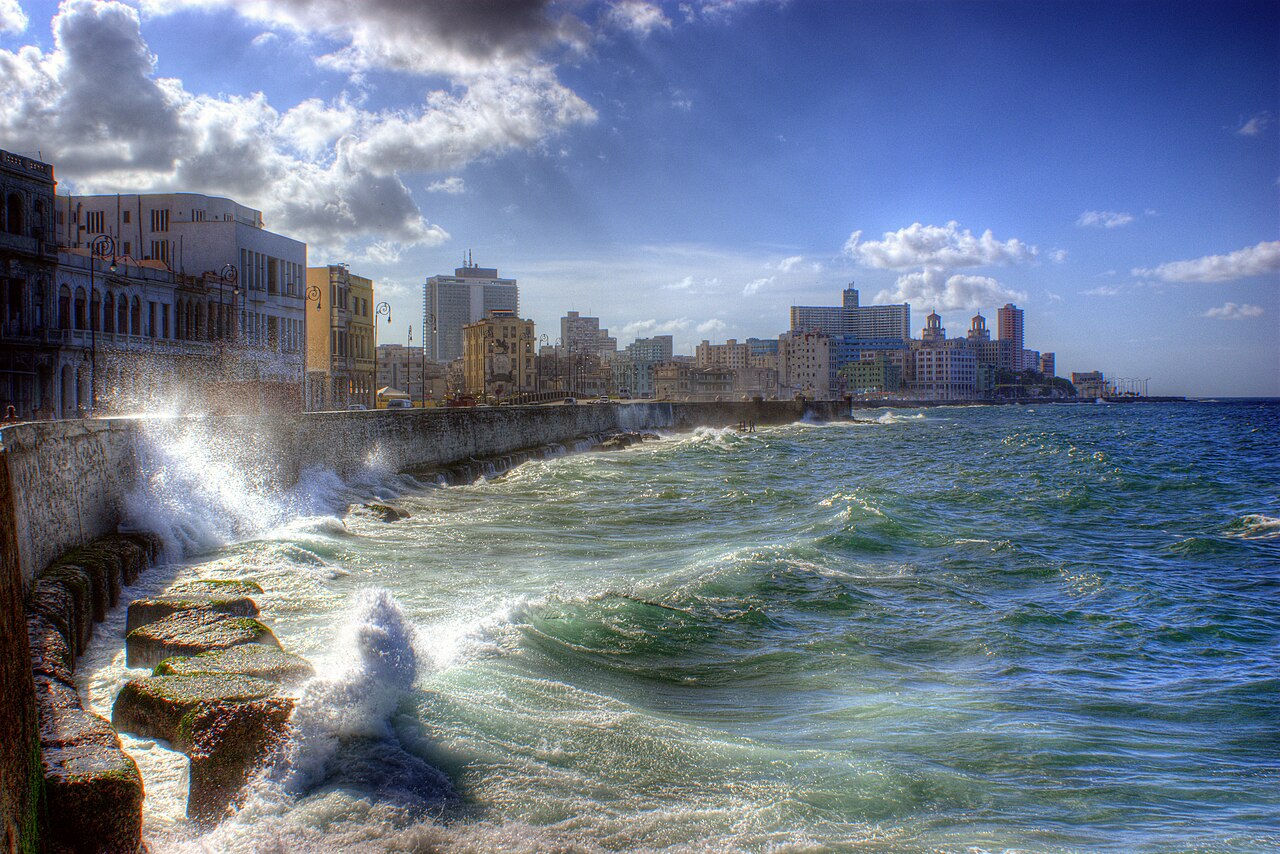
Havana's seawall and seafront road, which runs for 8 km from the harbour mouth to the Almendares River. Building began in 1901 to protect the city from waves whipped up by cold-front storms. In the evening it is the city's favourite place to stroll, fish and watch the waves.
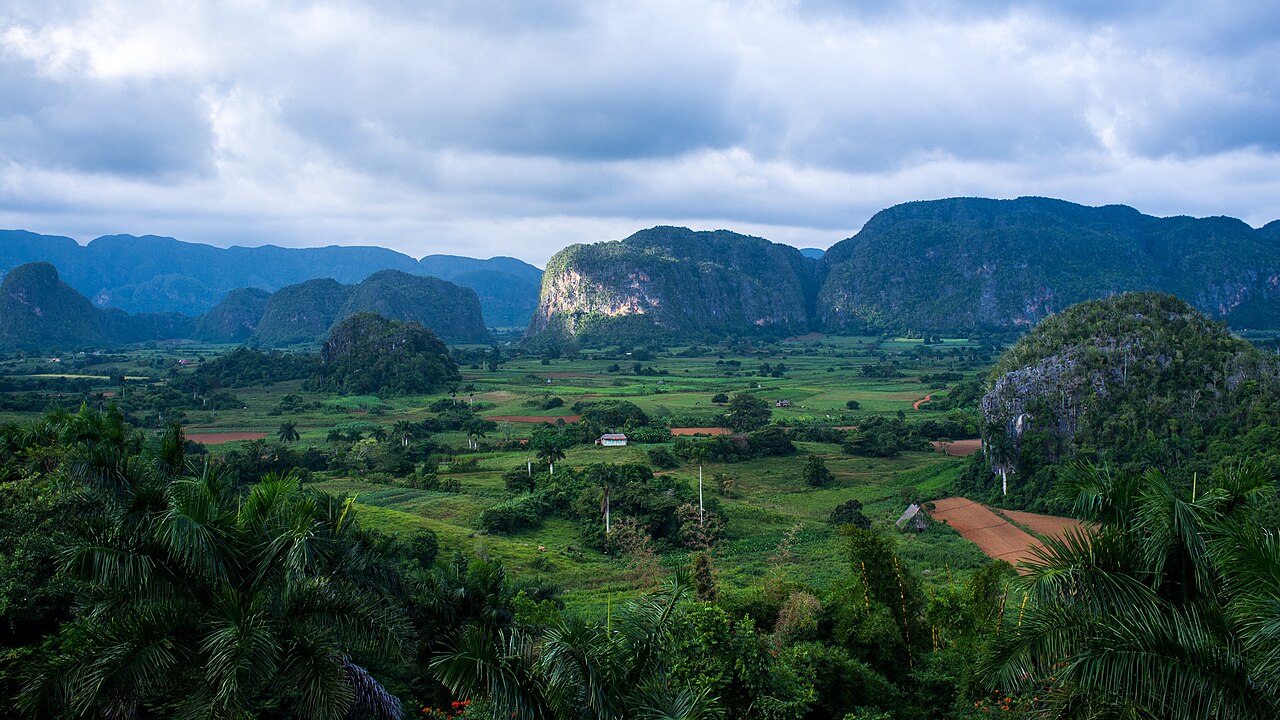
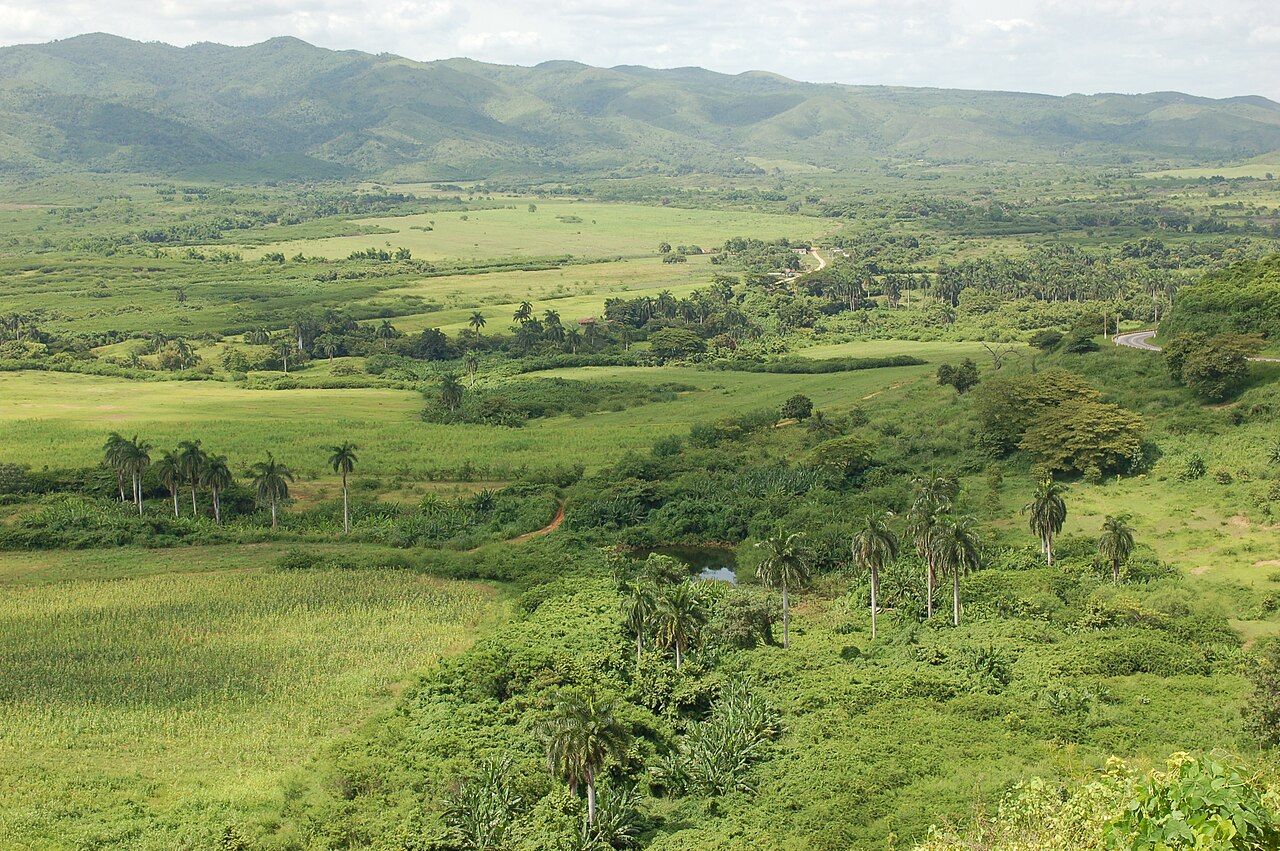
A green valley north of Pinar del Río where steep limestone hills called mogotes, up to 300 m high, rise from red fields of tobacco. Farmers still grow tobacco here by hand in the traditional way, and UNESCO listed the valley as a cultural landscape in 1999.
The 'Valley of the Sugar Mills', about 12 km from Trinidad. In the 1700s and 1800s it had over fifty sugar mills, worked by more than 30,000 enslaved people. Mill ruins, a plantation house and the 45 m Manaca Iznaga tower remain, and it is a UNESCO site together with Trinidad.
A planned town centre of wide, straight streets and elegant buildings around a central park. UNESCO listed it in 2005 as an outstanding example of early 1800s Spanish Enlightenment town planning.
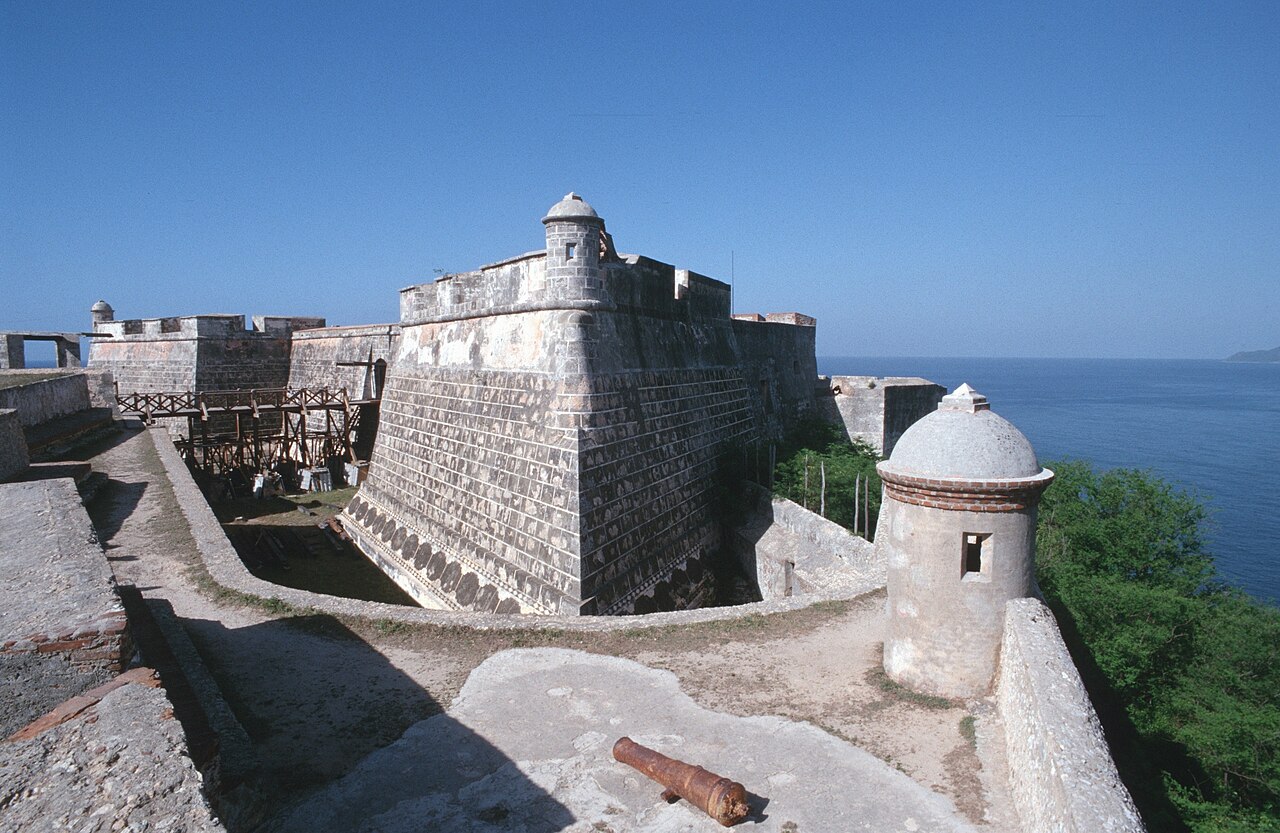
A stone fortress built on terraces on a cliff at the entrance to Santiago Bay, about 10 km southwest of the city centre. It was built mostly between 1638 and 1700 against pirates, and UNESCO calls it the best-preserved example of Spanish-American military architecture.
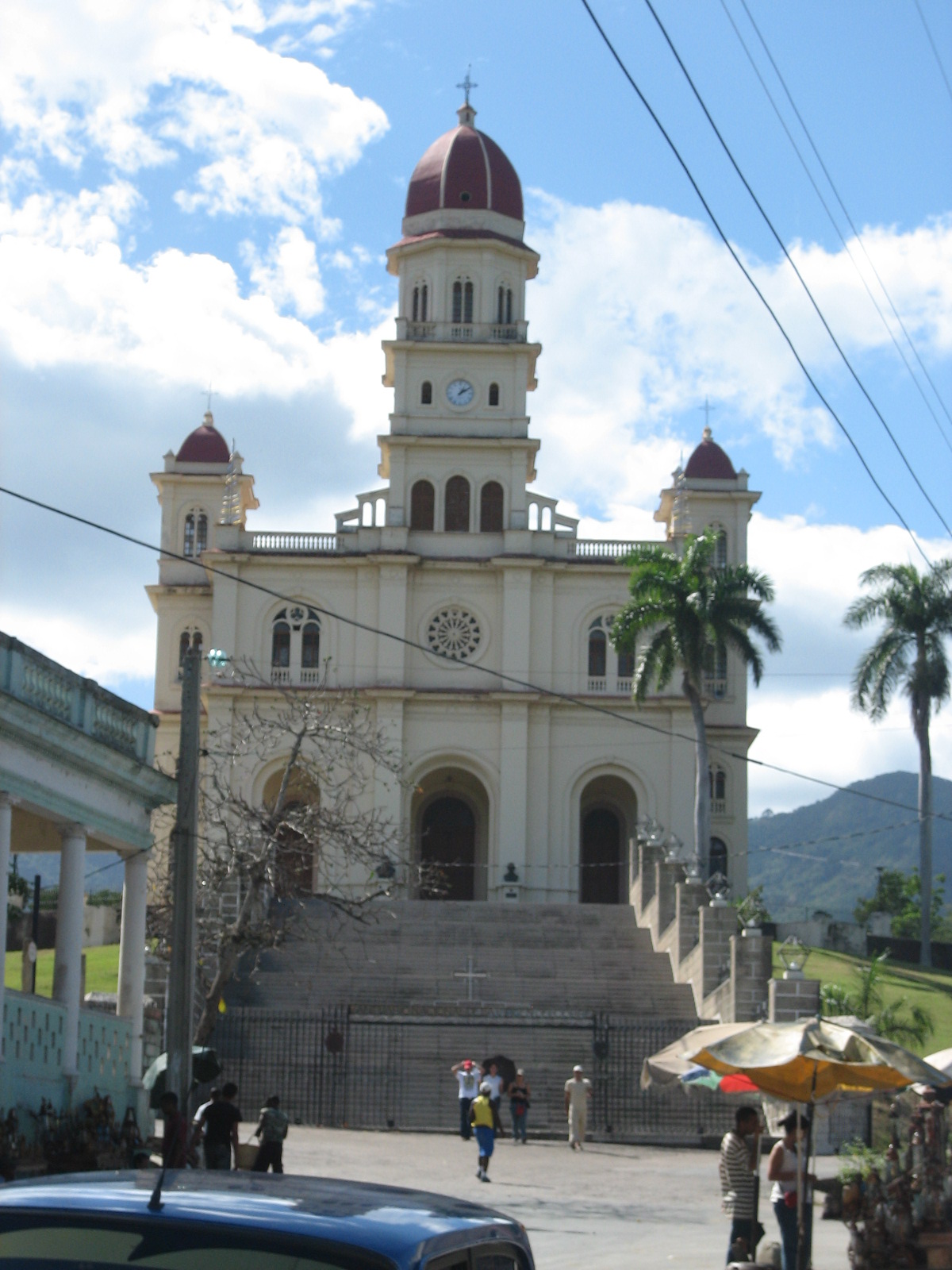
A hilltop church built in 1926 in the village of El Cobre, west of Santiago de Cuba, reached by 254 steps. It holds the Virgin of Charity of El Cobre, the Catholic patroness of Cuba and a symbol of Cuban culture.
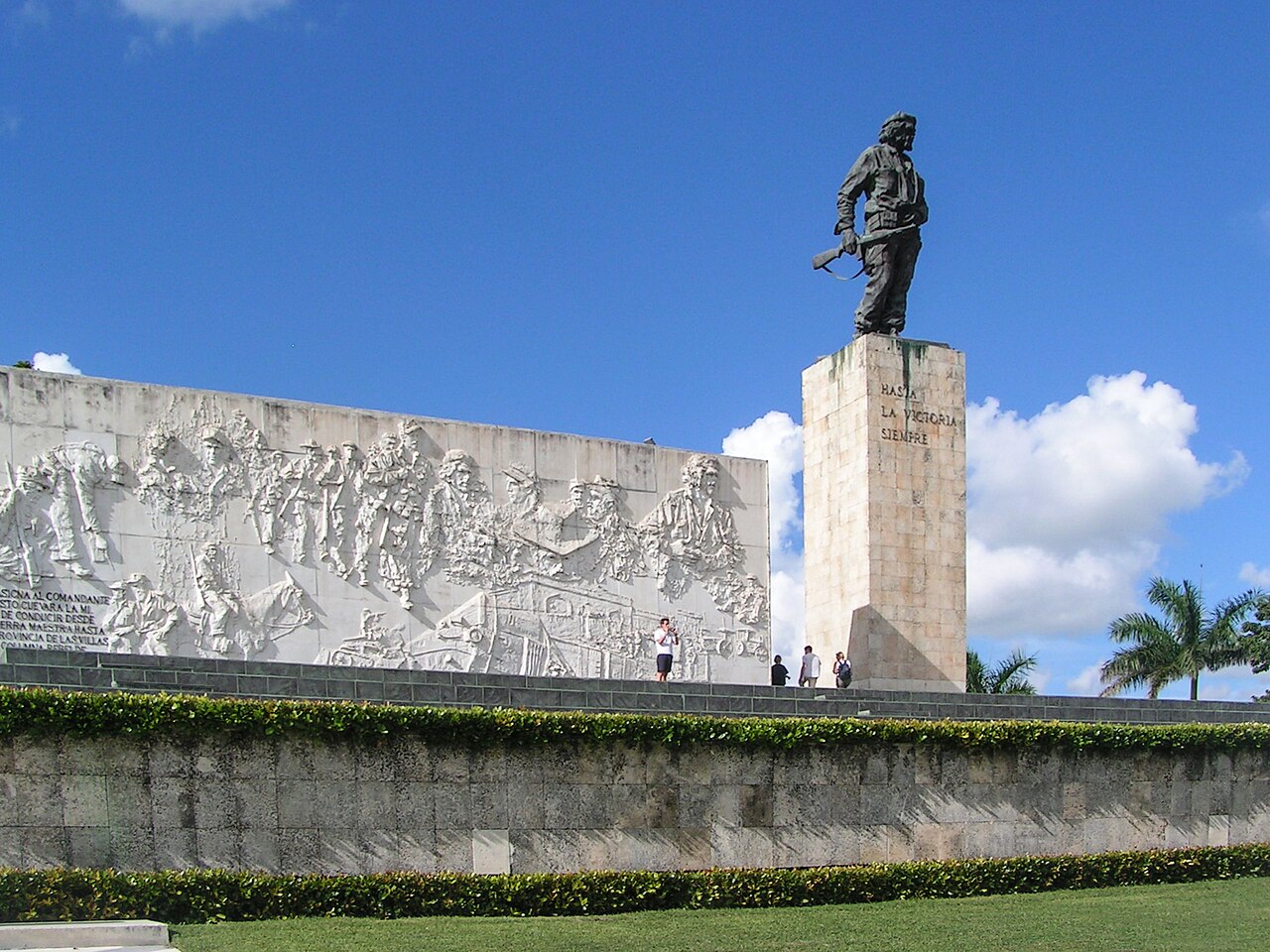
A memorial with a large bronze statue of the revolutionary Ernesto 'Che' Guevara, whose remains were brought here from Bolivia in 1997 along with those of fellow fighters. Santa Clara was chosen because Guevara's column took the city in the last battle of the revolution. A museum tells the story of his life.
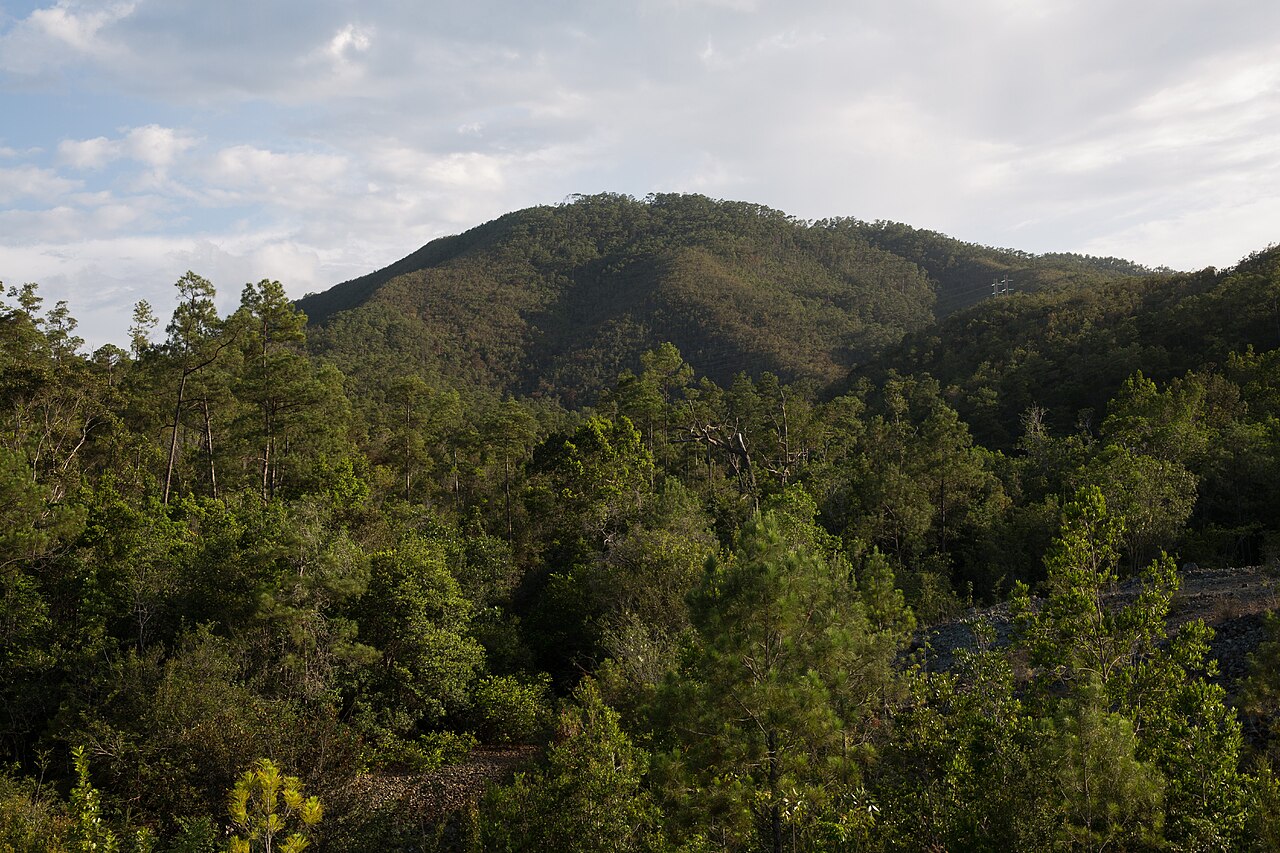
A wild, rainy, mountainous park in the far east of Cuba, northwest of Baracoa, named after the German scientist Alexander von Humboldt, who visited Cuba in 1800 and 1801. It is home to many plants and animals found nowhere else, and was listed by UNESCO in 2001.
The main island of Cuba is about 1,250 km long. It is the largest island in the Caribbean and the 17th-largest island in the world.
02
The bee hummingbird, native to Cuba, is the smallest known bird in the world. It is only about 5 to 6 cm long.
03
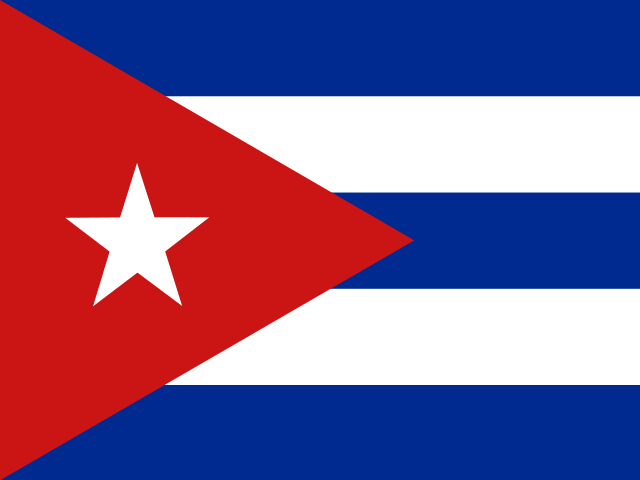
Cuba's national bird is the Cuban trogon, or tocororo. Its red, white and blue feathers match the colours of the Cuban flag.
04
Pico Turquino, Cuba's highest mountain, is the only place in Cuba where snow has been officially recorded. It last fell in February 1900.
05
The Cauto, about 343 km long, is the longest river in Cuba and in the whole Caribbean.
06
Isla de la Juventud, Cuba's second-largest island, was called the Isle of Pines until 1978. Tales of the pirates who once used it are thought to have fed into Robert Louis Stevenson's Treasure Island.
07
The writer Ernest Hemingway lived at Finca Vigía, a farm about 24 km from Havana, for much of the 1940s and 1950s. He wrote The Old Man and the Sea during those years in Cuba.
08
Baseball is Cuba's most popular sport. It has been the most played sport on the island since the 1870s, when Cuba was still a Spanish colony.
09
The Cuban chess player José Raúl Capablanca was world chess champion from 1921 to 1927.
10
In 2015 Cuba became the first country in the world validated by the World Health Organization for eliminating mother-to-child transmission of HIV and syphilis.
11
The national anthem, 'La Bayamesa', was first performed in 1868 during the Battle of Bayamo, in the first war of independence.
12
The Buena Vista Social Club, a group of veteran Cuban musicians, took its name from a 1940s members' club in Havana. Its 1997 album made traditional Cuban son famous around the world again.
13
Cuba has one of the oldest populations in Latin America, because of low birth rates and the emigration of many young people.
14
From 1915 until about 1960, one Cuban peso was worth exactly one US dollar.
As of September 2026, the UK government advises against all but essential travel to Cuba. Fuel shortages have caused repeated failures of the power grid, cancelled flights and cuts to transport, medical care and communications. Check your own government's advice and your insurance before you book.
Bring enough cash for the whole trip
Since 6 June 2026, international cards such as Visa and Mastercard are no longer accepted in Cuba, and cash machines will probably not work with a foreign card. Bring enough US dollars or euros in cash for your whole stay and for emergencies, keep it safe, and ask your hotel how to pay in advance.
Change money only at a Cadeca
The Cuban peso cannot be bought outside Cuba. Change money only at official Cadeca exchange houses: exchanging money anywhere else, including with people in the street, is illegal and can lead to a fine or prison. Declare foreign cash worth more than 5,000 US dollars when you arrive.
Sort out your visa and arrival form
Tourists need a tourist card or an electronic visa before travelling. Within 72 hours before you arrive, fill in the online D'Viajeros form, then print or download the QR code, as wifi may not be available on arrival. Your passport must be valid for at least 6 months after the date you arrive and 3 months after you leave.
Pack all your medicines
There are severe shortages of basic medicines in Cuba, and many pharmacy items are not available. Bring everything you need for the whole trip, with a letter from your doctor, and make sure your insurance covers treatment and medical evacuation. Treatment must be paid for in foreign currency before it is given.
Protect yourself from mosquitoes
Dengue, chikungunya and Oropouche fever are spread by mosquitoes in Cuba. Use insect repellent and cover your arms and legs, during the day as well as at dusk.
Use official yellow taxis
At the airport and in Old Havana, some people pose as taxi drivers or guides. Use registered yellow taxis or your tour operator's transport, and avoid the three-wheeled coco-taxis, which may be unsafe. In an emergency, call 104 for an ambulance, 105 for the fire service and 106 for the police.
Watch the hurricane season
The hurricane season runs from June to November. Storms can cause floods and cut power, water and flights. As of 2026, parts of eastern Cuba are still recovering from Hurricane Melissa of October 2025.