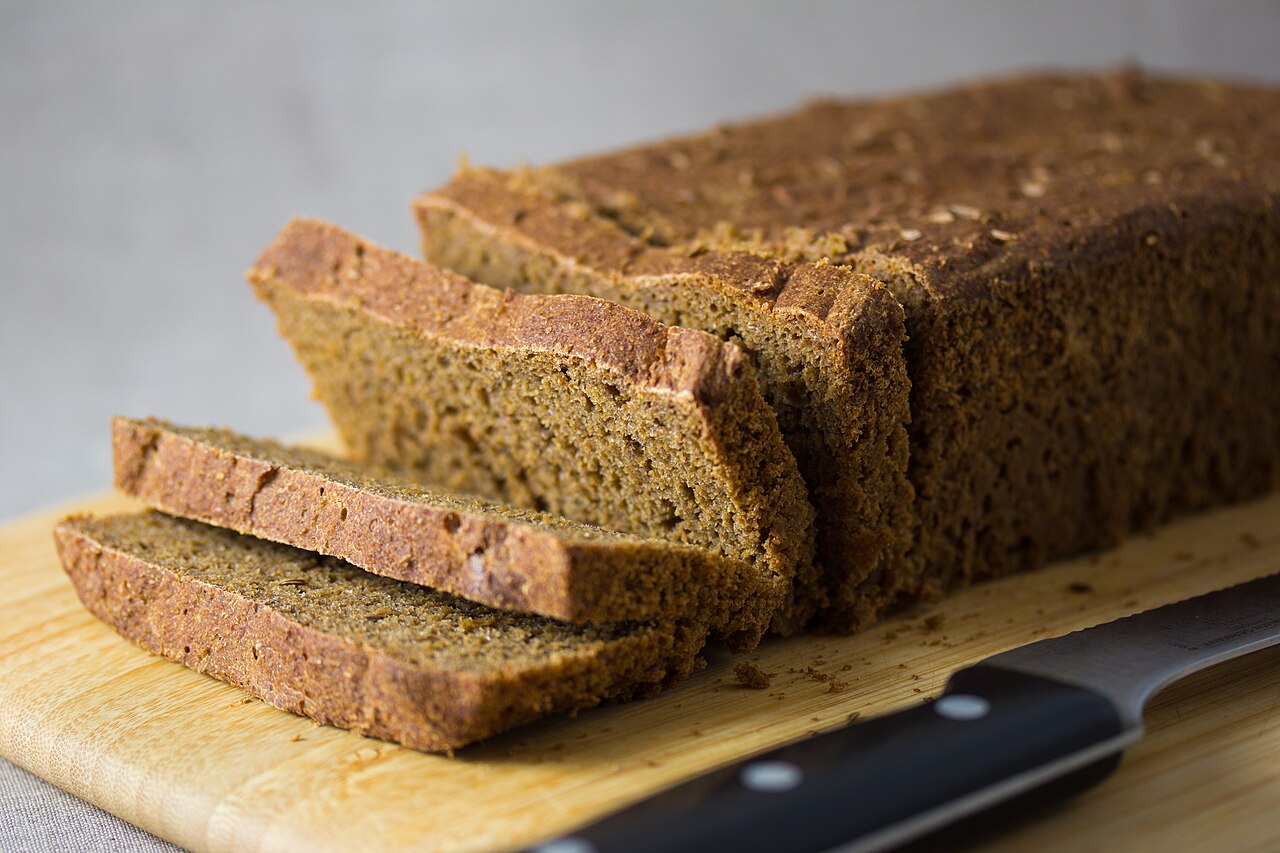
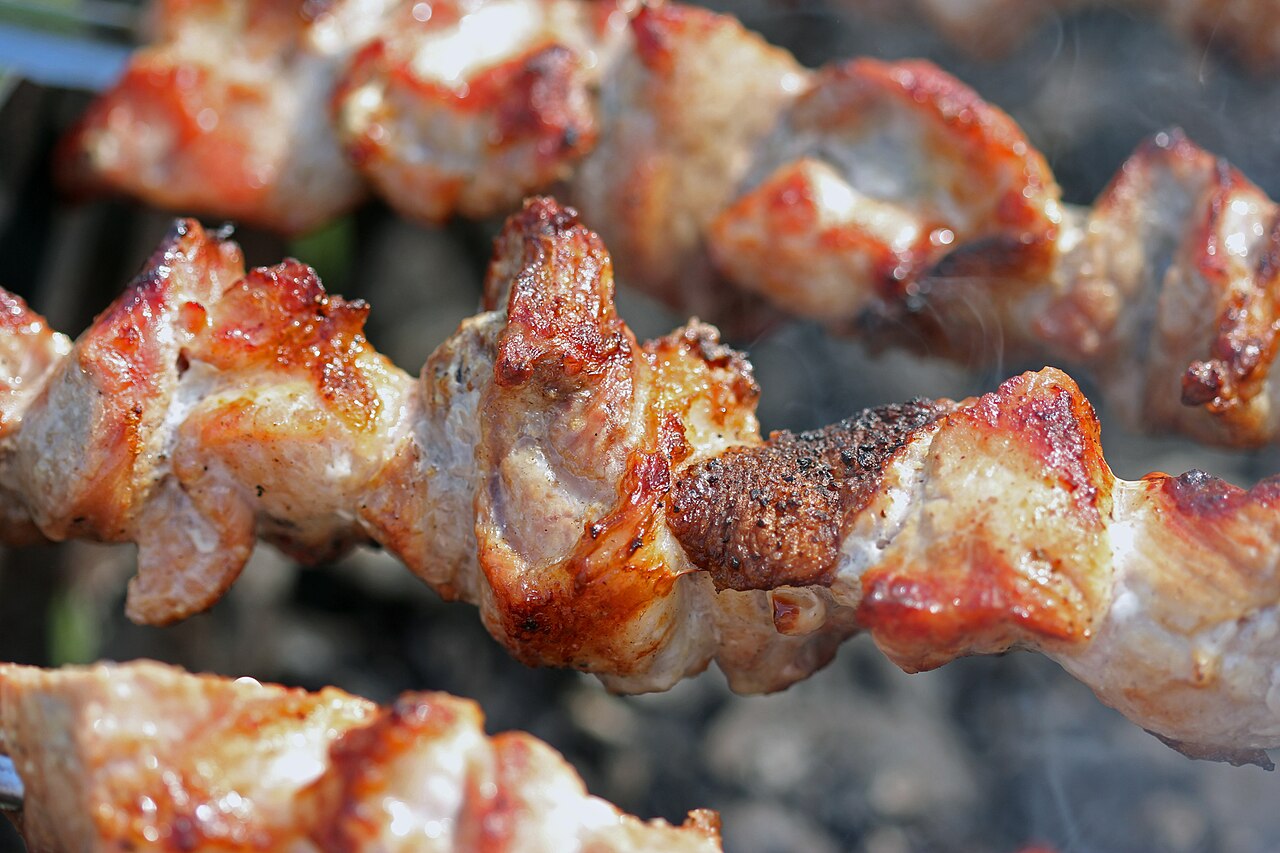
Estonian food is northern farm and coast cooking: dark rye bread, pork, potatoes, barley, dairy and fish from the sea and lakes, with German, Swedish, Russian and Finnish influences. A festive meal starts with a cold table of pickles, cold meats, sausages, potato salad, herring and the pink beetroot and herring salad called rosolje. Then comes a soup or a hot main course, always with rye bread on the side, and it ends with something sweet with coffee. In summer people eat everything fresh from the garden and grill outdoors, and in winter jams, pickles and preserves come to the table.
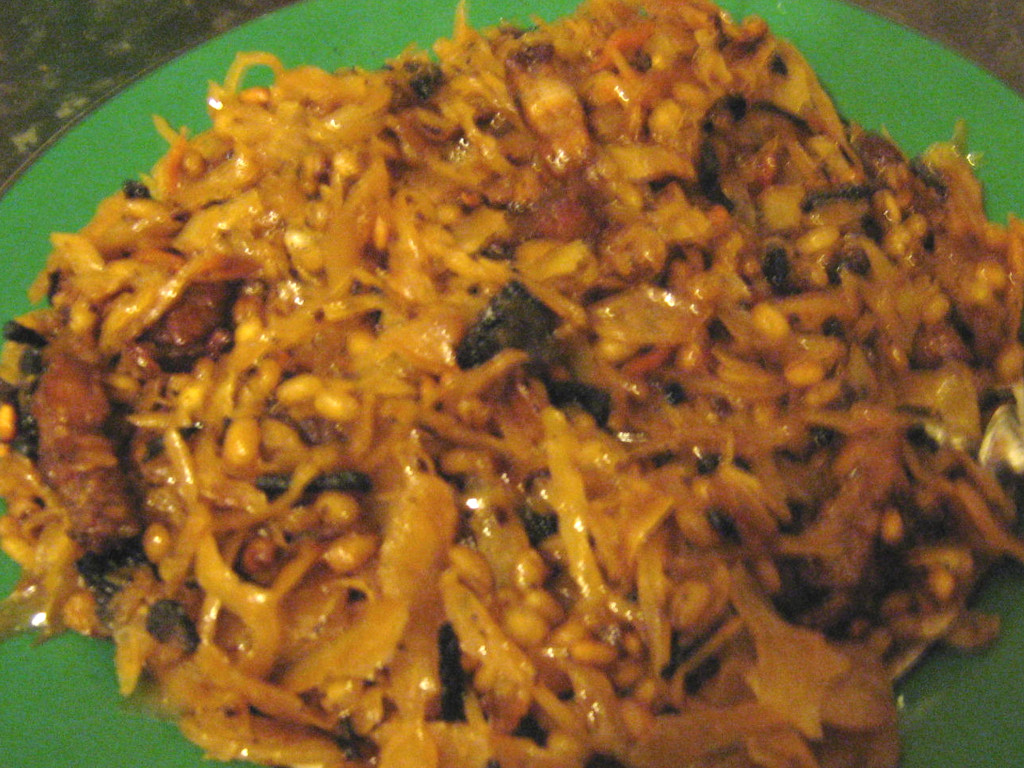
Sauerkraut slowly stewed with lard, pork and pearl barley until soft. It is often served with potatoes.
Mulgikapsad is on the list of Estonian cultural heritage and is often called a national dish. The barley was added to make the dish cheaper and more nourishing.
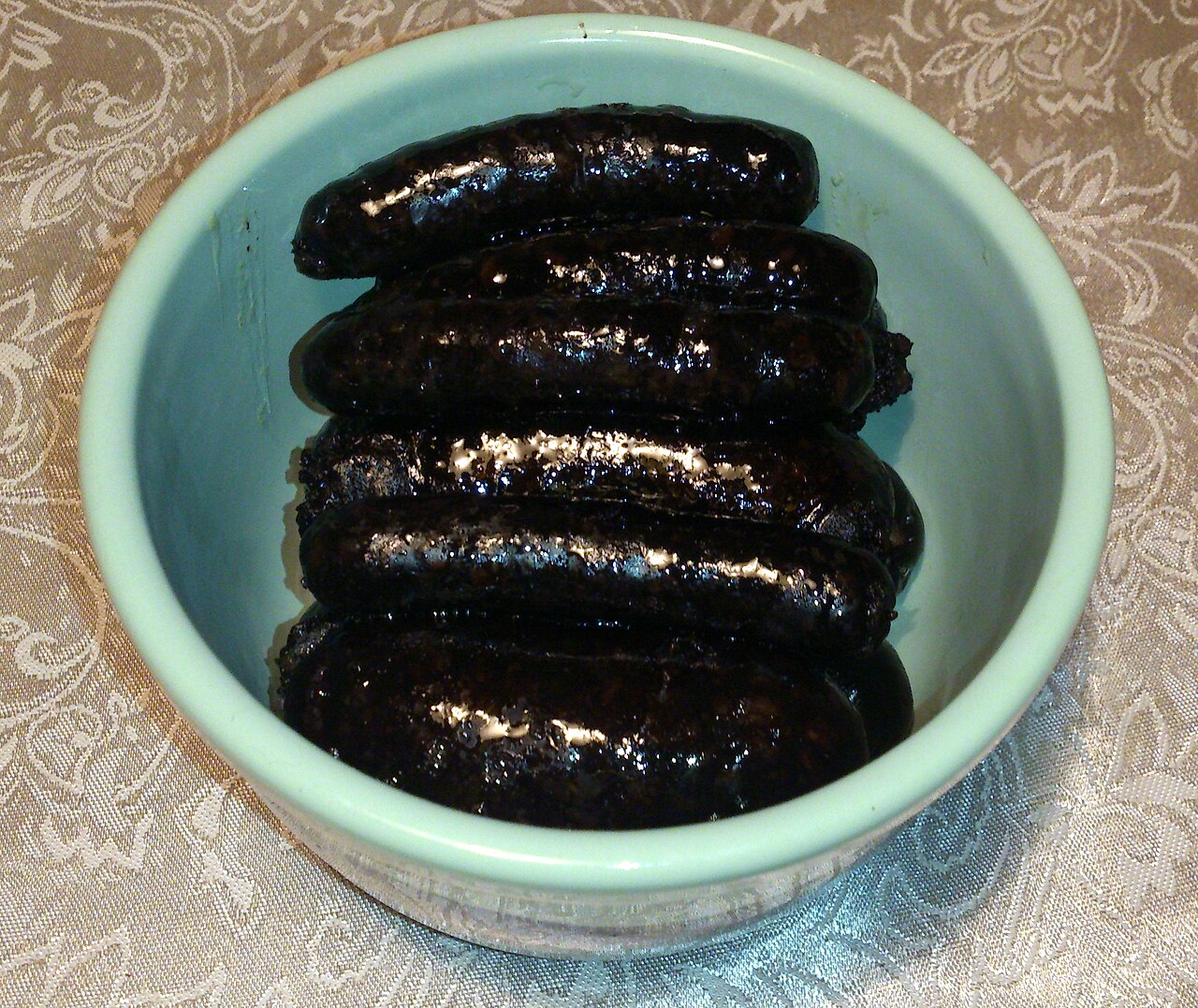
Sausage made of pig's blood, barley groats, pork and marjoram, baked in the oven until the skin is crisp. It is eaten with lingonberry jam, and sometimes with butter or sour cream.
Verivorst is a traditional Christmas food. In December the shops sell it in many shapes and sizes.
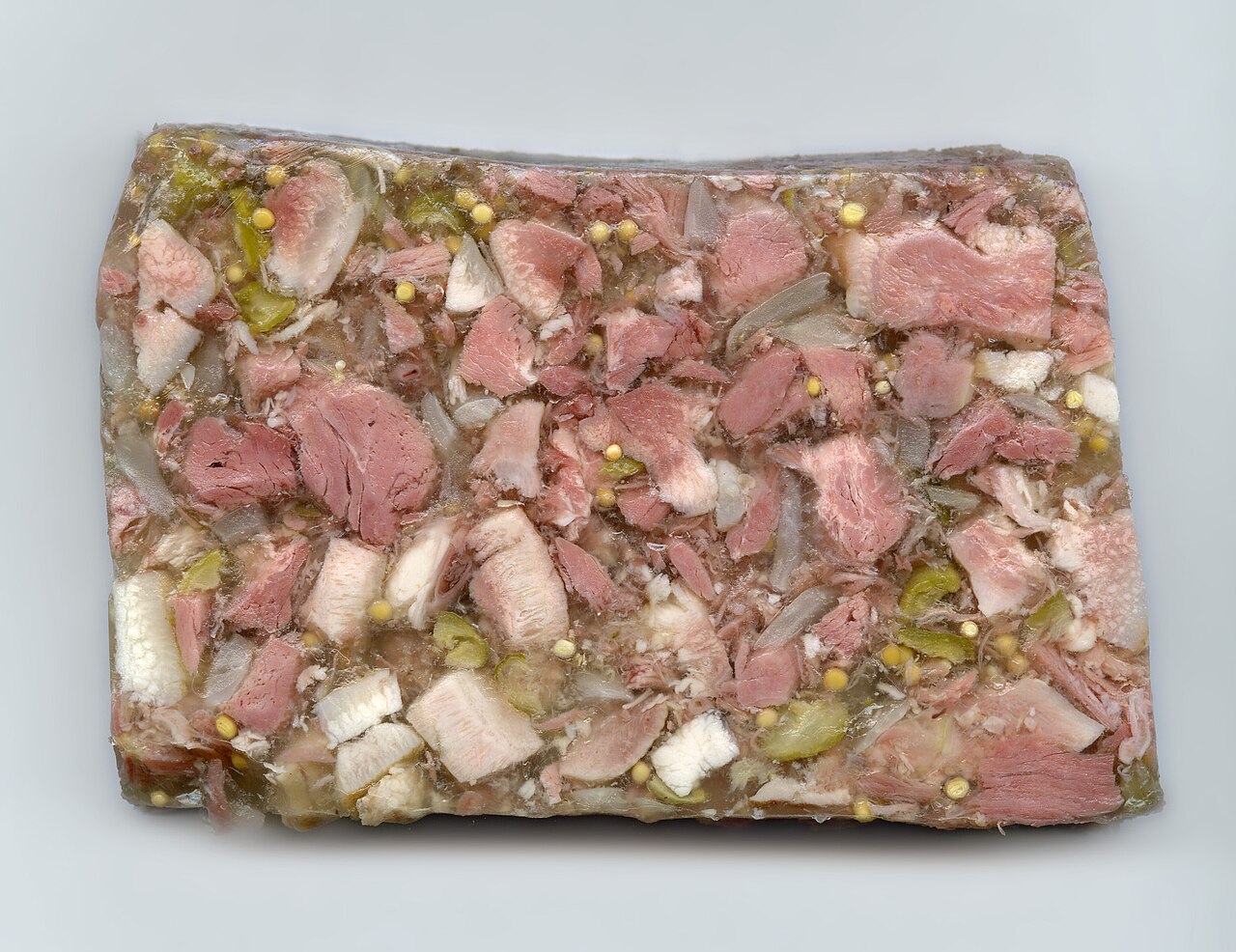
Pieces of pork set in a soft, clear aspic made from the gelatinous parts of the pig. It is served cold with horseradish or strong mustard, or with a little diluted vinegar poured over.
Sült is a traditional Christmas dish. In the past, farmers cooked the pig's head and legs into sült after the autumn slaughter.
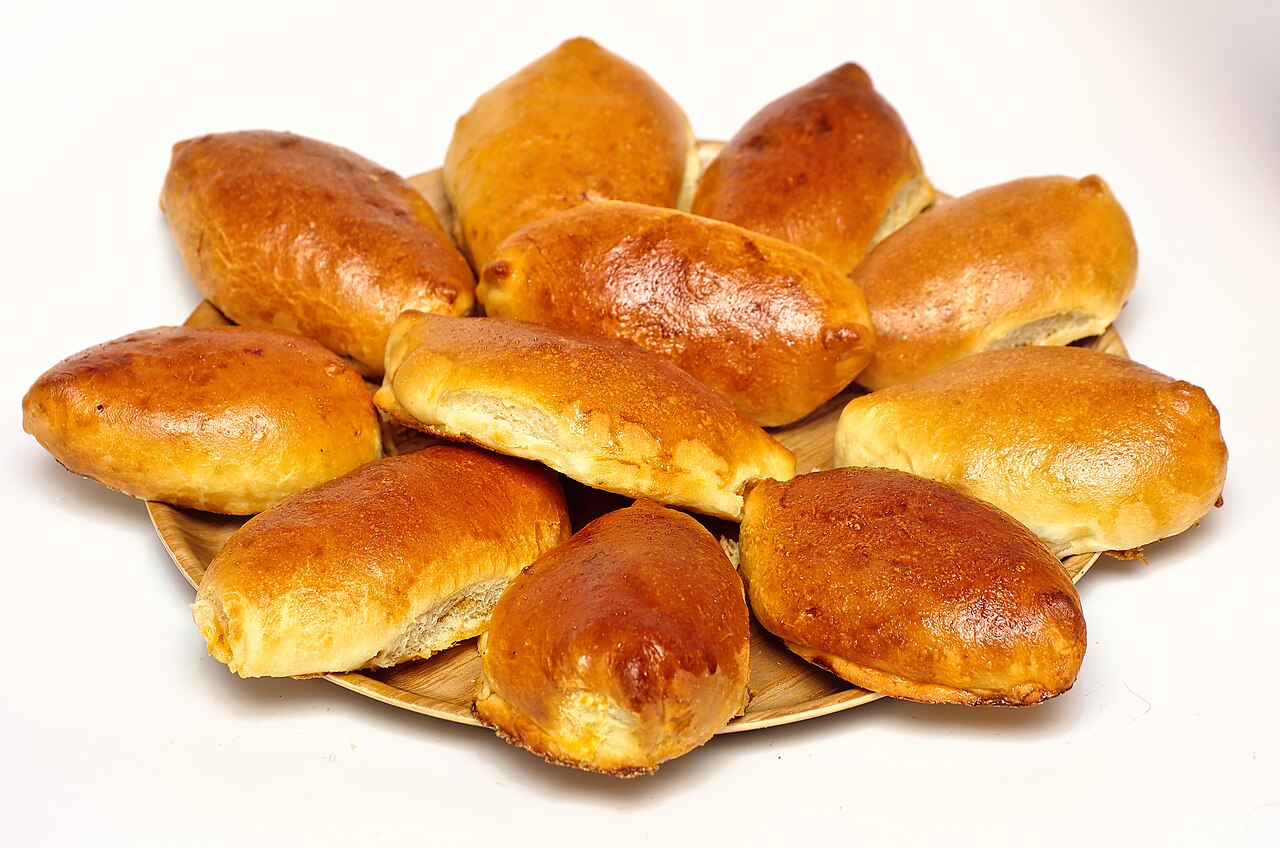
Small pastries, often made with puff pastry, filled with meat, cabbage, carrots, rice and egg, cheese or fish. They are sold in every bakery and are often served with a cup of clear broth.
Sweet pirukad are just as popular, with fillings such as apple, berries or marzipan.
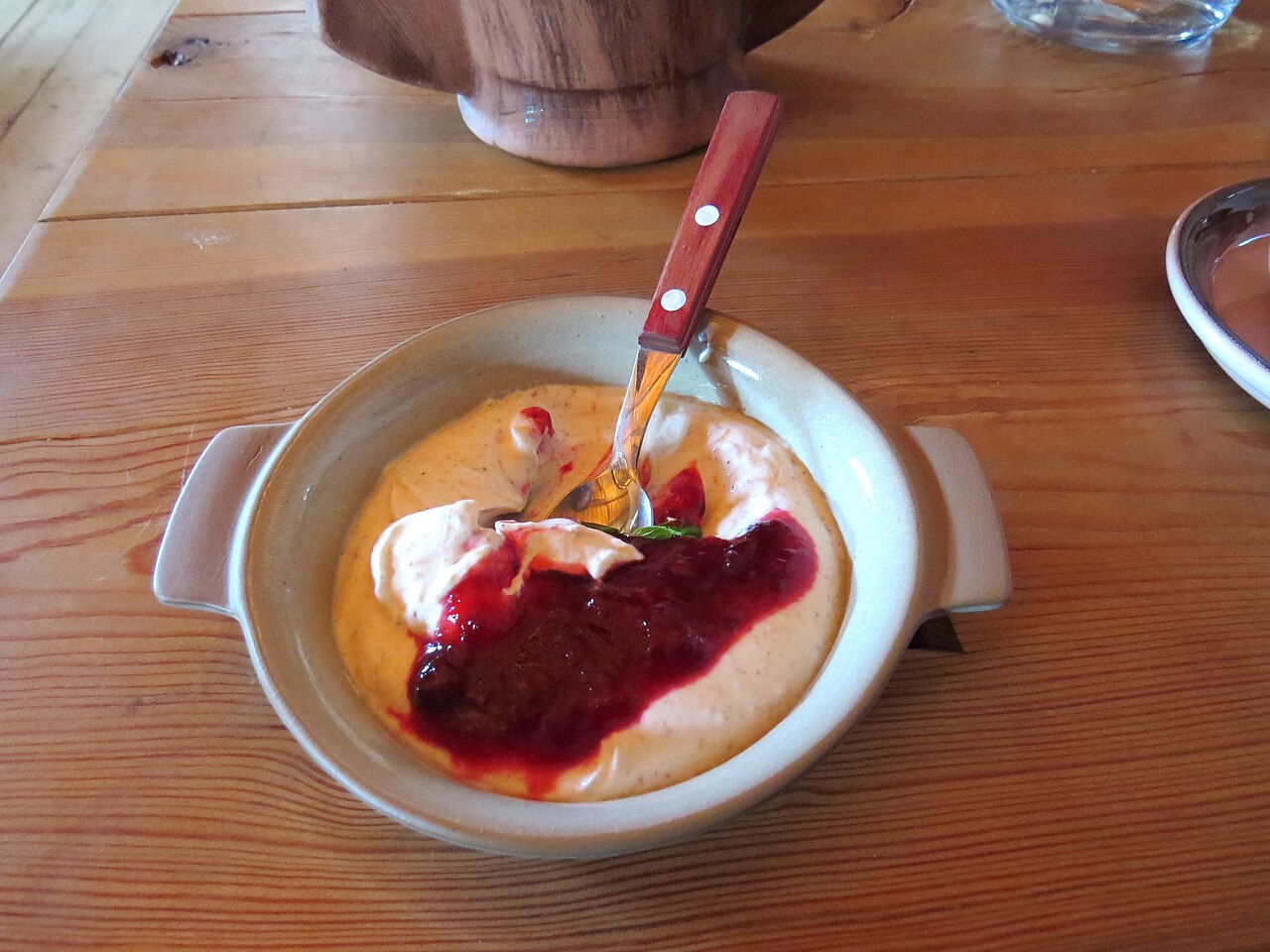
A fine flour of roasted barley, rye, oats and peas, stirred into buttermilk, kefir or milk and eaten without cooking. With sugar and berries it becomes a light, nutty dessert or breakfast.
Kama was farmers' fast food: the roasted flour kept well, was easy to carry and needed no baking.
Popular across the former Soviet Union, much loved in Estonia
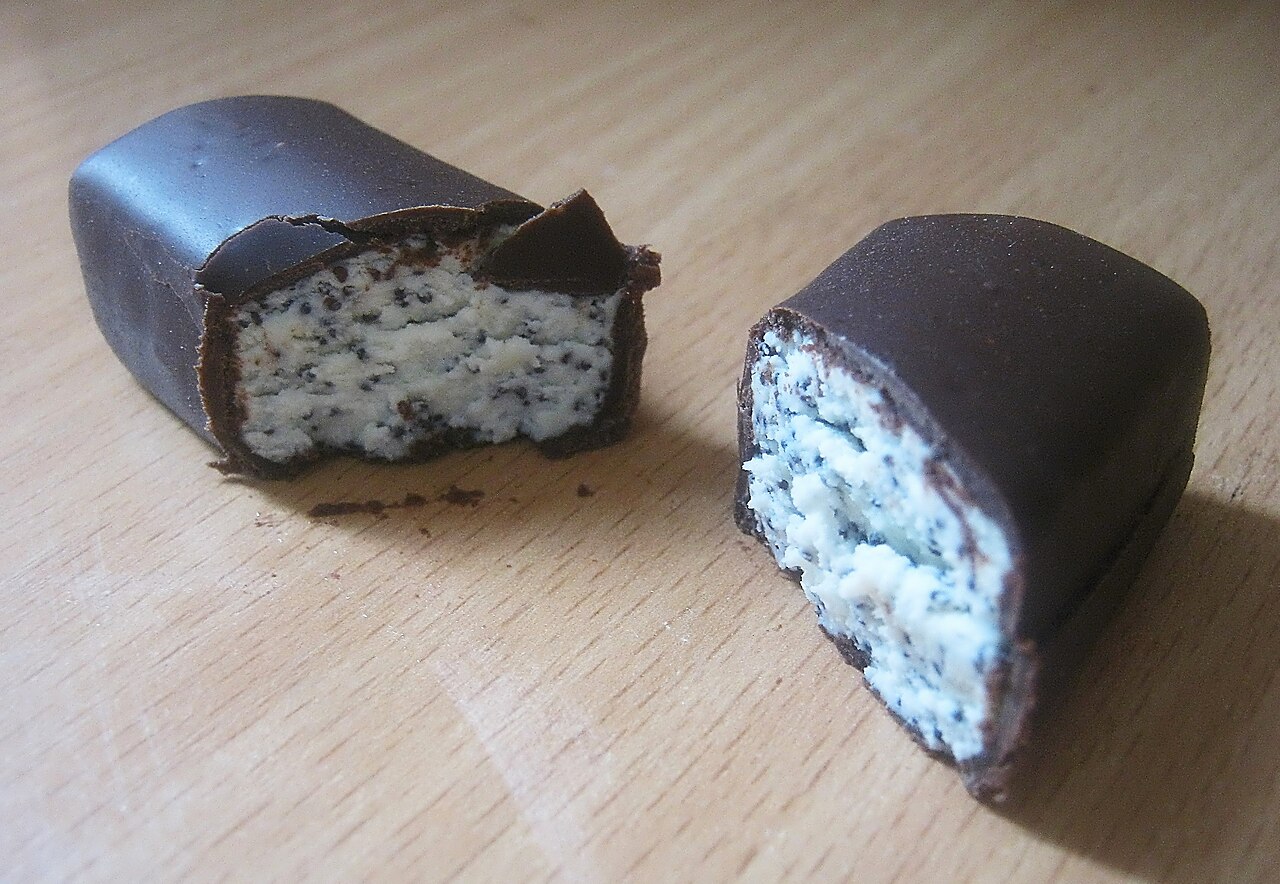
A small bar of sweetened curd cheese, often filled with jam or caramel and coated in chocolate. It is sold in the dairy section of every shop and must be kept cold.
In 2013 Estonia made a world-record curd snack weighing 537 kilograms.
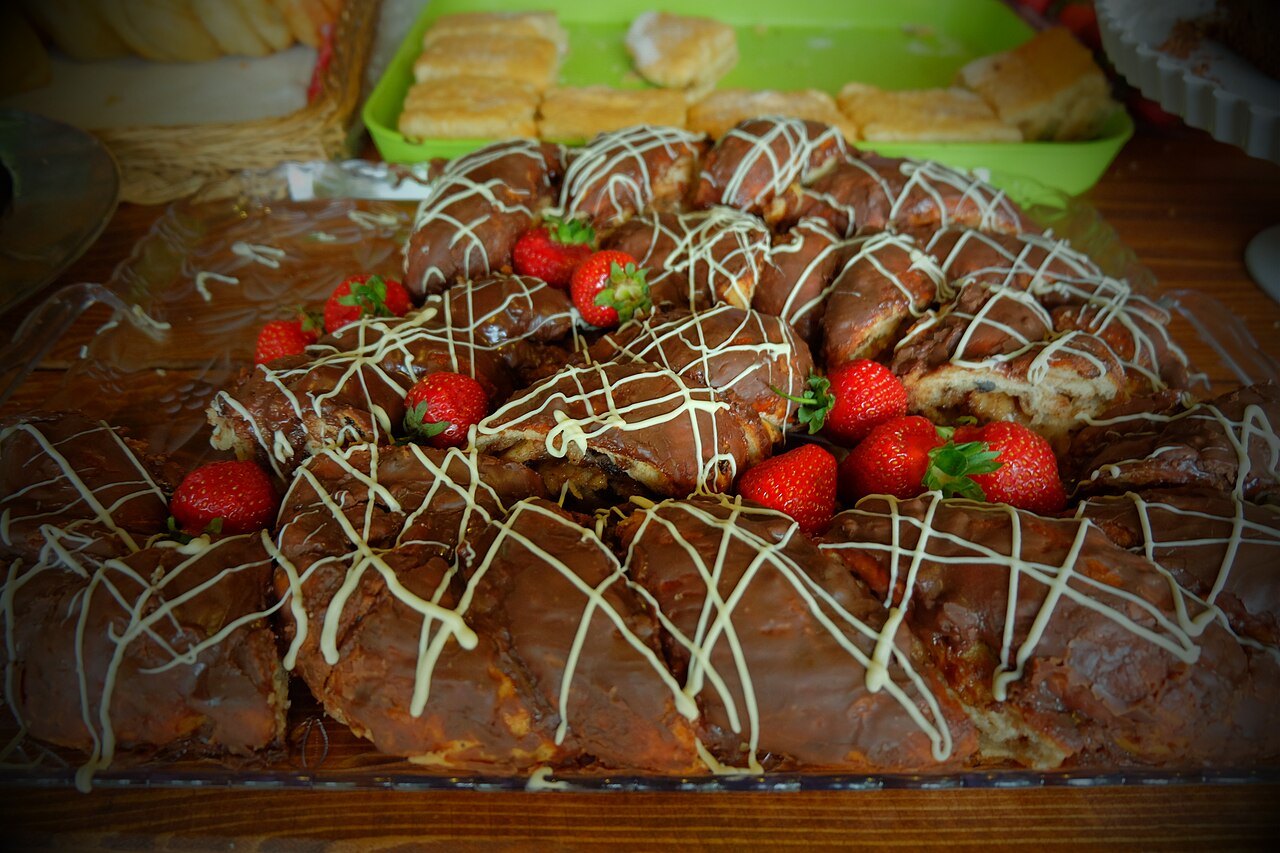
A large, braided ring of sweet yeast dough, often flavoured with cardamom. It is one of the most popular Estonian cakes and is served in slices with coffee.
The Estonian kringel is traditionally braided, which makes every slice striped.