Latvian food grew out of farm life in a cool northern climate: dark rye bread, potatoes, peas, cabbage, pork, dairy and, on the coast, smoked fish. Dill is the favourite herb and caraway the favourite spice. Breakfast is usually light, and lunch, eaten between noon and three, is the main meal of the day, sometimes with a soup to start and a dessert to finish. Many dishes follow the seasons, from birch sap in spring to caraway cheese at Midsummer and grey peas at Christmas.
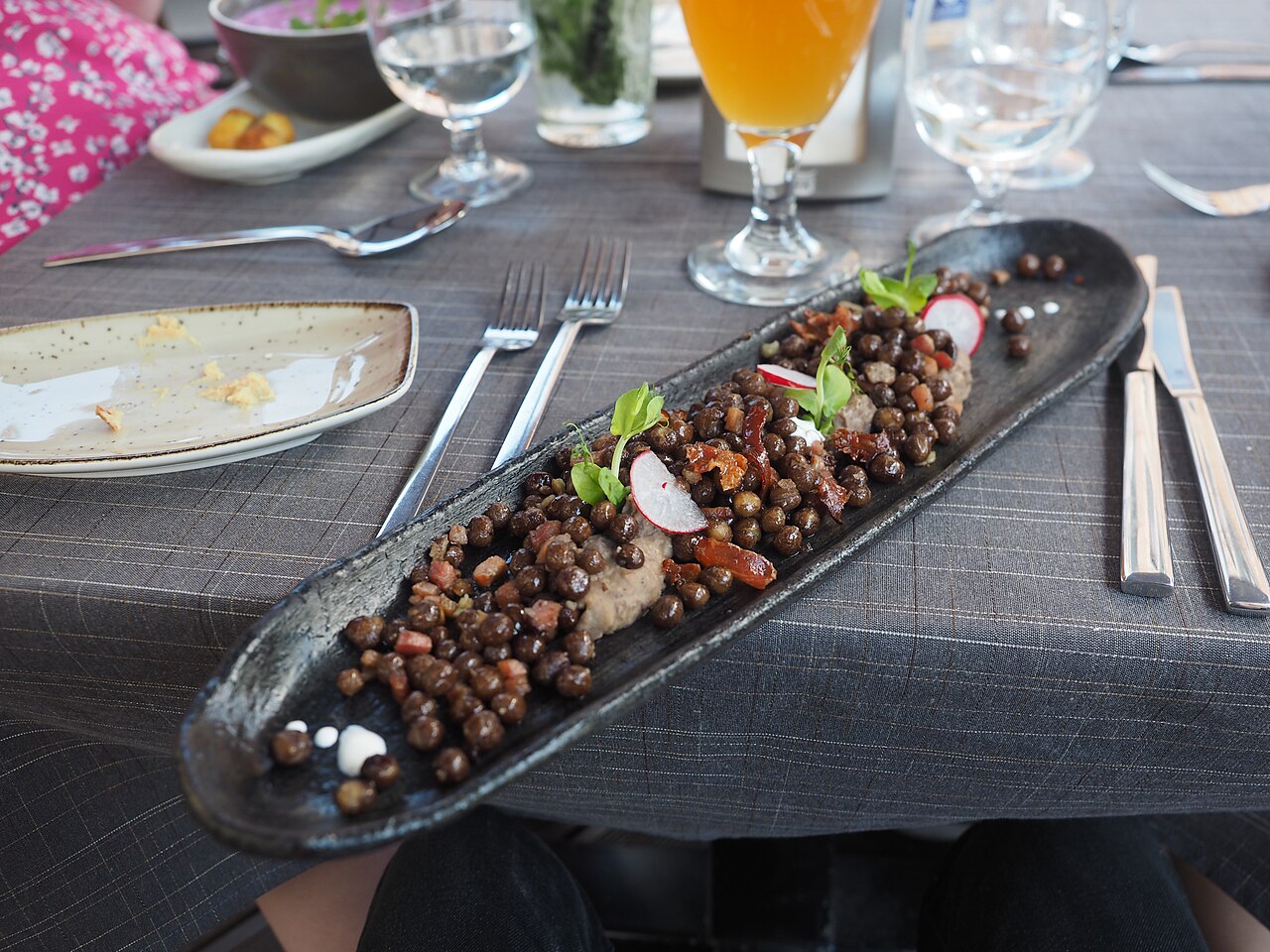
Large grey peas, boiled until soft but still whole, then tossed with fried bacon and onion. They are served warm as a hearty dish or a snack, often with a glass of kefir or beer.
Grey peas are a traditional Christmas dish, and in 2015 Latvian large grey peas were given protected status by the European Union.
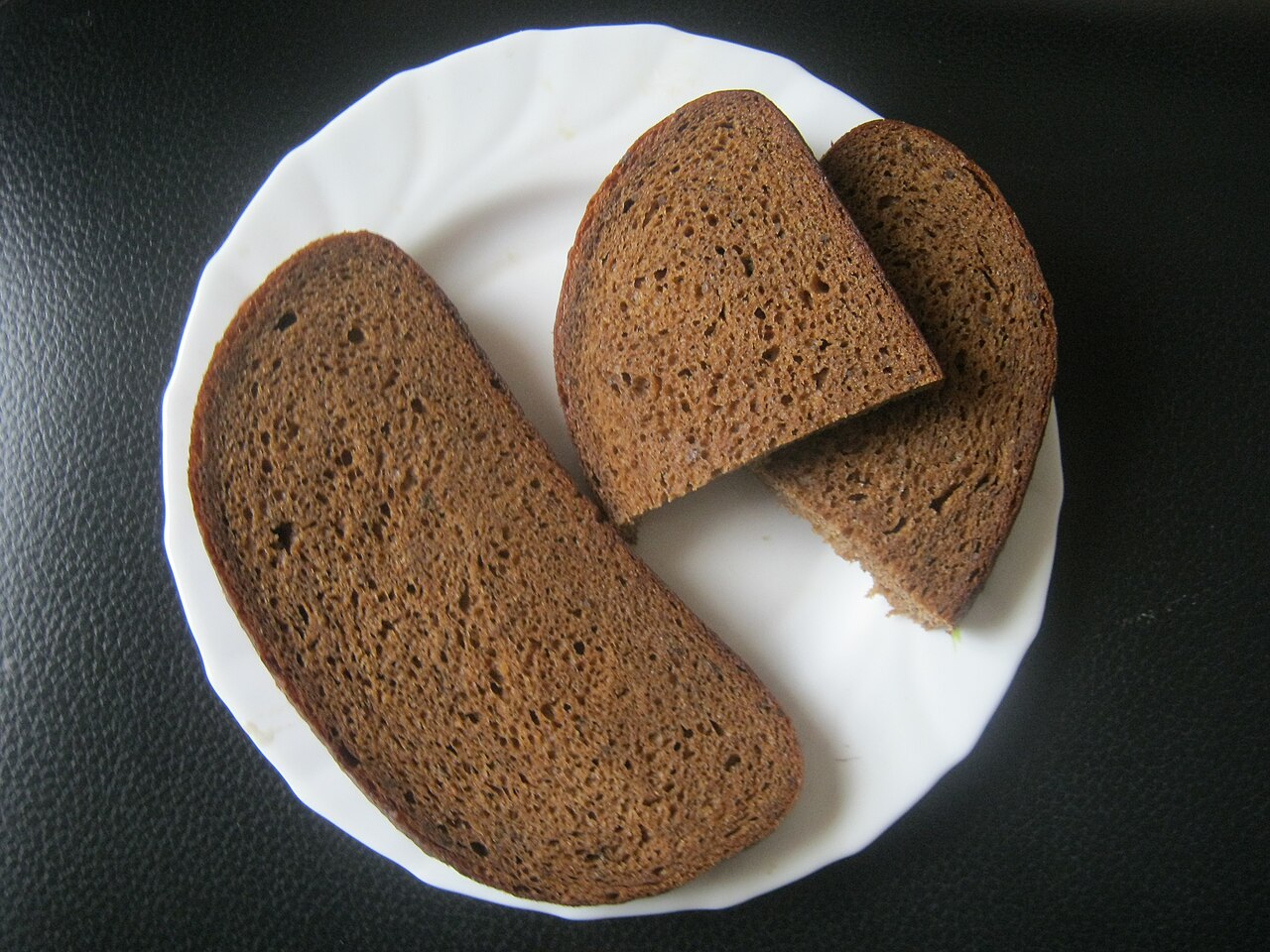
A dense, dark bread made from coarse rye flour with malt and caraway seeds, traditionally baked in a wood-fired oven. It has been the everyday staple of Latvian meals for centuries.
Latvian rye bread is part of the Latvian Culture Canon, a list of the nation's greatest cultural treasures.
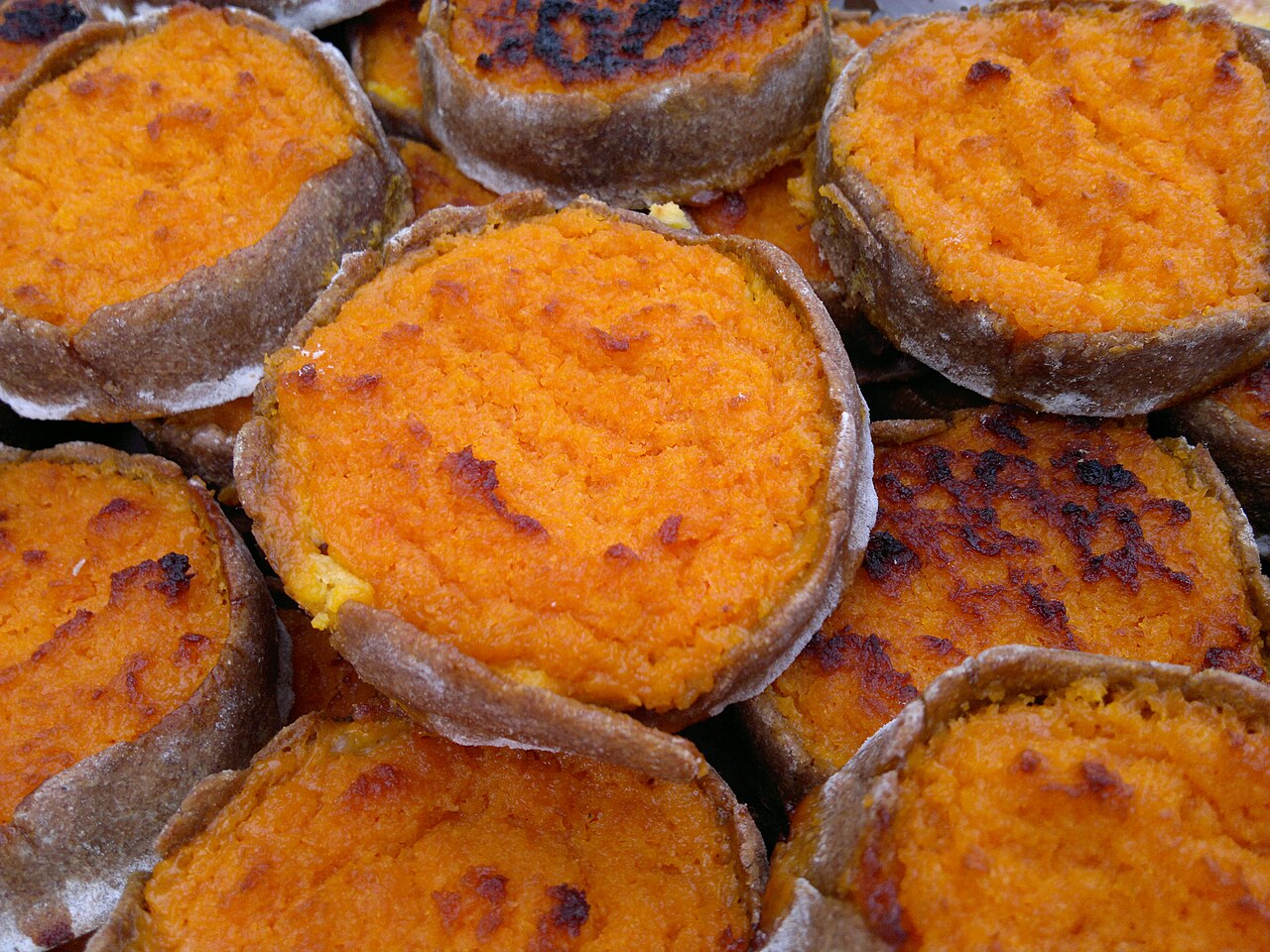
A small, open, round rye pie filled with a layer of mashed potato topped with a thicker layer of sweet mashed carrot, flavoured with caraway. It is eaten with milk and honey.
Sklandrausis comes from the Livonians, and in 2013 the European Commission gave it Traditional Speciality Guaranteed status.
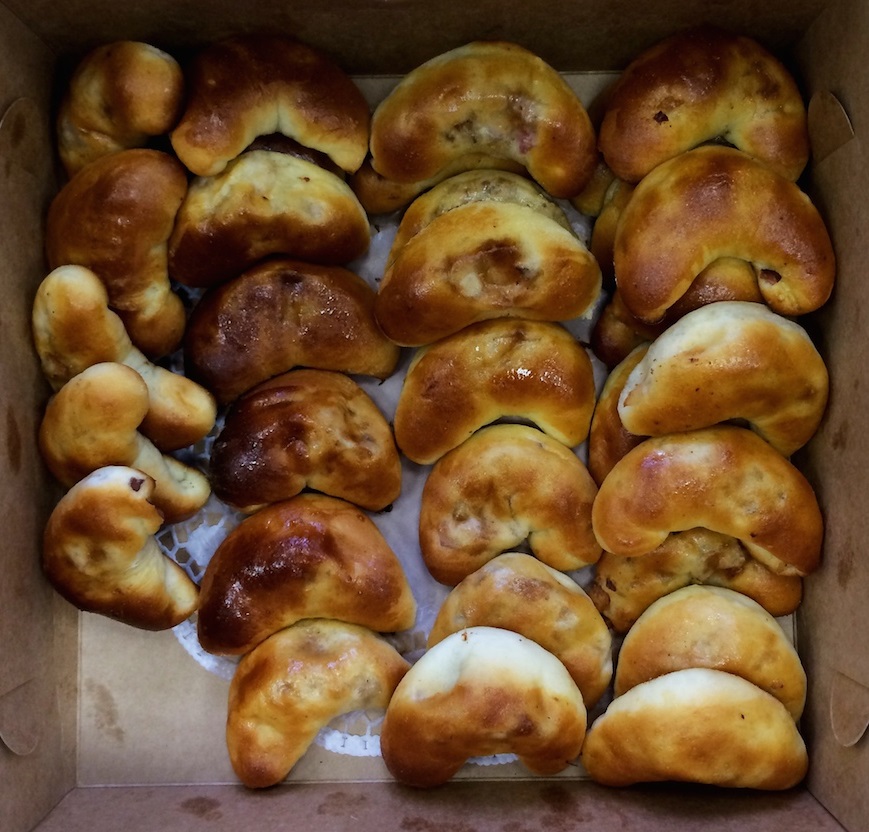
Small crescent-shaped buns of soft yeast dough filled with finely chopped fatty bacon and onion. They take a long time to make, so families bake them in large batches for holidays.
Bacon rolls are baked for both the winter holidays and the Midsummer festival, Jāņi, and the smallest ones are seen as the mark of a skilled cook.
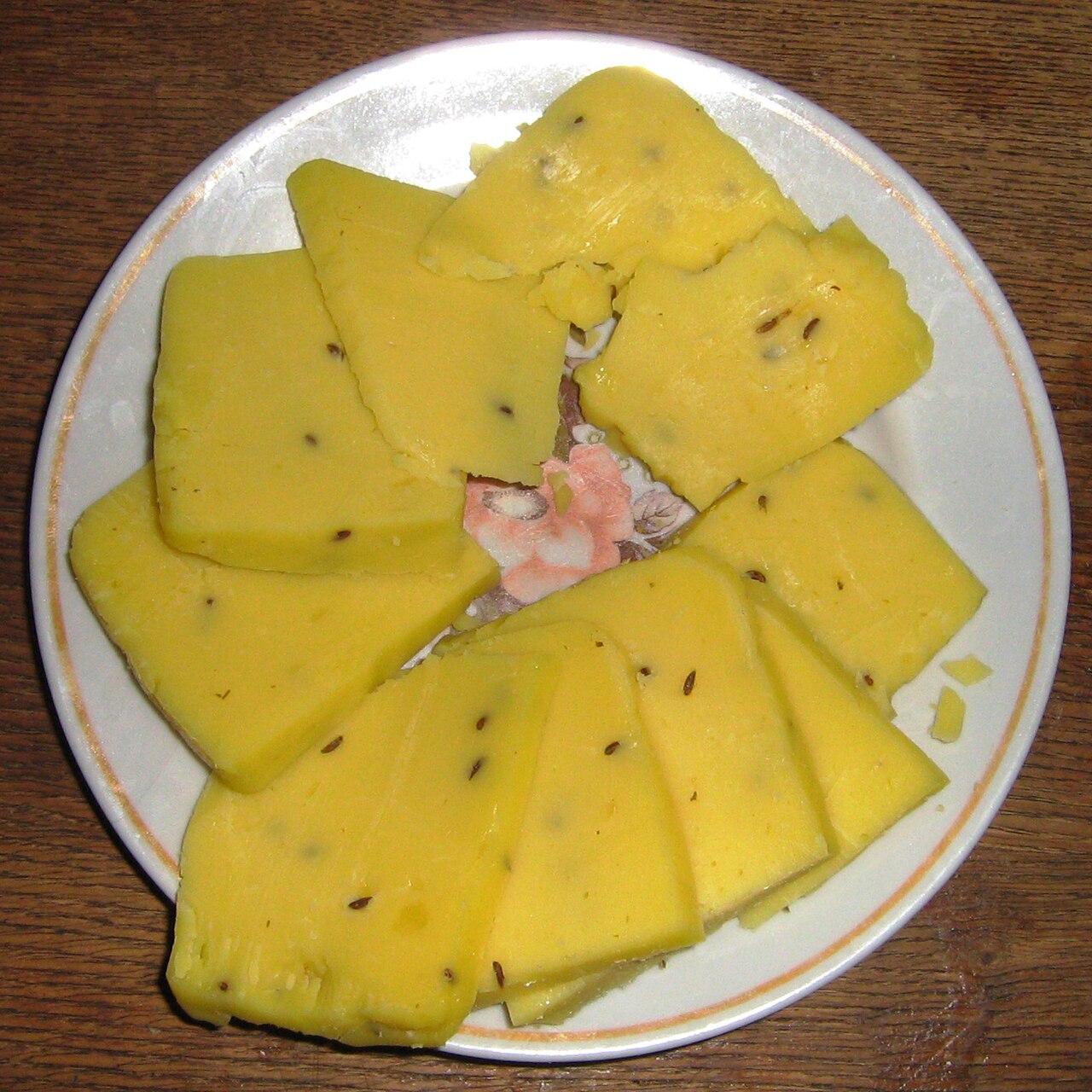
A round, fresh, mild cheese made from curds of soured and fresh milk, cooked with eggs, butter and caraway seeds, then pressed. It is sliced and eaten at the Midsummer festival.
Jāņi cheese is seen as a symbol of Latvian culture, and it was added to the EU register of Traditional Specialities Guaranteed in 2015.
Eaten across the Baltic region and Latvia in summer
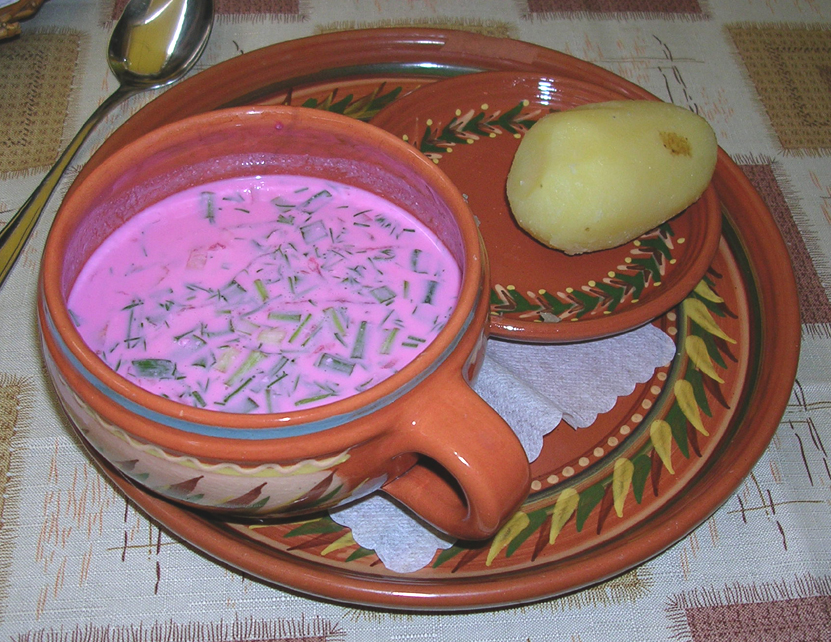
A bright pink soup served cold in spring and summer, made from kefir or soured milk with boiled beetroot, cucumber, radish, hard-boiled egg and plenty of fresh dill.
Its Latvian name, aukstā zupa, simply means 'cold soup'. Similar soups are loved in Lithuania, Poland, Belarus and Ukraine.
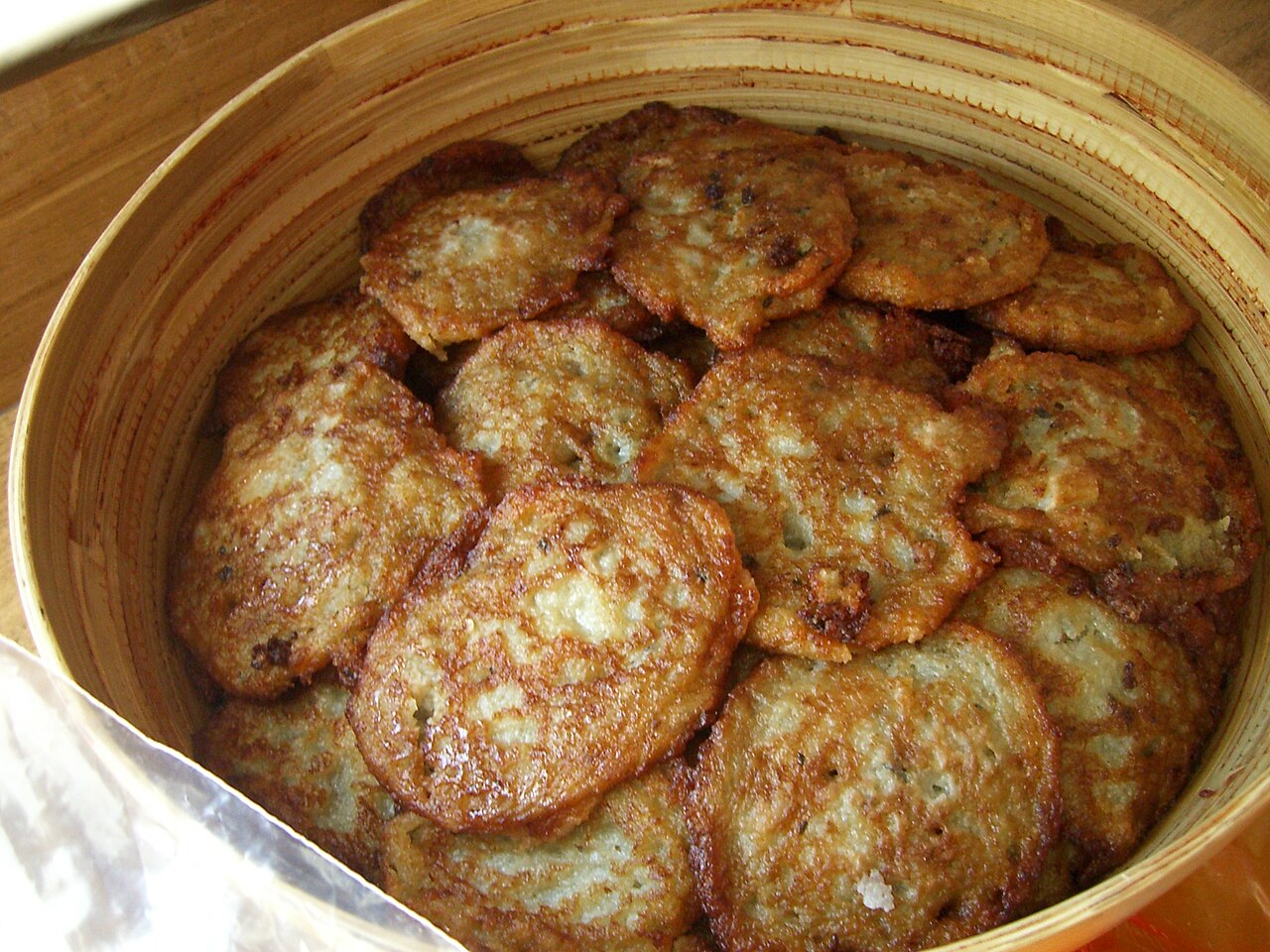
Crisp, golden pancakes of grated raw potato fried in oil, a favourite across northern and eastern Europe. In Latvia they are often served with smoked salmon and sour cream.
Potato pancakes have a different name in almost every country of the region, from draniki in Belarus to bulviniai blynai in Lithuania.
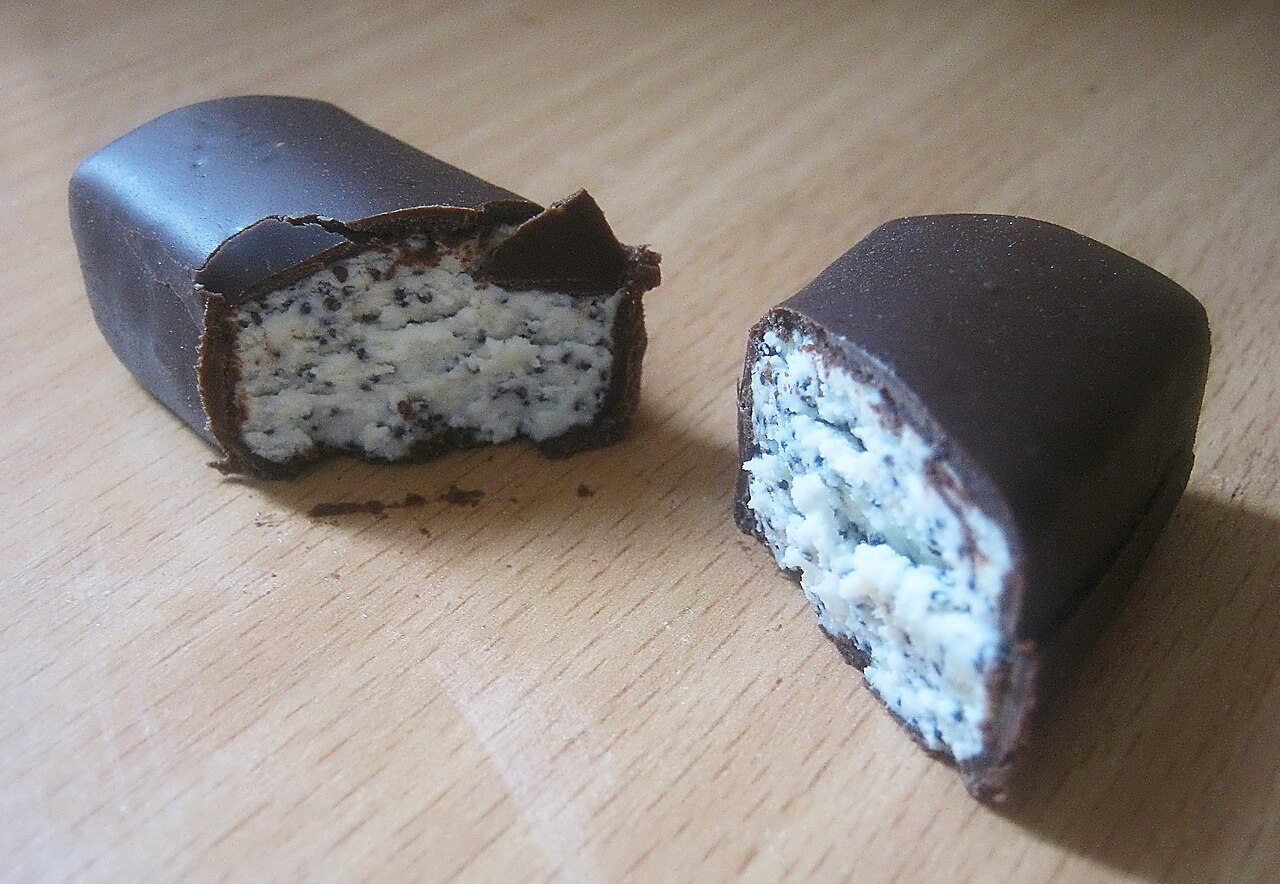
A small bar of sweetened curd cheese, sometimes filled with jam and usually coated in a chocolate glaze. Curd snacks became hugely popular in Soviet times and are still loved across the Baltic states.
In 2012 Latvian shoppers voted the Kārums curd snack their favourite product, with 20% of the votes.
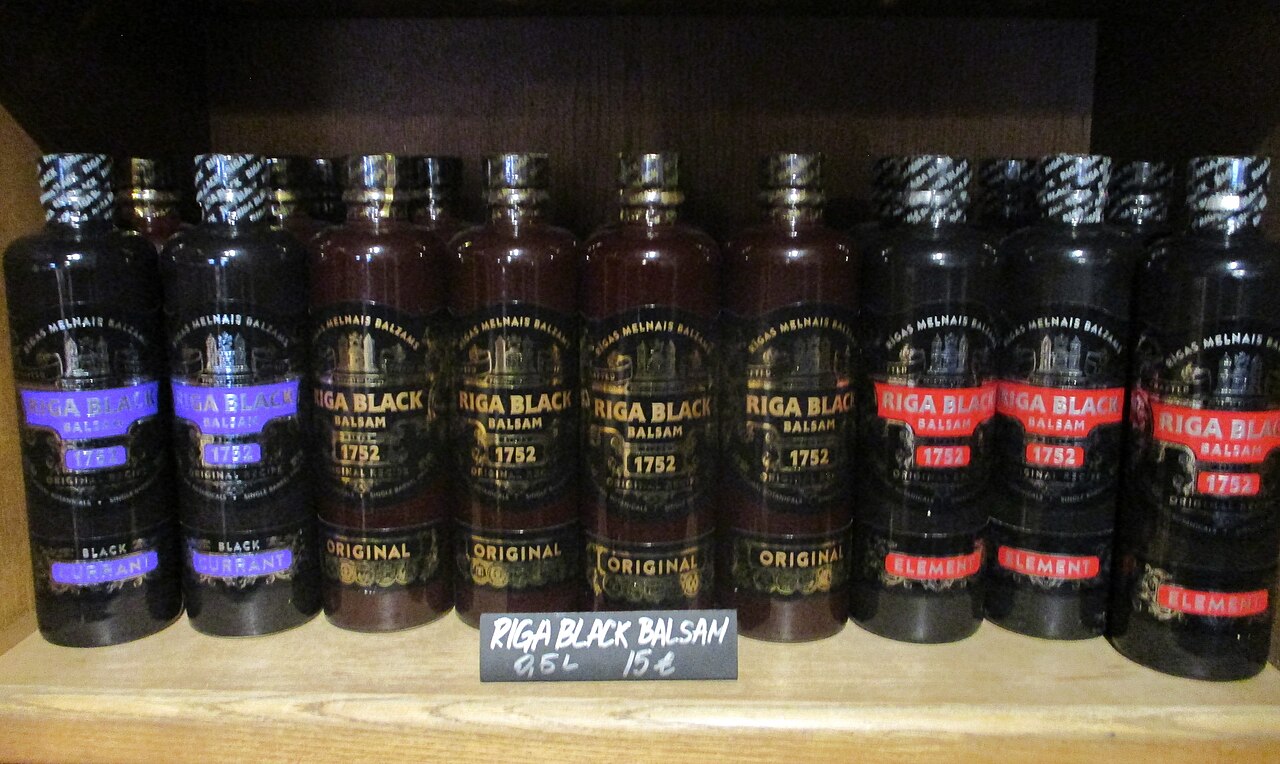
A strong, dark herbal liqueur made with 17 botanicals, from birch buds to oak bark, blended with honey and sold in a clay bottle. There are also versions with blackcurrant and cherry. It is often called Latvia's national drink.
The recipe was created in 1752 by Abraham Kunze, a pharmacist in Riga. By tradition, only the head liquor master and two apprentices know the exact recipe. Anyone who does not drink alcohol can politely say no.
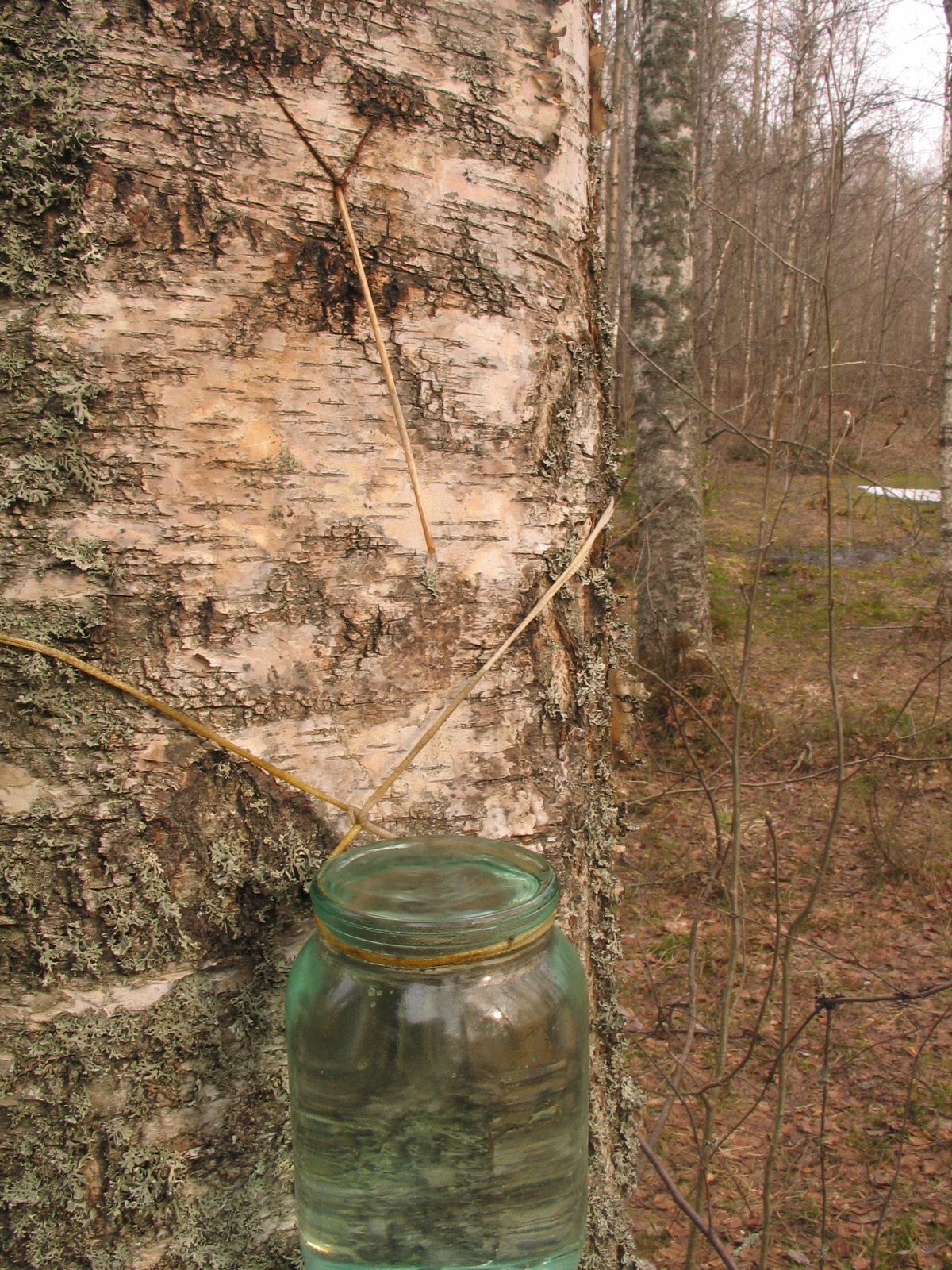
The clear, slightly sweet sap tapped from birch trees, a very popular drink in spring. It is drunk fresh or kept with raisins, lemon peel and blackcurrant twigs, and sold at markets and roadside stalls.
Today birch sap is also turned into lemonade, sparkling wine and even schnapps.
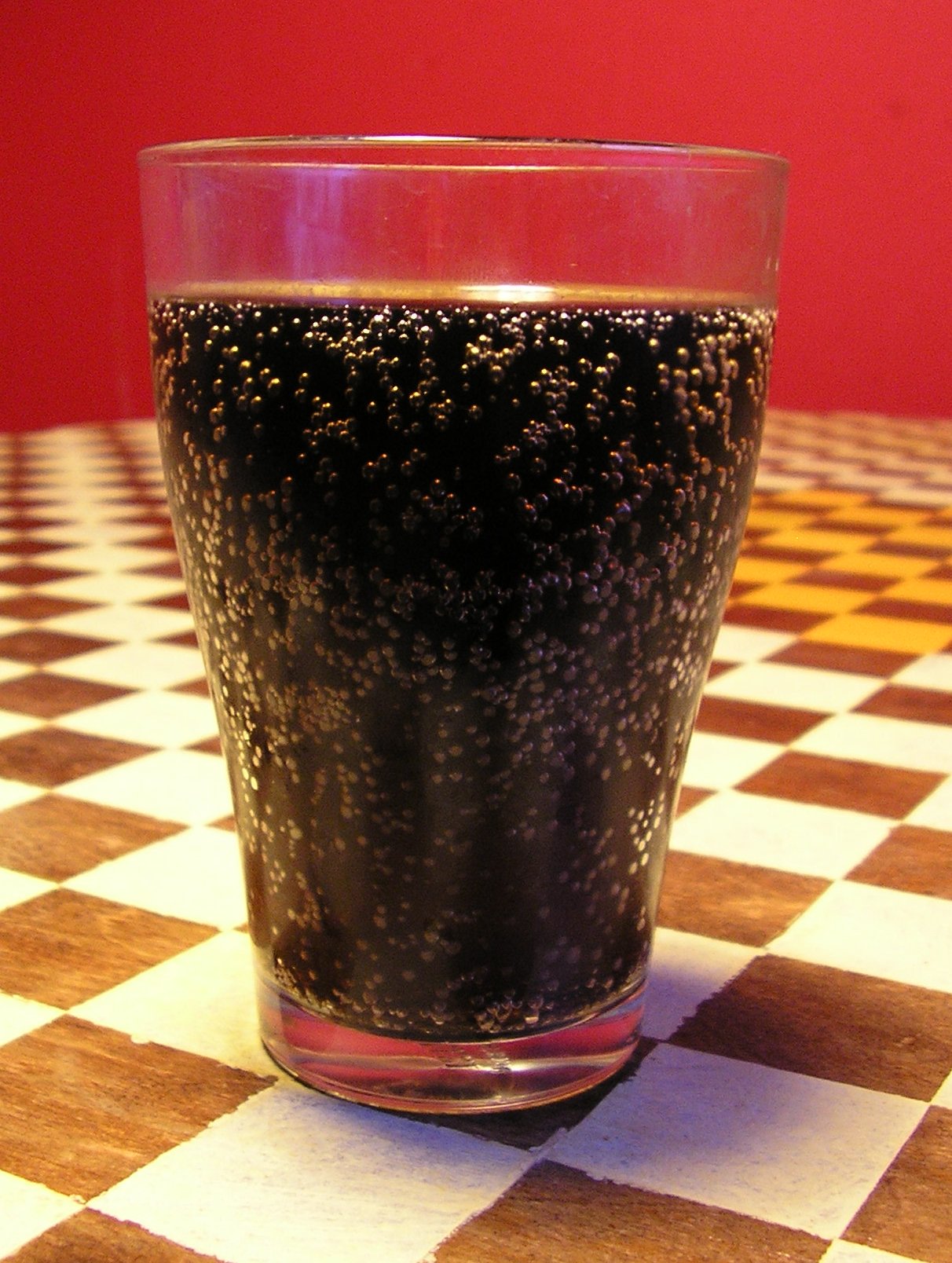
A lightly fizzy, brown soft drink traditionally brewed from fermented rye or black bread. In Soviet times it was sold on the street from big tanks on wheels.
Around 2000, Latvian kvass became so popular that it won about 30% of the soft drink market, and Coca-Cola's share fell.
At the table in Latvia
Before eating, people wish each other 'Labu apetīti' (enjoy your meal).
When glasses are raised, people say 'Priekā!' (cheers).
Lunch is traditionally the main meal of the day, and it often starts with a soup.
Kefir or soured milk is commonly drunk with hot meals, not just at breakfast.
A classic simple lunch is boiled potatoes with lightly salted herring, cottage cheese, spring onions and sour cream.
At Jāņi, the Midsummer festival on 23 and 24 June, people leave the city to eat, drink and sing through the night in the countryside.