Finnish food is simple and fresh, built on rye, potatoes, fish from the lakes and the sea, milk and butter, and wild berries and mushrooms from the forests. Breakfast is traditionally porridge, dark rye bread is on the table at almost every meal, and coffee, often with a sweet cardamom bun, is drunk several times a day. Many traditional dishes are cooked slowly in the oven.
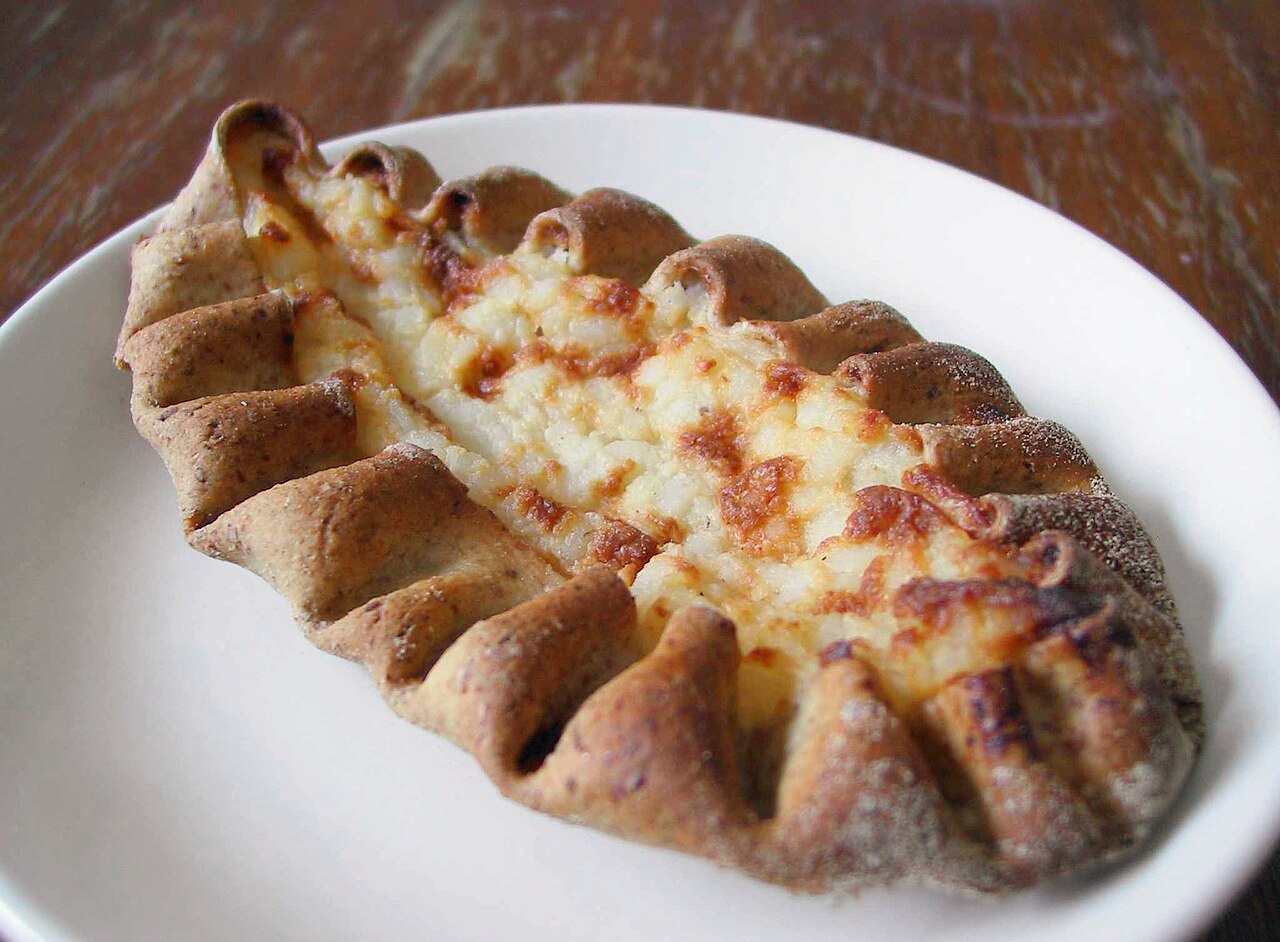
Small open pasties with a thin, crinkled rye crust around a filling of creamy rice porridge. They are served warm with egg butter, a spread of butter mixed with chopped hard-boiled egg.
Since 2003 the name karjalanpiirakka has been protected in the European Union as a Traditional Speciality Guaranteed, so pasties made another way must be sold under another name.
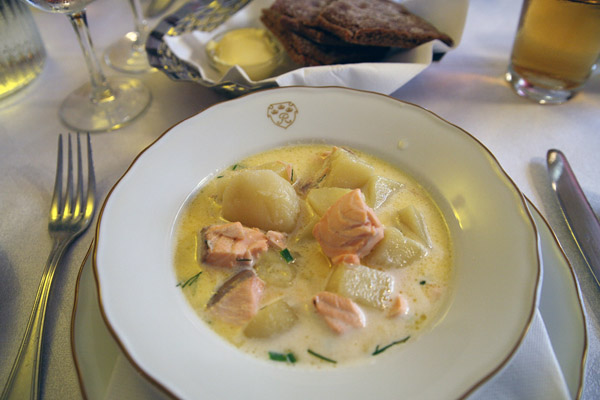
A creamy soup of salmon, potatoes, carrots and leeks, seasoned with allspice and finished with plenty of fresh dill. It is served hot with rye bread and butter.
Salmon is the most popular fish in Finland, and lohikeitto is one of its best-loved salmon dishes.
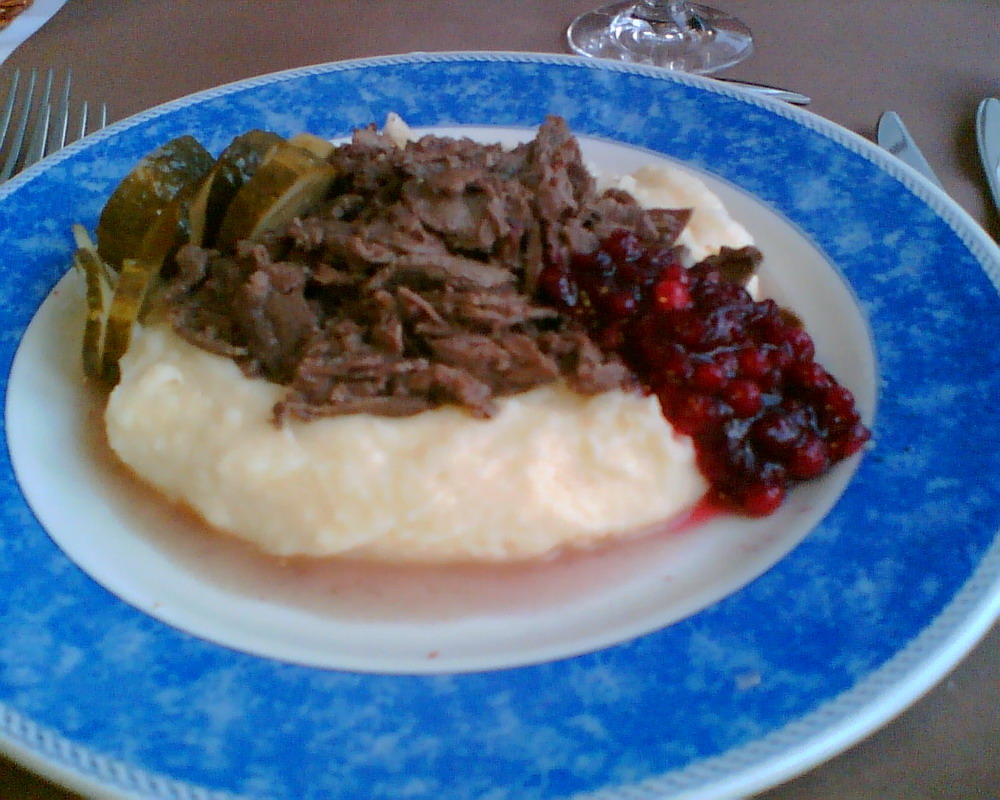
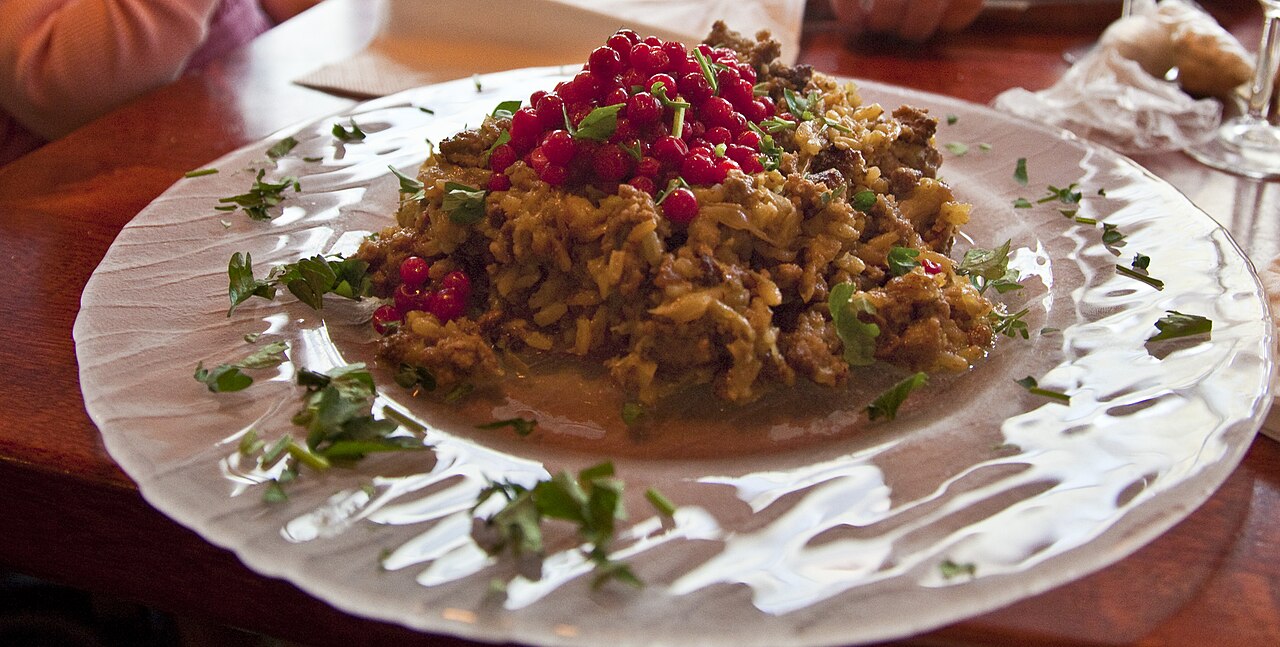
Thin shavings of reindeer meat, fried in butter and then simmered until tender, served with mashed potatoes and lingonberries. It is perhaps the best-known traditional meal of Lapland.
The meat is sliced while it is still frozen, which makes it easy to cut very thin. In Finland it is often served with pickled cucumber too.
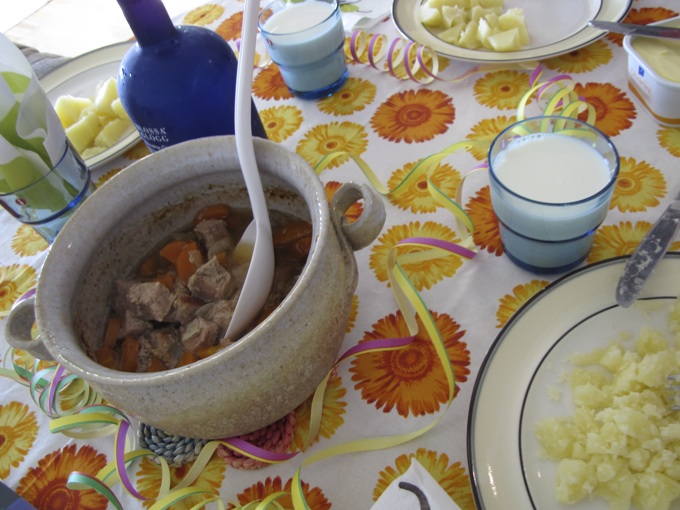
Chunks of beef and pork, and sometimes lamb, slowly cooked in the oven with onions, black peppercorns, allspice and bay leaves until very tender. It is served with potatoes and lingonberry jam.
In a 2016 national poll to choose Finland's national dish, Karelian hot pot came second, after rye bread.
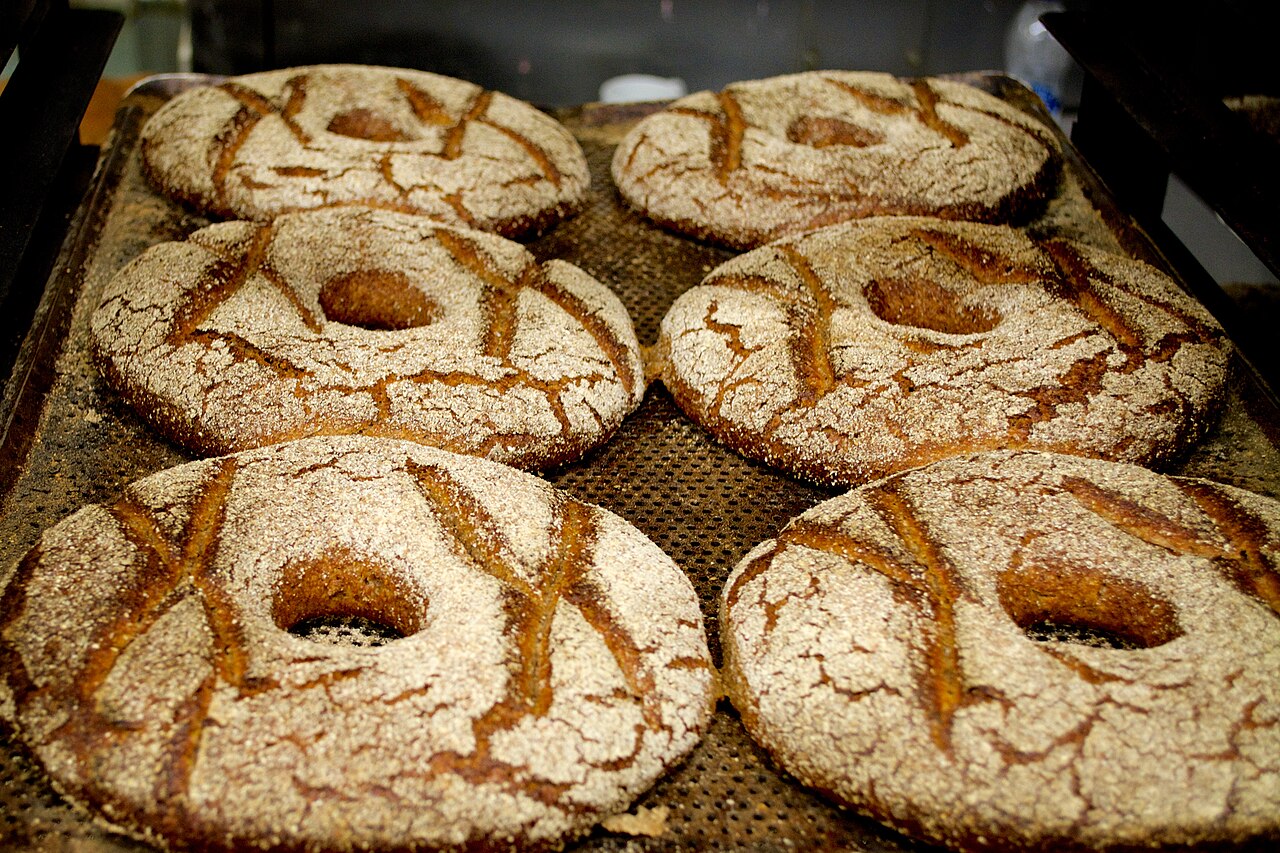
Dark, dense and slightly sour bread made from rye flour, water and salt with a sourdough starter. Unlike some rye breads elsewhere, Finnish rye bread is not sweetened.
In a public vote held around Finland's 100th year of independence, rye bread was chosen as the national food.
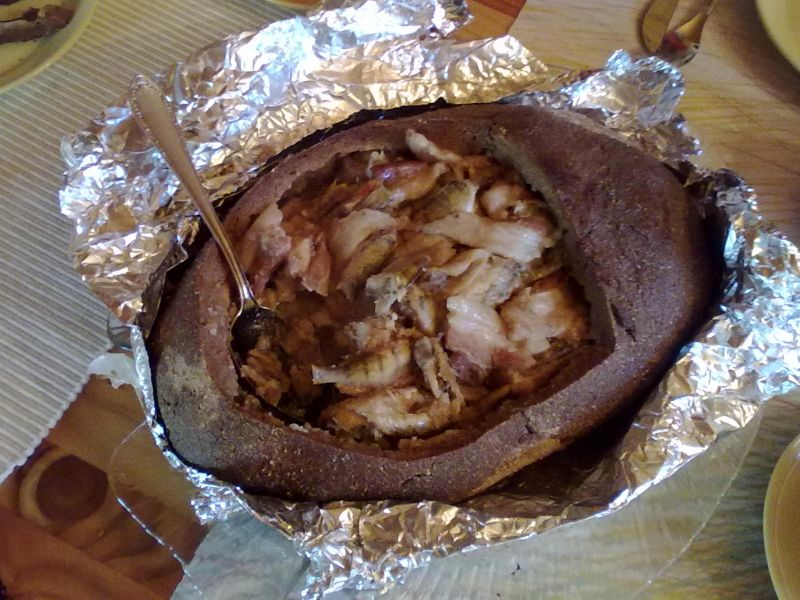
Small fish such as vendace or perch, with pork or bacon, baked for hours inside a thick rye crust, so that the fish bones soften. From the outside it looks like a big loaf of bread. You cut a lid from the top and eat the filling with pieces of the crust.
Kalakukko keeps for a long time while unopened, so it was once a practical lunch for workers away from home. It has had Traditional Speciality Guaranteed status in the EU since 2002.
Southern Ostrobothnia, northern Finland and Kainuu
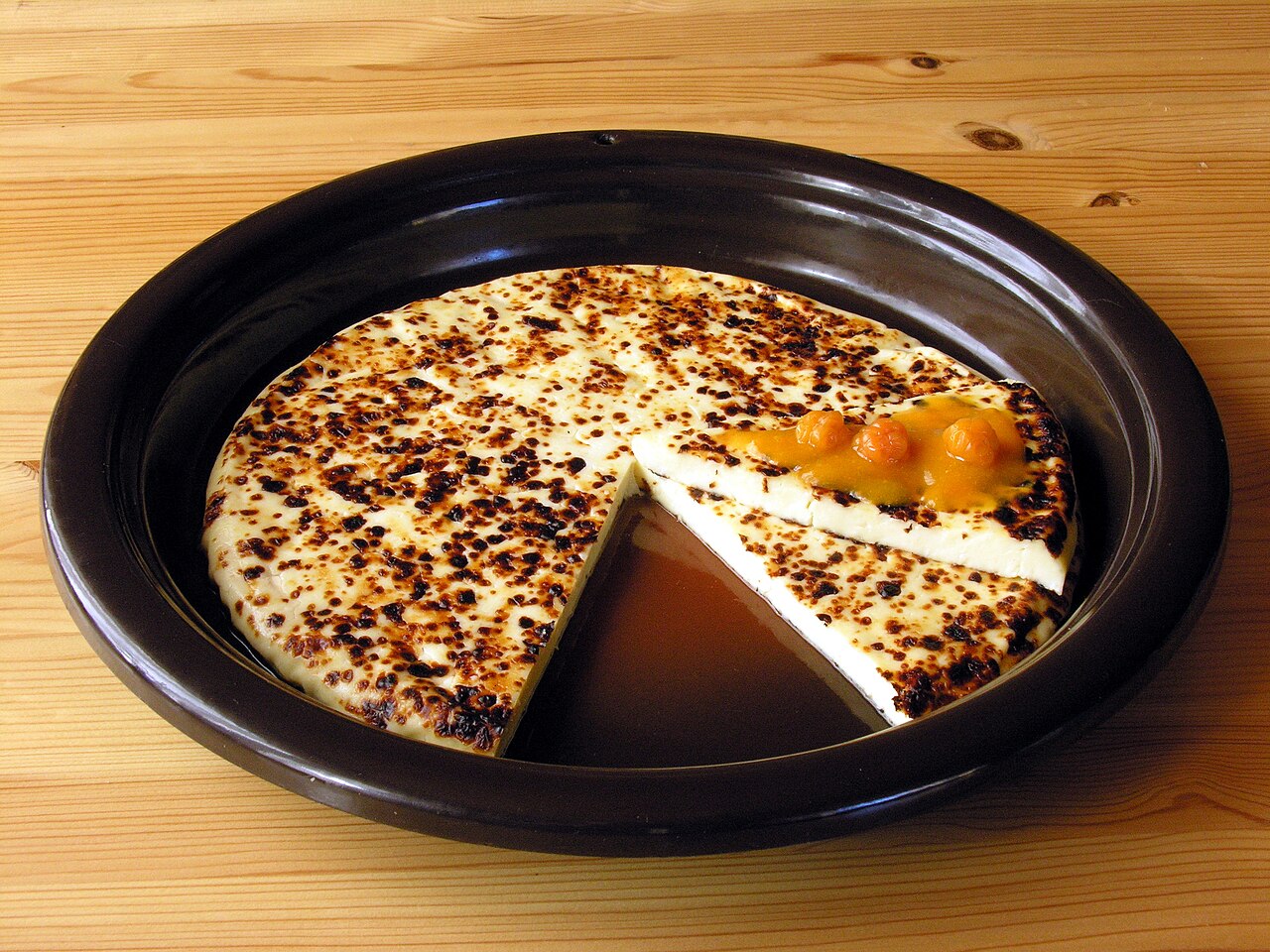
A mild fresh cheese, pressed into a flat round and baked or grilled until it has brown spots. It squeaks against the teeth, and is served warm with cloudberry jam or sliced with coffee.
Traditionally it was made from the rich first milk of a cow that has just calved. Some people put pieces in a cup and pour hot coffee over them.
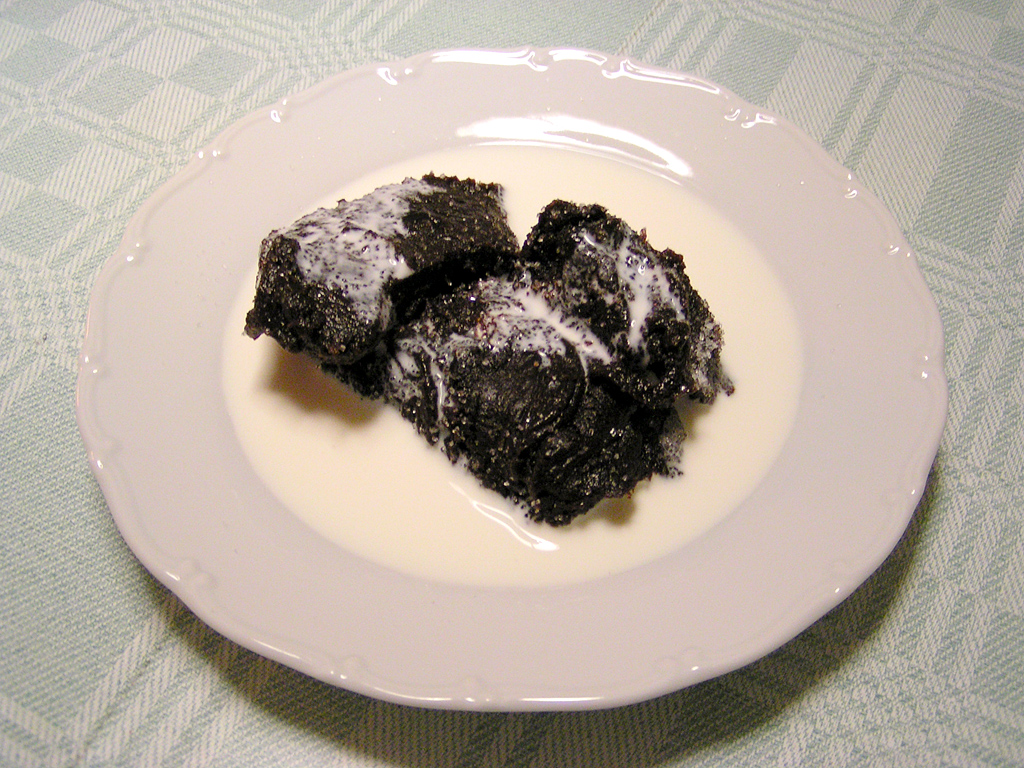
A dark brown Easter pudding made from rye flour and malted rye, baked slowly in the oven and eaten cold with cream and sugar.
It was first mentioned in writing in the 16th century. Traditionally it was kept in small boxes made of birch bark, and today's cardboard packages still copy their look.
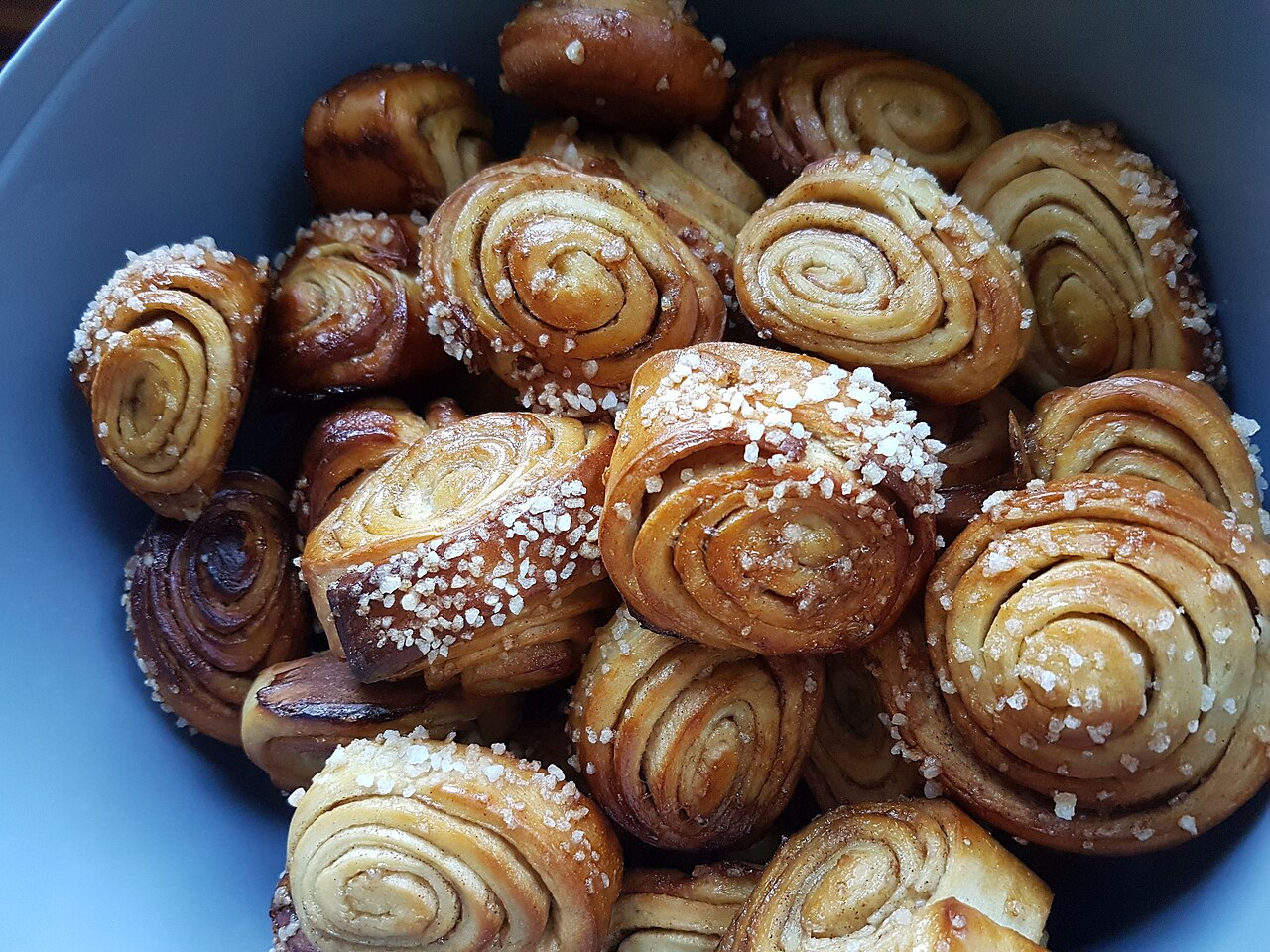
Large buns of sweet dough flavoured with cardamom, rolled up with butter, sugar and cinnamon and topped with pearl sugar. They are a favourite with coffee.
The name means 'a slap on the ear'. Finnish cinnamon buns are flavoured with cardamom as well as cinnamon, and can be up to 20 cm across.
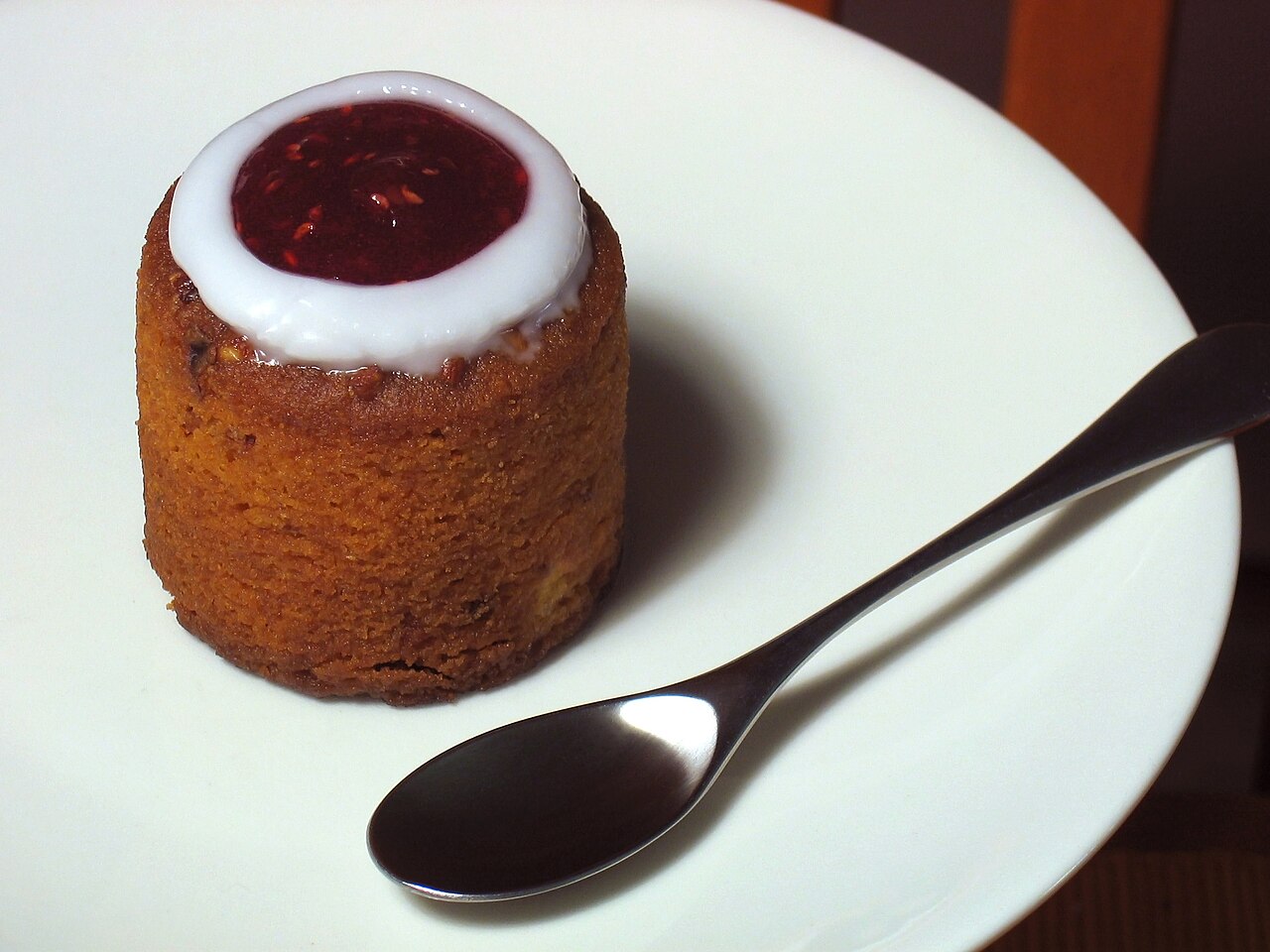
A small cake of about 100 grams, flavoured with almonds and a little rum or arrack, topped with raspberry jam inside a ring of icing. It is eaten from early January until Runeberg Day on 5 February.
It is named after the national poet Johan Ludvig Runeberg, who, legend says, liked to eat one for breakfast. In Porvoo, where he lived, some cafés sell them all year.
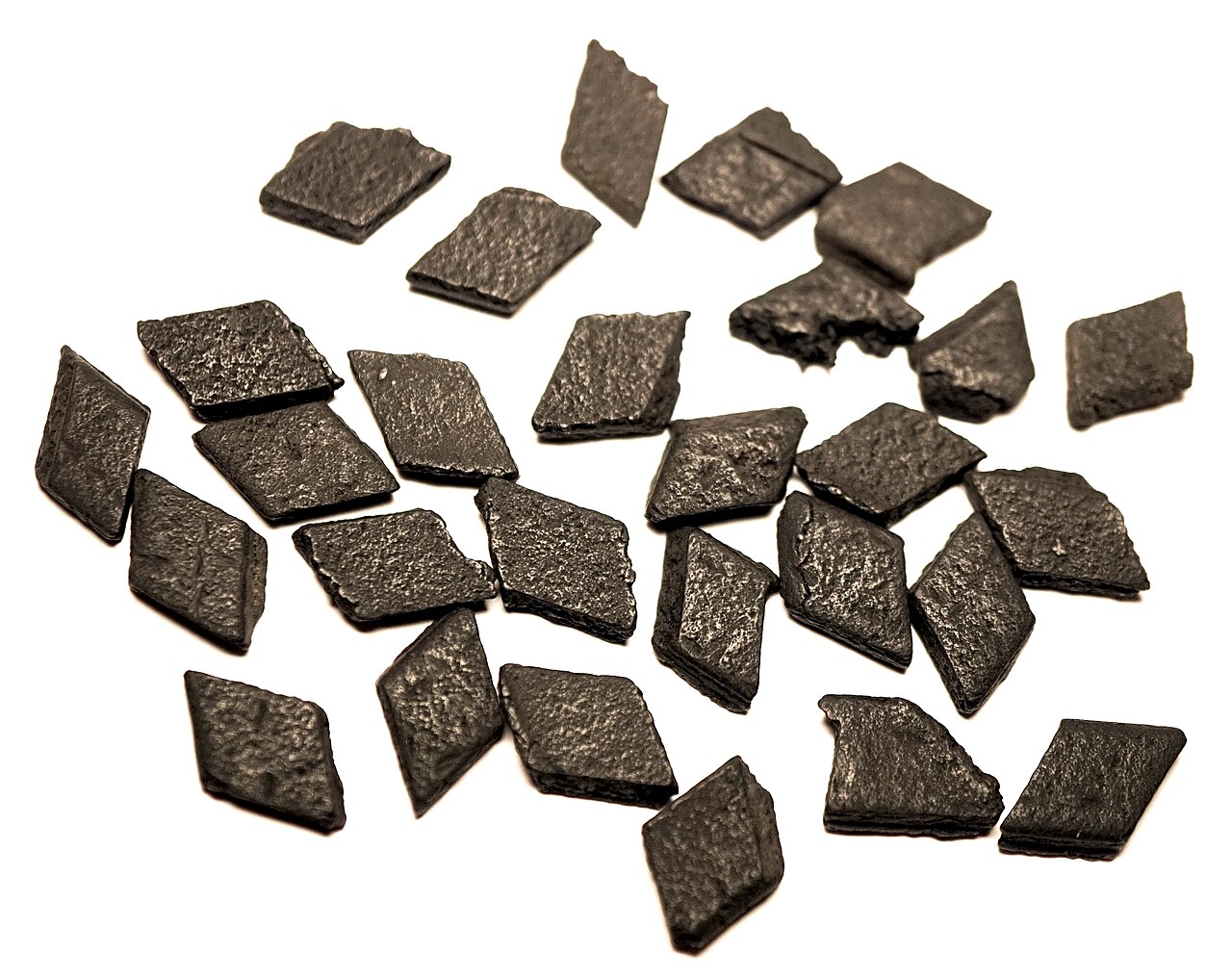
Black liquorice sweets flavoured with salmiak salt, which gives them a strong salty, slightly sharp taste. Many visitors are surprised by it, and many Finns love it.
Salmiak salt was once used as a cough medicine, and salty liquorice may have started in pharmacies. By the 1930s it was being made in Finland as pastilles. Like all liquorice, it is best eaten in moderation, especially by people with high blood pressure.
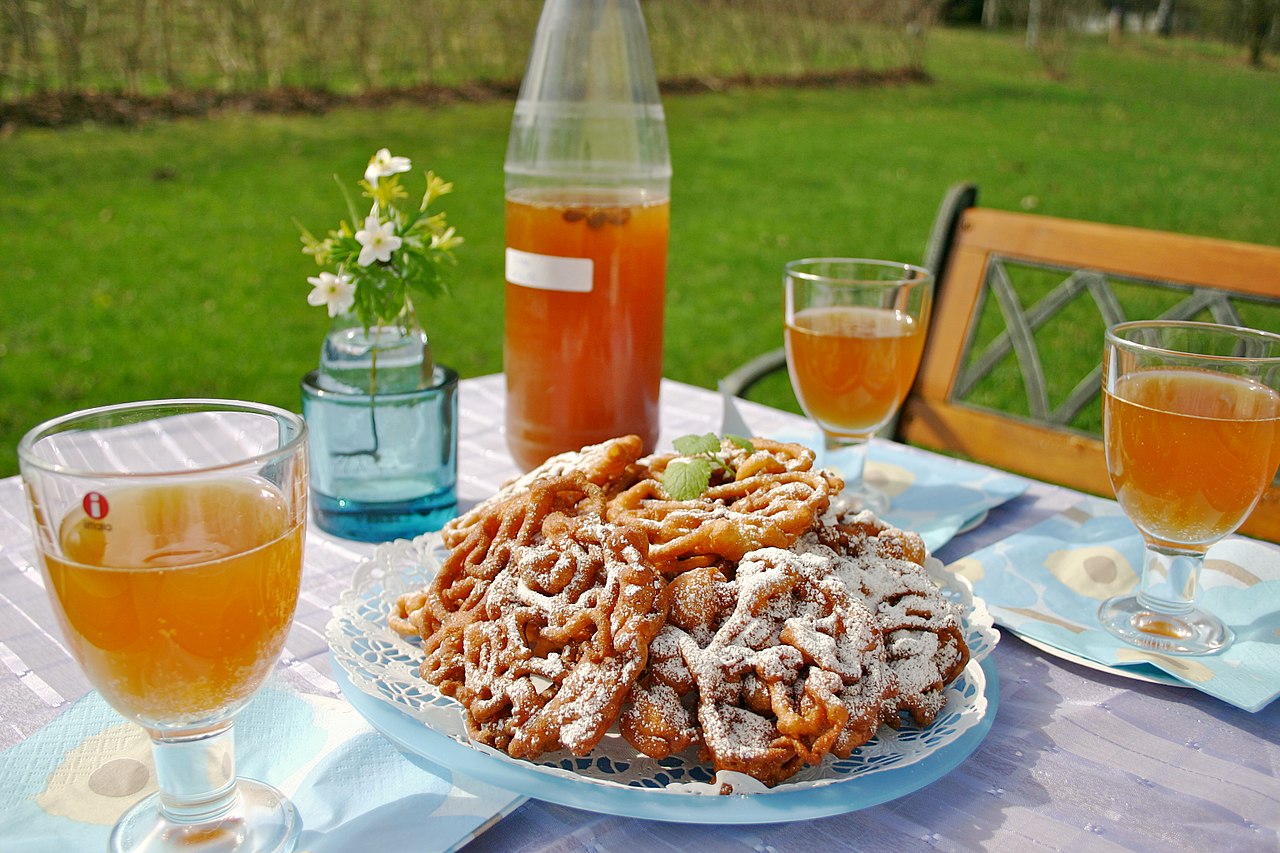
A sweet, fizzy, homemade lemon drink, fermented for a few days with a little yeast, sugar and lemon. It has very little alcohol. It is made for Vappu, the May Day festival on 1 May, and served with doughnuts or funnel cakes.
Raisins are added to each bottle. When they swell and float to the top, the sima is ready to drink.
At the table in Finland
Say 'Hyvää ruokahalua' (HÜ-vaa RWOH-ka-ha-lu-a) before a meal. It means 'good appetite'.
When raising a glass, say 'Kippis!' (KIP-pis), which means 'cheers'.
Coffee is part of daily life. Finns often drink it several times a day, with a slice of pulla, a sweet cardamom bread.
Water and coffee are the most common drinks, but with meals many people, adults included, drink milk or piimä, a sour milk.
If you are invited to a sauna, it is fine to ask how things are done. Finns usually go in without clothes, but at a private sauna a swimsuit or towel is perfectly acceptable, and men and women often go separately. At swimming pools, saunas are separate for men and women and swimsuits are usually not allowed; mixed public saunas ask you to wear one.