Polish food is hearty, warming country cooking, built on potatoes, cabbage, rye, mushrooms, pork and fresh curd cheese, with many sour and pickled flavours. The main meal of the day, obiad, traditionally starts with a soup such as rosół or tomato soup, followed by meat with potatoes and a salad of shredded vegetables, and often ends with cake. On Christmas Eve, called Wigilia, families serve a meat-free supper that often begins with clear red barszcz.
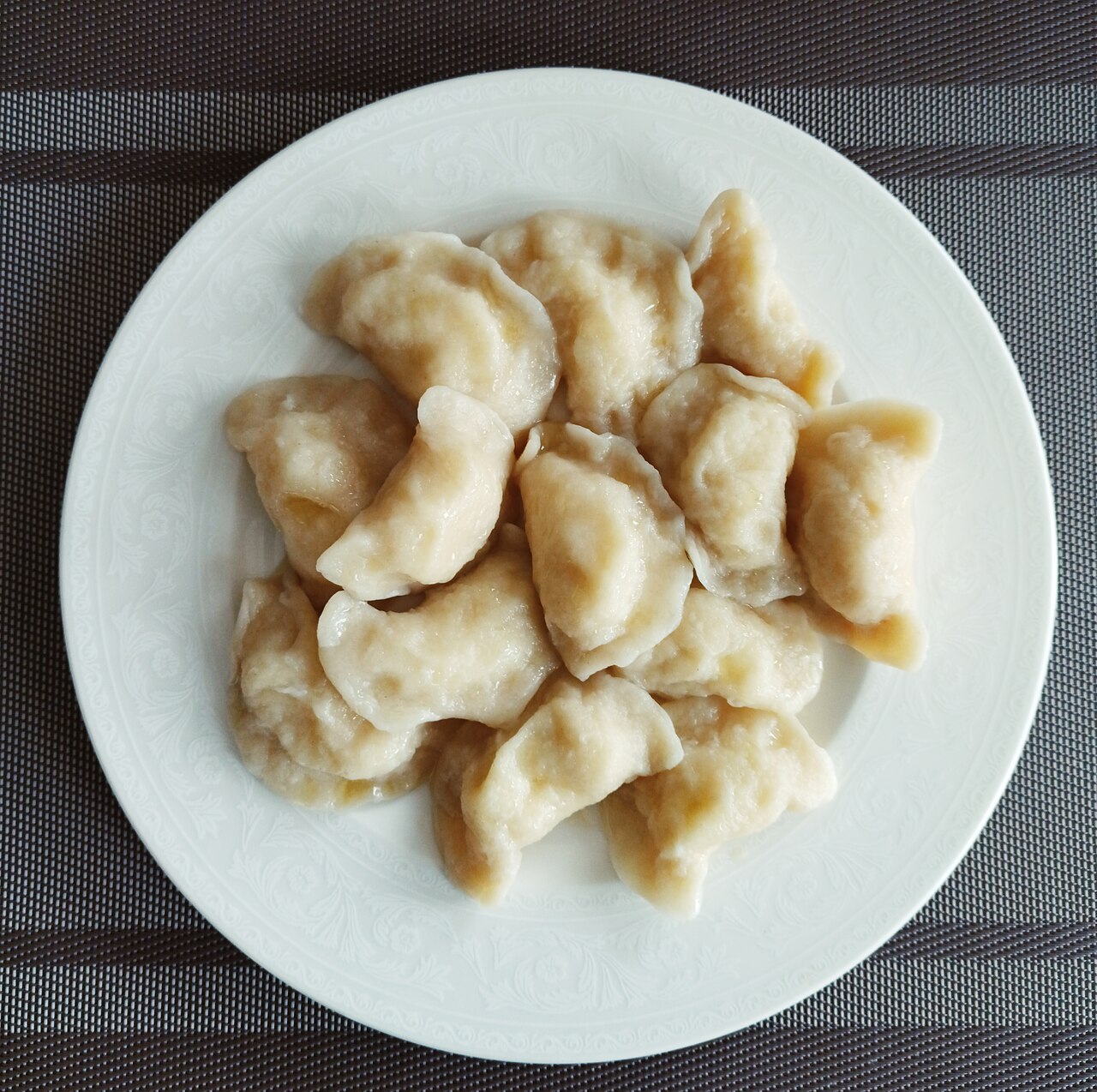
Half-moon dumplings of soft dough, boiled and often then fried in butter. Favourite fillings include potato with curd cheese and onion (pierogi ruskie), sauerkraut with mushrooms, minced meat, or sweet fruit in summer.
Pierogi already appear in the oldest surviving Polish cookbook, published in Kraków in 1682. The word comes from an old Slavic root meaning 'feast'.
All of Poland, and the lands of the old Commonwealth
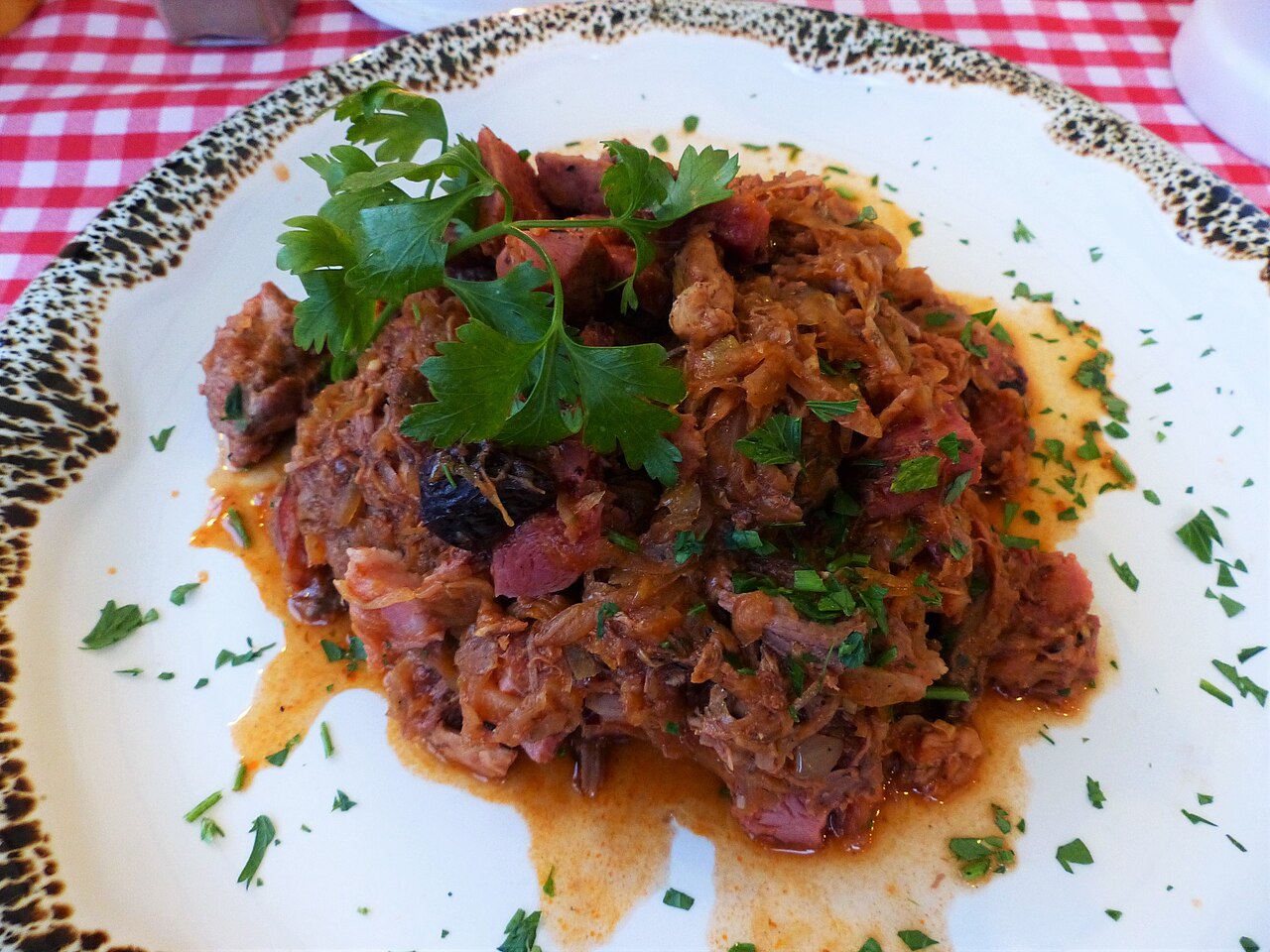
A rich stew of sauerkraut and fresh white cabbage slowly cooked with several kinds of meat and sausage, dried mushrooms, prunes and spices. It is served hot with rye bread or potatoes.
A good bigos uses many different meats, so making it is a traditional way to use up leftovers. It is often said to taste best when reheated over several days.
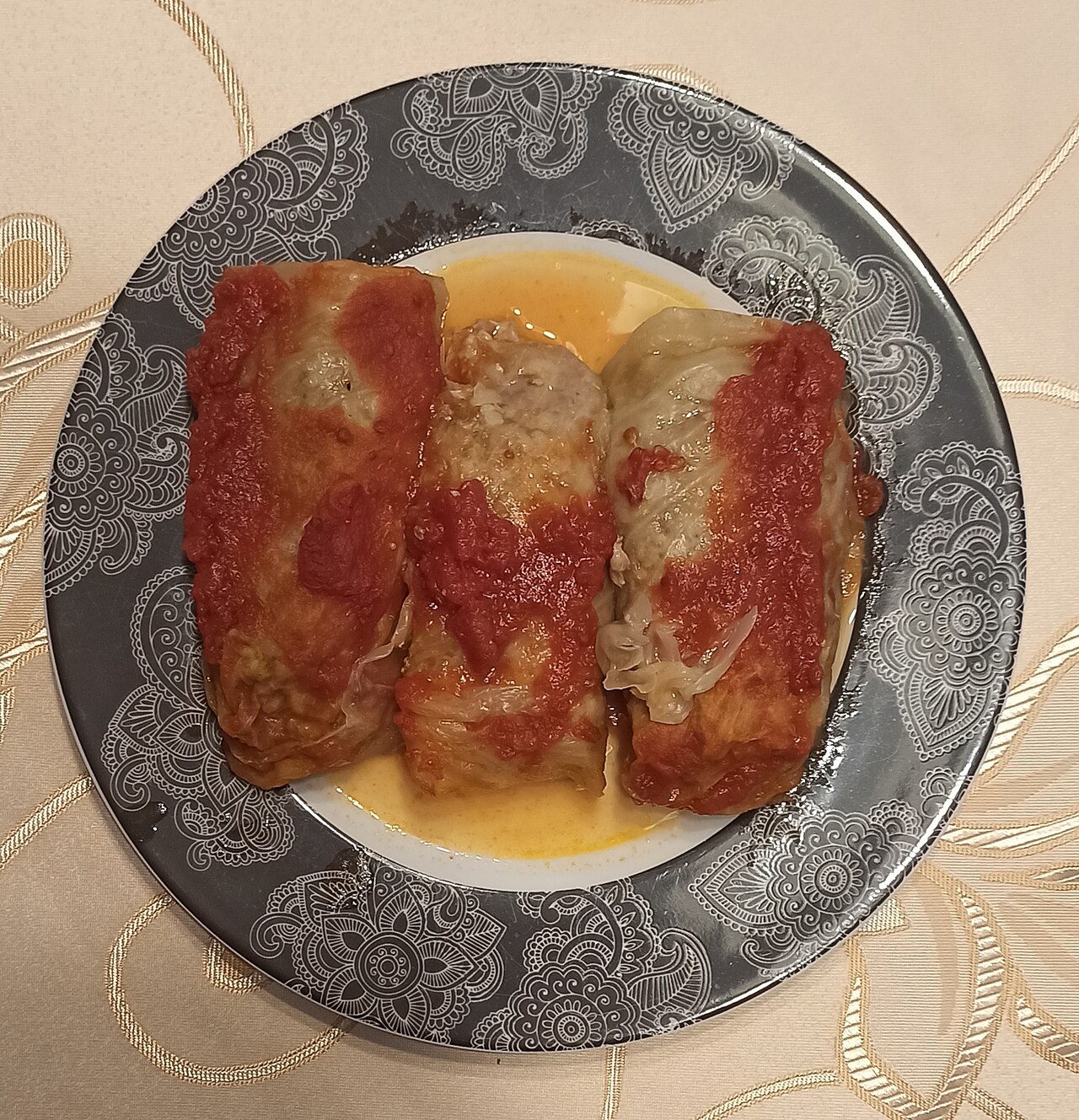
Soft boiled cabbage leaves wrapped around a filling of minced pork or beef, onion and rice or buckwheat groats, then baked or simmered in a tomato or mushroom sauce.
Gołąbki means 'little doves' or 'little pigeons', perhaps because of their plump shape, although linguists disagree about where the name comes from.
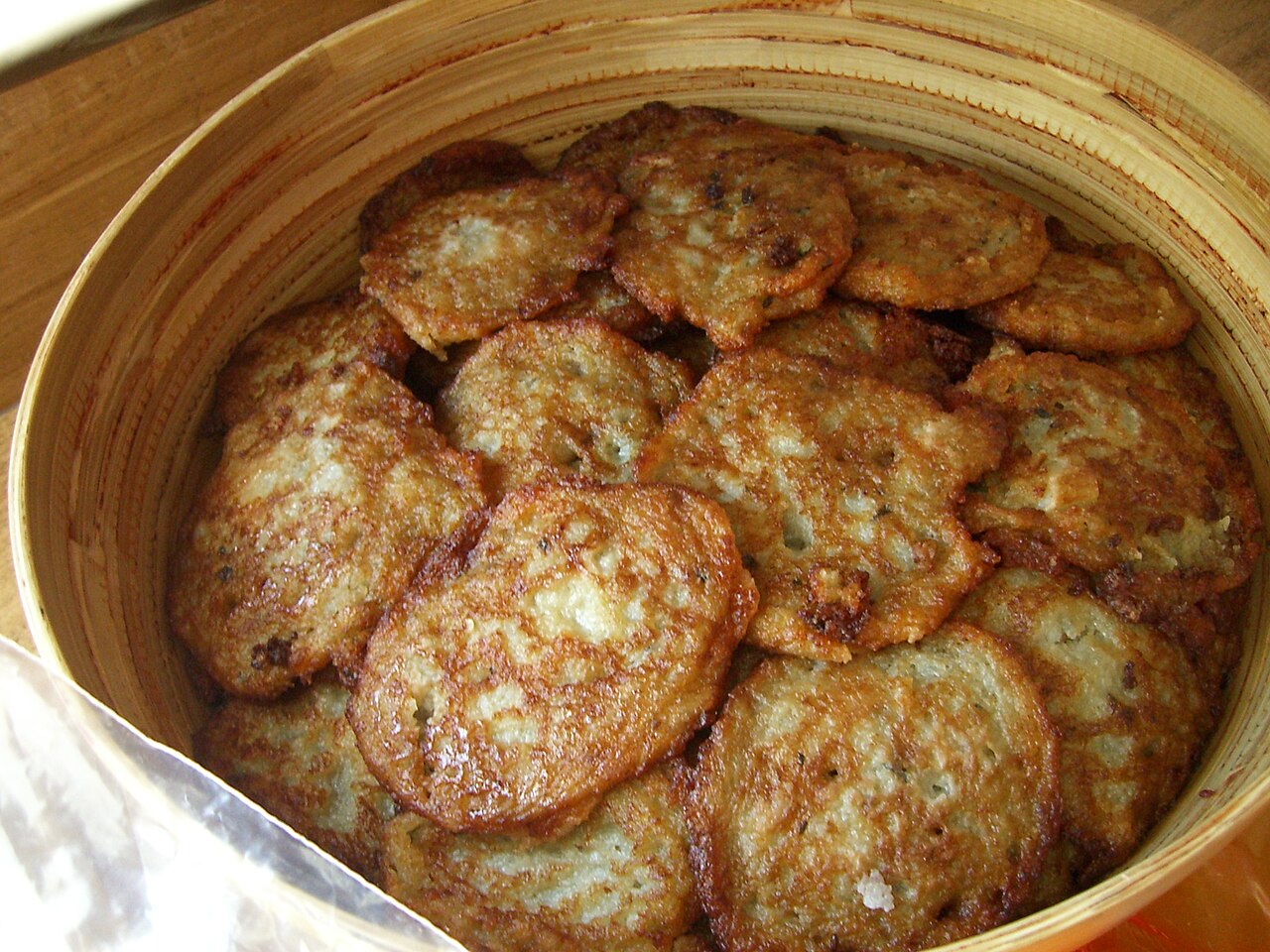
Crisp pancakes of grated raw potato, onion, egg and a little flour, fried in oil. They are eaten with sour cream, apple sauce or sugar, or in the mountains with a spicy goulash poured on top.
Poles eat them sweet, with sugar or apple sauce, or savoury, with sour cream, mushroom sauce or a spicy goulash.
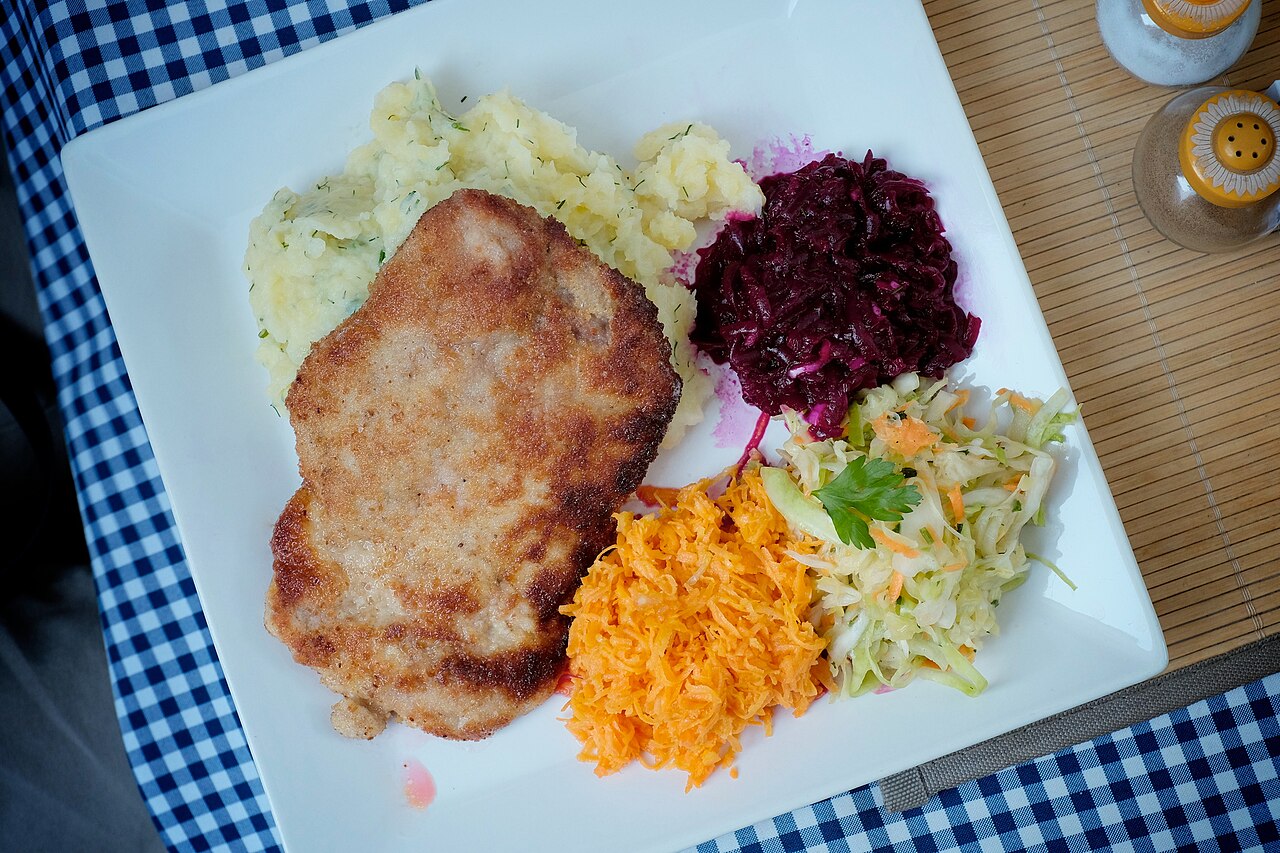
A slice of pork loin beaten thin, coated in flour, egg and breadcrumbs and fried until golden. It is a classic Polish dinner, served with boiled potatoes and cabbage or a cucumber salad.
It is a cousin of the Viennese schnitzel. Recipes for it appear in an 1860 Polish cookbook called '365 Dinners for Five Złoty'.
All of Poland, with local versions in Silesia and the east
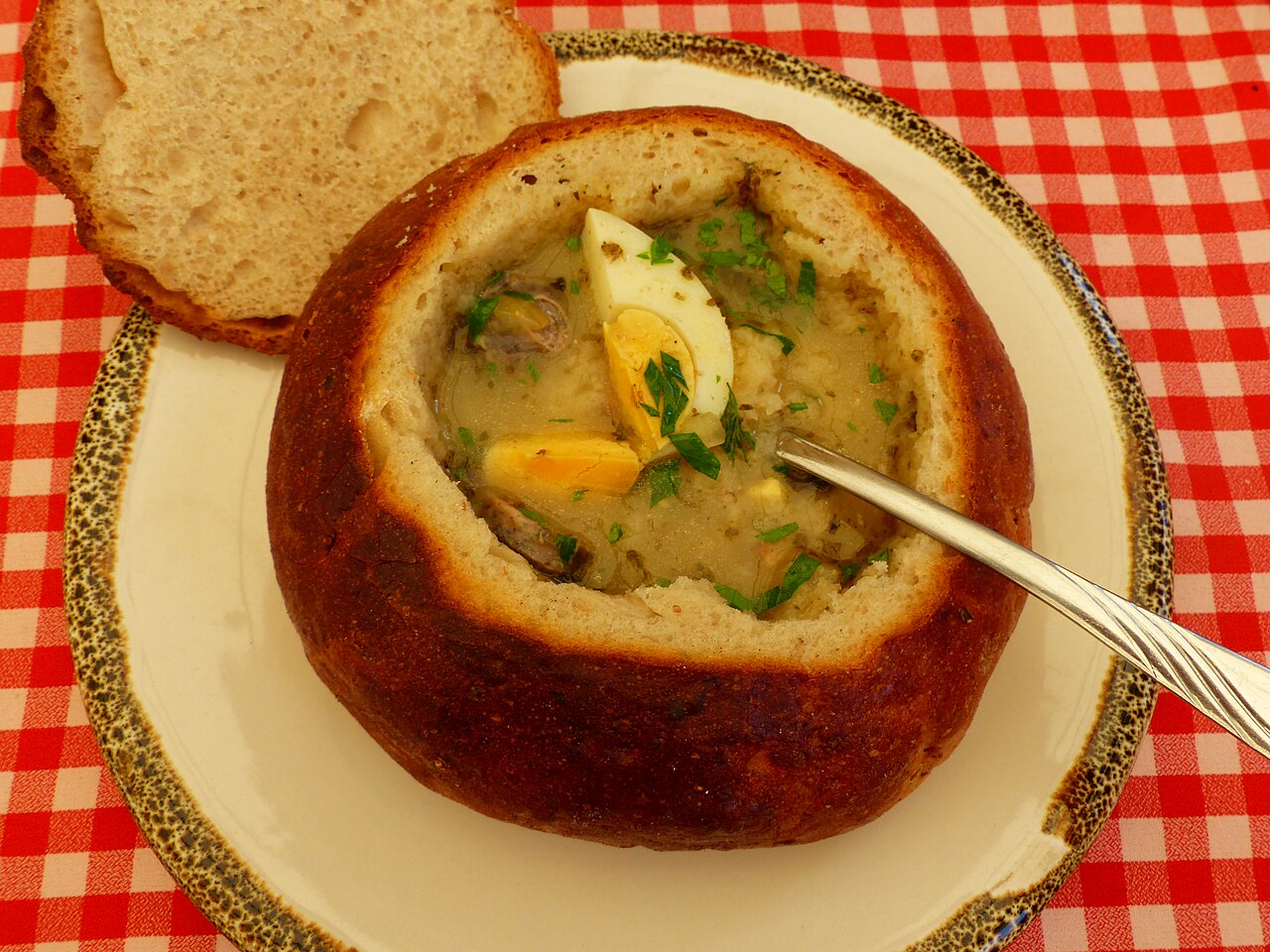
A tangy, creamy soup made with soured rye flour, flavoured with garlic and marjoram and served with white sausage, bacon and halved hard-boiled eggs. It is sometimes served in a hollowed-out loaf of bread.
Żurek is a traditional Easter dish, though Poles eat it all year round.
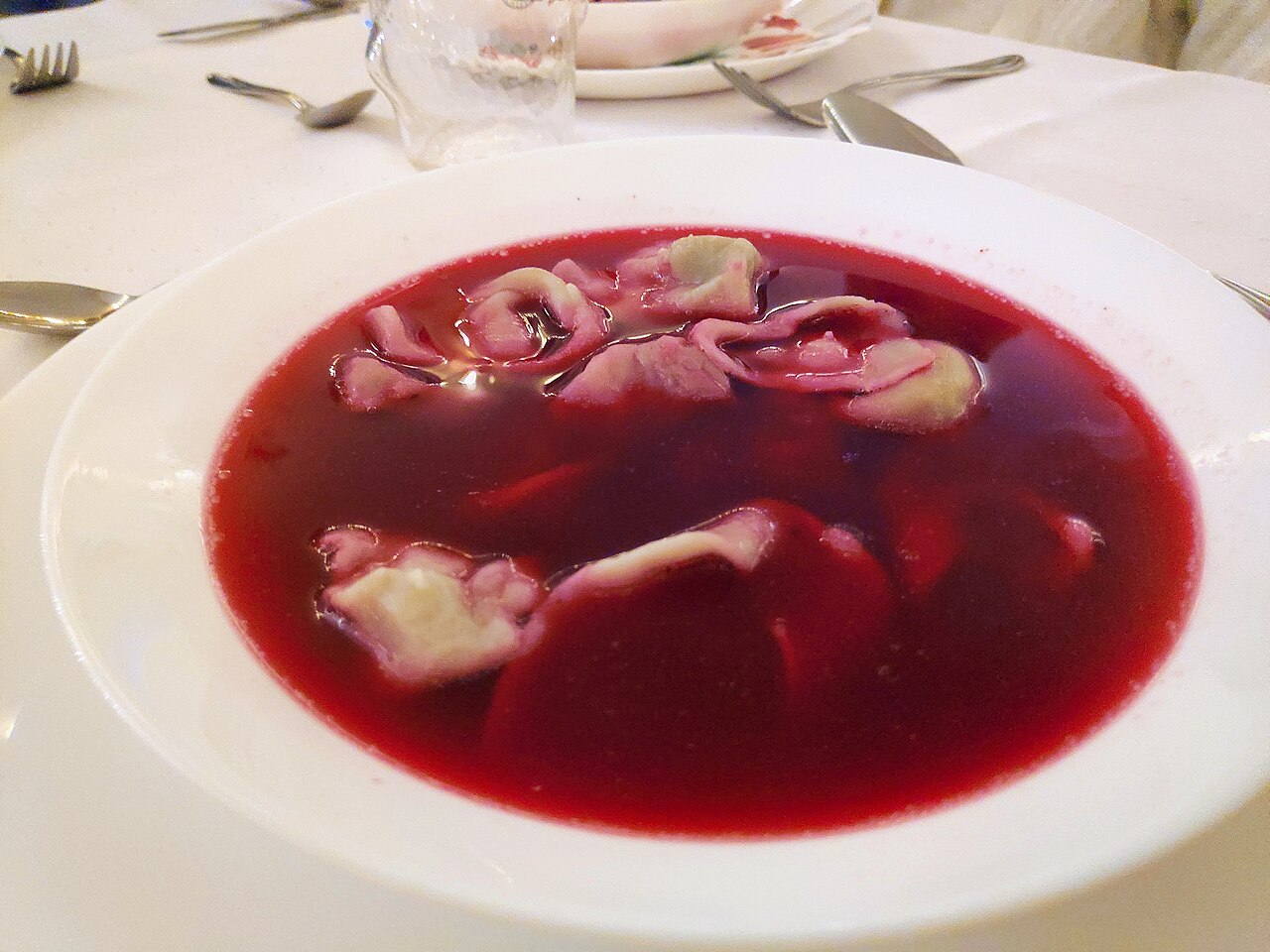
A clear, ruby-red beetroot soup with a gentle sweet-sour taste, served with uszka, tiny dumplings filled with wild mushrooms. It is the classic first course of the Christmas Eve supper.
Uszka means 'little ears', after the shape of the dumplings.
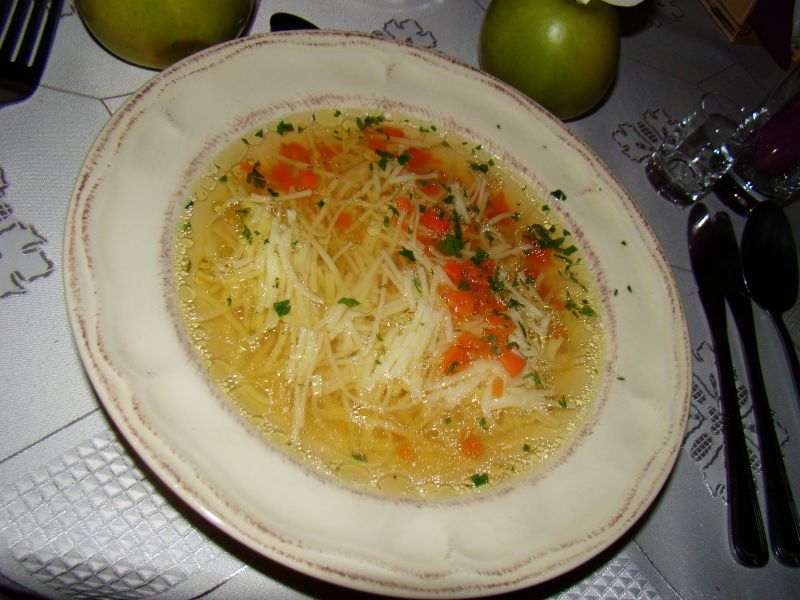
A clear golden broth slowly simmered from chicken or beef with root vegetables, served with very thin noodles and chopped parsley. It is the classic start to a family Sunday dinner.
Rosół is a traditional soup at weddings, and many Polish families still swear by it as a cure for colds.
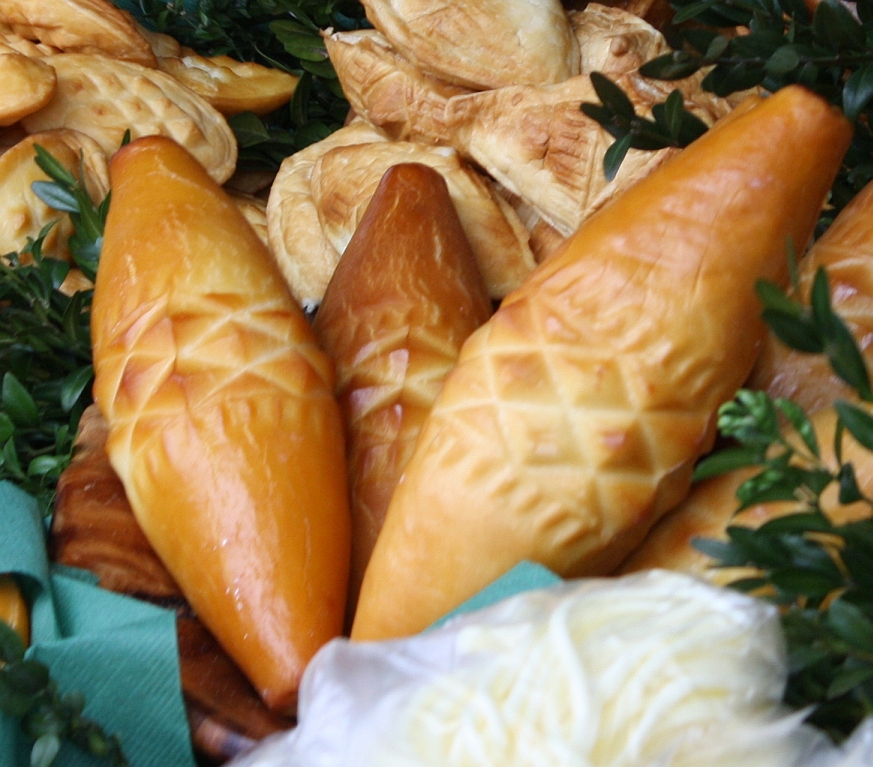
A firm, smoked cheese of salted sheep's milk, pressed into decorated wooden moulds that give it a spindle shape and a carved pattern. It is often grilled and eaten with cranberry jam.
Oscypek has protected status in the European Union: it must be made from at least 60% sheep's milk, and only between late April and early October, when the sheep graze on fresh mountain grass.
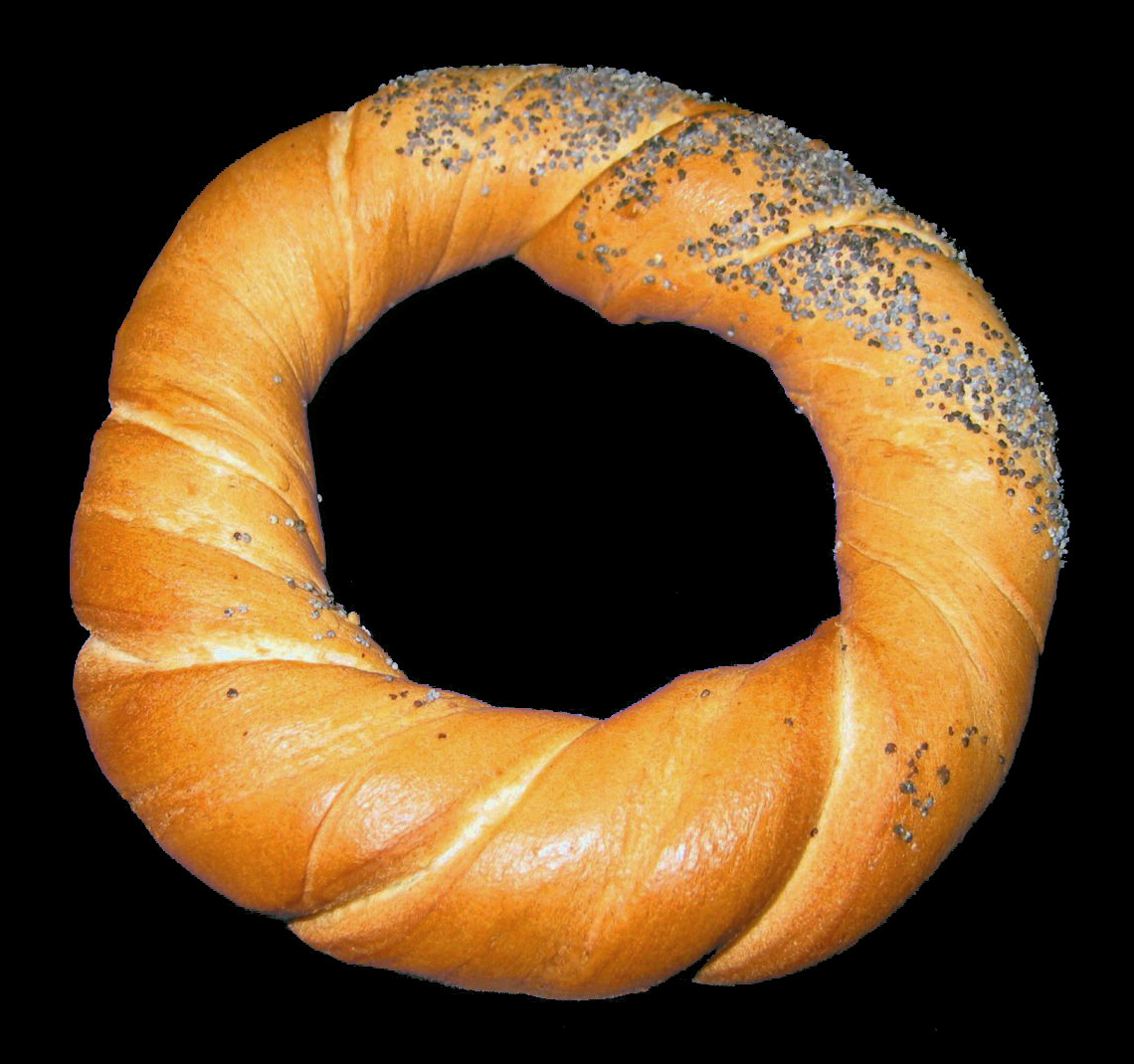
A twisted ring of bread that is boiled before baking, like a bagel, then sprinkled with salt, poppy seeds or sesame. It is chewy inside and crisp outside, and sold from street carts all over Kraków.
It has protected regional status in the EU. Its name comes from the Polish verb 'obwarzać', to parboil.
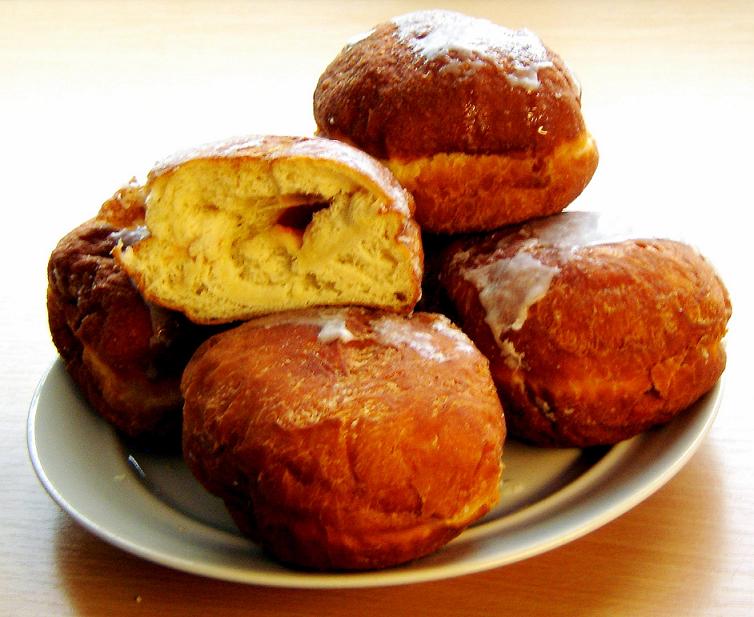
Rich, round doughnuts made with eggs and butter, filled with plum jam or rose petal jam and dusted with sugar or glazed.
Poles eat huge numbers of them on Fat Thursday (Tłusty Czwartek), the last Thursday before Lent, a tradition that began as a way to use up lard, sugar and eggs before the fast.
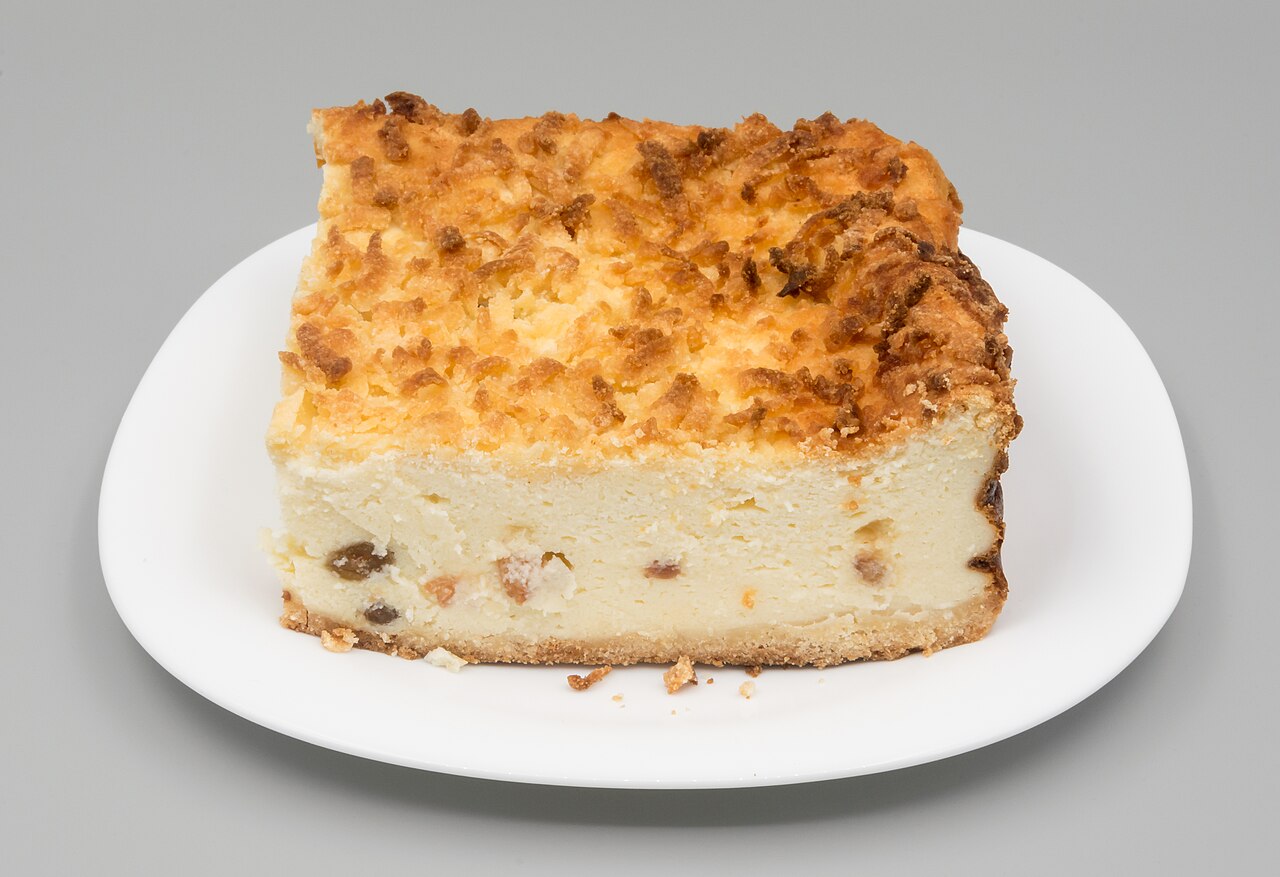
A baked cheesecake made with twaróg, a fresh Polish curd cheese, together with eggs and butter. It is lighter and a little drier than a cream cheese cake, and is often flavoured with vanilla, lemon or raisins.
Sernik dates back to the 17th century. The Kraków version has a lattice of pastry on top.
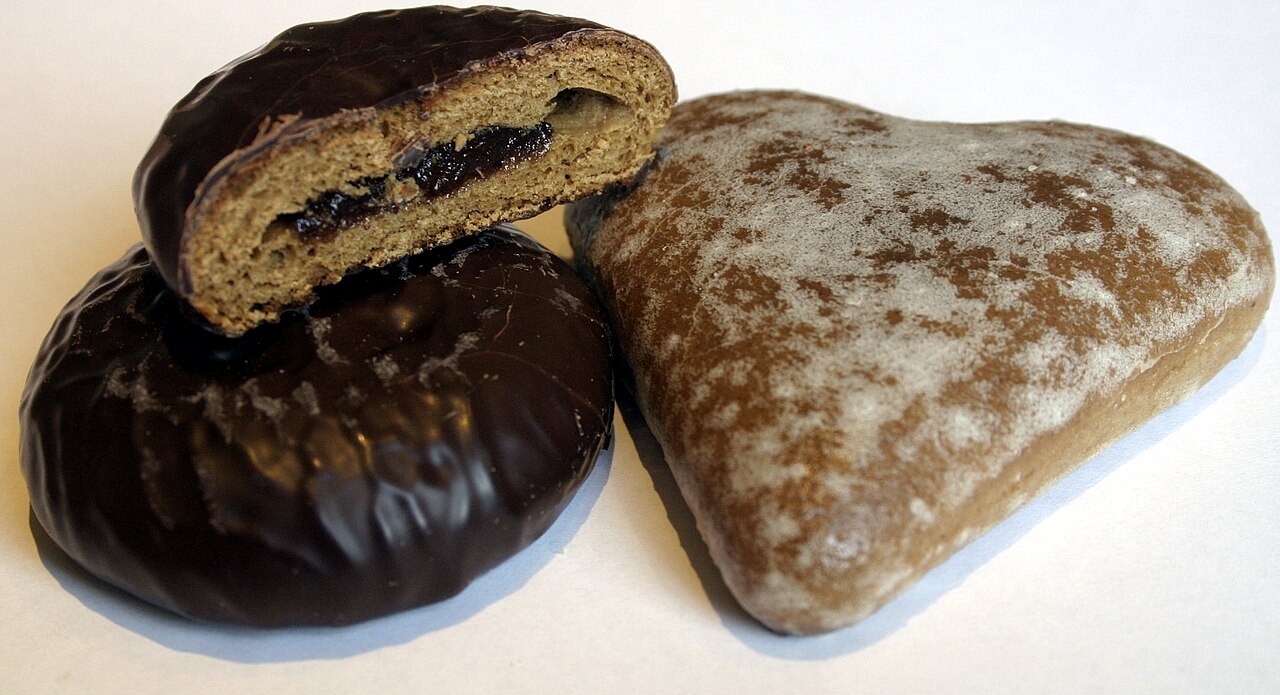
Spiced honey biscuits and cakes, traditionally shaped in carved wooden moulds, some filled with jam and covered in chocolate.
The first mention of Toruń gingerbread dates from 1380. In 1556 Toruń and Nuremberg, the other great gingerbread city, agreed that each could bake the other's specialities.
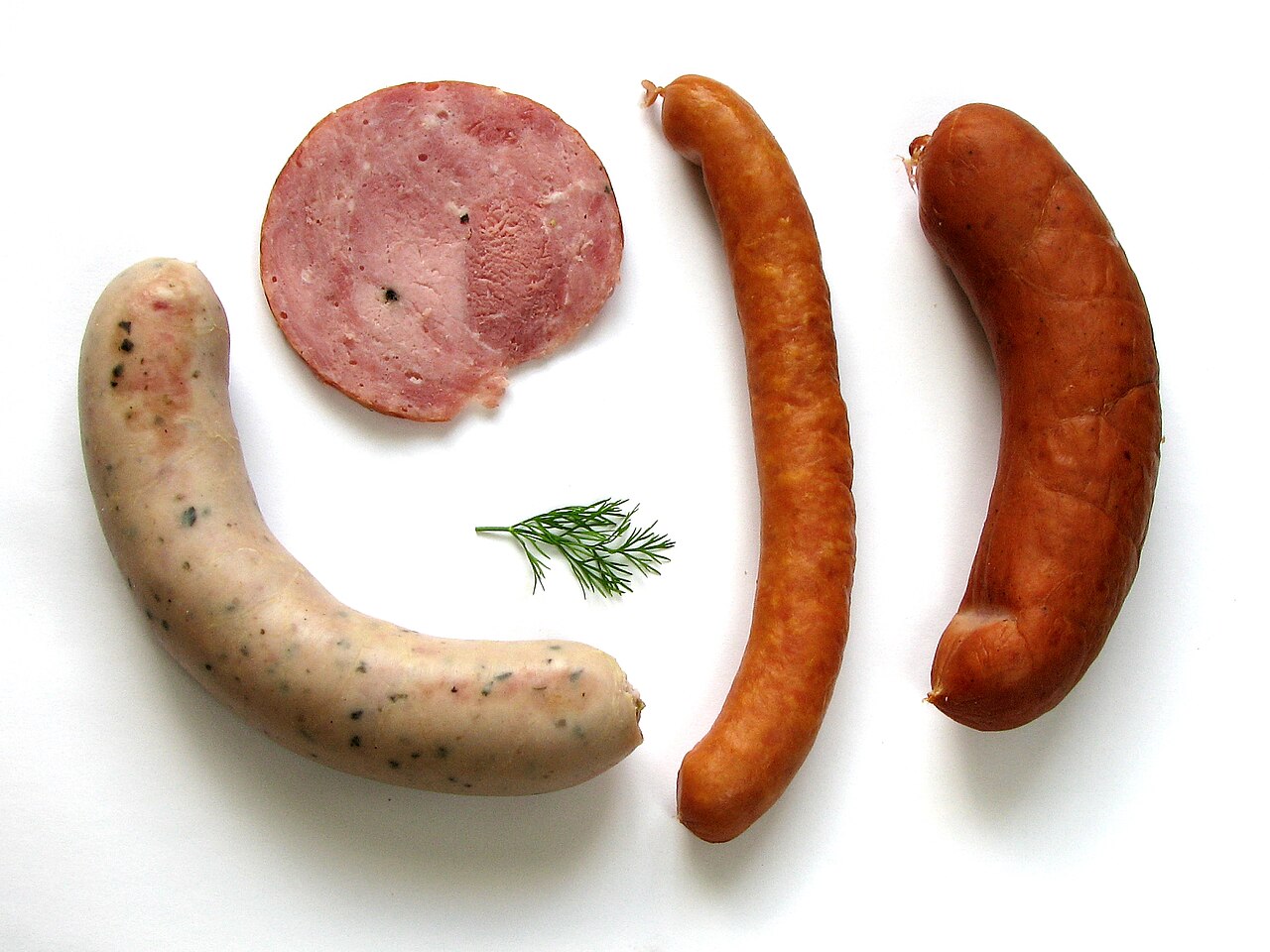
Kiełbasa simply means 'sausage' in Polish, and there are dozens of kinds, smoked or fresh, from thin dry kabanosy to white sausage for Easter żurek. It is grilled, fried with onions, or eaten cold with bread and mustard.
Several Polish sausages are protected in the EU, among them kiełbasa lisiecka from near Kraków.
At the table in Poland
Before a meal people wish each other 'Smacznego' (enjoy your meal).
When glasses are raised, Poles say 'Na zdrowie!', which means 'to your health'.
Lunch, or obiad, is the main meal of the day and almost always begins with a soup.
On Christmas Eve many families prepare twelve dishes, all without meat. Fried carp is the traditional main course.
It is polite to bring a small gift when invited to a Polish home. Flowers are a good choice, but always an odd number, as even numbers are for funerals.
It is polite to ask whether you should take off your shoes when you enter someone's home.