14 fun facts about Lebanon
- 01
The name Lebanon comes from an old Semitic root, 'lbn', meaning white, probably because of the snow on its mountains.
- 02
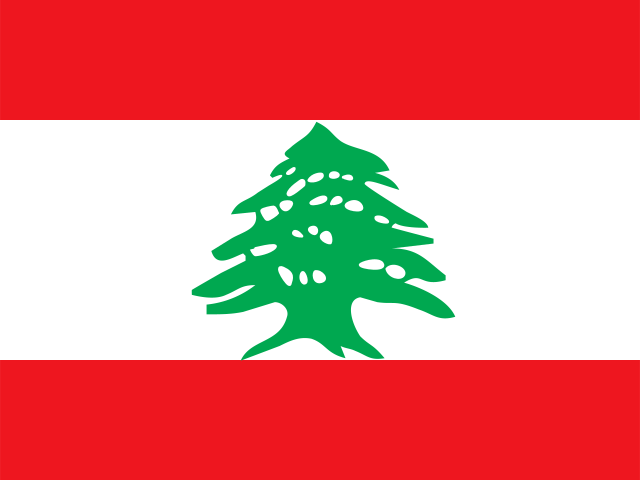
The green cedar on the Lebanese flag is the cedar of Lebanon. The flag was first raised in November 1943, during the struggle for independence, and was written into the constitution on 7 December 1943.
- 03
The Greeks called the town of Byblos after the papyrus that passed through its port, and 'byblos' came to mean papyrus in Greek. The English word Bible comes from the same name.
- 04
The stone coffin of King Ahiram of Byblos, now in the National Museum of Beirut, carries what is considered the earliest known example of the fully developed Phoenician alphabet.
- 05
Lebanon officially recognises 18 religious communities, Christian, Muslim, Druze and Jewish. By the unwritten National Pact of 1943, the president is a Maronite Christian, the prime minister a Sunni Muslim and the speaker of parliament a Shia Muslim.
- 06
As of September 2026, Lebanon has seven sites on UNESCO's World Heritage List. The newest, the Mount Amel Castles, was added in 2026.
- 07
Kahlil Gibran, born in Bsharri in 1883, wrote 'The Prophet', published in 1923. It has been translated into more than 100 languages.
- 08
The singer Fairuz, often called 'the Voice of Lebanon', first sang at the Baalbeck International Festival in 1957.
- 09
The upper cave of Jeita Grotto holds a stalactite about 8.2 m long, often described as the longest known stalactite in the world.
- 10
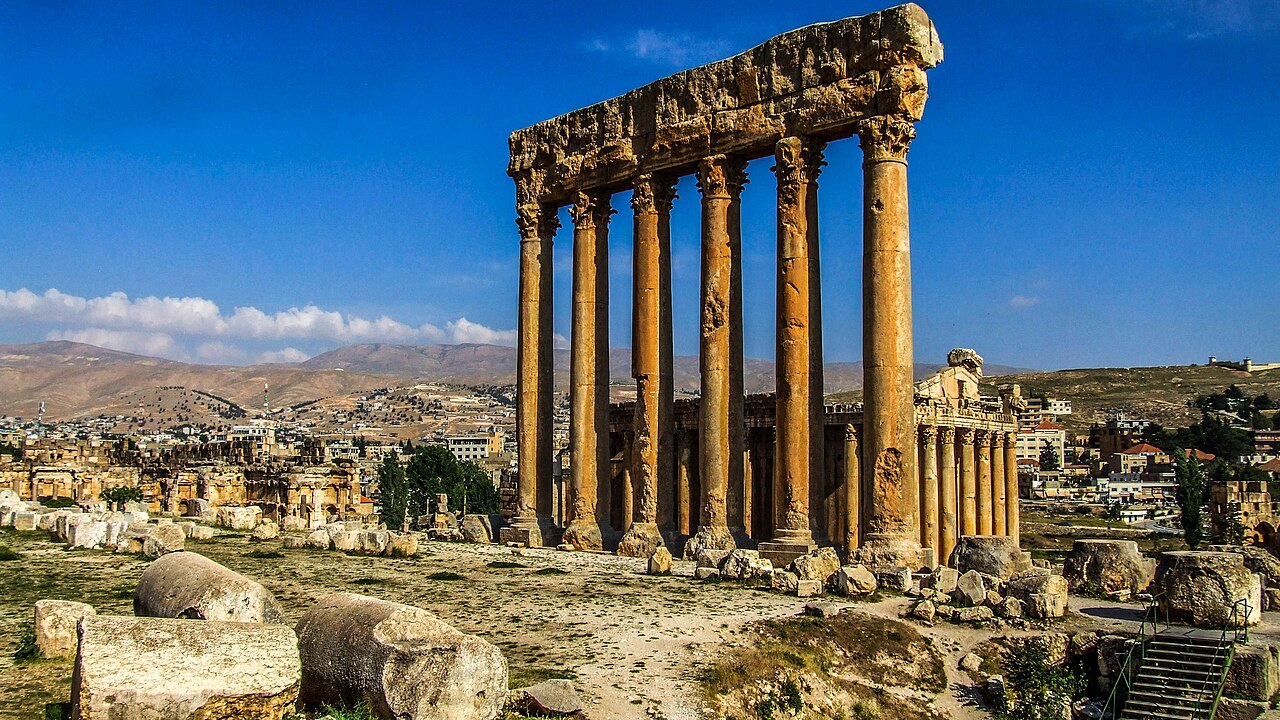
In 2014 archaeologists found a stone block in the Roman quarry at Baalbek estimated to weigh about 1,650 tonnes, suggested to be the largest ancient stone block ever found.
- 11
The Litani is the longest river that flows entirely within Lebanon. In ancient times it was called the Leontes, the 'lion river'.
- 12
Qurnat as Sawda', at about 3,088 m, is the highest point in Lebanon and in the whole Levant.
- 13
Lebanese and other Levantine emigrants took sfiha to Brazil, where the esfiha is now a popular snack, and fatayer to Argentina, where they are sold as empanadas árabes.
- 14
The national anthem, adopted in 1927, begins with the words "All for the country, for glory and the flag".
Sources (18)
- Lebanon (Wikipedia)
- Qurnat as Sawda' (Wikipedia)
- Litani River (Wikipedia)
- Byblos (Wikipedia)
- Ahiram sarcophagus (Wikipedia)
- Phoenician alphabet (Wikipedia)
- National Pact (Wikipedia)
- Flag of Lebanon (Wikipedia)
- National Anthem of Lebanon (Wikipedia)
- Cedrus libani (Wikipedia)
- Religion in Lebanon (Wikipedia)
- Kahlil Gibran (Wikipedia)
- Fairuz (Wikipedia)
- Baalbek (Wikipedia)
- Jeita Grotto (Wikipedia)
- UNESCO World Heritage: Lebanon
- Fatayer (Wikipedia)
- Sfiha (Wikipedia)
Fun facts from nearby countries
More about Lebanon
- The trip to LebanonMap, story, food, phrases and a friendly quiz.
- Lebanese foodThe dishes to try, with photos and recipes.
- Lebanon triviaQuestions and answers to read aloud or print.
- Lebanon word searchCities and dishes in large print.
- Lebanese words crosswordLearn a few words while you solve it.
- Colour the flag of LebanonPrint it or colour it in on the screen.
- Lebanese rootsA family guide: history, recipes and words for the grandchildren.
- Before you goPhrases, customs and tips for travellers.
- Printable packLarge print, with a quiz and answers.