Early settlement at Byblos
By about 5000 BC fishing families were living in huts on the shore at Byblos. The town has been lived in ever since, and it is often listed among the oldest continuously inhabited cities in the world.
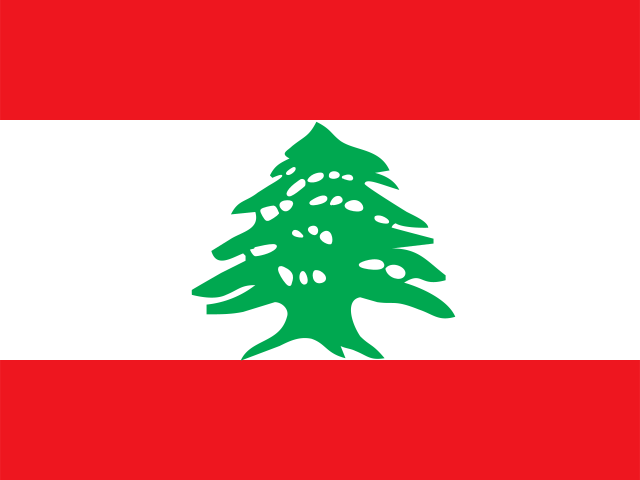
Lebanon is a small country on the eastern shore of the Mediterranean, smaller than the US state of Connecticut. Two mountain ranges run through it from north to south, with the fertile Beqaa Valley between them. Its name comes from an old Semitic root meaning 'white', a reminder of the snow on its peaks.
Byblos, Sidon and Tyre were great cities of the Phoenicians, the seafaring traders who spread their alphabet around the Mediterranean. Later came Romans, Arab caliphates, Crusaders, Mamluks and the Ottomans, and after the First World War a French mandate. Lebanon became independent in 1943.
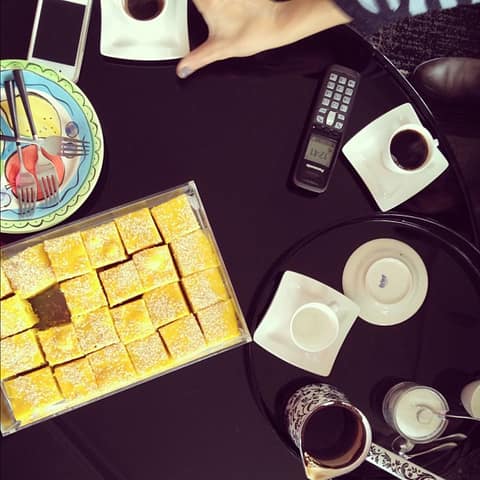
Memories fade faster than photos. Ask these over a meal or a phone call, and write the answers down.
Few places pack so much history into so little land. The Lebanese coast was home to Phoenician city-states thousands of years ago, while the modern state only took shape in 1920 and became independent in 1943.
By about 5000 BC fishing families were living in huts on the shore at Byblos. The town has been lived in ever since, and it is often listed among the oldest continuously inhabited cities in the world.
According to tradition, settlers from Tyre led by Queen Elissa, also called Dido, founded Carthage in what is now Tunisia in 814 BC. It grew into the capital of a great trading empire.
The Roman general Pompey added the region to the Roman world. Under Rome, Baalbek received its giant temples.
Lebanon became part of the Ottoman Empire. For centuries local emirs, such as Fakhr al-Din II and later Bashir II, ruled Mount Lebanon on behalf of the sultan.
Lebanon adopted a constitution in 1926 and became the Lebanese Republic, though France still held real power under its League of Nations mandate.
On 22 March 1945 Lebanon was one of the seven founding members of the Arab League in Cairo. The same year it also became a founding member of the United Nations.
The Taif Agreement of 1989 laid the basis for peace, and the fighting ended in 1990 after 15 years. Estimates of the dead are around 120,000 to 150,000, and nearly a million people were displaced.
On 4 August 2020 a large store of ammonium nitrate, about 2,750 tonnes when it was unloaded and kept unsafely at the port of Beirut for six years, exploded after a fire. More than 200 people died, thousands were injured and large parts of the city were damaged.
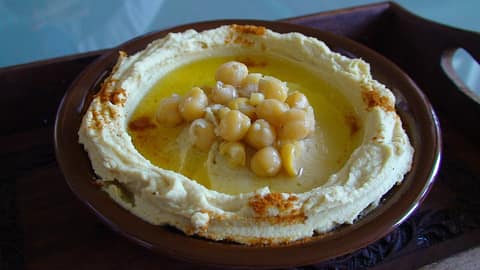
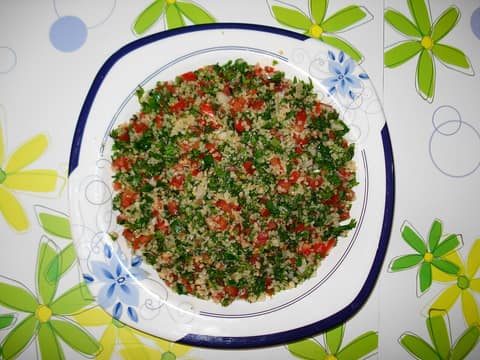
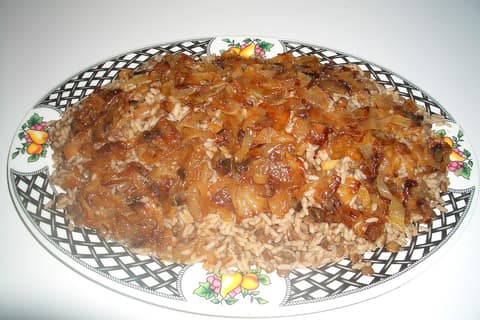
Cook one of the recipes, print the large-print pack about Lebanon, and finish with the big-screen quiz or the words crossword. Grandchildren can colour the flag.