Lebanese food is built on olive oil, lemon, garlic, fresh herbs, chickpeas, bulgur wheat and flatbread. A meal usually starts with mezze, many small dishes shared from the middle of the table, such as hummus, tabbouleh and stuffed vine leaves. Then come grilled meats or a baked dish, and the meal ends with fresh fruit and a small cup of coffee. A plate of raw vegetables, olives and pickles is almost always on the table.
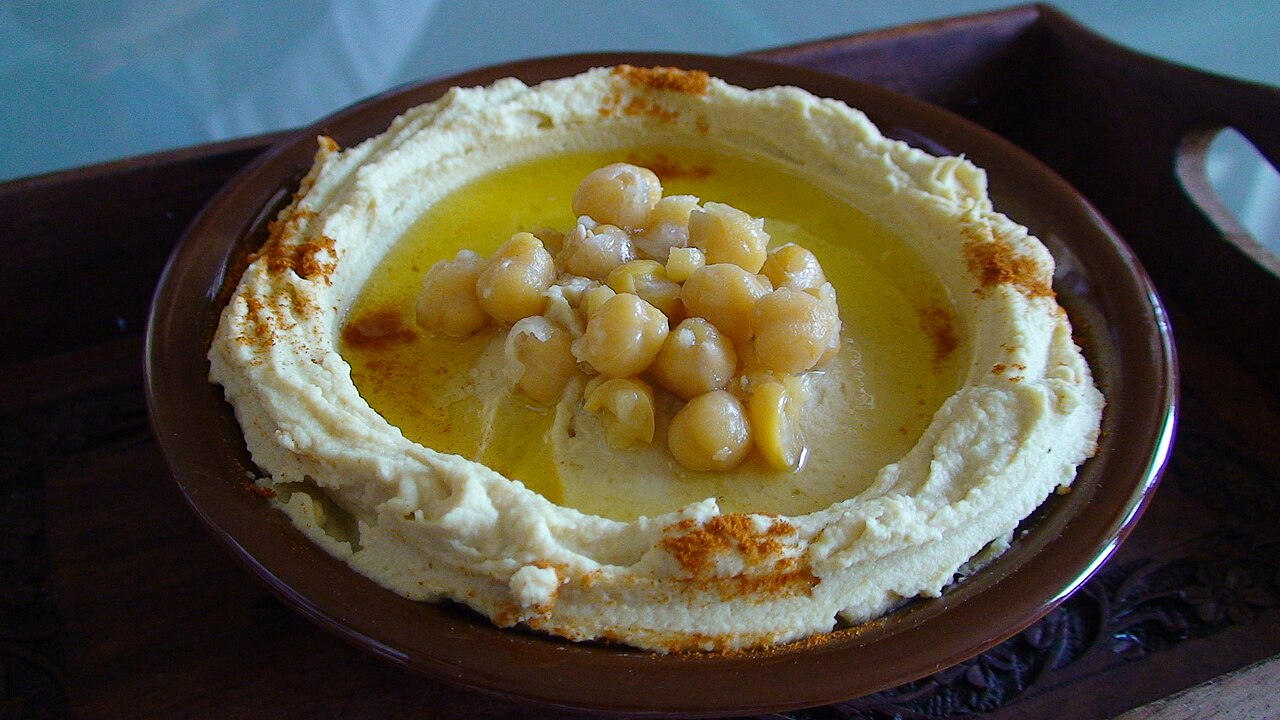
A smooth purée of cooked chickpeas, tahini (sesame paste), lemon juice and garlic, spread on a plate, drizzled with olive oil and eaten by scooping it up with flatbread.
In May 2010 about 300 cooks in the village of al-Fanar near Beirut made a plate of hummus weighing about 10,450 kg, a Guinness World Record at the time.
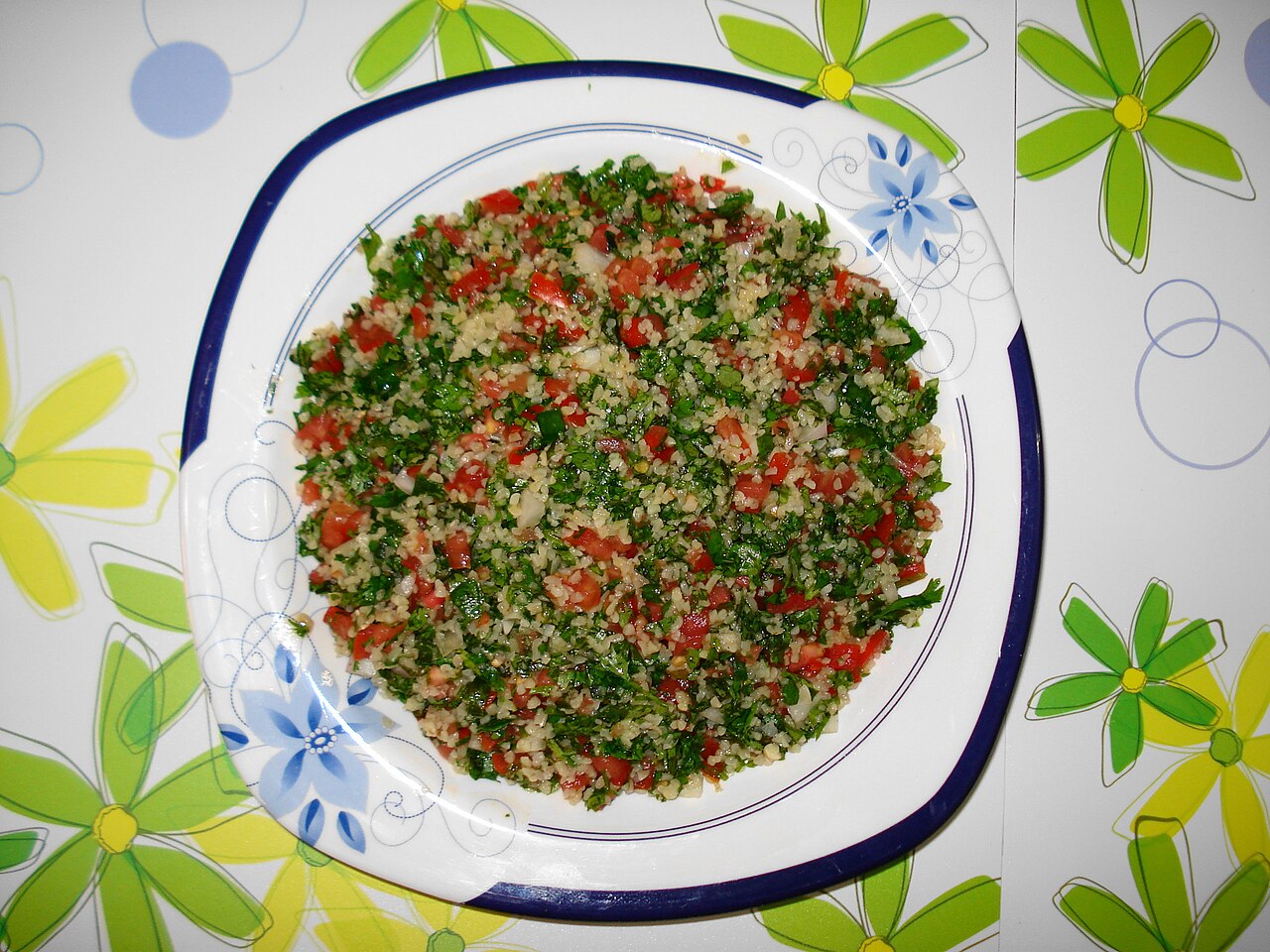
A bright green salad that is mostly finely chopped parsley, with a little mint, tomato, onion and fine bulgur wheat, dressed with lemon juice and olive oil.
In Lebanon tabbouleh is a parsley salad with a little bulgur, not a bulgur salad with a little parsley. Some families eat it with crisp lettuce or cabbage leaves as spoons.
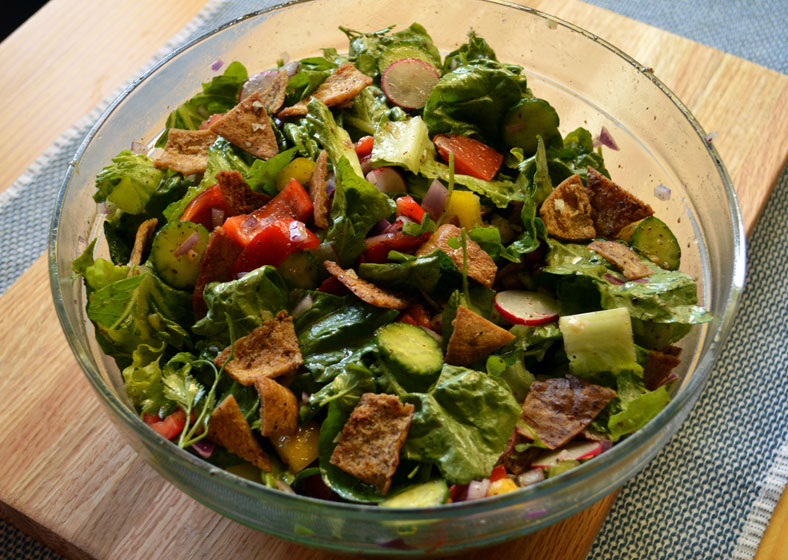
A crunchy village salad of lettuce, tomato, cucumber, radish, peppers and herbs, tossed with toasted or fried pieces of flatbread and a dressing sharp with lemon and sumac.
Fattoush is a good way to use up yesterday's bread. Its name comes from the Arabic word 'fatt', to crush.
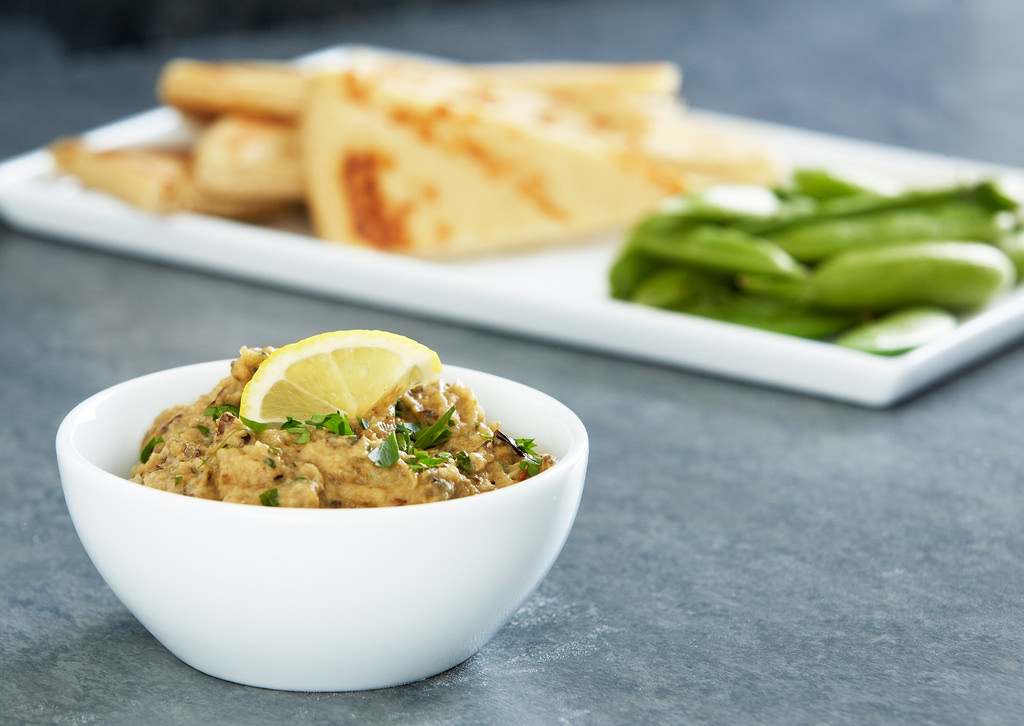
Aubergines are charred over a flame until the flesh is soft and smoky, then mashed with tahini, lemon, garlic and olive oil. It is a favourite on the mezze table.
In Lebanon the tahini version is often called moutabal, and the name baba ghanouj is also used for a lighter mix of aubergine and chopped vegetables. Menus do not always agree.
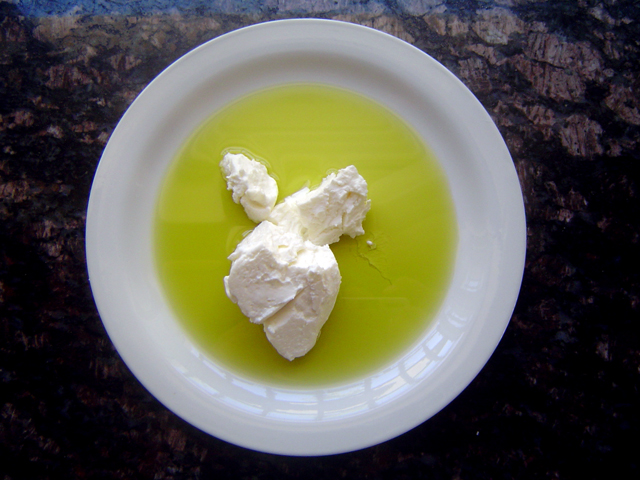
Yogurt strained in a cloth until it is as thick as soft cheese, spread on a plate and drizzled with olive oil. It is a breakfast favourite with olives, mint, cucumber and bread.
Labneh can be rolled into small balls and kept for weeks in jars of olive oil.
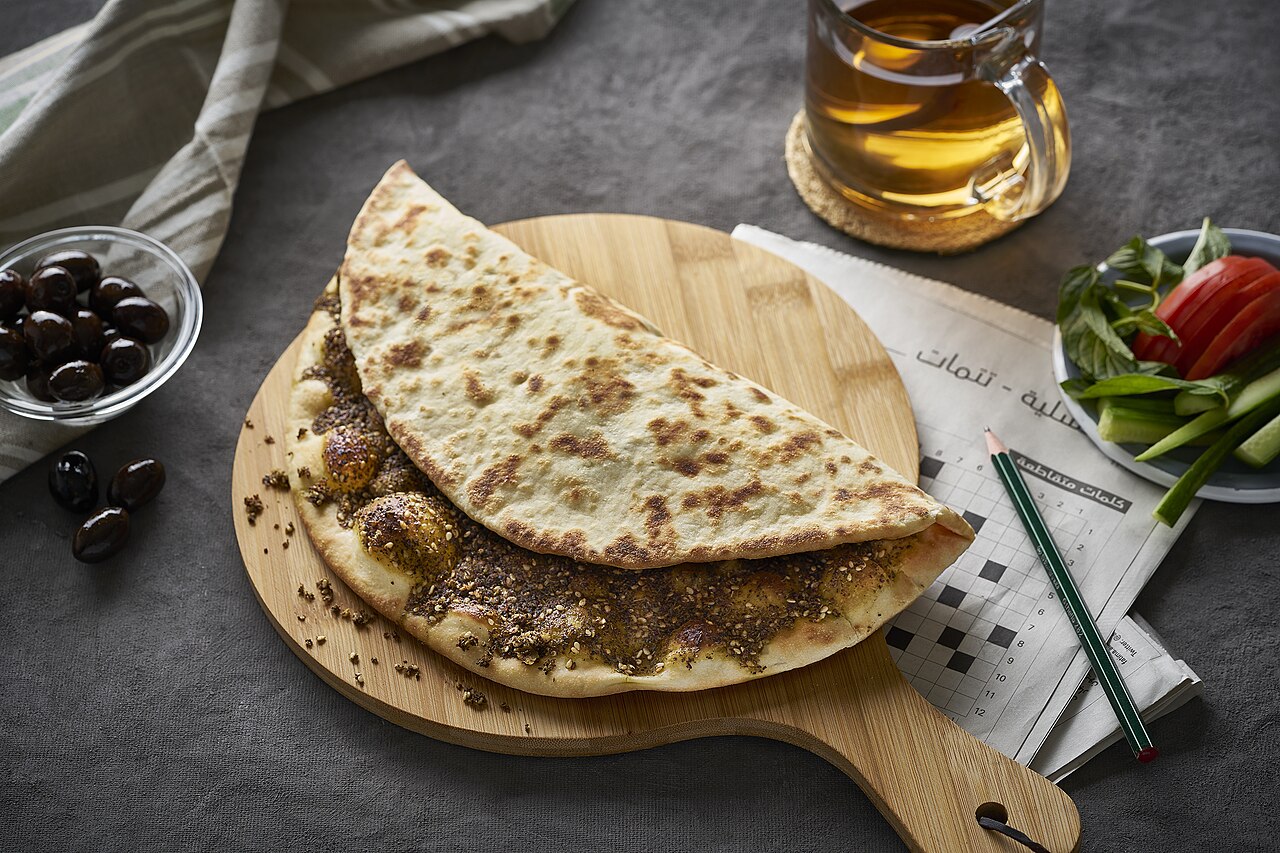
Round flatbread spread with za'atar, a mix of wild thyme, sumac and sesame seeds in olive oil, and baked until crisp at the edges. Cheese and minced meat are other toppings. It is the classic Lebanese breakfast.
In 2023 UNESCO added al-man'ouche, 'an emblematic culinary practice in Lebanon', to its list of intangible cultural heritage.
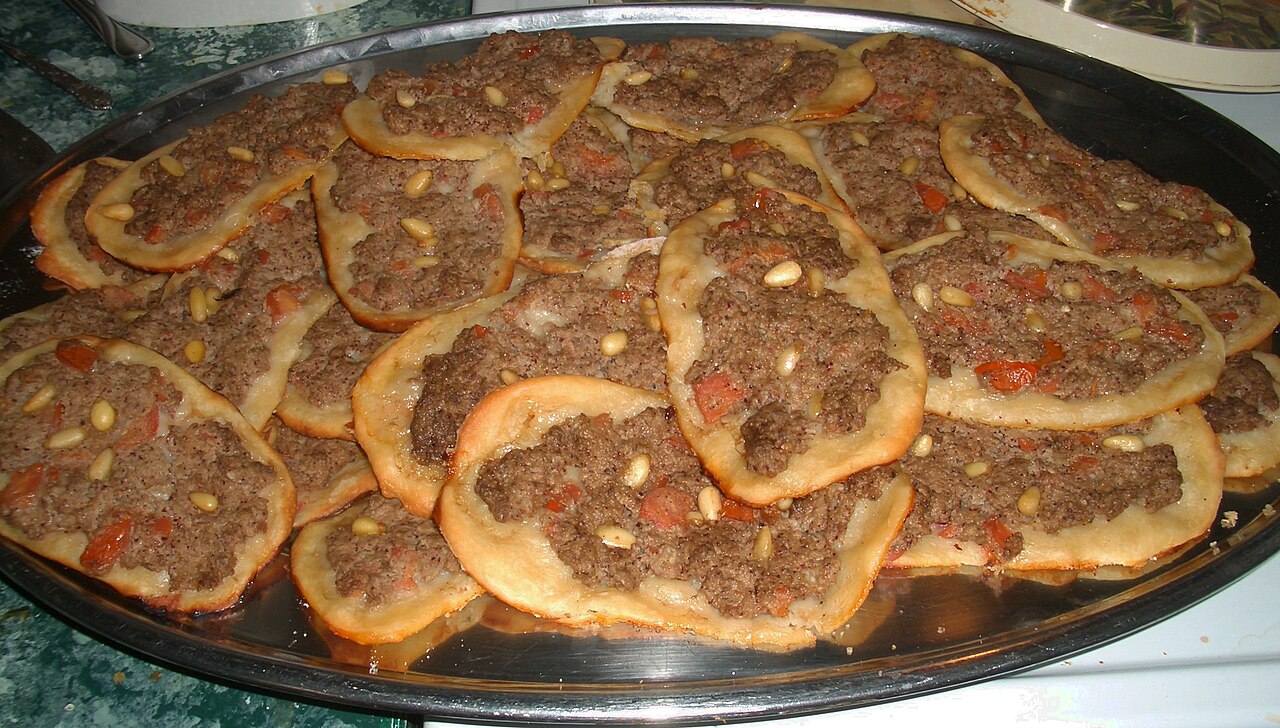
Small open pies of thin dough topped with minced lamb or beef, onion, tomato and spices. The Baalbek version, sfiha baalbakiya, is famous across Lebanon.
Arab emigrants took sfiha to Brazil, where the esfiha became a popular snack sold all over the country.
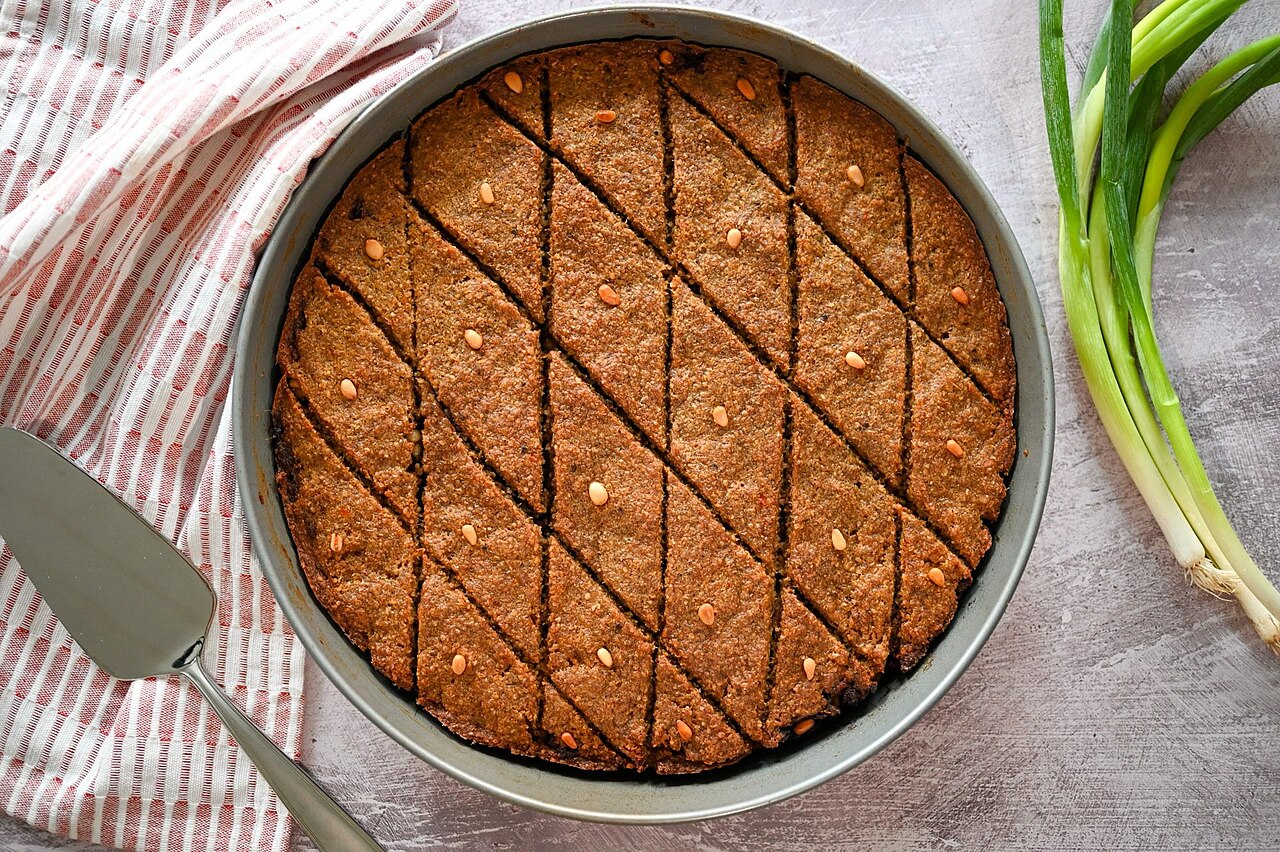
A paste of fine bulgur wheat pounded with lean minced lamb or beef and onion, layered in a tray around a filling of fried meat, onion and pine nuts, then cut into diamonds and baked.
Kibbeh is considered a national dish of Lebanon and Syria. It is also shaped into fried torpedoes, and in some villages served raw as kibbeh nayyeh.
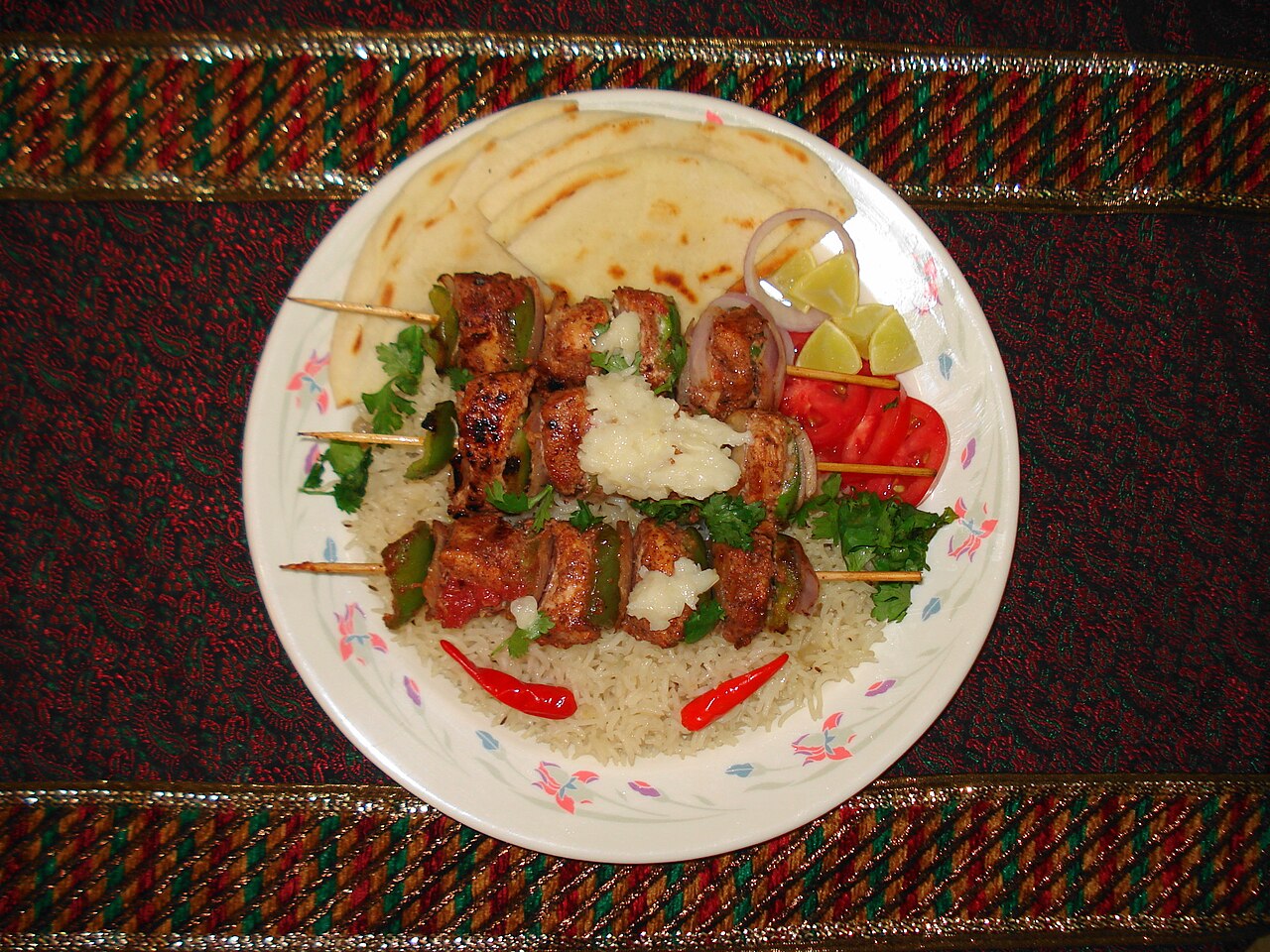
Chunks of chicken marinated in yogurt, lemon, garlic and tomato paste, grilled on skewers and served with a strong garlic sauce called toum, pickles and bread.
The name comes from Turkish: 'şiş' means skewer and 'tavuk' means chicken.
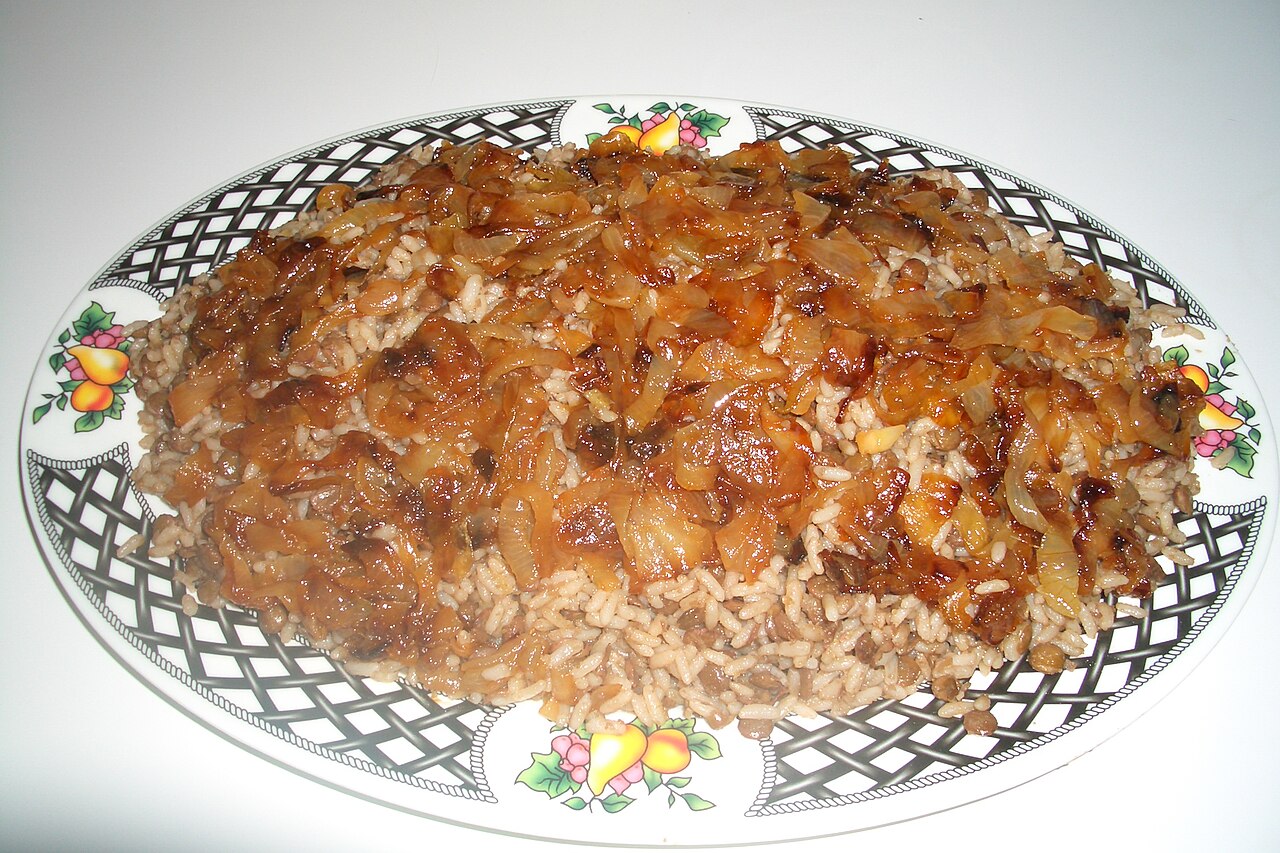
A humble, filling dish of brown lentils cooked with rice or bulgur and topped with a heap of deeply browned onions, often eaten with yogurt or a salad.
The name means 'pockmarked' in Arabic: the lentils among the rice look like little marks.
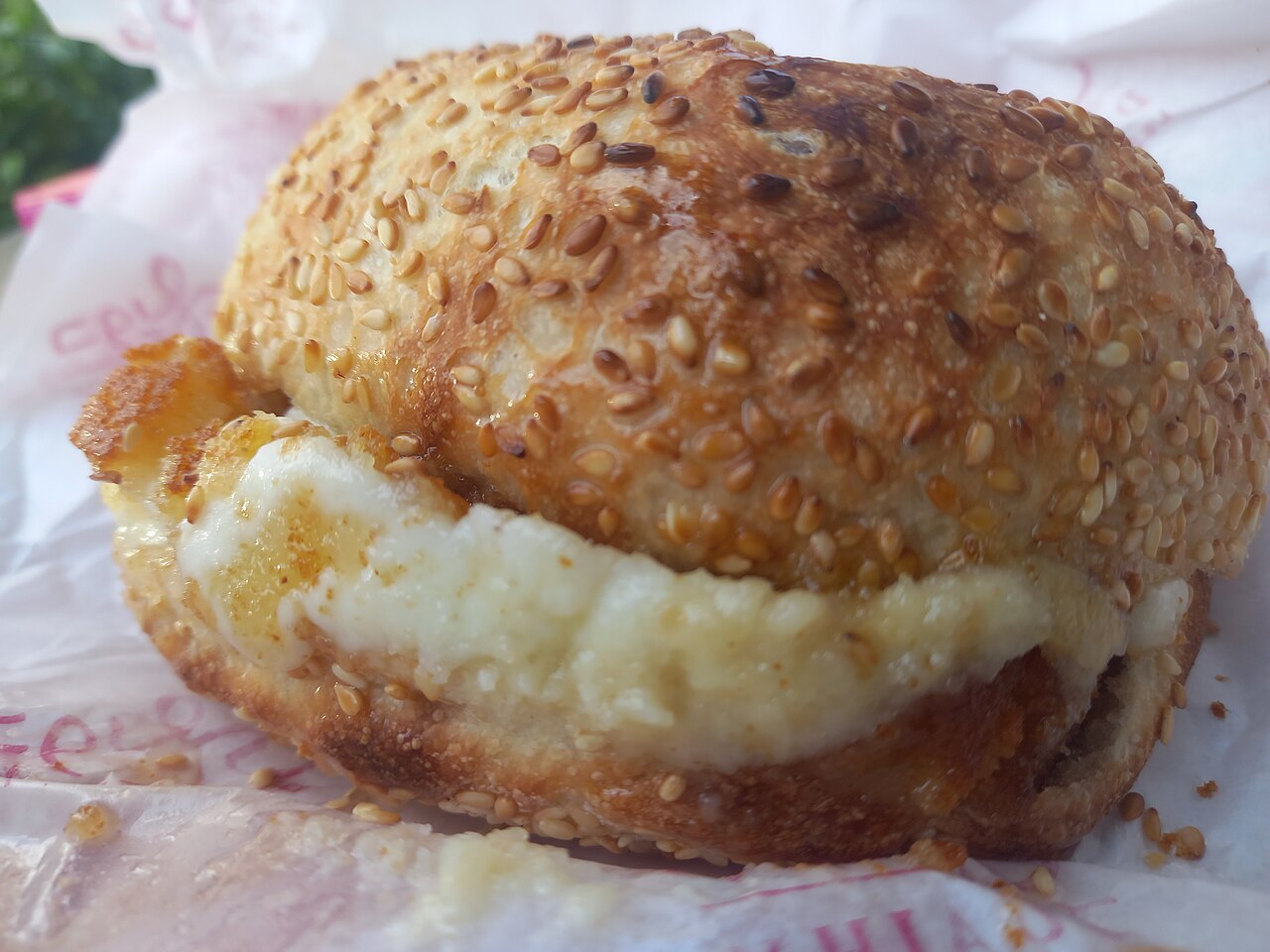
Soft white cheese under a layer of semolina or shredded pastry, baked and soaked in sugar syrup scented with orange blossom. It is also eaten as street food inside a sesame bread.
Ka'ak knafeh, knafeh tucked inside a sesame-coated bread, is a popular Lebanese street food.
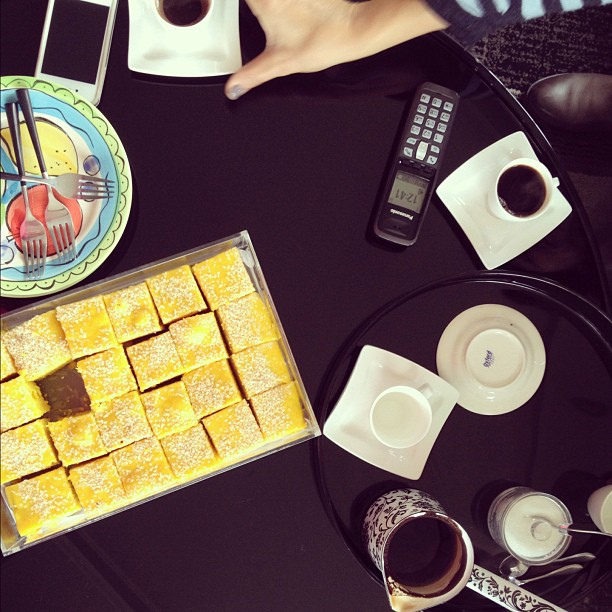
A golden-yellow cake of semolina and flour coloured with turmeric, flavoured with aniseed and topped with pine nuts or almonds. It is not soaked in syrup, so it is light and not too sweet.
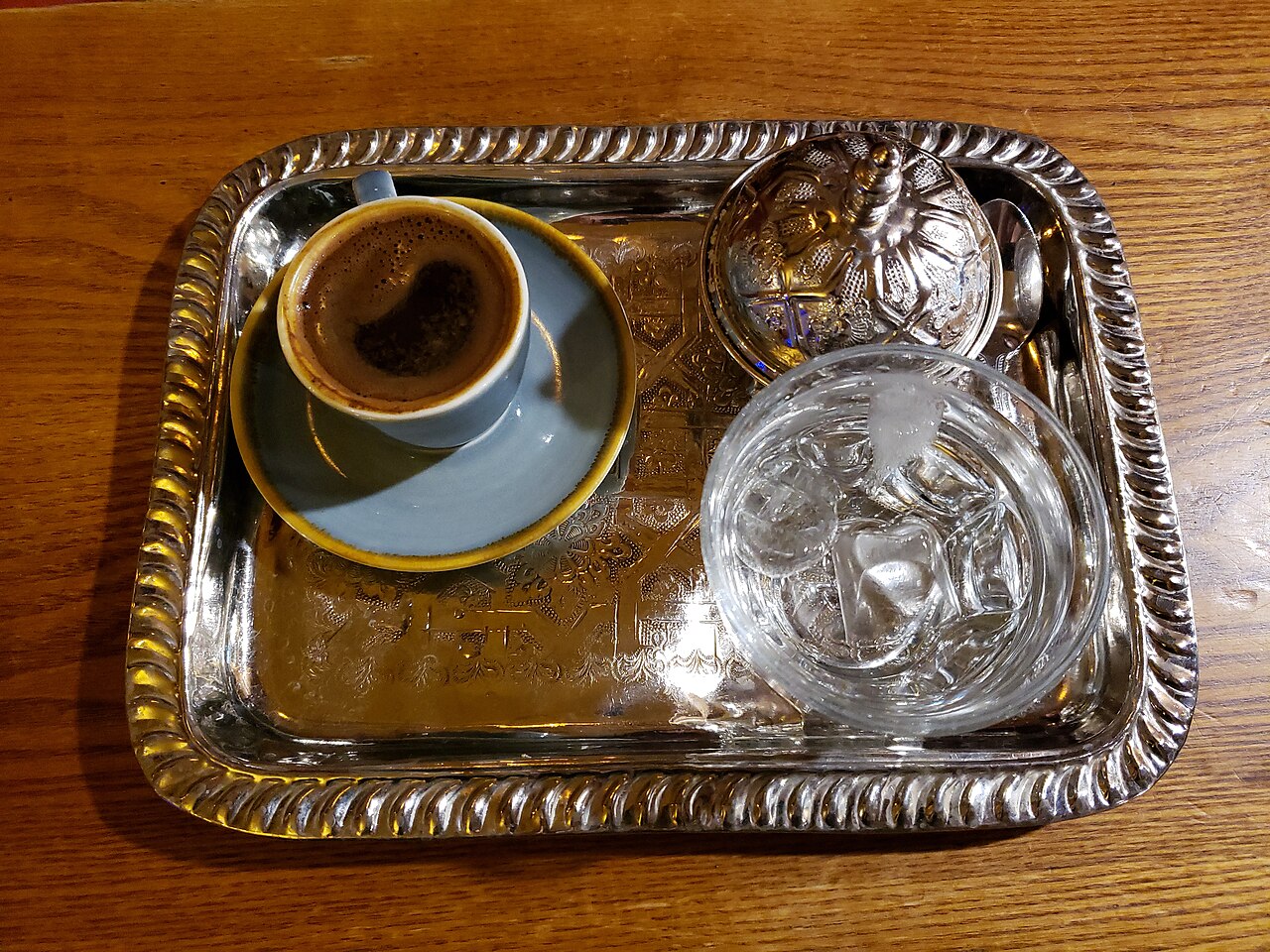
Very finely ground coffee, often with cardamom, boiled in a small long-handled pot and poured into tiny cups without filtering. Offering coffee is the first sign of welcome in a Lebanese home.
A traditional Lebanese meal ends with a plate of fresh fruit and a cup of coffee.