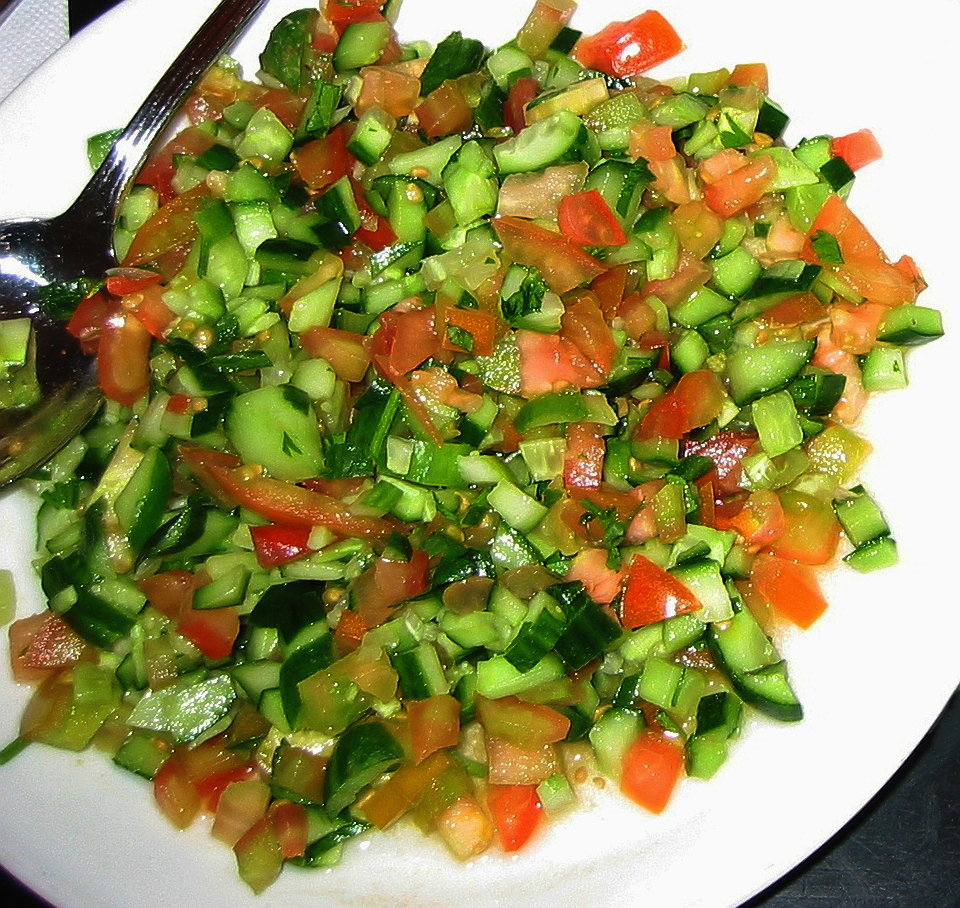
Israeli food brings together the cooking of Jewish families who came from Morocco, Iraq, Yemen, Poland and dozens of other lands with the Arab and Mediterranean dishes of the region. A typical meal starts with salatim, many small salads and dips eaten with pita bread. Grilled meat or fish follows, and the meal ends with fruit, a sweet and strong coffee or mint tea. Friday evening dinner, at the start of Shabbat, is the big family meal of the week.
North Africa, brought by Jews from Tunisia and Libya
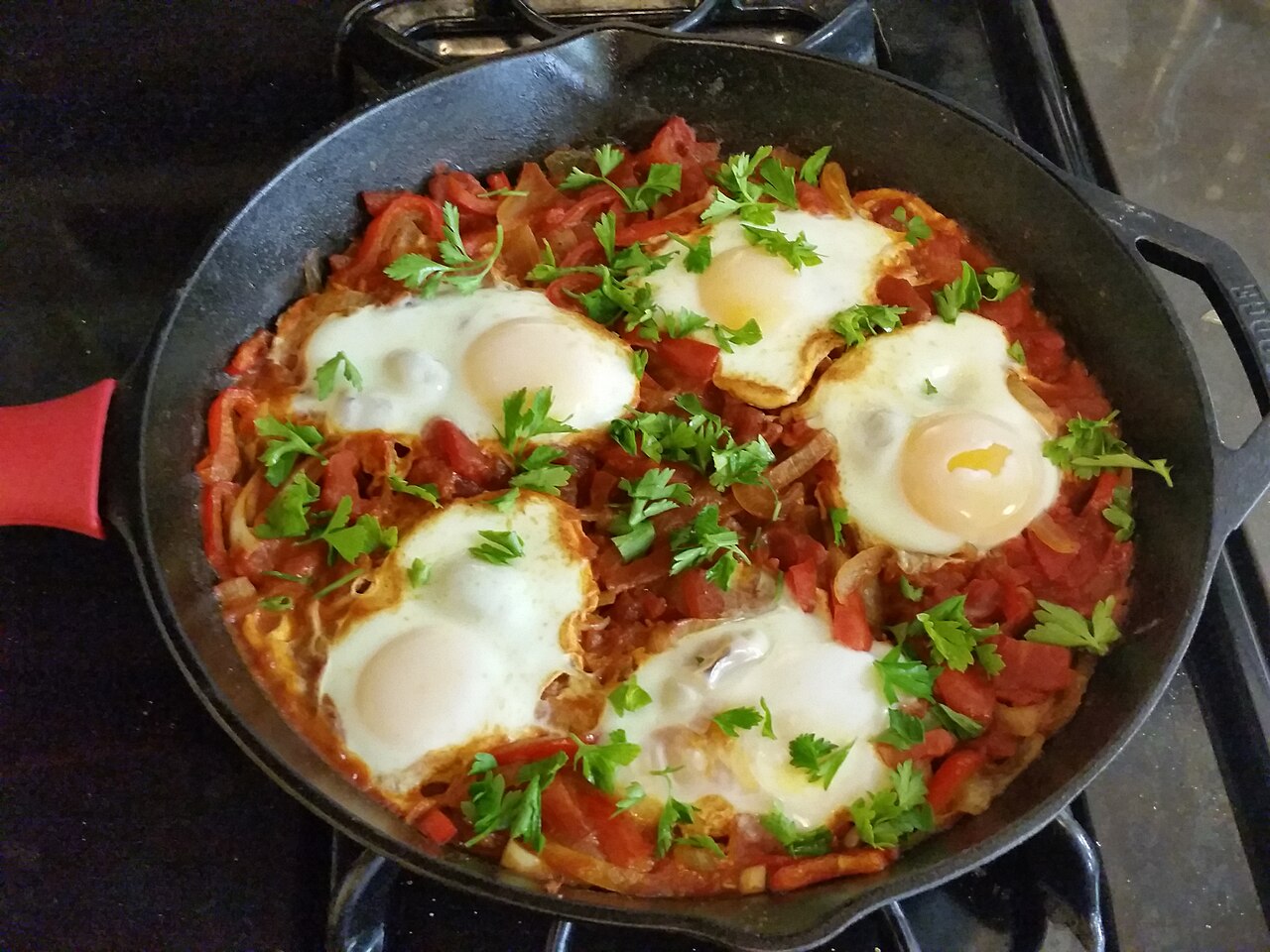
Eggs gently cooked in a spicy sauce of tomatoes, peppers, onion and cumin, served in the pan with bread to dip. Israelis eat it for breakfast or a light supper.
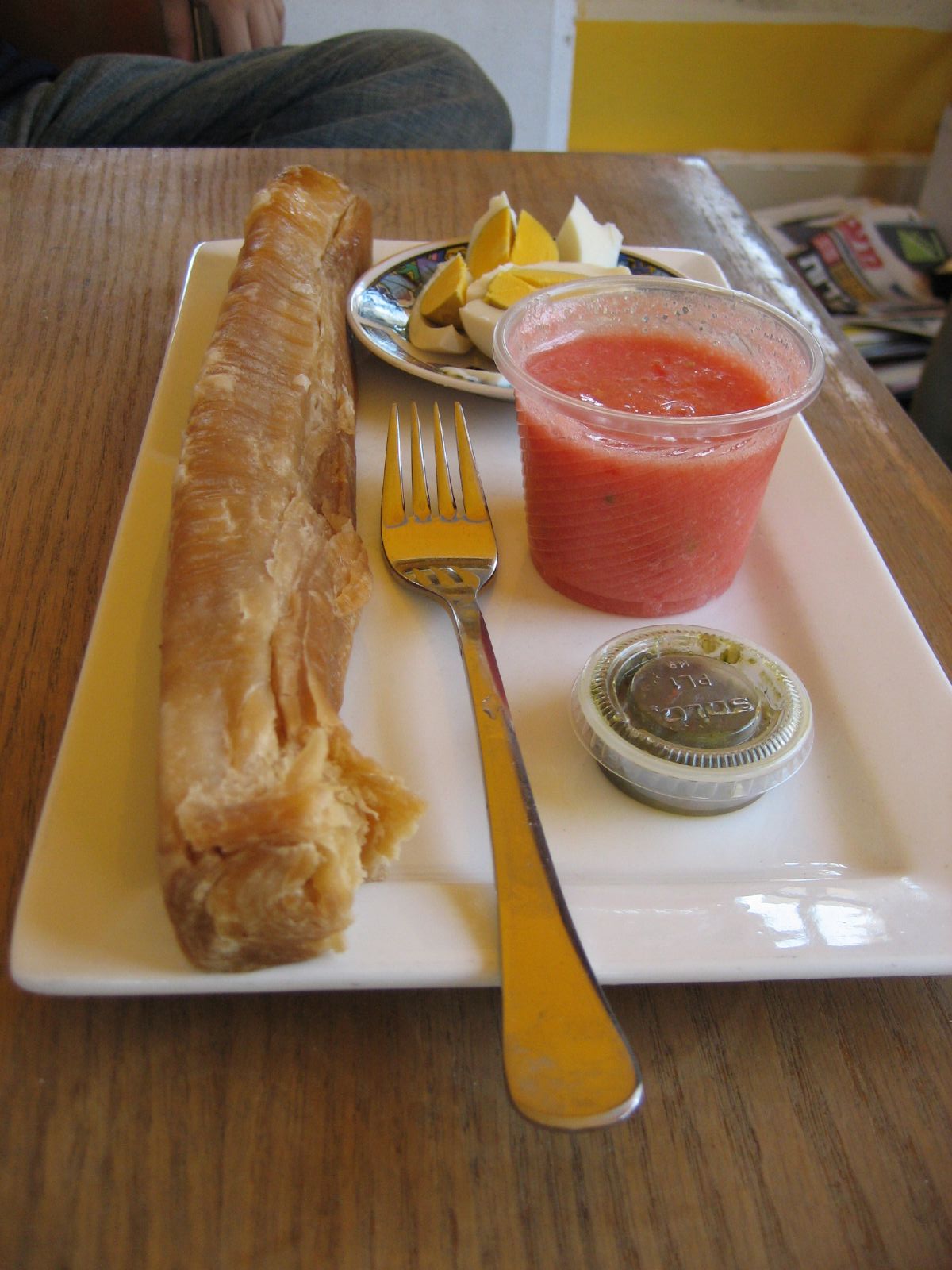
Thin layers of buttery dough rolled into logs and baked very slowly overnight until golden brown. It is eaten on Saturday morning with grated tomato, a hard-boiled egg and spicy zhug sauce.
Because it bakes from Friday afternoon until the next morning, jachnun is ready to eat on Shabbat without any cooking.
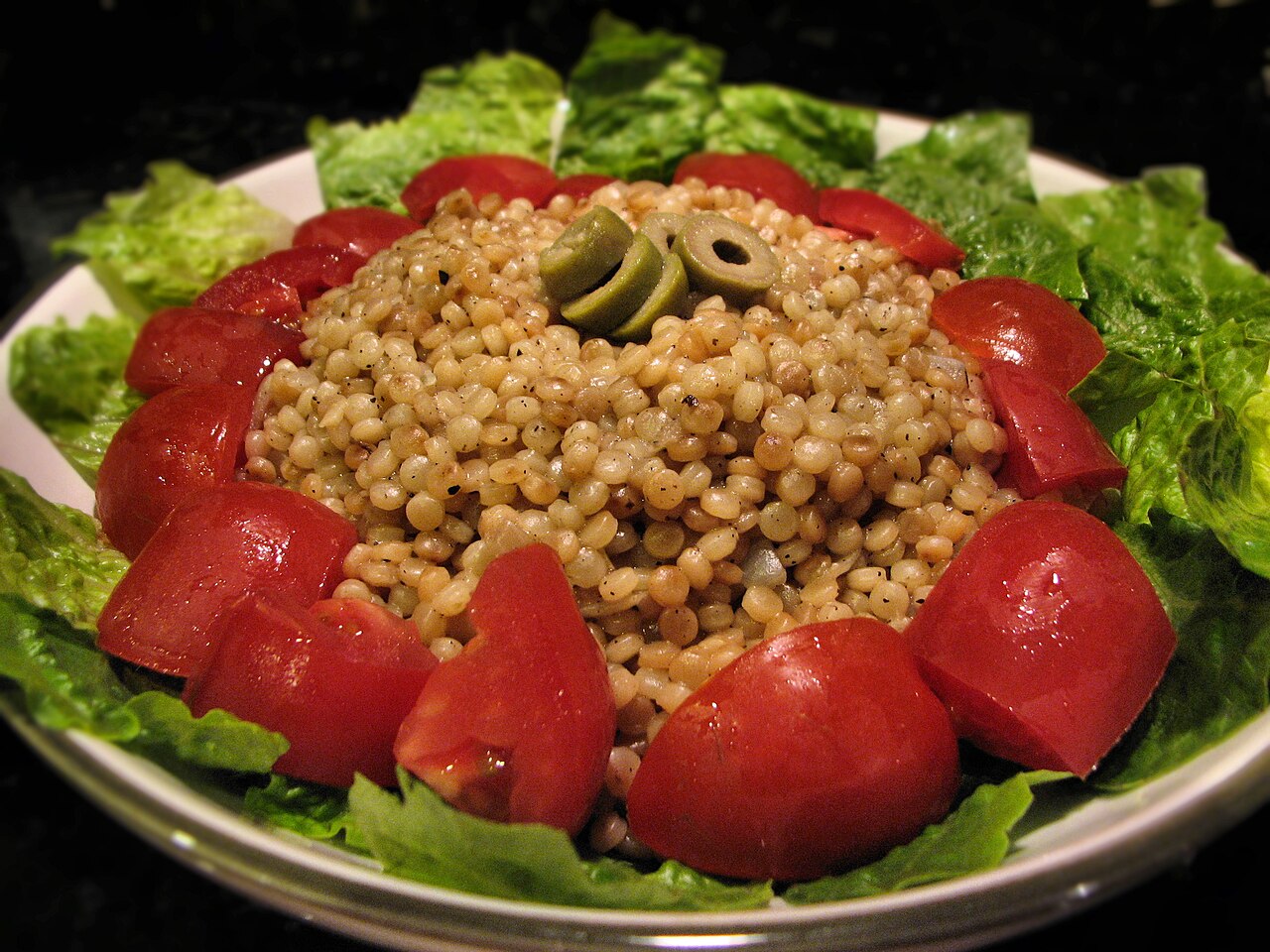
Tiny balls of toasted wheat pasta, cooked like rice or risotto and loved by children. Abroad it is often called Israeli couscous or pearl couscous.
During food shortages in 1953, the food company Osem created ptitim as a wheat substitute for rice. It was nicknamed Ben-Gurion rice, after the first prime minister.
Jewish tradition; every community has its own version
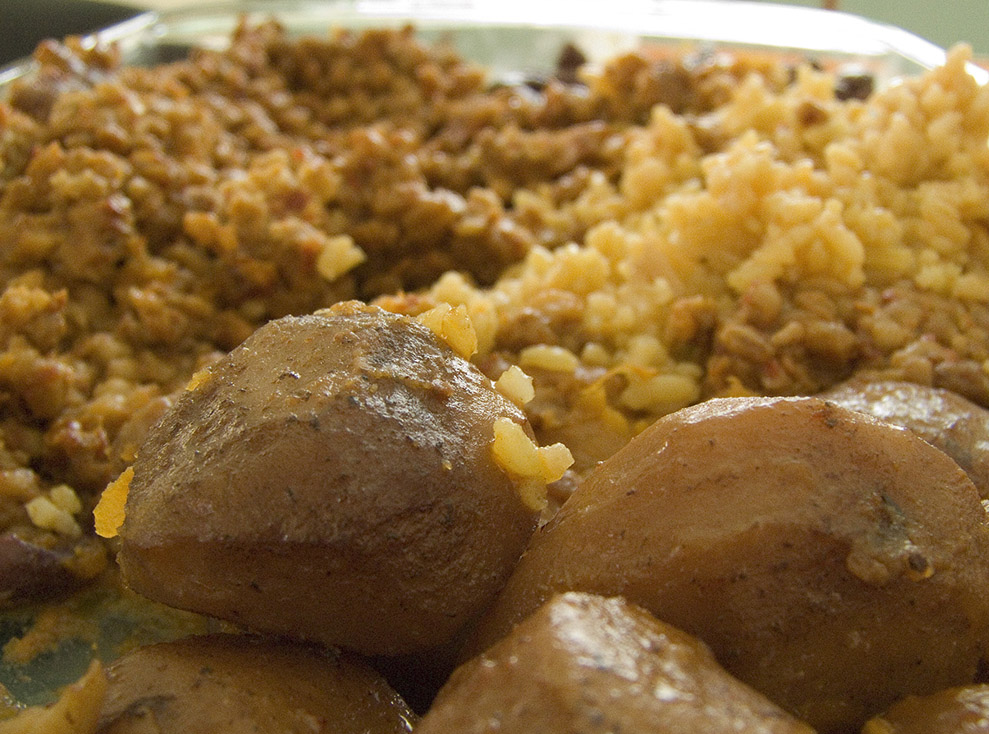
A rich stew of meat, beans, potatoes, barley and whole eggs that cooks slowly all night and is eaten at lunch on Saturday.
Cooking is not done on Shabbat, so the pot is put on a low heat before sunset on Friday. Hamin comes from the Hebrew word for hot; cholent is the Yiddish name.
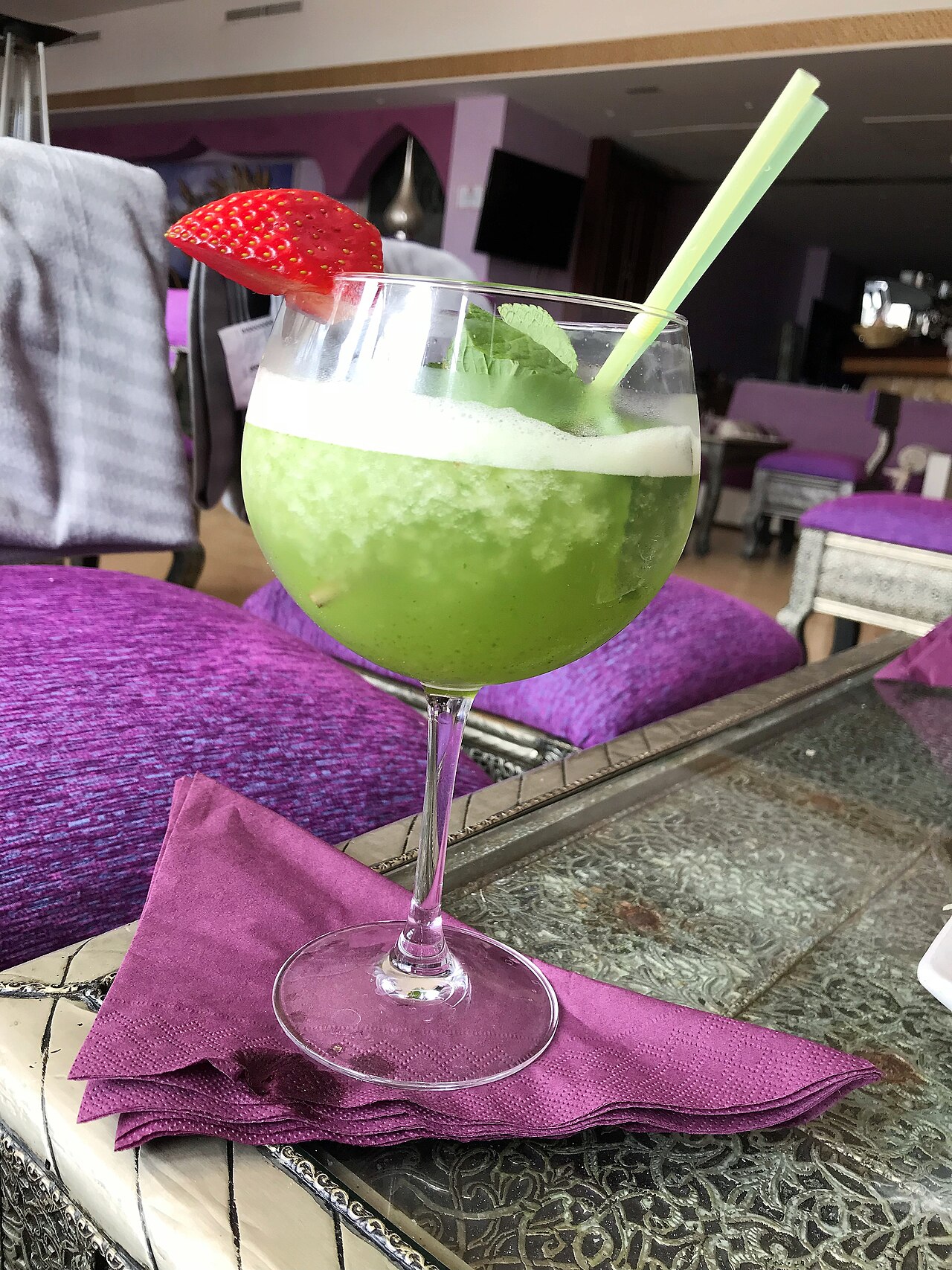
Fresh lemonade blended with mint leaves and ice into a pale green, frosty drink, very popular in summer.
The name joins the Hebrew words limon (lemon) and nana (mint). It was invented for a 1990s advertising campaign about a drink that did not exist, and then the real drink caught on.
Many restaurants in Jewish areas are kosher: they never serve meat and milk products in the same meal, so there is no cheese on a burger and often no milk for coffee after a meat meal.
Many kosher restaurants close from Friday afternoon until Saturday evening for Shabbat. Restaurants in Arab towns and many places in Tel Aviv stay open.
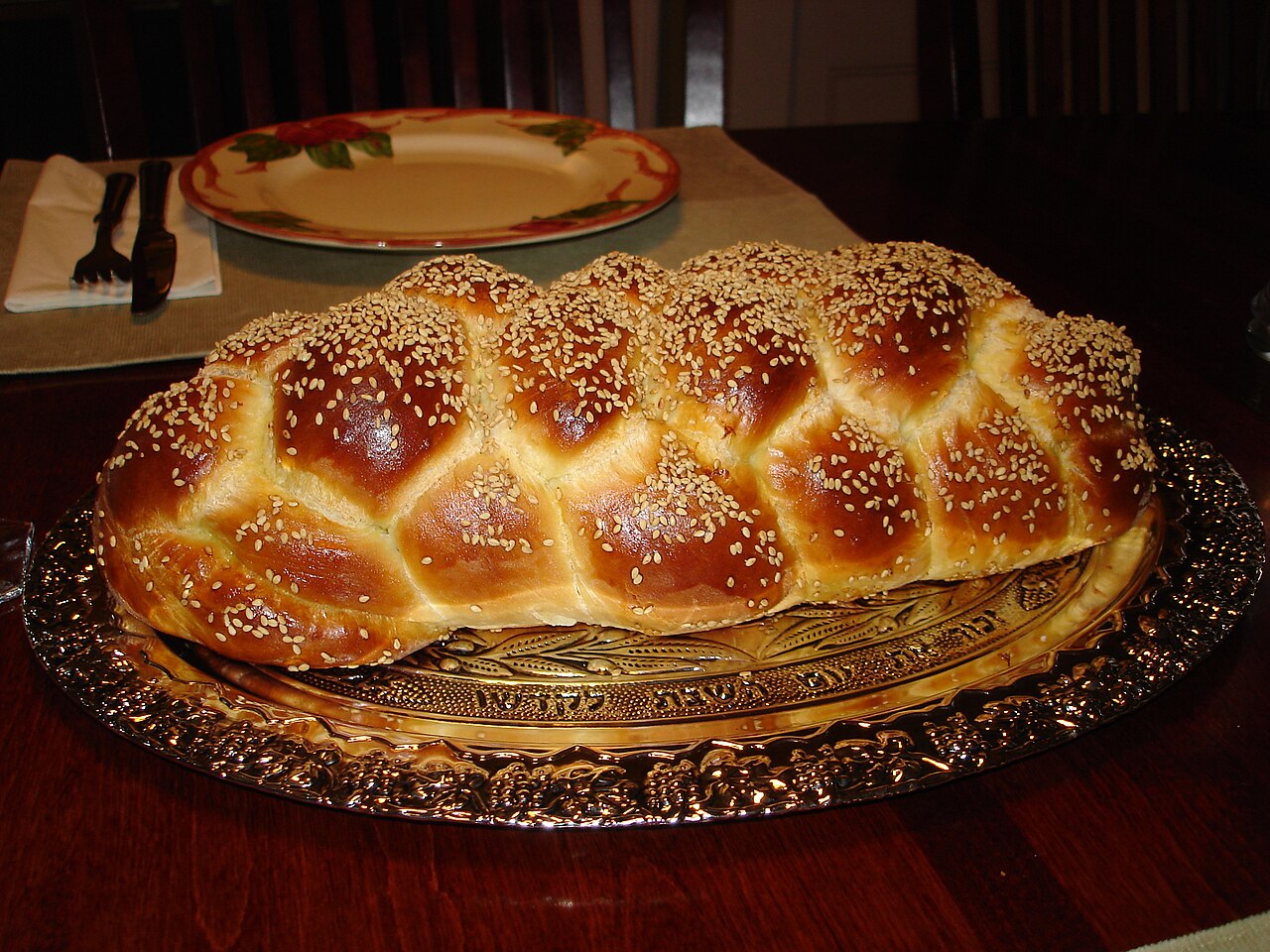
At a Friday evening dinner, wait for the host to say the blessing over the wine and the challah before you start eating.
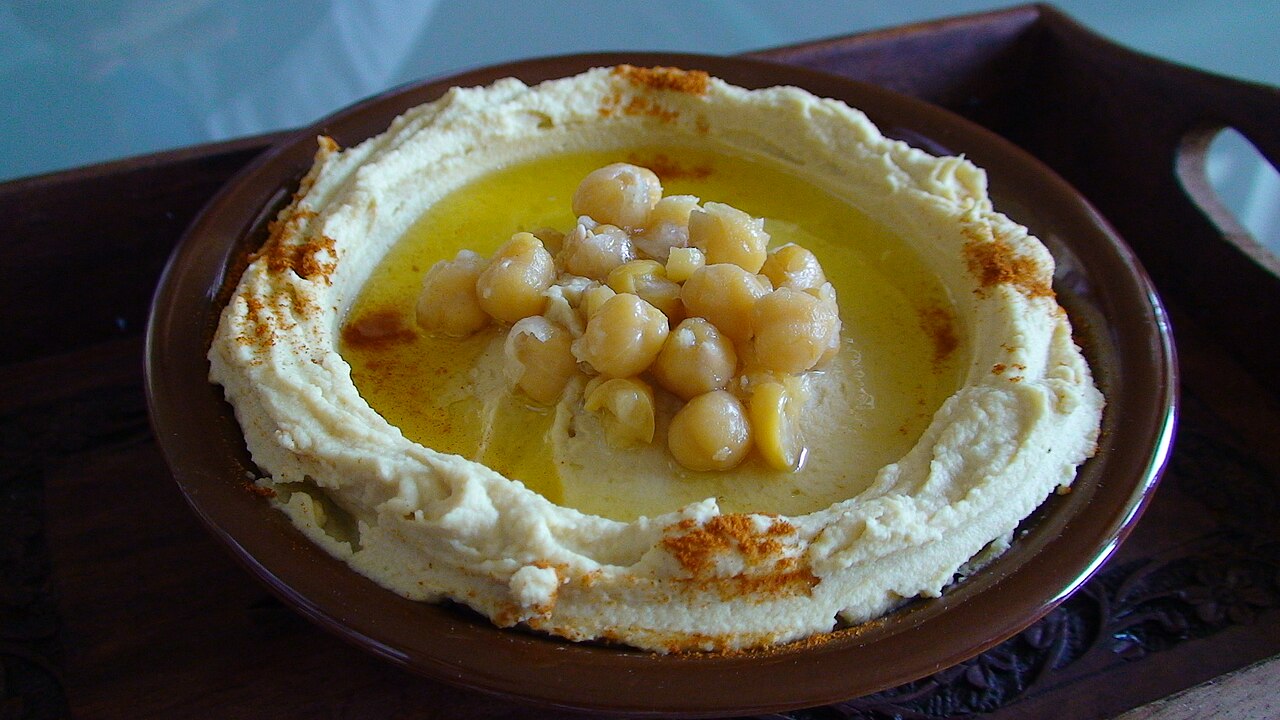
Salads and dips come to the table first and are shared by everyone. Tear off a piece of pita and use it to scoop up hummus.
In Arab and Druze homes, guests are usually offered coffee or tea and something sweet. Accepting at least a little is polite.
If you are invited to a home, a small gift such as flowers, sweets or a bottle of wine is welcome. In a kosher home, choose something with a kosher label.