 Egypt
Egypt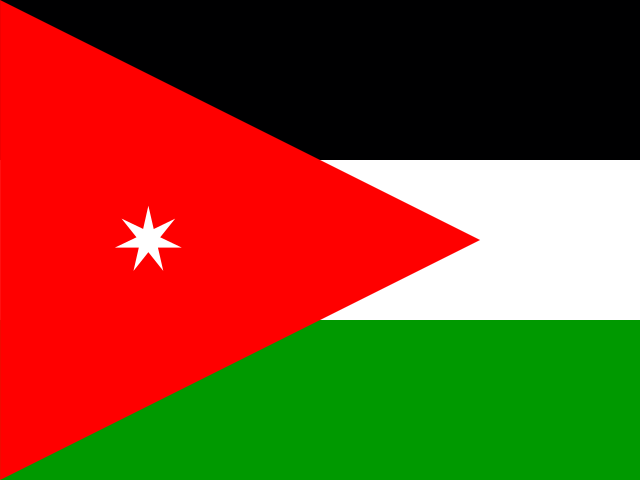 Jordan
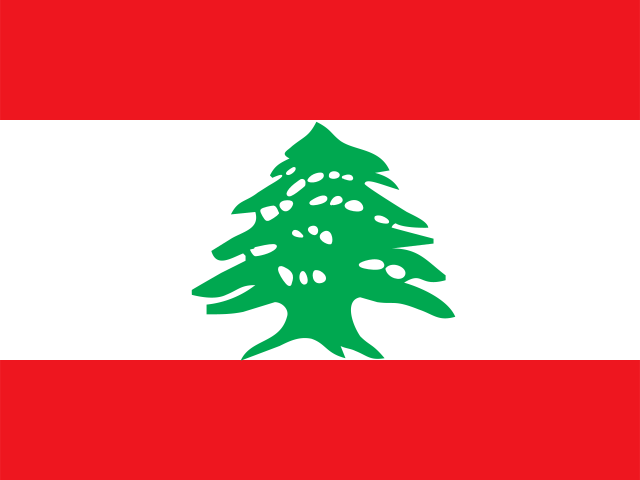 Lebanon
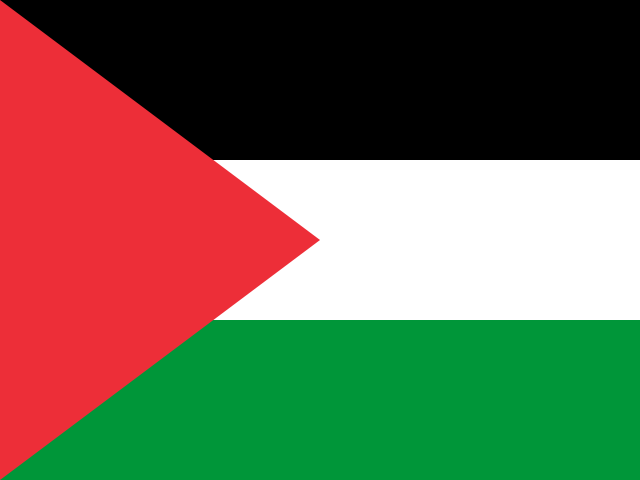 Palestine
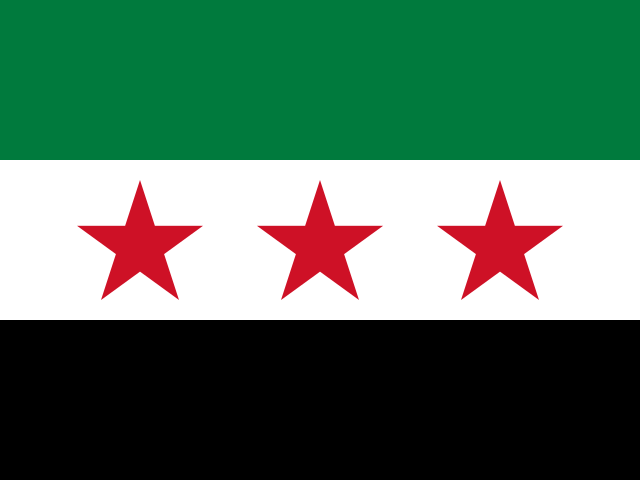 Syria
SyriaEgyptian stele names Israel
Around 1208 BC, Pharaoh Merneptah of Egypt set up a stone slab listing his victories in Canaan. It contains the earliest known written mention of a people called Israel. The stele is now in the Egyptian Museum in Cairo.
A free large-print PDF. Choose what goes in: facts, map, history, dishes and recipes, phrases, fun facts, a quiz with or without answers. Made for clubs, care homes, libraries and family afternoons.
Israel lies on the eastern shore of the Mediterranean Sea. It is small, about the size of Wales, but its landscape changes quickly: sandy beaches and orange groves on the coast, green hills in the Galilee in the north, and the Negev desert, which covers more than half of the land, in the south. The shore of the Dead Sea, on the eastern edge, is the lowest land on Earth.
The land has been holy to Jews, Christians and Muslims for many centuries. Jerusalem, Nazareth and the shores of the Sea of Galilee draw pilgrims from all over the world, and the city of Haifa is the world centre of the Bahá'í faith.
The modern State of Israel was declared in 1948. As of 2026 it has about 10 million people. Most are Jewish, and about a fifth are Arab. Hebrew is the official language, and Arabic has a special status. Israel names Jerusalem as its capital, and the parliament (the Knesset) and the government sit there. That status is disputed internationally, and most countries keep their embassies in and around Tel Aviv, the country's busy business and cultural centre on the coast.
Many peoples, empires and faiths have left their mark on this narrow strip of land between the Mediterranean and the desert. These are some key moments, from an ancient Egyptian stone to a small spacecraft sent to the Moon.
Around 1208 BC, Pharaoh Merneptah of Egypt set up a stone slab listing his victories in Canaan. It contains the earliest known written mention of a people called Israel. The stele is now in the Egyptian Museum in Cairo.
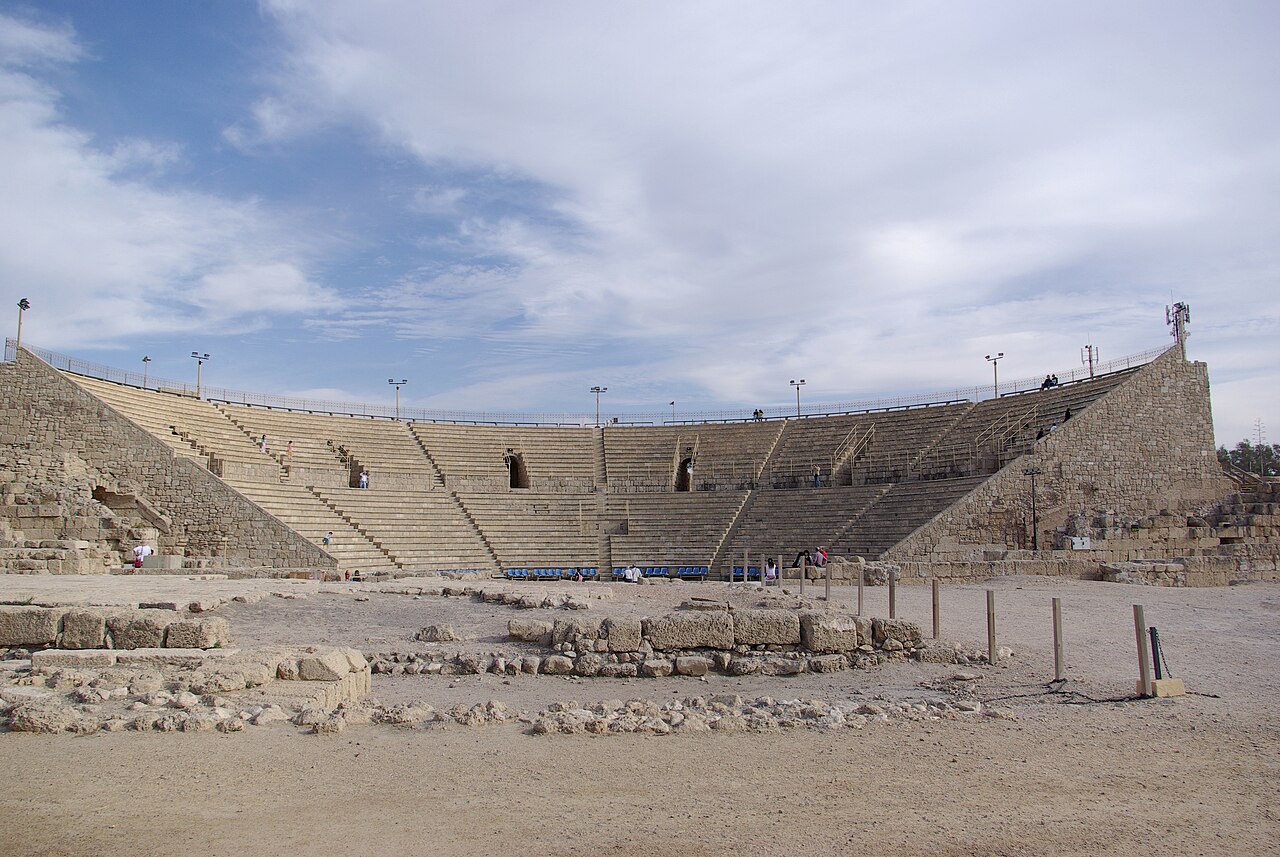
With the backing of Rome, Herod the Great became king of Judea in 37 BC. He was a great builder: he enlarged the Temple in Jerusalem, built palaces on the rock of Masada and created the harbour city of Caesarea.
During a Jewish revolt against Rome, Roman legions besieged Jerusalem and destroyed the Second Temple in AD 70. The Western Wall is part of the old retaining wall around the Temple Mount.
Knights of the First Crusade from Western Europe captured Jerusalem in 1099 and founded the Kingdom of Jerusalem.
After defeating the Crusaders at the Battle of Hattin near Tiberias, the sultan Saladin took Jerusalem in 1187.
The Mamluks of Egypt captured Acre, the last major Crusader stronghold in the region, in 1291. The Crusader halls still lie under the streets of Acre's Old City.
The Ottoman Turks took the region from the Mamluks and ruled it for four centuries. Sultan Suleiman the Magnificent rebuilt the walls of Jerusalem's Old City that still stand today.
On 11 April 1909, 66 Jewish families gathered on the sand dunes north of the old port of Jaffa and shared out plots of land in a lottery using seashells. The new neighbourhood became Tel Aviv.
During the First World War, British forces took Jerusalem from the Ottomans in December 1917. Britain later governed the area under a League of Nations mandate, called Mandatory Palestine.
The Hebrew University of Jerusalem opened on Mount Scopus on 1 April 1925. Albert Einstein was one of its founders and later left his personal papers to it.
On 29 November 1947, the United Nations General Assembly voted for a plan to divide British-ruled Palestine into a Jewish state and an Arab state, with Jerusalem under international rule. Jewish leaders accepted the plan and Arab leaders rejected it.
On 14 May 1948, as British rule ended, Jewish leaders in Tel Aviv declared the State of Israel. War with neighbouring Arab states followed. Hundreds of thousands of Palestinian Arabs fled or were driven from their homes, an event Palestinians call the Nakba, and many Jews later came to Israel from Arab countries and from Europe.
On 11 May 1949, Israel became the 59th member of the United Nations.
Israel and Egypt signed a peace treaty in Washington in 1979, the first between Israel and an Arab state. Israel returned the Sinai Peninsula to Egypt by 1982.
Israel and Jordan signed a peace treaty on 26 October 1994 at a crossing in the Arava valley, north of Eilat and Aqaba.
Beresheet, a small lander built by the non-profit SpaceIL and Israel Aerospace Industries, reached the Moon on 11 April 2019. An engine problem made it crash during landing, but it was the first privately funded attempt to land on the Moon.
Israeli food brings together the cooking of Jewish families who came from Morocco, Iraq, Yemen, Poland and dozens of other lands with the Arab and Mediterranean dishes of the region. A typical meal starts with salatim, many small salads and dips eaten with pita bread. Grilled meat or fish follows, and the meal ends with fruit, a sweet and strong coffee or mint tea. Friday evening dinner, at the start of Shabbat, is the big family meal of the week.
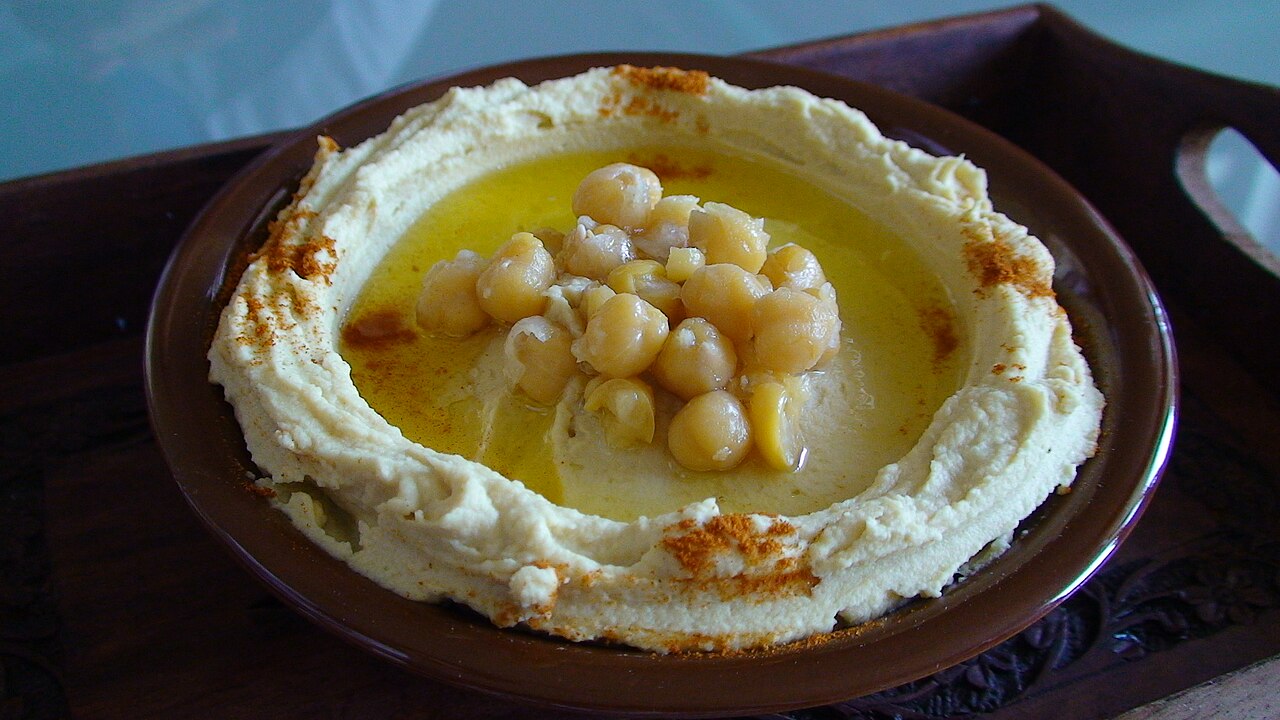
A smooth purée of cooked chickpeas, tahini (sesame paste), lemon and garlic, spread on a plate with olive oil on top and scooped up with warm pita.
Many Israelis eat hummus as a full meal at lunchtime in a hummusia, a small restaurant that often serves nothing else.
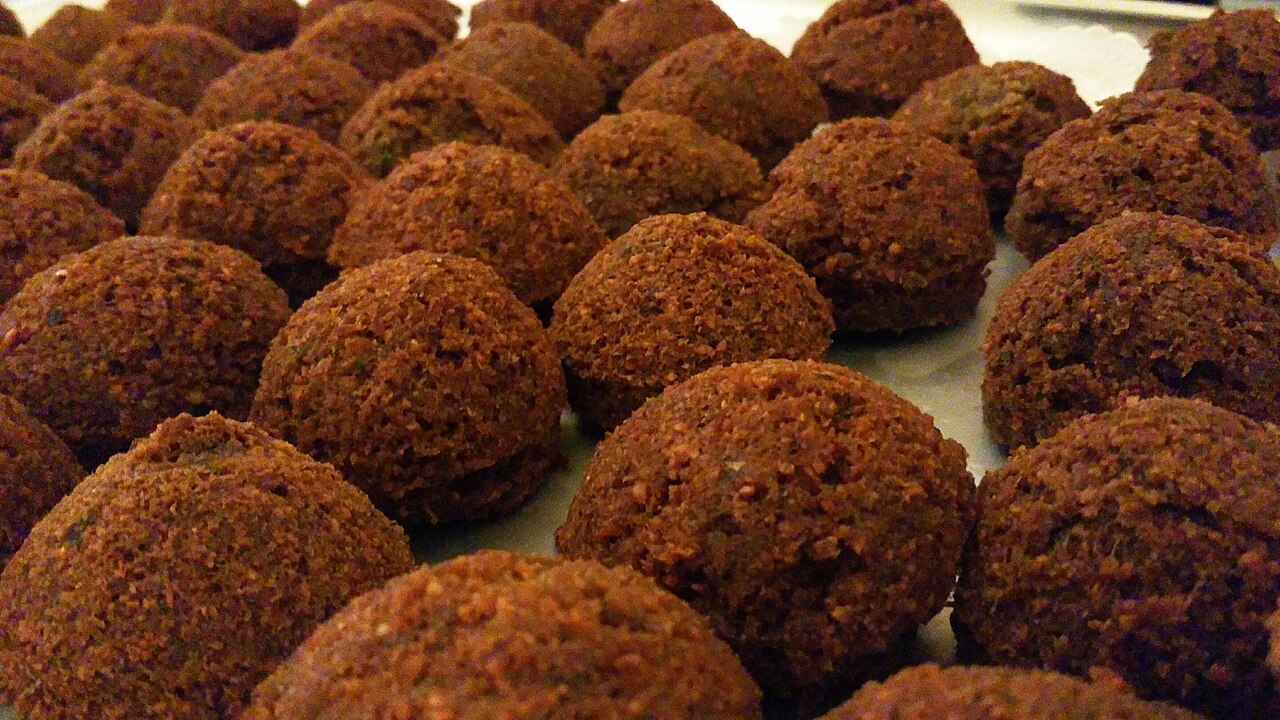
Crisp deep-fried balls of ground chickpeas, herbs and spices. In Israel they are stuffed into a pita with salad, tahini sauce and pickles.
At many falafel stands you fill your own pita from a long counter of salads and sauces.
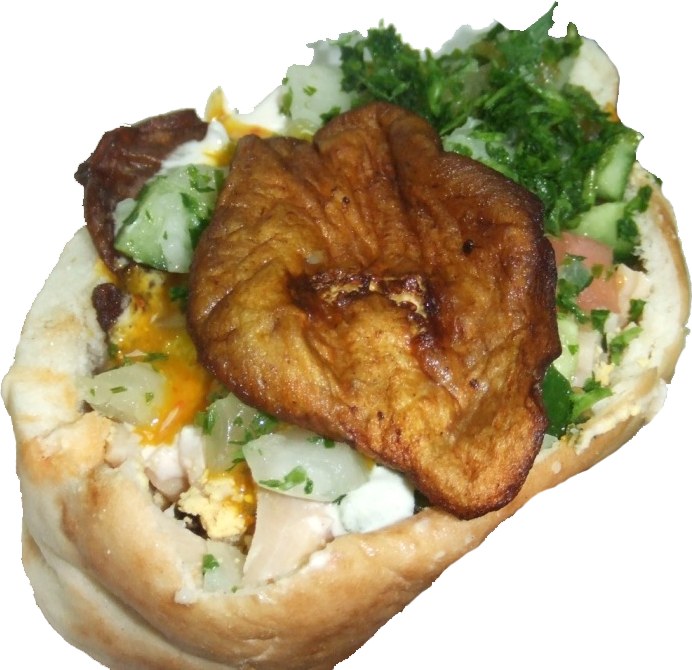
A pita filled with fried aubergine slices, hard-boiled egg, chopped salad, hummus, tahini and amba, a tangy mango pickle.
The ingredients come from the Shabbat breakfast of Iraqi Jews, which was served on a plate. A kiosk owner in Ramat Gan put them all in a pita.
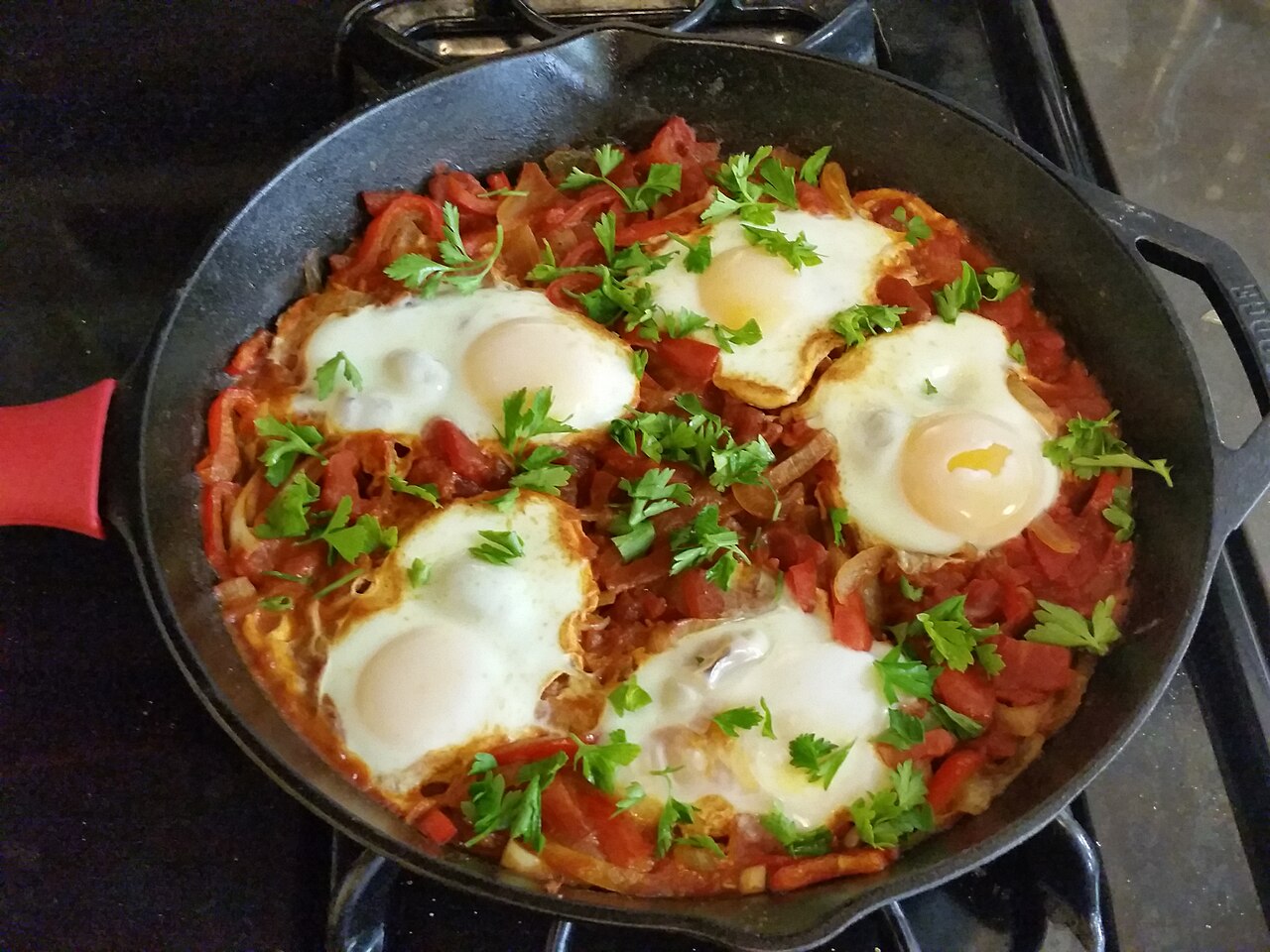
Eggs gently cooked in a spicy sauce of tomatoes, peppers, onion and cumin, served in the pan with bread to dip. Israelis eat it for breakfast or a light supper.
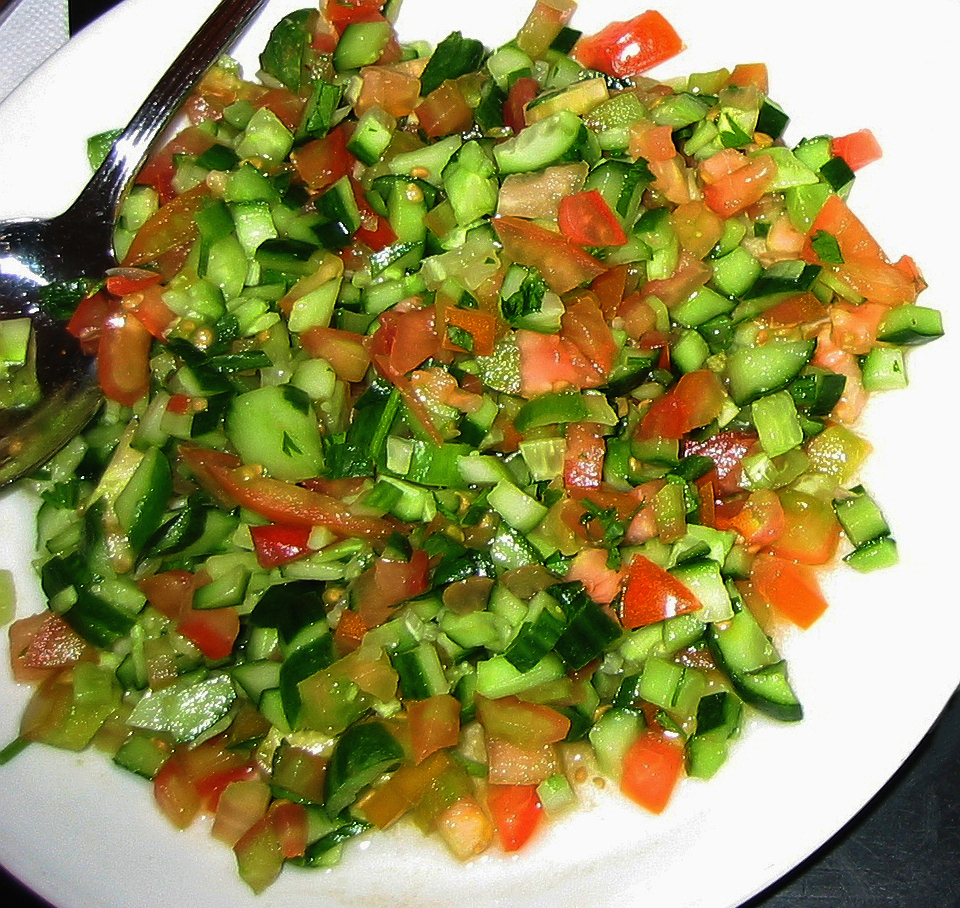
Tomatoes and cucumbers cut into very small cubes, dressed with olive oil, lemon juice and salt. It is served with almost every meal, even breakfast.
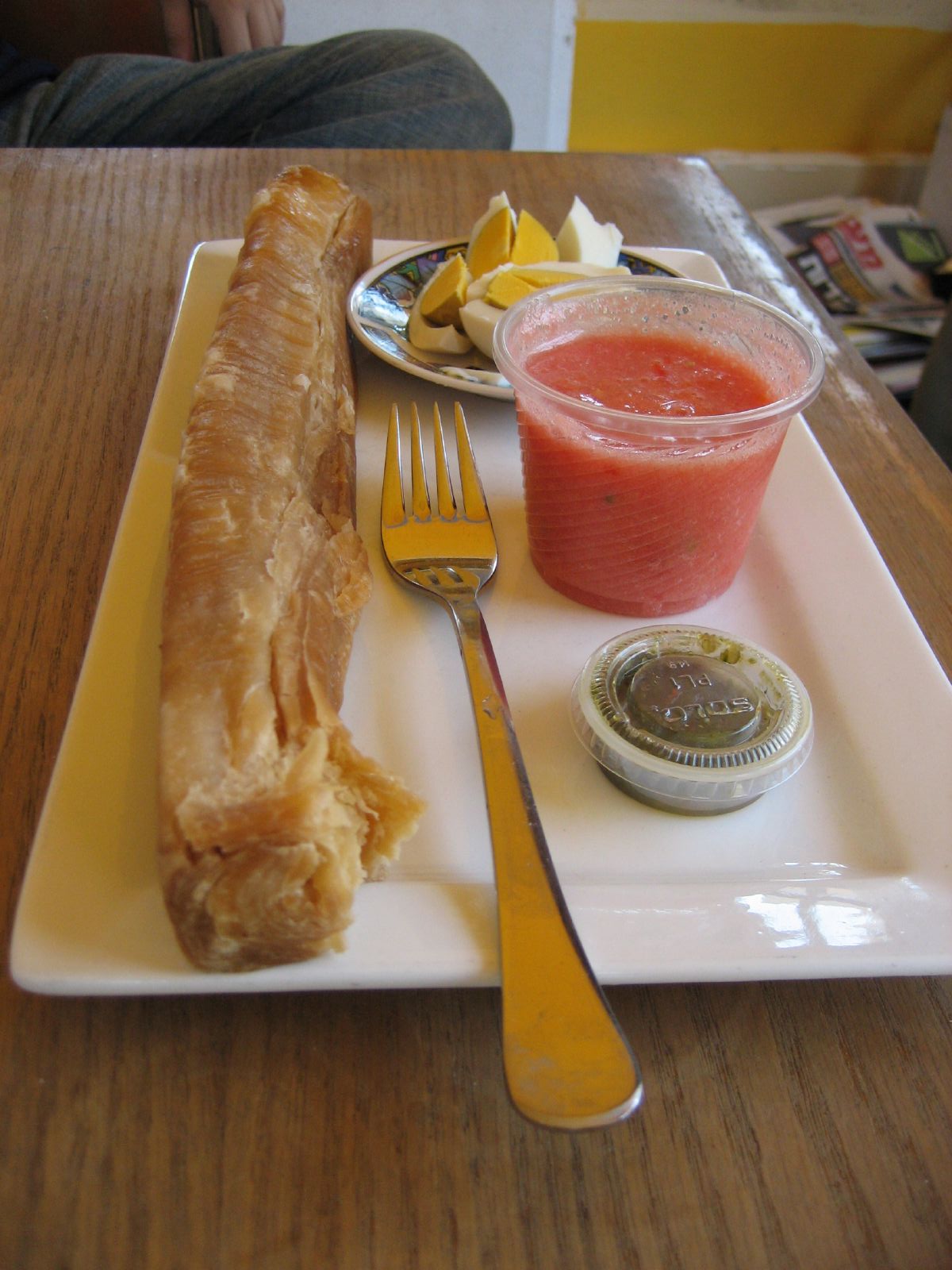
Thin layers of buttery dough rolled into logs and baked very slowly overnight until golden brown. It is eaten on Saturday morning with grated tomato, a hard-boiled egg and spicy zhug sauce.
Because it bakes from Friday afternoon until the next morning, jachnun is ready to eat on Shabbat without any cooking.
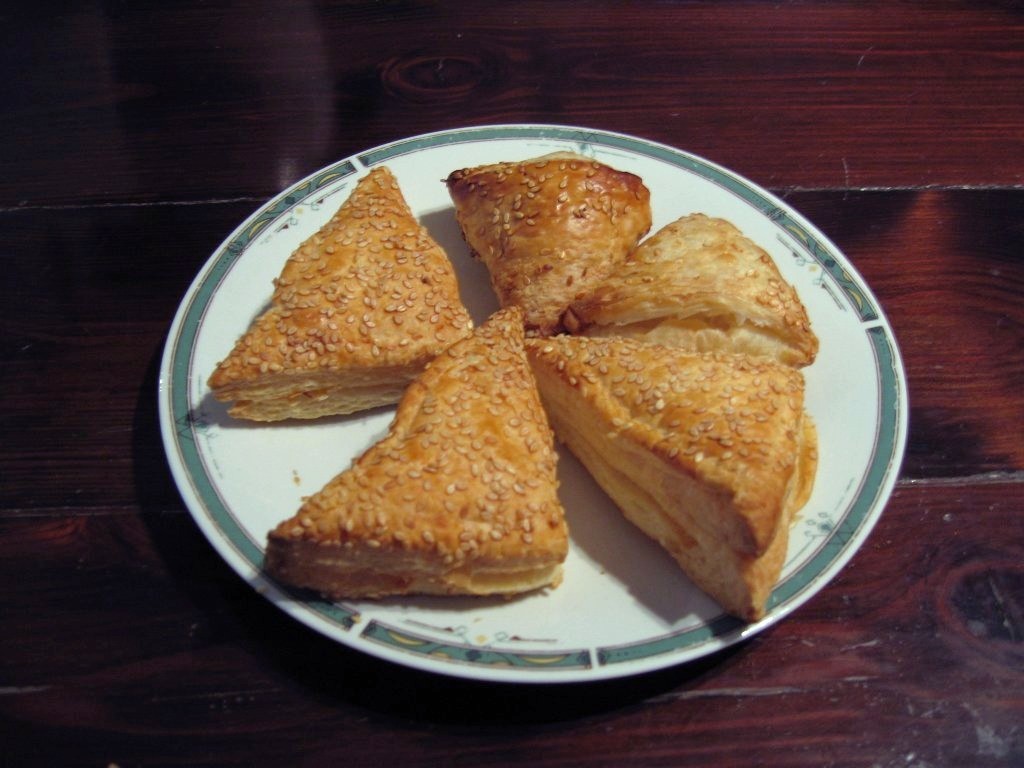
Flaky pastries filled with salty cheese, potato, spinach or mushrooms, often topped with sesame seeds. The shape often tells you the filling.
Bourekas are a classic Saturday morning treat, bought fresh from the bakery.
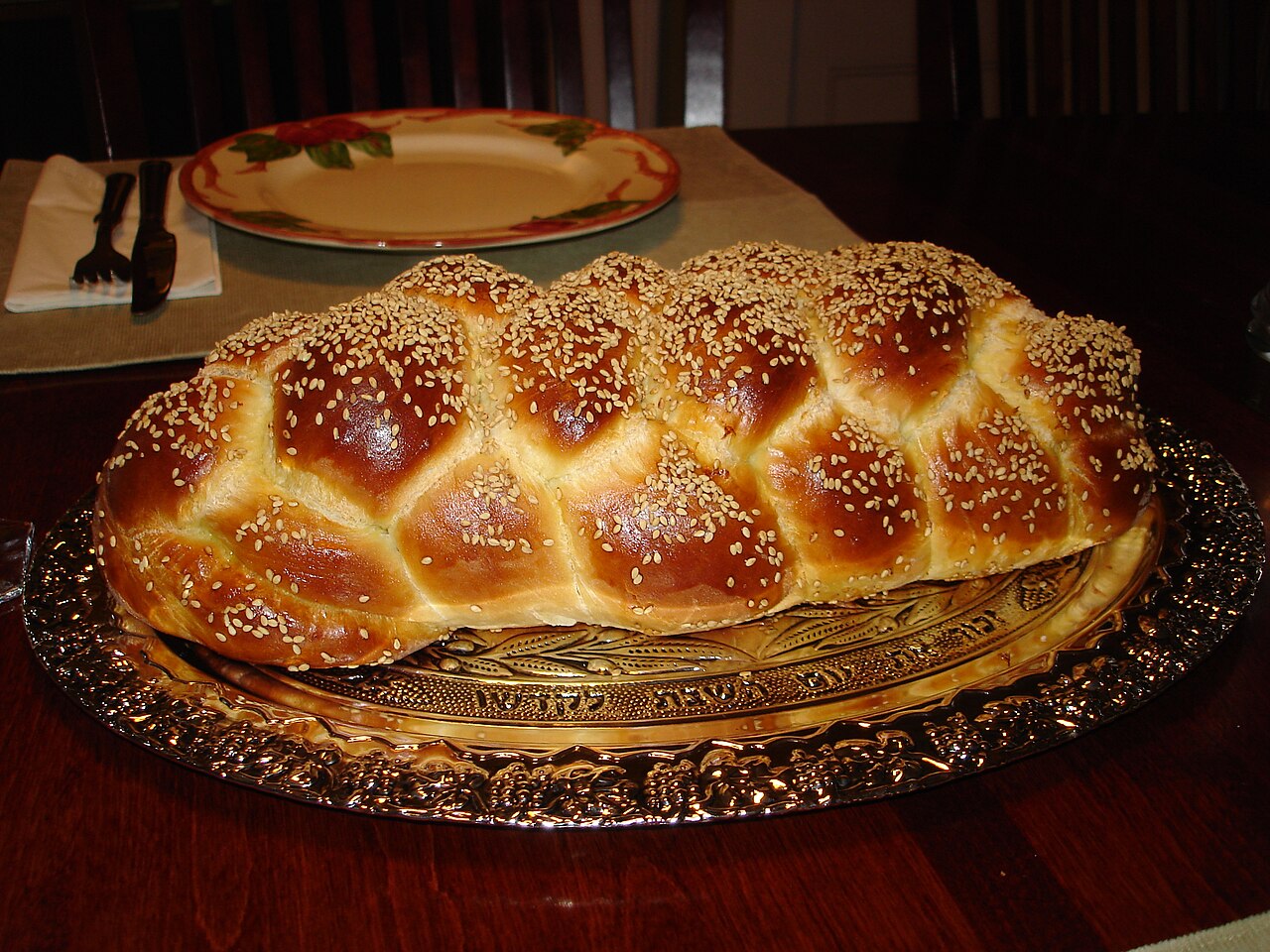
A soft, slightly sweet braided bread made with eggs. Two loaves are placed on the table for the Friday evening meal and on holidays.
For the Jewish New Year, challah is baked in a round shape, often with raisins, for a sweet year.
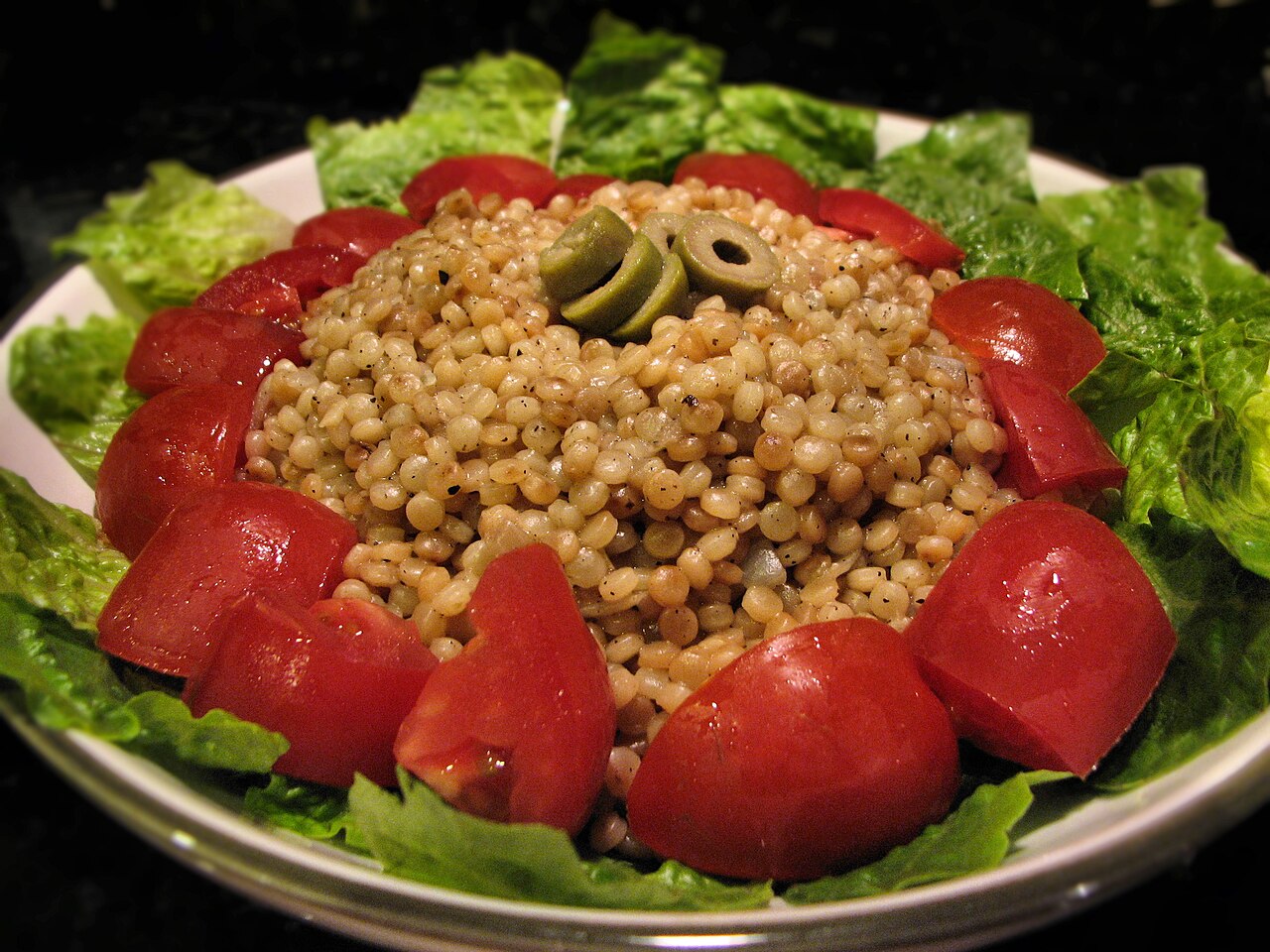
Tiny balls of toasted wheat pasta, cooked like rice or risotto and loved by children. Abroad it is often called Israeli couscous or pearl couscous.
During food shortages in 1953, the food company Osem created ptitim as a wheat substitute for rice. It was nicknamed Ben-Gurion rice, after the first prime minister.
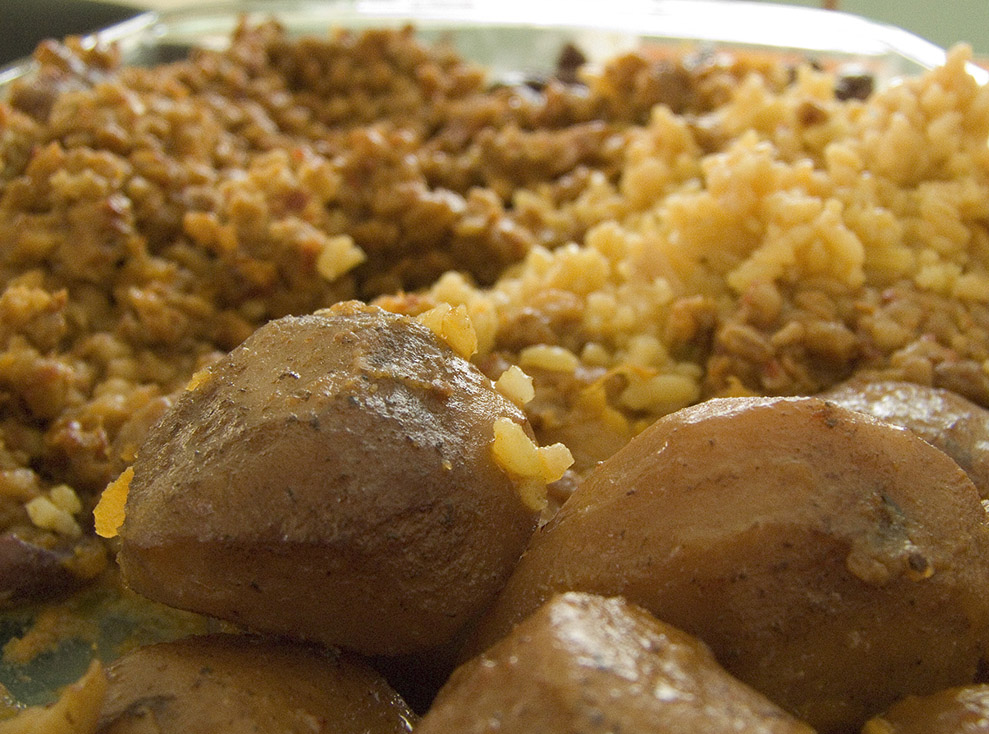
A rich stew of meat, beans, potatoes, barley and whole eggs that cooks slowly all night and is eaten at lunch on Saturday.
Cooking is not done on Shabbat, so the pot is put on a low heat before sunset on Friday. Hamin comes from the Hebrew word for hot; cholent is the Yiddish name.
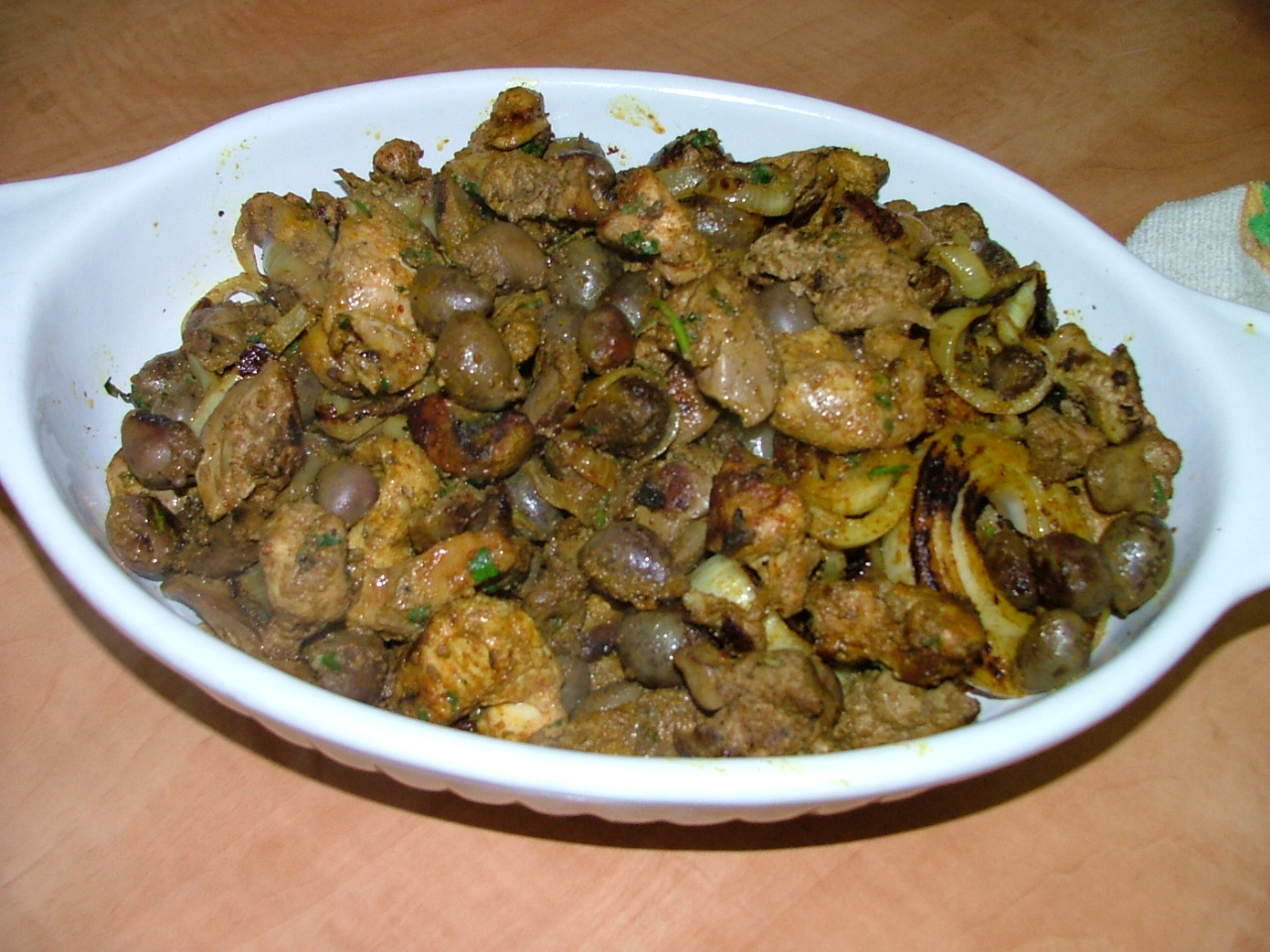
Chicken hearts, livers and other meat fried on a hot griddle with onion, cumin and turmeric, usually served in a pita with salad and tahini.
Several restaurants near the Mahane Yehuda market claim to have invented it.
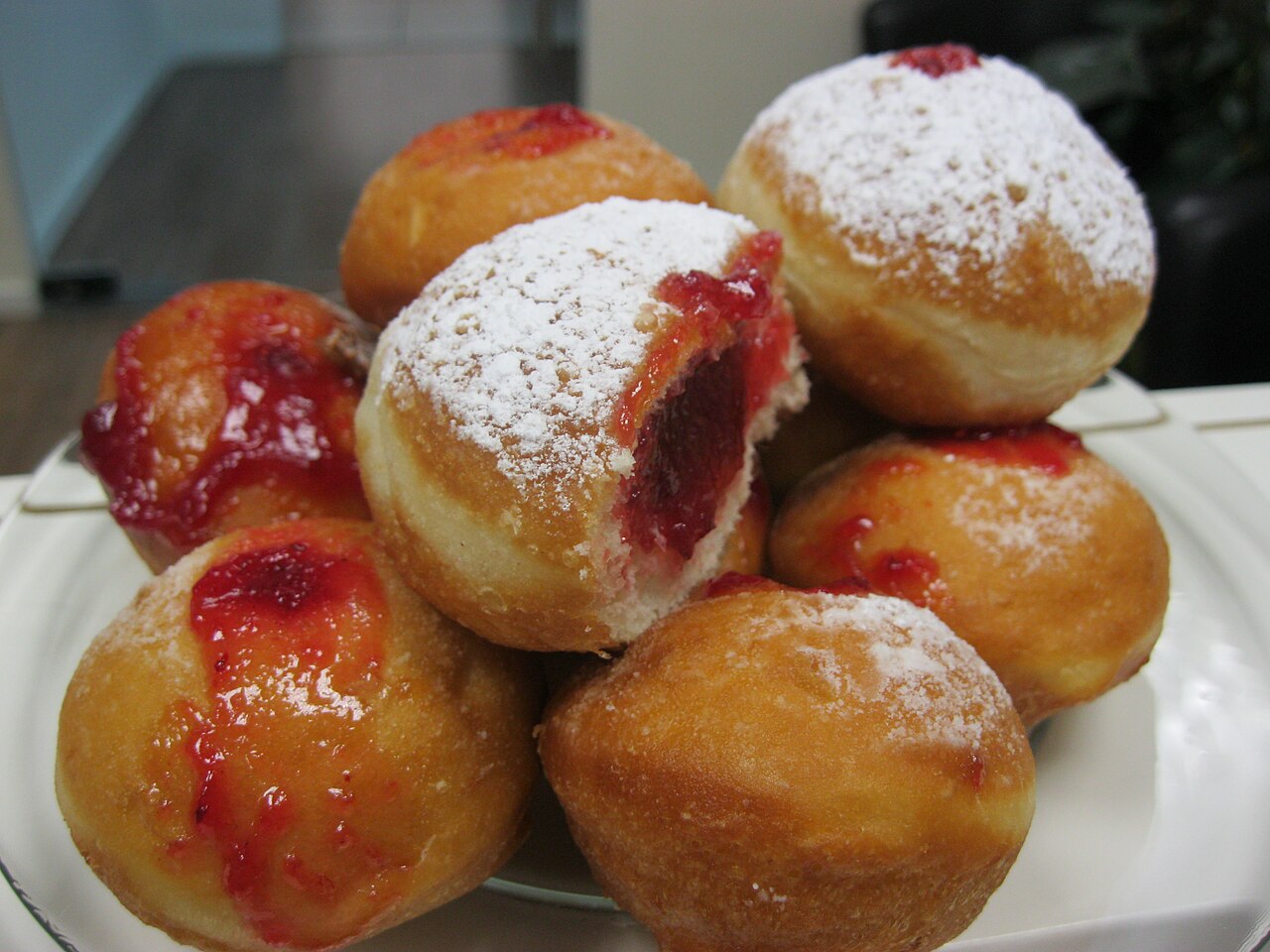
A round, deep-fried doughnut filled with red jam and dusted with powdered sugar. Bakeries sell millions in the weeks of Hanukkah.
At Hanukkah, foods fried in oil recall the story of a small jar of oil in the Temple that lasted for eight days.
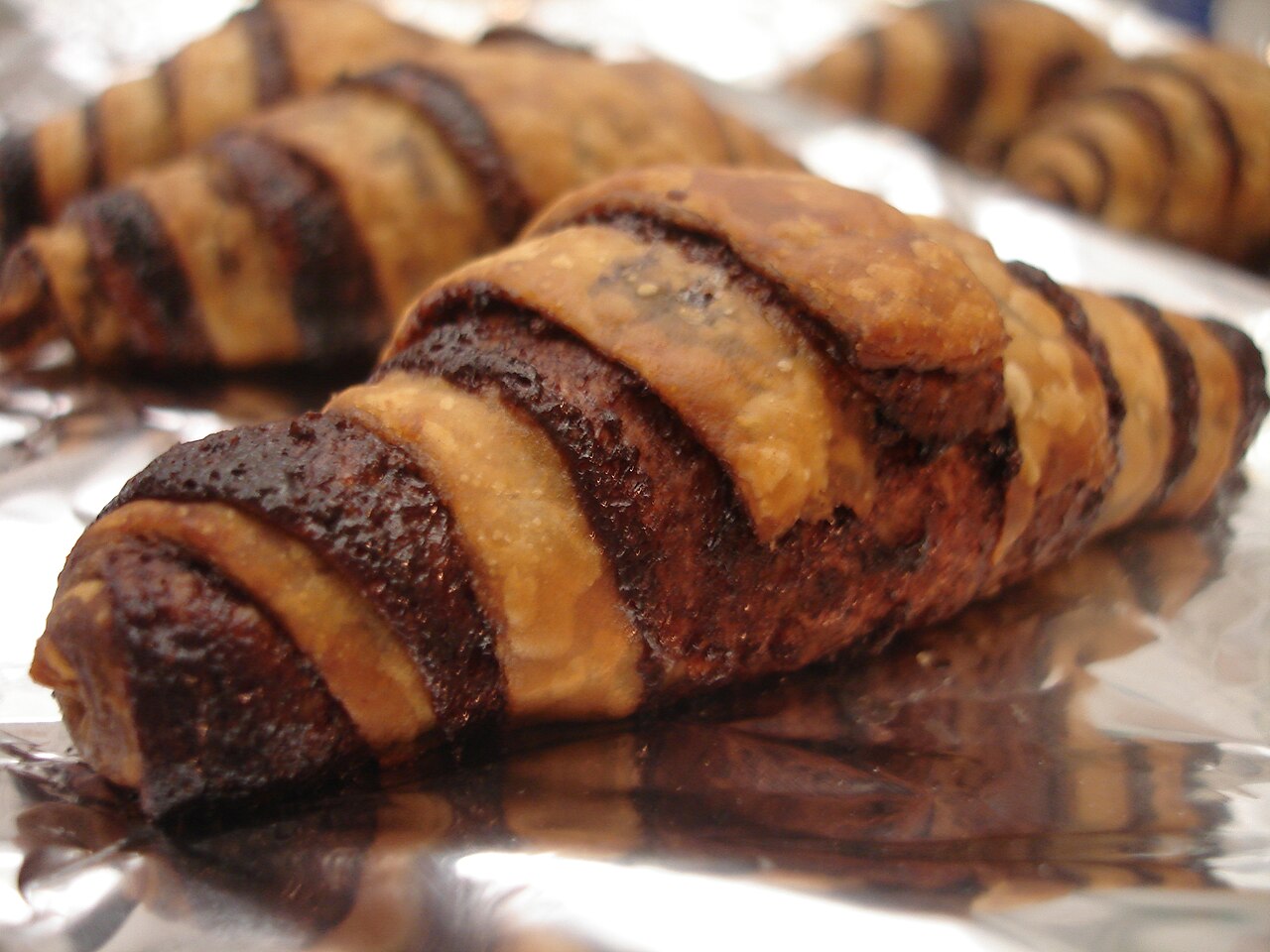
Small crescent pastries rolled around a filling of chocolate or cinnamon and sugar, sold in stacks at every bakery and market.
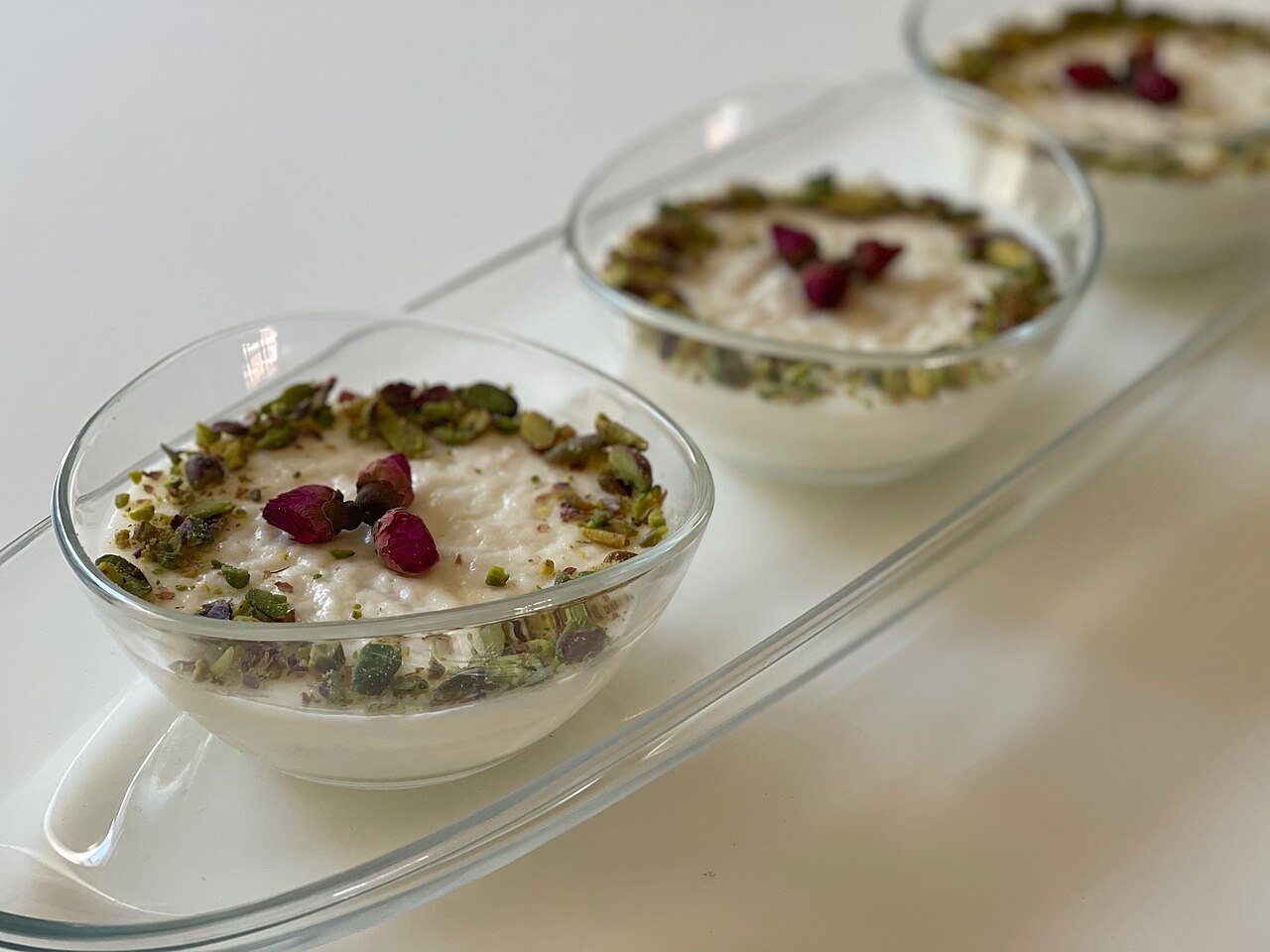
A cool, silky milk pudding set with cornflour, topped with rose water syrup, chopped pistachios and coconut. It is sold from street carts on hot days.
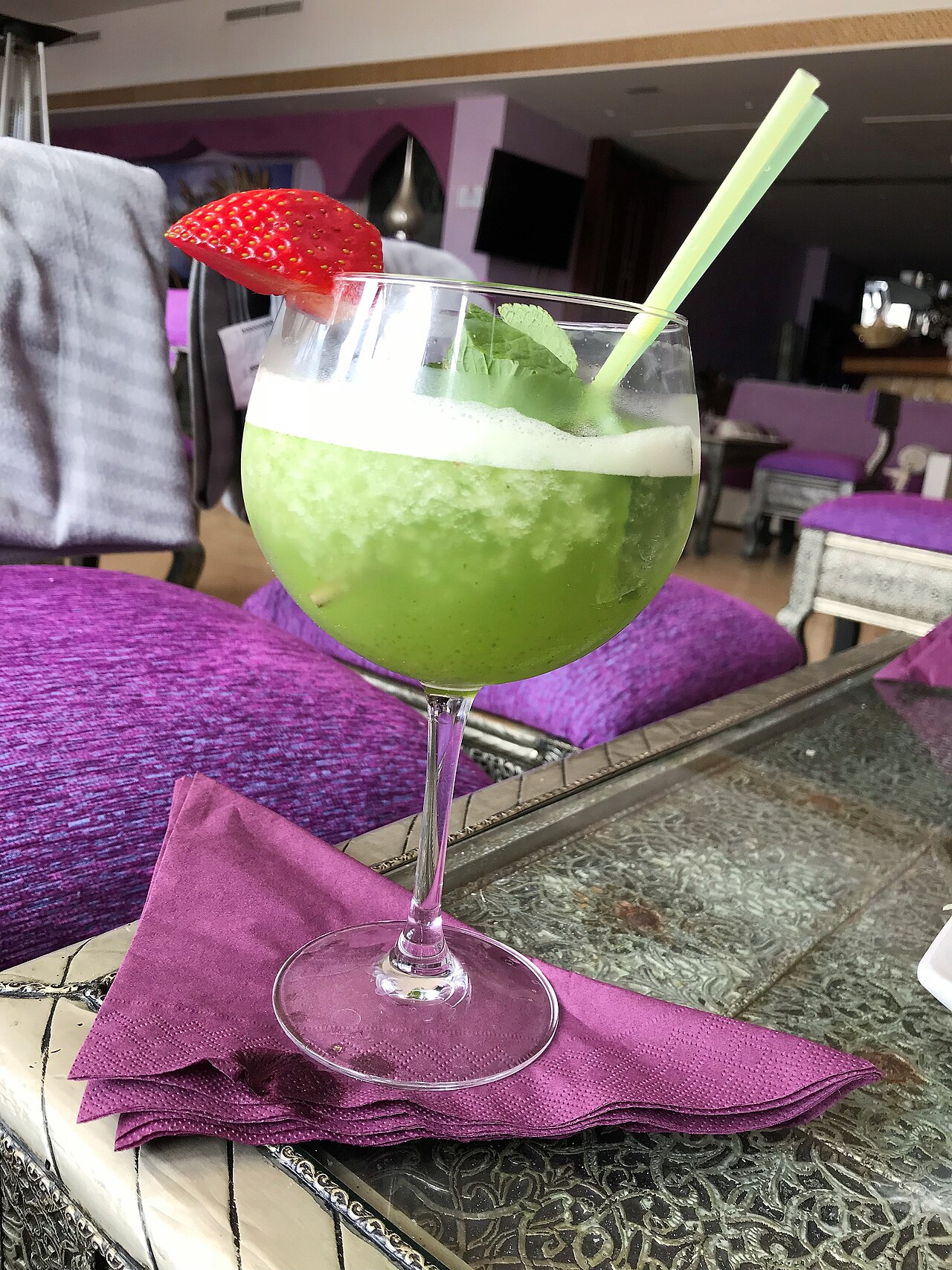
Fresh lemonade blended with mint leaves and ice into a pale green, frosty drink, very popular in summer.
The name joins the Hebrew words limon (lemon) and nana (mint). It was invented for a 1990s advertising campaign about a drink that did not exist, and then the real drink caught on.
Most Israelis live along the Mediterranean coast between Tel Aviv and Haifa. Inland rise the hills of Jerusalem and the Galilee, and the south is the wide Negev desert, which ends at the Red Sea in Eilat.
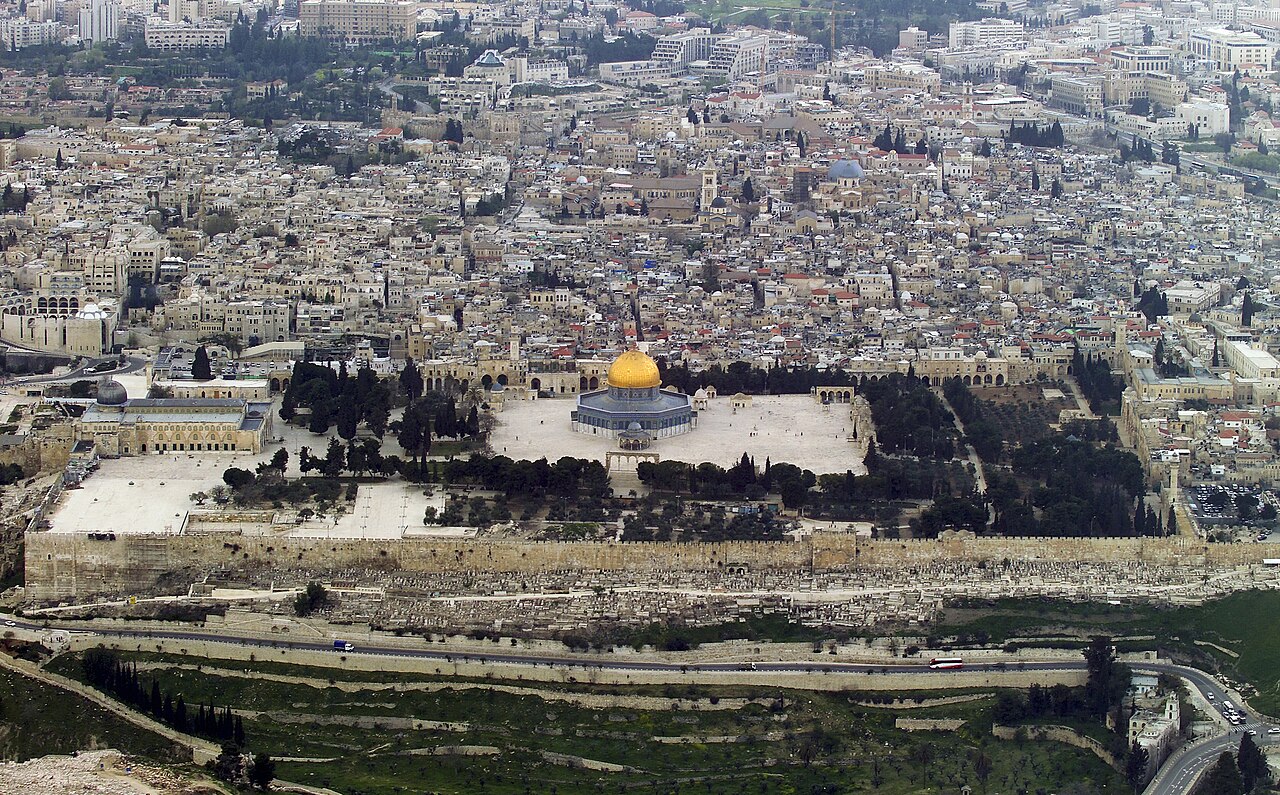
A city in the hills between the coast and the Dead Sea. Israel names it as its capital, and the Knesset and the government sit here, but its status is disputed internationally. Its walled Old City is sacred to Jews, Christians and Muslims.
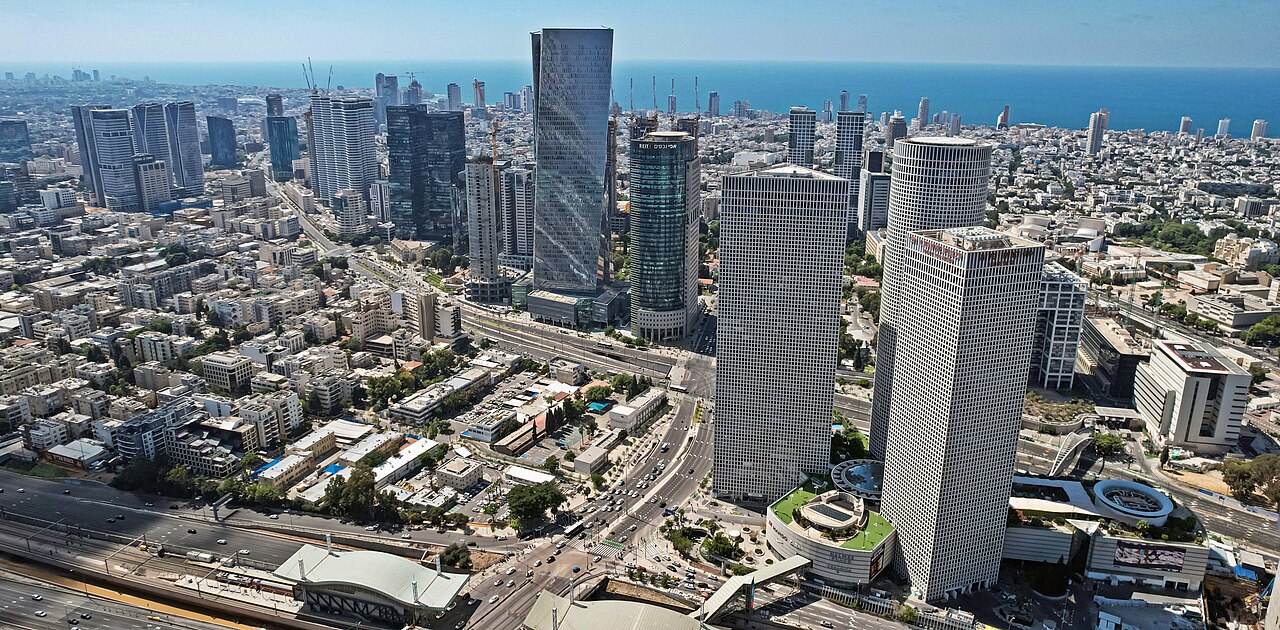
A lively city on the Mediterranean, founded in 1909 and joined with the ancient port of Jaffa. It is the centre of business, nightlife and the arts, and most foreign embassies are in and around it.
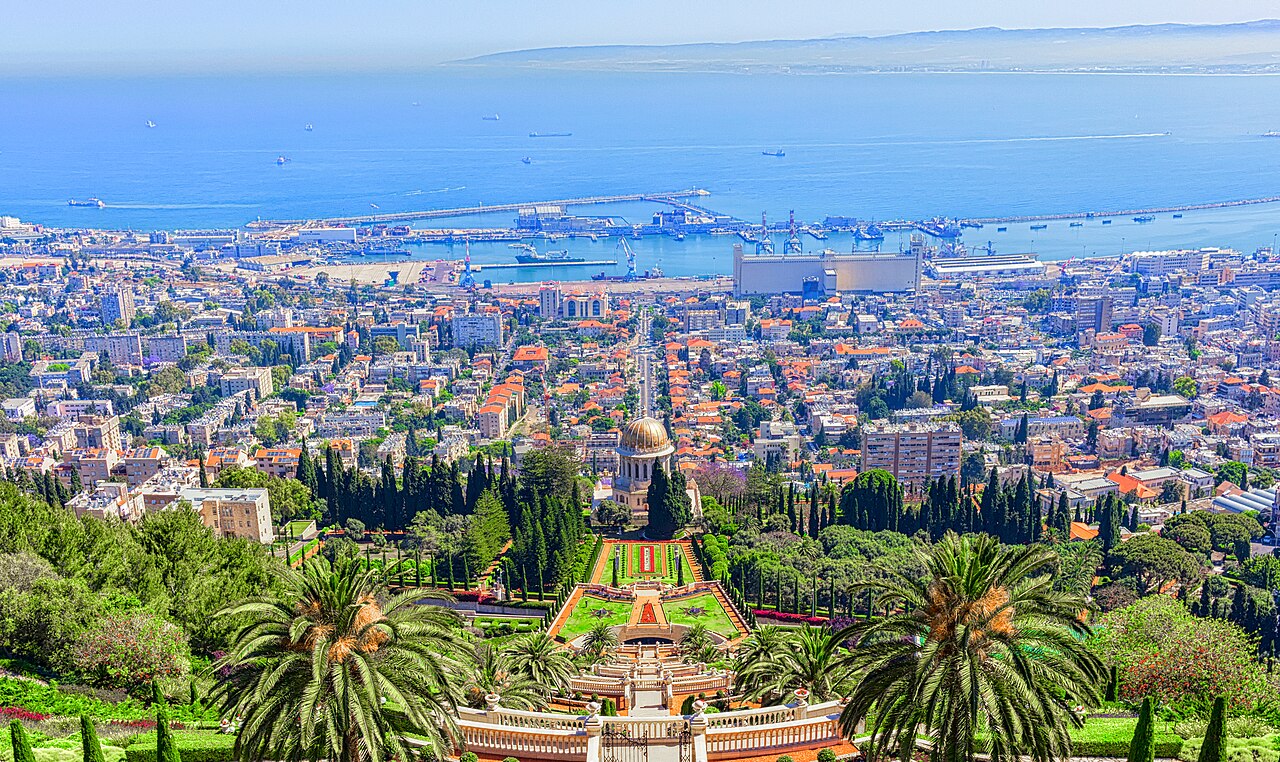
A port city built on the slopes of Mount Carmel above a wide bay. Jews and Arabs live side by side, and the city is the world centre of the Bahá'í faith.
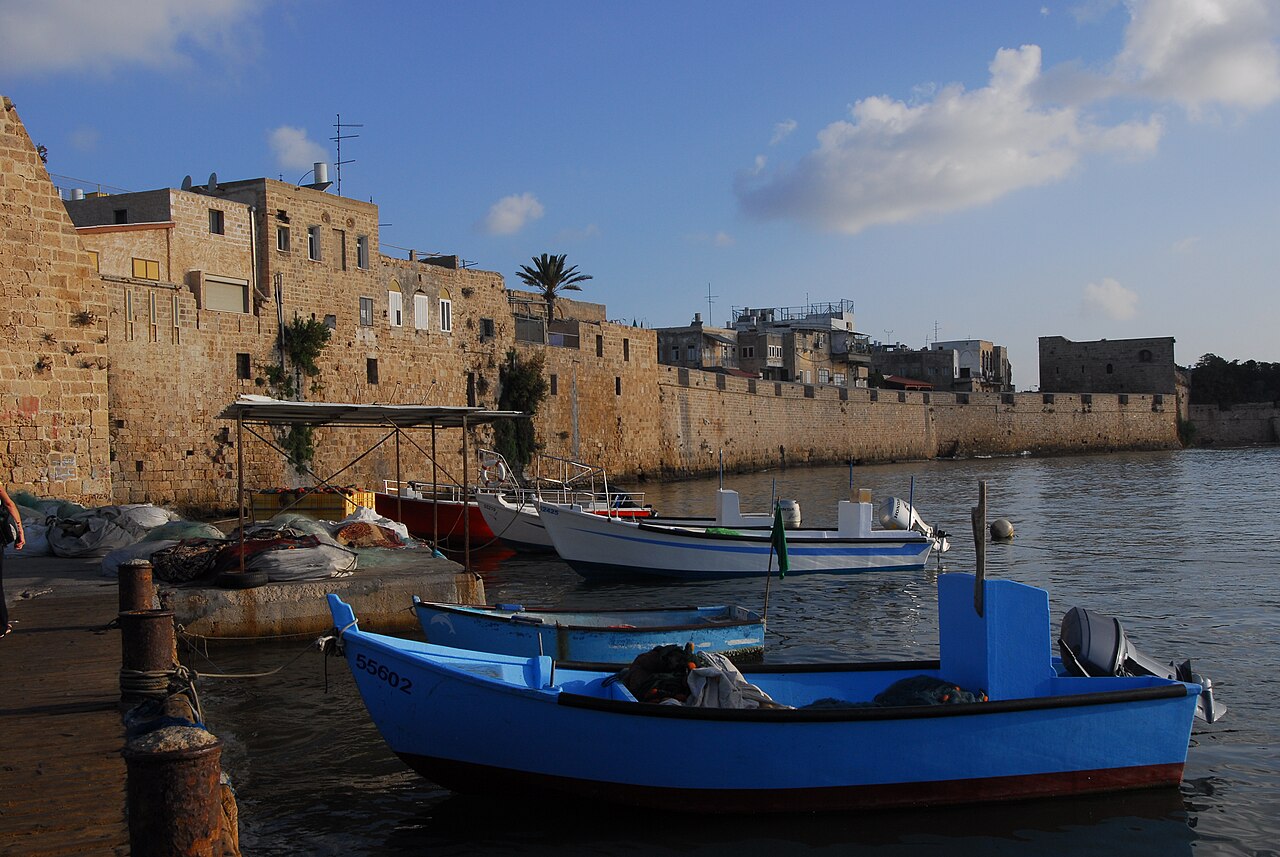
An ancient walled port town on the northern bay of Haifa, called Akko in Hebrew. An Ottoman town with mosques, markets and inns stands on top of Crusader halls.
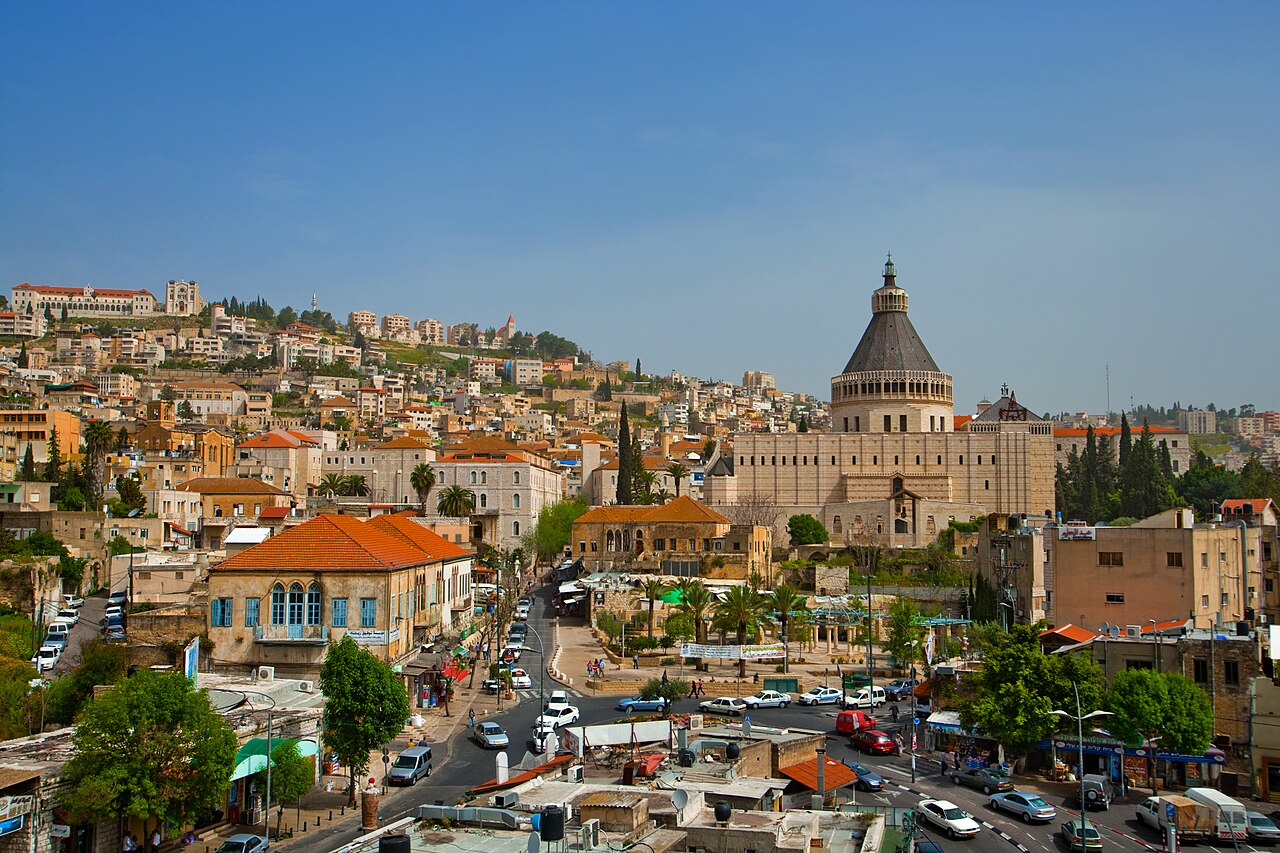
The largest Arab city in Israel, in the hills of Lower Galilee. Christians know it as the childhood home of Jesus.
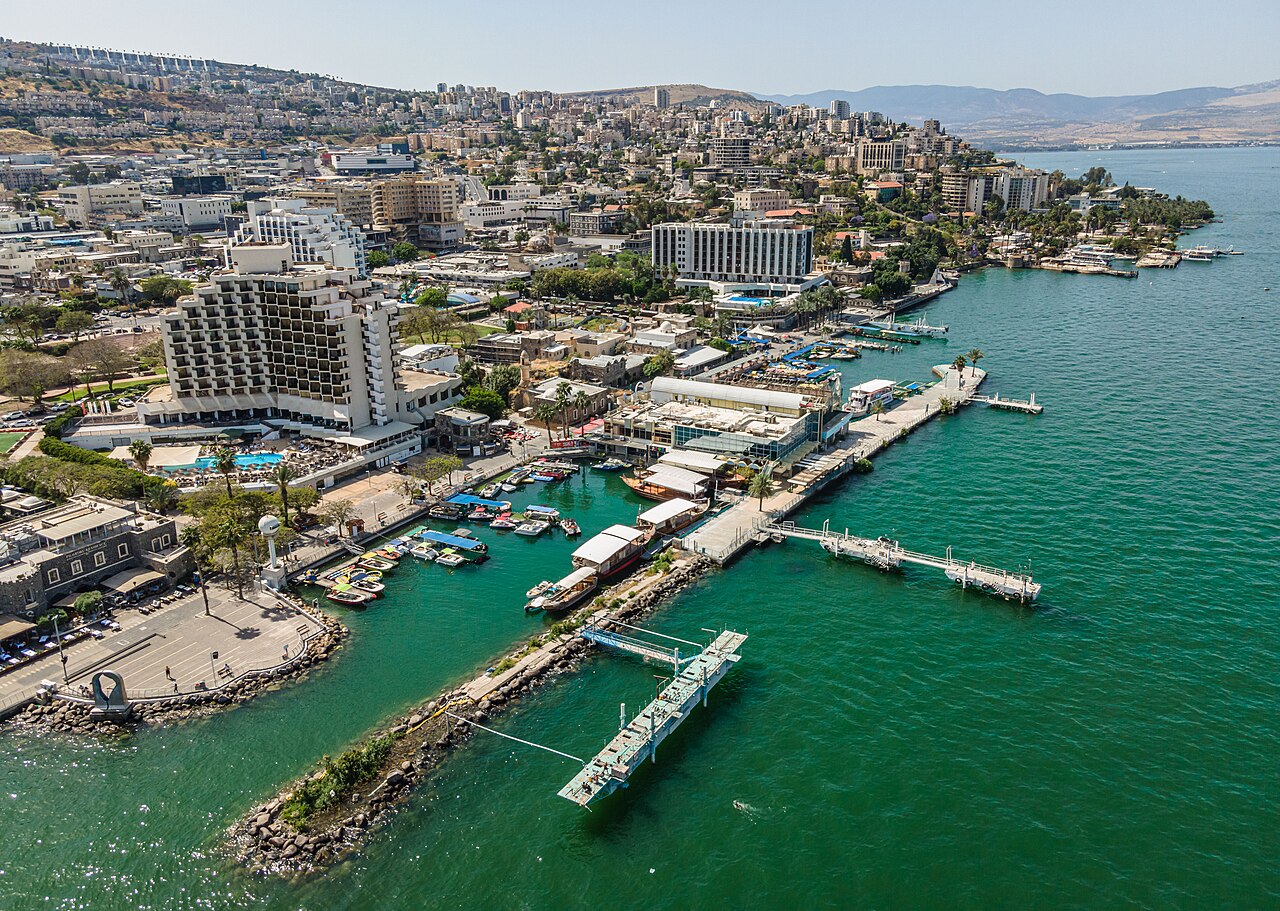
A resort town on the western shore of the Sea of Galilee, founded about AD 20. It has hot springs and is one of the four holy cities of Judaism.
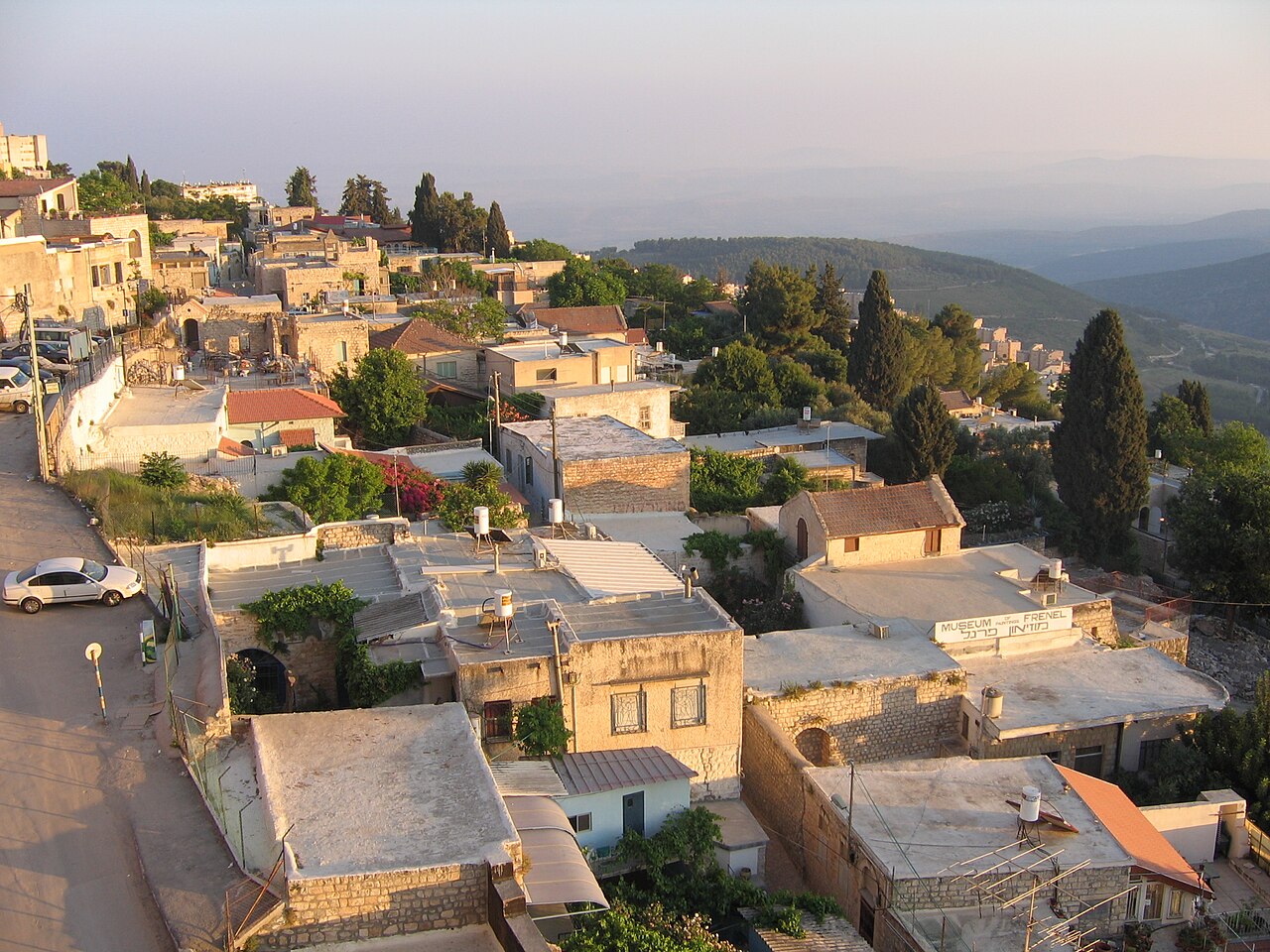
A mountain town in the Upper Galilee, called Tzfat in Hebrew. Since the 16th century it has been a centre of Kabbalah, Jewish mysticism, and today it is also known for its artists' quarter.
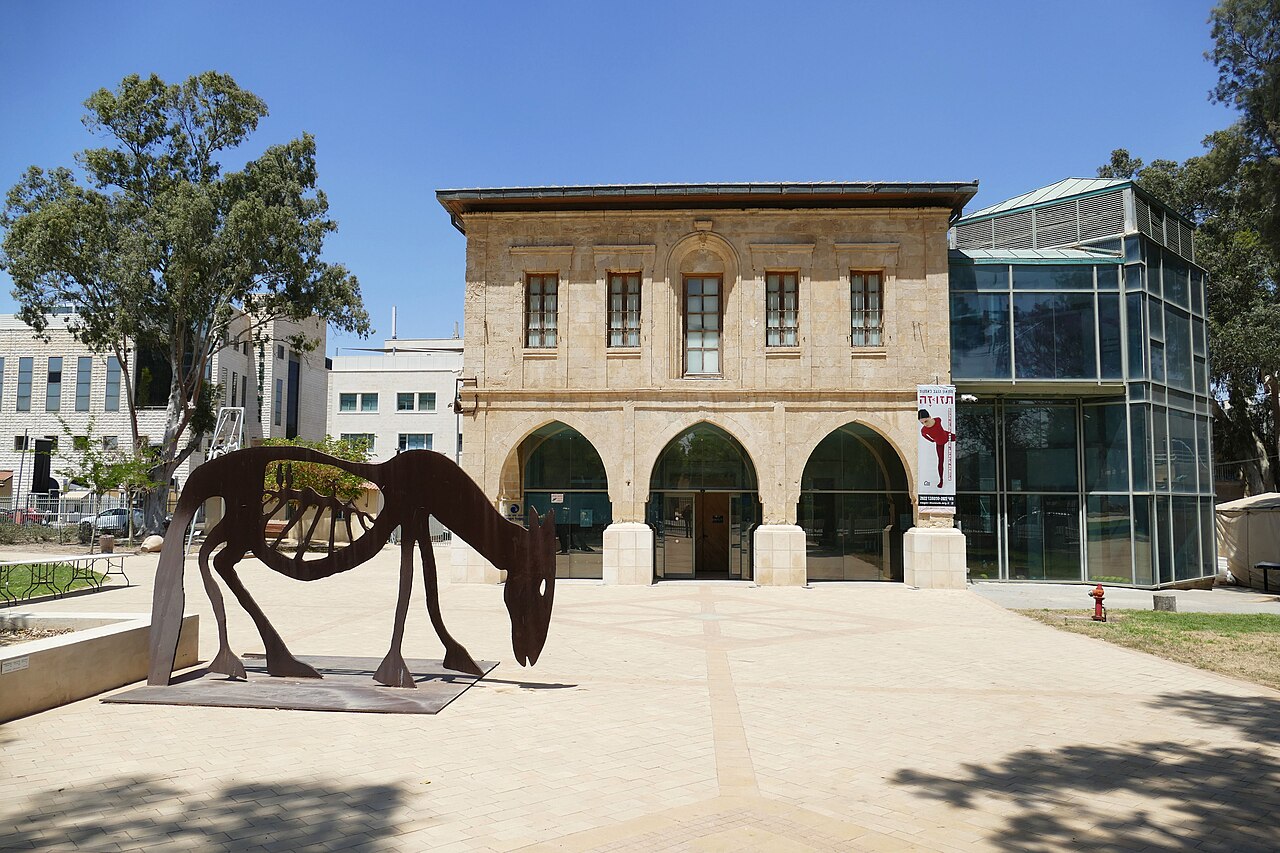
The largest city of the Negev desert, called Be'er Sheva in Hebrew. The ancient mound of Tel Be'er Sheva nearby is on the UNESCO list.
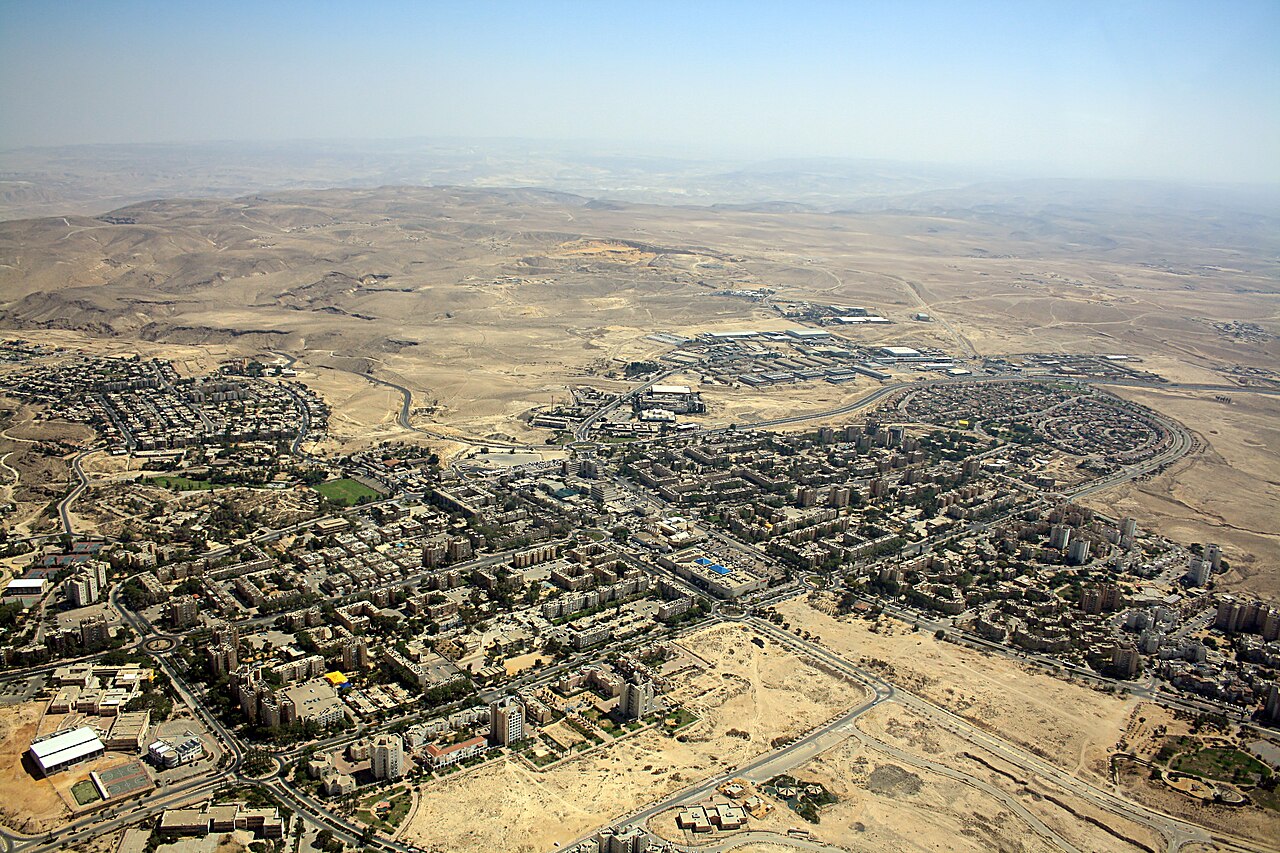
A quiet desert town on a plateau above the Dead Sea, founded in 1962. A mountain road leads from here to the western side of Masada.
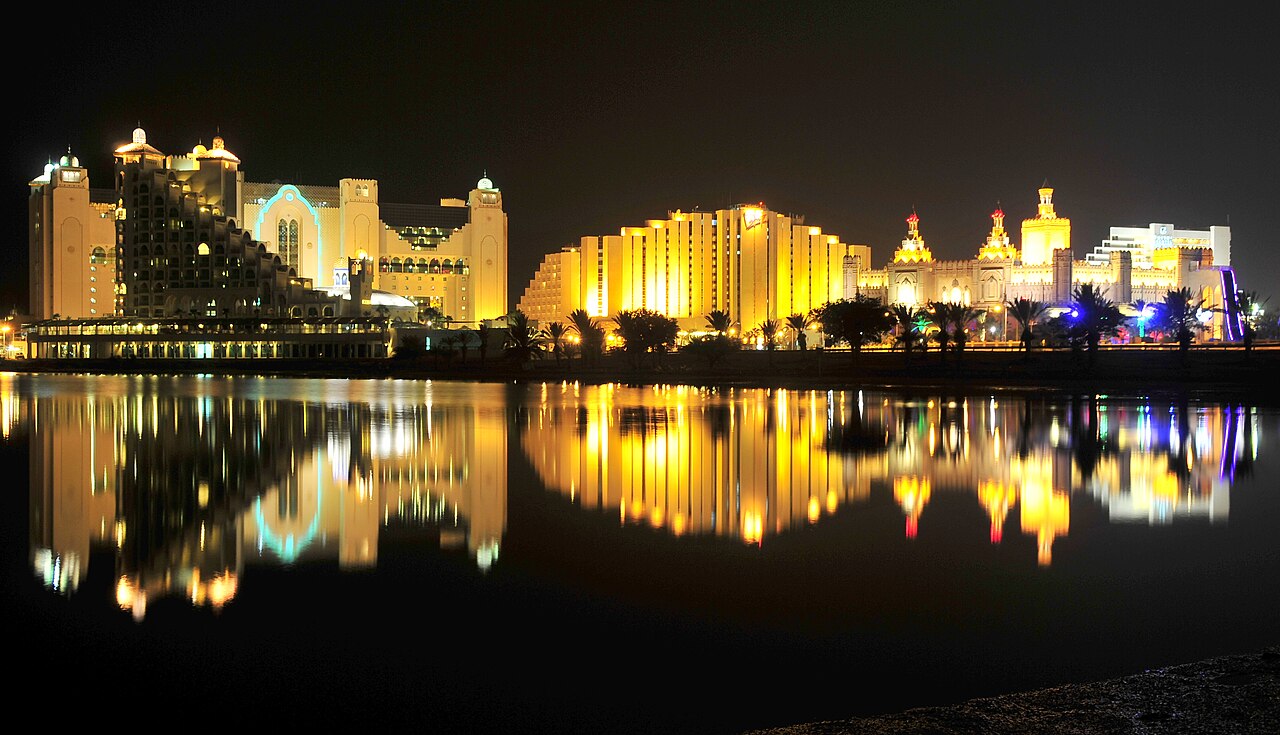
Israel's southernmost city, on the Gulf of Aqaba of the Red Sea. It is a year-round beach resort with coral reefs just off the shore.
The ruins of the harbour city that Herod the Great built for Rome on the coast between Tel Aviv and Haifa, with a Roman theatre, a hippodrome and a long aqueduct running along the beach.
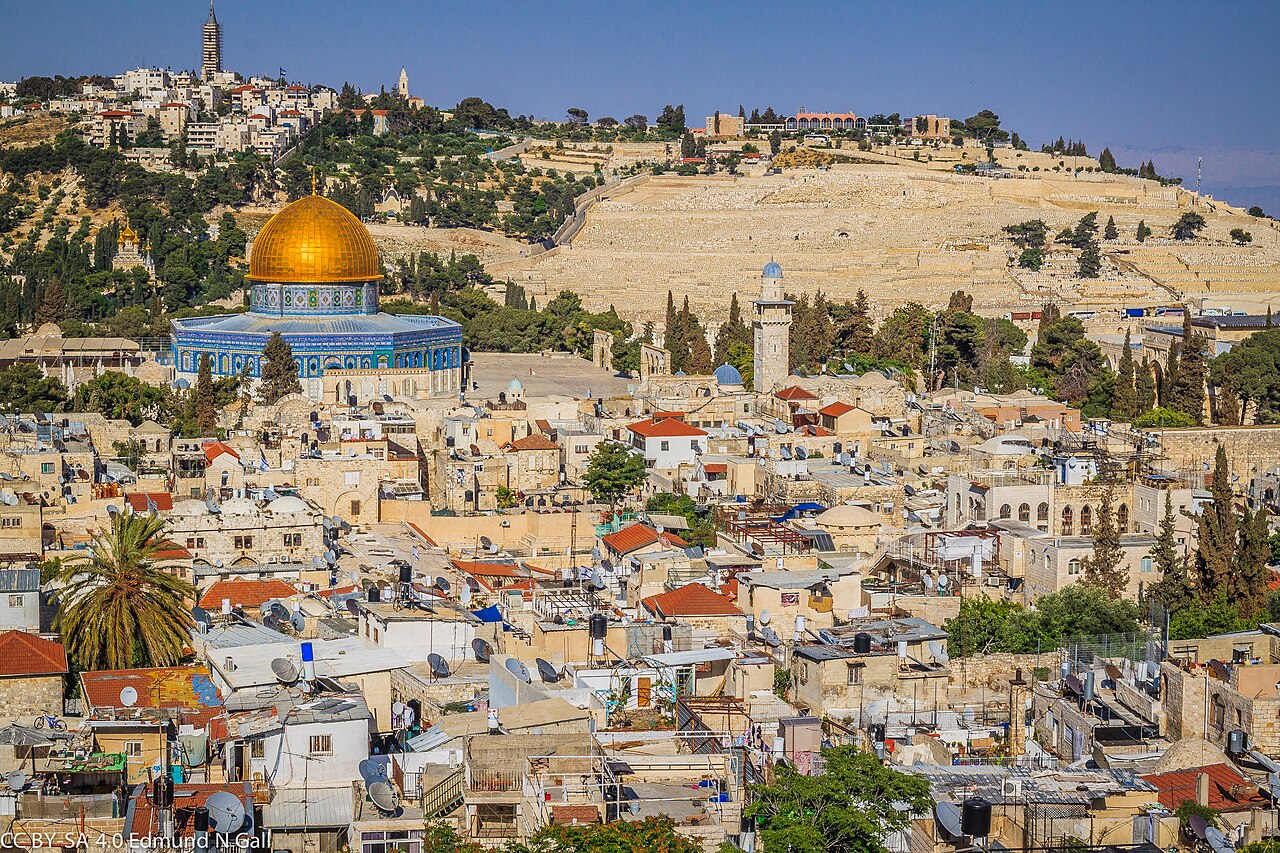
A walled city of about one square kilometre with sites sacred to three faiths, among them the Western Wall, the Church of the Holy Sepulchre and the Dome of the Rock. UNESCO listed the Old City of Jerusalem and its Walls in 1981 as a site of its own, not under any one country.
UNESCO World Heritage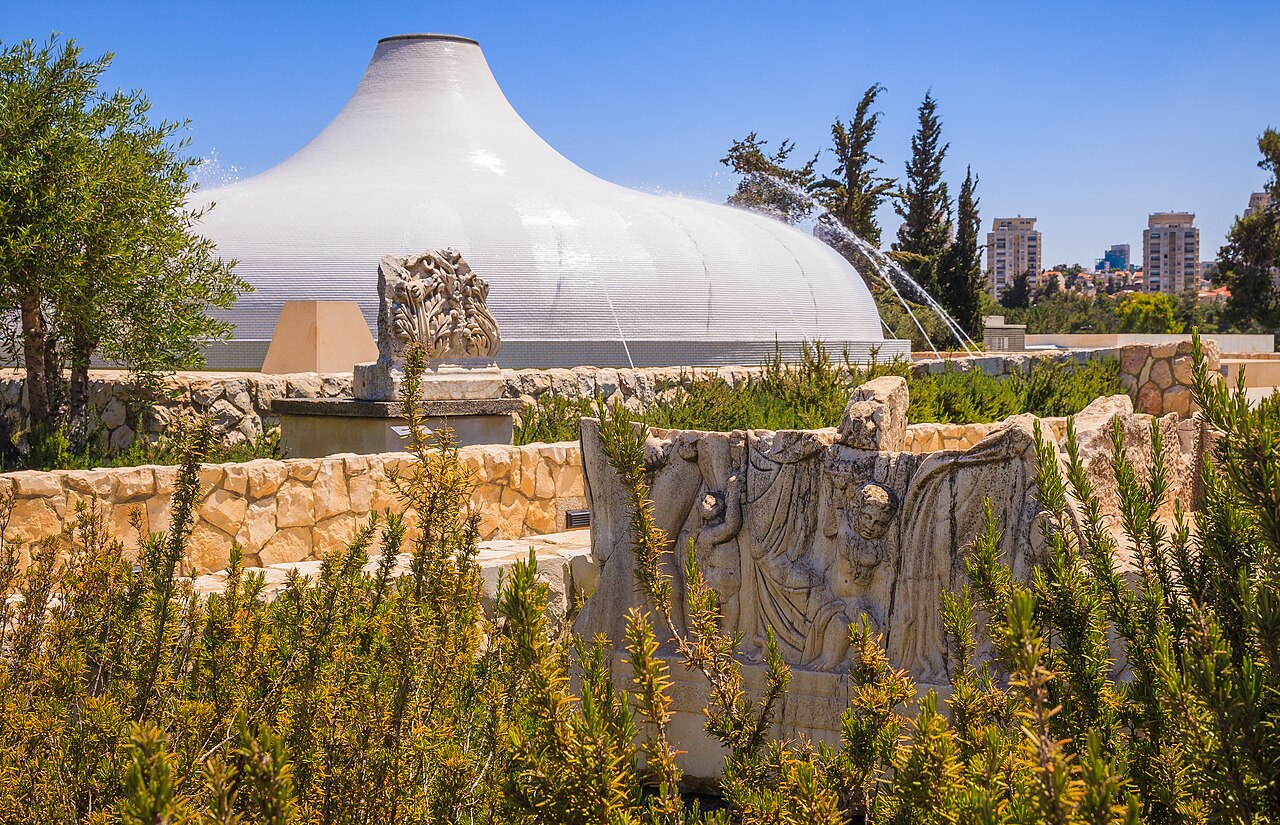
The country's largest museum, with art, archaeology and Jewish life from many lands. The white dome of the Shrine of the Book holds some of the Dead Sea Scrolls, among the oldest known manuscripts of the Hebrew Bible.
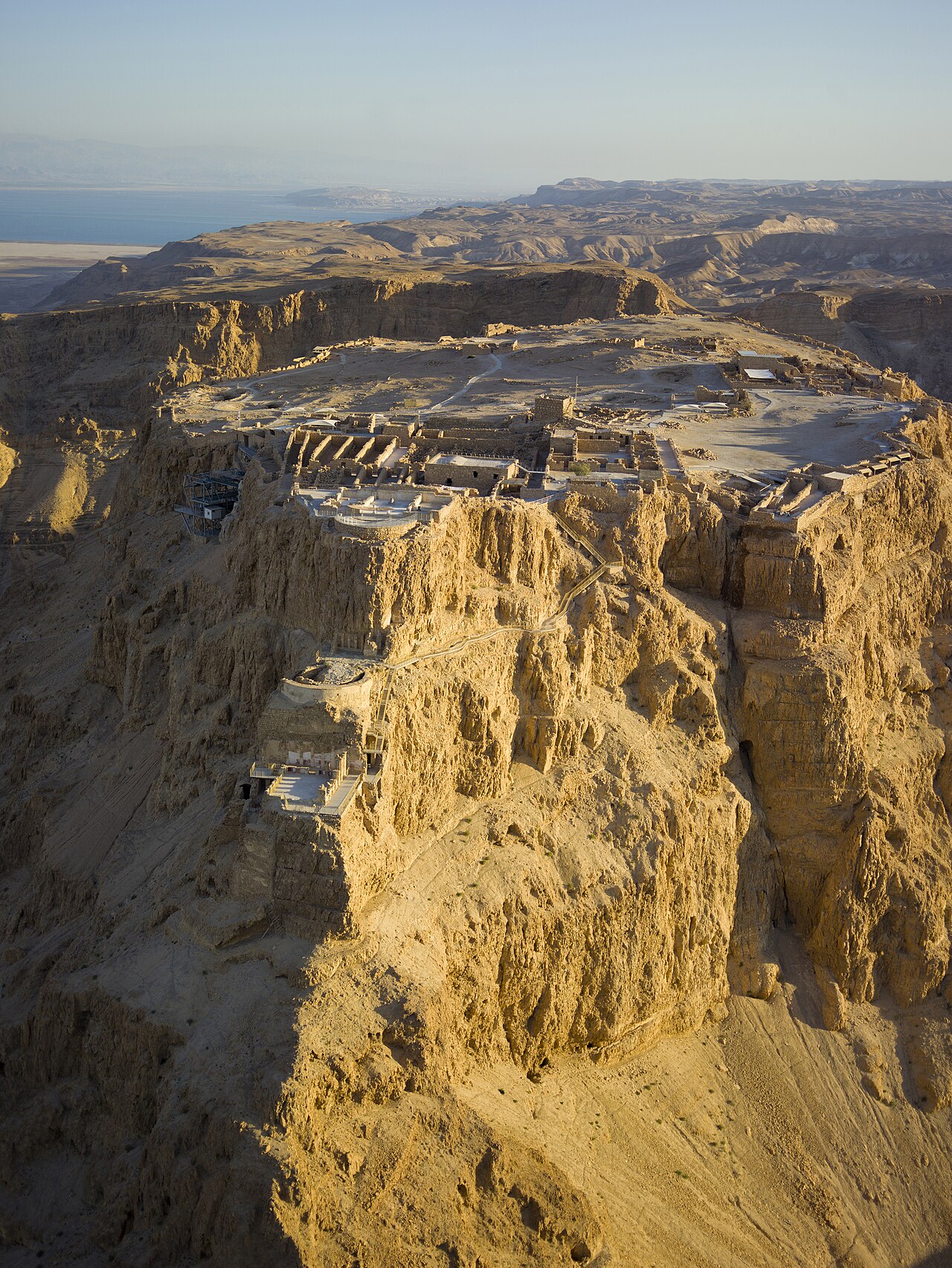
A flat-topped rock fortress high above the Dead Sea, where Herod the Great built palaces. At the end of the Jewish revolt against Rome, its defenders held out against a Roman siege. You can climb the Snake Path at dawn or take a cable car.
UNESCO World Heritage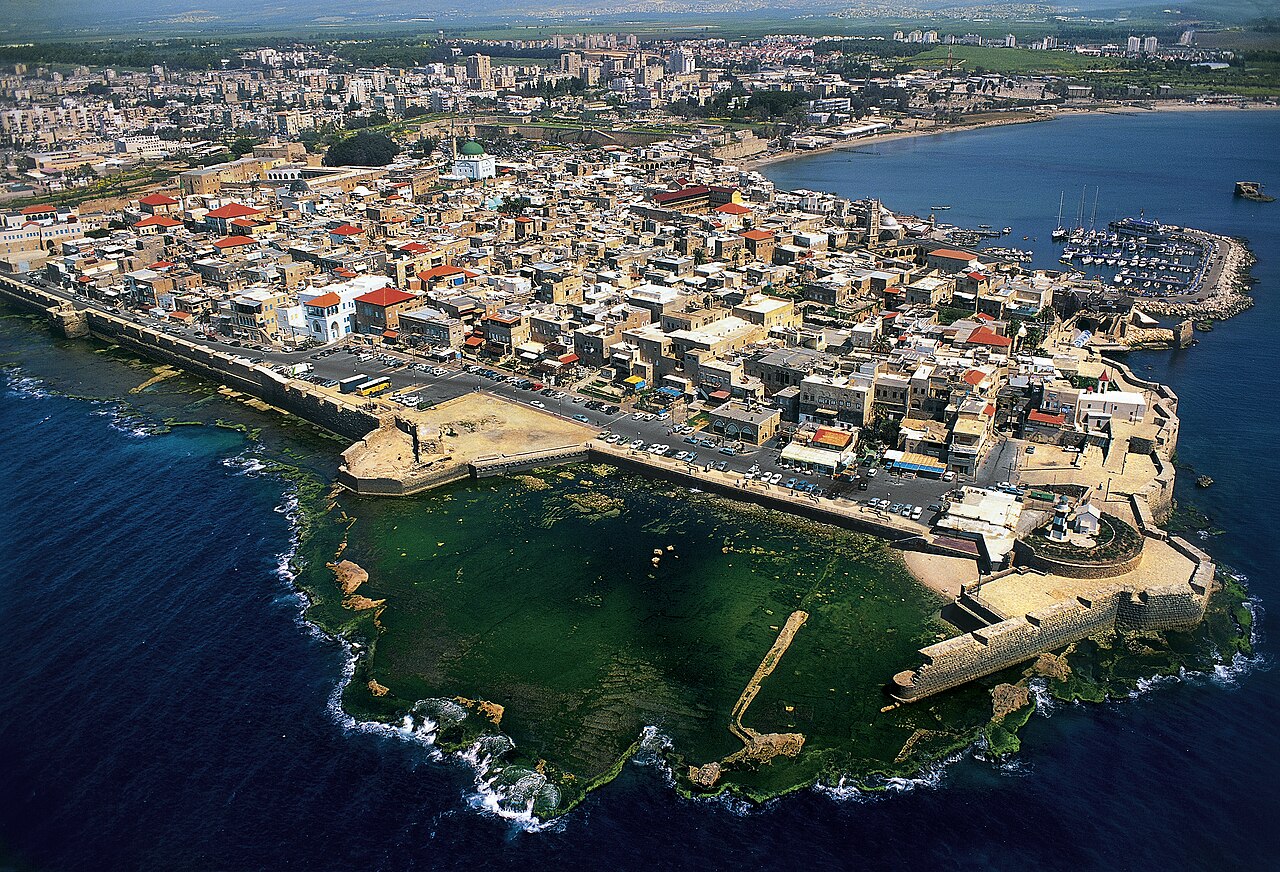
A walled Ottoman port town with a mosque, markets and old inns, built on top of the halls of the Crusader Knights Hospitaller, which you can walk through underground.
UNESCO World Heritage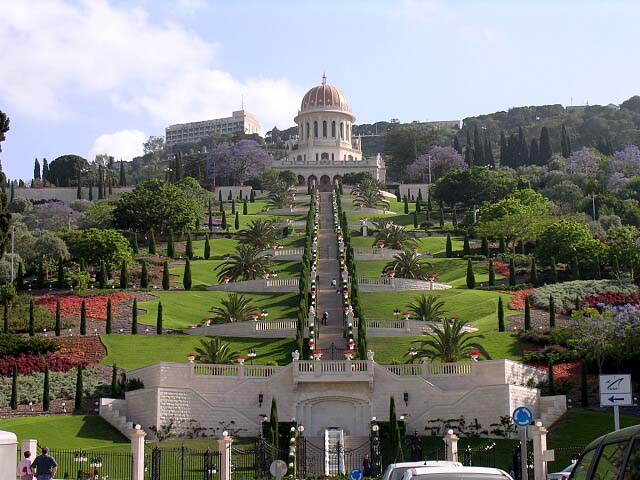
Nineteen garden terraces climb the slope of Mount Carmel around the golden-domed Shrine of the Báb, with a sweeping view over Haifa Bay. They are part of the UNESCO site of Bahá'í holy places in Haifa and the Western Galilee.
UNESCO World Heritage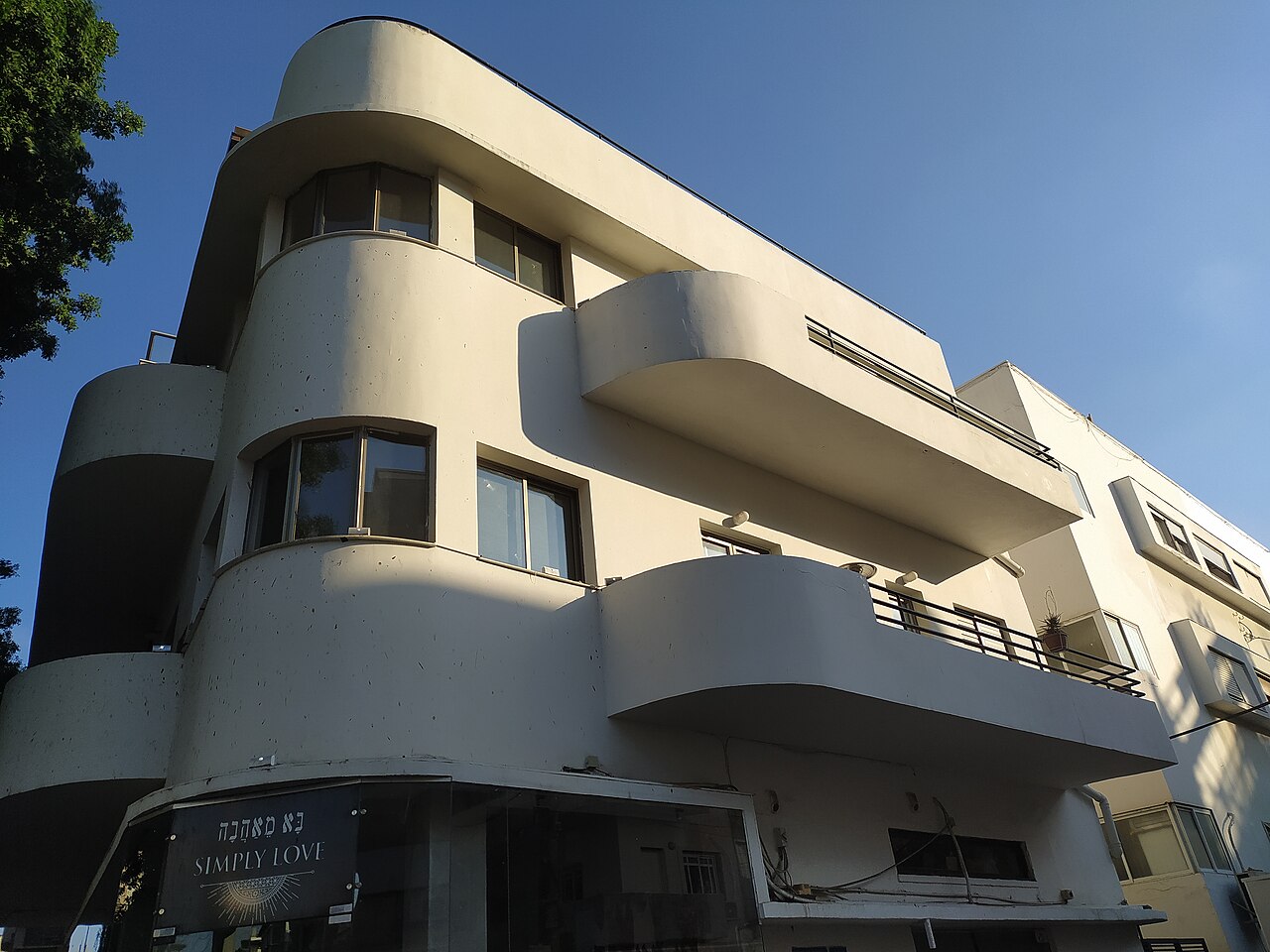
More than 4,000 white buildings in the Bauhaus or International Style, mostly built in the 1930s by architects who had trained in Europe. Rothschild Boulevard is a good place to see them.
UNESCO World Heritage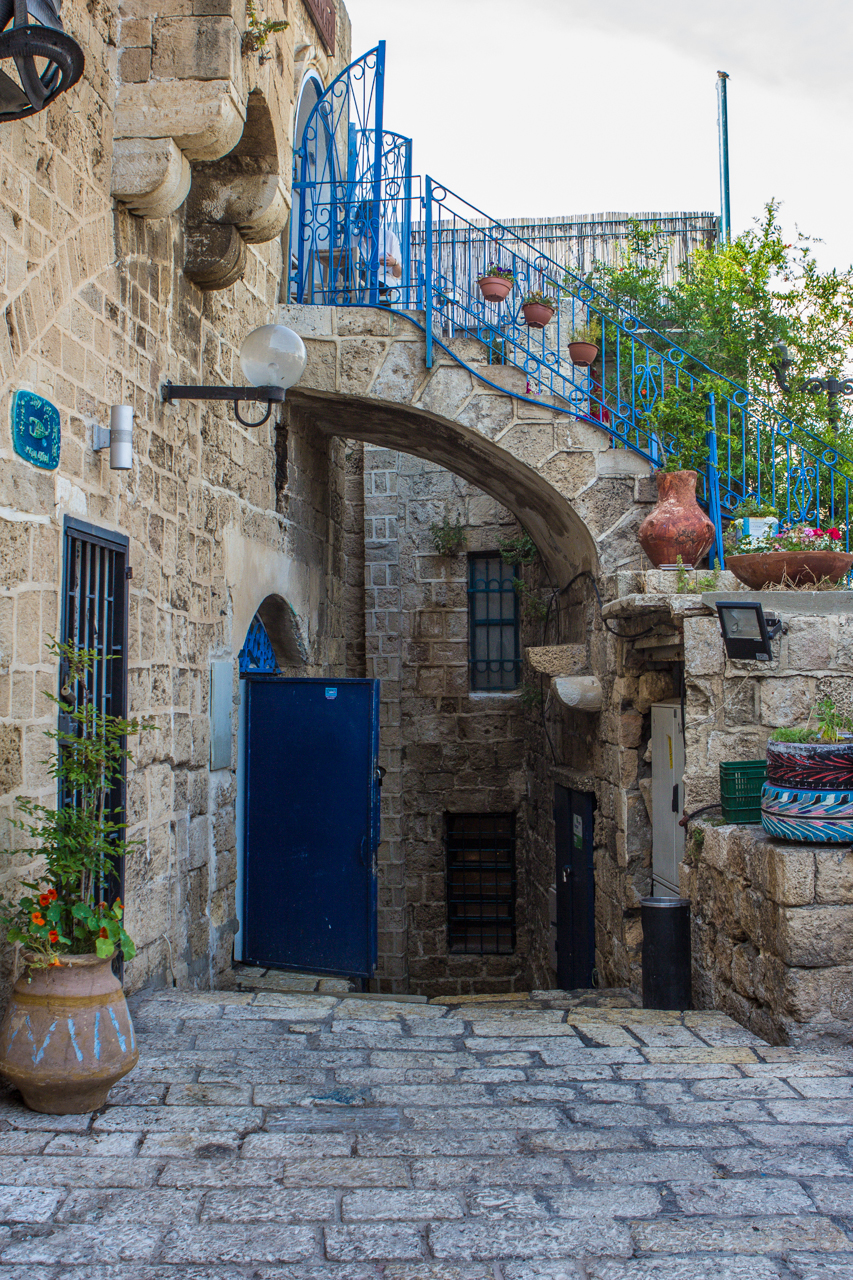
One of the oldest ports in the world, on a hill at the southern end of Tel Aviv's seafront. Stone alleys, galleries, a flea market and a lighthouse look out over the sea.
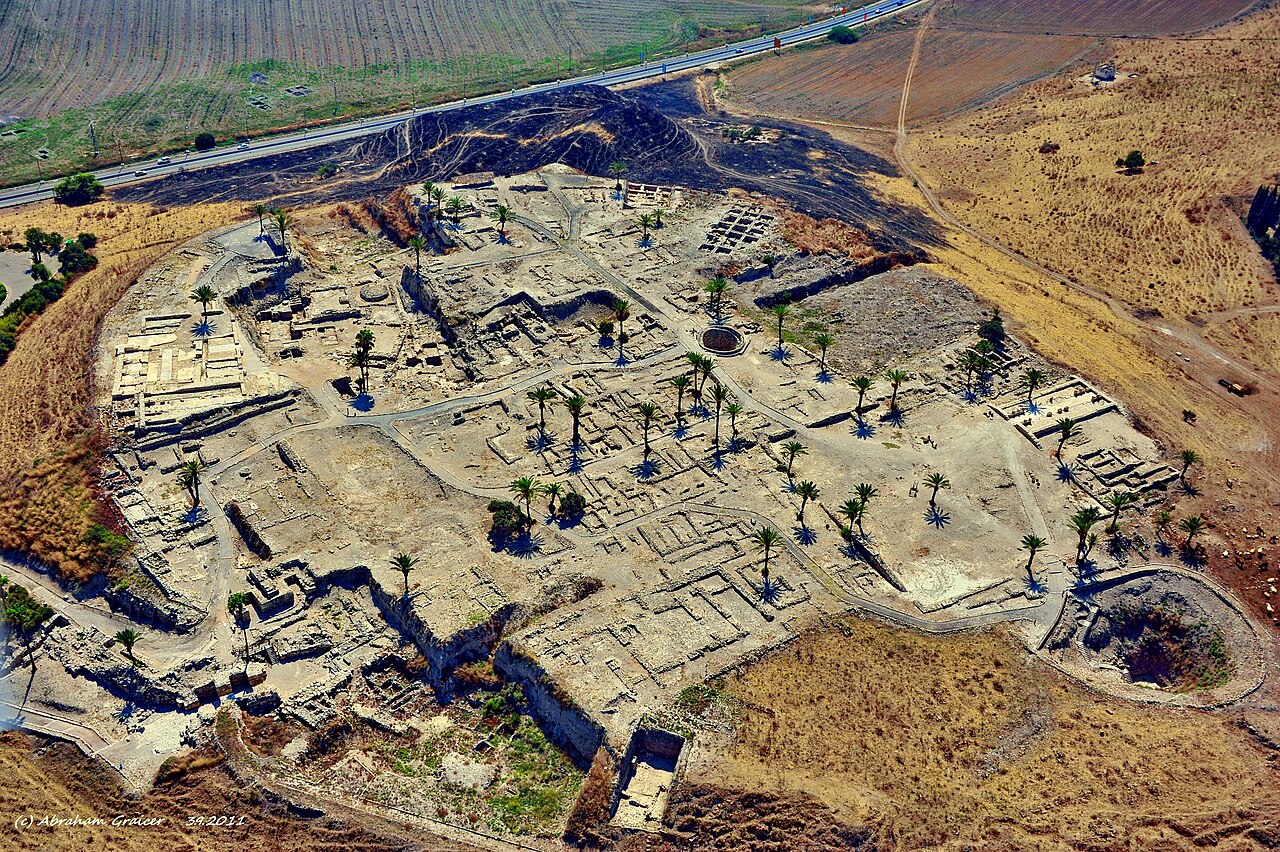
An ancient mound made of about 20 layers of cities built one on top of another, above the Jezreel Valley. Its name gave us the word Armageddon. It is part of the UNESCO site of the Biblical Tels.
UNESCO World Heritage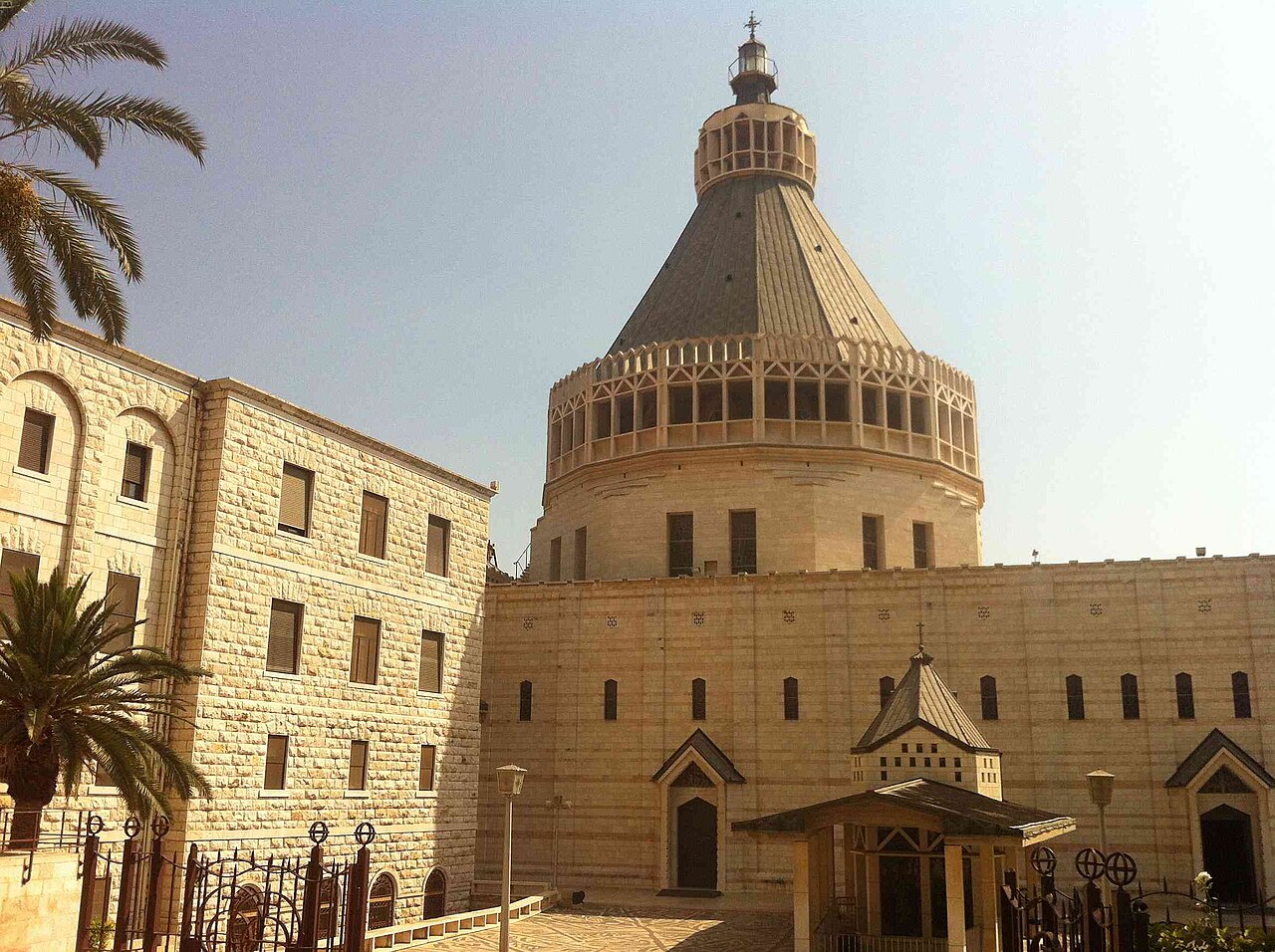
A large modern church, finished in 1969, built over the place where Christian tradition says the angel Gabriel appeared to Mary. Images of Mary sent from countries all over the world line its walls.
The shore of the Dead Sea is the lowest land on Earth. As of 2025 it was about 440 metres below sea level, and the water level is falling by more than a metre a year.
The Dead Sea is almost ten times saltier than the ocean, so people float on it without trying.
The Sea of Galilee, called Kinneret in Hebrew, is the lowest freshwater lake on Earth, about 210 metres below sea level.
For many centuries Hebrew was used mainly for prayer and study. In the late 19th and 20th centuries it was revived as an everyday spoken language, and today it is the mother tongue of millions.
Tel Aviv began in 1909 when 66 families shared out plots of land on the sand dunes in a lottery using seashells.
Tel Aviv has more than 4,000 buildings in the Bauhaus or International Style, which is why it is called the White City. UNESCO listed it in 2003.
The working week in Israel runs from Sunday to Thursday. Shabbat, the day of rest, lasts from sunset on Friday to nightfall on Saturday.
In 2008, about 155,000 Israelis voted in a national poll, and the hoopoe, a bird with a crest like a fan, became the national bird.
Netafim, a company founded on Kibbutz Hatzerim in the Negev in 1965, launched the world's first commercial dripper for drip irrigation.
The navigation app Waze started in Israel as a community mapping project. Google bought it in 2013.
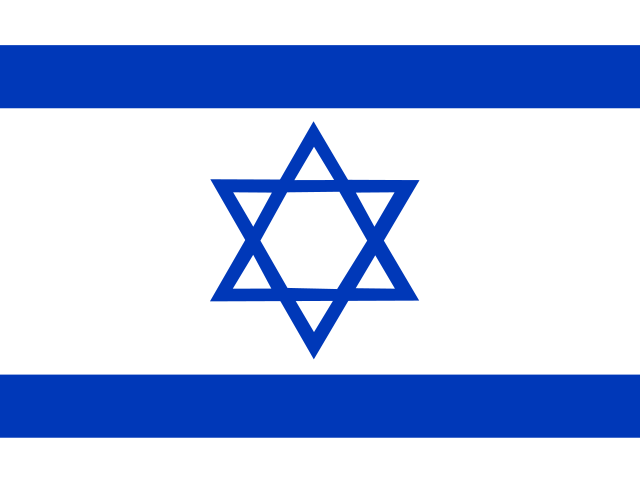
The blue and white flag of Israel, adopted in 1948, was inspired by the tallit, the Jewish prayer shawl, with a blue Star of David in the middle.
Albert Einstein was one of the founders of the Hebrew University of Jerusalem and left it his personal papers. Its archive holds about 55,000 items.
The name of the Moon lander Beresheet is the first word of the Bible in Hebrew and means "In the beginning".
It is written from right to left. "Kh" is a throaty sound, like the ch in the Scottish word loch. Pronunciation is written the way it sounds; the capital letters show where the stress goes. Audio is coming soon.
Some phrases change depending on whether you speak to a man or a woman; both forms are given where needed.
In most cities, buses and trains stop on Friday afternoon and start again on Saturday evening, and many shops and kosher restaurants close. Taxis and some shared minibuses (sherut) still run. Book transport and shopping for Friday morning.
The working week runs from Sunday to Thursday. Offices, banks and museums may have short hours on Friday and be closed on Saturday, so check opening times before you go.
At synagogues, churches and mosques, cover your shoulders and knees. Some sites lend wraps at the entrance, and men may be asked to cover their heads at the Western Wall.
Police 100, ambulance (Magen David Adom) 101, fire and rescue 102.
Israel uses 230 volts and its own three-pin Type H socket. Most modern sockets also take the two-pin European Type C plug.
In the Negev and at the Dead Sea, carry plenty of water, wear a hat and start walks early in the morning. Summer temperatures often pass 40 °C.
Bags are checked at the entrances of shopping centres, bus and train stations. At Ben Gurion Airport, allow extra time for questions before departure.
As of September 2026, conditions in the region can change quickly. Before you travel, read your own government's current travel advice and follow the instructions of local authorities.