Egyptian cooking grew out of the farms of the Nile Valley and Delta: beans, lentils, rice, vegetables, bread and plenty of garlic and onions. A meal usually starts with salads, dips and cheese served with bread, followed by the main dishes. Lunch is the main meal of the day, often eaten in the afternoon, and dinner tends to be late and lighter. Round loaves of eish baladi come with almost everything and serve as a spoon, and a glass of tea is offered to every visitor.
All of Egypt, a street food from Cairo to Alexandria
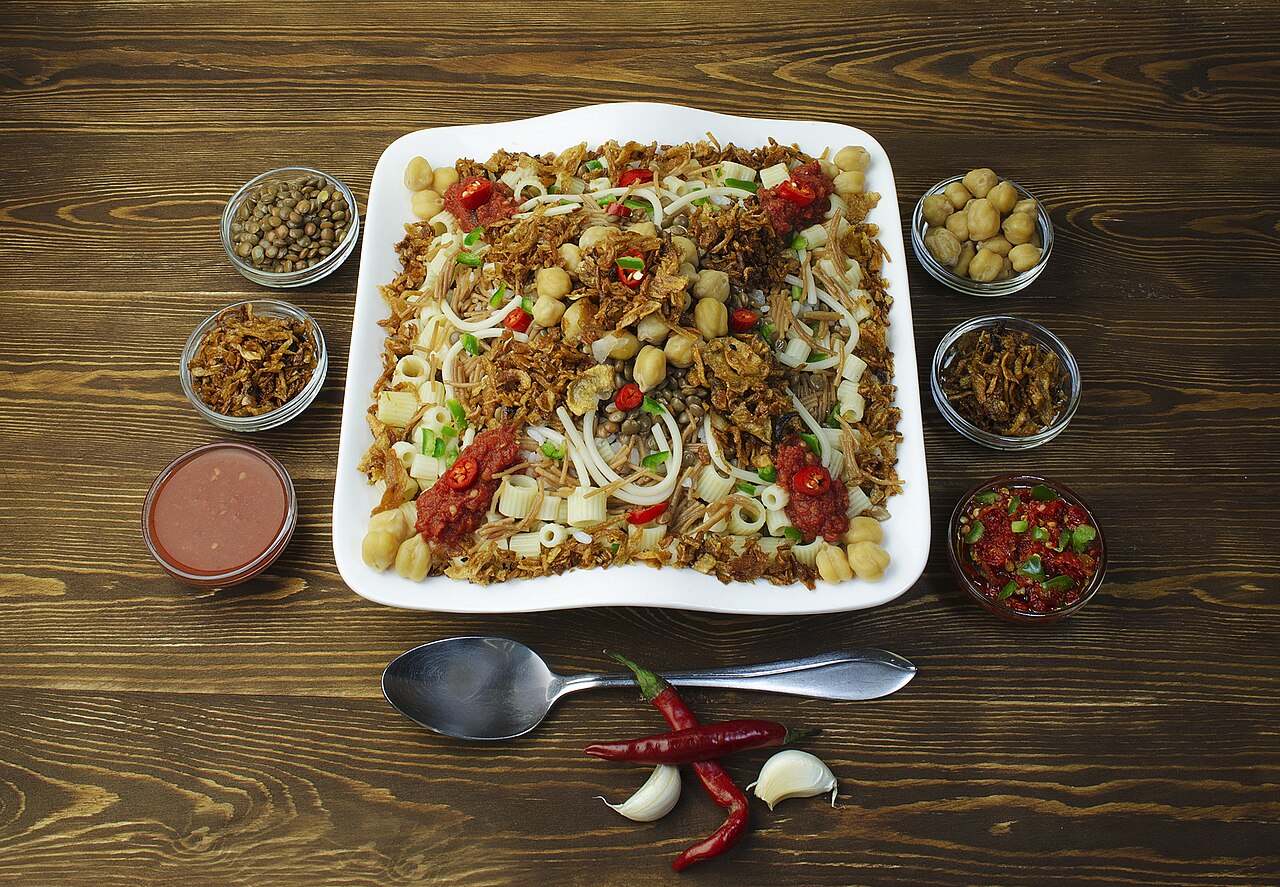
Often called Egypt's national dish: rice, small macaroni and brown lentils, topped with chickpeas, a garlicky tomato sauce and a heap of crispy fried onions. Everyone adds garlic vinegar and hot sauce to taste. Some restaurants sell nothing else.
In 2025 UNESCO added koshari to its list of the intangible cultural heritage of humanity, the first Egyptian dish to be included.
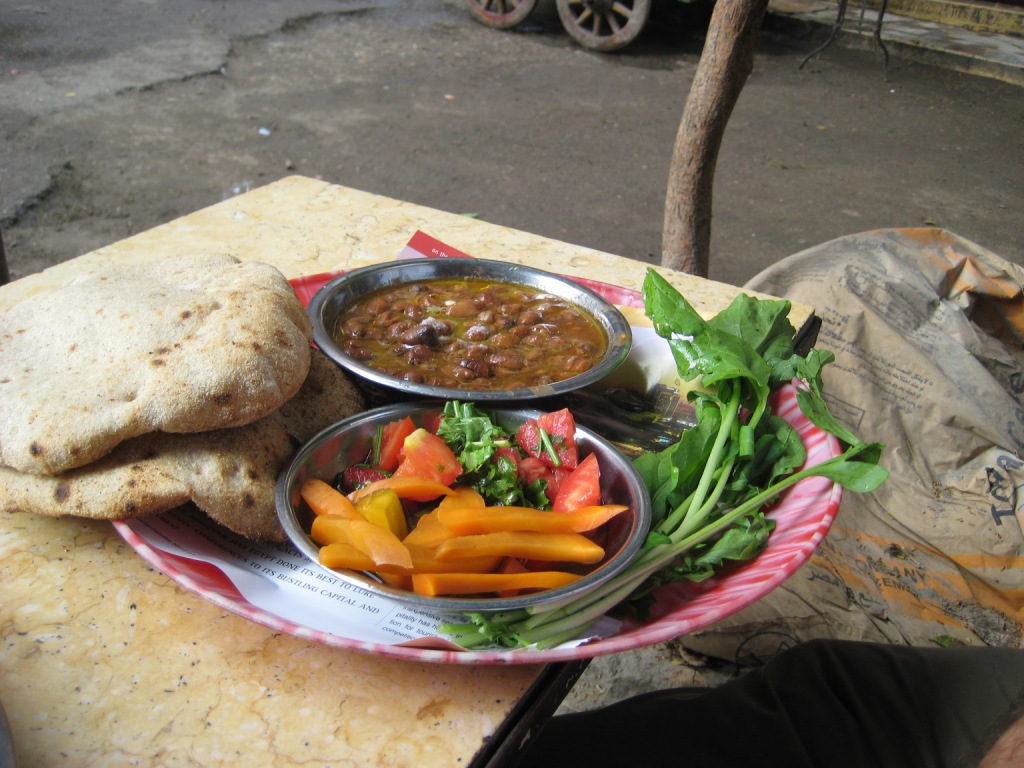
Small brown fava beans cooked slowly until very soft, then mashed with olive oil, cumin, garlic and lemon. It is eaten at breakfast with bread, pickles and salad, and traditionally cooked in and served from a large metal pot. It is often called one of Egypt's national dishes.
In medieval Cairo, beans were left to simmer all night in huge pots over the embers of the fires that heated the public baths, ready for the city's breakfast.
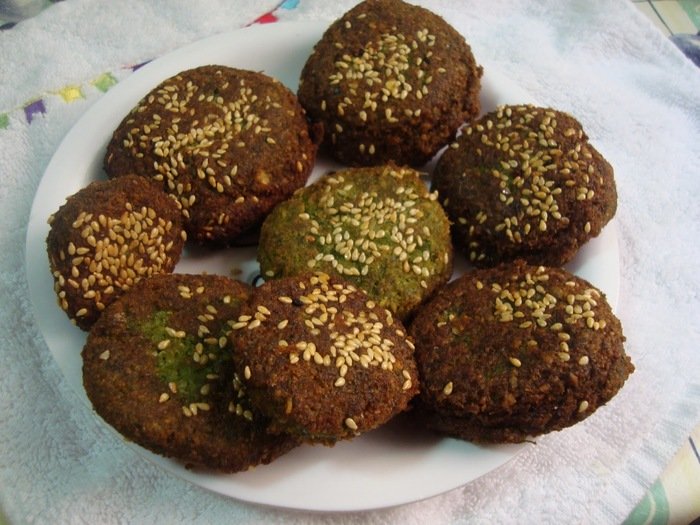
Egypt's falafel, made from dried fava beans rather than chickpeas, with lots of parsley, coriander and dill, so it is bright green inside. The fritters are fried until crisp and tucked into bread with tahini sauce, tomatoes and rocket.
Its name means something like 'a little piece of food' or 'a small tasty thing'.
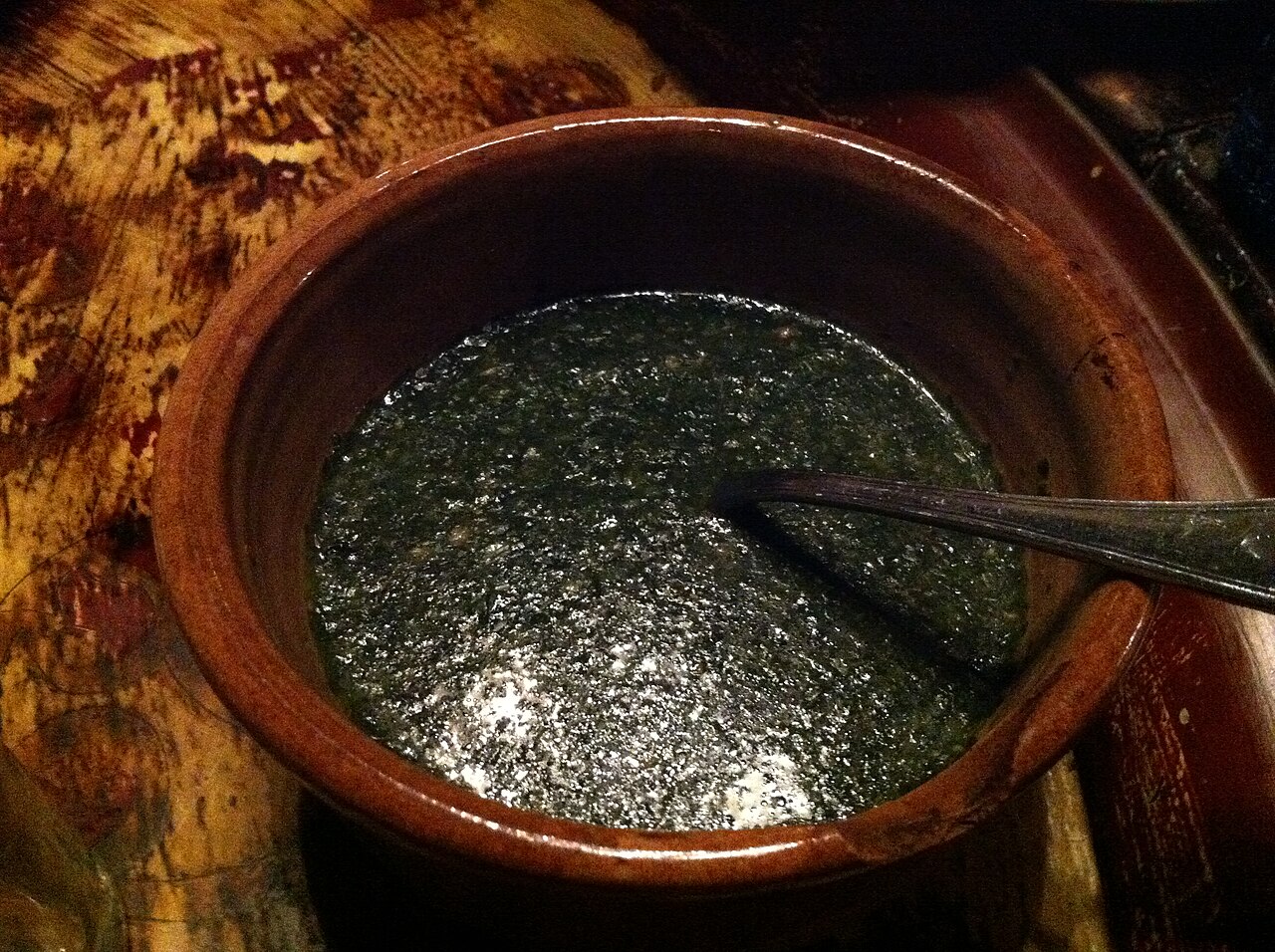
A thick green soup made from finely chopped jute leaves cooked in chicken or rabbit stock, finished with garlic fried with ground coriander. It has a silky, slightly slippery texture, a little like okra, and is served with rice and chicken or bread.
In 1005 the Fatimid caliph al-Hakim banned his subjects from eating molokhia.
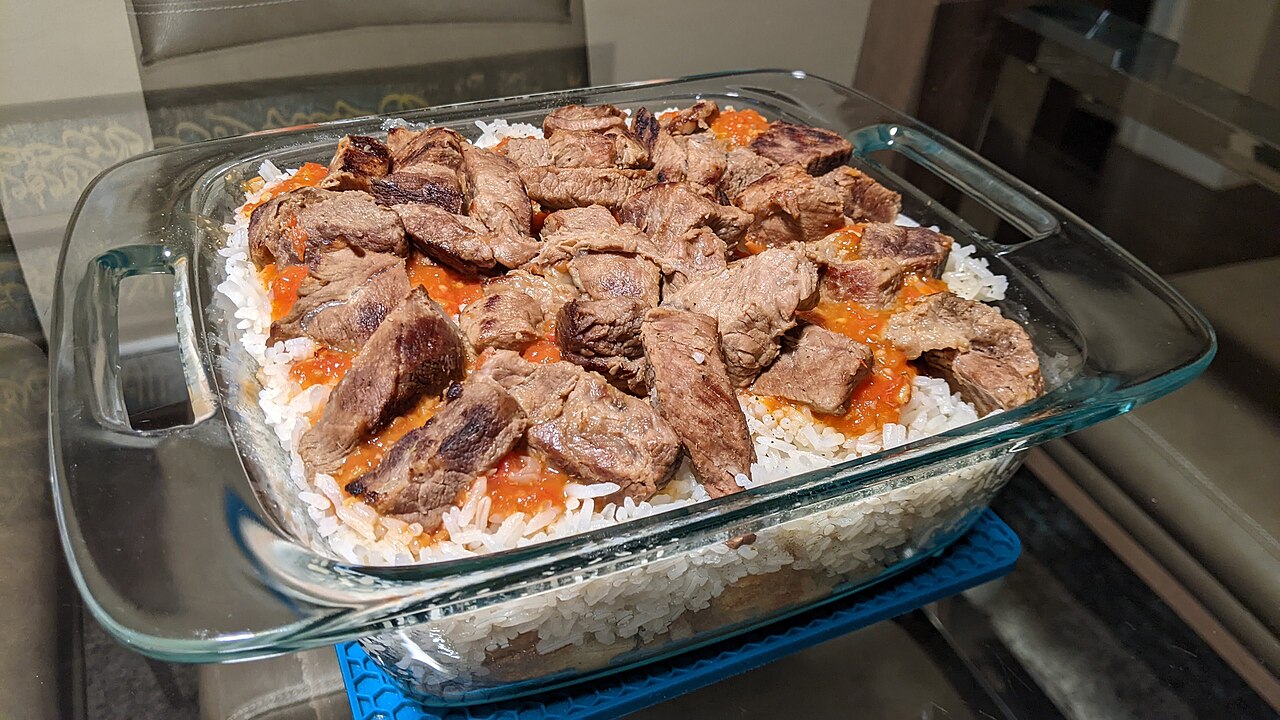
Layers of crisp toasted bread and rice soaked in meat broth, topped with a garlic, vinegar and tomato sauce and pieces of boiled lamb or beef. It is made for special days: Eid al-Fitr, Eid al-Adha, a first pregnancy, and for Coptic Christians, Christmas.
Its name comes from an Arabic word meaning to break into pieces, after the broken bread at its base.
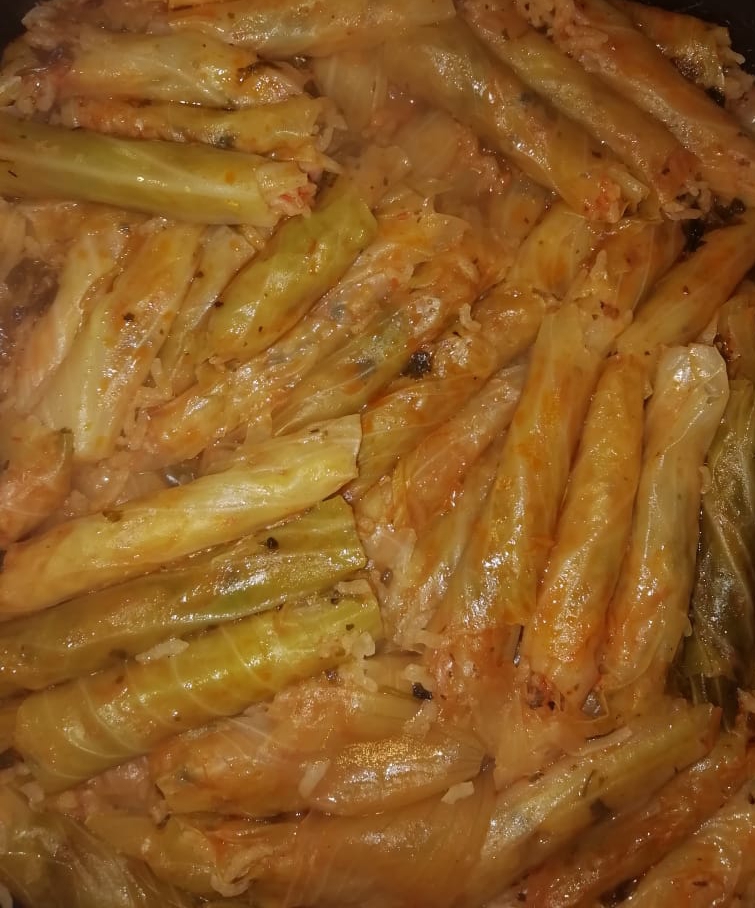
Vegetables stuffed with rice mixed with tomato, herbs and spices, then simmered slowly in broth. Courgettes, peppers, aubergines and cabbage are all used, and stuffed vine leaves are called mahshi waraq enab.
Cairo; also popular in the Nile Delta, with its own version in Alexandria
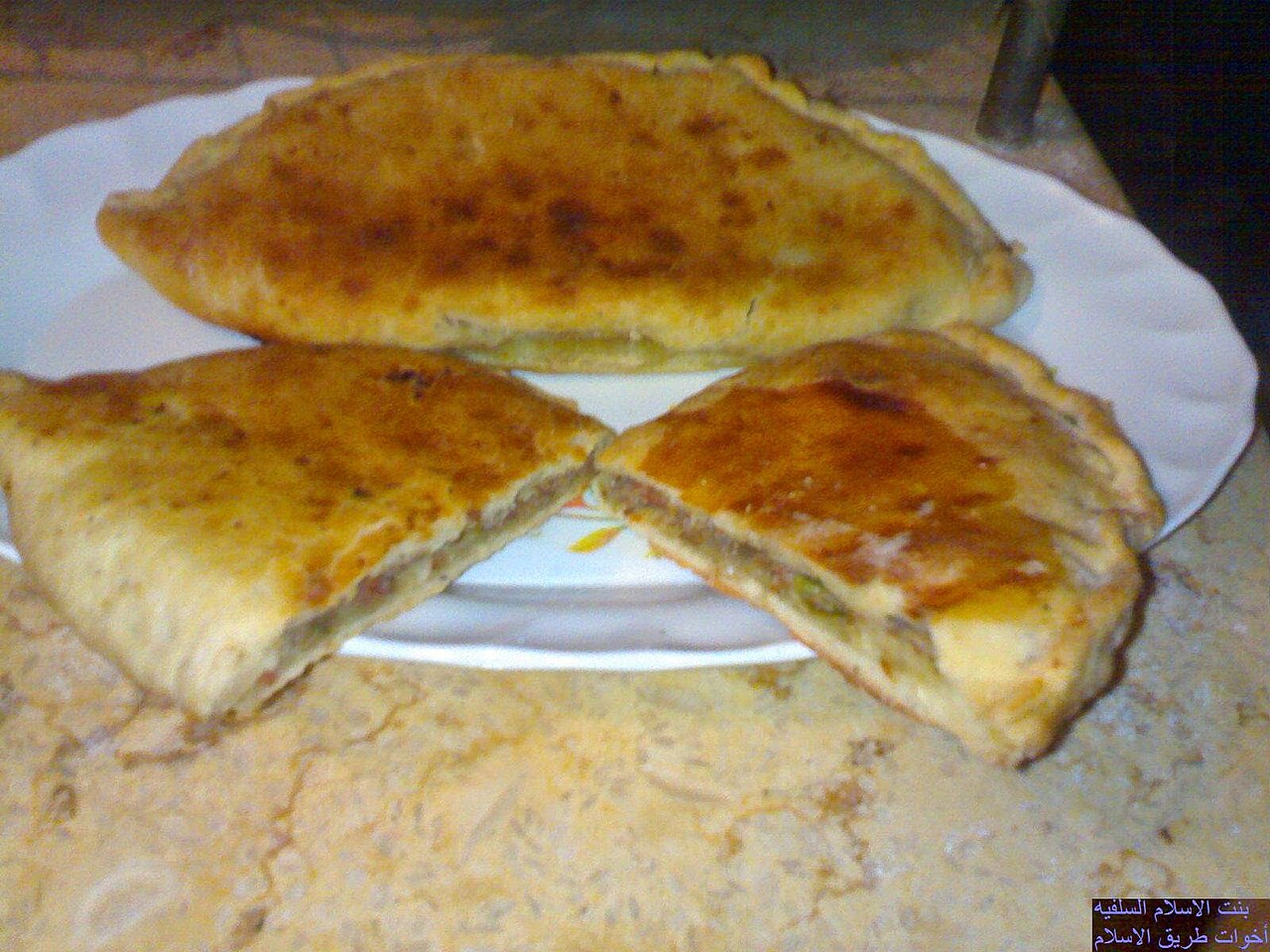
Flat Egyptian bread stuffed with minced meat spiced with onions, pepper, parsley and sometimes chilli, then baked until the bread is crisp and the meat juicy. In Alexandria the meat is baked between two rounds of dough instead.
One story says a Cairo butcher named Ahmed al-Hawawsh invented it in 1971, while others trace it to a 13th-century recipe.
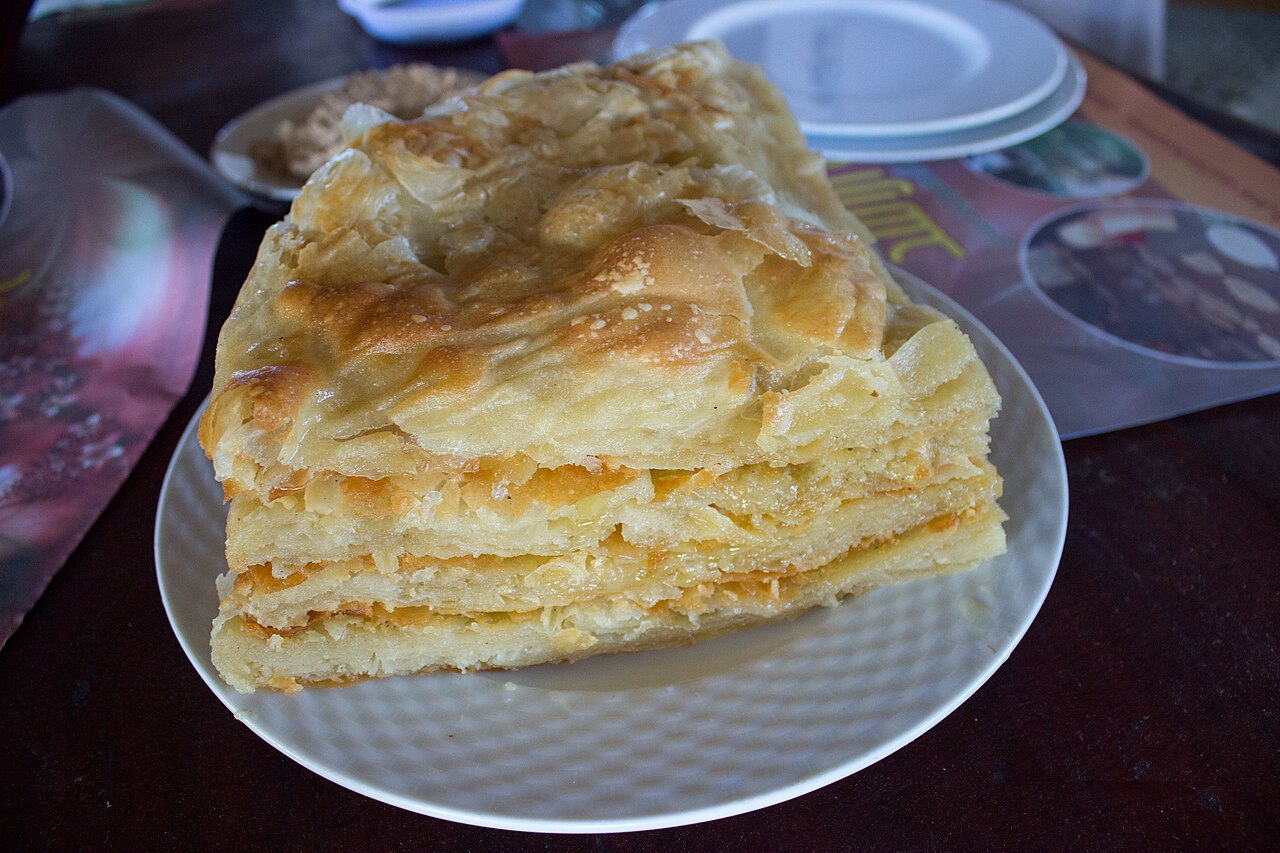
A large, flaky pastry of many paper-thin layers of dough brushed with ghee, baked until golden. It is eaten sweet with honey, molasses or jam, or savoury with cheese and olives, and is a traditional gift for guests and holidays.
Feteer was served to US President Barack Obama, together with ta'ameya, during his visit to Egypt in 2009.
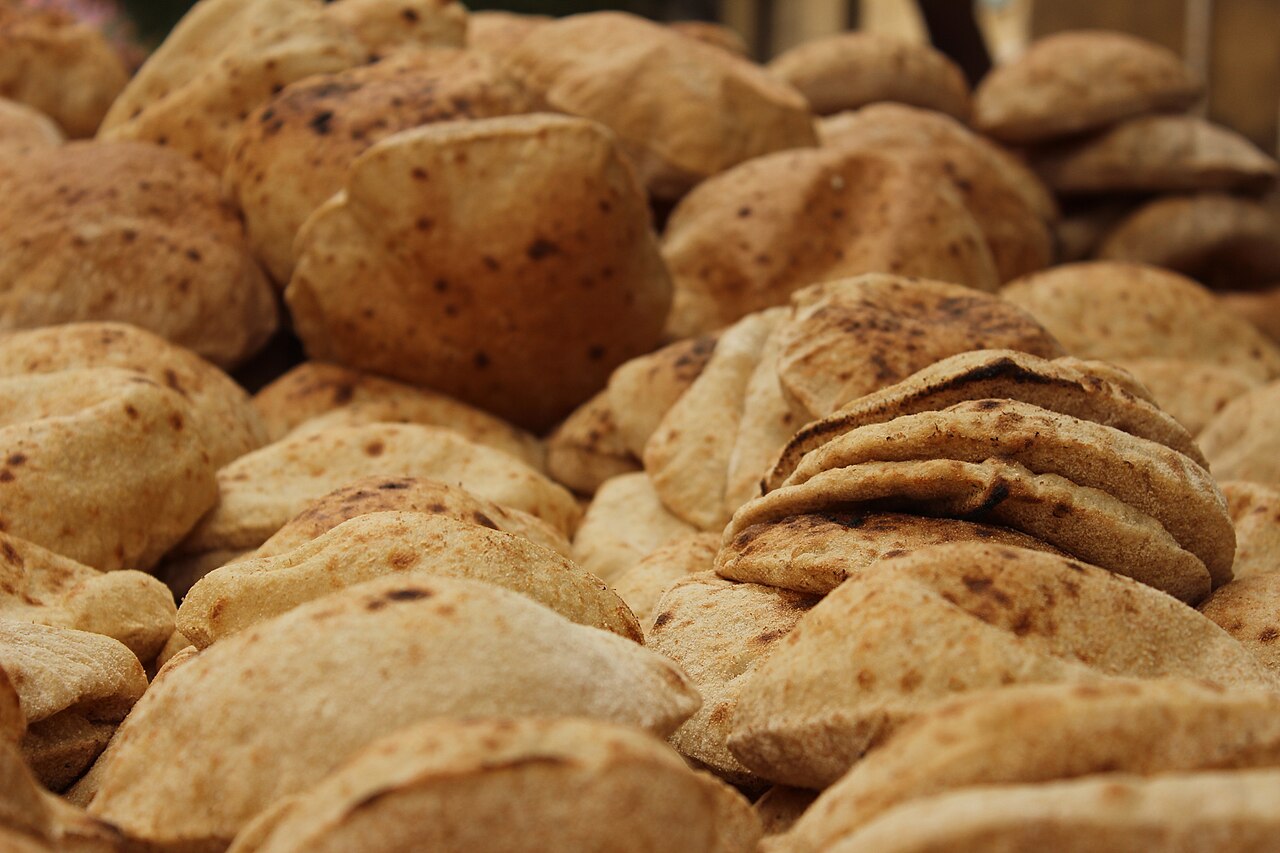
Egypt's everyday round flatbread, made with wholewheat flour and bran and baked in very hot ovens until it puffs up into a pocket. It is eaten at almost every meal, torn into pieces to scoop up beans, dips and stews.
In Egyptian Arabic the word for bread, eish, comes from an Arabic word meaning 'life'.
All of Egypt, a custom going back to ancient times
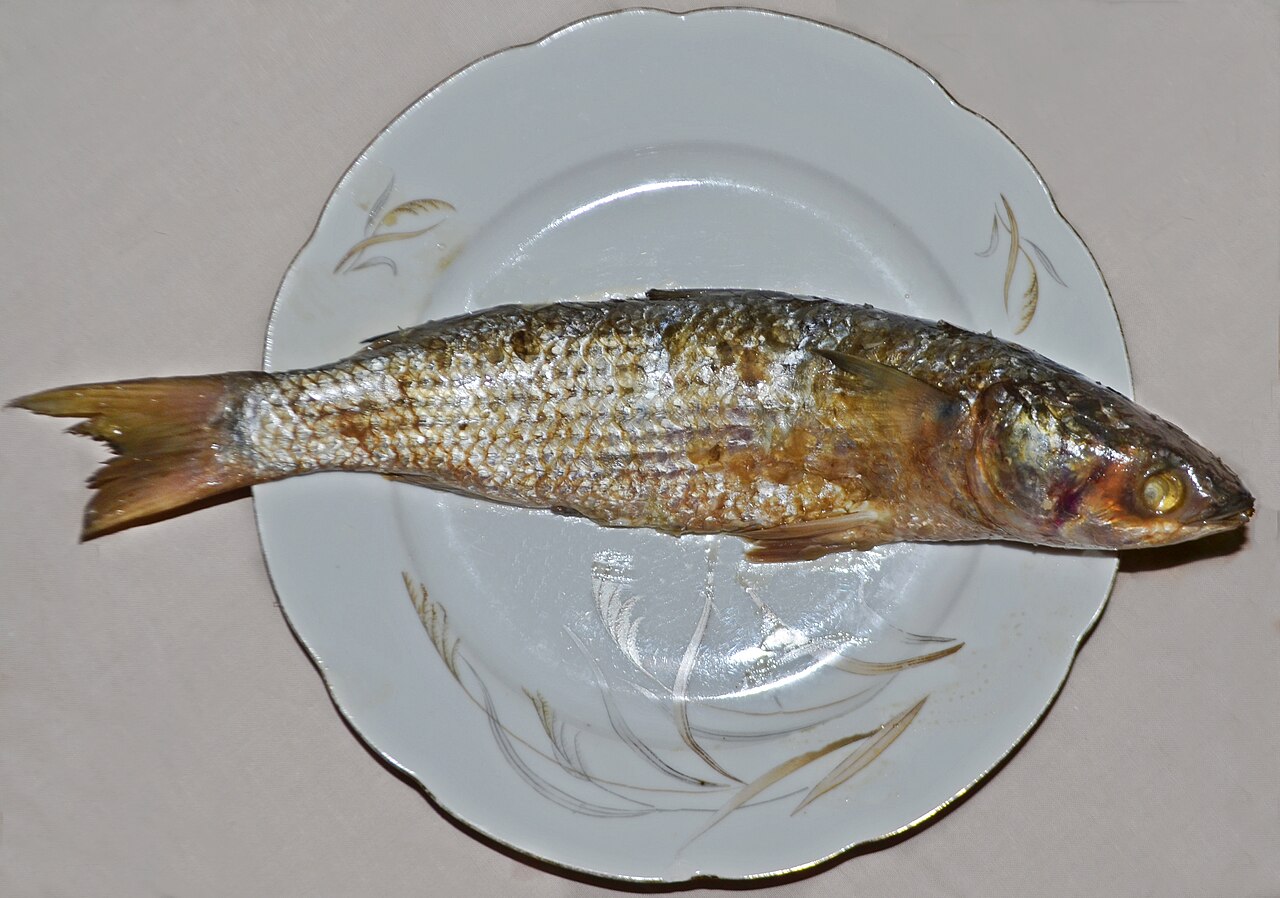
Grey mullet that has been salted, fermented and dried, with a very strong smell and taste. It is eaten above all at Sham Ennessim, the spring festival, with onions, lettuce and bread. Safety: badly prepared or old feseekh can cause botulism, a rare but very dangerous food poisoning. Never make it at home; buy only from trusted shops, check the date, and avoid it if you are pregnant or have a weak immune system.
Every spring Egypt's Ministry of Health reminds people to buy feseekh only from known, trusted sellers.
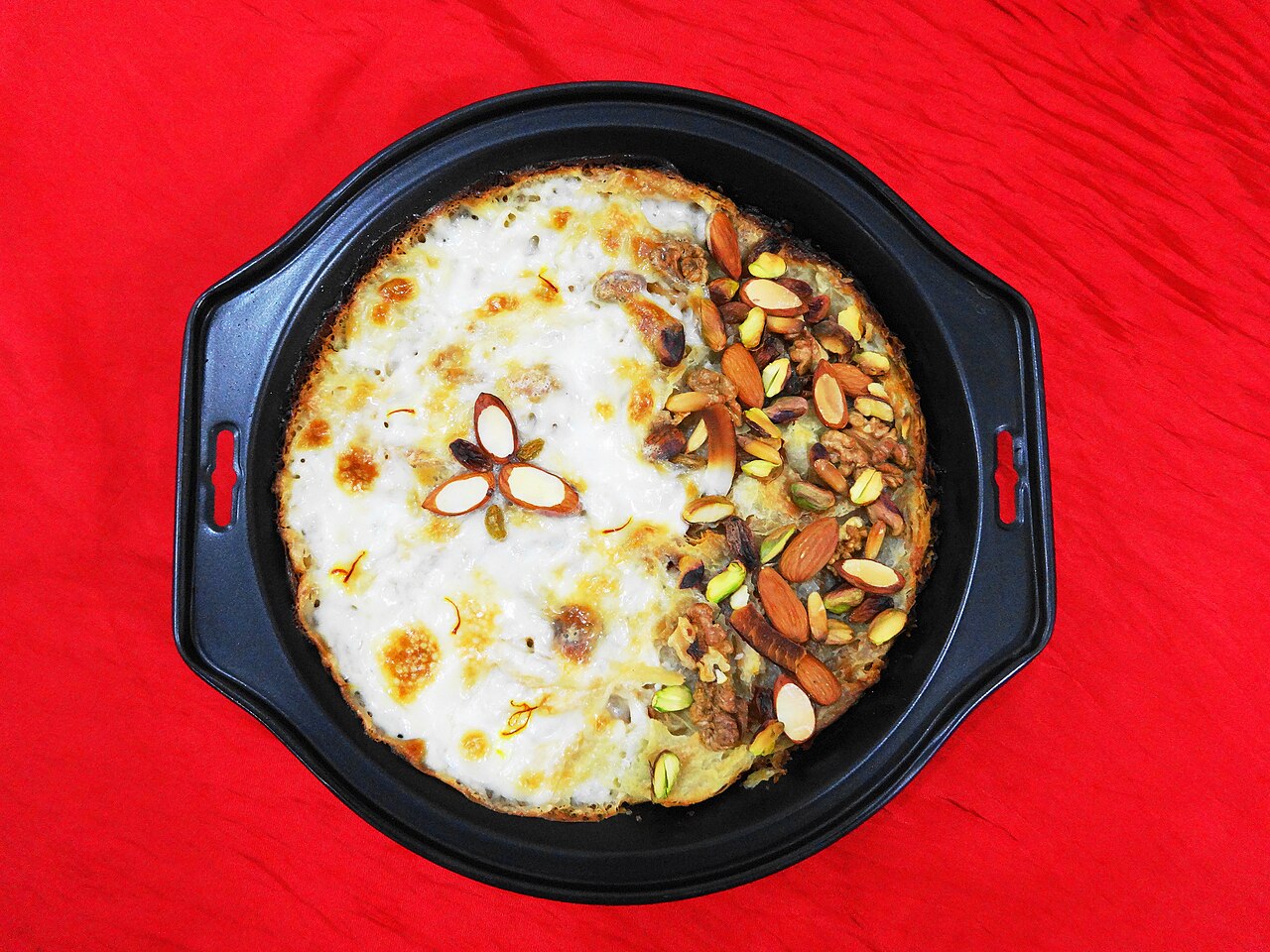
A national dessert of Egypt: pieces of pastry or bread baked in sweet hot milk with nuts, raisins and coconut until the top is golden. It is often compared to bread and butter pudding, but it is made without eggs.
Its name means 'Ali's mother'. A popular legend links it to a sultan's wife in the 1250s, but the first known written recipe dates only from the 1800s.
All of Egypt; similar cakes are found across the Middle East and the Balkans
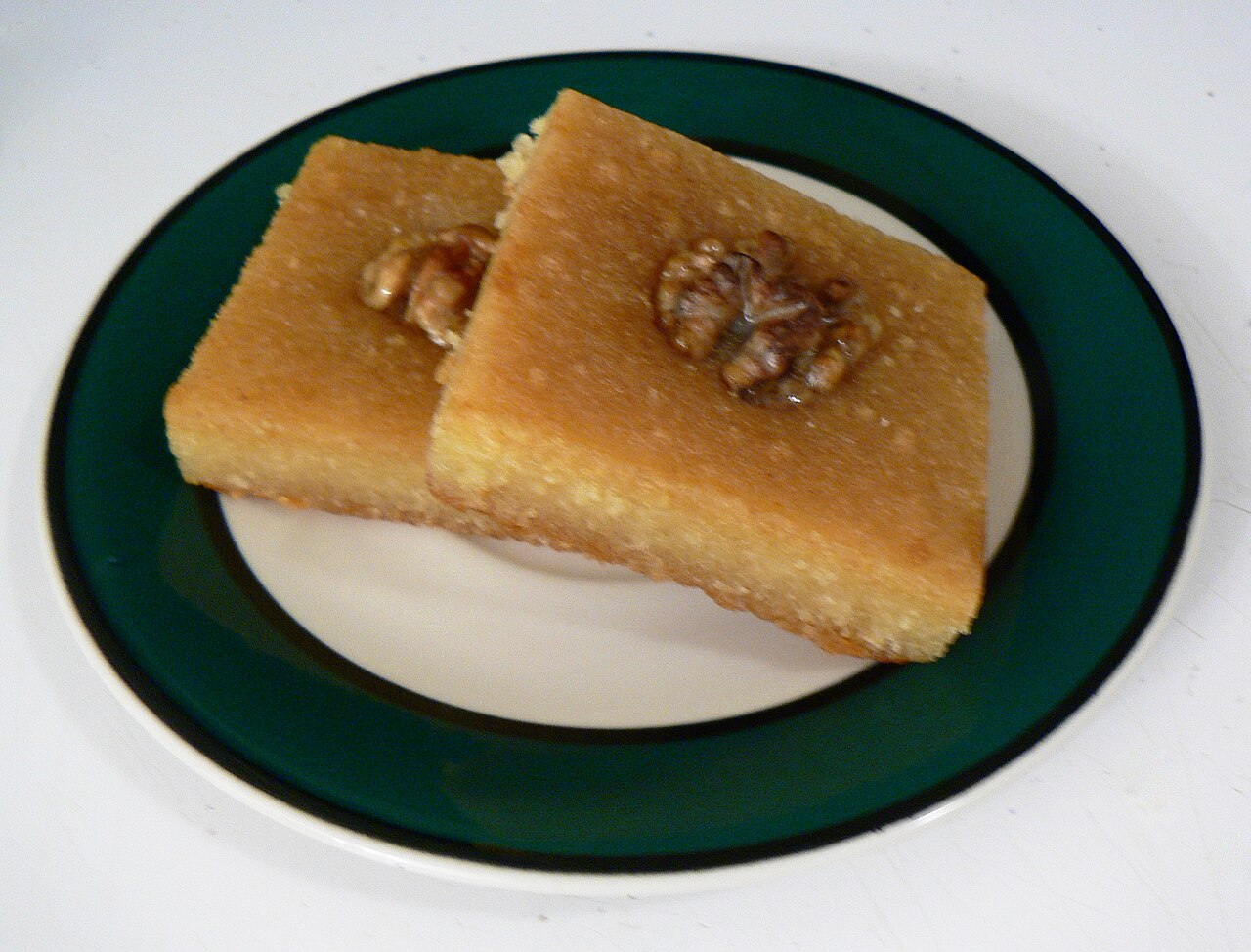
A golden semolina cake baked in a tray, soaked in sugar syrup and cut into diamonds, often with an almond on each piece. It is a favourite in Egyptian sweet shops and at home.
One popular explanation of the name is an Arabic saying meaning 'just a kiss'.
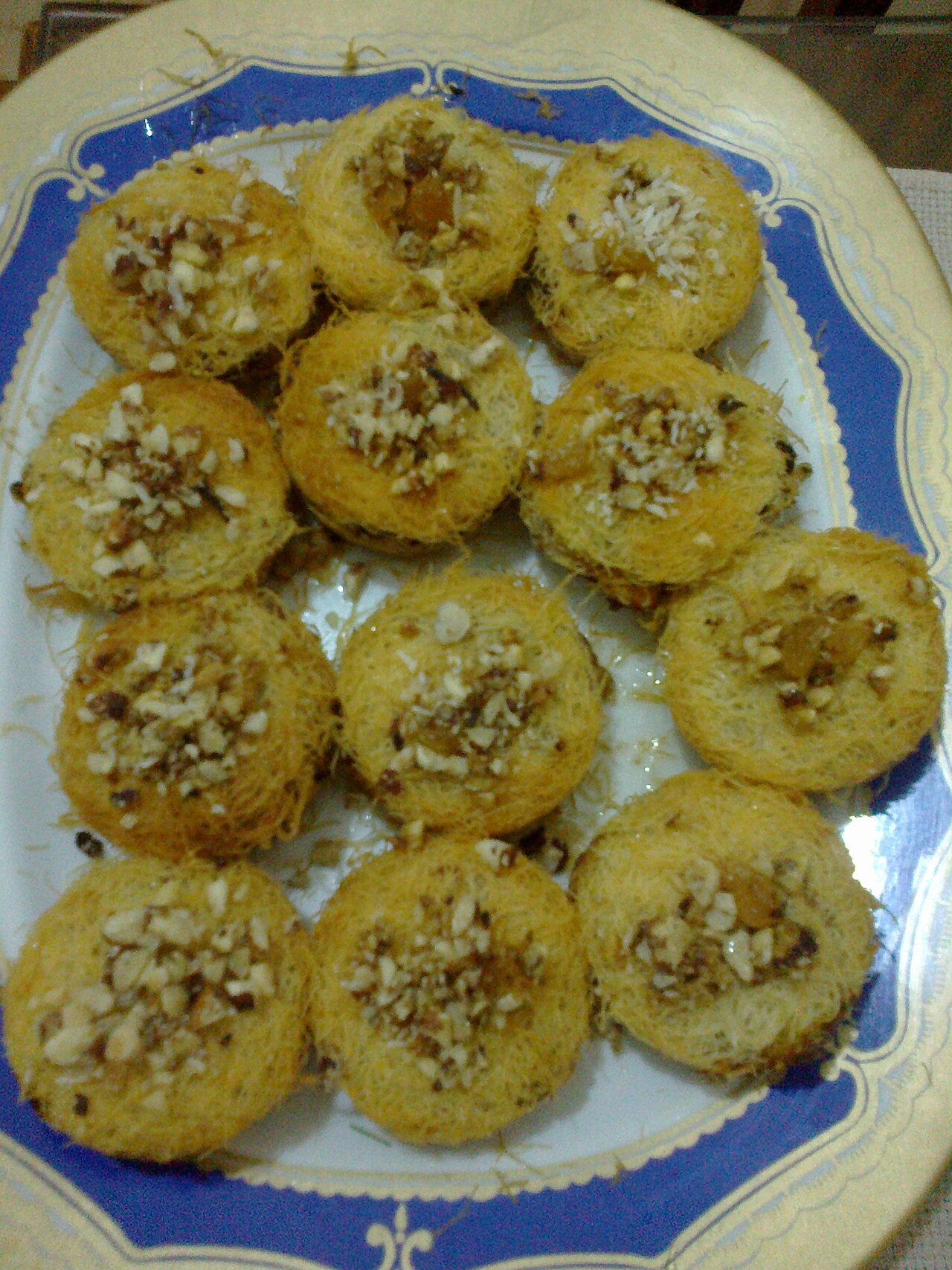
Fine strands of pastry baked with butter until crisp and golden, filled with cream, nuts or cheese and soaked in syrup. In Egypt it is one of the sweets most closely linked with Ramadan evenings, together with qatayef, small stuffed pancakes.
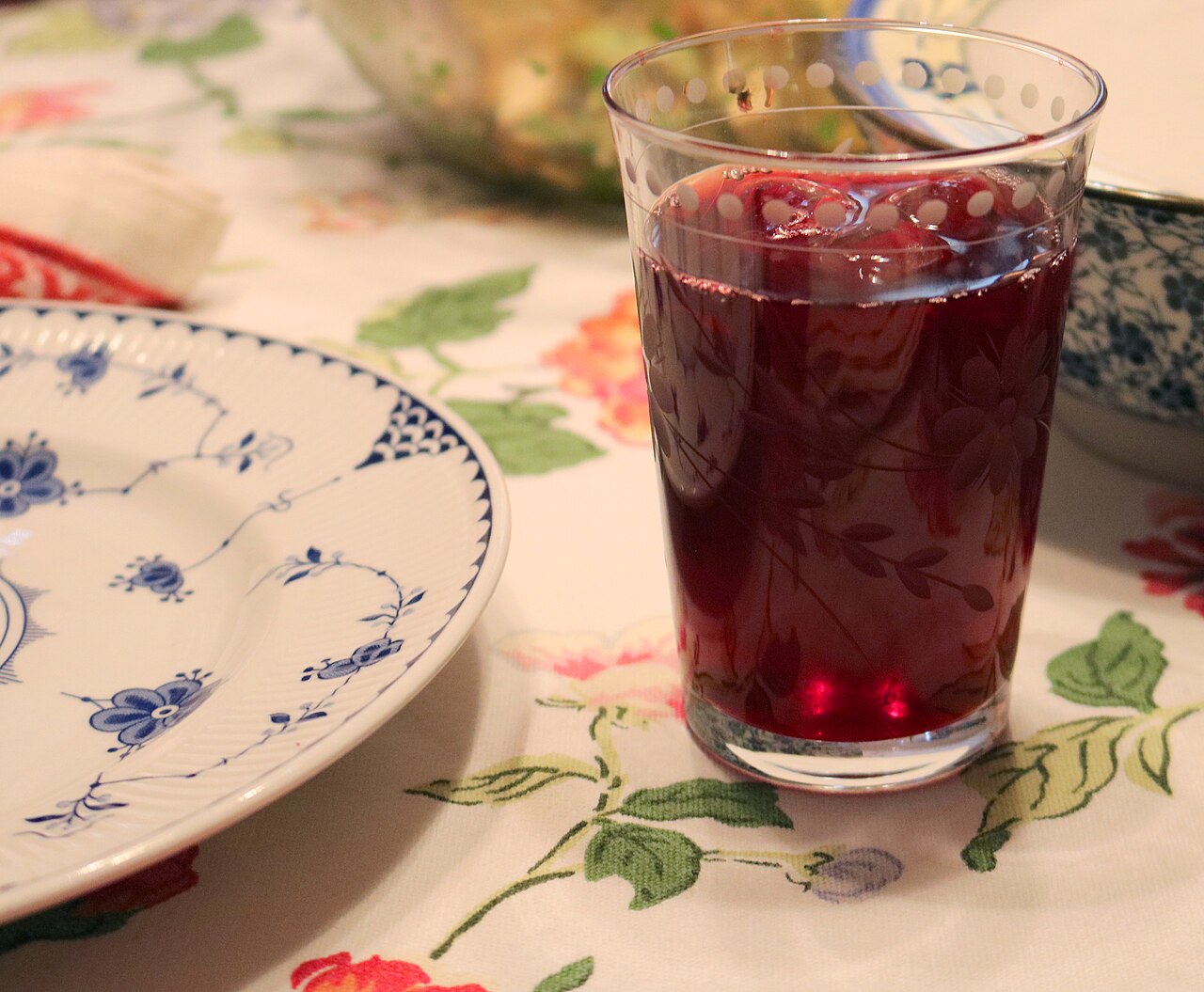
A deep red drink made from dried hibiscus flowers, served very sweet, usually ice cold in summer and hot in winter. Street sellers and cafés in Cairo sell it everywhere.
In Egypt and Sudan, weddings are traditionally toasted with a glass of karkadeh.
At the table in Egypt
Bread is used as a spoon: tear off a piece of eish baladi to scoop up beans, dips and stews from shared dishes.
Tea is offered to every visitor, at home or even in an office. Egyptians sometimes call it 'wageb', the duty, and it is polite to accept.
Lunch is the main meal, often eaten in the afternoon, and dinner is usually late and lighter. In summer, restaurants fill up after 10 pm.
Portions are generous and your host will keep offering more. Leaving a lot of food is frowned upon, so take small helpings to start.
During Ramadan, families break the fast together at sunset, and many people set up tables in the street to feed the poor and passers-by.