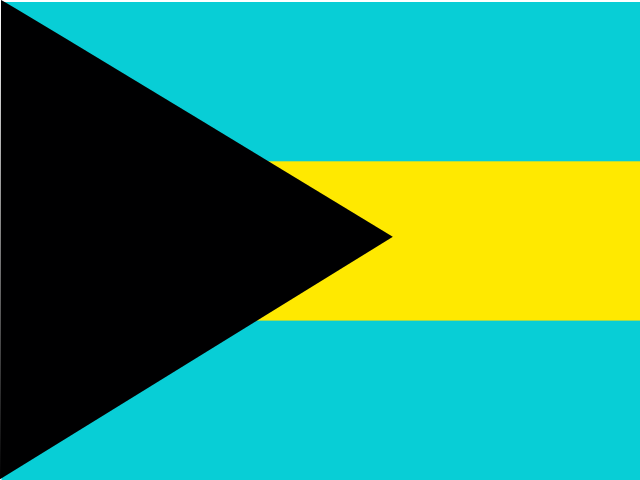
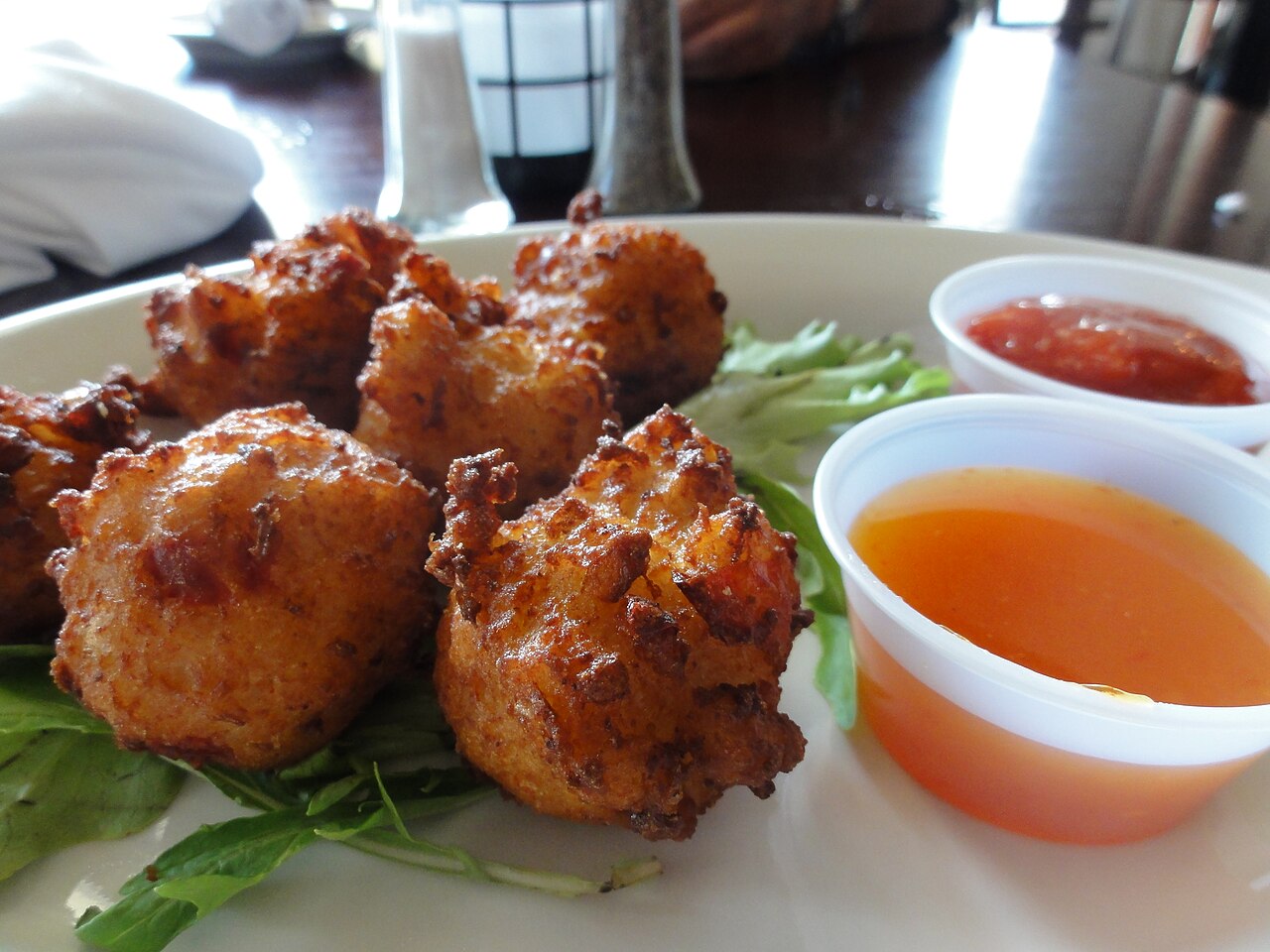
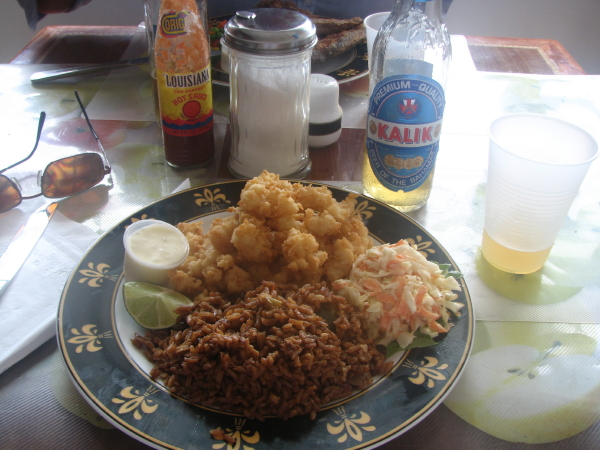
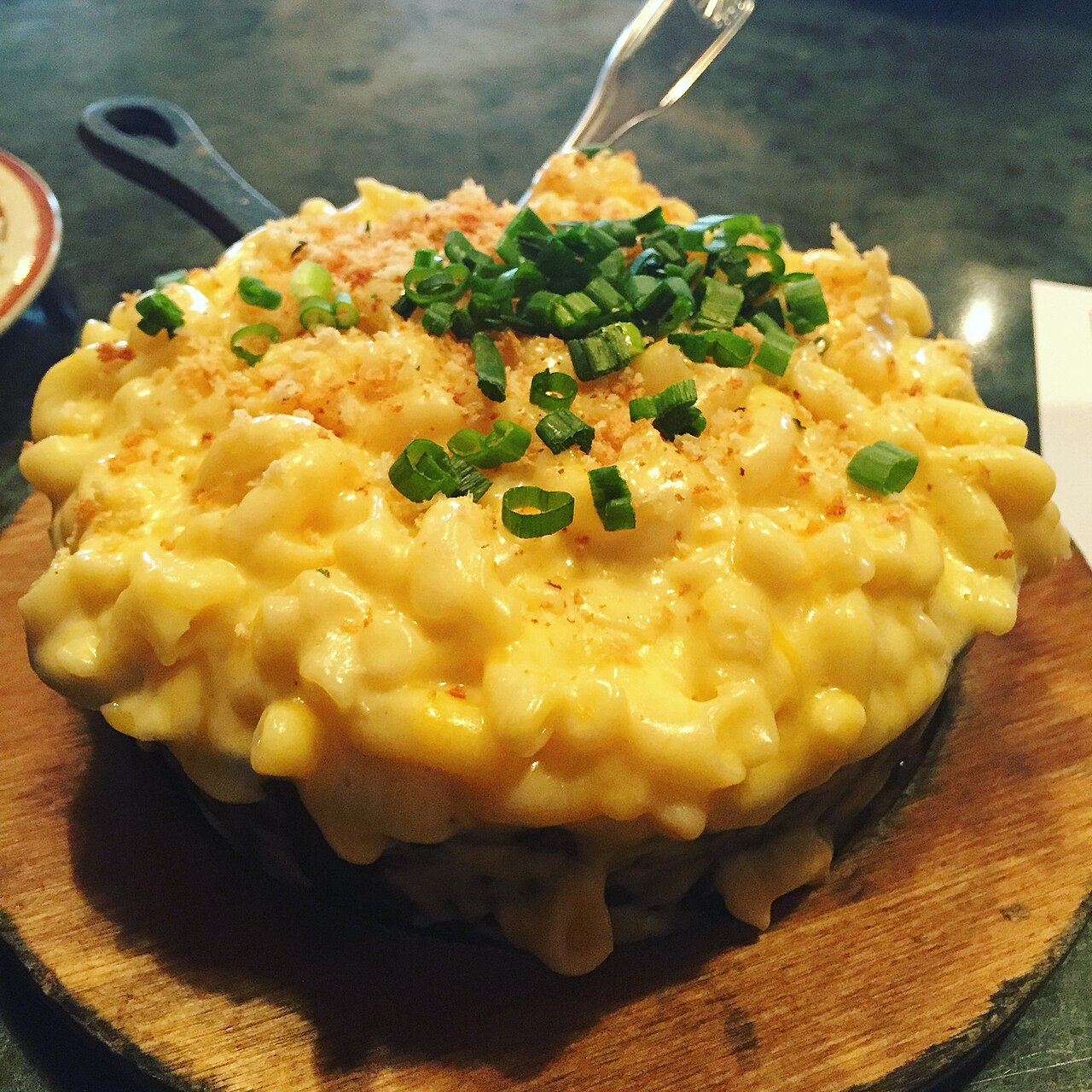
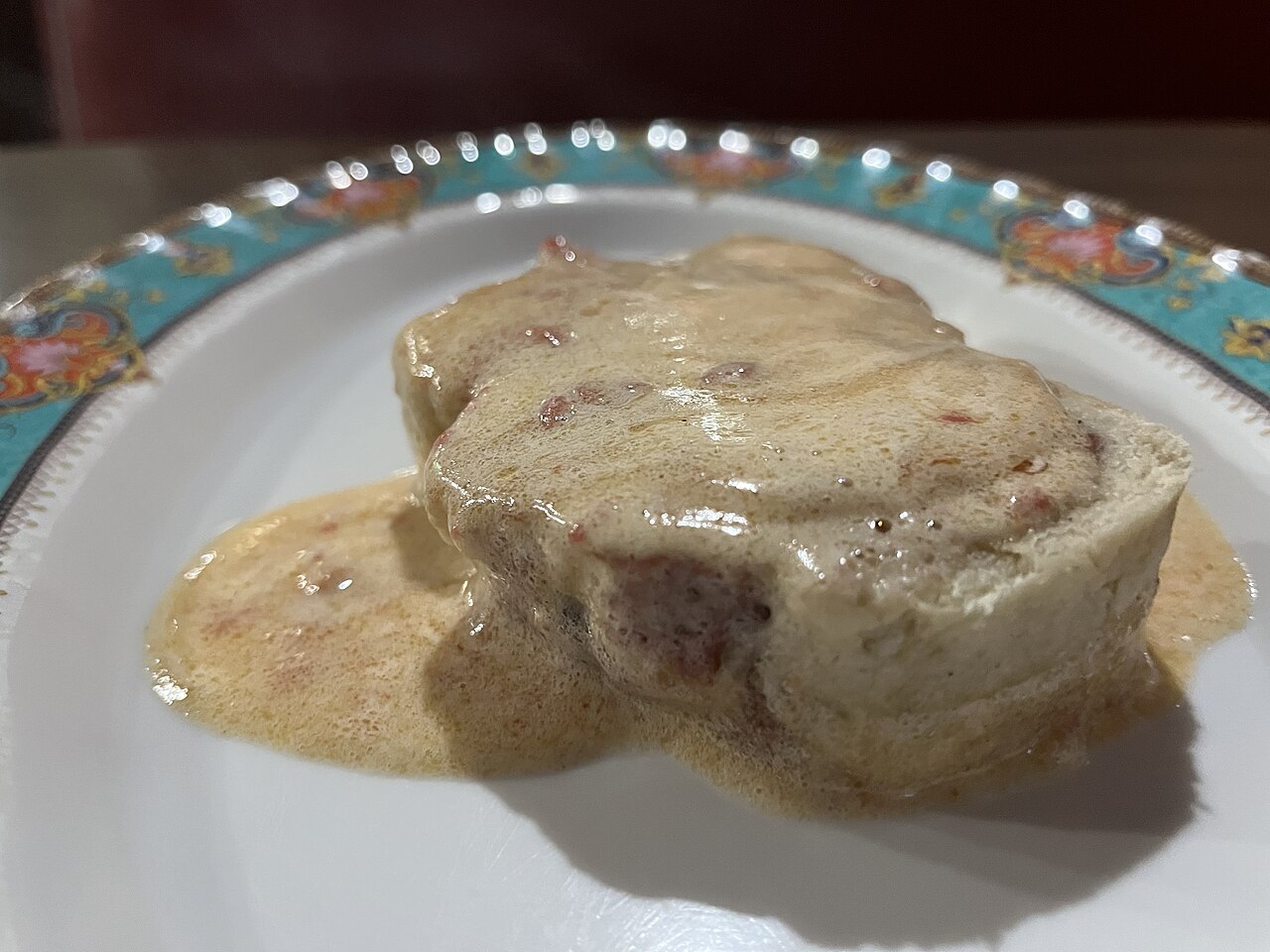
Seven hundred low islands scattered across a turquoise sea, with pink sand, flamingos, pirate forts and a plate of cracked conch.
The Bahamas is a chain of about 700 islands and some 2,400 cays (small islands) in the Atlantic Ocean, stretching for about 800 km southeast of Florida and north of Cuba. Only 30 to 40 of them are inhabited. The islands sit on shallow limestone banks, which is why the sea around them glows in every shade of turquoise. They are low and flat: the highest point, Mount Alvernia on Cat Island, is only about 63 m high.
The Lucayans, a Taíno people, lived here for centuries before Christopher Columbus made his first landfall in the Americas in the Bahamas on 12 October 1492. Within a few decades the Spanish had carried almost all of them away into slavery. English settlers arrived from Bermuda in the 1640s, Nassau became a famous pirate base, and Britain made the islands a crown colony in 1718. After the American Revolution, Loyalists came with the people they enslaved, and most Bahamians today descend from Africans.
Questions to ask the older generation
Memories fade faster than photos. Ask these over a meal or a phone call, and write the answers down.
Which town or region of the Bahamas did our family come from? Was it near Freeport, Marsh Harbour, Hope Town?
Who was the first in the family to leave the Bahamas, when, and why?
Which dishes from the Bahamas were cooked at home? Did anyone make Conch salad or Cracked conch?
Does anyone in the family still speak Bahamian dialect, or use a few words of it?
Were there songs, prayers, games or holidays from the Bahamas that the family kept?
Are there old photos, letters or documents from the Bahamas? Who has them?
If you could visit the Bahamas together, where would you go first?
A short history of the Bahamas
The story of the Bahamas runs from Lucayan villages and Columbus's first landfall, through pirates, Loyalist plantations and the end of slavery, to majority rule and independence in 1973. Because the islands lie beside the busy sea lanes between the Caribbean, Europe and North America, wars, wrecks and smuggling shaped them again and again, and so did the hurricanes that sweep across them.
AD 800
The Lucayans settle the islands
Between about 500 and 800 CE, people paddled dugout canoes from Hispaniola and Cuba to the southern islands. They became the Lucayans, a branch of the Taíno, who fished and farmed and spread north through the chain. Around 30,000 to 40,000 Lucayans lived here when the Europeans arrived.
1520
The last Lucayans are taken away
The Spanish found no gold, so they carried the Lucayans off to work as slaves on Hispaniola and other islands, where most died of disease and hard labour. When the Spanish came to remove the last of them in 1520, they found only eleven. The islands then stayed almost empty for about 130 years.
1670
Charles Town is founded
Settlers from Bermuda moved to New Providence, which soon became the centre of the colony. In 1670 they founded a town named Charles Town after King Charles II, and the same year the king granted the islands to the Lords Proprietors of Carolina. Spanish raiders burned the town in 1684.
1718
Woodes Rogers expels the pirates
Britain made the Bahamas a crown colony and sent Woodes Rogers, a former privateer, as governor. He arrived in Nassau in July 1718 with warships and a royal pardon for pirates who surrendered. Hundreds accepted, those who refused were hunted down, and the colony's motto became 'Pirates expelled, commerce restored'.
1834
Slavery is abolished
Britain had ended the slave trade in 1807, and the Royal Navy settled thousands of Africans freed from slave ships in the Bahamas. On 1 August 1834 slavery itself was abolished across most of the British Empire. Many freed people chose to farm their own small plots of land.
1940
The Duke of Windsor becomes governor
In August 1940 the former King Edward VIII, now the Duke of Windsor, arrived with his wife Wallis to serve as governor, a post he held until 1945. During and after the war, a new airport and the closing of Cuba to American visitors in the early 1960s helped mass tourism grow quickly.
1967
Majority rule
In the election of 10 January 1967 the Progressive Liberal Party, led by Lynden Pindling, formed the first government led by the Black majority, with the help of two members outside the party. Two years earlier, on 'Black Tuesday' in 1965, Pindling had thrown the Speaker's mace out of a window of the House of Assembly in protest. He went on to lead the country to independence.
2019
Hurricane Dorian strikes
On 1 September 2019 Hurricane Dorian hit the Abaco Islands with winds of 295 km/h, then stalled over Grand Bahama for more than a day. It is the worst natural disaster in Bahamian history: 74 people died in the Bahamas, 282 were still listed as missing months later, and thousands of homes were destroyed. Abaco and Grand Bahama have been rebuilding since.
yinnaYIN-nahyou (when talking to more than one person), you all
beyBAYboy; also any person, or a call for attention, like 'man!'
pickneyPIK-neea small child
demDEMand the others (after a name): 'Johnny dem' means Johnny and his group
broughtupcyBRAWT-up-seethe way someone was raised, their manners
Everyday life
jitneyJIT-neea city bus
jam upJAM upcrowded, full
mash upMASH upto break or wreck something
sip sipSIP sipgossip
asueAH-sooa savings club where members pay in regularly and take turns collecting the pot
tennisTEN-nissneakers, trainers
tingumTING-uma word for a thing or person whose name you can't remember, a thingamajig
Towns and regions
Nassau, New Providence: Bay Street, the Straw Market and Woodes Rogers Walk, The Queen's Staircase, Fort Fincastle and Fort Charlotte.
Freeport, Grand Bahama: Port Lucaya Marketplace and its marina, Lucayan National Park and its underwater caves.
Marsh Harbour, Abaco: Boating, swimming and snorkelling around the Abaco cays, The Marls, wide mangrove flats explored by kayak.
Hope Town, Abaco (Elbow Cay): The hand-wound Elbow Reef Lighthouse, Narrow lanes closed to cars.
New Plymouth, Abaco (Green Turtle Cay): The Loyalist Memorial Sculpture Garden, a national monument, Miss Emily's Blue Bee Bar, home of the Goombay Smash.
Dunmore Town, Harbour Island (Eleuthera): The pink sand beaches on the island's east side, One of the oldest settlements in the country.
George Town, Exuma: The National Family Island Regatta every April, Sailing, diving and fishing in the Exumas.
Clarence Town, Long Island: Dean's Blue Hole nearby, The two churches built by Father Jerome (John Hawes).
Cockburn Town, San Salvador: San Salvador's link with Columbus's 1492 landing, The reefs that ring the island.
Matthew Town, Inagua: The salt ponds and salt works, The 1870 Great Inagua Lighthouse.
Our sister site Daily Ancestor helps you read the real documents: ship passenger lists, Ellis Island arrivals, naturalization papers and census pages, with a free plan of which records exist for each ancestor.