Bahamian food comes from the sea: conch, grouper, snapper, crab and spiny lobster, which locals sometimes call crayfish, cooked with lime, onion, tomato, thyme and hot pepper. African, British and American Southern cooking all left their mark, and about 80 per cent of the food is imported. A traditional breakfast is grits with boiled fish, stewed fish or souse, a lime and pepper soup usually made with chicken, with johnny cake, a simple bread. A typical plate of fish or chicken comes with peas n' rice, baked macaroni and cheese, coleslaw or fried plantain. Conch, the national dish, appears in salads, fritters, chowder and fried 'cracked' pieces. Desserts are sweet and fruity: guava duff, coconut tarts and rum cake. In Nassau, locals gather at the Fish Fry at Arawak Cay, a row of small open-air restaurants.
The whole country; sold at seaside stands, such as those at Arawak Cay in Nassau
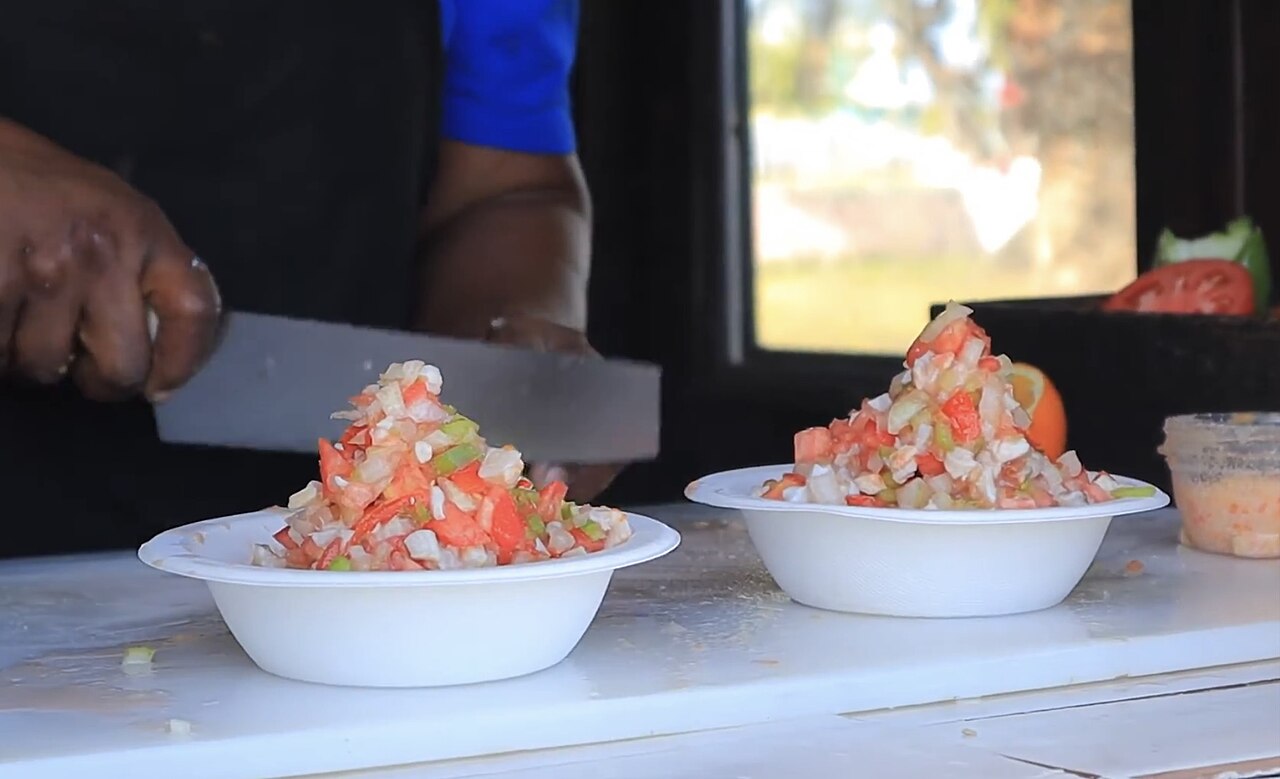
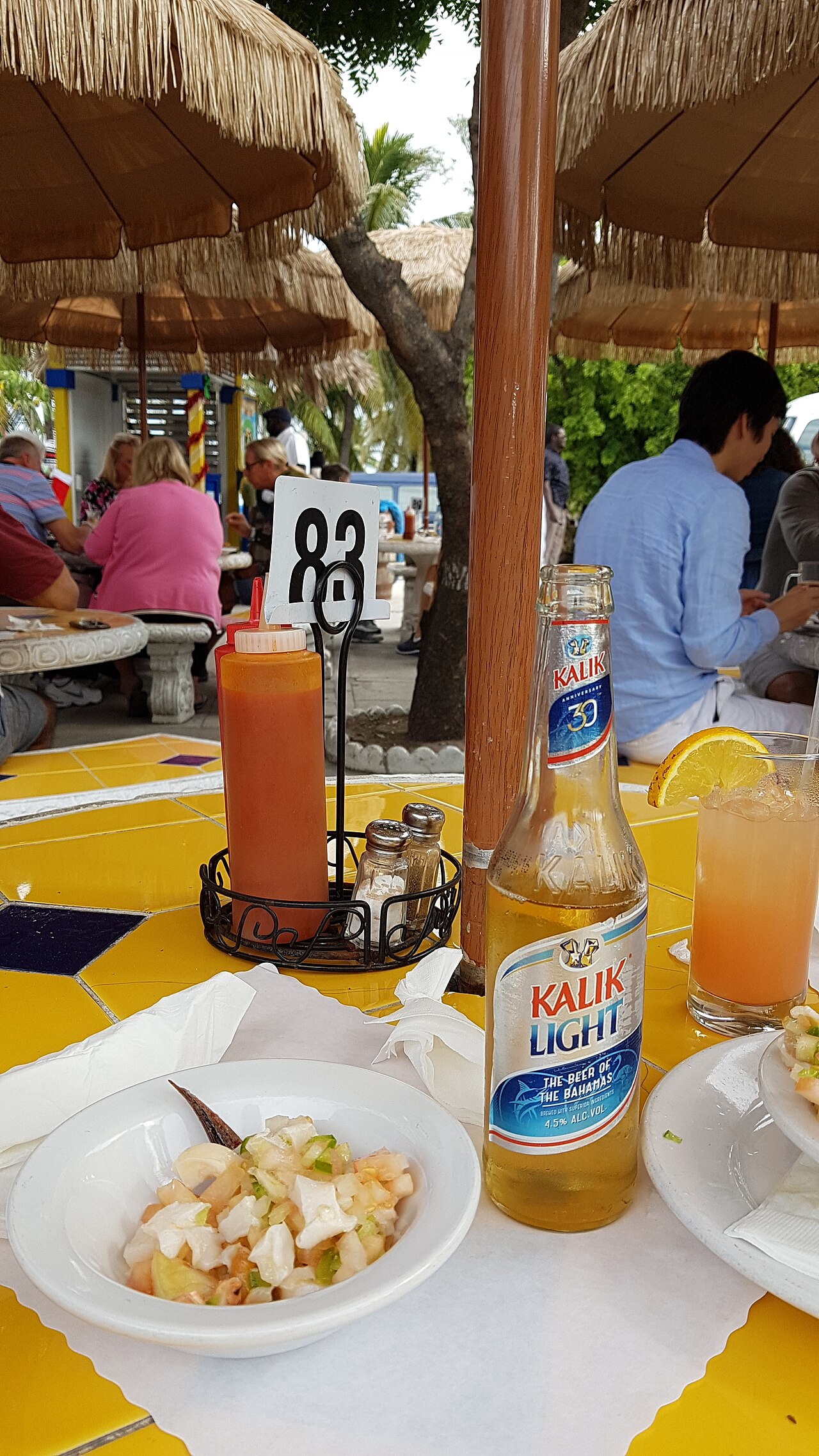
Raw conch, a large sea snail, chopped into small pieces and mixed with onion, tomato, sweet pepper and hot pepper, then dressed with plenty of fresh lime juice. It is eaten cold and crunchy, often bought from seaside stands. Because the conch is not cooked, people who are pregnant, elderly or have weak immunity should avoid it.
Conch is pronounced 'conk', with a hard K. A conch shell also sits at the top of the Bahamian coat of arms.
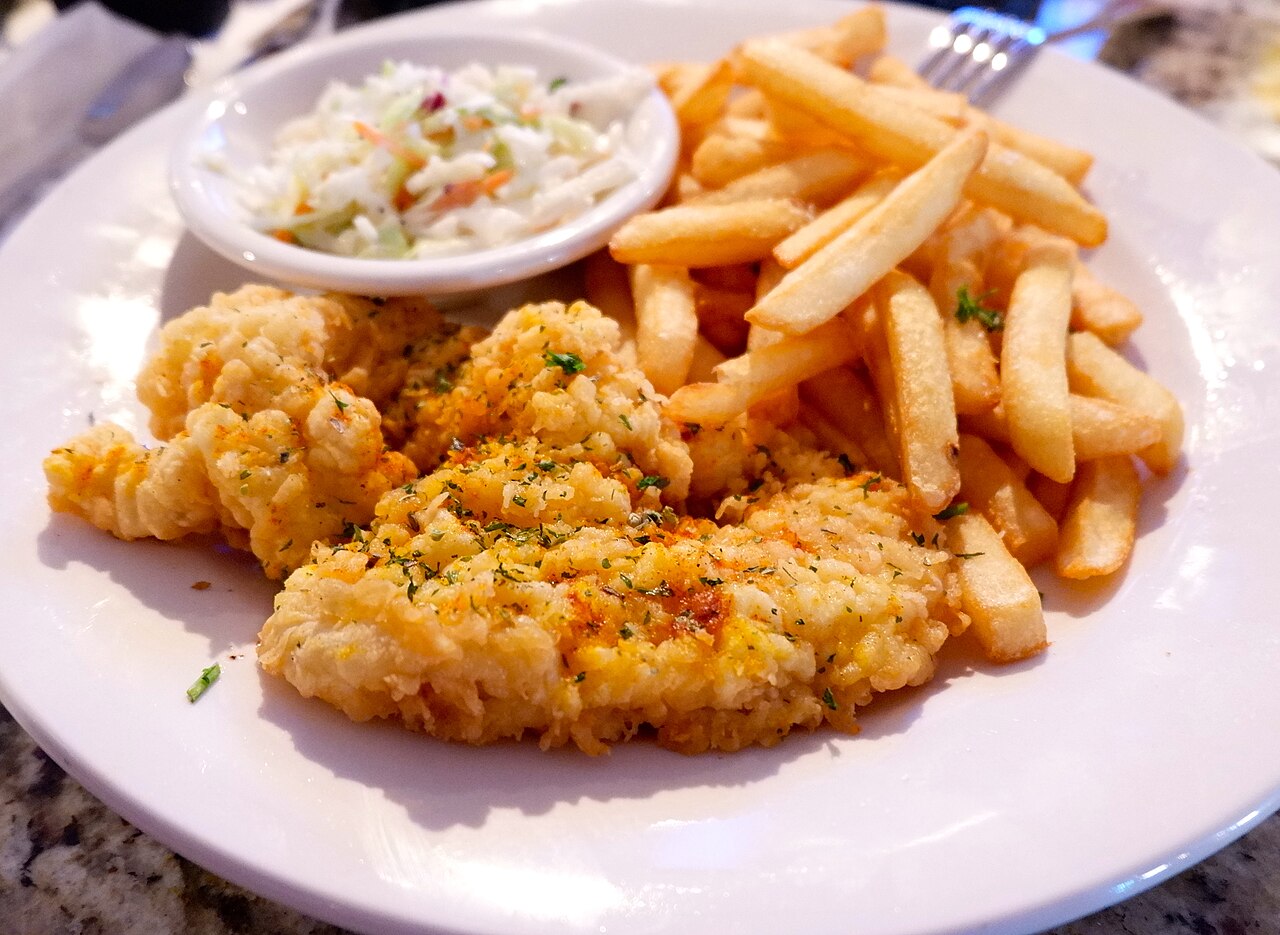
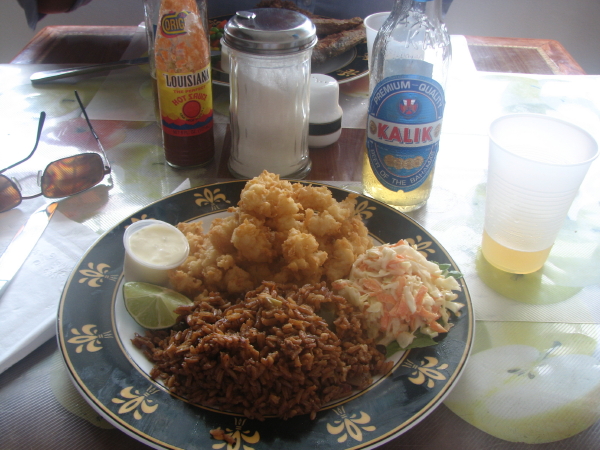
Conch meat coated in seasoned batter or crumbs and deep-fried until golden, then served with lime and hot sauce. The meat is usually pounded thin first to make it tender. A typical plate comes with peas n' rice and coleslaw.
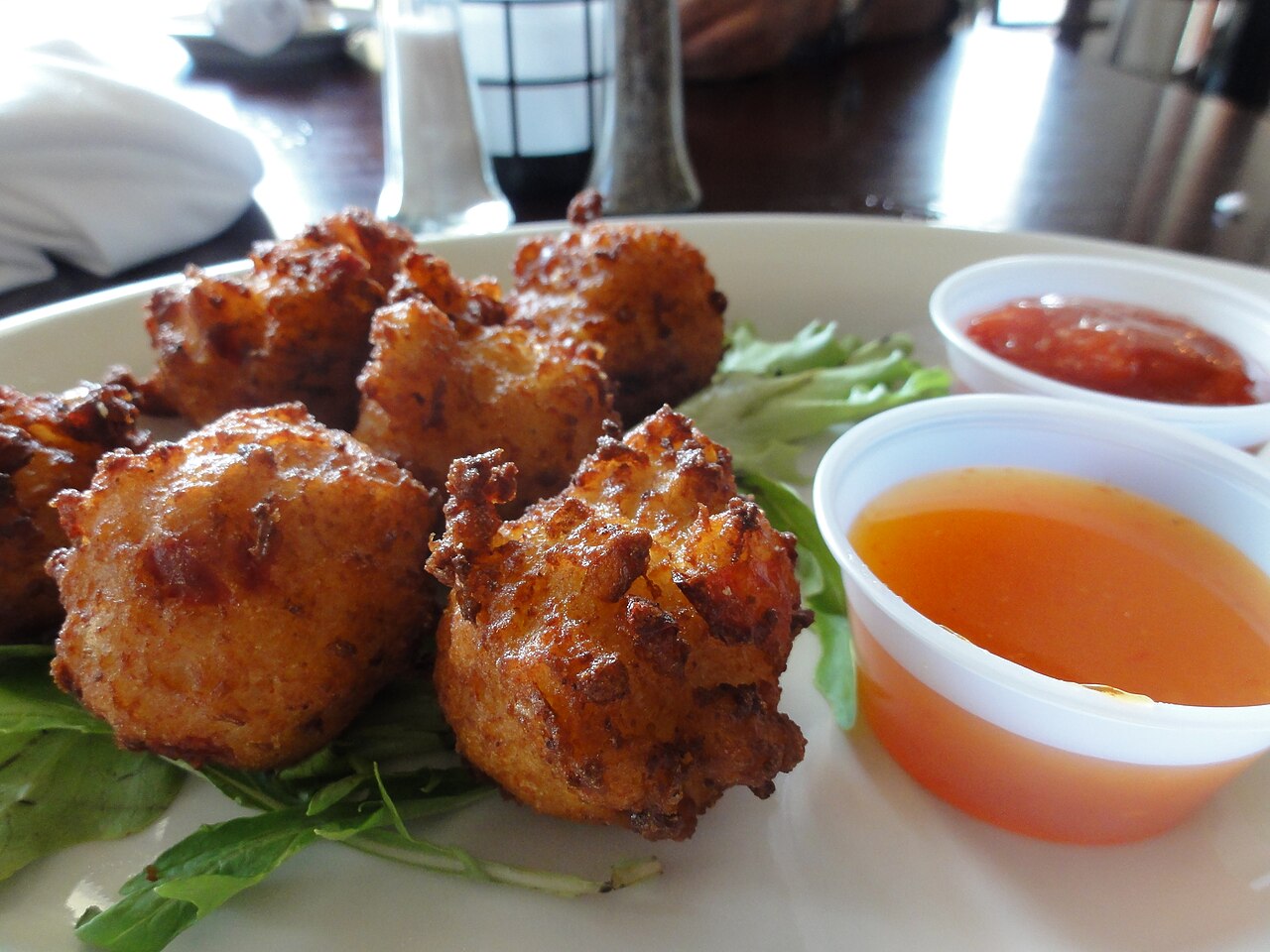
Small balls of batter full of chopped conch, onion, sweet pepper and celery, deep-fried until crisp outside and soft inside. They are a favourite snack at bars, fish fries and parties, dipped in a spicy sauce.
Rice cooked with pigeon peas, salt pork or bacon, onion, celery, sweet pepper, tomato paste and thyme, which give it a brown colour and a savoury, smoky taste. It is the classic partner of fried fish, cracked conch and chicken.
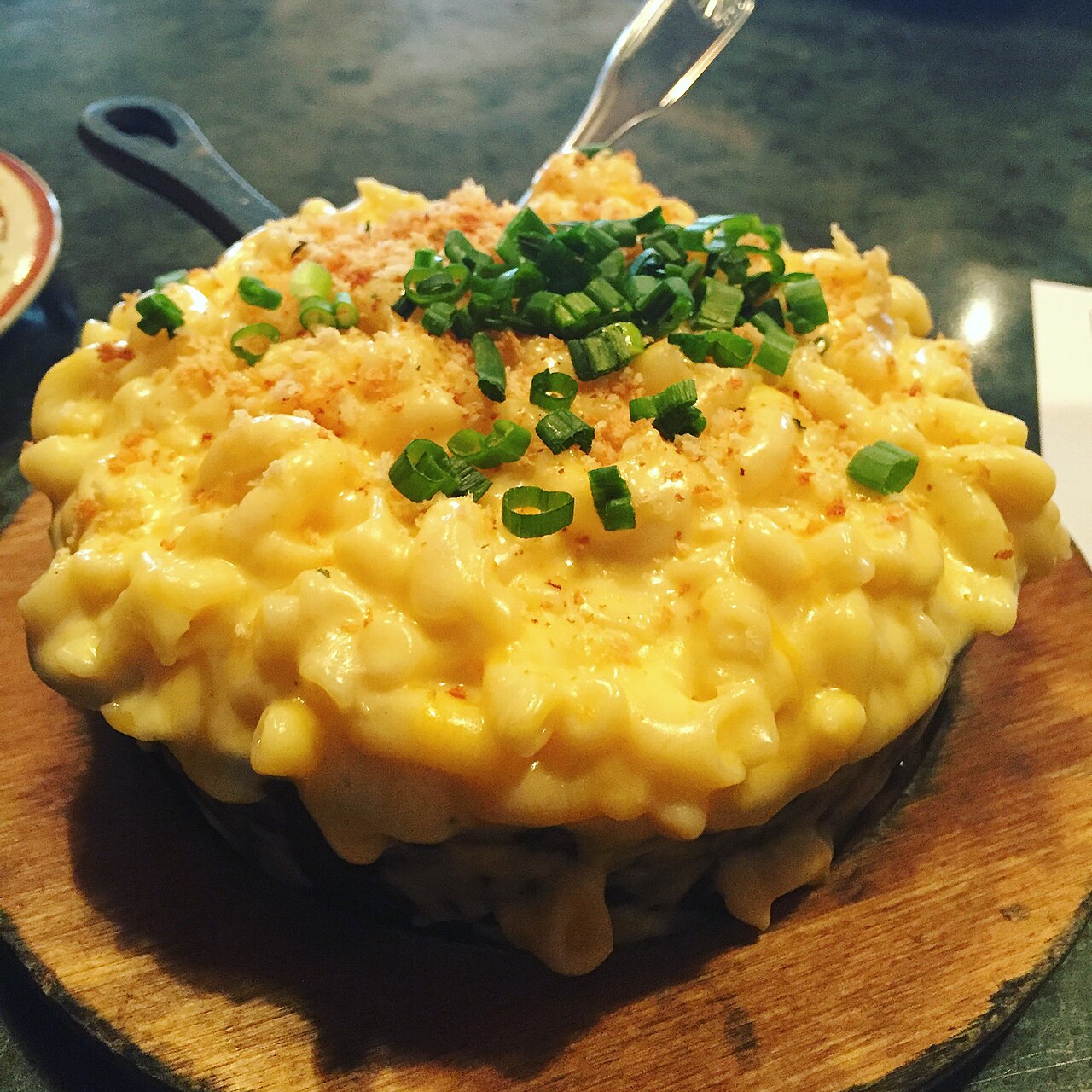
Macaroni baked with cheddar cheese, eggs and milk until it sets, a side dish shared with the American South. It sits next to peas n' rice, coleslaw and potato salad on many Bahamian plates.
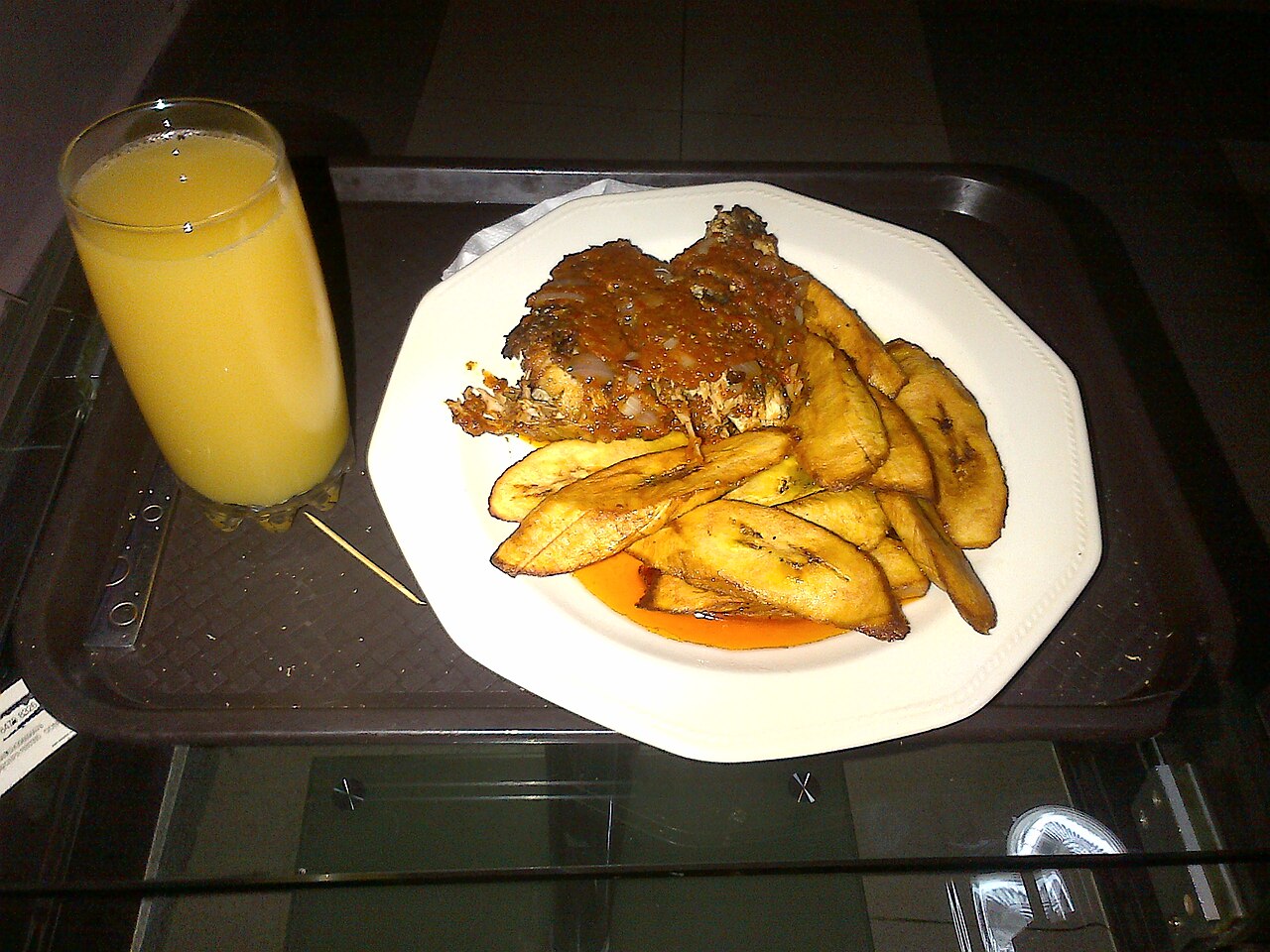
Slices of ripe plantain, a large cooking banana, fried until soft and caramelised at the edges. Their sweetness goes well with salty fried fish and spicy dishes, and they are one of the classic Caribbean sides on a Bahamian plate.
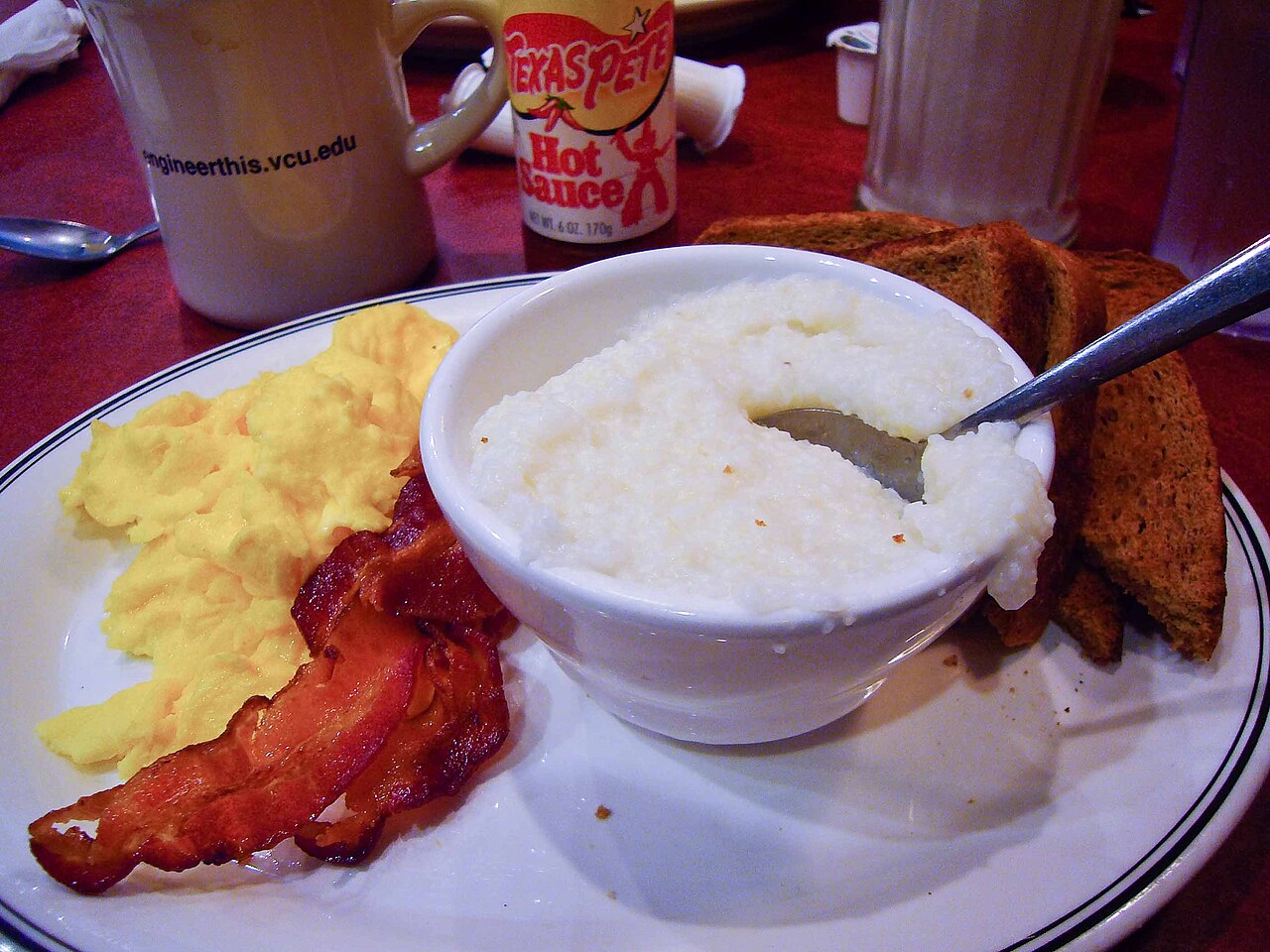
A soft porridge of coarsely ground corn, cooked with water and salt. In the Bahamas grits is the base of a traditional breakfast, served with boiled fish, stewed fish, souse, corned beef or tuna, and a piece of johnny cake.
Corned beef from a tin, steamed with onion and tomato and eaten with grits or rice, is a cheap favourite known as 'Fire Engine'.
The whole country; made especially for Independence Day and holidays
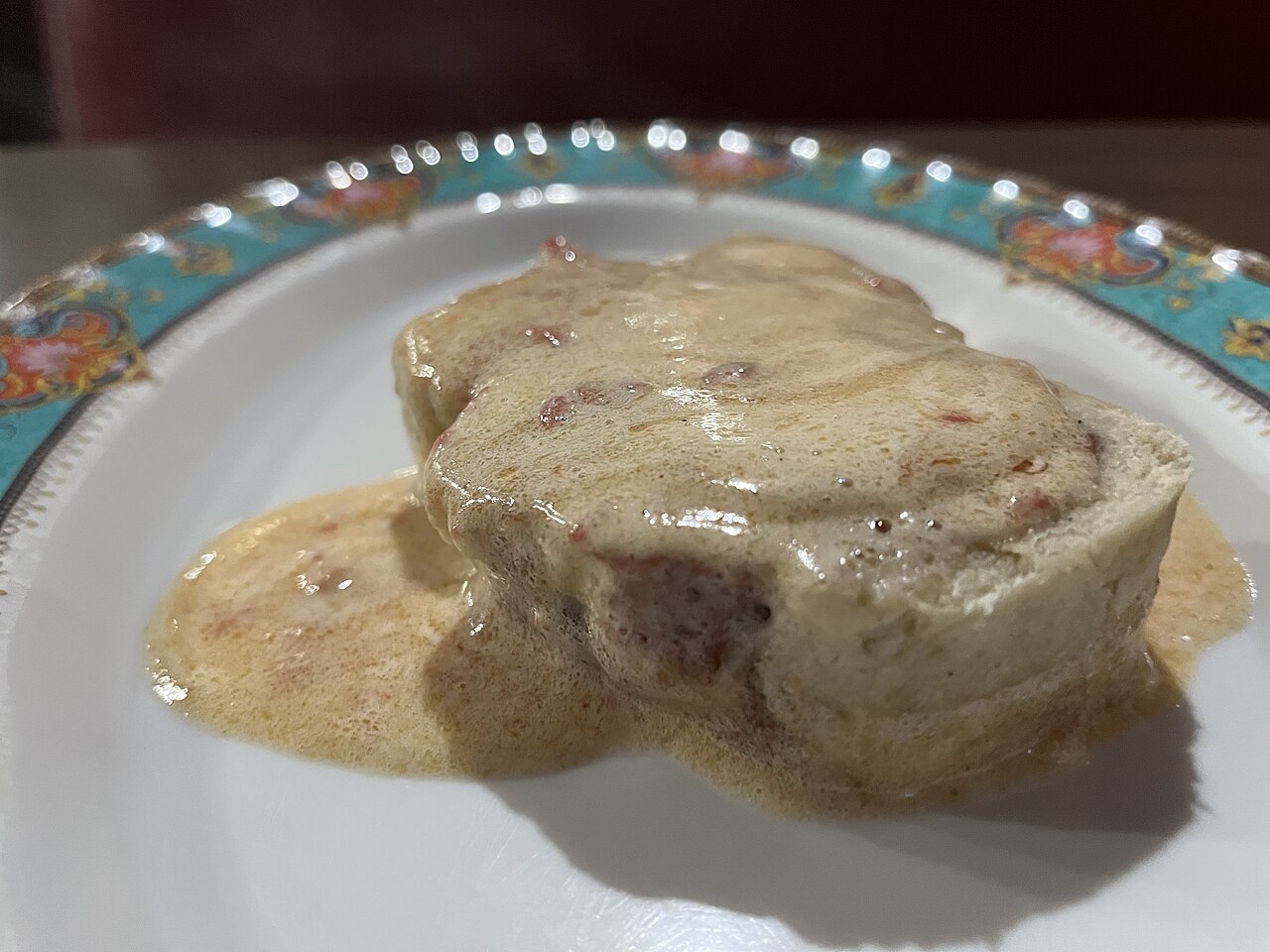
A favourite Bahamian dessert: a soft dough rolled around sweet guava, boiled or steamed, then sliced and served warm with a sweet sauce of butter, sugar and often rum. It is a cousin of the old British boiled puddings, made with a tropical fruit.
'Duff' is an old English word for a boiled pudding, as in plum duff.
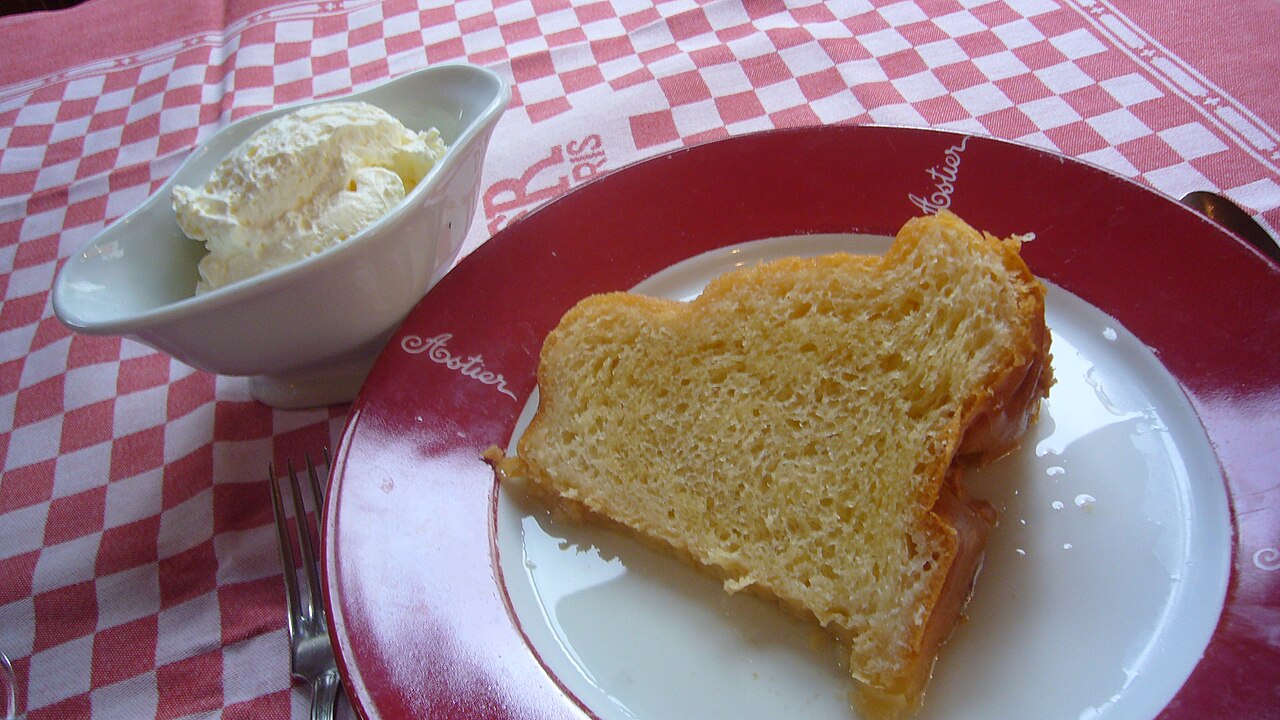
A rich cake made with rum, often soaked with a rum syrup after baking so that it stays moist. Rum cake, bread pudding and coconut and pineapple tarts are among the most popular Bahamian desserts, and fruit cake is eaten at Christmas.
Some rum cakes contain more than five per cent alcohol, so they are not a dessert for children or for drivers.
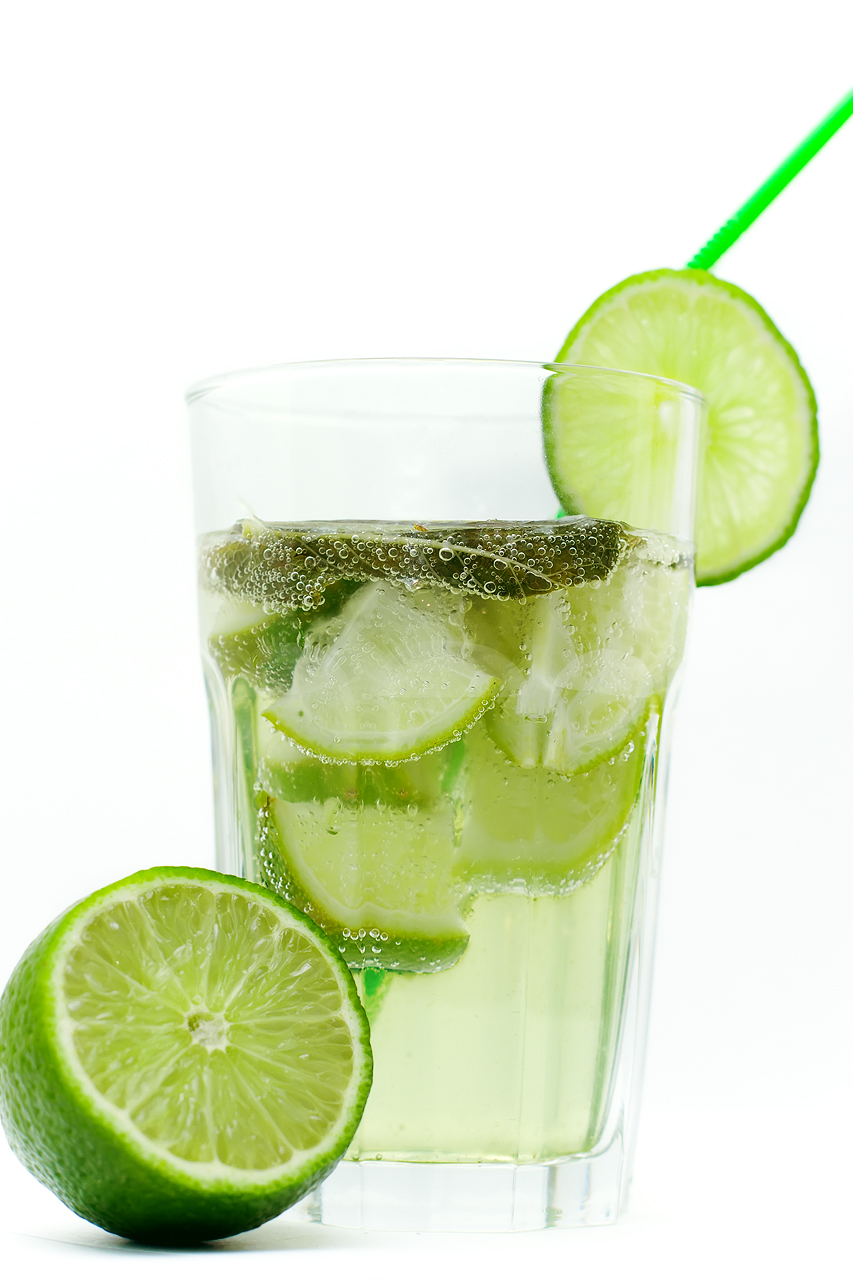
The Bahamian word for lemonade, usually made with fresh local limes, sugar and water and served over plenty of ice. It is the classic cold drink on a hot day, at home and at roadside stands.
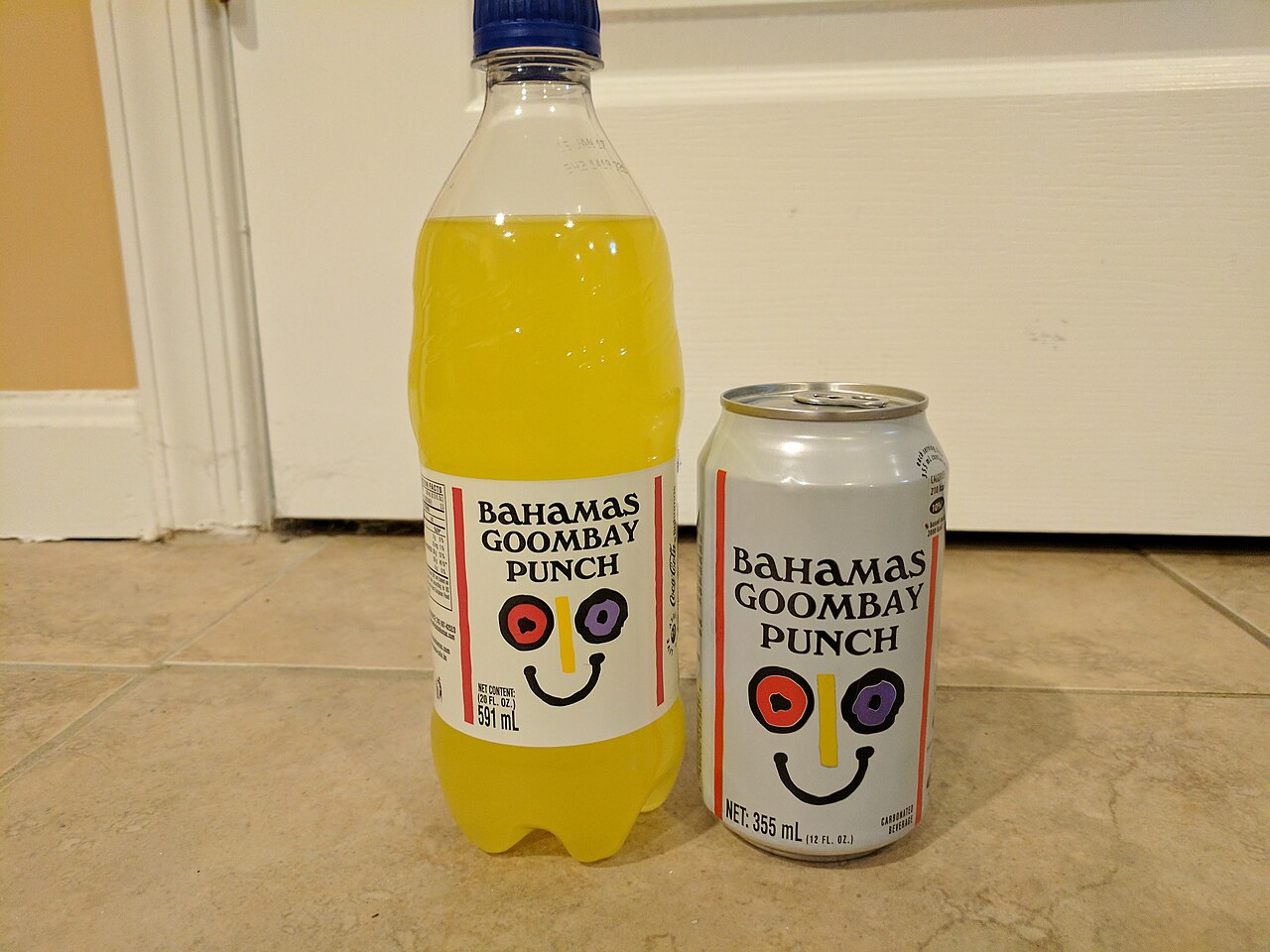
A very sweet, bright yellow fizzy soft drink with a pineapple flavour, made in the Bahamas and sold in cans and bottles in almost every shop and eatery. Locals call this kind of soft drink a 'sweet soda', as opposed to a cola.
The Blue Bee Bar in New Plymouth, Green Turtle Cay, Abaco
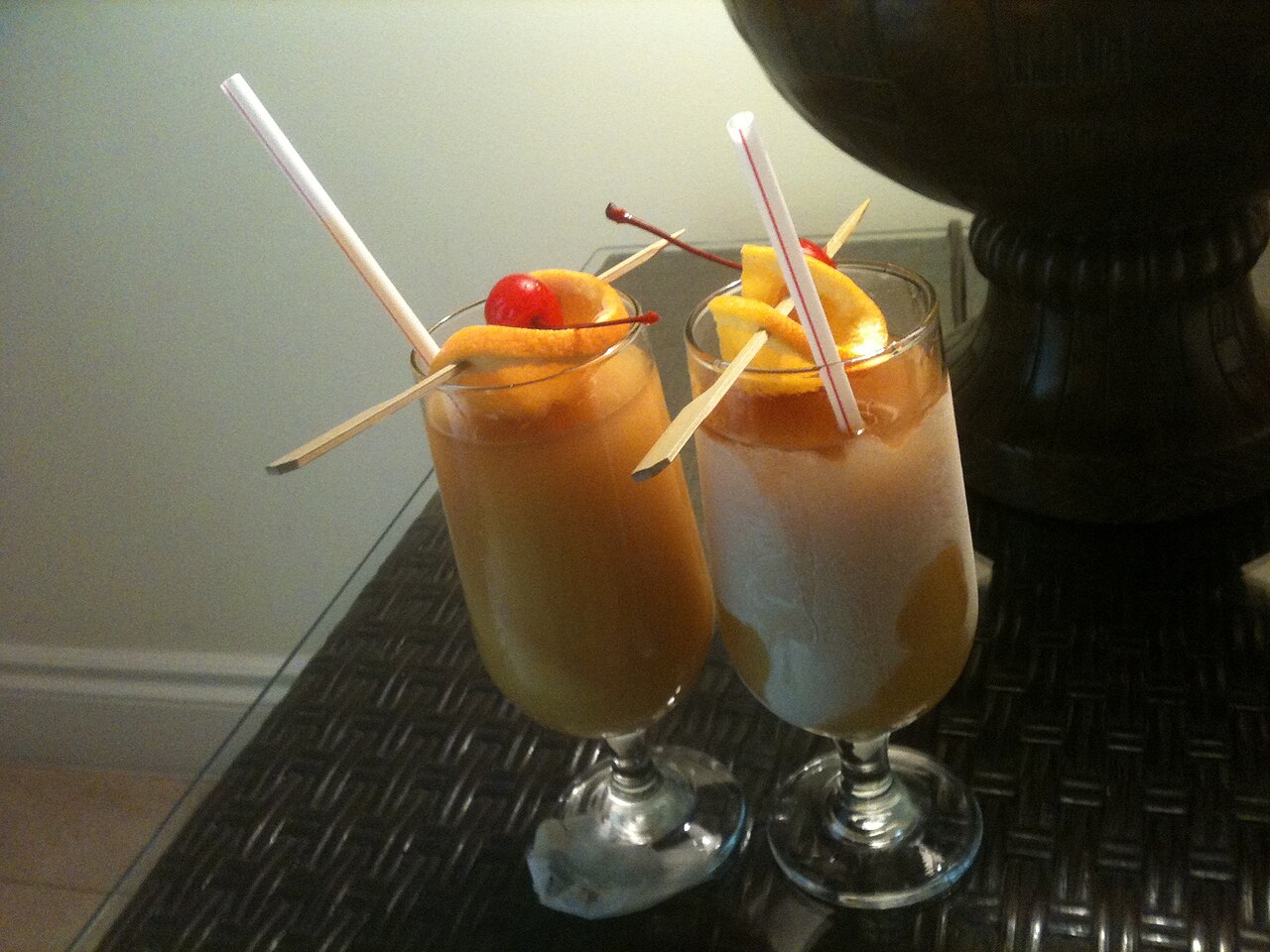
A rum cocktail, usually made with coconut rum, dark rum, apricot brandy and pineapple juice, served over ice in a tall glass. It is one of the best-known Bahamian cocktails, along with the Bahama Mama. Alcoholic drinks are for adults only.
It was created by Emily Cooper, known as Miss Emily, at her Blue Bee Bar on Green Turtle Cay. Her exact recipe was kept secret.
The national beer, a pale lager brewed by the Commonwealth Brewery in Nassau since 1988 and served everywhere from fish fries to resorts. Kalik Gold is a stronger version, and Kalik Light a lighter one. The legal drinking age in the Bahamas is 18.
According to its label, the name Kalik imitates the 'ka-lik ka-lik' sound of the cowbells rung during the Junkanoo parades.
At the table in the Bahamas
Say 'conk', not 'konch'. Conch is pronounced with a hard K, and locals will notice if you get it right.
Many restaurants automatically add a gratuity, often 15 per cent, to the bill. Check the bill before tipping; anything extra is optional.
Service runs at a relaxed island pace. Wait patiently for your turn, even at fast-food counters, and enjoy a leisurely meal.
Fish dishes are often seasoned with Old Sour, a traditional Bahamian sauce. Taste a little before adding more.
For local food among locals, go to the Fish Fry at Arawak Cay in Nassau, which is especially lively on Sunday nights.
Fried conch, fish and fritters are often eaten with your fingers at stands and bars, with lime and hot sauce on the side.