World Stroll
Bahamas
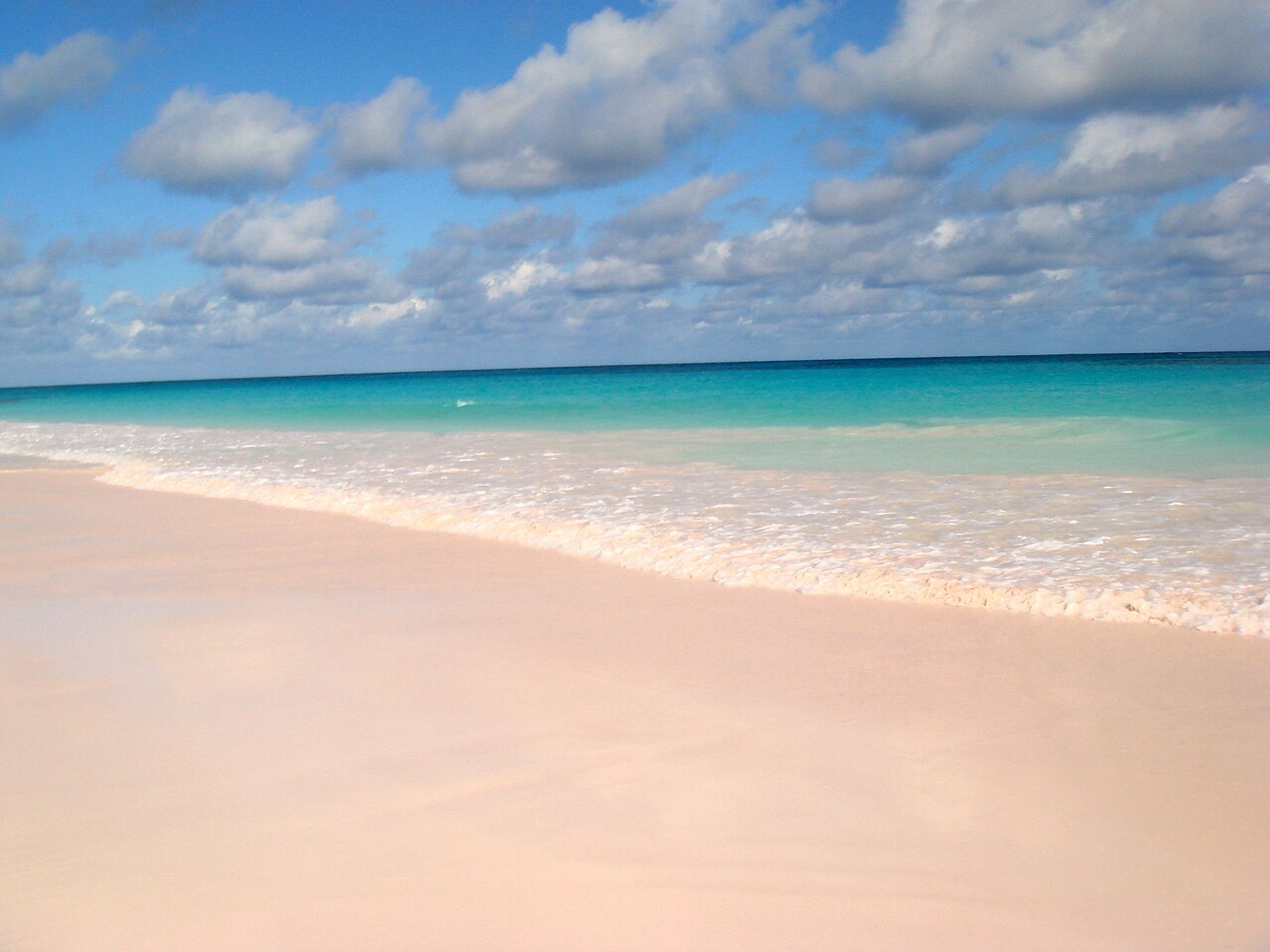
Photo: Mike's Birds, CC BY-SA 2.0
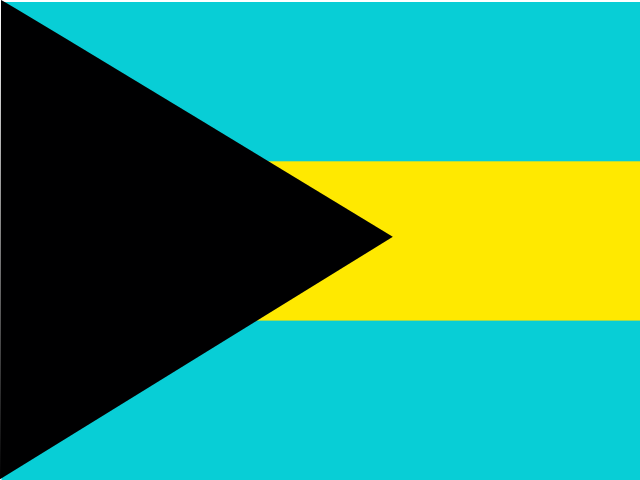
Flag of Bahamas
Caribbean

Bahamas

Seven hundred low islands scattered across a turquoise sea, with pink sand, flamingos, pirate forts and a plate of cracked conch.

Start the trip Skip to the quiz About five relaxed minutes.

Your trip to Bahamas

  1. Stroll through nine short parts: the story, the food, the cities and a few words. One at a time, with "Next".
  2. Take the quiz as the last step: 10 friendly questions, no timer.
  3. Get your stamp in your passport.
Explore Bahamas
You have explored 0 of 9 parts. Scroll on to discover the rest.
Antigua and BarbudaBahamasBelizeCubaDominicaDominican RepublicGuatemalaHaitiHondurasJamaicaMexicoNicaraguaPuerto RicoSaint MartinSint MaartenUnited States
Going to the Bahamas?Phrases, table manners and local tips on one printable page.Send a postcard from the BahamasA free digital postcard for family and friends.
Overview

The Bahamas at a glance

The Bahamas is a chain of about 700 islands and some 2,400 cays (small islands) in the Atlantic Ocean, stretching for about 800 km southeast of Florida and north of Cuba. Only 30 to 40 of them are inhabited. The islands sit on shallow limestone banks, which is why the sea around them glows in every shade of turquoise. They are low and flat: the highest point, Mount Alvernia on Cat Island, is only about 63 m high.

The Lucayans, a Taíno people, lived here for centuries before Christopher Columbus made his first landfall in the Americas in the Bahamas on 12 October 1492. Within a few decades the Spanish had carried almost all of them away into slavery. English settlers arrived from Bermuda in the 1640s, Nassau became a famous pirate base, and Britain made the islands a crown colony in 1718. After the American Revolution, Loyalists came with the people they enslaved, and most Bahamians today descend from Africans.

The Bahamas became independent on 10 July 1973. About 400,000 people live here, and roughly three in four of them live on one small island, New Providence, home of the capital, Nassau. English is the official language, while most people also speak Bahamian dialect at home. Tourism is the heart of the economy, and the country is known for its beaches and reefs, the Junkanoo street parades, and conch, the national dish.

CapitalNassau
PopulationAbout 400,000
Official languageEnglish. Most Bahamians also speak Bahamian dialect (Bahamian Creole) in everyday life, and Haitian Creole is spoken by the large Haitian community
CurrencyBahamian dollar (BSD), pegged one to one to the United States dollar, which is accepted everywhere
AreaAbout 13,900 km² in total, of which about 10,000 km² is land, spread over some 700 islands
GovernmentParliamentary constitutional monarchy. As of November 2026 the head of state is the monarch of the Bahamas (the same person as the British monarch), represented by a governor-general
Highest mountainMount Alvernia on Cat Island, about 63 m
Longest riverThere are almost no rivers: rain soaks into the porous limestone. Andros is said to have the country's only freshwater river; the other 'rivers' are tidal creeks
NeighboursNo land borders. Across the sea lie the United States (Florida) to the west, Cuba to the south and southwest, and Haiti to the southeast. The British territory of the Turks and Caicos Islands continues the island chain to the southeast
Drives on theLeft, as in Britain, although most cars are imported from the United States with the steering wheel on the left
Calling code+1 242. The Bahamas is part of the North American numbering plan
The story

A short history of the Bahamas

The story of the Bahamas runs from Lucayan villages and Columbus's first landfall, through pirates, Loyalist plantations and the end of slavery, to majority rule and independence in 1973. Because the islands lie beside the busy sea lanes between the Caribbean, Europe and North America, wars, wrecks and smuggling shaped them again and again, and so did the hurricanes that sweep across them.
  1. AD 800

    The Lucayans settle the islands

    Between about 500 and 800 CE, people paddled dugout canoes from Hispaniola and Cuba to the southern islands. They became the Lucayans, a branch of the Taíno, who fished and farmed and spread north through the chain. Around 30,000 to 40,000 Lucayans lived here when the Europeans arrived.

  2. 1492

    Columbus lands at Guanahaní

    On 12 October 1492, on his first voyage, Christopher Columbus landed on a Lucayan island called Guanahaní and named it San Salvador. It was his first landfall in the Americas. Most historians place it on the island now called San Salvador, though some argue for Samana Cay.

  3. 1520

    The last Lucayans are taken away

    The Spanish found no gold, so they carried the Lucayans off to work as slaves on Hispaniola and other islands, where most died of disease and hard labour. When the Spanish came to remove the last of them in 1520, they found only eleven. The islands then stayed almost empty for about 130 years.

  4. 1648

    The Eleutheran Adventurers arrive

    In the late 1640s (most sources say 1648), a group of English Puritans led by William Sayle sailed from Bermuda in search of religious freedom. Their ship was wrecked on a reef, but they settled on an island they named Eleuthera, from the Greek word for 'free'. Life was hard, and many soon returned to Bermuda.

  5. 1670

    Charles Town is founded

    Settlers from Bermuda moved to New Providence, which soon became the centre of the colony. In 1670 they founded a town named Charles Town after King Charles II, and the same year the king granted the islands to the Lords Proprietors of Carolina. Spanish raiders burned the town in 1684.

  6. 1695

    Charles Town is rebuilt as Nassau

    In 1695 Governor Nicholas Trott rebuilt the town and renamed it Nassau in honour of King William III, a prince of the Dutch House of Orange-Nassau. After Spanish and French raids in the early 1700s left the colony without a governor, Nassau became a lawless 'republic of pirates', home port to Blackbeard, Benjamin Hornigold and many others.

  7. 1718

    Woodes Rogers expels the pirates

    Britain made the Bahamas a crown colony and sent Woodes Rogers, a former privateer, as governor. He arrived in Nassau in July 1718 with warships and a royal pardon for pirates who surrendered. Hundreds accepted, those who refused were hunted down, and the colony's motto became 'Pirates expelled, commerce restored'.

  8. 1776

    American marines raid Nassau

    During the American War of Independence, on 3 and 4 March 1776, about 200 Continental Marines of the new American navy came ashore on New Providence in an amphibious raid. They took Fort Montagu and Nassau, held the town for two weeks while they carried off cannon and supplies, then sailed back to New England.

  9. 1783

    Loyalists arrive from America

    In 1782 Spain captured Nassau, but in 1783 a Loyalist force under Andrew Deveaux took it back, and the peace treaty that year left the islands with Britain. Thousands of Loyalists who had lost the war then moved here from the new United States with the people they enslaved and started cotton plantations. The population roughly tripled within a few years.

  10. 1834

    Slavery is abolished

    Britain had ended the slave trade in 1807, and the Royal Navy settled thousands of Africans freed from slave ships in the Bahamas. On 1 August 1834 slavery itself was abolished across most of the British Empire. Many freed people chose to farm their own small plots of land.

  11. 1841

    The Creole slaves win their freedom

    In November 1841 enslaved people on the American ship Creole, bound from Virginia for sale in New Orleans, rose up and steered the ship to Nassau. Bahamian officials freed the 128 who chose to stay. The case angered the United States and has been called the most successful slave revolt in American history.

  12. 1940

    The Duke of Windsor becomes governor

    In August 1940 the former King Edward VIII, now the Duke of Windsor, arrived with his wife Wallis to serve as governor, a post he held until 1945. During and after the war, a new airport and the closing of Cuba to American visitors in the early 1960s helped mass tourism grow quickly.

  13. 1964

    The colony gains self-government

    A new constitution on 7 January 1964 gave the Bahamas internal self-government, with its own premier and cabinet. Political parties had formed in the 1950s, broadly along racial lines, and the struggle for fair representation of the Black majority grew stronger.

  14. 1967

    Majority rule

    In the election of 10 January 1967 the Progressive Liberal Party, led by Lynden Pindling, formed the first government led by the Black majority, with the help of two members outside the party. Two years earlier, on 'Black Tuesday' in 1965, Pindling had thrown the Speaker's mace out of a window of the House of Assembly in protest. He went on to lead the country to independence.

  15. 1973

    The Bahamas becomes independent

    On 10 July 1973 the Bahamas became an independent country within the Commonwealth, with the British monarch as head of state. The new flag, black, aquamarine and gold, was raised at midnight, and the country's name changed from the Bahama Islands to The Bahamas. Lynden Pindling was the first prime minister, until 1992.

  16. 2019

    Hurricane Dorian strikes

    On 1 September 2019 Hurricane Dorian hit the Abaco Islands with winds of 295 km/h, then stalled over Grand Bahama for more than a day. It is the worst natural disaster in Bahamian history: 74 people died in the Bahamas, 282 were still listed as missing months later, and thousands of homes were destroyed. Abaco and Grand Bahama have been rebuilding since.

At the table

What to eat in the Bahamas

Bahamian food comes from the sea: conch, grouper, snapper, crab and spiny lobster, which locals sometimes call crayfish, cooked with lime, onion, tomato, thyme and hot pepper. African, British and American Southern cooking all left their mark, and about 80 per cent of the food is imported. A traditional breakfast is grits with boiled fish, stewed fish or souse, a lime and pepper soup usually made with chicken, with johnny cake, a simple bread. A typical plate of fish or chicken comes with peas n' rice, baked macaroni and cheese, coleslaw or fried plantain. Conch, the national dish, appears in salads, fritters, chowder and fried 'cracked' pieces. Desserts are sweet and fruity: guava duff, coconut tarts and rum cake. In Nassau, locals gather at the Fish Fry at Arawak Cay, a row of small open-air restaurants.

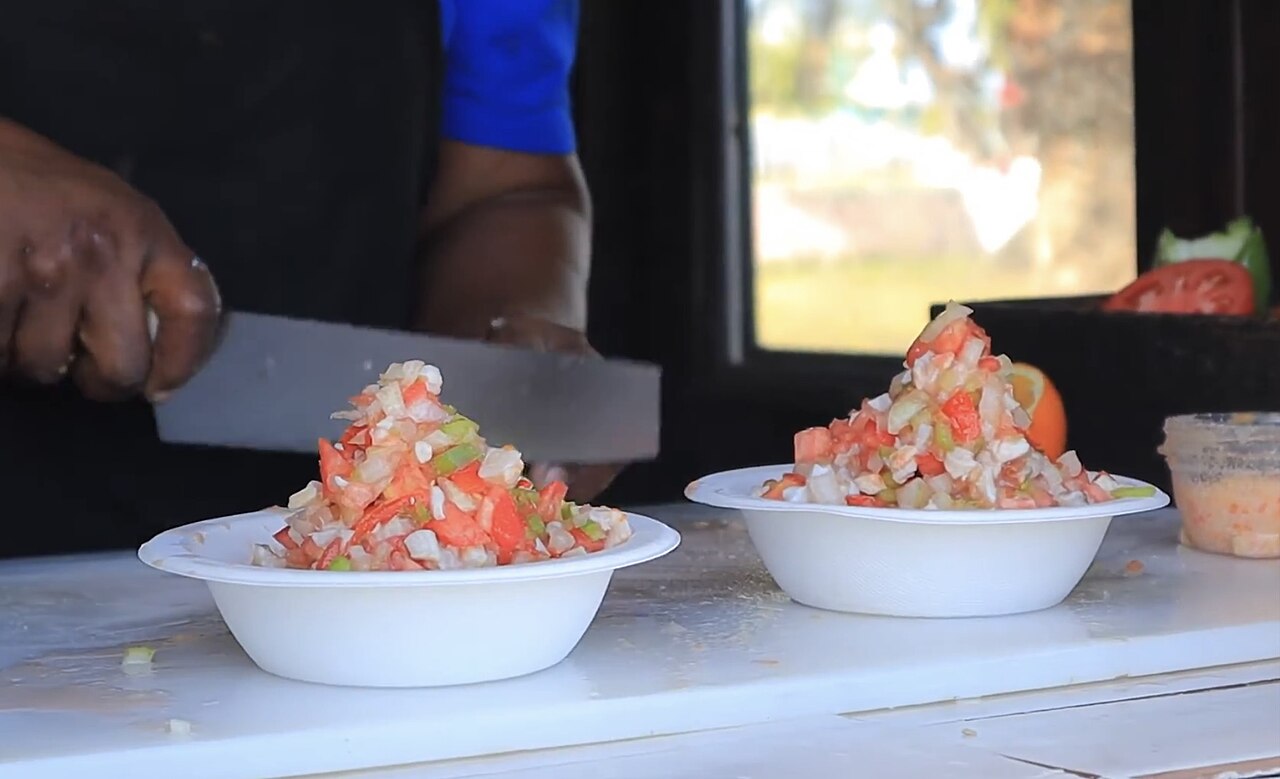
Conch salad
Photo: Hannah On The Go, CC BY 3.0
Starter

Conch salad

The whole country; sold at seaside stands, such as those at Arawak Cay in Nassau
Read moreShow less

Raw conch, a large sea snail, chopped into small pieces and mixed with onion, tomato, sweet pepper and hot pepper, then dressed with plenty of fresh lime juice. It is eaten cold and crunchy, often bought from seaside stands. Because the conch is not cooked, people who are pregnant, elderly or have weak immunity should avoid it.

Conch is pronounced 'conk', with a hard K. A conch shell also sits at the top of the Bahamian coat of arms.

Cracked conch
Photo: Cayobo, CC BY 2.0
Main course

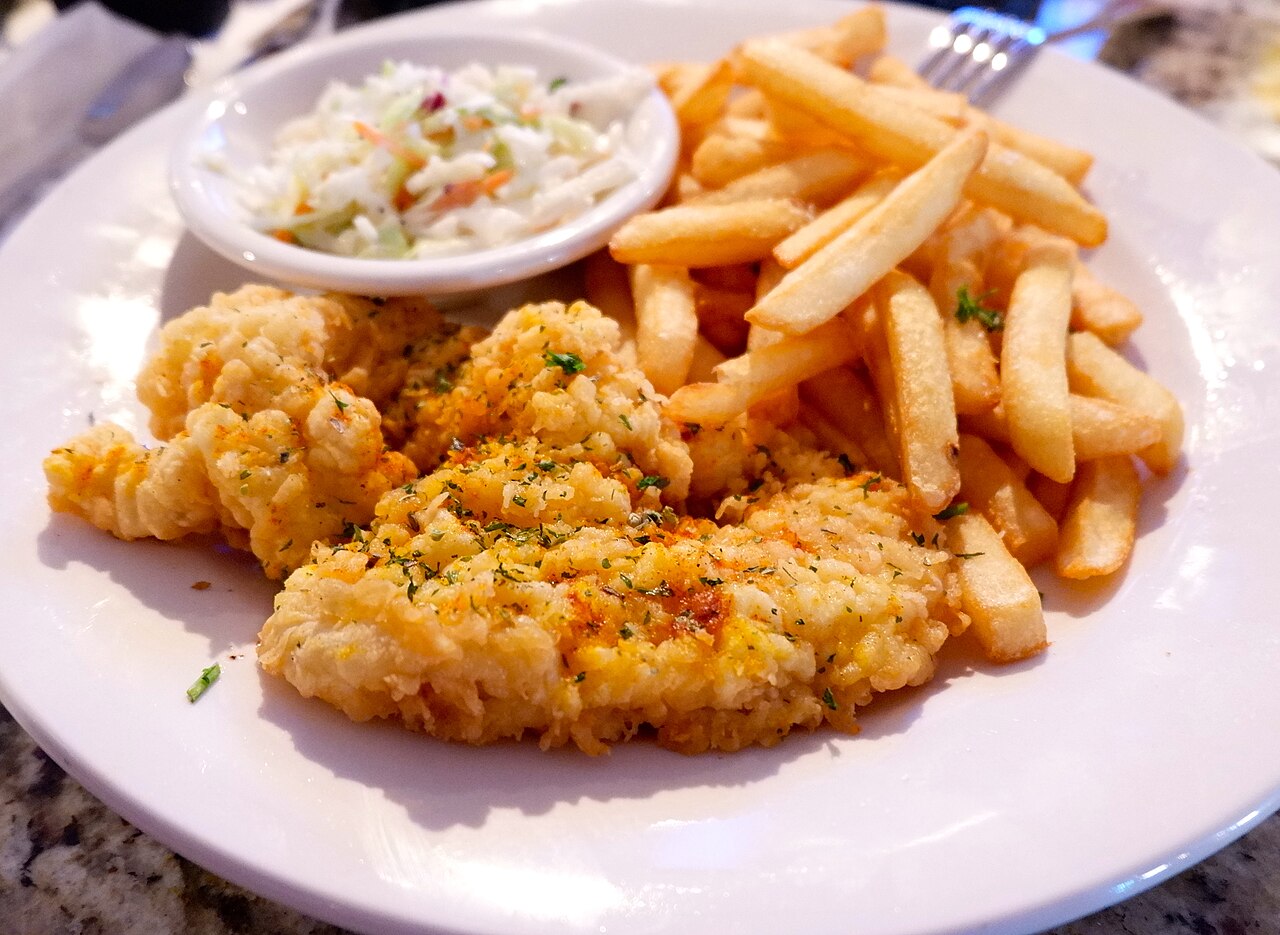
Cracked conch

The whole country
Read moreShow less

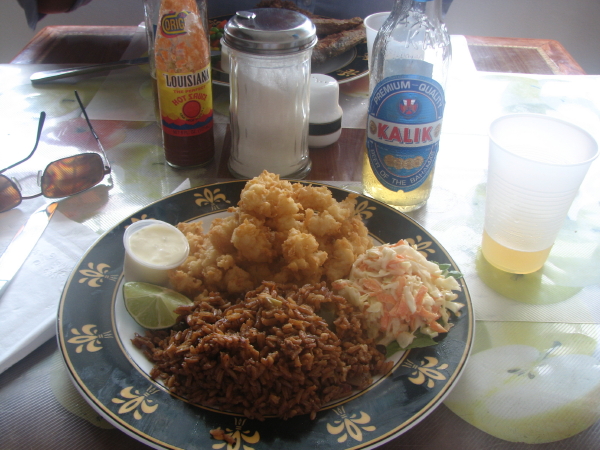
Conch meat coated in seasoned batter or crumbs and deep-fried until golden, then served with lime and hot sauce. The meat is usually pounded thin first to make it tender. A typical plate comes with peas n' rice and coleslaw.

Conch fritters
Photo: inazakira, CC BY-SA 2.0
SnackRecipe

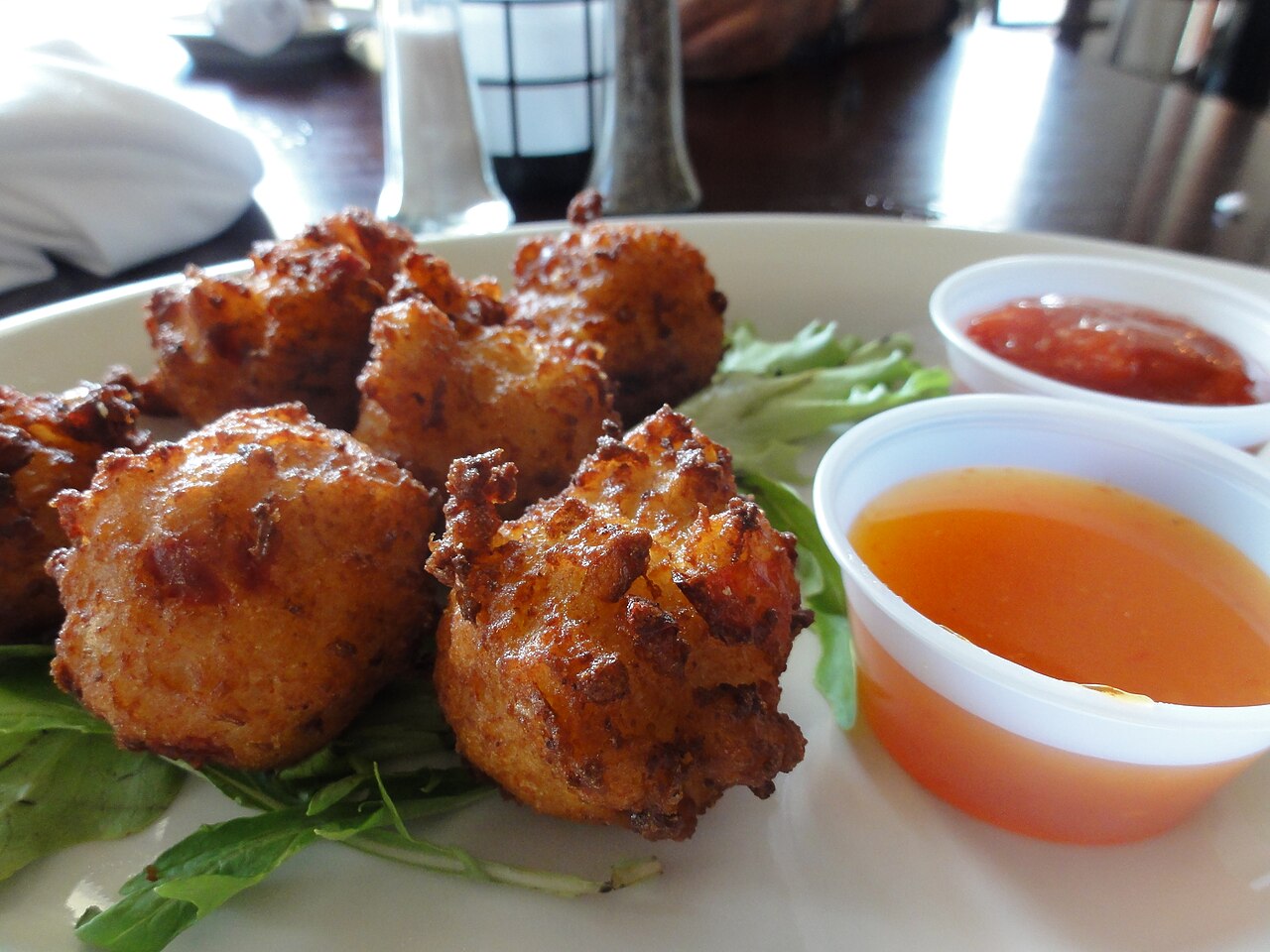
Conch fritters

The whole country
Read moreShow less

Small balls of batter full of chopped conch, onion, sweet pepper and celery, deep-fried until crisp outside and soft inside. They are a favourite snack at bars, fish fries and parties, dipped in a spicy sauce.

See the recipe
Serves 440 min

Ingredients

  • 250 g cleaned conch meat (sold frozen by some fishmongers), or the same weight of cooked clams or prawns
  • 150 g plain flour
  • 1 teaspoon baking powder
  • 1 egg
  • About 120 ml milk or water
  • 1 small onion, finely chopped
  • Half a green pepper and 1 stick of celery, finely chopped
  • Half a small hot pepper, finely chopped (or a pinch of chilli flakes)
  • Half a teaspoon dried thyme, salt and black pepper
  • Vegetable oil for deep-frying, and lime wedges to serve

Method

  1. Chop the conch very finely, or pulse it a few times in a food processor. If you use clams or prawns, chop them the same way.
  2. In a bowl, mix the flour, baking powder, thyme, salt and pepper. Beat in the egg and enough milk to make a thick batter that drops slowly from a spoon.
  3. Stir in the conch, onion, green pepper, celery and hot pepper. Wash your hands well after touching the hot pepper.
  4. Heat about 5 cm of oil in a deep pan to 180°C. Carefully drop in tablespoons of batter, a few at a time, and fry for 3 to 4 minutes, turning, until deep golden and cooked through. Never leave hot oil unattended.
  5. Drain on kitchen paper and serve hot with lime wedges and a dip of ketchup mixed with hot sauce or mayonnaise.
Peas n' rice
Photo: Jpatokal at wts wikivoyage, CC BY-SA 4.0
Side dishRecipe

Peas n' rice

The whole country
Read moreShow less

Rice cooked with pigeon peas, salt pork or bacon, onion, celery, sweet pepper, tomato paste and thyme, which give it a brown colour and a savoury, smoky taste. It is the classic partner of fried fish, cracked conch and chicken.

See the recipe
Serves 650 min

Ingredients

  • 100 g salt pork or smoked bacon, diced
  • 1 tablespoon vegetable oil
  • 1 onion, chopped
  • 1 stick of celery and half a green pepper, chopped
  • 2 tablespoons tomato paste
  • 1 tin of pigeon peas (about 400 g), drained
  • 400 g long-grain rice, rinsed
  • About 750 to 850 ml water
  • 1 teaspoon dried thyme, salt and black pepper, and a little hot pepper if you like

Method

  1. Fry the salt pork or bacon in the oil in a heavy pot over medium heat until crisp and the fat has run out.
  2. Add the onion, celery and green pepper and cook for 5 minutes until soft. Stir in the tomato paste and thyme and cook for 2 minutes more.
  3. Add the pigeon peas and the water, season with salt, pepper and hot pepper, and bring to the boil.
  4. Stir in the rice, bring back to the boil, then cover tightly, turn the heat very low and cook for 20 to 25 minutes, until the rice is tender and the water is absorbed.
  5. Leave covered off the heat for 5 minutes, then fluff with a fork and serve.
Macaroni and cheese
Photo: Texasfoodgawker, CC BY-SA 4.0
Side dishRecipe

Baked macaroni and cheese

Baked macaroni
The whole country; shared with the American South
Read moreShow less

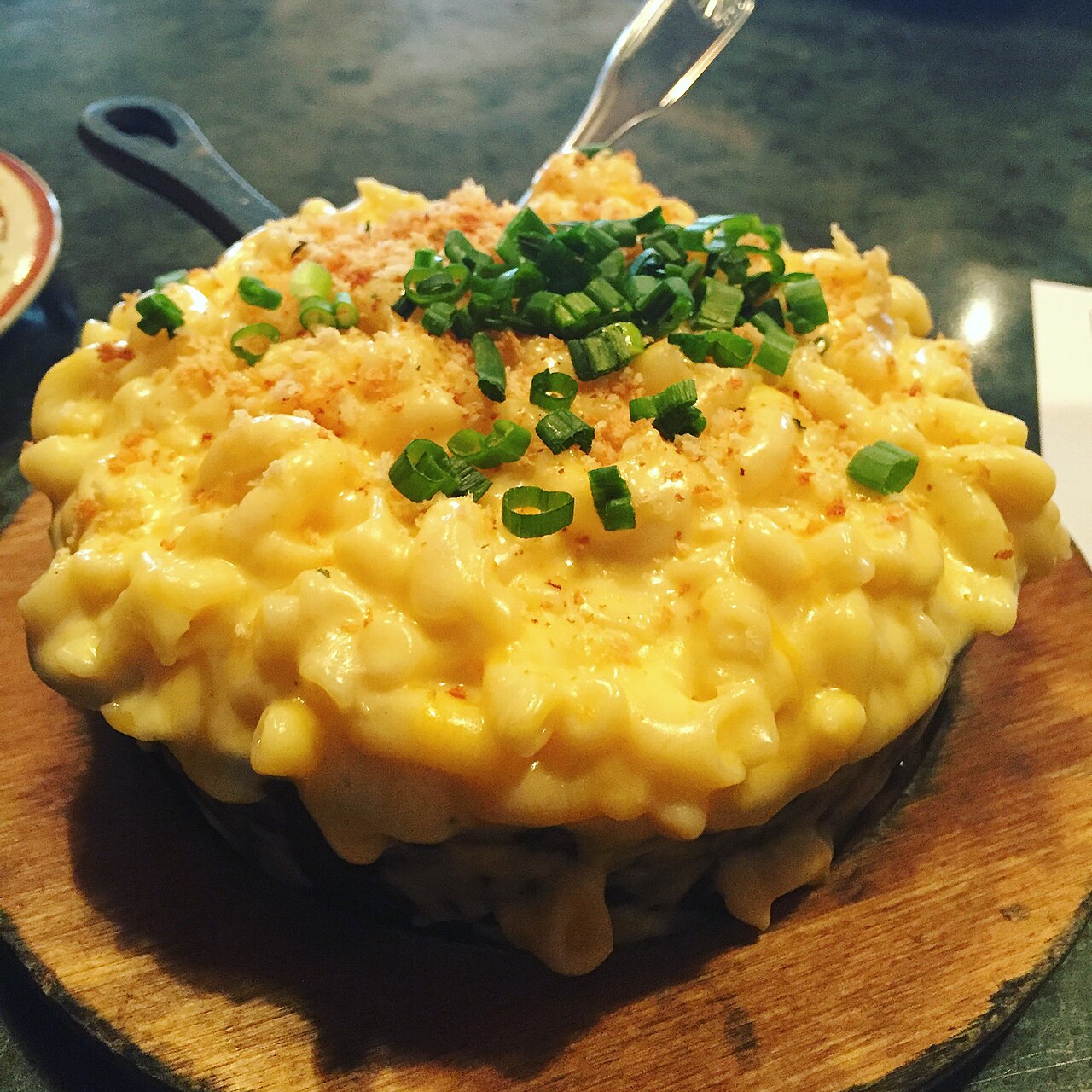
Macaroni baked with cheddar cheese, eggs and milk until it sets, a side dish shared with the American South. It sits next to peas n' rice, coleslaw and potato salad on many Bahamian plates.

See the recipe
Serves 61 h

Ingredients

  • 300 g elbow macaroni
  • 300 g mature cheddar cheese, grated
  • 1 tin of evaporated milk (about 400 ml)
  • 2 eggs
  • 30 g butter
  • Half a small onion and a quarter of a green pepper, very finely chopped
  • A pinch of paprika or chilli powder, salt and black pepper

Method

  1. Heat the oven to 180°C and butter a baking dish about 20 by 30 cm.
  2. Boil the macaroni in salted water for 2 minutes less than the packet says. Drain and stir in the butter.
  3. Beat the eggs with the evaporated milk, onion, green pepper, salt, pepper and paprika. Stir in two thirds of the cheese and the macaroni.
  4. Pour into the dish, press flat and scatter the rest of the cheese on top.
  5. Bake for 35 to 40 minutes until set and golden. Leave to stand for 10 minutes, then cut into squares.
Fried plantain
Photo: Justdifference, CC BY-SA 4.0
Side dish

Fried plantain

The whole country
Read moreShow less

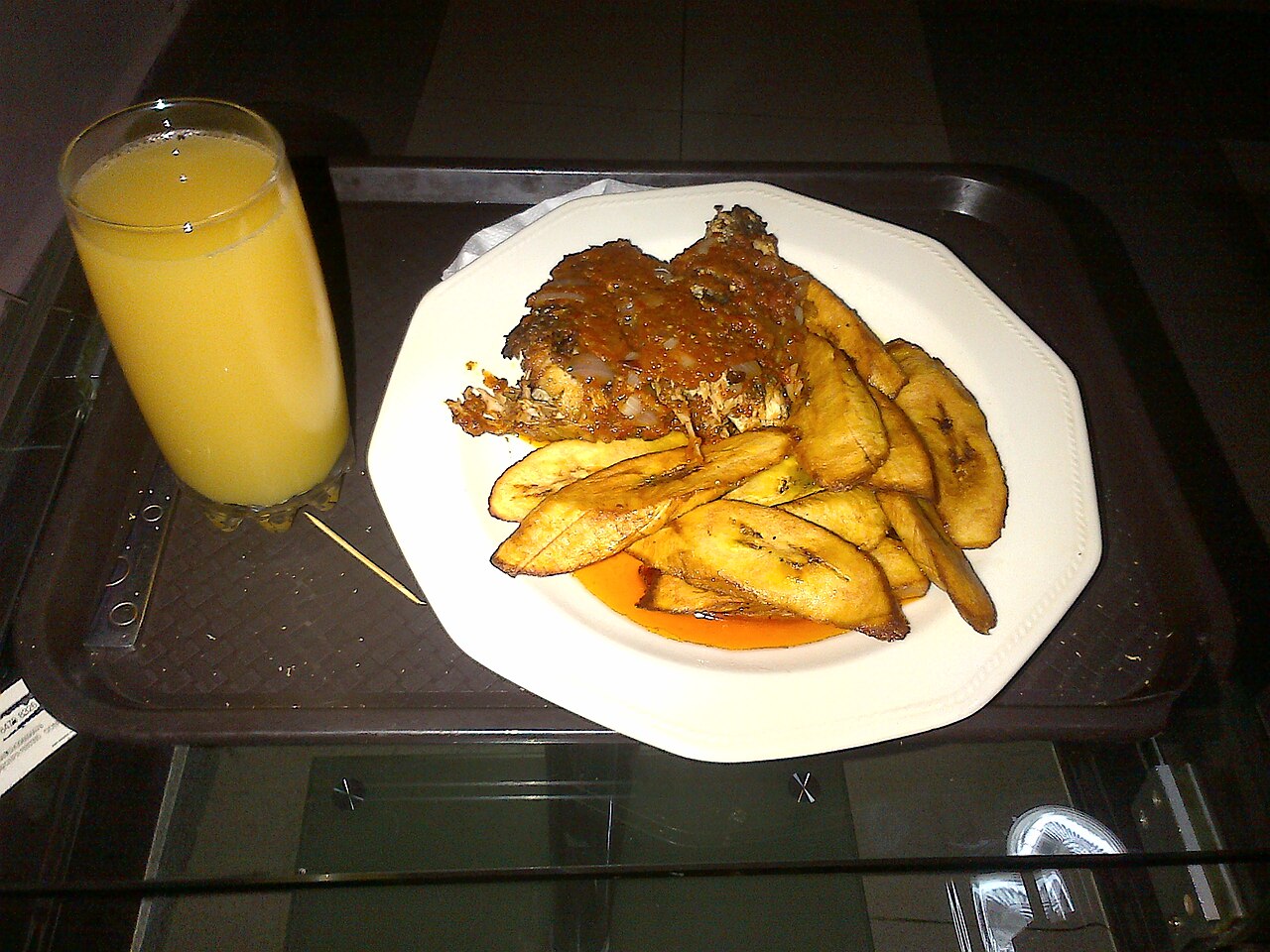
Slices of ripe plantain, a large cooking banana, fried until soft and caramelised at the edges. Their sweetness goes well with salty fried fish and spicy dishes, and they are one of the classic Caribbean sides on a Bahamian plate.

Grits
Photo: sashafatcat, CC BY 2.0
Side dish

Grits

The whole country; shared with the American South
Read moreShow less

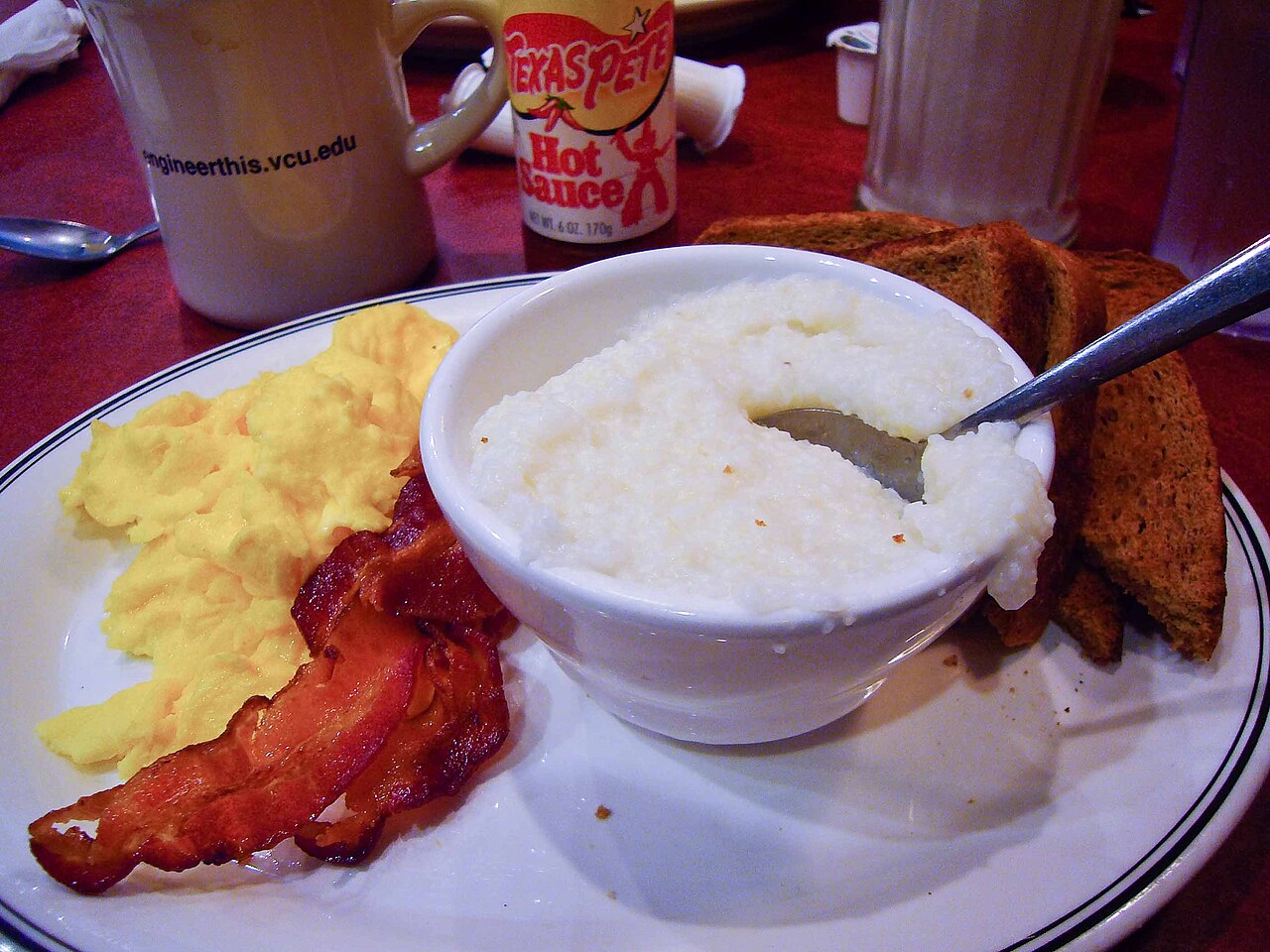
A soft porridge of coarsely ground corn, cooked with water and salt. In the Bahamas grits is the base of a traditional breakfast, served with boiled fish, stewed fish, souse, corned beef or tuna, and a piece of johnny cake.

Corned beef from a tin, steamed with onion and tomato and eaten with grits or rice, is a cheap favourite known as 'Fire Engine'.

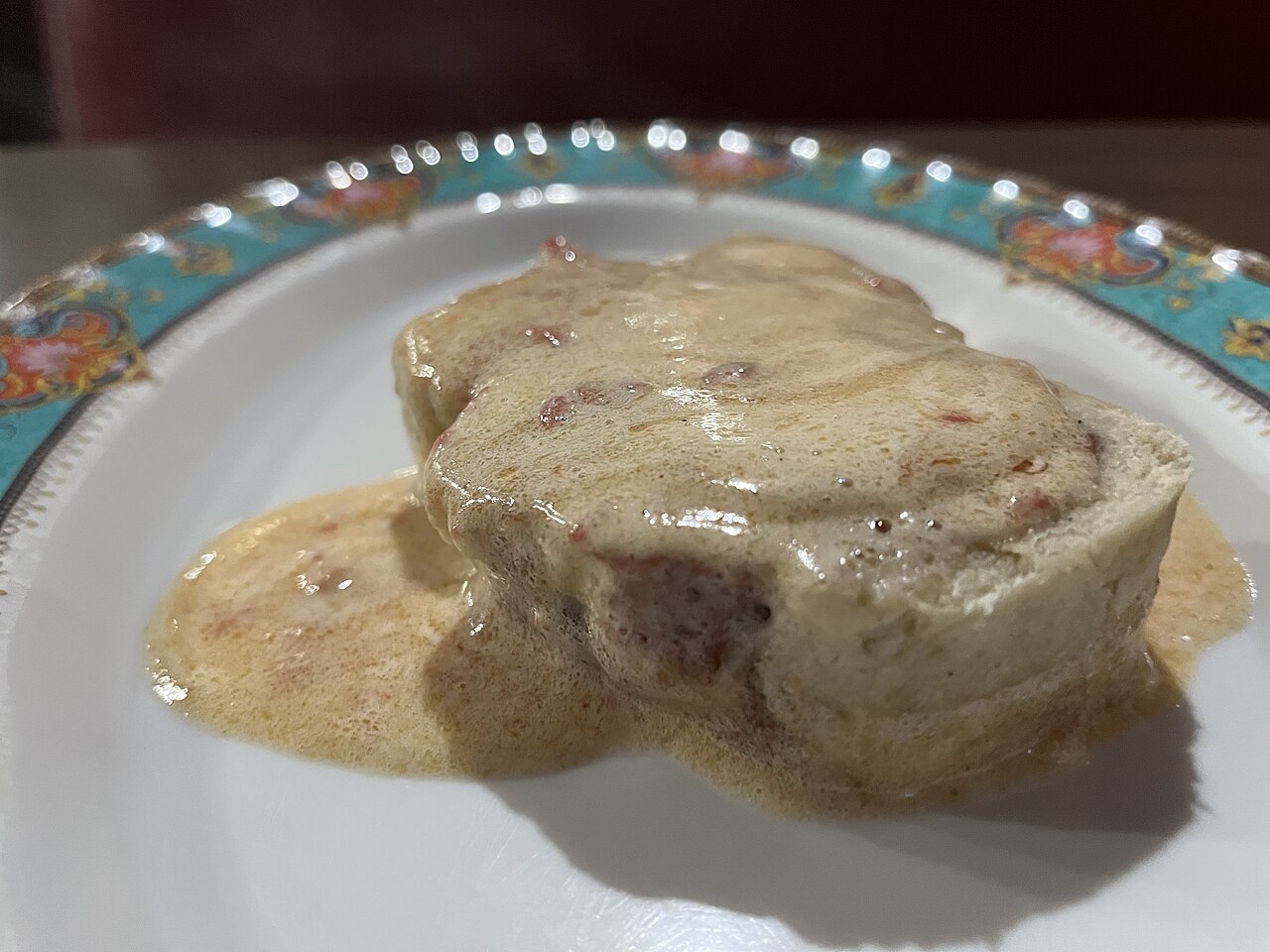
Duff (dessert)
Photo: LittleT889, CC BY 4.0
DessertRecipe

Guava duff

The whole country; made especially for Independence Day and holidays
Read moreShow less

A favourite Bahamian dessert: a soft dough rolled around sweet guava, boiled or steamed, then sliced and served warm with a sweet sauce of butter, sugar and often rum. It is a cousin of the old British boiled puddings, made with a tropical fruit.

'Duff' is an old English word for a boiled pudding, as in plum duff.

See the recipe
Serves 62 h

Ingredients

  • For the dough: 300 g plain flour, 2 teaspoons baking powder, half a teaspoon salt, 50 g sugar, 75 g butter, 1 egg and about 100 ml milk
  • A pinch of ground nutmeg and cinnamon
  • For the filling: about 300 g guava paste or guava jam, chopped, or 6 ripe guavas, peeled, seeded and chopped
  • For the sauce: 115 g soft butter, 120 g icing sugar, 1 egg, 1 tablespoon guava jam and 1 to 2 tablespoons rum or a few drops of vanilla

Method

  1. Mix the flour, baking powder, salt, sugar and spices. Rub in the butter, then add the beaten egg and enough milk to make a soft dough.
  2. Roll the dough out on a floured board into a rectangle about 1 cm thick. Spread the guava evenly over it, leaving a border, and roll it up tightly like a Swiss roll, pinching the ends shut.
  3. Wrap the roll loosely in greased foil or a floured cloth, leaving room to rise, and tie the ends. Steam it in a covered pot over simmering water, or simmer it in a large pot of water, for about 1 hour 30 minutes, adding water as needed.
  4. For the sauce, beat the butter and icing sugar until pale, then beat in the egg, guava jam and rum or vanilla. The sauce contains raw egg: use pasteurised eggs, or leave the egg out, if serving people who are pregnant, elderly, very young or unwell.
  5. Unwrap the duff, cut it into thick slices and serve warm with a spoonful of sauce on top.
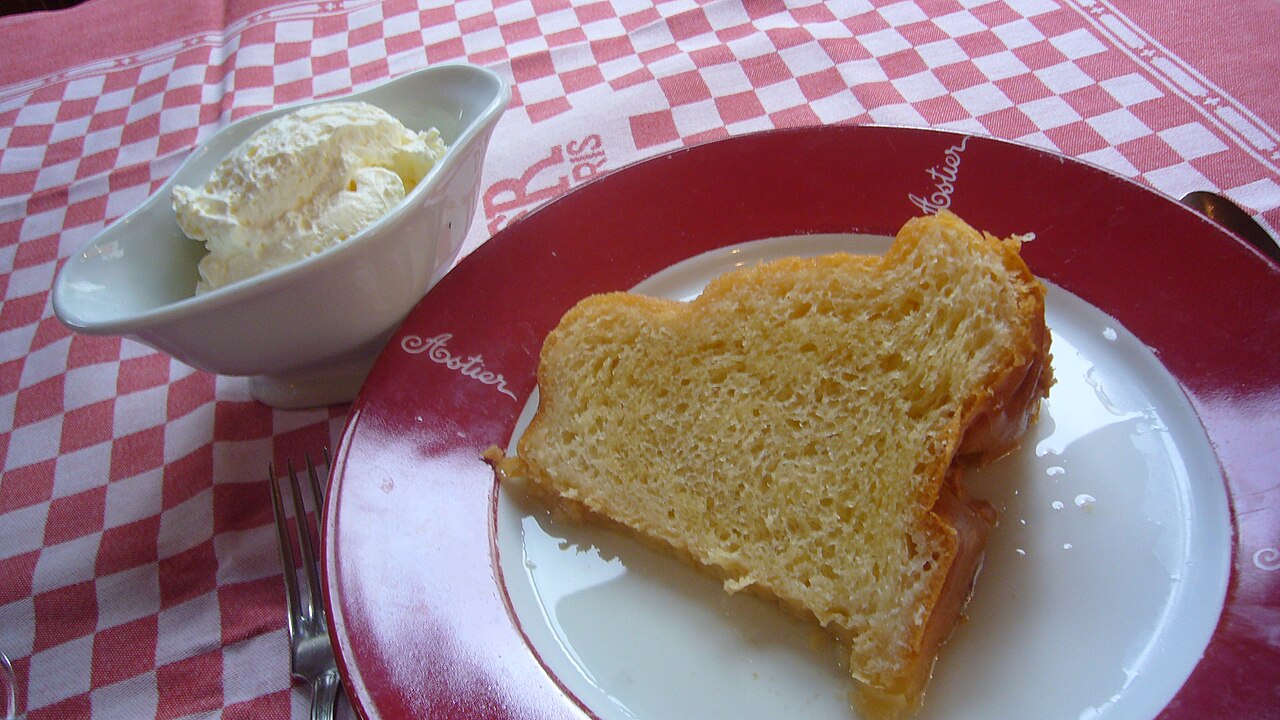
Rum cake
Photo: Kent Wang, CC BY-SA 2.0
Dessert

Rum cake

The whole Caribbean, including the Bahamas
Read moreShow less

A rich cake made with rum, often soaked with a rum syrup after baking so that it stays moist. Rum cake, bread pudding and coconut and pineapple tarts are among the most popular Bahamian desserts, and fruit cake is eaten at Christmas.

Some rum cakes contain more than five per cent alcohol, so they are not a dessert for children or for drivers.

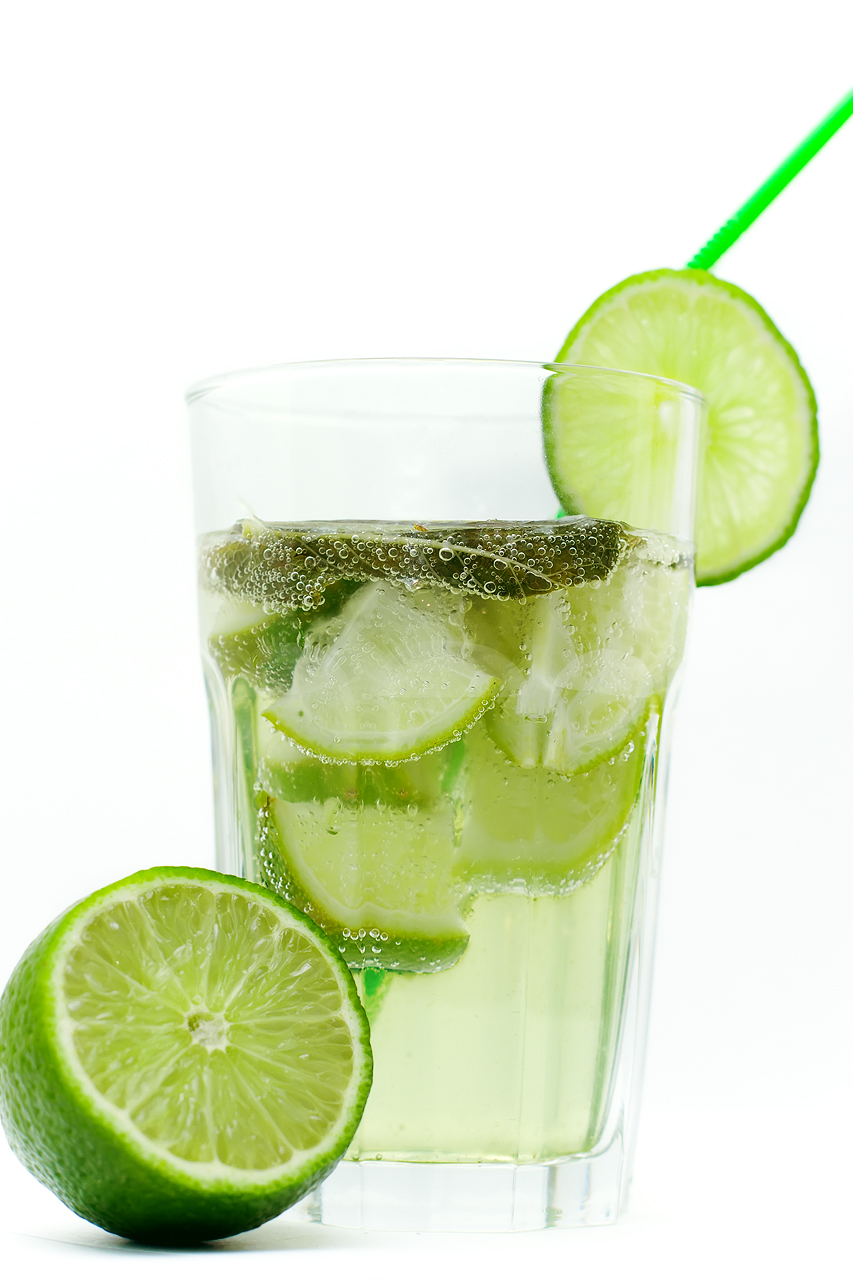
Limeade
Photo: Michael Fludkov, CC BY 2.0
DrinkRecipe

Switcha

The whole country
Read moreShow less

The Bahamian word for lemonade, usually made with fresh local limes, sugar and water and served over plenty of ice. It is the classic cold drink on a hot day, at home and at roadside stands.

See the recipe
Serves 410 min

Ingredients

  • 6 to 8 limes (about 150 ml juice)
  • 100 to 150 g sugar, to taste
  • 1 litre cold water
  • Plenty of ice, and lime slices to serve

Method

  1. Roll the limes on the table to soften them, cut them in half and squeeze out the juice.
  2. Stir the sugar into about 200 ml of the water until it dissolves completely.
  3. Add the lime juice and the rest of the cold water, stir well and taste. Add more sugar or water if you like.
  4. Pour over plenty of ice in tall glasses and add a slice of lime to each.
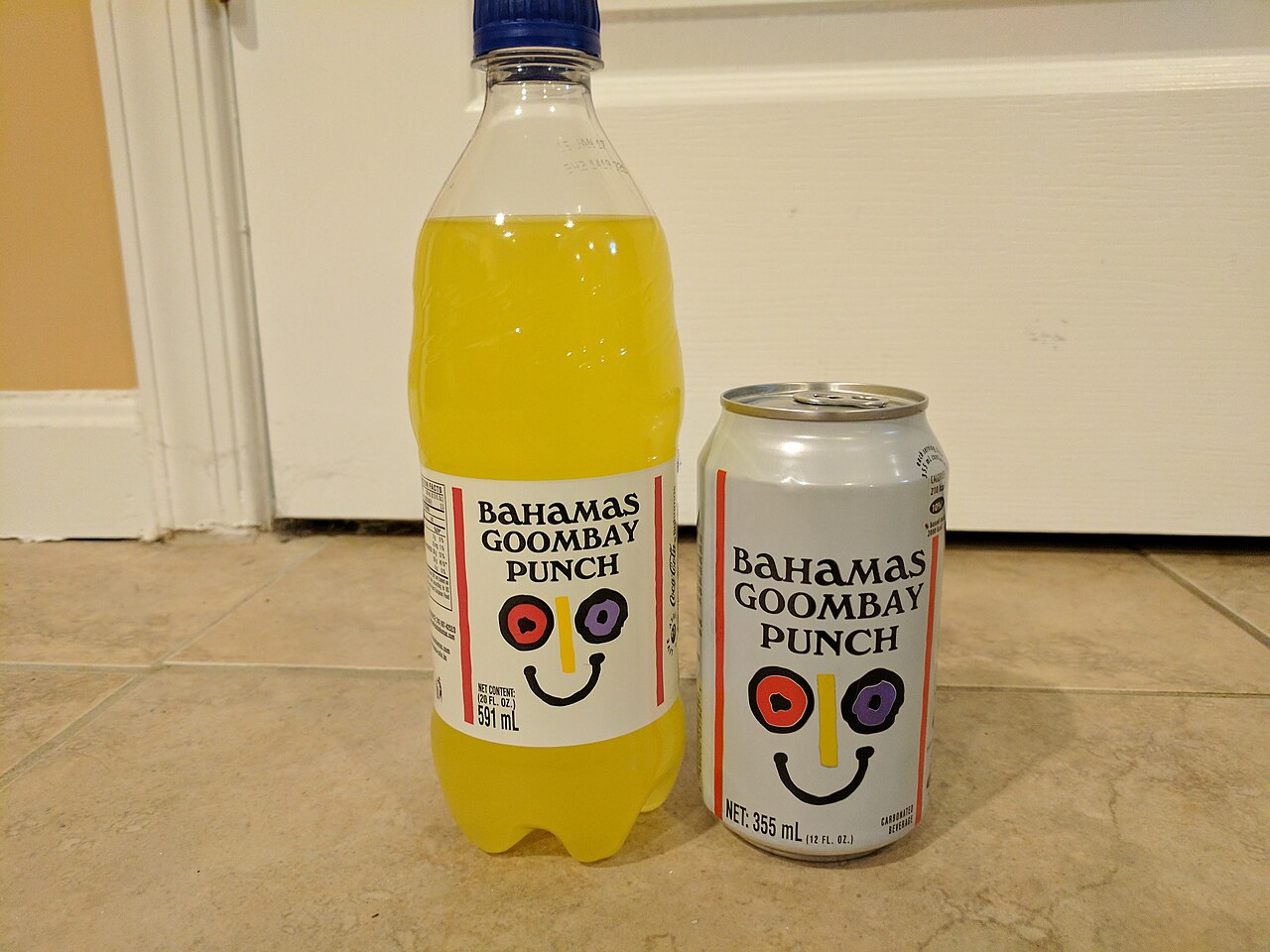
Goombay Punch
Photo: The Neon Narwhal, CC BY-SA 4.0
Drink

Goombay Punch

Made in the Bahamas
Read moreShow less

A very sweet, bright yellow fizzy soft drink with a pineapple flavour, made in the Bahamas and sold in cans and bottles in almost every shop and eatery. Locals call this kind of soft drink a 'sweet soda', as opposed to a cola.

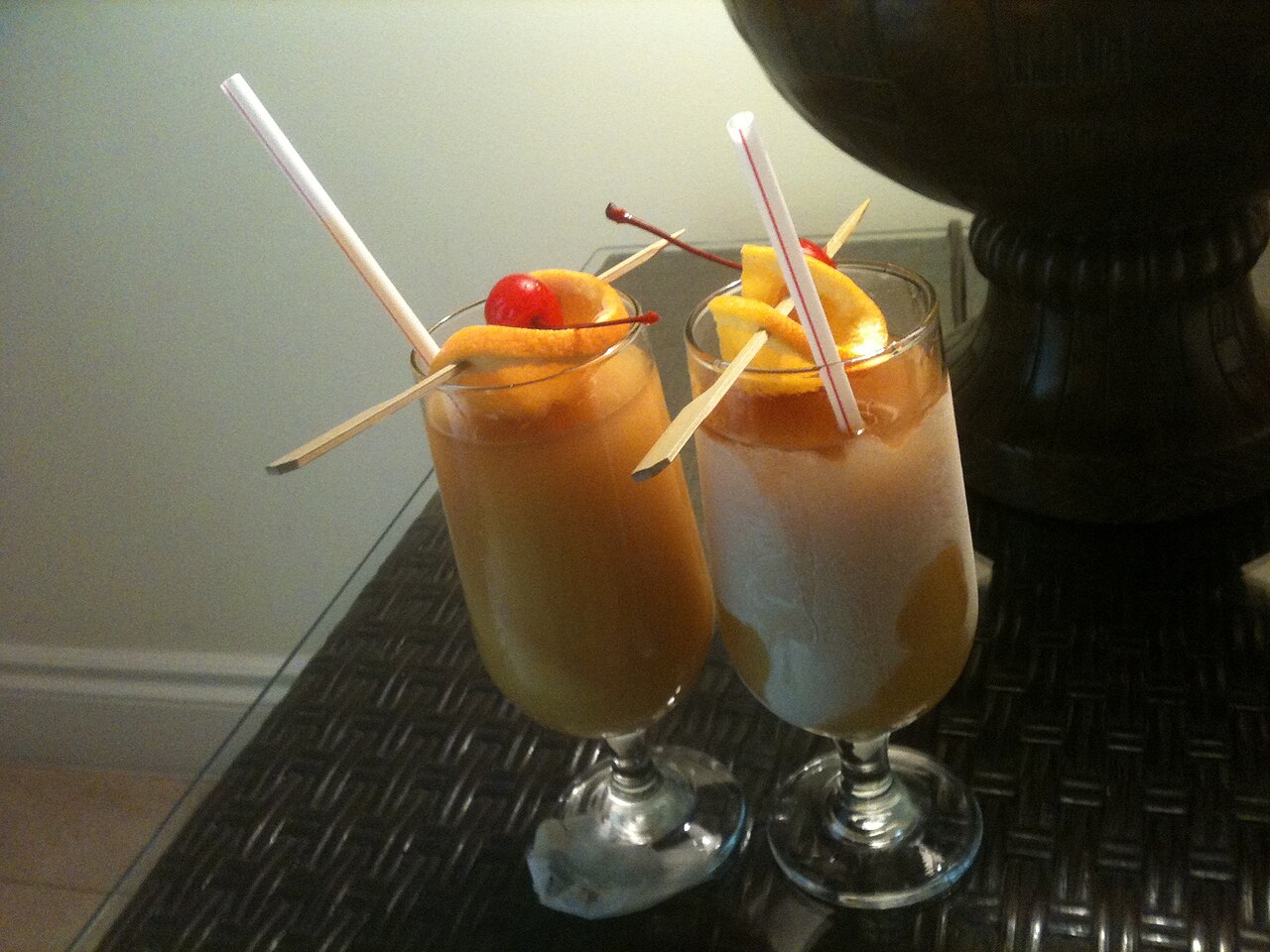
Goombay Smash
Photo: Sarah Kelemen Garber, CC BY 2.0
Drink

Goombay Smash

The Blue Bee Bar in New Plymouth, Green Turtle Cay, Abaco
Read moreShow less

A rum cocktail, usually made with coconut rum, dark rum, apricot brandy and pineapple juice, served over ice in a tall glass. It is one of the best-known Bahamian cocktails, along with the Bahama Mama. Alcoholic drinks are for adults only.

It was created by Emily Cooper, known as Miss Emily, at her Blue Bee Bar on Green Turtle Cay. Her exact recipe was kept secret.

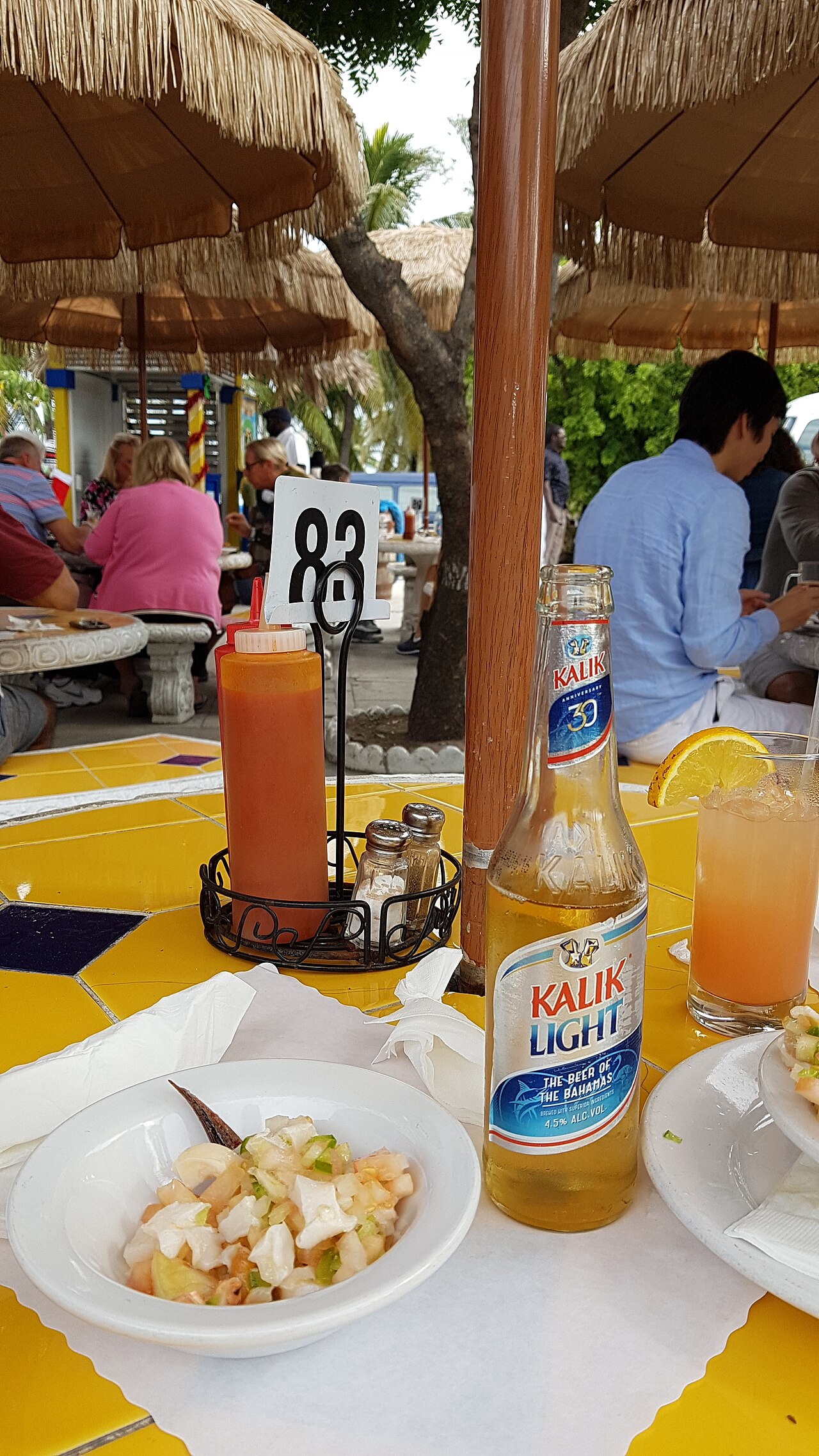
Kalik
Photo: Schwarzenfelder, CC BY-SA 4.0
Drink

Kalik

Brewed in Nassau
Read moreShow less

The national beer, a pale lager brewed by the Commonwealth Brewery in Nassau since 1988 and served everywhere from fish fries to resorts. Kalik Gold is a stronger version, and Kalik Light a lighter one. The legal drinking age in the Bahamas is 18.

According to its label, the name Kalik imitates the 'ka-lik ka-lik' sound of the cowbells rung during the Junkanoo parades.

Table manners

  • Say 'conk', not 'konch'. Conch is pronounced with a hard K, and locals will notice if you get it right.
  • Many restaurants automatically add a gratuity, often 15 per cent, to the bill. Check the bill before tipping; anything extra is optional.
  • Service runs at a relaxed island pace. Wait patiently for your turn, even at fast-food counters, and enjoy a leisurely meal.
  • Fish dishes are often seasoned with Old Sour, a traditional Bahamian sauce. Taste a little before adding more.
  • For local food among locals, go to the Fish Fry at Arawak Cay in Nassau, which is especially lively on Sunday nights.
  • Fried conch, fish and fritters are often eaten with your fingers at stands and bars, with lime and hot sauce on the side.
Cities

10 cities to know

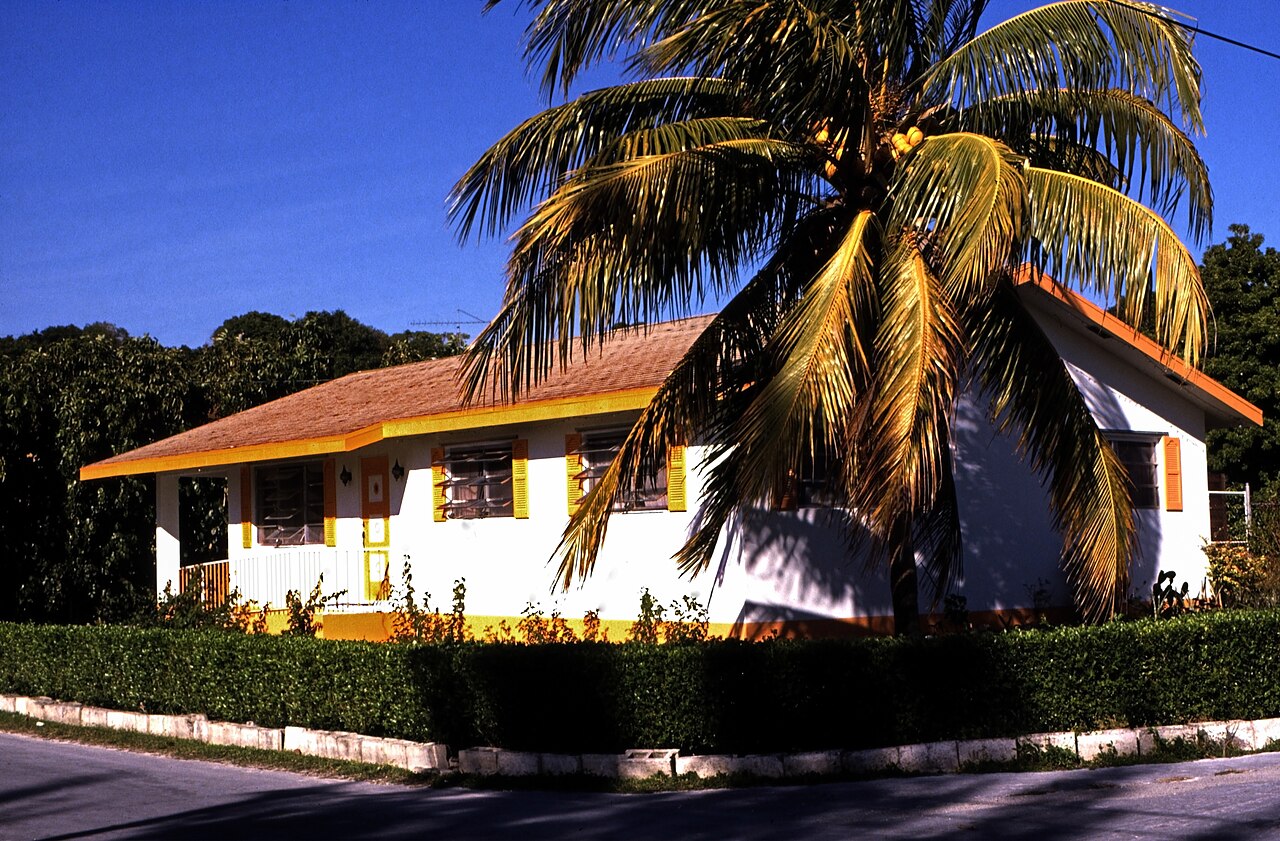
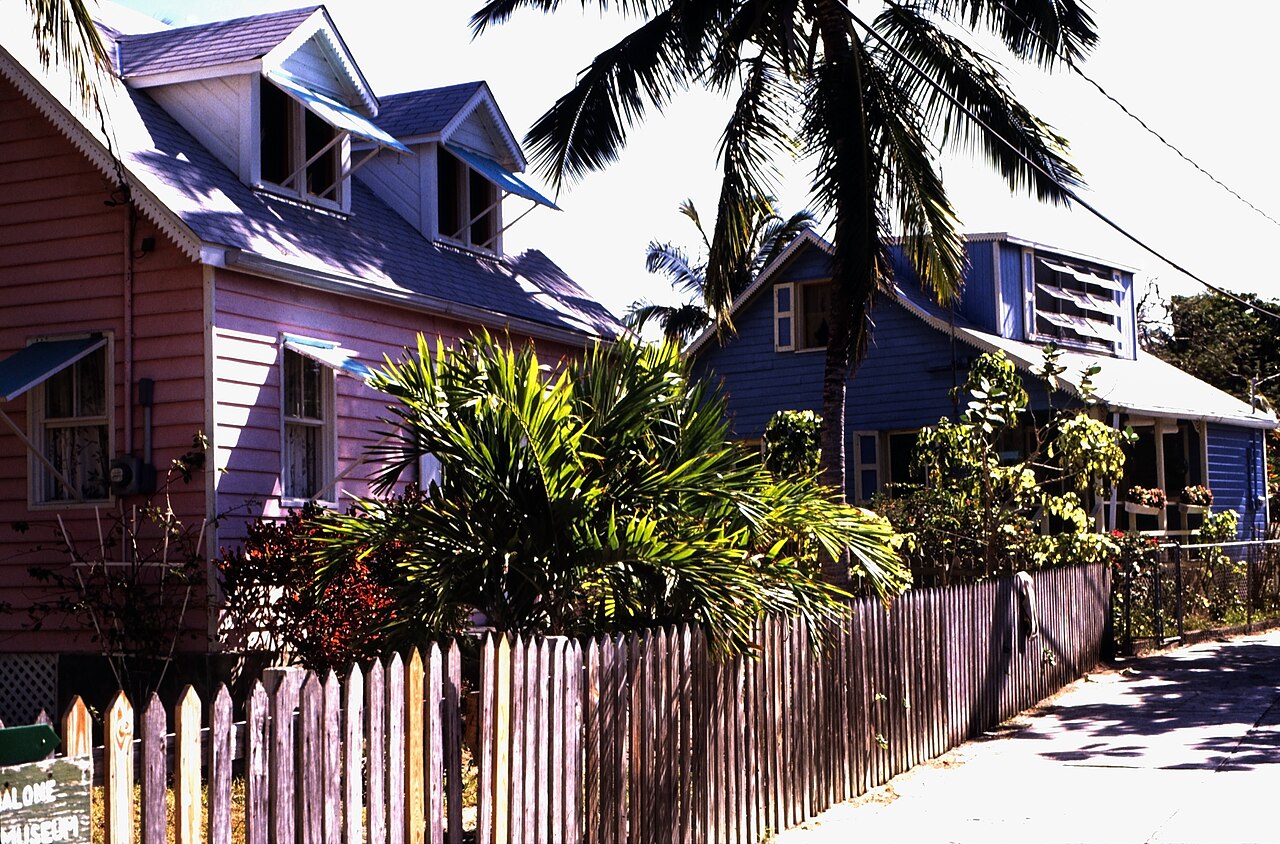
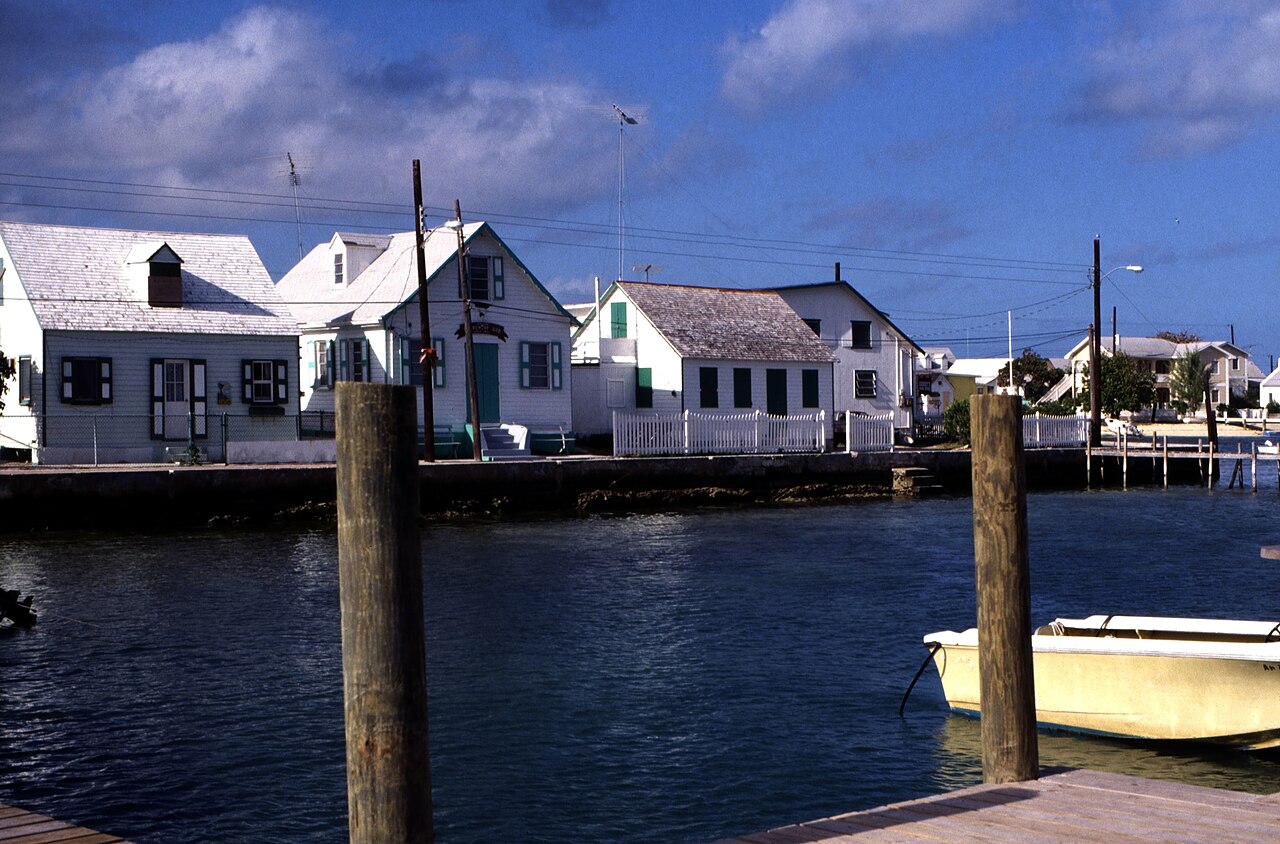
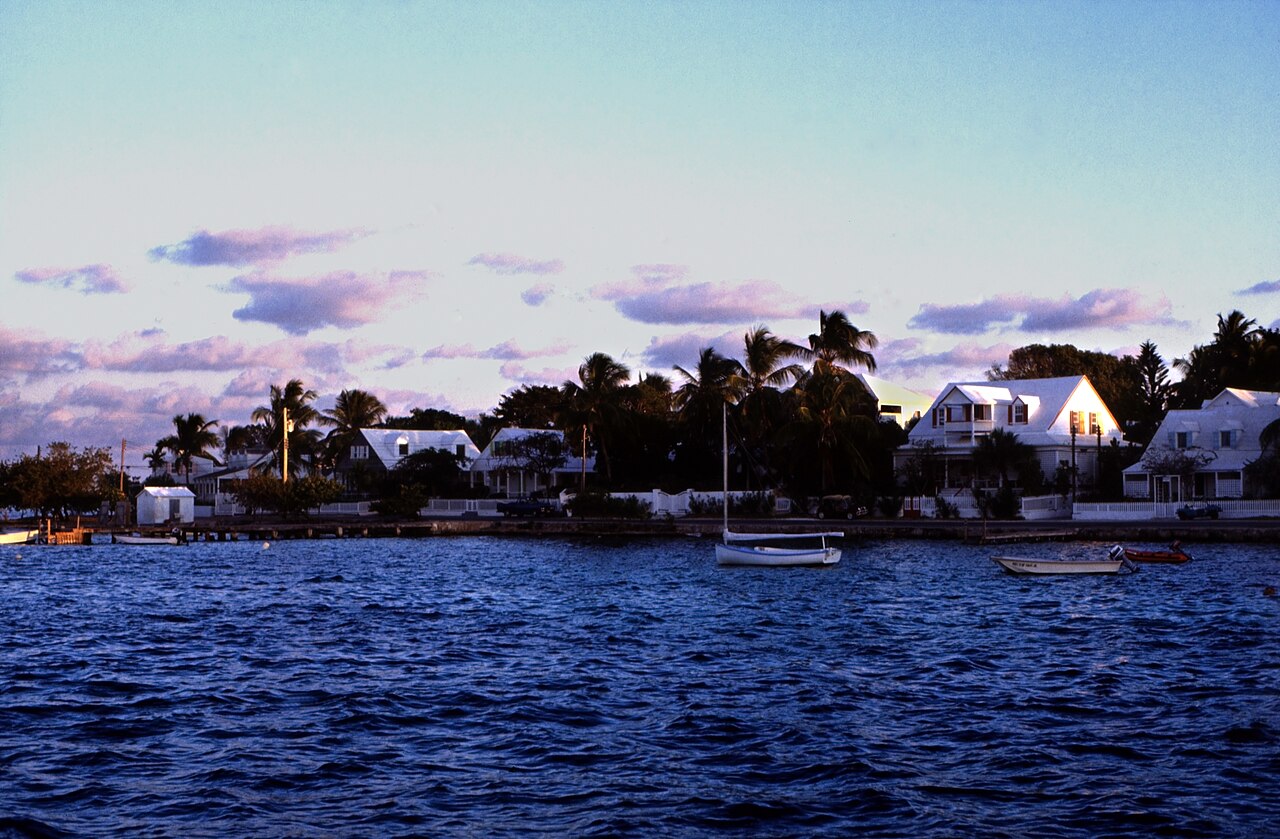
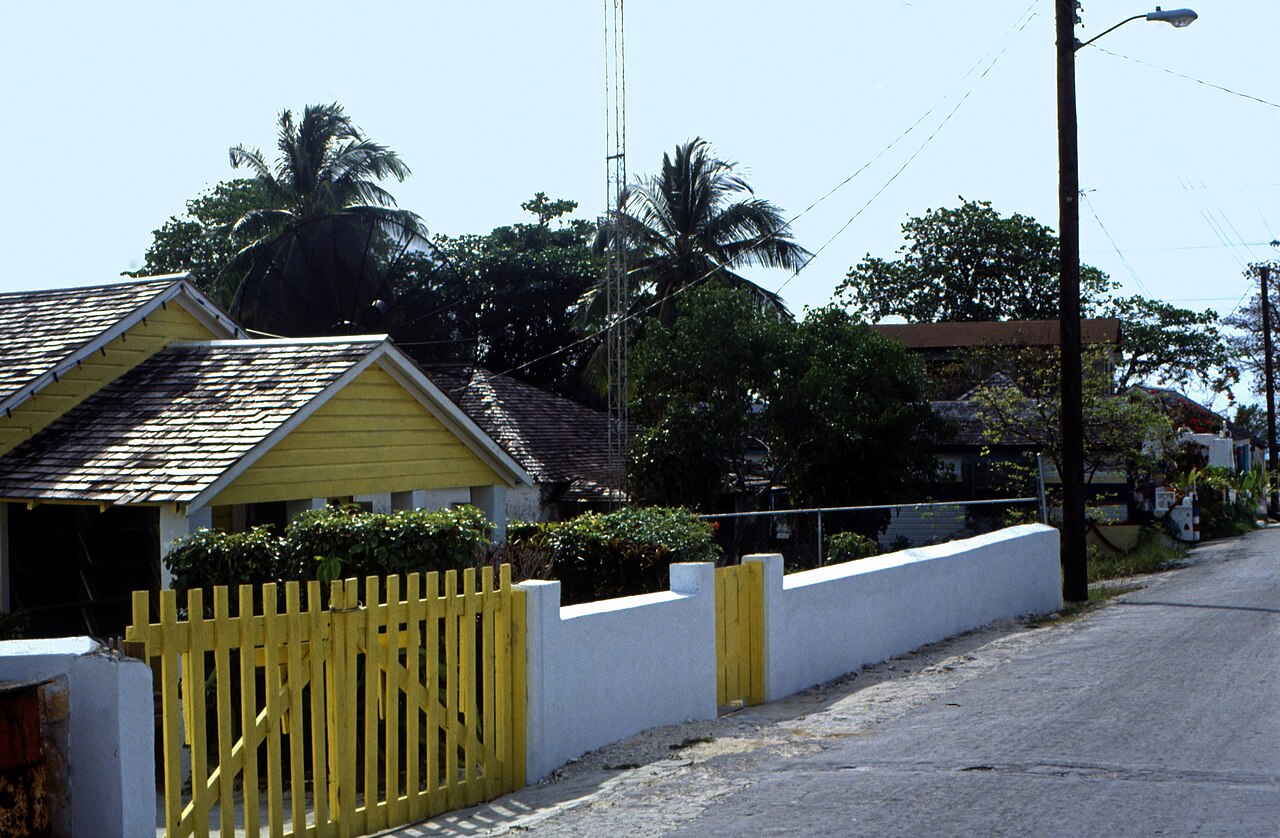
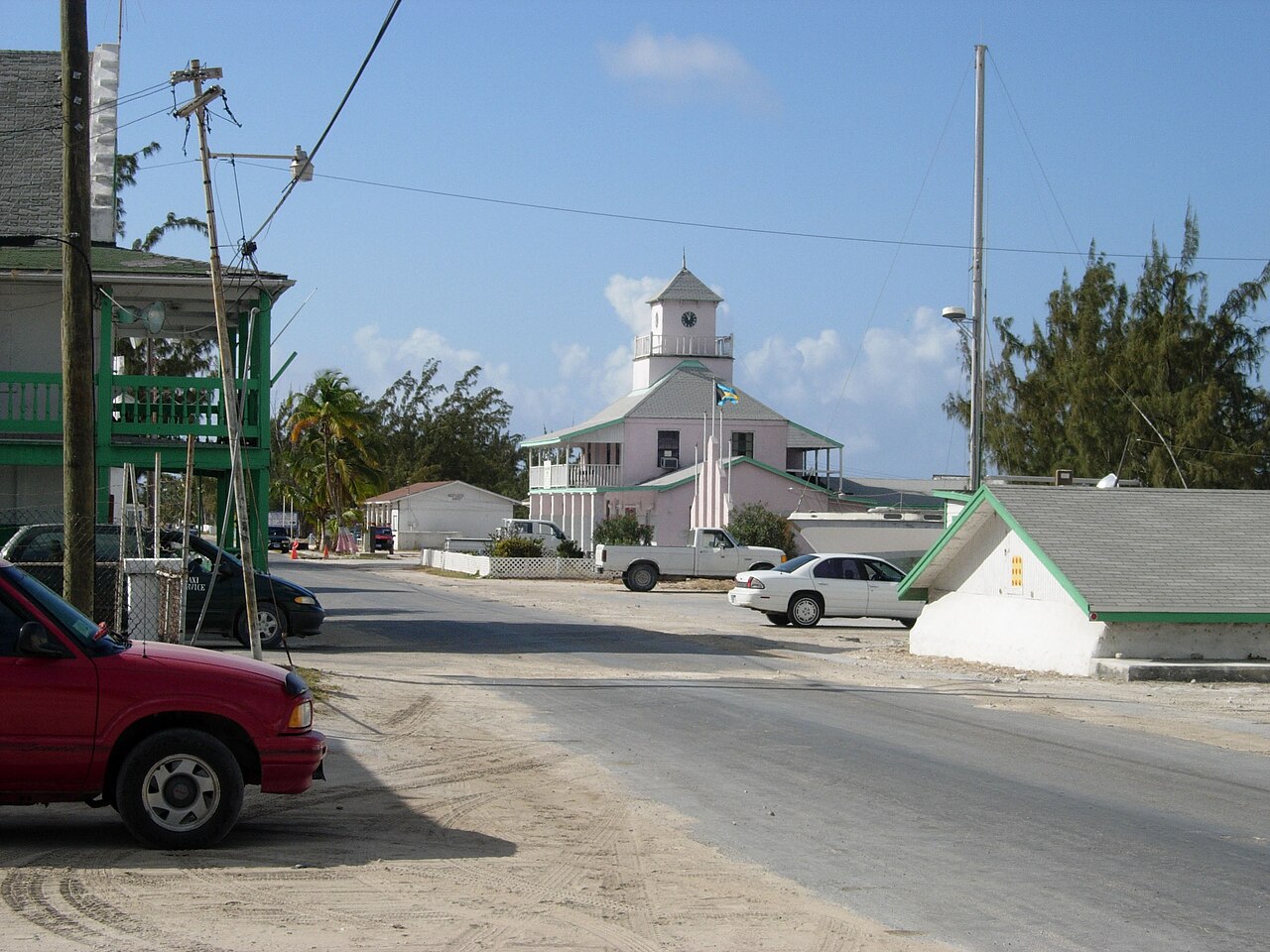
Most Bahamians live in Nassau, on the small island of New Providence, and in Freeport on Grand Bahama. Everywhere else, on the so-called Family Islands, settlements are small towns and villages of pastel houses beside a harbour, linked to Nassau by small planes and mail boats.

NassauFreeportMarsh HarbourHope TownNew PlymouthDunmore TownGeorge TownClarence TownCockburn TownMatthew Town
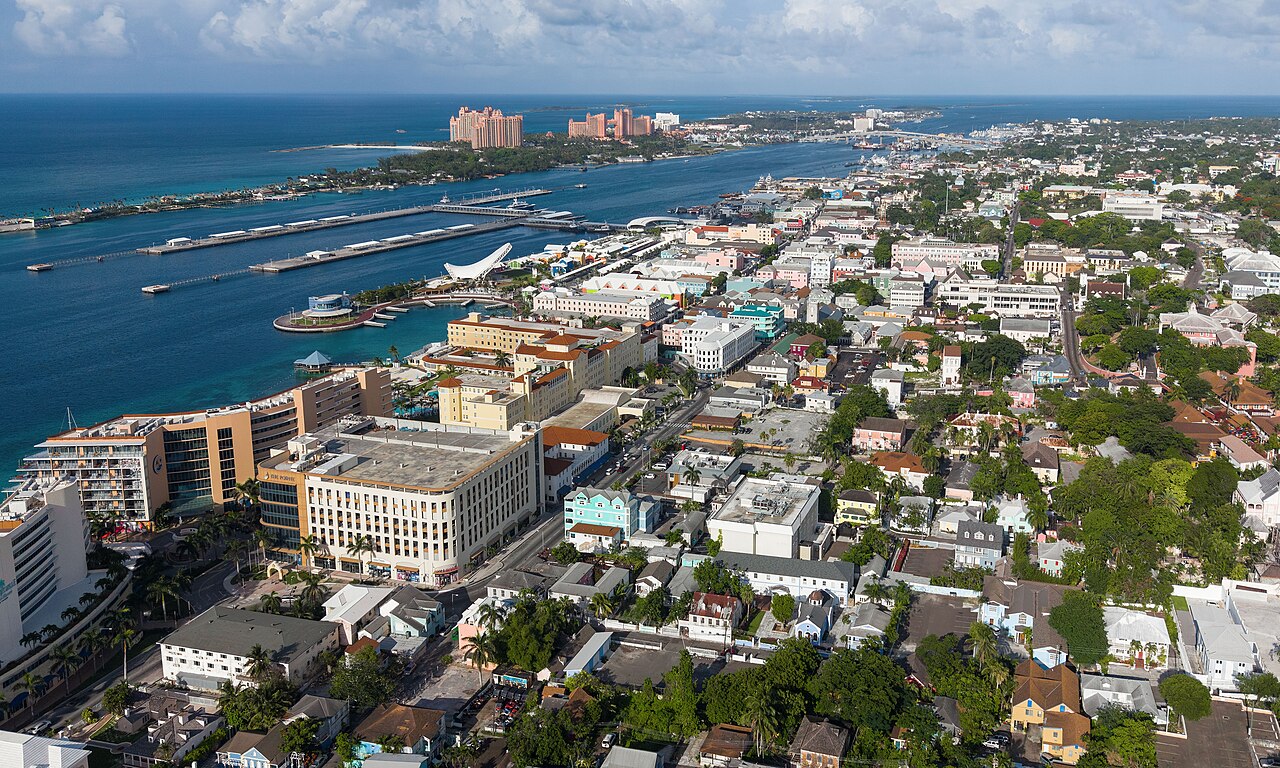
Nassau, Bahamas
Photo: Quintin Soloviev, CC BY 4.0

NassauCapital

New Providence
Read moreShow less

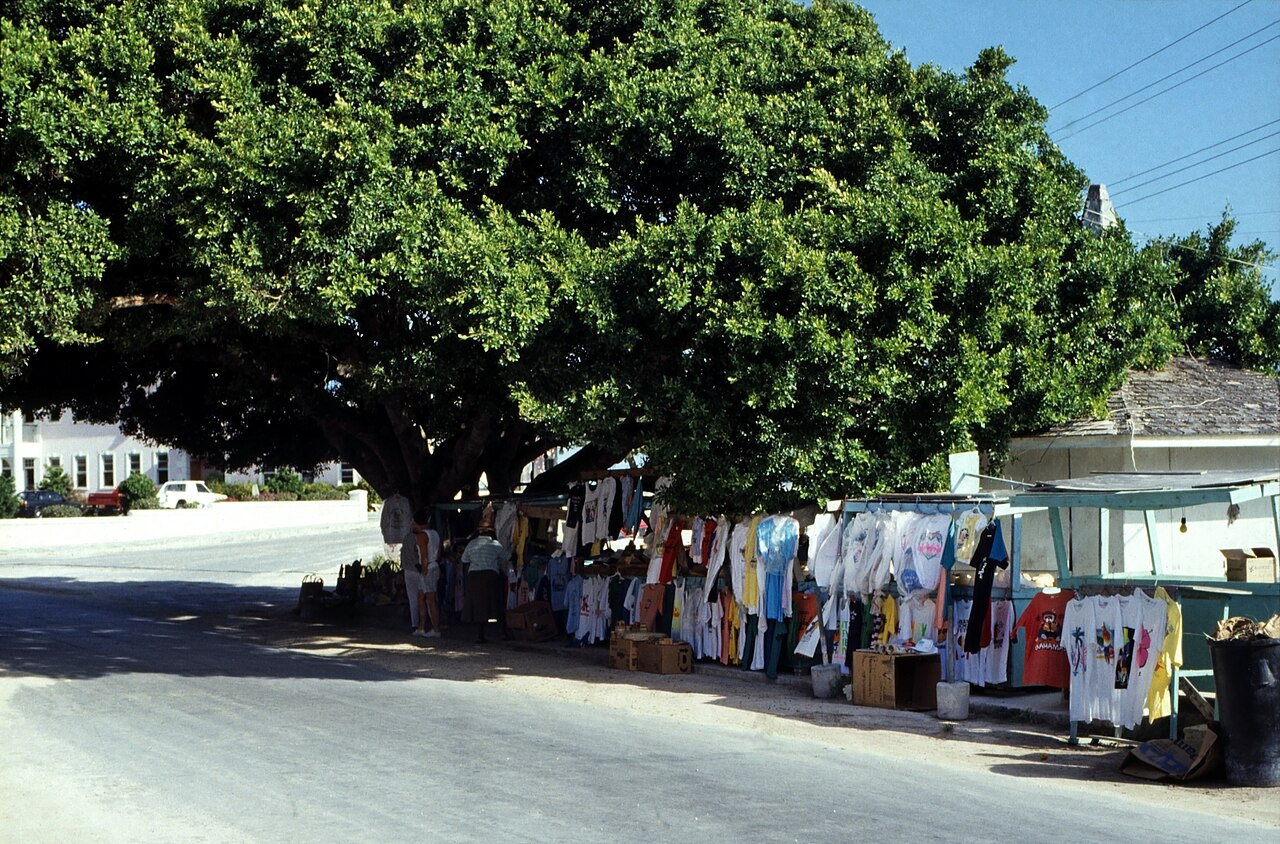
The capital and by far the largest city, on the north coast of New Providence, about 290 km east-southeast of Miami. New Providence has about 297,000 people, roughly three in four of all Bahamians. Founded as Charles Town in 1670 and renamed Nassau in 1695, it was once a notorious pirate base. Today it is one of the world's busiest cruise ports, with Bay Street's shops along the harbour and the Atlantis resort on Paradise Island across the water.

  • Bay Street, the Straw Market and Woodes Rogers Walk
  • The Queen's Staircase, Fort Fincastle and Fort Charlotte
  • The Junkanoo parades on Boxing Day and New Year's Day
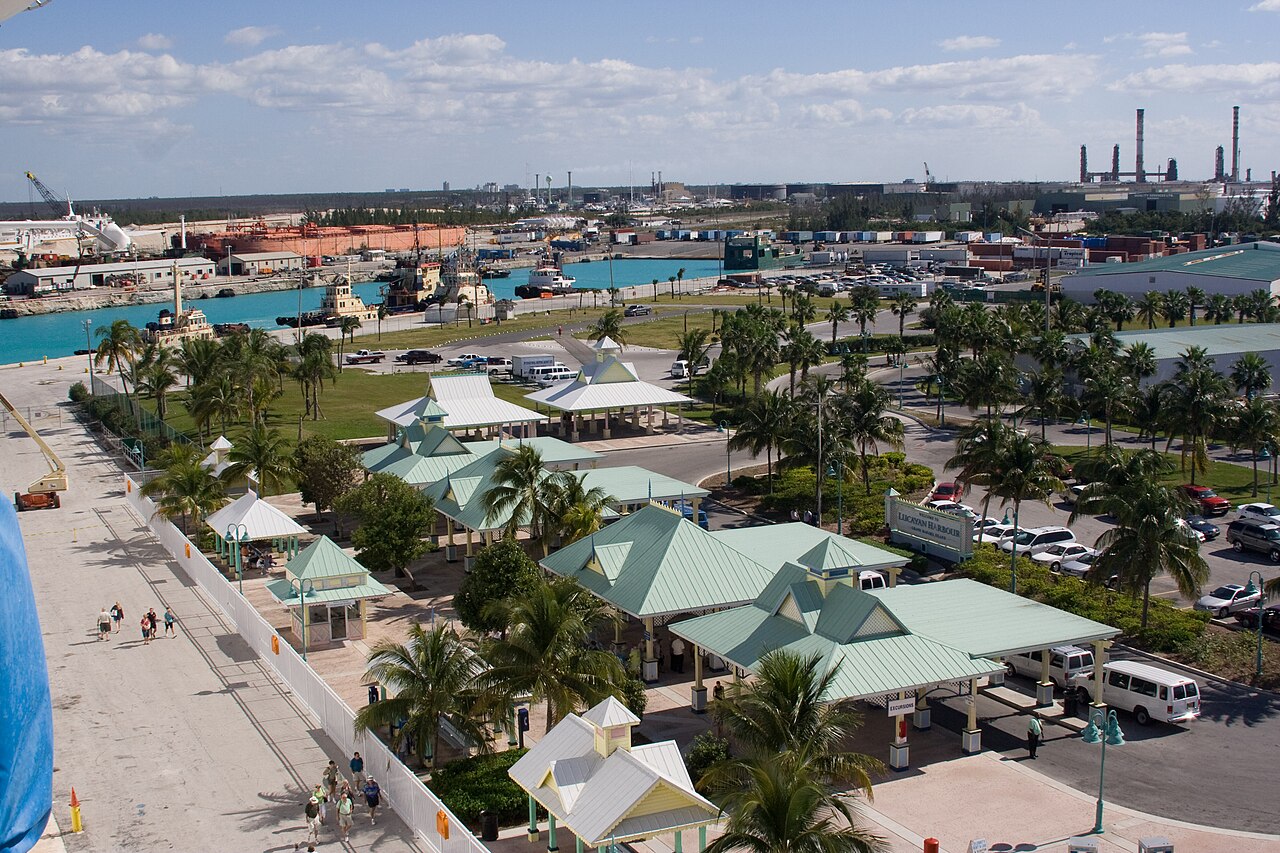
Freeport, Bahamas
Photo: Jon Worth, CC BY-SA 2.0

Freeport

Grand Bahama
Read moreShow less

The second-largest city, on Grand Bahama, only about 110 km off the coast of Florida. It was planned from 1955 as a free trade zone on land that had been swamp and pine forest, under the Hawksbill Creek Agreement. Hurricane Dorian hit it hard in 2019.

  • Port Lucaya Marketplace and its marina
  • Lucayan National Park and its underwater caves
  • Flights and a ferry to Florida
Marsh Harbour
Photo: Rüdiger Stehn, CC BY-SA 2.0

Marsh Harbour

Abaco
Read moreShow less

The main town of the Abaco Islands and the country's third-largest town, with about 6,300 people in 2012. It is the shopping and boating hub for the cays around it. In 2019 Hurricane Dorian made landfall here at full strength and destroyed most of the town, which has been rebuilding since.

  • Boating, swimming and snorkelling around the Abaco cays
  • The Marls, wide mangrove flats explored by kayak
  • Most of the shops and services of the Abacos
Hope Town
Photo: Rüdiger Stehn, CC BY-SA 2.0

Hope Town

Abaco (Elbow Cay)
Read moreShow less

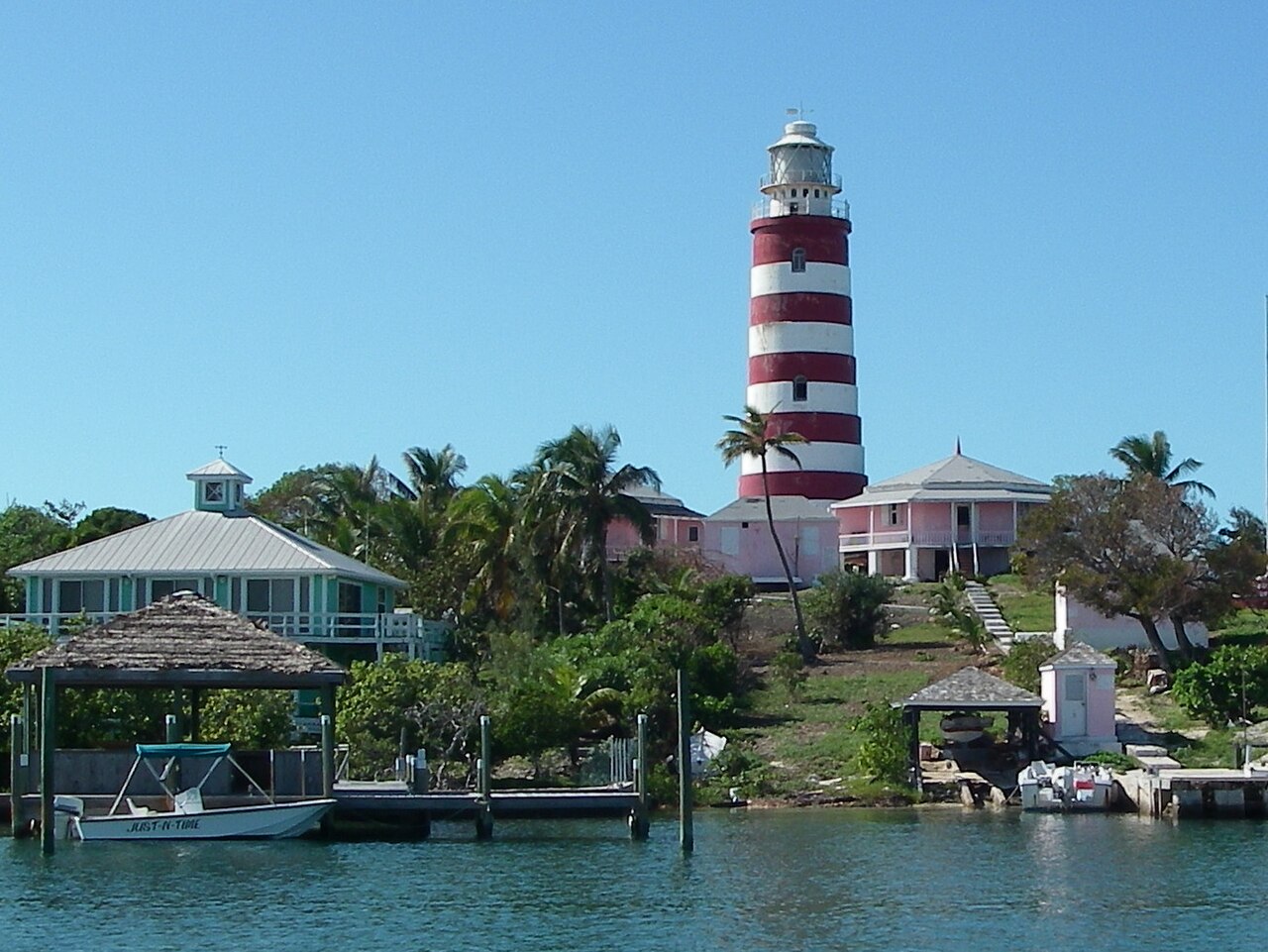
A small village on Elbow Cay, a narrow island off Abaco, with a few hundred people. Cars and even golf carts are kept out of the centre, so people walk or cycle, and new buildings must follow traditional Bahamian style. Its red-and-white striped lighthouse is one of the best-known sights in the country.

  • The hand-wound Elbow Reef Lighthouse
  • Narrow lanes closed to cars
  • Tahiti Beach and its sandbar at low tide
New Plymouth
Photo: Rüdiger Stehn, CC BY-SA 2.0

New Plymouth

Abaco (Green Turtle Cay)
Read moreShow less

The village of Green Turtle Cay, a small barrier island off Great Abaco that can be reached only by boat. It was founded in the 18th century, and its older houses have steep roofs in a style brought by settlers from New England. About 450 people live on the island, mostly from lobster fishing and tourism.

  • The Loyalist Memorial Sculpture Garden, a national monument
  • Miss Emily's Blue Bee Bar, home of the Goombay Smash
  • Beaches, marinas and lobster boats
Dunmore Town
Photo: Rüdiger Stehn, CC BY-SA 2.0

Dunmore Town

Harbour Island (Eleuthera)
Read moreShow less

The only town on Harbour Island, a small island off the northeast coast of North Eleuthera, with about 1,800 people. Harbour Island was settled in the 1600s by families from the struggling Eleuthera colony, and the town is named after Lord Dunmore, governor in the late 1700s, who had a summer house here.

  • The pink sand beaches on the island's east side
  • One of the oldest settlements in the country
  • Its position just off North Eleuthera
George Town
Photo: Rüdiger Stehn, CC BY-SA 2.0

George Town

Exuma
Read moreShow less

The capital and largest town of the Exuma district, a chain of over 365 islands and cays, with about 1,400 people. Founded in 1793 on Great Exuma, it lies on Elizabeth Harbour, said to have been a favourite pirate hideout, and every April it hosts the National Family Island Regatta of traditional sailing boats.

  • The National Family Island Regatta every April
  • Sailing, diving and fishing in the Exumas
  • Tropic of Cancer Beach on Little Exuma
Clarence Town
Photo: Rüdiger Stehn, CC BY-SA 2.0

Clarence Town

Long Island
Read moreShow less

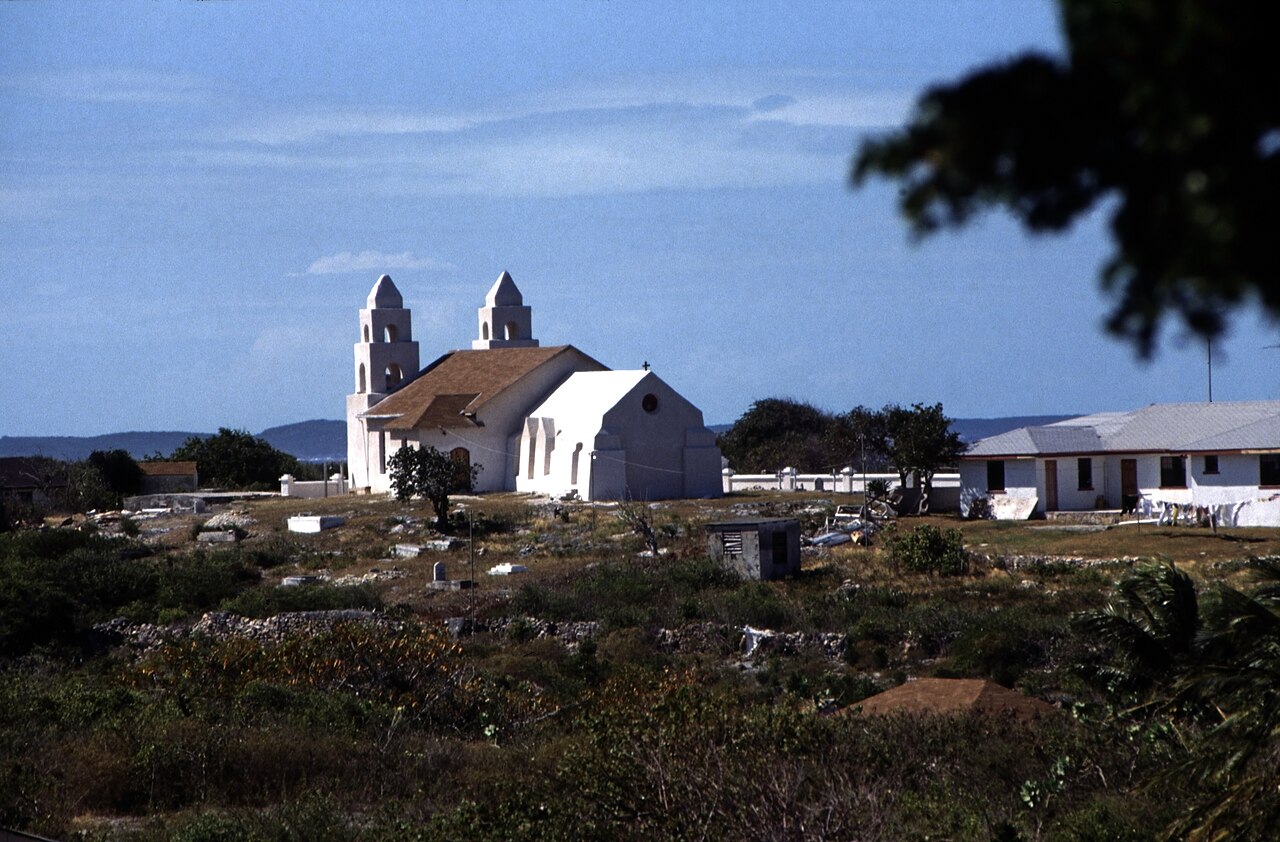
The small capital of Long Island, a thin island about 130 km long that is crossed by the Tropic of Cancer. Its two white twin-towered churches, one Anglican and one Catholic, were designed by the architect-priest John Hawes, who also built the hermitage on Mount Alvernia.

  • Dean's Blue Hole nearby
  • The two churches built by Father Jerome (John Hawes)
  • Its marina and the weekly mail boat
Cockburn Town
Photo: Rüdiger Stehn, CC BY-SA 2.0

Cockburn Town

San Salvador
Read moreShow less

The main settlement of San Salvador, the island where Columbus most likely made his first landfall in 1492. It is a quiet village of a few hundred people, named after a 19th-century governor, with a small museum and a huge almond tree where locals gather.

  • San Salvador's link with Columbus's 1492 landing
  • The reefs that ring the island
  • Its old jail and small museum
Matthew Town
Photo: Mark A. Wilson(Department of Geology, The College of Wooster), Public domain

Matthew Town

Inagua
Read moreShow less

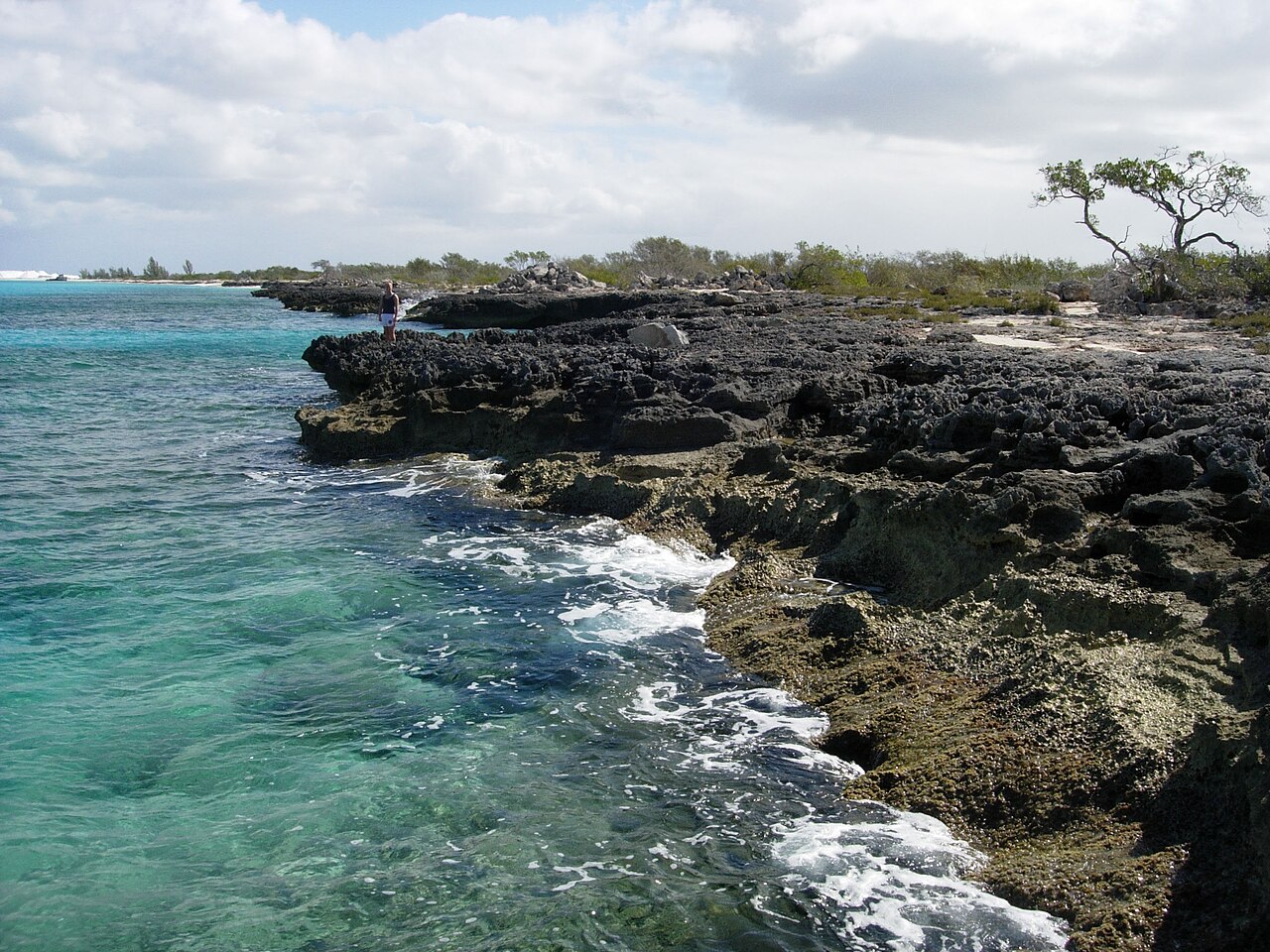
The only settlement on Great Inagua, the southernmost and second-largest island, about 89 km from the eastern tip of Cuba. Many of its roughly 1,000 people work at the huge Morton Salt works, the island's largest employer, whose evaporation ponds produce about a million tonnes of sea salt a year.

  • The salt ponds and salt works
  • The 1870 Great Inagua Lighthouse
  • Tens of thousands of flamingos in the national park
Landmarks

Places everyone should see once

Queen's Staircase
Photo: JERRYE AND ROY KLOTZ MD, CC BY-SA 3.0
Nassau

Queen's Staircase

Read moreShow less

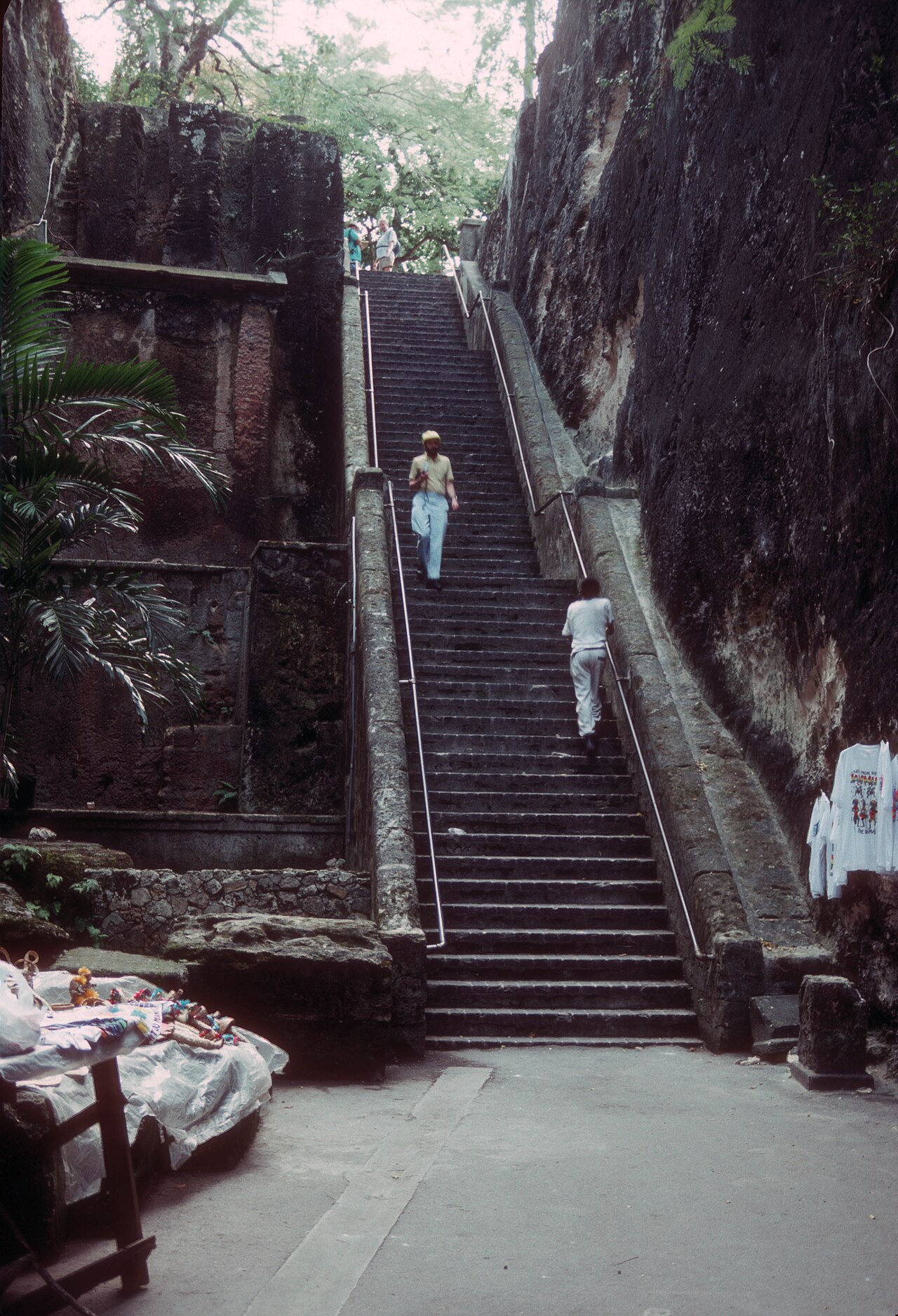
A staircase of 65 steps (originally 66), climbing 31 m through a deep cut in the limestone of Bennet's Hill in central Nassau. Enslaved people carved it out of solid rock by hand in 1793 and 1794 to link the town with Fort Fincastle. It was later named after Queen Victoria, and a small waterfall now runs beside the steps.

Fort Fincastle (The Bahamas)
Photo: Taugenichts80, CC BY-SA 3.0
Nassau

Fort Fincastle

Read moreShow less

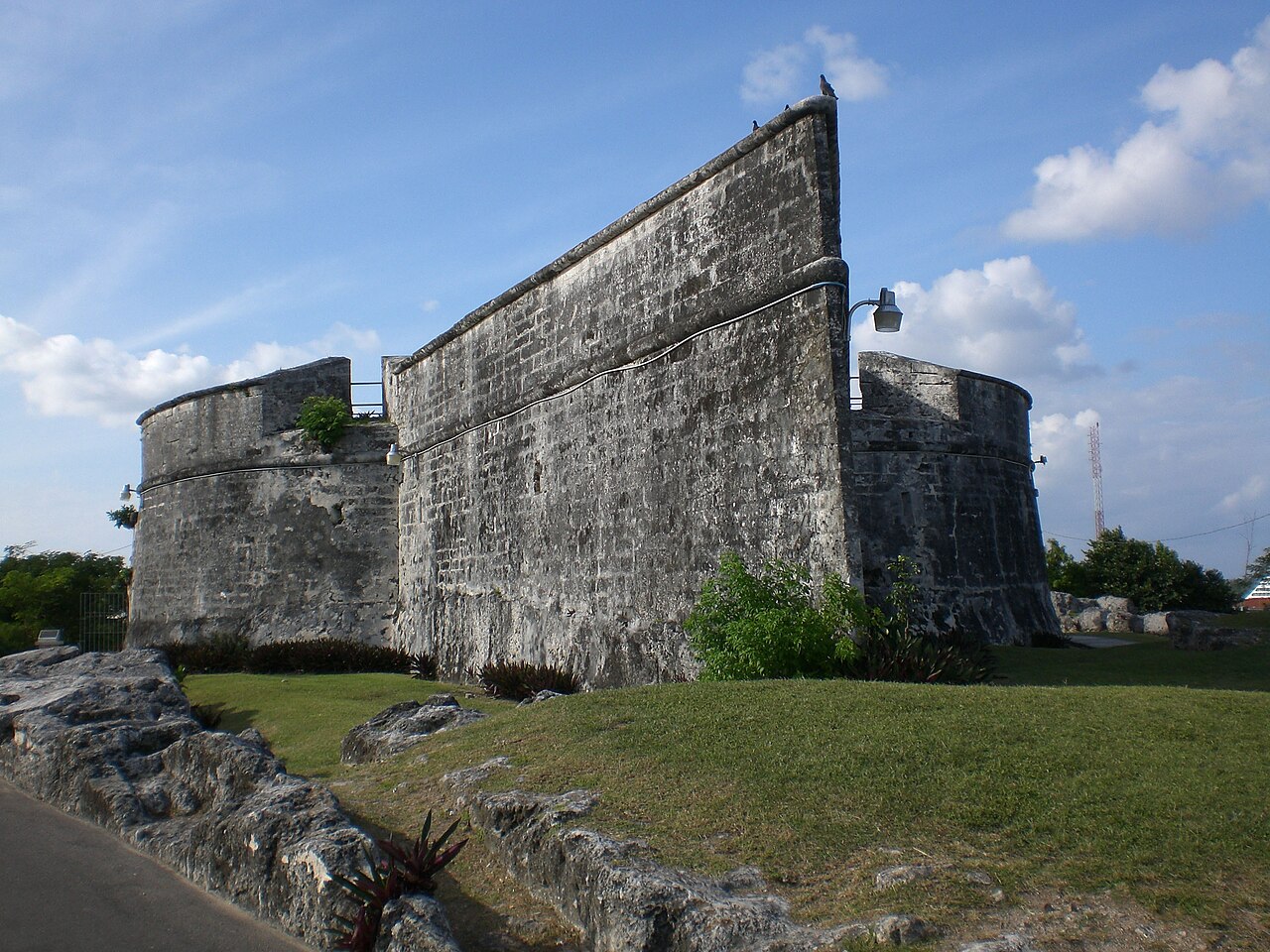
A small stone fort on Bennet's Hill, the highest point of Nassau, built in 1793 by Lord Dunmore and named after his second title, Viscount Fincastle. It is shaped like the bow of a paddle steamer and served as a lighthouse until 1817. Visitors usually reach it by climbing the Queen's Staircase.

Fort Charlotte
Photo: BrokenSphere, CC BY-SA 3.0
Nassau

Fort Charlotte

Read moreShow less

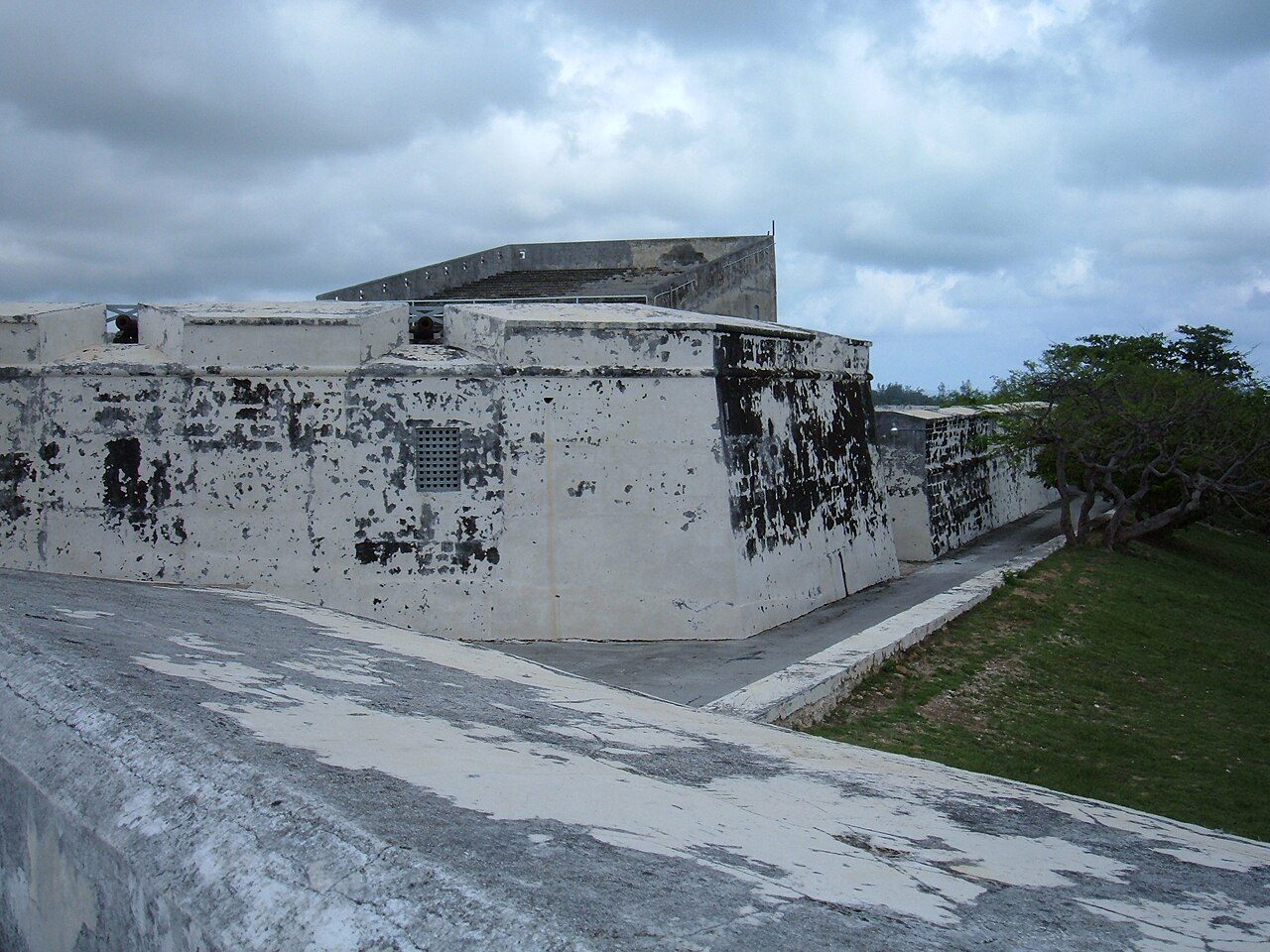
An 18th-century fort on a hill just west of downtown Nassau, a short walk from the cruise ship terminal, overlooking the harbour. Lord Dunmore, the colonial governor, built it after the American War of Independence to guard the town against attack. It was never used in battle.

Lucayan National Park
Photo: katiebordner, CC BY 2.0
Near Freeport

Lucayan National Park

Read moreShow less

A park on Grand Bahama, about 30 km east of Freeport, set up in 1982. Paths lead through pine forest and mangroves to Gold Rock Beach, and stairs go down to the entrance of a flooded cave system with more than 10 km of charted underwater tunnels. A new class of cave-dwelling crustaceans, the remipedes, was discovered here in 1979.

Elbow Cay
Photo: Dmadeo, CC BY-SA 4.0
Hope Town

Elbow Reef Lighthouse

Read moreShow less

The red-and-white striped lighthouse of Hope Town, first lit in 1863. It is one of the very last lighthouses in the world still worked by hand: its keepers wind a weight mechanism every few hours, and the lamp burns kerosene, about a gallon a night. Its five white flashes every 15 seconds can be seen 43 km out to sea. The historic lighthouses of the Bahamas are on UNESCO's tentative list, not yet World Heritage Sites.

Pink Sands Beach
Photo: Mike's Birds, CC BY-SA 2.0
Dunmore Town

Pink Sands Beach

Read moreShow less

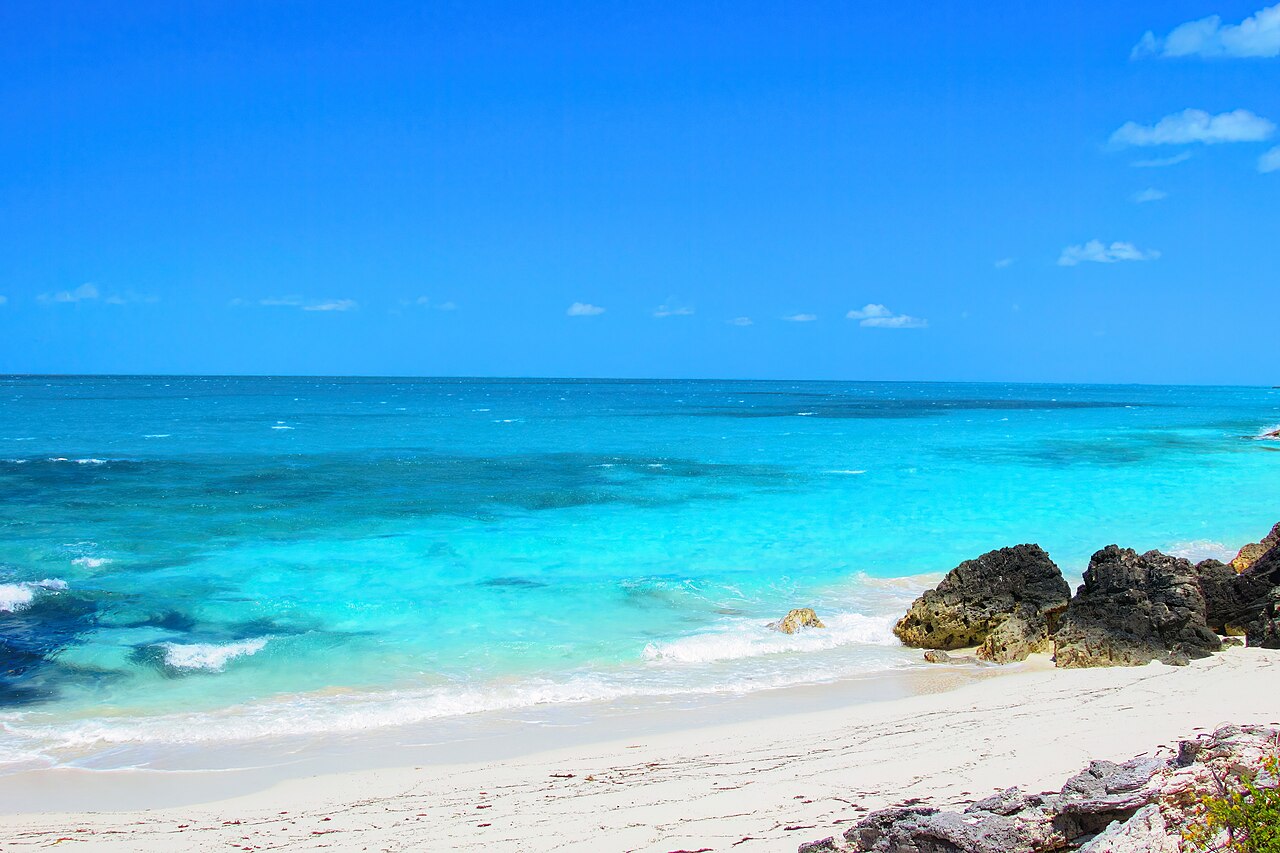
The long beach on the Atlantic side of Harbour Island, a short walk from Dunmore Town, famous for its soft, pale pink sand. The colour comes from foraminifera, tiny sea creatures with reddish-pink shells. Pink sand beaches line the whole east side of the island.

Tropic of Cancer Beach
Photo: Venture Minimalists, Public domain
Near George Town

Tropic of Cancer Beach

Read moreShow less

A white-sand beach on Little Exuma, southeast of George Town, also called Pelican Beach. The Tropic of Cancer runs across it, so visitors can stand right on the line that marks the northern edge of the tropics. Its white sand and turquoise water have made it famous well beyond the Bahamas.

Dean's Blue Hole
Photo: Oceanwave77, CC BY-SA 4.0
Near Clarence Town

Dean's Blue Hole

Read moreShow less

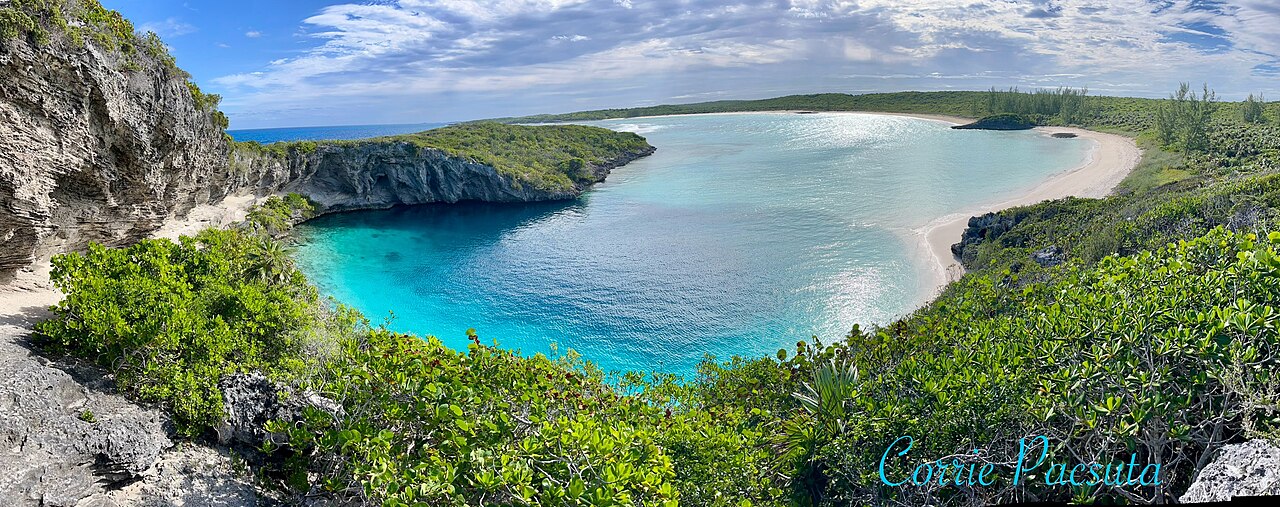
A deep, dark-blue sinkhole in a sandy bay west of Clarence Town on Long Island, surrounded by limestone cliffs. It drops 202 m and widens into a large cavern below. As of November 2026 it is the world's third-deepest known blue hole, and it hosts the Vertical Blue freediving contest, where world records are set.

Inagua National Park
Photo: Wilson44691 at English Wikipedia, Public domain
Near Matthew Town

Inagua National Park

Read moreShow less

A huge park of salt lakes and wetlands in the middle of Great Inagua, created in 1965 and around the large salt lake Lake Rosa. It holds the world's largest breeding colony of West Indian (American) flamingos, tens of thousands of birds, which were brought back from near extinction. It is a protected Ramsar wetland and is on UNESCO's tentative list, not yet a World Heritage Site.

Fun facts

Things you might not know

  1. 01

    Columbus's first landfall in the Americas, on 12 October 1492, was in the Bahamas, on a Lucayan island called Guanahaní. Scholars still argue over which island it was; most say today's San Salvador.

  2. 02

    As of November 2026, The Bahamas is one of only two countries whose official short name begins with 'The'. The other is The Gambia.

  3. 03

    The name probably comes from the Lucayan word Bahama, the name of the island of Grand Bahama. The popular story that it comes from the Spanish 'baja mar', shallow sea, is thought to be a folk tale.

  4. 04

    Frost has never been recorded in the Bahamas, and snow has been reported only once: on 19 January 1977 a little snow mixed with rain fell briefly over Freeport.

  5. 05

    Andros, the largest island, is bigger than all the other Bahamian islands put together, and it has the world's largest collection of blue holes, water-filled openings into underwater caves.

  6. 06

    Andros folklore tells of the Lusca, a giant half-octopus, half-shark that swallows boats, and the Chickcharney, a furry, feathered creature about a metre tall with one red eye.

  7. 07

    The pink sand of Harbour Island gets its colour from foraminifera, microscopic sea creatures with reddish-pink shells.

  8. 08

    A flamingo and a blue marlin hold up the Bahamian coat of arms: the flamingo stands on land and the marlin in the sea, a nod to the islands' geography.

  9. 09

    Bahamian money has unusual pieces: a three-dollar note and a square 15-cent coin, both made in 1966 to ease the change from the old pounds, shillings and pence. The one-cent coin was withdrawn in 2020, so cash prices are rounded to the nearest five cents.

  10. 10

    In October 2020 the Bahamas launched the Sand Dollar, a digital version of the Bahamian dollar, widely described as the first official digital currency issued for a whole country.

  11. 11

    The name of Kalik, the national beer, imitates the sound of the cowbells rung in Junkanoo, the costumed street parade held on Boxing Day and New Year's Day, biggest in Nassau.

  12. 12

    Ernest Hemingway lived on Bimini from 1935 to 1937, and Martin Luther King Jr. worked on his 1964 Nobel Peace Prize speech during a visit there.

  13. 13

    Eleuthera is about 180 km long but in places very narrow. At the Glass Window Bridge, sometimes called the narrowest place on earth, the island is only about 9 m wide, with the Atlantic Ocean on one side and the Great Bahama Bank on the other.

Bahamian dialect (Bahamian Creole) words

20 words to start with

English-based; 'h' is often dropped, so 'things' sounds like 'tings' Pronunciation is written the way it sounds; the capital letters show where the stress goes.

People

  • yinnaYIN-nahyou (when talking to more than one person), you all
  • beyBAYboy; also any person, or a call for attention, like 'man!'
  • pickneyPIK-neea small child
  • demDEMand the others (after a name): 'Johnny dem' means Johnny and his group
  • broughtupcyBRAWT-up-seethe way someone was raised, their manners

Everyday life

  • jitneyJIT-neea city bus
  • jam upJAM upcrowded, full
  • mash upMASH upto break or wreck something
  • sip sipSIP sipgossip
  • asueAH-sooa savings club where members pay in regularly and take turns collecting the pot
  • tennisTEN-nissneakers, trainers
  • tingumTING-uma word for a thing or person whose name you can't remember, a thingamajig

Food

  • switchaSWITCH-ahlemonade, usually made with limes
  • slam bamSLAM bama sausage sandwich
  • bennyBEN-neesesame seed, used in the sweet benny cake

Describing people

  • biggetyBIG-uh-teebold, loud, too full of yourself
  • sometimeySUM-time-eemoody, friendly one day and not the next
  • cut eyeKUT eyeto give someone a dirty look

Animals

  • potcakePOT-kayka mixed-breed island dog, often a stray

Exclamations

  • muddoMUD-dohan exclamation of surprise or shock, like 'my goodness!'
Say it like a local

Useful phrases

Standard English is understood everywhere; these are what you will hear among Bahamians

What da wybe is?
wut dah WIBE iz
What's up? What's going on?
A popular friendly greeting, mostly among younger Bahamians
Een nothin'
EEN NUH-tin
Nothing much
The usual reply to 'What da wybe is?'
I straight!
eye STRAYT
I'm fine, it's all good
Telling someone that all is well with you
Tanks
TANKS
Thanks
Saying thank you; the 'h' in 'th' is usually dropped
I gern ta Freeport
eye GURN tah FREE-port
I'm going to Freeport
Saying where you are heading
I ga cook
eye gah KOOK
I'm going to cook
Saying what you are about to do
I een gern
eye EEN GURN
I'm not going
Turning down an invitation or a trip
I does eat conch erry day
eye duz EET KONK ER-ree day
I eat conch every day
Talking about a habit; 'does' marks something you do regularly
Wa you does do?
WAH yoo duz DOO
What kind of work do you do?
Asking someone about their job
Das ya book?
DAHS yah BOOK
Is that your book?
Asking who owns something
He gone dat way
hee GAWN DAT way
He went that way
Pointing in the direction someone went
Why you do dat?
WHY yoo DOO dat
Why did you do that?
Asking someone to explain what they did
I dun tell you
eye DUN TEL yoo
I already told you
Reminding someone of what you said before
I bin Lutra last week
eye bin LOO-trah lahst WEEK
I went to Eleuthera last week
Talking about a past trip; 'Lutra' is the local name for Eleuthera
Only me one sing
OHN-lee mee WUN SING
I'm the only one who sang
Saying that you did something alone
Wid Johnny dem
wid JON-nee dem
With Johnny and the others
Saying who someone is with; 'dem' after a name means that person's group
De restaurant jam up
dee RES-trawnt JAM up
The restaurant is packed
Warning that a place is too crowded to get a seat
Local tips

Before you go

US dollars work everywhere

The Bahamian dollar is pegged one to one to the US dollar, and US dollars are accepted everywhere at the same value, so Americans do not need to change money. You may get change in either currency. Cash totals are rounded to the nearest five cents, because the one-cent coin was withdrawn in 2020.

Keep left, in an American car

Traffic drives on the left, but most cars, including hire cars, come from the United States and have the steering wheel on the left. Take extra care at junctions and when overtaking, and be careful on rural roads in the evening.

Mind the hurricane season

The hurricane season runs from 1 June to 30 November, and most hurricanes reach the Bahamas between July and October. Take good travel insurance, follow local weather warnings, and leave early if an evacuation is advised.

Swim with care

Sharks are protected in all Bahamian waters, so there are many of them. Avoid swimming at dusk or at night, in marinas, or anywhere fish are being cleaned or bait is used, and watch out for jet skis near swimming areas.

Know the emergency numbers

As of November 2026, the numbers for police, fire and ambulance in the Bahamas are 919 and 911.

Bring insurance for the Family Islands

Medical care in Nassau and Freeport is good but expensive, and facilities on the smaller Family Islands are limited. Serious cases are flown to Nassau, Freeport or Miami, so make sure your insurance covers medical evacuation.

Ride the jitney in Nassau

Local buses in Nassau, called jitneys, run during the day without a fixed timetable, and you can ask the driver to stop where you want. They do not go to the airport or over the bridge to Paradise Island.

Check the bill before tipping

Many restaurants and hotels automatically add a gratuity, often 15 per cent. If it is already on the bill, an extra tip is optional.

Sources (58)
Last step of the trip

Take the quiz, get your Bahamas stamp

10 friendly questions about what you just read. No timer, and the ones you miss come back later for review.

Your trip to Bahamas

Ready for the quiz?

10 questionsAbout 3 minutesNo timer

My notes on Bahamas

Memories, a dish to cook, a place you want to see. Only you can see this. It saves by itself.

Your notes are kept in My collection.

More about the Bahamas