A small, English-speaking country between the Maya forests of Central America and the Caribbean, with jungle pyramids, a deep blue sinkhole in the sea and one of the largest coral reef systems in the world.
Belize lies on the Caribbean coast of Central America, with Mexico to the north and Guatemala to the west and south. Honduras lies across the Gulf of Honduras. The mainland is only about 280 km from north to south and about 100 km across: flat, swampy and forested in the north, with the low Maya Mountains in the south. Offshore, a barrier reef about 300 km long runs past hundreds of small islands called cayes, and three coral atolls lie further out.
Maya cities such as Caracol, Lamanai, Xunantunich and Altun Ha flourished here for well over a thousand years. From the 17th century British woodcutters, known as Baymen, and the enslaved Africans they brought cut logwood and mahogany along the rivers. The settlement became the colony of British Honduras, was renamed Belize in 1973 and became independent on 21 September 1981. Guatemala has long claimed Belizean territory; both countries agreed by referendum to let the International Court of Justice decide, and as of November 2026 the case is still pending there.
Questions to ask the older generation
Memories fade faster than photos. Ask these over a meal or a phone call, and write the answers down.
Which town or region of Belize did our family come from? Was it near Belize City, San Ignacio, Orange Walk Town?
Who was the first in the family to leave Belize, when, and why?
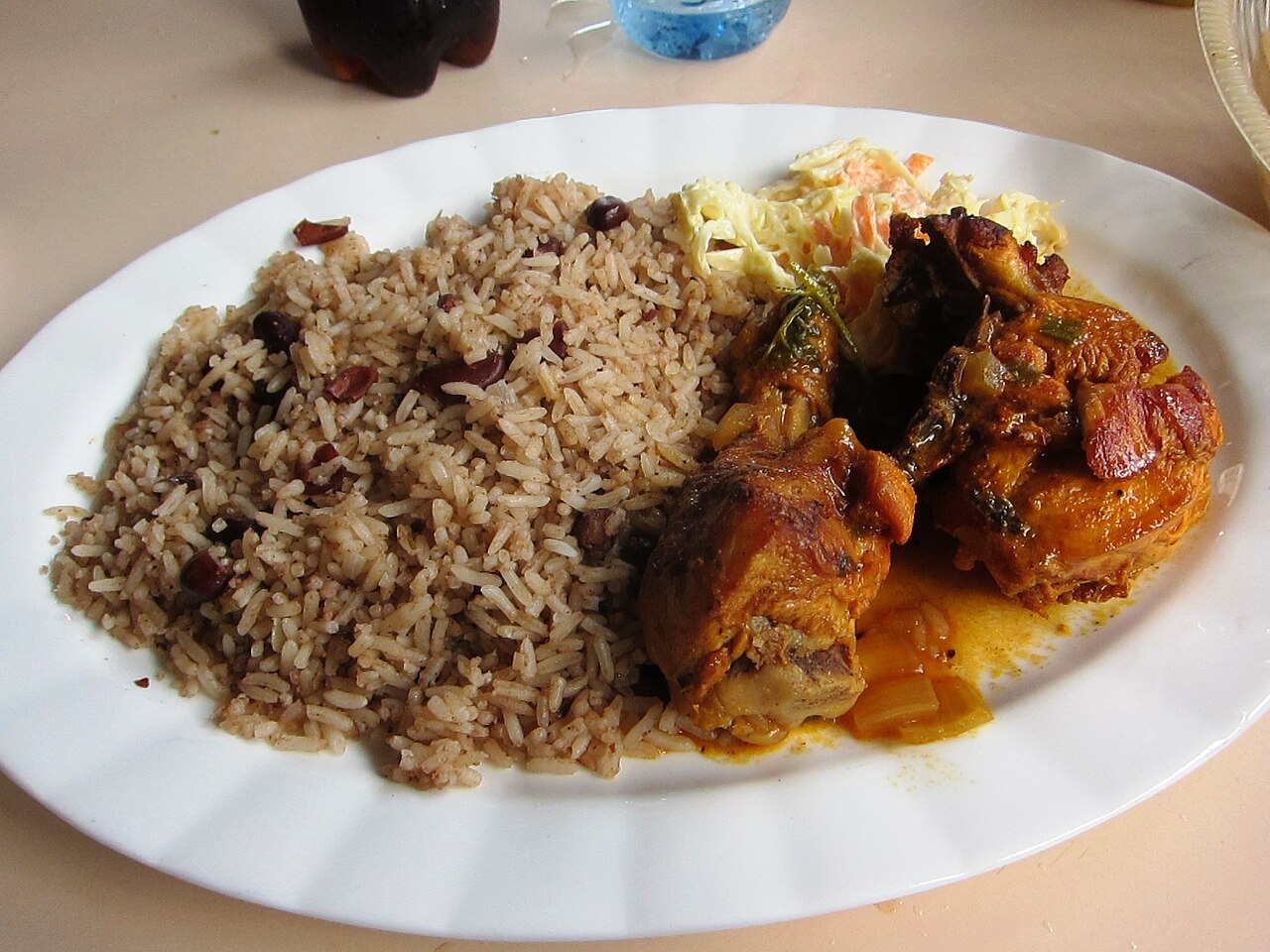
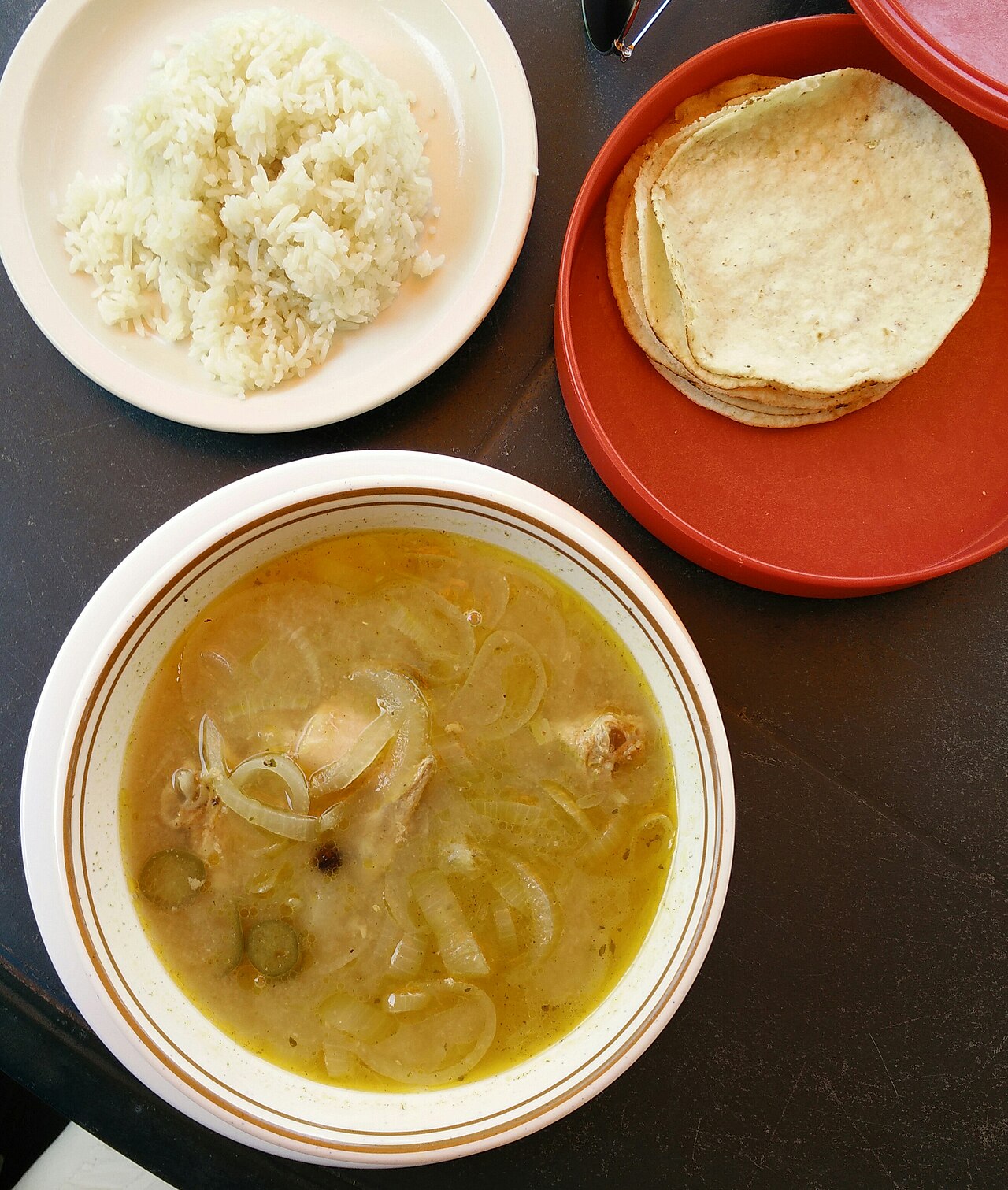
Which dishes from Belize were cooked at home? Did anyone make Rice and beans with stew chicken or Boil up?
Does anyone in the family still speak Belizean Kriol, or use a few words of it?
Were there songs, prayers, games or holidays from Belize that the family kept?
Are there old photos, letters or documents from Belize? Who has them?
If you could visit Belize together, where would you go first?
A short history of Belize
Maya kingdoms ruled the forests of Belize for centuries before Europeans arrived. Spain claimed the land but never really settled it, and British woodcutters slowly built a settlement on the coast that became the colony of British Honduras. In the 20th century hurricanes, a labour movement and a long campaign for self-government led to a new inland capital, a new name and, in 1981, independence.
AD 562
Caracol defeats Tikal
Caracol, in the west of today's Belize, had been under the influence of the great city of Tikal. Carved monuments record that in 562 its ruler, known as Lord Water, defeated Tikal. Caracol grew into one of the largest Maya cities, covering about 200 km².
1718
Blackbeard at Turneffe Atoll
The coast and cayes were a hideout for buccaneers. In April 1718 the pirate Blackbeard captured the sloop Adventure at Turneffe Atoll, east of today's Belize City, and forced its captain to join him. Around the same time British woodcutters set up their first permanent settlement.
1802
The Garifuna settle at Stann Creek
The Garifuna, descendants of Caribbean Indigenous people and Africans, were deported by the British from Saint Vincent in 1797 to Roatán off Honduras. From there they spread along the coast, and by 1802 about 150 Garifuna were living in the settlement; Stann Creek, today's Dangriga, became their main town. More arrived in the 1830s, and their arrival is celebrated on Garifuna Settlement Day, 19 November.
1862
British Honduras becomes a colony
In 1862 the Settlement of Belize in the Bay of Honduras was formally declared a British colony called British Honduras, with a lieutenant governor under the governor of Jamaica. It became a crown colony, ruled more directly from London, in 1871.
1950
The People's United Party is founded
Anger at the devaluation of the British Honduras dollar in 1949 united workers and nationalists. On 29 September 1950 they founded the People's United Party. George Price, later called the Father of the Nation, led the party for four decades and the government for most of the years from 1961 to 1993.
1970
Belmopan becomes the capital
Work on the planned city of Belmopan, about 80 km inland, began in 1967, and the government moved there in 1970. Its name joins the names of the Belize and Mopan rivers, and its National Assembly building is designed to look like a Maya temple.
1981
Independence
Belize became independent on 21 September 1981, with George Price as its first prime minister. It stayed in the Commonwealth with the British monarch as head of state. Independence Day and St. George's Caye Day together make up the month-long September Celebrations.
2023
Belize is certified malaria-free
In June 2023 the World Health Organization certified Belize as free of malaria. The country had about 10,000 cases at the peak in 1994, and its last locally caught case was in December 2018.
Belmopan, Cayo District: The National Assembly building, designed to look like a Maya temple, A quiet, green city of civil servants and embassies.
Belize City, Belize District: St. John's Cathedral, the oldest Anglican church in Central America, The Museum of Belize and the Fort George area.
San Ignacio, Cayo District: The nearby Maya sites of Xunantunich, Cahal Pech and Caracol, Cave trips such as Actun Tunichil Muknal.
Orange Walk Town, Orange Walk District: The Tower Hill sugar factory, which processes most of the country's cane, Boat trips up the New River to Lamanai.
Corozal Town, Corozal District: The brick corners of Fort Barlee, built in 1870, The Maya trading site of Cerros across the bay.
San Pedro, Ambergris Caye, Belize District: Snorkelling and diving at Hol Chan Marine Reserve, Being said to be the inspiration for Madonna's song 'La Isla Bonita'.
Caye Caulker, Belize District: The Split, a popular swimming spot, Snorkelling trips to the barrier reef, which lies just off the island.
Dangriga, Stann Creek District: Garifuna Settlement Day celebrations every 19 November, Garifuna drumming and punta music.
Placencia, Stann Creek District: Beaches on a long, narrow peninsula, A name from the Spanish Punta Placentia, 'Pleasant Point'.
Punta Gorda, Toledo District: The gateway to the Maya villages and ruins of Toledo, such as Lubaantun, Its Garifuna name, Peini.
Our sister site Daily Ancestor helps you read the real documents: ship passenger lists, Ellis Island arrivals, naturalization papers and census pages, with a free plan of which records exist for each ancestor.