Belizean food mixes the kitchens of all its peoples: Kriol, Mestizo, Maya, Garifuna, Mennonite, East Indian and Chinese. Breakfast is hearty, with fry jacks or flour tortillas, refried beans, eggs and cheese. The main meal is at midday and is called 'dinner'; the classic plate is rice and beans cooked in coconut milk with stewed chicken and potato salad or coleslaw. Corn snacks such as garnaches and panades are sold everywhere, the Garifuna cook fish, plantains and cassava, and almost every table has a bottle of Marie Sharp's hot sauce.
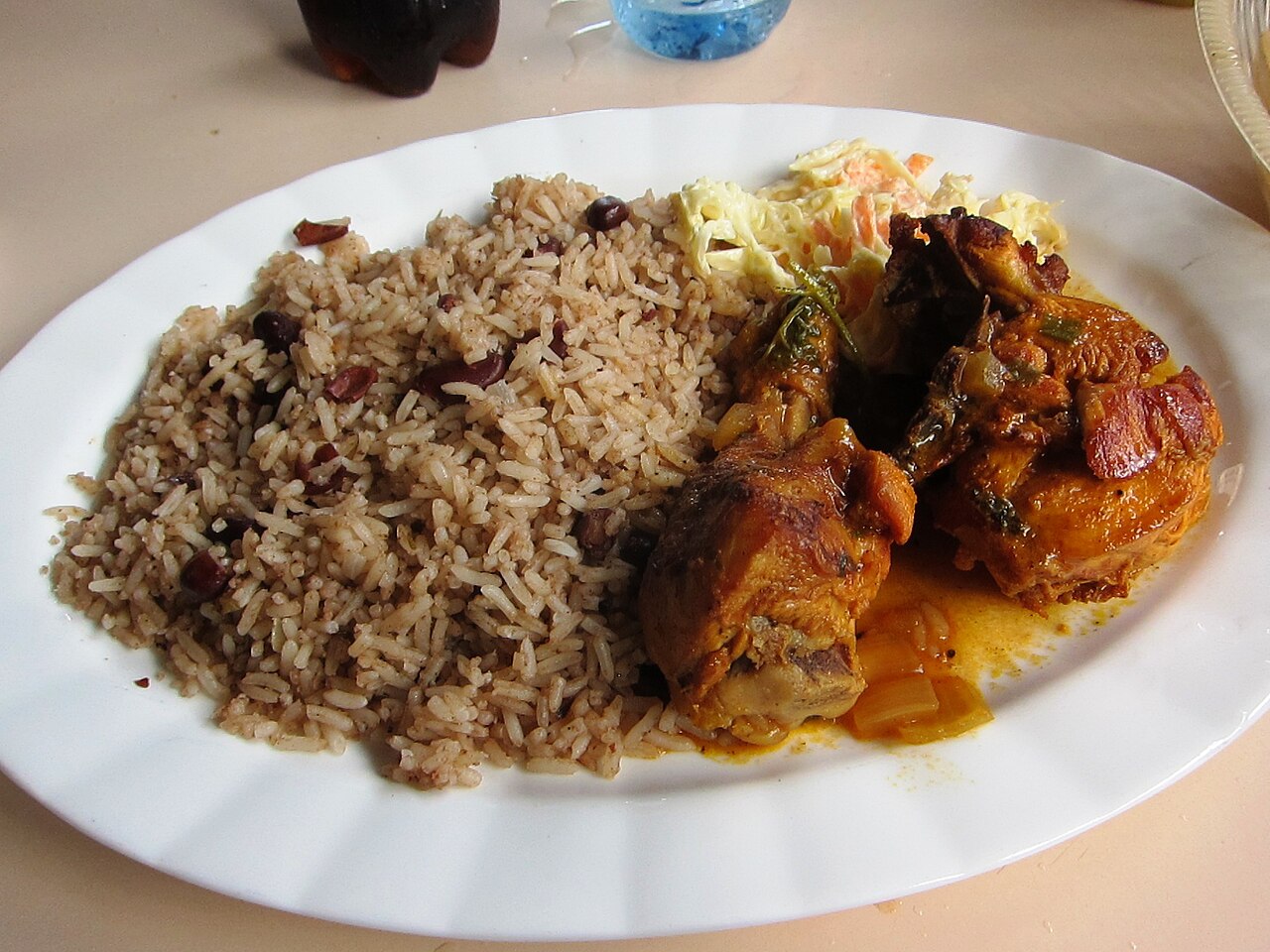
The everyday national plate. Red kidney beans are cooked with onion, garlic and thyme, then rice and coconut milk are added so that both cook together into one dish. It is served with chicken stewed in a dark, savoury sauce, plus potato salad or coleslaw.
Belizeans make a difference between 'rice and beans', cooked together in coconut milk, and 'beans and rice', white rice with stewed beans on the side.
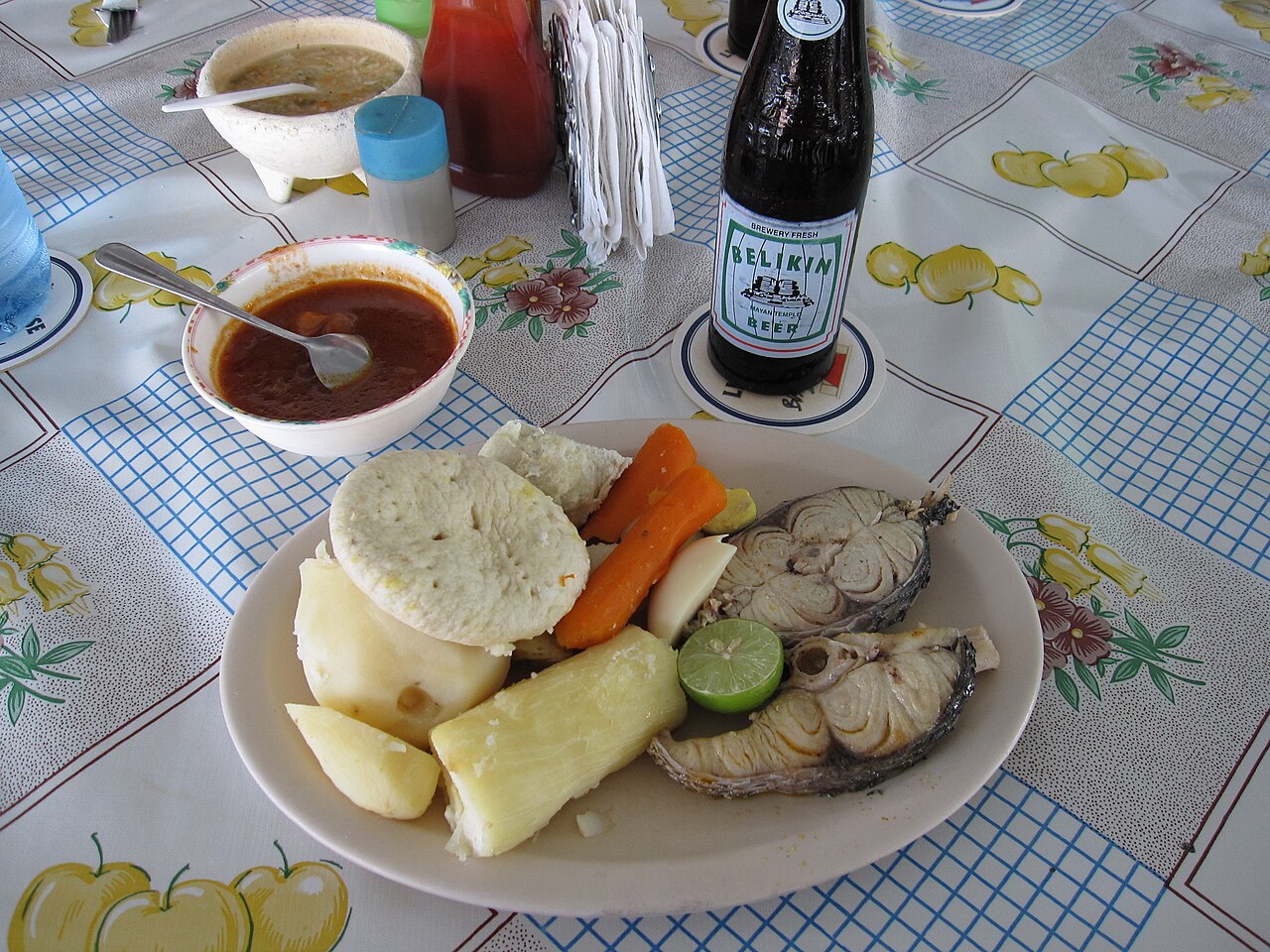
The cultural dish of the Belizean Kriols. Fish or pig tail is boiled with 'ground food' such as cassava, green plantains, yams and sweet potatoes, with boiled eggs and dumplings of boiled dough, and everything is served with a tomato sauce.
The name says how it is cooked: almost everything goes into the pot together and is simply boiled.
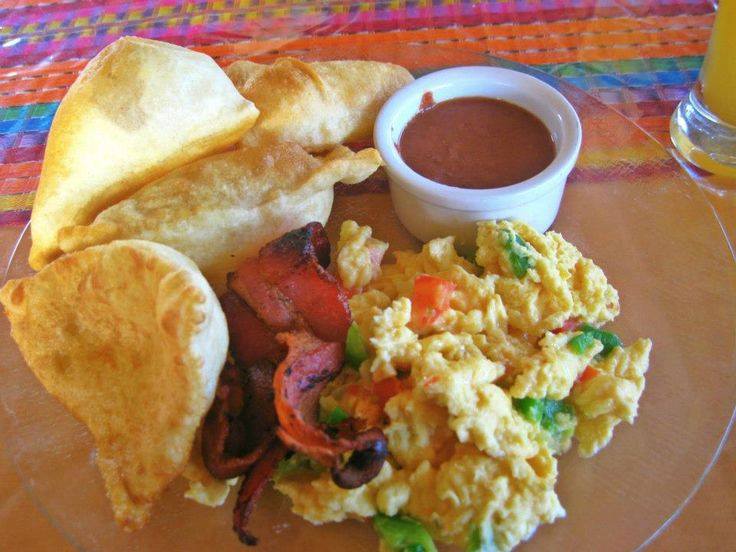
Pieces of soft dough, cut into triangles or circles and deep-fried until puffed and golden. They are the classic Belizean breakfast, eaten with refried beans, eggs, cheese or jam, or split and filled.
Similar fried dough is eaten across the Americas, from beignets in New Orleans to sopaipillas in New Mexico and Chile.
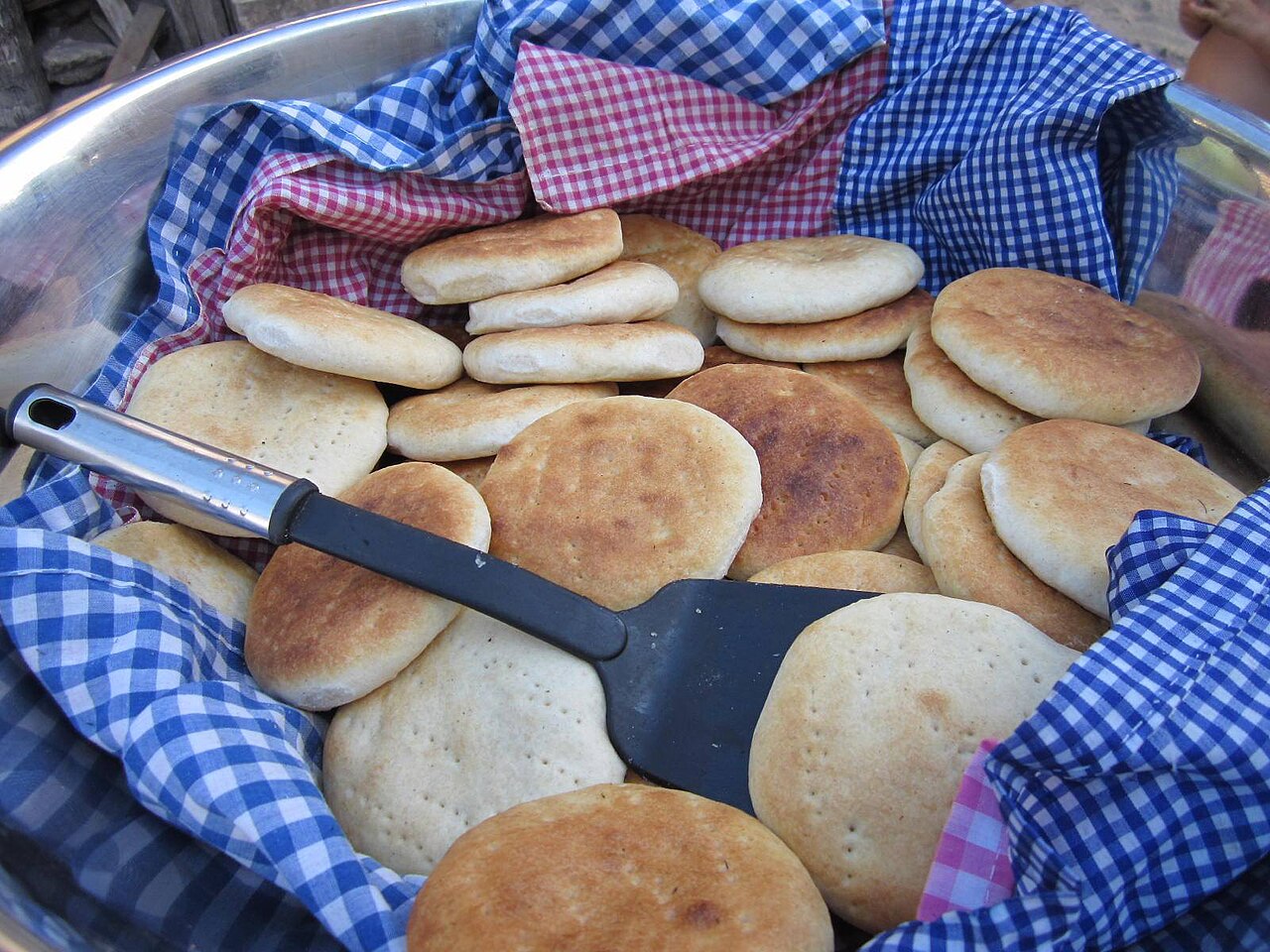
Small, round, fluffy savoury biscuits made from flour. They are eaten warm for breakfast, often with butter or a slice of cheese, or with refried beans and eggs.
Fry jacks and Johnny cakes are both made from flour: fry jacks are flattened and fried, while Johnny cakes are round, fluffy biscuits.
Garifuna communities of the south coast, such as Dangriga and Hopkins
A Garifuna dish of fish cooked in a rich coconut milk broth, served with mashed half-ripe plantain. The broth is close to the Kriol fish sere, and some cooks add a hot pepper sauce called bos a pepa.
In 2001 UNESCO proclaimed the language, dance and music of the Garifuna a Masterpiece of the Oral and Intangible Heritage of Humanity.
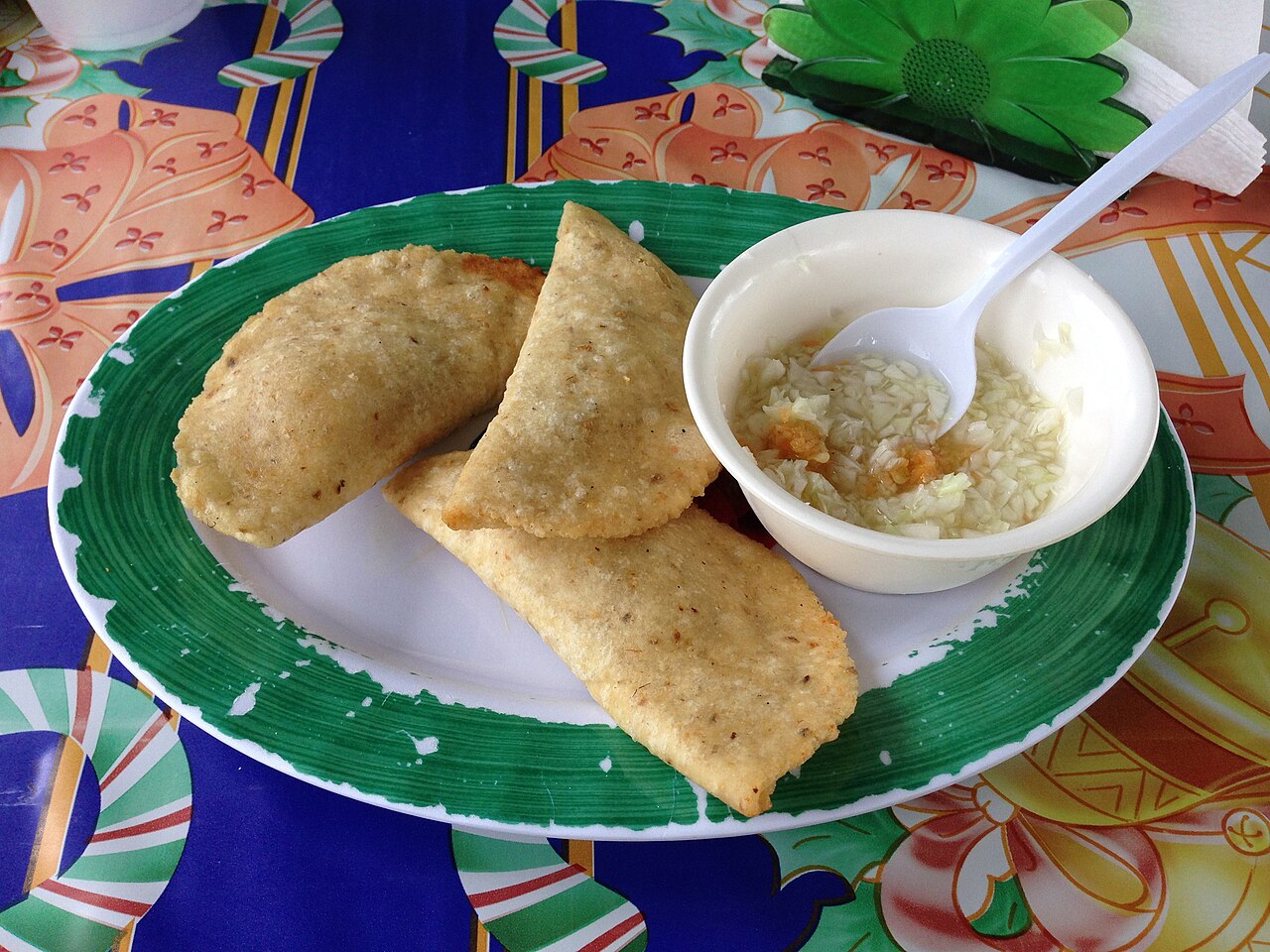
Small half-moon turnovers of corn dough filled with seasoned shredded fish or beans, fried until crisp and topped with a salsa of pickled onion, cabbage and hot pepper. They are a favourite street food.
Panades, garnaches, salbutes and tamales are Spanish and Maya food words that are now part of Belizean Kriol.
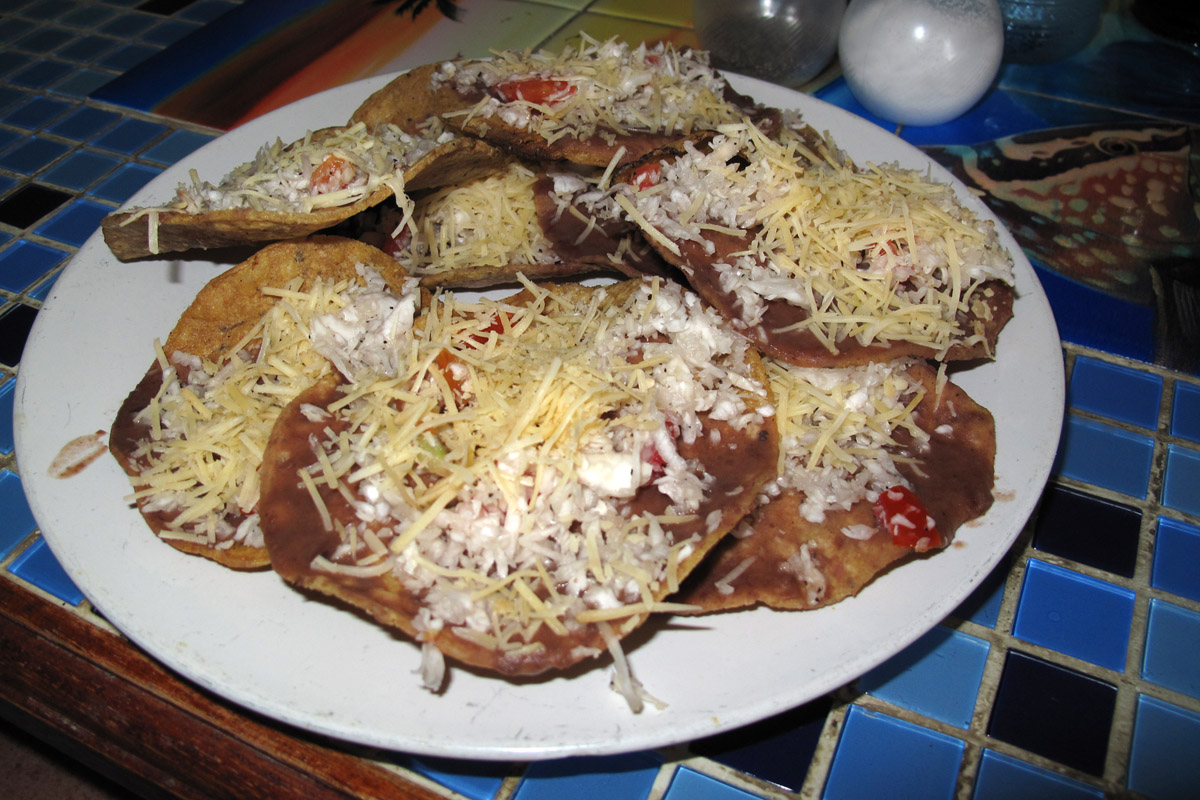
Small corn tortillas fried until crisp, spread with refried beans and topped with grated cheese, shredded cabbage and a pickled onion and pepper sauce. They are cheap, crunchy and sold at food stands everywhere.
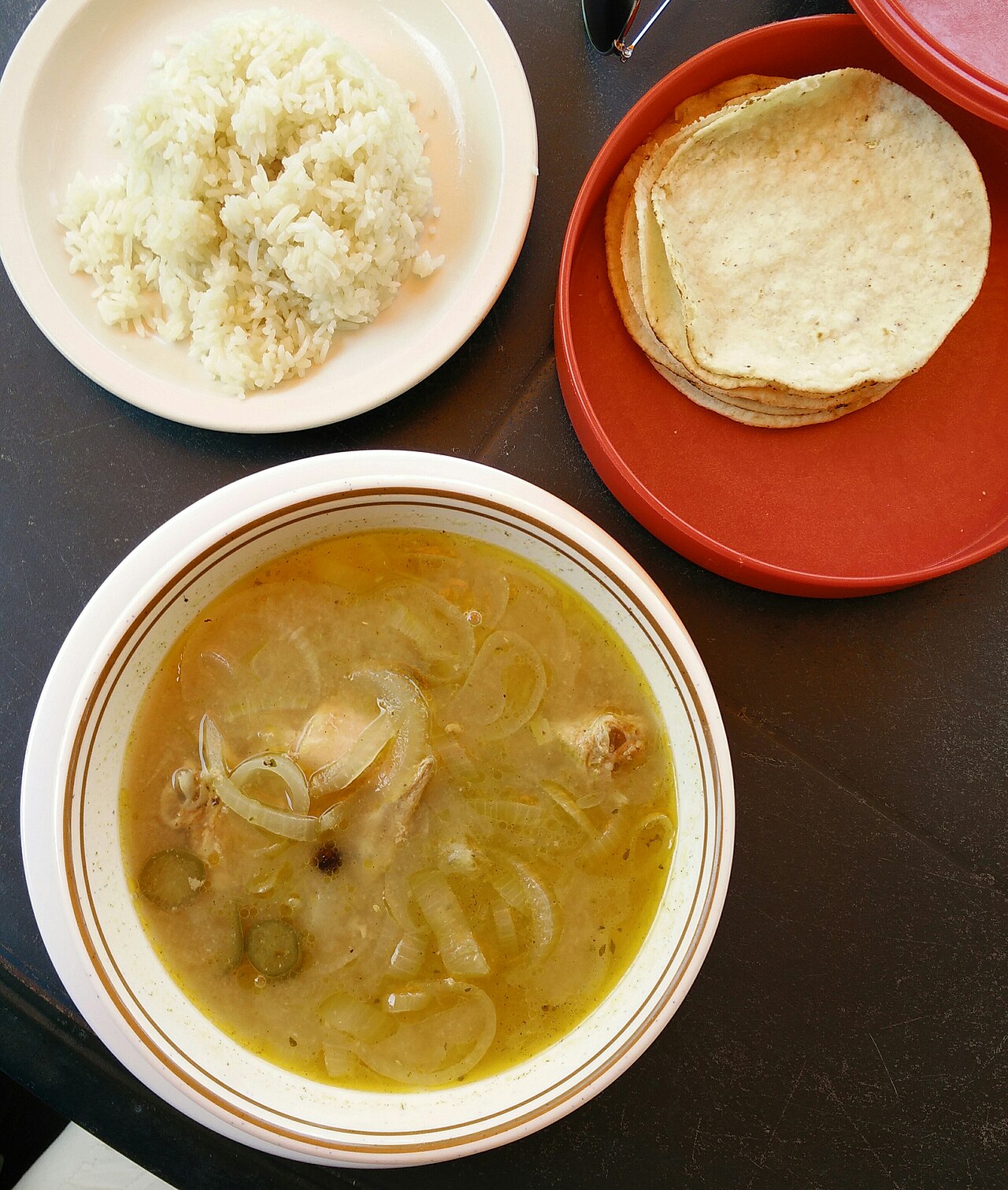
In Belize escabeche is an onion soup: chicken cooked in broth with a great many sliced onions, sharpened with vinegar and hot peppers. It is eaten at the midday meal with warm corn tortillas.
Elsewhere in the Spanish-speaking world escabeche usually means fish or meat pickled in vinegar; Belizeans use the word for this onion soup.
Maya and Mestizo cooking of the north and west, now made all over Belize
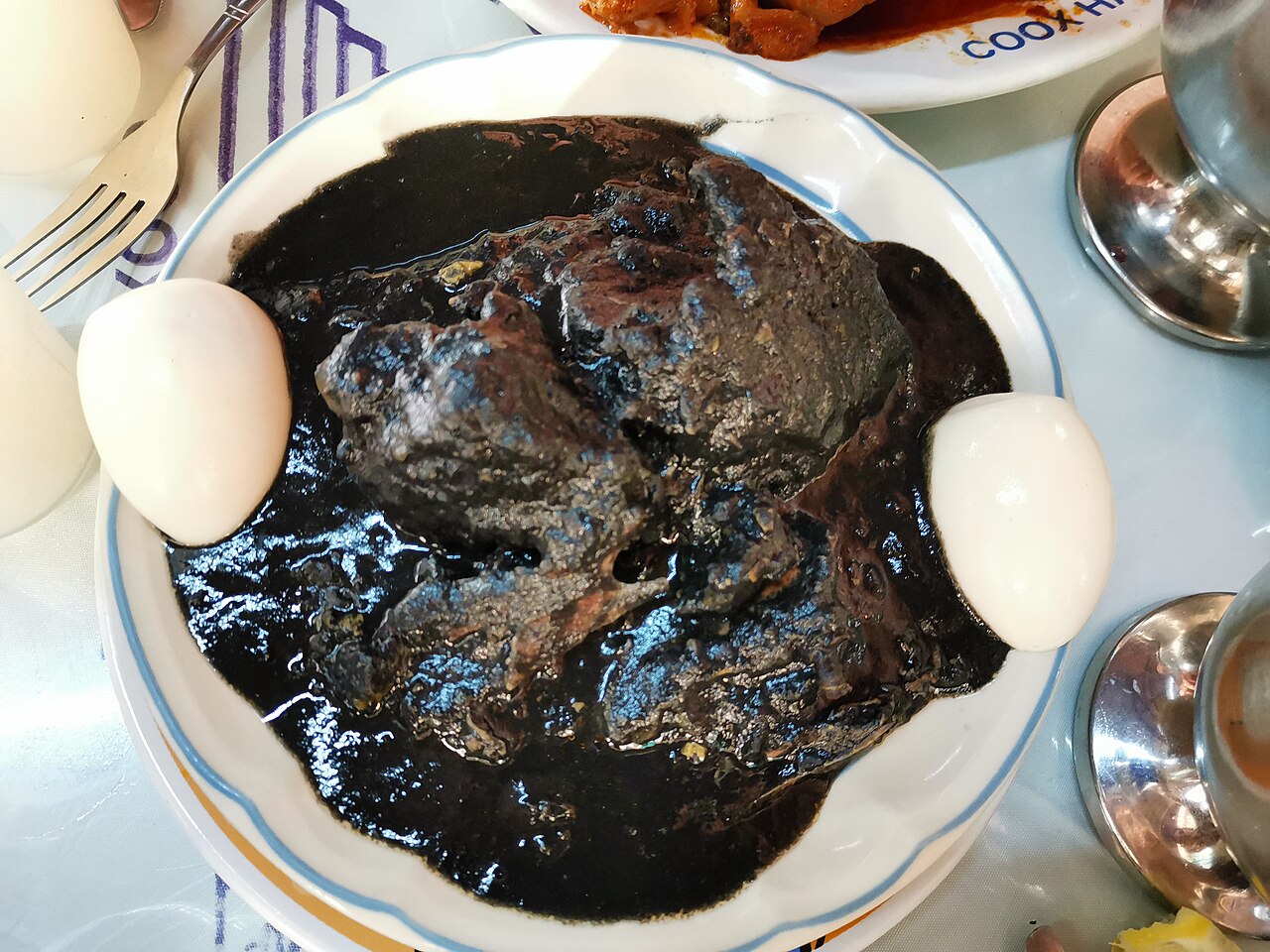
A dark soup of bone-in chicken with onions and boiled eggs, coloured and flavoured with black recado, a paste of burnt dried chillies, charred tortillas and spices. It is served with corn tortillas or rice, often for special occasions.
Its dark colour gives it the English nickname 'black dinner'. The same dish is known in Mexico's Yucatán as relleno negro.
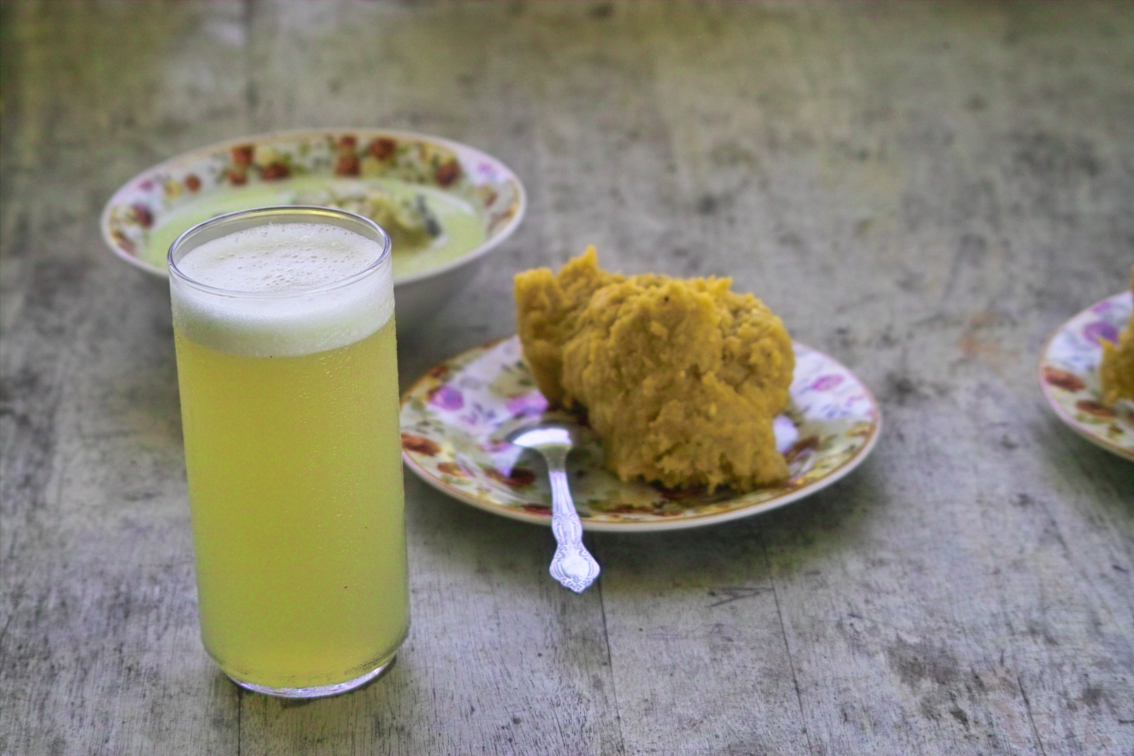
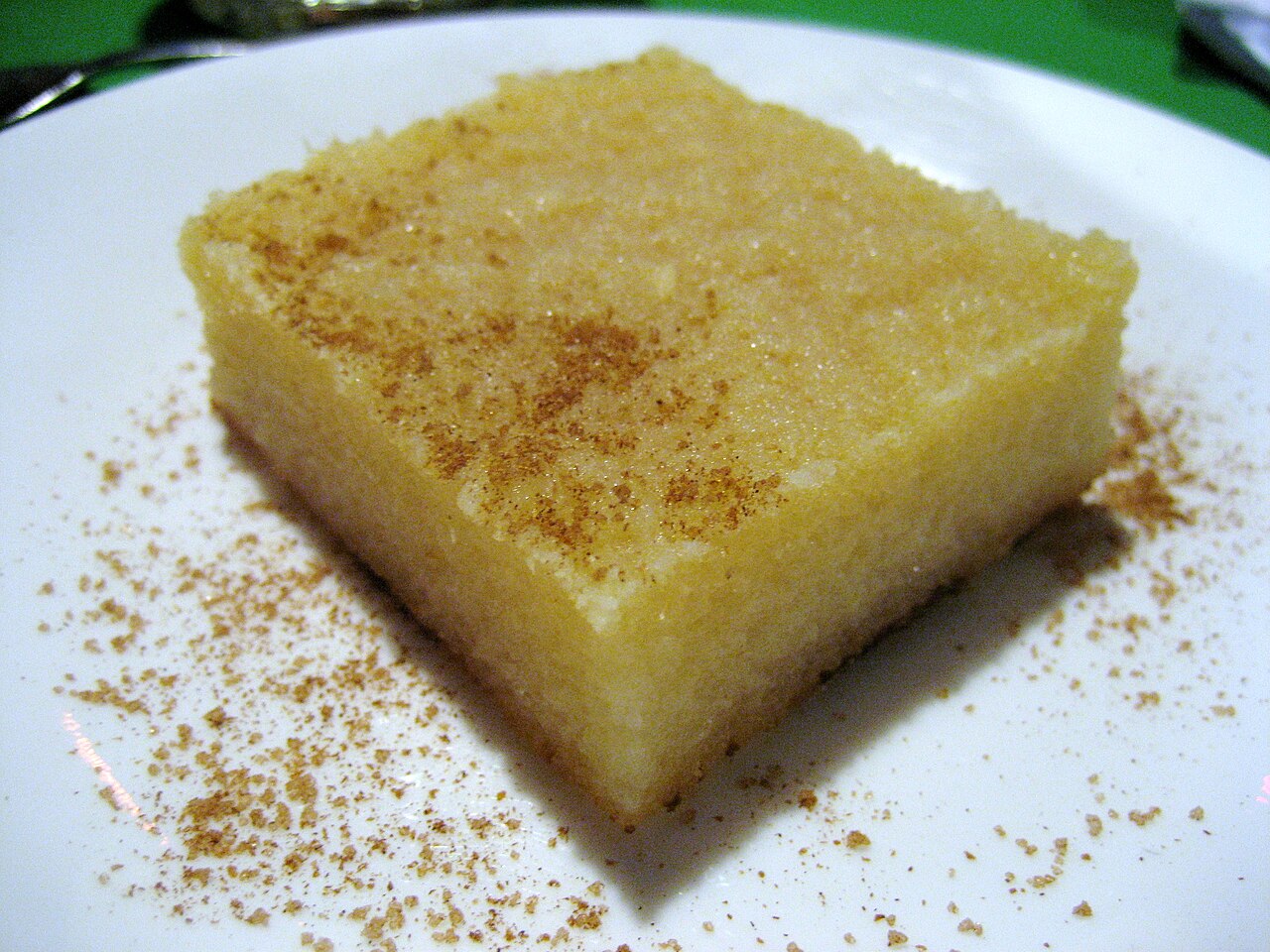
A dense, moist cake of grated cassava baked with coconut milk, sugar, ginger and nutmeg, sometimes with raisins. It is cut into squares and sold at bakeries and markets.
The Garifuna bake cassava into a flat bread called ereba, after squeezing the juice out of the grated root in a long, snake-like woven basket.
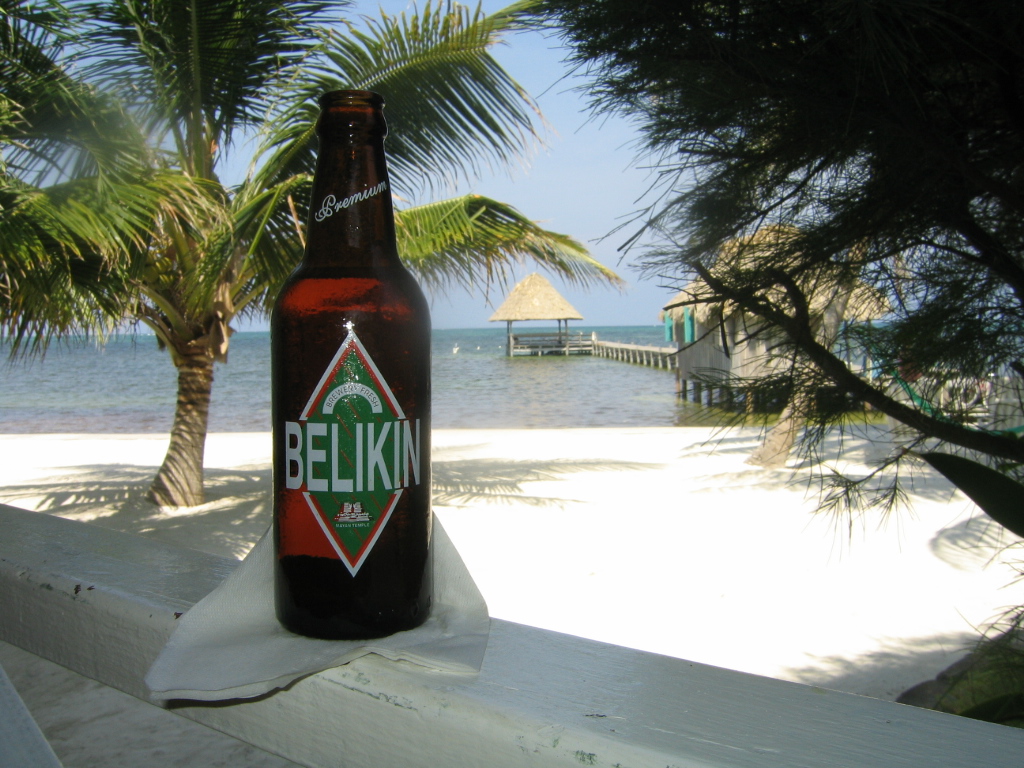
The national beer of Belize, made by the Belize Brewing Company and sold in returnable bottles, in several varieties including a stout. Its label shows the main temple of the Maya site of Altun Ha.
The name Belikin is said to come from Maya words meaning 'road to the east' or 'road to the burning sun'.
A family farm near Dangriga, in the Stann Creek District
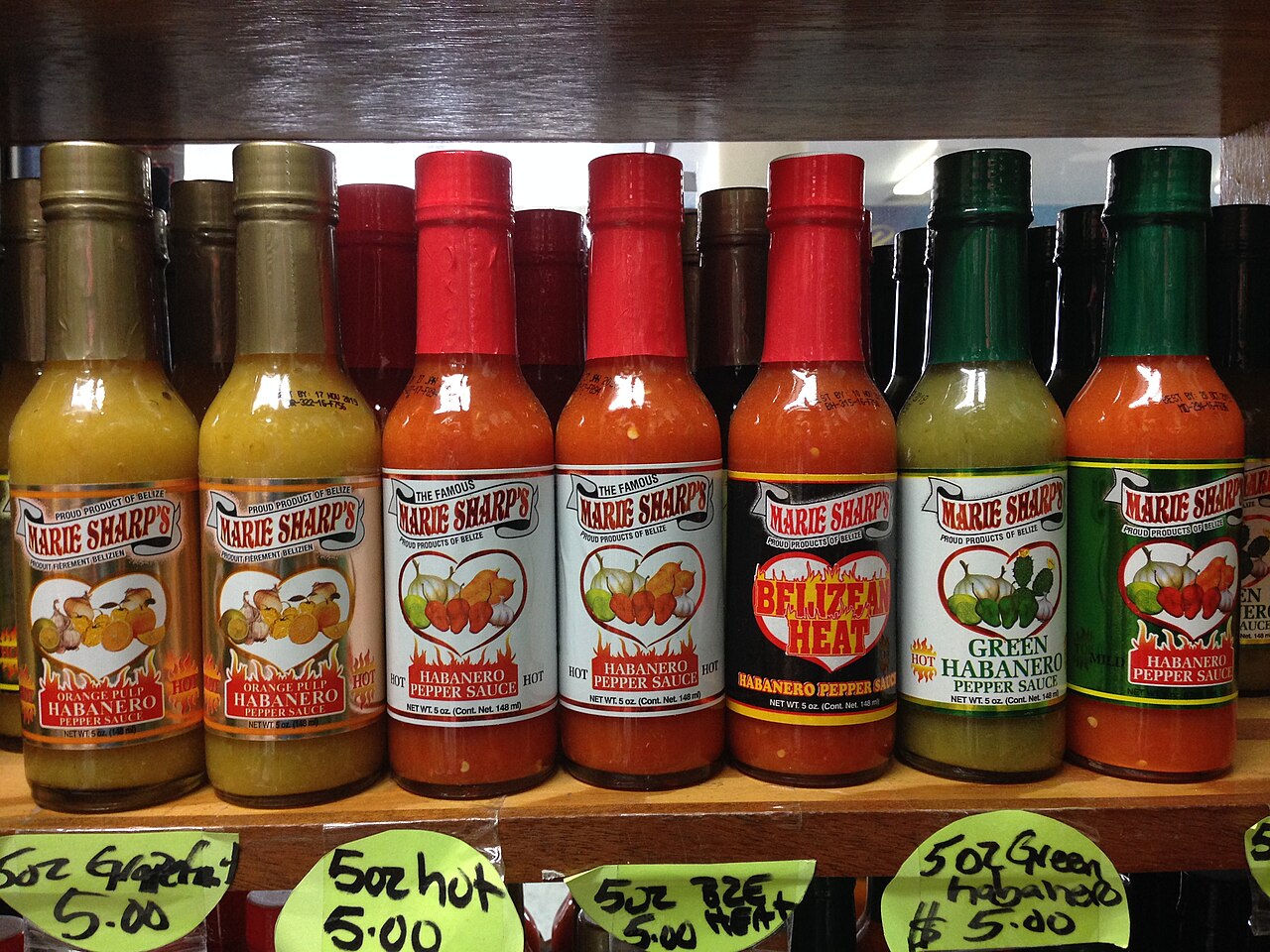
Belize's famous pepper sauce, made from habanero peppers blended with carrots and other vegetables or fruit. It comes in strengths from mild to very hot and stands on restaurant tables all over the country.
Marie Sharp began selling her sauces from her farm in 1981. In 2016 she was inducted into the Hot Sauce Hall of Fame.
At the table in Belize
In Belize 'dinner' usually means the main meal at midday. Some schools and businesses close at midday for it and reopen later in the afternoon.
Chicken is almost always served on the bone, even inside tamales, so eat carefully.
Hot sauce is on almost every table. Taste it first: the habanero versions can be very strong.
Meals are family time: if you are invited to a home, expect a long, relaxed meal and plenty of conversation.
Begin any conversation, even a quick question in a shop, with a friendly greeting such as 'Good morning'. Rushing straight to business can seem rude.
Beer and soft drinks often come in returnable glass bottles; if you take them away, you may pay a small deposit.