World Stroll
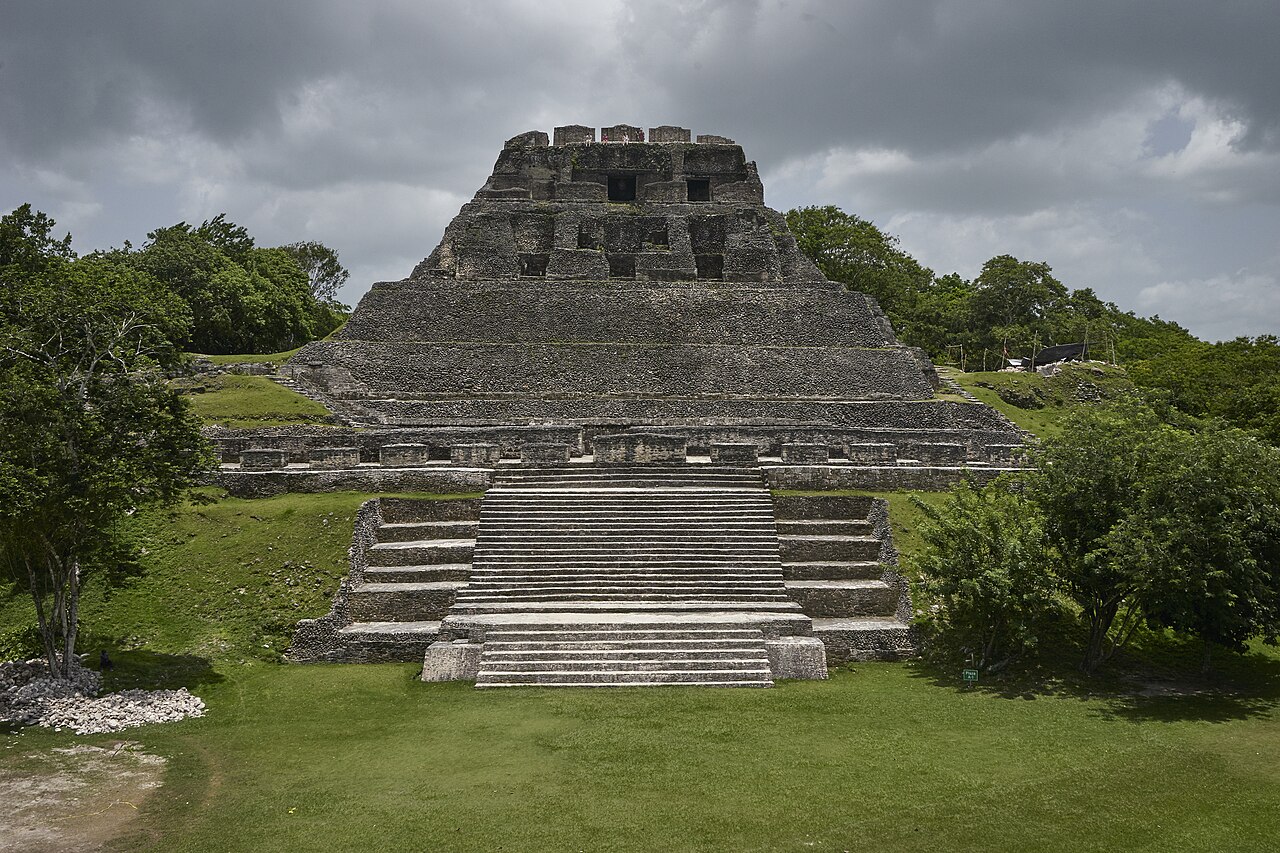
Xunantunich
Photo: Denis Barthel, CC BY-SA 4.0
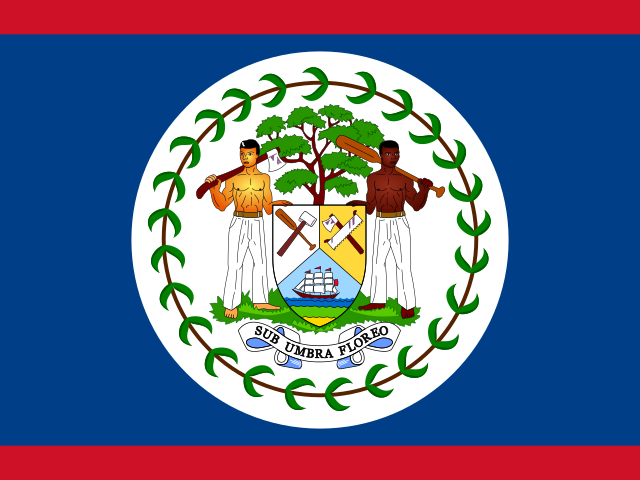
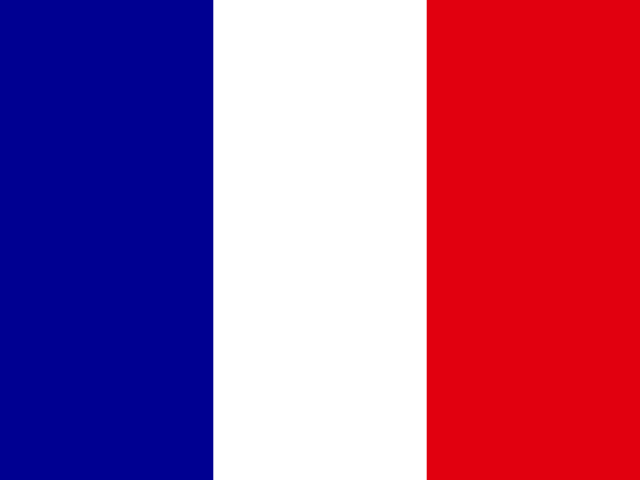
Flag of Belize
Central America

Belize

A small, English-speaking country between the Maya forests of Central America and the Caribbean, with jungle pyramids, a deep blue sinkhole in the sea and one of the largest coral reef systems in the world.

Start the trip Skip to the quiz About five relaxed minutes.

Your trip to Belize

  1. Stroll through nine short parts: the story, the food, the cities and a few words. One at a time, with "Next".
  2. Take the quiz as the last step: 10 friendly questions, no timer.
  3. Get your stamp in your passport.
Explore Belize
You have explored 0 of 9 parts. Scroll on to discover the rest.
Antigua and BarbudaBahamasBelizeColombiaCosta RicaCubaCuraçaoDominicaDominican RepublicEl SalvadorGuatemalaGuyanaHaitiHondurasJamaicaMexicoNicaraguaPanamaPuerto RicoSaint LuciaSaint MartinSaint Vincent and the GrenadinesSint MaartenTrinidad and TobagoUnited StatesVenezuela

Neighbours

Going to Belize?Phrases, table manners and local tips on one printable page.Send a postcard from BelizeA free digital postcard for family and friends.
Overview

Belize at a glance

Belize lies on the Caribbean coast of Central America, with Mexico to the north and Guatemala to the west and south. Honduras lies across the Gulf of Honduras. The mainland is only about 280 km from north to south and about 100 km across: flat, swampy and forested in the north, with the low Maya Mountains in the south. Offshore, a barrier reef about 300 km long runs past hundreds of small islands called cayes, and three coral atolls lie further out.

Maya cities such as Caracol, Lamanai, Xunantunich and Altun Ha flourished here for well over a thousand years. From the 17th century British woodcutters, known as Baymen, and the enslaved Africans they brought cut logwood and mahogany along the rivers. The settlement became the colony of British Honduras, was renamed Belize in 1973 and became independent on 21 September 1981. Guatemala has long claimed Belizean territory; both countries agreed by referendum to let the International Court of Justice decide, and as of November 2026 the case is still pending there.

With about 400,000 people, Belize has the smallest population in Central America and is the only country in the region where English is the official language. Its people are Mestizo, Kriol, Maya, Garifuna, Mennonite, East Indian, Chinese and more, and more than half of Belizeans speak two or more languages. Visitors come to dive the reef and the Great Blue Hole, climb Maya temples in the rainforest, look for jaguars and toucans, and relax on islands such as Ambergris Caye and Caye Caulker.

CapitalBelmopan
PopulationAbout 400,000 (397,483 at the 2022 census), the smallest in Central America
Official languageEnglish. Belizean Kriol and Spanish are widely spoken, along with Garifuna, three Maya languages and the Low German of the Mennonites
CurrencyBelize dollar (BZD), fixed at 2 Belize dollars to 1 US dollar
AreaAbout 22,970 km²
GovernmentParliamentary democracy and constitutional monarchy in the Commonwealth. The British monarch is King of Belize and is represented by a governor-general; the prime minister leads the government. The country has six districts
Highest mountainDoyle's Delight, about 1,124 m, in the Maya Mountains
Longest riverThe Belize River, about 290 km, which reaches the sea just north of Belize City
NeighboursMexico to the north and Guatemala to the west and south; Honduras across the Gulf of Honduras (no land border)
Drives on theRight, since 1 October 1961
Calling code+501
The story

A short history of Belize

Maya kingdoms ruled the forests of Belize for centuries before Europeans arrived. Spain claimed the land but never really settled it, and British woodcutters slowly built a settlement on the coast that became the colony of British Honduras. In the 20th century hurricanes, a labour movement and a long campaign for self-government led to a new inland capital, a new name and, in 1981, independence.

  1. AD 562

    Caracol defeats Tikal

    Caracol, in the west of today's Belize, had been under the influence of the great city of Tikal. Carved monuments record that in 562 its ruler, known as Lord Water, defeated Tikal. Caracol grew into one of the largest Maya cities, covering about 200 km².

  2. 1502

    Columbus sails the Gulf of Honduras

    On his fourth voyage, between 1502 and 1504, Christopher Columbus sailed along the Gulf of Honduras, the first known European contact with the region. Spanish conquistadors later claimed the land but never really settled it, partly because the Maya defended it.

  3. 1718

    Blackbeard at Turneffe Atoll

    The coast and cayes were a hideout for buccaneers. In April 1718 the pirate Blackbeard captured the sloop Adventure at Turneffe Atoll, east of today's Belize City, and forced its captain to join him. Around the same time British woodcutters set up their first permanent settlement.

  4. 1798

    The Battle of St. George's Caye

    Spain attacked the British settlement whenever the two countries were at war. In September 1798 a Spanish fleet was driven off near St. George's Caye by the Baymen and the enslaved men who fought with them. It was Spain's last attempt to take the settlement, and 10 September is still celebrated as St. George's Caye Day.

  5. 1802

    The Garifuna settle at Stann Creek

    The Garifuna, descendants of Caribbean Indigenous people and Africans, were deported by the British from Saint Vincent in 1797 to Roatán off Honduras. From there they spread along the coast, and by 1802 about 150 Garifuna were living in the settlement; Stann Creek, today's Dangriga, became their main town. More arrived in the 1830s, and their arrival is celebrated on Garifuna Settlement Day, 19 November.

  6. 1838

    Slavery ends

    Enslaved Africans had cut logwood and mahogany in the settlement since the 18th century. Britain's law of 1833 abolished slavery, followed by a period of 'apprenticeship' that ended in 1838. Former slaves were still kept from owning land, and most went on working in the timber camps.

  7. 1862

    British Honduras becomes a colony

    In 1862 the Settlement of Belize in the Bay of Honduras was formally declared a British colony called British Honduras, with a lieutenant governor under the governor of Jamaica. It became a crown colony, ruled more directly from London, in 1871.

  8. 1931

    A hurricane wrecks Belize Town

    On 10 September 1931, St. George's Caye Day, a hurricane destroyed most of Belize Town and killed more than 1,000 people. Hard times and a slow relief effort led to protests and strikes in 1934, the start of a modern labour and independence movement.

  9. 1950

    The People's United Party is founded

    Anger at the devaluation of the British Honduras dollar in 1949 united workers and nationalists. On 29 September 1950 they founded the People's United Party. George Price, later called the Father of the Nation, led the party for four decades and the government for most of the years from 1961 to 1993.

  10. 1961

    Hurricane Hattie strikes

    On 31 October 1961 Hurricane Hattie came ashore just south of Belize City with a powerful storm surge. Most buildings in the city were damaged, more than 10,000 people lost their homes and 307 people died in the colony. The disaster convinced the government to build a new capital on higher ground inland.

  11. 1970

    Belmopan becomes the capital

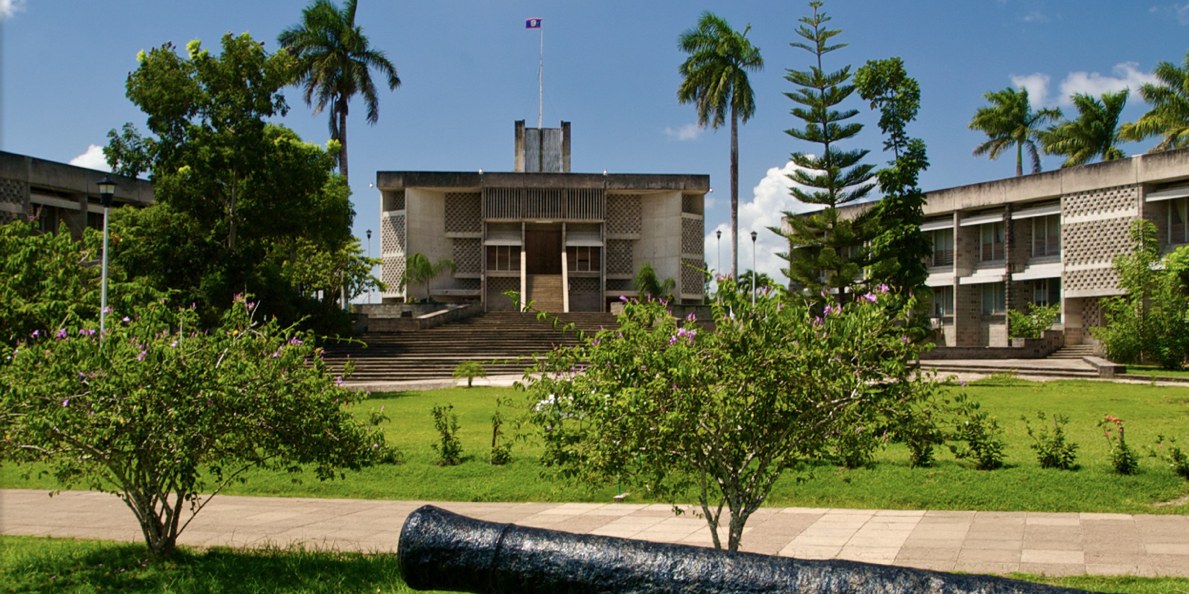
    Work on the planned city of Belmopan, about 80 km inland, began in 1967, and the government moved there in 1970. Its name joins the names of the Belize and Mopan rivers, and its National Assembly building is designed to look like a Maya temple.

  12. 1973

    The colony is renamed Belize

    Britain had granted internal self-government in 1964. On 1 June 1973 British Honduras was officially renamed Belize, in preparation for independence.

  13. 1981

    Independence

    Belize became independent on 21 September 1981, with George Price as its first prime minister. It stayed in the Commonwealth with the British monarch as head of state. Independence Day and St. George's Caye Day together make up the month-long September Celebrations.

  14. 1996

    The reef joins the World Heritage List

    In 1996 UNESCO added the Belize Barrier Reef Reserve System, seven marine protected areas along the reef and its atolls, to the World Heritage List. Threatened by mangrove cutting and coastal building, it was on the List of World Heritage in Danger from 2009 to 2018.

  15. 2023

    Belize is certified malaria-free

    In June 2023 the World Health Organization certified Belize as free of malaria. The country had about 10,000 cases at the peak in 1994, and its last locally caught case was in December 2018.

At the table

What to eat in Belize

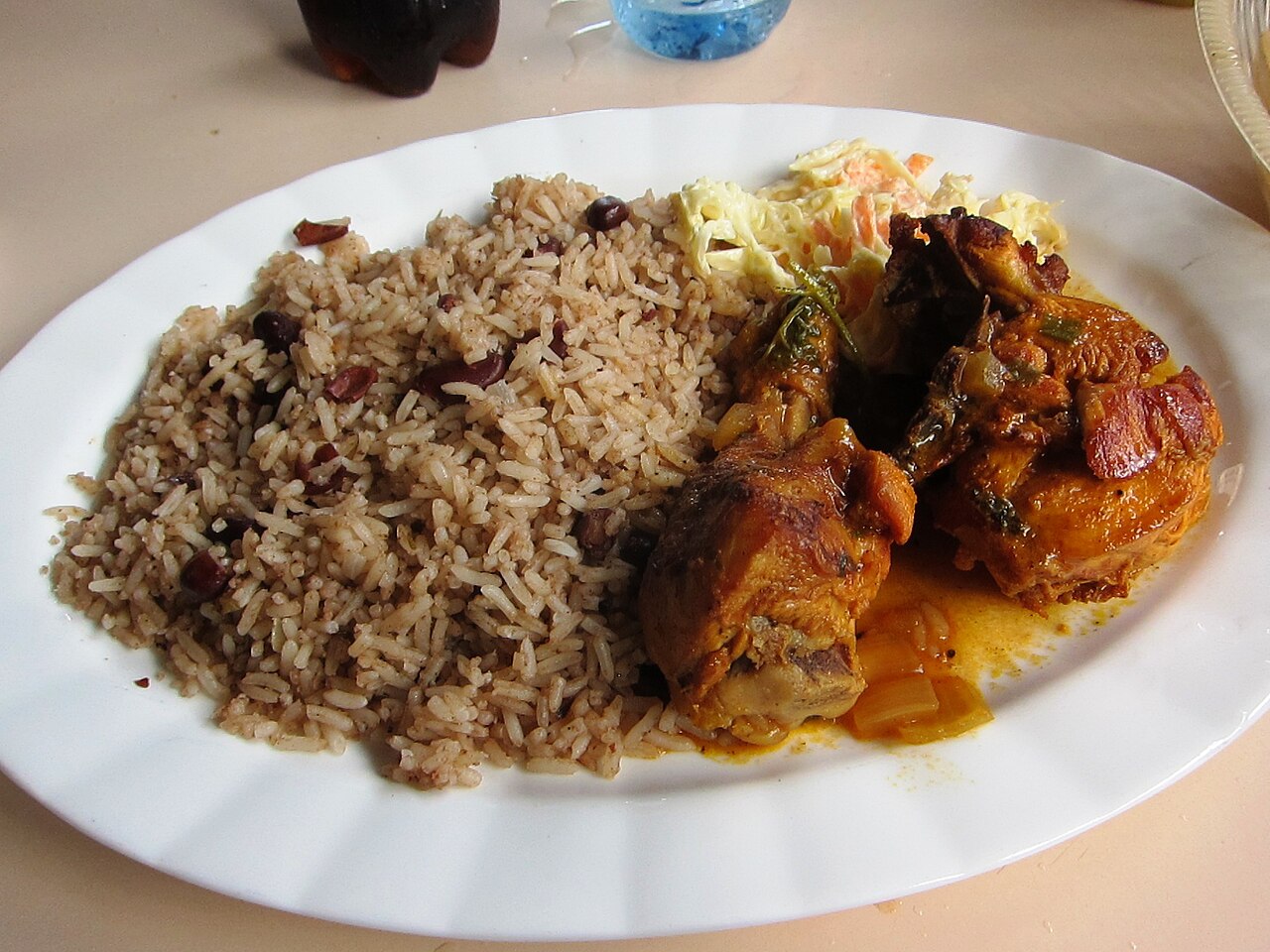
Belizean food mixes the kitchens of all its peoples: Kriol, Mestizo, Maya, Garifuna, Mennonite, East Indian and Chinese. Breakfast is hearty, with fry jacks or flour tortillas, refried beans, eggs and cheese. The main meal is at midday and is called 'dinner'; the classic plate is rice and beans cooked in coconut milk with stewed chicken and potato salad or coleslaw. Corn snacks such as garnaches and panades are sold everywhere, the Garifuna cook fish, plantains and cassava, and almost every table has a bottle of Marie Sharp's hot sauce.

Rice and beans with stew chicken
Photo: satanoid, CC BY 2.0
RiceRecipe

Rice and beans with stew chicken

The whole country, from the Kriol tradition
Read moreShow less

The everyday national plate. Red kidney beans are cooked with onion, garlic and thyme, then rice and coconut milk are added so that both cook together into one dish. It is served with chicken stewed in a dark, savoury sauce, plus potato salad or coleslaw.

Belizeans make a difference between 'rice and beans', cooked together in coconut milk, and 'beans and rice', white rice with stewed beans on the side.

See the recipe
Serves 62 h 30 min

Ingredients

  • 400 g dried red kidney beans, soaked overnight
  • 1 onion, chopped, and 3 garlic cloves, crushed
  • 2 sprigs fresh thyme and 1 bay leaf
  • 400 ml coconut milk
  • 500 g long-grain white rice, rinsed
  • 1 teaspoon salt and some black pepper
  • Optional: 100 g salt pork or bacon, chopped

Method

  1. Drain the beans, put them in a large pot with the onion, garlic, thyme, bay leaf and the pork if using, and cover with about 2 litres of fresh water.
  2. Boil hard for 10 minutes, then simmer for 1 to 1.5 hours, until the beans are soft but still whole.
  3. Pour in the coconut milk, season with salt and pepper, and add enough water to make about 1 litre of liquid above the beans.
  4. Stir in the rice, bring back to the boil, then cover tightly and cook on very low heat for about 25 minutes, until the rice has absorbed the liquid.
  5. Fluff with a fork, remove the thyme and bay leaf, and serve with stewed chicken and potato salad.
Bile up
Photo: Bernt Rostad, CC BY 2.0
Main course

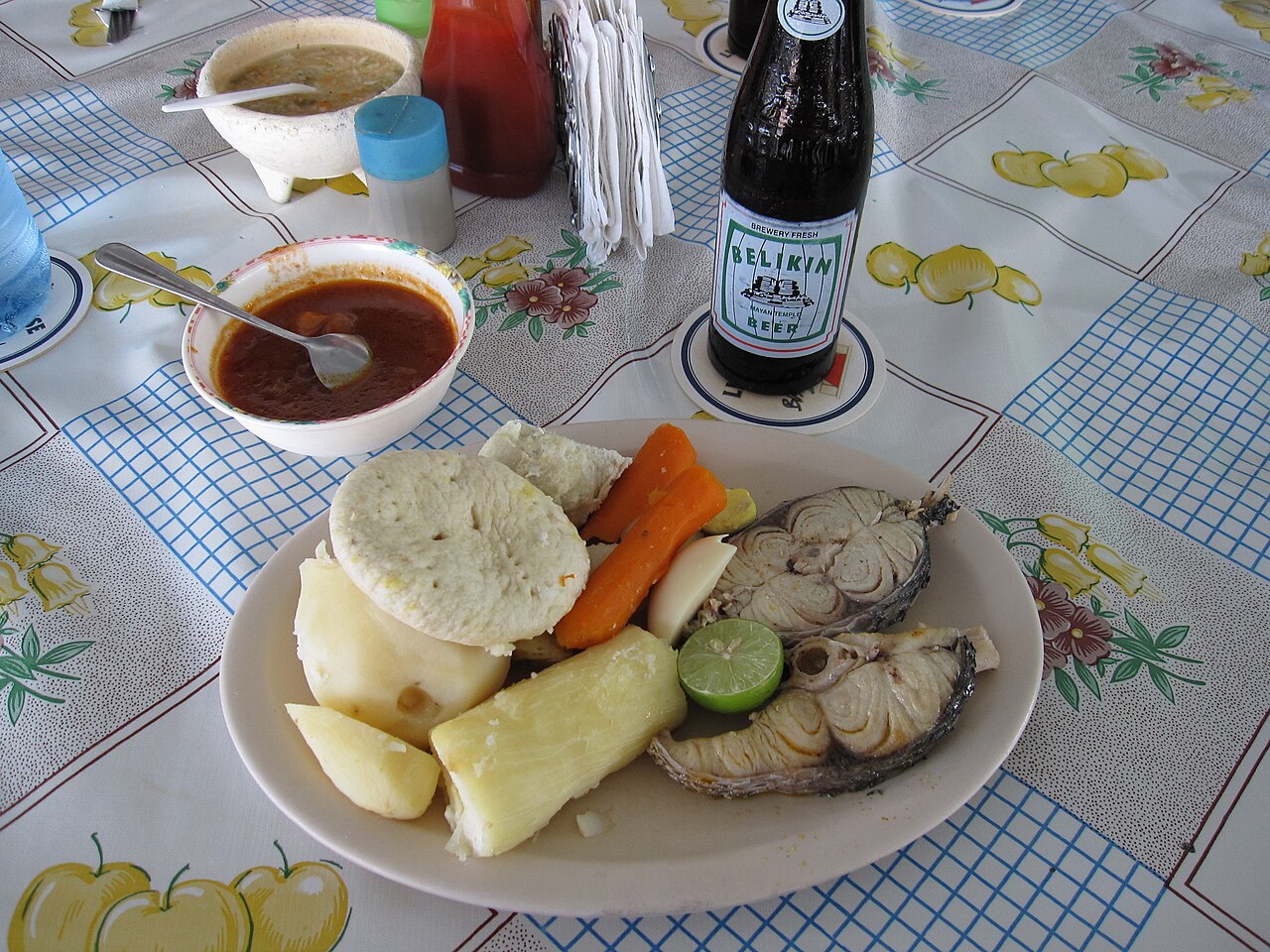
Boil up

Bile up
Belize City and the Kriol communities
Read moreShow less

The cultural dish of the Belizean Kriols. Fish or pig tail is boiled with 'ground food' such as cassava, green plantains, yams and sweet potatoes, with boiled eggs and dumplings of boiled dough, and everything is served with a tomato sauce.

The name says how it is cooked: almost everything goes into the pot together and is simply boiled.

Fry jack
Photo: US Embassy Belize, Public domain
BreadRecipe

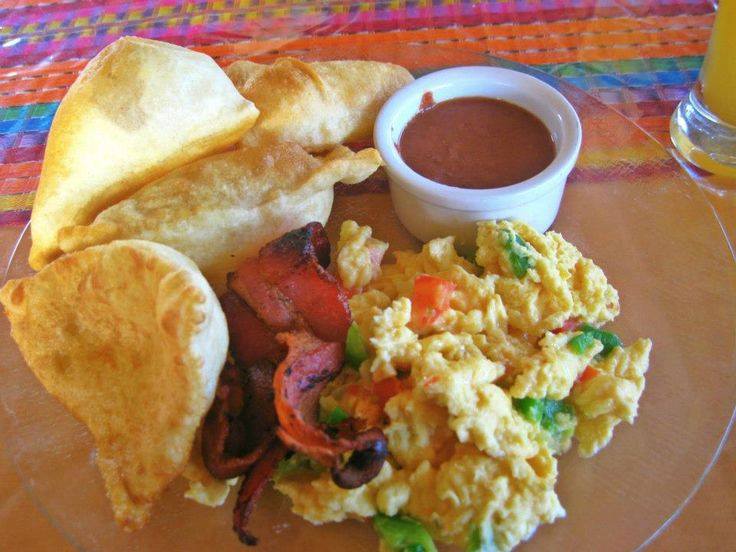
Fry jacks

The whole country
Read moreShow less

Pieces of soft dough, cut into triangles or circles and deep-fried until puffed and golden. They are the classic Belizean breakfast, eaten with refried beans, eggs, cheese or jam, or split and filled.

Similar fried dough is eaten across the Americas, from beignets in New Orleans to sopaipillas in New Mexico and Chile.
See the recipe
Serves 445 min

Ingredients

  • 300 g plain flour
  • 2 teaspoons baking powder and 1/2 teaspoon salt
  • 2 tablespoons butter or vegetable shortening
  • About 175 ml warm water (or half water, half coconut milk)
  • Vegetable oil for deep frying

Method

  1. Mix the flour, baking powder and salt, then rub in the butter with your fingertips until it looks like breadcrumbs.
  2. Add the water little by little and knead for 2 to 3 minutes to a soft, smooth dough. Cover and let it rest for 20 minutes.
  3. Divide the dough into 8 balls, roll each into a thin circle and cut it in half or into quarters.
  4. Heat about 3 cm of oil in a deep pan to 180 degrees C. Fry a few pieces at a time for about 1 minute per side, until puffed and golden.
  5. Drain on kitchen paper and serve hot with refried beans, eggs and cheese, or with honey or jam.
Johnny cakes
Photo: US Embassy Belize, Public domain
Bread

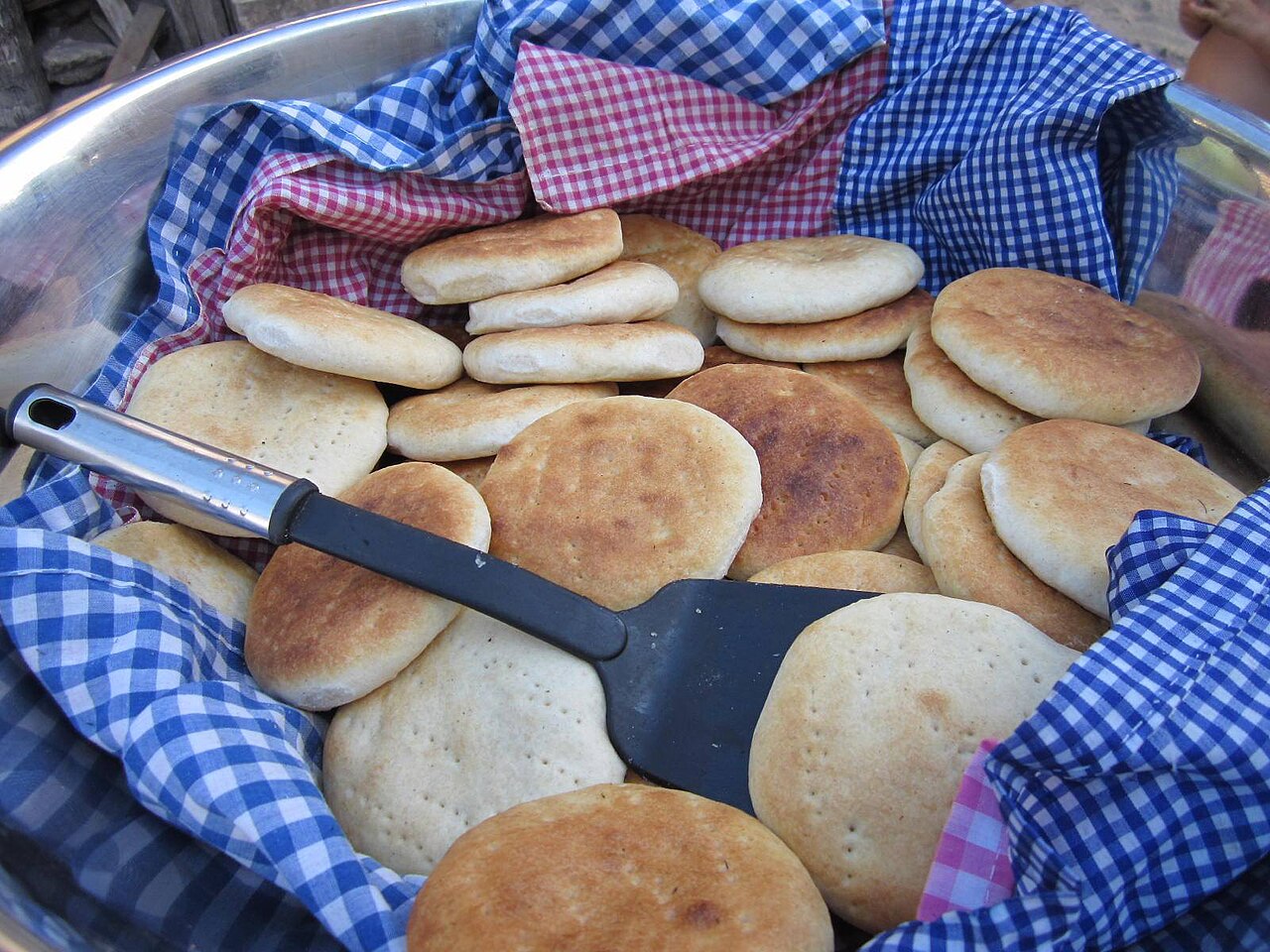
Johnny cakes

The Kriol communities, all over the country
Read moreShow less

Small, round, fluffy savoury biscuits made from flour. They are eaten warm for breakfast, often with butter or a slice of cheese, or with refried beans and eggs.

Fry jacks and Johnny cakes are both made from flour: fry jacks are flattened and fried, while Johnny cakes are round, fluffy biscuits.

Hudut
Photo: Ted Obermayer, CC BY 2.0
Main course

Hudut

Hudutu
Garifuna communities of the south coast, such as Dangriga and Hopkins
Read moreShow less

A Garifuna dish of fish cooked in a rich coconut milk broth, served with mashed half-ripe plantain. The broth is close to the Kriol fish sere, and some cooks add a hot pepper sauce called bos a pepa.

In 2001 UNESCO proclaimed the language, dance and music of the Garifuna a Masterpiece of the Oral and Intangible Heritage of Humanity.

Panades
Photo: Kaldari, CC0
Snack

Panades

Mestizo cooking, now eaten all over Belize
Read moreShow less

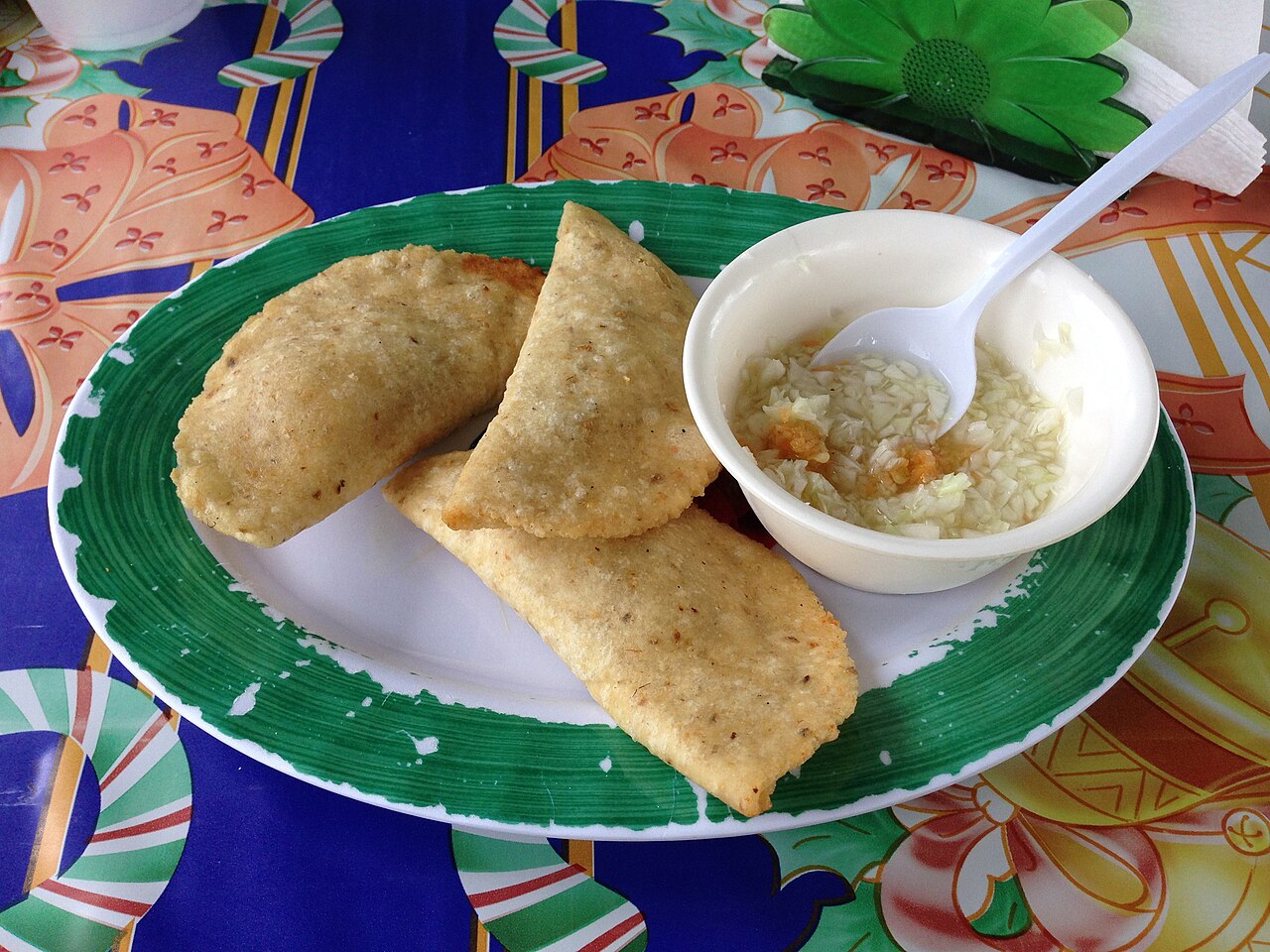
Small half-moon turnovers of corn dough filled with seasoned shredded fish or beans, fried until crisp and topped with a salsa of pickled onion, cabbage and hot pepper. They are a favourite street food.

Panades, garnaches, salbutes and tamales are Spanish and Maya food words that are now part of Belizean Kriol.

Garnaches
Photo: jebrandt99, CC BY 2.0
SnackRecipe

Garnaches

Mestizo cooking, now eaten all over Belize
Read moreShow less

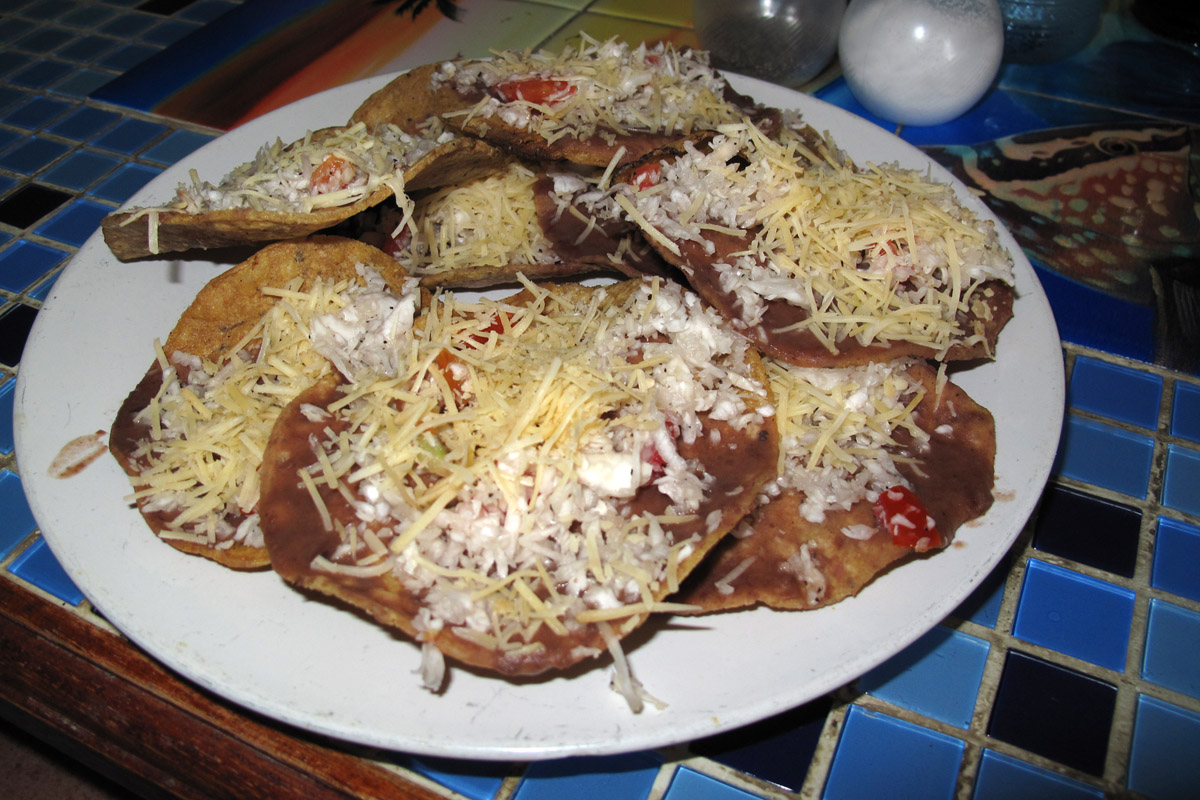
Small corn tortillas fried until crisp, spread with refried beans and topped with grated cheese, shredded cabbage and a pickled onion and pepper sauce. They are cheap, crunchy and sold at food stands everywhere.

See the recipe
Serves 430 min

Ingredients

  • 12 small corn tortillas
  • Vegetable oil for frying
  • 250 g refried beans, warmed
  • 100 g hard cheese such as Edam, finely grated
  • 1/4 small white cabbage, very finely shredded
  • 1 small onion and 1 hot pepper, finely sliced, mixed with 4 tablespoons white vinegar and a pinch of salt

Method

  1. Mix the onion, hot pepper, vinegar and salt and leave for at least 15 minutes while you prepare the rest.
  2. Heat 1 cm of oil in a frying pan and fry the tortillas one or two at a time, about 1 minute per side, until crisp. Drain on kitchen paper.
  3. Spread each crisp tortilla with a thin layer of warm refried beans.
  4. Top with grated cheese, shredded cabbage and a spoonful of the pickled onion and pepper. Serve at once, before they soften.
Escabeche
Photo: Denis Barthel, CC BY-SA 3.0
Main courseRecipe

Escabeche

The whole country
Read moreShow less

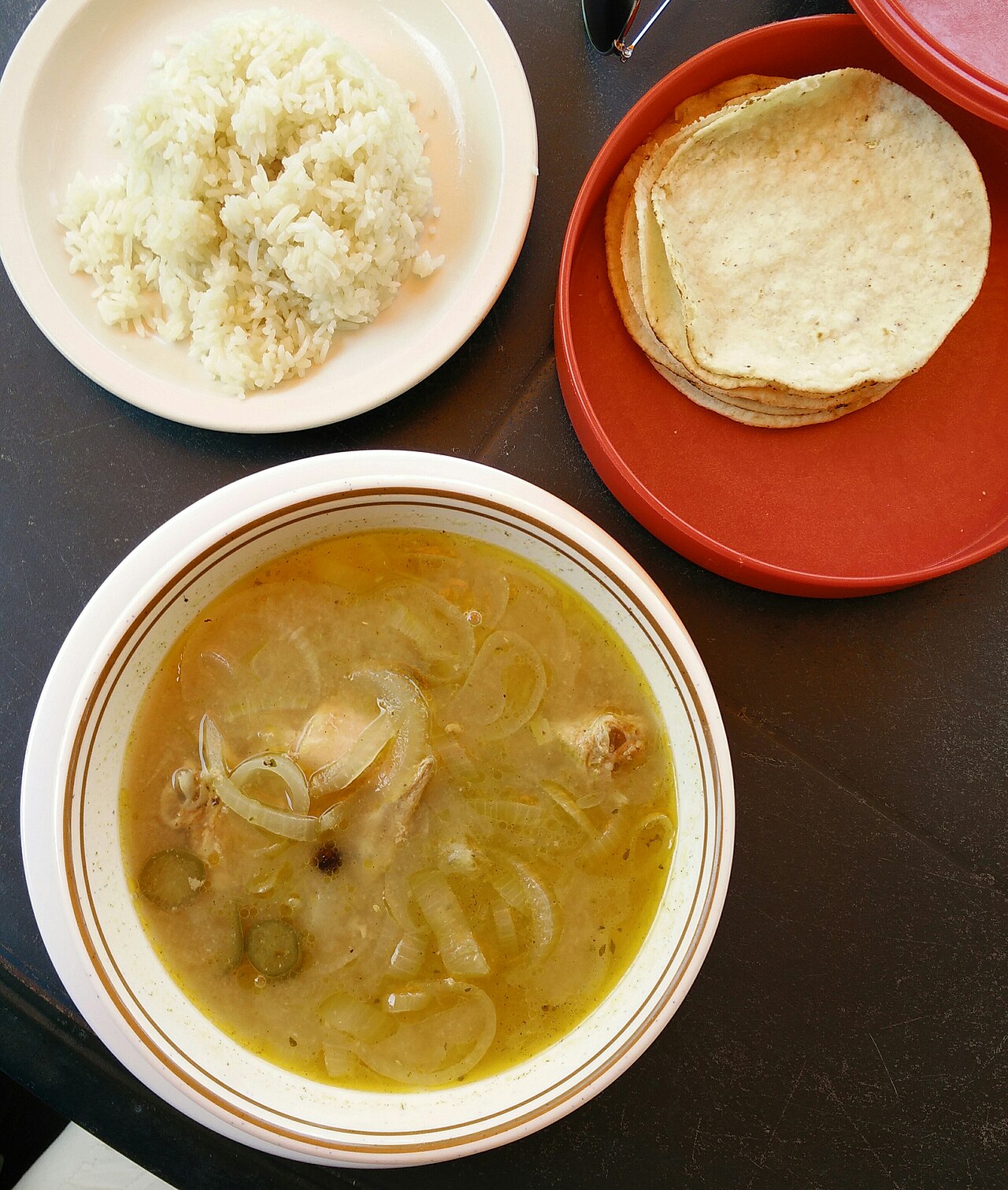
In Belize escabeche is an onion soup: chicken cooked in broth with a great many sliced onions, sharpened with vinegar and hot peppers. It is eaten at the midday meal with warm corn tortillas.

Elsewhere in the Spanish-speaking world escabeche usually means fish or meat pickled in vinegar; Belizeans use the word for this onion soup.

See the recipe
Serves 41 h 15 min

Ingredients

  • 1 kg chicken pieces on the bone
  • 1 teaspoon dried oregano, 1 teaspoon black peppercorns and 6 allspice berries
  • 4 garlic cloves, crushed
  • 4 large white onions, thinly sliced
  • 2 jalapeño or other hot peppers, sliced
  • 4 tablespoons white vinegar
  • Salt, a little oil, and corn tortillas to serve

Method

  1. Season the chicken with salt, oregano and garlic. Put it in a pot with the peppercorns and allspice, cover with about 1.5 litres of water and simmer for 40 minutes, until tender.
  2. Lift out the chicken. Brown the pieces briefly in a little oil in a frying pan, if you like, for extra flavour.
  3. Add the onions and hot peppers to the broth and simmer for 10 minutes, until the onions are soft but not mushy.
  4. Return the chicken, stir in the vinegar, check the salt and simmer for 5 more minutes.
  5. Serve in bowls with plenty of onions and broth, and warm corn tortillas on the side.
Chimole
Photo: Wotancito, CC BY-SA 4.0
Main course

Chimole

Chirmole, or black dinner
Maya and Mestizo cooking of the north and west, now made all over Belize
Read moreShow less

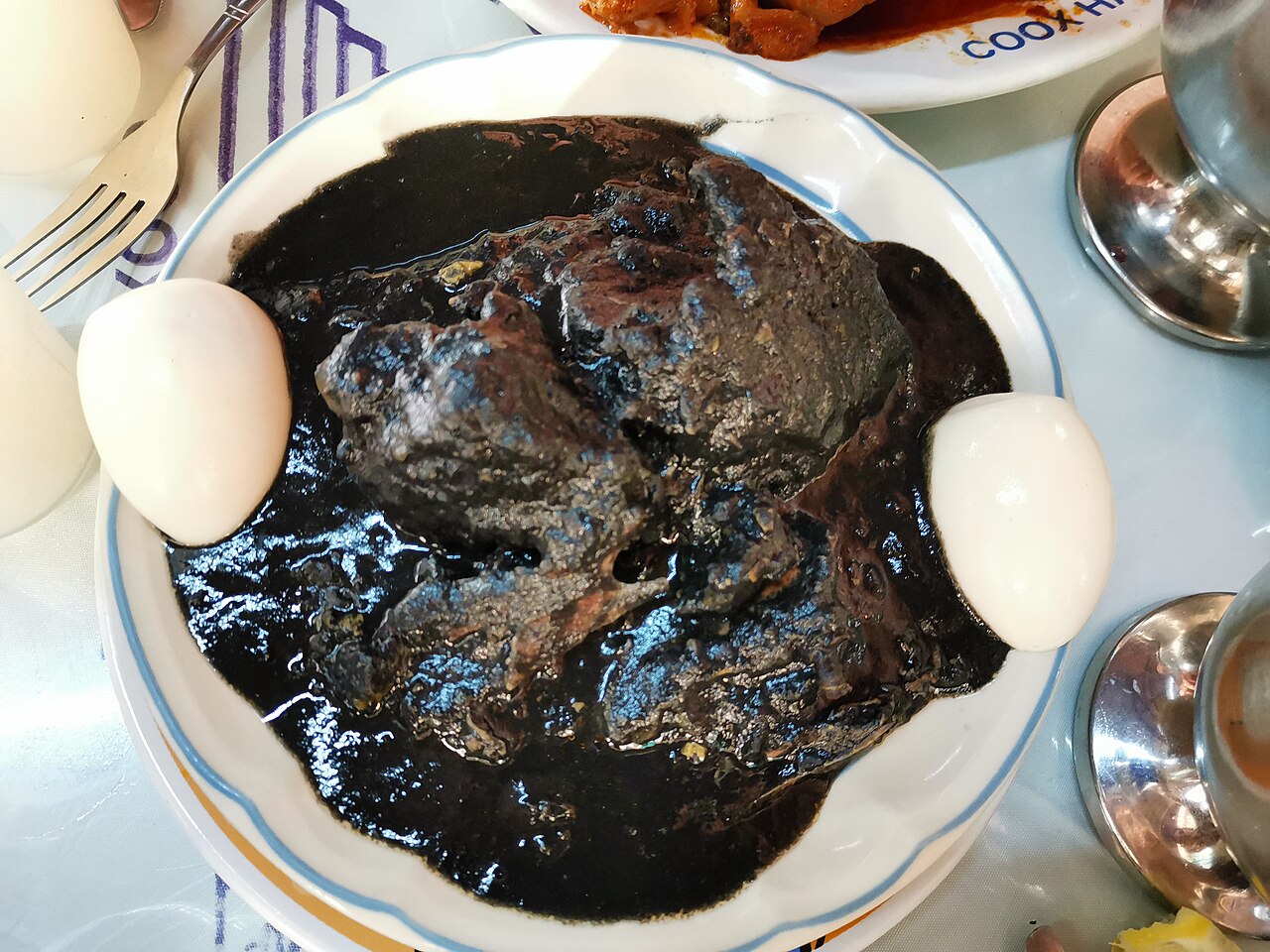
A dark soup of bone-in chicken with onions and boiled eggs, coloured and flavoured with black recado, a paste of burnt dried chillies, charred tortillas and spices. It is served with corn tortillas or rice, often for special occasions.

Its dark colour gives it the English nickname 'black dinner'. The same dish is known in Mexico's Yucatán as relleno negro.

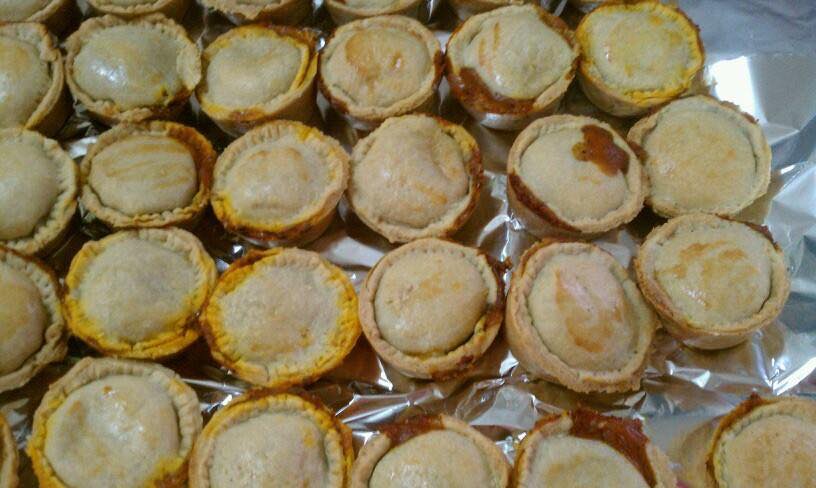
Meat pies
Photo: US Embassy Belize, Public domain
Snack

Meat pies

Belize City and the whole country
Read moreShow less

Small round pies of flaky pastry filled with spiced minced beef or chicken, sold warm by street vendors and shops, especially for breakfast.

Cassava pone
Photo: Tom Eppenberger Jr., CC BY 2.0
DessertRecipe

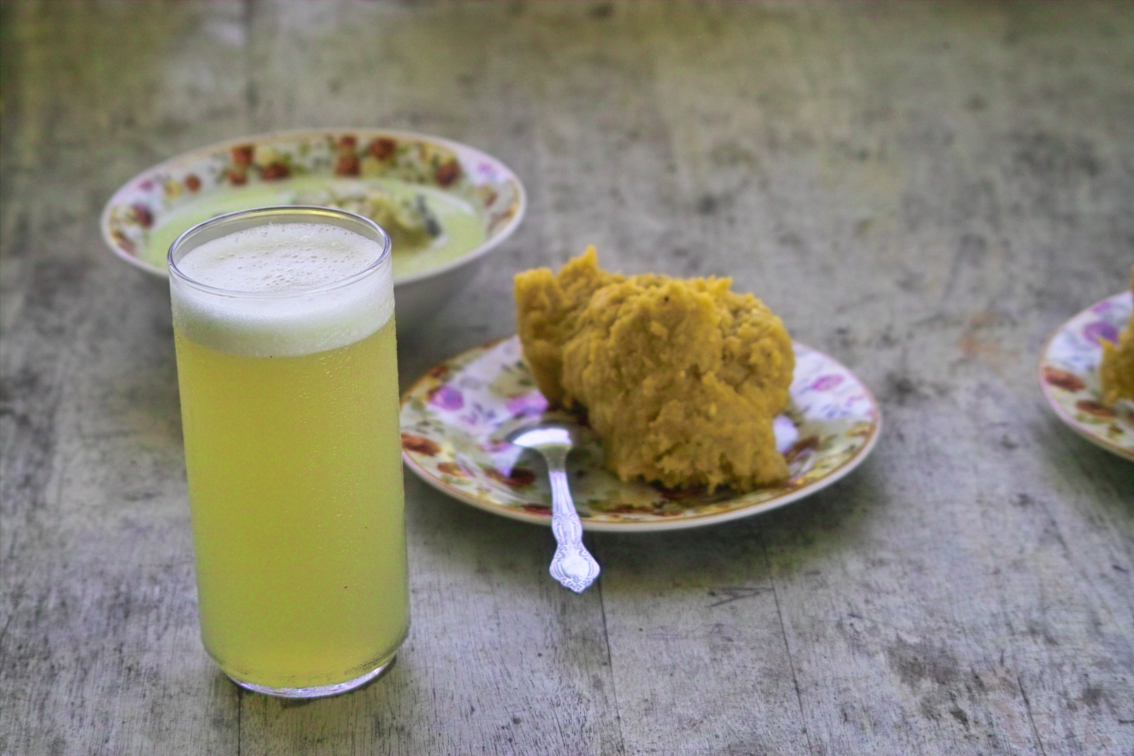
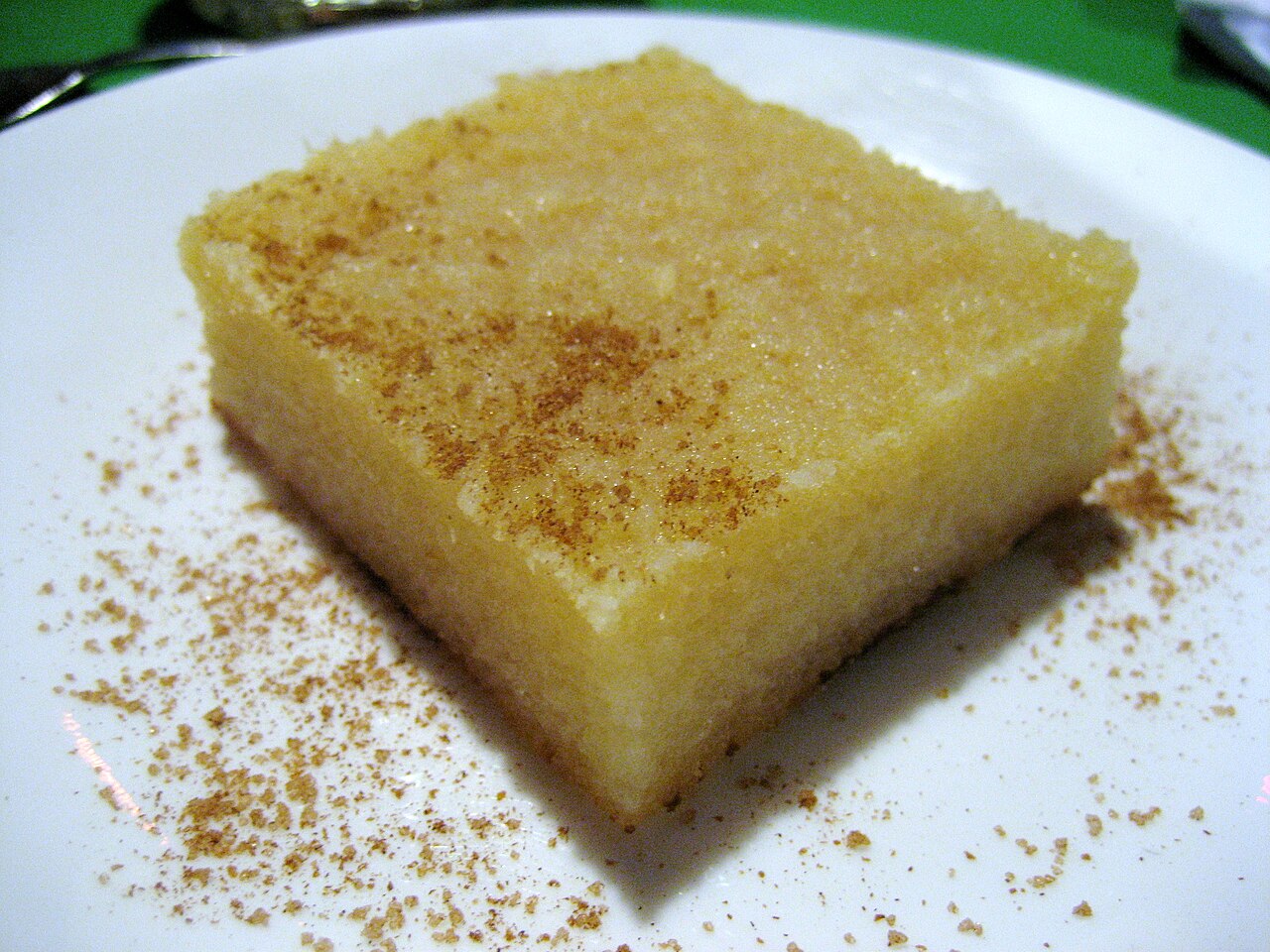
Cassava pone

Kriol cooking, also found across the Caribbean
Read moreShow less

A dense, moist cake of grated cassava baked with coconut milk, sugar, ginger and nutmeg, sometimes with raisins. It is cut into squares and sold at bakeries and markets.

The Garifuna bake cassava into a flat bread called ereba, after squeezing the juice out of the grated root in a long, snake-like woven basket.

See the recipe
Serves 81 h 30 min

Ingredients

  • 1 kg sweet cassava, peeled and finely grated (or frozen grated cassava, thawed)
  • 400 ml coconut milk
  • 200 g brown sugar
  • 60 g butter, melted
  • 1 teaspoon ground ginger and 1/2 teaspoon grated nutmeg
  • 1 teaspoon vanilla and a pinch of salt
  • Optional: a handful of raisins

Method

  1. Heat the oven to 180 degrees C and butter a baking tin of about 20 by 30 cm.
  2. Squeeze some of the liquid out of the grated cassava with your hands. Never eat cassava raw: it must be fully cooked.
  3. Mix the cassava with the coconut milk, sugar, melted butter, ginger, nutmeg, vanilla, salt and raisins.
  4. Spread the mixture in the tin and bake for about 1 hour, until firm and golden brown on top.
  5. Let it cool completely before cutting into squares; it firms up as it cools.
Belikin beer
Photo: Russell Harrison, CC BY-SA 3.0
Drink

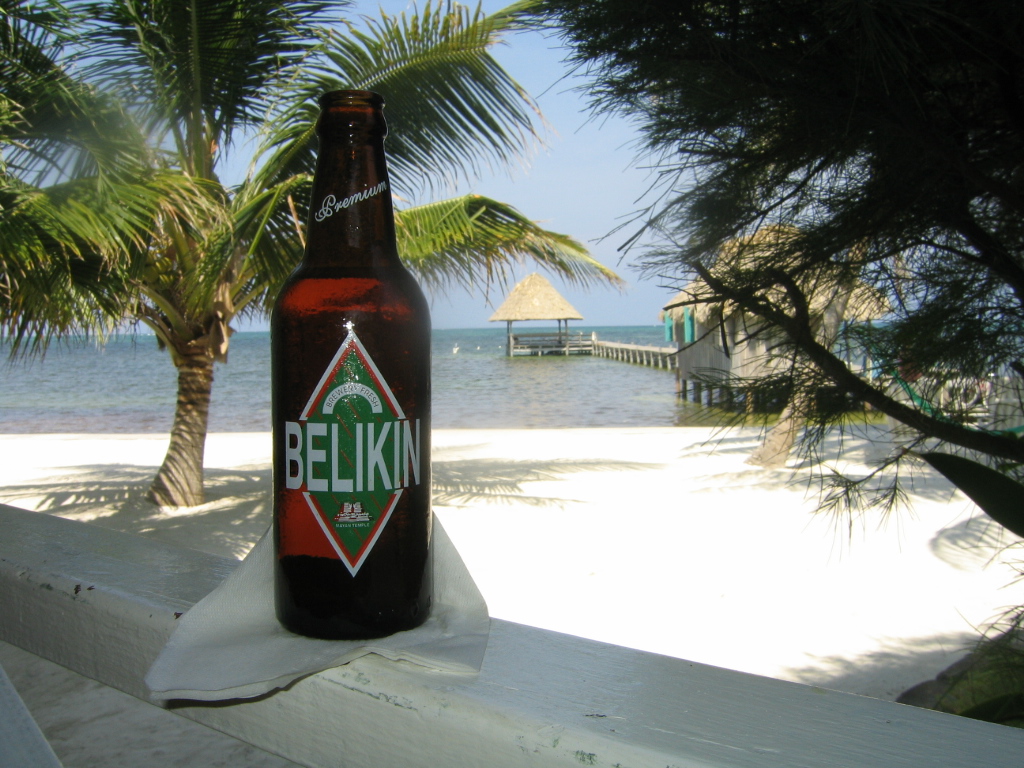
Belikin beer

Belize Brewing Company, near Belize City
Read moreShow less

The national beer of Belize, made by the Belize Brewing Company and sold in returnable bottles, in several varieties including a stout. Its label shows the main temple of the Maya site of Altun Ha.

The name Belikin is said to come from Maya words meaning 'road to the east' or 'road to the burning sun'.

Marie Sharp's hot sauce
Photo: Kaldari, CC0
Side dish

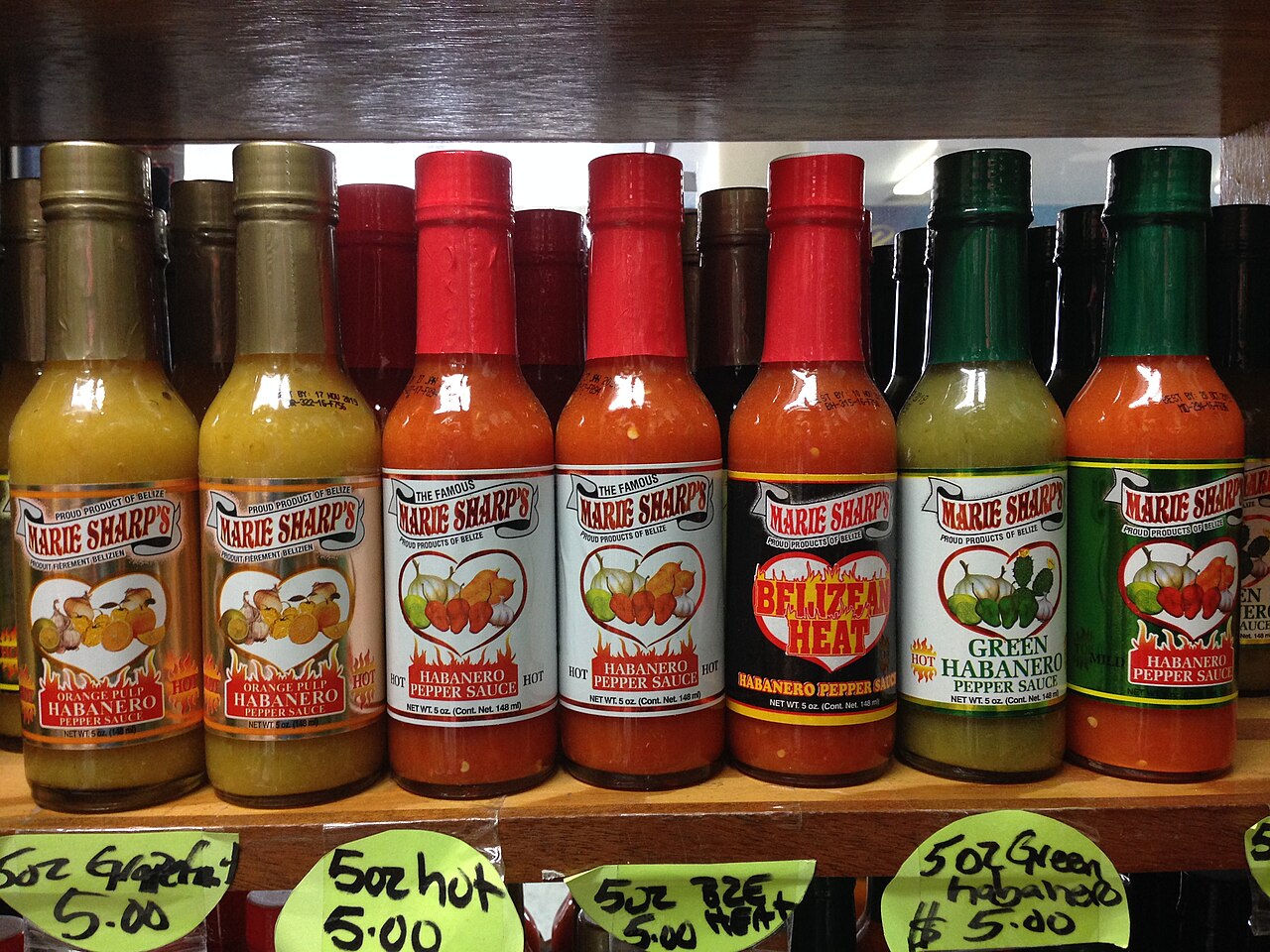
Marie Sharp's hot sauce

A family farm near Dangriga, in the Stann Creek District
Read moreShow less

Belize's famous pepper sauce, made from habanero peppers blended with carrots and other vegetables or fruit. It comes in strengths from mild to very hot and stands on restaurant tables all over the country.

Marie Sharp began selling her sauces from her farm in 1981. In 2016 she was inducted into the Hot Sauce Hall of Fame.

Table manners

  • In Belize 'dinner' usually means the main meal at midday. Some schools and businesses close at midday for it and reopen later in the afternoon.
  • Chicken is almost always served on the bone, even inside tamales, so eat carefully.
  • Hot sauce is on almost every table. Taste it first: the habanero versions can be very strong.
  • Meals are family time: if you are invited to a home, expect a long, relaxed meal and plenty of conversation.
  • Begin any conversation, even a quick question in a shop, with a friendly greeting such as 'Good morning'. Rushing straight to business can seem rude.
  • Beer and soft drinks often come in returnable glass bottles; if you take them away, you may pay a small deposit.
Cities

10 cities to know

Belize has no big cities. Belize City on the coast is still the largest and busiest, while the small planned capital, Belmopan, lies inland. In the west, San Ignacio is the base for Maya ruins and caves; in the north, Orange Walk and Corozal are sugar towns with a Mestizo character. Out on the reef are the island towns of San Pedro and Caye Caulker, and down the southern coast are the Garifuna town of Dangriga, the beach village of Placencia and Punta Gorda.

BelmopanBelize CitySan IgnacioOrange WalkCorozalSan PedroCaye CaulkerDangrigaPlacenciaPunta Gorda
Belmopan
Photo: CadabraPuppet, CC BY-SA 4.0

BelmopanCapital

Cayo District
Read moreShow less

The capital, built as a planned city about 80 km inland after Hurricane Hattie and opened as the seat of government in 1970. With about 20,750 people at the 2022 census, it is one of the smallest capitals in the Americas. Government offices stand around a ring road with plenty of parkland, and the city council promotes it as 'The Garden City'.

  • The National Assembly building, designed to look like a Maya temple
  • A quiet, green city of civil servants and embassies
  • Its name, joined from the Belize and Mopan rivers
Belize City
Photo: Jasmine Halki, CC BY 2.0

Belize City

Belize District
Read moreShow less

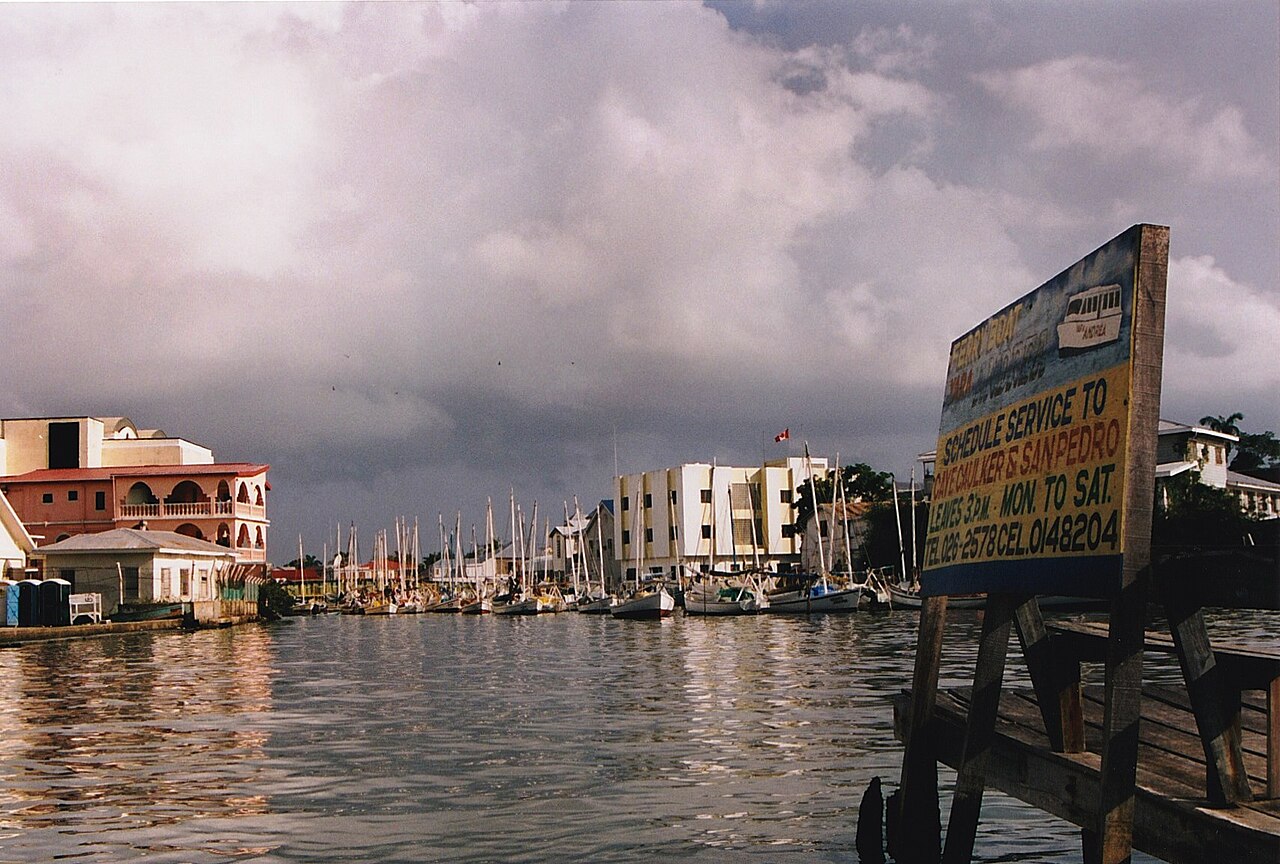
The largest city, with about 64,000 people in 2022, at the mouth of Haulover Creek on the Caribbean. It was the capital of British Honduras until 1970 and is still the country's main port and business centre. Canals, bridges such as the Swing Bridge and old colonial buildings give it a Caribbean feel.

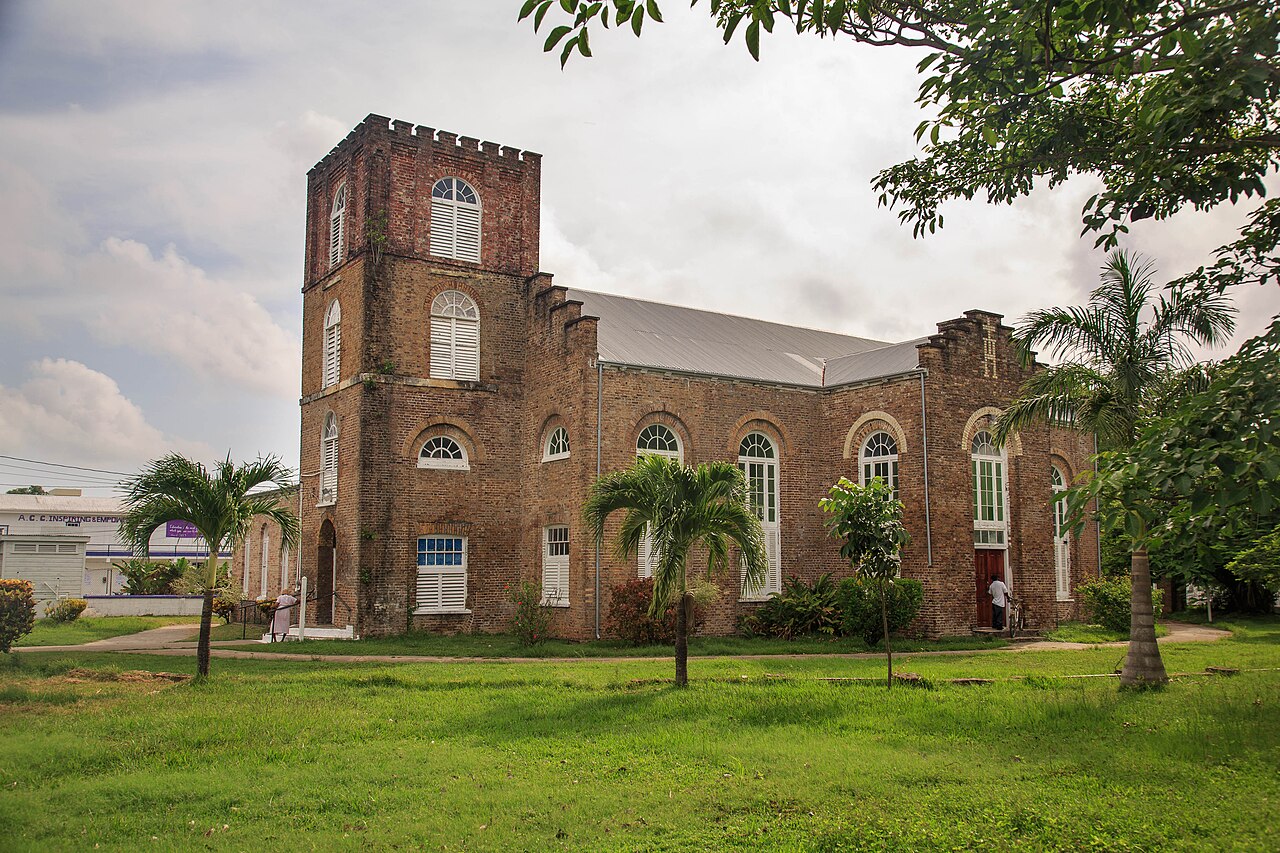
  • St. John's Cathedral, the oldest Anglican church in Central America
  • The Museum of Belize and the Fort George area
  • Water taxis to Caye Caulker and Ambergris Caye
San Ignacio, Belize
Photo: Kaldari, CC0

San Ignacio

Cayo District
Read moreShow less

A lively hill town in the far west, on the Macal River close to the Guatemalan border, joined to its twin town Santa Elena by bridges. It grew from mahogany and chicle (chewing gum) camps and is now the main base for exploring the Maya sites, caves and forests of Cayo.

  • The nearby Maya sites of Xunantunich, Cahal Pech and Caracol
  • Cave trips such as Actun Tunichil Muknal
  • Its twin town, Santa Elena, across the Macal River
Orange Walk Town
Photo: OWTC Photographer, CC BY-SA 2.5

Orange Walk Town

Orange Walk District
Read moreShow less

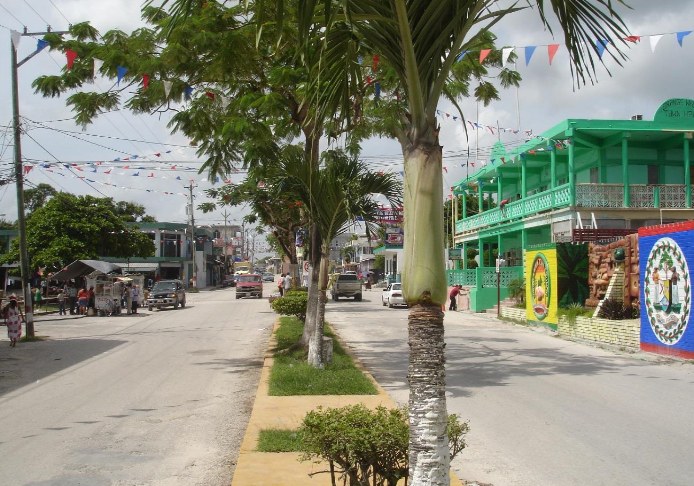
A Spanish-speaking market town on the New River in the north, grown from a logging camp and settled by Maya and Mestizo refugees from the Caste War in Mexico after 1848. Sugar cane is the local industry, and the town is nicknamed 'Sugar City'.
  • The Tower Hill sugar factory, which processes most of the country's cane
  • Boat trips up the New River to Lamanai
  • The nearby Maya site of Cuello, one of the oldest in Belize
Corozal Town
Photo: Jon, CC BY-SA 2.0

Corozal Town

Corozal District
Read moreShow less

The northernmost town of Belize, on the shore of Corozal Bay about 15 km from the Mexican border. It was founded by refugees from the Caste War of Yucatán in 1848, rebuilt after Hurricane Janet in 1955, and partly stands on top of an ancient Maya city.

  • The brick corners of Fort Barlee, built in 1870
  • The Maya trading site of Cerros across the bay
  • Its closeness to Chetumal, in Mexico
San Pedro
Photo: Hevan Chan, CC BY 2.0

San Pedro

Ambergris Caye, Belize District
Read moreShow less

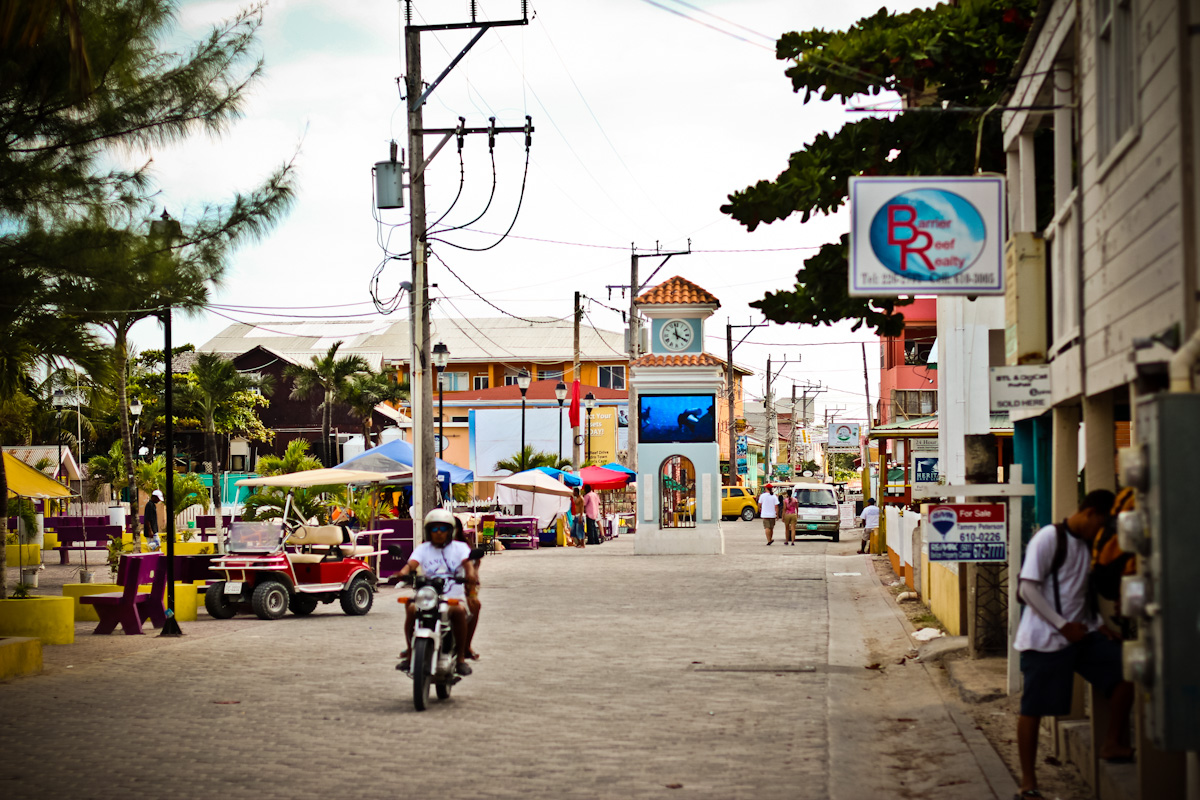
A town on Ambergris Caye and one of the country's busiest beach resorts, with about 20,000 people. Its first settlers were fishing and farming families from Yucatán who arrived around 1848, and it became a town in 1984. Most San Pedranos speak both Spanish and English, and the reef lies just offshore.

  • Snorkelling and diving at Hol Chan Marine Reserve
  • Being said to be the inspiration for Madonna's song 'La Isla Bonita'
  • Fishing: locals say you are not a true San Pedrano if you cannot fish
Caye Caulker
Photo: Dronepicr, CC BY 3.0

Caye Caulker

Belize District
Read moreShow less

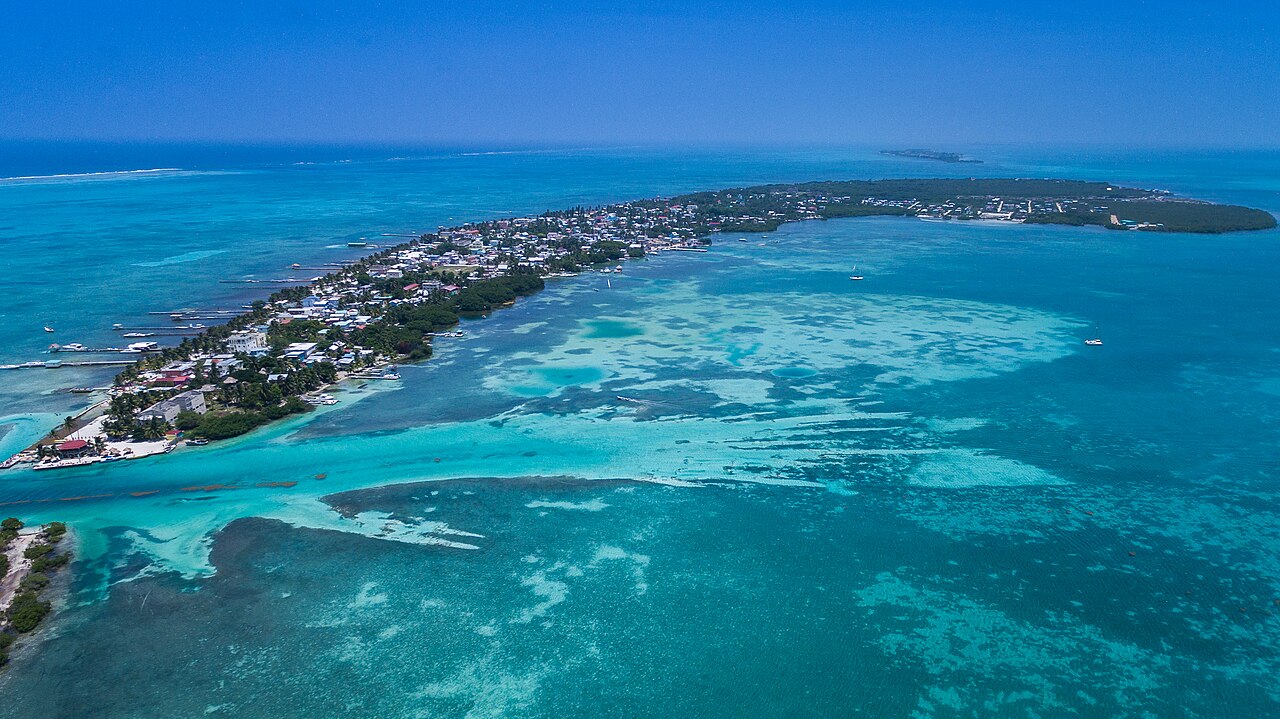
A small, laid-back island about 8 km long, some 30 km north-northeast of Belize City, reached by water taxi or small plane. A narrow channel called the Split, largely dug by hand by the villagers, cuts the island in two.

  • The Split, a popular swimming spot
  • Snorkelling trips to the barrier reef, which lies just off the island
  • Small hotels and restaurants popular with backpackers
Dangriga
Photo: Rick's Pics (Montreal), CC BY-SA 2.0

Dangriga

Stann Creek District
Read moreShow less

The largest town in southern Belize, at the mouth of the North Stann Creek River, and the heart of Garifuna culture. Formerly called Stann Creek Town, it took the Garifuna name Dangriga, meaning 'standing waters'. Punta rock music was born here.

  • Garifuna Settlement Day celebrations every 19 November
  • Garifuna drumming and punta music
  • The monument to Thomas Vincent Ramos, who created Garifuna Settlement Day
Placencia
Photo: Nagyman, CC BY-SA 2.0

Placencia

Stann Creek District
Read moreShow less

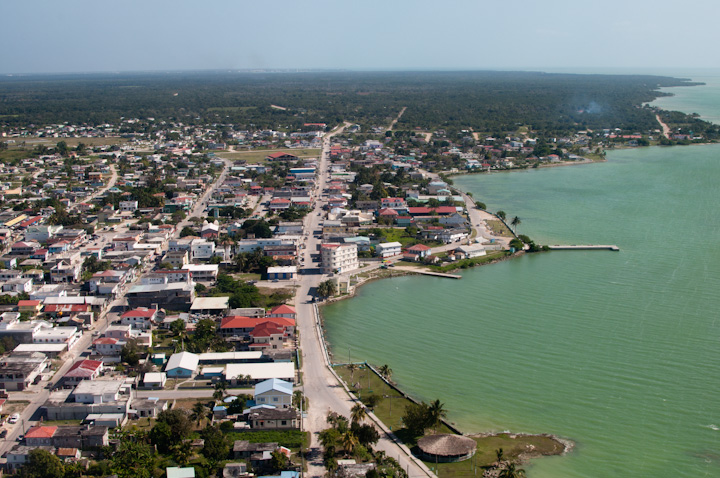
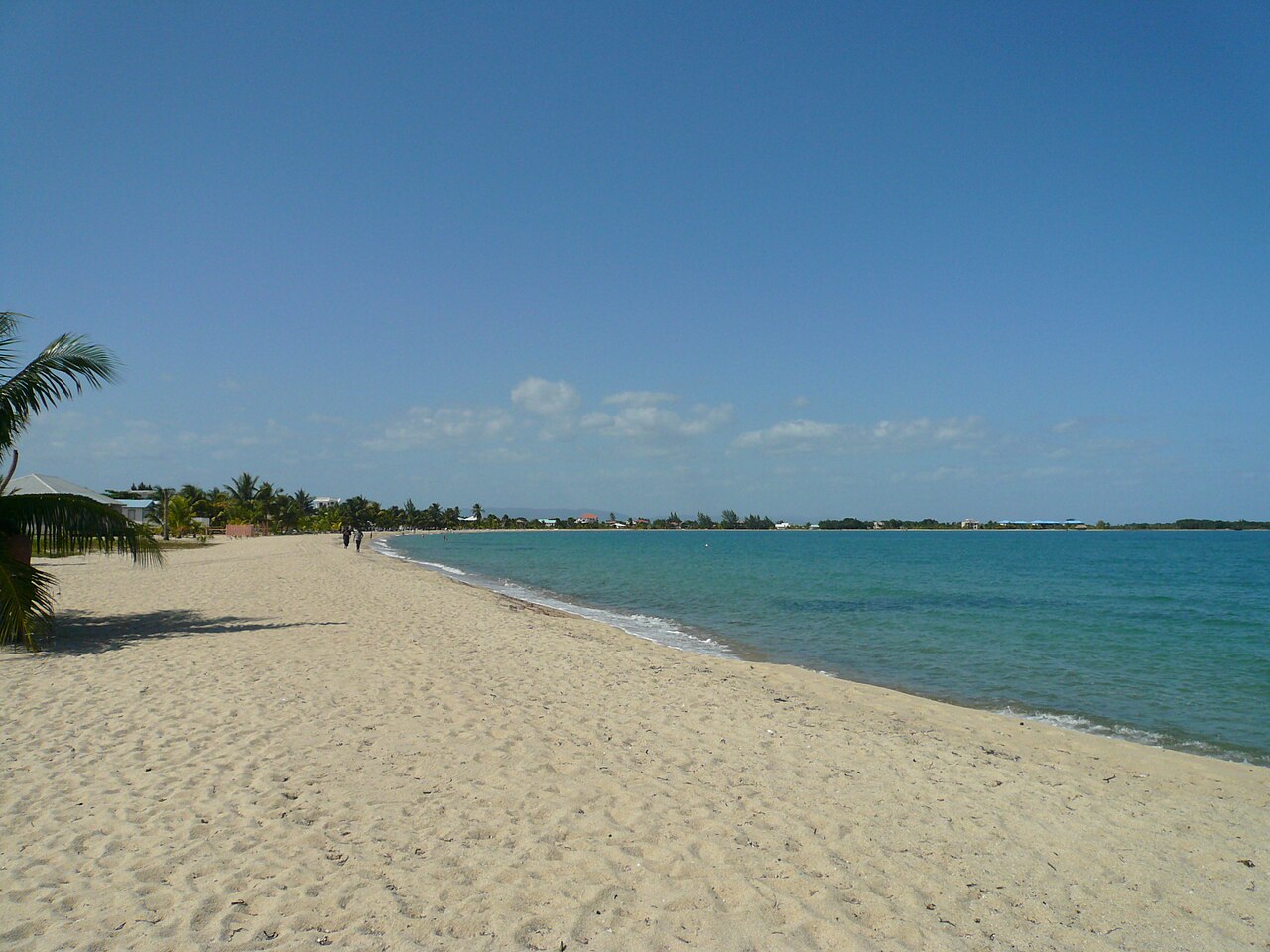
A fishing village at the tip of a long, narrow sandy peninsula in the south, with the sea on one side and a lagoon on the other. Hurricane Iris badly damaged it in 2001; since then it has grown into a relaxed beach destination.

  • Beaches on a long, narrow peninsula
  • A name from the Spanish Punta Placentia, 'Pleasant Point'
  • Maya salt-making sites in the area
Punta Gorda, Belize
Photo: Pgbk87, CC BY-SA 3.0

Punta Gorda

Toledo District
Read moreShow less

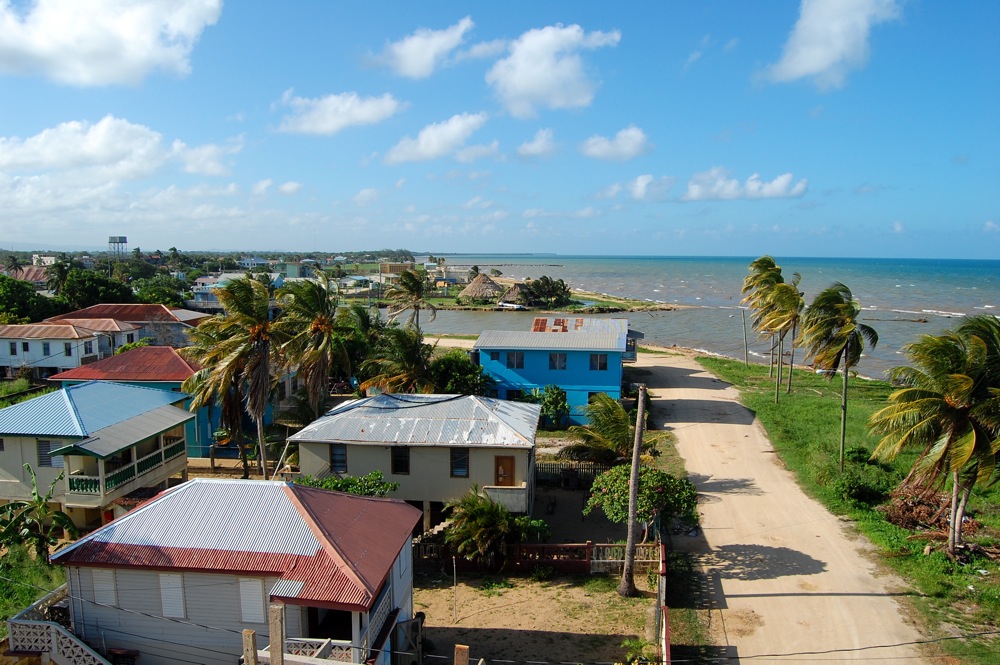
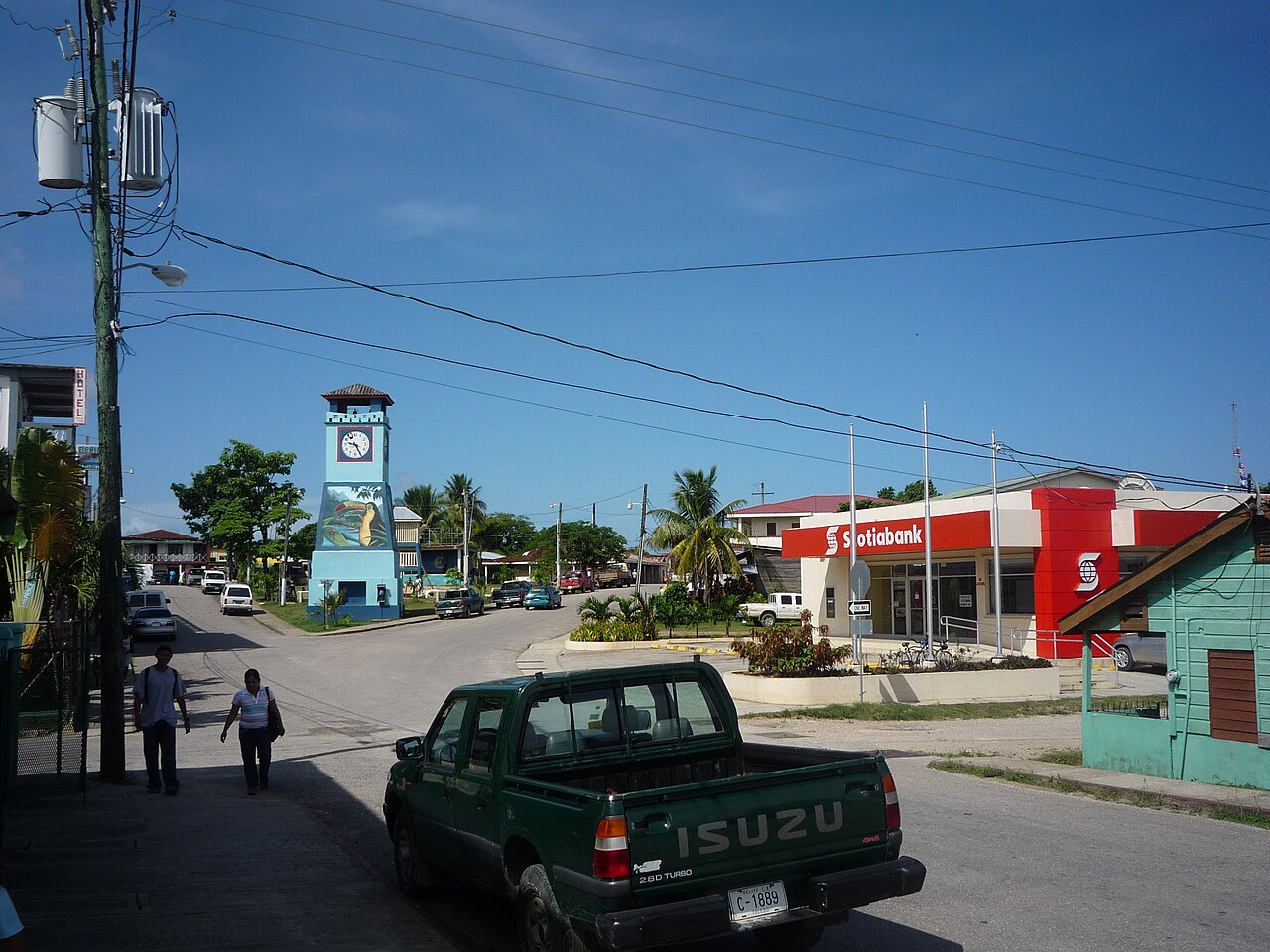
The southernmost sizable town of Belize, a small seaport on the Gulf of Honduras known locally as 'PG'. It was a fishing village settled by Garifuna from Honduras in 1823, and today its people are Garifuna, Kriol, East Indian, Mestizo and Maya.

  • The gateway to the Maya villages and ruins of Toledo, such as Lubaantun
  • Its Garifuna name, Peini
  • A mix of Garifuna, Kriol, East Indian, Mestizo and Maya people
Landmarks

Places everyone should see once

Great Blue Hole
Photo: U.S. Geological Survey (USGS), Public domain
Near Belize City

Great Blue Hole

UNESCO World Heritage
Read moreShow less

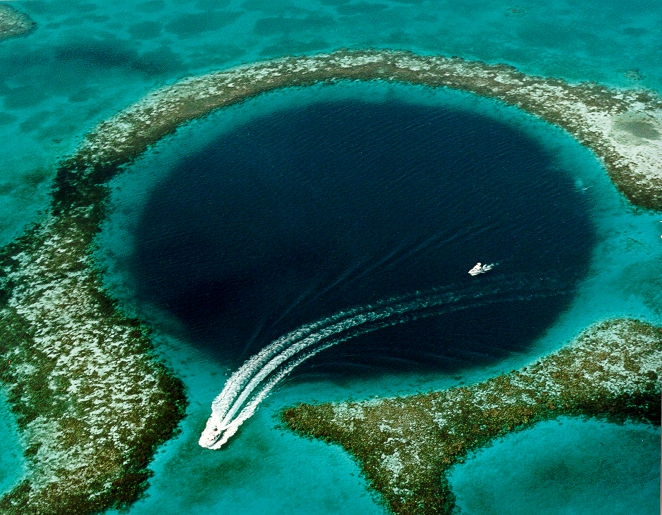
A perfectly round marine sinkhole in the middle of Lighthouse Reef atoll, about 70 km from Belize City. It is about 318 m across and 124 m deep: a cave system that formed when the sea was much lower and was flooded as the ice ages ended. Jacques Cousteau made it famous in 1971. It is part of the Belize Barrier Reef Reserve System, a UNESCO World Heritage Site.

Half Moon Caye
Photo: anoldent, CC BY-SA 2.0
Near Belize City

Half Moon Caye Natural Monument

UNESCO World Heritage
Read moreShow less

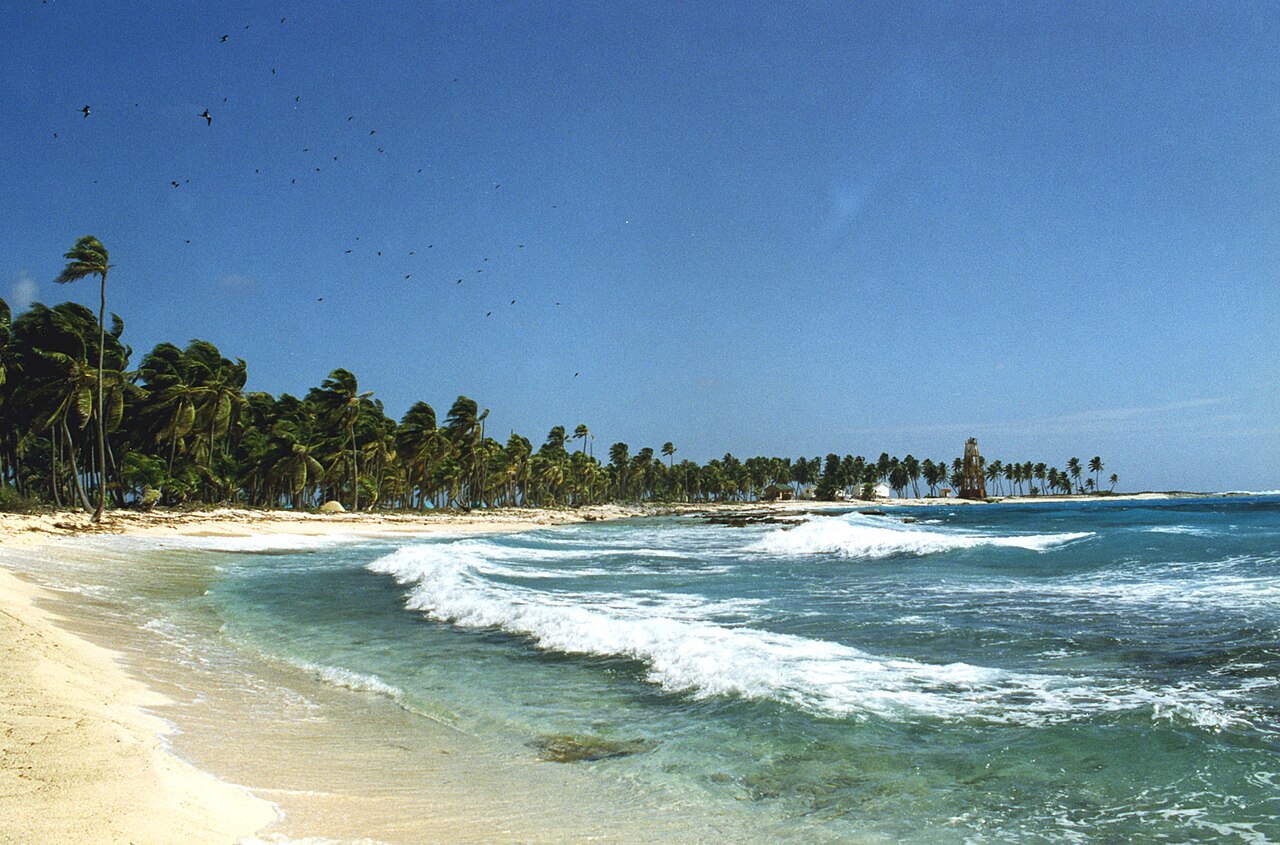
A small island at the southeast corner of Lighthouse Reef, near the Great Blue Hole. It was protected as a bird sanctuary in 1924 for its colony of red-footed boobies, which nest in the island's forest, and in 1981 became Belize's first natural monument. Sea turtles nest on its beaches, and it is one of the seven parts of the World Heritage reef reserve.

Xunantunich
Photo: Denis Barthel, CC BY-SA 4.0
Near San Ignacio

Xunantunich

Read moreShow less

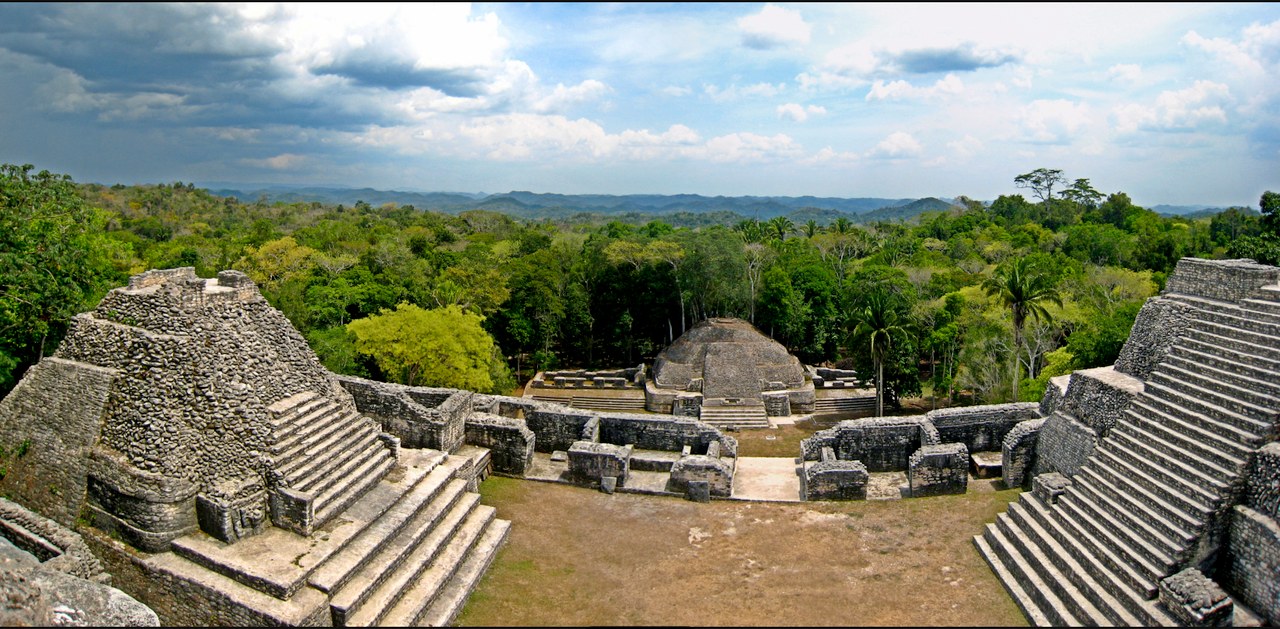
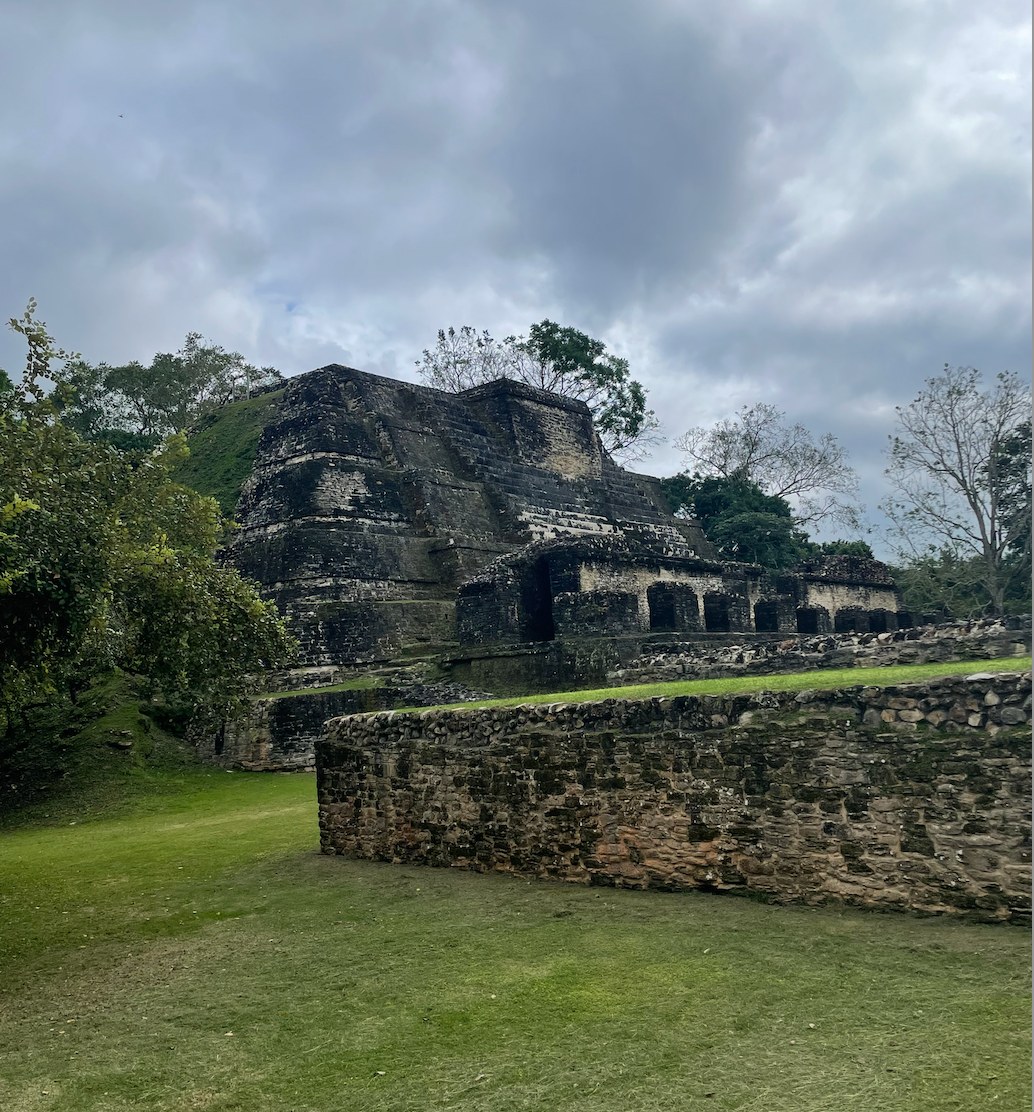
A Maya ceremonial centre on a ridge above the Mopan River, about 1 km from the Guatemalan border. Its great pyramid, El Castillo, is about 40 m tall, and fine stucco friezes survive near its top. The modern name means 'Maiden of the Rock', after a ghost said to haunt the site.

Caracol
Photo: Pgbk87, CC BY-SA 3.0
Near San Ignacio

Caracol

Read moreShow less

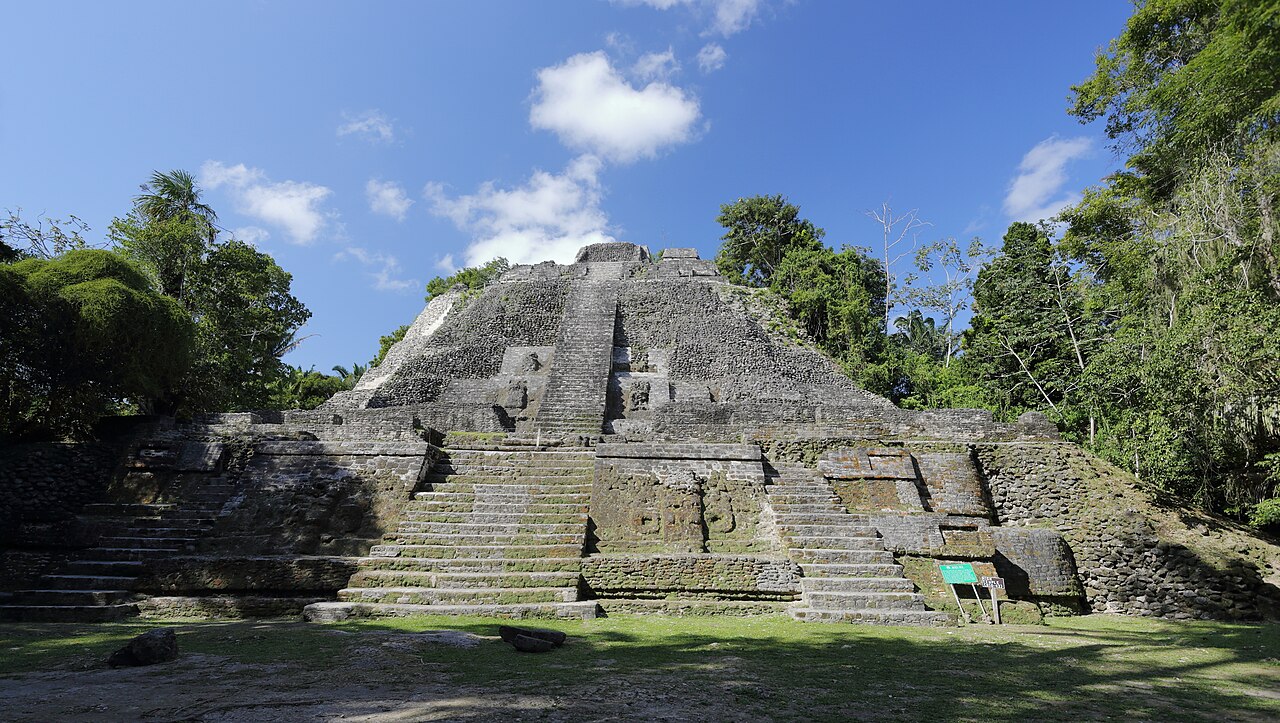
The largest Maya site in Belize, on the Vaca Plateau in the foothills of the Maya Mountains, about 40 km south of San Ignacio. At its height the city spread over about 200 km². Its temple-palace Caana, the 'Sky Palace', about 43 m tall, is as of 2026 still the tallest building in Belize. A logger rediscovered the site in 1937.

Actun Tunichil Muknal
Photo: Peter Andersen, CC BY-SA 3.0
Near San Ignacio

Actun Tunichil Muknal

Read moreShow less

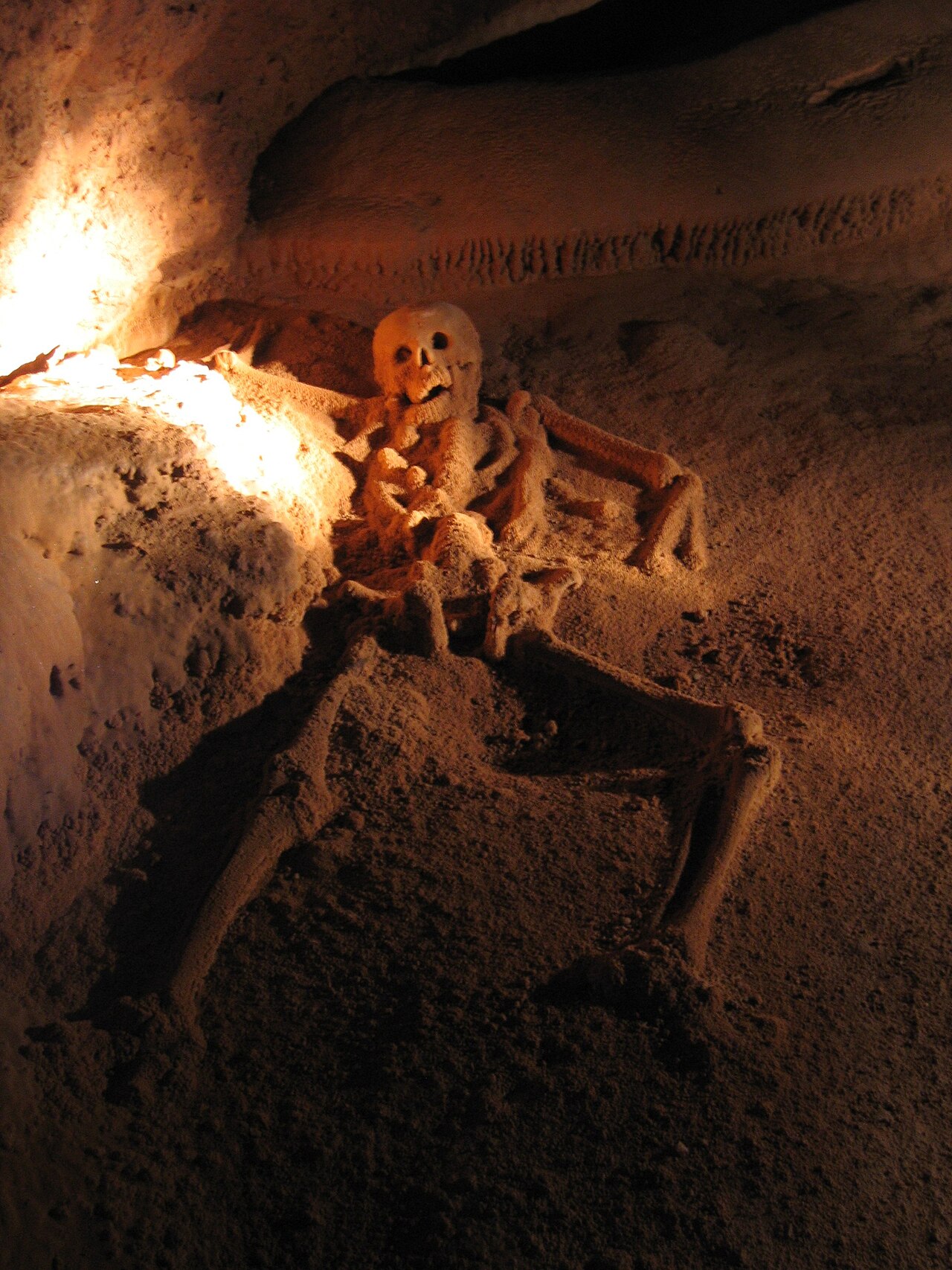
A cave in the Cayo District, between San Ignacio and Belmopan, used by the ancient Maya for ceremonies. Its chambers hold pottery with ritual 'kill holes' and human skeletons, including the 'Crystal Maiden', whose bones are coated with sparkling calcite; it is now thought to be a teenage boy. Only a small number of licensed tour operators may take visitors in.

Lamanai
Photo: Martin Falbisoner, CC BY-SA 4.0
Near Orange Walk Town

Lamanai

Read moreShow less

A Maya city beside a lagoon of the New River, south of Orange Walk Town. It was lived in for some 3,000 years, much longer than most Maya cities, and its name means 'submerged crocodile'. The best-known buildings are the High Temple, the Mask Temple and the Jaguar Temple; from the top of the High Temple you look out over the jungle to the lagoon.

Altun Ha
Photo: JonTheSucculentDude, CC BY-SA 4.0
Near Belize City

Altun Ha

Read moreShow less

The ruins of a Maya city north of Belize City, about 10 km from the sea. A carved jade head, usually taken to show the sun god Kinich Ahau, was found in a tomb here and is one of the finest jade objects of Maya civilisation. The Temple of the Masonry Altars appears on the label of Belikin beer.

Cockscomb Basin Wildlife Sanctuary
Photo: Pgbk87, CC BY-SA 3.0
Near Dangriga

Cockscomb Basin Wildlife Sanctuary

Read moreShow less

About 400 km² of rainforest on the eastern slopes of the Maya Mountains, set up in 1986 as the first protected area for the jaguar. Victoria Peak, one of the highest mountains in Belize, rises within it, and the jagged ridge that gives the reserve its name looks like a rooster's comb.

St. John's Cathedral (Belize City)
Photo: Adam Buhler, CC BY 2.0
Belize City

St. John's Cathedral

Read moreShow less

The oldest Anglican church in Central America, built between 1812 and 1820 from bricks that came to Belize as ballast in British ships. Its interior is fitted out in mahogany and sapodilla wood, and kings of the Miskito people of the Mosquito Coast were crowned here.

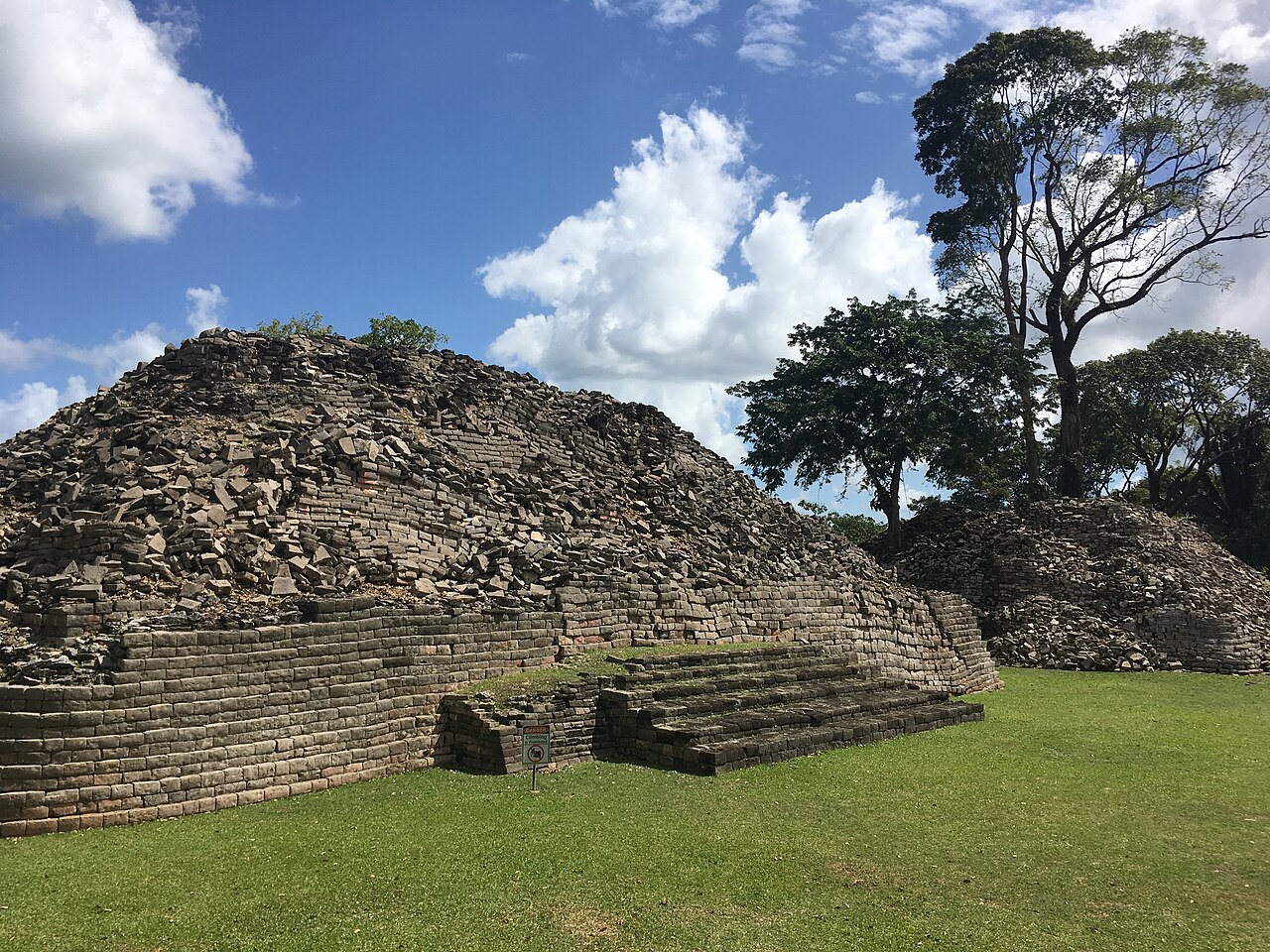
Lubaantun
Photo: Kaldari, CC0
Near Punta Gorda

Lubaantun

Read moreShow less

A Maya city in the hills of Toledo, about 42 km northwest of Punta Gorda, that flourished from about 730 to 890. Its buildings are made of stone blocks laid without mortar and have rounded corners. The name, given in modern times, means 'place of fallen stones'.

Fun facts

Things you might not know

  1. 01

    The flag of Belize shows two men, a Mestizo and a man of African descent, holding the coat of arms with tools of the old logging trade. It is one of very few national flags that show human beings.

  2. 02

    The national motto, Sub umbra floreo, is Latin for 'Under the shade I flourish'. It refers to the mahogany tree, the national tree, which appears on the coat of arms.

  3. 03

    The national bird is the keel-billed toucan, the national animal is Baird's tapir, and the national flower is the black orchid.

  4. 04

    In 1842 Charles Darwin described the Belize Barrier Reef as 'the most remarkable reef in the West Indies'. It is about 300 km long and home to about 500 species of fish.

  5. 05

    In December 2010 Belize became the first country in the world to ban bottom trawling completely, and in 2017 it stopped all offshore oil activity in its waters.

  6. 06

    The Great Blue Hole is about 318 m across and 124 m deep. Stalactites found inside show that it was once a dry cave, flooded when sea levels rose after the last ice age.

  7. 07

    Cockscomb Basin, set up in 1986, was the first protected area created to protect the jaguar, and it is still regarded as one of the best places for jaguar conservation.

  8. 08

    Belize's highest peak, Doyle's Delight (about 1,124 m), was named in 1989 after Arthur Conan Doyle's adventure novel The Lost World.

  9. 09

    Belize drove on the left like Britain until 1 October 1961, when it switched to the right, the same side as its neighbours.

  10. 10

    With 20,754 people at the 2022 census, Belmopan is the smallest capital city by population on the mainland of the Americas.

  11. 11

    San Pedro, on Ambergris Caye, is said to be the town behind the first line of Madonna's 1987 song 'La Isla Bonita': 'Last night I dreamt of San Pedro'.

  12. 12

    German-speaking Mennonite farmers began arriving from Mexico in 1958. As of 2014 about 12,000 people belonged to Mennonite communities in Belize, and most of them speak Plautdietsch, a Low German dialect.
  13. 13

    A British traveller, Baron Bliss, arrived by yacht in 1926 and died on board weeks later without ever landing on the mainland, yet left almost two million British Honduras dollars to the people of the colony. A public holiday in March still honours him and other benefactors.

  14. 14

    At the 2022 census about 45 percent of Belizeans said they could speak Kriol, far more than the share who are Kriol by ethnicity. It is an English-based language with its own standard spelling, so 'water' is written waata and 'street' is schreet.

Belizean Kriol (Bileez Kriol) words

20 words to start with

Kriol is an English-based language, so many words sound like English said with a Caribbean lilt. English is the official language and Spanish is also very common. Pronunciation is written the way it sounds; the capital letters show where the stress goes.

People and places

  • Bileezbih-LEEZBelize
  • yuYOOyou, your
  • evribadiEV-ree-bah-deeeverybody
  • hoahnHOHN (said a little through the nose)home
  • schreetSHCHREETstreet
  • aafisAH-fisoffice
  • chrokCHROKtruck, lorry

Food and drink

  • waataWAH-tahwater
  • raisRICErice
  • shugaSHOO-gahsugar
  • laimLIMElime (the fruit)
  • byaaBYAHbeer
  • jrinkJRINKa drink; to drink

Weather

  • harikaynHAH-ree-kaynhurricane
  • staamSTAHMstorm

Everyday words

  • siSEEto see
  • membaMEM-bahto remember
  • noaNOHto know
  • naisNICEnice
  • leeLEElittle
Say it like a local

Useful phrases

Spellings vary from writer to writer; these follow Belizean travel guides. Everyone in tourism also speaks English.

Gud maanin!
good MAH-nin
Good morning!
Greeting anyone in the morning; always greet before asking a question
Gud night
good NITE
Good evening, good night
Greeting someone after dark, or saying goodnight
Weh di gaan an?
weh dee GAHN ahn
What's up? How's it going?
A casual hello between friends; no detailed answer is expected
Weh gaan ahn?
weh GAHN ahn
How are things going?
Another casual greeting, very common
Aarite
ah-RITE
All right, fine
Answering a greeting
Yuh aarite?
yoo ah-RITE
Are you all right?
Checking how someone is doing
Evryting gud
EV-ree-ting GOOD
Everything is fine
Saying all is well
Weh yuh naym?
weh yoo NAYM
What's your name?
Meeting someone new
Mi naym da ...
mee NAYM dah
My name is ...
Introducing yourself
Yu da Bileez?
yoo dah bih-LEEZ
Are you from Belize?
Asking where someone is from
How much fi dis?
how MUCH fee DIS
How much is this?
Shopping at a market or food stand
Weh pawt ih deh?
weh PAWT ee DEH
Where is it?
Asking the way to a place or thing
Weh yu gwein?
weh yoo GWAYN
Where are you going?
Friendly question to someone on the road
Da weh time?
dah weh TIME
What time is it?
Asking the time
Fu chroo?
foo CHROO
Really? Is that true?
Showing surprise at news
Ah tayad
ah TAY-ad
I'm tired
After a long day in the sun or on the trail
Lata!
LAH-tah
See you later!
Saying goodbye to friends
Mi love Bileez!
mee LUV bih-LEEZ
I love Belize!
A phrase every Belizean will smile at
One one craboo fill barrel
WUN wun krah-BOO fil BA-rel
One by one, the craboo fruits fill the barrel: small things add up
A well-known Kriol proverb about patience and saving
Local tips

Before you go

Check the entry rules

As of November 2026, British visitors can stay up to 30 days without a visa, and each extra 30 days costs 200 Belize dollars at an immigration office. The passport must be valid for more than 3 months after arrival, though some airlines ask for 6. Rules differ by nationality, so always check the latest advice before you go.

Keep cash for the border

As of November 2026, travellers leaving Belize by land, or by boat to Guatemala or Mexico, pay a departure tax of 40 Belize dollars (20 US dollars) at the border. When you fly out, the tax is usually included in the ticket.

Know which dollars you are paying

The Belize dollar is fixed at 2 to 1 US dollar, and US dollars are widely accepted. Prices can be quoted in either, so always ask 'Belize or US?' before you agree, and expect change in a mix of both. Locals still call the 25-cent coin a 'shilling'.

Choose your season

Belize is warm all year, about 24 to 27 degrees C on the coast. The dry season runs roughly from January or February to April or May in the north and centre, and is shorter in the very wet south. The hurricane season runs from June to November, so check forecasts and travel insurance if you go then.

Get around by bus, boat and small plane

Many buses are retired US school buses, and you can wave one down at the roadside. Water taxis link Belize City with Caye Caulker and Ambergris Caye, and small planes fly to the islands and southern towns. Traffic drives on the right.

Respect the reef and use licensed guides

Snorkel and dive only with registered, licensed operators and check the weather, as accidents have happened in rough seas. Do not touch or stand on coral. Caves such as Actun Tunichil Muknal are visited only with licensed tour operators.

Protect yourself from sun and mosquitoes

The tropical sun is strong, especially on boats, so cover up and use high-factor sunscreen. Belize was certified malaria-free in 2023, but mosquitoes still carry dengue and other viruses: use repellent and long sleeves at dusk. Drink bottled or treated water.

Stay alert in Belize City and know the emergency number

Most visits are trouble-free, but crime is a problem in parts of Belize City, especially south of Haulover Creek, and petty theft happens in tourist areas. Keep valuables out of sight, use ATMs inside banks or busy places, and do not wander alone after dark. For police, fire or ambulance, call 911 or 90.

Sources (79)
Last step of the trip

Take the quiz, get your Belize stamp

10 friendly questions about what you just read. No timer, and the ones you miss come back later for review.

Your trip to Belize

Ready for the quiz?

10 questionsAbout 3 minutesNo timer

My notes on Belize

Memories, a dish to cook, a place you want to see. Only you can see this. It saves by itself.

Your notes are kept in My collection.

More about Belize