Sunny beaches, pine-covered mountains and ten thousand years of history on the third-largest island in the Mediterranean.
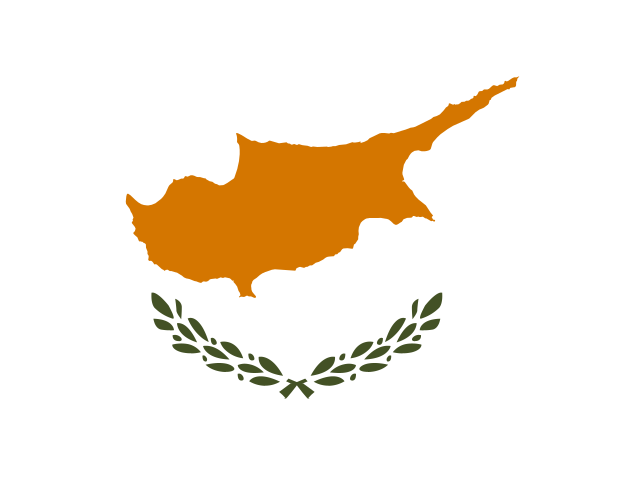
Cyprus is an island in the far east of the Mediterranean Sea, about 75 km south of Turkey and a little over 100 km west of Syria and Lebanon. It is about 240 km long and 100 km wide. The Troodos Mountains, covered in pine forest and dotted with painted churches and wine villages, fill much of the south and west, while the flat Mesaoria plain stretches across the middle of the island.
People have lived here for more than 10,000 years. Copper from the Troodos made the island rich in the Bronze Age, Greek settlers arrived around 1100 BC, and Cyprus was later ruled by Persians, Romans, Byzantines, Crusader kings, Venetians, Ottomans and the British. Greek mythology names it as the birthplace of Aphrodite, the goddess of love.
Questions to ask the older generation
Memories fade faster than photos. Ask these over a meal or a phone call, and write the answers down.
Which town or region of Cyprus did our family come from? Was it near Limassol, Larnaca, Paphos?
Who was the first in the family to leave Cyprus, when, and why?
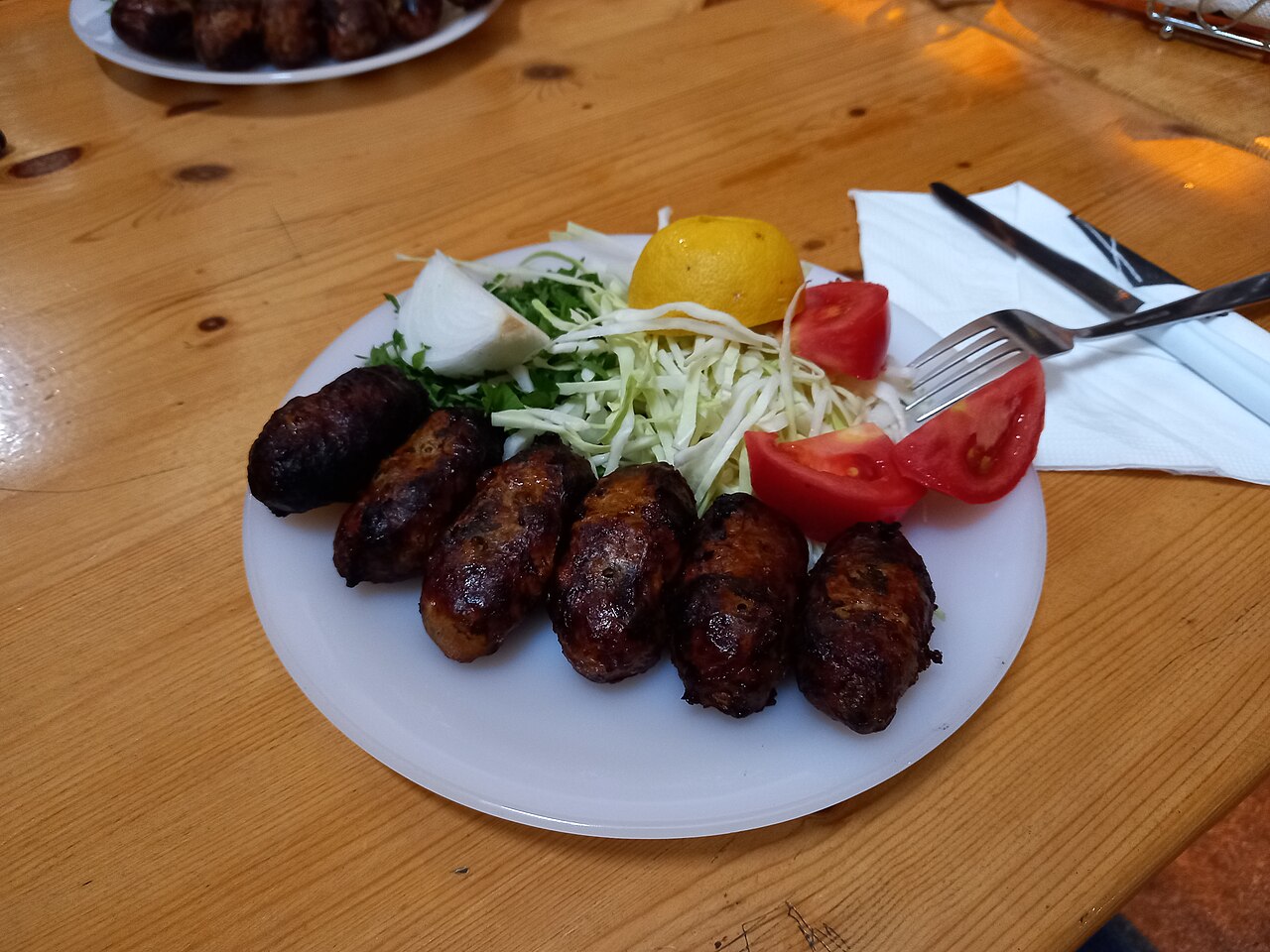
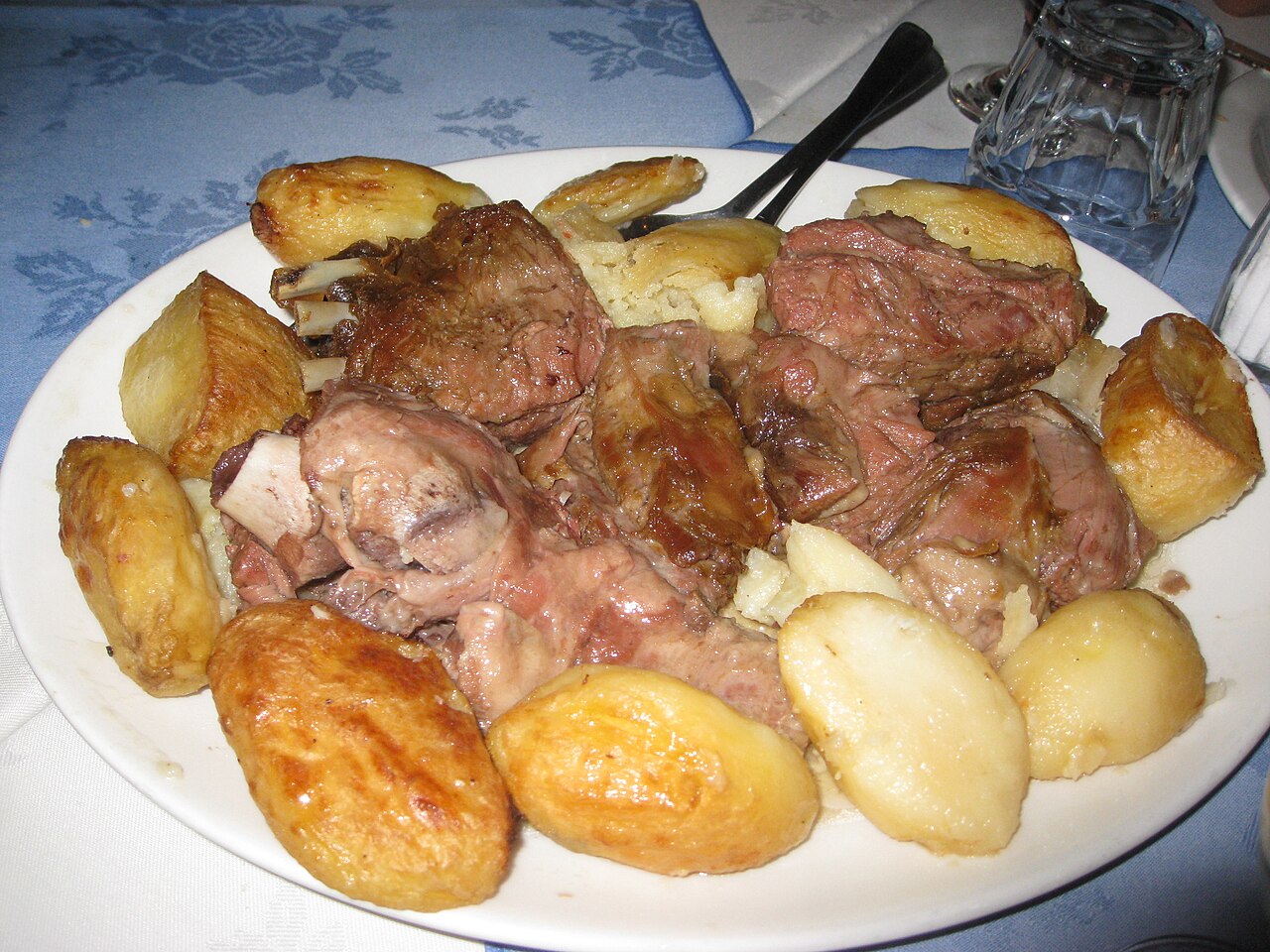
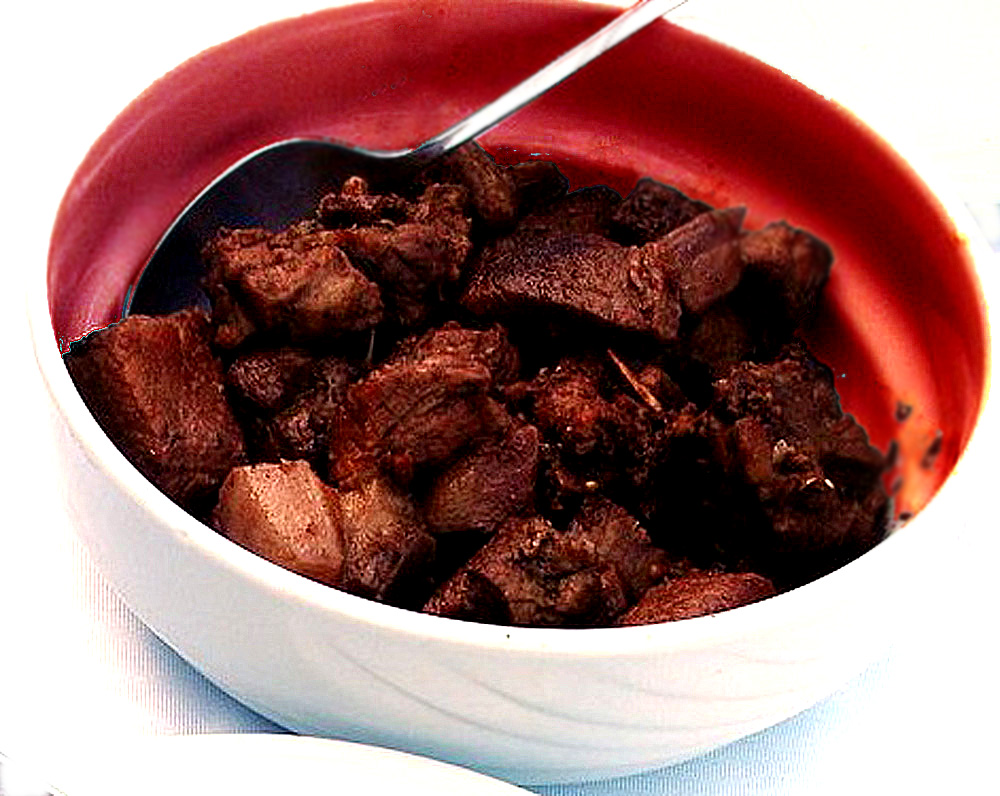
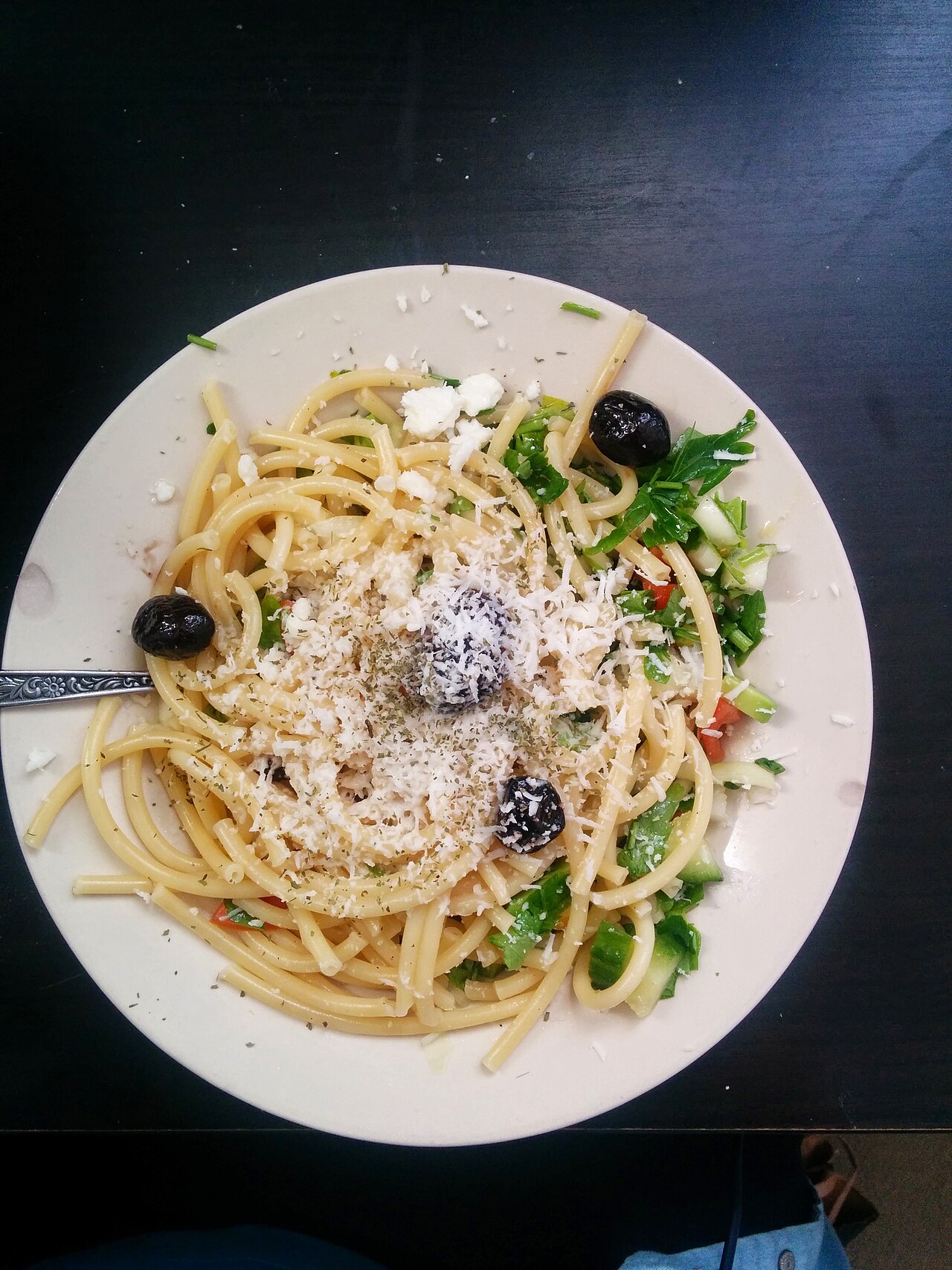
Which dishes from Cyprus were cooked at home? Did anyone make Halloumi or Sheftalia?
Does anyone in the family still speak Greek, or use a few words of it?
Were there songs, prayers, games or holidays from Cyprus that the family kept?
Are there old photos, letters or documents from Cyprus? Who has them?
If you could visit Cyprus together, where would you go first?
A short history of Cyprus
Cyprus sits where Europe, Asia and Africa meet, so almost every great power of the region has ruled it at some point. These are some key moments, from a Stone Age village to the euro.
7000 BC
The village at Choirokoitia
Around 7000 BC farmers built a walled village of round stone houses at Choirokoitia, near the south coast. It is one of the best-preserved Stone Age settlements in the eastern Mediterranean and a UNESCO World Heritage Site.
333 BC
Alexander the Great takes Cyprus
By 333 BC Cyprus had passed from Persian rule to Alexander the Great, and Cypriot ships helped him besiege the city of Tyre. After his death the island became part of the Ptolemaic kingdom ruled from Egypt.
AD 965
Byzantine rule is restored
After three centuries of Arab raids, the Byzantine Empire took firm control of Cyprus again in 965. Over the following centuries many richly painted churches were built in the Troodos Mountains.
1192
The Lusignan kingdom begins
In 1192 the island passed to Guy of Lusignan, a French crusader. His family ruled the Kingdom of Cyprus for about three centuries and built Gothic churches and castles across the island.
1878
British rule begins
Under the Cyprus Convention of 1878, the Ottoman Empire handed the running of the island to Britain. Britain annexed Cyprus in 1914 and made it a crown colony in 1925.
1964
UN peacekeepers arrive
After fighting between the two communities broke out in December 1963, the United Nations set up a peacekeeping force on the island in 1964. UNFICYP is one of the longest-running UN peacekeeping missions.
2003
The first crossings open
In April 2003, after almost 30 years, Cypriots were allowed to cross the dividing line again, first at the Ledra Palace checkpoint in Nicosia. Several more crossings have opened since.
2008
Cyprus adopts the euro
On 1 January 2008 the euro replaced the Cypriot pound.
Our sister site Daily Ancestor helps you read the real documents: ship passenger lists, Ellis Island arrivals, naturalization papers and census pages, with a free plan of which records exist for each ancestor.