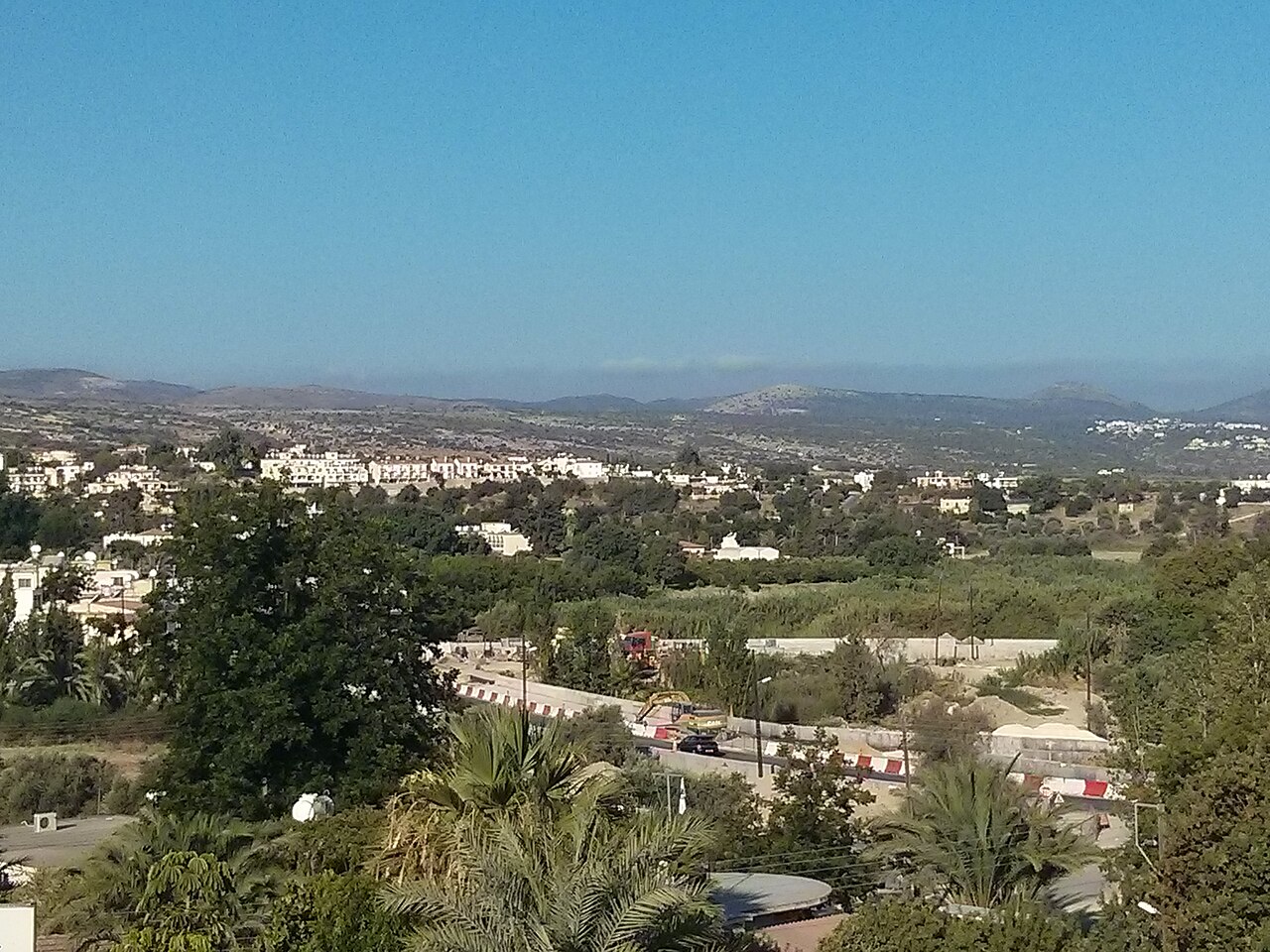
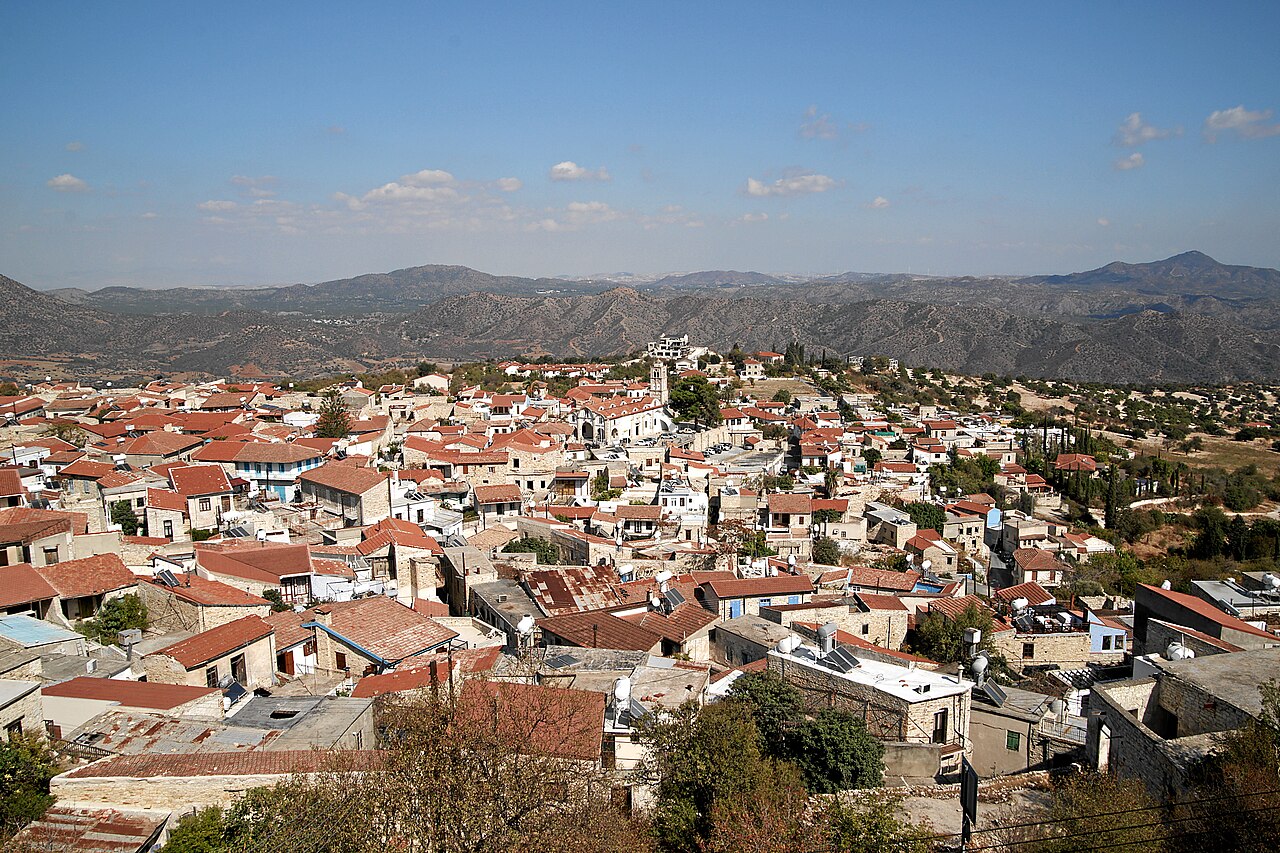
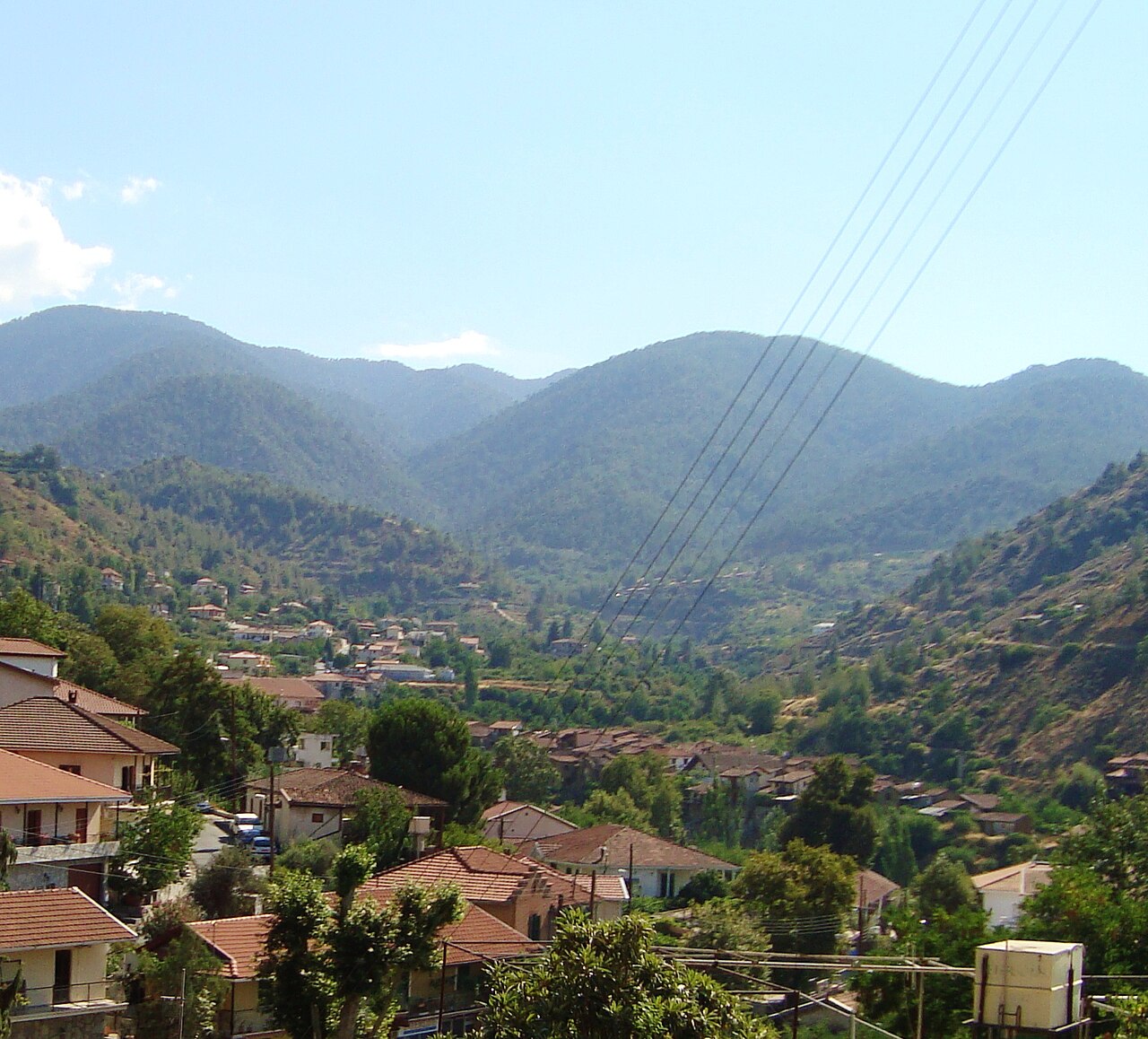
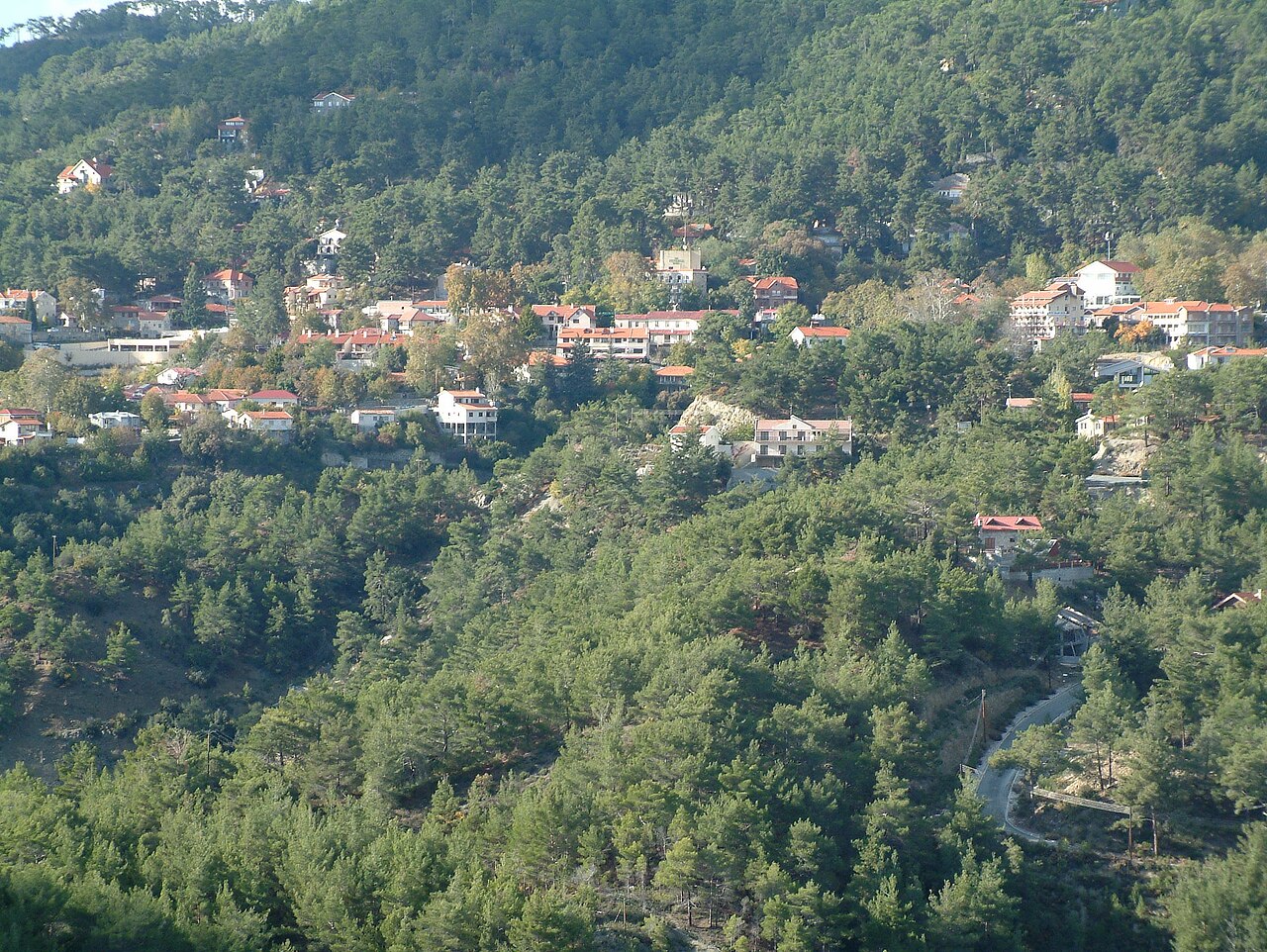
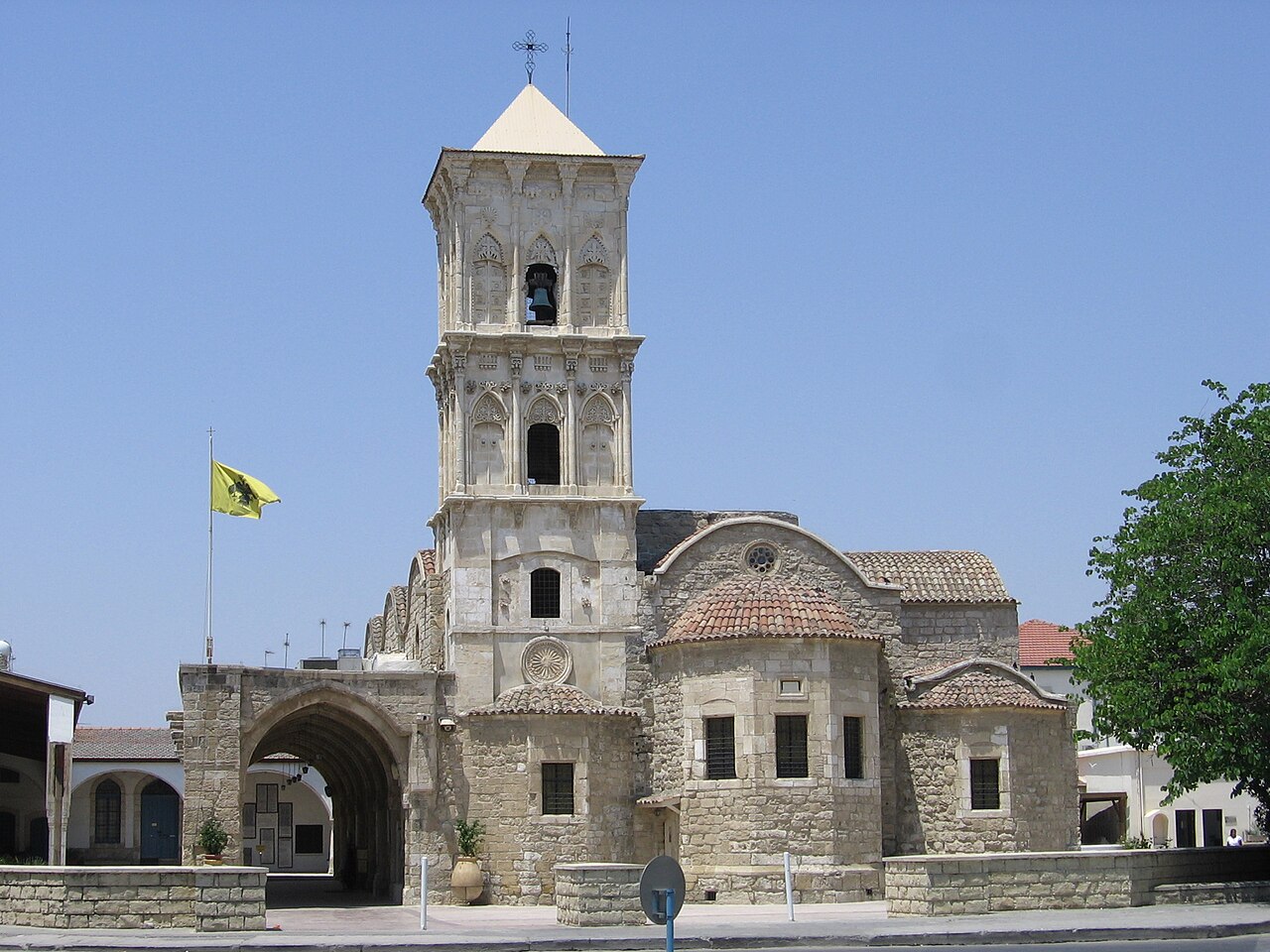
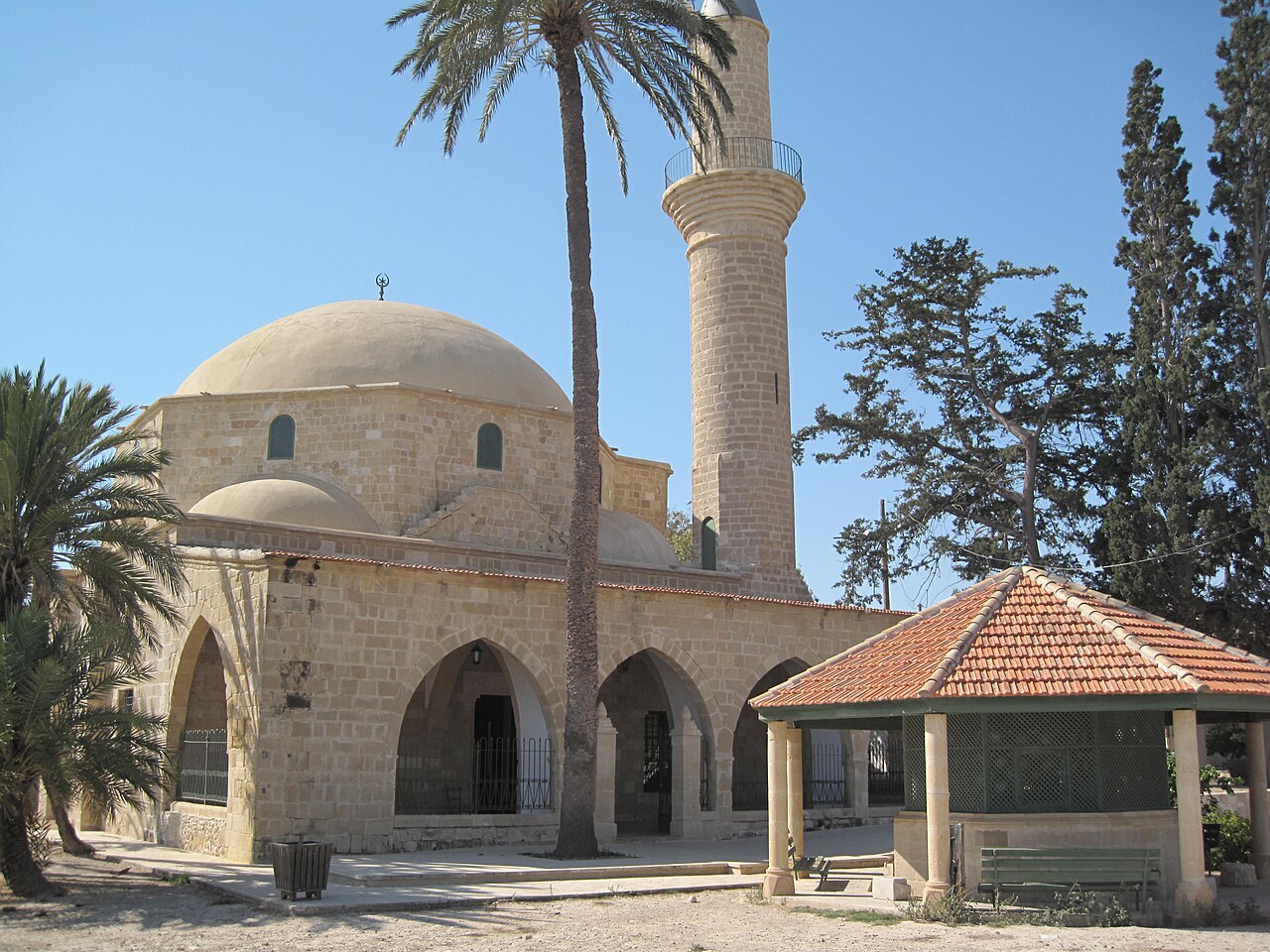
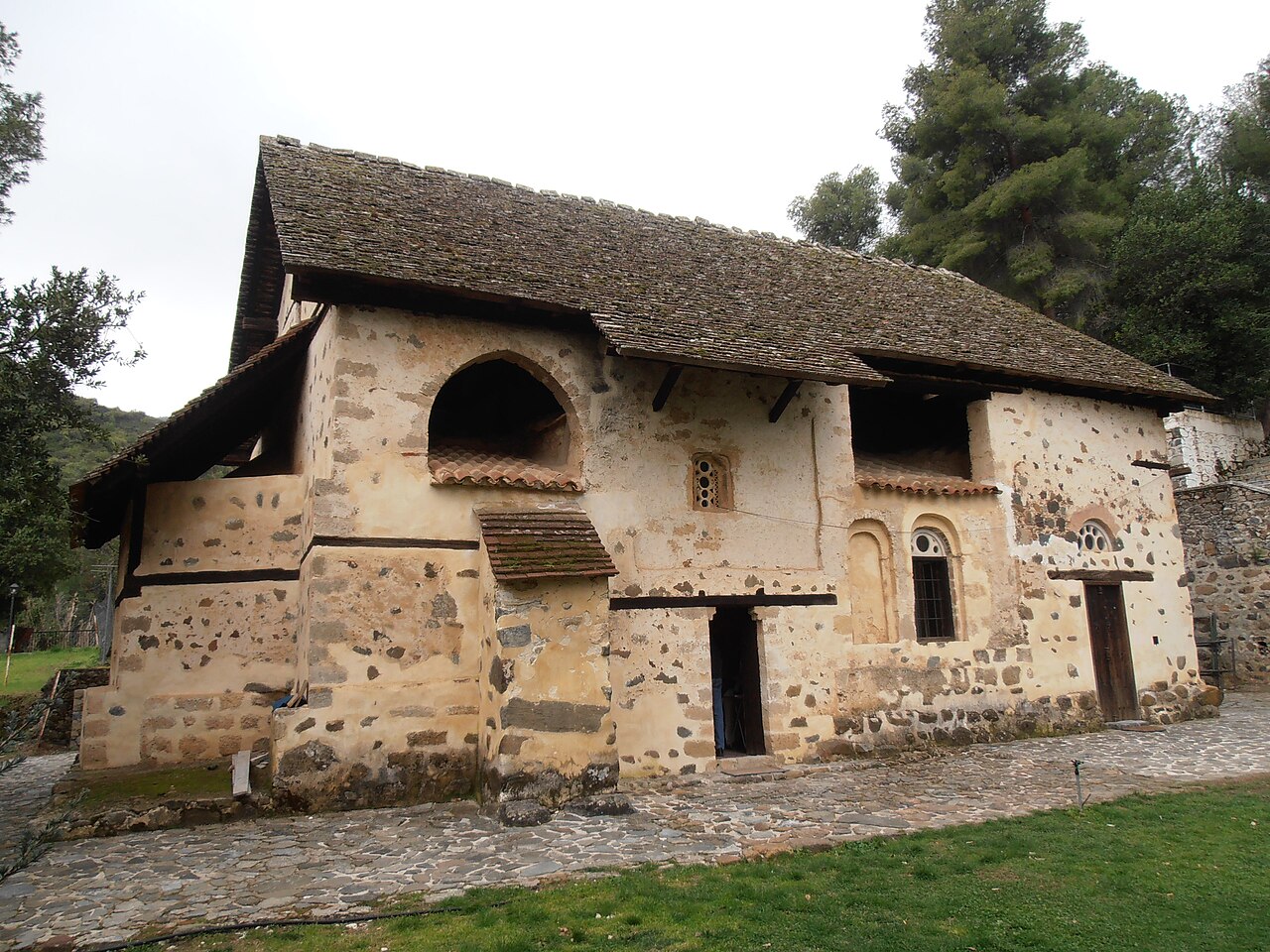
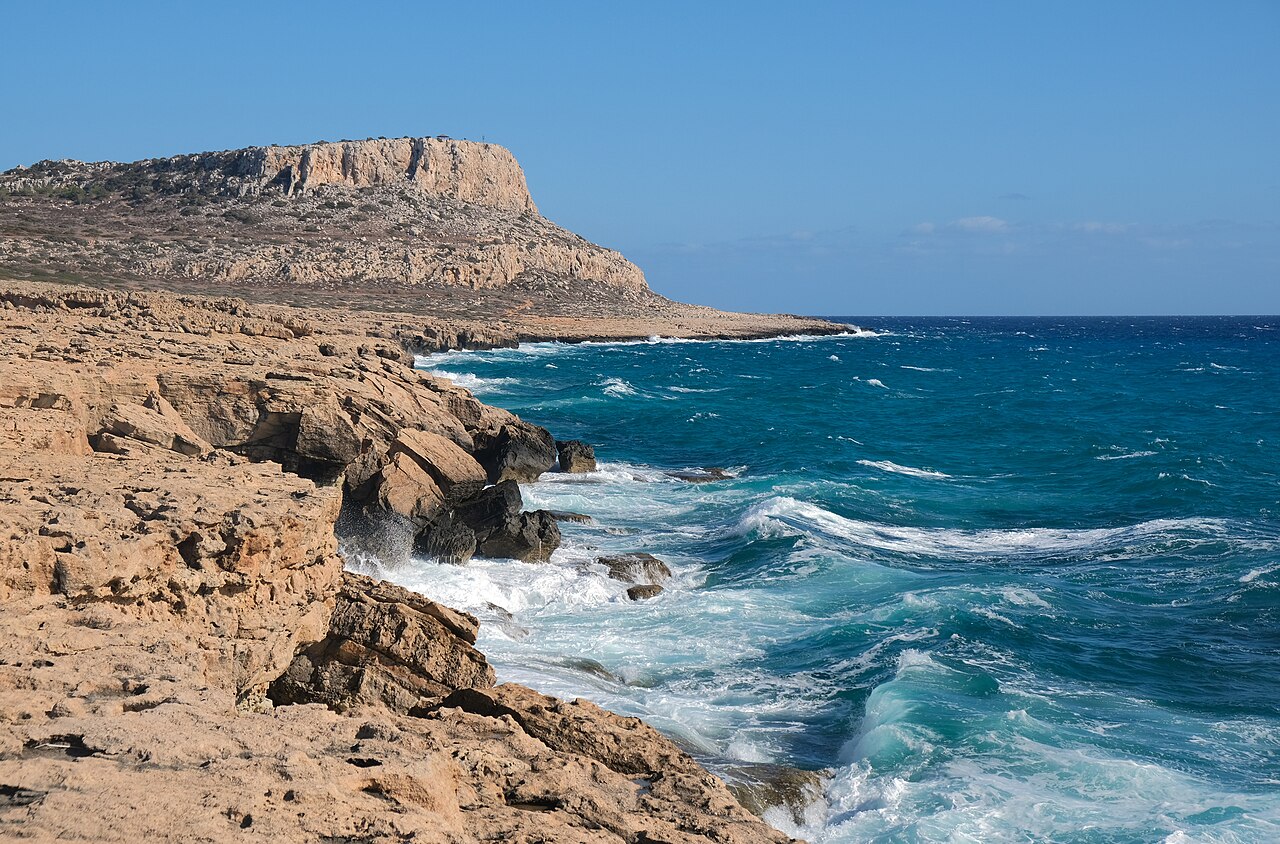
Cyprus is an island in the far east of the Mediterranean Sea, about 75 km south of Turkey and a little over 100 km west of Syria and Lebanon. It is about 240 km long and 100 km wide. The Troodos Mountains, covered in pine forest and dotted with painted churches and wine villages, fill much of the south and west, while the flat Mesaoria plain stretches across the middle of the island.
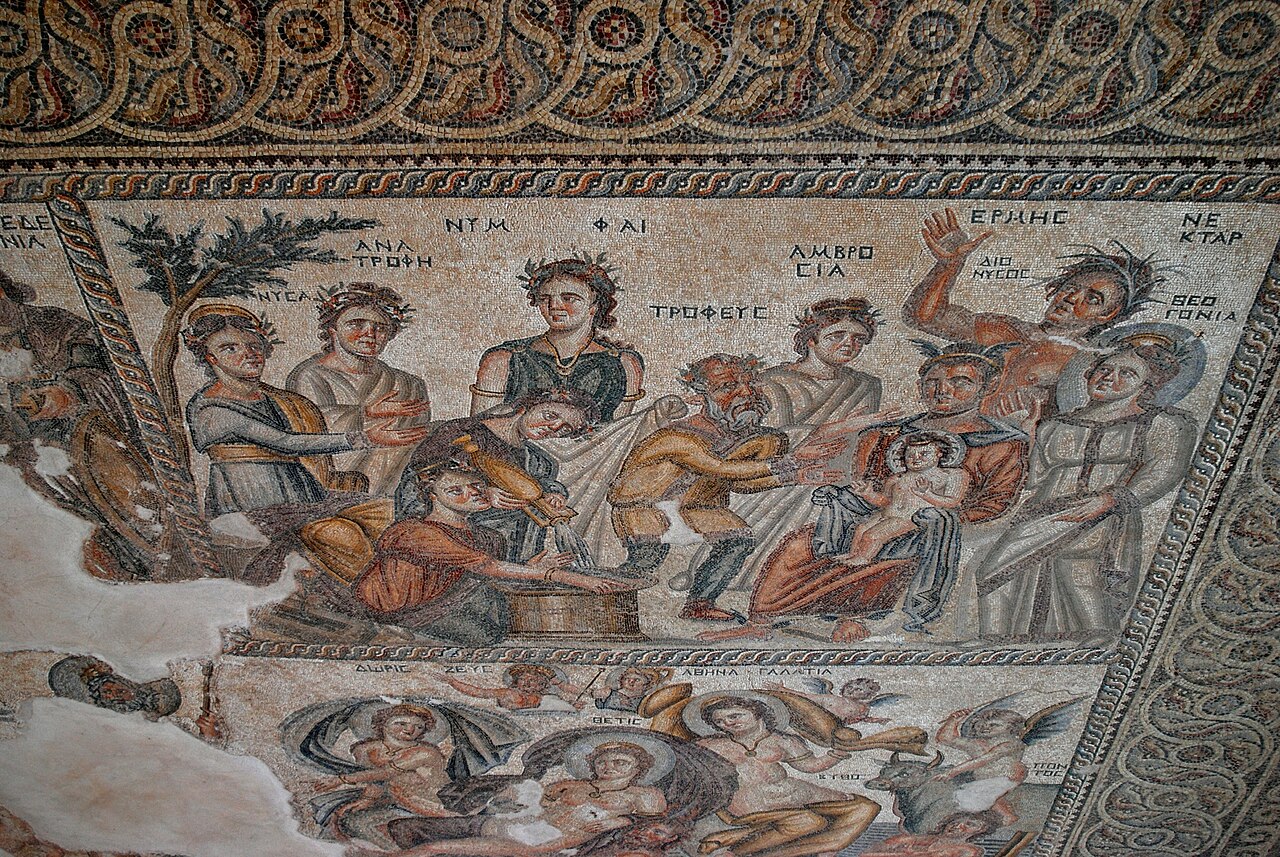
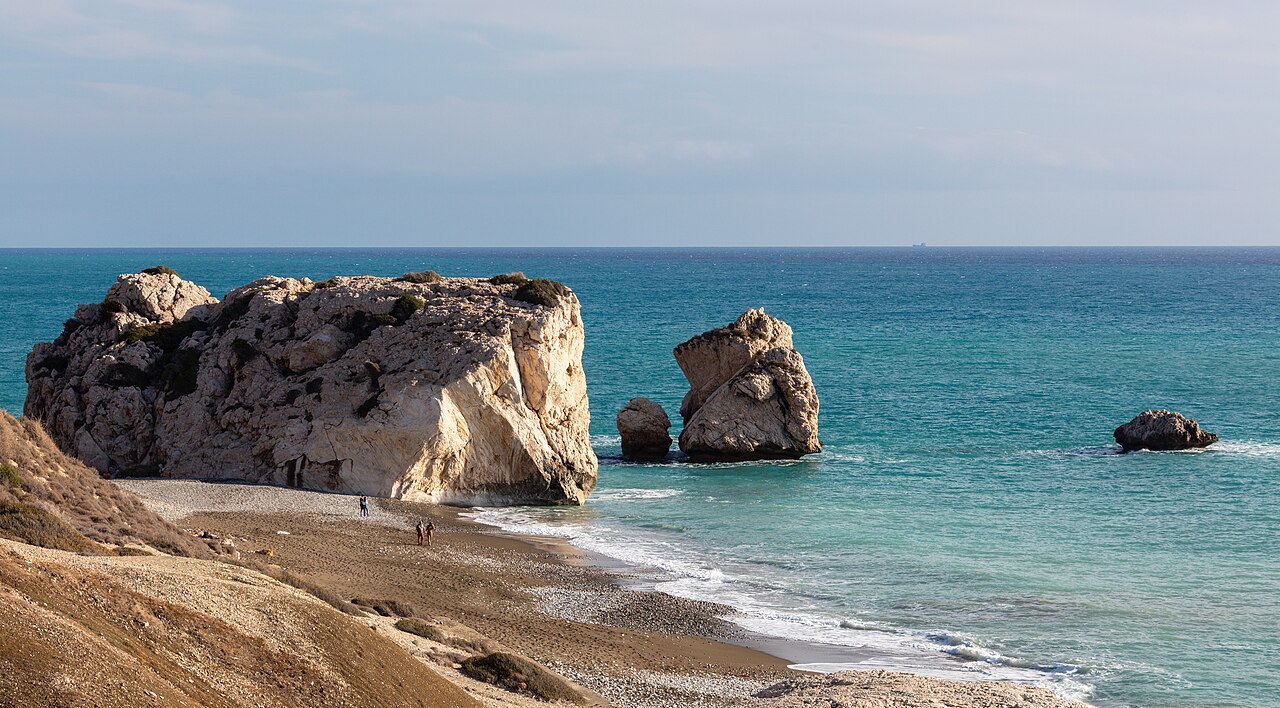
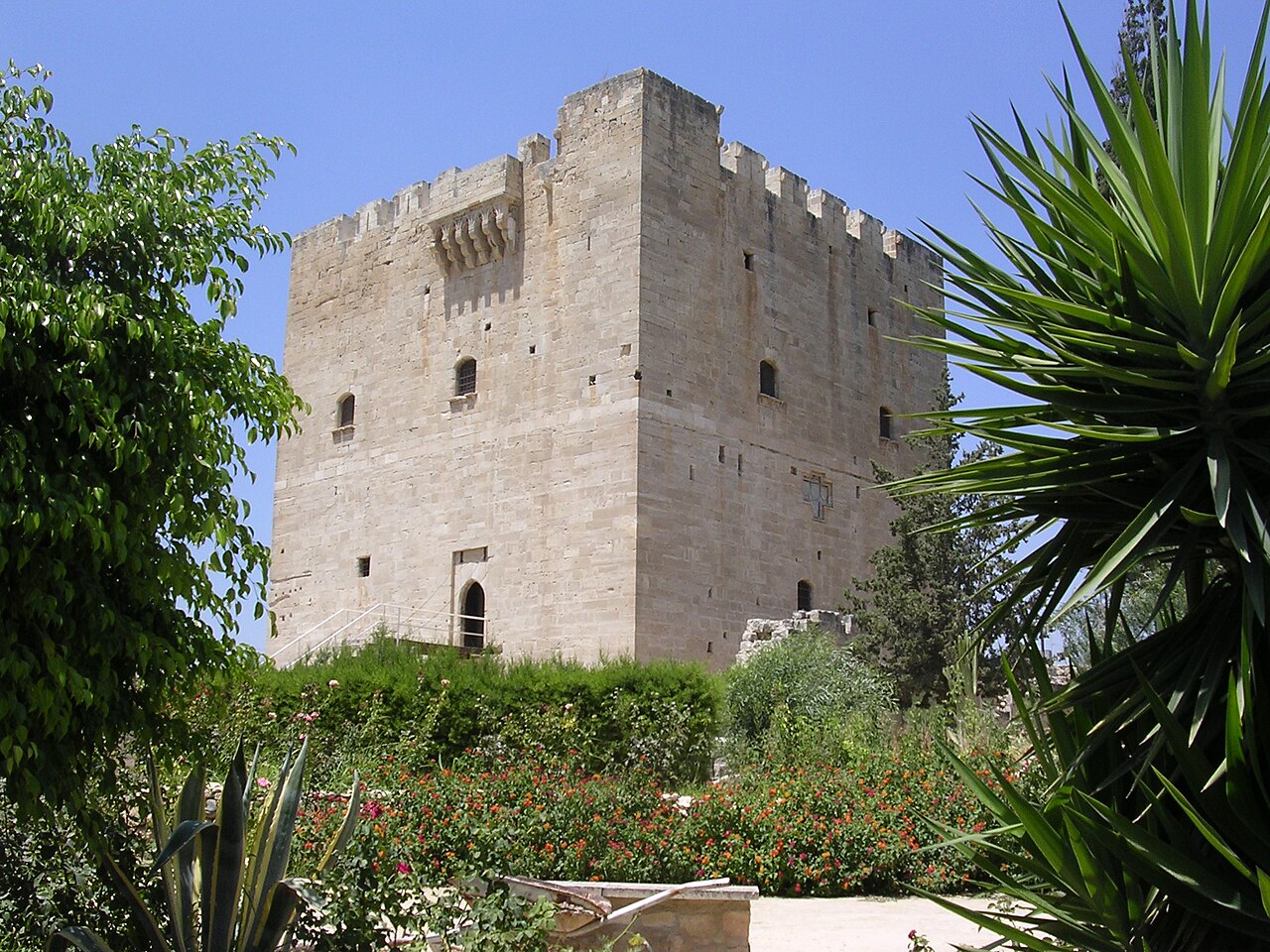
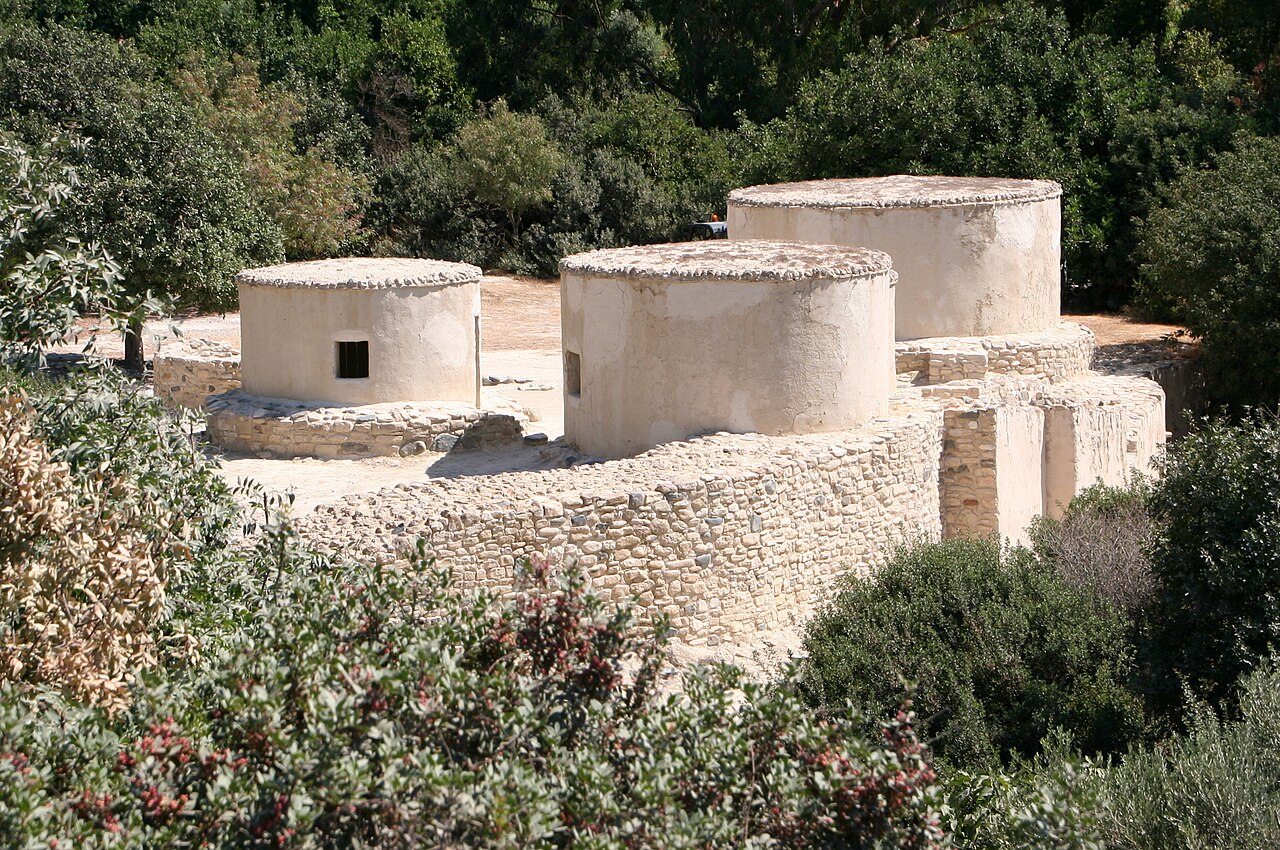
People have lived here for more than 10,000 years. Copper from the Troodos made the island rich in the Bronze Age, Greek settlers arrived around 1100 BC, and Cyprus was later ruled by Persians, Romans, Byzantines, Crusader kings, Venetians, Ottomans and the British. Greek mythology names it as the birthplace of Aphrodite, the goddess of love.
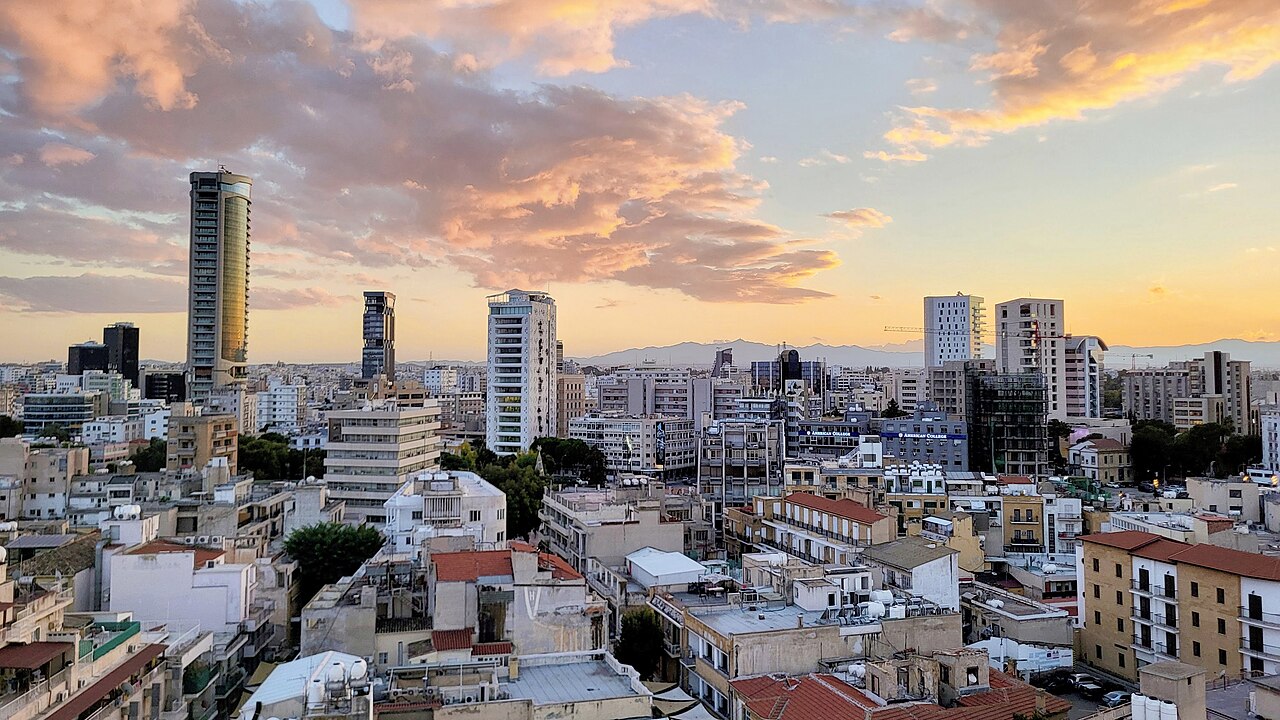
Cyprus became an independent republic in 1960, joined the European Union in 2004 and adopted the euro in 2008. Since 1974 the island has been divided. The internationally recognised government of the Republic of Cyprus controls the south, a buffer zone patrolled by the United Nations runs across the island and through the capital Nicosia, and the north is run by a Turkish Cypriot administration that only Turkey recognises. Two British military bases, Akrotiri and Dhekelia, also remain on the south coast. Talks on reuniting the island, led by the UN, have gone on for decades.
CapitalNicosia
PopulationAbout 1 million in the areas the government controls (EU figure for 2026)
Official languageGreek and Turkish
CurrencyEuro (€), since 2008
AreaAbout 9,250 km² (the whole island)
GovernmentPresidential republic (the president is head of state and of government)
Highest mountainMount Olympus (Chionistra), 1,952 m, in the Troodos Mountains
Longest riverThe Pedieos, about 98 km
NeighboursNo land border with another country, only with the two British Sovereign Base Areas, Akrotiri and Dhekelia, a British overseas territory on the island. Across the sea: Turkey, Syria, Lebanon, Israel, Egypt and Greece
Drives on theLeft
Calling code+357