Cyril and Methodius arrive
Prince Rastislav of Great Moravia asked the Byzantine emperor for teachers. The brothers Cyril and Methodius came, bringing the Glagolitic alphabet and a church service in a Slavic language.
Czechia, also called the Czech Republic, is a landlocked country in Central Europe. It is made of three historical lands: Bohemia in the west, a basin drained by the Vltava and Elbe rivers and ringed by low mountains; Moravia in the east, hilly and known for its vineyards; and a small part of Silesia in the northeast. Rain that falls here flows to three different seas: the North Sea, the Baltic and the Black Sea.
Slavs settled the land in the early Middle Ages. The Přemyslid dukes built a Bohemian state that became a kingdom, and in the 14th century King Charles IV made Prague one of the great cities of Europe. For almost four centuries the Czech lands were ruled by the Habsburgs. In 1918 Czechs and Slovaks founded Czechoslovakia, which lived through Nazi occupation, four decades of communist rule and the peaceful Velvet Revolution of 1989. On 1 January 1993 the country split peacefully into Czechia and Slovakia.
Memories fade faster than photos. Ask these over a meal or a phone call, and write the answers down.
The Czech story runs from a Slavic realm that welcomed two Greek missionaries, through the kingdom of Bohemia and the golden age of Charles IV, the Hussite wars and almost four centuries of Habsburg rule, to Czechoslovakia, the Velvet Revolution and a peaceful split in 1993.
Prince Rastislav of Great Moravia asked the Byzantine emperor for teachers. The brothers Cyril and Methodius came, bringing the Glagolitic alphabet and a church service in a Slavic language.
Frederick II, then King of Sicily and later Holy Roman Emperor, granted Ottokar I and his heirs the hereditary title of King of Bohemia. The Kingdom of Bohemia lasted in law until the end of the First World War.
The Prague preacher and church reformer Jan Hus was burned as a heretic at the Council of Constance on 6 July 1415. His followers, the Hussites, soon rose up in Bohemia.
King Louis II died fighting the Ottomans at the Battle of Mohács, and the crown of Bohemia passed to Ferdinand I of Habsburg. The Habsburgs ruled the Czech lands until 1918.
As Austria-Hungary collapsed at the end of the First World War, independence was proclaimed in Prague on 28 October 1918. Tomáš Garrigue Masaryk became the first president of Czechoslovakia.
In February 1948 the Communist Party, backed by the Soviet Union, took full power. One-party rule lasted for the next 41 years.
Peaceful protests began on 17 November 1989 and ended 41 years of communist rule. On 29 December the playwright and dissident Václav Havel became president.
After joining NATO in 1999, the Czech Republic became a member of the European Union in 2004 and joined the Schengen area in 2007.
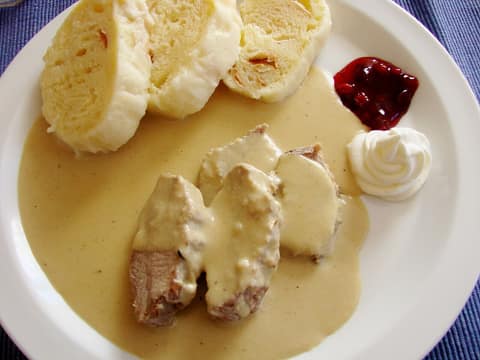
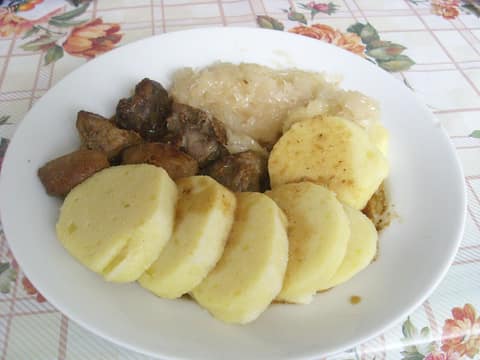
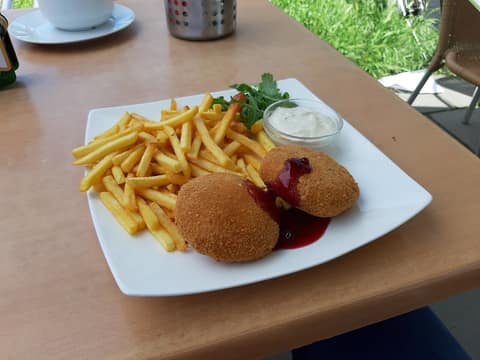
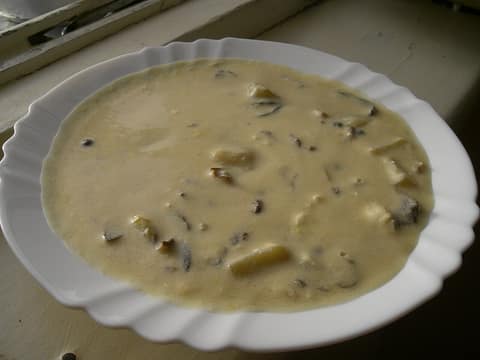
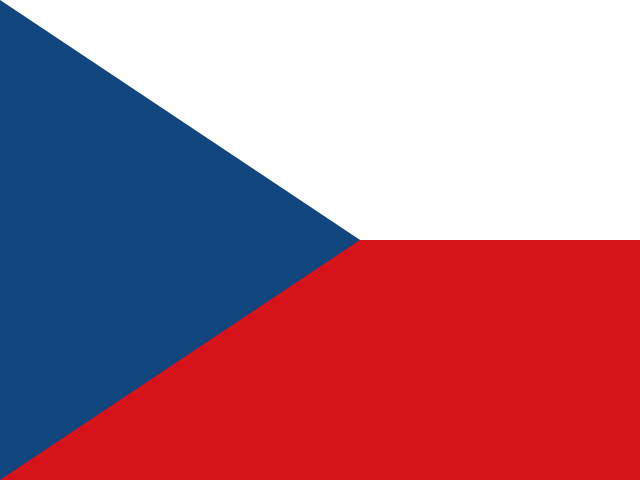
Cook one of the recipes, print the large-print pack about Czechia, and finish with the big-screen quiz or the words crossword. Grandchildren can colour the flag.