A small grand duchy of castles, deep river valleys and a clifftop capital, where people switch easily between Luxembourgish, French and German.
Luxembourg is a small landlocked country in Western Europe, bordered by Belgium to the west and north, Germany to the east and France to the south. The wooded hills of the Ardennes, called the Éislek, fill the north, while the south, the Guttland, holds farmland, the Moselle wine valley and the old iron and steel towns near the French border.
The country grew from a castle on a rock above the Alzette river, which Count Siegfried acquired in 963 in a land exchange with an abbey. Its counts became Holy Roman Emperors in the Middle Ages, then Burgundy, Spain, Austria, France and the Netherlands ruled in turn, and the huge fortress of its capital was called the Gibraltar of the North. Luxembourg lost land in three partitions, the last in 1839, and its independence and neutrality were confirmed in 1867.
Questions to ask the older generation
Memories fade faster than photos. Ask these over a meal or a phone call, and write the answers down.
Which town or region of Luxembourg did our family come from? Was it near Esch-sur-Alzette, Differdange, Dudelange?
Who was the first in the family to leave Luxembourg, when, and why?
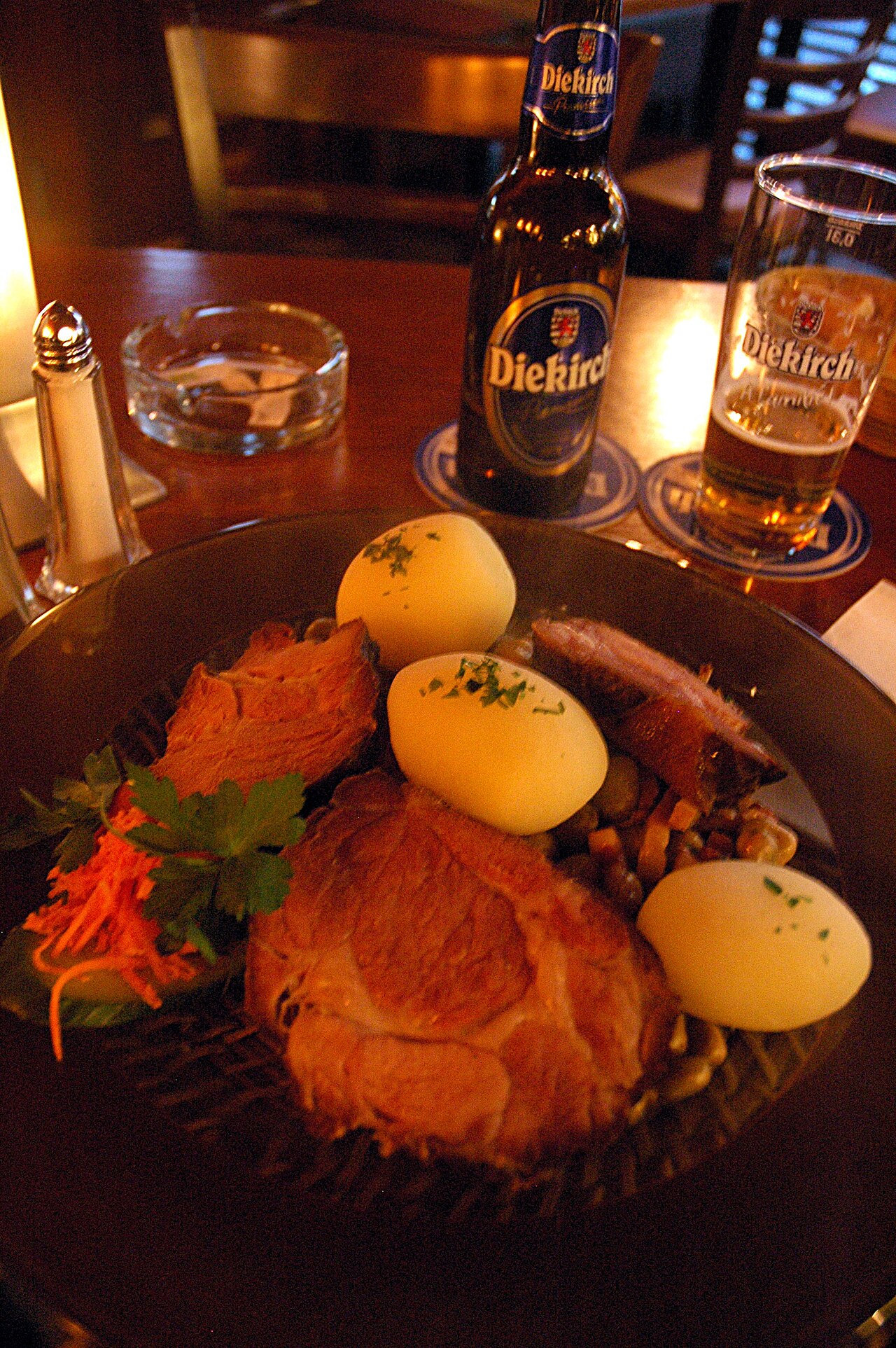
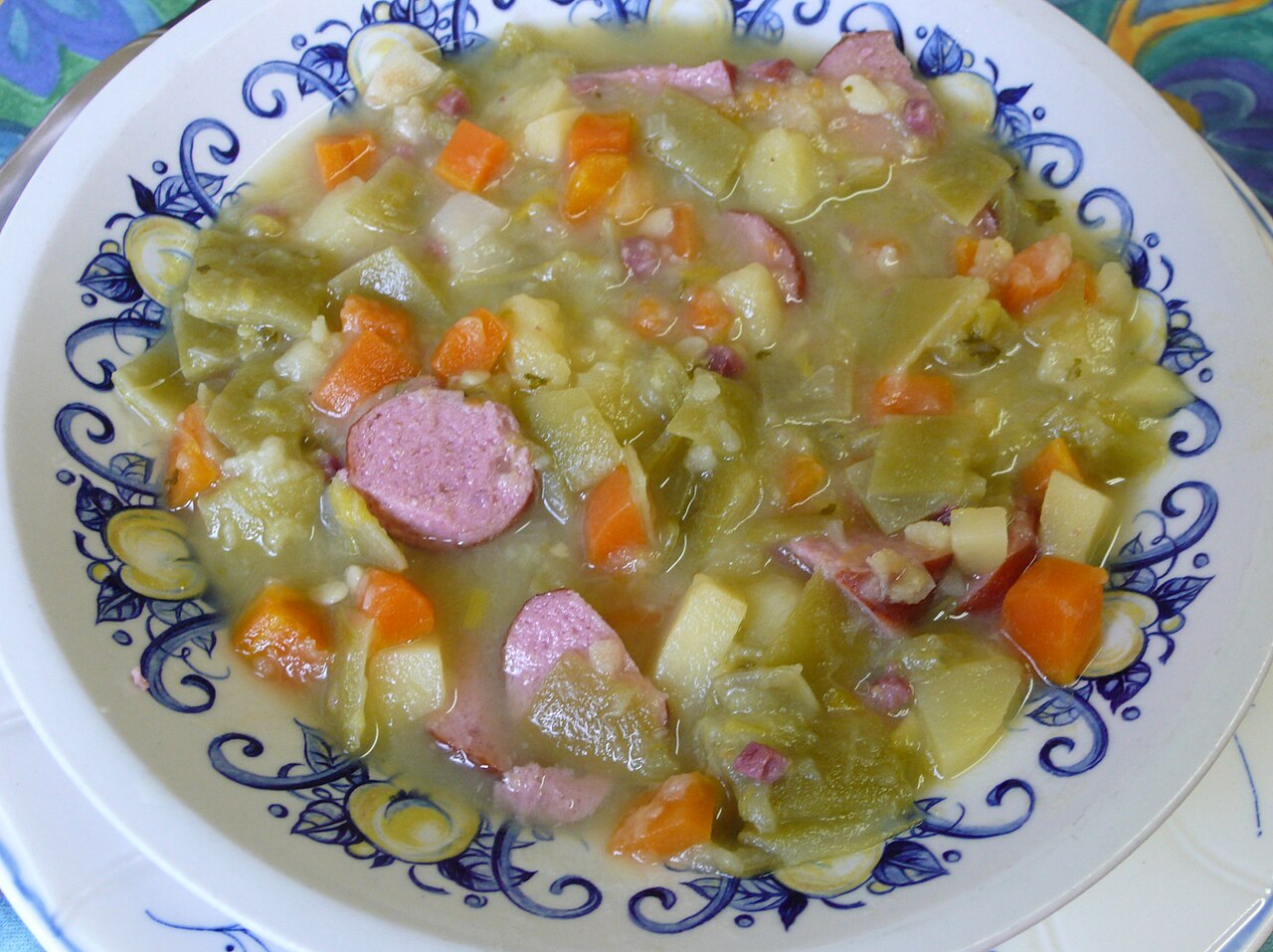
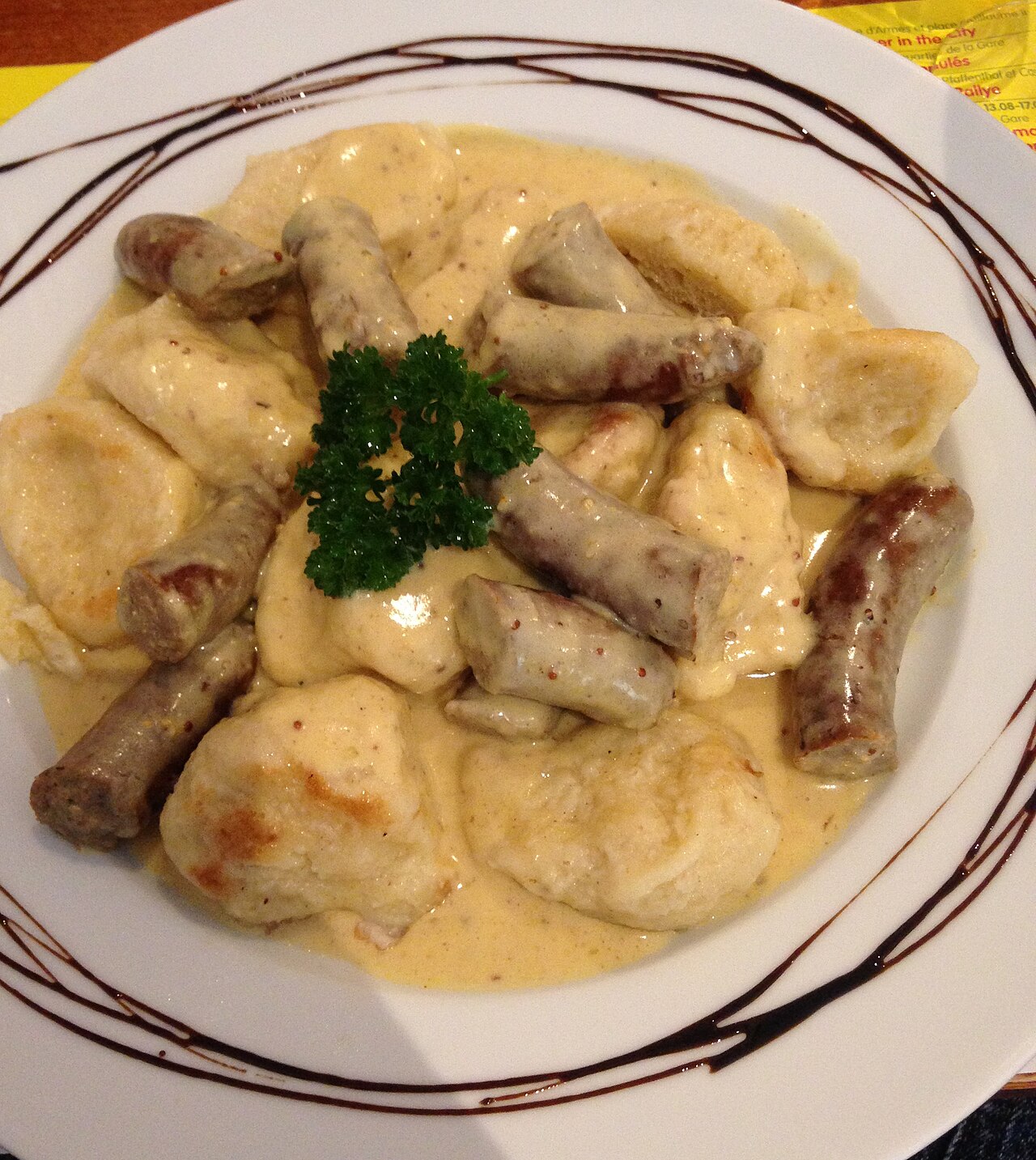
Which dishes from Luxembourg were cooked at home? Did anyone make Smoked pork collar with broad beans or Green bean soup?
Does anyone in the family still speak Luxembourgish, or use a few words of it?
Were there songs, prayers, games or holidays from Luxembourg that the family kept?
Are there old photos, letters or documents from Luxembourg? Who has them?
If you could visit Luxembourg together, where would you go first?
A short history of Luxembourg
Luxembourg's story runs from a monastery and a castle on a rock, through emperors, sieges and three partitions, to independence, two German occupations and a leading role in building a united Europe.
AD 698
Willibrord founds Echternach Abbey
The Northumbrian missionary Willibrord was given land at Echternach to build a monastery. It became the most powerful institution in the region, and Willibrord, who died there in 739, is the patron saint of Luxembourg.
1312
Henry VII becomes emperor
Henry VII, from the family of the counts of Luxembourg, was crowned Holy Roman Emperor. His family, the House of Luxembourg, went on to rule Bohemia and to give the empire more emperors.
1354
Luxembourg becomes a duchy
Emperor Charles IV raised the County of Luxembourg to a duchy, and his half-brother Wenceslaus became its first duke.
1684
Vauban captures the fortress
A French army sent by Louis XIV took the city after a siege of about six weeks. The engineer Vauban then greatly strengthened the fortress, including its underground passages.
1867
Neutrality and the fortress torn down
After a crisis that nearly started a war between France and Prussia, a second Treaty of London confirmed Luxembourg as independent and neutral. The Prussian troops left and the fortress was taken apart over the next 16 years.
1940
German invasion
On 10 May 1940 Nazi Germany invaded Luxembourg. The country was treated as German territory, while the government in exile in London supported the Allies.
1952
Founding the Coal and Steel Community
Luxembourg was one of the six founding members of the European Coal and Steel Community, the first step towards today's European Union.
2020
Free public transport
On 29 February 2020 Luxembourg became the first country to make public transport free across the whole country.
Find your Luxembourger ancestors in the old records
Our sister site Daily Ancestor helps you read the real documents: ship passenger lists, Ellis Island arrivals, naturalization papers and census pages, with a free plan of which records exist for each ancestor.