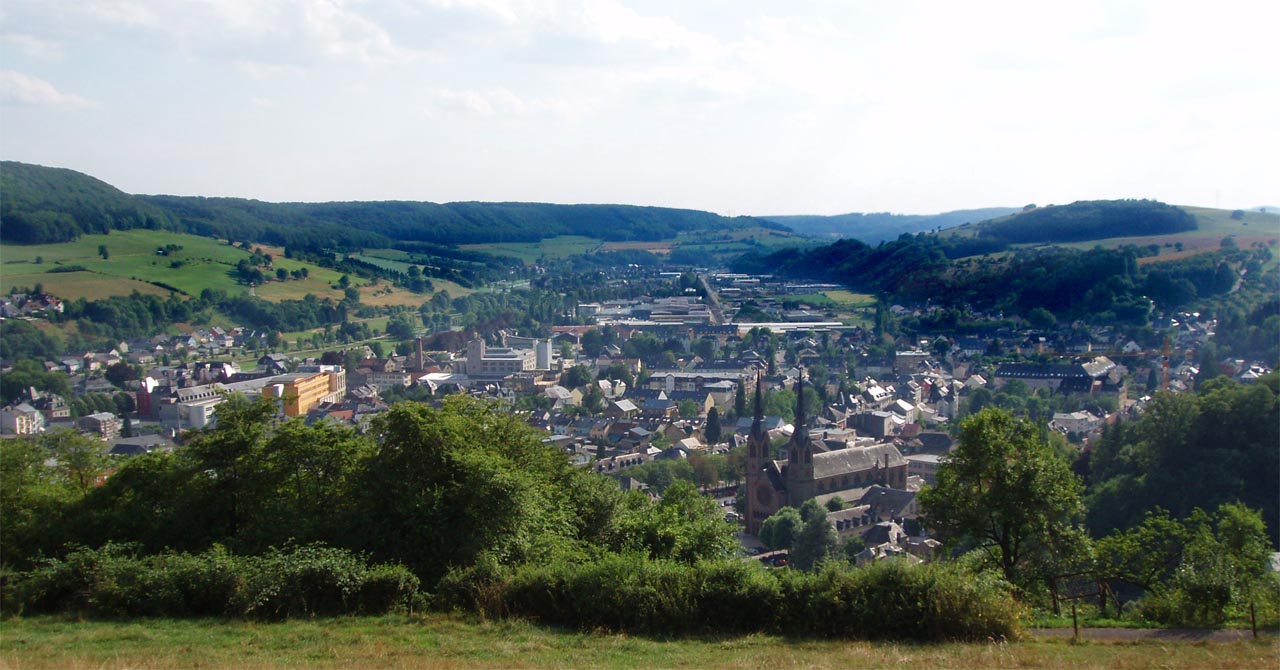
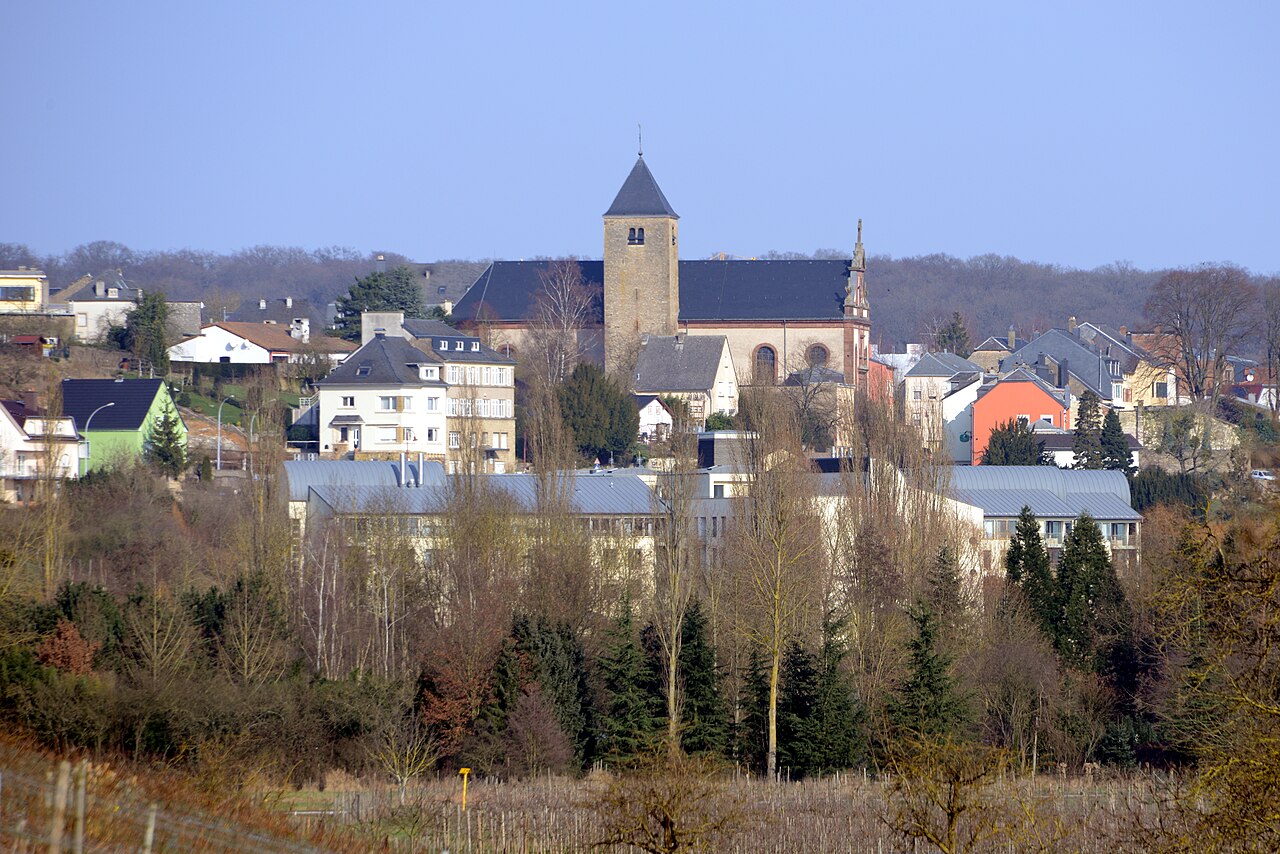
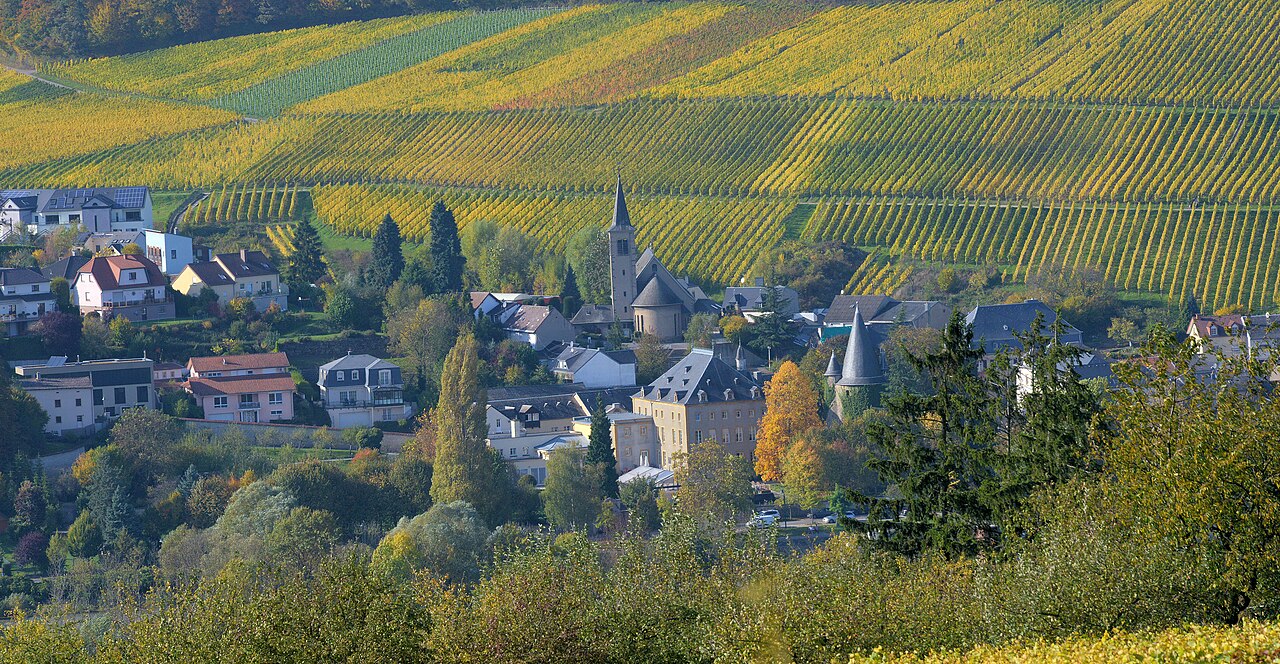
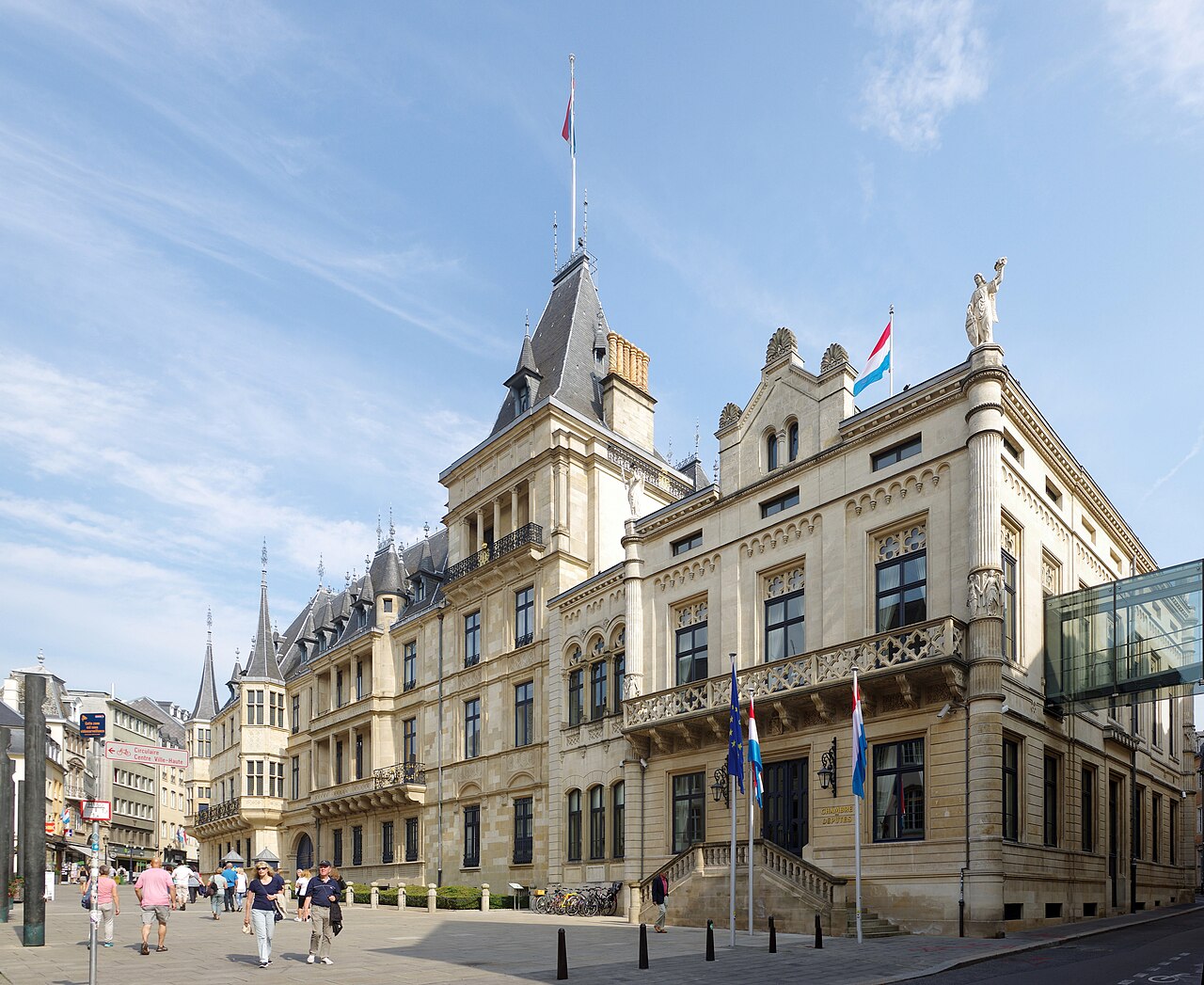
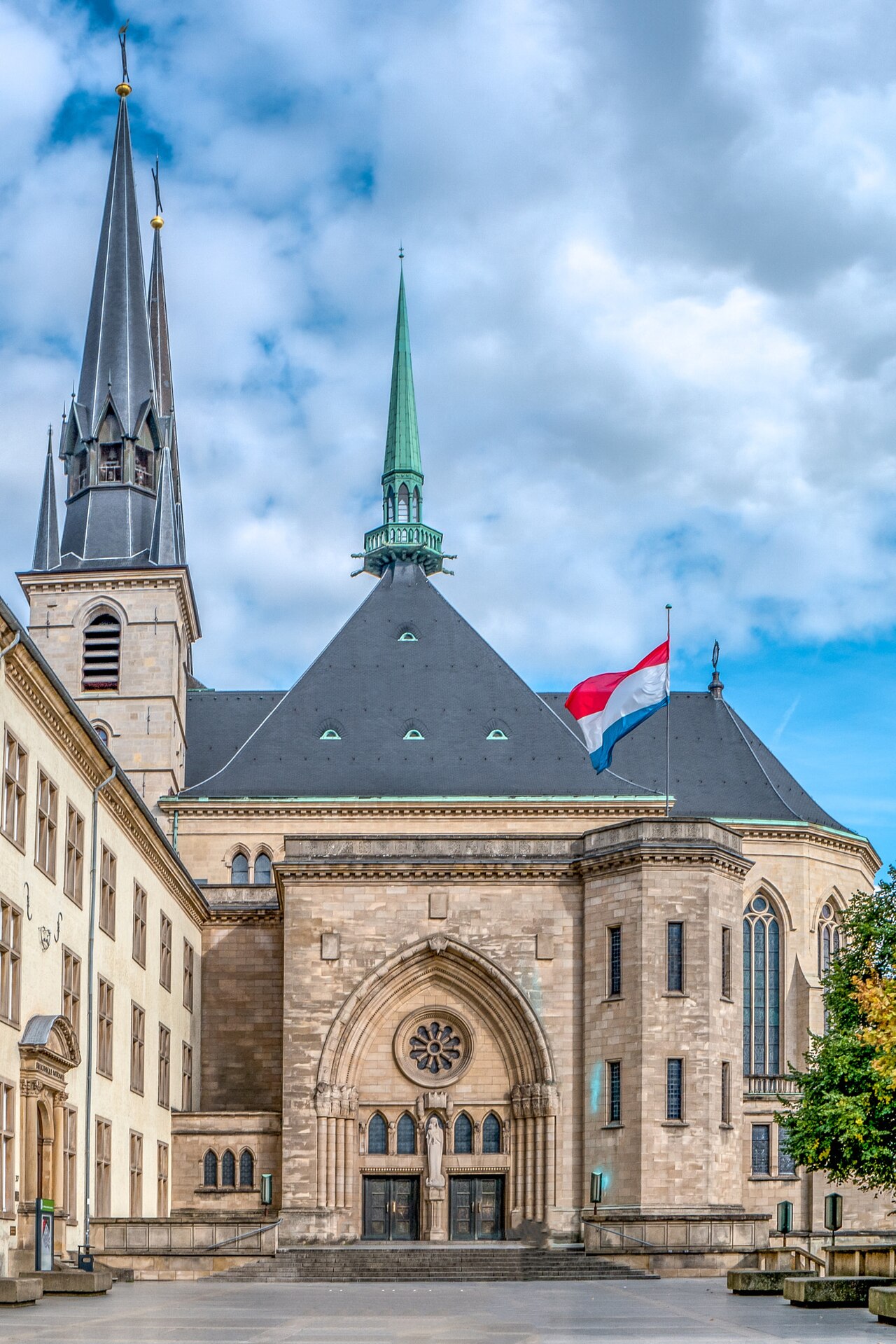
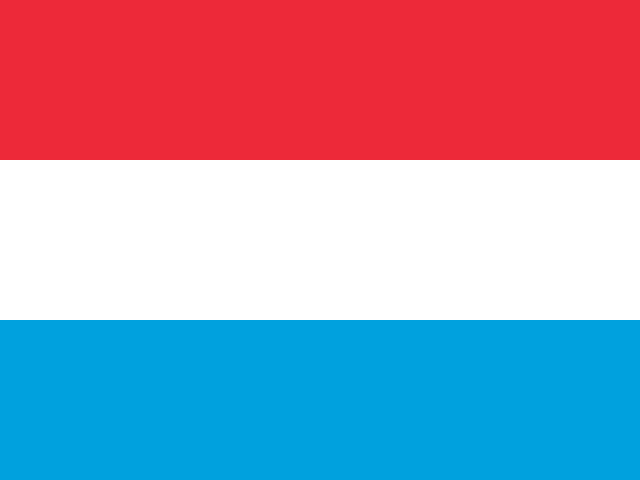
Luxembourg is a small landlocked country in Western Europe, bordered by Belgium to the west and north, Germany to the east and France to the south. The wooded hills of the Ardennes, called the Éislek, fill the north, while the south, the Guttland, holds farmland, the Moselle wine valley and the old iron and steel towns near the French border.
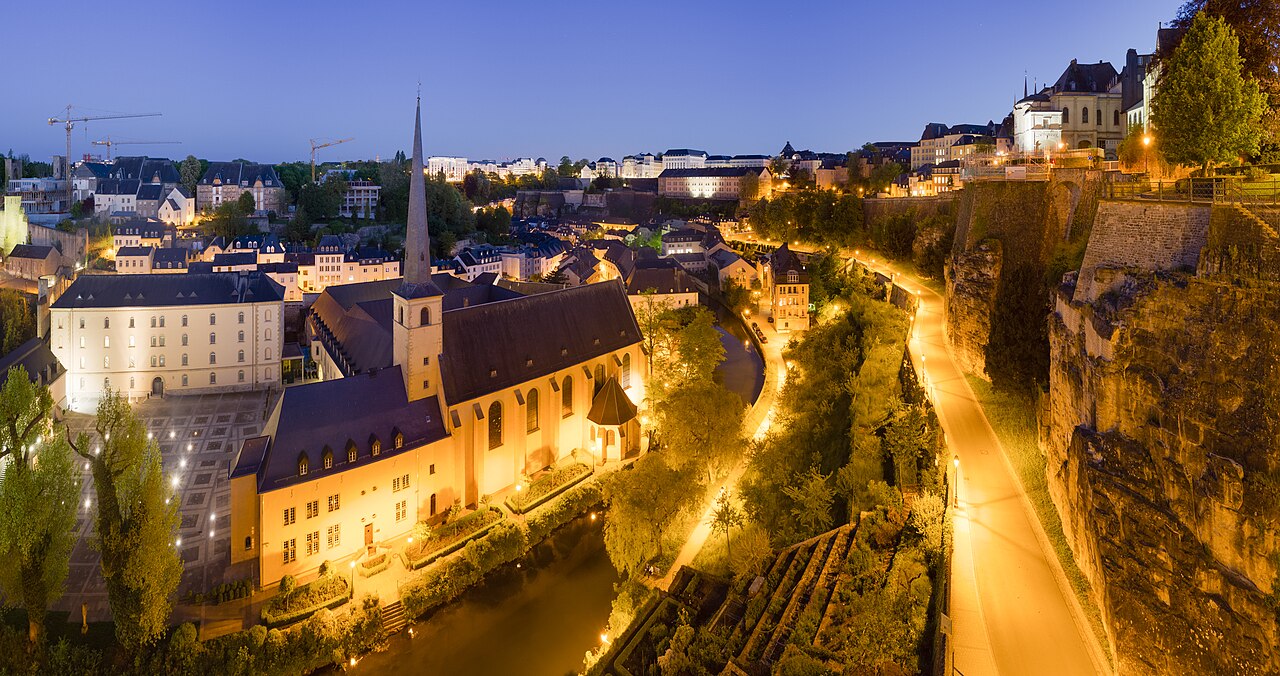
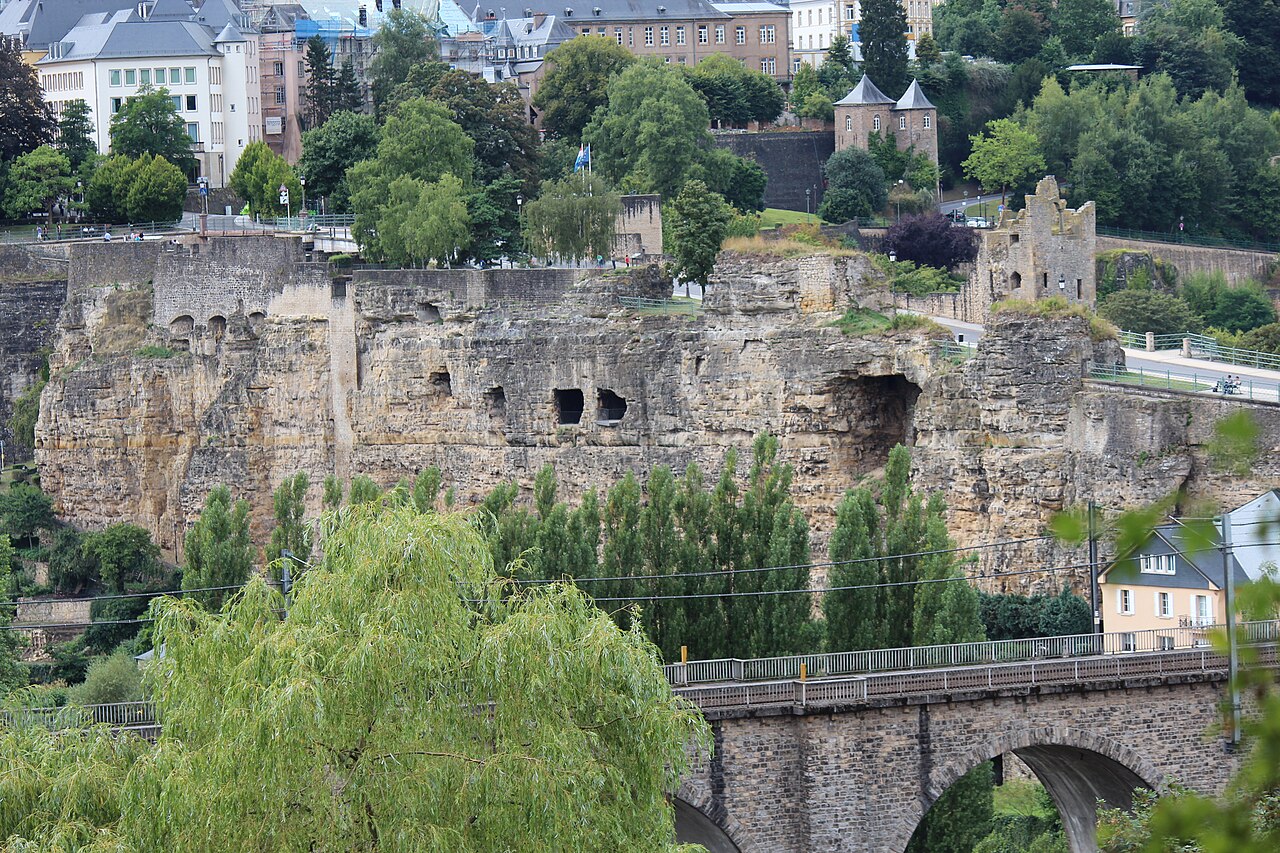
The country grew from a castle on a rock above the Alzette river, which Count Siegfried acquired in 963 in a land exchange with an abbey. Its counts became Holy Roman Emperors in the Middle Ages, then Burgundy, Spain, Austria, France and the Netherlands ruled in turn, and the huge fortress of its capital was called the Gibraltar of the North. Luxembourg lost land in three partitions, the last in 1839, and its independence and neutrality were confirmed in 1867.
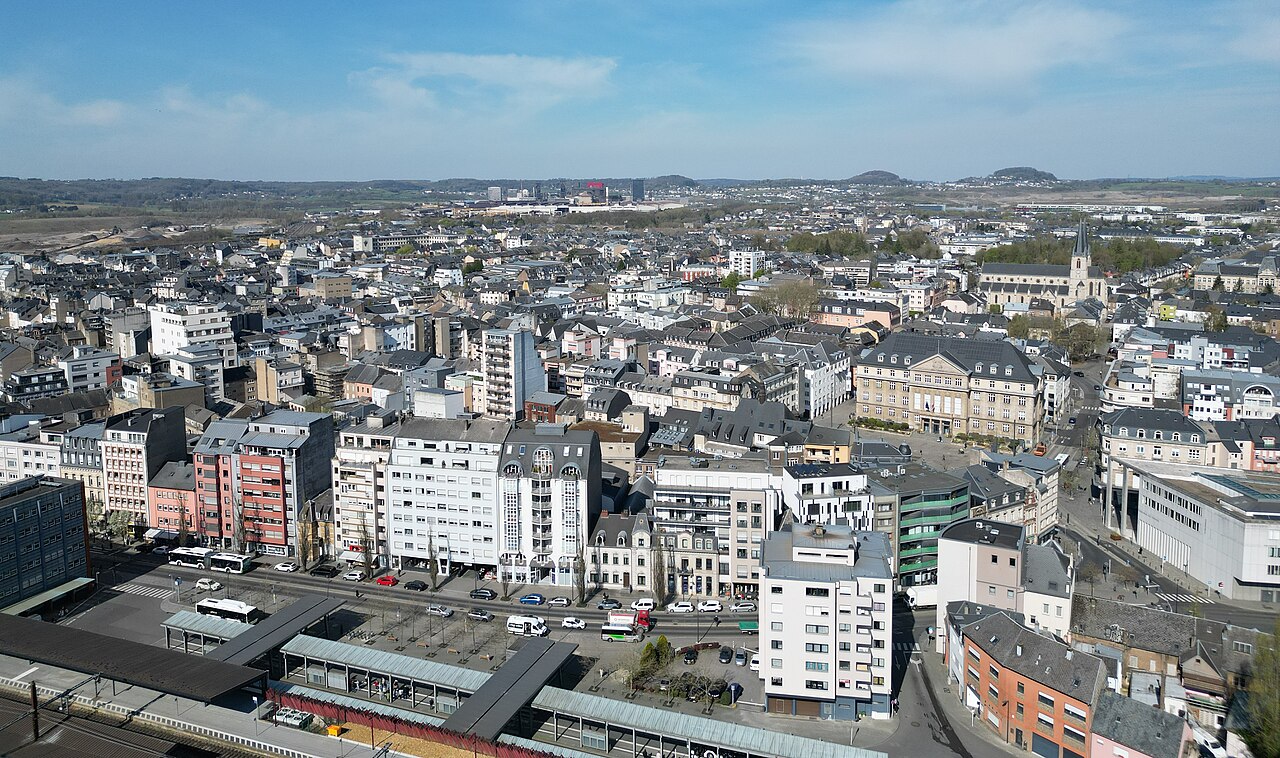
Today Luxembourg is a parliamentary democracy with a grand duke as head of state, the last sovereign grand duchy in the world. On 1 January 2026 it had nearly 691,000 people, and almost half of them were foreign nationals. Its capital, Luxembourg City, is one of the seats of the European Union and home to the Court of Justice of the European Union.
CapitalLuxembourg
PopulationAbout 691,000 (1 January 2026)
LanguagesLuxembourgish is the national language. Luxembourgish, French and German are all used in administration, and laws are written in French
CurrencyEuro (€), since 1999 (coins and notes since 2002). Before that, the Luxembourg franc
Area2,586 km²
GovernmentParliamentary democracy under a constitutional monarchy, with a grand duke as head of state and a Chamber of Deputies of 60 members
Highest pointThe Kneiff, 560 m, near Wilwerdange in the far north
Main riversThe Sauer (Sûre), 173 km long in total, and the Alzette, 73 km long, which flows through the capital. The Moselle forms part of the border with Germany
NeighboursBelgium, Germany and France
Drives on theRight
Calling code+352
 Belgium
 France
 Germany