Luxembourg cooks between the Latin and Germanic worlds: hearty country dishes of pork, potatoes and beans sit next to French cooking, and Italian and Portuguese families have added their own favourites. Lunch is often the main meal, with soup or a starter, a main course and a fruit tart. Dry white wine and crémant come from the Moselle valley, local lager from breweries such as Diekirch and Bofferding, and a strong plum or mirabelle brandy may finish the meal.
All of Luxembourg, linked especially with the village of Gostingen in the south-east
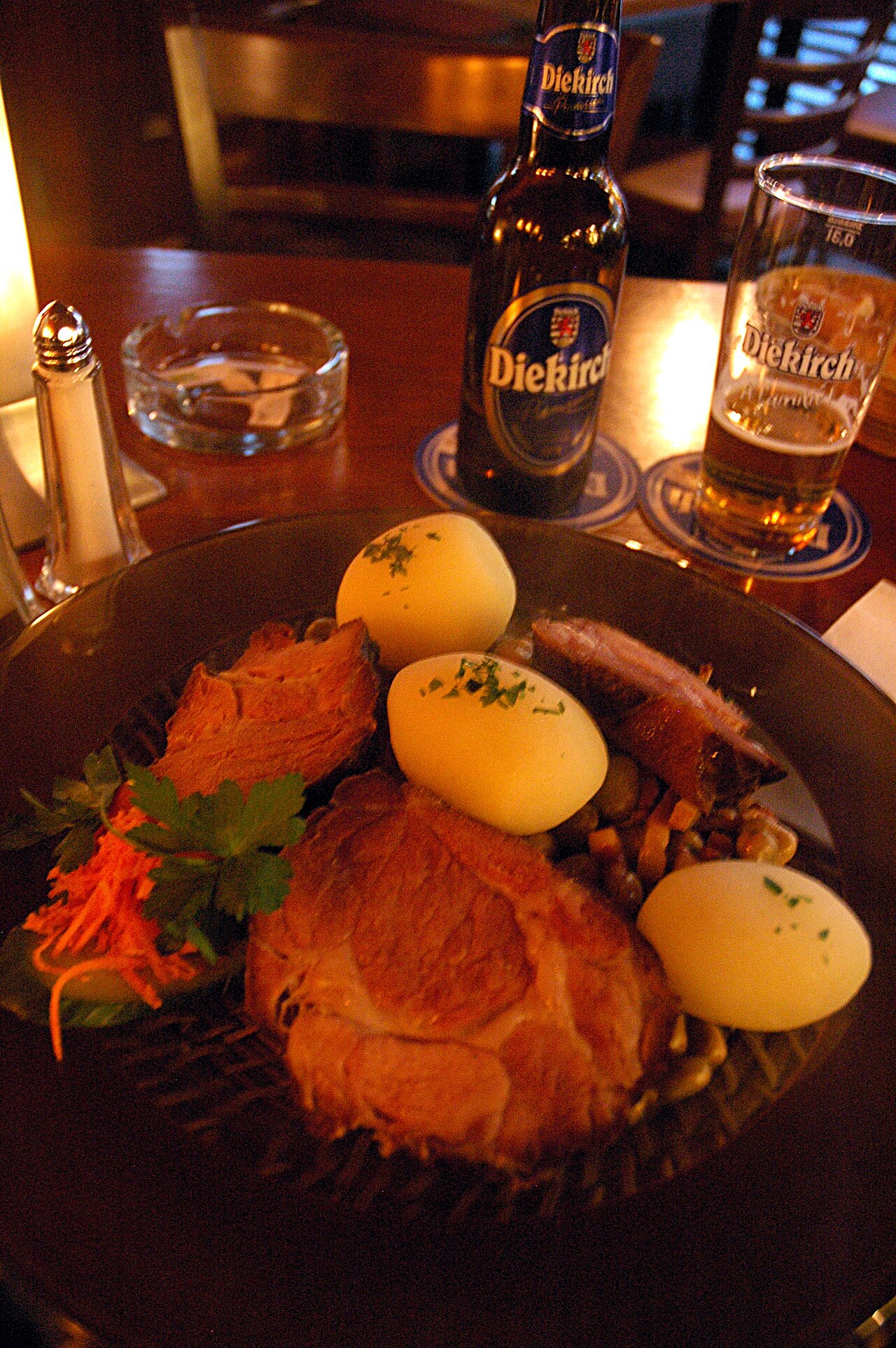
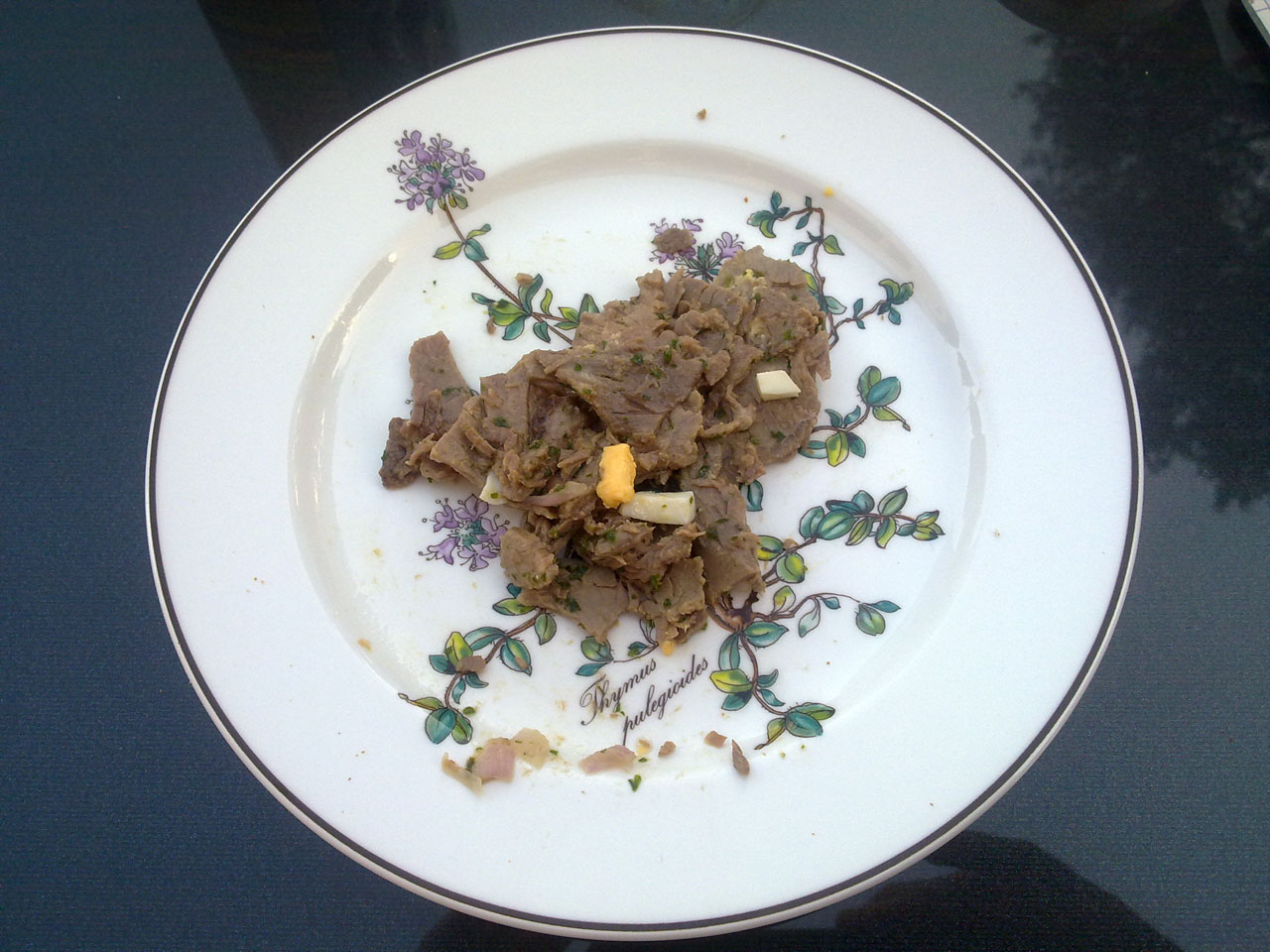
Smoked pork collar soaked overnight, then simmered with leeks, carrots, celery and cloves, sliced and served with broad beans in a creamy onion sauce and boiled potatoes. It is widely seen as the national dish.
The people of Gostingen, famous for their broad beans, are nicknamed the "bean-madmen".
All of Luxembourg, a favourite at fairs and markets
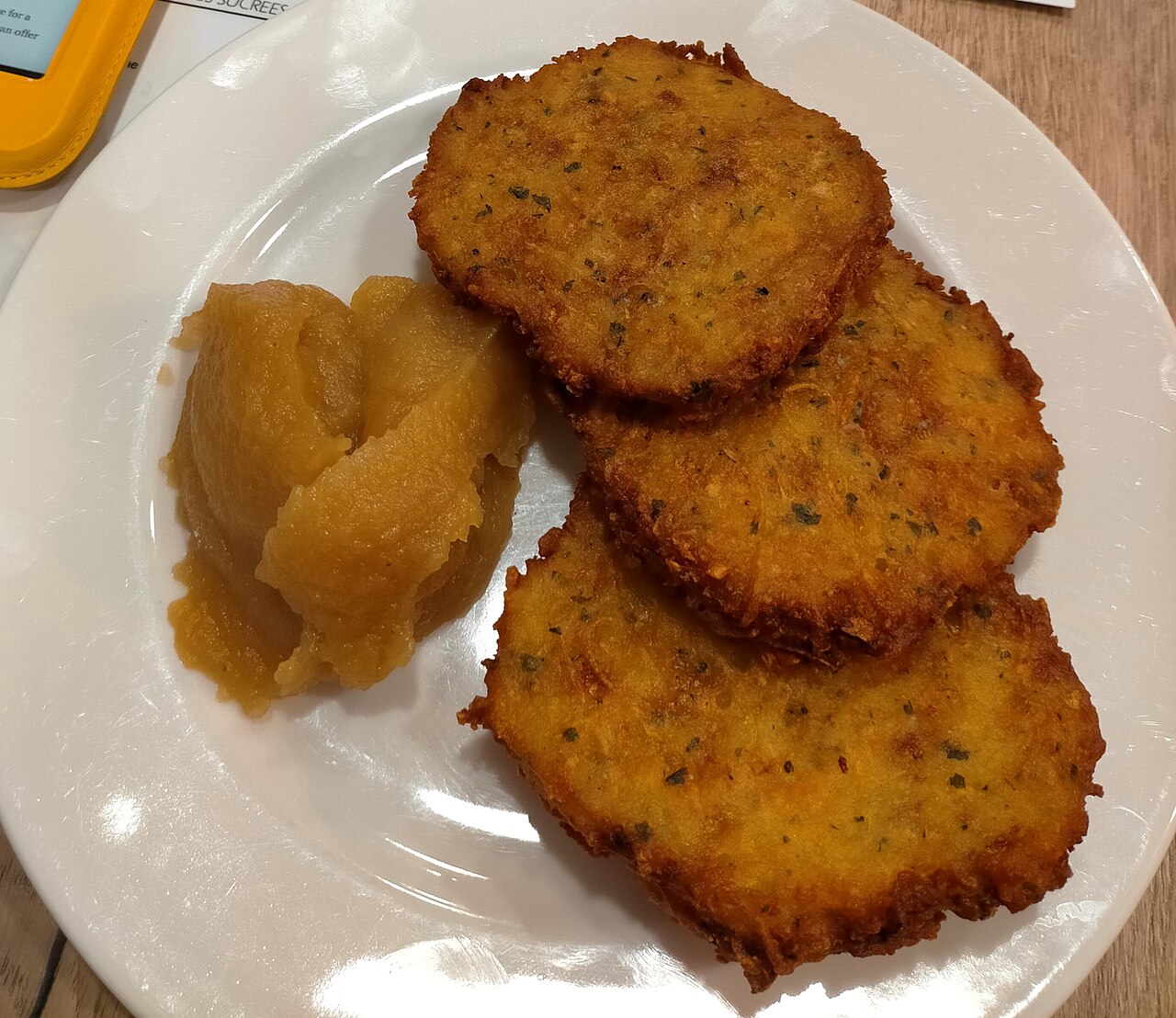
Grated potatoes mixed with onion, parsley, egg and a little flour, shaped into flat cakes and deep-fried until golden and crisp. They are often eaten with apple sauce.
Stalls at the Schueberfouer funfair in Luxembourg City sell them hot from the fryer.
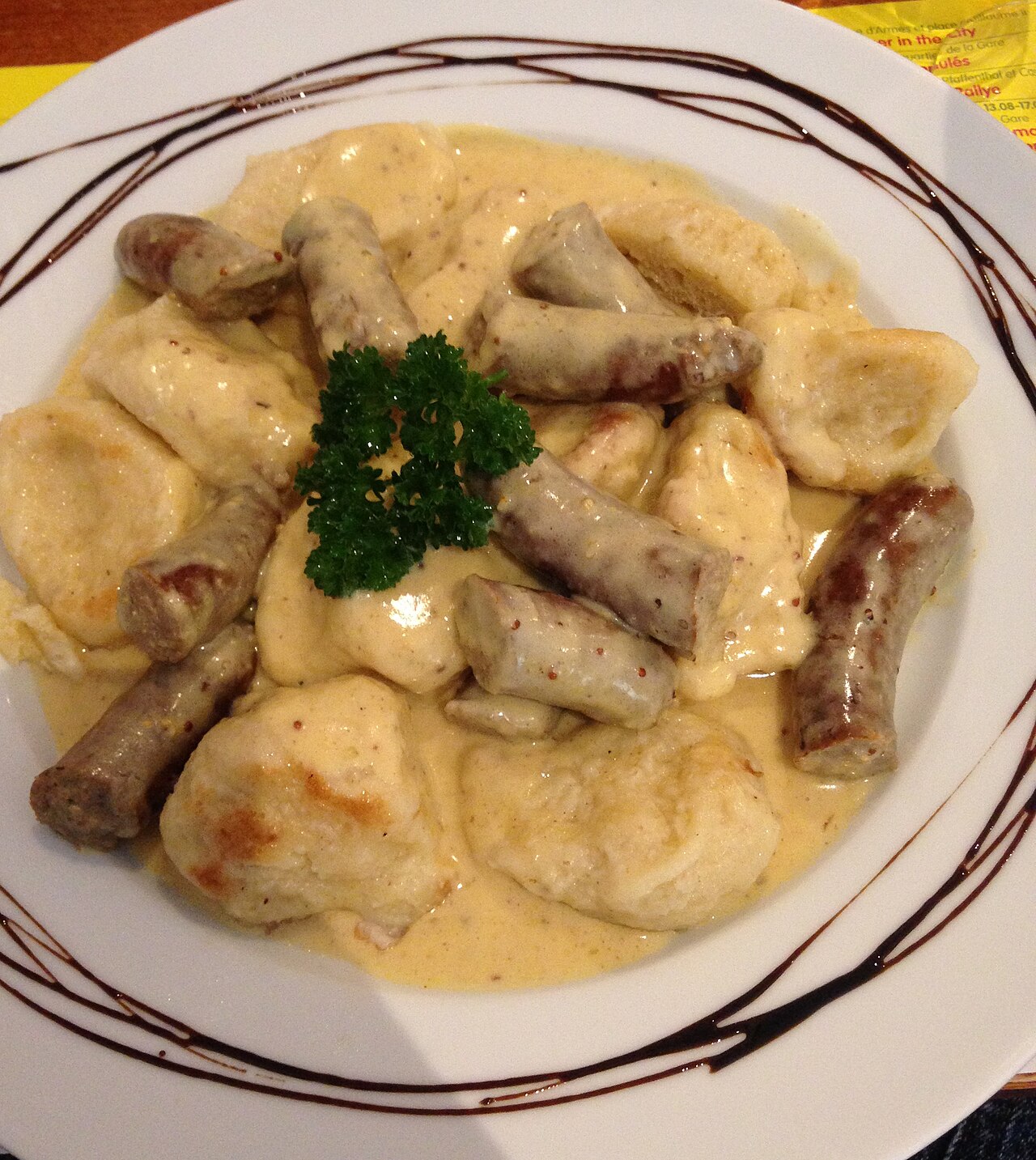
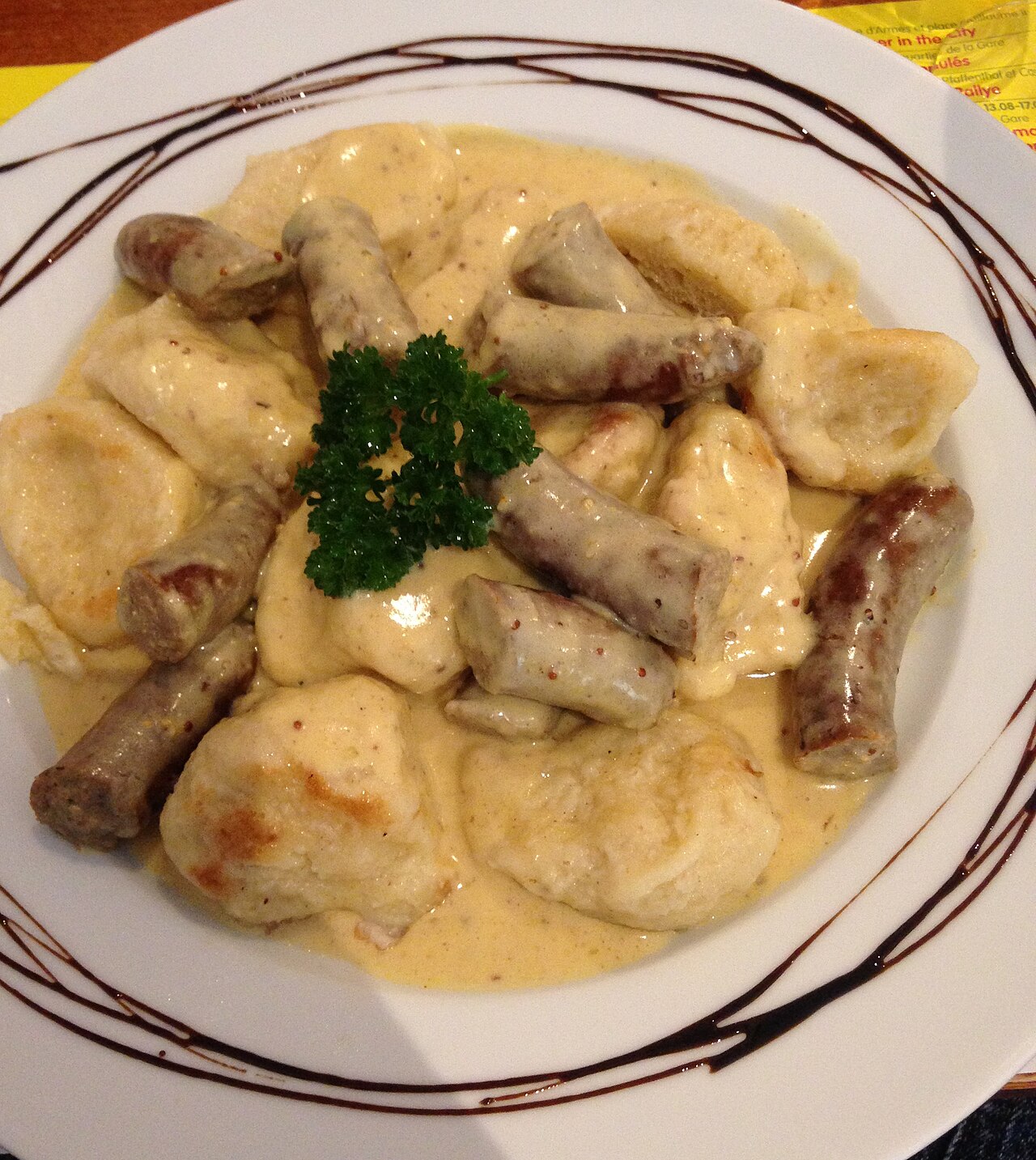
Soft dumplings made from flour, eggs and milk, poached in salted water and served with crisp fried bacon and its fat, sometimes with cream. Liver dumplings are another Luxembourg favourite.
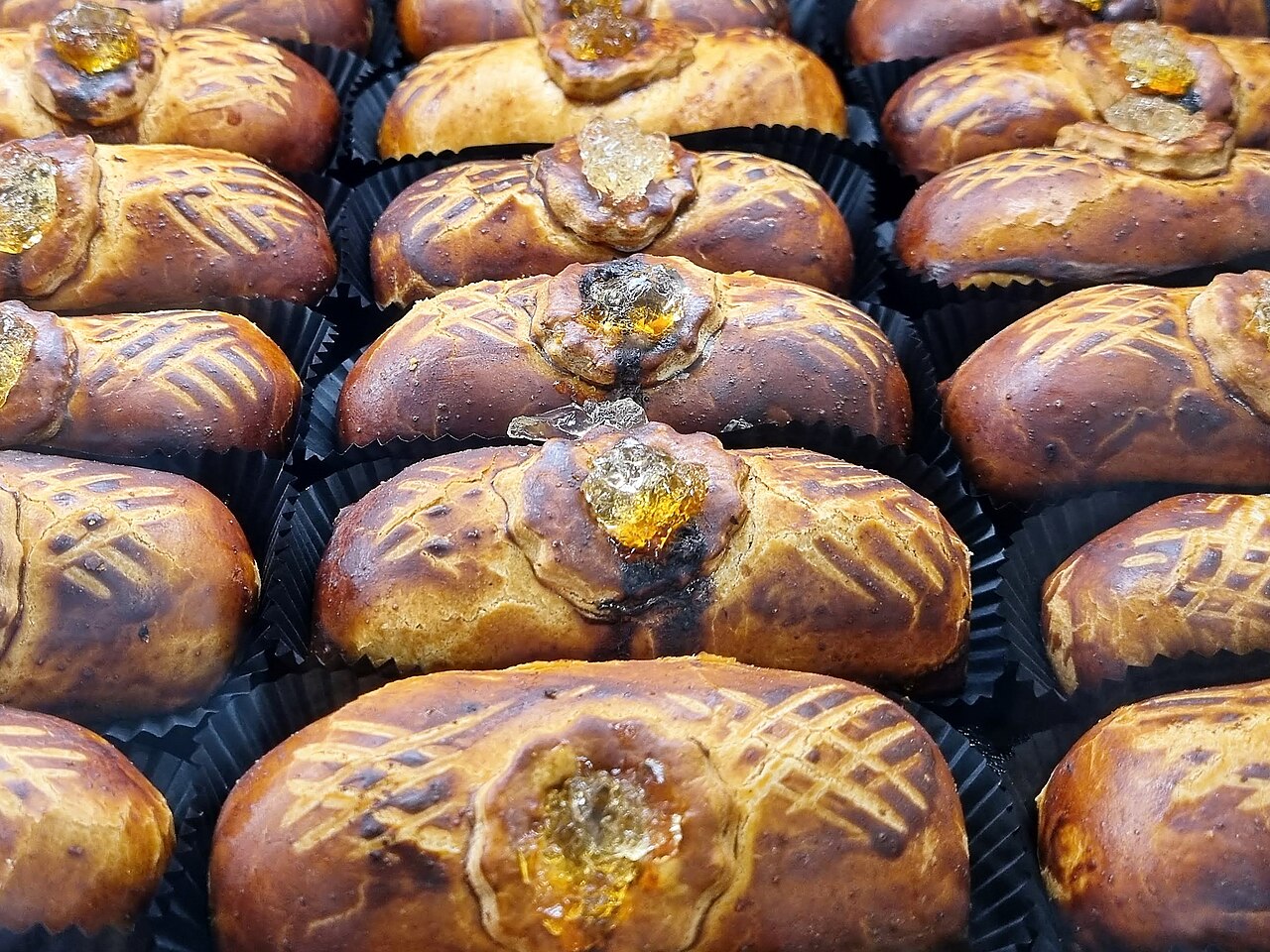
A loaf-shaped pie of meat in a pastry case, made with Riesling wine. After baking, the gaps inside are filled with clear jelly, and the pie is served cold in slices.
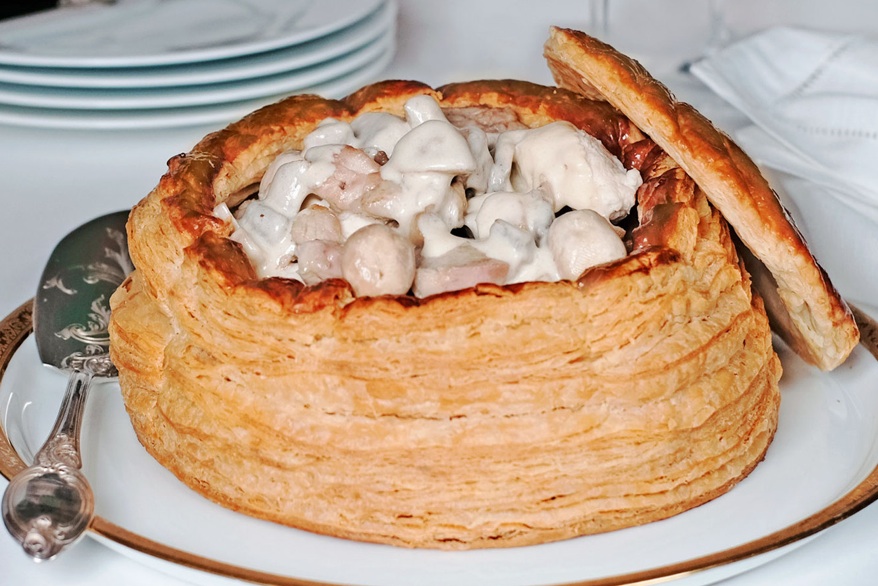
A round case of puff pastry filled with small pieces of chicken and veal and mushrooms in a creamy white sauce flavoured with chicken stock, wine and lemon. It is often served with a glass of Riesling or Pinot gris.
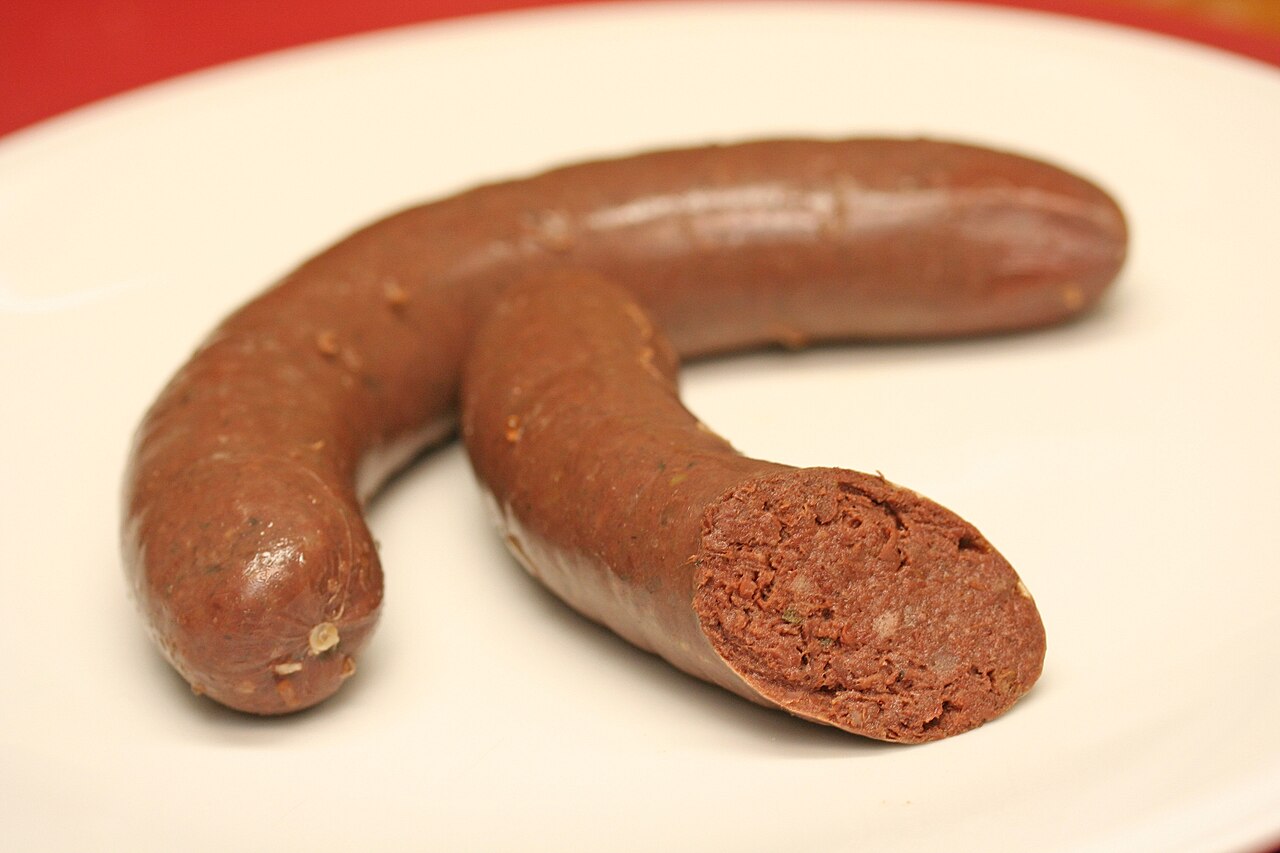
A blood sausage made with pork, blood, cabbage and onions, spiced with savory. It is fried until crisp and served with boiled or mashed potatoes and apple sauce.
Träipen are traditionally eaten after Midnight Mass on Christmas Eve.
All of Luxembourg; also made in eastern France as cancoillotte
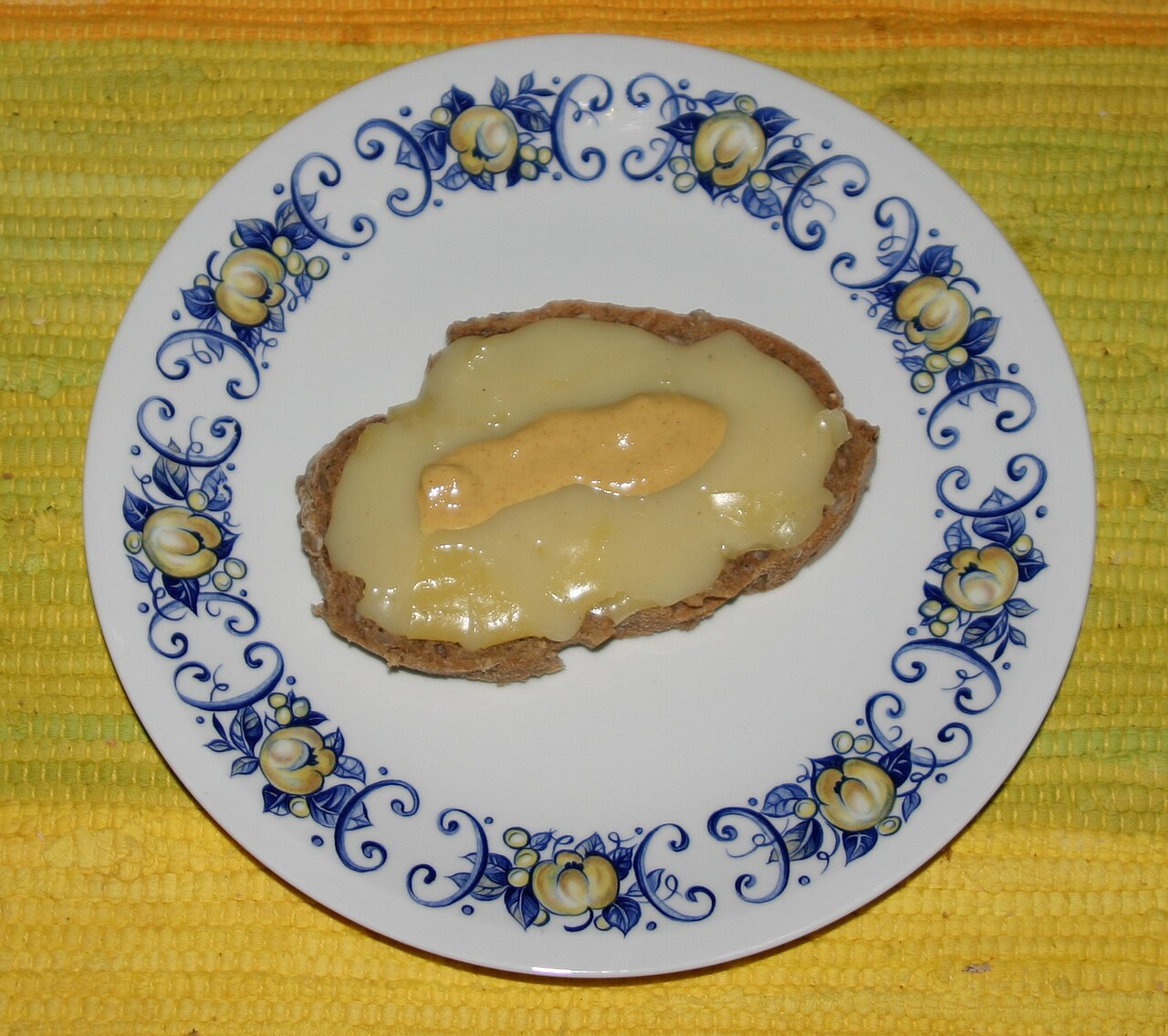
A soft, runny cheese spread made by melting a low-fat curd cheese with a little water or milk and butter. In Luxembourg it is spread on bread, often with mustard.
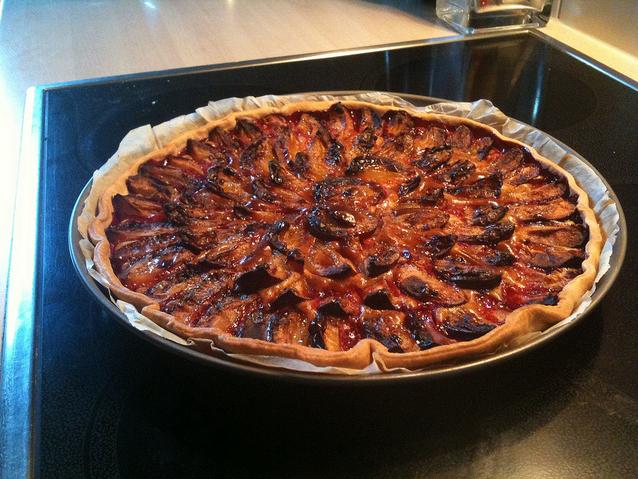
An open tart of halved plums arranged in overlapping circles on a pastry base. It is a seasonal treat in autumn, when the plums are ripe, often served with whipped cream at afternoon coffee.
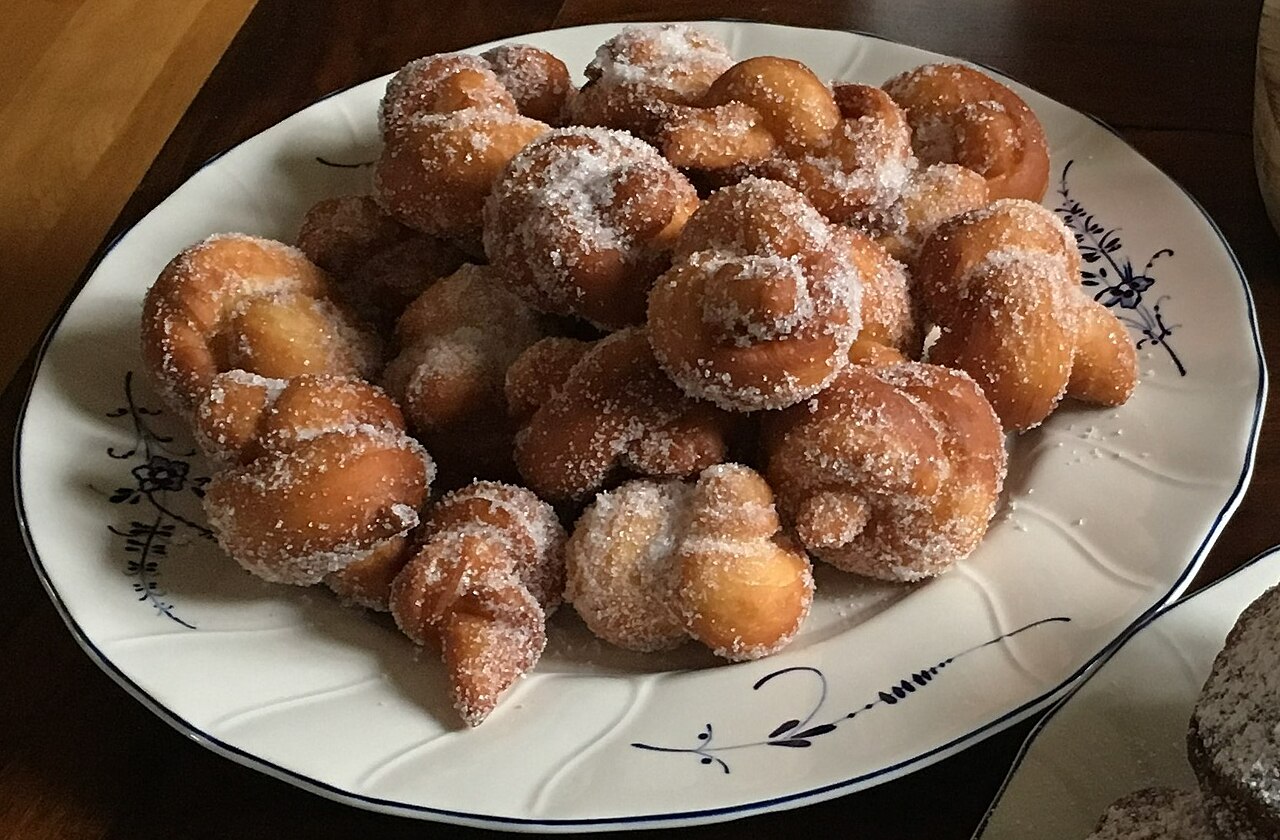
Twisted knots of sweet yeast dough, deep-fried and dusted with sugar. Their name means "the messy ones", and they are a treat of the Fuesend carnival season in February and March.
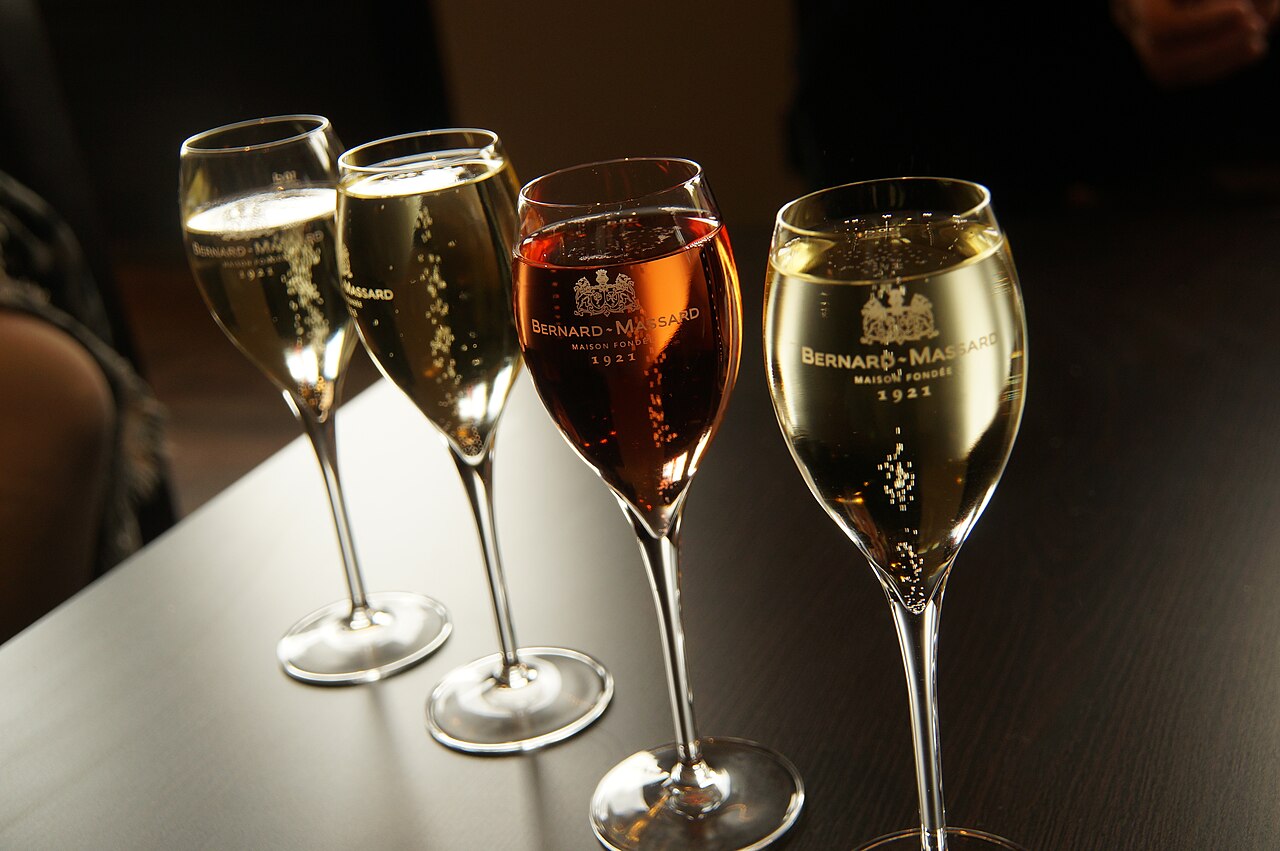
A sparkling wine from the Moselle valley, made with a second fermentation in the bottle followed by at least nine months of maturing. The official designation was introduced in 1991.
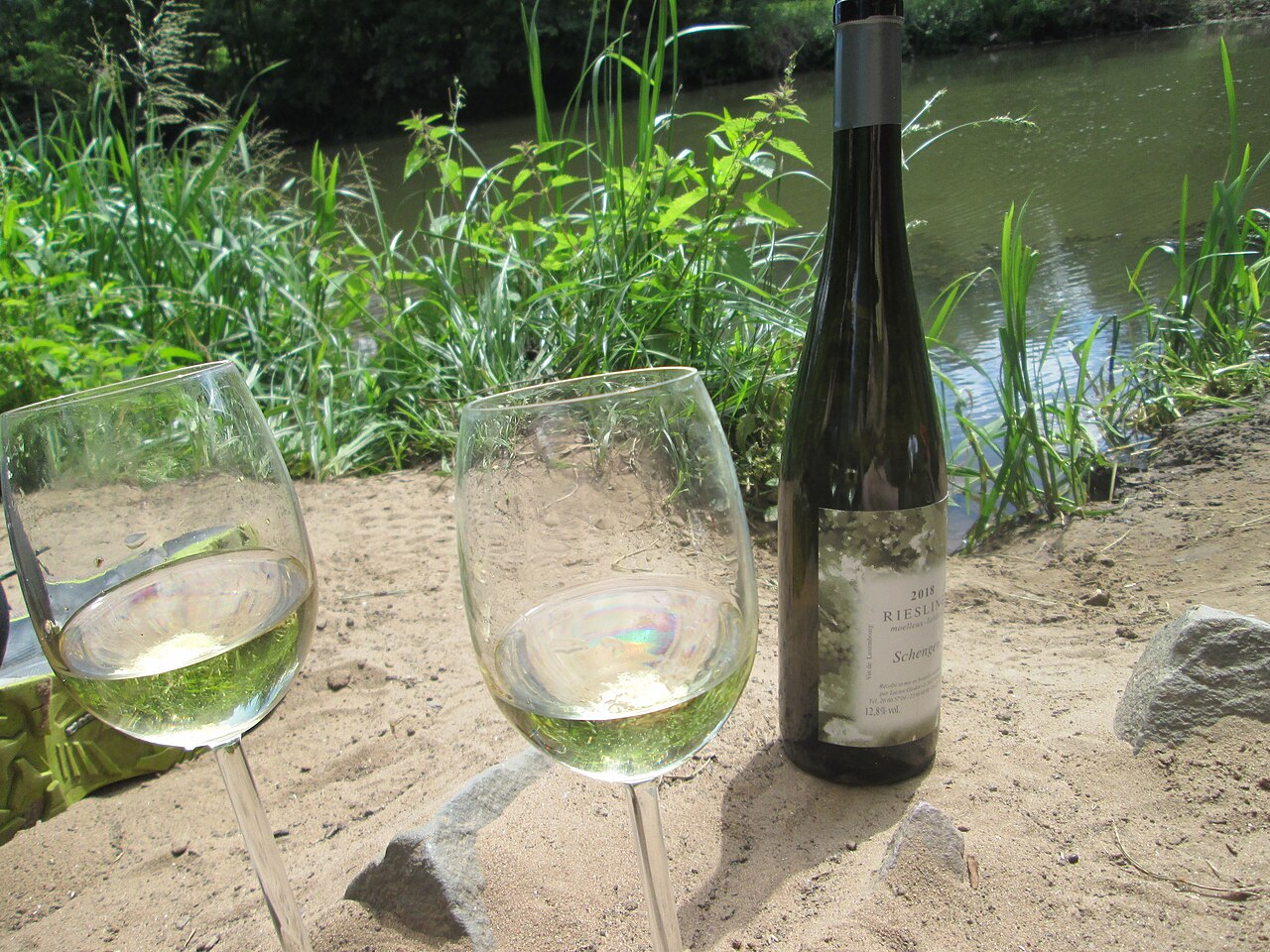
Mostly dry white wines, from grapes such as Rivaner, Auxerrois, Pinot gris and Riesling, grown on the slopes above the Moselle. Bottles of the national appellation carry a Marque Nationale label on the back.
In autumn many Moselle villages hold wine festivals with tastings.
At the table in Luxembourg
Say "Moien" (hello) when you arrive and "Äddi" (goodbye) when you leave.
In restaurants and cafés French is the language used most, but staff often speak German and English too.
Fruit tarts such as Quetschentaart are eaten in the afternoon with coffee, often with whipped cream.
Wine from the Moselle is the usual drink with a meal, and crémant is poured to celebrate.
After a big meal, a small glass of mirabelle or plum brandy may be offered, sometimes in coffee.