A volcanic island ringed by coral reef, where Indian, African, French and Chinese roots meet over dholl puri and sega music, and the only home the dodo ever had.
Mauritius is an island country in the Indian Ocean, about 2,000 km off the southeastern coast of Africa and east of Madagascar. Besides the main island, which is about 65 km long and 45 km wide, it includes Rodrigues, about 560 km to the east, and the small outer islands of Agaléga and St. Brandon. The main island was made by volcanoes about 8 million years ago: a ring of jagged mountains surrounds a cool central plateau, and a coral reef encloses calm turquoise lagoons and long white beaches.
Nobody lived here until Europeans arrived. The Dutch named the island after Prince Maurice of Nassau in 1598, the French turned it into a sugar colony worked by enslaved Africans and Malagasy, and under British rule about half a million indentured labourers came from India. Today most Mauritians have Indian roots, alongside Creoles of African and Malagasy descent and smaller Chinese and Franco-Mauritian communities. Most people speak Mauritian Creole at home, while English and French are used in government, business and the media.
Questions to ask the older generation
Memories fade faster than photos. Ask these over a meal or a phone call, and write the answers down.
Which town or region of Mauritius did our family come from? Was it near Beau Bassin-Rose Hill, Quatre Bornes, Vacoas-Phoenix?
Who was the first in the family to leave Mauritius, when, and why?
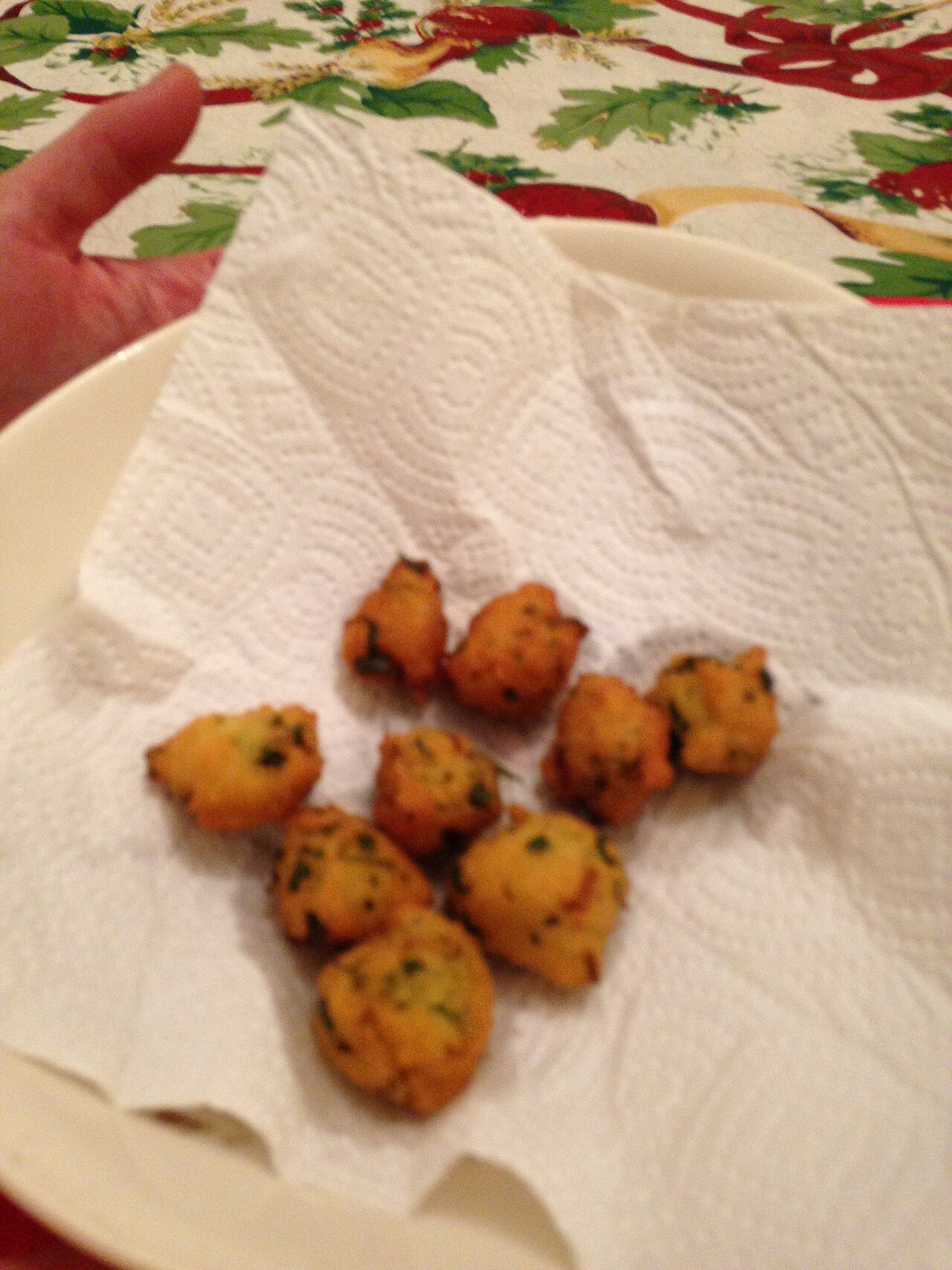
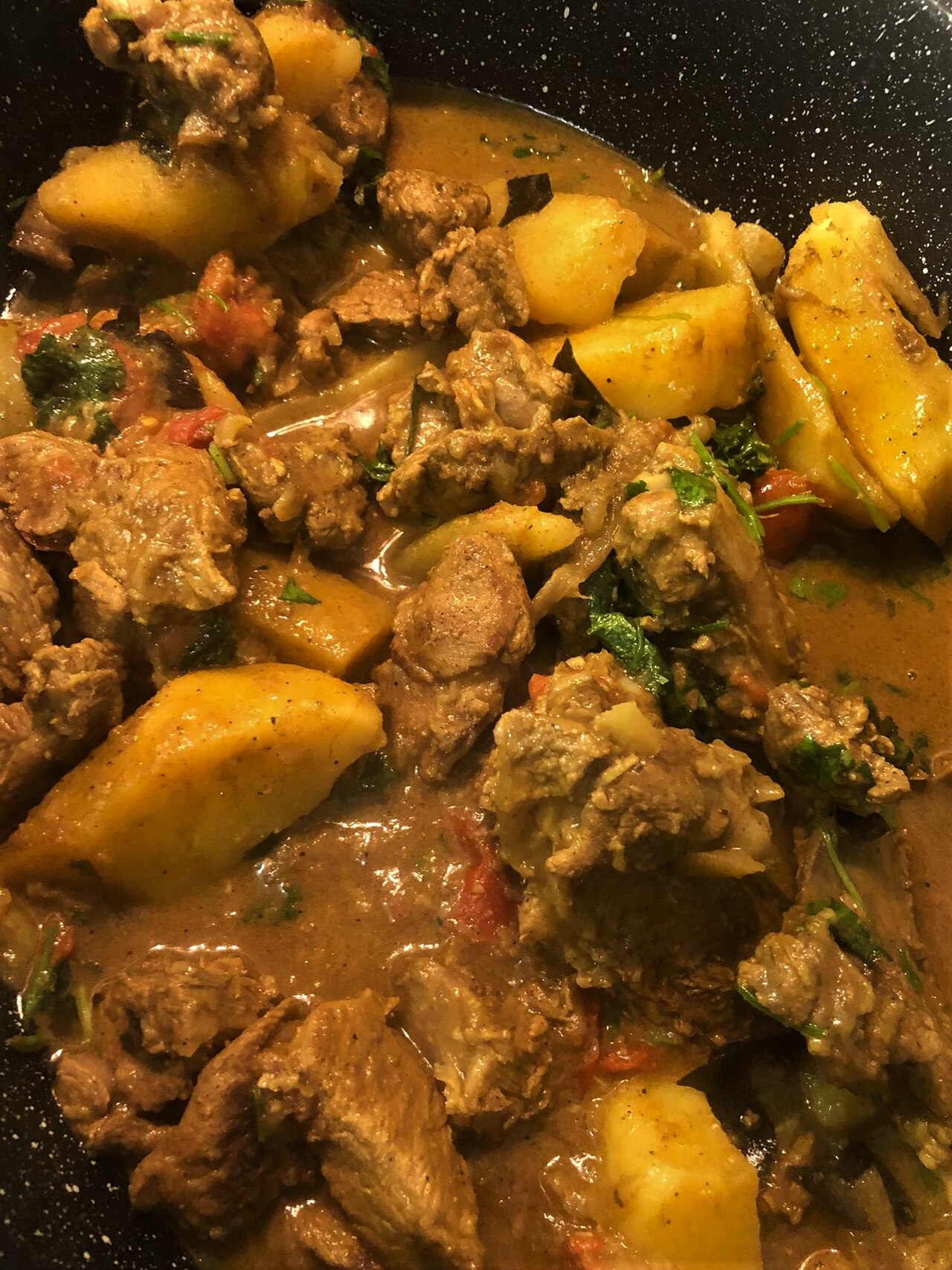
Which dishes from Mauritius were cooked at home? Did anyone make Dholl puri or Gâteau piment?
Does anyone in the family still speak Mauritian Creole, or use a few words of it?
Were there songs, prayers, games or holidays from Mauritius that the family kept?
Are there old photos, letters or documents from Mauritius? Who has them?
If you could visit Mauritius together, where would you go first?
A short history of Mauritius
Mauritius had no people at all until the age of sail. Arab sailors may have known it by the 10th century and the Portuguese visited in the early 1500s, but the Dutch were the first to settle. The French built a sugar colony on the labour of enslaved Africans and Malagasy, the British took the island in 1810, and after slavery ended they brought in hundreds of thousands of indentured workers from India. Mauritius became independent in 1968 and a republic in 1992.
1507
Portuguese sailors visit
Portuguese sailors, blown off their usual route to India, landed on the uninhabited island. Early Portuguese maps called it Cirne or Cerne, probably after a ship named Cisne ('swan'). The Portuguese did not settle, and the Mascarene Islands were later named after the Portuguese viceroy Pedro Mascarenhas.
1638
First Dutch settlement
The Dutch East India Company settled the island to cut its valuable ebony trees. The Dutch brought sugar cane, domestic animals and deer, and from 1639 enslaved Malagasy to do the work.
1710
The Dutch leave
After several attempts at a lasting colony that never paid its way, the Dutch abandoned Mauritius in 1710. The macaque monkeys brought earlier by the Portuguese and the deer the Dutch had brought from Java stayed behind.
1735
La Bourdonnais becomes governor
Governor Bertrand-François Mahé de La Bourdonnais made Port Louis a naval base and shipbuilding centre and built a sugar economy worked by enslaved people from Africa and Madagascar. By the late 1700s enslaved Africans made up about 80 percent of the island's people.
1834
Indentured labour begins
The British chose Mauritius for what they called the 'great experiment': using contract workers from India instead of enslaved people on the sugar estates. Between 1834 and 1921 about half a million indentured labourers came, most of them landing at the immigration depot in Port Louis now called Aapravasi Ghat.
1847
The 'Post Office' stamps are issued
Mauritius issued its first stamps in September 1847, a red one penny and a blue two pence engraved locally, with the words 'Post Office'. Only 500 of each were printed, and they are now among the rarest stamps in the world.
1992
Mauritius becomes a republic
On 12 March 1992, exactly 24 years after independence, Mauritius became a republic within the Commonwealth, with a president as head of state instead of the British monarch.
2020
The Wakashio oil spill
On 25 July 2020 the bulk carrier MV Wakashio ran aground on a coral reef off the southeast coast and leaked up to 1,000 tonnes of heavy oil into the lagoon near Mahébourg, one of the worst environmental disasters in the western Indian Ocean.
Our sister site Daily Ancestor helps you read the real documents: ship passenger lists, Ellis Island arrivals, naturalization papers and census pages, with a free plan of which records exist for each ancestor.