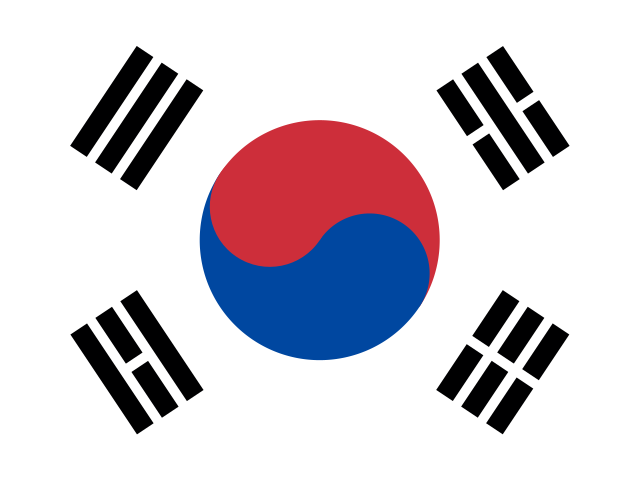
Royal palaces, mountain temples, kimchi and bright modern cities, on the southern half of the Korean Peninsula.
South Korea, officially the Republic of Korea, covers the southern part of the Korean Peninsula in East Asia. Its only land border is with North Korea, and across the sea its nearest neighbours are Japan to the east and China to the west. Mountains cover much of the land, and many islands lie off the south and west coasts, the largest of them the volcanic island of Jeju.
Korea has a long history of kingdoms and dynasties, and the Joseon dynasty ruled from Seoul for more than 500 years. After 35 years of Japanese rule, the division of the peninsula in 1945 and the Korean War of 1950 to 1953, the south was one of the poorest countries in the world. Within a few decades it became one of the richest, a change often called the Miracle on the Han River.
Questions to ask the older generation
Memories fade faster than photos. Ask these over a meal or a phone call, and write the answers down.
Which town or region of South Korea did our family come from? Was it near Busan, Incheon, Daegu?
Who was the first in the family to leave South Korea, when, and why?
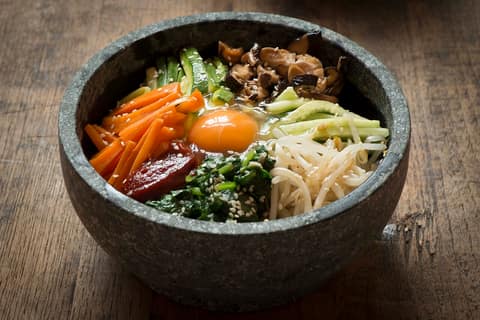
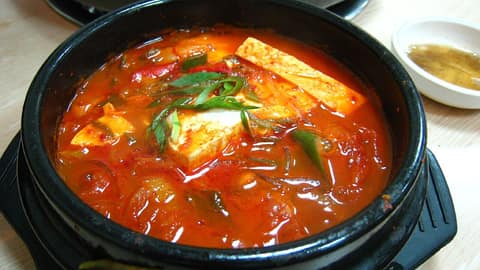
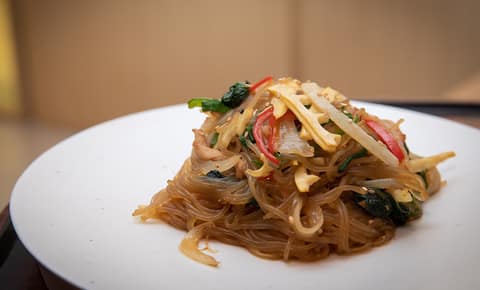
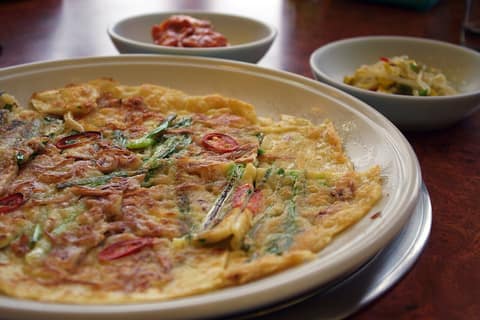
Which dishes from South Korea were cooked at home? Did anyone make Kimchi or Bibimbap?
Does anyone in the family still speak Korean, or use a few words of it?
Were there songs, prayers, games or holidays from South Korea that the family kept?
Are there old photos, letters or documents from South Korea? Who has them?
If you could visit South Korea together, where would you go first?
A short history of South Korea
Korean tradition counts almost 5,000 years of history, starting with the legend of Dangun. For most of the last 1,500 years the peninsula was ruled by a few long-lasting kingdoms and dynasties, before the upheavals of the 20th century divided it in two.
2333 BC
The legend of Dangun
According to a legend first written down in the 13th century, Dangun, grandson of the lord of heaven, founded the first Korean kingdom, Gojoseon, in 2333 BC. South Korea still celebrates this on National Foundation Day, 3 October.
AD 918
Goryeo is founded
The general Wang Geon founded the kingdom of Goryeo, which ruled Korea until 1392. The English name Korea comes from Goryeo, a time famous for its green celadon pottery and Buddhist art.
1392
The Joseon dynasty begins
General Yi Seong-gye took power and founded the Joseon dynasty. It lasted more than 500 years, until 1897, and made Confucian values the basis of government and family life.
1446
Hangul is proclaimed
King Sejong the Great and his scholars created a new alphabet, first presented at court in 1443. It was proclaimed to the people in 1446 in a book called Hunminjeongeum, 'the correct sounds for the instruction of the people'.
1919
The March First Movement
On 1 March 1919 a Declaration of Independence was read in Seoul, and peaceful protests spread across the country. The day is a national holiday in South Korea.
1948
The Republic of Korea is founded
On 15 August 1948 the Republic of Korea was proclaimed in the south, with Seoul as its capital. A separate state was set up in the north a few weeks later.
1953
The armistice is signed
An armistice signed at Panmunjom on 27 July 1953 stopped the fighting and created the Demilitarized Zone between the two Koreas. No peace treaty has been signed.
2018
PyeongChang hosts the Winter Olympics
The mountain county of PyeongChang hosted South Korea's first Winter Olympics. Athletes from North and South Korea marched together at the opening ceremony.