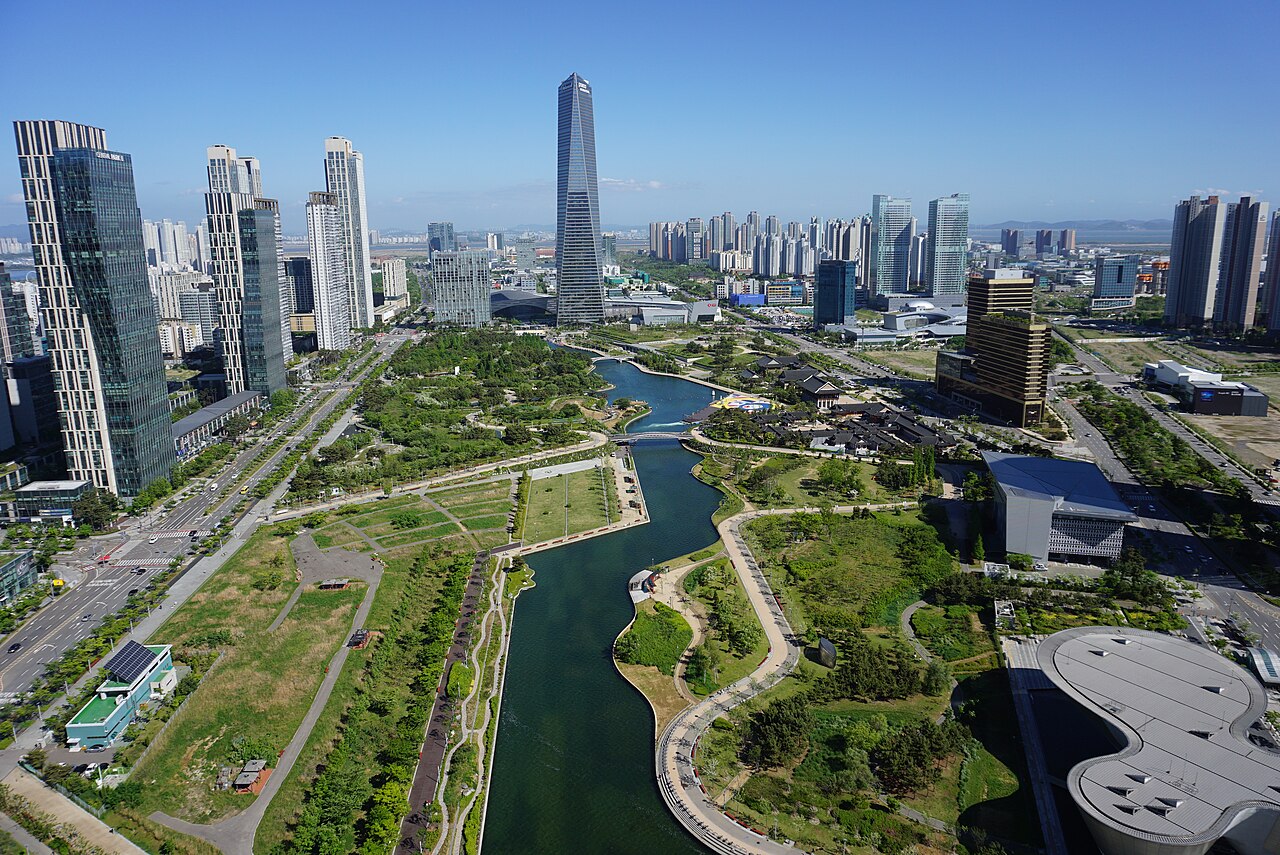
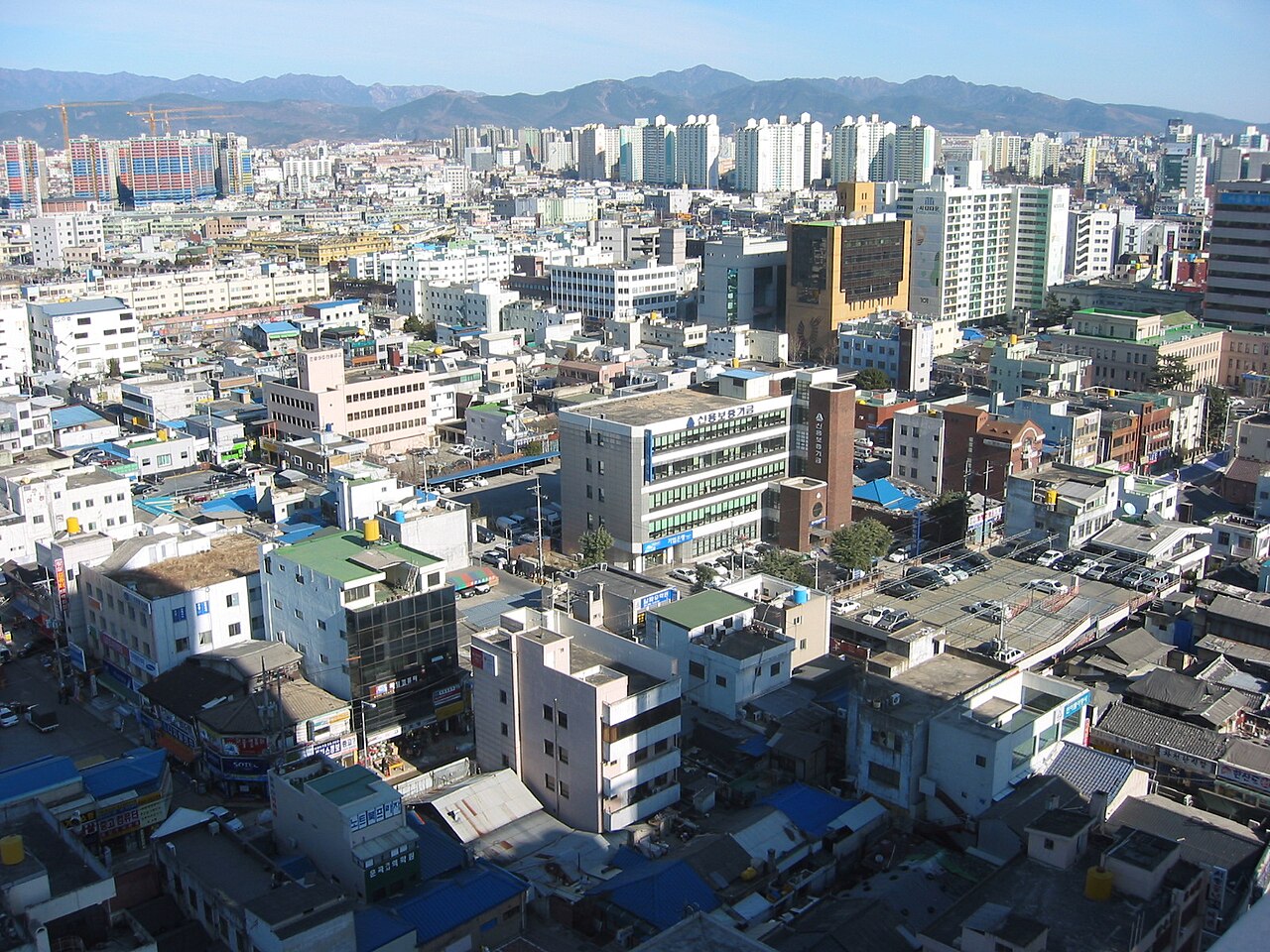
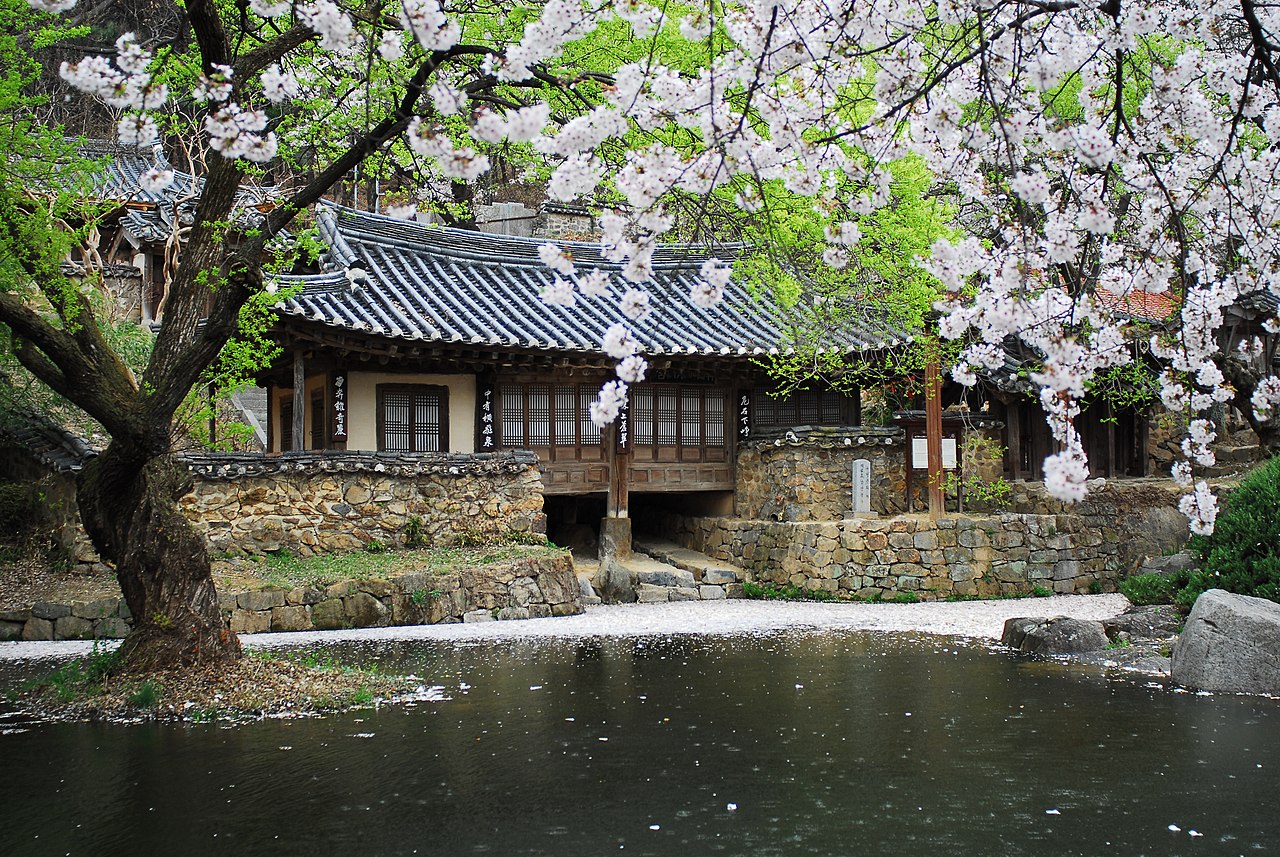
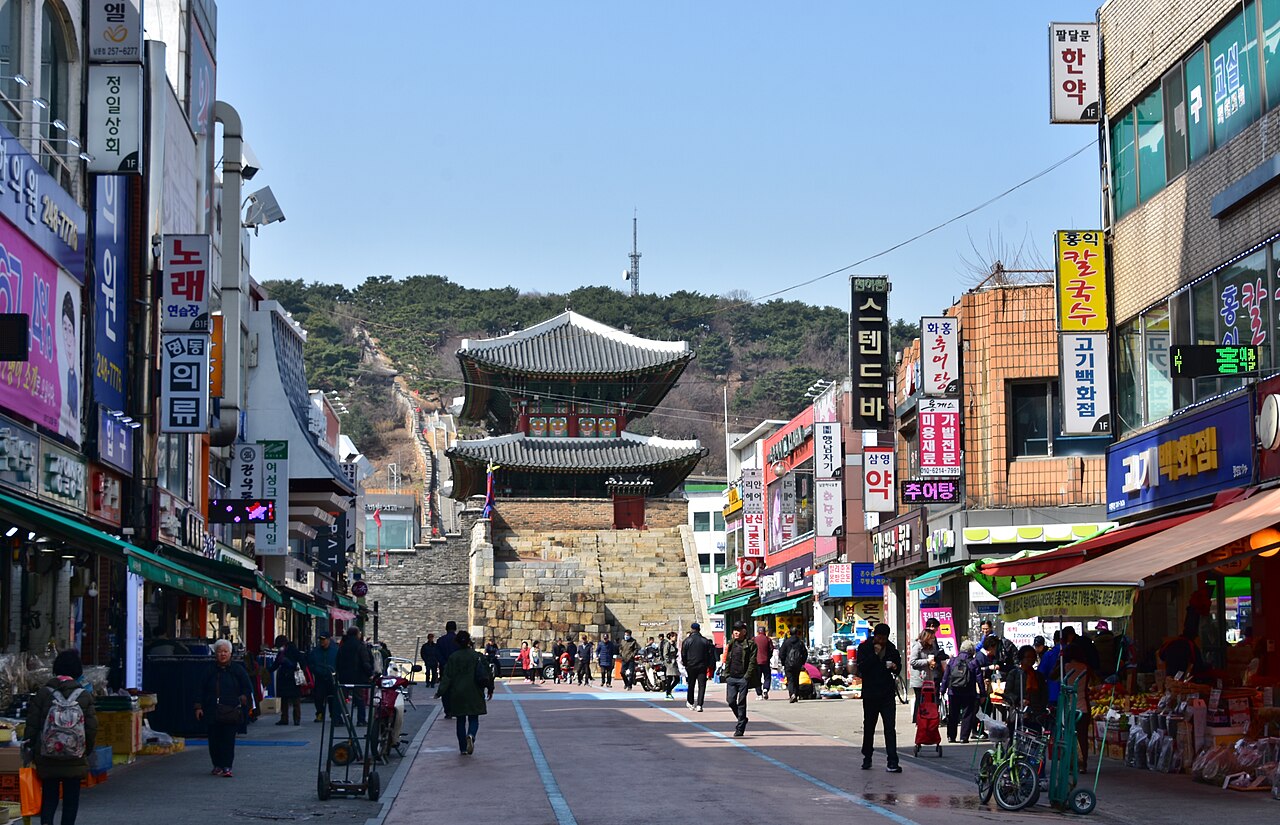
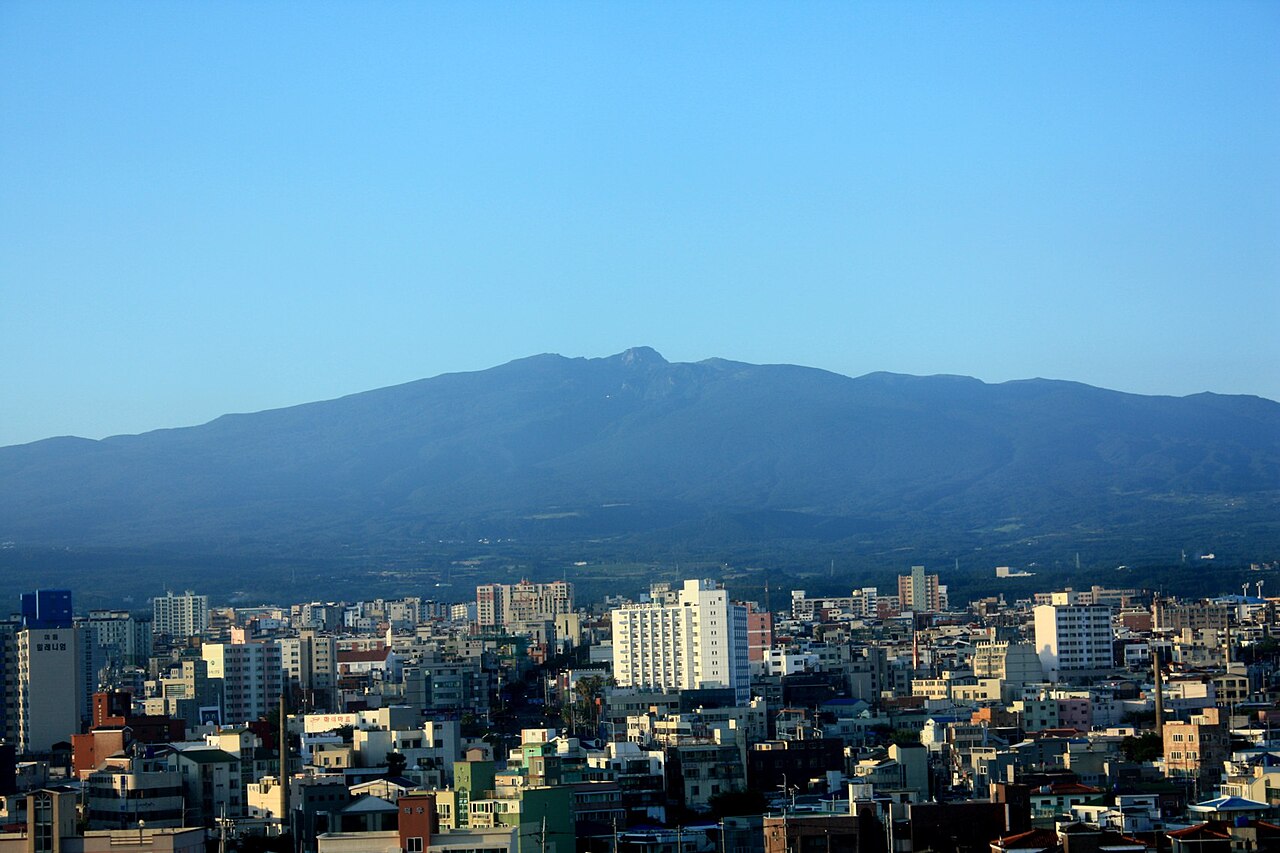
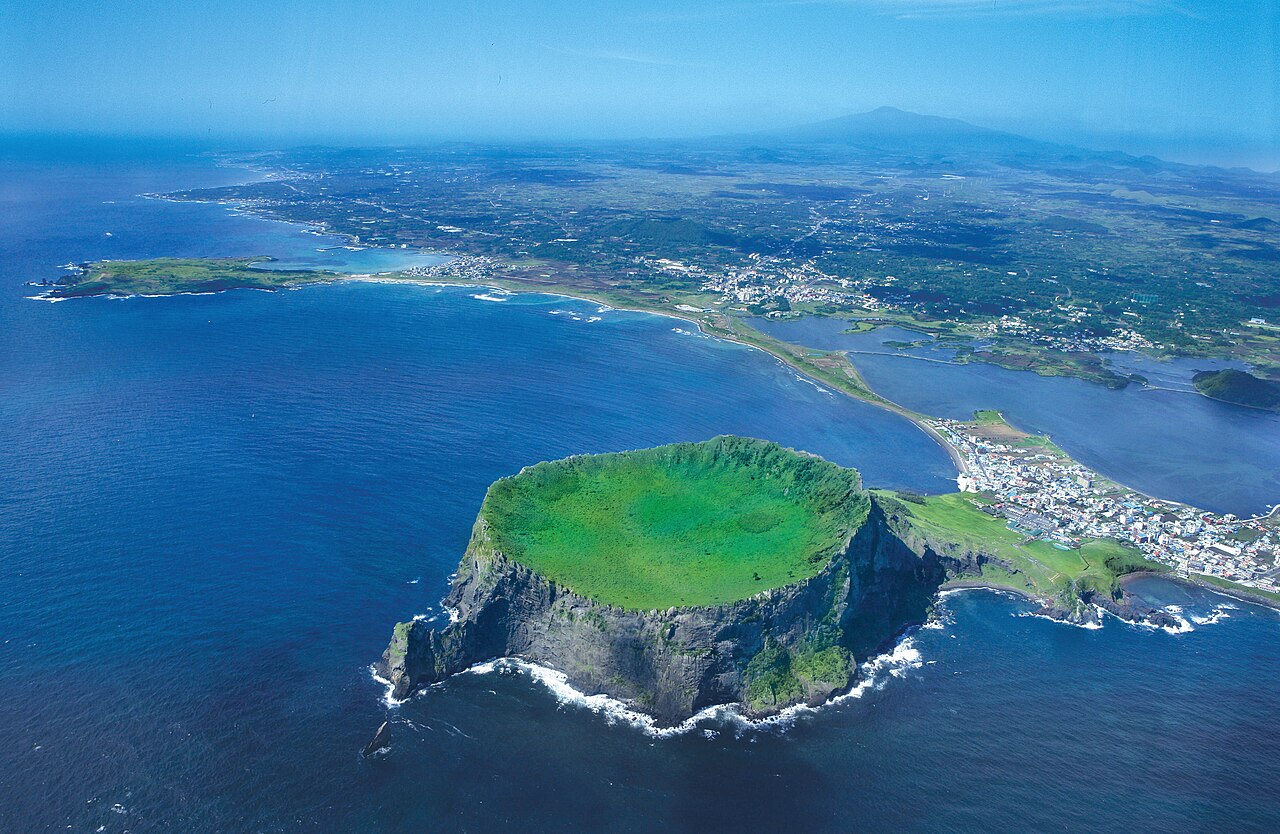
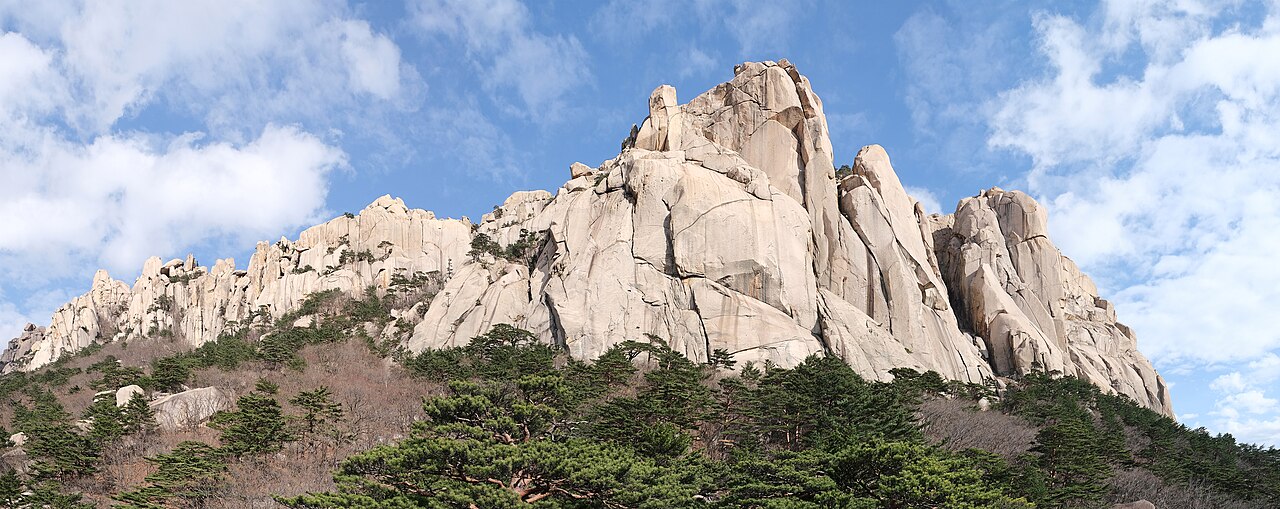
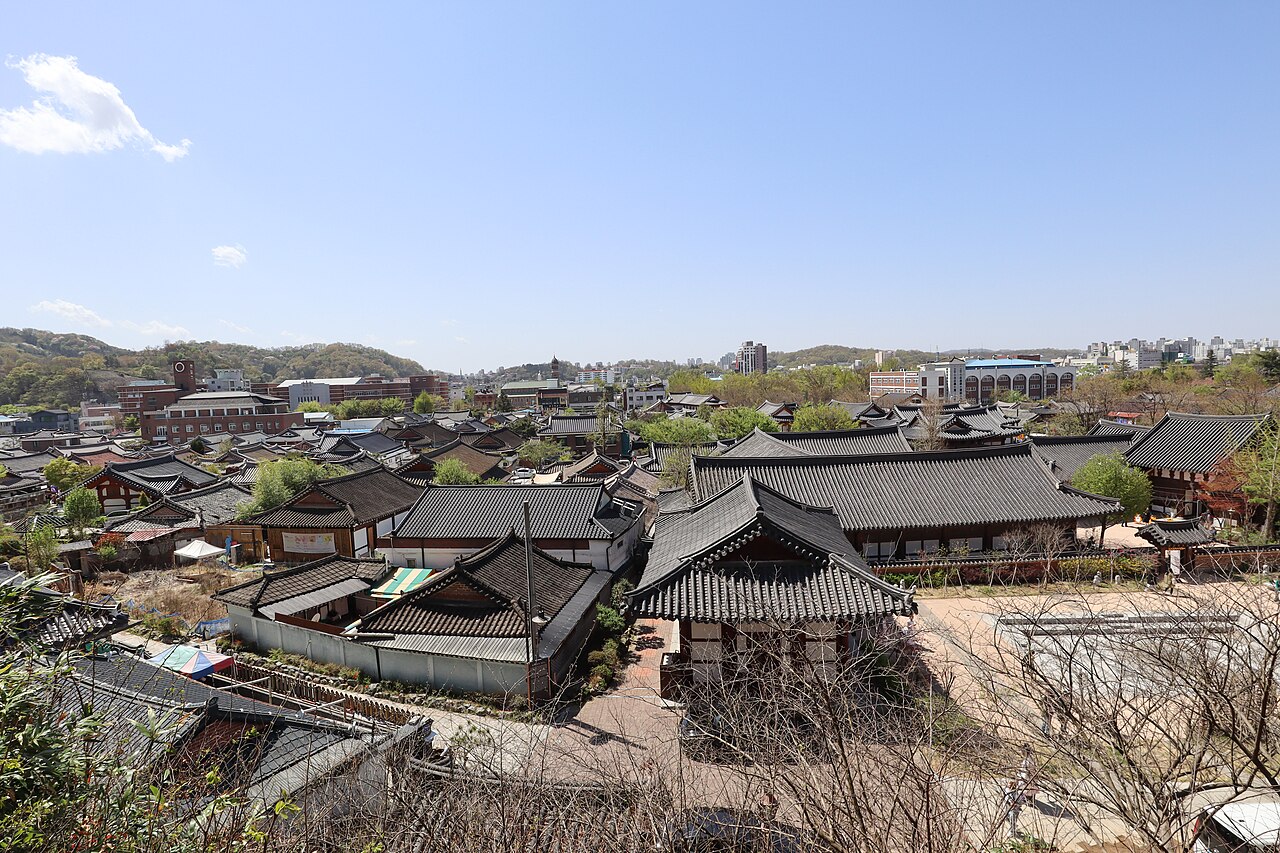
South Korea, officially the Republic of Korea, covers the southern part of the Korean Peninsula in East Asia. Its only land border is with North Korea, and across the sea its nearest neighbours are Japan to the east and China to the west. Mountains cover much of the land, and many islands lie off the south and west coasts, the largest of them the volcanic island of Jeju.
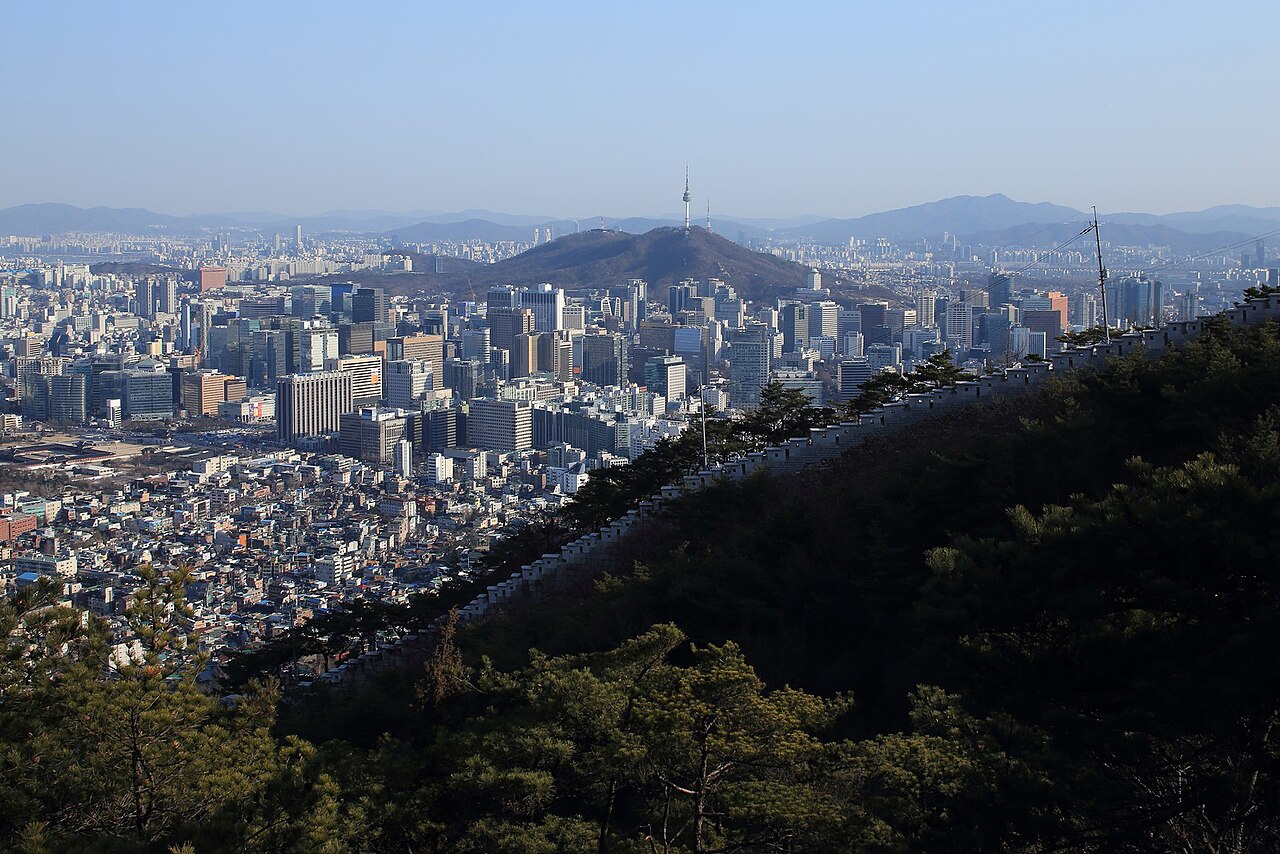
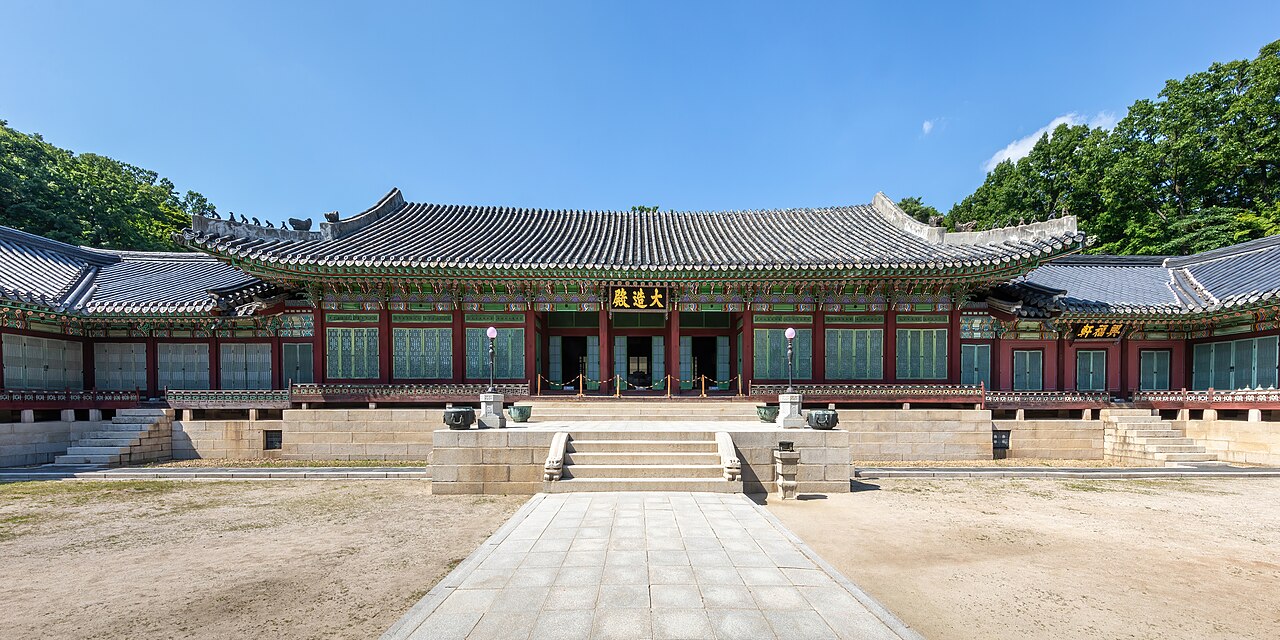
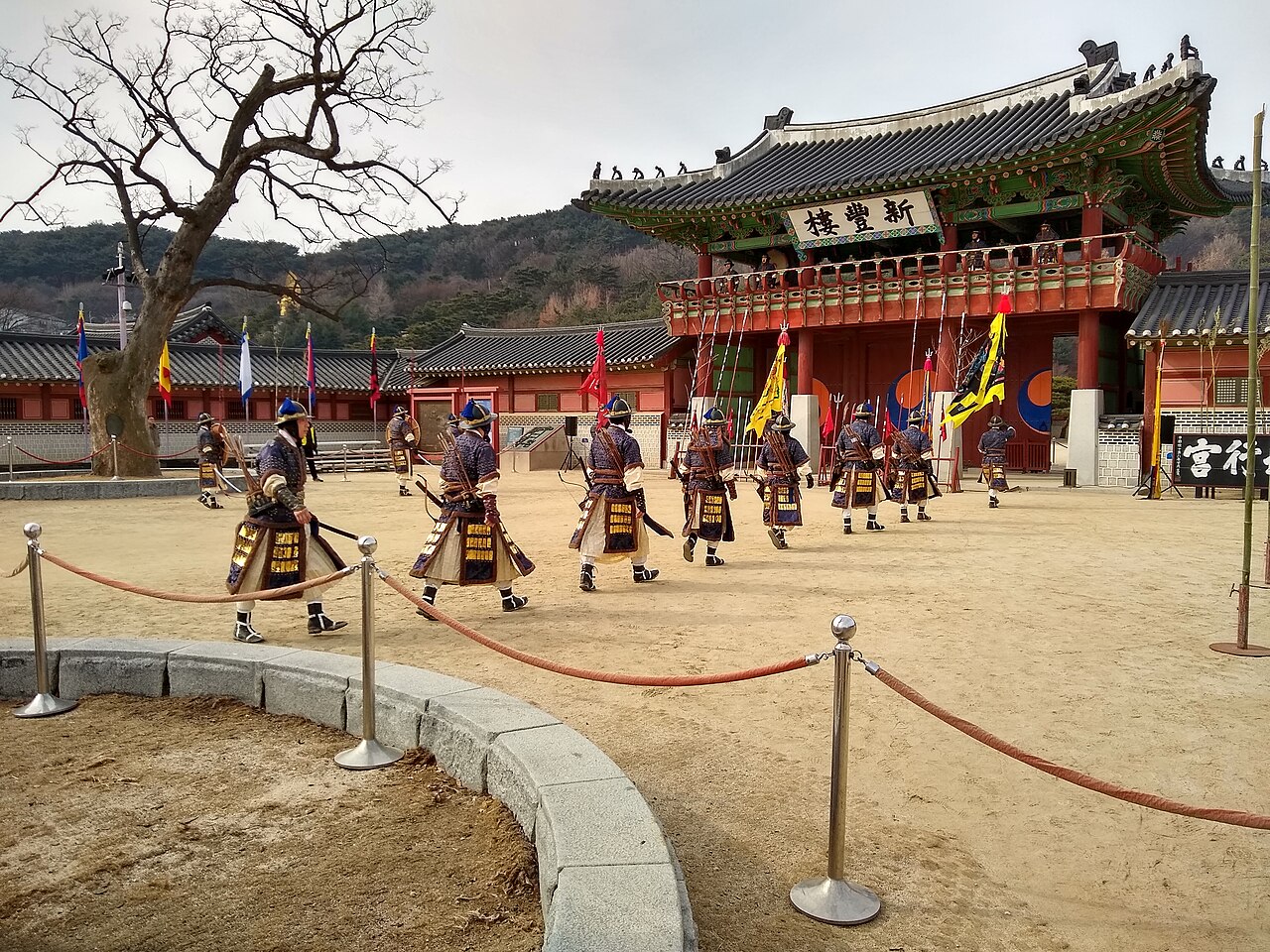
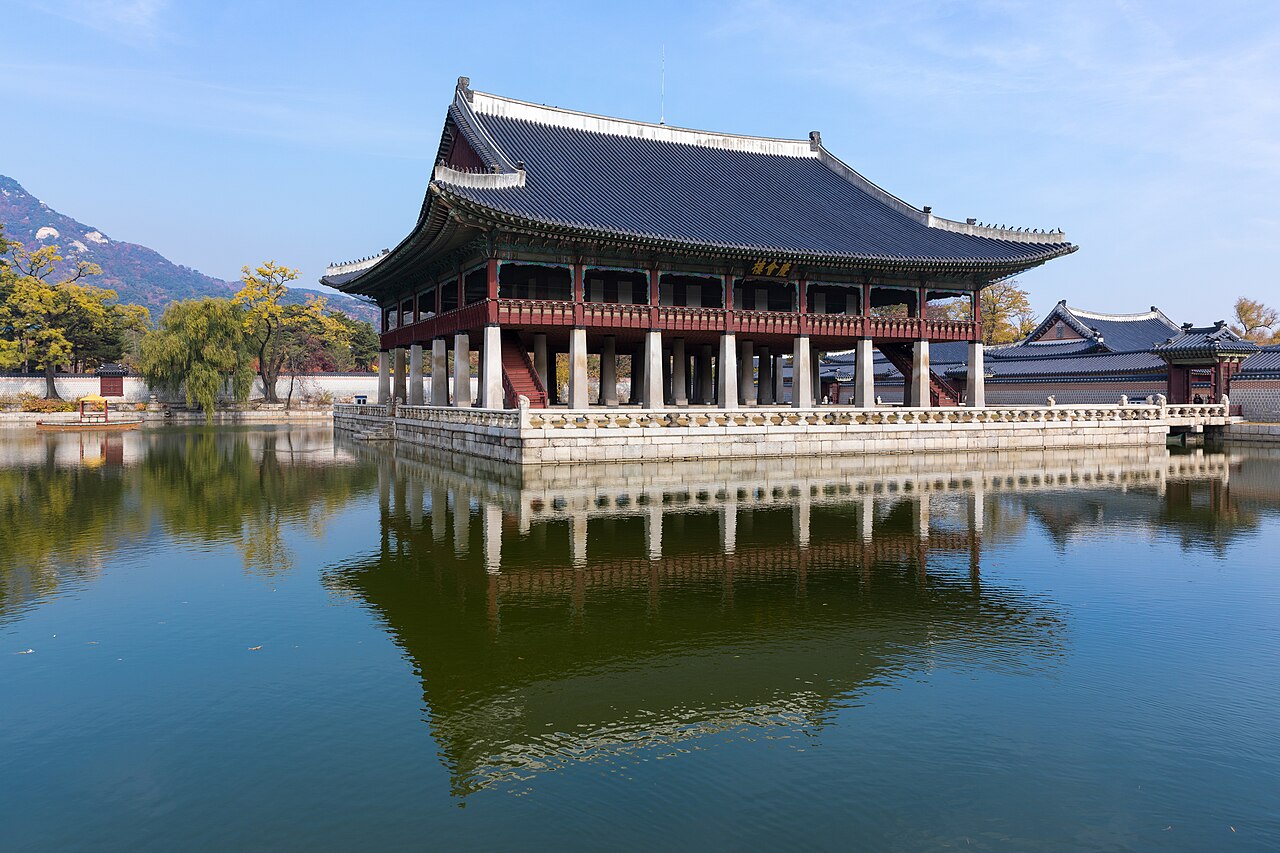
Korea has a long history of kingdoms and dynasties, and the Joseon dynasty ruled from Seoul for more than 500 years. After 35 years of Japanese rule, the division of the peninsula in 1945 and the Korean War of 1950 to 1953, the south was one of the poorest countries in the world. Within a few decades it became one of the richest, a change often called the Miracle on the Han River.
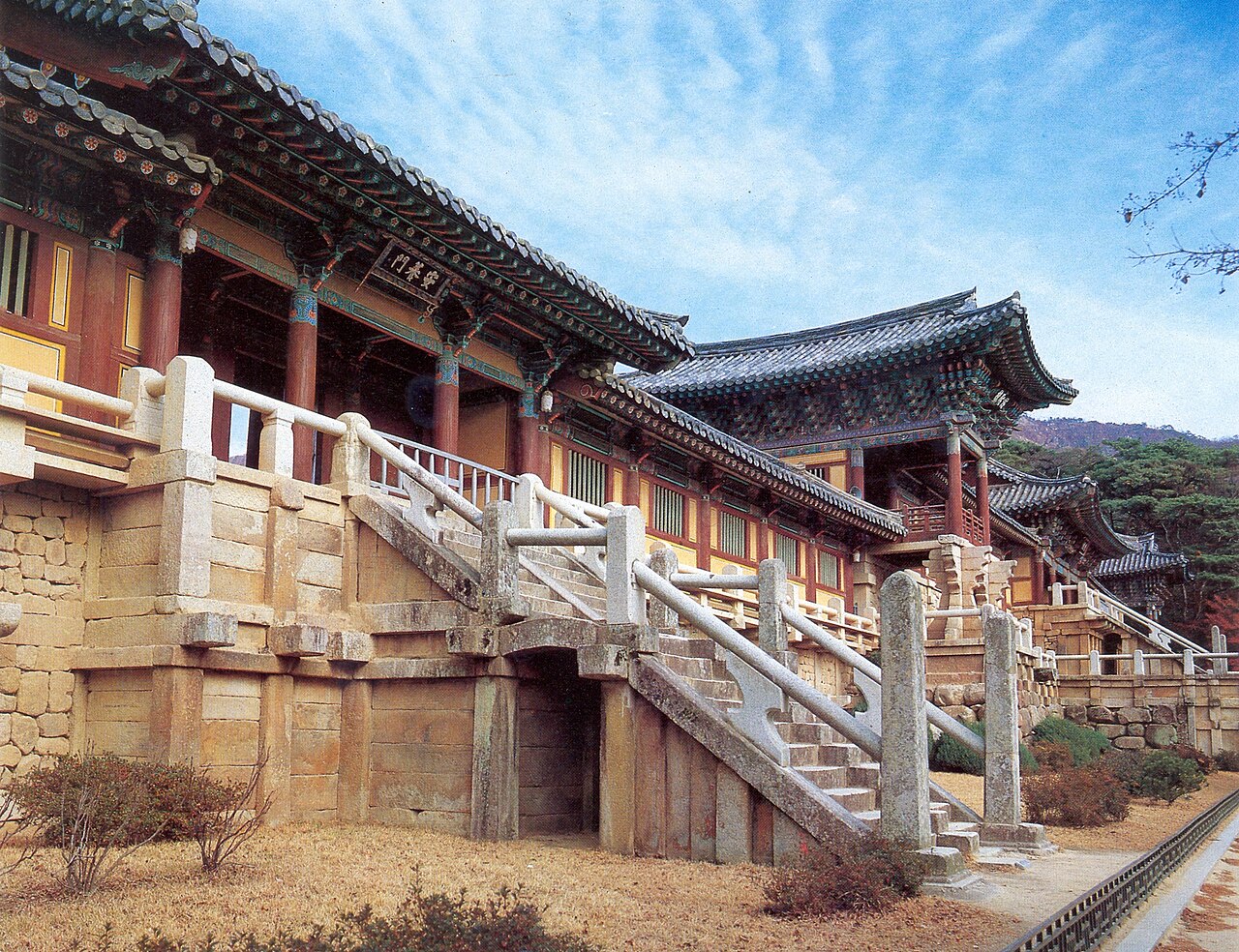
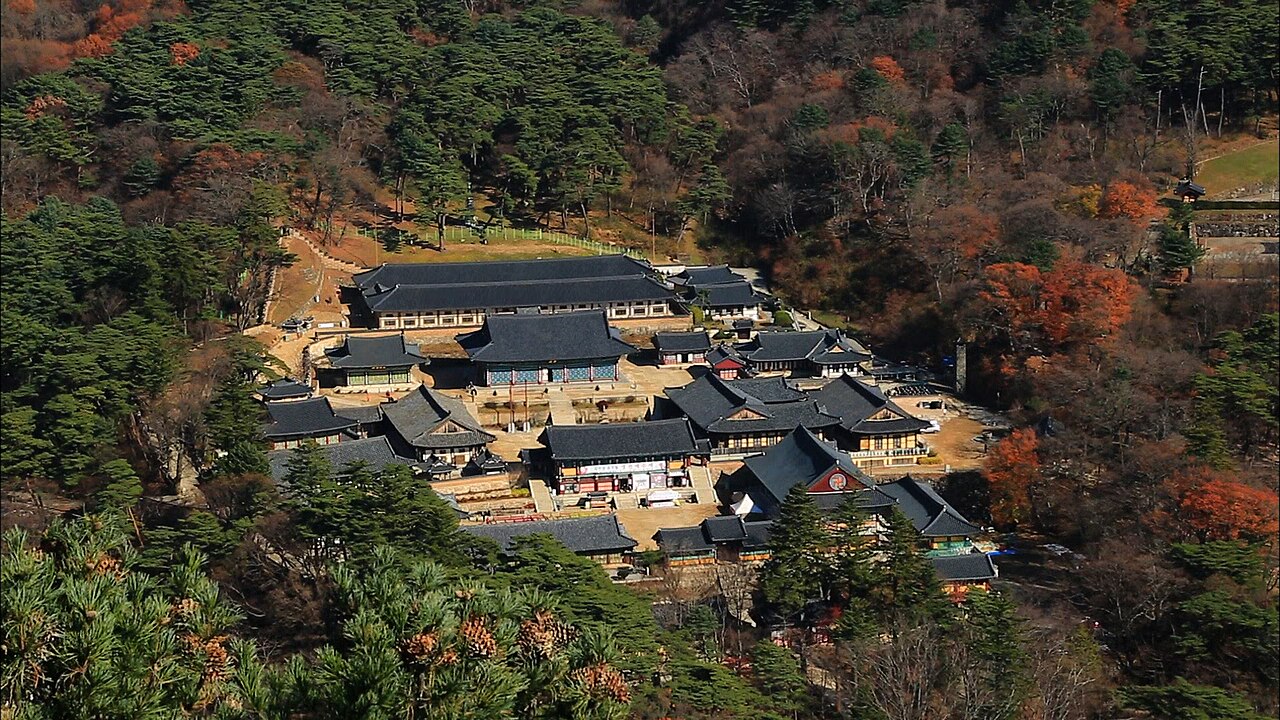
Today about 51 million people live in South Korea, about half of them in and around Seoul. Visitors come for its palaces and Buddhist temples, its hiking trails and hot spicy food, and for the films, dramas and music that have made Korean culture popular all over the world.
CapitalSeoul
PopulationAbout 51.7 million (UN estimate, 2025)
Official languageKorean; Korean Sign Language is also official by law since 2016
CurrencySouth Korean won (₩)
AreaAbout 100,000 km²
GovernmentPresidential republic with an elected National Assembly
Highest mountainHallasan on Jeju Island, 1,947 m
Longest riverThe Nakdong, about 510 km
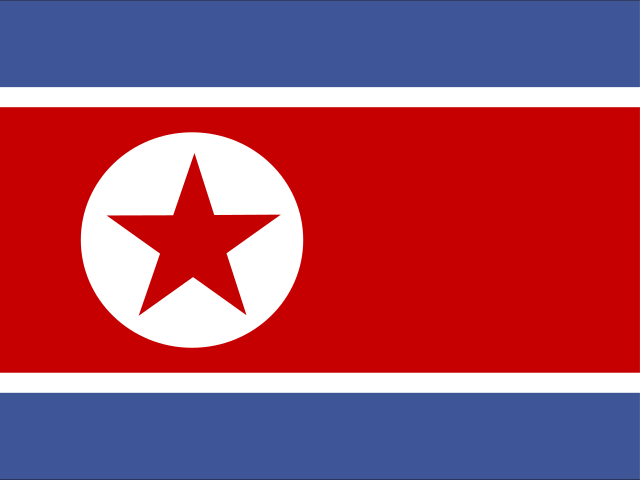
NeighboursNorth Korea by land. Across the sea: Japan and China
Drives on theRight
Calling code+82
 North Korea