A Korean meal is built around a bowl of rice, a soup or stew, and many small shared side dishes called banchan, with kimchi always among them. Everything is brought to the table at once, and people help themselves from the shared dishes. The flavours come from garlic, sesame oil and three fermented seasonings: gochujang (red chilli paste), doenjang (soybean paste) and ganjang (soy sauce).
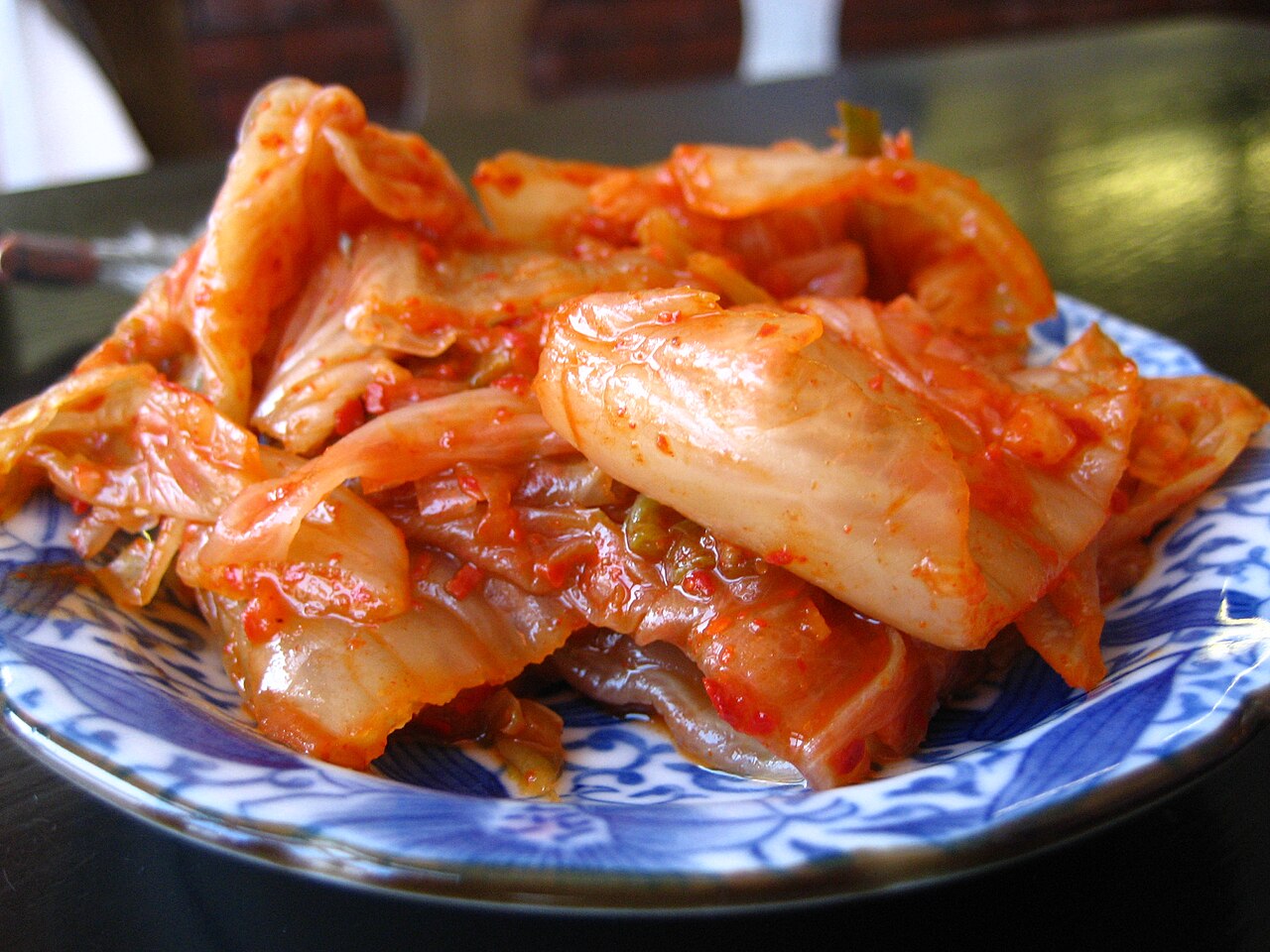
Vegetables, most often napa cabbage or radish, salted and fermented with chilli, garlic, ginger and spring onion. It is served with almost every meal, and older, sourer kimchi is used for cooking stews and pancakes.
Kimjang, the late autumn custom of families and neighbours making kimchi together for the winter, is on UNESCO's list of intangible heritage since 2013. Chilli came later than you might think: it is first mentioned in Korea in a book of 1614.
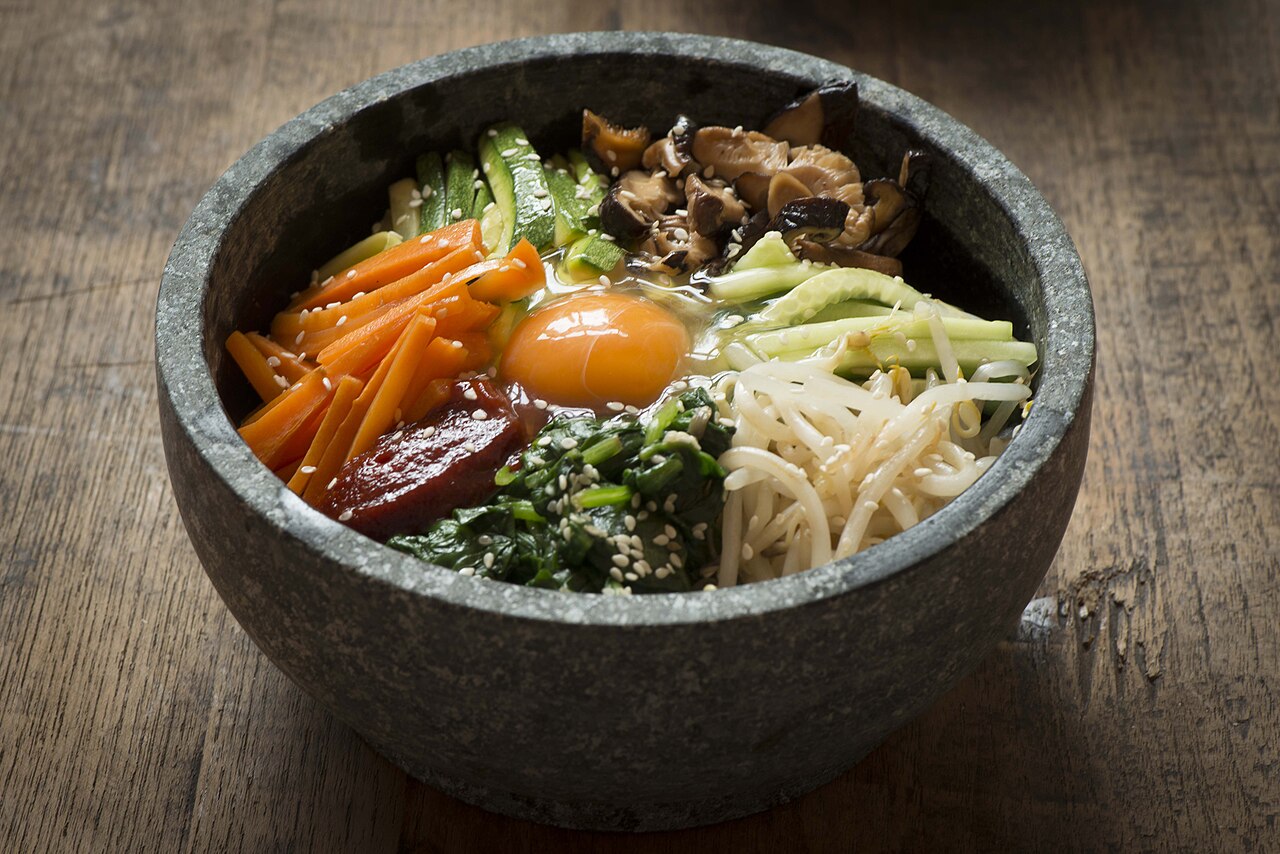
A bowl of warm rice topped with seasoned vegetables, meat, an egg and a spoonful of gochujang, all mixed together just before eating. The name means 'mixed rice'.
In dolsot bibimbap the bowl is a very hot stone pot, so the rice at the bottom turns into a golden, crunchy crust.
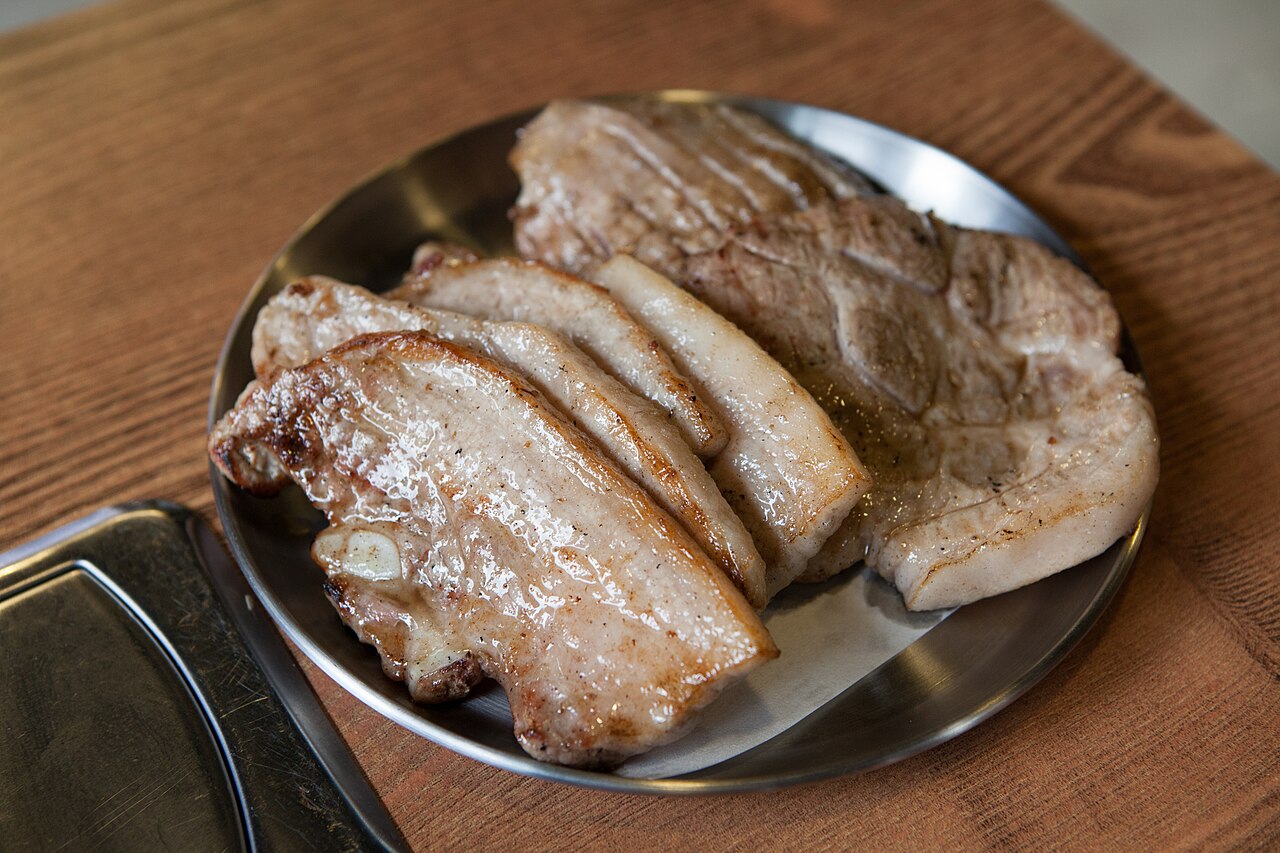
Thick slices of pork belly that diners grill themselves on a hot plate in the middle of the table, then wrap in lettuce leaves with garlic and a dab of ssamjang, a spicy bean paste.
The name means 'three-layer flesh', for the stripes of fat and meat. Because of the three, some Koreans celebrate 3 March as Samgyeopsal Day.
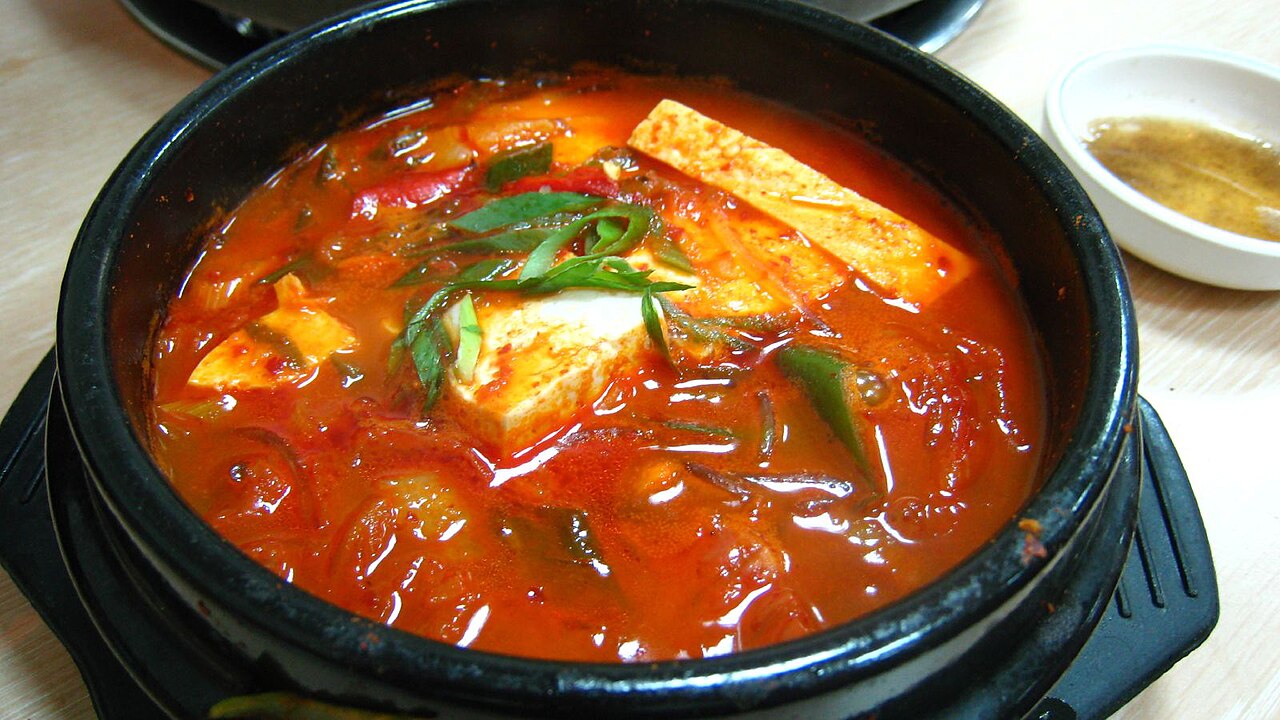
A bubbling, spicy stew of well-fermented kimchi, pork and tofu, one of the most common home dishes in Korea. It is served boiling hot in the middle of the table with rice.
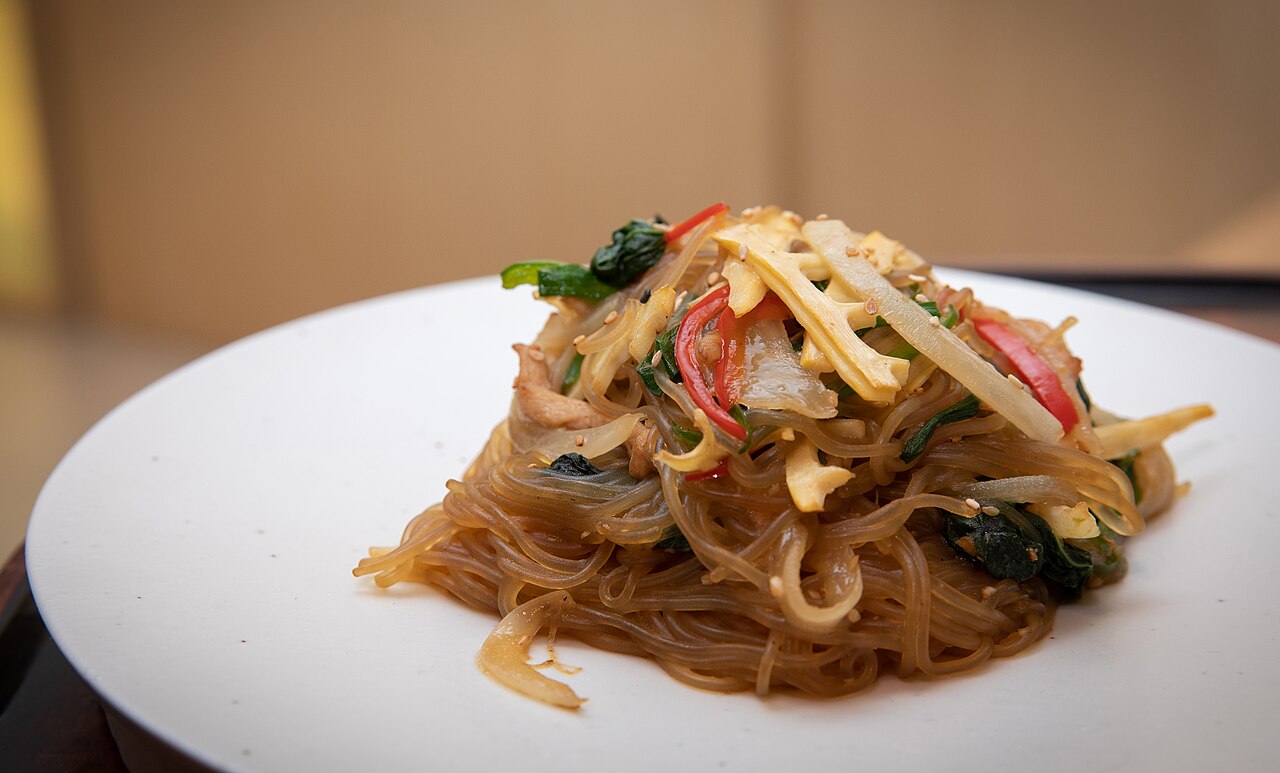
Glass noodles made from sweet potato starch, stir-fried with vegetables, mushrooms and beef and seasoned with soy sauce and sesame oil. It is a favourite dish for birthdays, weddings and holidays.
The first japchae, made for King Gwanghaegun in the 1600s, had no noodles at all. The glass noodles were added in the 20th century.
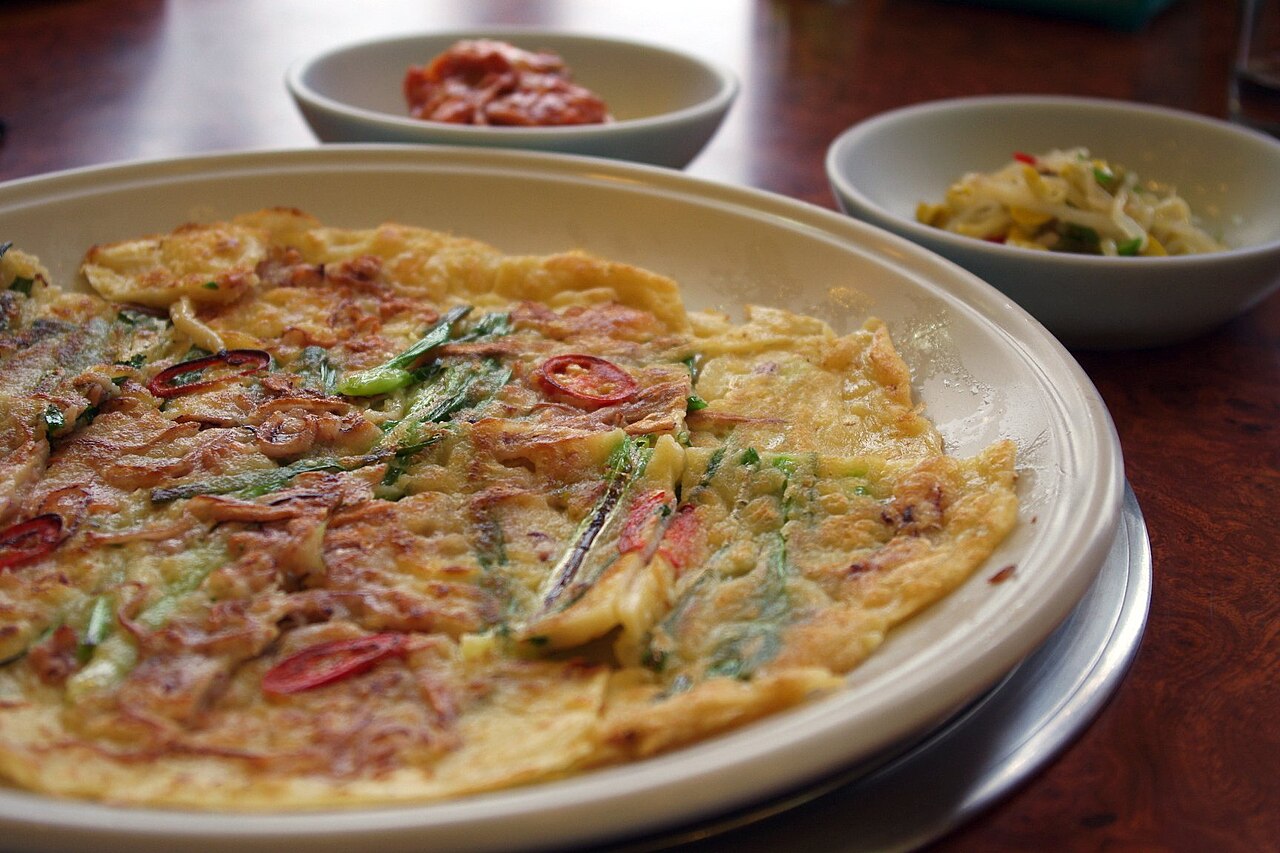
A large, crisp pancake of batter packed with whole spring onions and seafood such as squid, prawns and clams, cut into pieces and dipped in soy sauce with vinegar.
Koreans often crave pajeon on rainy days, with a bowl of makgeolli, a milky rice wine.
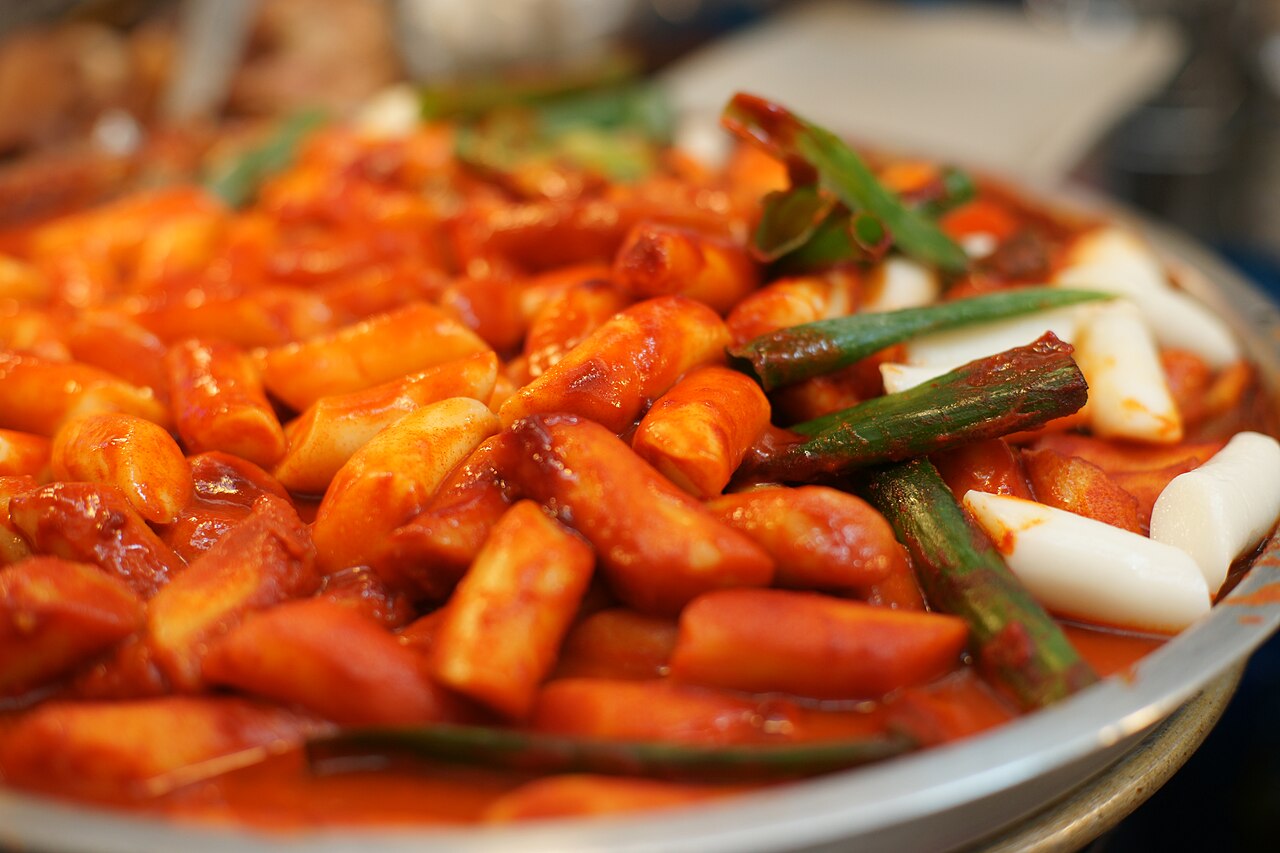
Chewy rice cakes shaped like thick fingers, simmered in a sweet and fiery gochujang sauce with fish cakes and spring onions. It is the classic street food of Korea.
The red, spicy version is credited to Ma Bok-rim, who began selling it in Seoul's Sindang-dong in the 1950s. Rice cakes are very chewy: older people and children should take small bites.
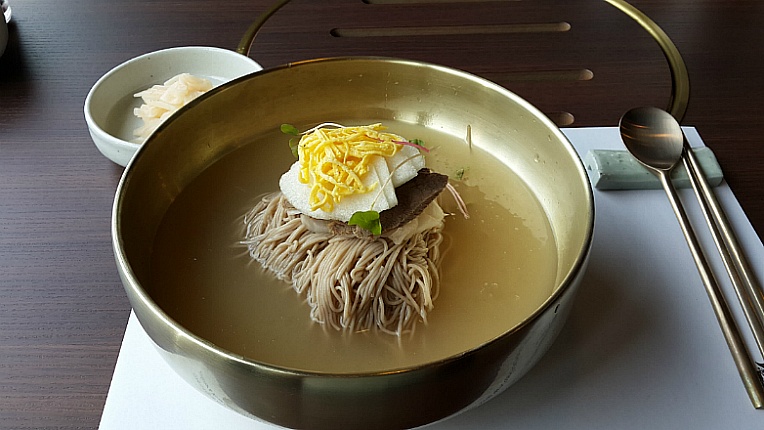
Long, thin, chewy noodles, often made with buckwheat, served in an icy beef broth (mul-naengmyeon) or with a spicy chilli dressing (bibim-naengmyeon), topped with cucumber, pear and a boiled egg.
The noodles are so long that restaurants give you scissors to cut them.
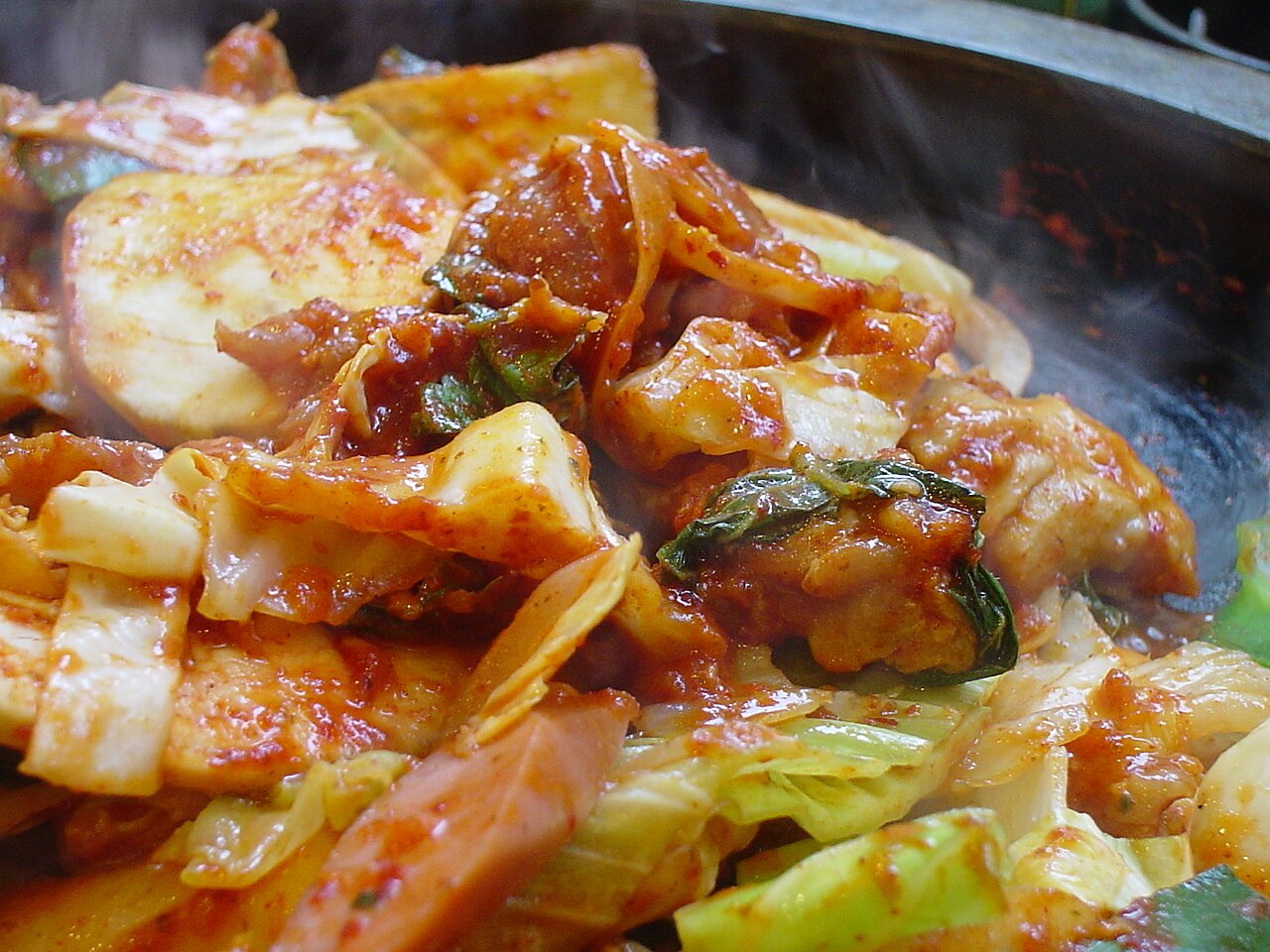
Pieces of chicken marinated in a spicy gochujang sauce and stir-fried at the table on a big iron pan with cabbage, sweet potato, rice cakes and perilla leaves.
It was created in a Chuncheon pub in the 1960s and became known as the 'students' galbi' because it was cheap and filling.
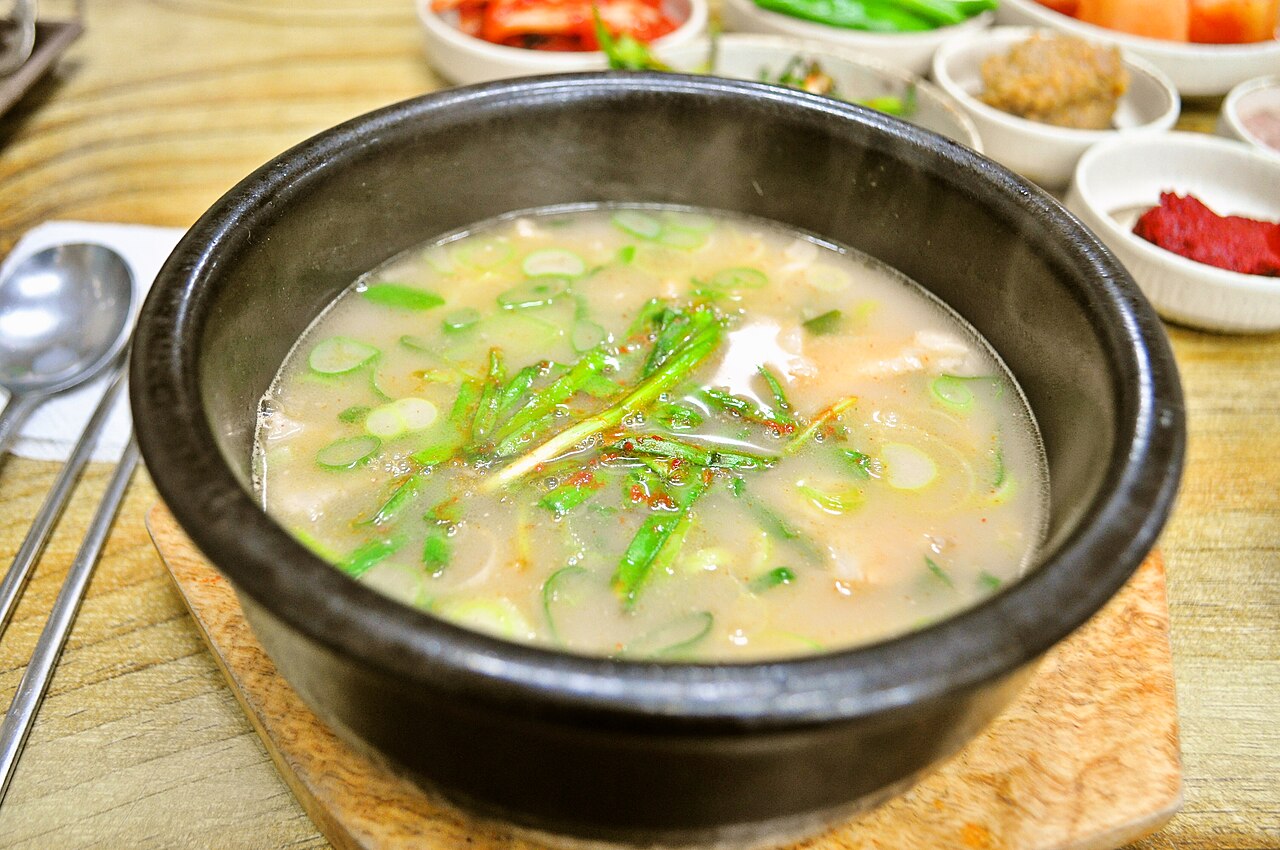
A milky pork bone broth with slices of pork, served with rice, chives and small dishes of salted shrimp and chilli so each person can season it to taste.
It became popular in Busan during the Korean War, when refugees made soup from pork bones.
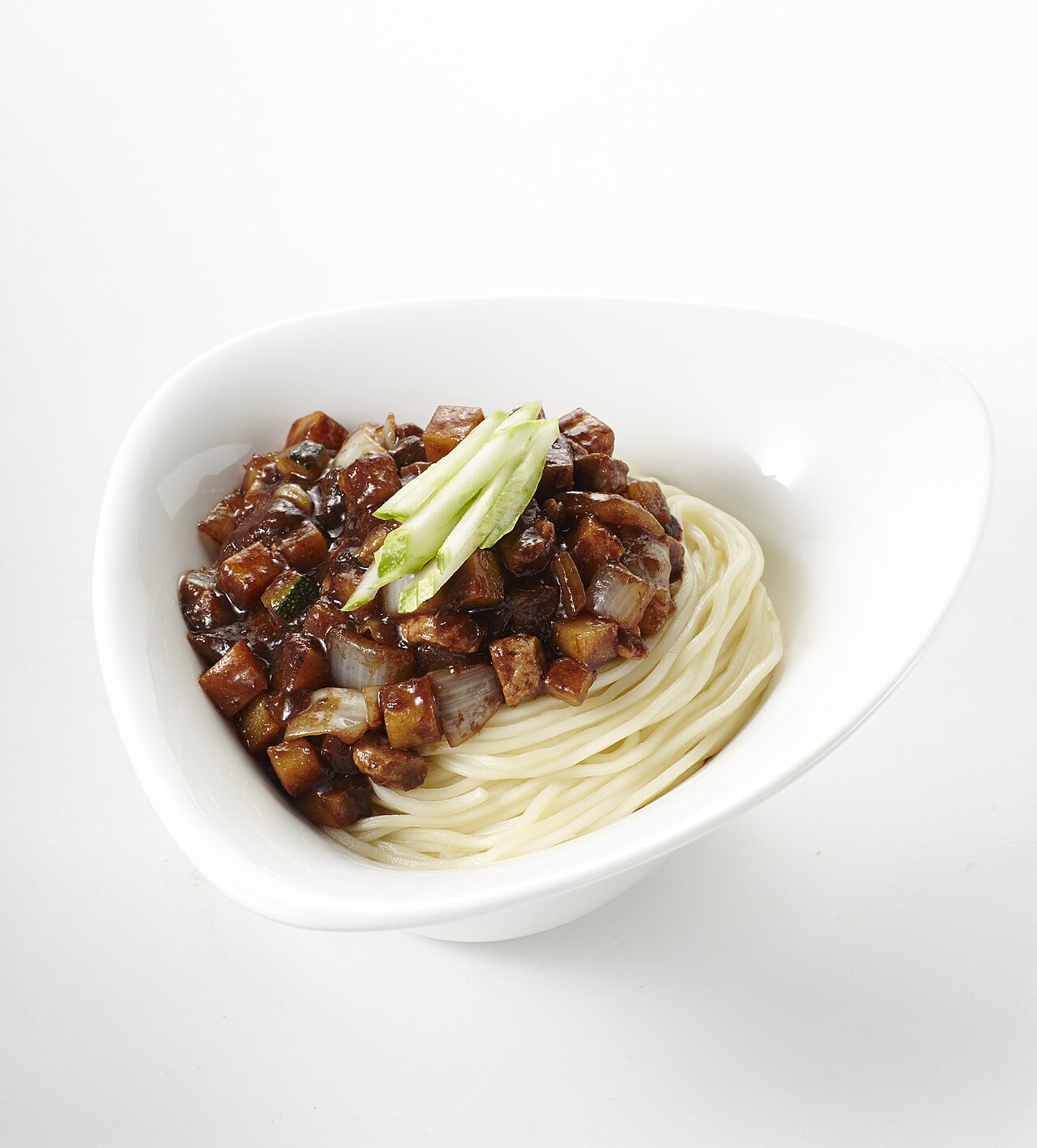
Thick wheat noodles covered in a glossy black sauce of fermented black bean paste, pork and onions. It is a Korean-Chinese favourite, often ordered for delivery.
It is said to have been first served at Gonghwachun, a restaurant opened in 1905 in Incheon's Chinatown. A museum about the dish opened there in 2012.
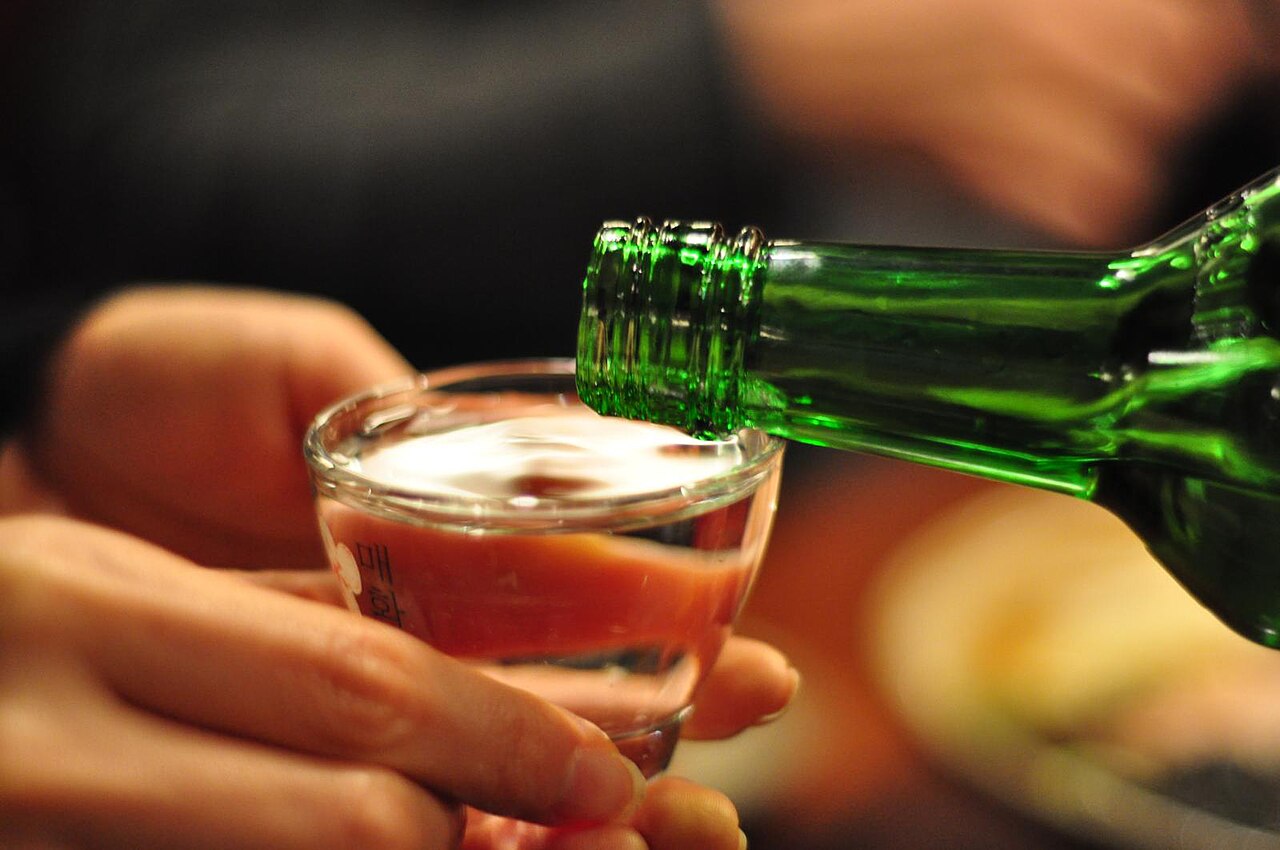
A clear alcoholic spirit, most of it under 20 percent alcohol today, drunk from small glasses with food. It contains alcohol, so enjoy it in moderation.
By custom the younger person pours for the elder, and you hold out your glass with both hands when someone older pours for you.
At the table in South Korea
Wait for the oldest person at the table to start eating before you begin.
Rice and soup are eaten with a spoon, and side dishes with chopsticks. Chopsticks and spoons are usually made of metal.
Leave your rice bowl on the table instead of lifting it to your mouth.
Never stand your chopsticks upright in a bowl of rice: it looks like a ritual for the dead.
When someone older pours you a drink, hold your glass with both hands, and when you pour for them, use both hands too.
Side dishes are shared and usually refilled for free, so it is fine to ask for more.