Japanese food is built on rice, fish, soy and fresh seasonal vegetables, and UNESCO lists traditional Japanese food culture, washoku, as intangible heritage. A classic home meal is 'one soup, three dishes': a bowl of rice, miso soup, a main dish of fish or meat and two small side dishes, often with pickles and green tea.
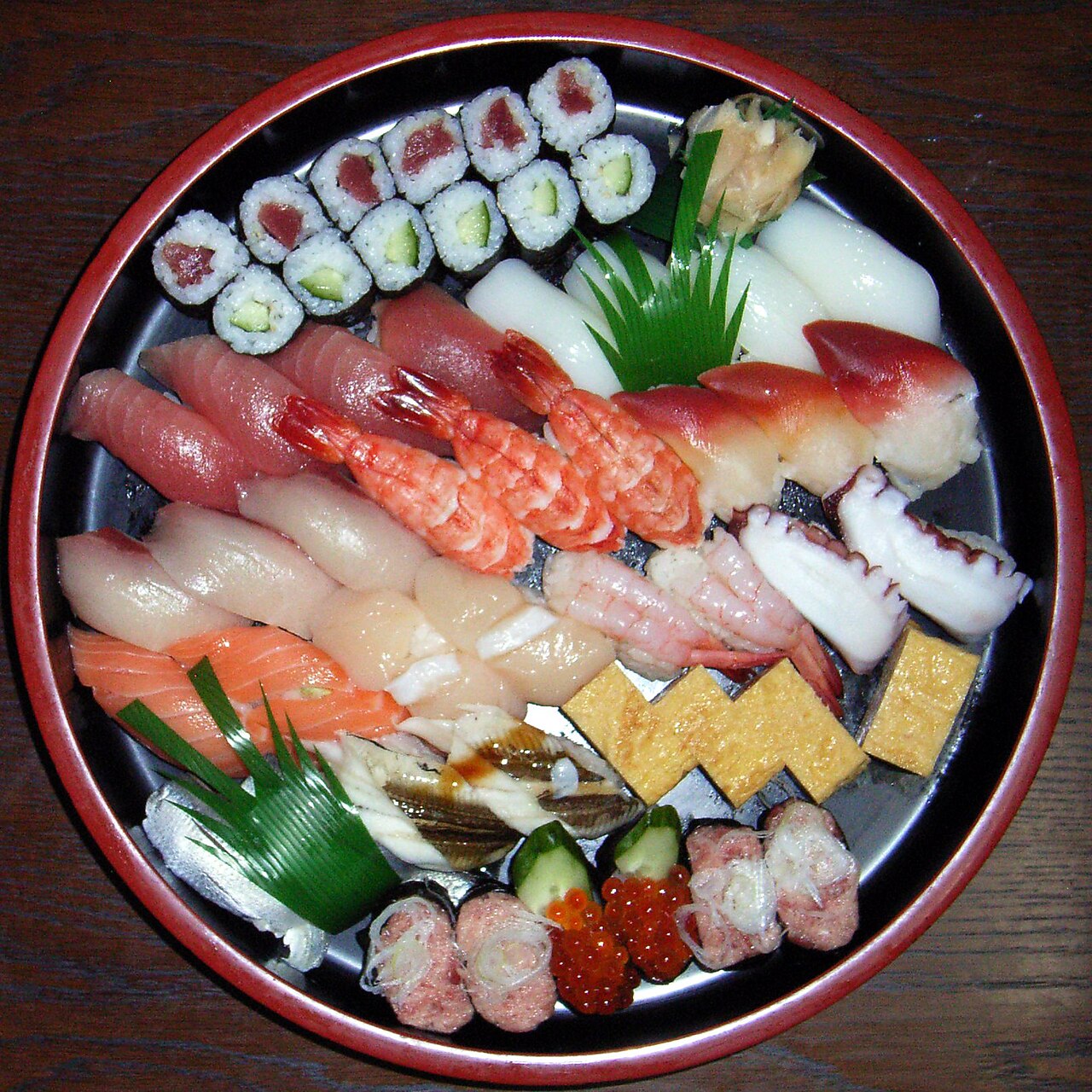
Nigiri from Edo (today's Tokyo); older fermented sushi came from mainland Asia
Rice seasoned with vinegar, topped or rolled with fish, seafood, egg or vegetables. The best-known kind, nigiri, is a small hand-pressed block of rice with a slice of fish on top.
Nigiri sushi began in the early 1800s as quick food sold from street stalls in Edo. When you dip it in soy sauce, dip the fish side, not the rice.
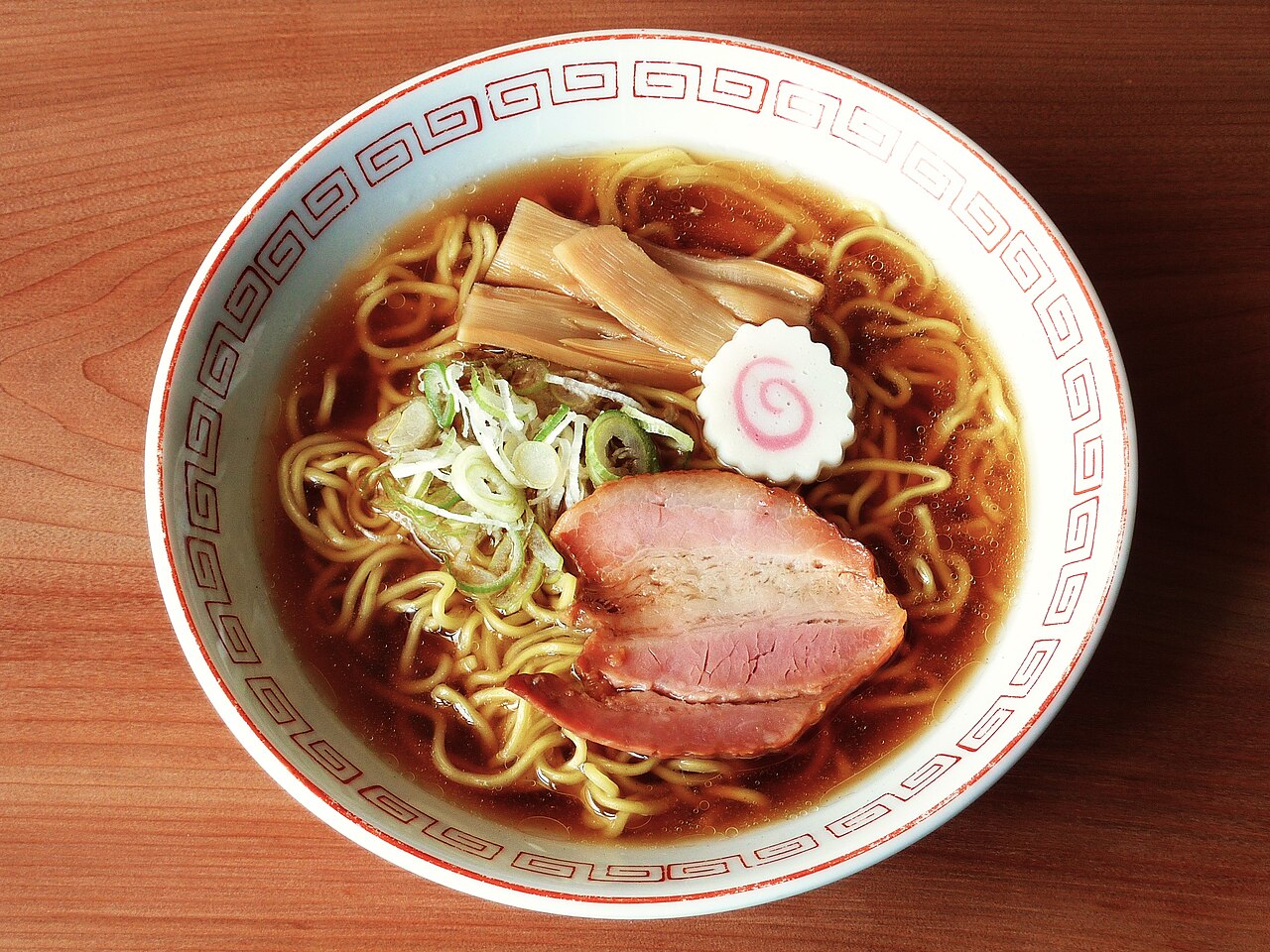
Chinese-style noodles made Japanese; regional styles all over the country
Wheat noodles in a rich broth flavoured with soy sauce, salt, miso or pork bones, topped with sliced pork, a soft-boiled egg, spring onions and seaweed.
Sapporo, on the northern island of Hokkaido, is the birthplace of miso ramen.
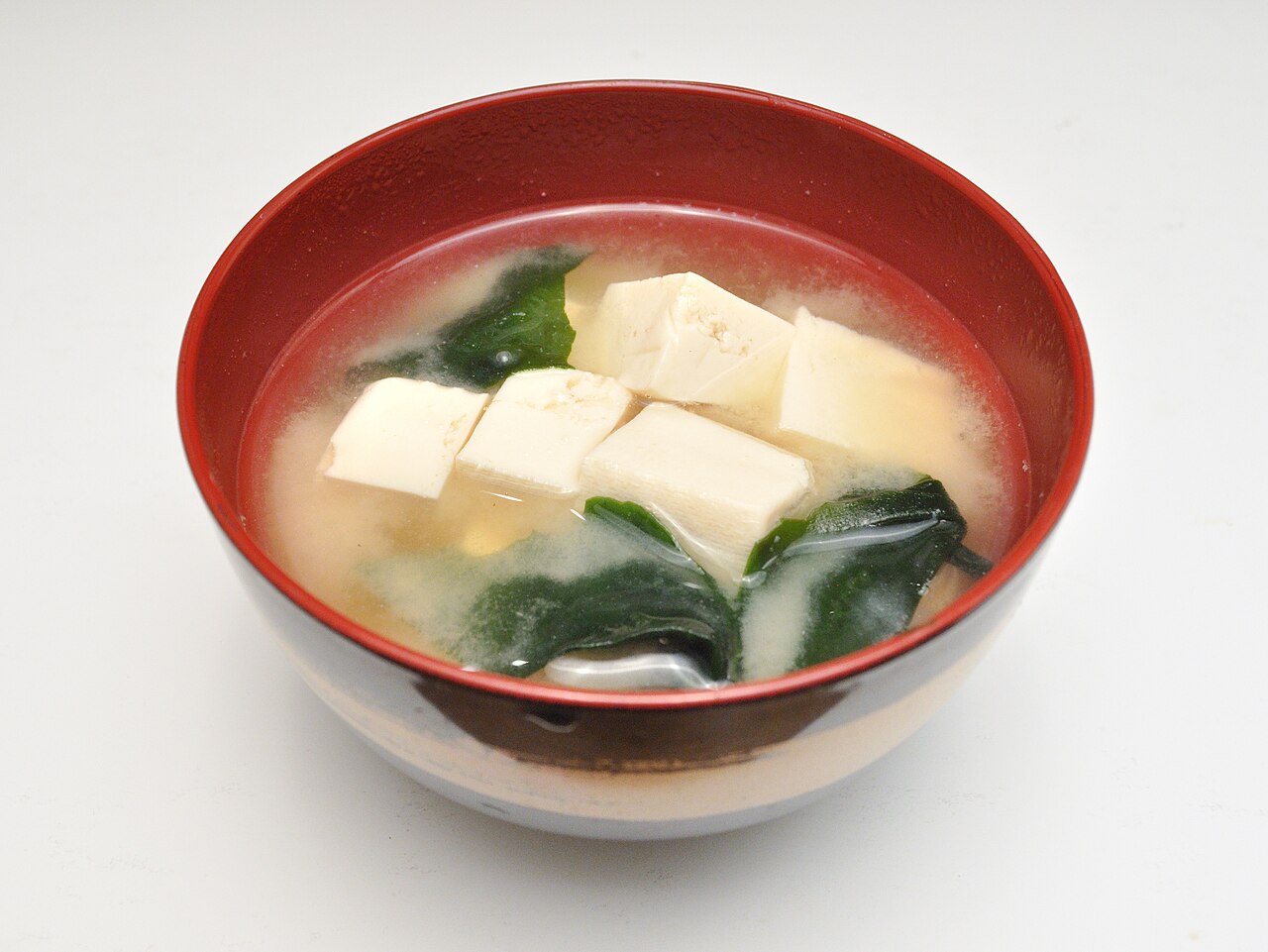
A simple soup of dashi stock and miso, a paste of fermented soybeans, usually with tofu, seaweed and spring onions. It is served with almost every traditional meal, even breakfast.
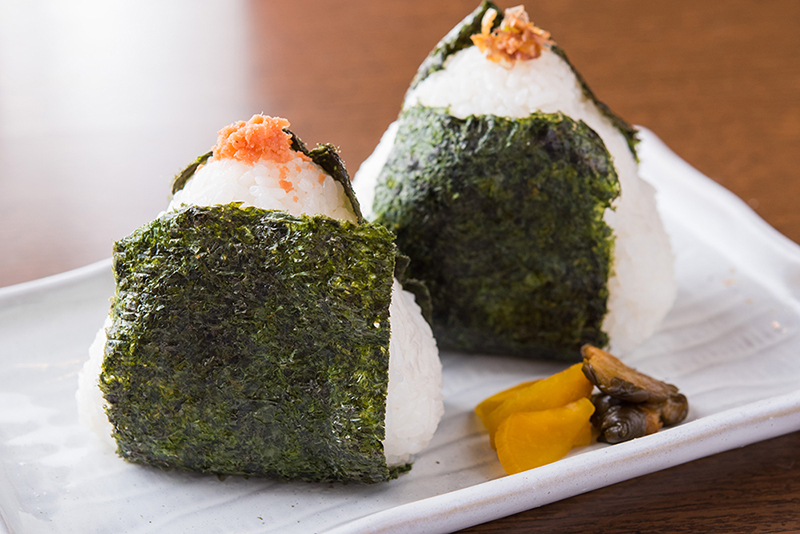
Triangles or balls of rice with a filling such as salted salmon, pickled plum or tuna, wrapped in a strip of nori seaweed. They are the classic picnic and lunchbox food, sold in every convenience store.
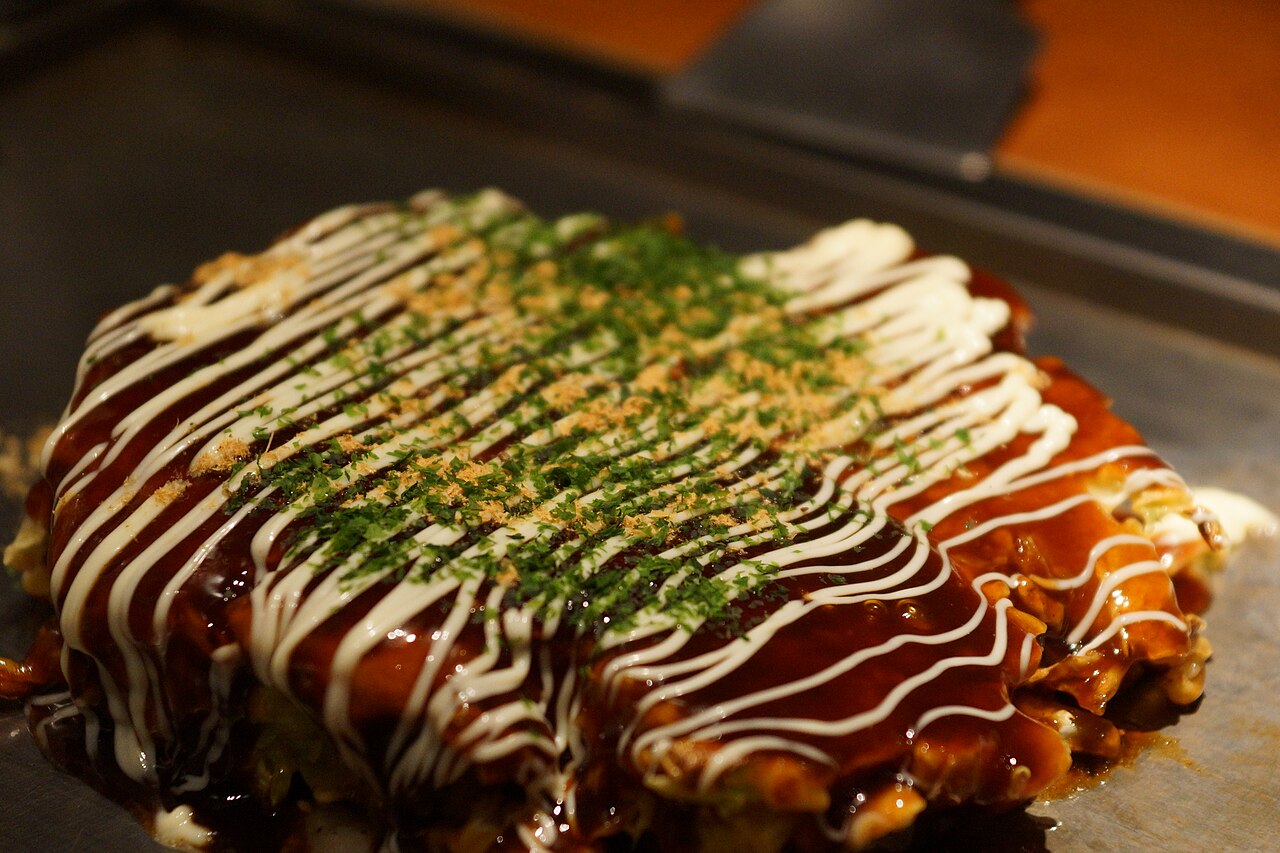
A thick savoury pancake of batter and shredded cabbage with pork or seafood, cooked on a hot plate and topped with a sweet brown sauce, mayonnaise, seaweed flakes and dried bonito. The name means 'grilled as you like it'.
In Osaka the ingredients are mixed together before cooking. In Hiroshima they are layered, with noodles and much more cabbage.
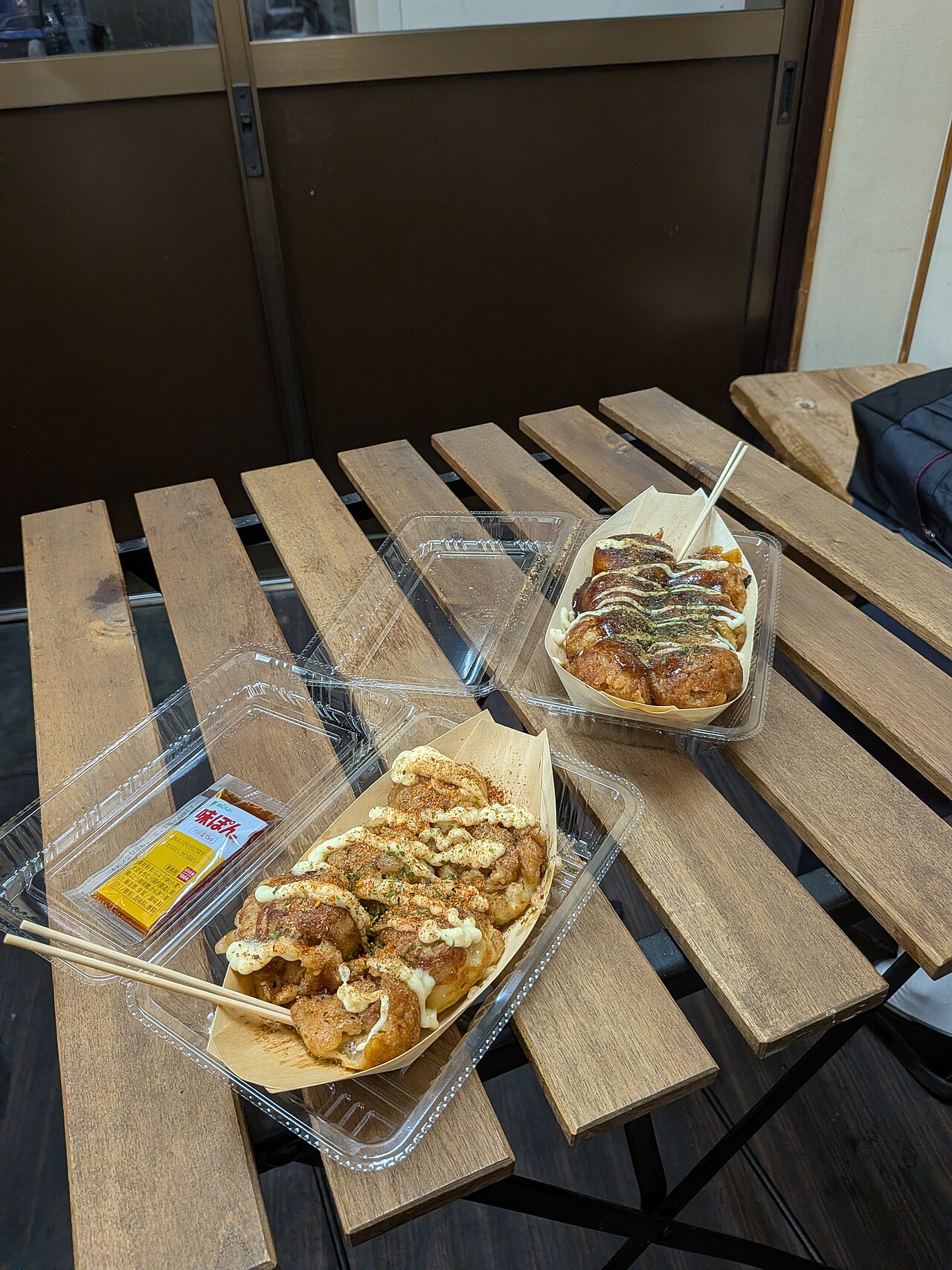
Round balls of batter with a piece of octopus inside, cooked in a special pan with half-round moulds and topped with sauce, mayonnaise, seaweed and bonito flakes.
A street vendor in Osaka, Tomekichi Endo, is credited with creating takoyaki in 1935. Let them cool a little: the inside stays very hot.
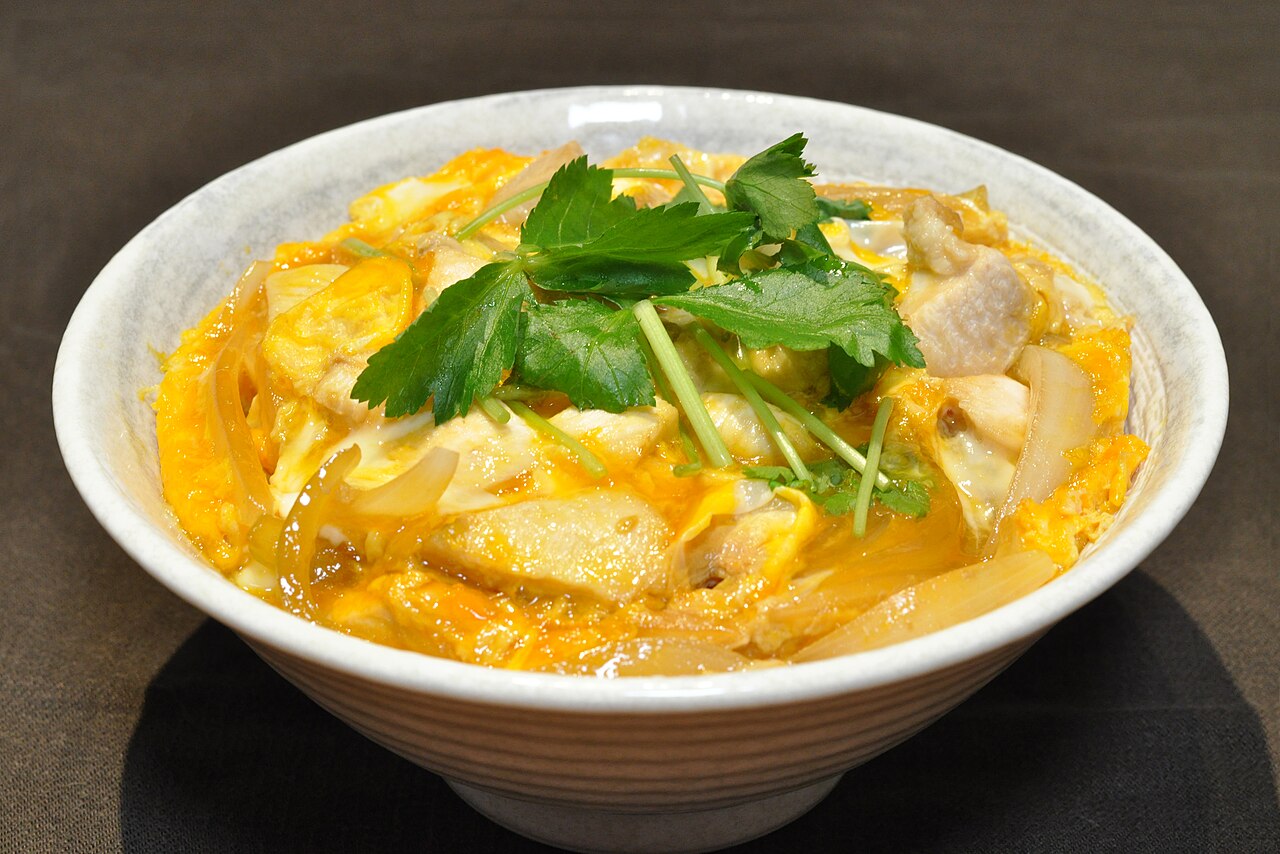
A bowl of rice topped with chicken and onion simmered in a sweet soy broth and bound with softly set egg. The name means 'parent and child bowl', because it contains both chicken and egg.
The Tokyo restaurant Tamahide is credited with creating the modern dish in 1891.
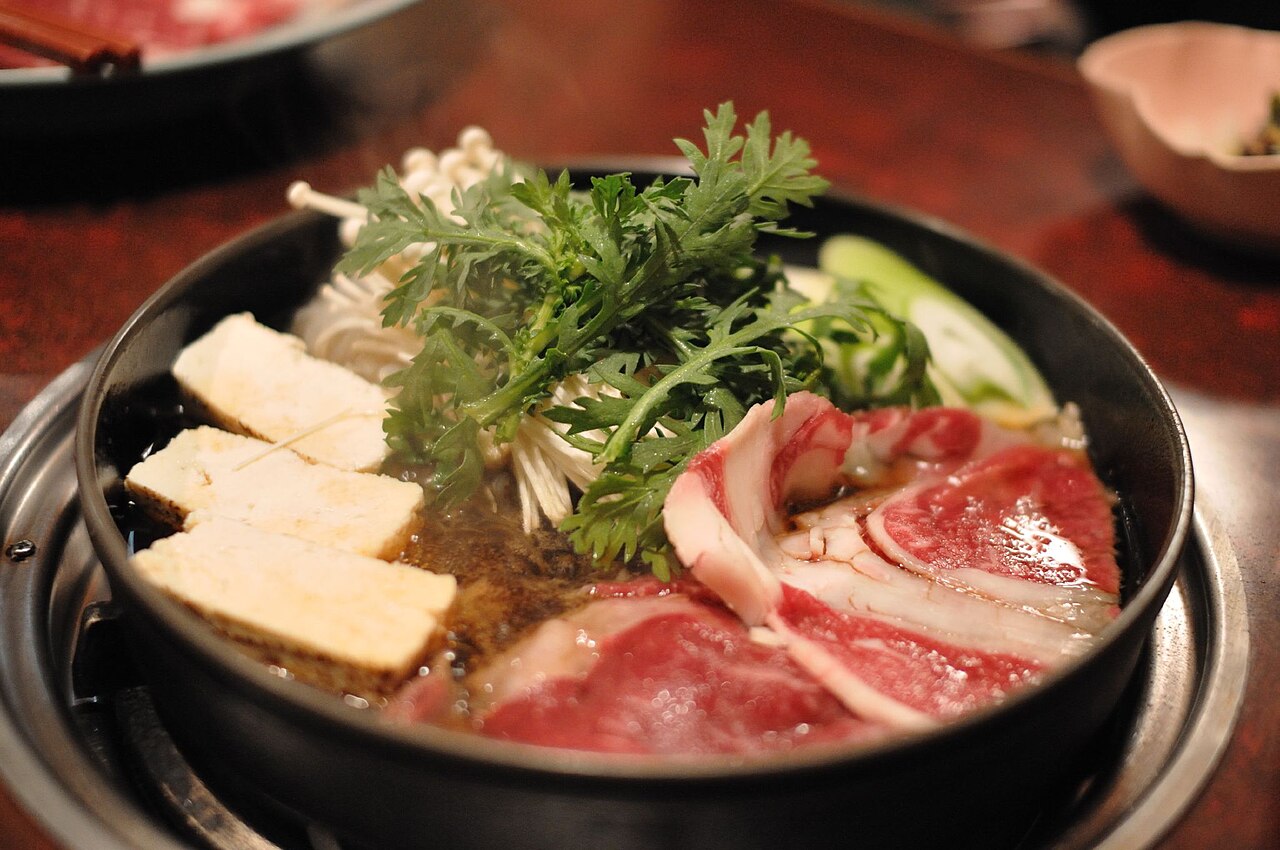
A hot pot cooked at the table: thin slices of beef, tofu, leeks, mushrooms and noodles simmered in a sweet soy sauce broth. It is a favourite dish for winter and celebrations.
Each bite is traditionally dipped in raw beaten egg. If you are pregnant, older or have a weak immune system, ask for it without the raw egg or use pasteurised eggs at home.
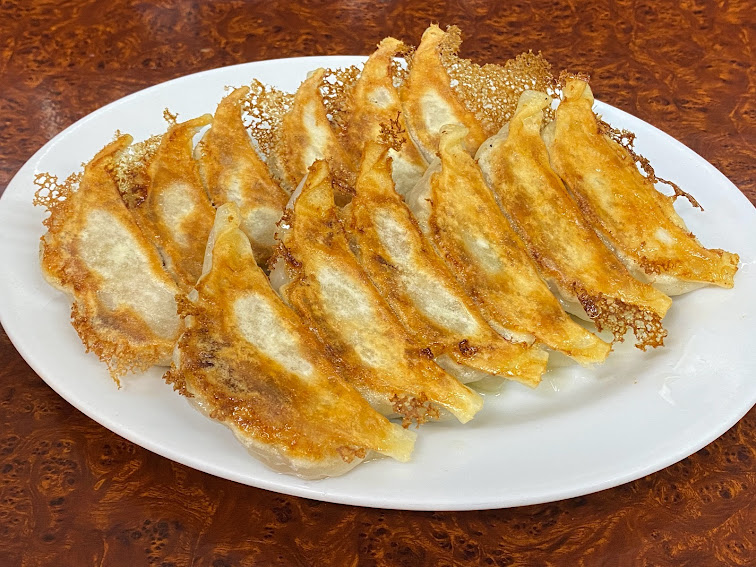
Thin dumplings filled with minced pork, cabbage, garlic and ginger, fried on one side until crisp and then steamed. They are dipped in soy sauce with vinegar and chilli oil.
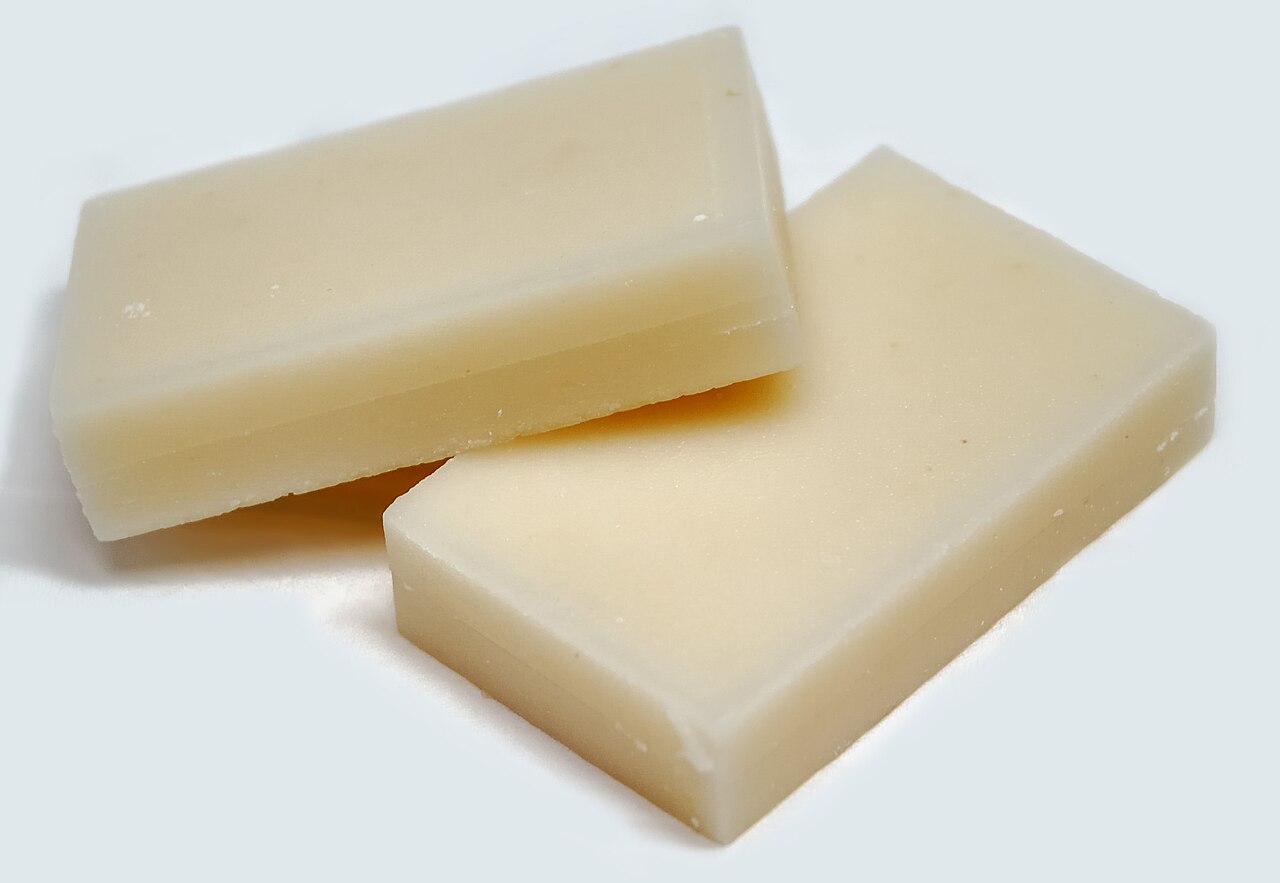
A soft, stretchy cake made by pounding steamed glutinous (sticky) rice. It is eaten grilled, in soup, or as sweets filled with red bean paste, and it is a must at New Year.
Mochi is very sticky and can cause choking, especially in older people. Japanese authorities advise cutting it into small pieces and chewing well.
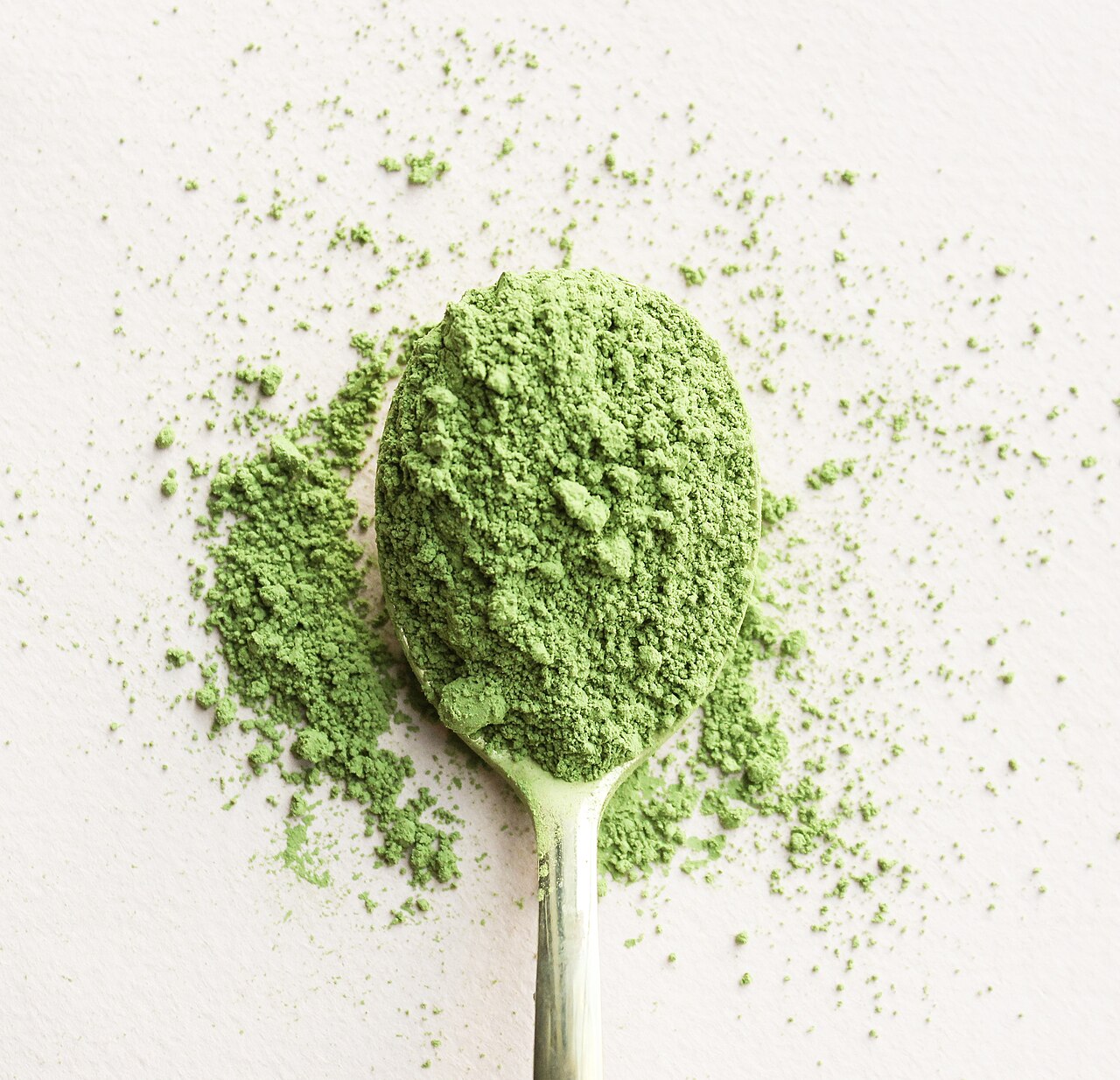
Powdered green tea, whisked with hot water into a bright green, frothy drink. It is the tea of the traditional tea ceremony and a popular flavour for sweets and ice cream.
At the table in Japan
Say 'itadakimasu' before you eat and 'gochisōsama deshita' when you finish, to thank everyone who made the meal.
Never stand your chopsticks upright in a bowl of rice, and never pass food from your chopsticks to someone else's. Both are linked with funerals.
Slurping noodles such as ramen and soba is normal, and shows you are enjoying them.
It is fine to lift a small bowl of rice or soup close to your mouth.
With nigiri sushi, dip the fish side lightly in soy sauce, not the rice.
Tipping is not customary in restaurants. Good service is simply part of the price.