Golden temples, spicy food, tropical islands and a warm welcome, in the kingdom once known to the world as Siam.
Thailand lies in the heart of mainland Southeast Asia. The mountainous north rises to Doi Inthanon, the northeast is a wide, dry plateau, the fertile plain of the Chao Phraya River runs through the middle, and a long, narrow strip of land stretches south down the Malay Peninsula, between the Gulf of Thailand and the Andaman Sea.
For more than 700 years Thai kingdoms rose and fell here, from Sukhothai and Ayutthaya to today's Bangkok. The country was known internationally as Siam until 1939, and it is the only country in Southeast Asia that was never colonised by a Western power.
Questions to ask the older generation
Memories fade faster than photos. Ask these over a meal or a phone call, and write the answers down.
Which town or region of Thailand did our family come from? Was it near Ayutthaya, Sukhothai, Chiang Mai?
Who was the first in the family to leave Thailand, when, and why?
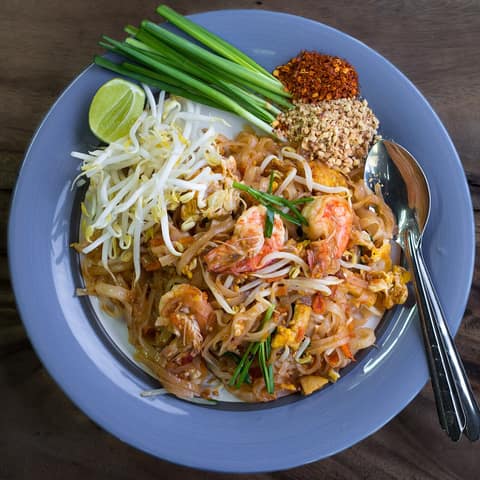
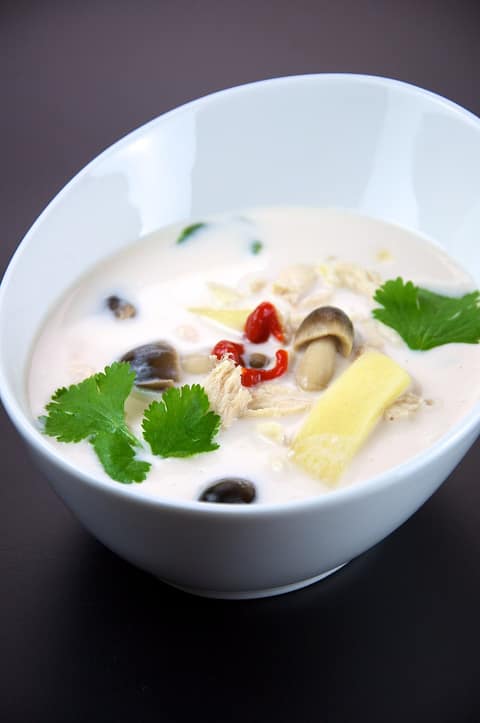
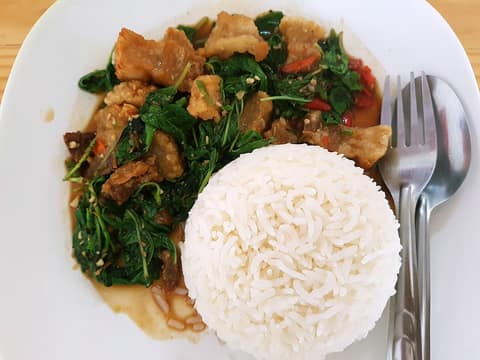
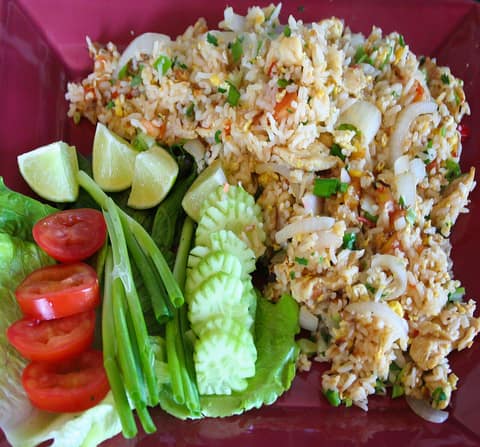
Which dishes from Thailand were cooked at home? Did anyone make Pad thai or Tom yum kung?
Does anyone in the family still speak Thai, or use a few words of it?
Were there songs, prayers, games or holidays from Thailand that the family kept?
Are there old photos, letters or documents from Thailand? Who has them?
If you could visit Thailand together, where would you go first?
A short history of Thailand
People have lived in what is now Thailand for tens of thousands of years, and Mon and Khmer kingdoms ruled much of it before the Thai. Thai historians count Sukhothai, founded in the 1200s, as the first Thai kingdom. It was followed by Ayutthaya, then by Bangkok and the Chakri dynasty, which still reigns today.
1238
The Sukhothai Kingdom is founded
A Thai leader, Bang Klang Hao, with the help of his ally Pha Mueang, took Sukhothai from Khmer control and became its king as Si Inthrathit. Its most famous ruler, Ram Khamhaeng, is traditionally credited with creating the Thai script.
1511
The first Portuguese envoy arrives
While the Portuguese were capturing Malacca, they sent an envoy, Duarte Fernandes, to Ayutthaya. The Portuguese were the first Europeans to deal with Siam, and the French, Dutch and English followed in the 1600s.
1782
Bangkok becomes the capital
General Chakri took power, became King Rama I and founded the Chakri dynasty. He moved the capital across the Chao Phraya River to Bangkok and began building the Grand Palace.
1868
Chulalongkorn becomes king
Chulalongkorn, Rama V, came to the throne at the age of 15 and reigned for 42 years. He modernised the country with railways, schools and a new government, while skilfully keeping Siam independent.
1917
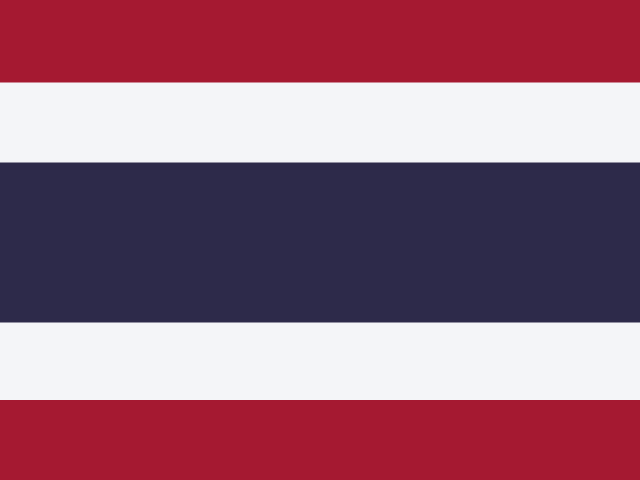
The tricolour flag is adopted
Siam joined the First World War on the Allied side, and on 28 September 1917 King Vajiravudh adopted the red, white and blue striped flag still used today. A red flag with a white elephant had been the national flag for most of the 1800s, before a short-lived red and white striped design.
1939
Siam is renamed Thailand
Under Prime Minister Plaek Phibunsongkhram the country's name in English was changed from Siam to Thailand on 24 June 1939. The Thai people had long called their country Mueang Thai.
1967
ASEAN is founded in Bangkok
On 8 August 1967 Thailand, Indonesia, Malaysia, the Philippines and Singapore signed the Bangkok Declaration, creating the Association of Southeast Asian Nations.
2016
Vajiralongkorn becomes king
After the death of King Bhumibol on 13 October 2016, his son Vajiralongkorn became king as Rama X. His coronation took place in May 2019.