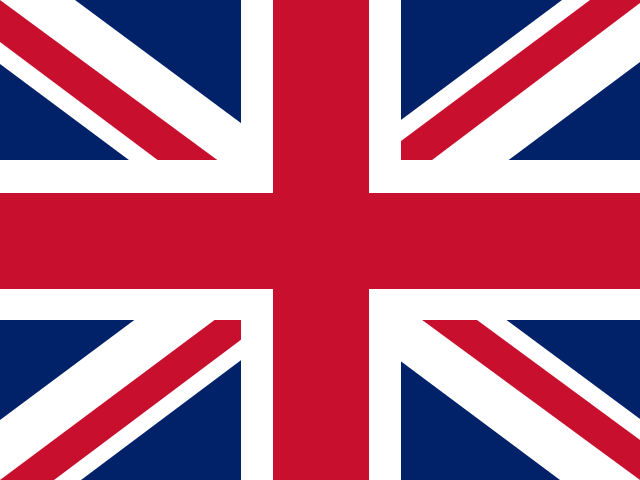
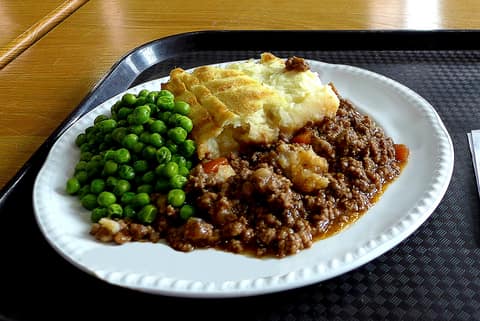
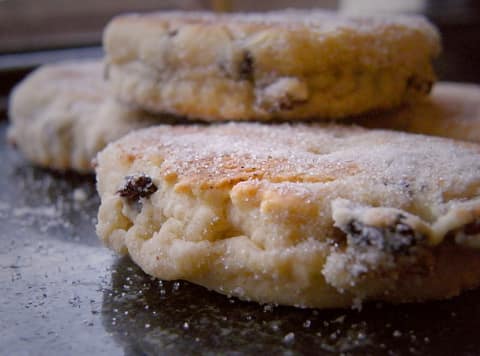
Four nations, one crown: castles and cathedrals, green countryside, great cities and a proper cup of tea.
The United Kingdom of Great Britain and Northern Ireland is a country made up of four nations. England, Scotland and Wales share the island of Great Britain, and Northern Ireland lies in the northeast of the island of Ireland. So 'Great Britain' is the island, while 'the United Kingdom' also includes Northern Ireland, and England is just one of its four parts. The UK also takes in hundreds of smaller islands, such as Anglesey, the Isle of Wight, the Hebrides, Orkney and Shetland. The Channel Islands and the Isle of Man are Crown Dependencies: they belong to the Crown but are not part of the United Kingdom.
People have lived here for many thousands of years. Stone Age builders raised Stonehenge, the Romans ruled much of Britain for nearly 400 years, and Normans conquered England in 1066. England and Scotland shared a king from 1603 and joined as one kingdom, Great Britain, in 1707. Ireland was added in 1801, and most of Ireland left in 1922. In the 1800s Britain led the Industrial Revolution and ruled the largest empire in history.
Questions to ask the older generation
Memories fade faster than photos. Ask these over a meal or a phone call, and write the answers down.
Which town or region of the United Kingdom did our family come from? Was it near Edinburgh, Cardiff, Belfast?
Who was the first in the family to leave the United Kingdom, when, and why?
Which dishes from the United Kingdom were cooked at home? Did anyone make Full English breakfast or Fish and chips?
Does anyone in the family still speak British English, or use a few words of it?
Were there songs, prayers, games or holidays from the United Kingdom that the family kept?
Are there old photos, letters or documents from the United Kingdom? Who has them?
If you could visit the United Kingdom together, where would you go first?
A short history of the United Kingdom
From stone circles and Roman walls to Norman castles, a union of crowns, the Industrial Revolution and two world wars, the story of the United Kingdom is the story of four nations slowly coming together under one crown.
2500 BC
The great stones of Stonehenge are raised
Around 2500 BC Stone Age people on Salisbury Plain raised huge sarsen stones, many weighing around 25 tonnes, into a great circle. The stones line up with the sunrise at midsummer and the sunset at midwinter.
AD 122
Hadrian's Wall is begun
Emperor Hadrian ordered a stone wall about 117 km long across northern Britain, from the River Tyne to the Solway Firth. It lies entirely in England and has never been the border with Scotland, although people often think so.
1215
King John agrees to Magna Carta
At Runnymede, beside the Thames, rebel barons forced King John to agree to Magna Carta, the 'Great Charter'. It said that even the king had to obey the law, an idea that later inspired constitutions around the world.
1707
England and Scotland unite as Great Britain
The Acts of Union joined England (which already included Wales) and Scotland into one Kingdom of Great Britain, with one Parliament at Westminster, from 1 May 1707. Scotland kept its own law, church and schools.
1922
Most of Ireland leaves the UK
After the Irish War of Independence, 26 of Ireland's 32 counties became the self-governing Irish Free State on 6 December 1922. Northern Ireland stayed in the UK, and in 1927 the country's name became the United Kingdom of Great Britain and Northern Ireland.
1948
The NHS is founded
On 5 July 1948 the National Health Service began, offering medical care to everyone, paid for by taxes and free at the point of use. It is still one of the things Britons value most.
1998
The Good Friday Agreement
From the late 1960s Northern Ireland lived through about 30 years of conflict known as the Troubles, between those who wanted to stay in the UK and those who wanted a united Ireland. More than 3,500 people died. The agreement signed on 10 April 1998 set up a power-sharing government and was approved by voters on both sides of the Irish border.
2022
Charles III becomes king
Queen Elizabeth II died on 8 September 2022 after reigning for 70 years, the longest of any British monarch. Her son became King Charles III at 73, the oldest person to succeed to the British throne, and was crowned at Westminster Abbey on 6 May 2023.