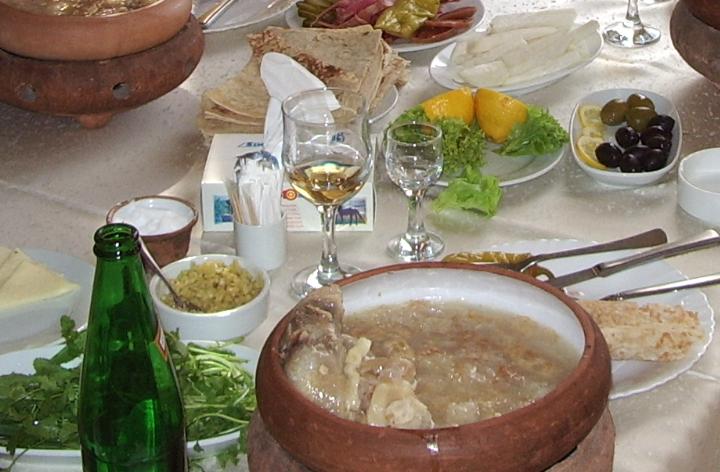
Armenian food is built on wheat, lamb and pork, fresh herbs, yogurt and fruit. Bread, above all the thin lavash, is on every table. A festive meal starts with a spread of cold dishes: cheeses, cured basturma and sujukh sausage, pickles, salads such as eetch, and a big plate of fresh herbs like tarragon, basil, coriander and green onions. Then come hot dishes such as tolma, and at the centre of any celebration the grilled meat called khorovats, served with grilled vegetables and lavash. The meal ends with fruit, sweets such as gata and strong Armenian coffee, while toasts are raised with wine, fruit vodka or brandy.
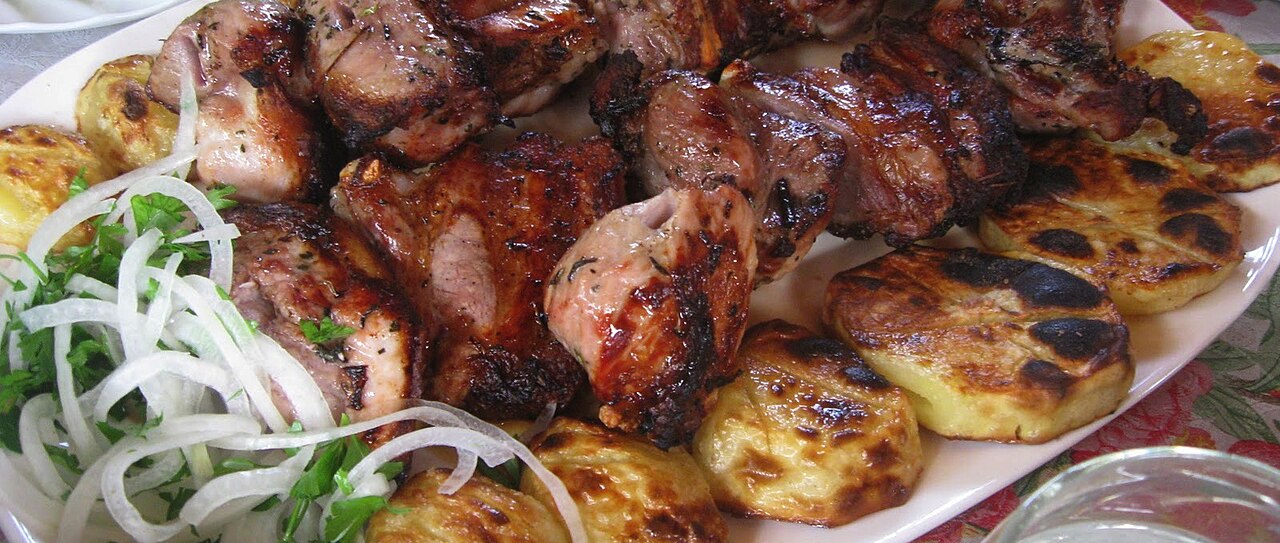
Armenian barbecue: chunks of pork, lamb, beef or chicken, often still on the bone, grilled on long flat skewers over glowing embers. Aubergines, peppers and tomatoes are grilled beside the meat, then peeled and chopped into a smoky salad. Khorovats is the dish for weekends, family feasts and summer picnics, wrapped in lavash with raw onion and herbs.
The word khorovats simply means 'grilled'. Since 2009 a khorovats festival has been held each year in Akhtala in northern Armenia.
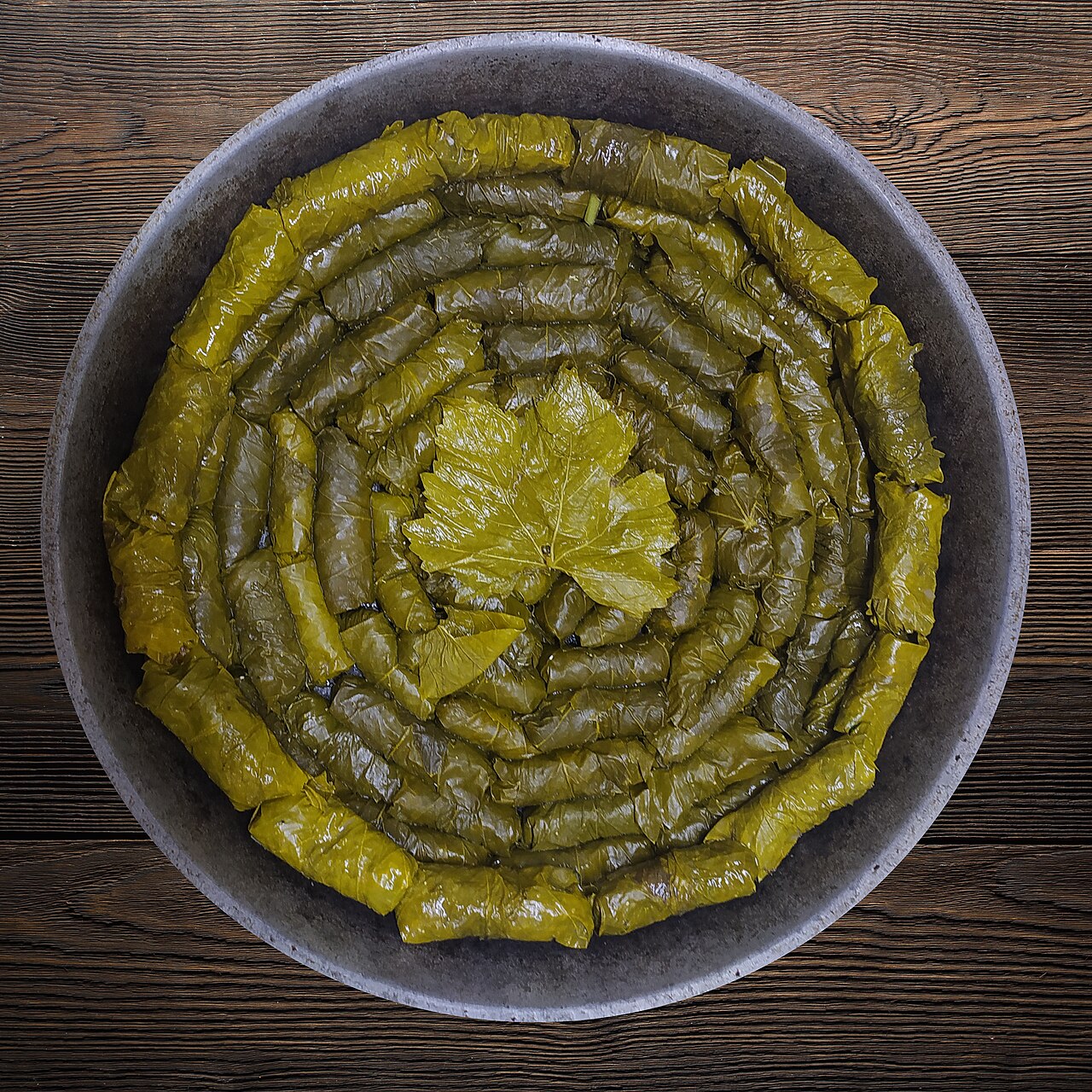
Tolma is the Armenian name for dolma: minced meat mixed with rice and herbs, wrapped in young grape leaves or cabbage leaves and simmered slowly. Summer tolma is made with stuffed peppers, tomatoes and aubergines. It is served warm with a sauce of yogurt and crushed garlic.
Armenia holds a yearly tolma festival, where cooks from different regions show their own versions.
The whole country, and Armenian communities abroad
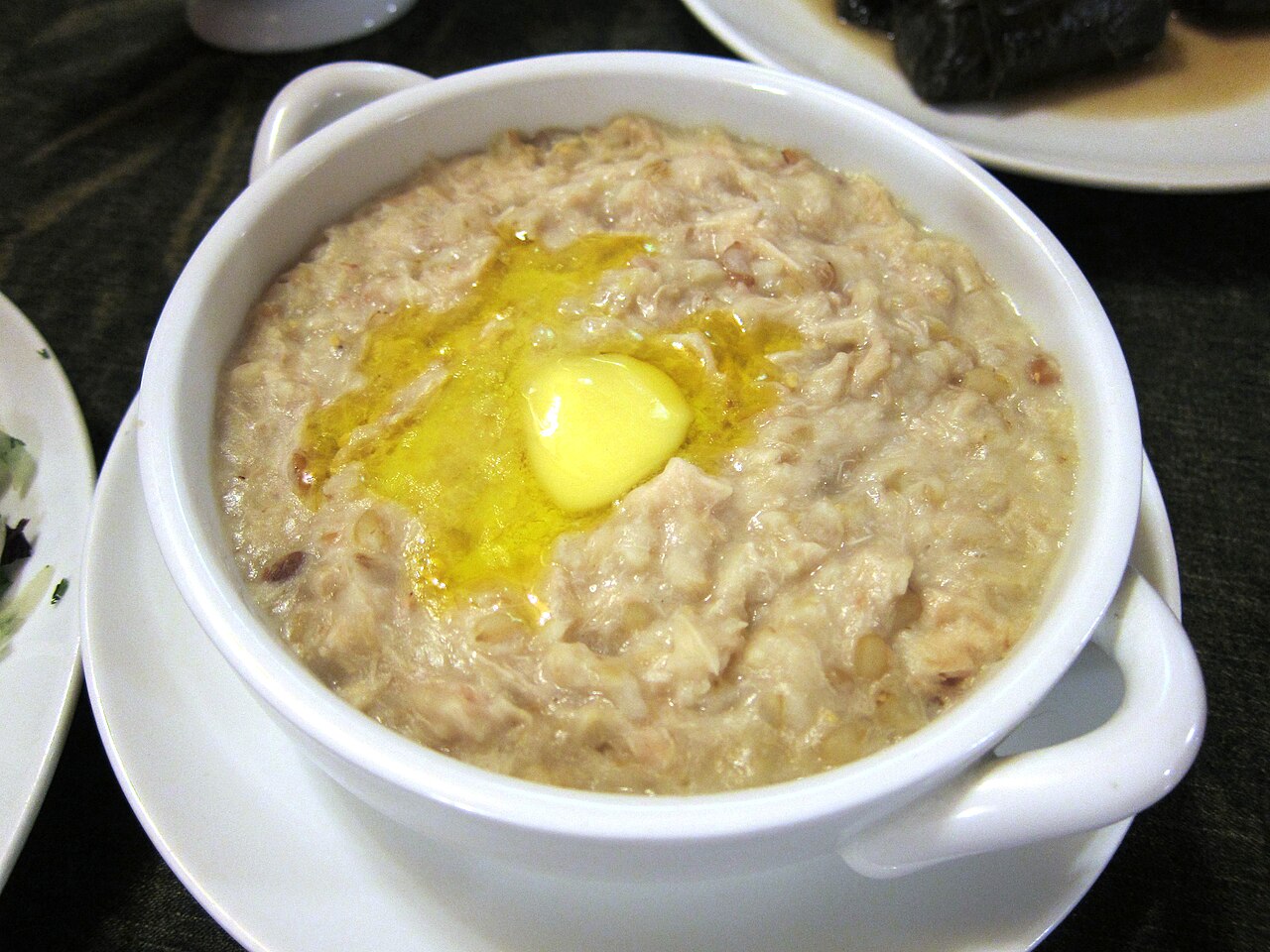
A thick, smooth porridge of whole wheat and chicken or lamb, cooked for many hours and beaten until the meat and grain become one. It is served with a pool of melted butter on top. Harissa is traditionally shared from large pots at church feasts and at Easter.
A legend says the name comes from Gregory the Illuminator telling cooks feeding the poor to keep stirring: 'hari sa!', 'stir it!'
A clear, rich broth of beef or lamb feet, simmered through the night. It is eaten early on winter mornings, seasoned at the table with lots of crushed garlic and salt, with dried lavash crumbled into the bowl. Friends gather for a khash party, usually with herbs and a glass of vodka.
The name comes from the Armenian verb khashel, 'to boil', and medieval Armenian writers already mention the dish.
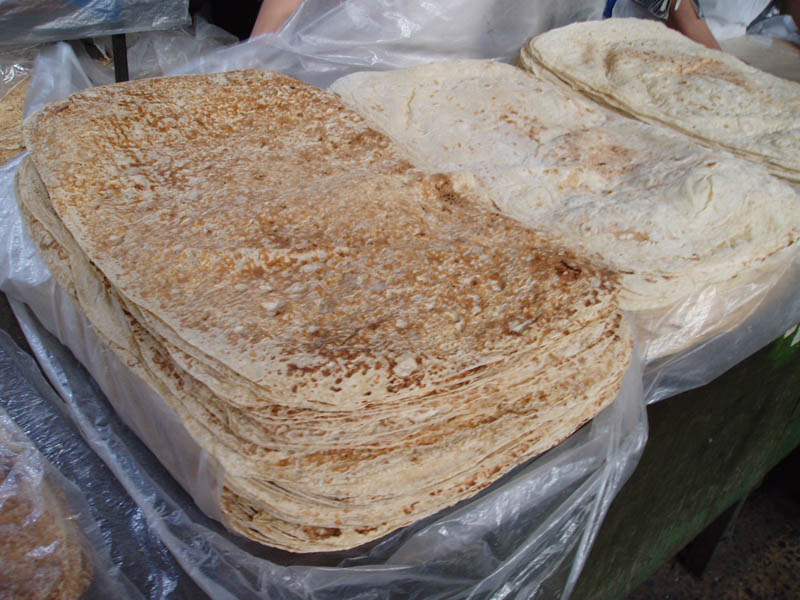
Large, paper-thin sheets of wheat bread, slapped onto the hot wall of a tonir, a clay oven sunk into the ground, and baked in moments. Lavash is soft when fresh and can be dried and stored for months, then softened again with a sprinkle of water. It is used to wrap meat, cheese and herbs, and to scoop up food.
In 2014 UNESCO added the making and meaning of lavash in Armenia to its list of the intangible cultural heritage of humanity. Baking it is often a shared task for several women working together.
The mountains of the southeast, Syunik and Karabakh
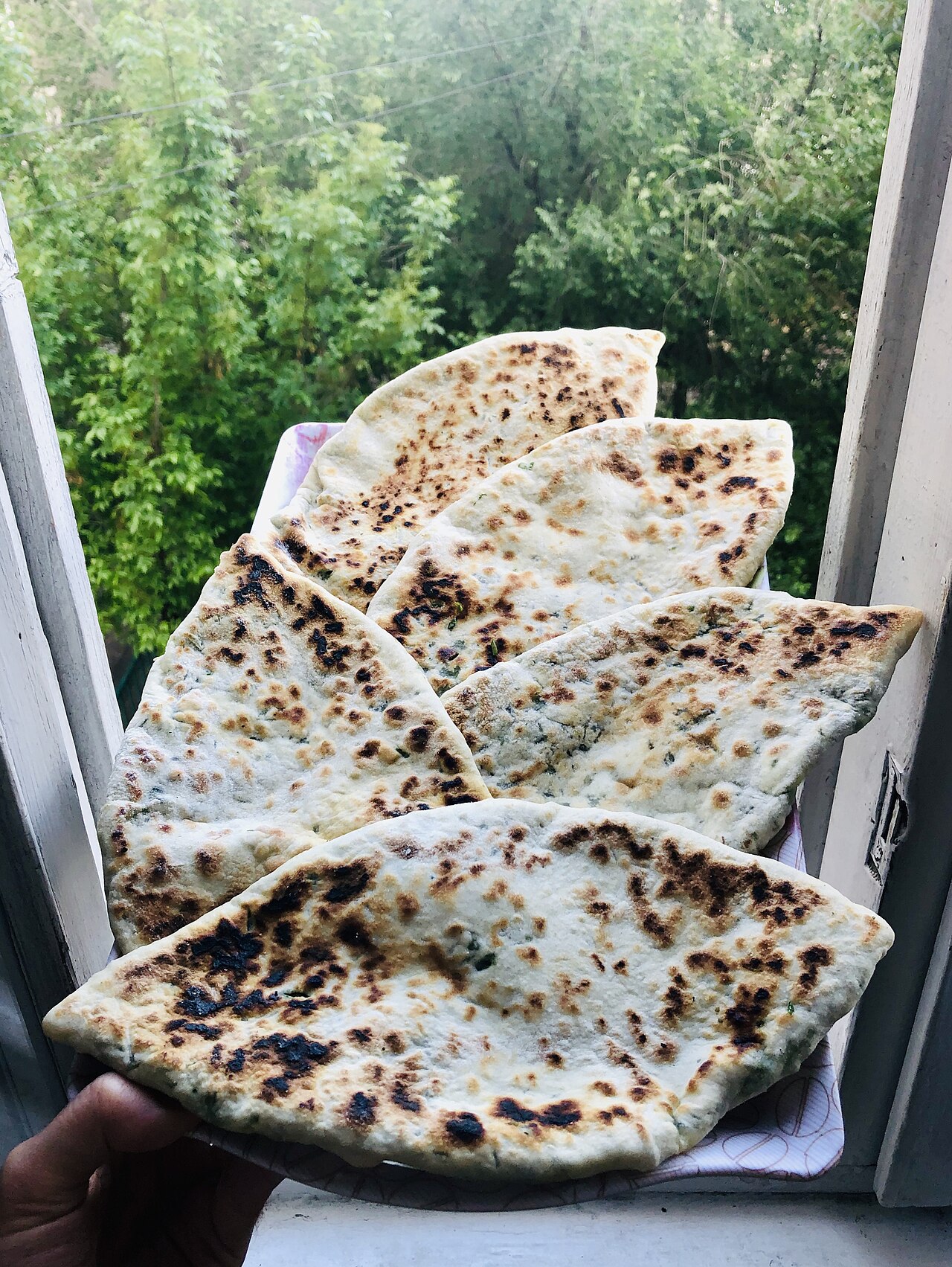
A thin flatbread filled with a mound of finely chopped wild and garden greens, often 10 to 20 kinds, from spinach and sorrel to nettles and herbs. It is cooked on a hot griddle and eaten warm. It is especially popular during Lent, when many people do not eat meat.
The dish was long a food for hard times, because the herbs could be gathered for free on the hillsides.
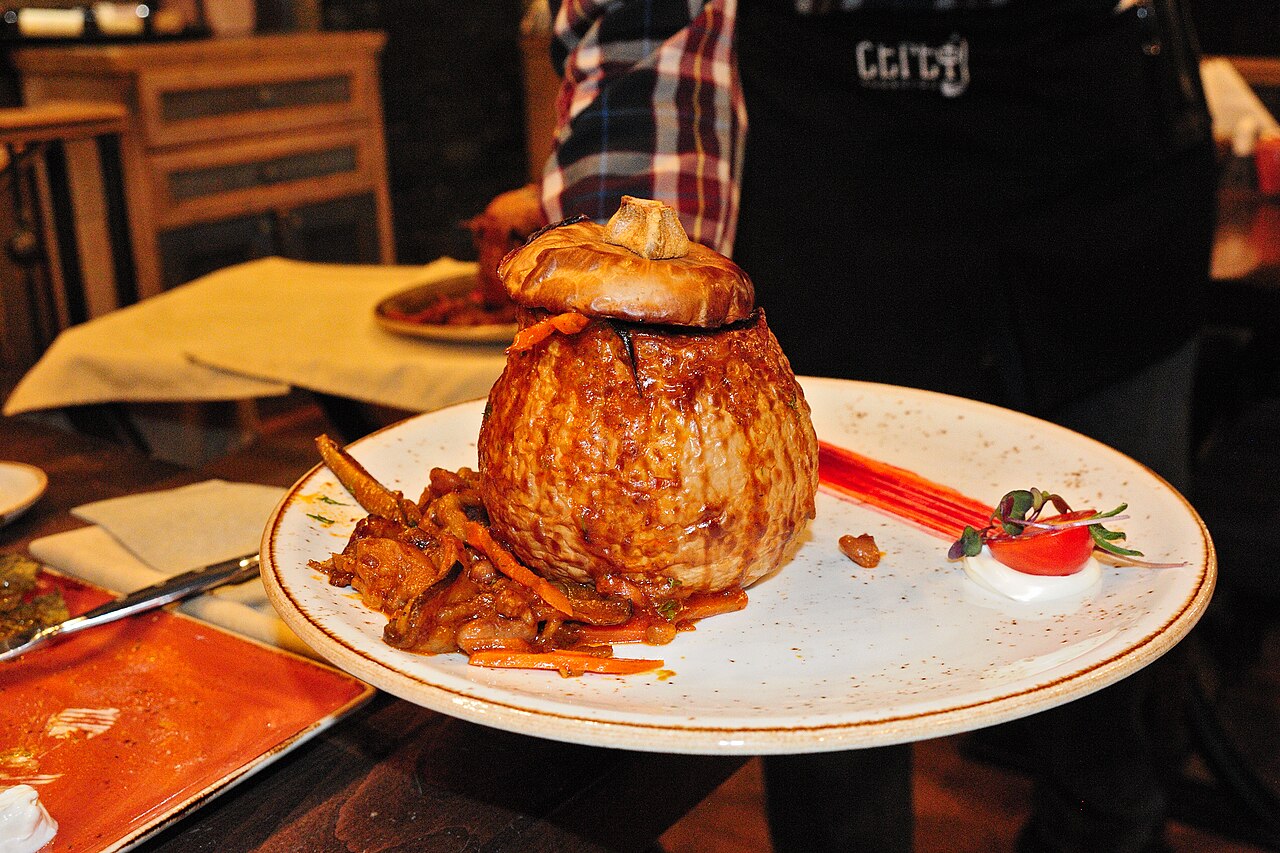
A whole pumpkin stuffed with rice, dried apricots, prunes, raisins, nuts, butter and honey, then baked until soft. At the table the pumpkin is cut into wedges like a cake. It is an autumn and holiday dish, served at Christmas, New Year and weddings.
An old folk song, 'Hey Jan Ghapama', praises the dish and is still played at Armenian weddings.
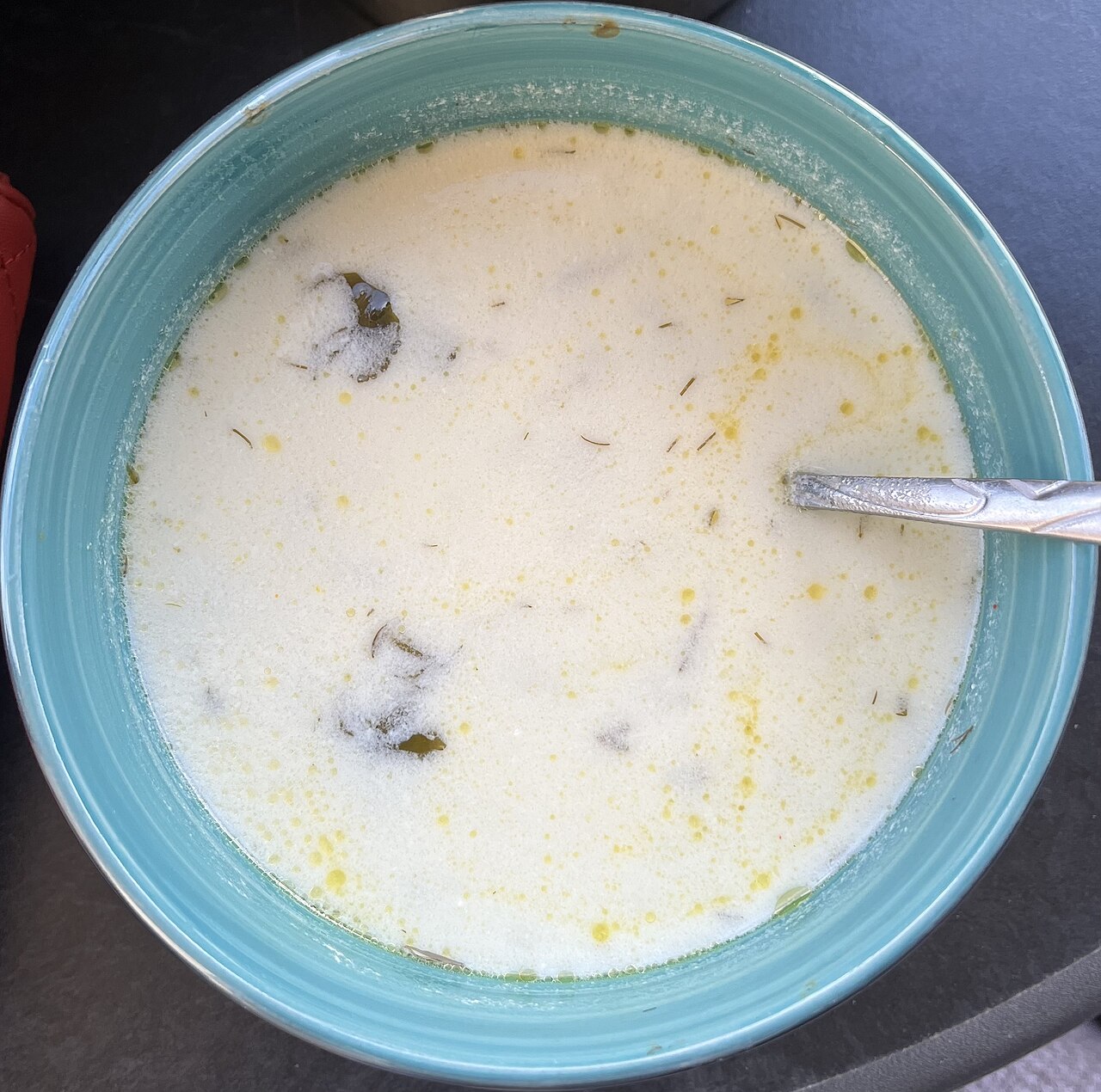
A gentle soup of matsun, the Armenian yogurt, with hulled wheat, butter-fried onion and herbs such as coriander and mint. An egg and a little flour are stirred in so the yogurt does not curdle. It is eaten warm in winter and chilled in summer.
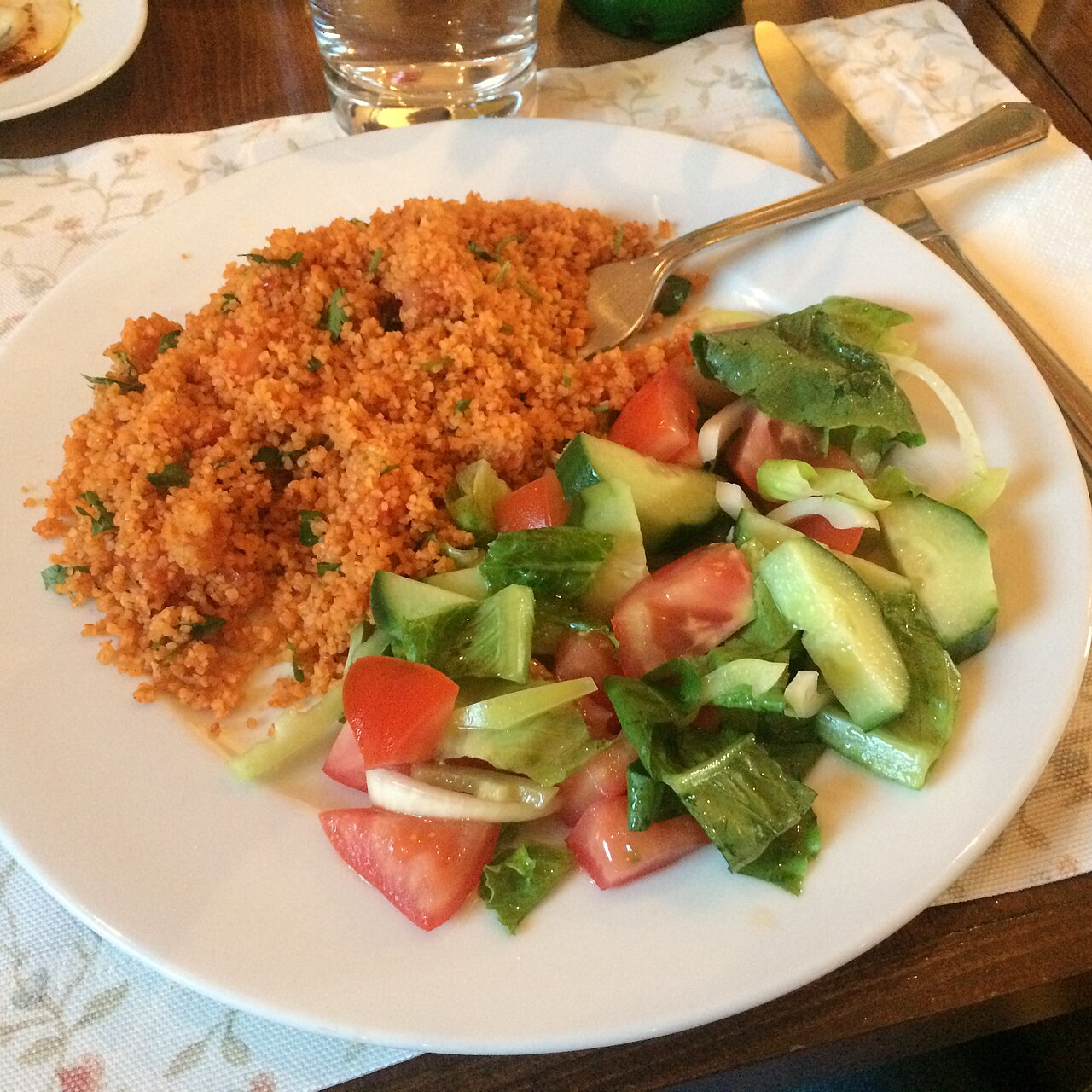
A red bulgur salad, similar to tabbouleh, made with tomato, onion, parsley, peppers, olive oil and lemon. It is eaten at room temperature or warm, scooped up with lettuce leaves or lavash, and is a favourite at picnics and during Lent.
Armenian home cooking, especially in families of Western Armenian origin
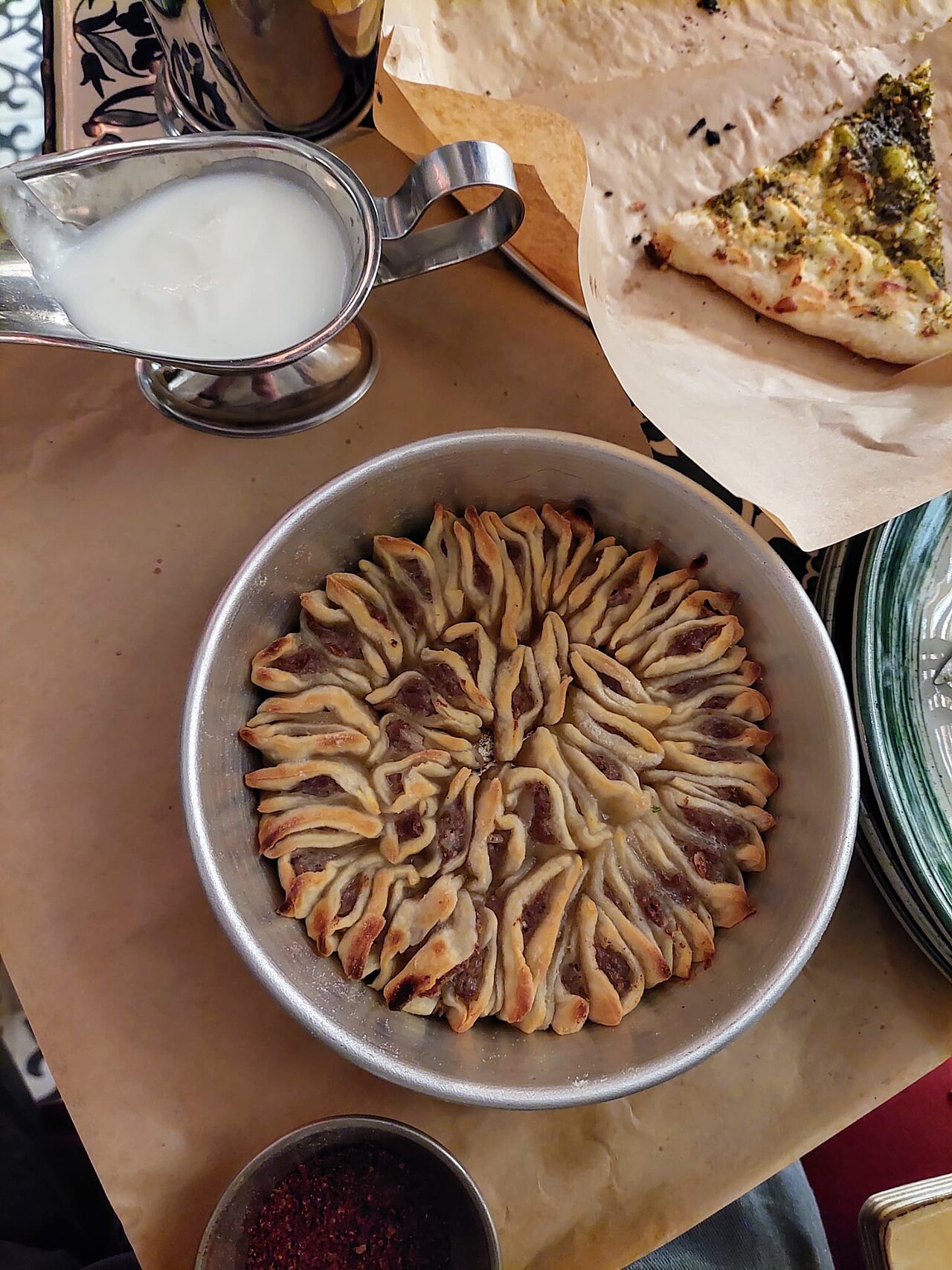
Tiny open dumplings shaped like little boats, filled with spiced minced meat. In the Armenian style they are baked in the oven until crisp, then moistened with hot broth or tomato sauce and served with yogurt and garlic.
Making manti is slow work because each dumpling is only a bite, so families often sit together to fold them.
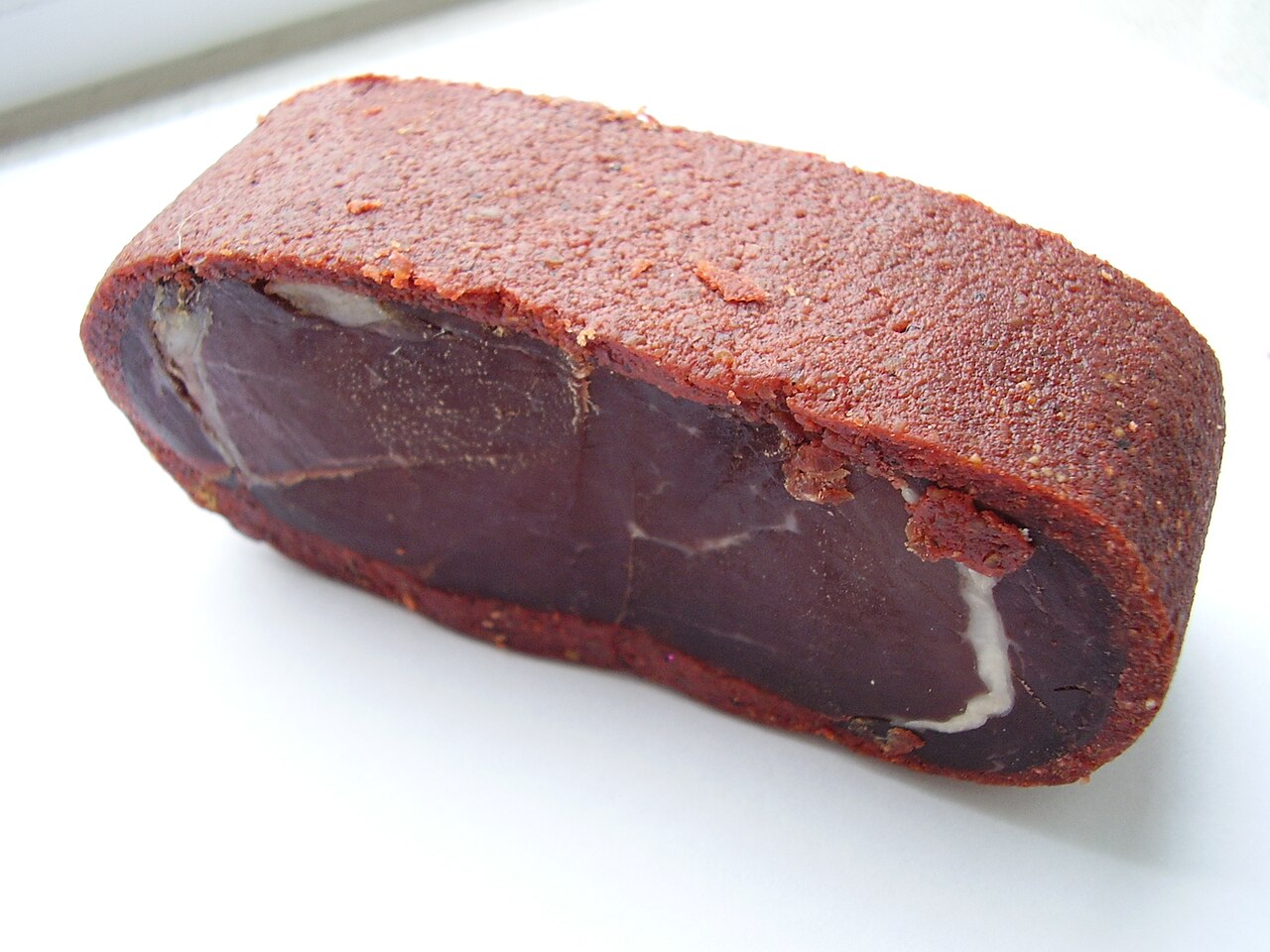
Beef that is salted, pressed and air-dried, then coated in a thick red paste of fenugreek, paprika, garlic and cumin called chaman. It is sliced paper-thin and served as a cold starter, often with sujukh sausage, cheese and lavash.
Armenians also call it apukht, a word already used in the fifth-century Armenian translation of the Bible for salted, dried meat.
The whole country, with a different style in almost every region
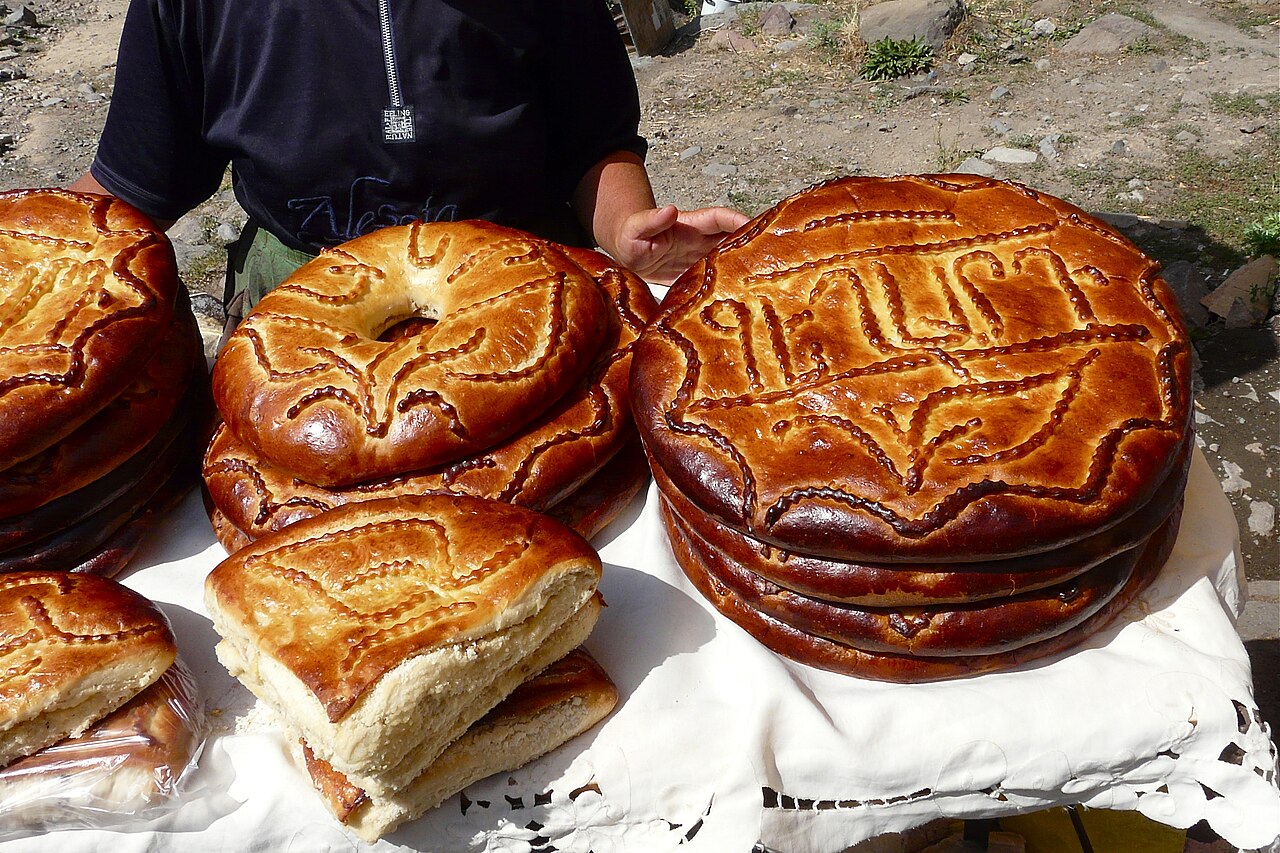
A sweet, buttery bread or cake, often with a crumbly filling of flour, butter and sugar called khoriz. Gata from the villages of Garni and Geghard is round, decorated and about a foot across.
Families sometimes bake a coin into the gata, and whoever finds it in their slice is said to have good luck for the year.
The whole country, sold at markets and roadside stalls
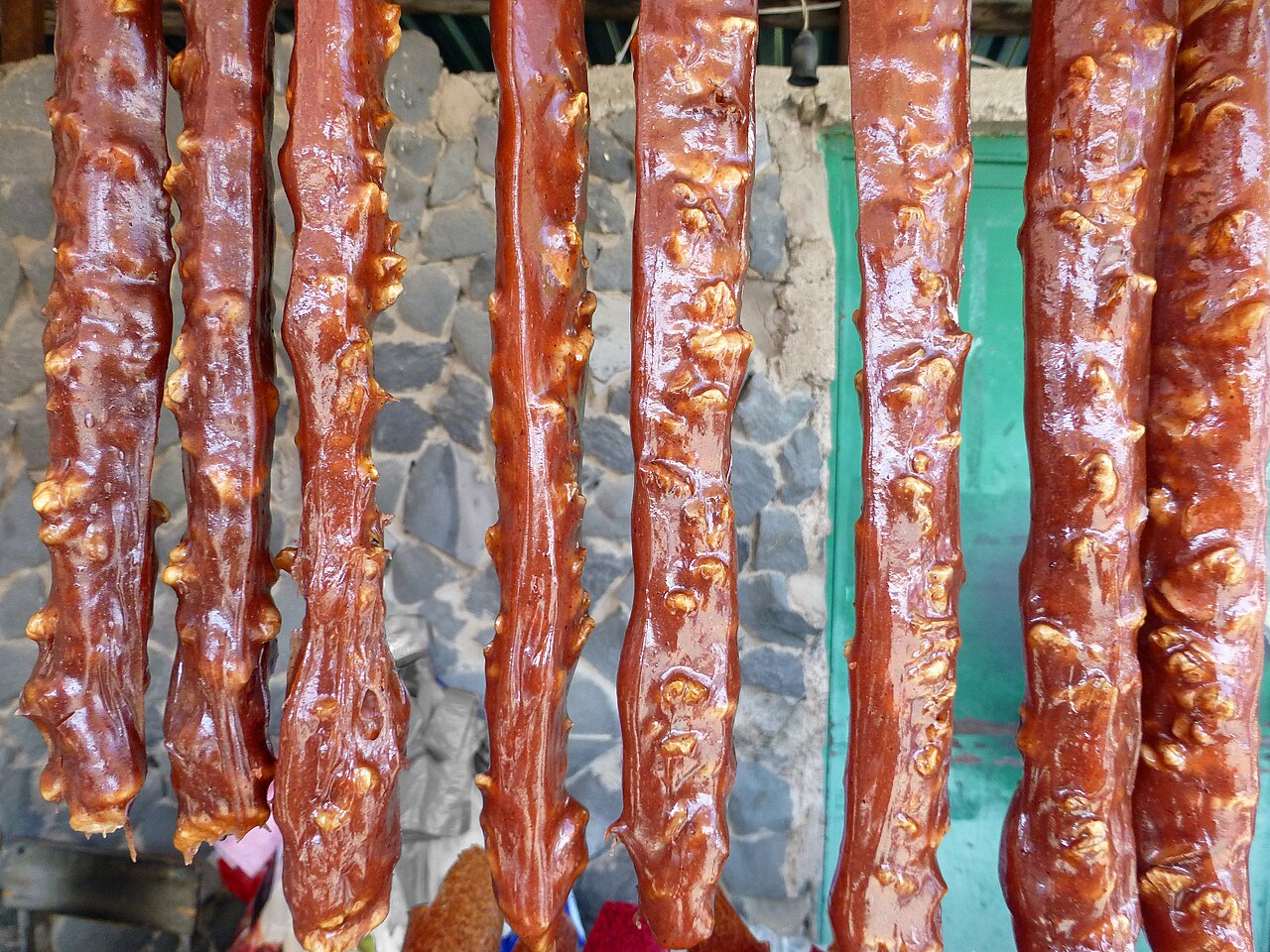
Strings of walnuts dipped again and again in thickened grape or mulberry juice, then hung up to dry into chewy, candle-shaped sweets. They hang in bunches at markets and outside monasteries, next to dried fruit and fruit leather.
The same sweet is called churchkhela in neighbouring Georgia.
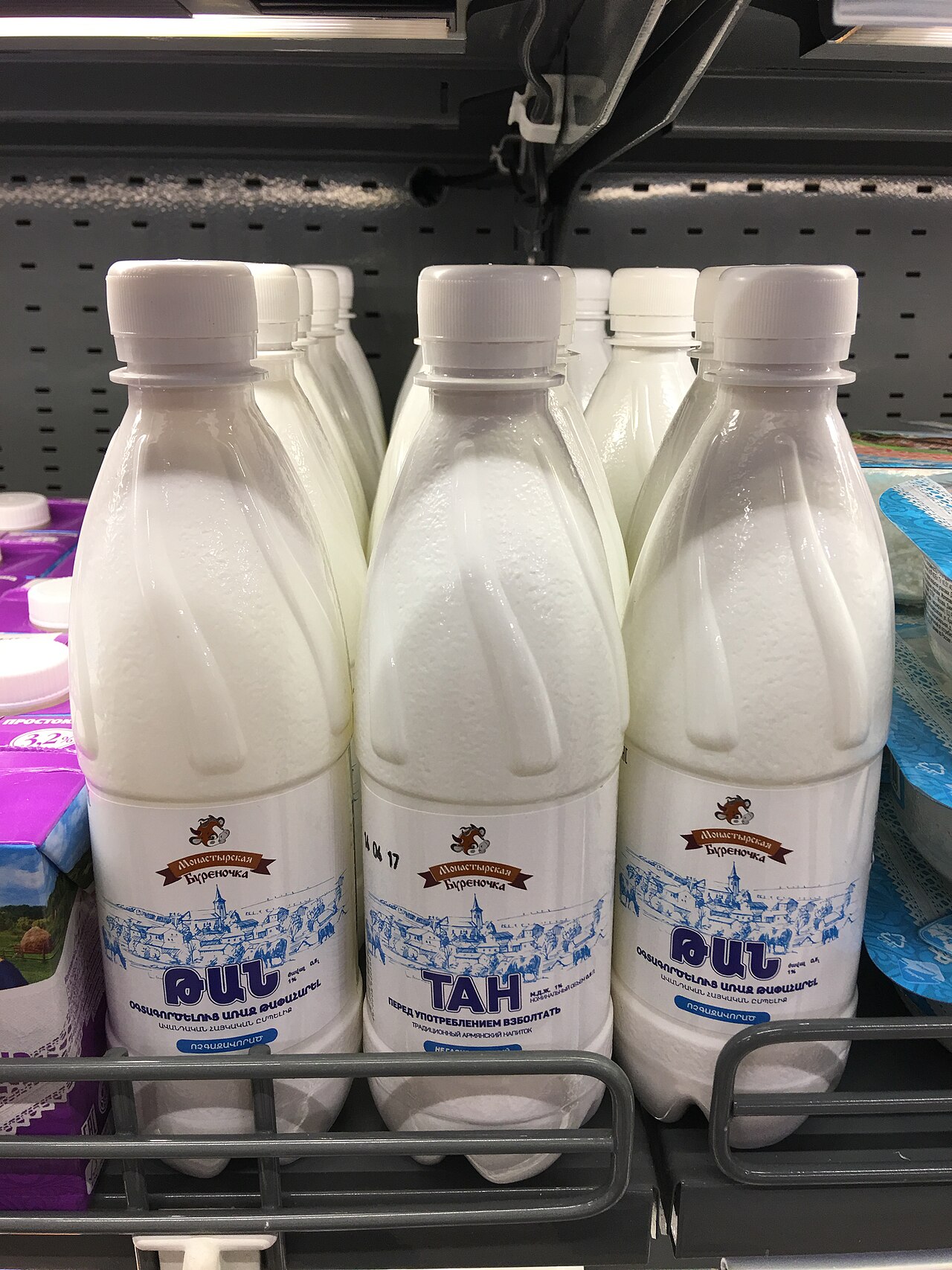
A cool, salty drink of matsun yogurt mixed with water, sometimes with herbs or cucumber, and sold still or fizzy. It is the classic drink with khorovats on a hot day.
Tan is related to the ayran of Turkey and the doogh of Iran, and was probably first made as a way to keep yogurt from spoiling.
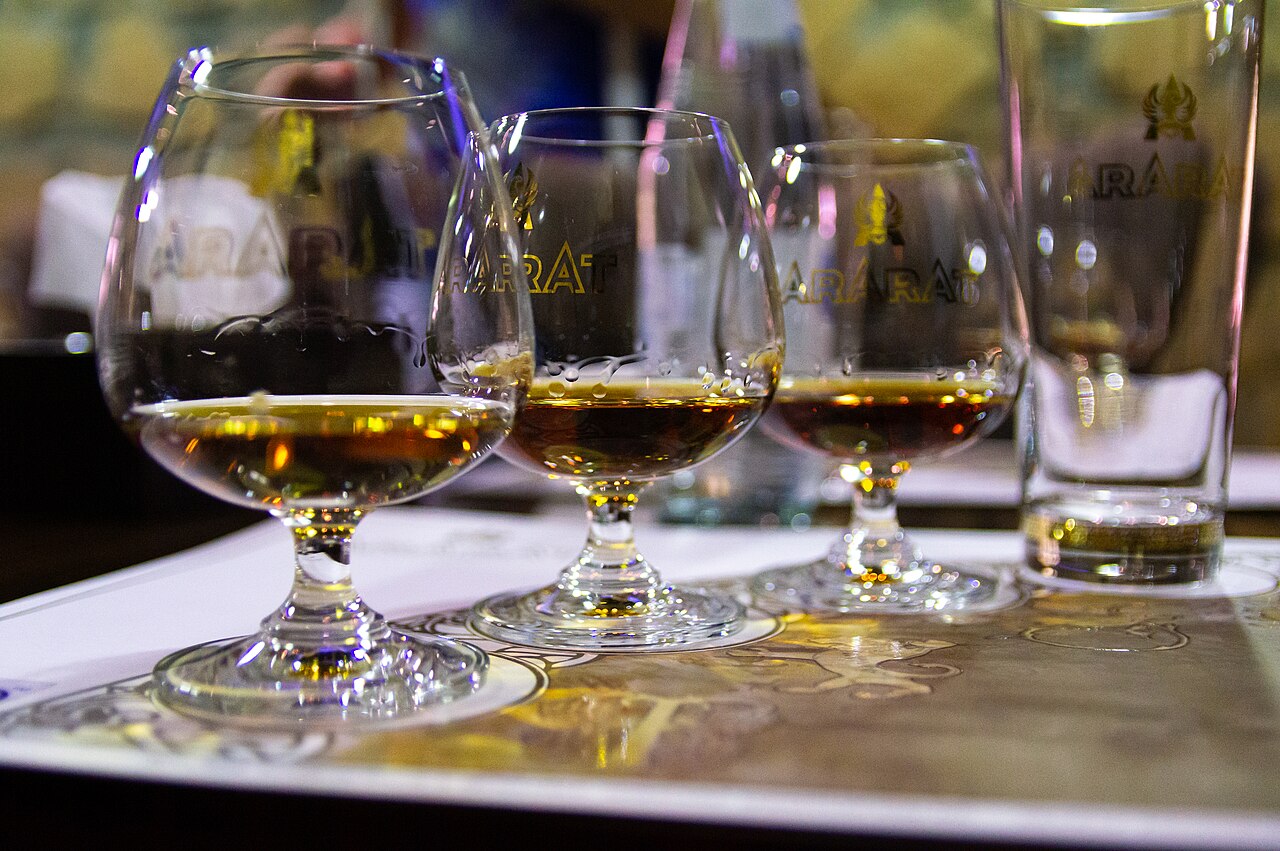
Brandy distilled from local white grapes and aged in oak barrels, made in Armenia since the late 19th century. The best known is sold under the Ararat name by the Yerevan Brandy Company, whose factory stands above the Hrazdan gorge and can be visited. Armenians call it konyak, although outside Armenia only brandy from the Cognac region of France may be sold as cognac.
Armenian brandy is said to have been a favourite of Winston Churchill, although the story is hard to prove.
At the table in Armenia
Guests are treated with great warmth. Your hosts will keep offering more food, and refusing outright can seem unfriendly. Leaving a little on your plate is the polite sign that you have had enough.
At a feast there are many toasts, led by the host or a chosen toastmaster. Wait for the toast before you drink, and raise your glass to the family, to guests and to those who are no longer with you. Kenatsd! means 'Cheers!'
Lavash is used like a plate, a napkin and a spoon at once: wrap meat and herbs in it, or tear off a piece to scoop up food. Bread is treated with respect and is not thrown away carelessly.
Khash is a winter morning ritual. Crumble dried lavash into the broth, add garlic and salt, and eat slowly with friends. It is not a dish for a hurried lunch.
If you are invited to a home, bring a small gift such as chocolates, flowers or a cake. Expensive gifts are not expected.
Many restaurants add a service charge of about 10 percent. If it is not included, rounding up or leaving about 10 percent is usual.