Azerbaijani cooking brings together the lamb and dairy of shepherds, the fish and caviar of the Caspian, the fruit and nuts of the mountain valleys, and saffron, which is grown on the Absheron Peninsula around Baku. A meal often starts with a plate of fresh green herbs, white cheese, bread and pickles, followed by a hearty soup such as bozbash or piti, which can be a meal in itself. The main course might be kebabs, dolma or, on special days, plov, the saffron rice that is the pride of every host. Black tea follows the meal, served with lemon, sugar lumps and fruit preserves, and sweets such as pakhlava and shekerbura appear at every celebration, above all at Novruz, the spring New Year.
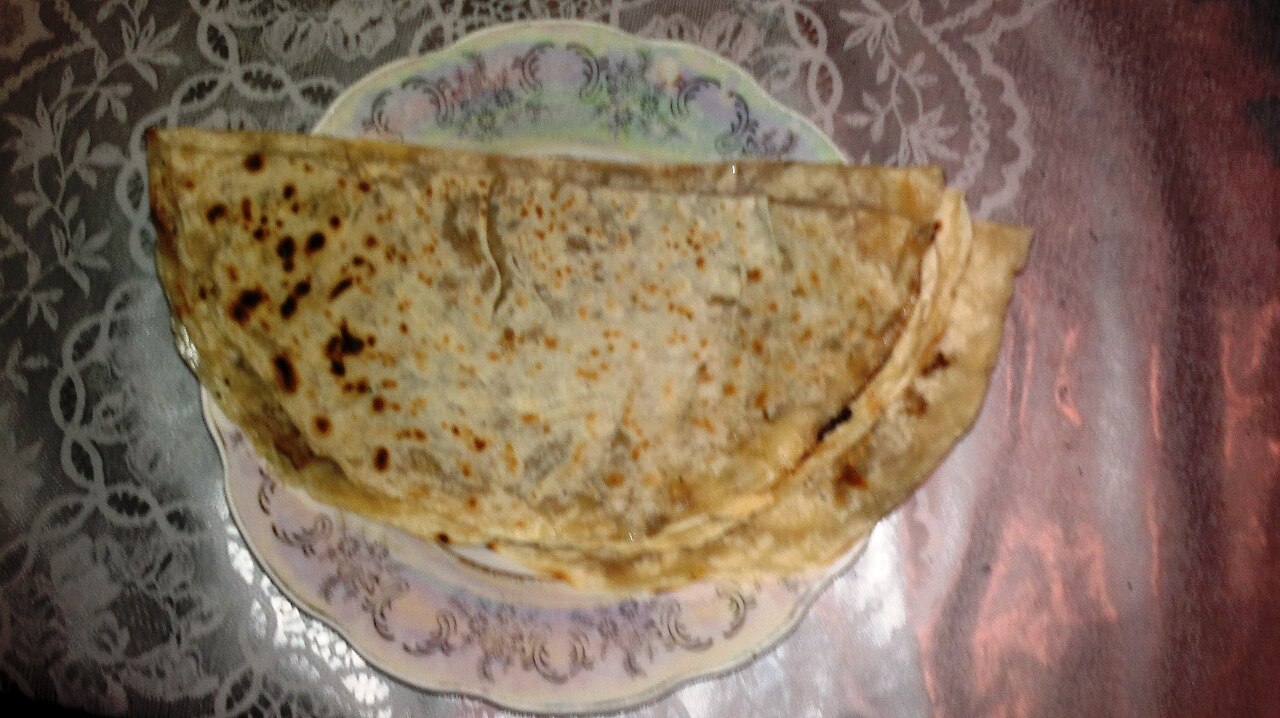
Very thin half-moons of dough filled with fresh herbs, minced lamb or pumpkin, cooked quickly on a dome-shaped griddle called a saj and brushed with butter. They are eaten hot, often with sumac and plain yoghurt, as a snack, a starter or a light meal.
Green qutab, filled with spinach, spring onions, coriander and dill, are especially popular in spring, when the new herbs appear.
All of Azerbaijan, a dumpling family found from the Caucasus to Central Asia
Tiny dumplings of lamb and onion, served in a clear meat broth sprinkled with dried mint, with vinegar on the side. Good cooks pride themselves on making the dumplings so small that many fit on one spoon.
The name is thought to come from Persian, where its first part means 'to boil', and relatives of dushbara are found under similar names from the Caucasus to Central Asia.
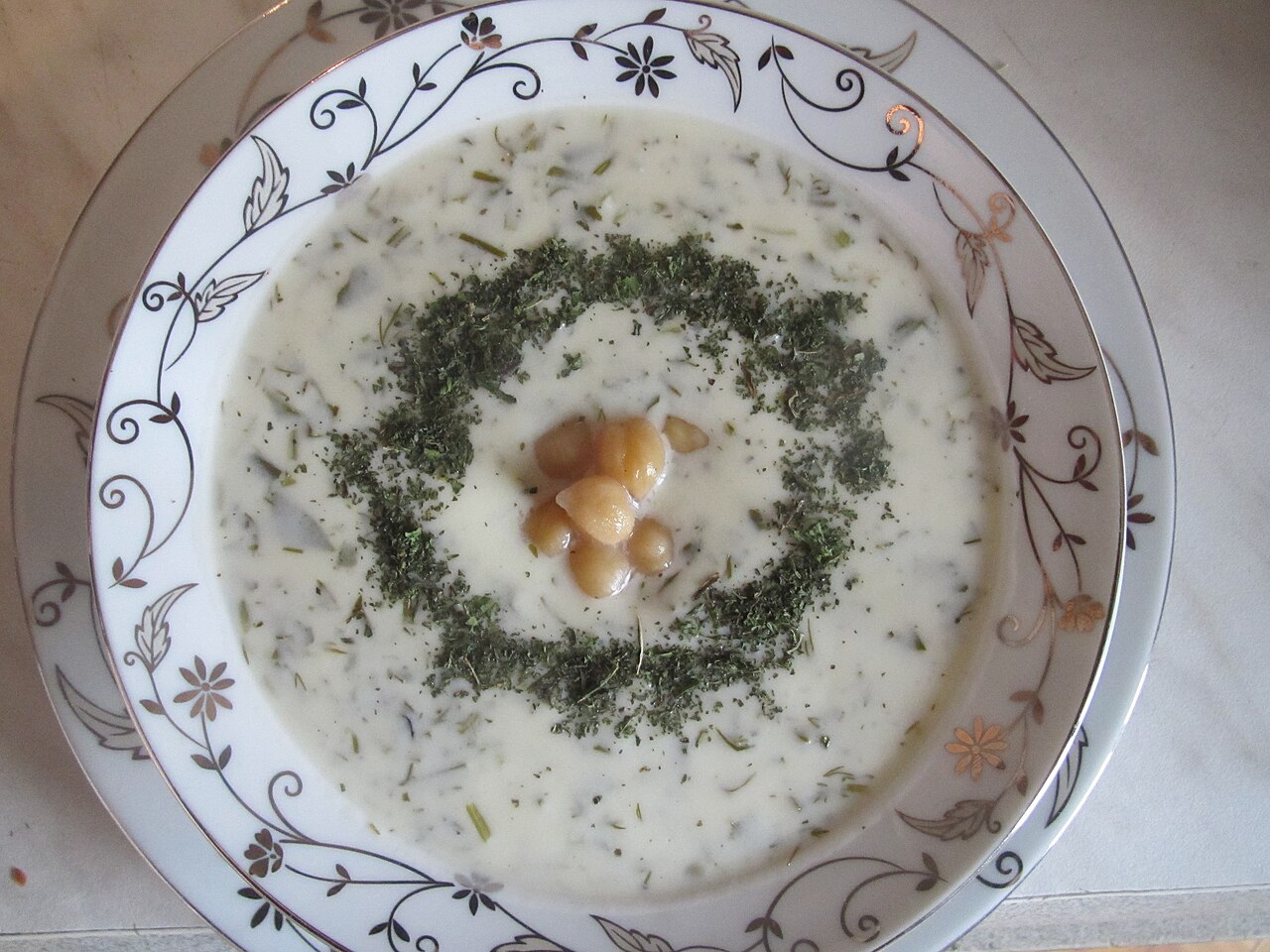
A soup of yoghurt cooked with rice or chickpeas and a large amount of green herbs such as coriander, dill, mint and spinach. It is eaten warm in winter and chilled in summer, and at weddings it is served between the meat courses to help digestion.
All of Azerbaijan; bozbash soups are also loved in Armenia and Iran
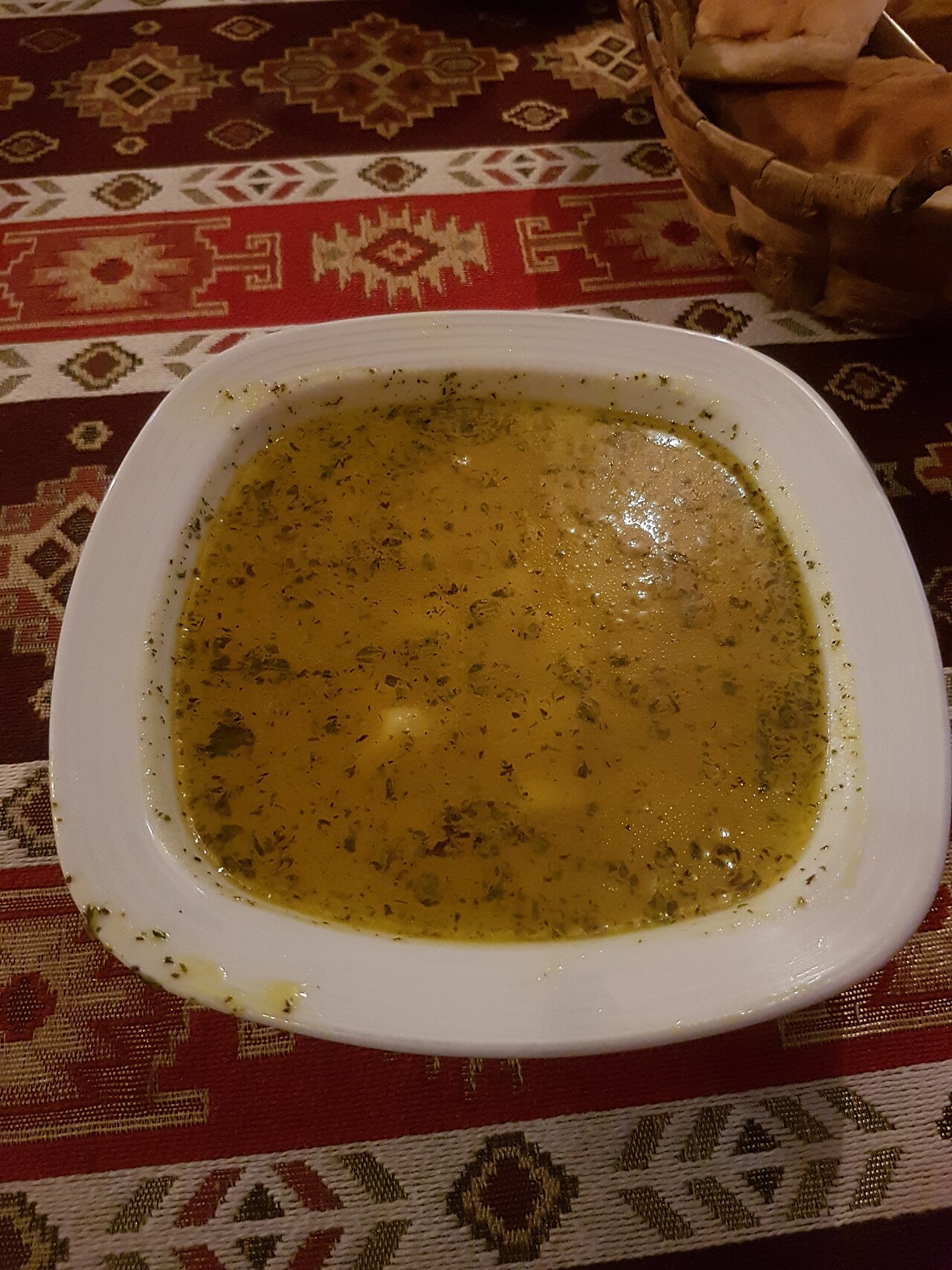
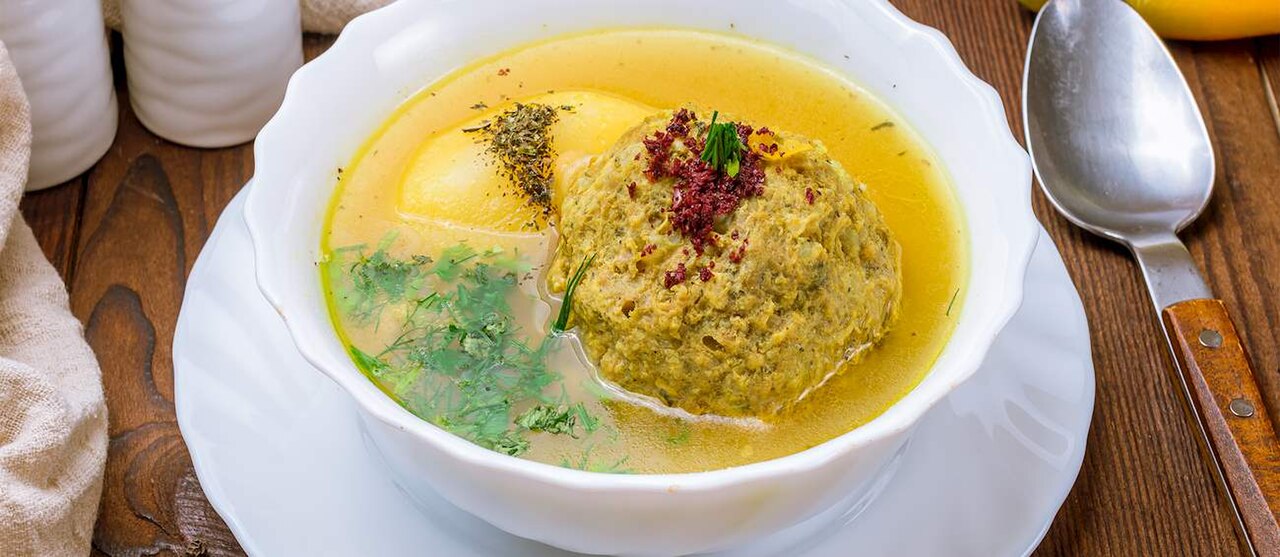
A rich soup with large lamb meatballs, often with a dried sour plum hidden inside, cooked with chickpeas, potatoes and saffron. The broth is often drunk first, and the meatballs and potatoes are eaten afterwards with bread as a second course.
The name probably comes from the Azerbaijani words boz, light grey, and baş, head, perhaps because of the pale colour of the cooked dish.
Shaki, in the northwest; similar pot stews are found across the Caucasus and Iran
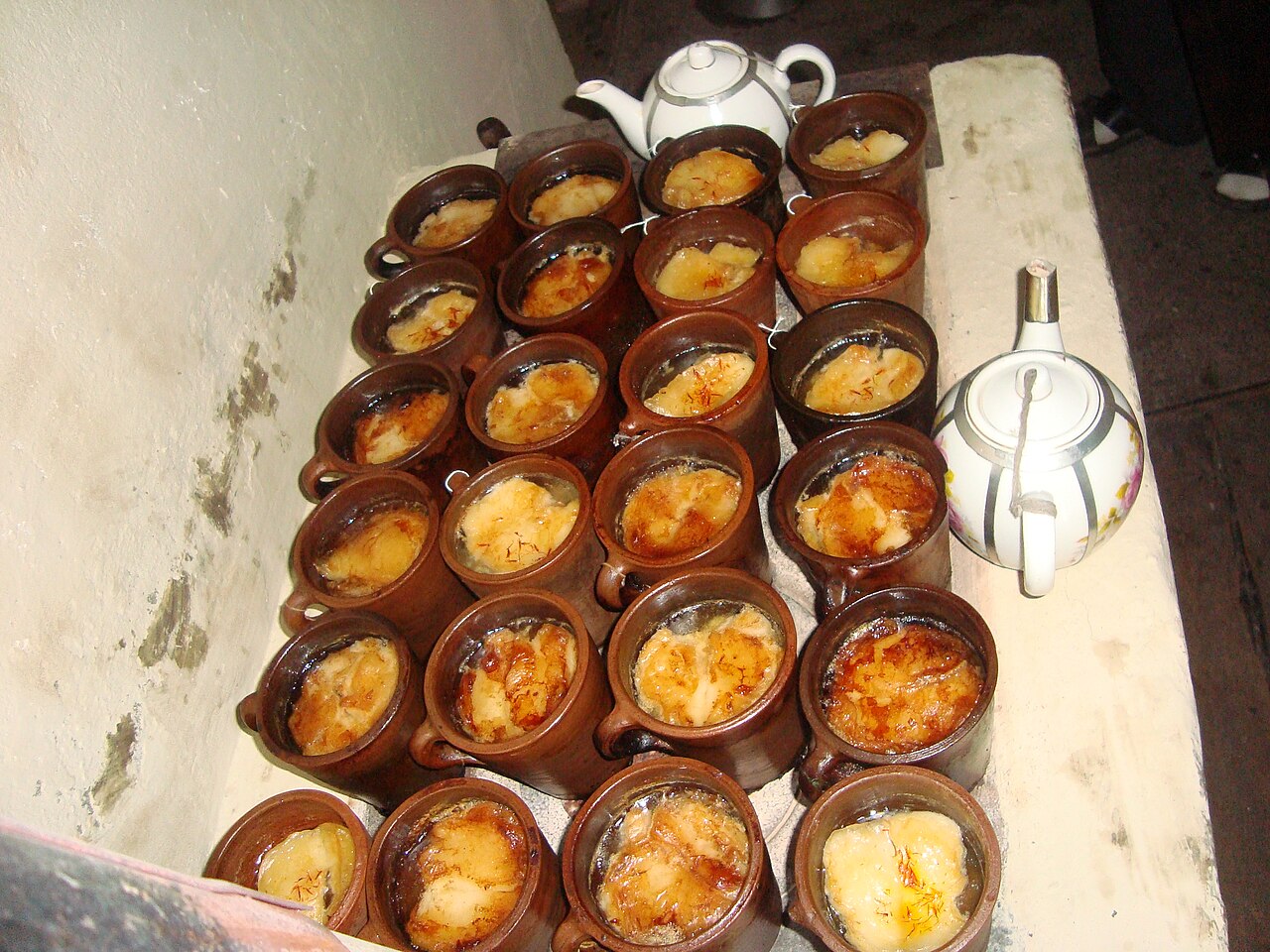
Lamb, chickpeas, potatoes and sour plums slow-cooked for hours in a small individual clay pot, flavoured with saffron and sealed with a piece of tail fat. It is eaten in two stages: first you crumble bread into a bowl and pour the broth over it, then you eat the meat and vegetables with sumac.
The name piti comes from the glazed clay pot it is cooked in, and in Shaki each diner gets a pot of their own.
All of Azerbaijan, with dozens of regional versions
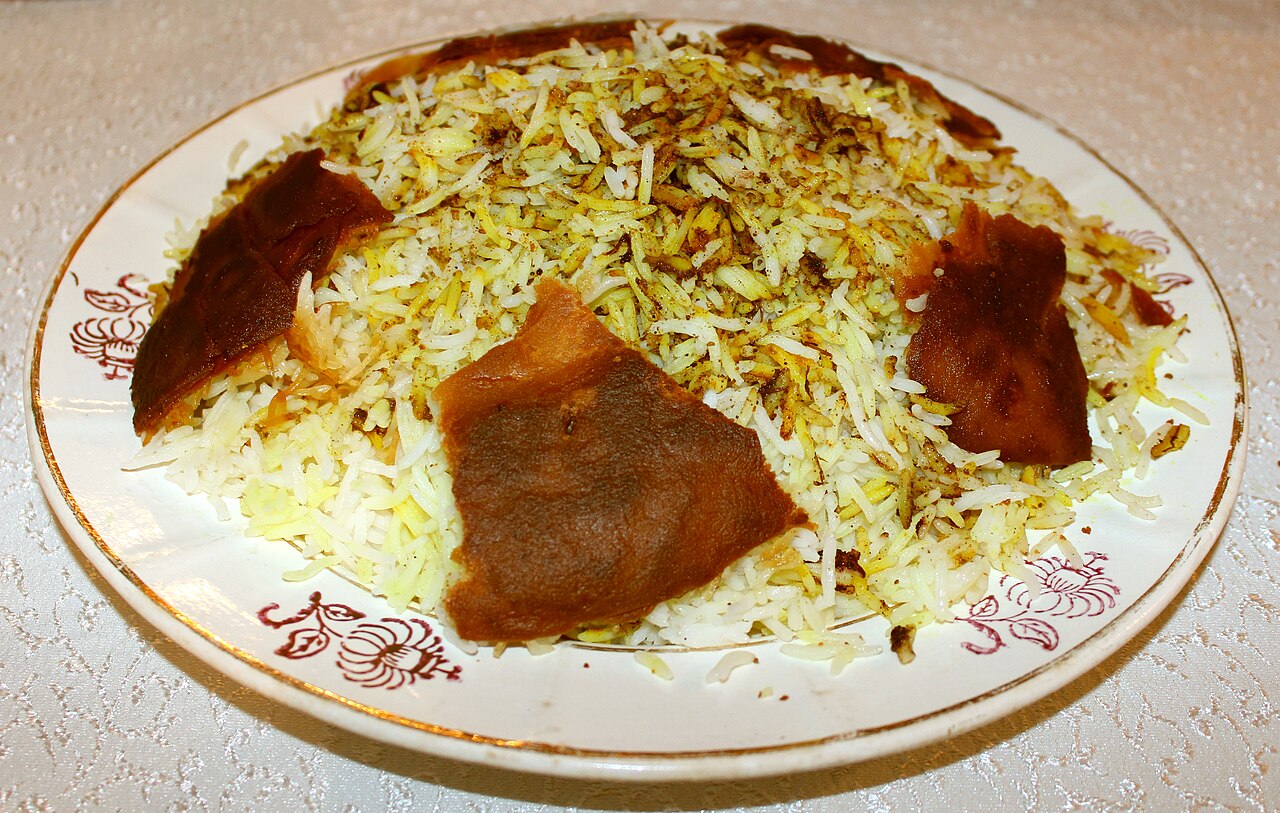
Long-grain rice steamed until each grain is separate and finished with saffron and butter. In Azerbaijan the rice is usually served with the gara, the topping of lamb or chicken, chestnuts, dried apricots, raisins and onions, on a separate platter, so each person can combine them. Shah plov, a festive version, is baked inside a golden crust of thin lavash bread that is cut open at the table.
Azerbaijani cooks speak of dozens of kinds of plov, some sources say over 200, named after what is served with the rice, from fish to eggs to sour fruit.
All of Azerbaijan; stuffed leaves and vegetables are loved across the Caucasus, the Middle East and the Balkans
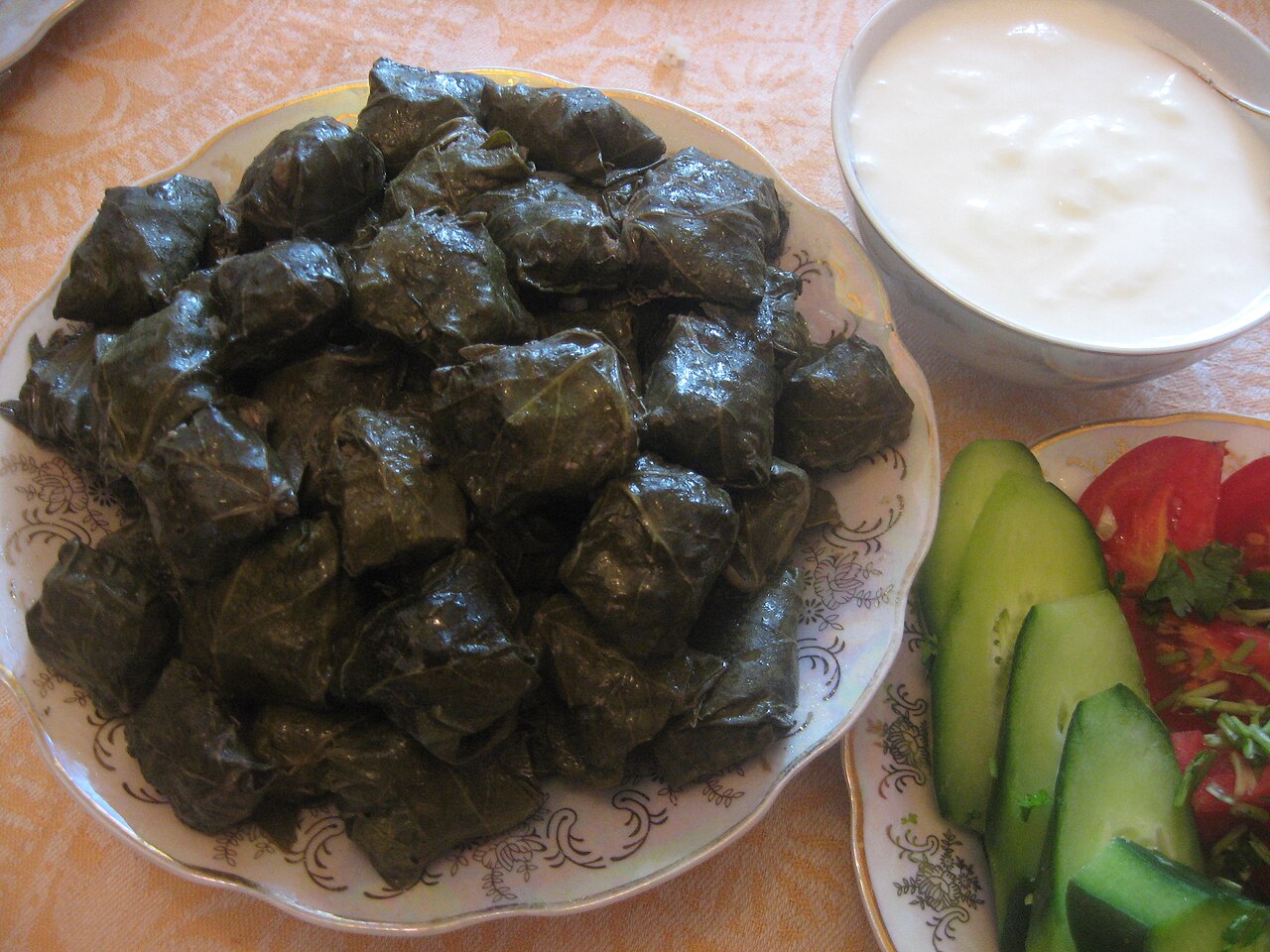
Young vine leaves wrapped around minced lamb, rice and herbs and simmered gently, then served warm with garlic yoghurt. In Azerbaijan dolma is usually folded into small neat parcels. Cabbage leaves, peppers, tomatoes and aubergines are stuffed the same way.
In 2017 UNESCO added the tradition of making and sharing dolma in Azerbaijan to its list of the Intangible Cultural Heritage of Humanity.
All of Azerbaijan; also a speciality in neighbouring Armenia
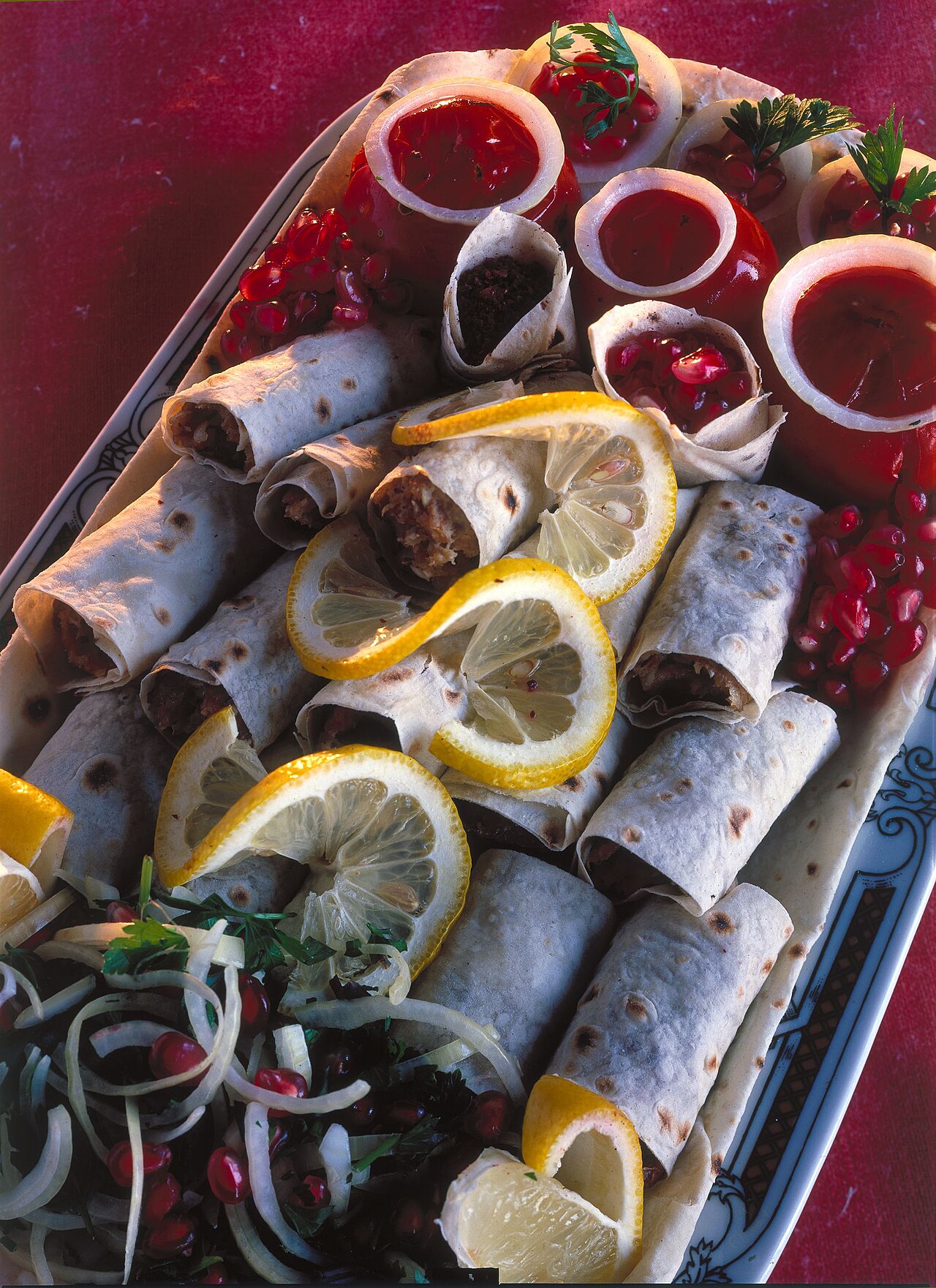
Minced lamb mixed with plenty of onion and a little tail fat, pressed around wide flat skewers and grilled over charcoal. It is wrapped in thin lavash bread with raw onion, sumac and herbs, and often comes with grilled tomatoes and pomegranate seeds.
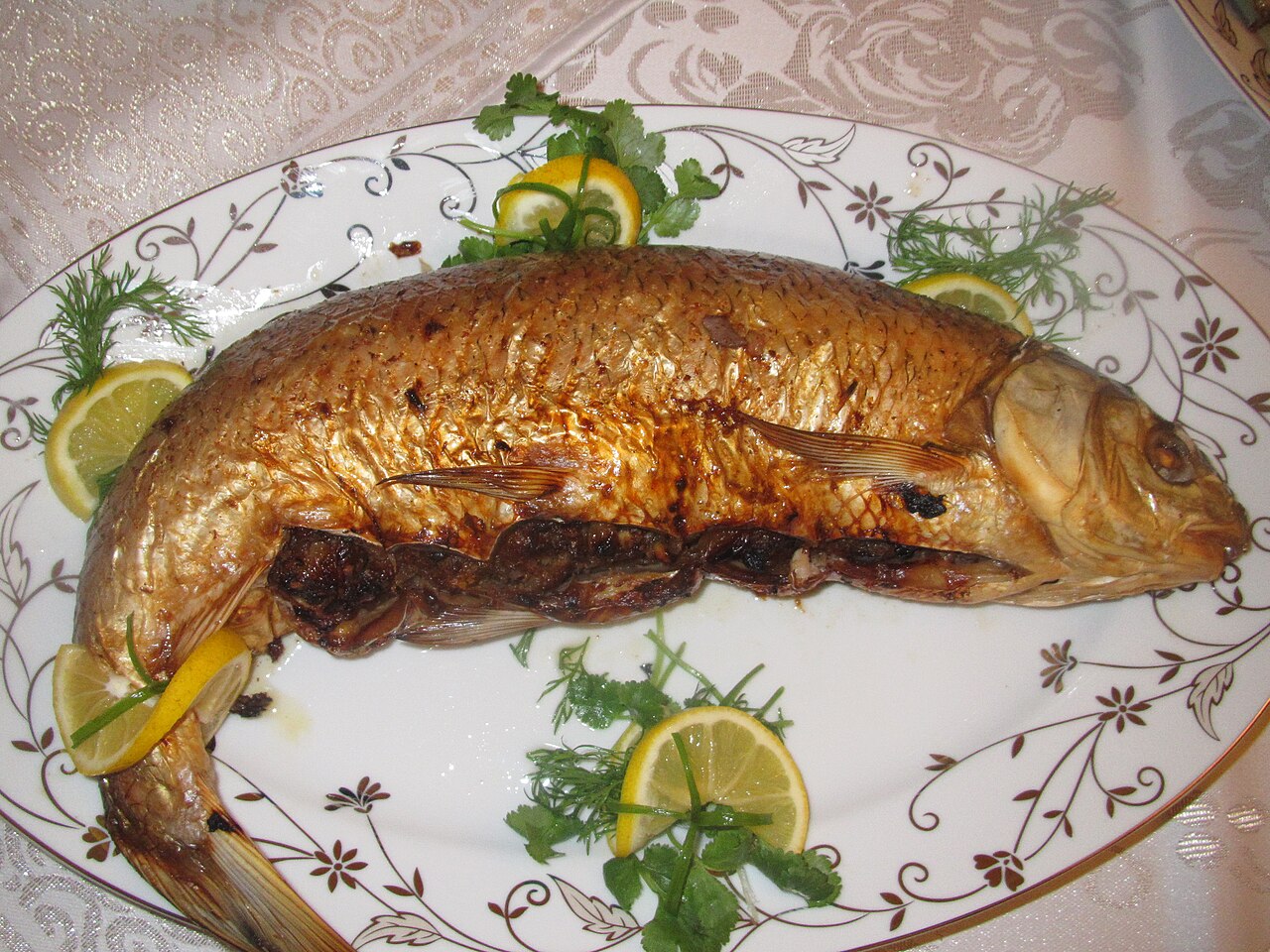
A whole fish from the Caspian, or a chicken, stuffed with a thick paste of ground walnuts, grated onion and sour plum or pomegranate syrup, then baked until golden. It is a festive dish of the south, made above all for Novruz.
The dish belongs to the Talysh people of the far south, who live on both sides of the border with Iran.
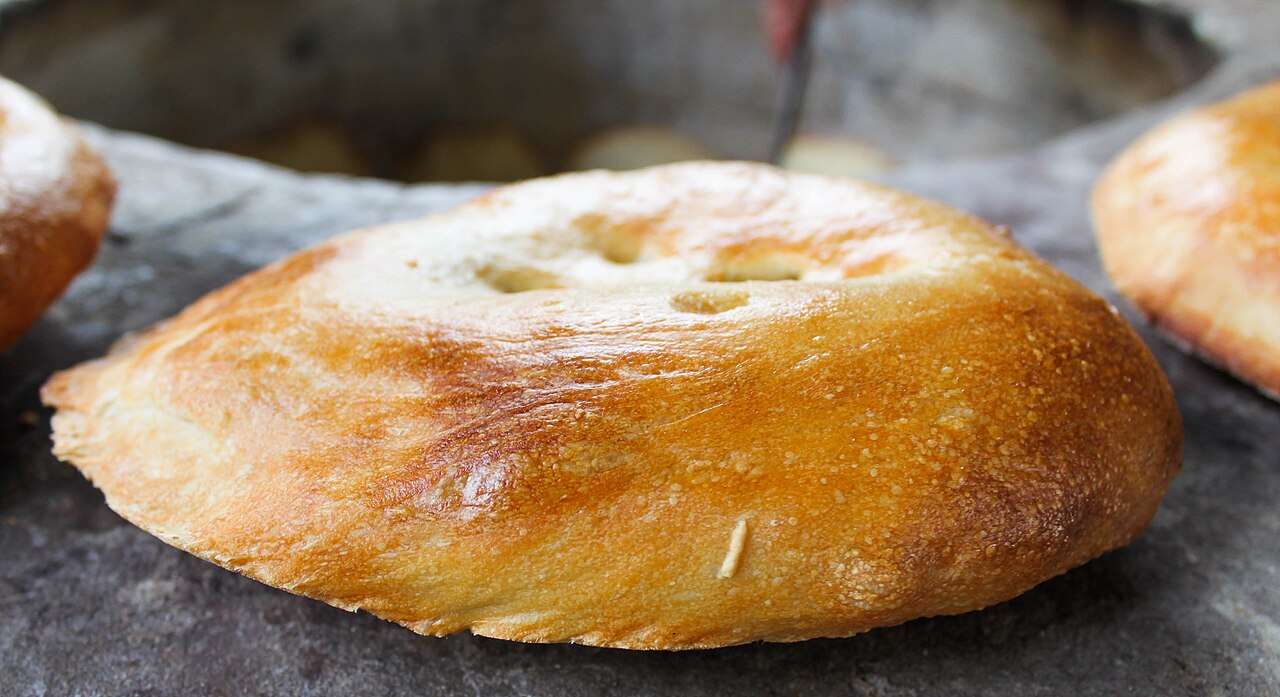
Round or oval loaves slapped onto the hot inner wall of a clay oven, the tandir, and baked in a few minutes until blistered and chewy. Thin lavash is baked the same way or on a saj griddle, and bread is treated with great respect: it should never be thrown away or left on the floor.
Bread baked on the walls of clay ovens like the tandir has been made across Central and West Asia for some five thousand years.
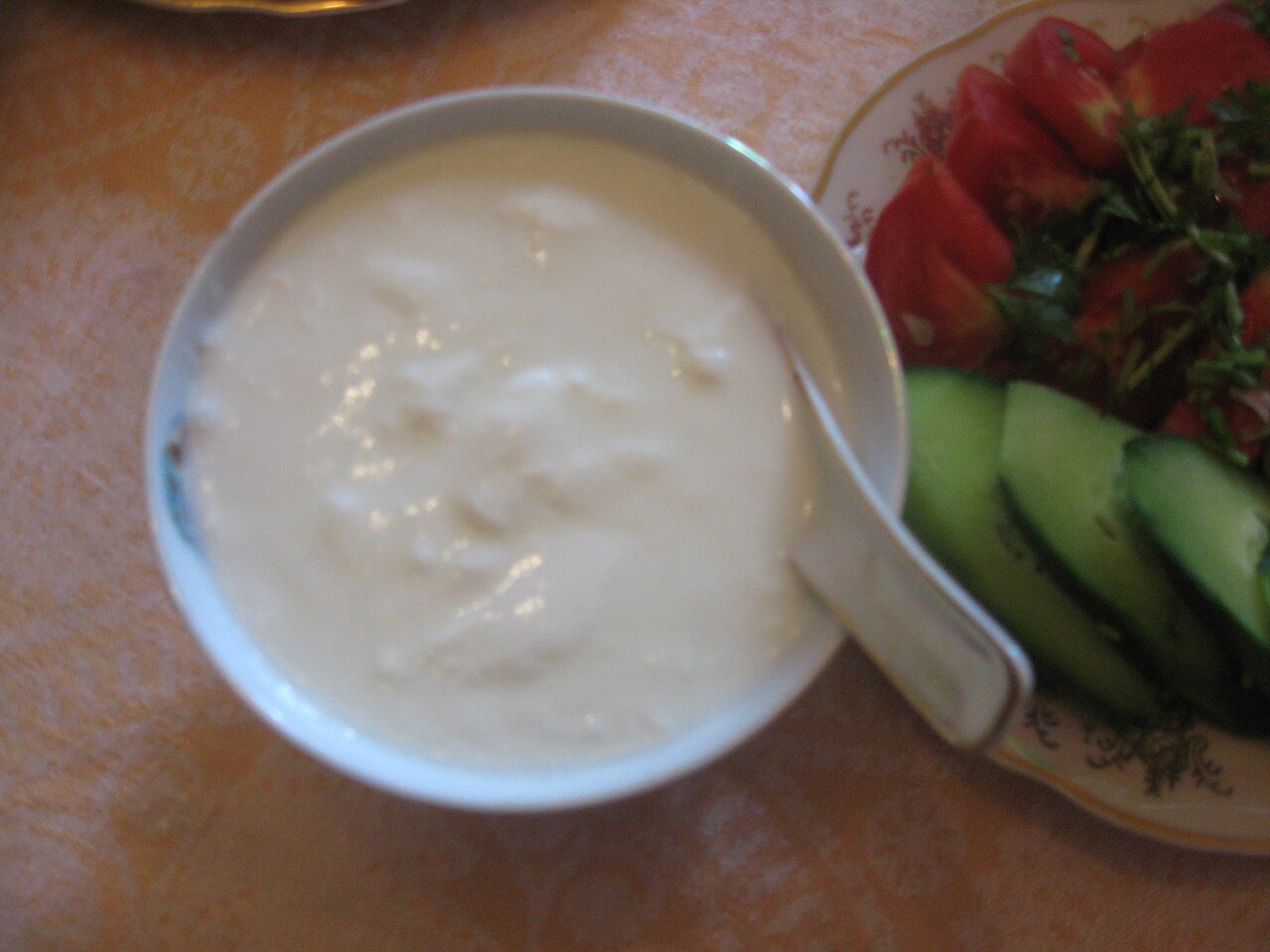
A thick homemade yoghurt, eaten plain with bread, stirred with garlic as a sauce for dolma and qutab, or thinned with water and salt to make the cold drink ayran. Strained, it becomes the thick cheese-like süzmə.
Qatiq is also the base of dovga soup and of many summer drinks.
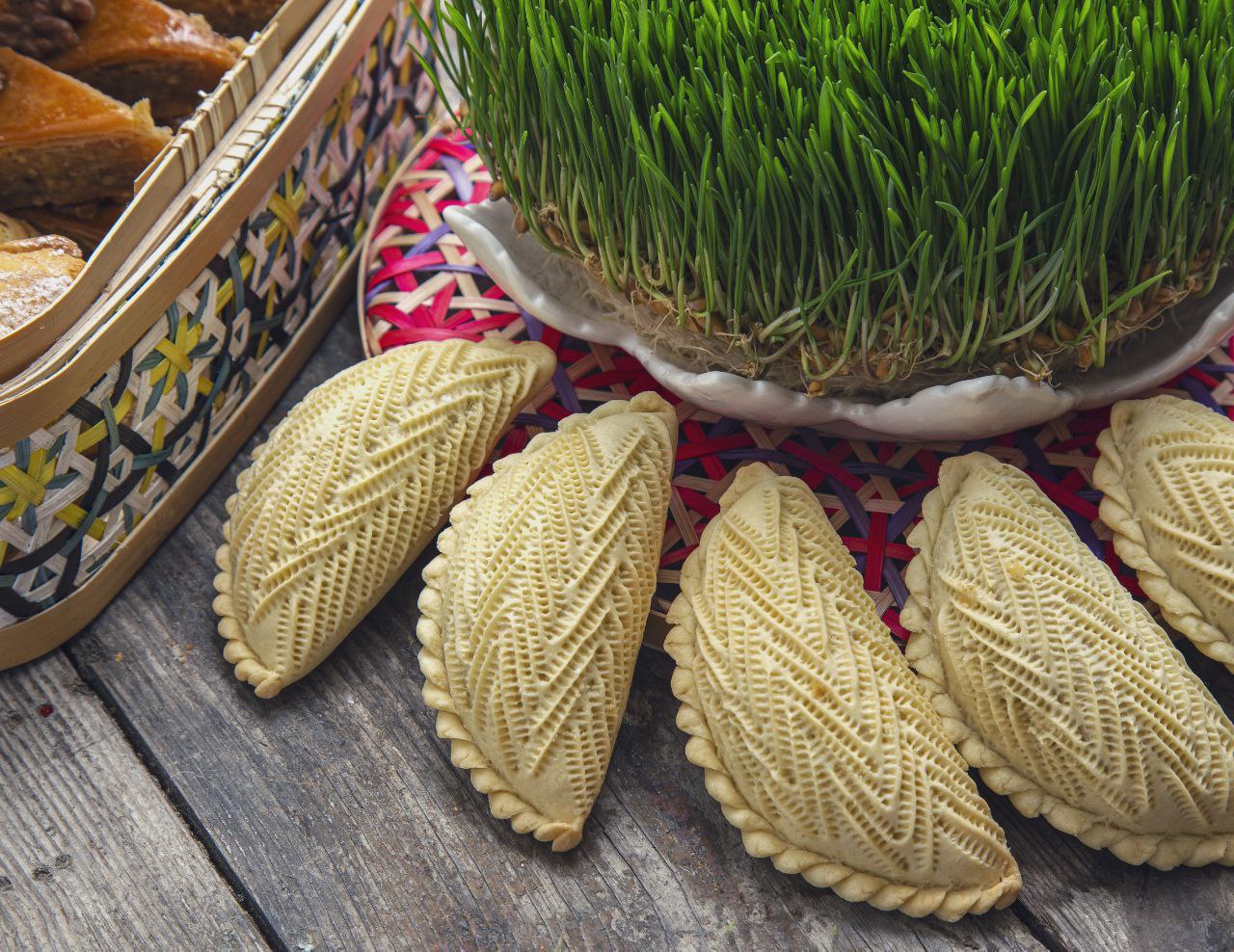
Half-moon pastries of buttery dough filled with ground almonds or walnuts, sugar and cardamom. The top is decorated with a fine pattern pinched with special tweezers called maggash. Families and neighbours often gather to make them together before Novruz.
Together with pakhlava and the round, salty shorgoghal, shekerbura is one of the three pastries every Novruz table should have. Its half-moon shape is said to stand for the moon or a flame.
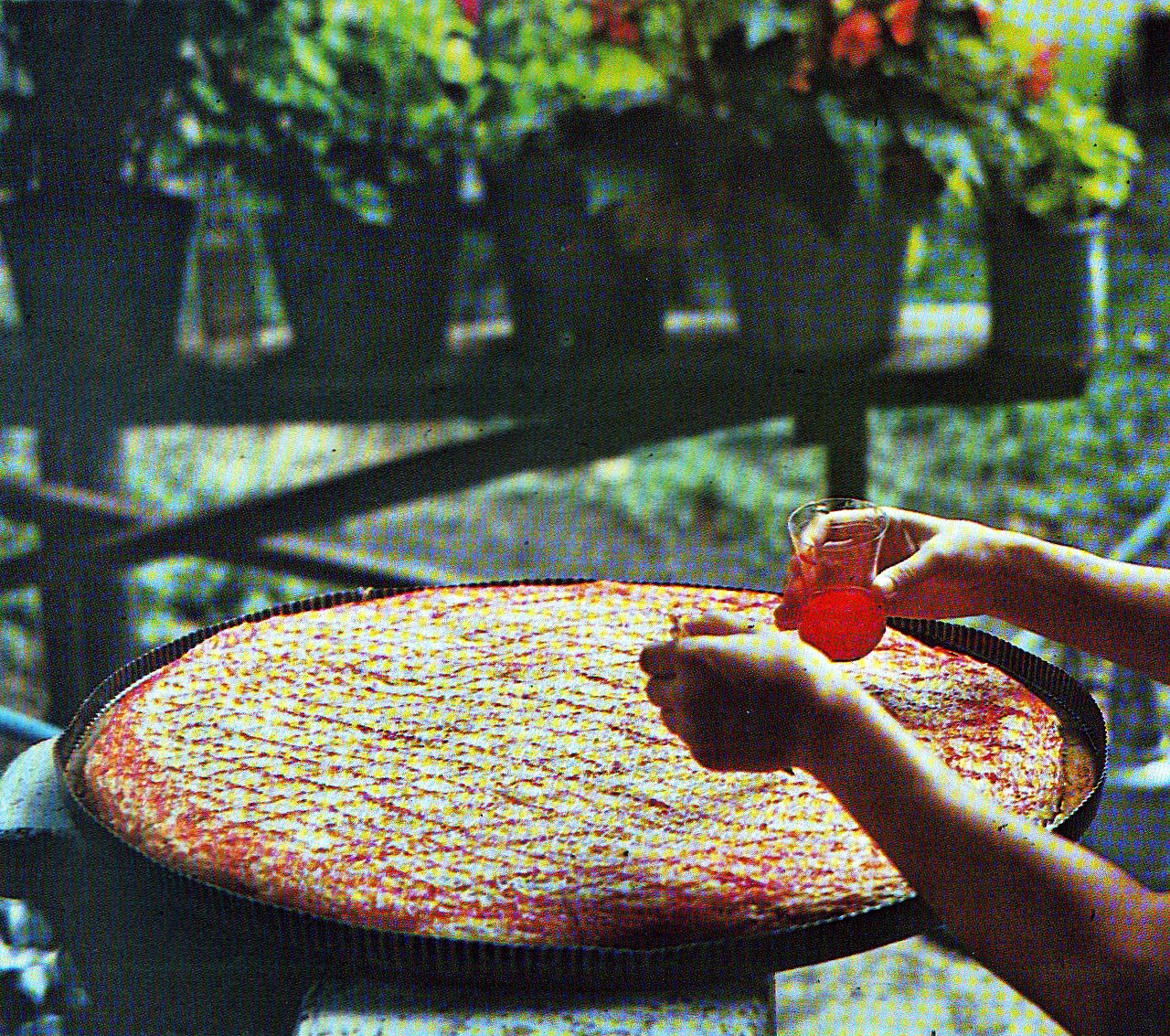
A very sweet speciality of Shaki, made of a lacy web of rice-flour dough called rishta, layered with crushed hazelnuts, cardamom and coriander seed and soaked in syrup. It is made by professional halva makers, not at home, and takes a whole day. Visitors to Shaki carry boxes of it home.
The rishta is made by pouring batter onto a hot griddle through a funnel with eleven holes, drawing a fine web.
All of Azerbaijan; tea is also grown around Lankaran in the south
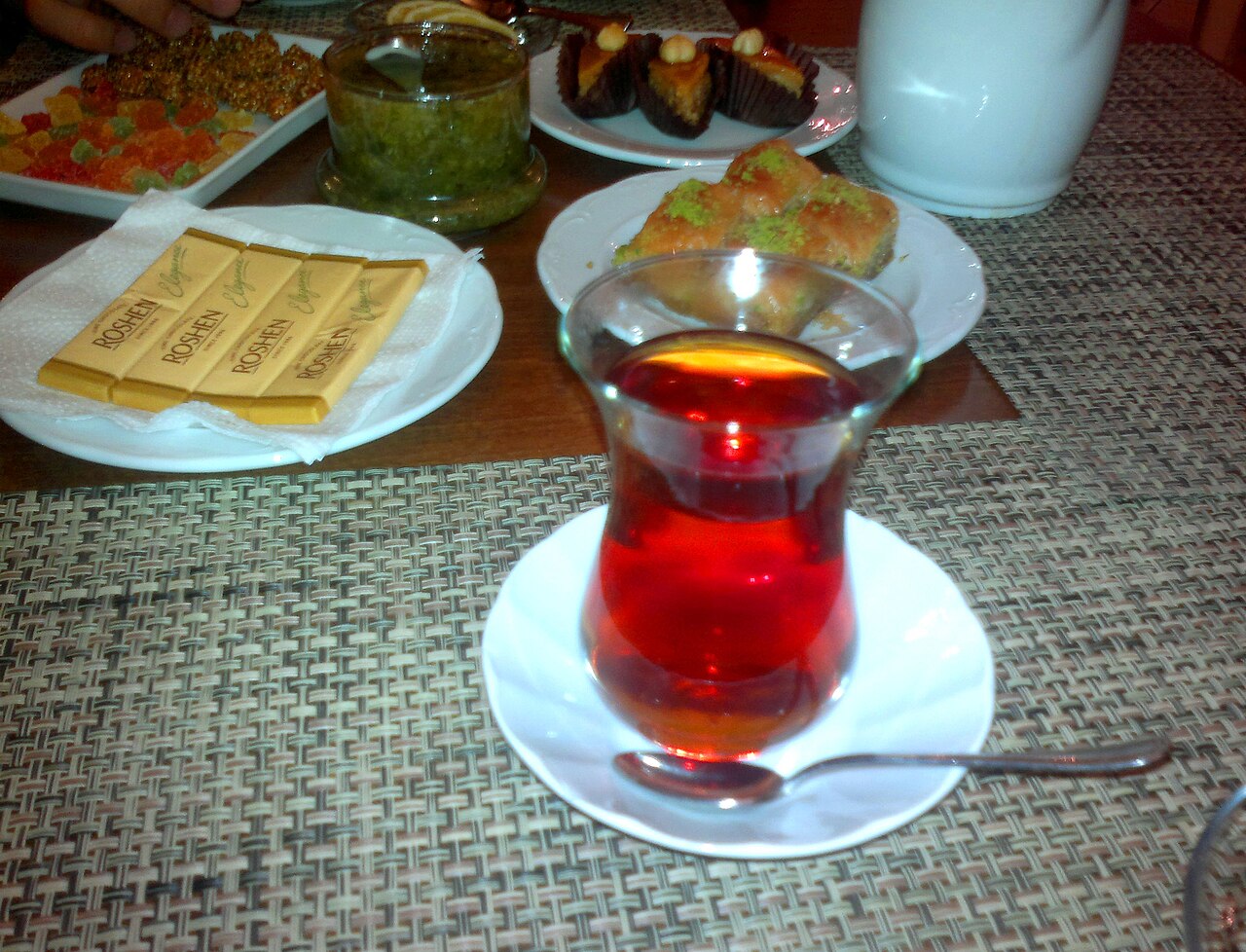
Strong black tea is the national drink, served all day long in small pear-shaped glasses called armudu. It comes with sugar lumps, slices of lemon and small dishes of fruit preserves, and it is offered to every guest as a sign of welcome.
Tradition says a guest should never leave a house without at least one glass of tea. At matchmaking visits, tea served without sugar is said to be a polite 'no'.
At the table in Azerbaijan
Guests are welcomed with tea, usually before anything else. It is polite to accept at least one glass.
Bread is treated with great respect. Do not throw it away, put it on the floor or step over it; old bread is left in a clean place or given to birds.
Say 'nuş olsun', may it be good for you, to people who are eating, much like 'enjoy your meal'.
Take off your shoes when you enter a home unless your hosts tell you otherwise; slippers are often offered.
The eldest are served first and treated with great respect. At the end of the meal it is polite to thank your hosts warmly and praise the food, especially the plov.
Alcohol is legal and wine and beer are common, but many Azerbaijanis do not drink, so follow your hosts' lead.