Everyday food in Botswana is simple and filling: a stiff porridge of sorghum or maize, called bogobe or phaletshe, served with a relish of meat stew, beans or cooked wild greens. Beef is the favourite meat, followed by goat, and free-range 'Setswana' chicken is the dish a host cooks to honour a guest. At weddings, funerals and national celebrations, big three-legged iron pots bubble over wood fires with seswaa, the pounded meat that is the national dish, served with samp and beans or sorghum porridge. Many dishes, such as fat cakes, maize porridge and mopane worms, are shared with neighbouring countries in southern Africa.
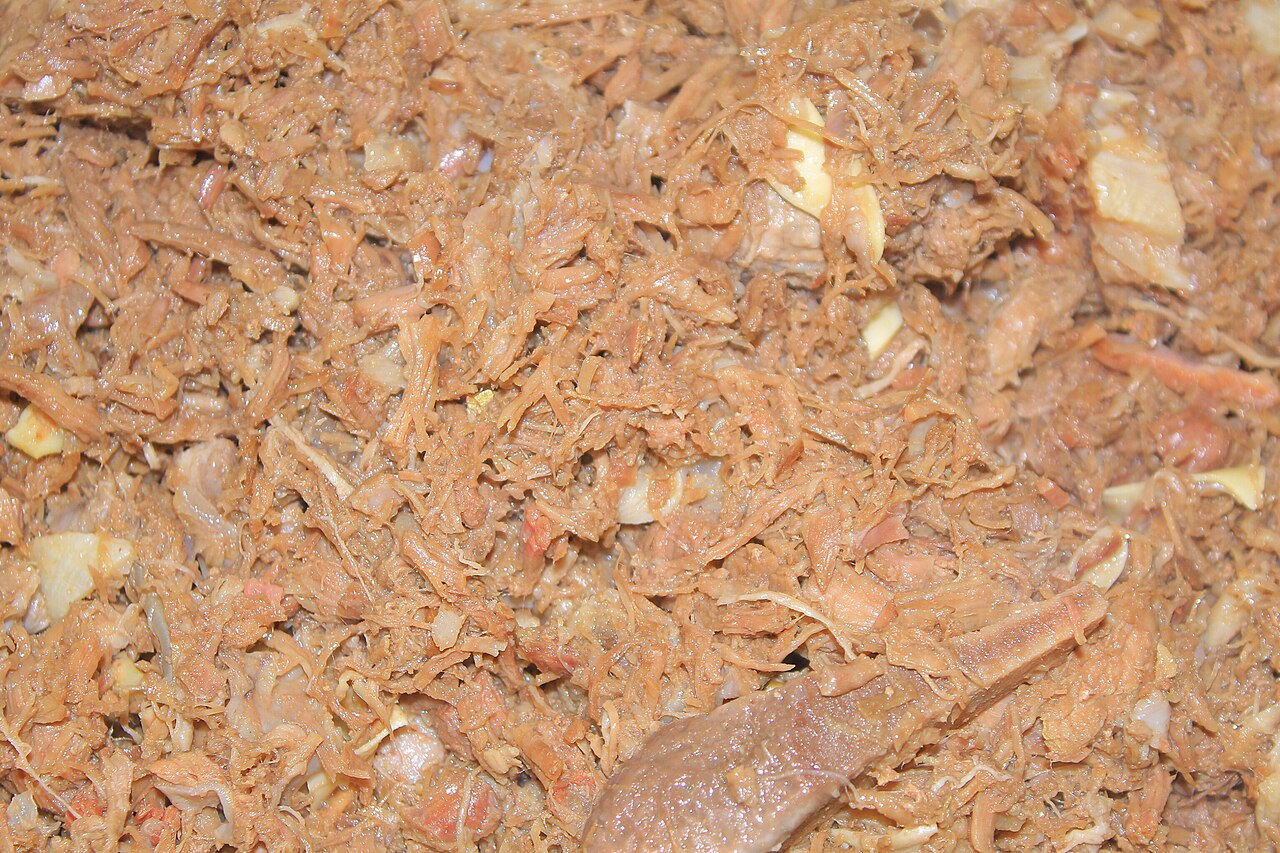
The national dish: beef or goat meat, often from tough cuts such as the neck and legs, simmered for hours with just water and salt until it falls apart, then pounded with a wooden spoon into soft shreds. It is usually cooked by men in a three-legged iron pot for weddings, funerals and Independence Day, and served with bogobe, samp or maize porridge.
Seswaa uses almost no seasoning beyond salt. The flavour comes from long, slow cooking and the pounding at the end.
All of Botswana, and across southern Africa as pap
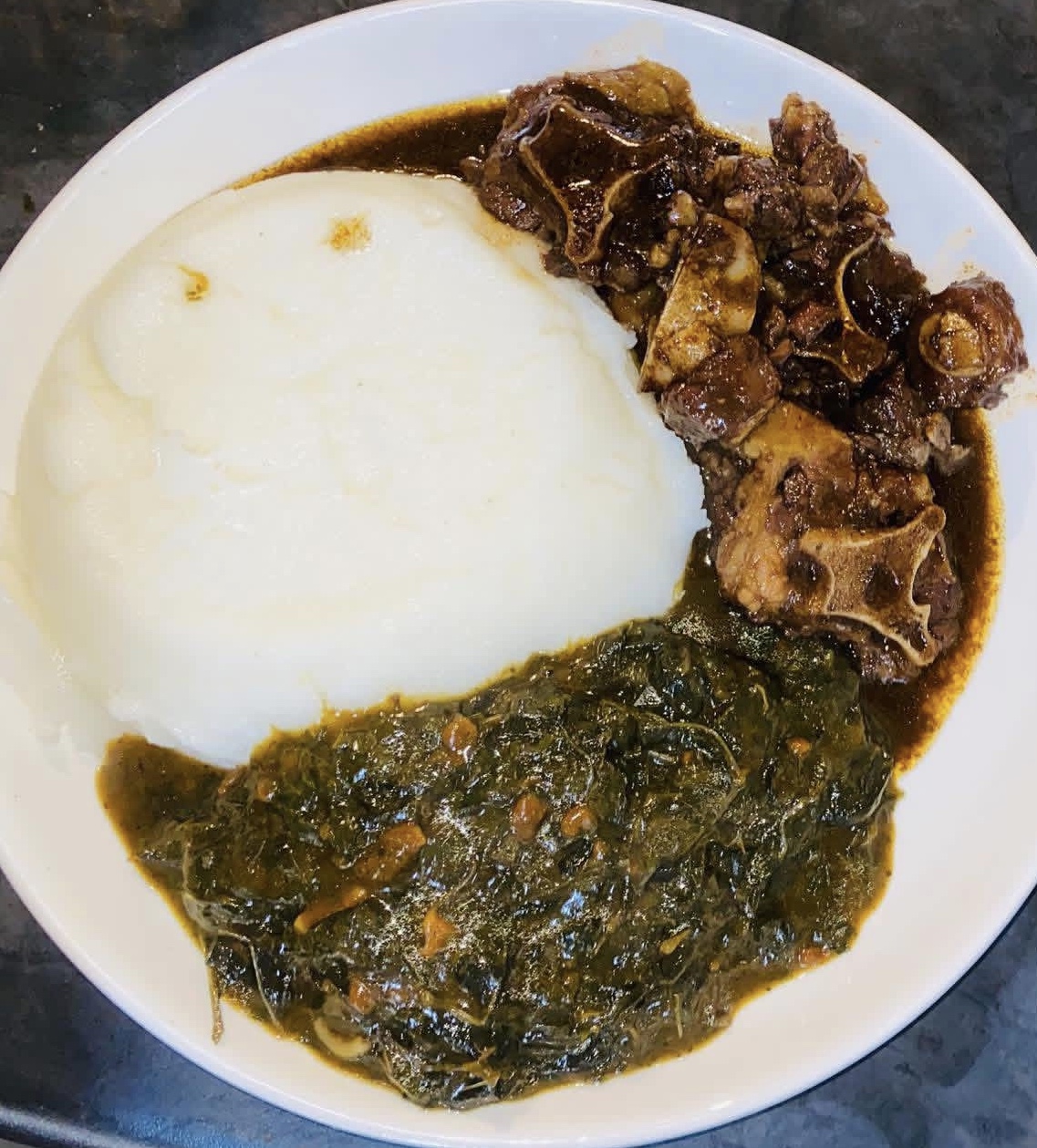
A stiff porridge made from white maize meal cooked in boiling water and stirred until thick enough to hold its shape. It is the everyday starch on many tables, eaten with meat, chicken, greens or seswaa, and a softer version with milk and sugar is eaten for breakfast.
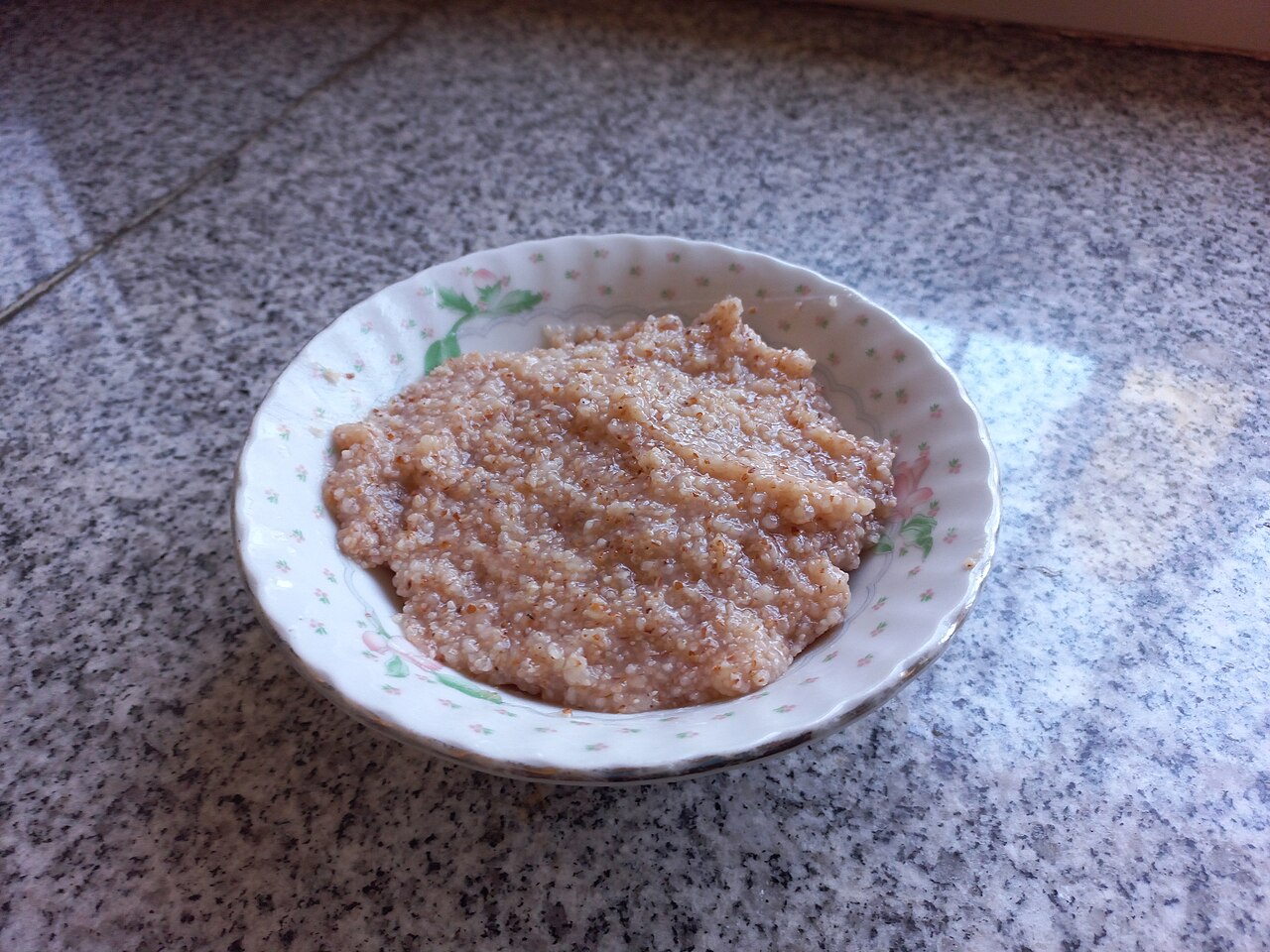
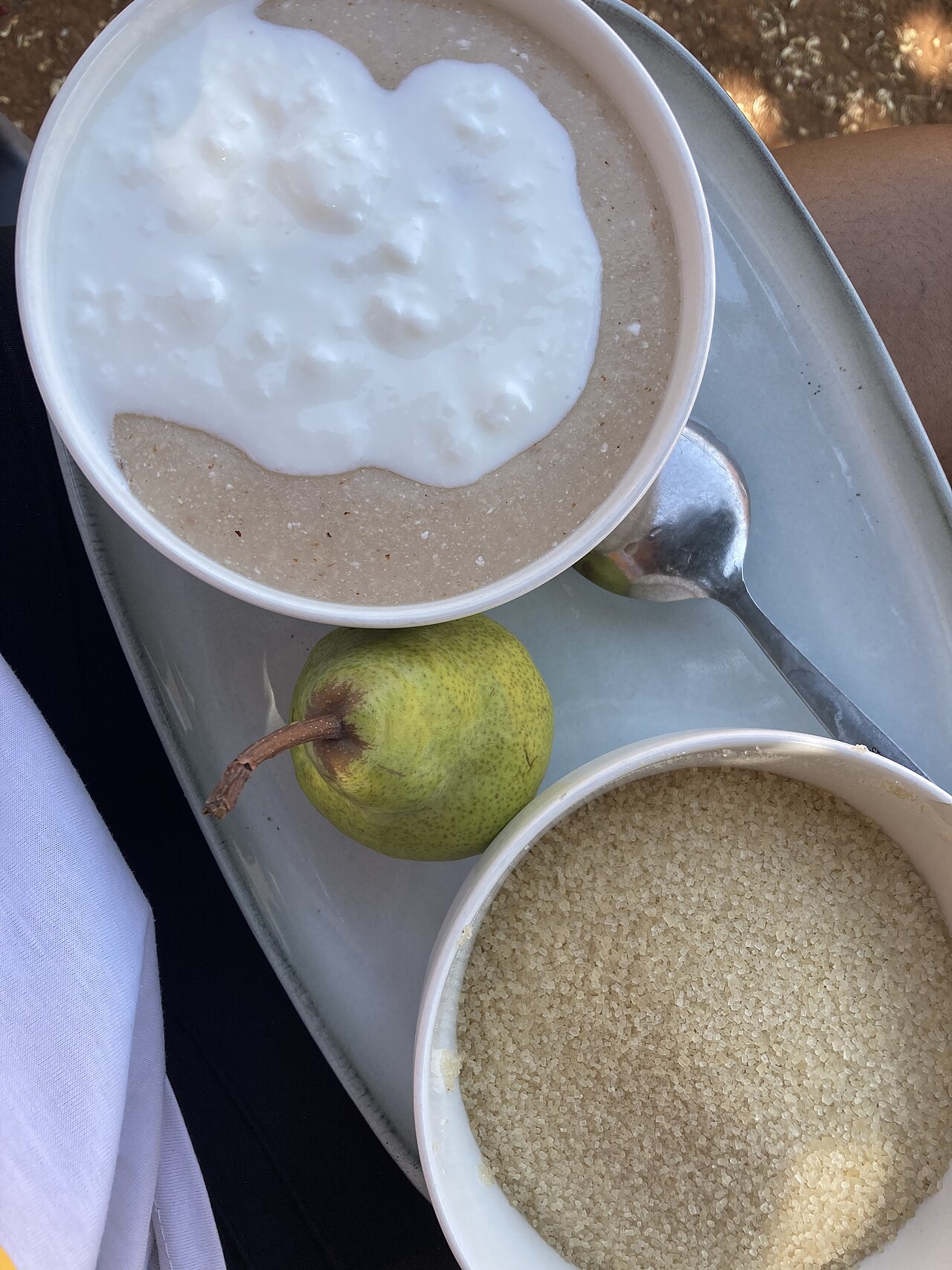
Sorghum or maize meal that is left to ferment for a few days before it is cooked, which gives the porridge a pleasant sour taste. With milk and sugar it is a breakfast dish; without them it is eaten with meat or vegetables for lunch or dinner.
Sorghum porridge cooked with lerotse, a local yellow cooking melon, and often sour milk. It is soft, slightly sweet and sour, and is a traditional wedding dish, when big pots of it are served alongside the meat.
The melon is usually prepared ahead with sour milk and stored until it is needed.
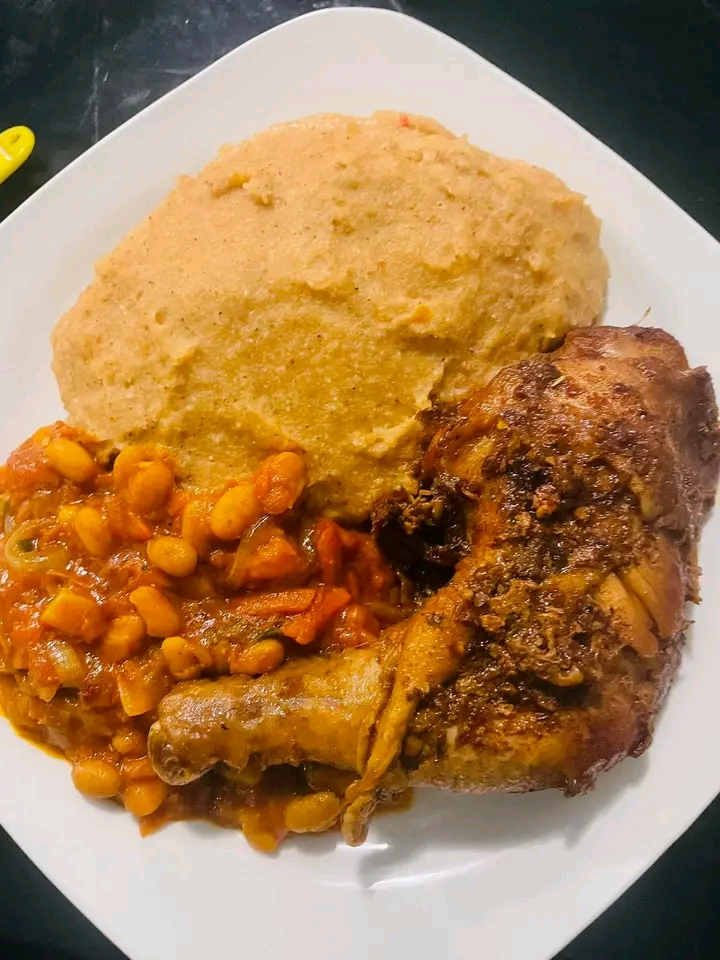
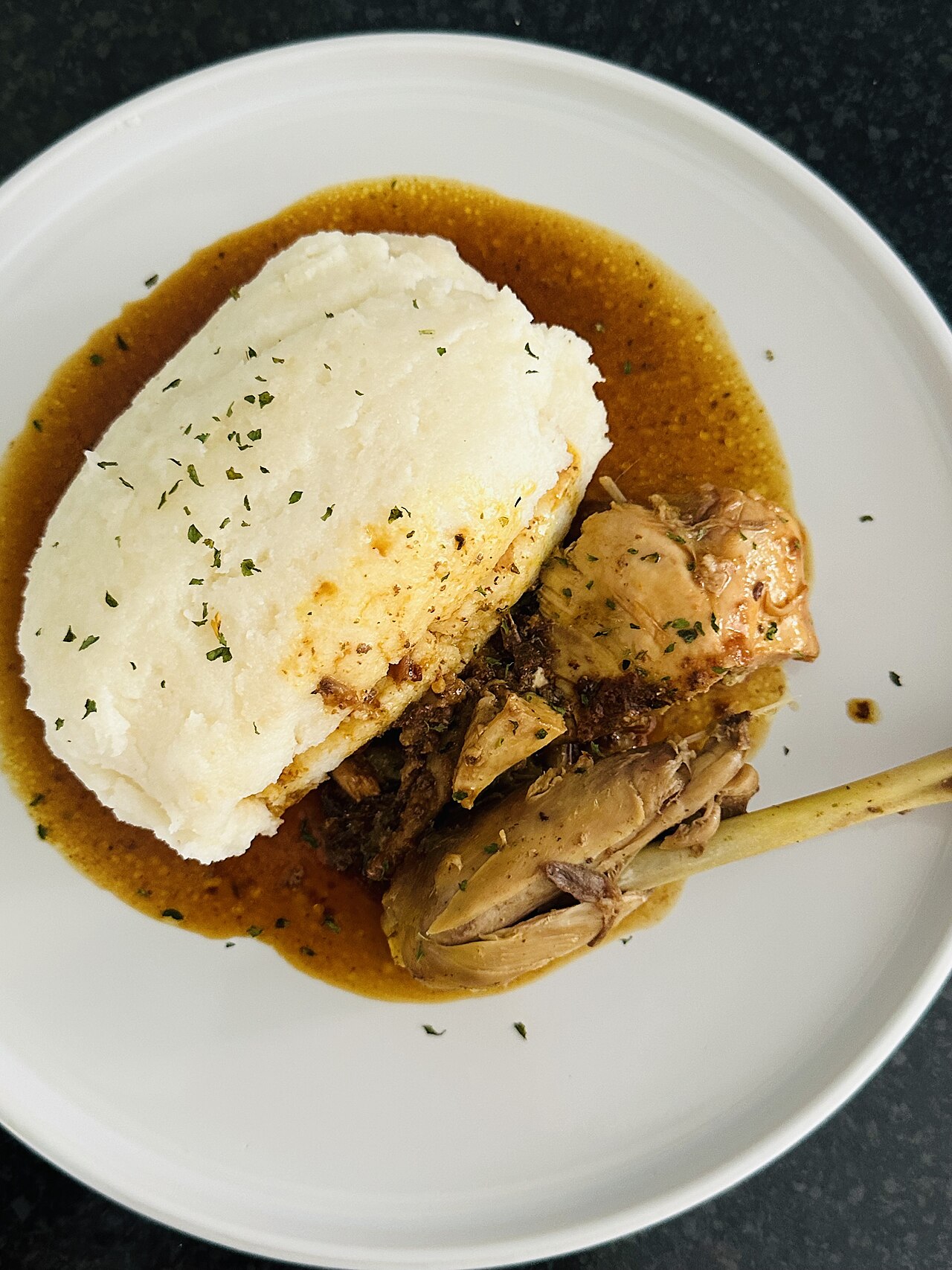
Free-range village chicken, called koko ya Setswana, slow-cooked in a three-legged pot over a wood fire until tender. It is thought to be much tastier than shop-bought chicken, and cooking one for a visitor is a sign of special hospitality. It is served with phaletshe or dumplings.
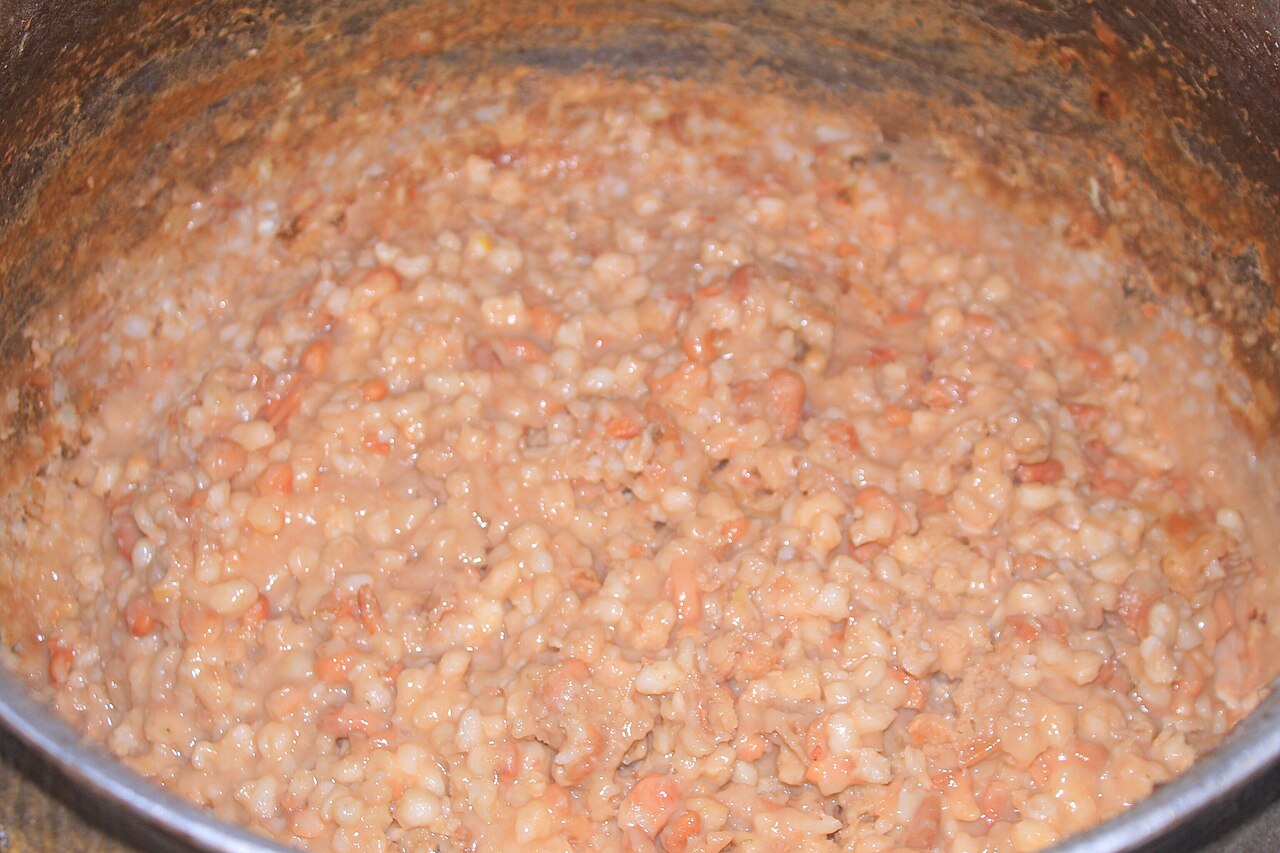
Samp, which is dried maize kernels broken into pieces, cooked slowly with beans until thick and creamy. Dikgobe is a comforting everyday meal and a fixture at weddings, where it is served with seswaa.
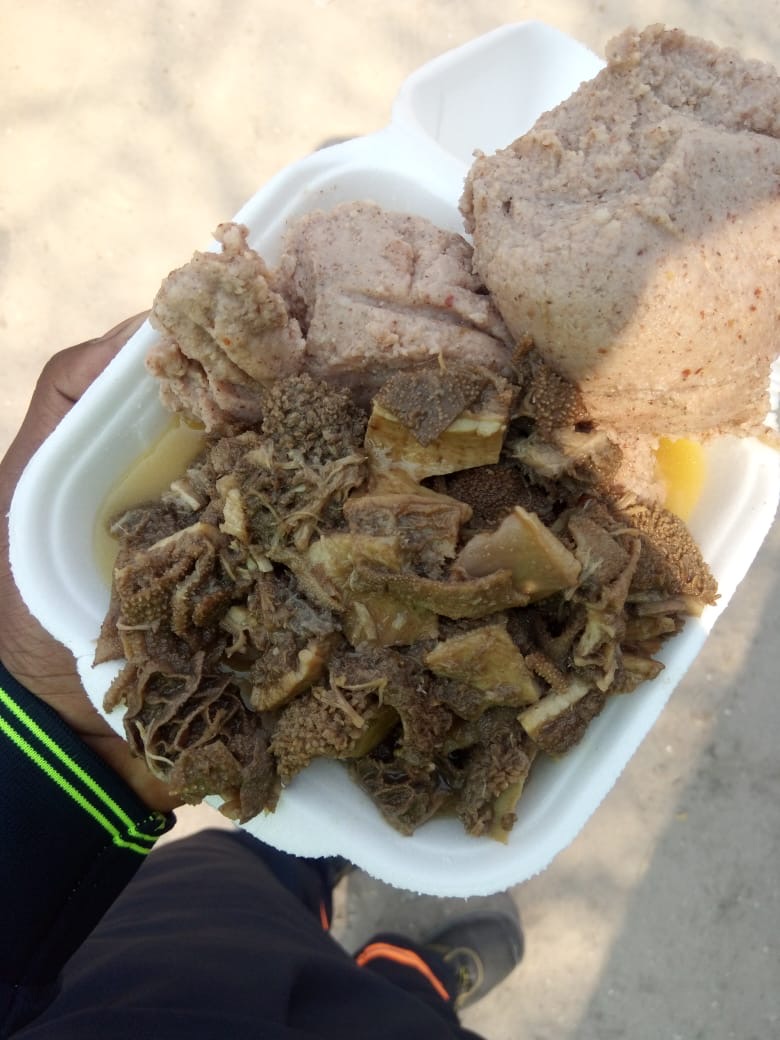
A dish of tripe and intestines of a goat, sheep or cow, washed carefully, cut into small pieces and boiled until soft; for goat or sheep, the trotters go in too. It is a popular dish at ceremonies and is eaten with phaletshe or sorghum porridge.
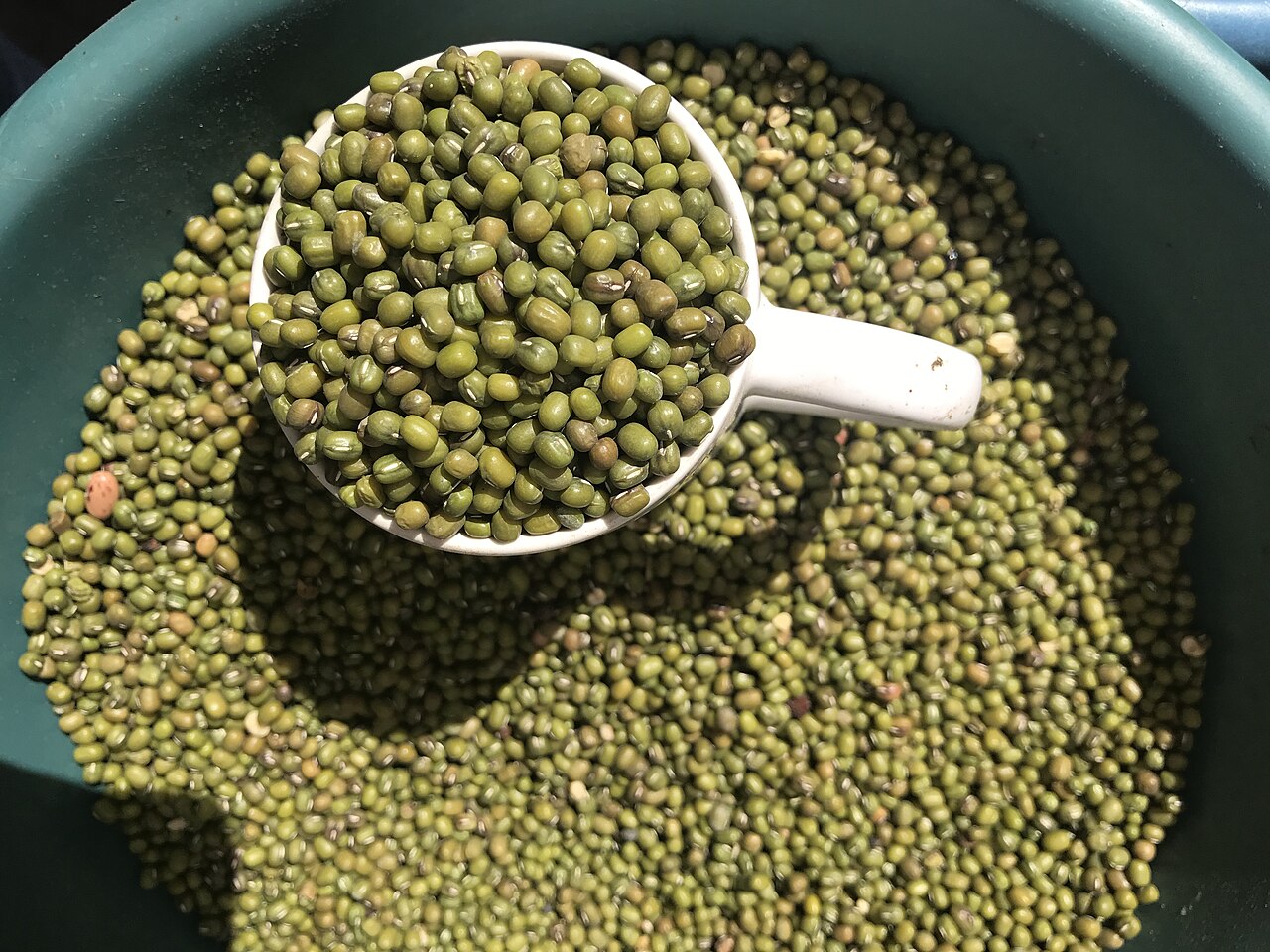
Mung beans, a small green bean grown in Botswana, boiled until soft and often cooked into a thick stew. It is a cheap and nourishing dish, eaten with porridge, and letlhodi is also sold dried in shops and markets.
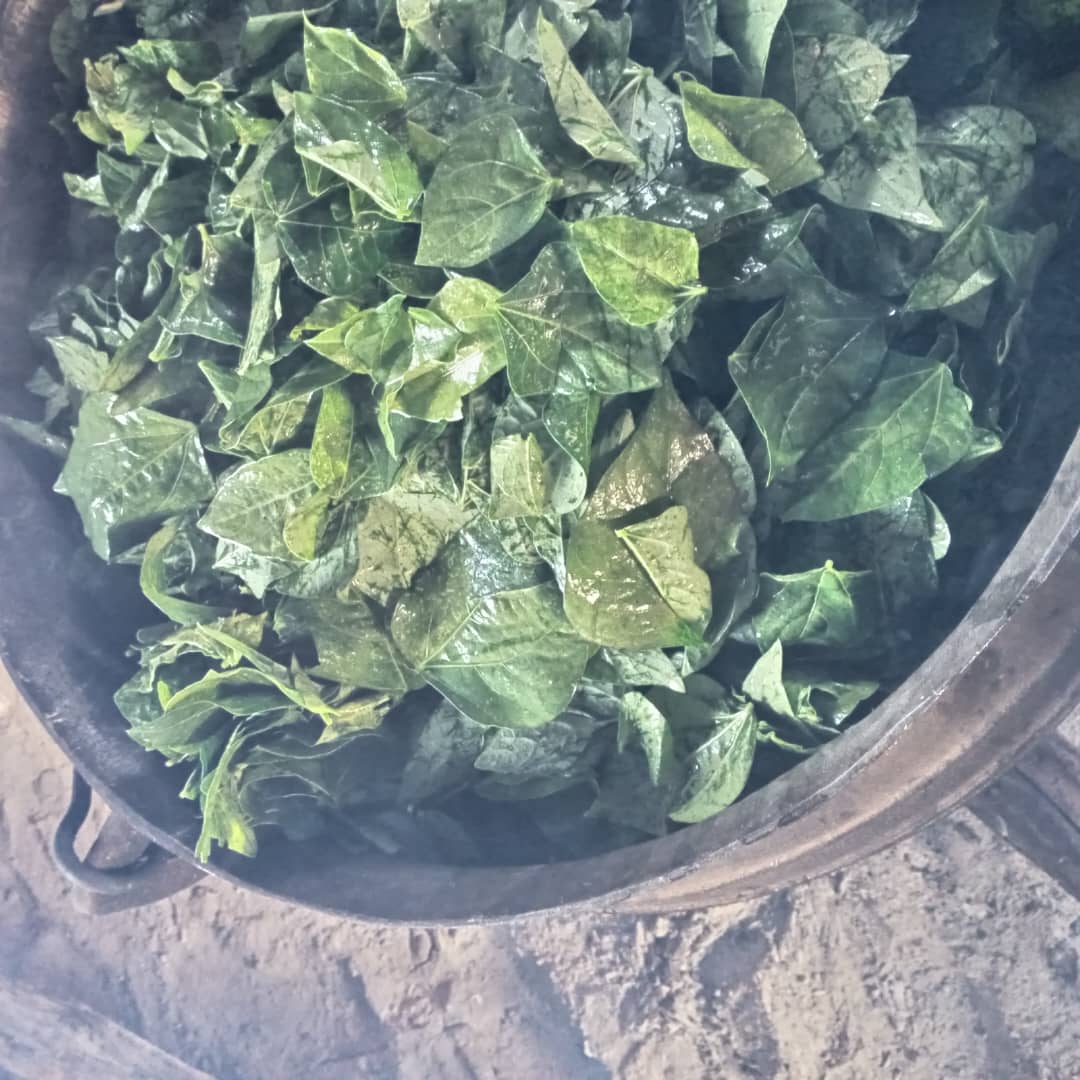
Leafy greens, often wild or from bean plants, boiled and seasoned, sometimes with onion and tomato. Morogo wa dinawa is made from bean leaves, which are often dried in the sun so they can be eaten all year round.
The mopane woodlands of northern and eastern Botswana, and neighbouring countries
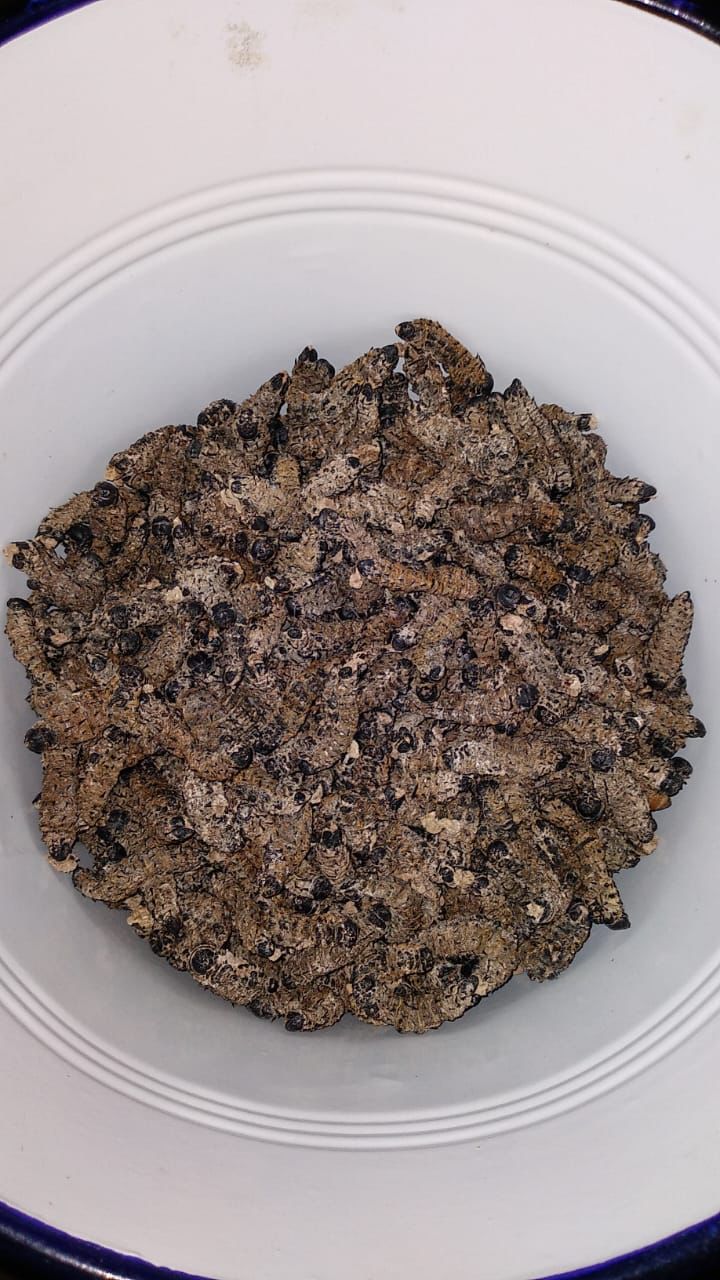
The large caterpillars of the mopane emperor moth, collected from mopane trees, squeezed clean, boiled and dried. They are eaten as a crunchy snack or softened again and cooked in a tomato and onion sauce, and they are rich in protein.
Phane are sold by the bag in markets, and gathering and selling them earns many rural families money every year.
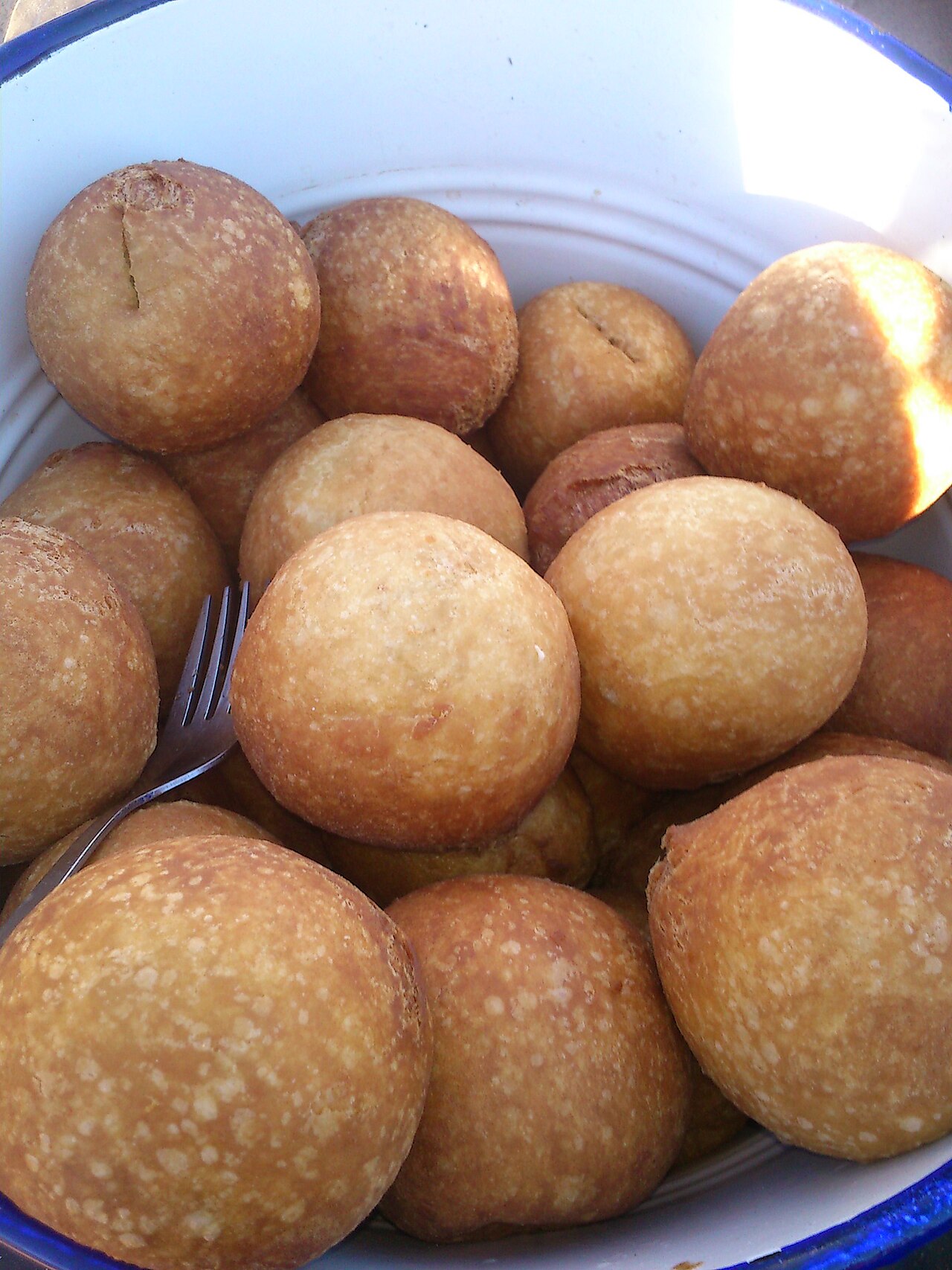
Balls of soft yeast dough deep-fried until golden, like a doughnut without a hole and without much sugar. They are sold hot from roadside stalls in the morning and eaten plain, with jam, or with soup or a stew.
Fresh milk left to ferment into thick sour milk, much like yoghurt or sour cream. It is eaten on its own, poured over porridge, or stirred into bogobe jwa lerotse.
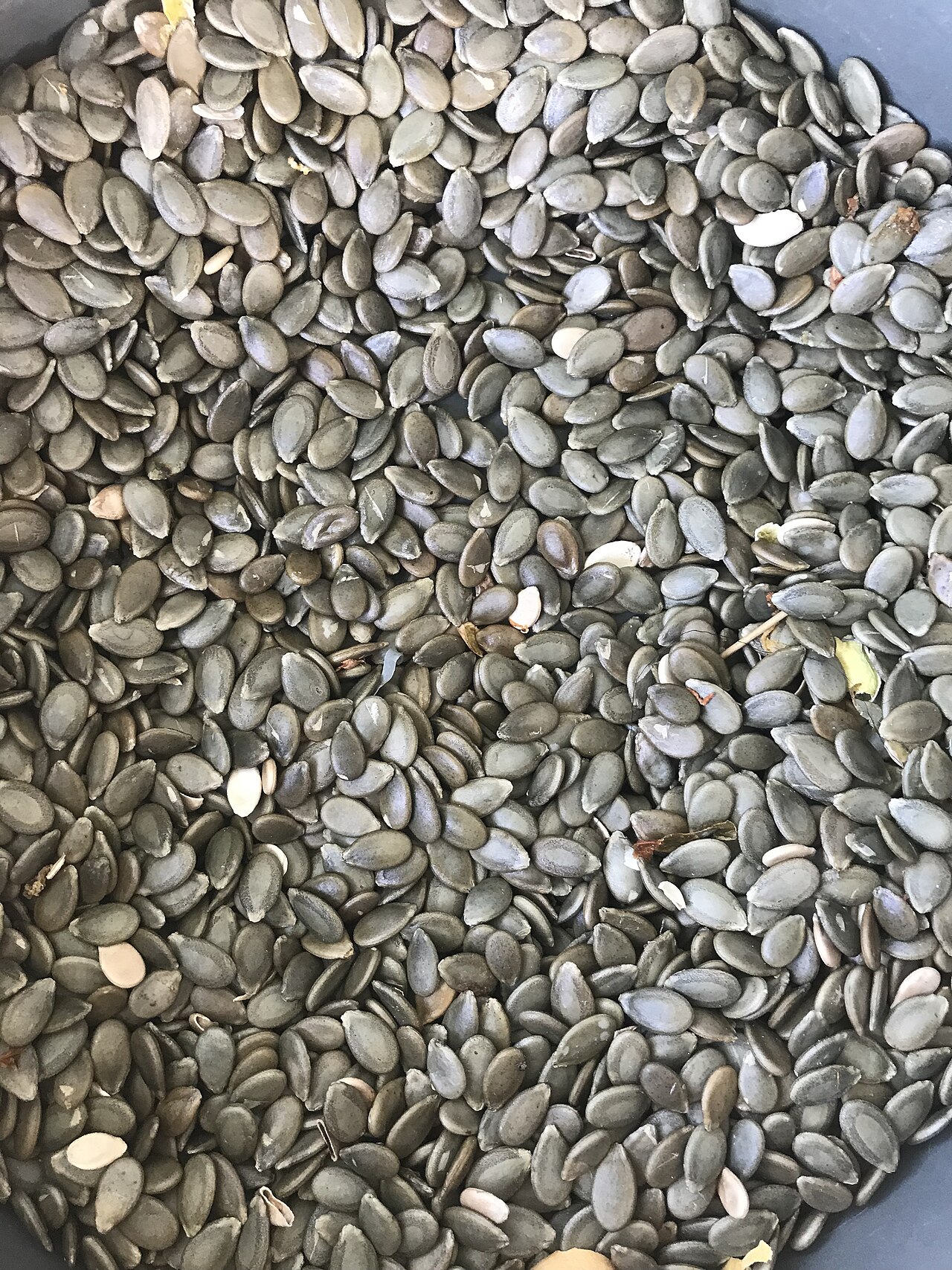
Roasted melon seeds, usually from the lerotse cooking melon. They are dried, roasted and cracked open with the teeth as a snack, much as sunflower seeds are eaten elsewhere.
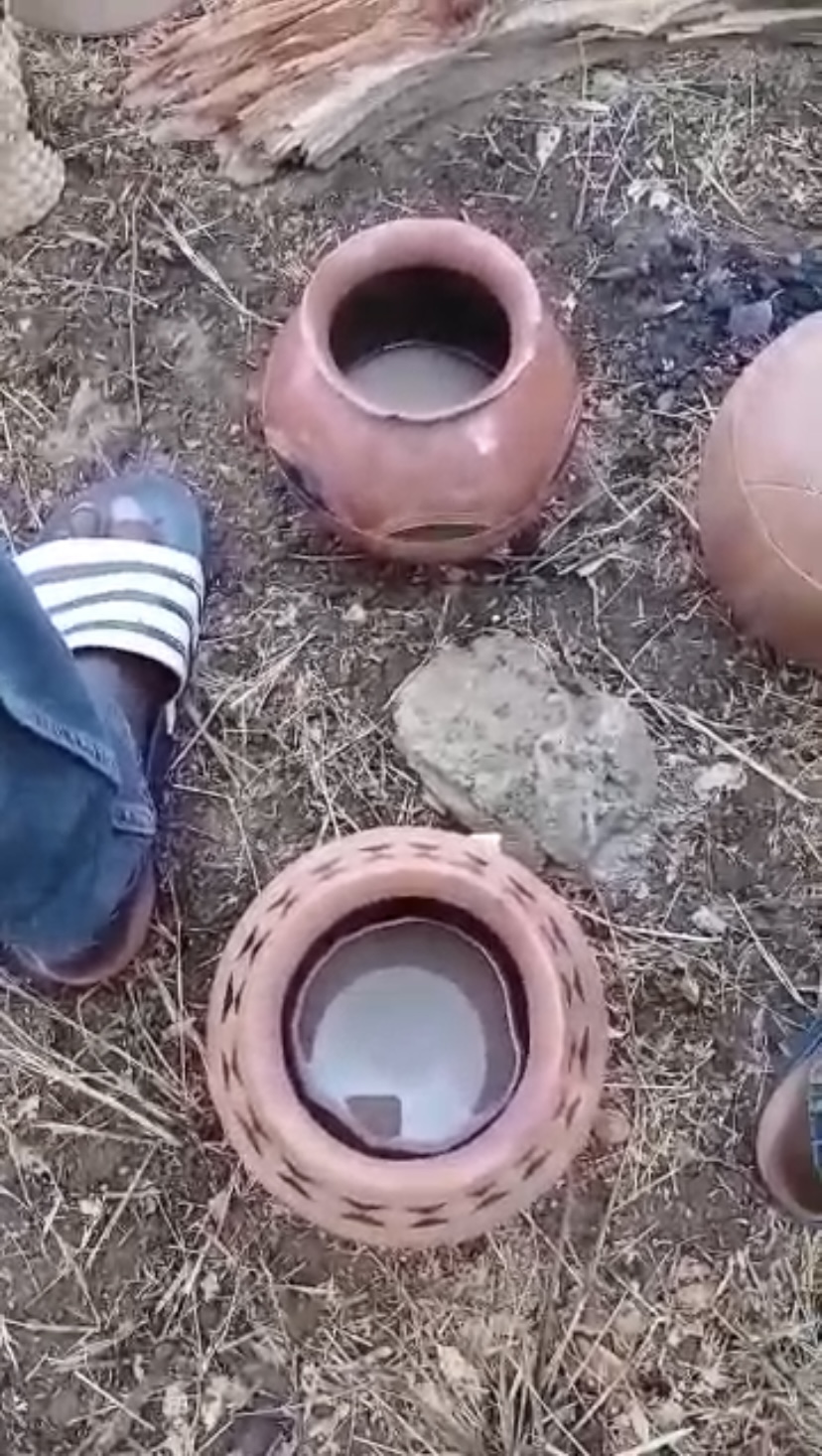
The traditional home-brewed beer of Botswana, made from fermented sorghum. It is thick, cloudy and slightly sour, and among the Kalanga a similar beer is made from millet. It contains alcohol.
At the table in Botswana
Wash your hands before and after the meal. A bowl of water is often passed round for this.
If you eat with your hands, as many people do with porridge and meat, use your right hand.
When you are a guest, wait for your host to start eating before you begin.
Accept food or a drink with both hands, or with the right hand while the left hand touches the right arm. It is a sign of respect and thanks.
Food is often shared from common dishes, especially in villages. If you really cannot eat more, decline politely rather than simply refusing.