Zimbabwean cooking is simple, filling and built on maize. Breakfast is often a thin porridge, and lunch and supper are usually sadza, a stiff maize porridge, with a relish: a meat or chicken stew, greens cooked with peanut butter, beans, dried fish or mopane worms. Peanut butter, called dovi, flavours many dishes. Between meals people snack on roasted maize, boiled round nuts and wild fruit, and the British habit of morning and afternoon tea is still strong.
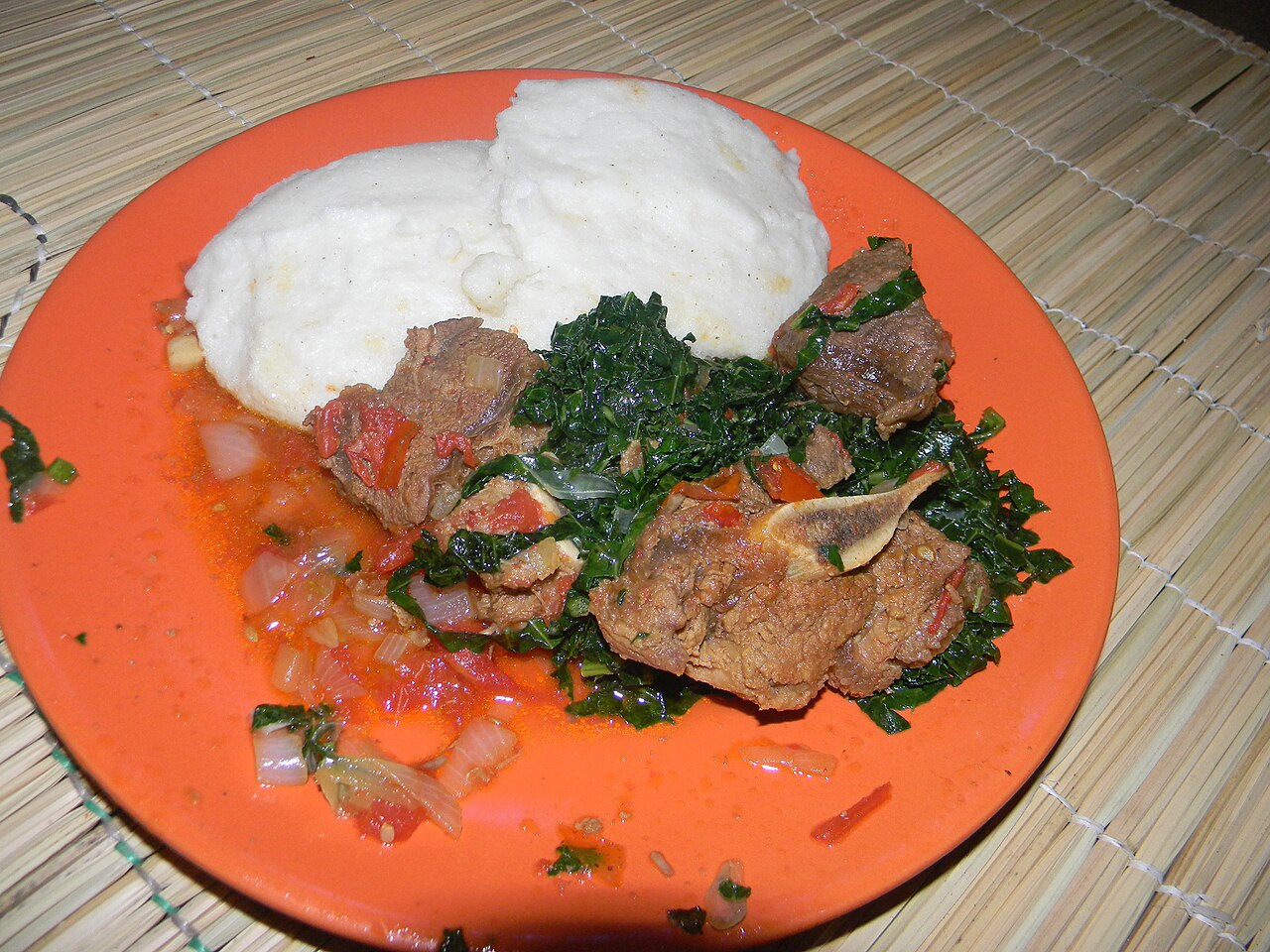
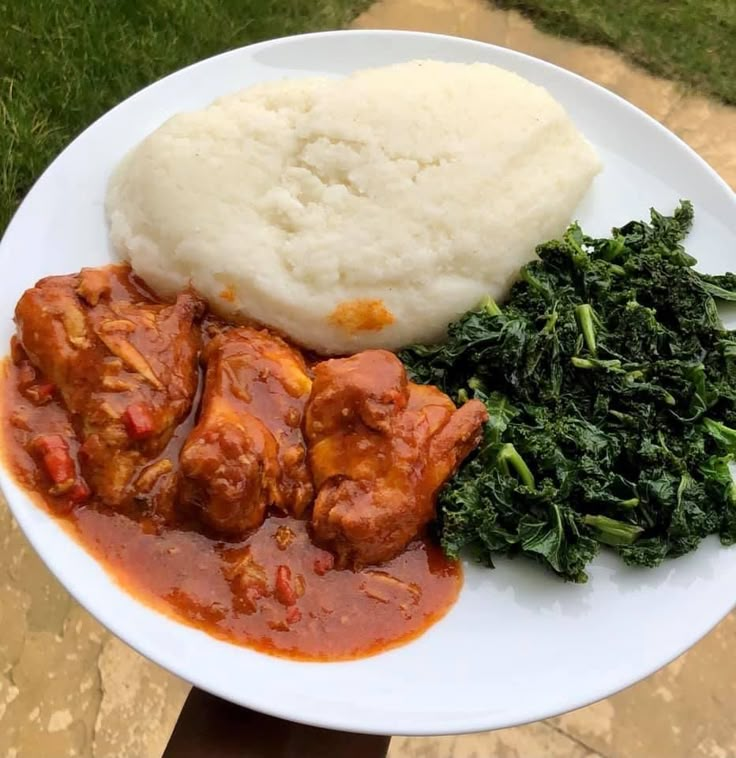
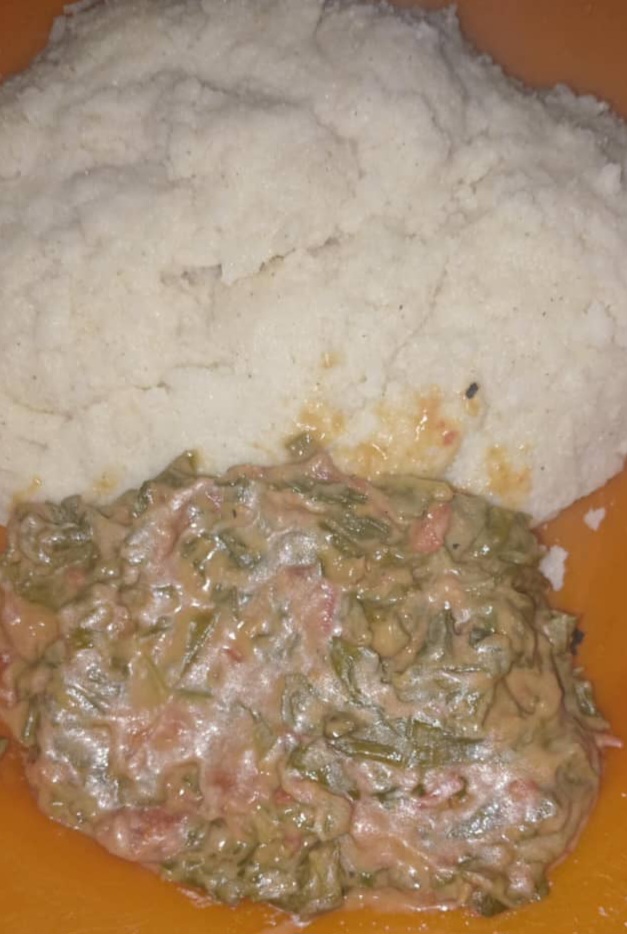
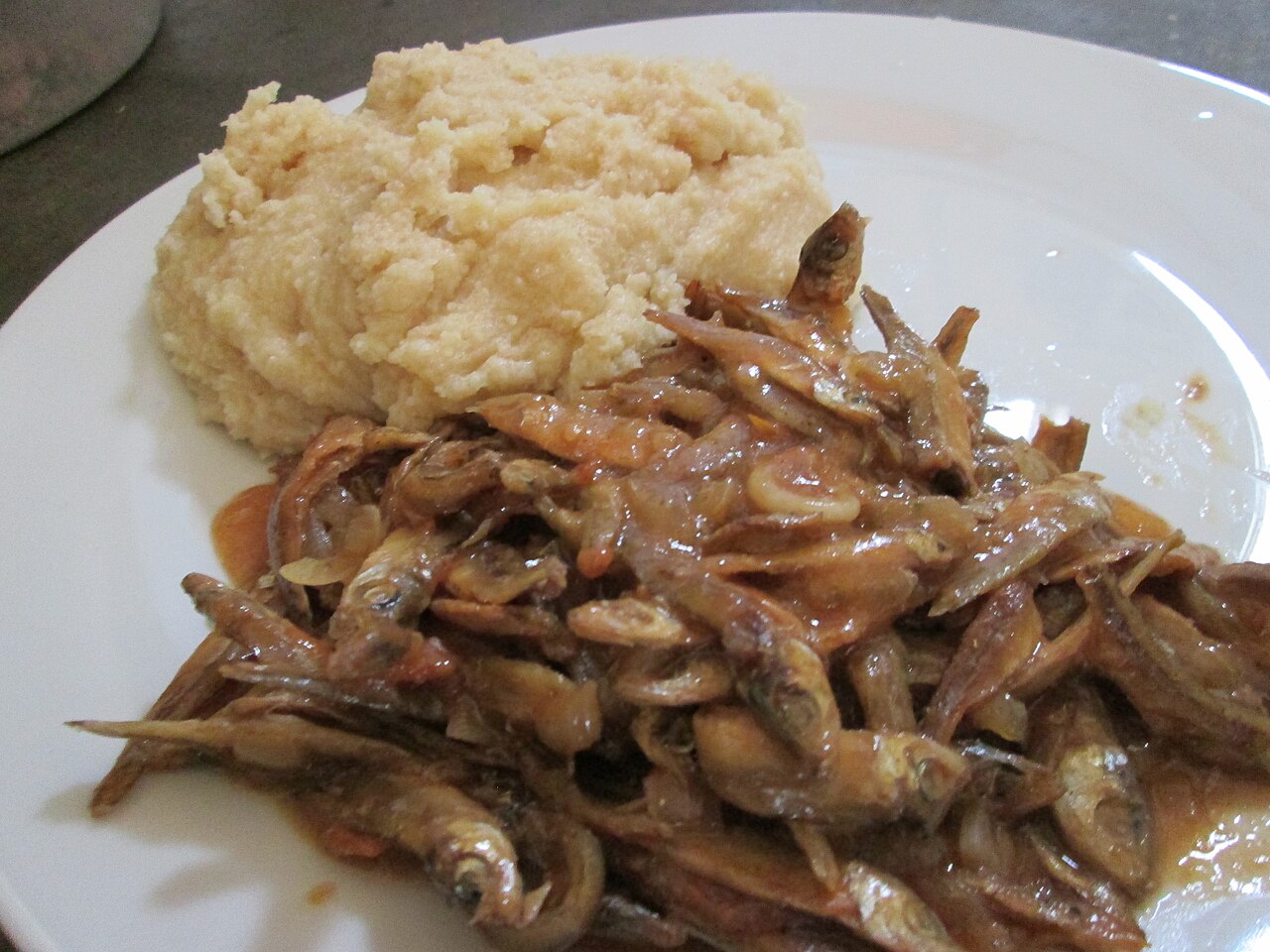
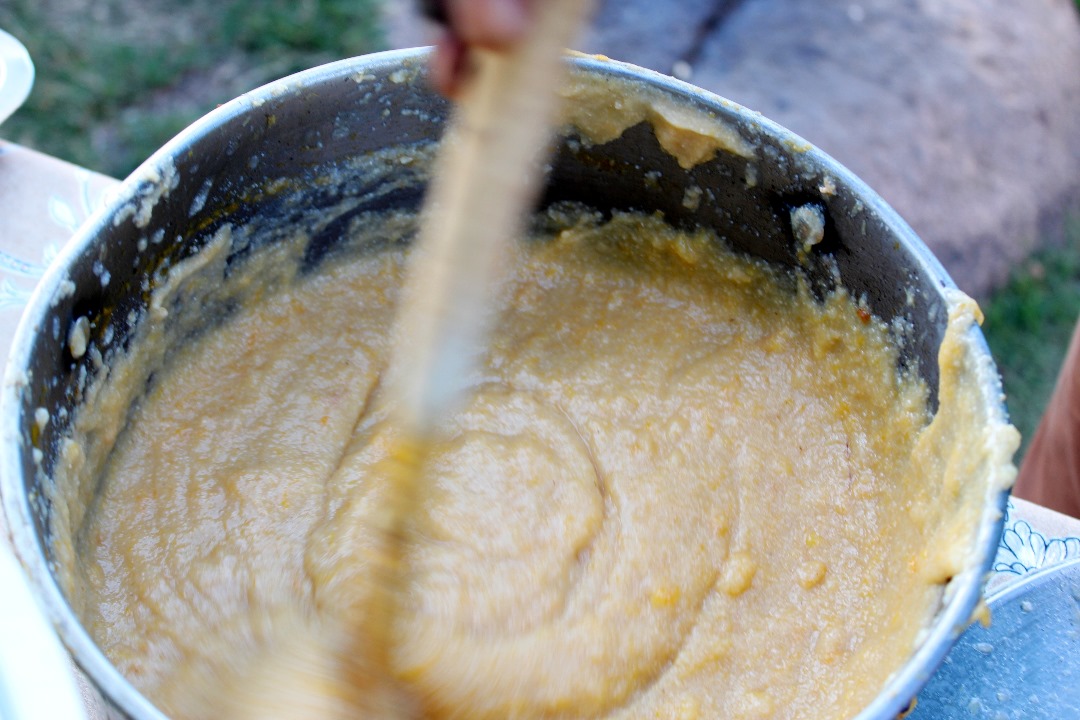
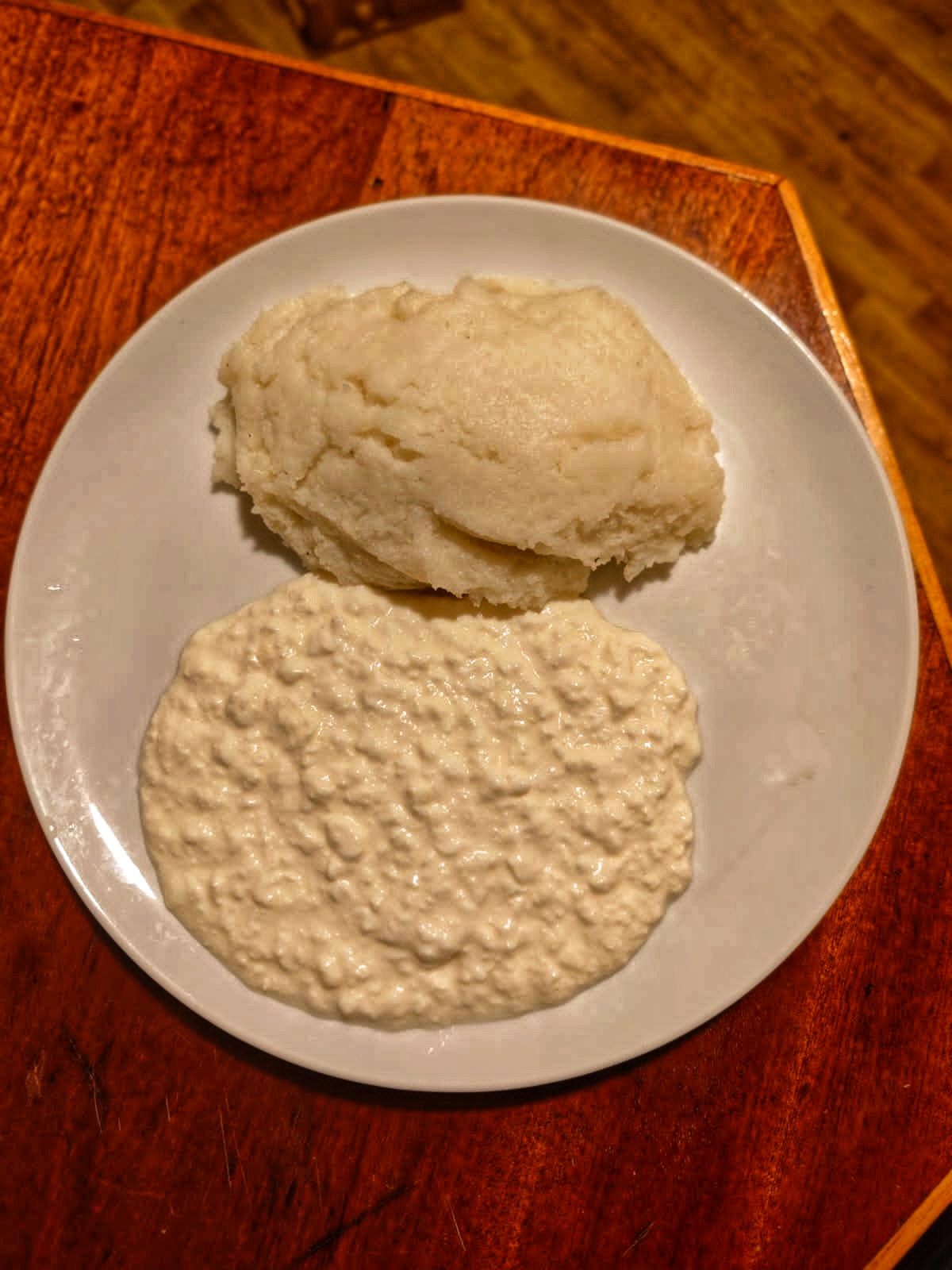
The heart of almost every meal: a stiff porridge of finely ground white maize meal cooked with water until it holds its shape. It is served in smooth mounds with a relish of stew, greens or beans. People pinch off a piece with the right hand, roll it into a ball, press a hollow into it with the thumb and use it to scoop up the relish.
Sadza can also be made from sorghum or finger millet, the grains that were eaten here before maize arrived from the Americas.
Nyama simply means 'meat' in Shona, and on the plate it usually means a stew of beef or chicken simmered with onion, tomato and a little curry powder or paprika until the sauce is thick. It is the favourite relish for sadza, especially on Sundays and at family gatherings.
At graduations, weddings and other big family occasions, a goat or a cow is often killed and cooked for all the guests.
Leafy greens cooked with onion, tomato and peanut butter, which melts into a creamy, nutty sauce. Spinach, rape, covo or pumpkin leaves are all used. It is one of the most common relishes for sadza, and a good way to make a meal of vegetables alone.
Tiny freshwater sardines, sold sun-dried and salty. At home they are soaked, then fried with onion and tomato, sometimes with ground peanuts, and eaten with sadza. Most of Zimbabwe's kapenta is caught at night on Lake Kariba from boats that lure the fish with lights.
Kapenta are not native to Lake Kariba: the fish come from Lake Tanganyika and were brought to the new lake, where they became a large fishery.
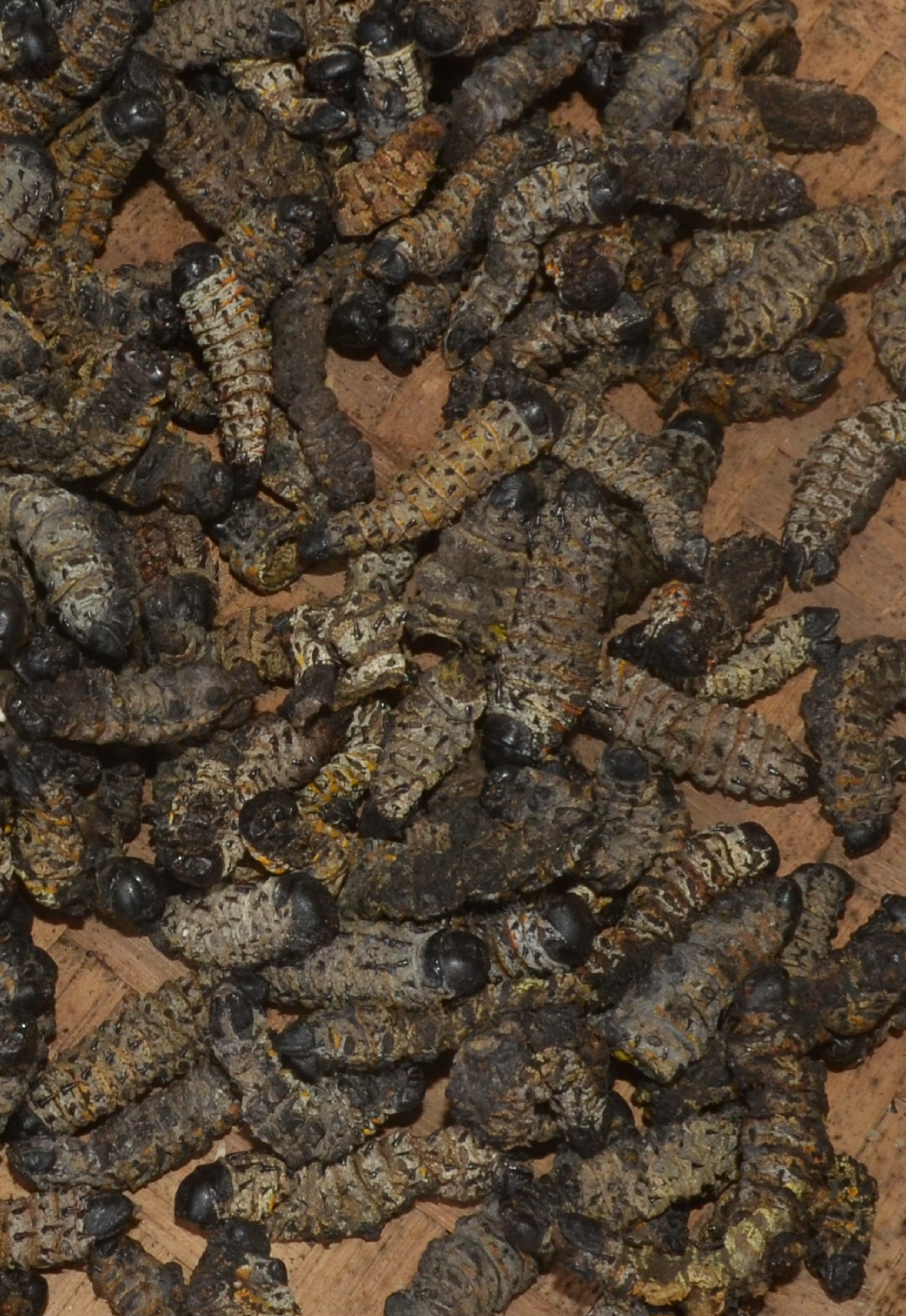
The large caterpillars of the mopane emperor moth, picked by hand from mopane trees, squeezed clean and dried in the sun. They are eaten crunchy as a snack or soaked and fried with onion, tomato and chilli and served with sadza. They are rich in protein.
About three kilograms of mopane leaves produce one kilogram of worms, far less feed than cattle need for the same weight of beef.
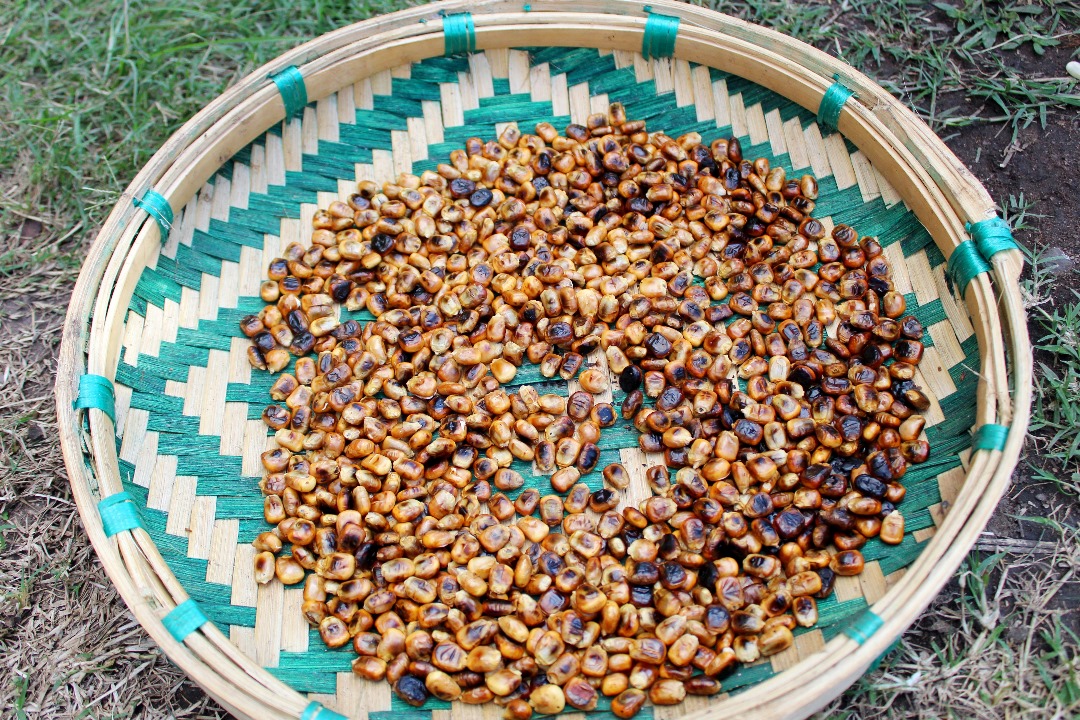
Dried maize kernels roasted in a heavy pan over the fire until golden and crunchy. They are often roasted together with peanuts, a mix called maputi anenzungu, and handed round while people sit and talk by the fire.
A special heavy-based roasting pan, the mugango, is used for maputi and for roasting salted peanuts.
Pumpkin or butternut boiled until soft and mashed, sometimes with a little maize meal, and usually with a spoonful of peanut butter. It is naturally sweet and filling.
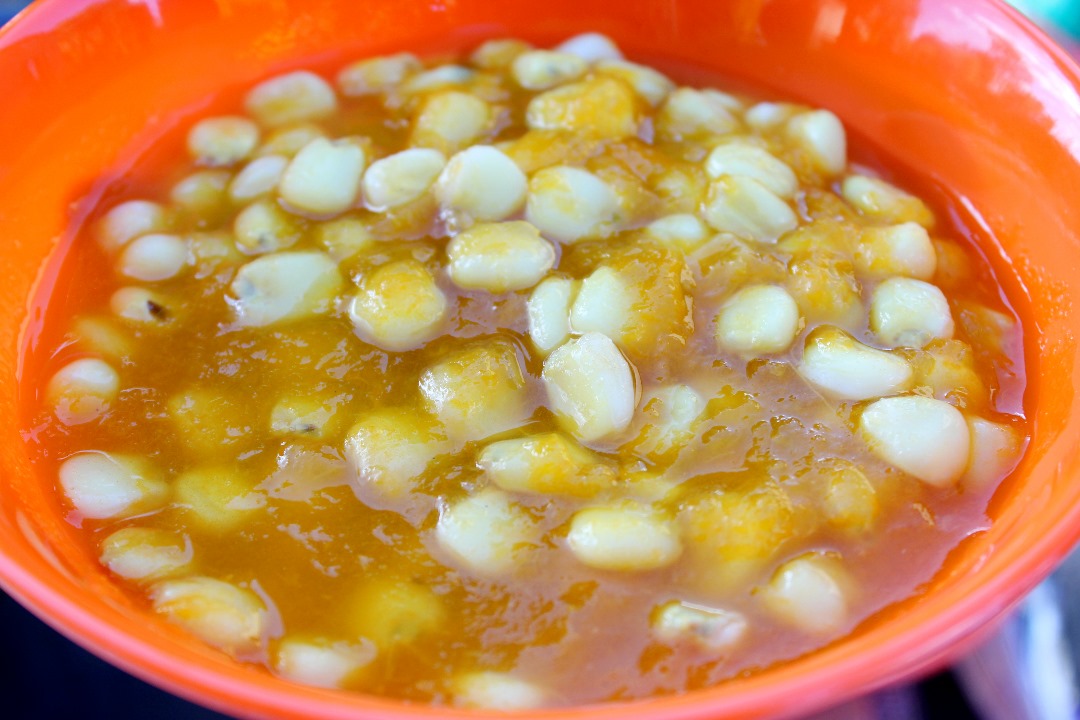
A seasonal Ndebele dish, cooked in winter after the harvest. A yellow-fleshed melon, called ijodo, is peeled, seeded and boiled, then mixed with sun-dried maize kernels that have been boiled for hours until soft, and sweetened with a little sugar.
Thick soured milk, rather like a strong plain yoghurt, poured over or eaten beside a mound of sadza. Traditionally milk was left to ferment in a calabash or clay pot; today most people buy it in cartons, often simply called 'lacto'. It makes a cool, simple meal on a hot day.
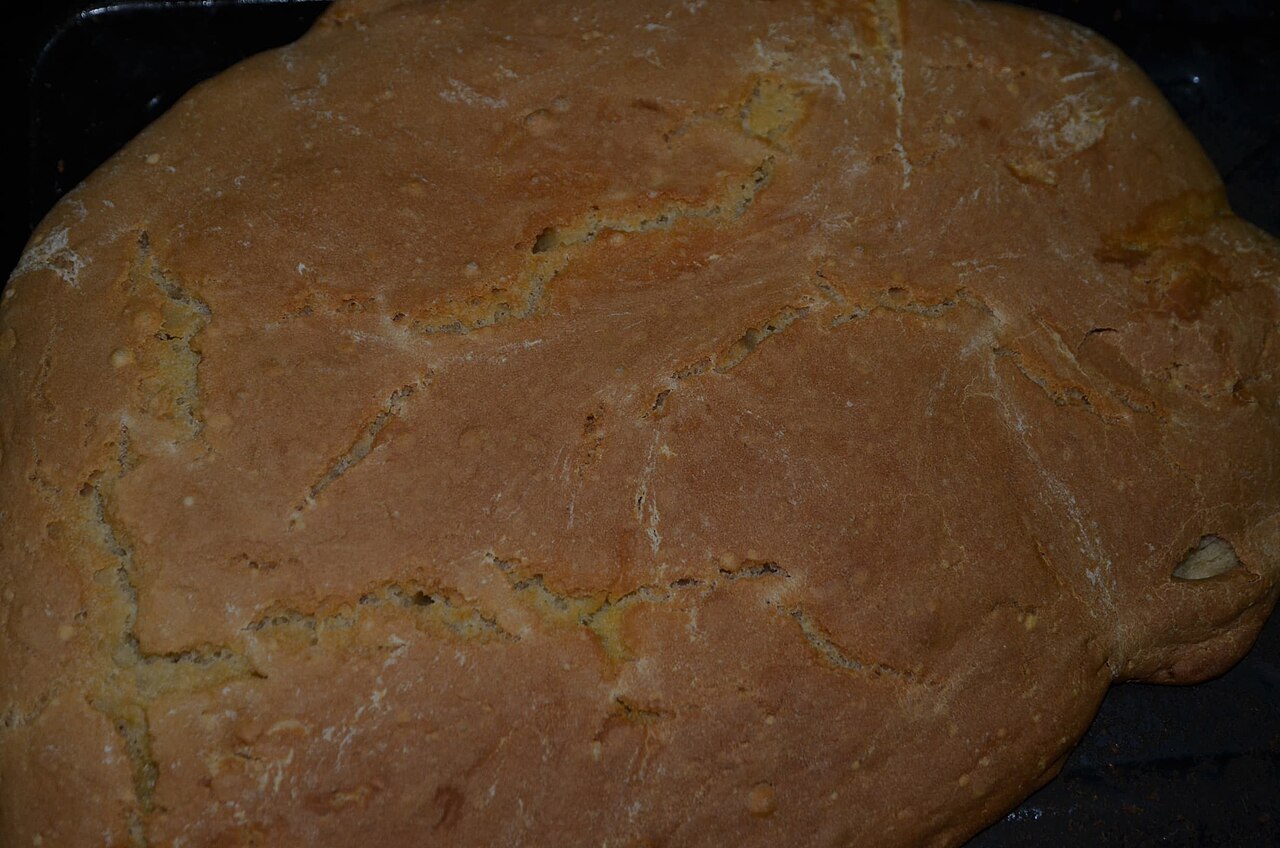
A dense, slightly sweet loaf made from maize meal and flour with sour milk. Traditionally it was baked in a three-legged iron pot over hot coals; today it is usually baked in the oven and eaten plain or with butter, jam or honey at teatime.
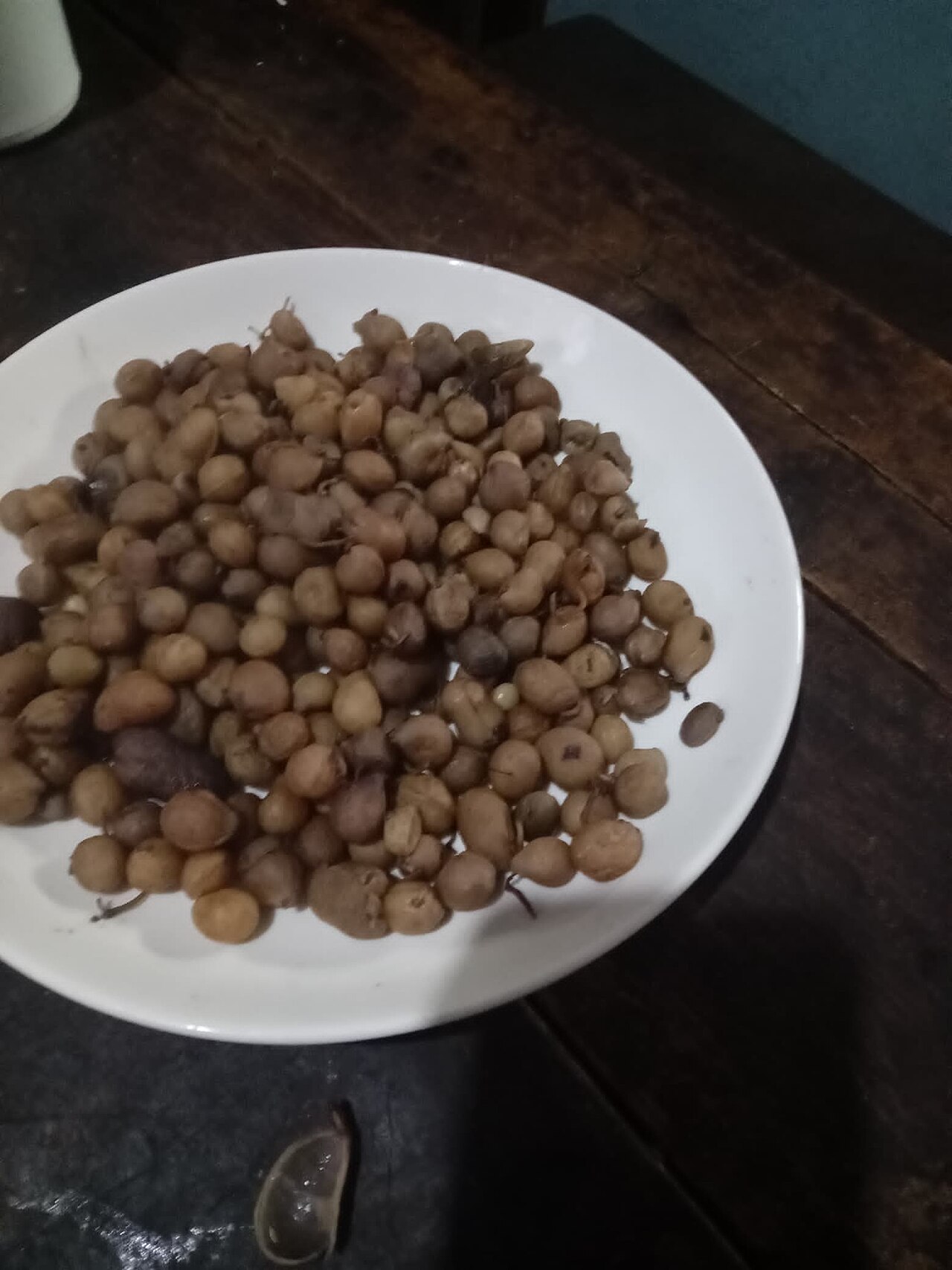
Bambara groundnuts, small hard beans that grow underground like peanuts. They are usually boiled in salted water, often in their shells, and eaten as a snack. They also go into mutakura, a hearty mix of boiled maize, peanuts, cowpeas and round nuts.
Although they are loved in Zimbabwe, round nuts originally come from West Africa.
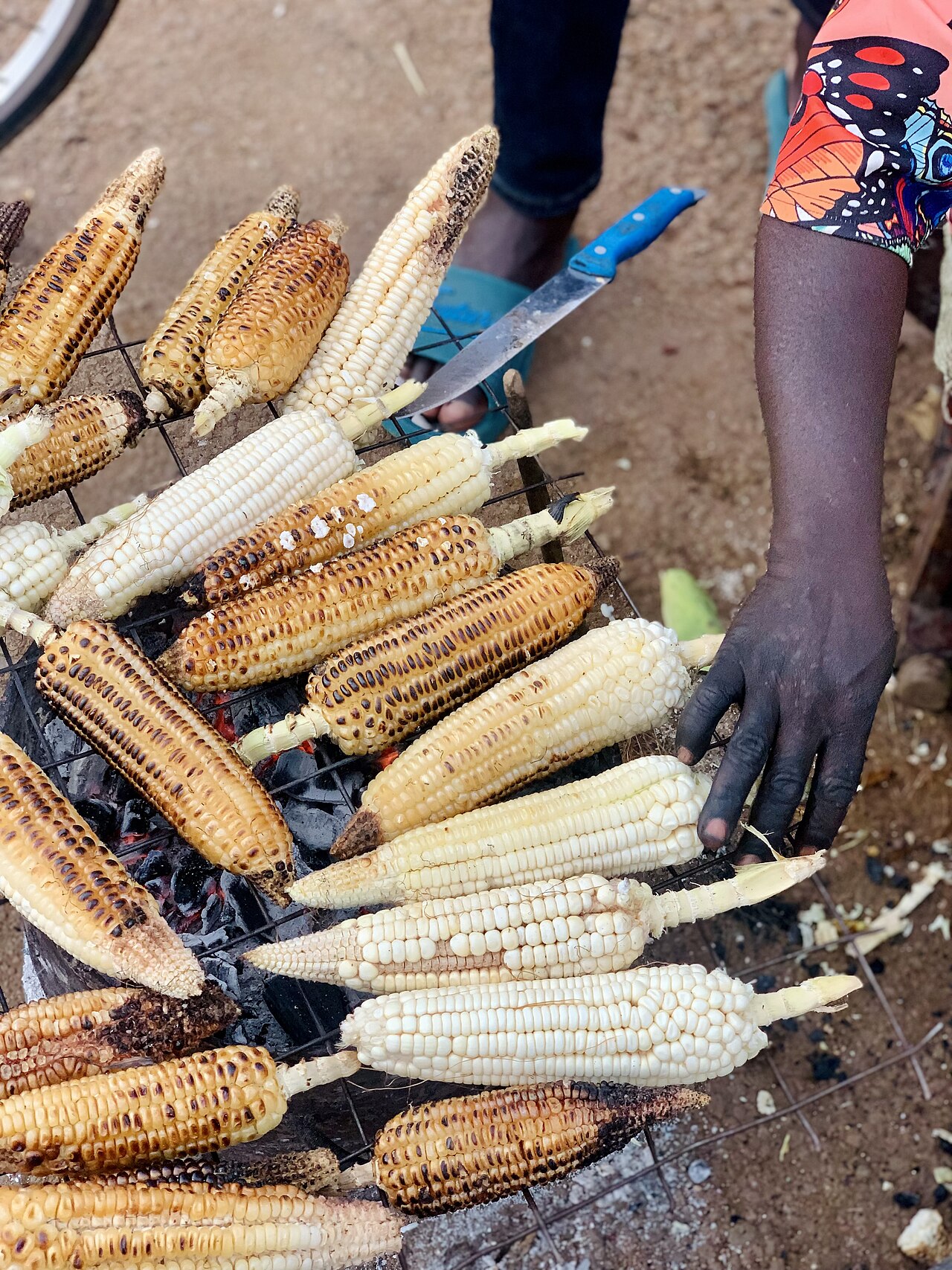
Fresh maize cobs, boiled or roasted over coals, are a favourite snack in the season when the new maize is ready after the rains, and are eaten straight from the cob.
Dried maize kernels, boiled for hours until soft, are also the base of mutakura and umxhanxa.
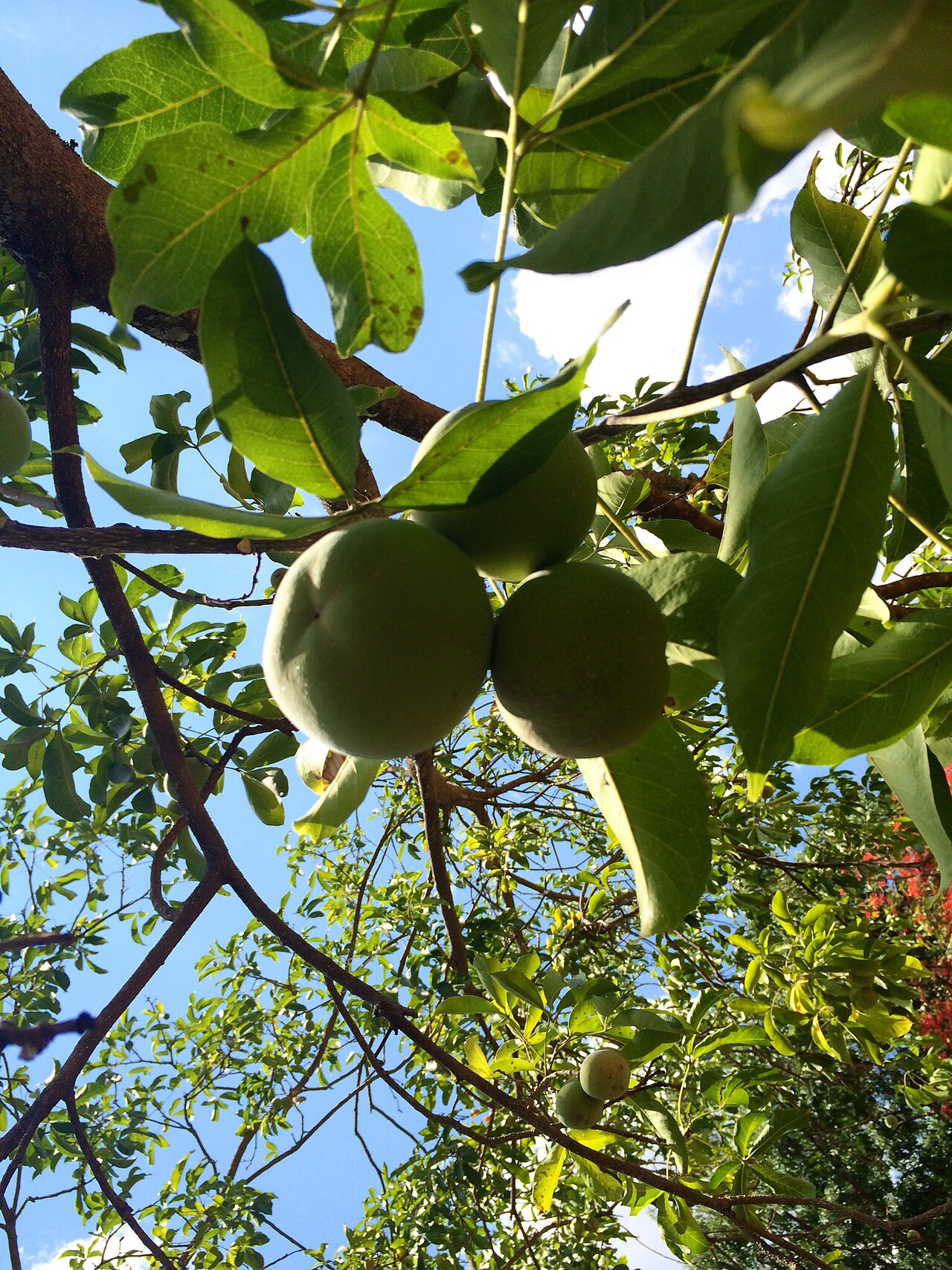
Round wild fruits 2 to 4 cm across, with a hard skin and sweet yellow flesh that tastes a little like pear. They grow on a woodland tree that is seldom planted, and in season they are piled high at markets and roadsides.
The trees are often left standing when land is cleared for fields, because the fruit is so popular.
At the table in Zimbabwe
Before a meal a bowl of water is brought round so that everyone can wash their hands, and it is brought again afterwards.
Sadza is eaten with the right hand: roll a small ball, press a hollow into it with your thumb and use it to scoop up the relish.
The host usually serves each person individually.
Pass and receive plates and other things with both hands. Clapping twice, softly, is a polite way of saying thank you.
It is polite not to talk with food in your mouth, and to accept food and drink when they are offered.