The smoke that thunders at Victoria Falls, the stone walls of Great Zimbabwe and some of Africa's finest wildlife parks, all on a high, sunny plateau between two great rivers.
Zimbabwe is a landlocked country in southern Africa, lying between the Zambezi River in the north and the Limpopo in the south. Most of it is a high plateau more than 1,000 m above sea level, which keeps the climate pleasantly mild. In the east rise the green Eastern Highlands, in the north the Zambezi flows past Lake Kariba and the wild floodplains of Mana Pools, and in the far northwest the river plunges over Victoria Falls, which Zimbabwe shares with Zambia.
The country takes its name from Great Zimbabwe, a city of dry-stone walls built by ancestors of the Shona people from the 11th century onwards. Later came the Mutapa and Rozvi states and, in the 19th century, the Ndebele kingdom around Bulawayo. From 1890 the British South Africa Company took control, and the territory became the colony of Southern Rhodesia. After a long struggle it became independent as Zimbabwe on 18 April 1980.
Questions to ask the older generation
Memories fade faster than photos. Ask these over a meal or a phone call, and write the answers down.
Which town or region of Zimbabwe did our family come from? Was it near Bulawayo, Mutare, Gweru?
Who was the first in the family to leave Zimbabwe, when, and why?
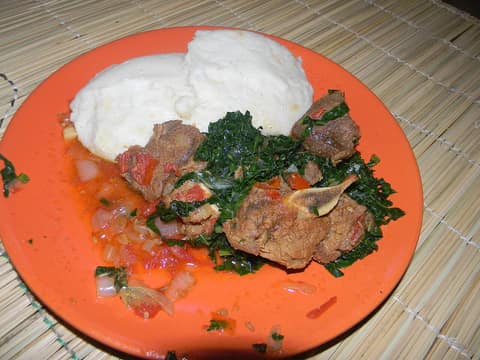
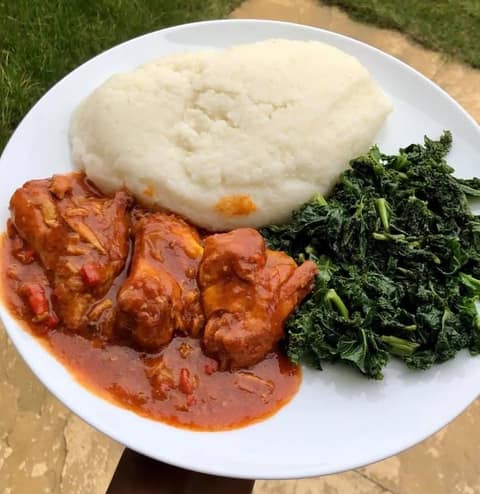
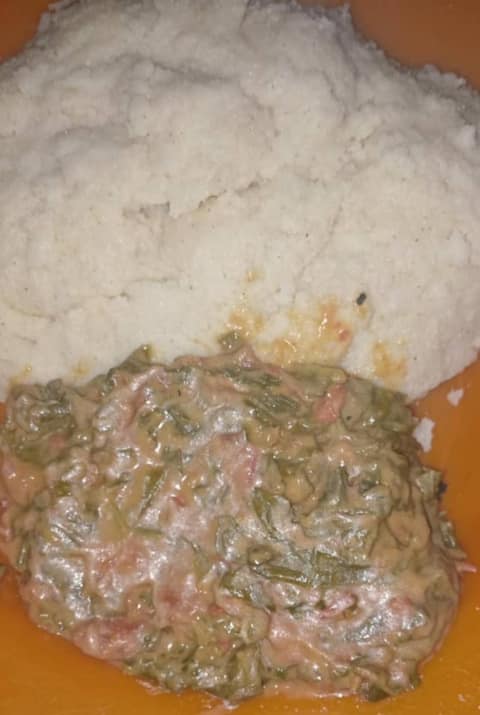
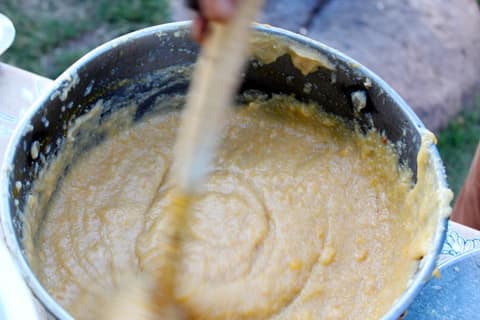
Which dishes from Zimbabwe were cooked at home? Did anyone make Sadza or Nyama (meat stew)?
Does anyone in the family still speak Shona, or use a few words of it?
Were there songs, prayers, games or holidays from Zimbabwe that the family kept?
Are there old photos, letters or documents from Zimbabwe? Who has them?
If you could visit Zimbabwe together, where would you go first?
A short history of Zimbabwe
Zimbabwe's story runs from San hunters and their rock paintings, through the stone city of Great Zimbabwe and the kingdoms that followed it, to the Ndebele state, ninety years of British and settler rule, a long war and independence in 1980. In recent decades the country has lived through hard economic times and several new currencies.
1300
Great Zimbabwe at its height
By about 1300 the stone city of Great Zimbabwe, near today's Masvingo, had become the capital of a wealthy Shona kingdom that traded gold and ivory with the Indian Ocean coast. Its Great Enclosure, with walls up to 11 m high built without mortar, dates from the 13th and 14th centuries.
1531
The name is first written down
In 1531 Vicente Pegado, captain of the Portuguese fort at Sofala, recorded that local people called the great stone buildings 'Symbaoe'. It is the first written record of the name Zimbabwe.
1840
The Ndebele settle in the southwest
Around 1840 the Ndebele under their king Mzilikazi, who had broken away from the Zulu kingdom, settled for good in the southwest, in the land later called Matabeleland. Their capital grew into the city of Bulawayo.
1890
The Pioneer Column founds Fort Salisbury
On 12 September 1890 the Pioneer Column of Cecil Rhodes's British South Africa Company raised its flag at Fort Salisbury, today's Harare, and began company rule over Mashonaland.
1905
The Victoria Falls Bridge opens
The railway bridge across the Zambezi gorge just below Victoria Falls was completed in 1905 and officially opened on 12 September. It linked today's Zimbabwe and Zambia and brought the first steady stream of visitors to the falls.
1960
The Kariba Dam opens
The Kariba Dam across the Zambezi, built between 1955 and 1959, was officially opened in May 1960. The lake behind it, Lake Kariba, filled up over the following years and became one of the largest artificial lakes in the world.
1979
The Lancaster House Agreement
Talks at Lancaster House in London ended with an agreement on 21 December 1979. The war came to an end, the country returned briefly to British rule, and elections open to all adults were held in early 1980.
2024
The ZiG currency is introduced
After the Zimbabwean dollar lost almost all its value in the hyperinflation of 2008 and again in later years, the country used the US dollar and other foreign money. In April 2024 a new currency, Zimbabwe Gold (ZiG), backed by gold and foreign reserves, was introduced alongside the US dollar.
sadzaSAH-dzahstiff maize porridge, the staple food
nyamaNYAH-mahmeat
hukuHOO-koochicken
mukakamoo-KAH-kahmilk
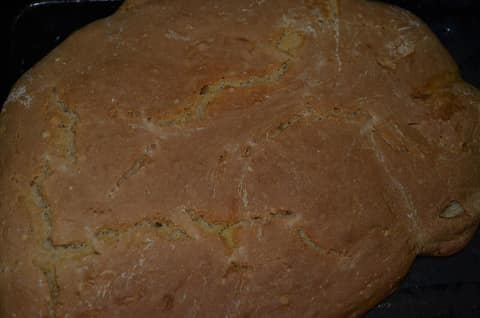
chingwaCHEEN-gwahbread
Nature
mvuraMVOO-rahwater; also rain
zuvaZOO-vahsun; also day
mwedziMWEH-dzeemoon; also month
gomoGOH-mohmountain, hill
ibweEE-bwehstone (plural mabwe)
Towns and regions
Harare, Harare Province, in the northeast: Jacaranda trees that turn the streets purple in spring, The National Gallery of Zimbabwe and its stone sculpture.
Bulawayo, Bulawayo Province, in the southwest (Matabeleland): The Natural History Museum of Zimbabwe, The headquarters of National Railways of Zimbabwe and a railway museum.
Mutare, Manicaland Province, in the east: The Bvumba mountains, southeast of the city, The road and railway to the port of Beira.
Gweru, Midlands Province, in the centre: Midlands State University, Beef cattle ranching.
Kwekwe, Midlands Province, in the centre: The National Mining Museum, Gold mining.
Masvingo, Masvingo Province, in the southeast: Great Zimbabwe nearby, Lake Mutirikwi, which supplies the city's water.
Victoria Falls, Matabeleland North, in the far northwest: The Victoria Falls rainforest walk, The Victoria Falls Bridge and its bungee jump.
Kariba, Mashonaland West, in the north: The Kariba Dam, Tigerfish angling on the lake.
Hwange, Matabeleland North, in the northwest: Hwange Colliery, the largest coal mine in Zimbabwe, Hwange Thermal Power Station.
Chinhoyi, Mashonaland West, in the north: The Chinhoyi Caves and their blue Sleeping Pool, Chinhoyi University of Technology.
Nyanga, Manicaland Province, in the Eastern Highlands: Nyanga National Park and Mount Nyangani, Mutarazi Falls, the highest waterfall in the country.