A Ghanaian meal is built around a filling starch, such as fufu, banku, kenkey, rice or boiled yam, served with a soup or stew and some fish or meat. Soups are the main course, not a starter. Tomatoes, hot peppers and onions are the base of most sauces, so jollof, soups and stews are often red or orange. The south eats more cassava and plantain, while the drier north grows millet, sorghum and maize. Breakfast is often porridge with bean fritters or bread, and street food, from kelewele to waakye, is sold everywhere.
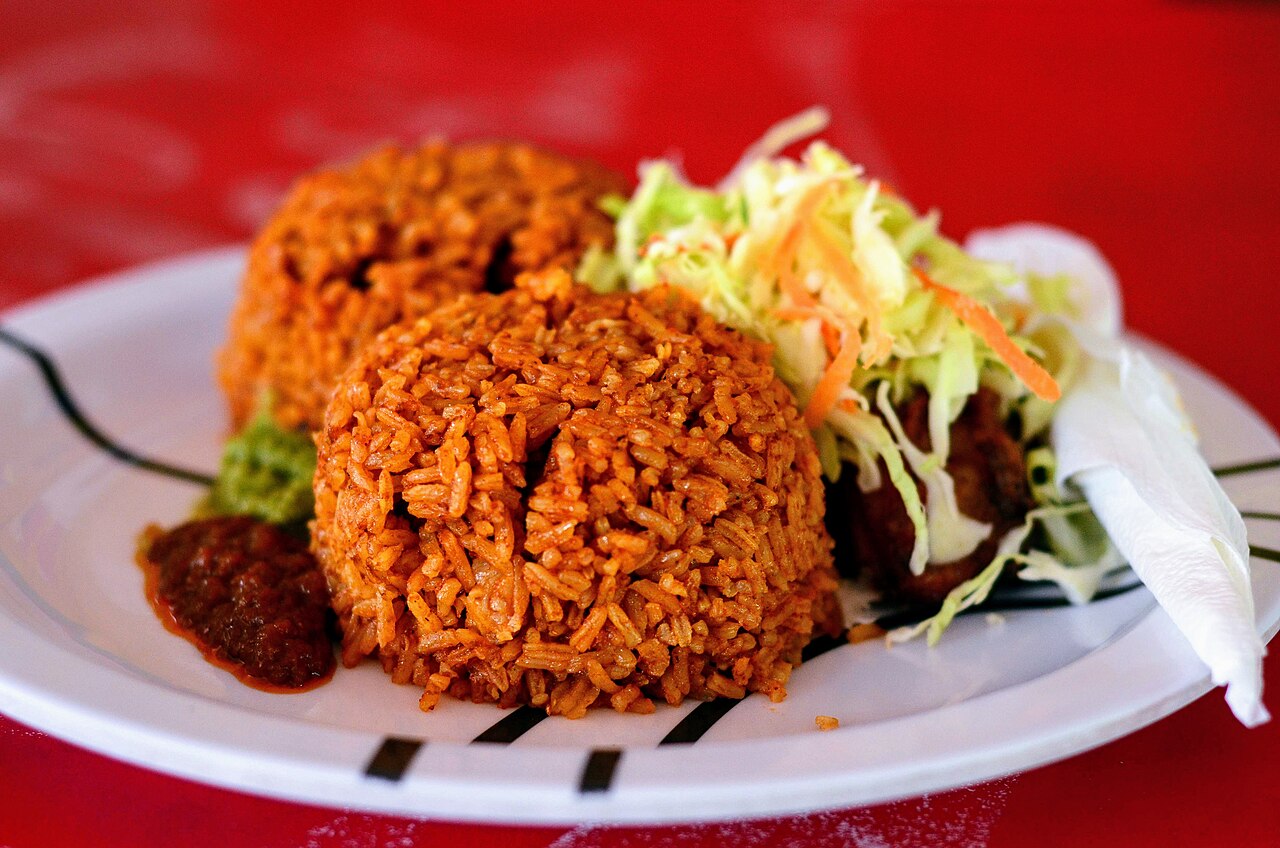
Rice cooked in a rich sauce of tomatoes, peppers, onions, ginger and garlic until every grain turns orange-red. Ghanaian cooks often use fragrant jasmine rice. It is served at parties and family gatherings with chicken, goat or beef, fried plantain, salad and a spoonful of shito.
Ghana and Nigeria each say they make the best jollof, a friendly contest known as the 'Jollof wars'. World Jollof Day has been celebrated on 22 August since 2015.
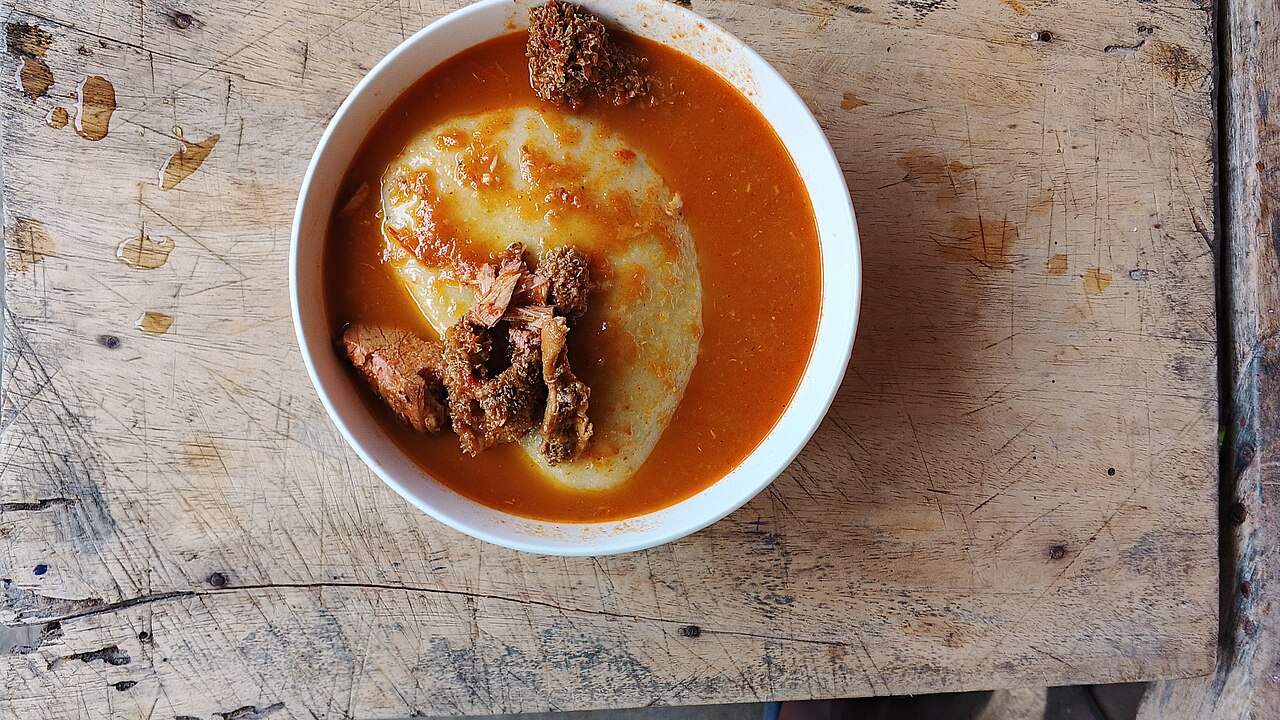
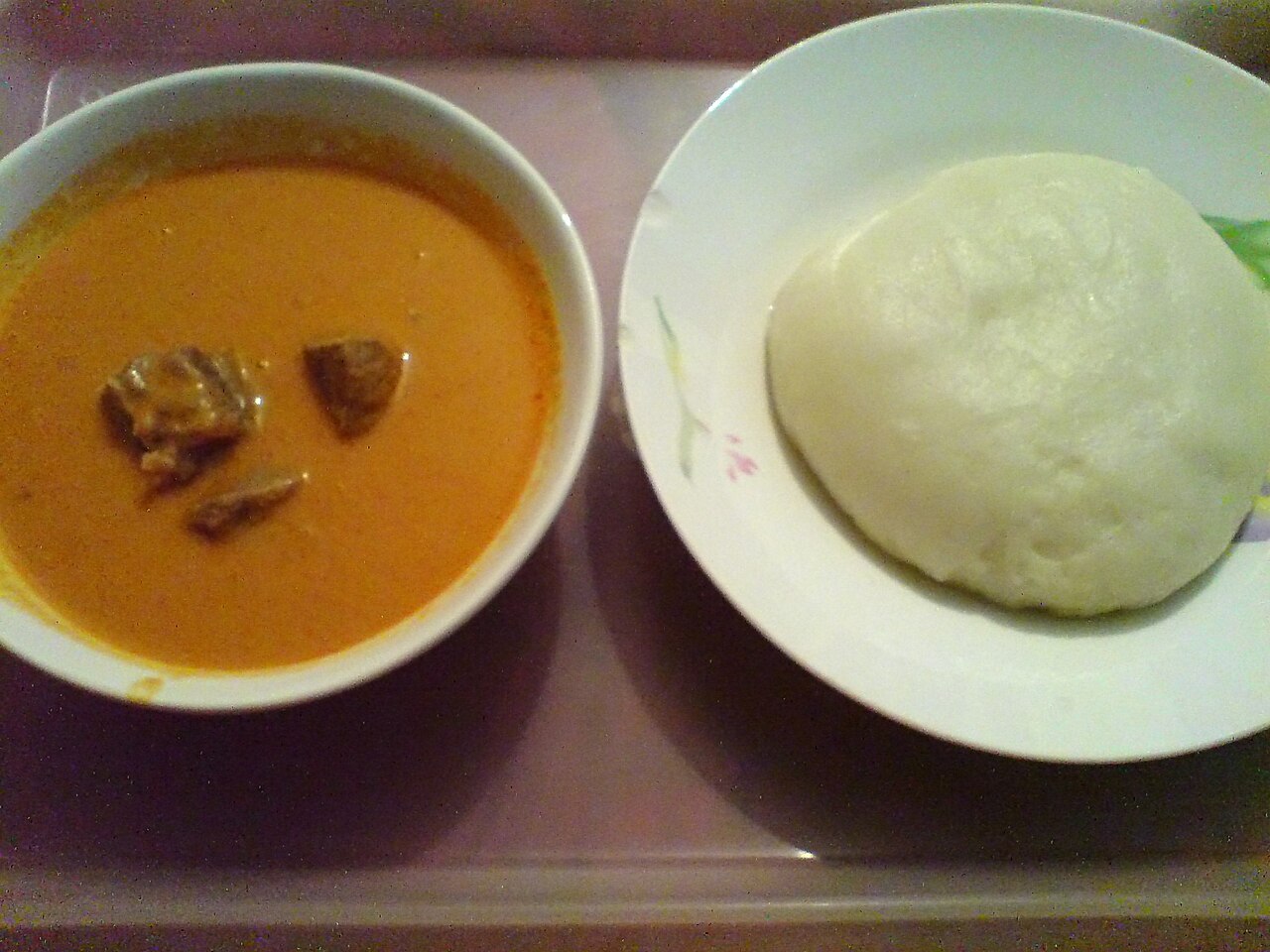
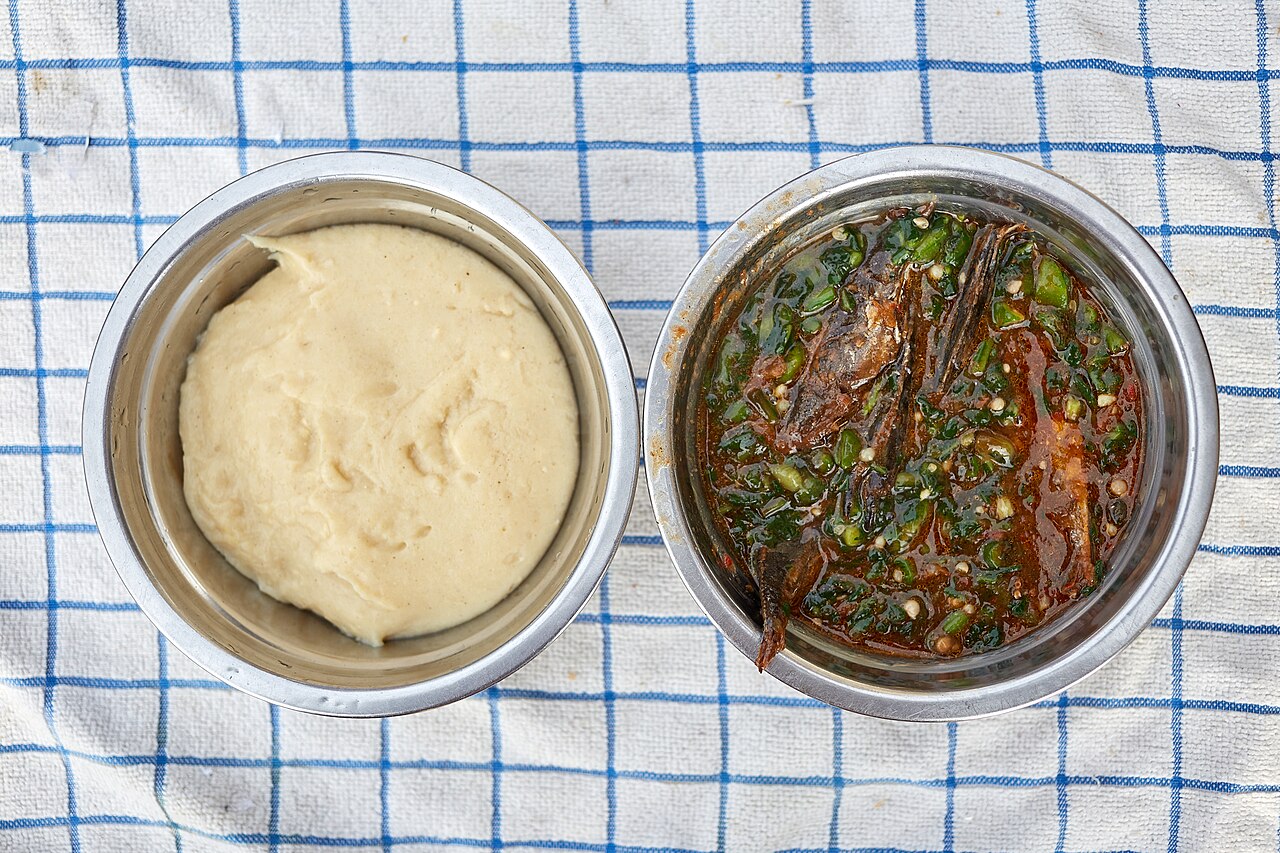
Boiled cassava pounded with green plantain, or sometimes cocoyam or yam, into a soft, smooth, stretchy dough. It is pounded in a wooden mortar with a long pestle, and between blows the dough is turned by hand. Fufu is served in a bowl of soup, such as light soup, palm nut soup or groundnut soup, and eaten with the fingers.
The word fufu comes from Twi, and it is now used for similar pounded foods from Sierra Leone to Angola. Many families today use a fufu machine instead of pounding by hand.
All of southern Ghana, first made on the coast around Accra
A thin, spicy soup of tomatoes, onions, hot pepper, ginger and garden eggs (small African aubergines), cooked with goat, chicken or fish. It is called 'light' because the broth is thin. It is most often eaten with fufu, banku or rice balls.
It began as a tomato and seafood soup made for fishermen on the coast near Accra, and only later became a meat soup too.
A creamy, spicy soup made with ground peanuts, tomatoes and pepper, usually with chicken or goat. It is eaten with fufu, rice balls (omo tuo) or banku.
In Twi it is called nkatenkwan; nkwan means 'soup', and the word ends many soup names, such as abenkwan for palm nut soup.
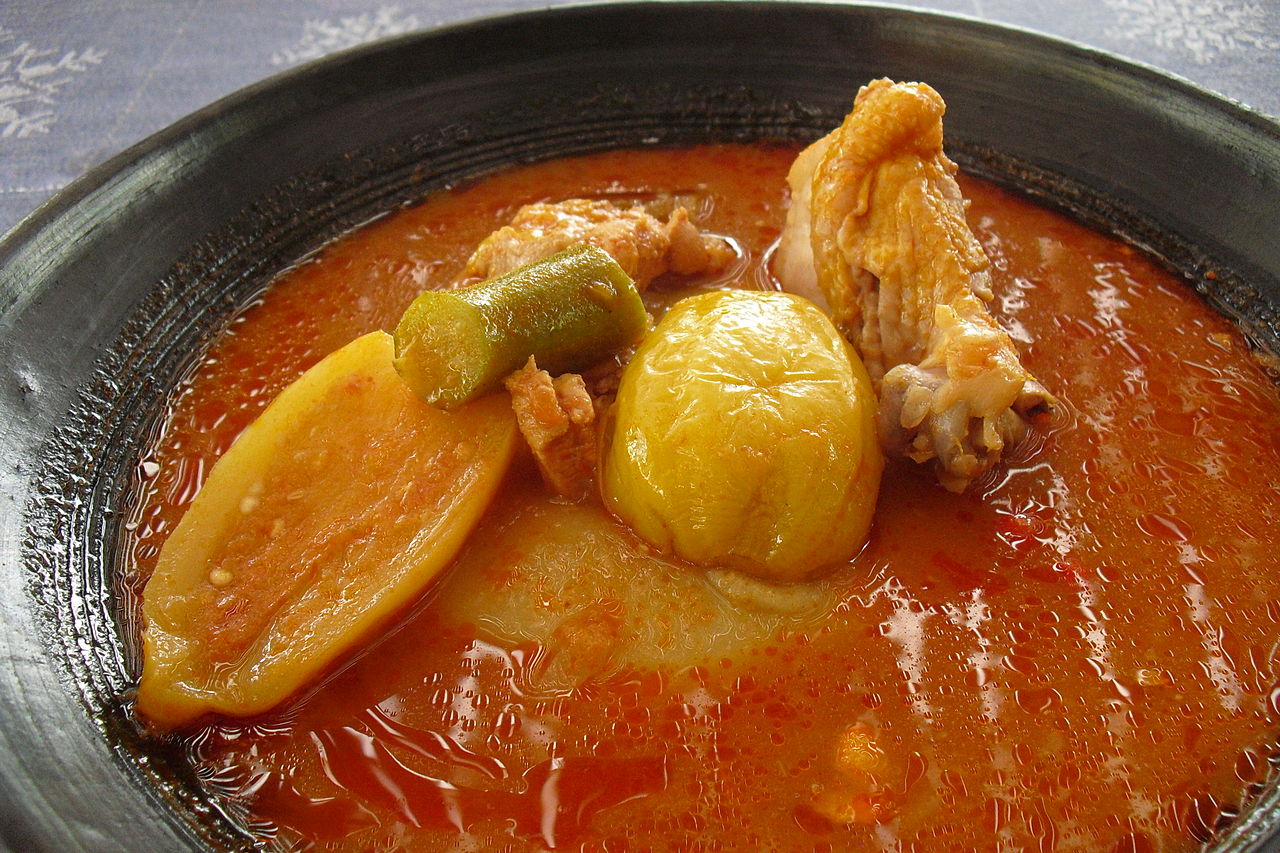
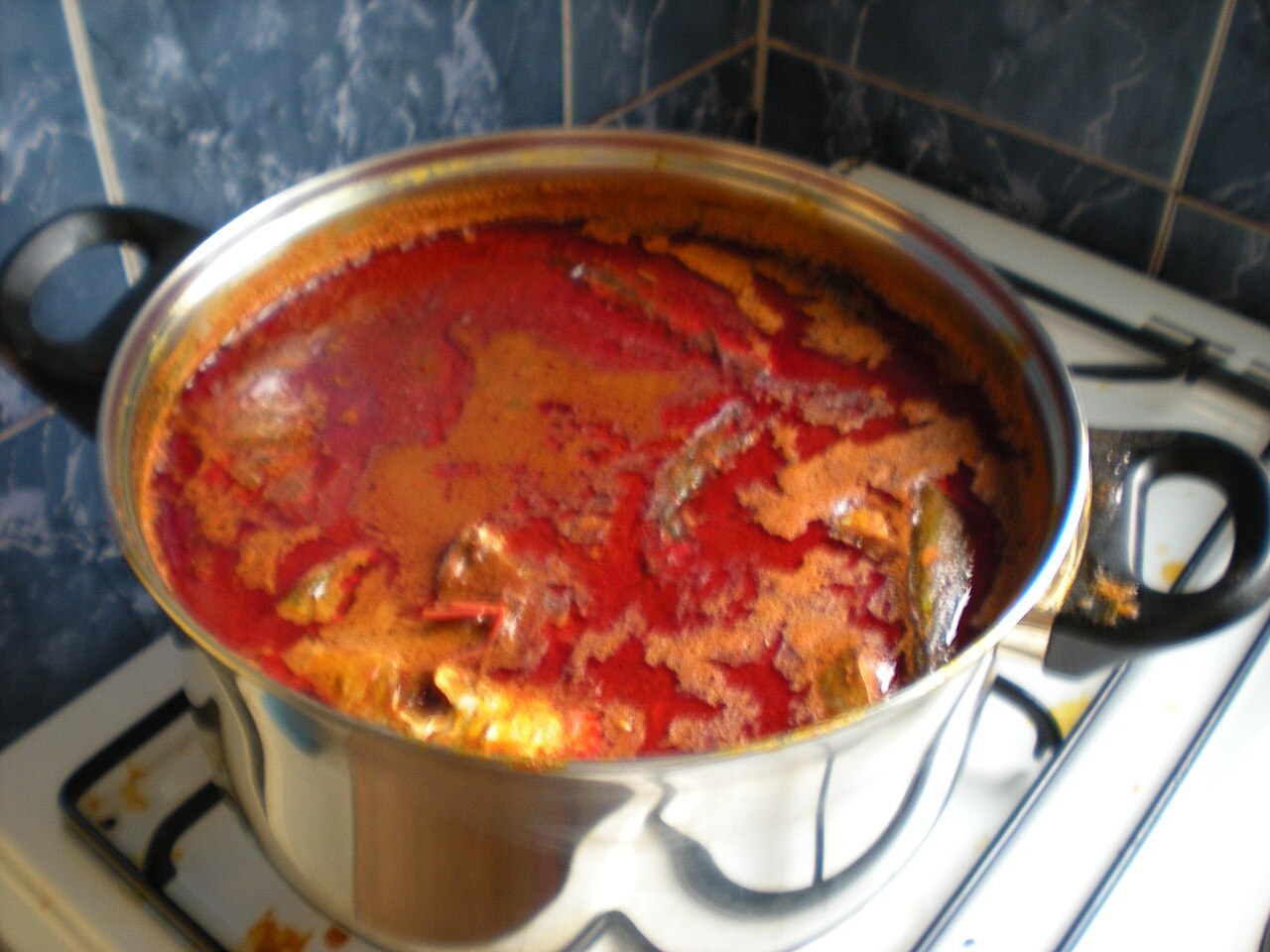
A rich orange-red soup made from the pulp of boiled palm fruits, cooked with meat, smoked fish, crab or snails, tomatoes, onions and pepper. It is served with fufu or rice balls.
Palm nut soups are eaten from Sierra Leone to Congo; in Nigeria a similar soup is called banga.
The Ga-Dangme people of the Greater Accra coast, now all of Ghana
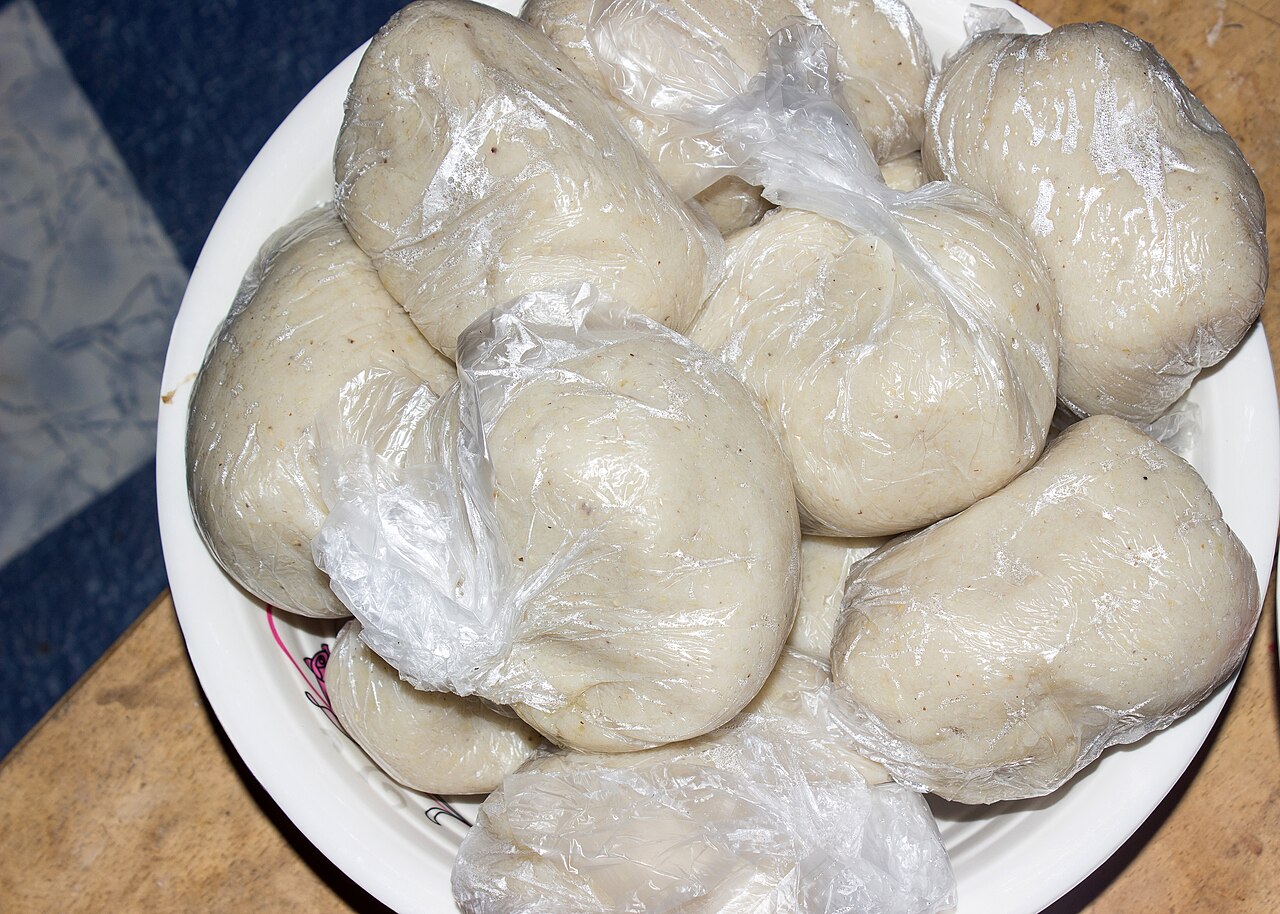
A mixture of fermented corn dough and cassava dough, cooked and stirred hard in a pot until it becomes a smooth, slightly sour ball. Banku with grilled tilapia and a fresh hot pepper sauce is a classic pairing served in many restaurants. It is also eaten with okra soup or light soup.
The name comes from the Dangme words 'ba mi ku', meaning food kept in leaves, because banku was once stored wrapped in leaves.
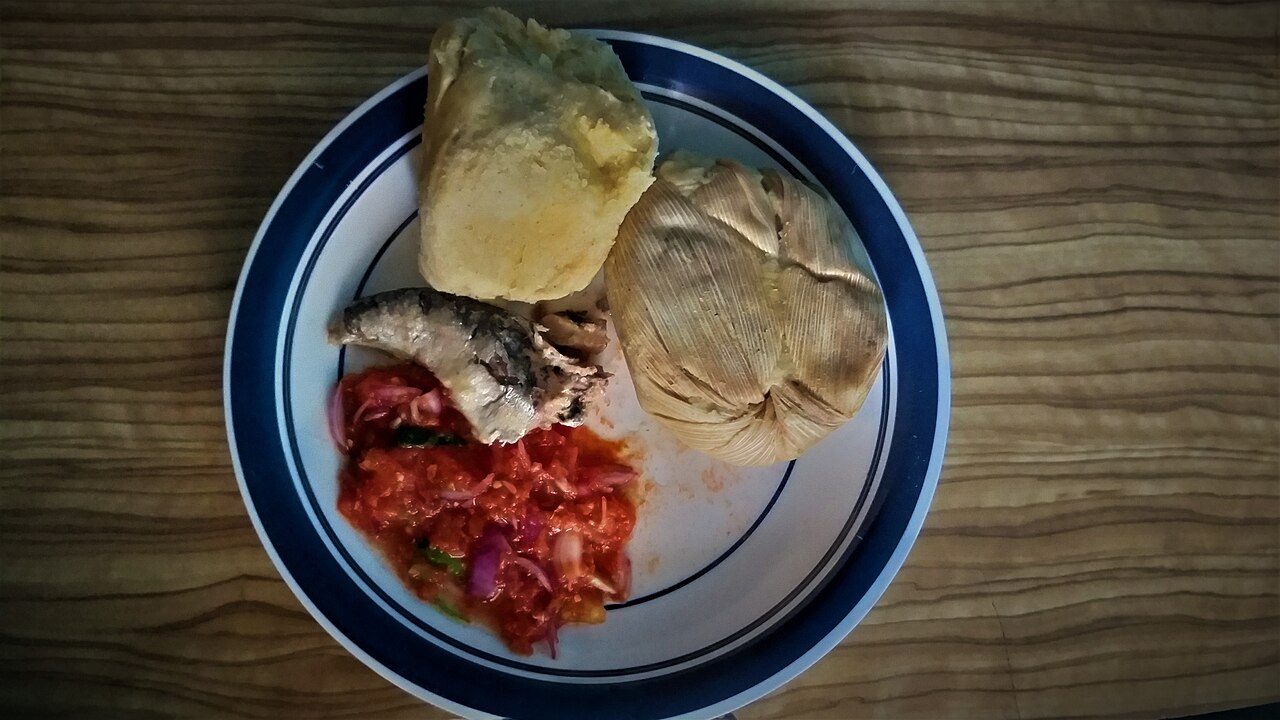
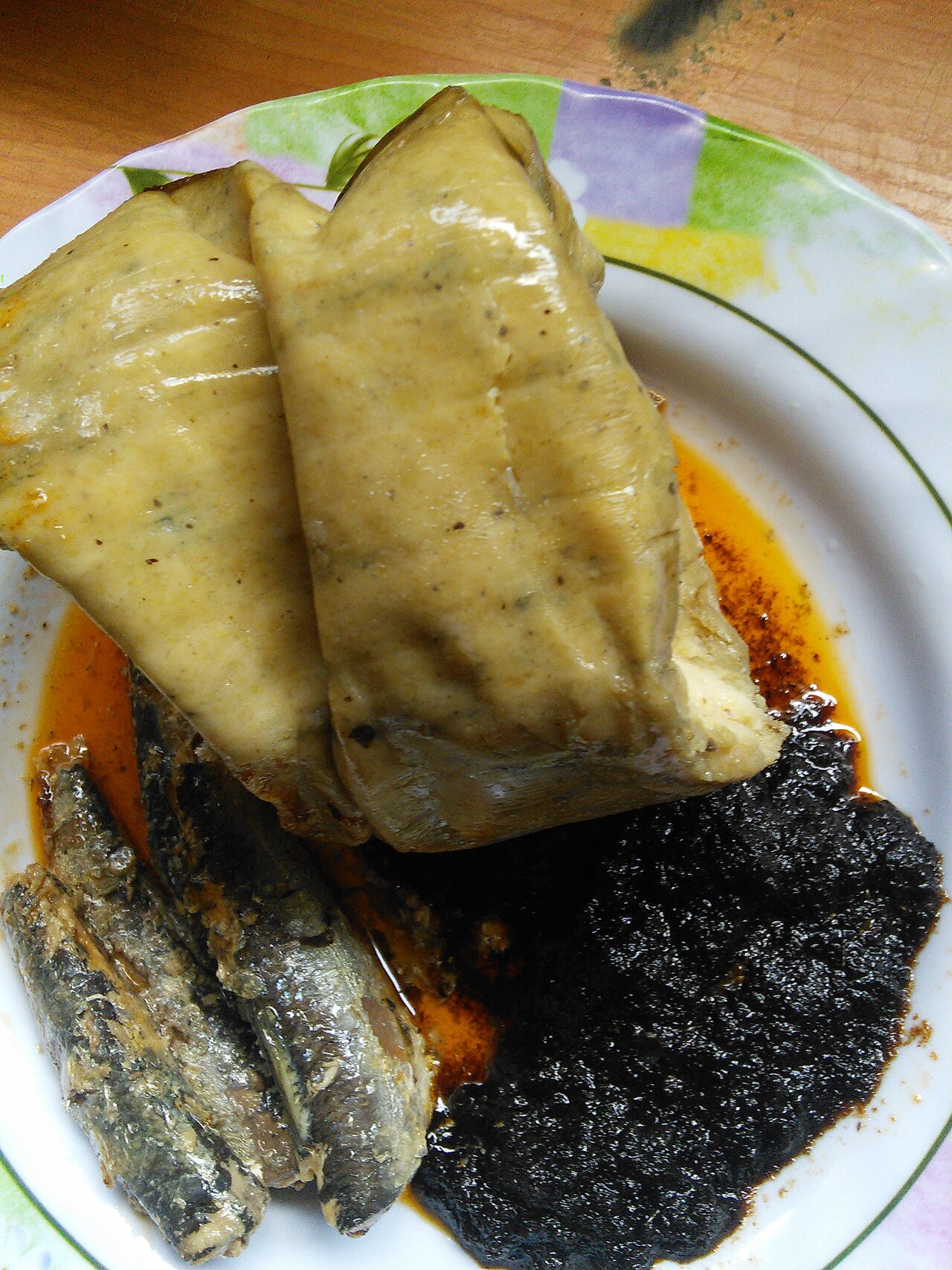
Maize soaked, ground and left to ferment for several days, then partly cooked, wrapped and boiled into firm, tangy dumplings. Ga kenkey is wrapped in maize husks, while Fante kenkey is wrapped in plantain leaves. It is eaten with fried fish, a raw pepper sauce and shito.
In Jamaica a sweet dumpling wrapped in banana leaf is called duckunoo, one of several Caribbean names that echo the Akan word dokono.
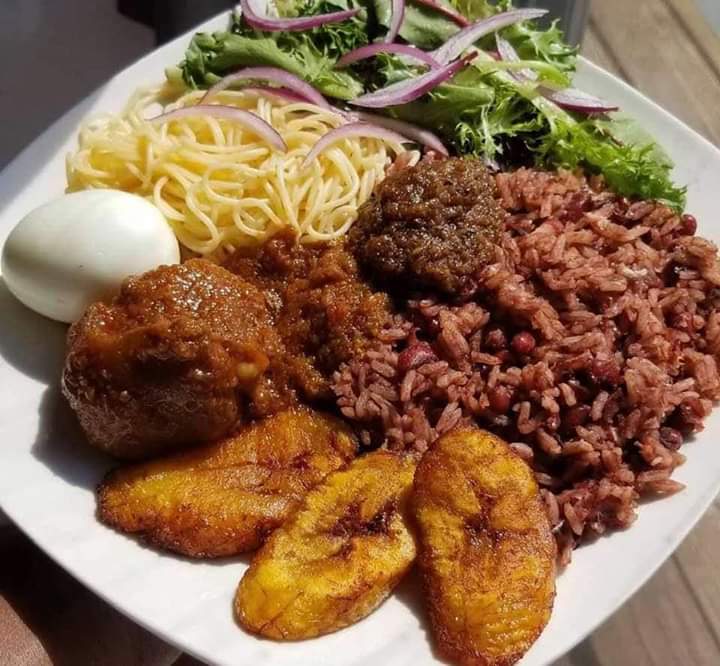
Rice and beans, usually black-eyed peas, cooked together with dried sorghum leaves, which give the dish its reddish-brown colour and are taken out before serving. It is a favourite breakfast or lunch, sold at roadside stalls wrapped in a leaf, with gari, shito, boiled eggs, fried plantain and even spaghetti, which Ghanaians call talia.
The name comes from Dagbani, a language of northern Ghana, where it means a kind of bean.
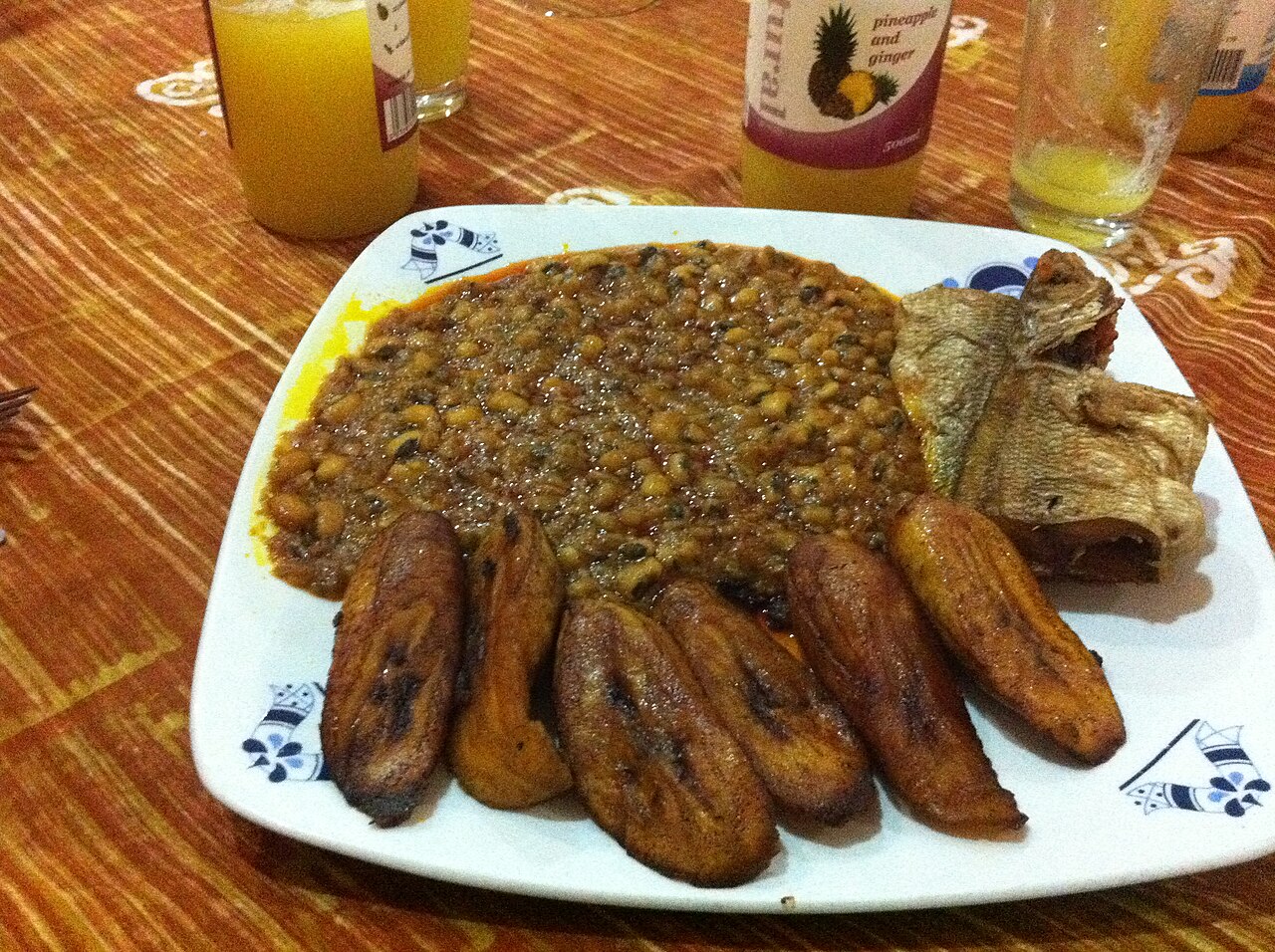
A stew of black-eyed beans cooked in red palm oil with onions, tomatoes and pepper, often with tinned mackerel or sardines, and served with fried ripe plantain. The name comes from the red of the palm oil and the orange of the plantain. It can easily be made without fish.
Many people sprinkle gari, dry grains of roasted cassava, over the beans for crunch.
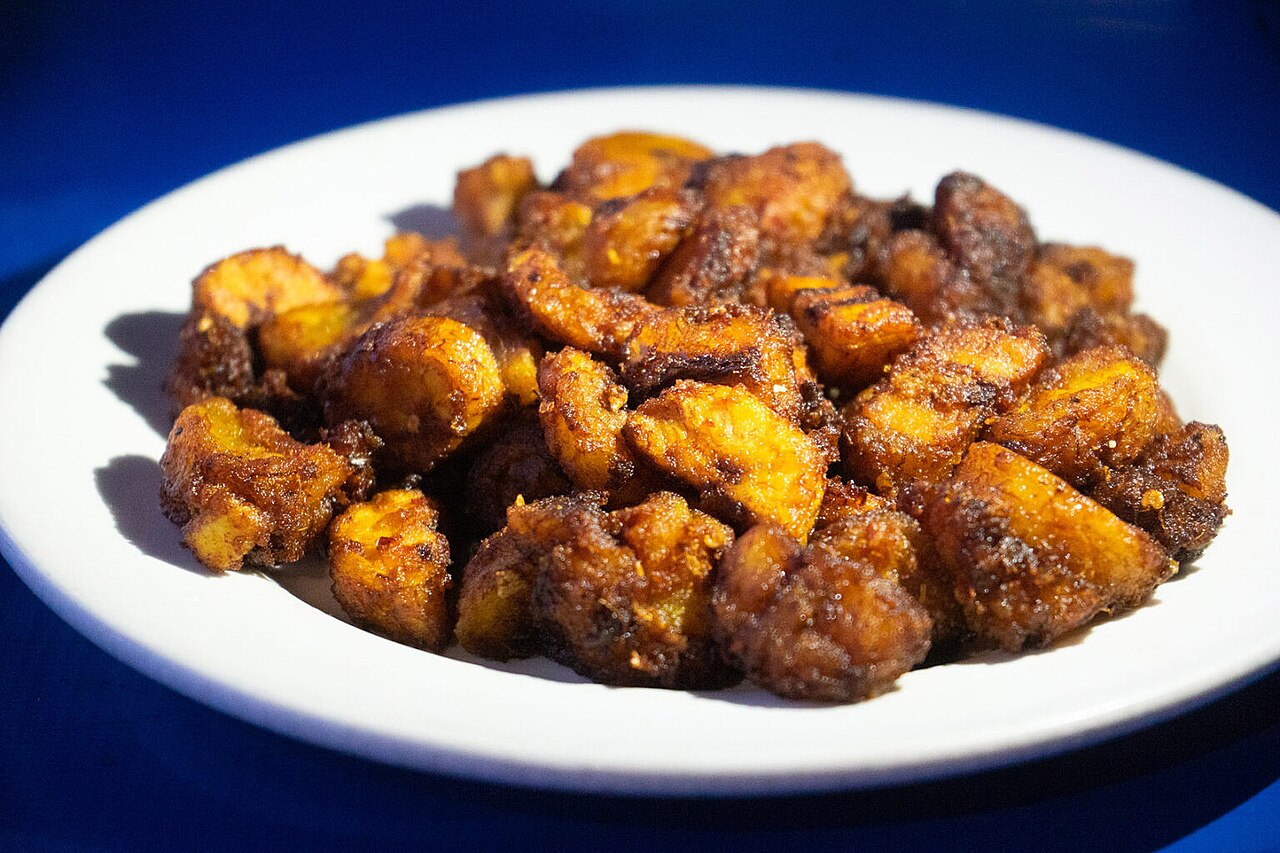
Cubes of ripe plantain tossed with ginger, hot pepper and salt, then fried until the edges caramelise. In Accra it is sold in the evening by street vendors, often with a handful of roasted peanuts, and it is also eaten as a side dish with red red.
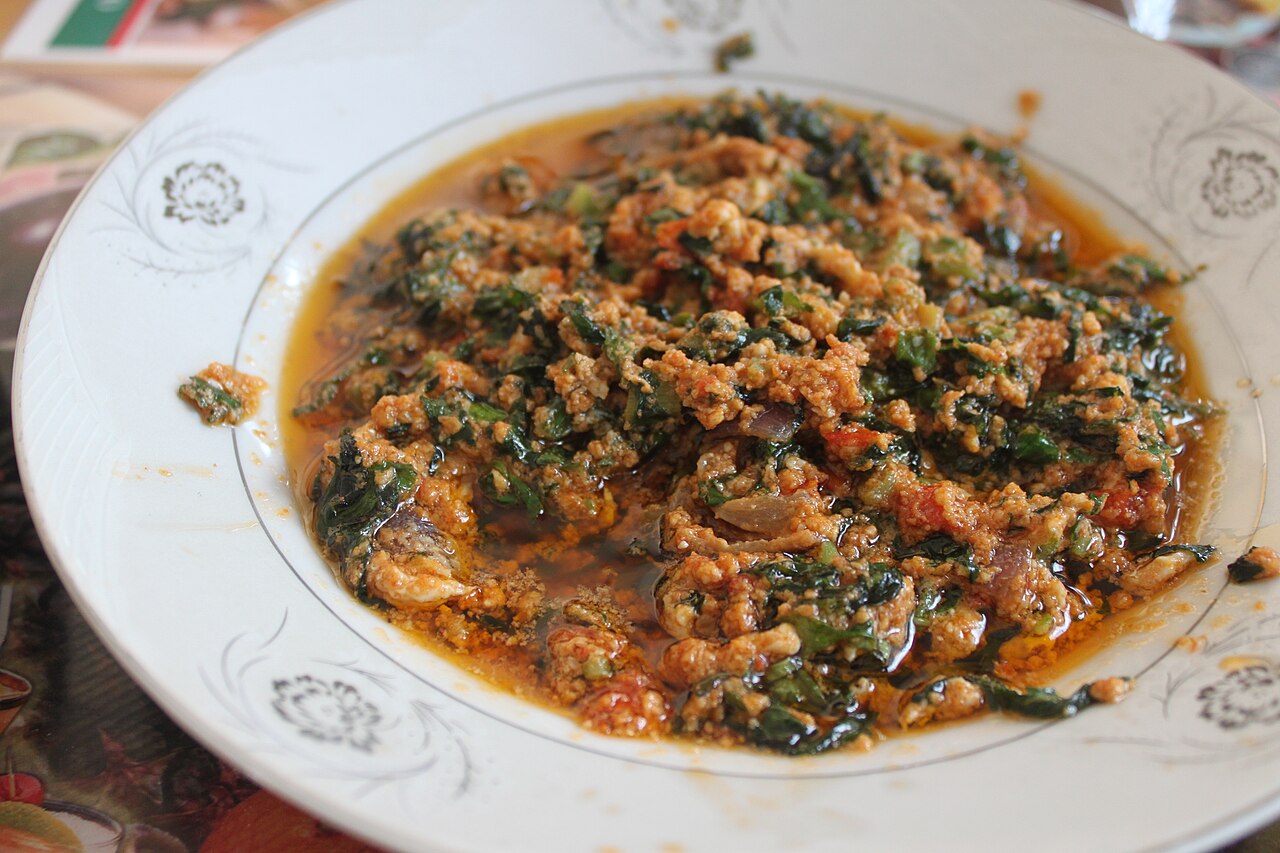
A green stew of chopped cocoyam leaves cooked in palm oil with onions, pepper and smoked fish, often thickened with ground egusi (agushi) seeds. It is eaten with ampesi: boiled yam, plantain or cocoyam.
Across West Africa similar leaf stews are called palaver sauce. 'Palaver' comes from the Portuguese word for 'word' or 'talk'.
A smooth, firm porridge of maize flour, or millet or sorghum flour, cooked in water and served in soft mounds. It is the everyday staple of the north, eaten with a green leaf soup called ayoyo or with okra soup and meat or fish.
The 'tuo' in its name comes from tuwo, the Hausa word for this kind of stiff porridge.
A dark, hot pepper sauce of dried fish, dried shrimp, ginger, garlic and chilli, slowly fried in oil for about an hour. Recipes differ from village to village, and it is found everywhere. It goes with kenkey, waakye, rice, jollof and even bread.
The name means 'pepper' in the Ga language; its full name, shitor din, means 'black pepper'.
Northern Ghana and the Zongo communities of the cities
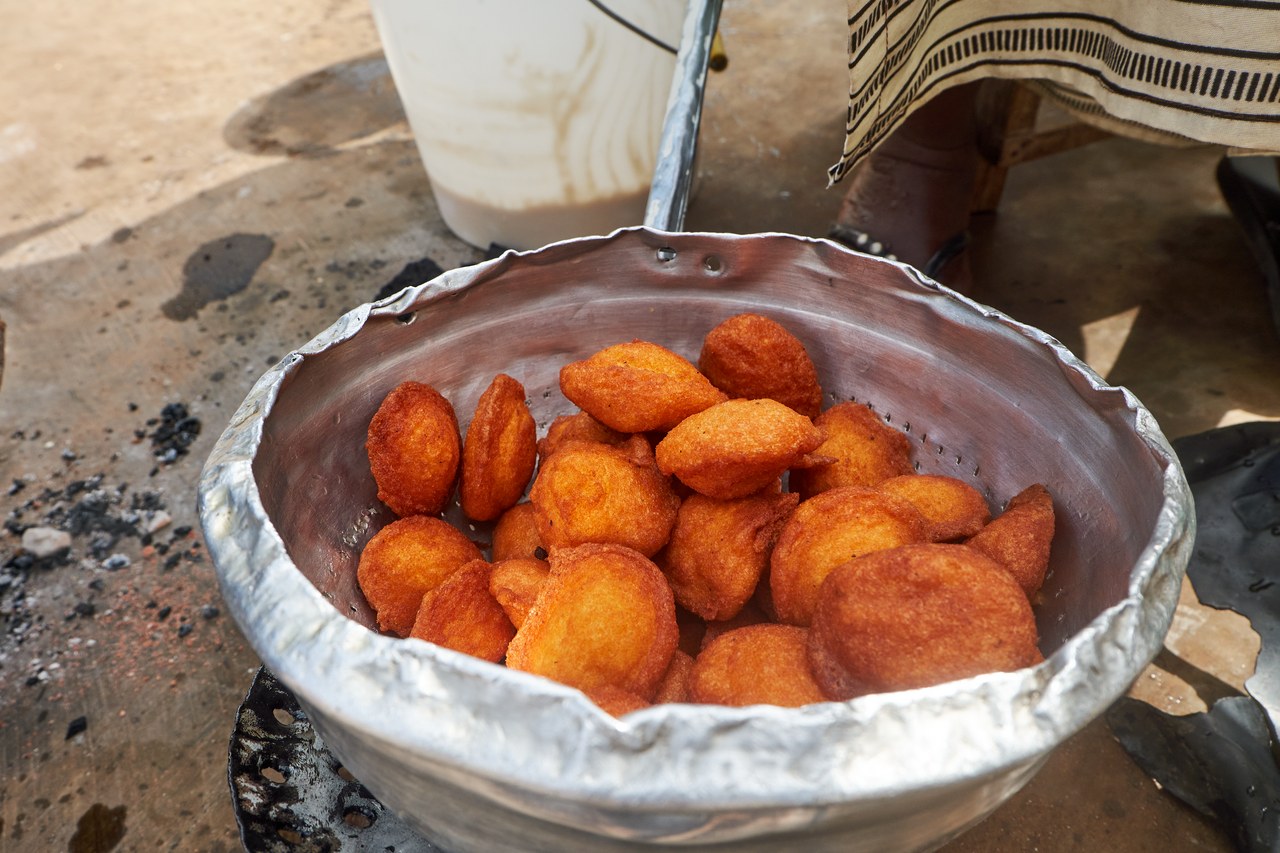
Small, crisp fritters of ground black-eyed peas with onion and hot pepper, fried in oil. They are a favourite breakfast with a bowl of Hausa koko, a spiced millet porridge, or tucked into a piece of bread.
The same kind of fritter is called akara in Nigeria and acarajé in Brazil.
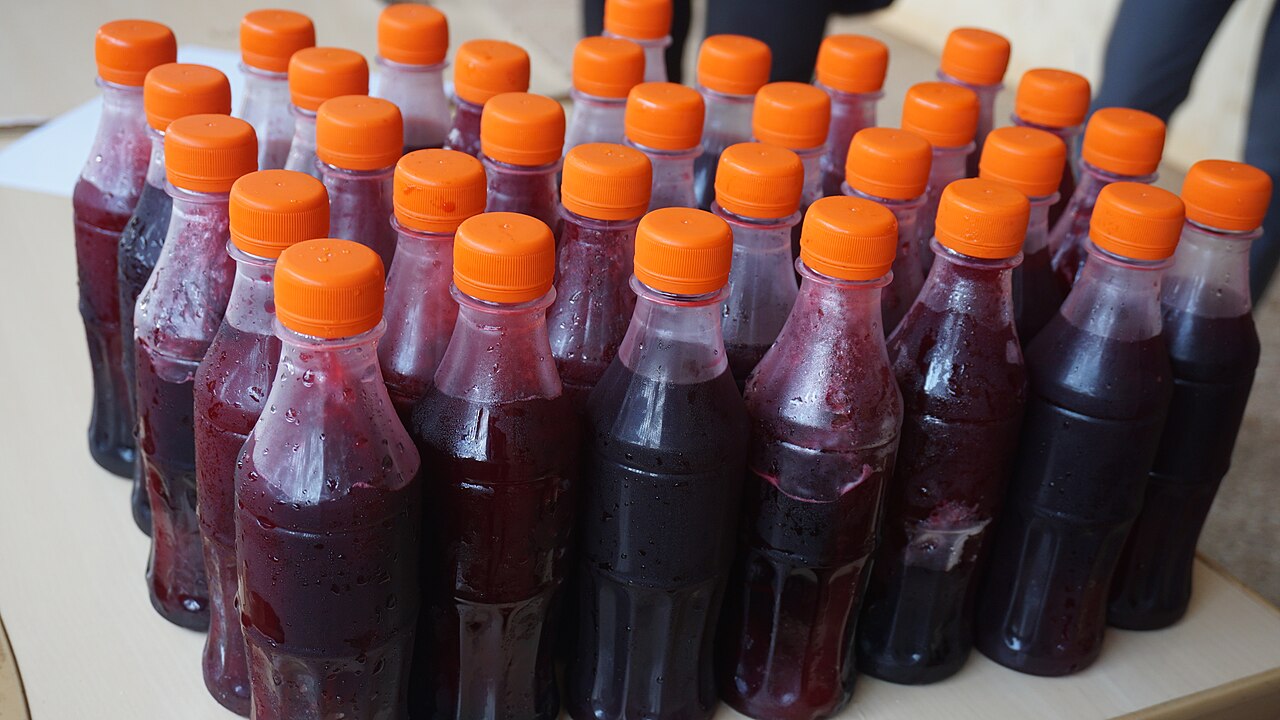
A deep red drink made by boiling dried hibiscus flowers with ginger and cloves, then sweetening and chilling it. It tastes a little like cranberry juice and is usually served cold.
The same drink is called bissap in Senegal and Burkina Faso and zobo in Nigeria.