Nigerian cooking is hearty, colourful and often spicy, built on yams, cassava, rice, beans, peppers and red palm oil. The classic meal is a 'swallow', a soft, stretchy dough such as pounded yam, eba or amala, served with a rich soup of greens, ground melon seeds or okra, with meat or fish. A piece of swallow is pinched off with the right hand, dipped in the soup and eaten. Rice dishes such as jollof are the stars of parties, street food such as suya and puff-puff fills the evenings, and each region has its own favourites: soups of the Efik and Ibibio in the southeast, Yoruba stews in the southwest and grilled and dried meats in the Hausa north.
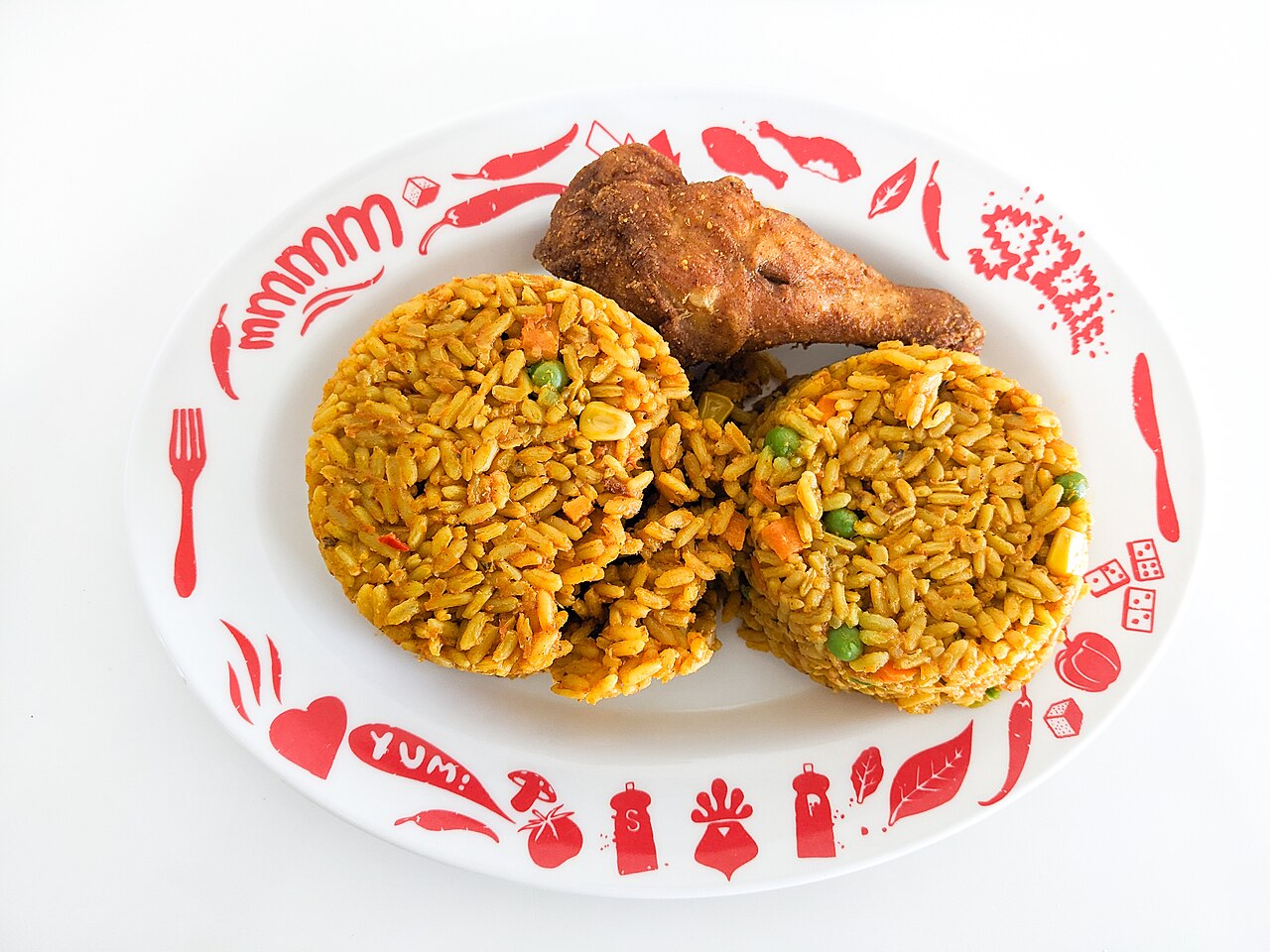
Rice cooked in one pot in a rich sauce of tomatoes, red peppers, onions and spices, often with thyme, curry powder and bay leaves, until every grain is orange-red. It is served at every party with fried chicken or beef, fried plantain and a little salad.
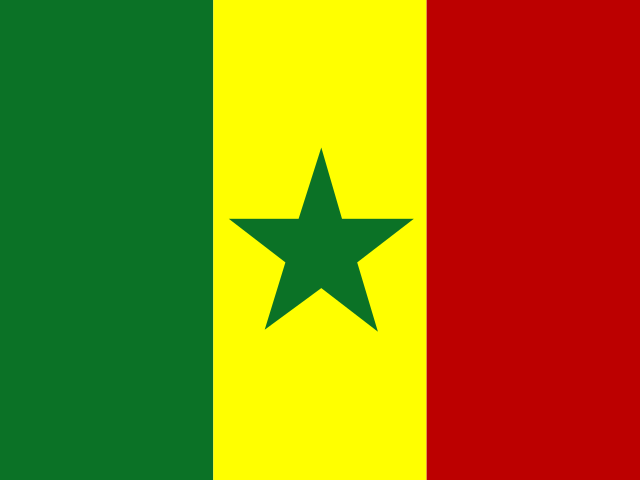
Nigerians and Ghanaians have a friendly 'Jollof war' about whose version is best. The name jollof comes from the old Wolof state of Jolof, in the region of today's Senegal.
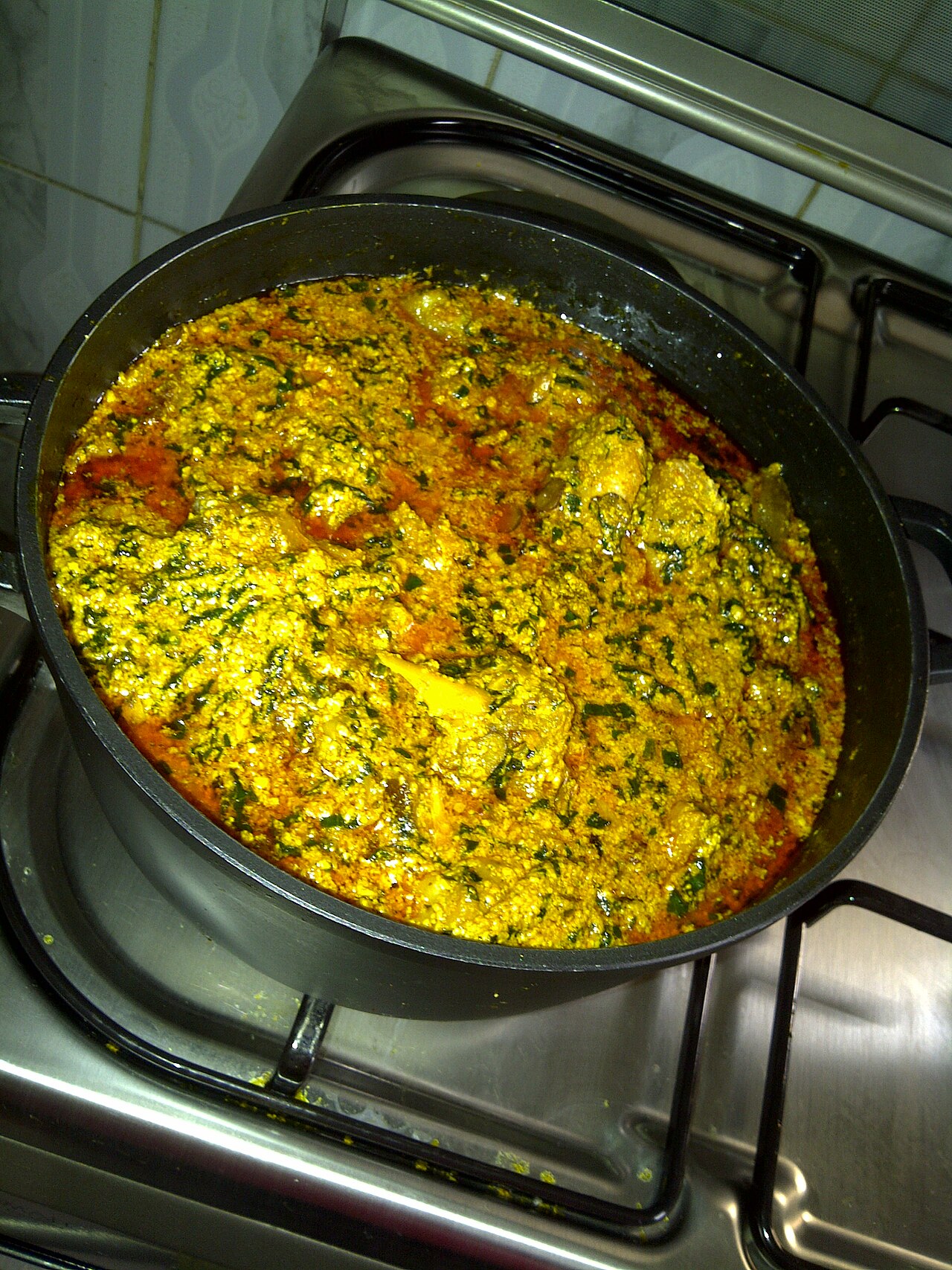
A thick, golden soup made with ground melon seeds, which cook into soft little curds, together with palm oil, peppers, leafy greens and meat or dried fish. It is one of the most popular soups in the country and is eaten with pounded yam or eba.
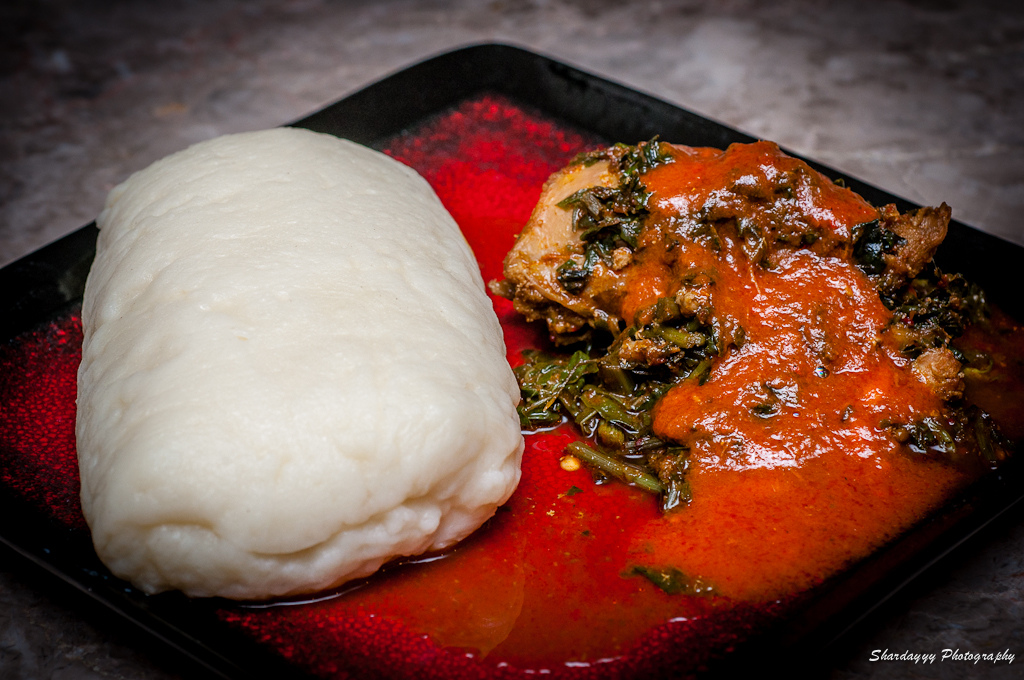
White yam boiled and then pounded in a large wooden mortar until it becomes a smooth, soft, stretchy dough. It is shaped into a ball and served with egusi, efo riro or okra soup.
As of 2020, Nigeria grew about two thirds of all the yams in the world.
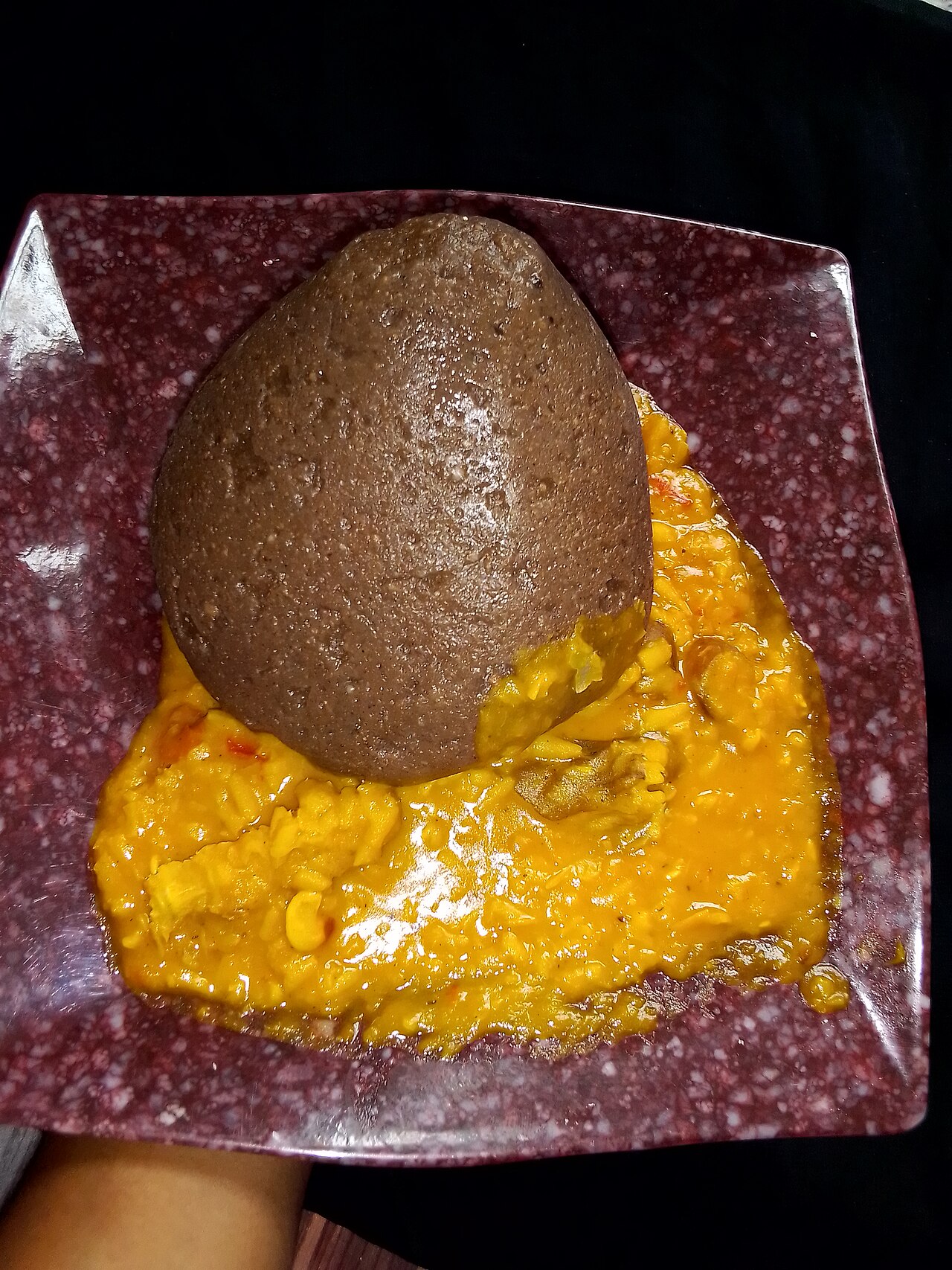
Amala is a smooth brown swallow made from dried yam flour. It is traditionally served with two soups side by side: green ewedu, made from jute leaves, and orange gbegiri, made from beans, often with a spicy stew and meat on top.
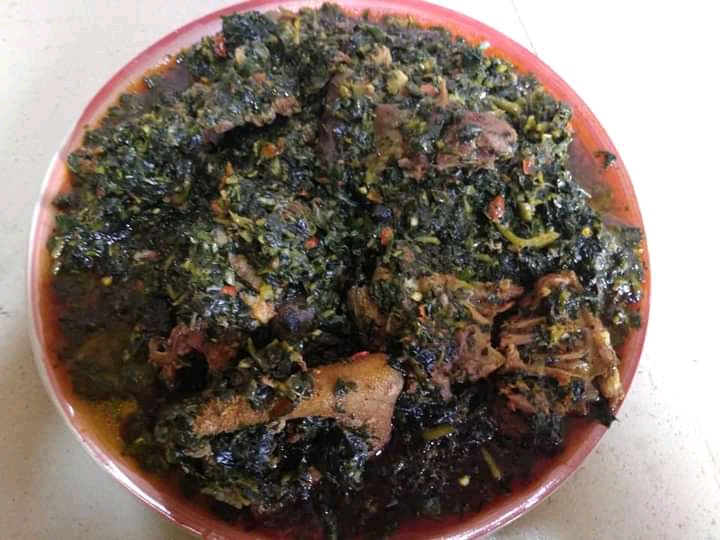
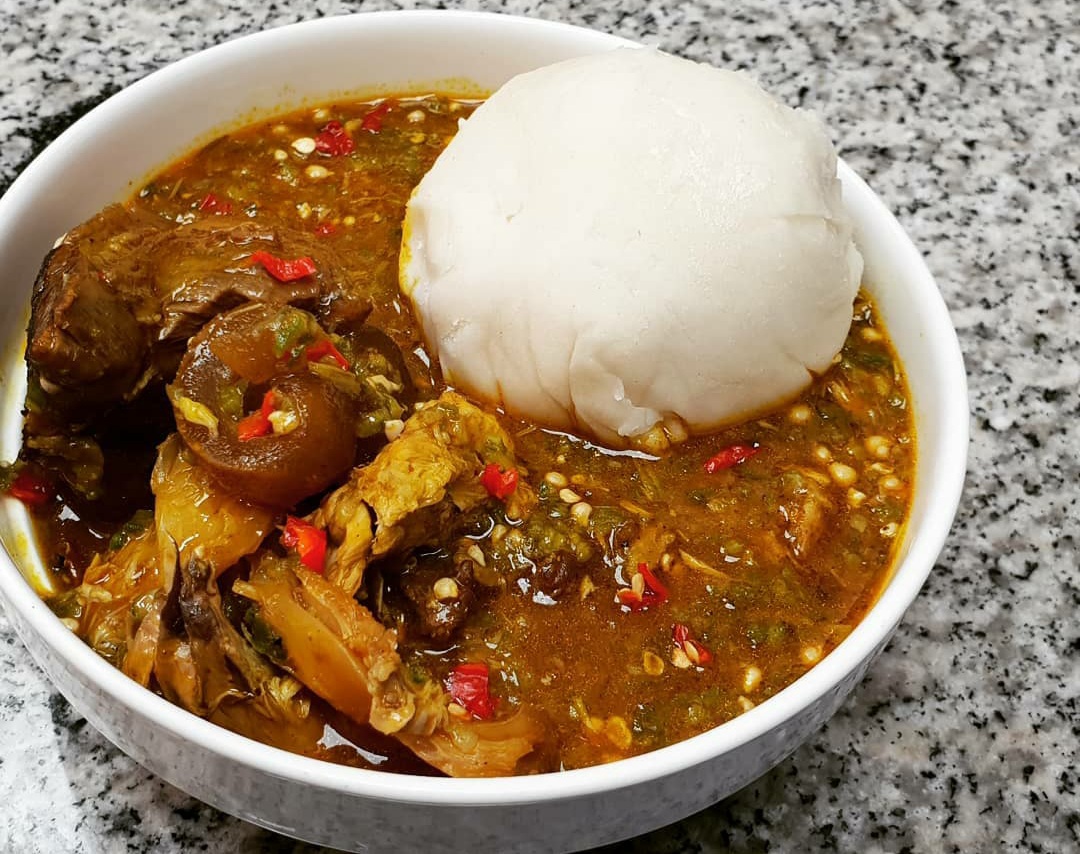
A rich stew of leafy greens such as spinach or amaranth, cooked in palm oil with blended red peppers, onions, locust beans and often several kinds of meat and fish. It is eaten with pounded yam, amala or rice.
The Efik and Ibibio peoples of Cross River and Akwa Ibom states, around Calabar
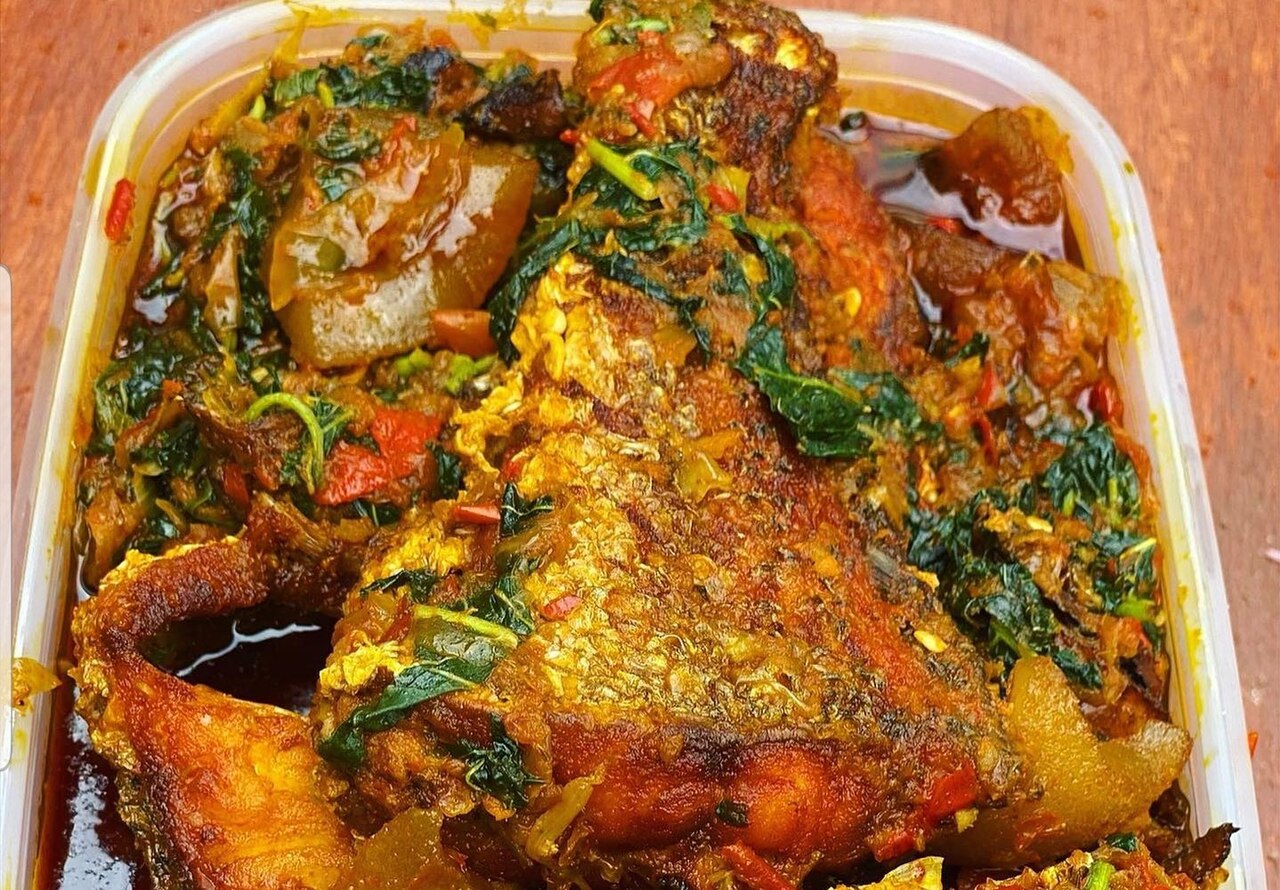
A thick soup of fluted pumpkin leaves and waterleaf, cooked with palm oil, meat, dried fish and periwinkles. It takes a lot of greens and meat, so it is seen as a special-occasion dish for guests and celebrations.
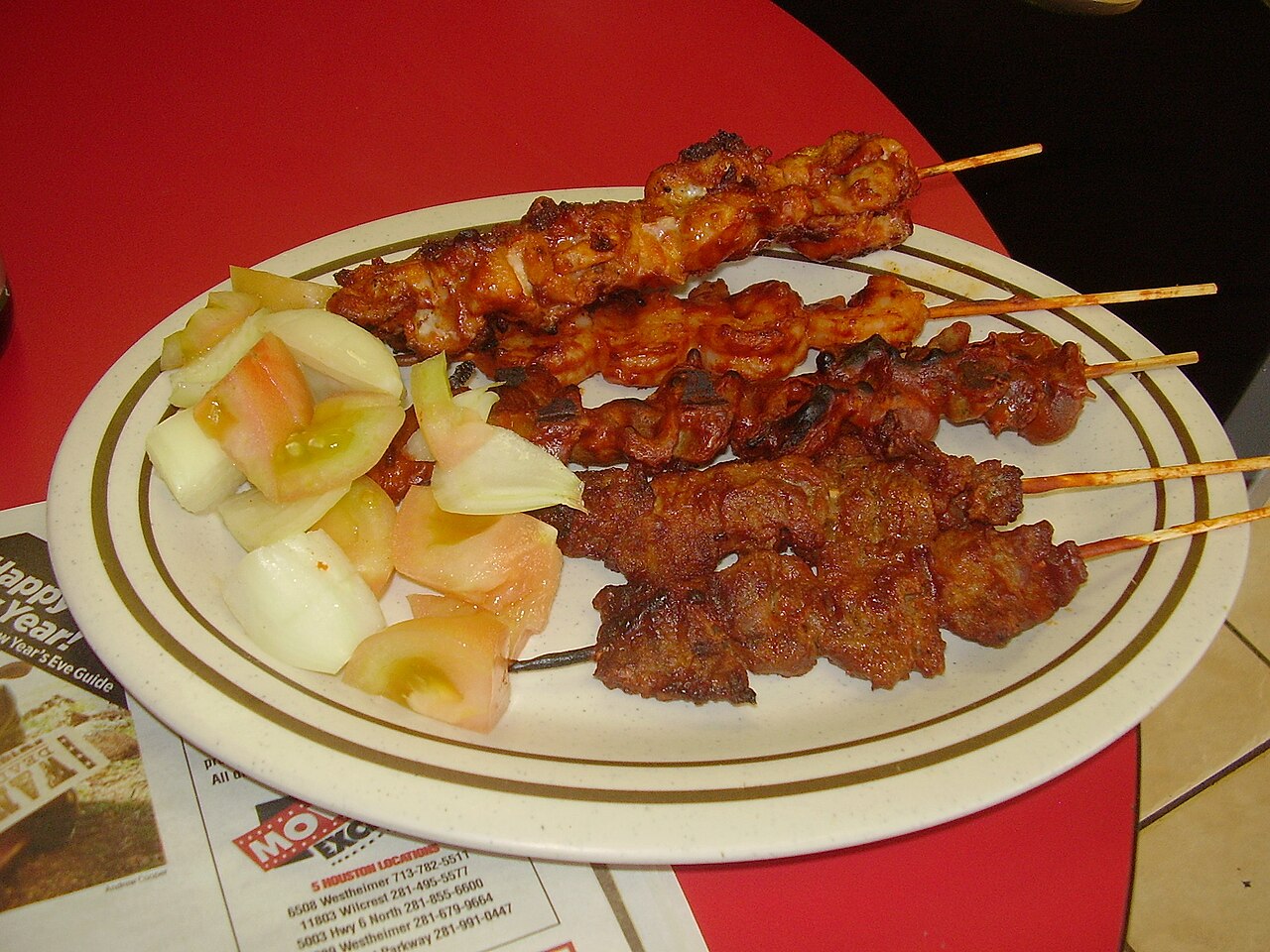
Thin slices of beef, chicken or ram on skewers, rubbed with yaji, a hot spice mix made with ground peanuts, chilli and ginger, and grilled over an open fire. Street sellers serve it in the evening with sliced onions, tomatoes and extra spice.
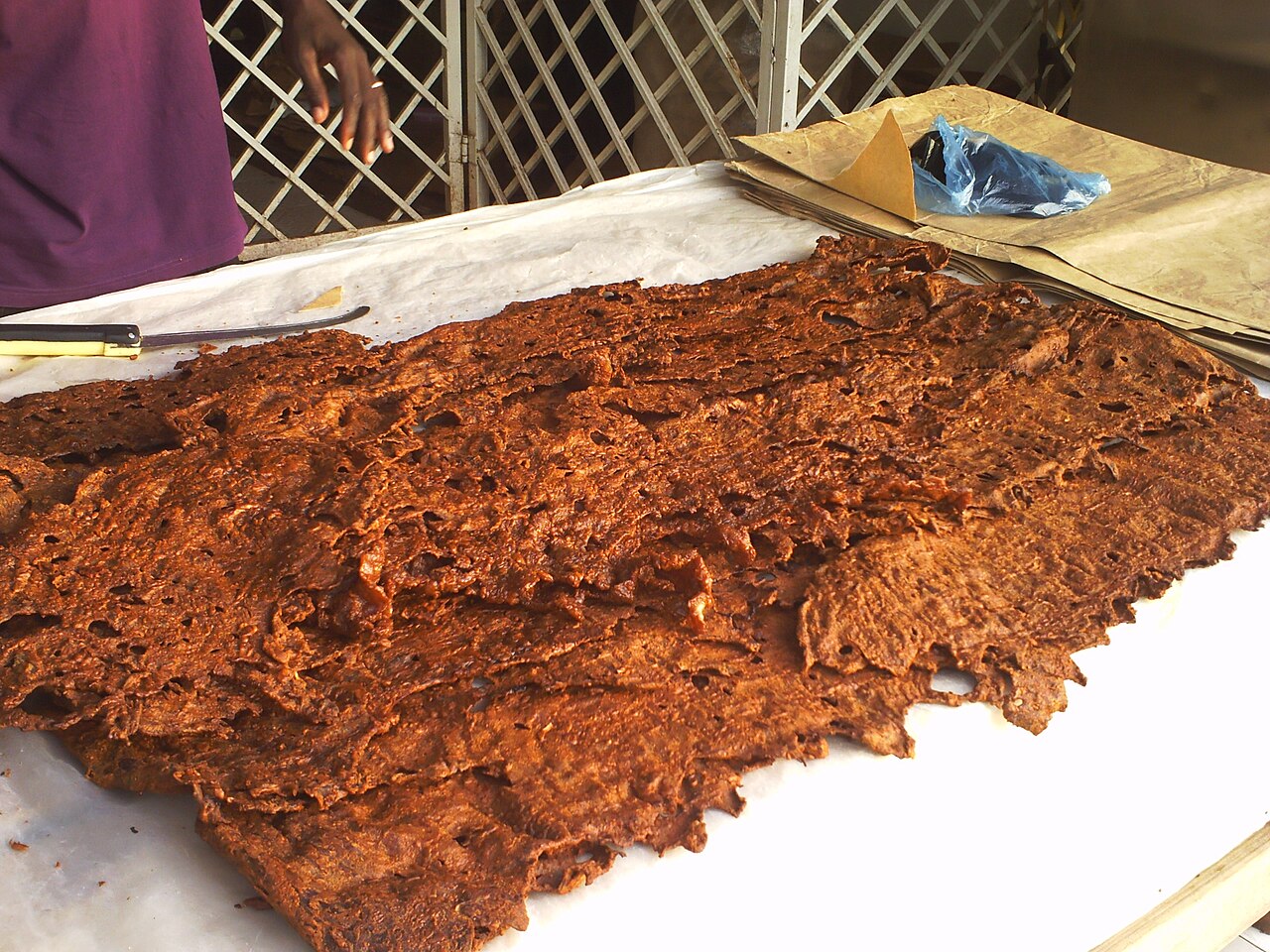
Very thin sheets of beef dried in the sun, coated with a paste of peanuts, onion and spices, dried again and quickly roasted over high heat. It is a kind of spicy jerky that keeps for months without spoiling.
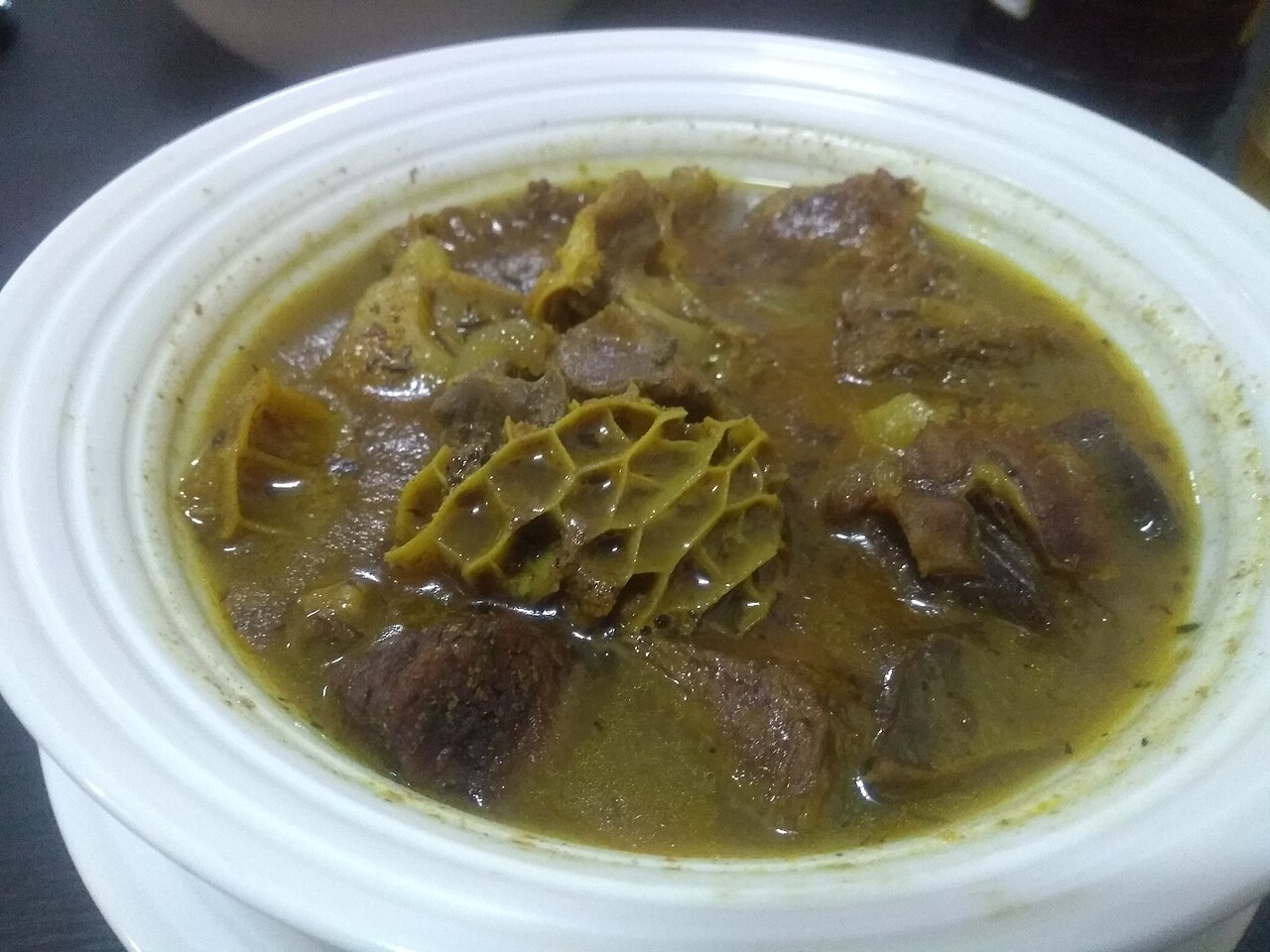
A light, very spicy broth made with goat meat, chicken or catfish, chilli and fragrant local spices such as calabash nutmeg and scent leaves. It is served as a starter, in bars with a cold drink, and as a warming dish for people who feel unwell.
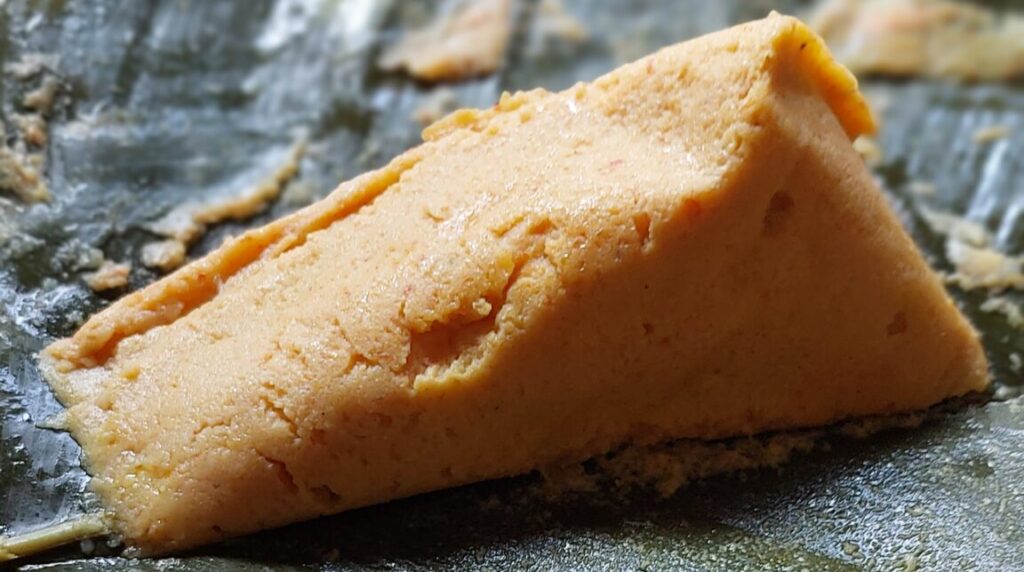
A steamed pudding of peeled black-eyed beans blended with red peppers, onions and oil, often with boiled egg or fish inside. It is traditionally steamed in folded leaves and eaten with rice, pap or garri.
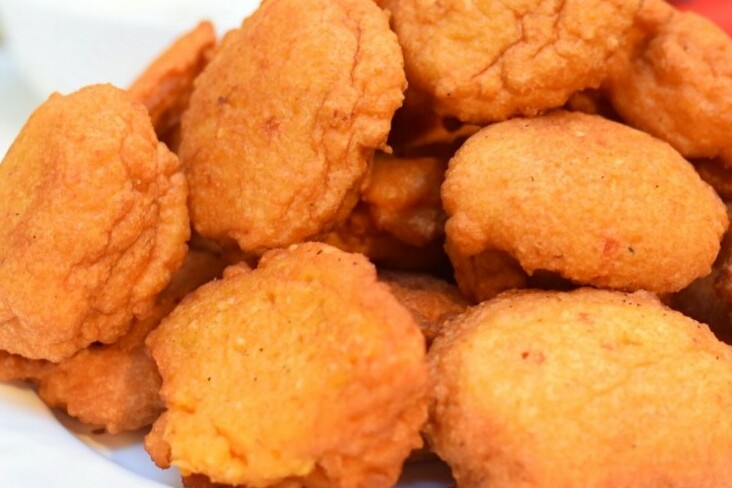
Crisp, fluffy fritters made from peeled black-eyed beans ground with onion and pepper, then fried in small spoonfuls. They are a favourite breakfast with pap, a smooth maize porridge, or with bread.
Enslaved Yoruba people brought akara to Brazil, where it became acarajé, a famous street food of Salvador da Bahia.
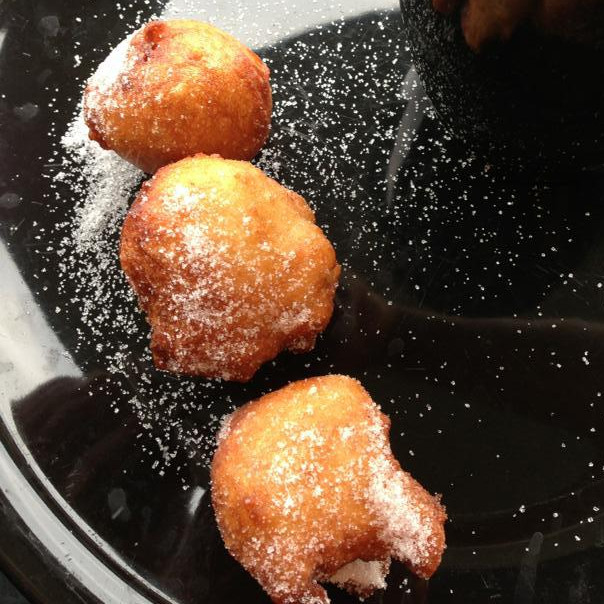
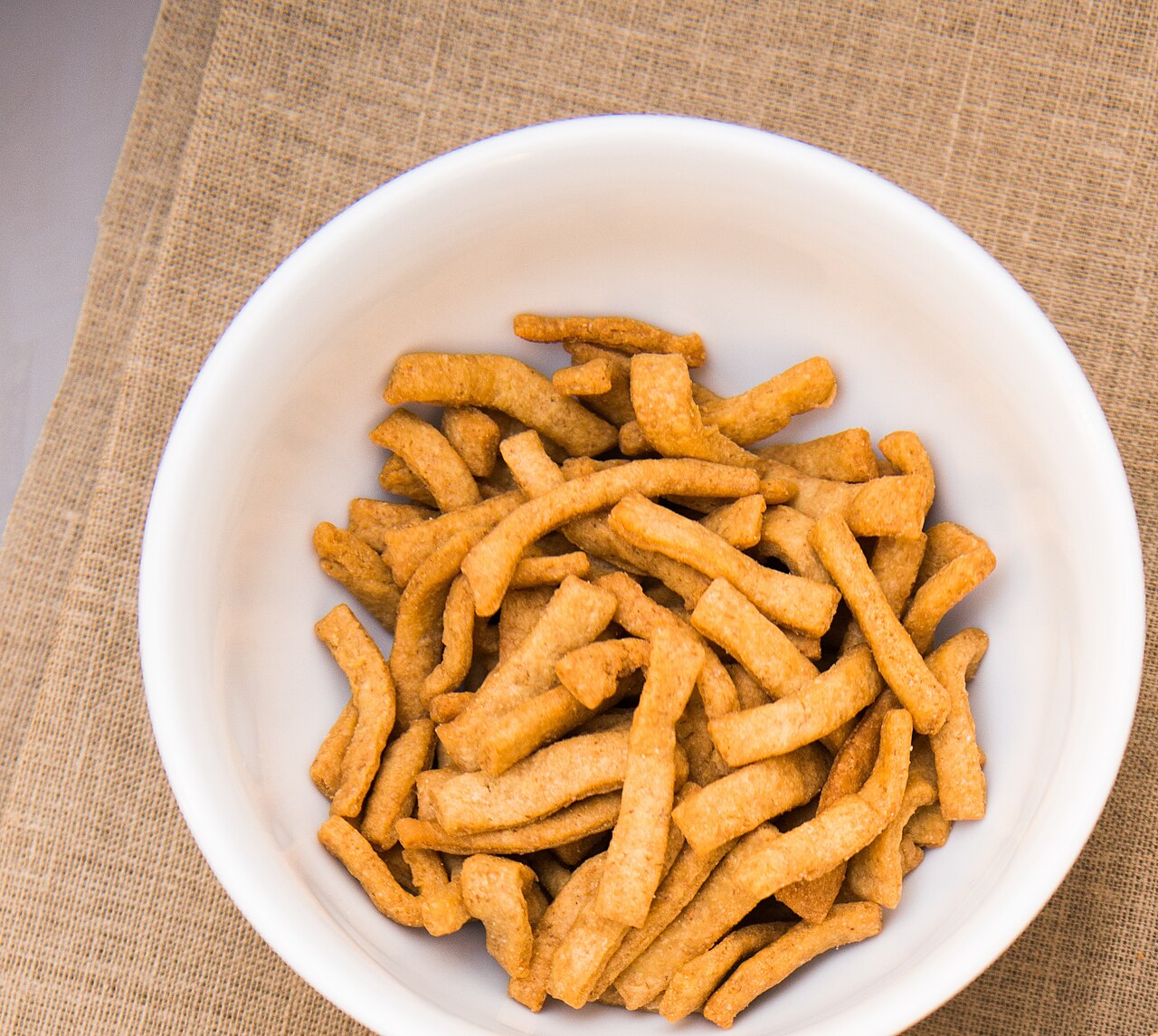
Small crunchy cubes of sweet dough made with flour, sugar, butter and milk, often flavoured with nutmeg, and deep-fried. They are a favourite snack all over Nigeria.
Soft, sticky rice cooked and mashed into a smooth dough, then shaped into balls. It is the northern swallow, served with soups such as miyan kuka, made from baobab leaves.
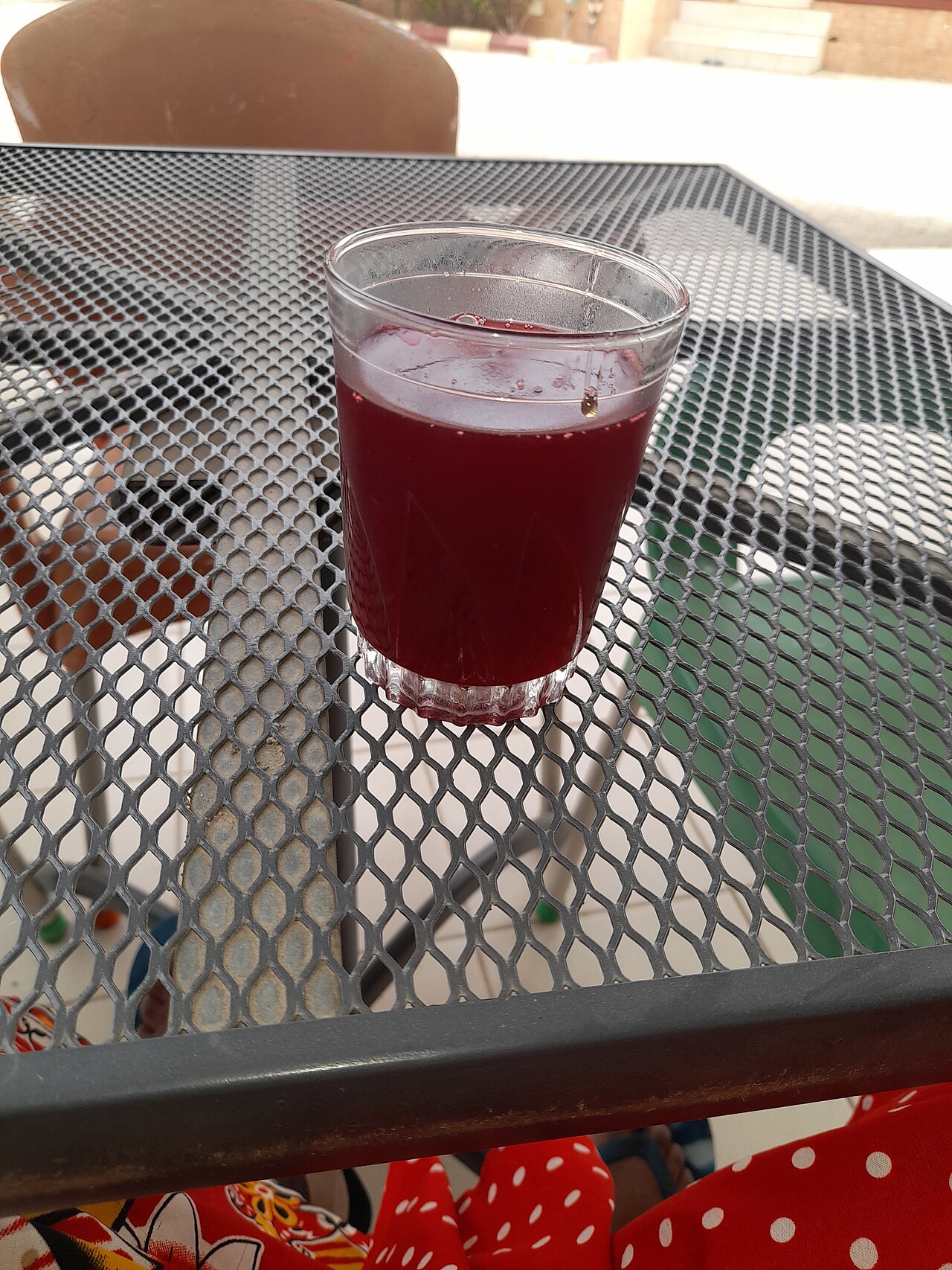
A deep red drink made from dried hibiscus flowers boiled with ginger and sometimes pineapple peel or cloves, then sweetened and served cold. It is sold in bottles and bags on the street and at parties.
Balls of spiced millet dough, called fura, crumbled into nono, a fermented cow's milk, to make a thick, sour and filling drink, popular in the afternoon and on special occasions.
At the table in Nigeria
Wash your hands before eating. A bowl of water is often brought to the table, because many dishes are eaten by hand.
Eat, and pass or take anything, with your right hand. Using the left hand is seen as rude.
To eat a swallow such as pounded yam, pinch off a small piece with your right hand, roll it into a ball, make a dent with your thumb and scoop up some soup.
Greet the elders first. In traditional homes older people are served first and start eating before the rest.
In Igbo homes a guest may be welcomed with kola nuts, offered as a sign of goodwill. Accept a piece with thanks.
Many people in the north are Muslim and may not serve alcohol or pork. During Ramadan, do not eat, drink or smoke in public in the daytime in mainly Muslim areas.