Senegalese cooking is built on rice, millet, fish from the Atlantic, peanuts, onions, lime and chilli. The main meal is lunch, usually one big dish of rice with fish or meat and vegetables, served on a large shared platter in the middle of the family, who eat from it with a spoon or with the right hand. Street food fills the day, from bean sandwiches at breakfast to grilled meat in the evening, and afterwards comes a sweet millet dessert and several small glasses of strong mint tea, called attaya.
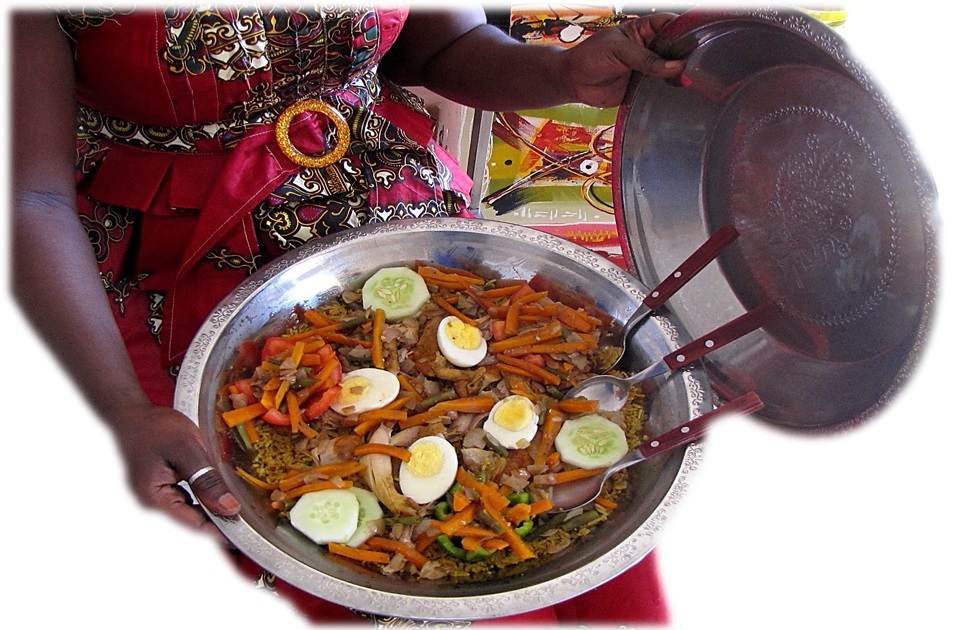
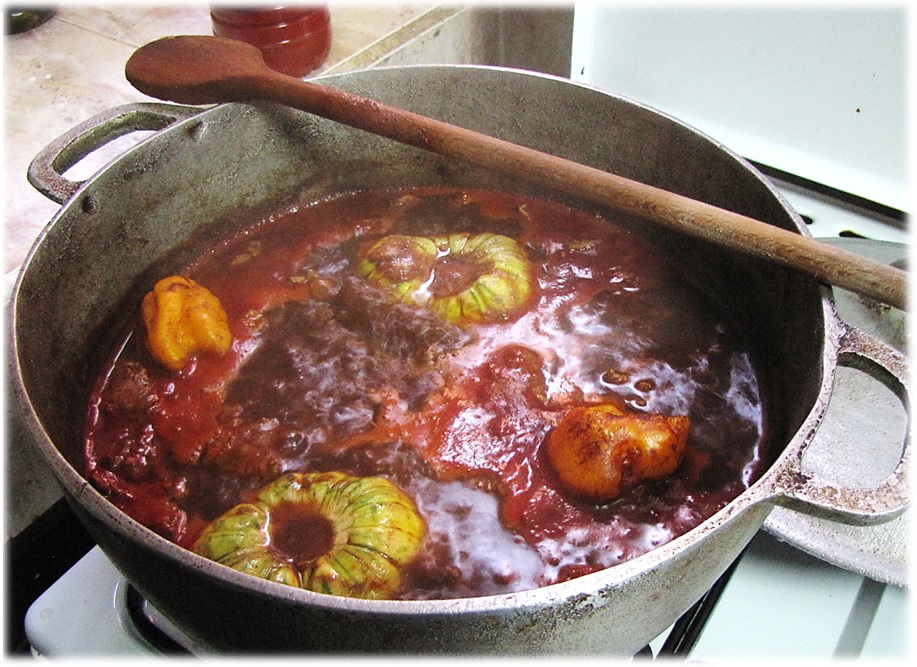
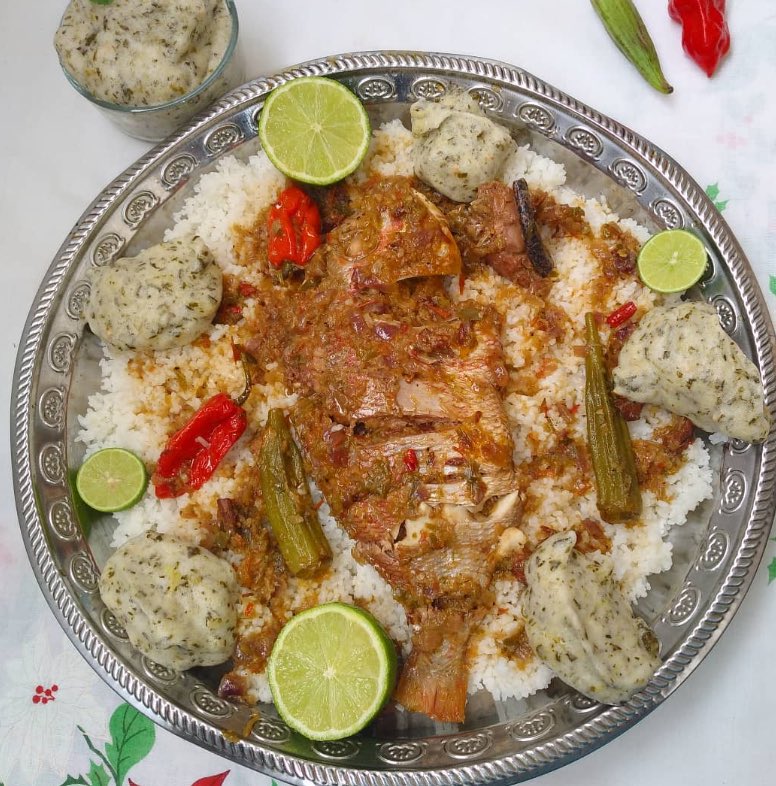
The national dish: fish stuffed with a paste of parsley, garlic and chilli, cooked in a tomato sauce with vegetables such as cabbage, carrot, cassava, aubergine and sweet potato, and then broken rice cooked in the same rich sauce. The fish and vegetables are piled on top of the red rice.
In 2021 UNESCO added 'Ceebu jën, a culinary art of Senegal' to its list of the Intangible Cultural Heritage of Humanity. Its name simply means 'rice and fish' in Wolof.
Senegal, especially Casamance in the south; now eaten all over West Africa
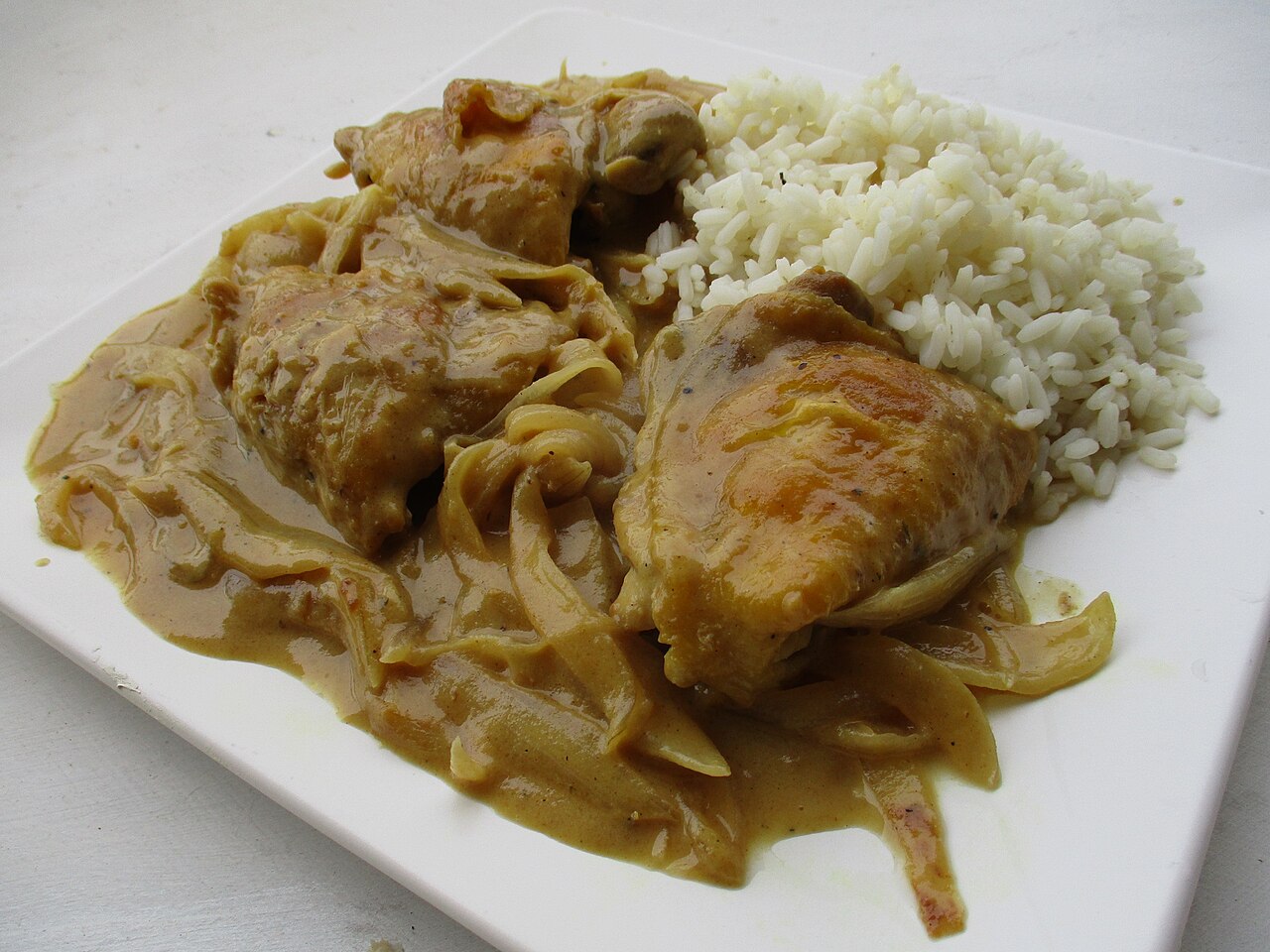
Chicken marinated in lemon or lime juice, mustard and a great heap of sliced onions, grilled or fried, and then simmered with the onions until they turn soft and sweet. It is served with plain white rice. It is also made with fish (yassa jën) or lamb.
'Yassa' is the name of the cooking method, marinating and then stewing, and 'ginaar' is the Wolof word for chicken.
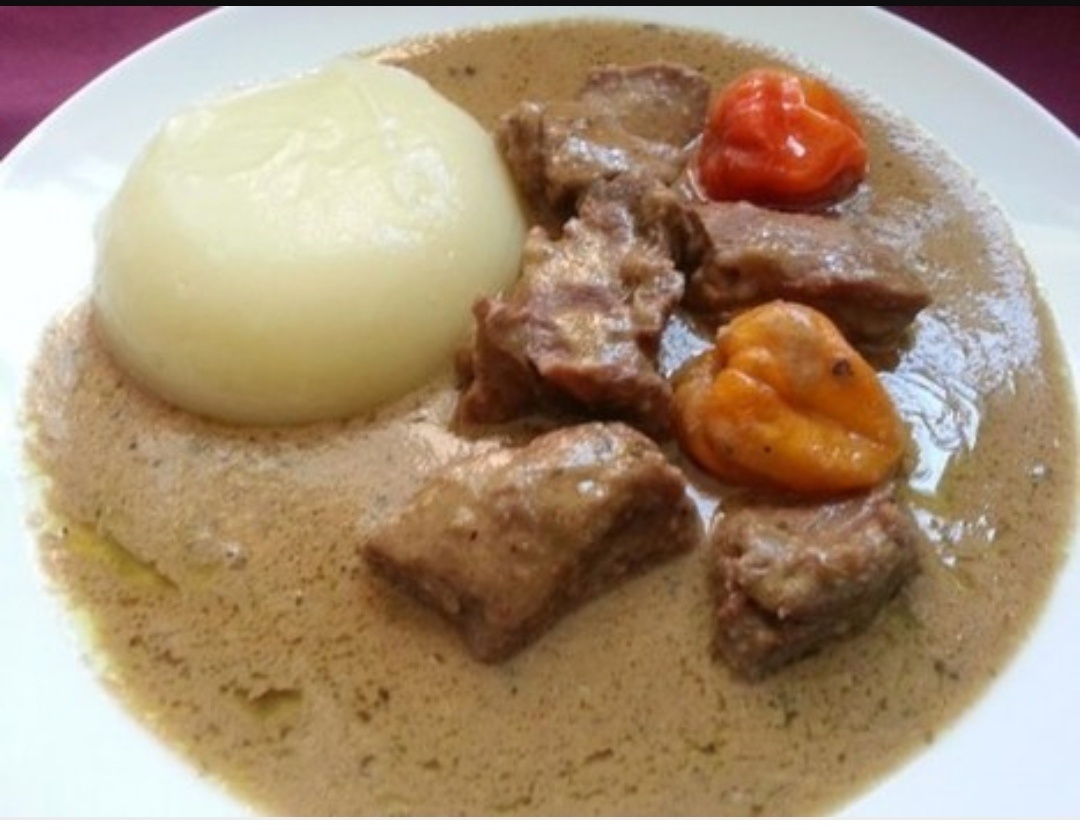
A rich stew of beef, lamb or chicken in a sauce of peanut paste and tomato, with vegetables such as sweet potato, cabbage and carrot. It is served over white rice.
Peanuts are Senegal's main cash crop, and the city of Kaolack is the centre of the peanut trade.
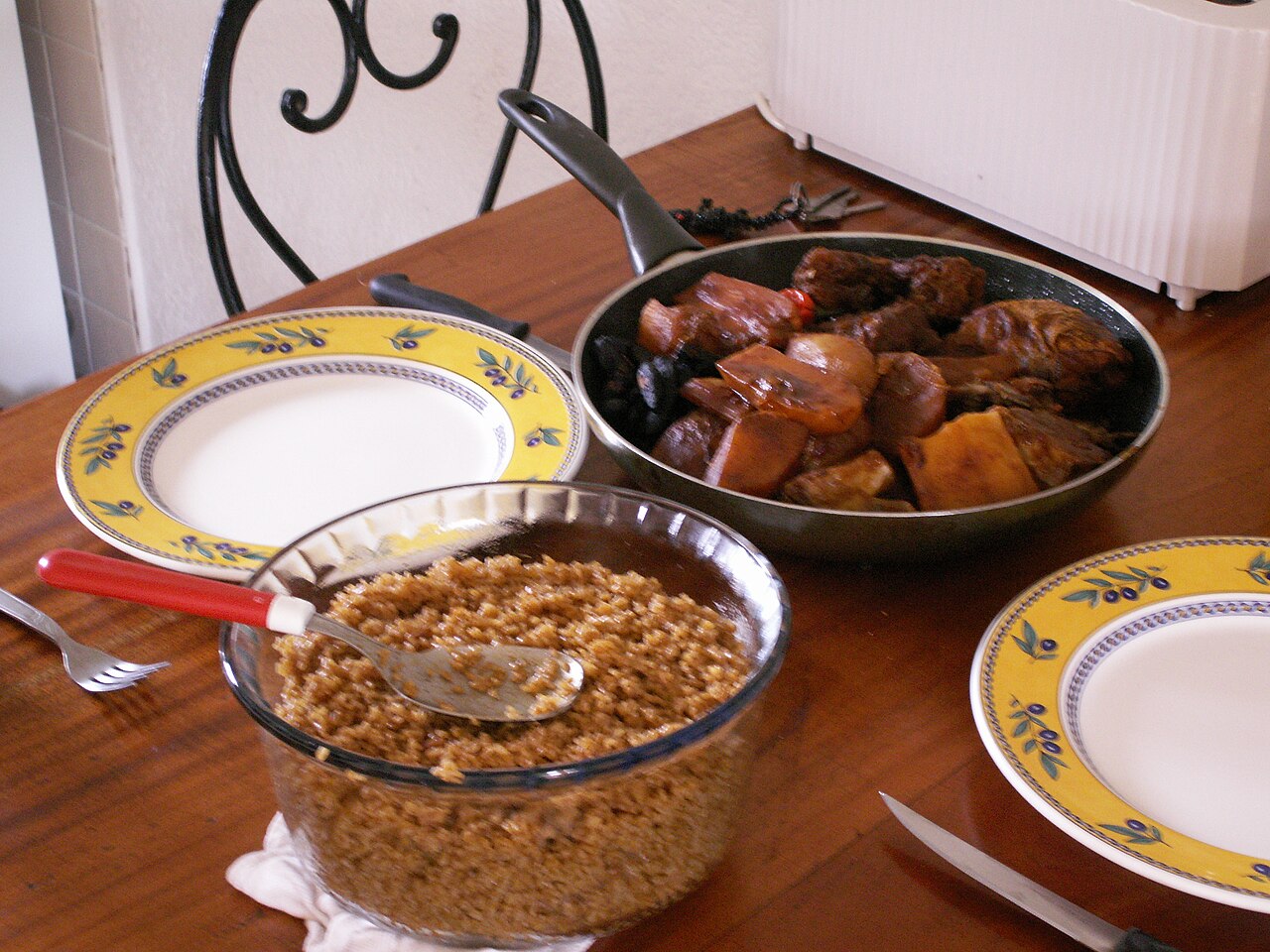
'Rice and meat': beef or lamb fried with onions, garlic and pepper, then simmered with mustard and water until tender, and rice cooked in the same sauce. It is often garnished with green olives or black-eyed peas, and it is a favourite for celebrations.
Along with ceebu jën and ceebu ginaar (rice and chicken), it belongs to a family of one-pot rice dishes; in Wolof 'ceeb' means rice.
A light, tangy broth of fresh fish simmered with onions, tomato, chilli and lime juice, served with white rice. It is gentler and more delicate than yassa.
All of Senegal, sold at street grills called dibiteries
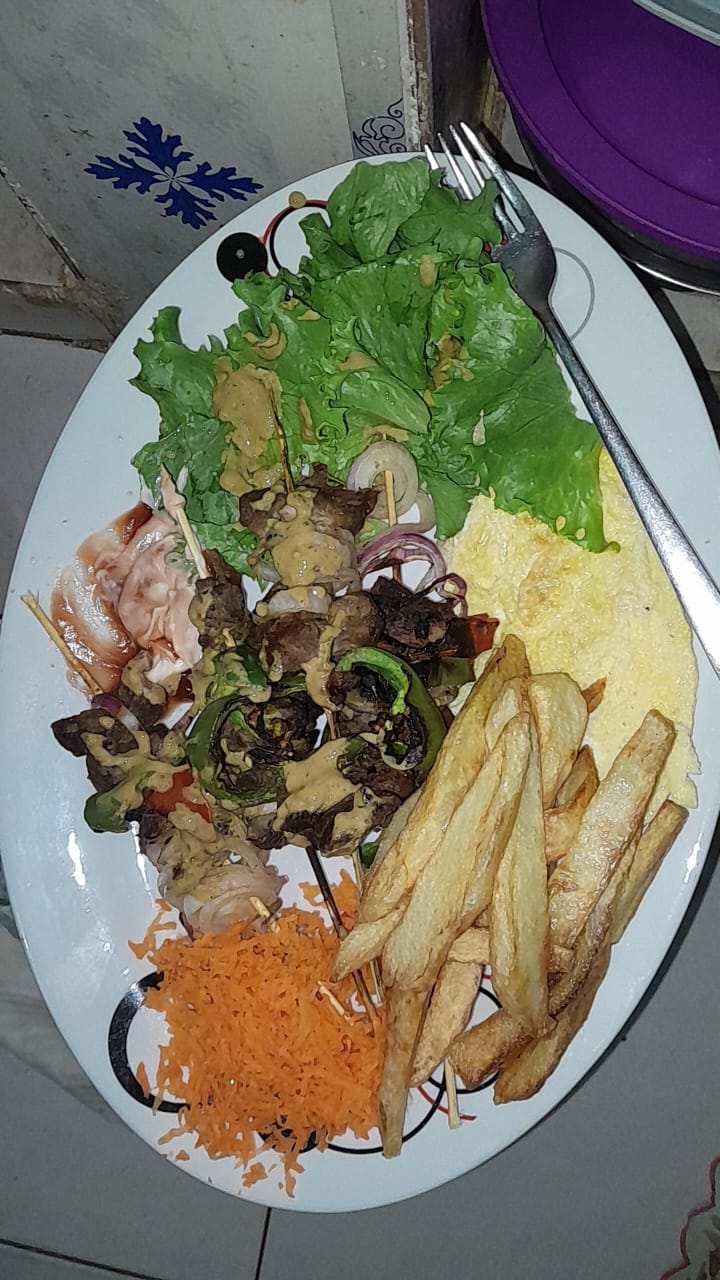
Lamb seasoned and grilled over a fire, then cut into pieces and served on paper with raw or grilled onions, mustard and bread. It is a favourite evening meal.
The word 'dibi' comes from the Soninke language and means barbecue.
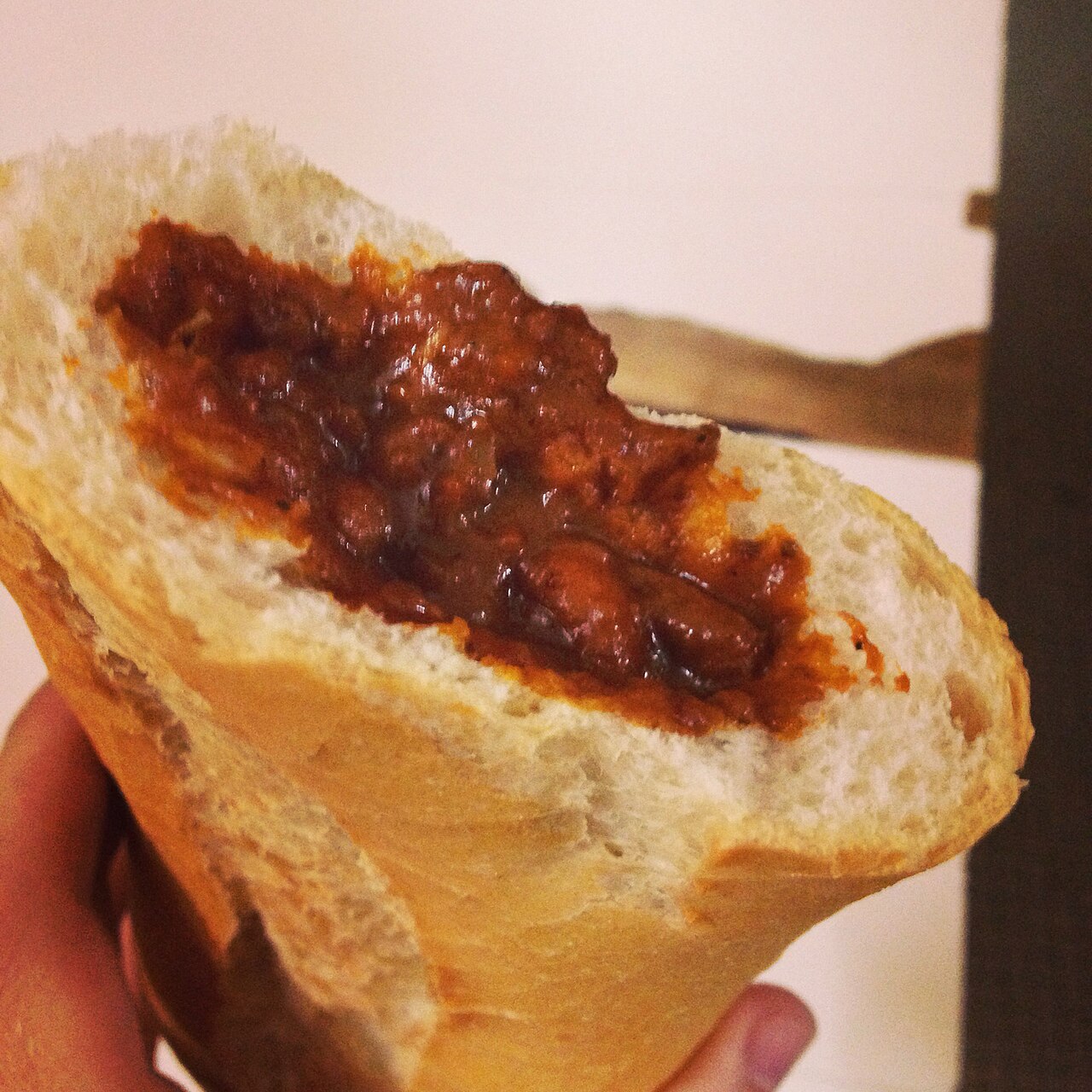
Black-eyed beans slowly cooked in a spicy tomato and onion sauce, spooned into a piece of baguette. It is a filling, cheap breakfast sandwich sold at street stalls.
Dakar and the towns; similar to the Lebanese fatayer
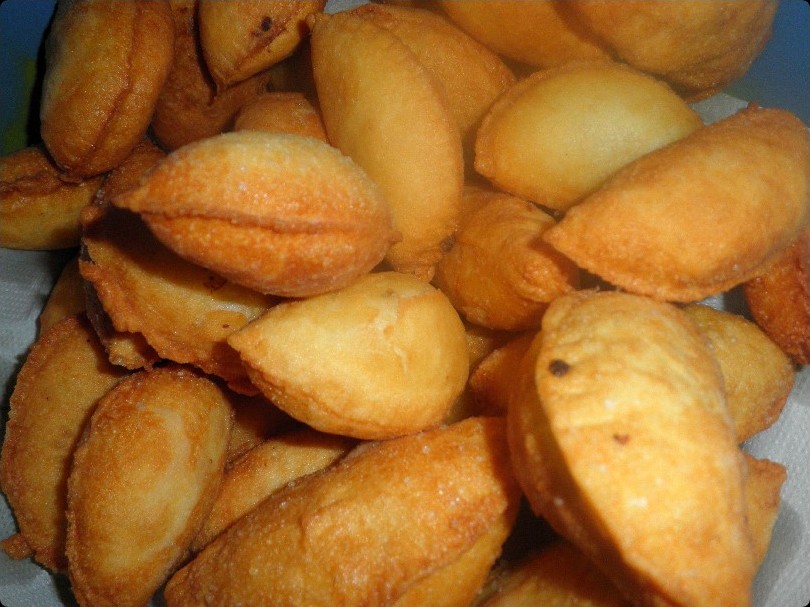
Half-moon turnovers of dough filled with spiced fish or minced meat and deep-fried until golden. They are sold as a snack, often with a sharp onion and chilli sauce.
Senegal has a long-established Lebanese community, and the name matches the Lebanese stuffed pastries called fatayer.
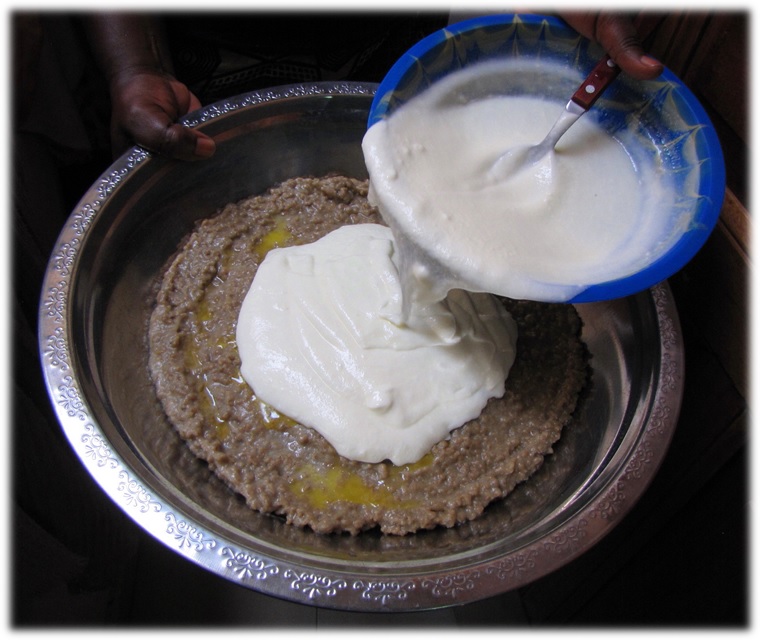
A cool, creamy dessert of small grains of millet couscous stirred into sweetened yogurt or curdled milk, often with a little nutmeg, vanilla and raisins.
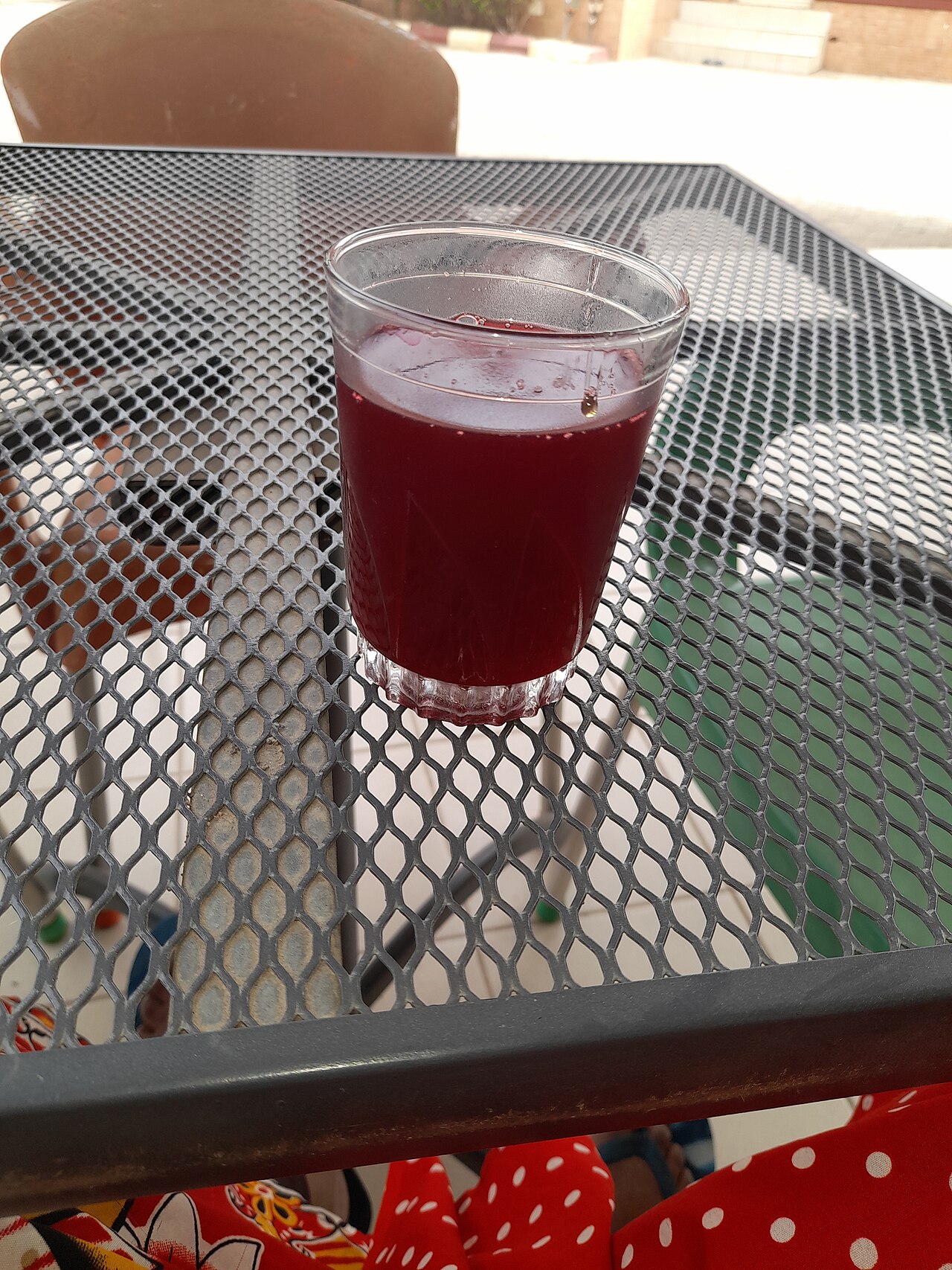
The most popular drink in Senegal: a deep red, sweet and slightly sour juice made from the dried flowers of the roselle hibiscus, often flavoured with mint or orange blossom and served ice cold.
Other favourite homemade juices are bouye, from the fruit of the baobab tree, and a fiery ginger drink called gingembre.
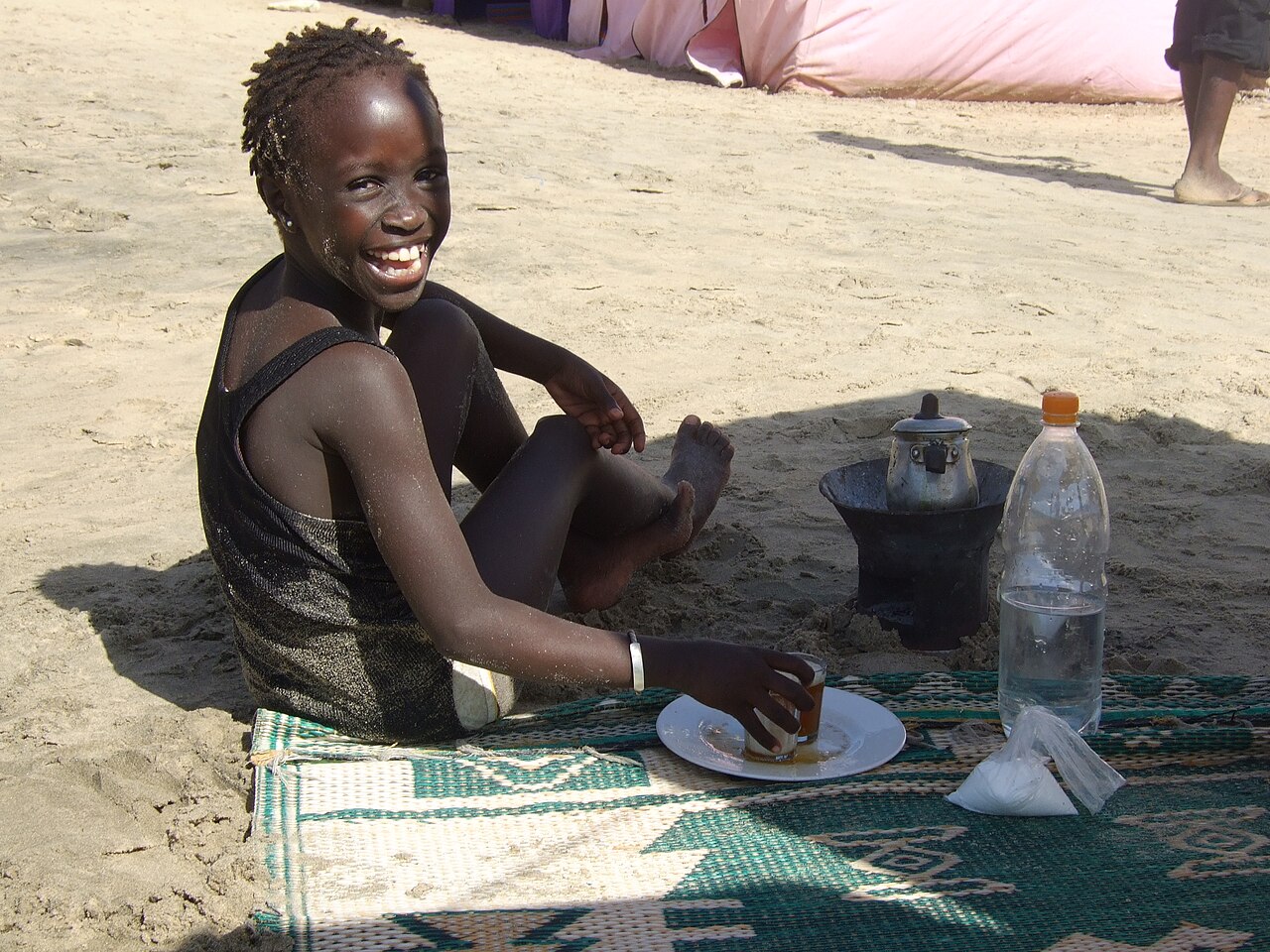
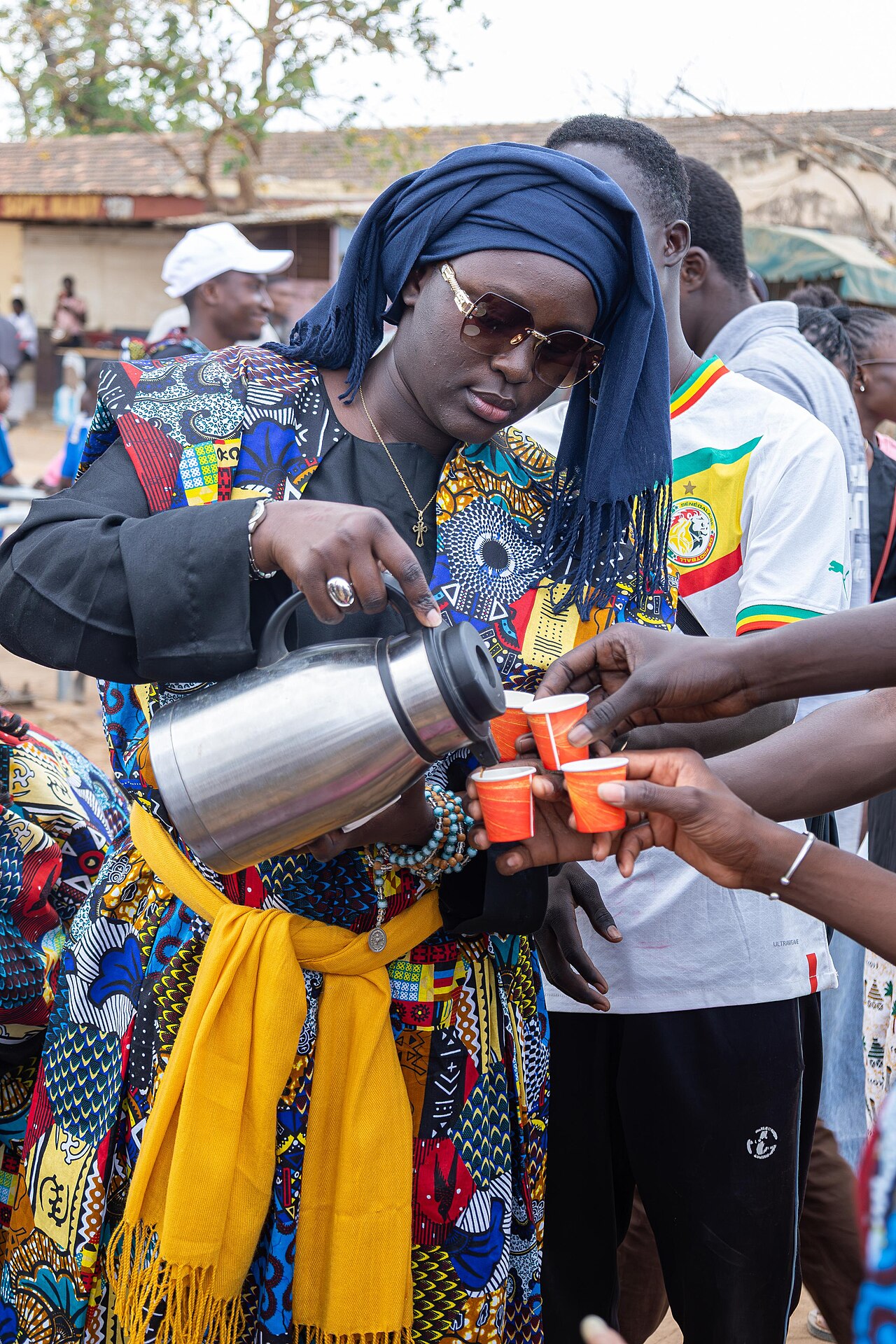
Chinese green tea boiled with lots of sugar, and often mint, in a small pot over a charcoal stove, then poured from high up between glasses until it has a thick foam. It is served in three rounds, each sweeter than the last.
Making attaya takes a long time, and that is the point: the three rounds are a time to sit, talk and keep friendships going.
Coffee roasted and ground together with djar, the peppery seeds of Guinea pepper, and sometimes cloves, then brewed through a filter and served very sweet. It is sold by street vendors all over the country.
At the table in Senegal
Lunch is usually served on one big platter set on a mat or a low table, and everyone eats from the part of the dish directly in front of them.
Wash your hands before eating, and eat with your right hand or a spoon. The left hand is not used for eating or for passing food.
Do not reach across the platter. The host or the cook often breaks up the fish or meat and pushes the best pieces towards guests.
When the meal is ready, everyone is called with 'kaay lekk', 'come and eat'. When you are full, stop eating and thank the cook.
Accept the tea when it is offered and stay for the three rounds if you can; leaving after the first glass can seem hurried.