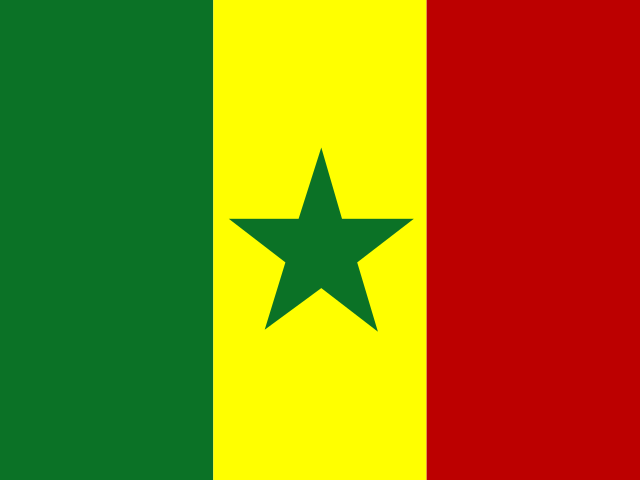
The westernmost corner of mainland Africa, where fishing canoes crowd the beaches, a whole family shares one big dish of rice and fish, and every guest is welcomed with teranga.
Senegal lies on the Atlantic coast of West Africa, between the Sahara to the north and the green, rainy south. Its capital, Dakar, sits on the Cap-Vert peninsula, and nearby Pointe des Almadies is the westernmost point of mainland Africa. Most of the country is flat savanna, bordered by the Senegal River in the north and crossed by the Saloum, Gambia and Casamance rivers, and it almost completely surrounds its small neighbour, The Gambia.
For centuries Wolof, Serer, Fula and Mandinka kingdoms ruled here. From the 1400s European traders came to the coast, and small islands such as Gorée and Saint-Louis became part of the Atlantic trade, including the trade in enslaved people. France later ruled the whole territory, and Dakar became the capital of French West Africa. Senegal became independent in 1960, and since then power has always changed hands peacefully, never through a military coup.
Questions to ask the older generation
Memories fade faster than photos. Ask these over a meal or a phone call, and write the answers down.
Which town or region of Senegal did our family come from? Was it near Thiès, Touba, Saint-Louis?
Who was the first in the family to leave Senegal, when, and why?
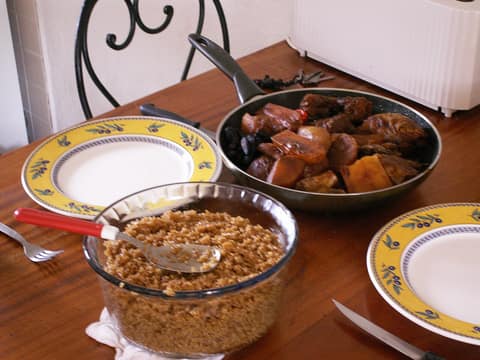
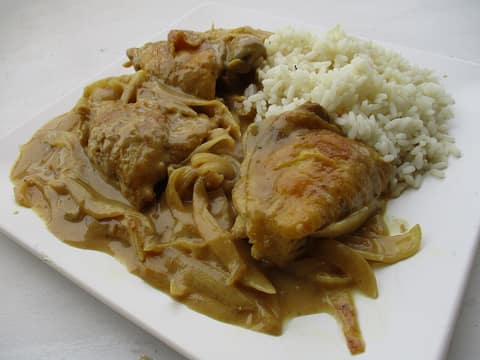
Which dishes from Senegal were cooked at home? Did anyone make Thieboudienne or Chicken yassa?
Does anyone in the family still speak Wolof, or use a few words of it?
Were there songs, prayers, games or holidays from Senegal that the family kept?
Are there old photos, letters or documents from Senegal? Who has them?
If you could visit Senegal together, where would you go first?
A short history of Senegal
People have lived in Senegal since prehistoric times, and the great stone circles and shell mounds of the Saloum region are more than a thousand years old. From the 1300s the Wolof Jolof Empire united much of the country. Portuguese sailors arrived in the 1400s, followed by the Dutch, the English and the French, who traded from islands along the coast. France conquered the interior in the 1800s, and Senegal became independent in 1960.
1350
The Jolof Empire rises
From the middle of the 1300s the Wolof state of Jolof grew into a loose union: first the kingdoms of Waalo, Cayor and Baol, and later the Serer kingdoms of Sine and Saloum, together covering much of today's Senegal. Tradition names its founder as Ndiadiane Ndiaye.
1549
The Battle of Danki
Amari Ngoné Fall of Cayor defeated and killed the ruler of Jolof at Danki. After the battle Cayor and the other kingdoms became independent, and the Jolof Empire broke apart into separate states.
1677
France takes Gorée
A French fleet captured the small island of Gorée, off today's Dakar, from the Dutch. Gorée became a French trading post, and one of several places on the Senegalese coast where enslaved Africans were held and shipped across the Atlantic.
1857
The French found Dakar
The French set up a military post at Ndakaaru, a Lebu village on the Cap-Vert peninsula facing Gorée, and called it Dakar. With its deep, sheltered harbour it soon grew into the main port of the region.
1887
Amadou Bamba founds Touba
The Sufi teacher Amadou Bamba, founder of the Mouride brotherhood, founded the town of Touba in central Senegal. The French exiled him to Gabon in 1895, and today Touba is a holy city and his burial place.
1914
Blaise Diagne is elected to Paris
Blaise Diagne, born on Gorée, was elected to the French Chamber of Deputies for Senegal's Four Communes. He was the first person of full West African descent to sit in the French parliament.
1982
The Senegambia Confederation
Senegal and The Gambia formed a loose confederation on 1 February 1982 to work more closely together. It was dissolved in 1989.
2024
Senegal starts producing oil
In June 2024 oil began to flow from the Sangomar field in the Atlantic, about 100 km south of Dakar, making Senegal an oil producer for the first time.