Tunisian cooking is built on olive oil, wheat, tomatoes, seafood and lamb, with Amazigh, Arab, Andalusian, Ottoman, Italian and French influences. It is spicier than most of its neighbours' cooking, thanks to harissa, a red chilli paste. A meal often starts with bread, olive oil and harissa, then salads such as slata mechouia, a crisp brik or a soup, followed by a stew or a big dish of couscous, and ends with fruit, sweet pastries and a glass of tea.
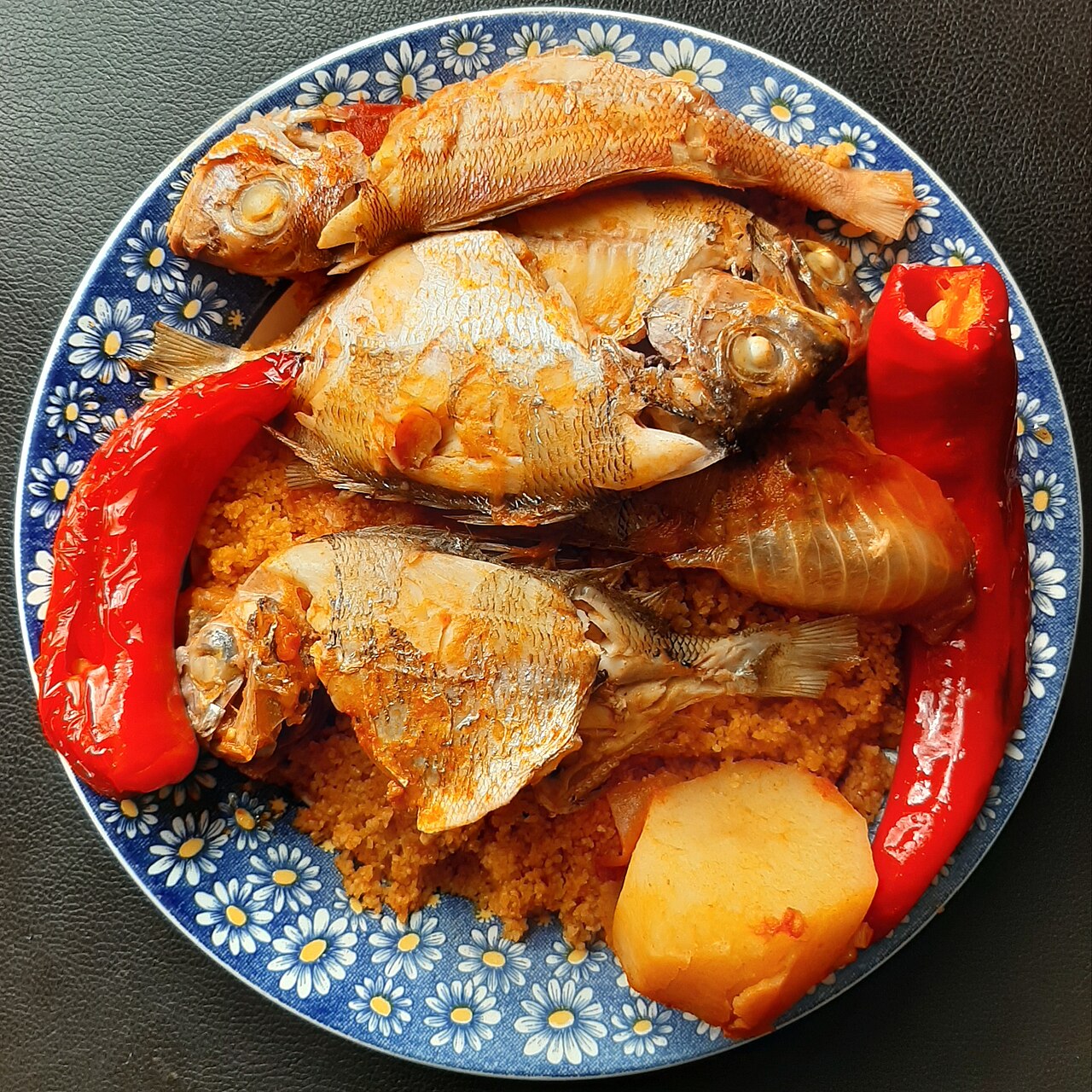
All of Tunisia; fish couscous is a speciality of the coast, from Sfax to the Kerkennah Islands
Couscous, called kosksi in Tunisia, is steamed over a pot of stew in a double pot called a couscoussier. On the coast it is often served with whole fish, such as sea bream or grouper, and vegetables in a hot, red, harissa-spiced sauce. Inland, lamb, chicken or beef are more common.
In 2020 UNESCO added the knowledge and practices of couscous to its intangible heritage list, after a joint nomination by Tunisia, Algeria, Mauritania and Morocco.
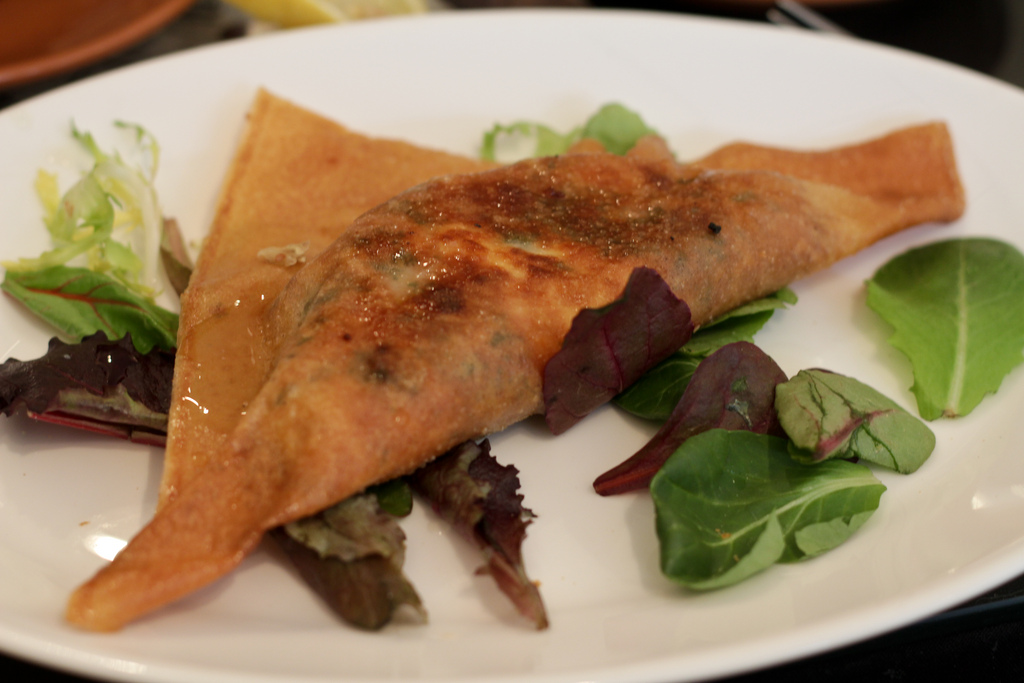
A sheet of paper-thin malsouka pastry folded around a whole egg, often with tuna, capers, parsley and onion, then fried for a few minutes until crisp and golden. The yolk usually stays runny inside.
Eating a brik without dripping egg down your chin takes practice: hold it by the corners and bite from the top.
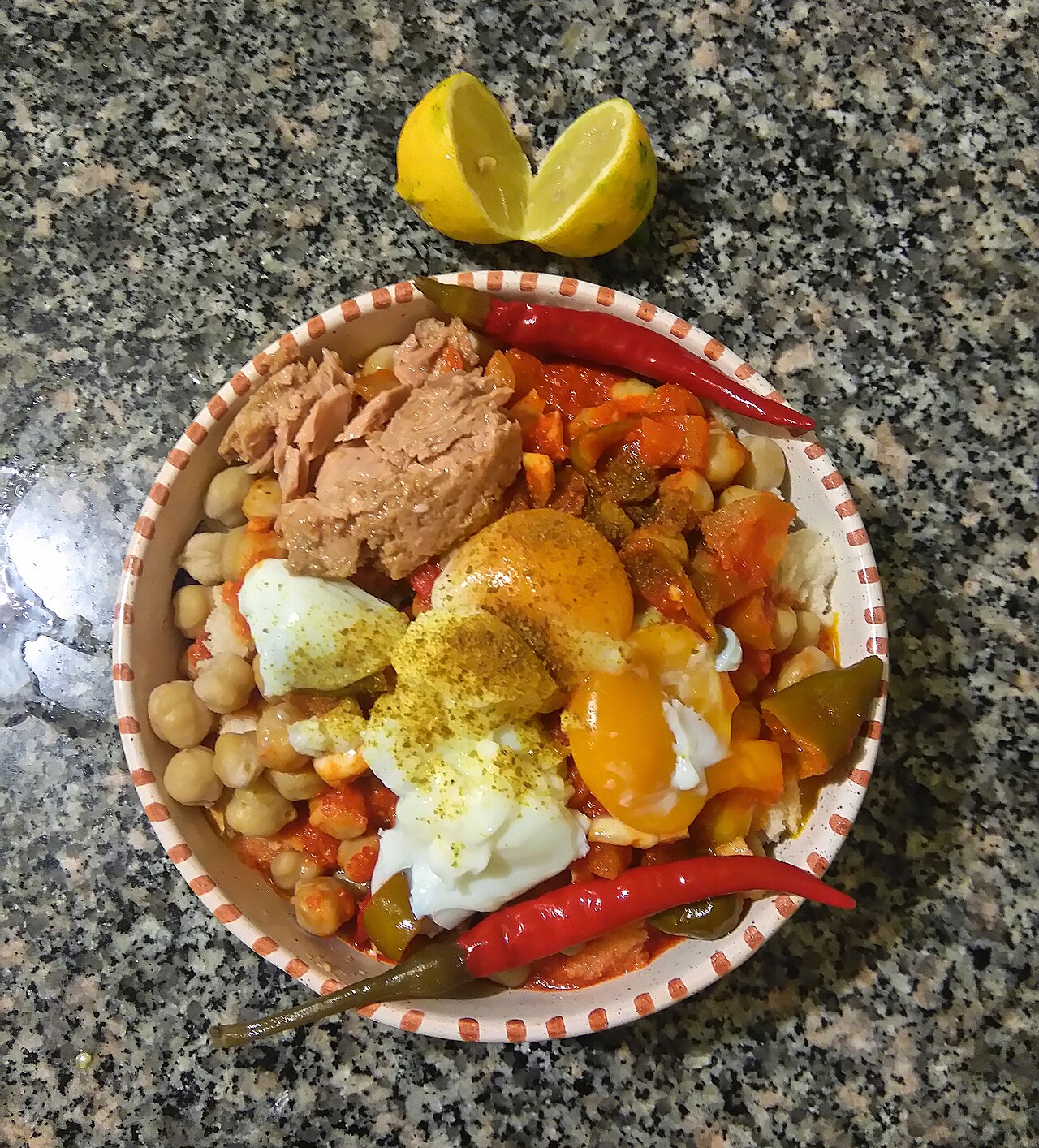
A garlicky chickpea soup with cumin, poured over torn pieces of stale bread and topped with harissa, olive oil, often a soft-cooked egg, and sometimes tuna, capers and olives. It is cheap, filling and warming.
Lablabi was once a winter breakfast, but today it is eaten all day and all year, and in Bizerte people eat it stuffed into a baguette.
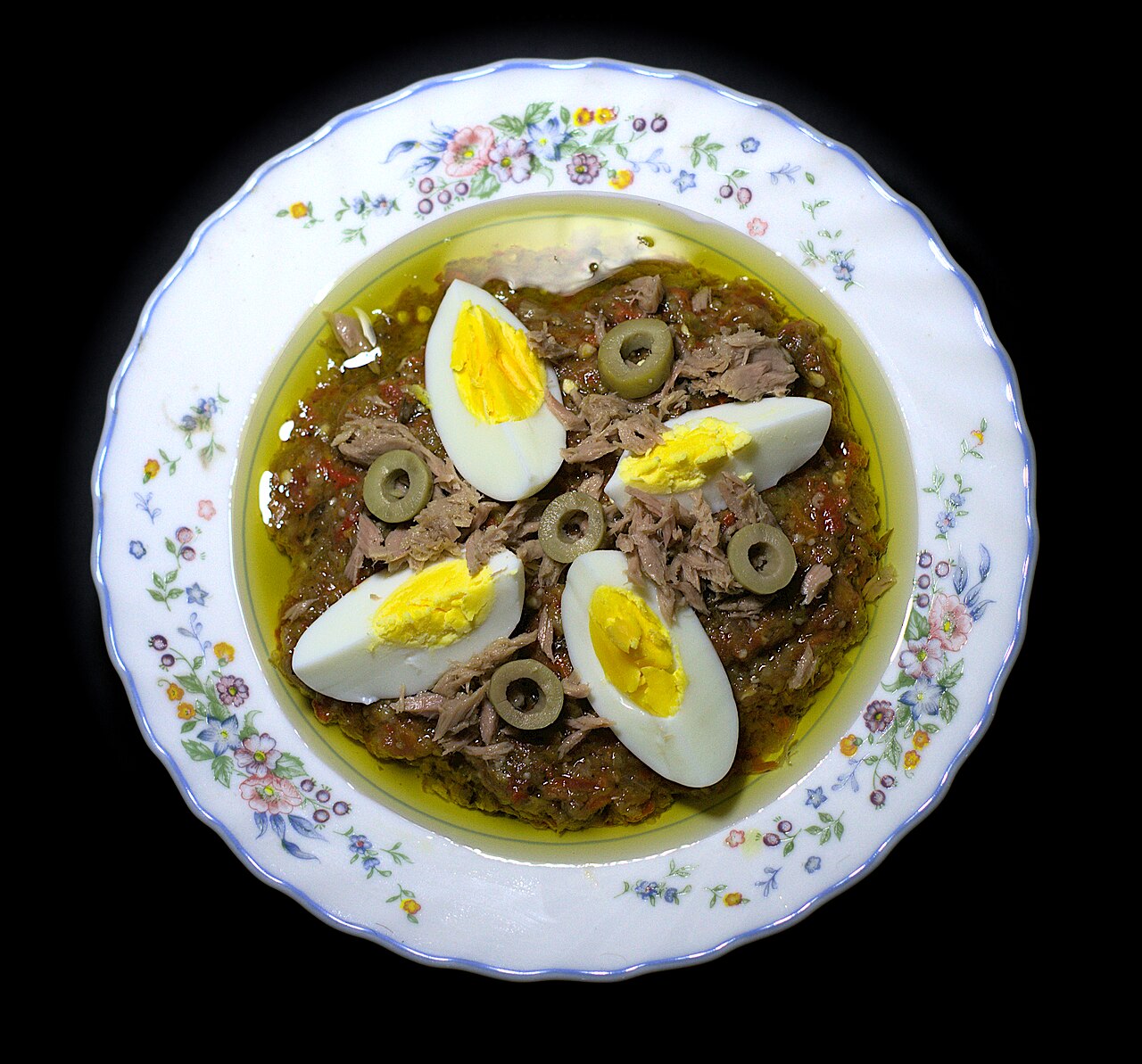
Peppers, tomatoes, onions and garlic are grilled until blackened, peeled and chopped or pounded together with olive oil, caraway and coriander seed. It is usually served cold with tuna, olives and hard-boiled eggs, and eaten with bread.
Its name simply means 'grilled salad', and it is especially popular in summer, when peppers and tomatoes are at their best.
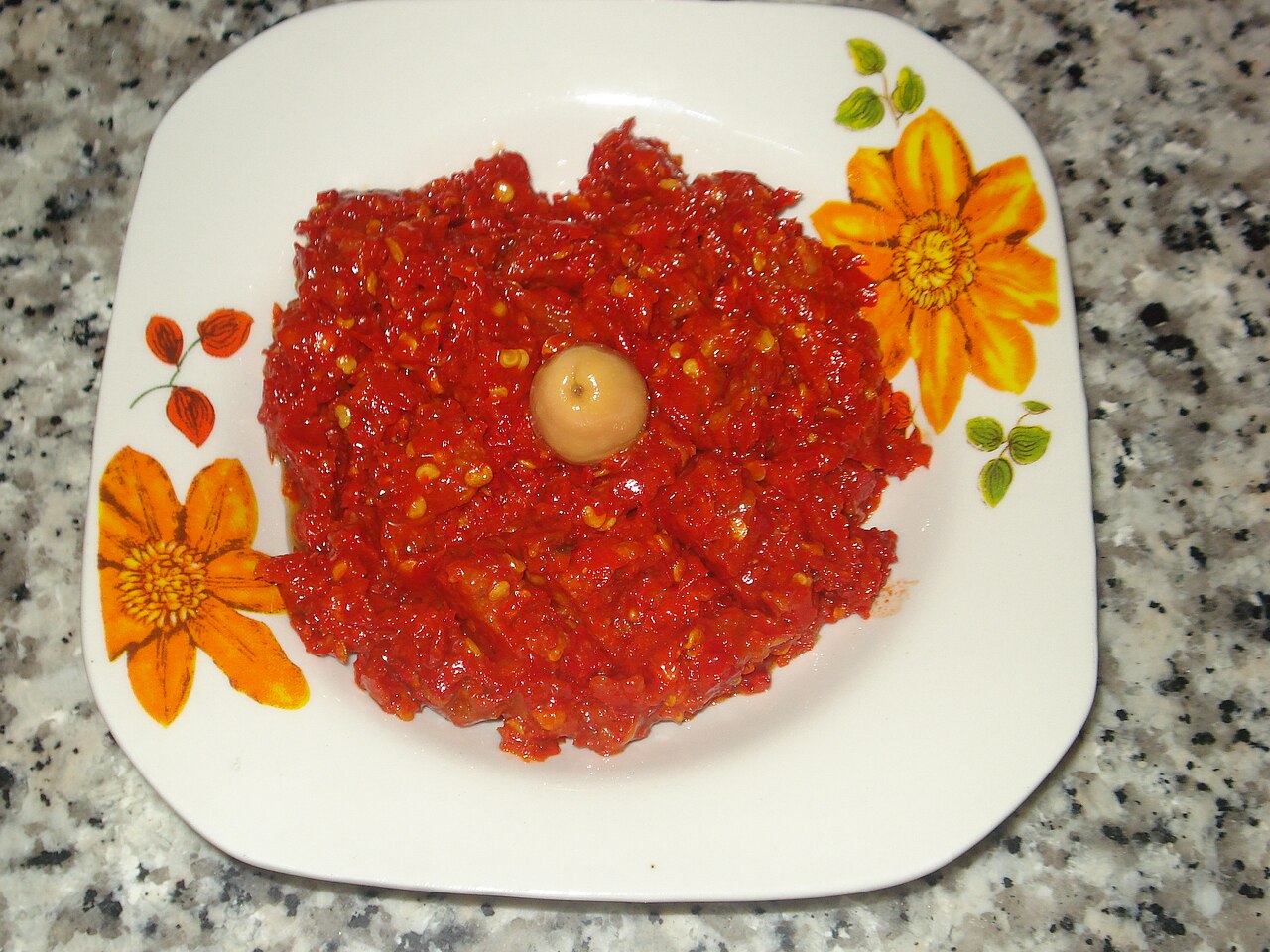
A hot red paste of sun-dried chilli peppers pounded with garlic, caraway, coriander seed and salt, and covered with olive oil. It goes into stews, soups and couscous, and is served on its own with bread and olive oil at the start of almost any meal.
In 2022 UNESCO added harissa, with the knowledge and social practices around it, to its intangible heritage list as part of Tunisia's heritage.
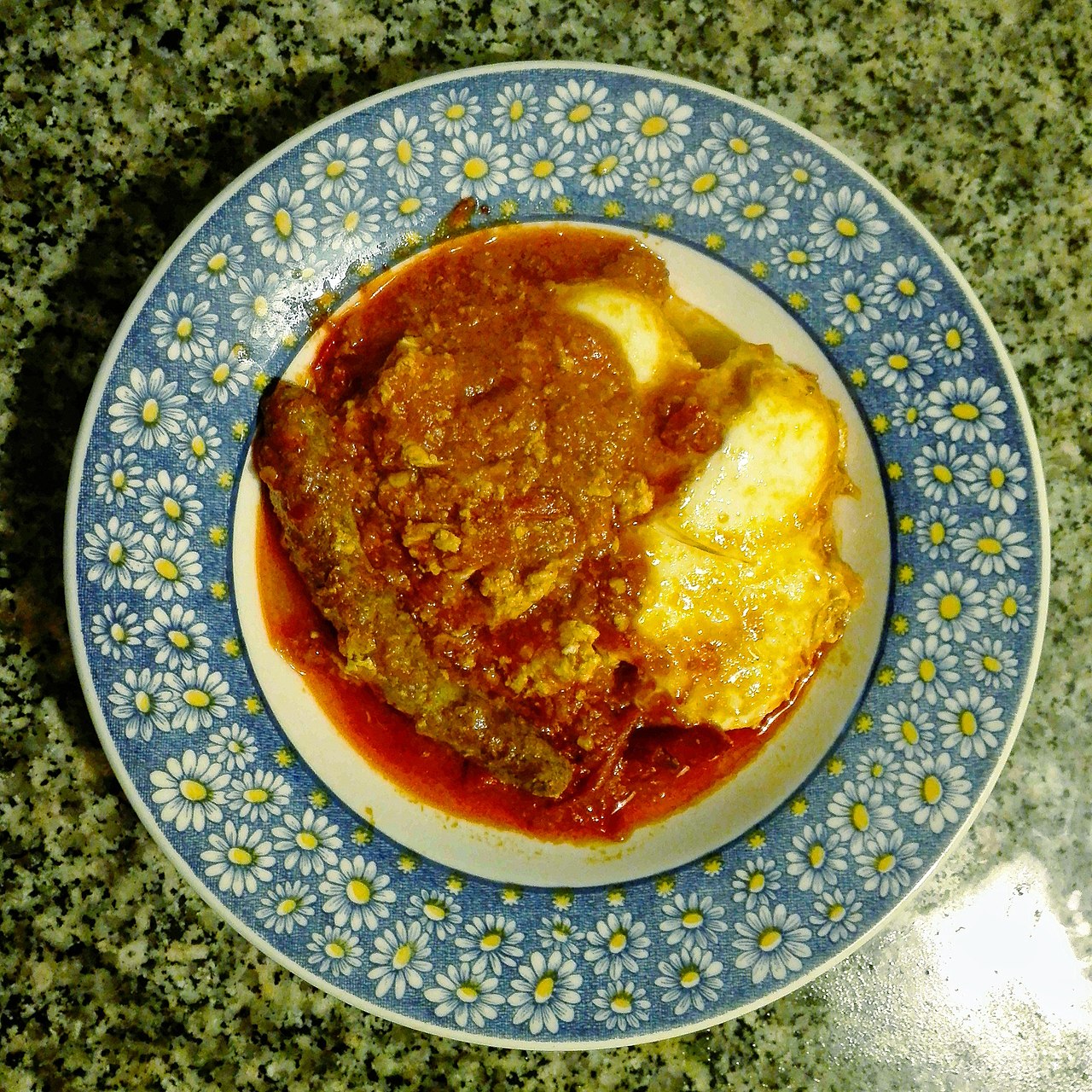
A quick dish of eggs cooked in a spicy sauce of tomatoes, peppers, garlic, caraway and harissa, often with slices of merguez, a small spicy sausage, or with shrimp. It is eaten straight from the pan with bread.
With onions, potatoes or other vegetables added, Tunisians call the dish chakchouka instead.
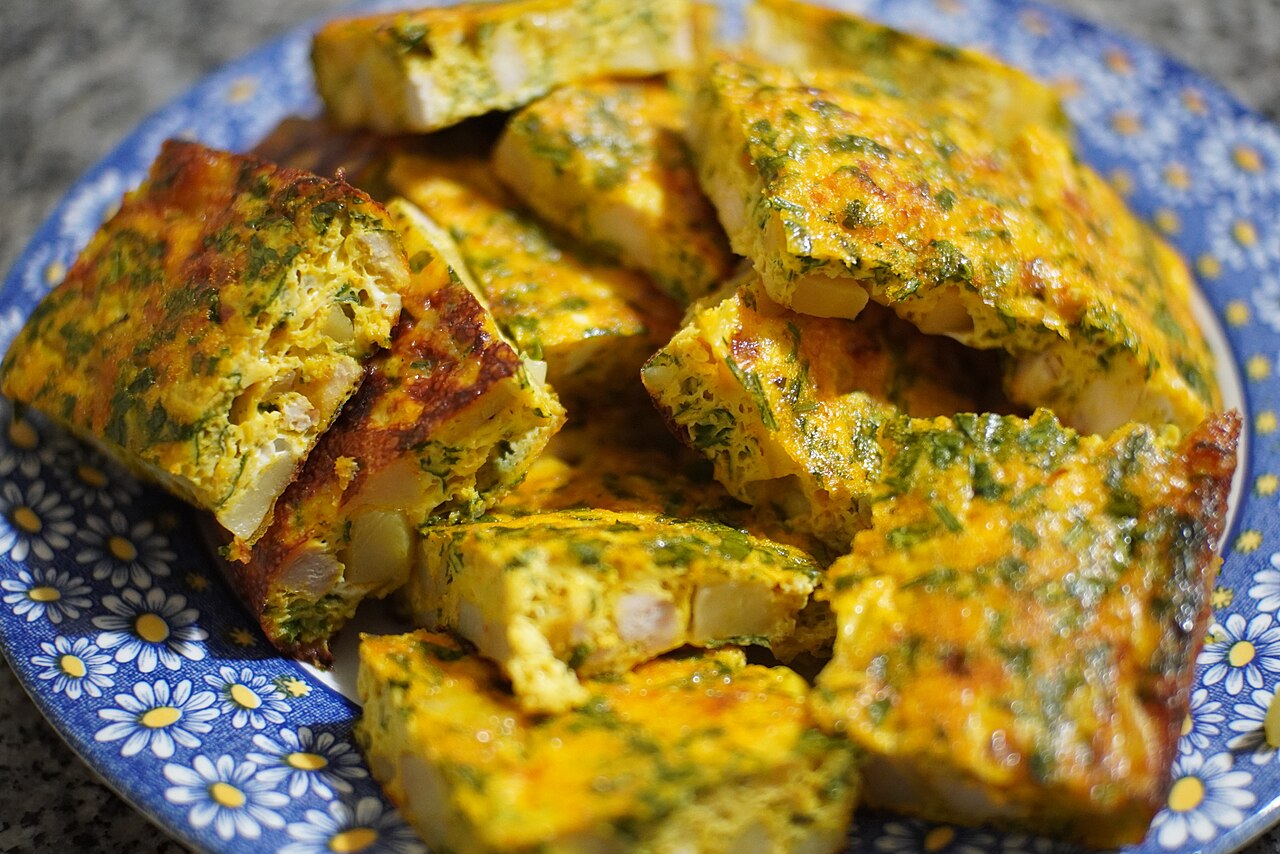
Nothing like the Moroccan stew of the same name: a Tunisian tajine is a thick baked omelette, somewhat like an Italian frittata, made with eggs, grated cheese, parsley, potatoes and chicken, minced meat or tuna. It is cut into squares and served warm or cold.
The name comes from the clay dish in which it was first baked.
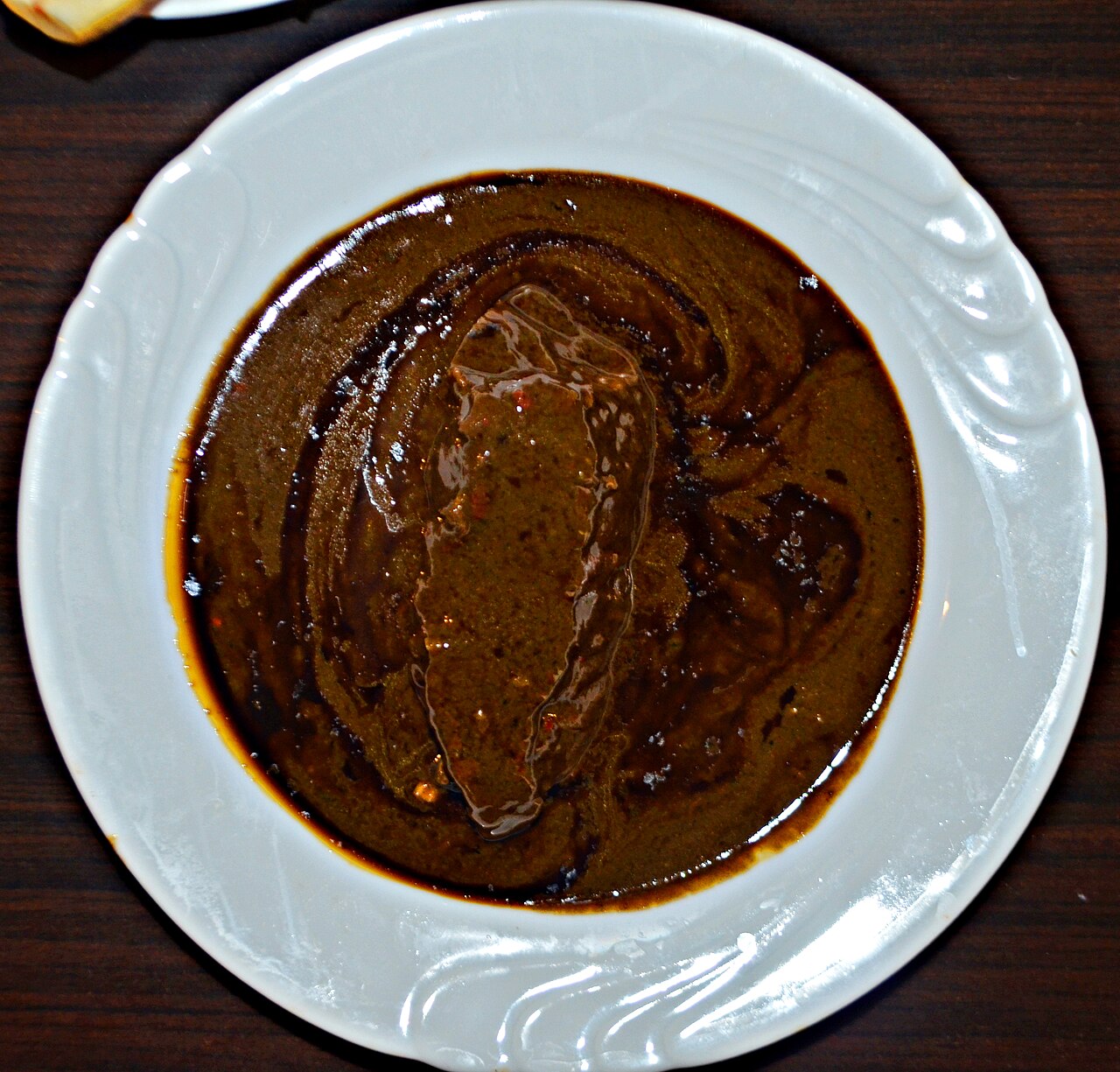
A slow-cooked beef or lamb stew in a thick, almost black-green sauce made from the dried and powdered leaves of the jute plant, simmered for hours in olive oil with garlic and bay leaves. It is eaten with bread.
In Egypt the same leaves make a green soup, but in Tunisia they are ground to a fine powder, which gives the sauce its very dark colour.
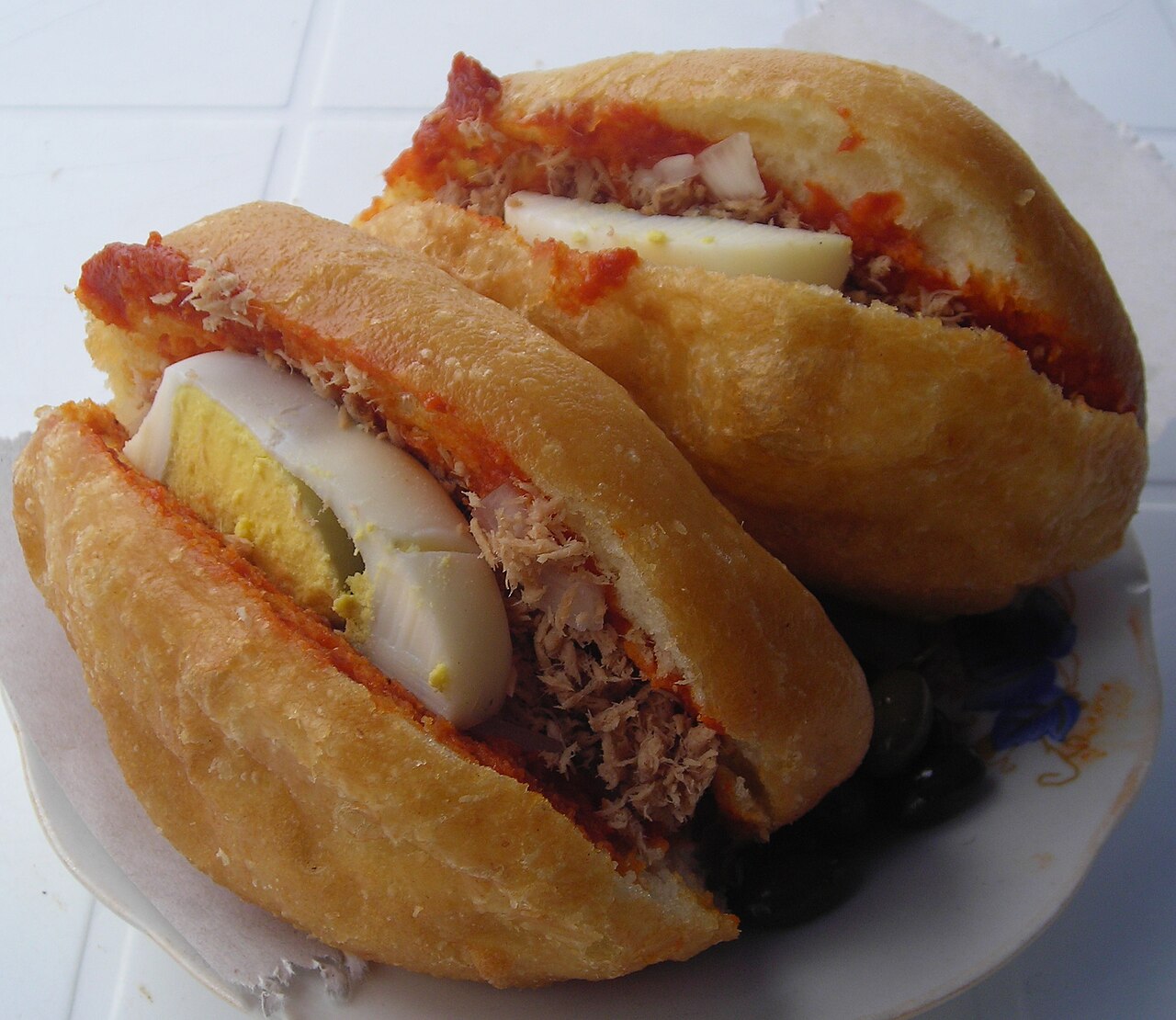
A small fried roll of soft yeast dough, split and filled with tuna, hard-boiled egg, olives, boiled potato, harissa and sometimes preserved lemon and capers. It is sold by street vendors and small shops as a snack.
Tunisian Jews brought the fricassé to Israel, where it is popular, and it is also well known in France.
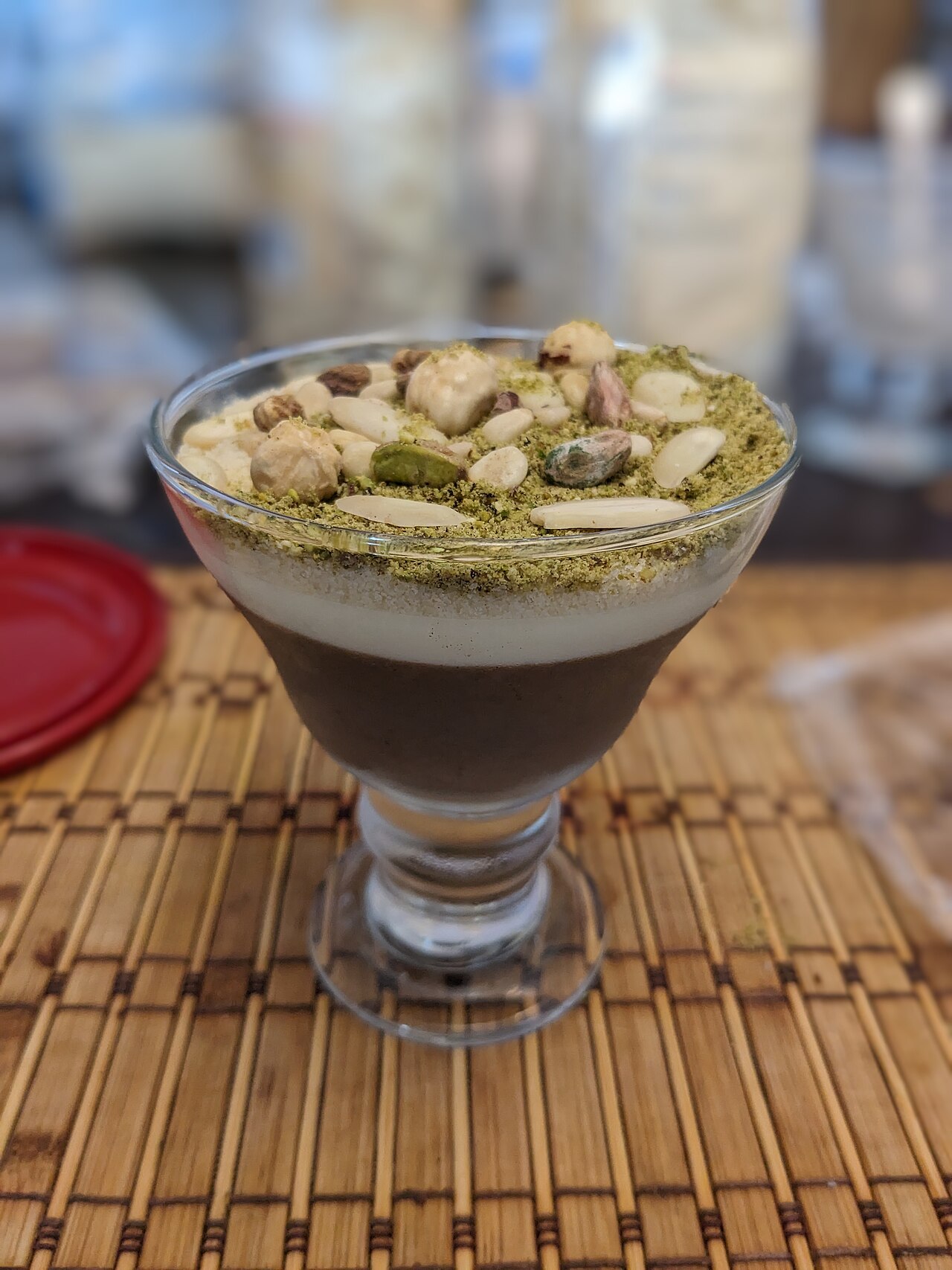
A smooth, dark pudding made from the tiny seeds of the Aleppo pine, cooked with flour, water and sugar, then covered with a vanilla custard cream and decorated with almonds, pistachios and sugared sweets.
Families prepare bowls of assida zgougou to celebrate the Mouled, the birthday of the Prophet Muhammad, and give them to neighbours and friends.
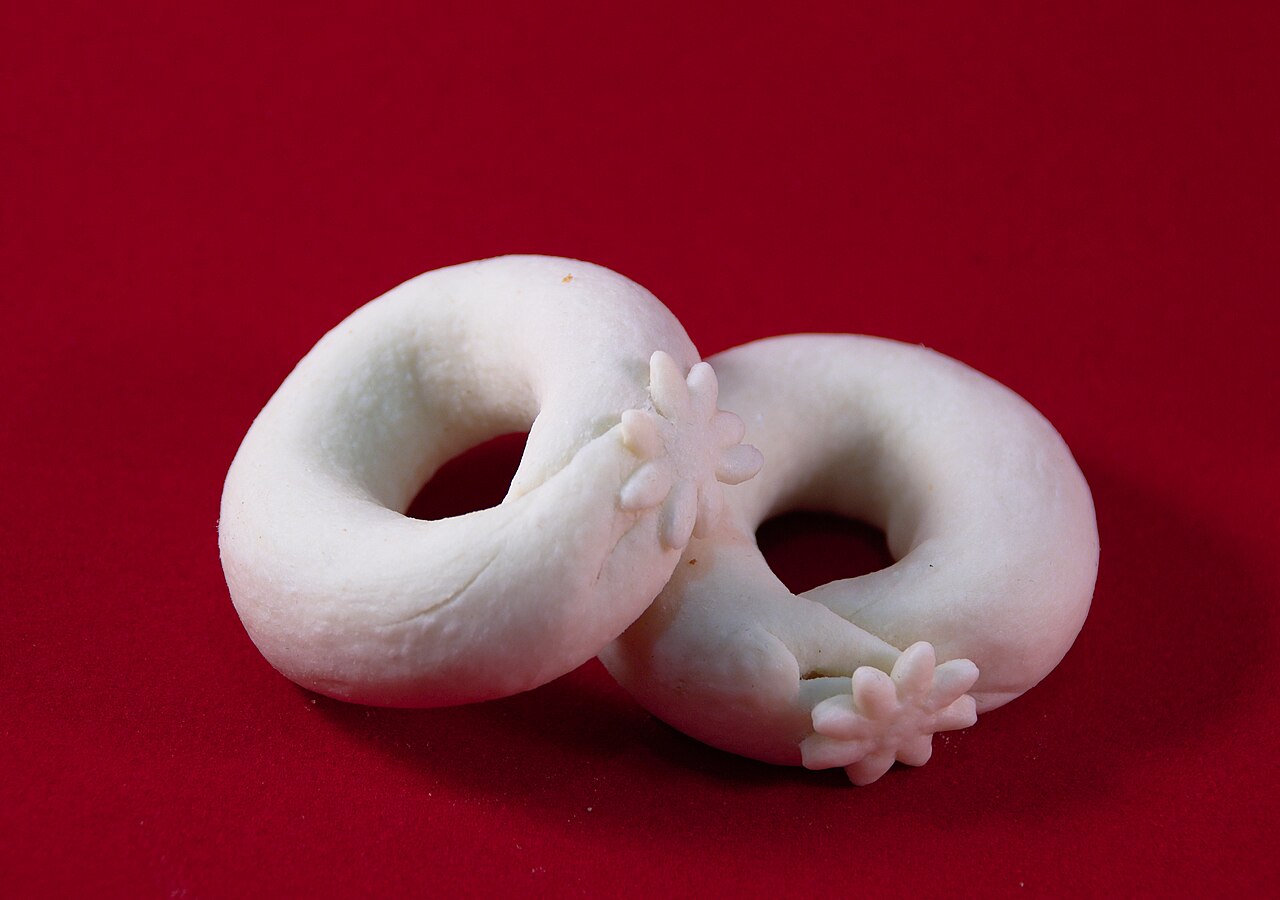
White rings of very thin, smooth pastry wrapped around a filling of ground almonds, sugar and rose or geranium water. It is a delicate pastry for weddings and special occasions.
Warka means 'leaf' or 'sheet of paper': the pastry around the almond filling must be rolled as thin, smooth and white as paper.
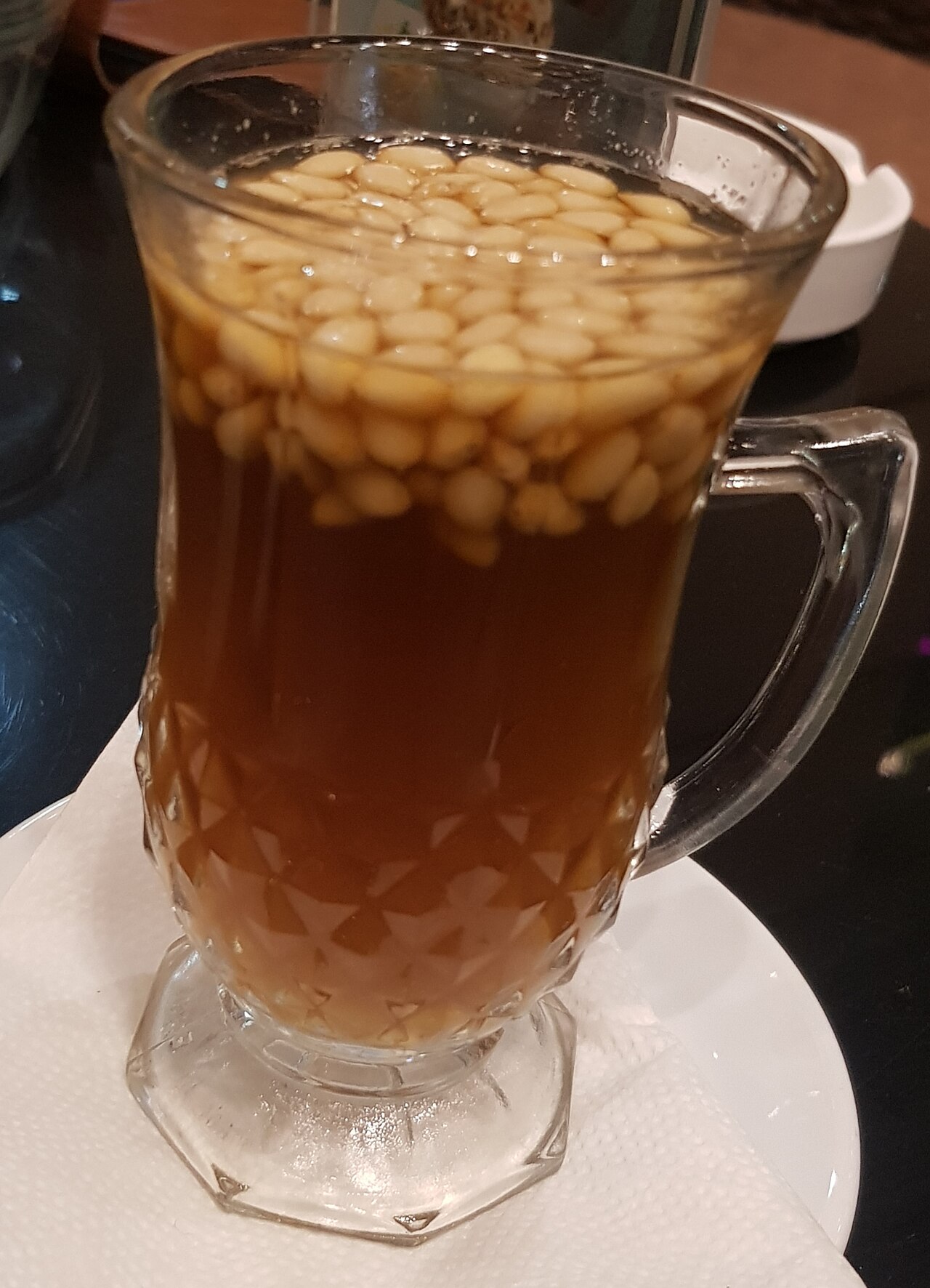
Sweet green tea with fresh mint, served in small glasses with a spoonful of pine nuts floating on top. In the cafés of Tunis you are often asked whether you want your tea with or without pine nuts.
The pine nuts are there more for their crunch than for their taste; toasted almonds or peanuts are sometimes used instead.
Bread, olive oil and harissa are put on the table at the start of almost every meal: tear off a piece of bread, dip it in the oil and then, carefully, in the harissa.
Couscous is served in one large shared dish at family meals, weddings and other gatherings. Eat from the part of the dish in front of you.
Eat a brik with your fingers, holding it by the corners, and bite carefully: the egg yolk inside is often runny.
Tea is usually drunk after a meal, sweet and in small glasses, sometimes with pine nuts floating on top.
Most Tunisians are Muslim and do not eat pork, and alcohol is served only in licensed restaurants, bars and hotels.
During Ramadan, families break the day's fast together at sunset, and cafés and streets fill up after the meal.