Malaysian food is a meeting of Malay, Chinese and Indian cooking, with flavours from Thailand, Indonesia and the peoples of Borneo. A meal has no separate courses: rice sits in the middle, with a few shared dishes of curry, fish, vegetables and a spicy sambal, and everyone eats together. Many people eat with a spoon in the right hand and a fork in the left, some with their right hand, and chopsticks are used for Chinese dishes. Much of the best food comes from hawker stalls, open-air food courts and 'mamak' shops, simple cafés run by Indian Muslims, many of them open late into the night. Each state is proud of its own specialities: laksa and nasi kandar in Penang, blue rice in Kelantan, fish crackers in Terengganu, and their own laksa and raw fish salad in Sarawak and Sabah.
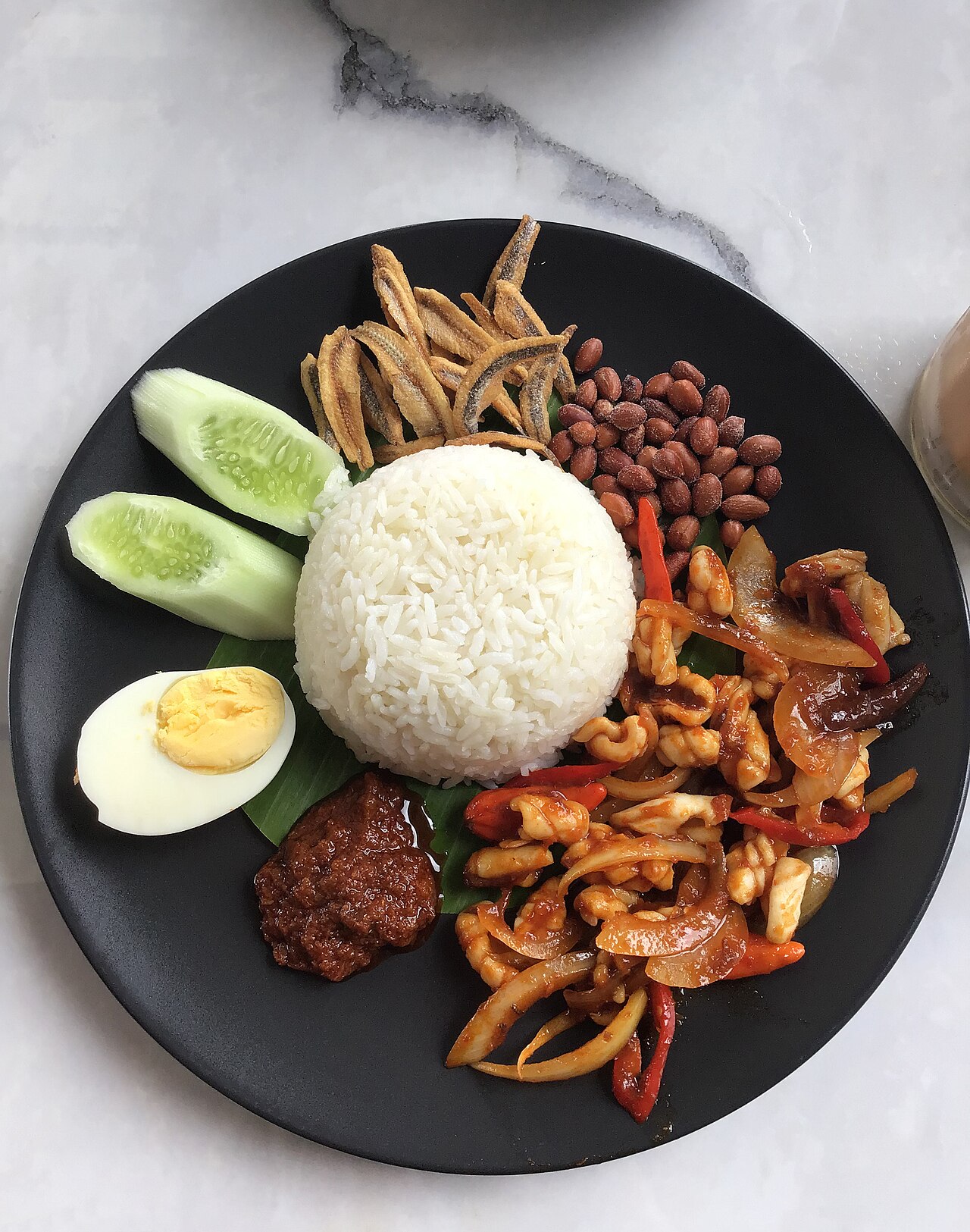
Rice cooked in coconut milk with a pandan leaf, served with a spicy sambal, crispy fried anchovies, roasted peanuts, cucumber and a boiled or fried egg. It is often wrapped in a banana leaf and eaten for breakfast, and many people add fried chicken or beef rendang. It is widely seen as Malaysia's national dish.
The name means 'fatty' or 'rich' rice, after the creamy coconut milk it is cooked in.
Indian Muslim cooking, now eaten all over Malaysia
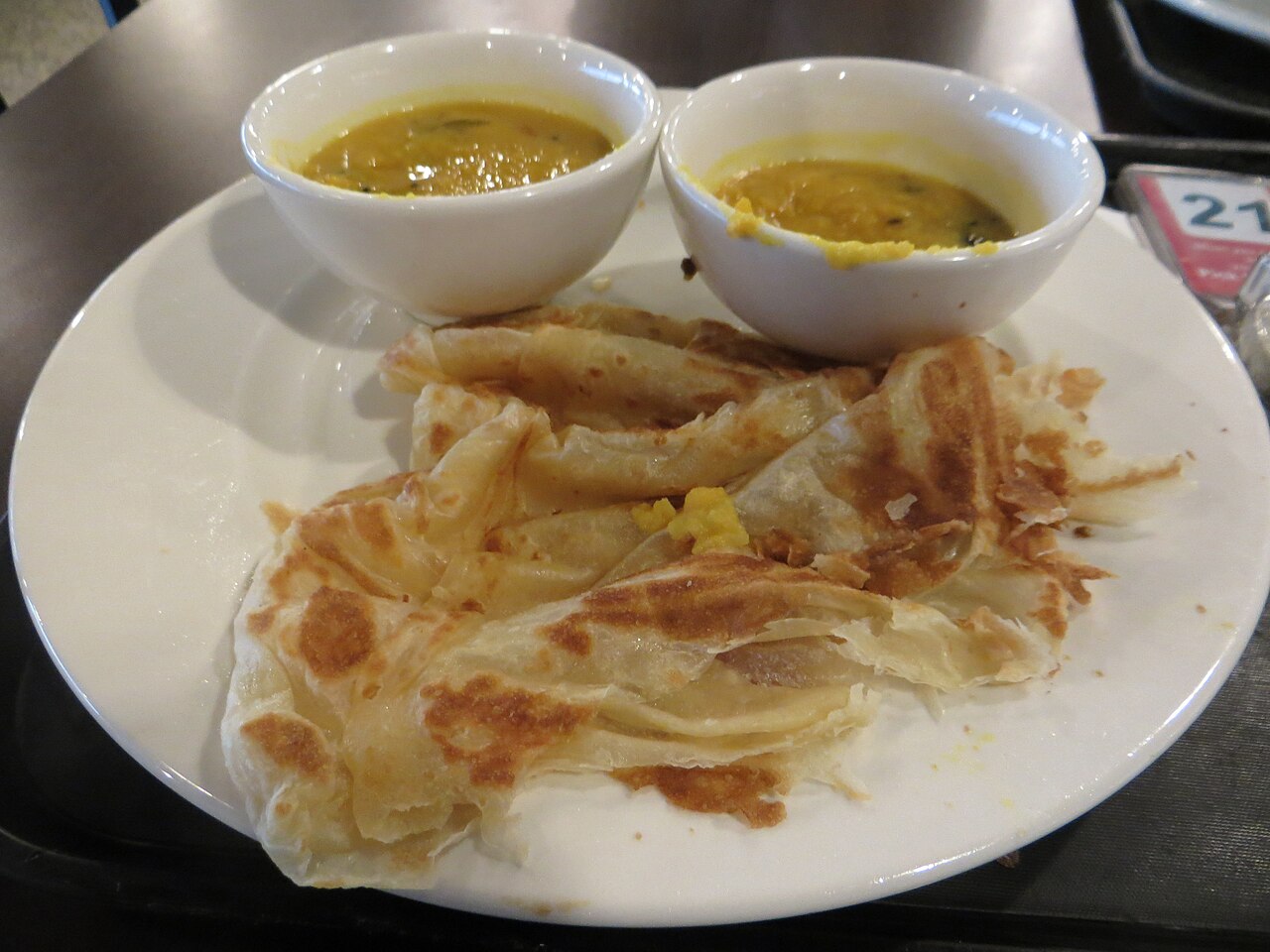
A flaky, chewy flatbread: the dough is tossed and spread until paper-thin, folded and cooked on a hot griddle. It is served with dal or curry for dipping, usually with a glass of teh tarik, and is a favourite breakfast in mamak cafés.
Watching the cook toss and stretch the dough into a thin sheet is part of the fun of ordering roti canai.
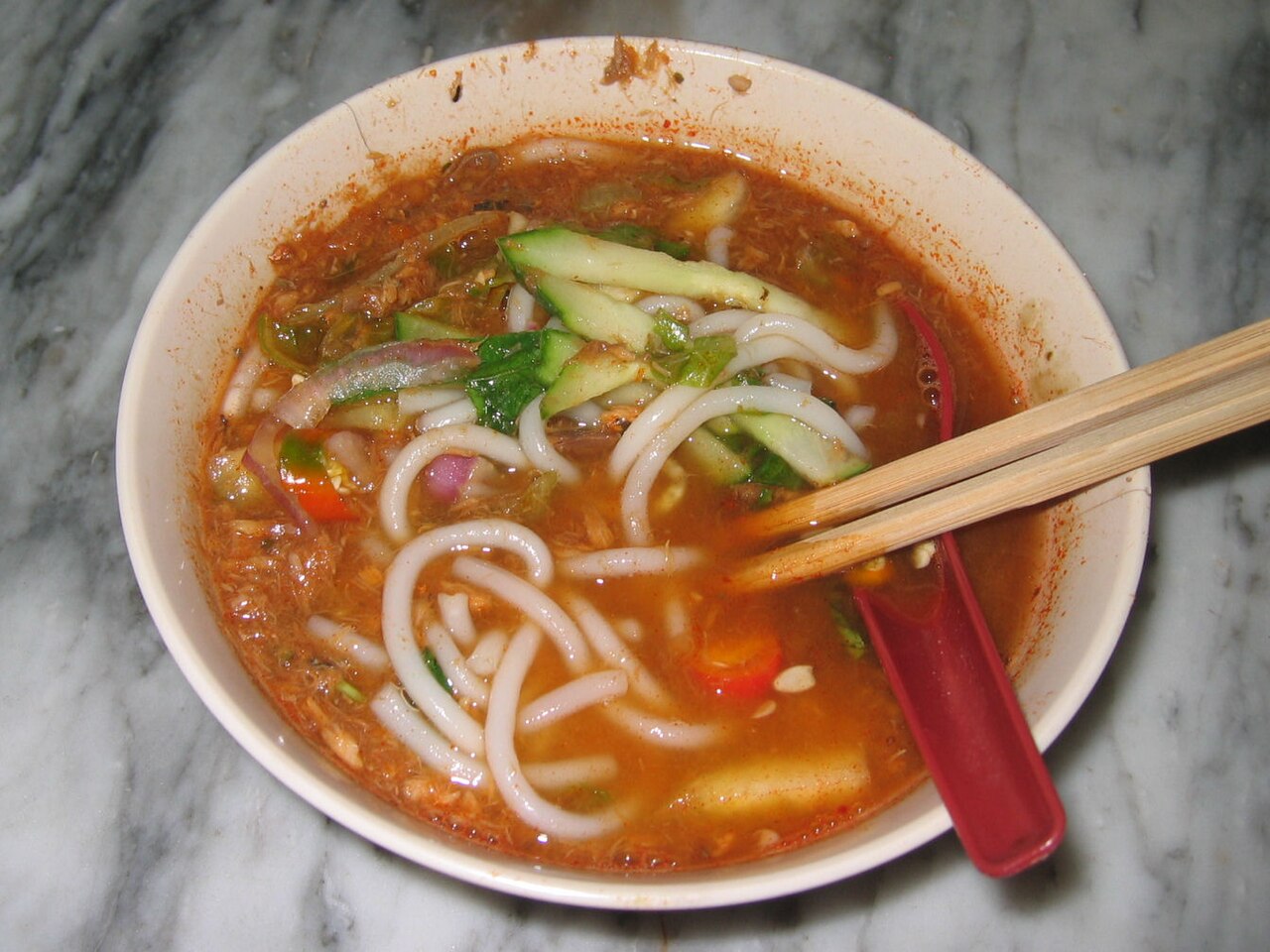
A sour, spicy fish soup made with mackerel and tamarind, poured over thick rice noodles and topped with cucumber, pineapple, onion, mint and a spoonful of thick, sweet shrimp paste. Its sharp, tangy taste is very different from the creamy coconut laksas of other places.
'Asam' is the Malay word for anything that makes food sour, such as tamarind.
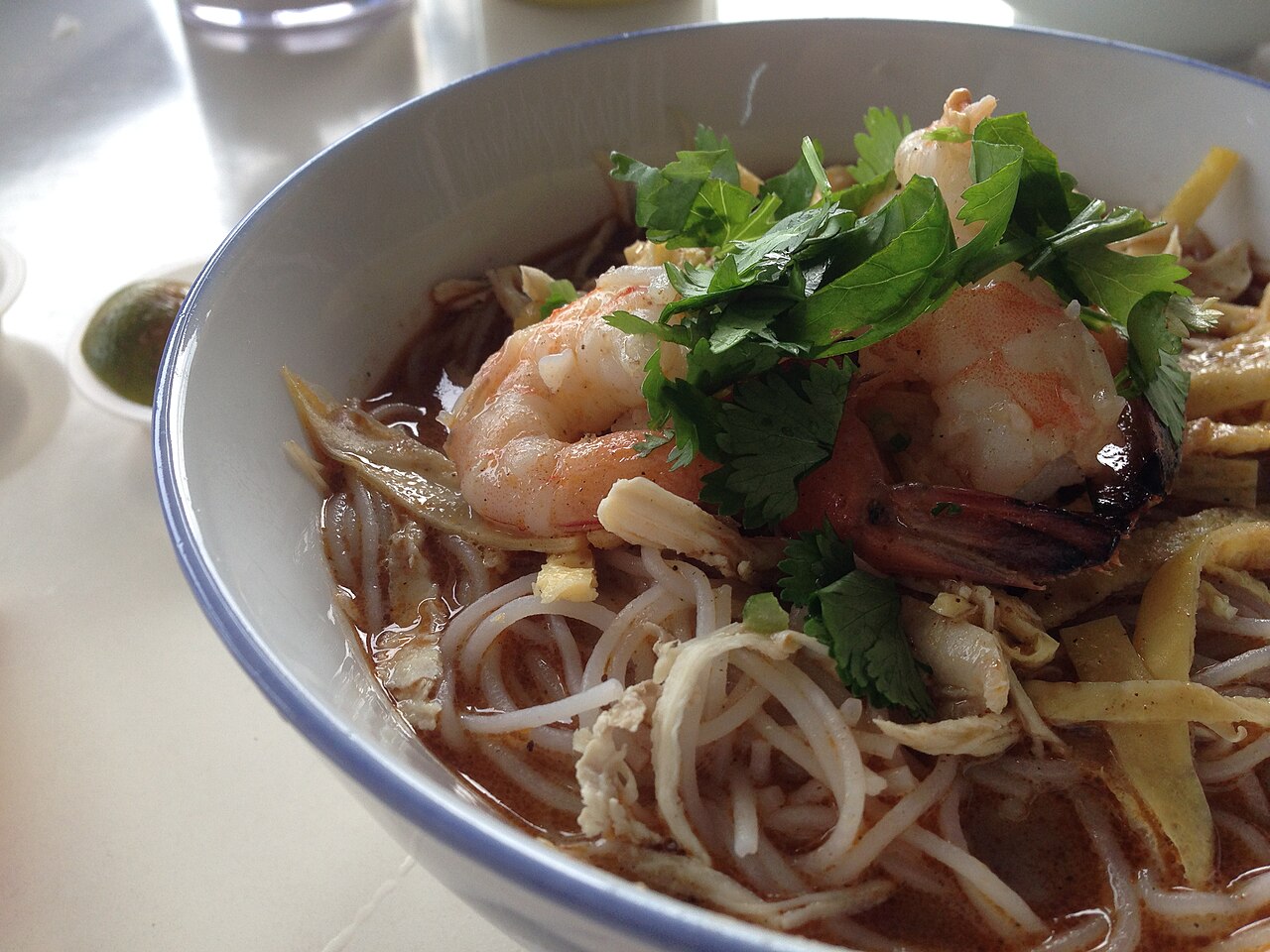
Thin rice noodles in a rich soup of sambal belacan, coconut milk, tamarind, garlic, galangal and lemongrass, topped with prawns, strips of omelette, chicken, bean sprouts and coriander, with lime on the side. In Kuching it is eaten for breakfast.
The American chef Anthony Bourdain called Sarawak laksa the 'breakfast of the gods'.
All over Malaysia; the town of Kajang in Selangor is famous for it
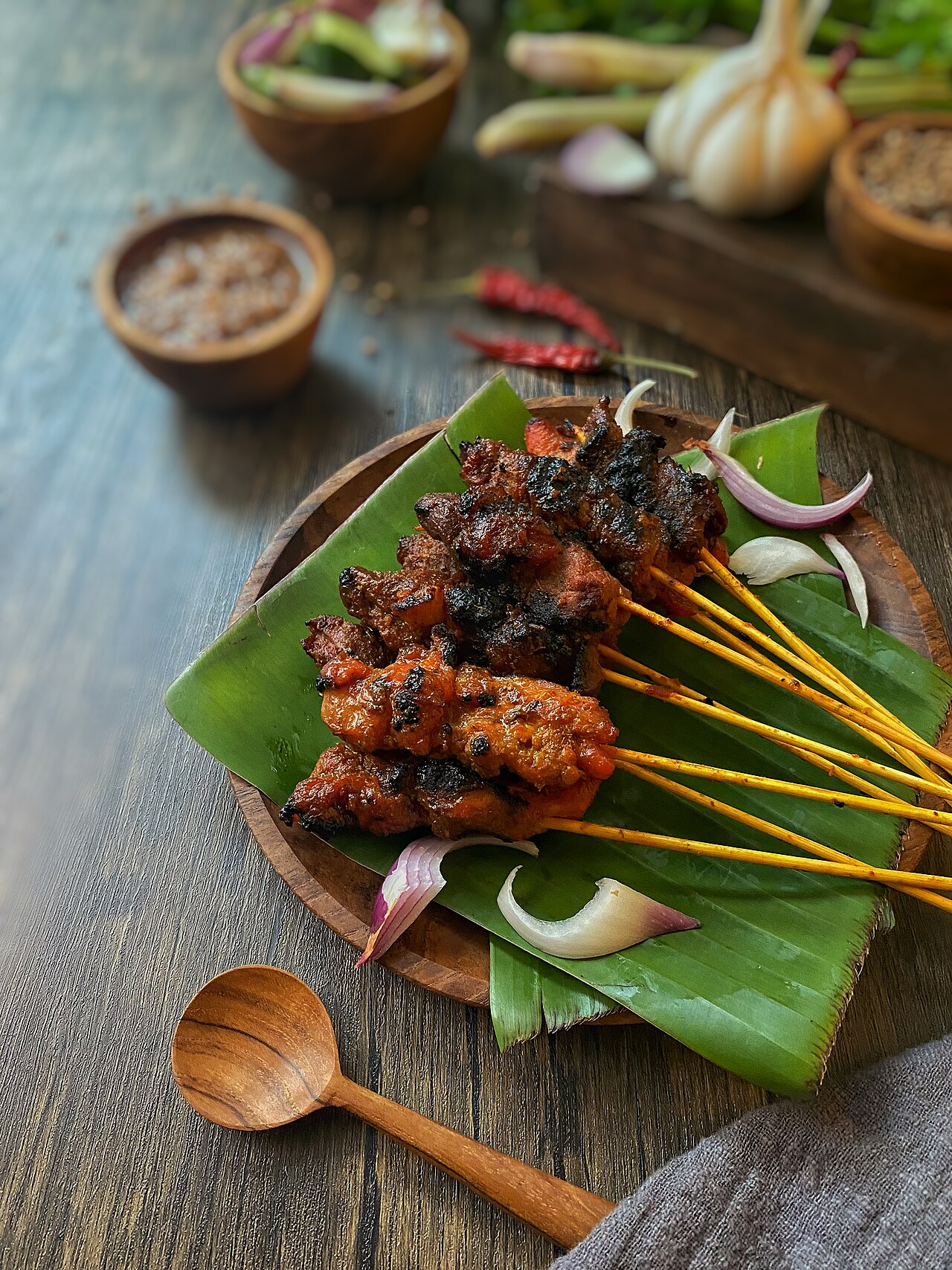
Small pieces of chicken or beef marinated with turmeric and lemongrass, threaded on bamboo sticks and grilled over charcoal. Satay is served with a sweet, spicy peanut sauce, cucumber, raw onion and ketupat, rice pressed into little cakes.
Satay Kajang is known for its bigger pieces of meat, and people from Kuala Lumpur drive out to Kajang just to eat it.
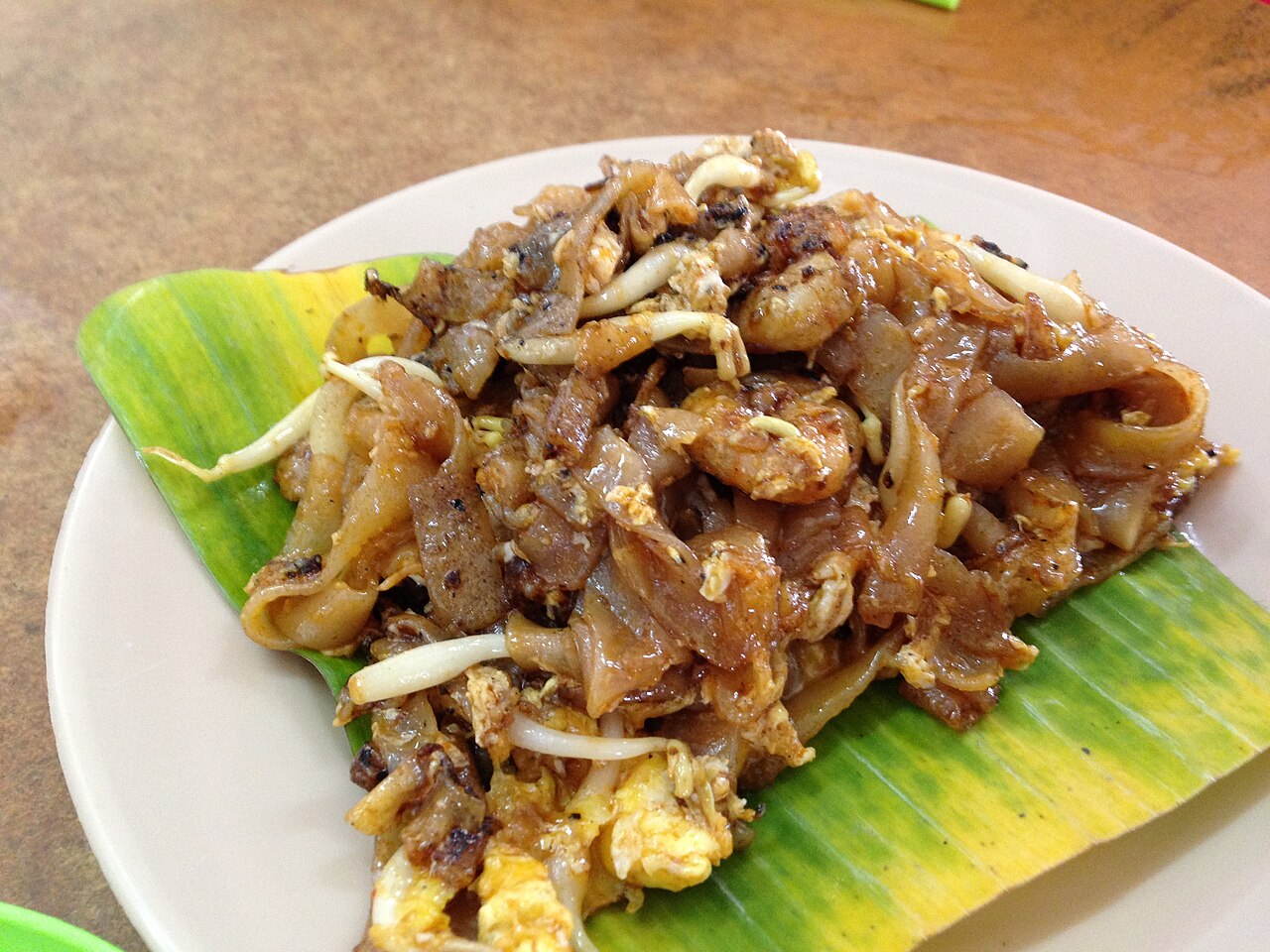
Flat rice noodles stir-fried over a fierce flame with light and dark soy sauce, chilli, prawns, cockles, Chinese sausage, egg, chives and bean sprouts. A smoky taste from a very hot wok is the sign of a good plate.
The name comes from Hokkien: 'char' means stir-fried and 'kway teow' means flat rice noodles.
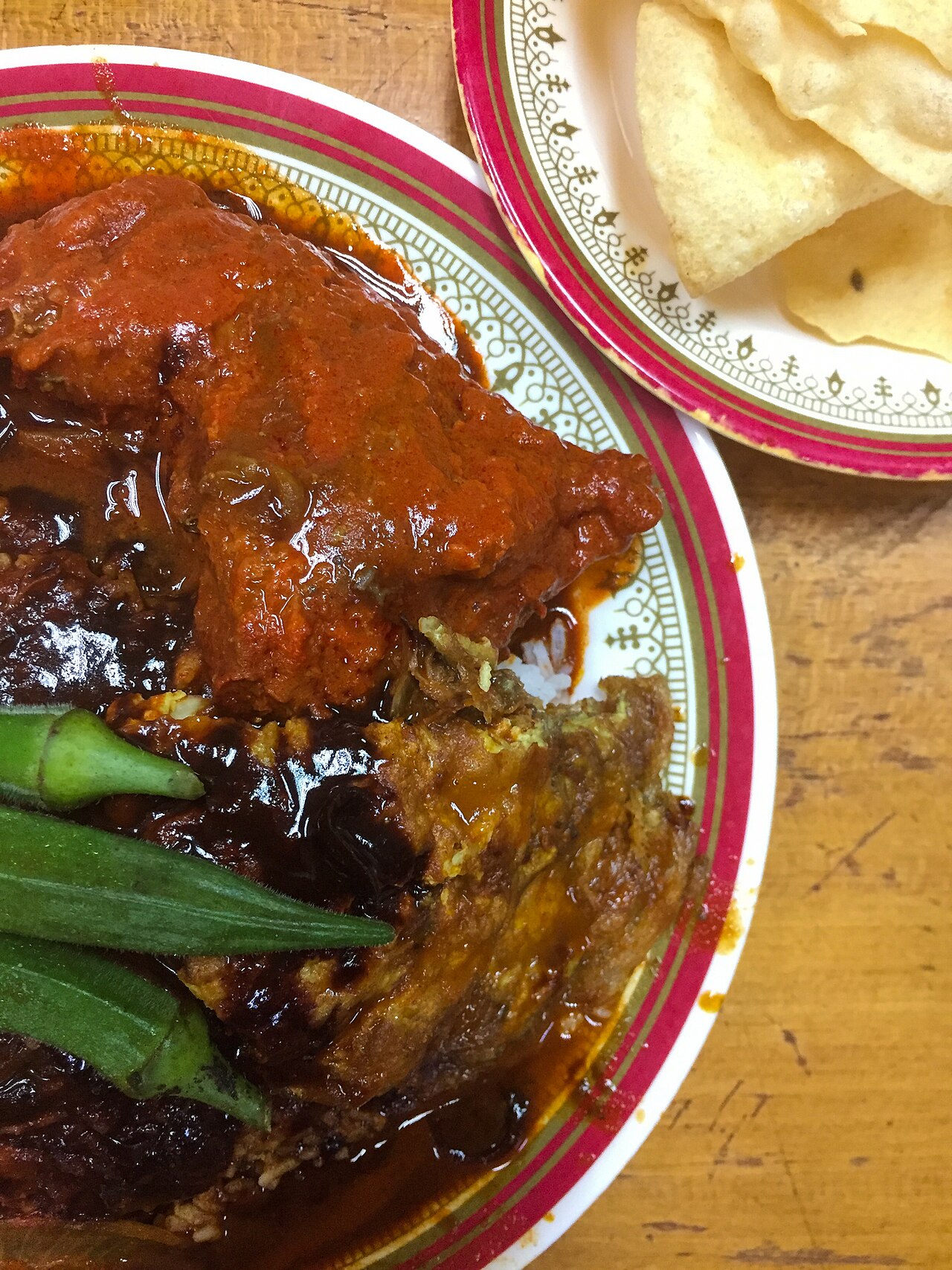
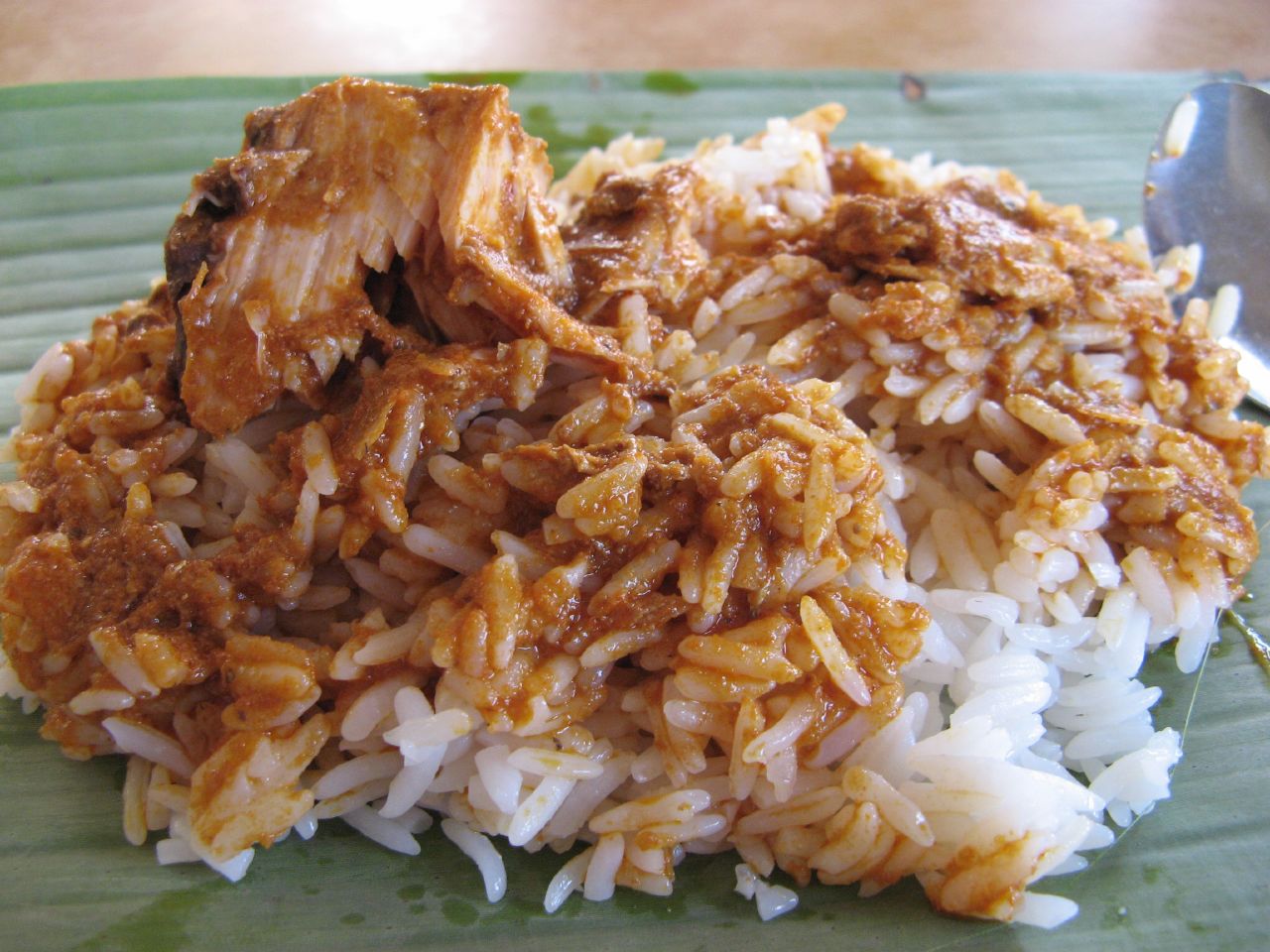
Steamed rice with your choice of curries and side dishes, such as fried chicken, fish curry, okra and boiled egg. At the end, the server pours several curry sauces over the rice, which is called 'banjir', or flooded.
In the early 1900s, Indian Muslim sellers carried the rice and curries through George Town in pots hung from a shoulder pole, or 'kandar', which gave the dish its name.
Chinese Malaysian, associated with the town of Klang
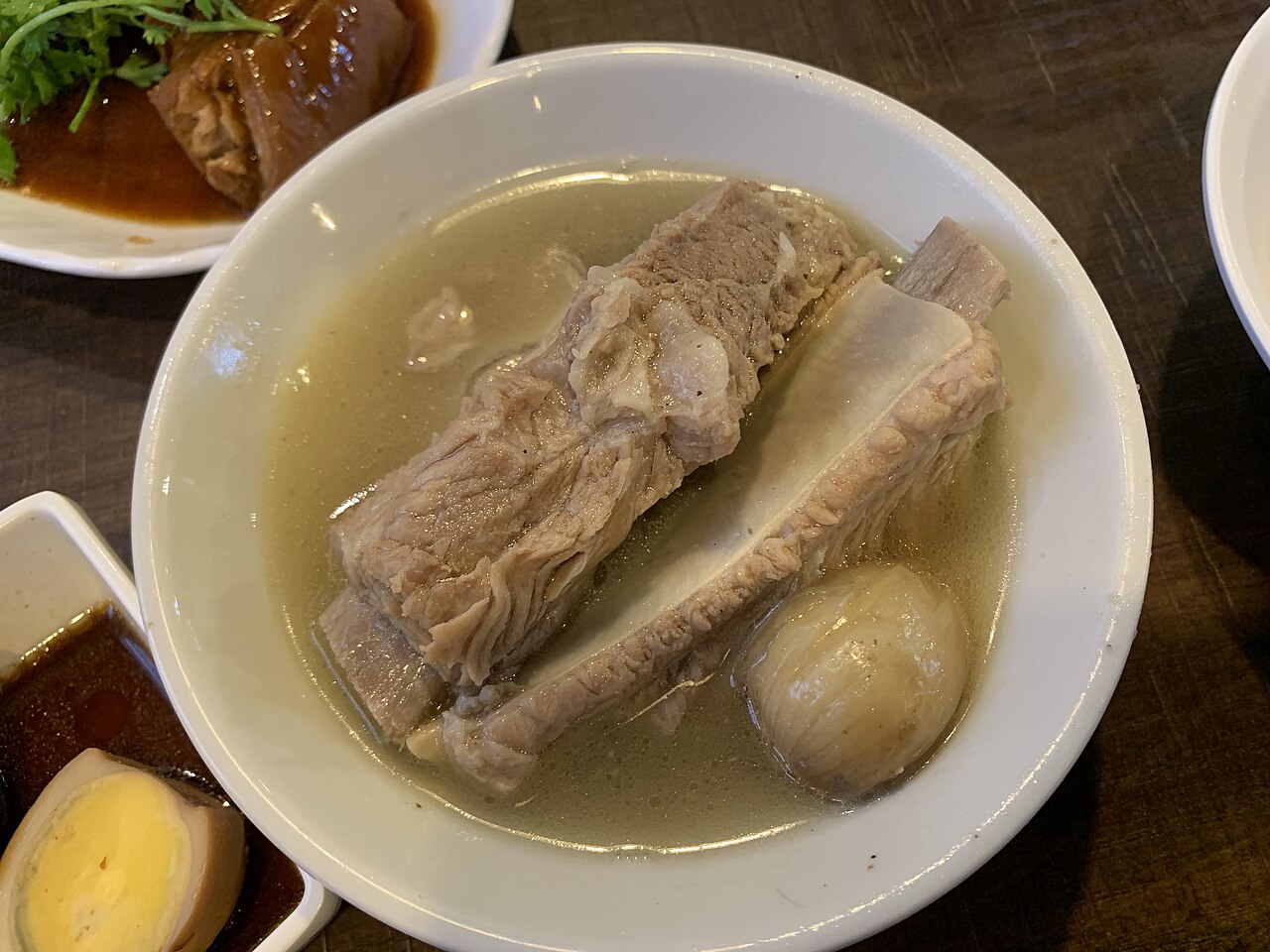
Pork ribs simmered for hours in a dark broth of herbs and spices such as star anise, cinnamon, cloves and garlic, served with rice, strips of fried dough and a pot of Chinese tea. In Klang, many people believe the dish was invented there.
The name means 'meat bone tea' in Hokkien, although there is no tea in the soup: the tea is drunk alongside it.
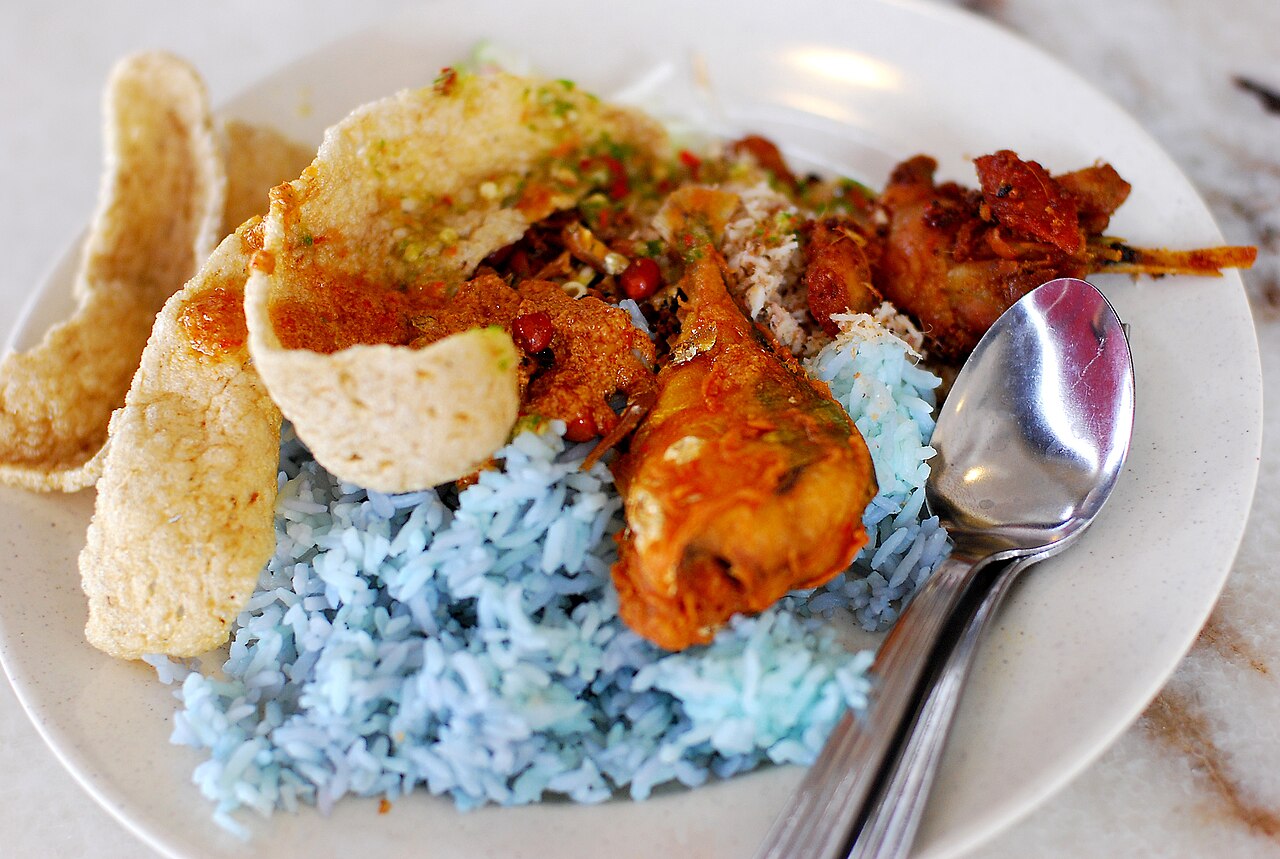
Bright blue rice served with fresh herbs and greens, grated coconut, salted egg, fried fish or chicken, crackers and a spicy sauce. Everything is mixed together on the plate, a bit like a salad.
The blue colour comes naturally from the petals of the butterfly pea flower.
Rice steamed with coconut milk, shallots and fenugreek seeds, eaten with a fish curry, hard-boiled egg and pickled cucumber and carrot. It is a classic breakfast of the east coast.
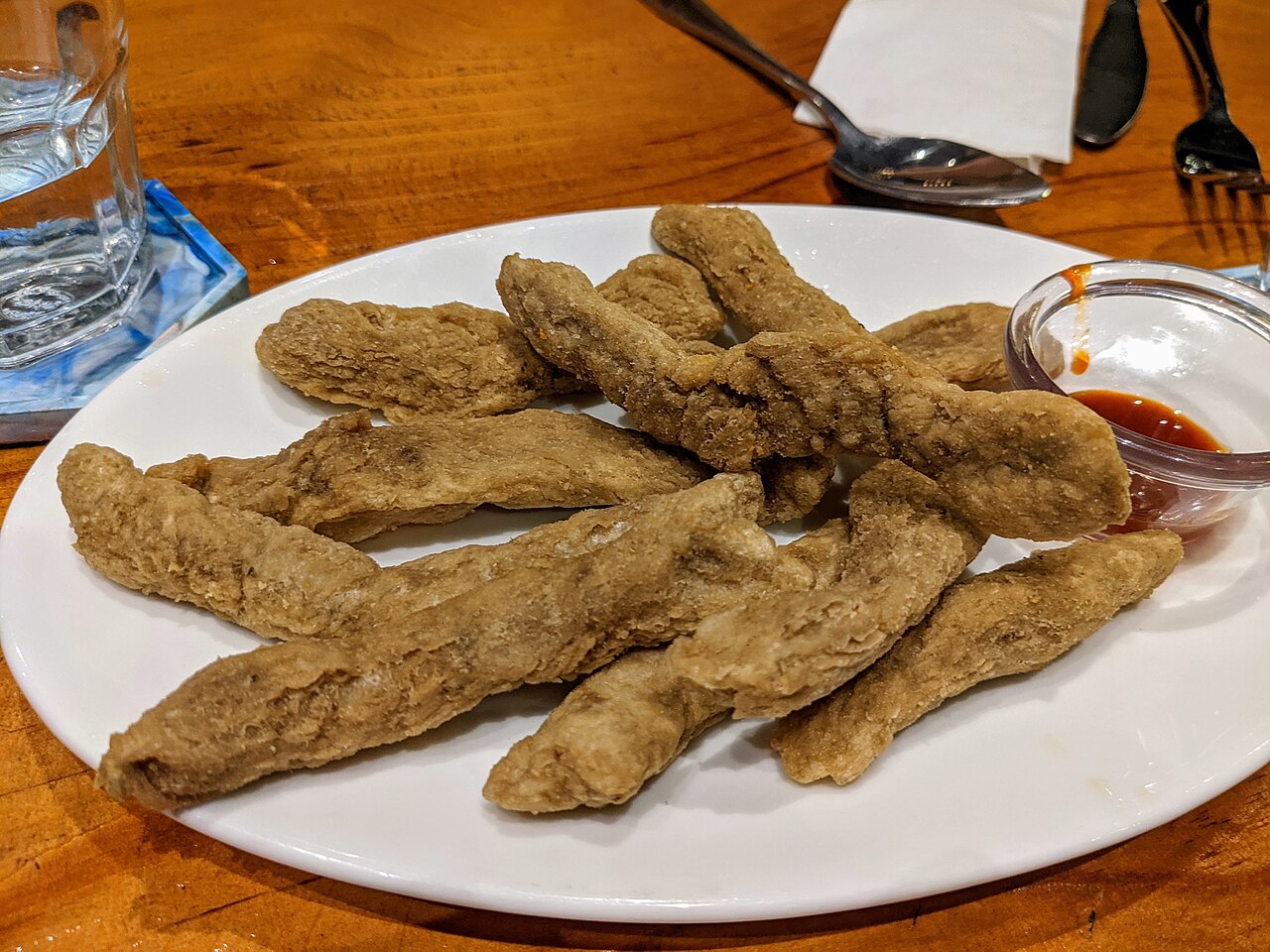
Chewy fish sausages made from fish and sago flour, boiled, sliced and deep-fried until crisp outside and soft inside, then dipped in chilli sauce. Stalls along the Terengganu coast fry them fresh all day.
It has a fishy smell and taste that grows stronger as it cools, so it is best eaten hot.
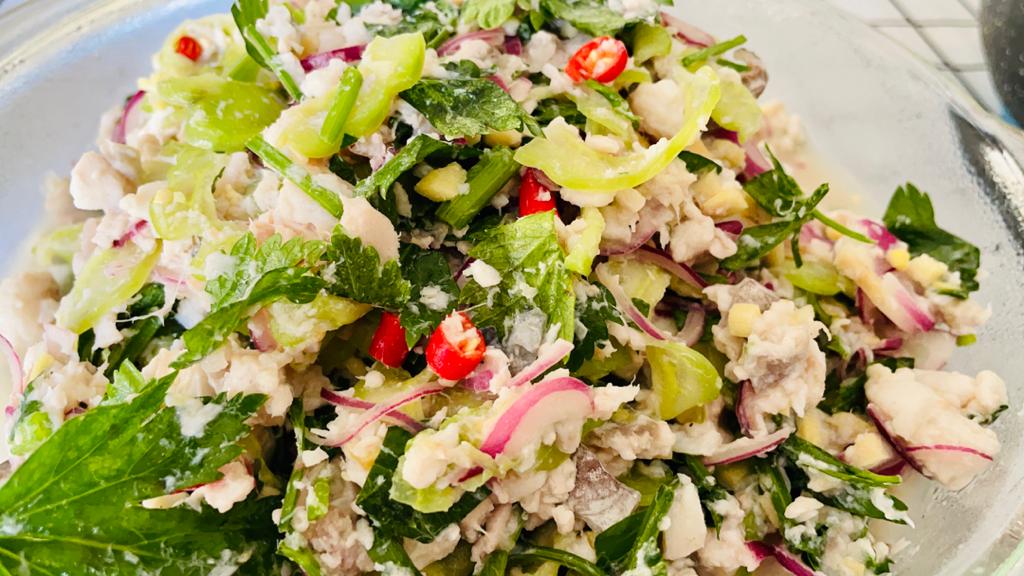
Thin slices of raw fish, usually Spanish mackerel, mixed with lime juice, chilli, shallots and grated ginger. It is served at weddings and at the Kaamatan harvest festival. Because the fish is not cooked, older people, pregnant women, young children and anyone with a weak immune system should choose a cooked dish instead.
In 2009 Malaysia's Department of National Heritage named hinava a national heritage dish.
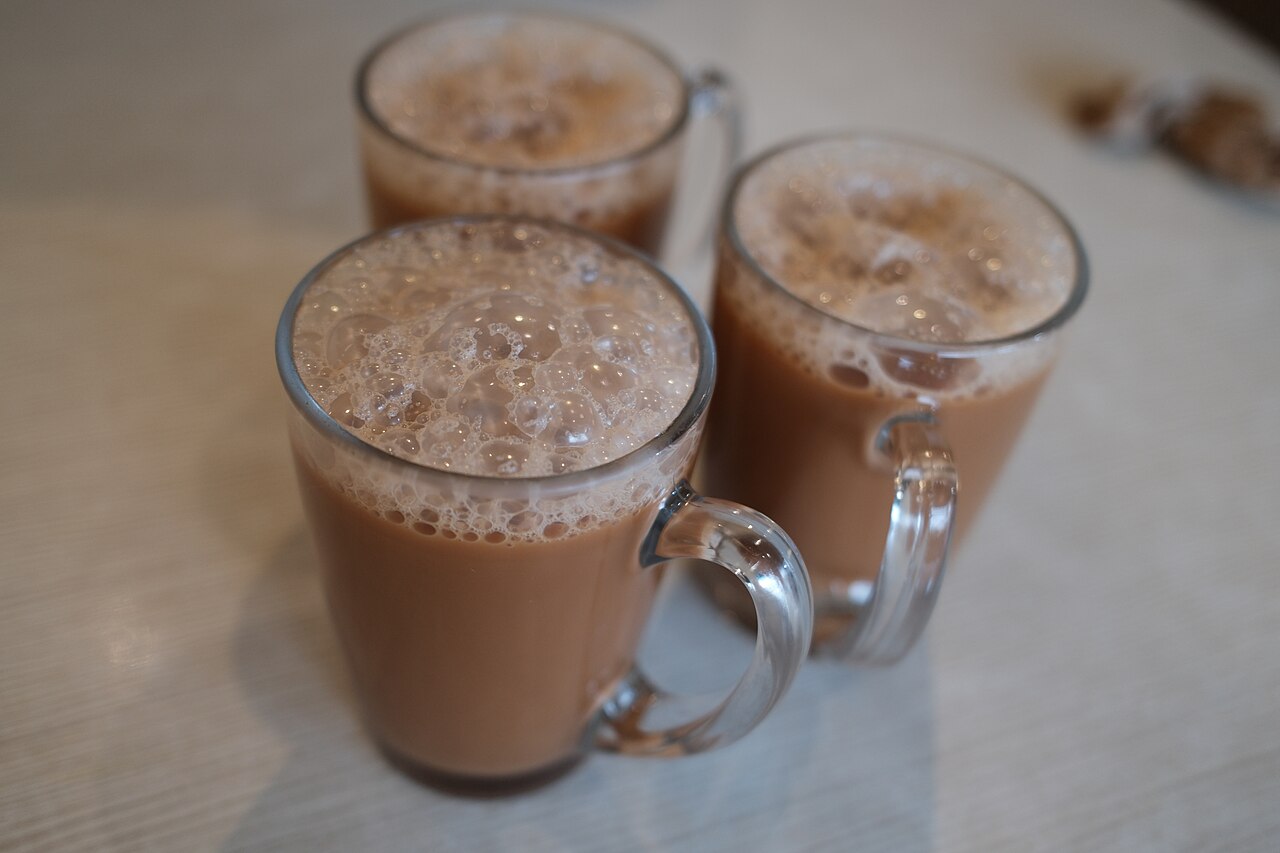
Strong black tea mixed with sweetened condensed milk and 'pulled': poured back and forth between two cups from arm's length, which cools it a little and gives it a frothy top. It is often called Malaysia's national drink.
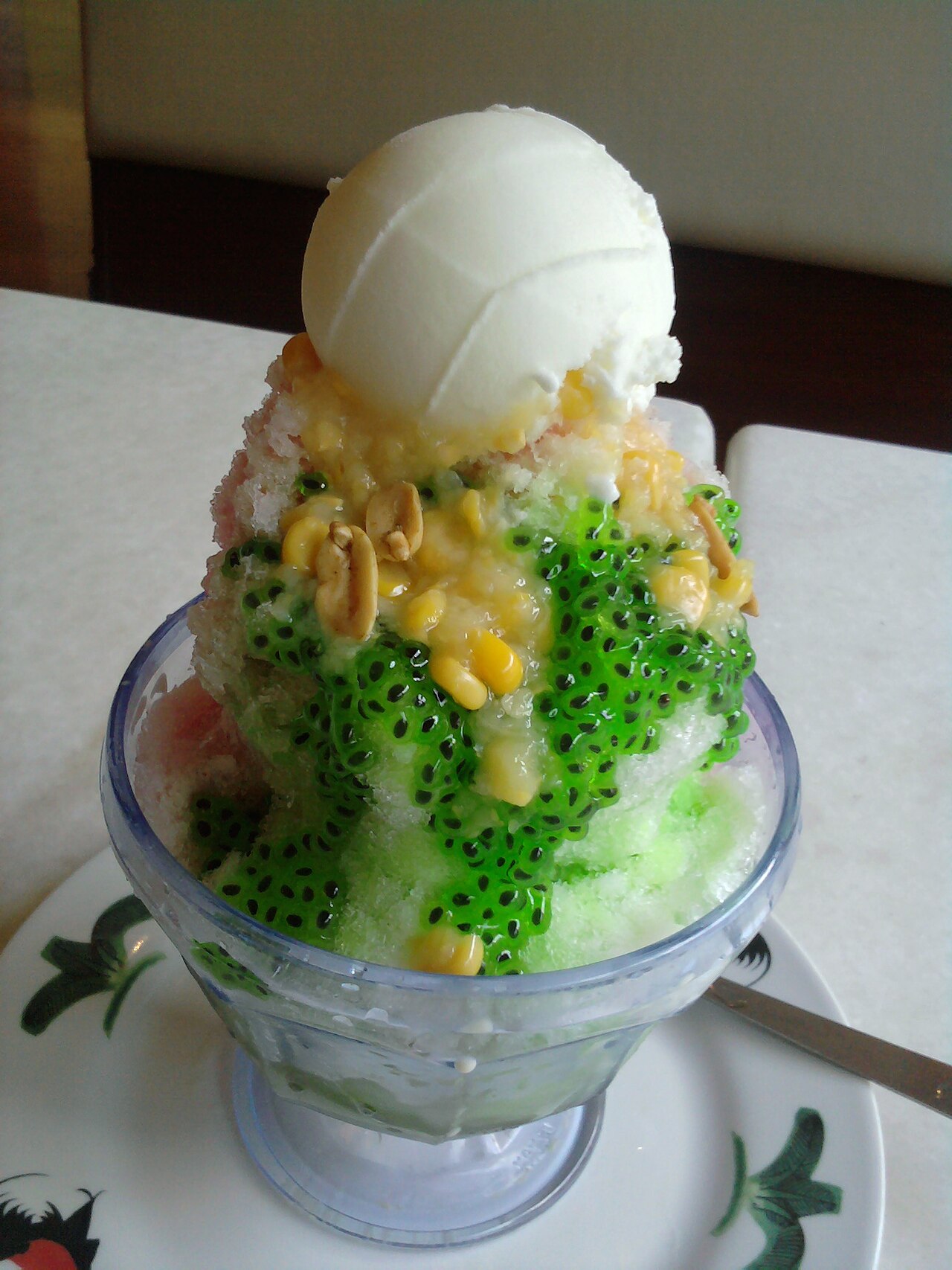
A mountain of shaved ice over sweet red beans, sweetcorn, jelly cubes and palm seeds, drizzled with bright syrups and evaporated milk. It is a favourite way to cool down on a hot afternoon at a hawker centre.
The name means 'bean ice', and its other name, ABC, stands for 'air batu campur', or 'mixed ice'.
Use your right hand to eat, pass food and hand over money or gifts; the left hand is traditionally seen as unclean.
Most meals are eaten with a spoon in the right hand and a fork in the left, used to push food onto the spoon. If you eat with your hand, as many people do with nasi kandar or banana leaf rice, use only the right.
At Chinese meals, never stick your chopsticks upright in a bowl of rice: it looks like incense sticks at a funeral.
Shared dishes sit in the middle of the table; take from them with the serving spoon, and everyone gets their own plate of rice.
Malay Muslims do not eat pork or drink alcohol, and restaurants marked 'halal' serve neither. During Ramadan, avoid eating or drinking in front of people who are fasting in the daytime.