A Filipino meal is built around steamed rice. With it come one or more ulam, the dishes eaten with rice: a stew, grilled fish, a sour soup or stir-fried vegetables, all set on the table at once and shared. The usual tools are a spoon in the right hand and a fork in the left, with the side of the spoon used for cutting, and on festive occasions food may be laid out on banana leaves and eaten by hand, a style called kamayan. Filipinos love sour, salty and sweet flavours together, with vinegar, calamansi (a small local lime), fish sauce and shrimp paste on hand for seasoning at the table. The cooking shows its history: Malay roots, Chinese noodles and spring rolls, Spanish stews and custards, and American snacks. Between meals comes merienda, an afternoon snack of rice cakes, noodles or sweets.
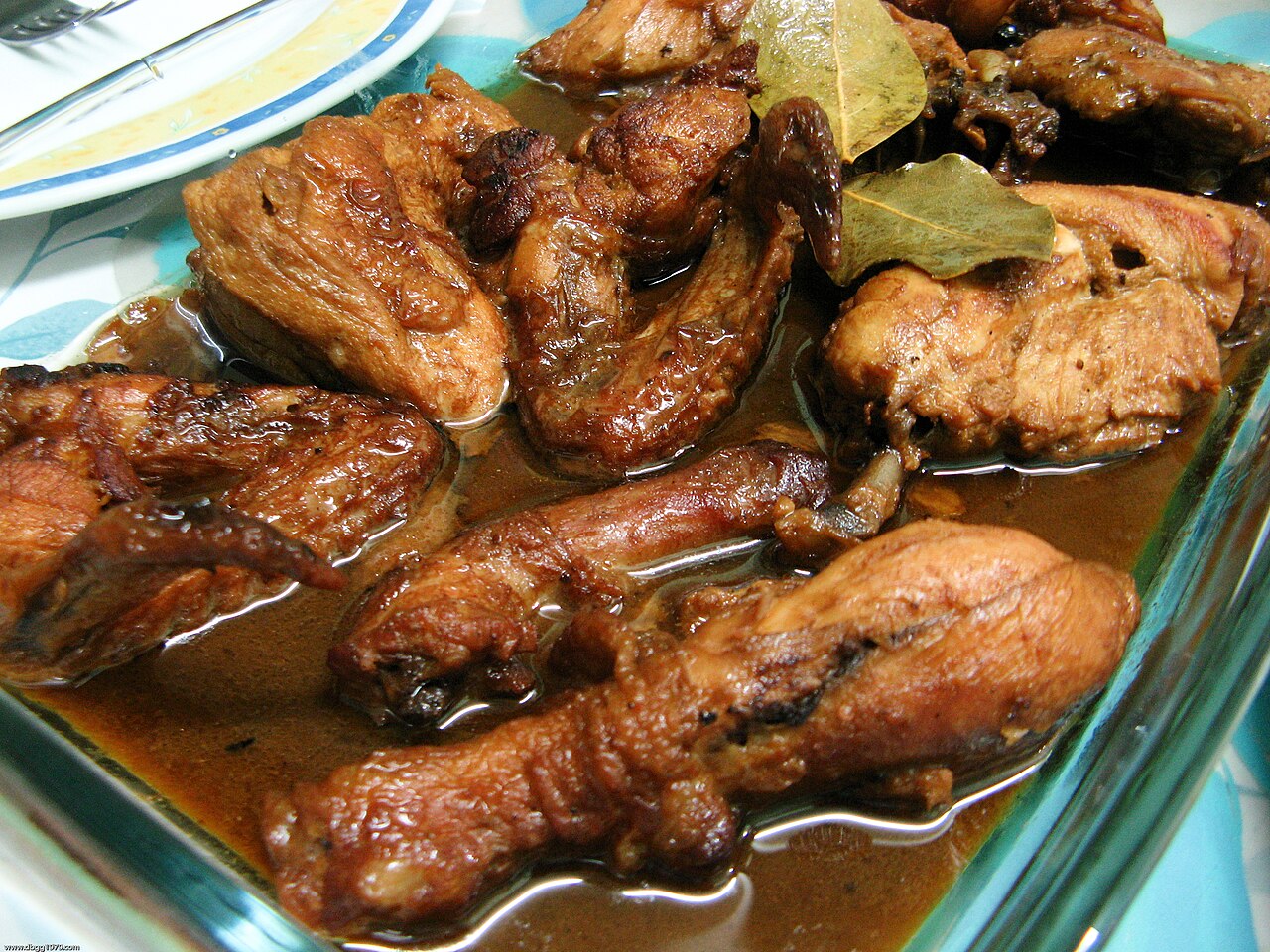
Often called the unofficial national dish. Chicken or pork is simmered in vinegar, soy sauce, lots of garlic, bay leaves and black peppercorns until tender, then sometimes browned in the pan. The vinegar helped the dish keep well in the tropical heat, and it tastes even better the next day.
The name comes from the Spanish word adobar, 'to marinate', but the Filipino way of cooking meat in vinegar is older than Spanish rule.
All over the Philippines, especially the Tagalog region
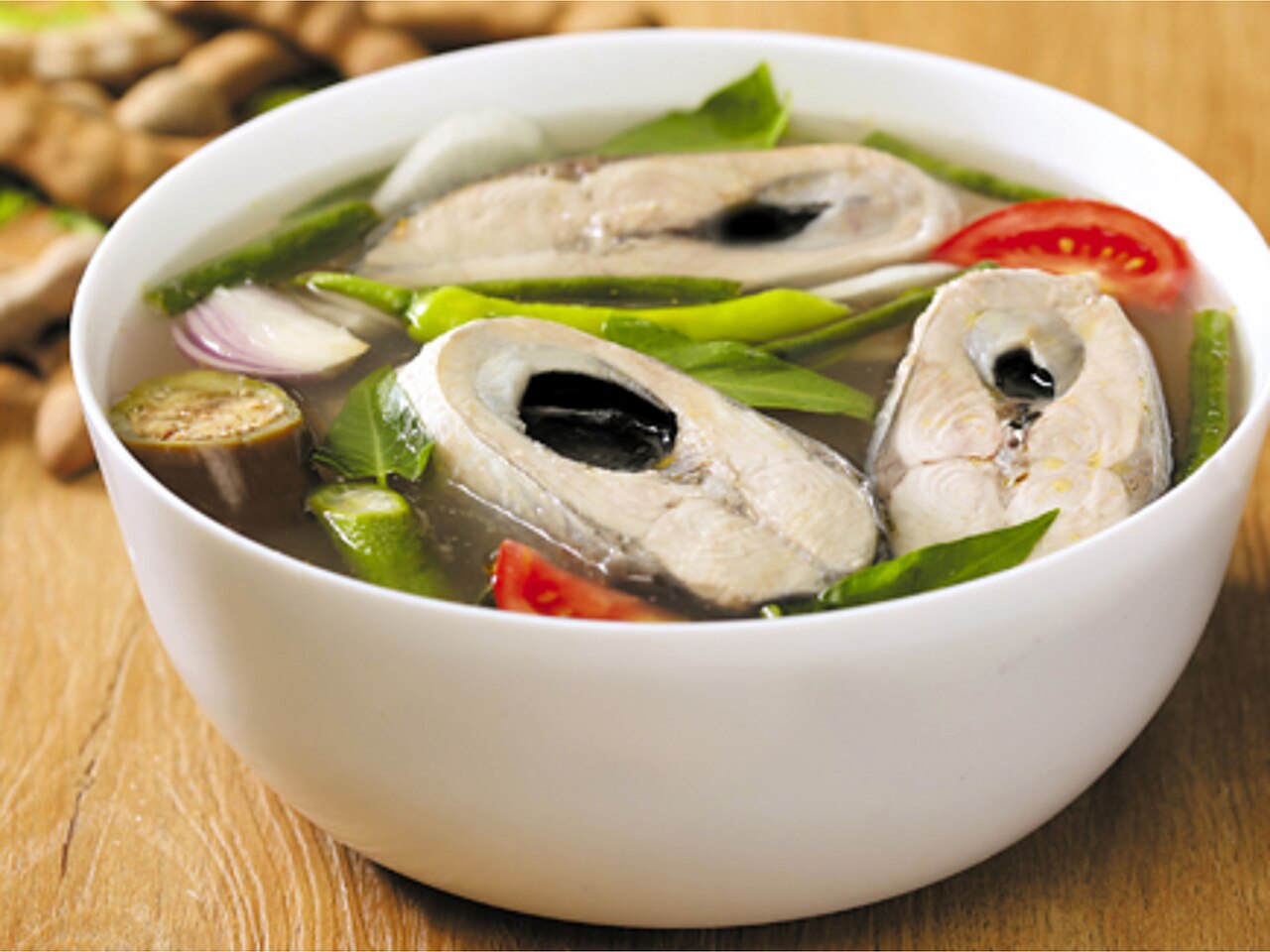
A sour soup, most often made with tamarind, with pork, prawns or fish and vegetables such as water spinach, radish, long beans, okra and tomato. The sourness is refreshing in the heat, and it is eaten with rice, often with a little fish sauce on the side.
Tamarind is the classic souring agent, but cooks also use unripe mango, guava or the small bilimbi fruit instead.
All over the Philippines; Cebu is especially famous for it
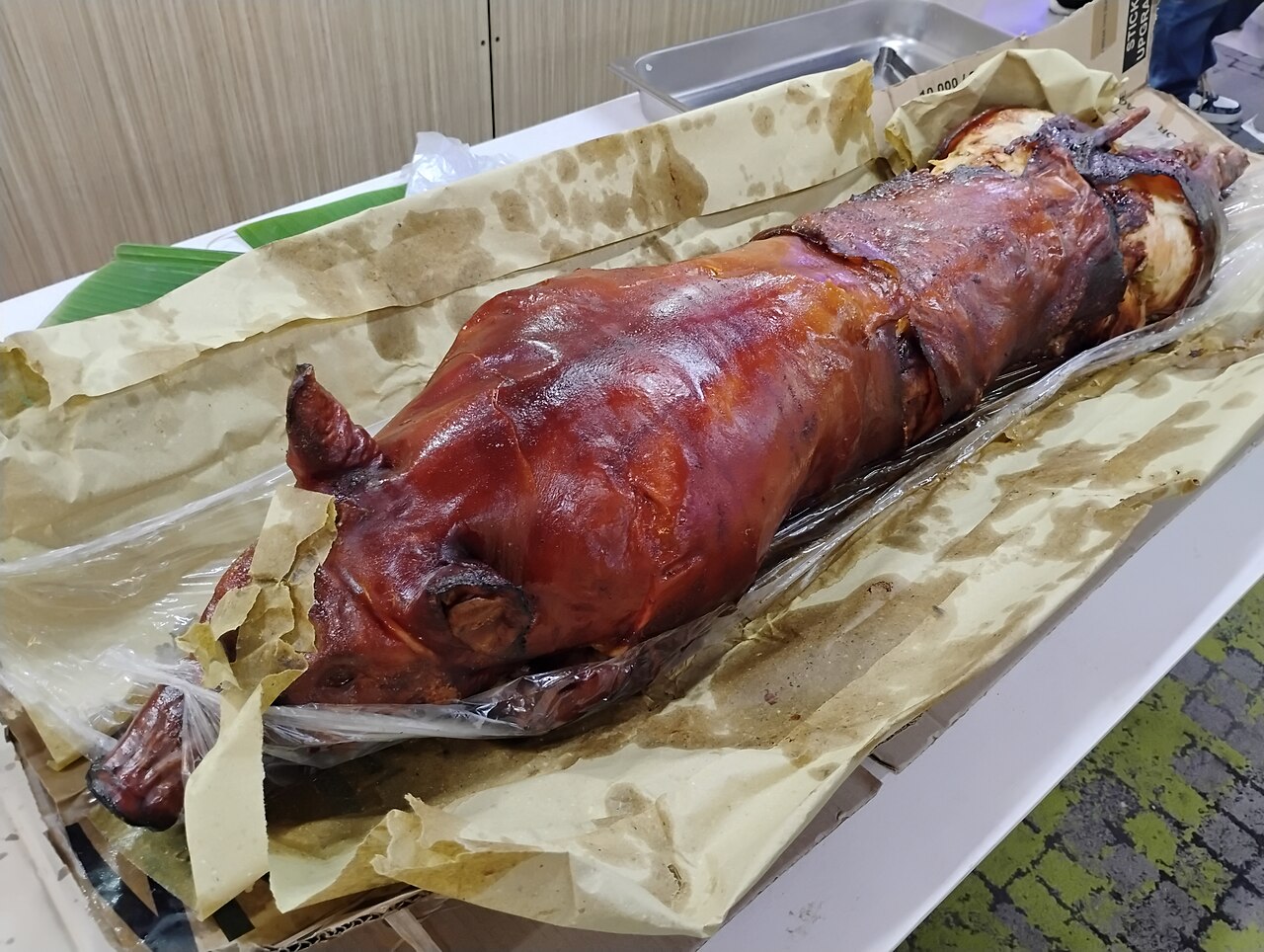
A whole pig roasted slowly over charcoal, turned by hand for hours until the skin is glassy and crisp. Lechon is the centrepiece of fiestas, weddings and Christmas. It is often served with lechon sauce, traditionally made from the roasted pig's liver, and many cooks stuff the pig with lemongrass, tamarind leaves and other herbs.
The American chef Anthony Bourdain declared that Cebu has the best roast pig.
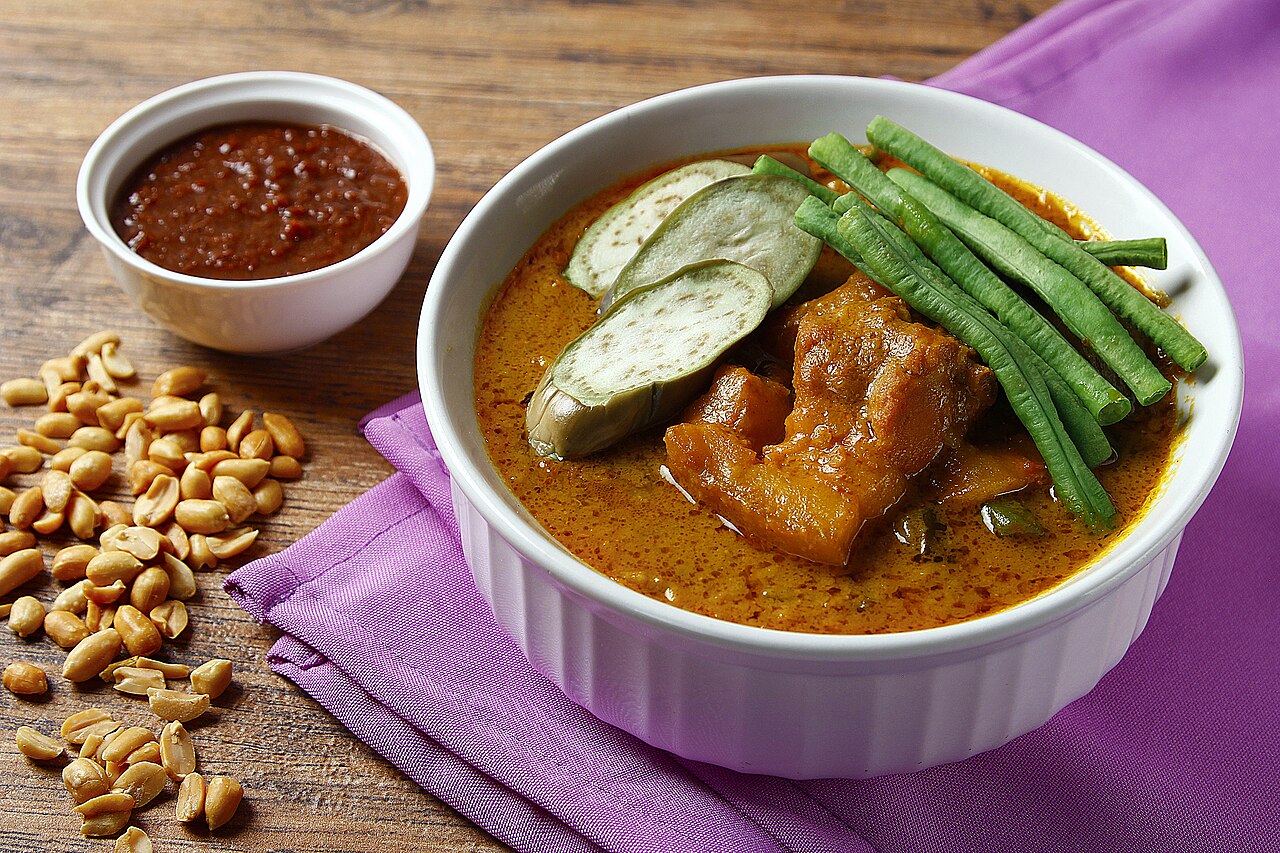
Oxtail and beef stewed until soft in a thick, golden sauce of ground roasted peanuts and toasted rice, coloured with annatto seeds, with aubergine, long beans and pak choi. The sauce is mild, so it is always served with bagoong, a salty shrimp paste, on the side.
Kare-kare is a classic of town fiestas and family celebrations.
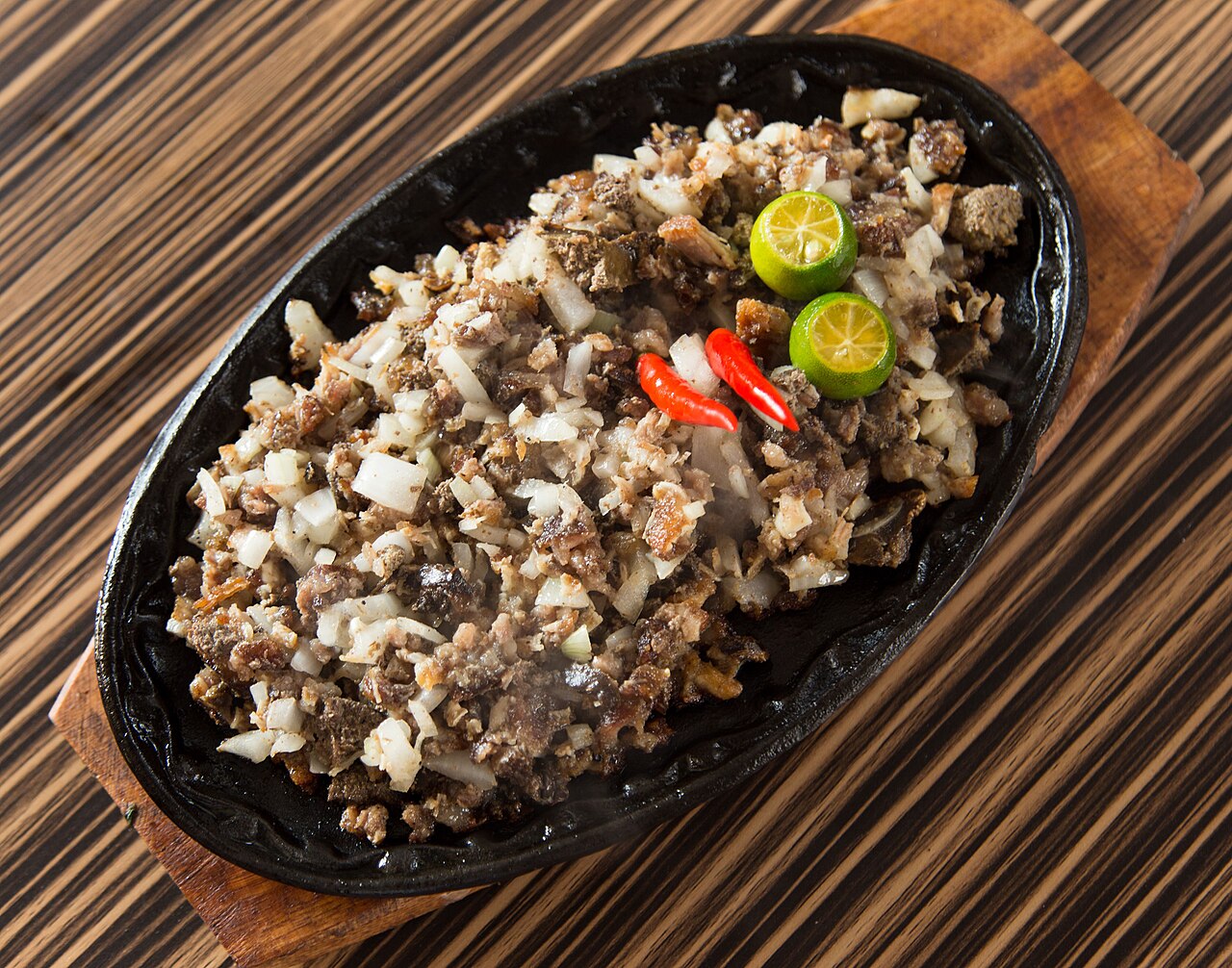
Chopped pork from the pig's head and ears, boiled, grilled and then fried with onions, chilli and calamansi, served sizzling on a hot iron plate, often with an egg cracked on top. It is loved as a dish with rice or as a snack with a cold drink.
The modern sizzling version was created in 1974 by Lucia Cunanan, known as Aling Lucing, at her restaurant in Angeles City.
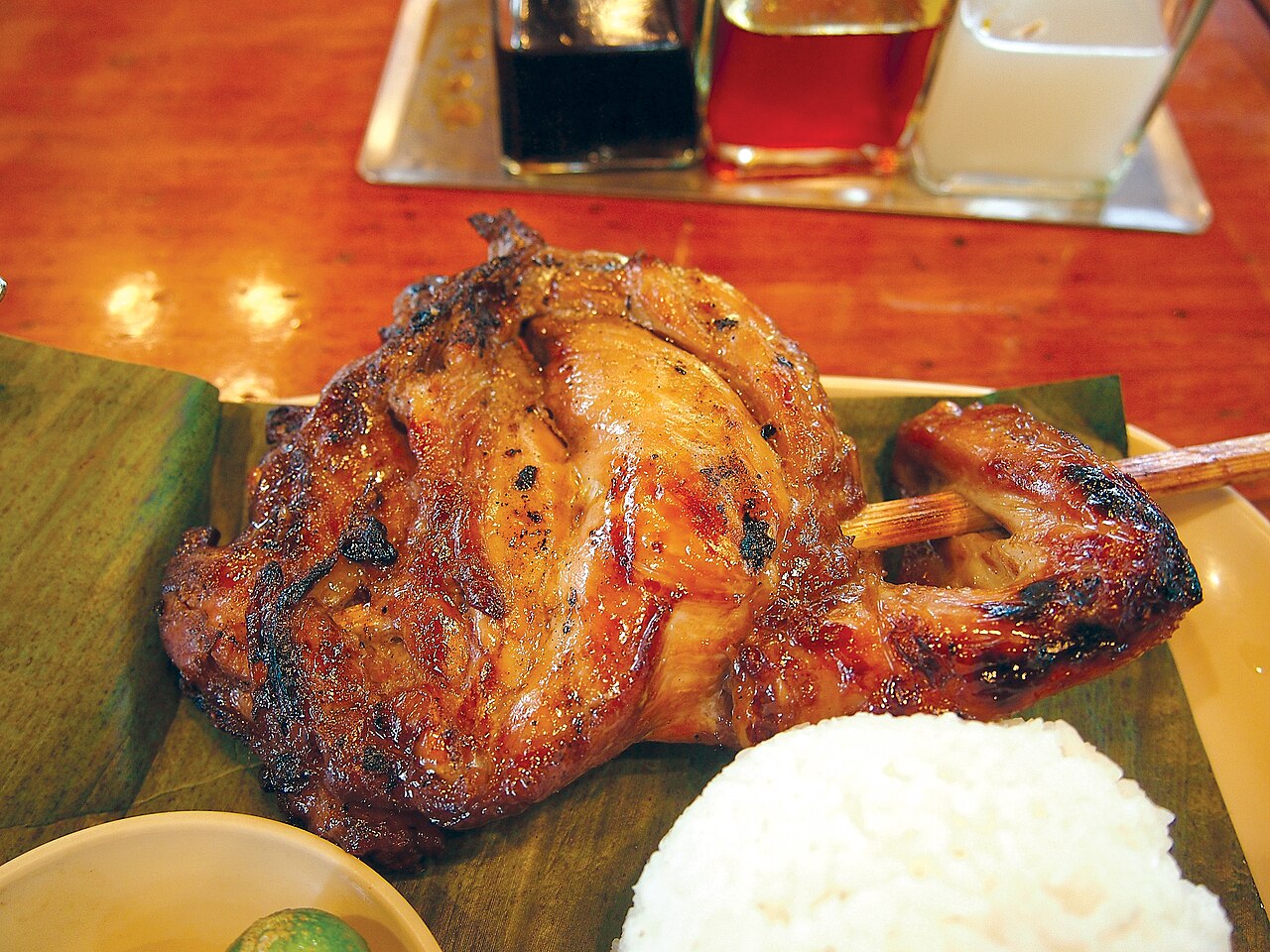
Chicken marinated in calamansi, coconut vinegar, black pepper and annatto, then grilled over hot coals and basted with the marinade, which gives it a golden orange colour. It is eaten with rice, a spoonful of chicken oil and a dip of soy sauce, calamansi and chilli vinegar.
Bacolod's version is a little sour, while Iloilo's is a little sweeter.
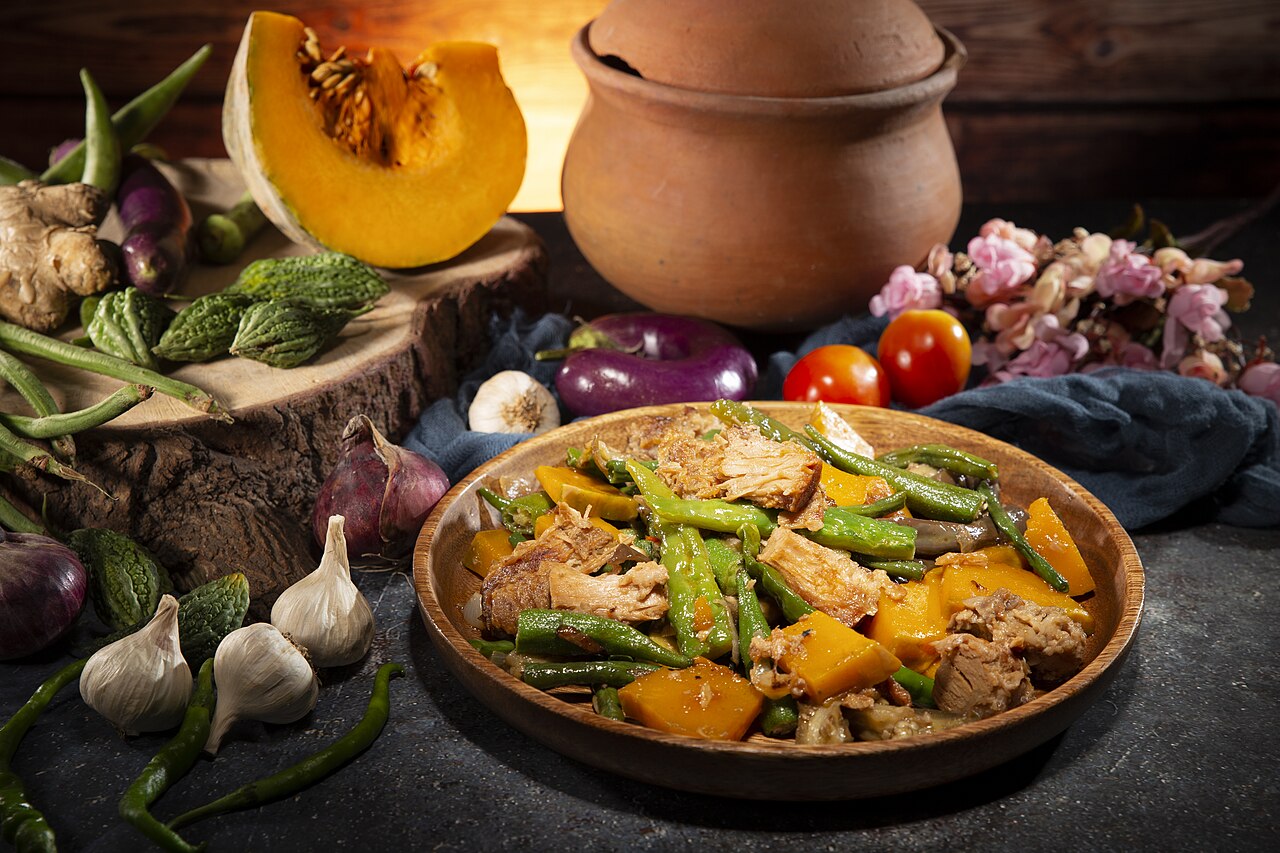
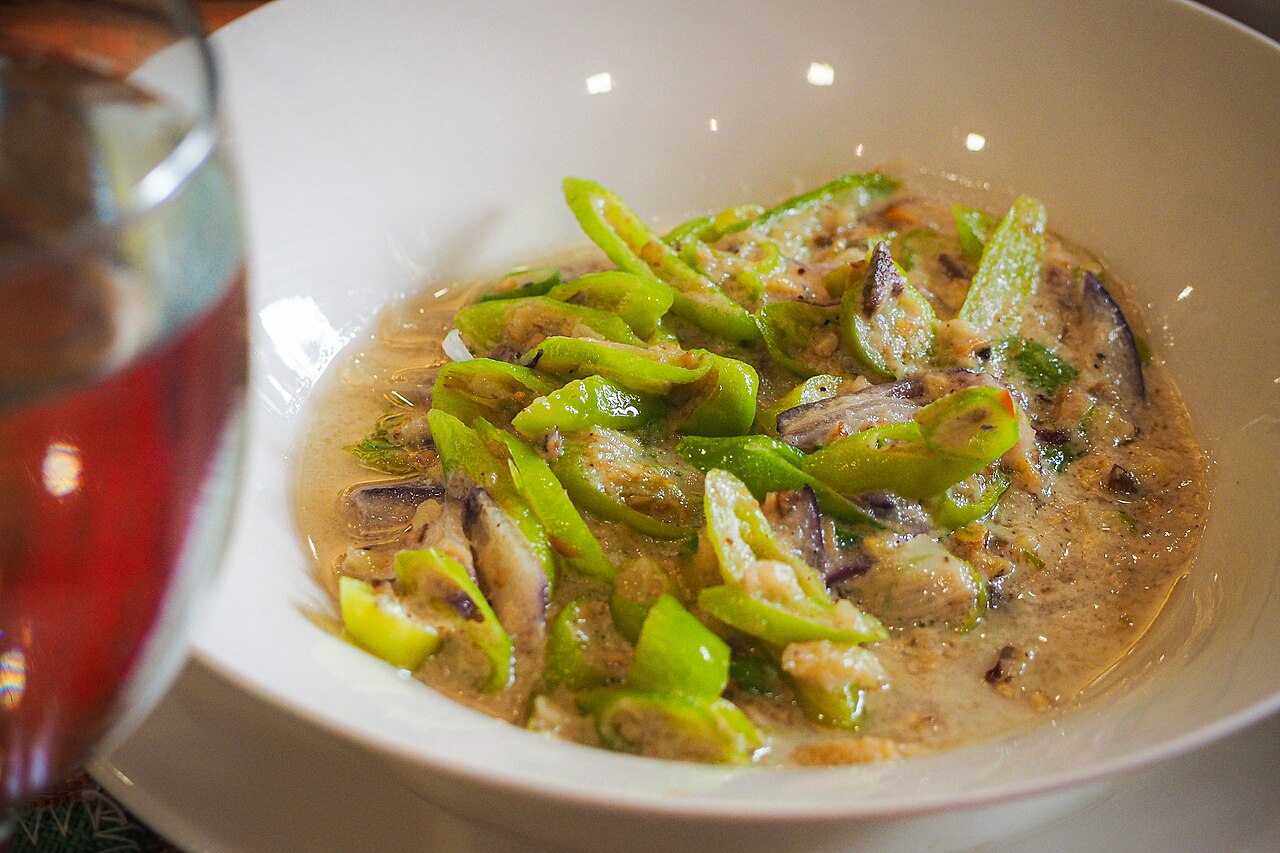
A vegetable stew of the Ilocano people: bitter melon, aubergine, okra, long beans and tomato, cooked gently with fermented fish sauce, sometimes with a little pork. The vegetables steam in their own juices and keep their shape.
The name comes from an Ilocano word meaning shrunk or shrivelled, because the vegetables are cooked until almost dry.
Cooked in Bicolano style; named in Manila in the 1970s
Pork stewed in coconut milk with shrimp paste, garlic, ginger and plenty of chillies, until the sauce is thick and creamy. Bicol, the region of Mayon Volcano, is famous for cooking with coconut milk and chilli.
It was named after the Bicol Express, a railway train that ran from Manila to Legazpi.
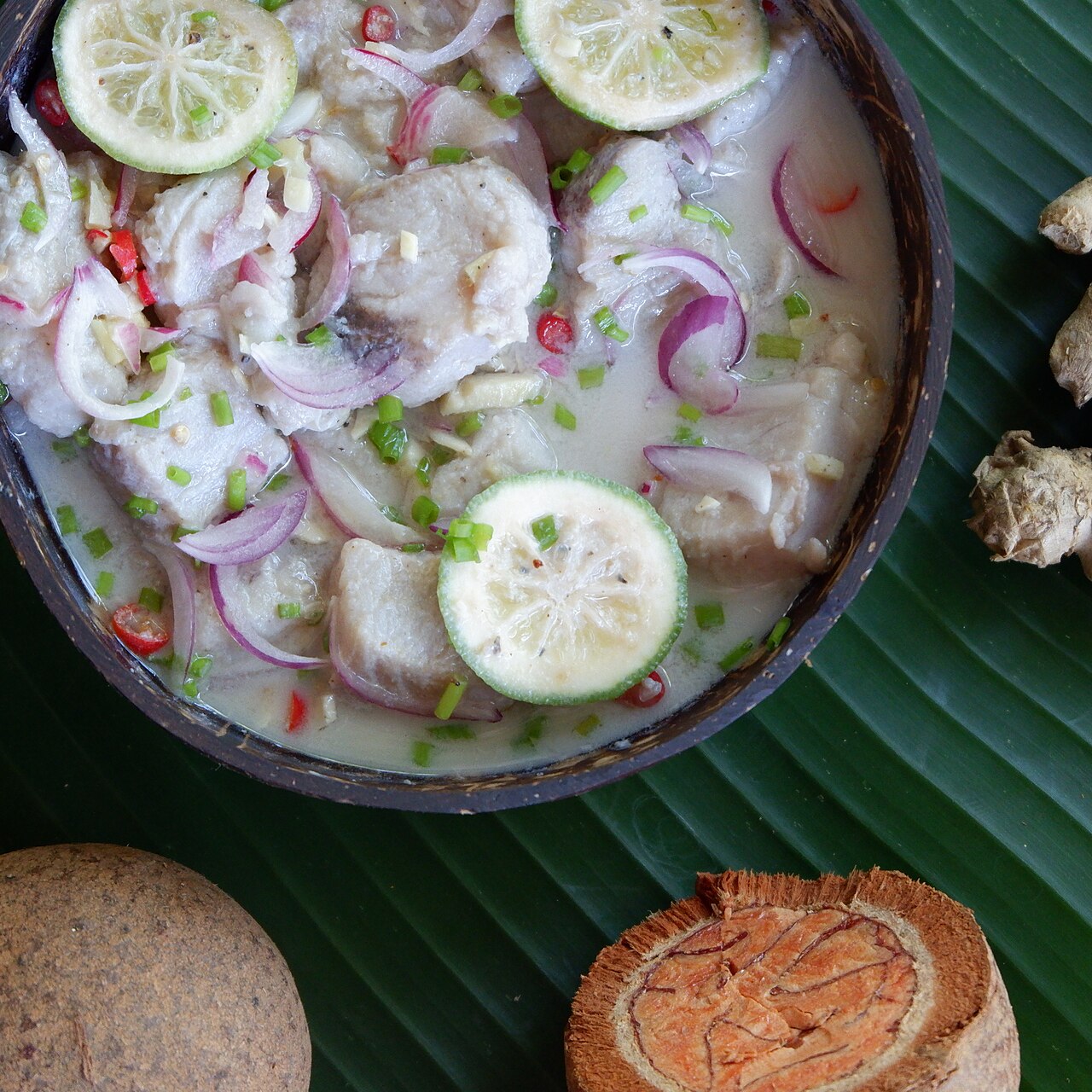
Fresh raw fish, such as tuna or mackerel, cut into cubes and 'cooked' in vinegar or calamansi juice with ginger, onion and chilli, sometimes with a little coconut milk. The acid firms and whitens the fish. Because the fish is not heated, pregnant women, young children, older people and anyone with a weak immune system are advised to avoid raw fish dishes.
The word kinilaw comes from a Visayan term meaning 'to eat raw', and the dish is served both as a starter and as a snack with drinks.
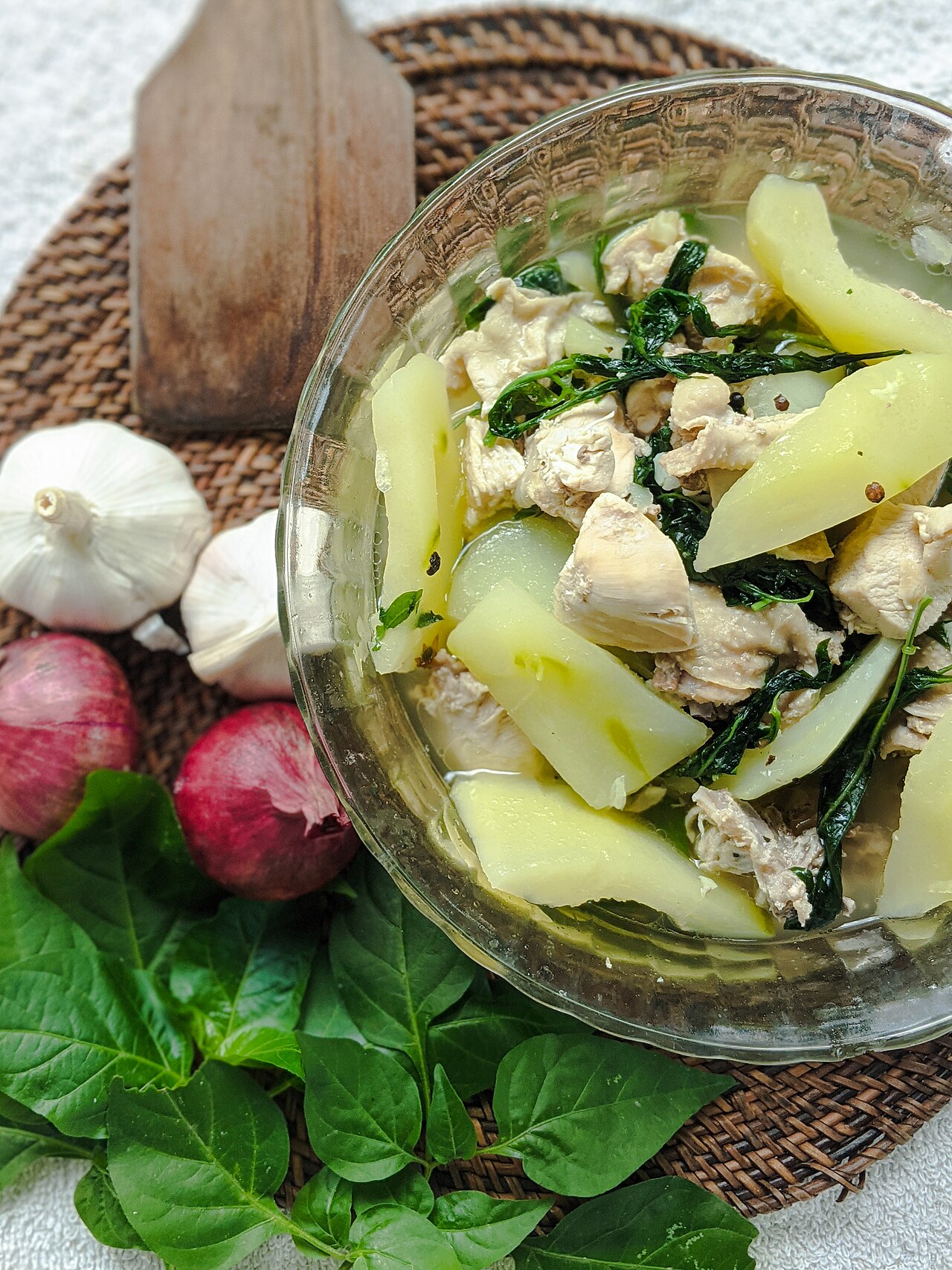
A light, soothing chicken soup with plenty of ginger, green papaya or chayote, and leaves of chilli or moringa. It is home cooking, often made for someone who feels unwell or on a rainy day.
One of the earliest written mentions of tinola is in José Rizal's novel Noli Me Tángere, where it is served to the hero on his return from Europe.
All over the Philippines, brought by Chinese settlers
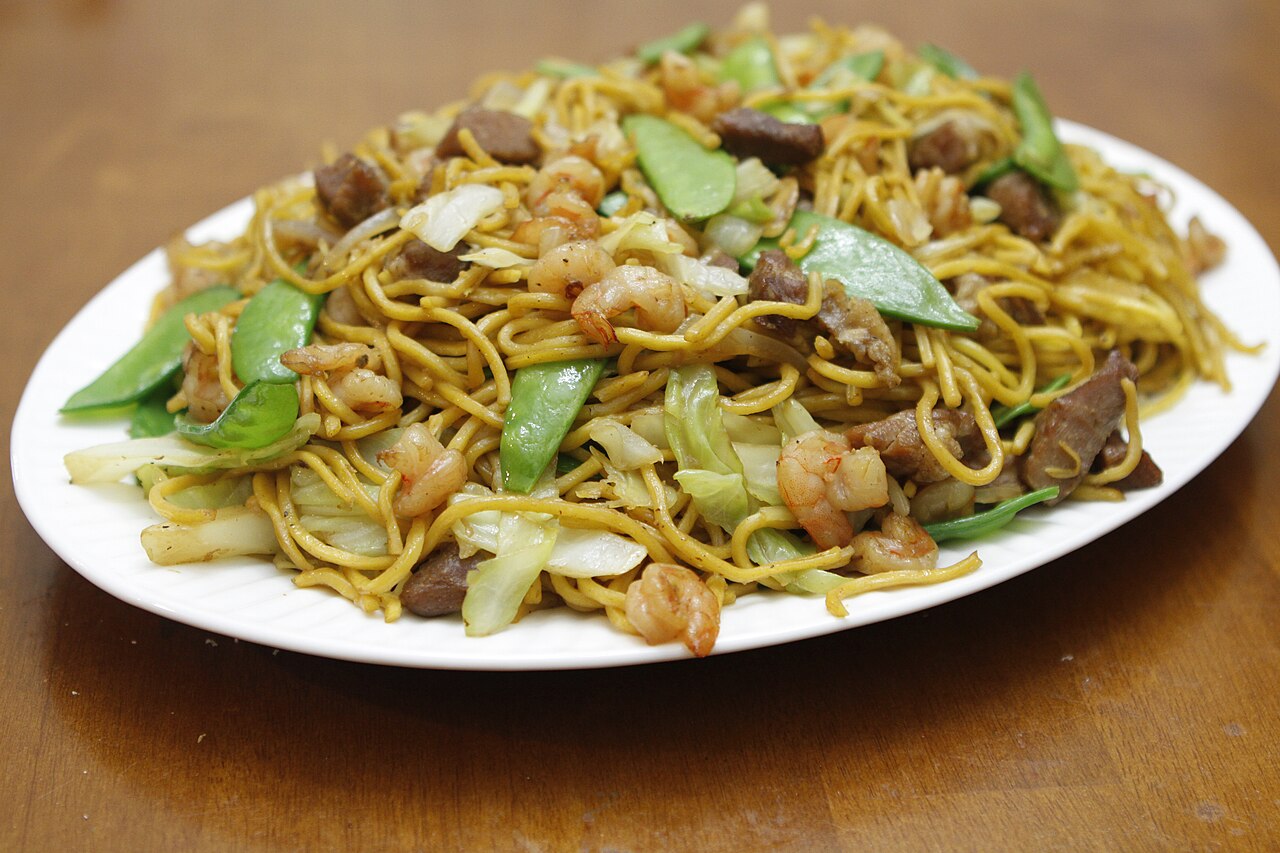
The Filipino word for noodle dishes. Pancit canton uses thick egg noodles and pancit bihon thin rice noodles, stir-fried with chicken or pork, prawns, cabbage and carrots, and served with calamansi to squeeze over. Every region has its own version.
Pancit is served at birthdays because the long noodles stand for a long life.
All over the Philippines, from Chinese spring rolls
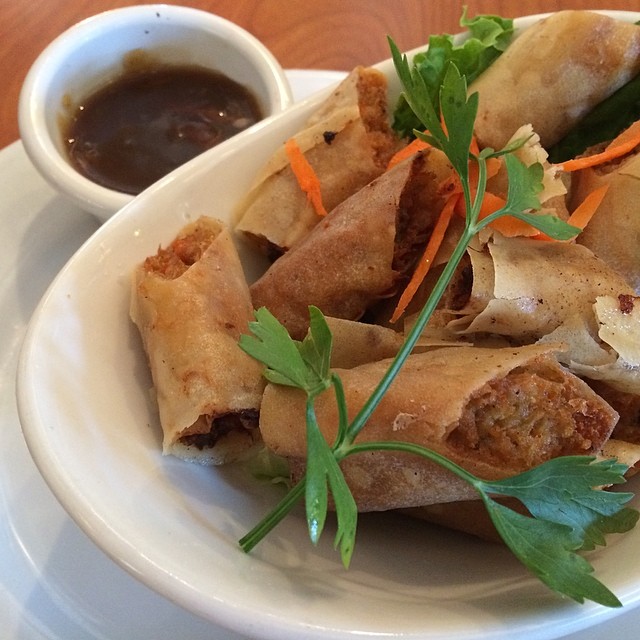
Thin, crisp fried spring rolls filled with seasoned minced pork, carrot and onion, served with a sweet chilli sauce. They are made by the dozen for parties and family gatherings.
Lumpia is the Filipino and Indonesian word for spring rolls, and it comes from the Hokkien Chinese word lunpia.
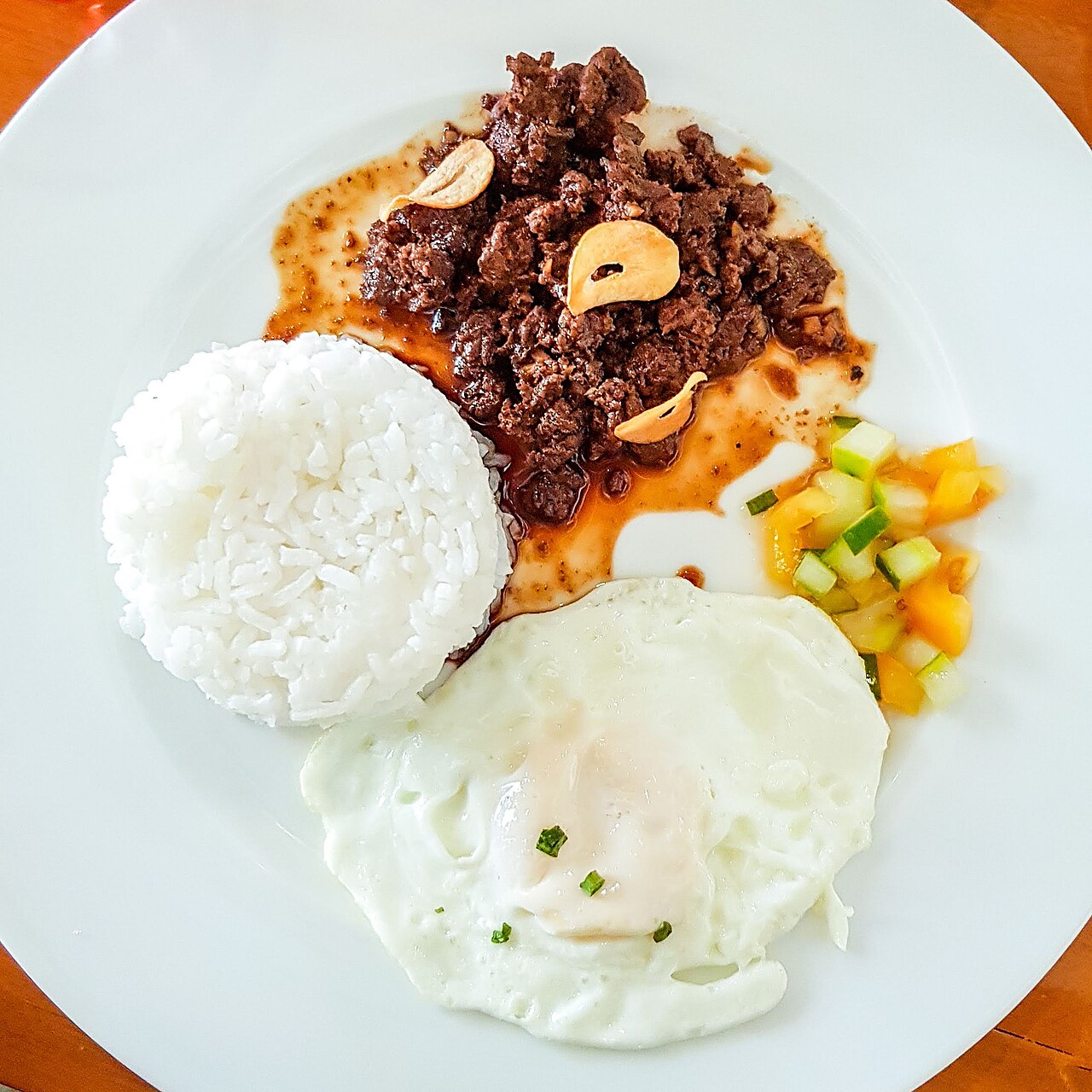
The classic Filipino breakfast: tapa (thin slices of cured, marinated beef, fried), sinangag (garlic fried rice) and a fried egg, with pickled papaya or tomato and a dip of vinegar. Its name joins the three parts: TAPa, SInangag and itLOG, which means egg.
The same pattern gives many other breakfasts, such as longsilog with longganisa sausage and tosilog with sweet cured pork.
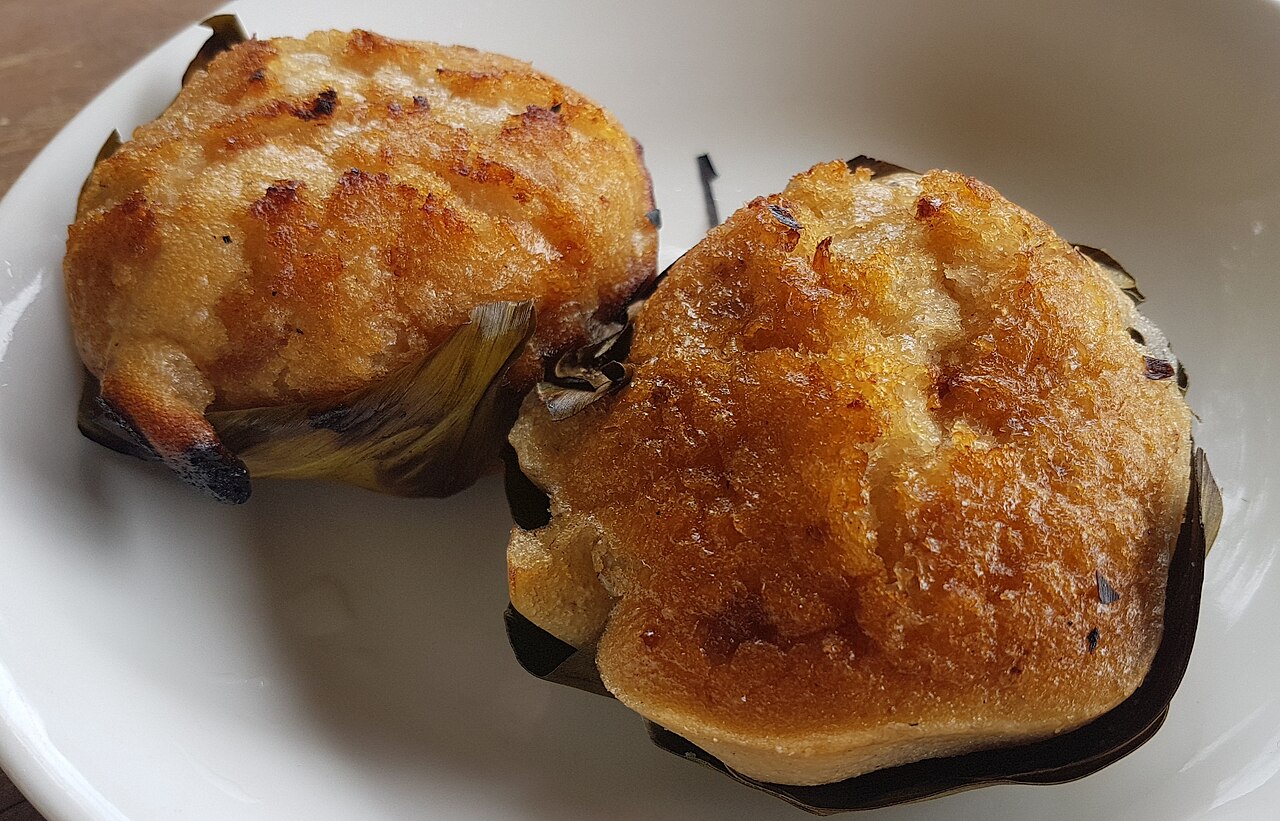
A soft rice cake made with rice flour, coconut milk and egg, baked in a clay dish lined with banana leaves, with hot coals below and on a metal sheet above. It is topped with butter, sugar, grated coconut and sometimes salted egg and cheese.
Bibingka is traditionally eaten outside the church after Simbang Gabi, the nine dawn or night masses before Christmas.
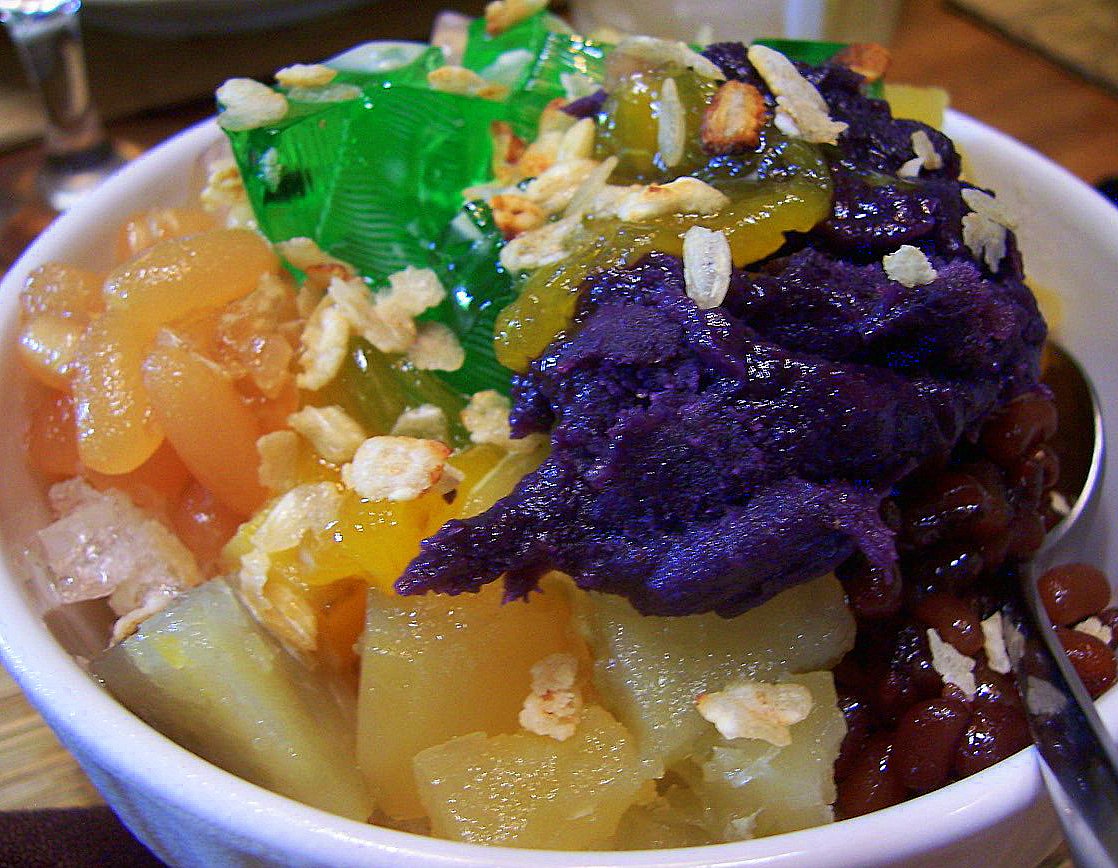
The favourite cold dessert: a tall glass of shaved ice and evaporated milk layered with sweet beans, jellies, coconut strips, sweetened banana and jackfruit, purple yam jam and leche flan, often topped with ube ice cream. Halo-halo means 'mix-mix', and you stir everything together before eating.
It grew from a Japanese shaved-ice dessert sold by Japanese Filipinos before the Second World War.
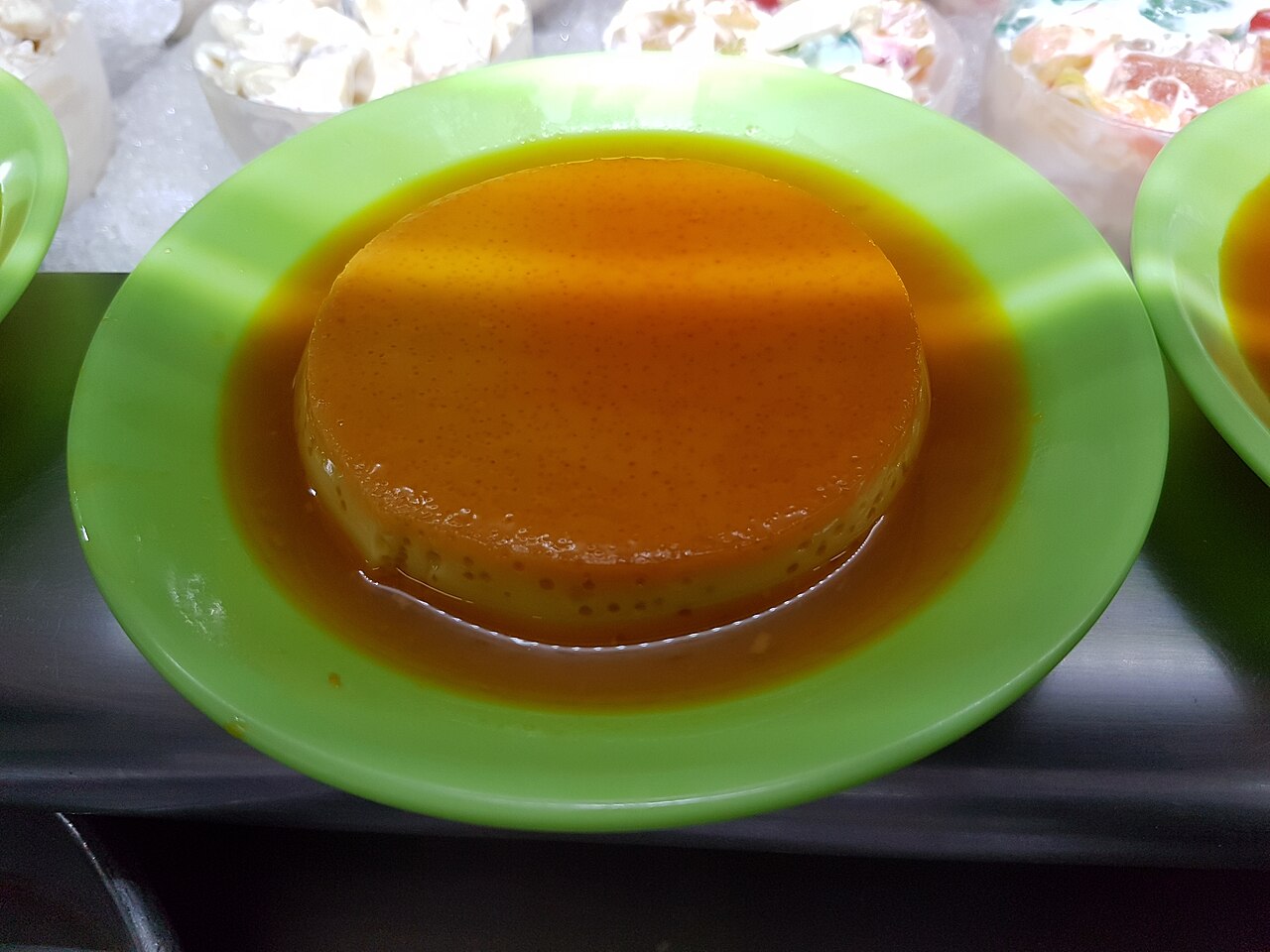
A rich caramel custard made with egg yolks, condensed milk and evaporated milk, steamed in an oval tin called a llanera. It is firmer and richer than a European crème caramel, and no fiesta table is complete without it.
Leche flan uses only egg yolks. A popular story says it began in Spanish times, when egg whites went into the mortar of churches and other buildings and the leftover yolks were turned into desserts.
Wait until the host invites everyone to start, often with 'Kain tayo!' ('Let's eat!'). Filipinos also invite anyone who walks in during a meal to join, even if it is only politeness.
Eat with a spoon in the right hand and a fork in the left, using the fork to push food onto the spoon. Knives are rarely used at the table.
Take rice first, then small portions from the shared dishes with the serving spoon, and go back for more later rather than piling up your plate.
At a kamayan or 'boodle fight' feast, food is spread on banana leaves and eaten by hand: wash your hands first and push the food into your mouth with your thumb.
Offer food to elders first and let them start eating before you.
Many Filipinos in Mindanao and the Sulu islands are Muslim and do not eat pork, so check before bringing pork dishes to a shared meal.