13 fun facts about the Philippines
- 01
The Philippines has about 7,641 islands. Luzon in the north and Mindanao in the south are by far the largest, and together they make up about two thirds of the land.
- 02
The country is named after King Philip II of Spain. A Spanish expedition of the 1540s called some of the islands 'Felipinas' after him, when he was still a prince.
- 03
With all its islands, the Philippines has a coastline of about 36,289 km, the fifth-longest in the world as of 2026.
- 04
Filipinos start the Christmas season early: carols and decorations can appear as soon as September 1, the start of the 'ber months'.
- 05
The Philippine tarsier, found on Bohol, Samar, Leyte and Mindanao, is one of the smallest primates, only about 8.5 to 16 cm tall, with huge eyes for hunting insects at night.
- 06
The national bird is the Philippine eagle, one of the largest eagles in the world by length and wing surface. It is critically endangered, and it appears on the 1,000-peso banknote.
- 07
The English word 'boondocks', meaning a remote place, comes from the Tagalog word bundok, 'mountain'. It is one of several English words borrowed from Tagalog, along with 'jeepney' and 'yaya'.
- 08
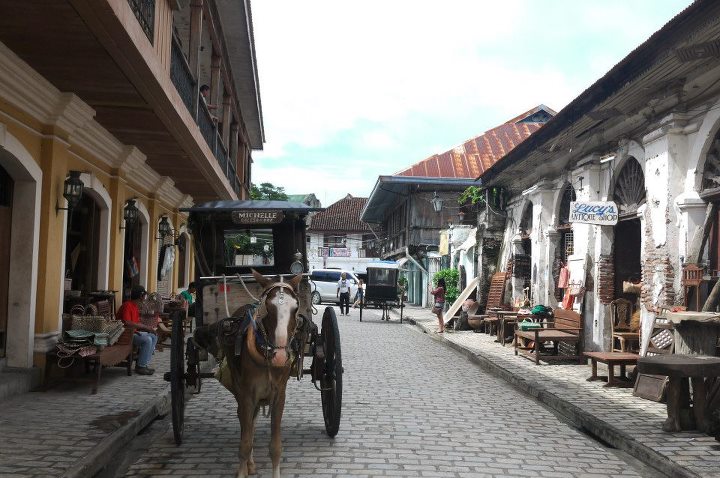
Jeepneys, the colourful shared minibuses of Filipino streets, grew out of American military jeeps left behind after the Second World War. Their name joins 'jeep' and 'jitney'.
- 09
Basketball, brought by the Americans in the early 1900s, is the most popular sport in the Philippines, and hoops hang in villages all over the islands.
- 10
Independence Day is 12 June, the date of the 1898 declaration against Spain, although full independence from the United States came on 4 July 1946. The holiday was moved from 4 July to 12 June in 1962, and a law confirmed the change in 1964.
- 11
In a typical year about 19 typhoons enter the area watched by the Philippine weather service, most of them between July and October.
- 12
The Rice Terraces of the Philippine Cordilleras, listed in 1995, were among the first sites UNESCO put on its World Heritage List as a 'cultural landscape'.
- 13
The Sinulog festival in Cebu City, held on the third Sunday of January in honour of the Santo Niño (the Child Jesus), is one of the biggest festivals in the country; the 2026 festival drew more than 5 million people.
Sources (15)
- Philippines (Wikipedia)
- Geography of the Philippines (Wikipedia)
- Tagalog language (Wikipedia)
- Philippine Declaration of Independence (Wikipedia)
- Treaty of Manila (1946) (Wikipedia)
- Sinulog (Wikipedia)
- Rice Terraces of the Philippine Cordilleras (Wikipedia)
- Rice Terraces of the Philippine Cordilleras (UNESCO World Heritage Centre)
- Philippine tarsier (Wikipedia)
- Philippine eagle (Wikipedia)
- Jeepney (Wikipedia)
- Basketball in the Philippines (Wikipedia)
- bundok (Wiktionary)
- Independence Day (Philippines) (Wikipedia)
- Cultural landscape (Wikipedia)
Fun facts from nearby countries
More about the Philippines
- The trip to the PhilippinesMap, story, food, phrases and a friendly quiz.
- Filipino foodThe dishes to try, with photos and recipes.
- Philippines triviaQuestions and answers to read aloud or print.
- Philippines word searchCities and dishes in large print.
- Filipino words crosswordLearn a few words while you solve it.
- Colour the flag of the PhilippinesPrint it or colour it in on the screen.
- Filipino rootsA family guide: history, recipes and words for the grandchildren.
- Before you goPhrases, customs and tips for travellers.
- Printable packLarge print, with a quiz and answers.