Mexican food is built on corn, beans and chillies, which were grown here thousands of years ago. Corn is soaked and cooked with lime (calcium hydroxide, not the fruit) to make masa, the dough for tortillas and tamales. Breakfast is often hearty, and the main meal of the day, la comida, is eaten in the early afternoon: it may start with a soup, then rice or pasta (called 'sopa seca', dry soup), then a main dish with tortillas, and finally a dessert. Supper in the evening is usually light. In 2010 UNESCO added traditional Mexican cuisine to its list of the world's intangible cultural heritage.
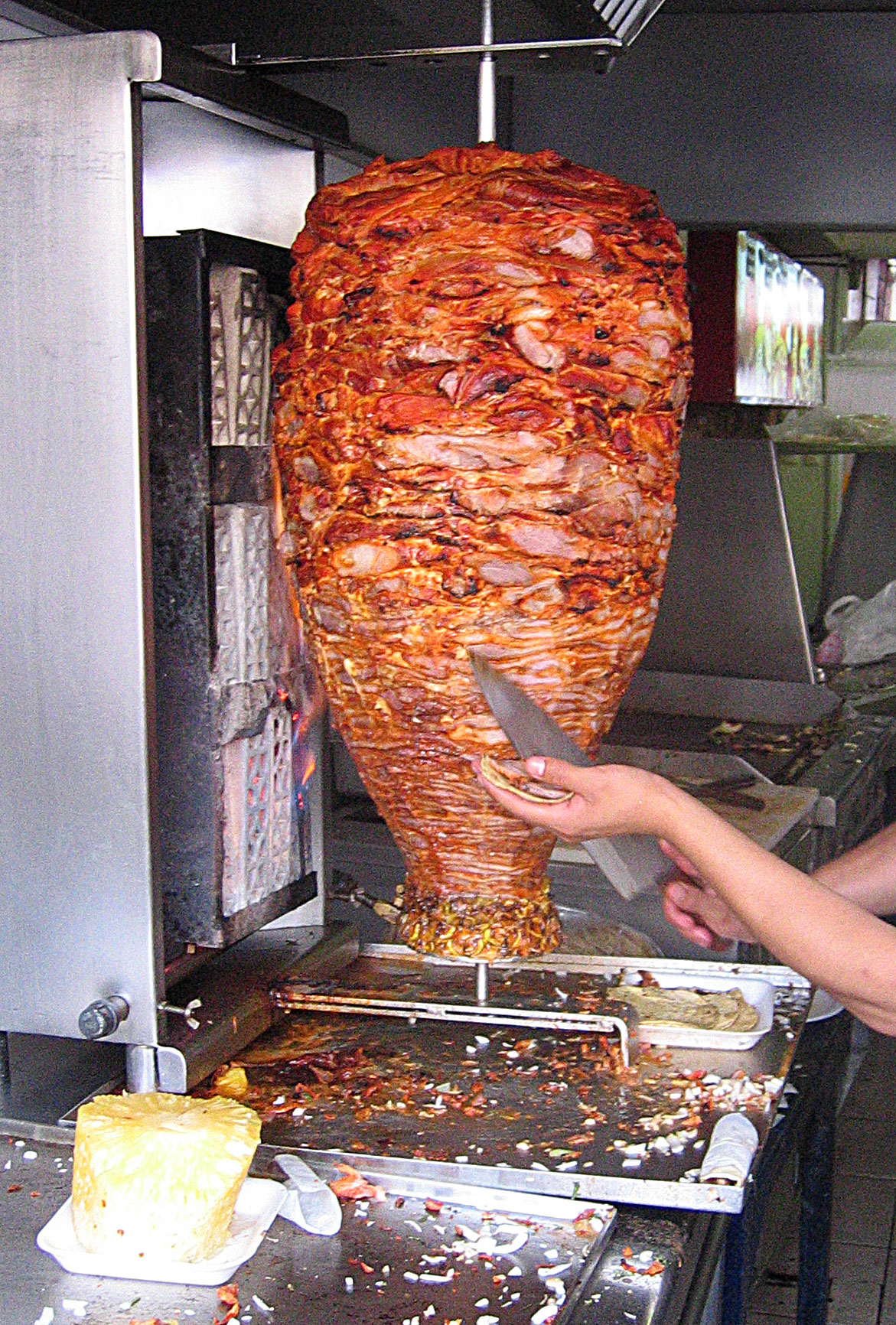
Thin slices of marinated pork, cooked on a vertical spit called a trompo, shaved into small corn tortillas and topped with onion, coriander (cilantro), salsa and often a sliver of pineapple.
The spit-roasting method came to Mexico with Lebanese immigrants, who cooked lamb shawarma. Their Lebanese-Mexican descendants switched to pork, a chilli marinade and corn tortillas, which gave us the taco al pastor.
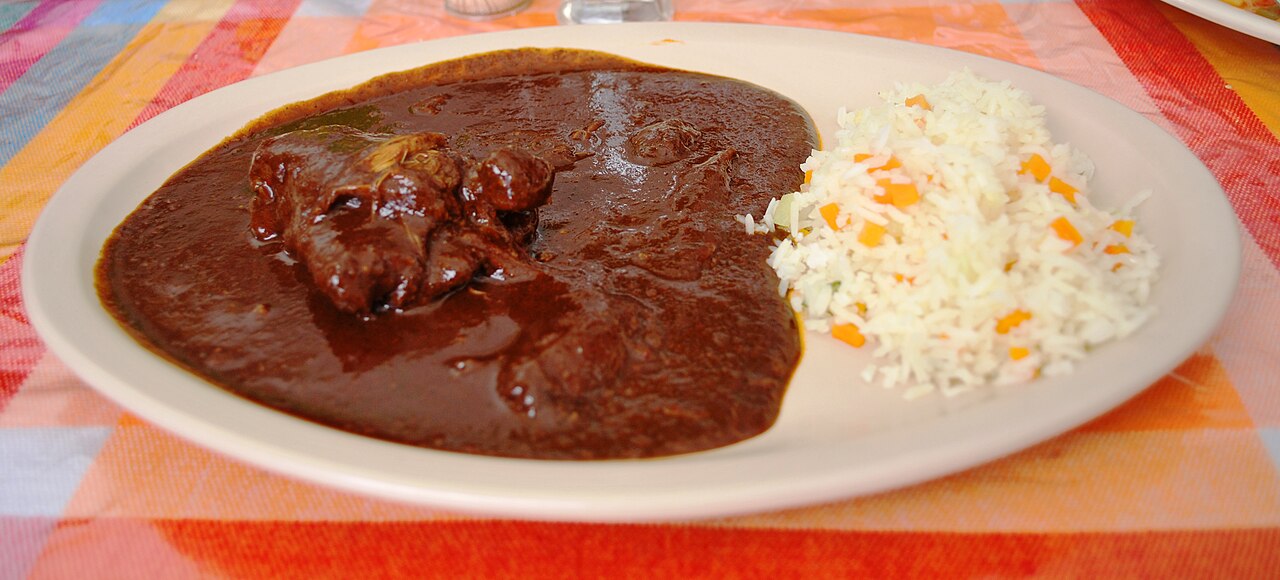
A dark, rich sauce made from several kinds of dried chillies, spices, nuts, seeds, bread and a little chocolate, served over turkey or chicken. It can take a whole day to make and is served at weddings and big family celebrations.
A popular legend says the nuns of the Convent of Santa Clara in Puebla invented it for a visiting archbishop, using whatever they had in the kitchen.
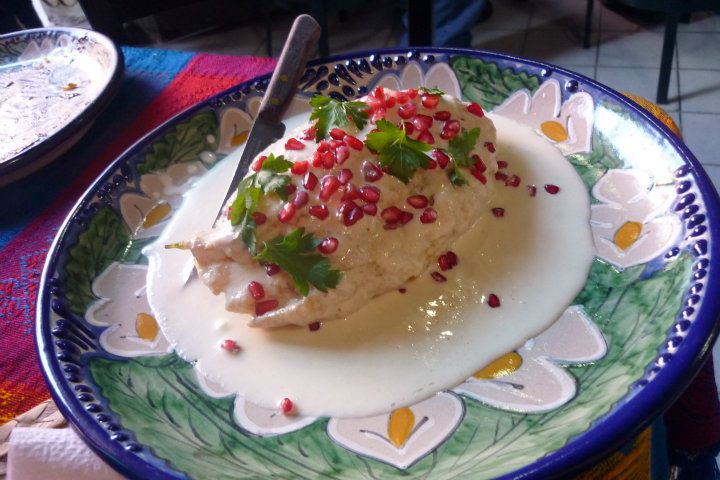
Large green poblano chillies stuffed with minced meat and fruit, covered with a creamy white walnut sauce and sprinkled with red pomegranate seeds. It is served at room temperature.
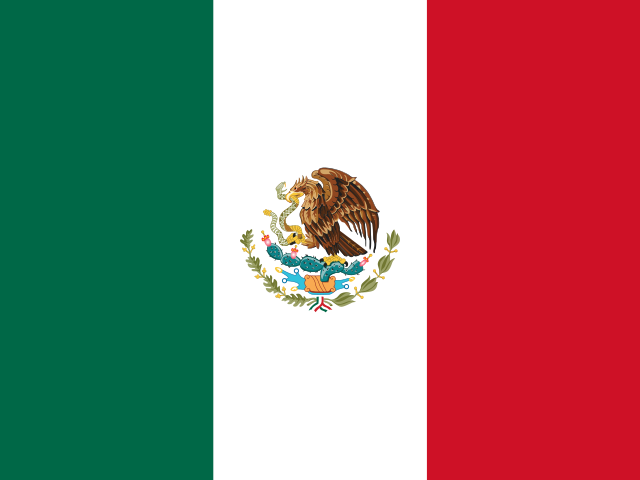
Green, white and red are the colours of the Mexican flag, and the dish is eaten in August and September, when pomegranates are in season and Mexico celebrates its independence.
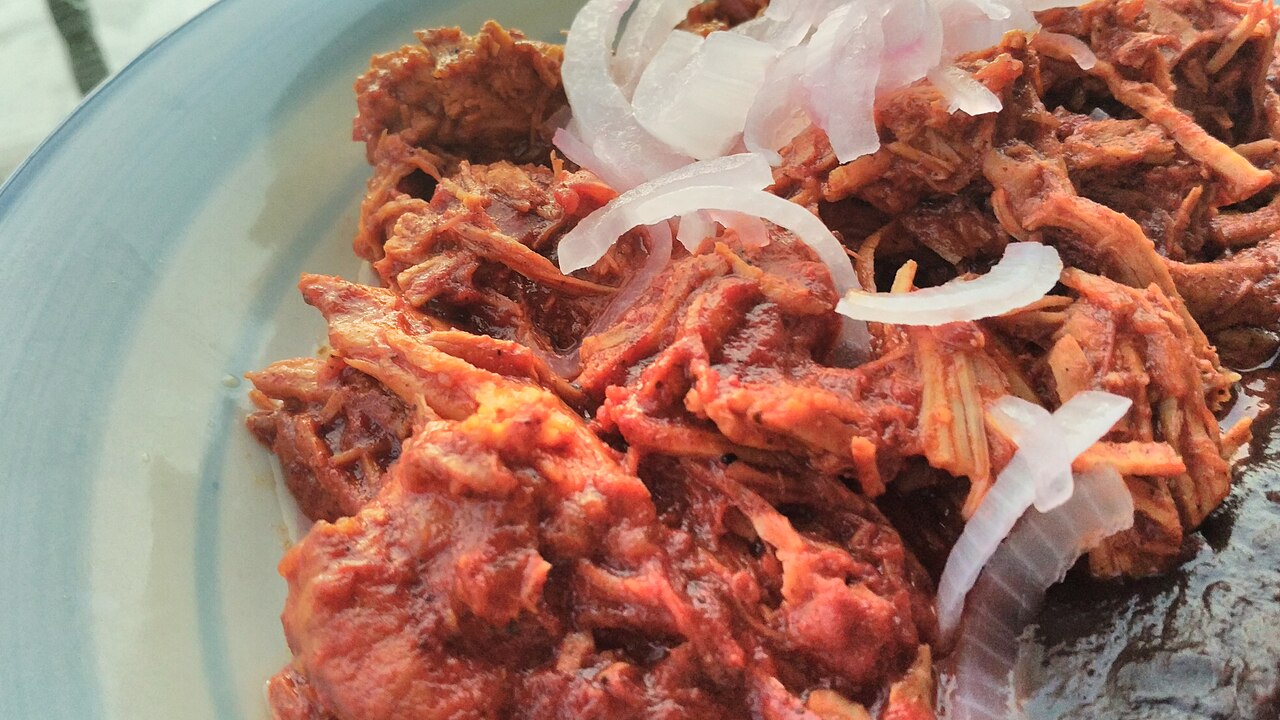
Pork marinated in bitter orange juice and achiote (annatto), which turns it a deep orange, then wrapped in banana leaves and slow-roasted, traditionally in a pit in the ground. It is served with tortillas and pink pickled onions.
Pibil comes from the Maya word for the earth oven in which the meat is buried to cook.
Central and western Mexico, such as Jalisco, Guerrero and Michoacán
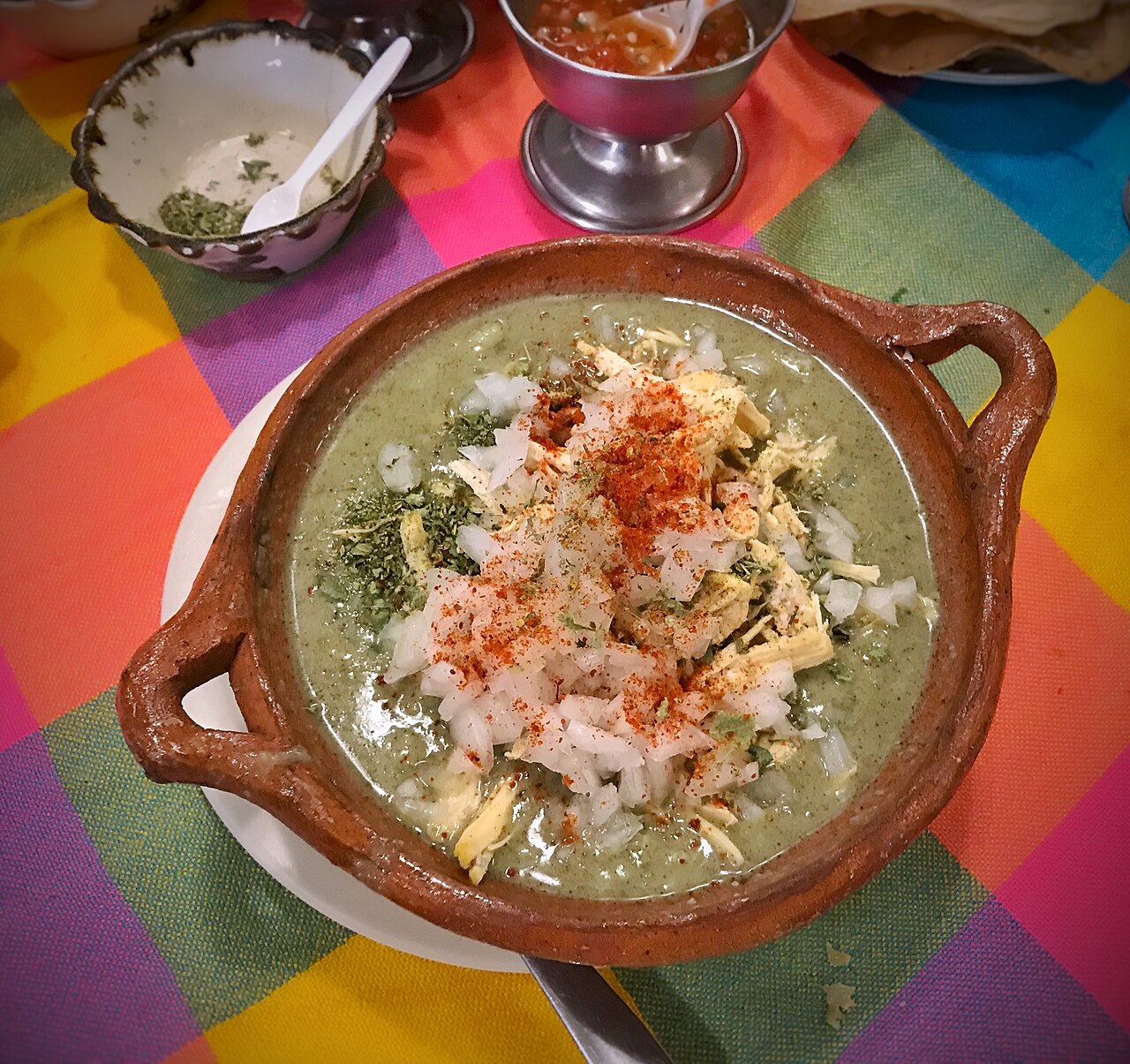
A hearty soup of large, chewy hominy corn kernels cooked with pork or chicken. It comes white, green or red, and everyone adds their own toppings: shredded cabbage or lettuce, radish, onion, oregano, chilli and lime.
Pozole has been eaten since before the Spanish arrived, and many families serve it on Independence Day and New Year's Eve.
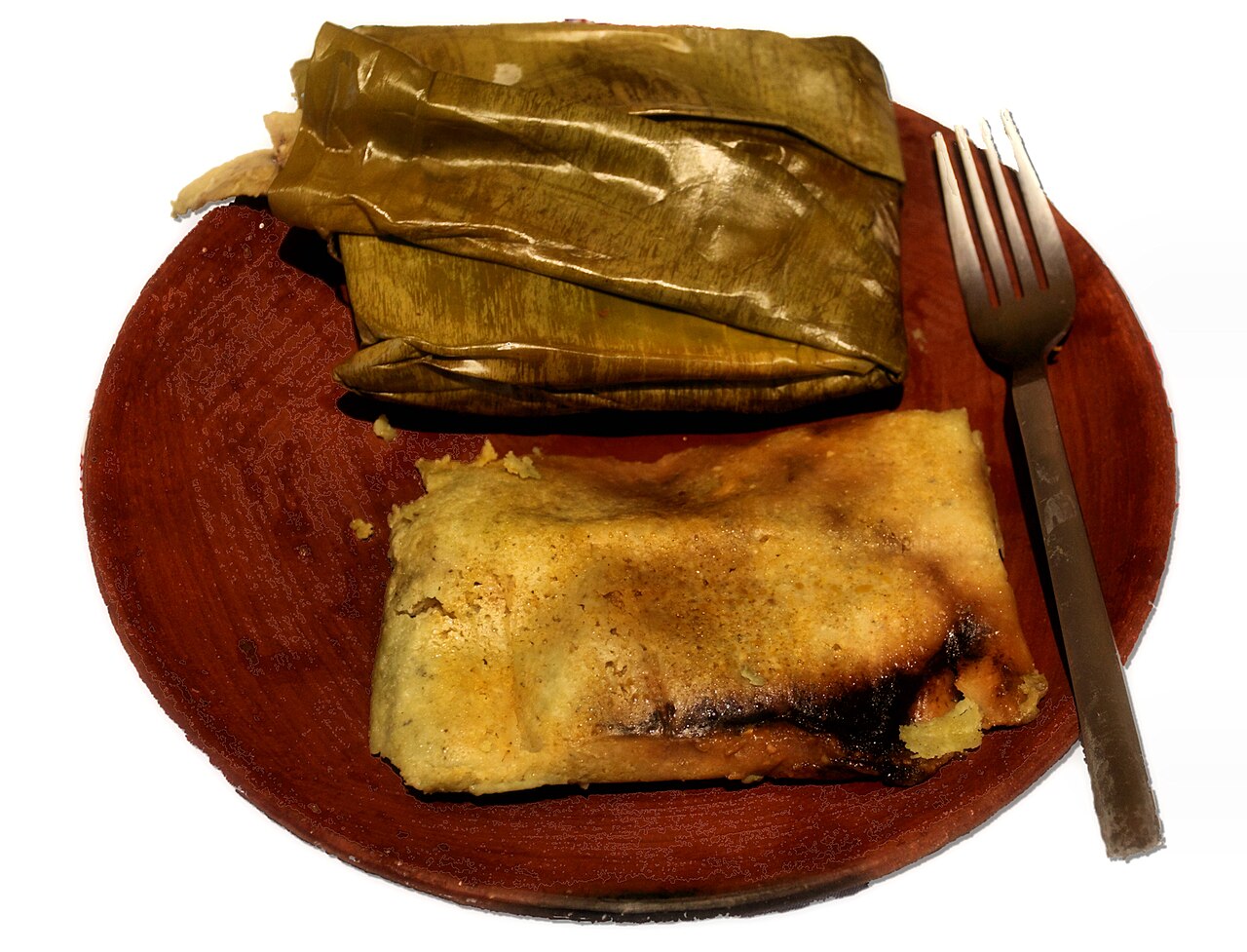
Parcels of corn dough (masa) with a filling such as chicken in green salsa, pork in red salsa, cheese with chilli, or something sweet, wrapped in a corn husk or banana leaf and steamed. You unwrap them and eat only the inside.
Tamales were eaten in Mesoamerica thousands of years before the Spanish arrived. Families often make hundreds of them together for Christmas.
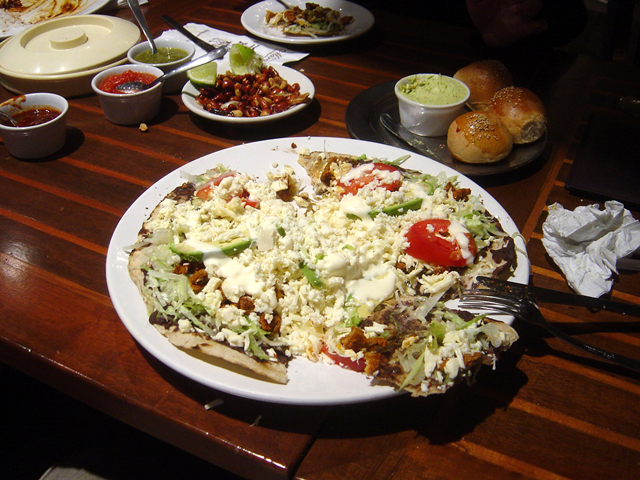
A very large, thin, crisp tortilla spread with refried beans and pork lard, then topped with cabbage, avocado, stringy Oaxaca cheese and grilled meat. It is grilled over charcoal, sometimes folded in half.
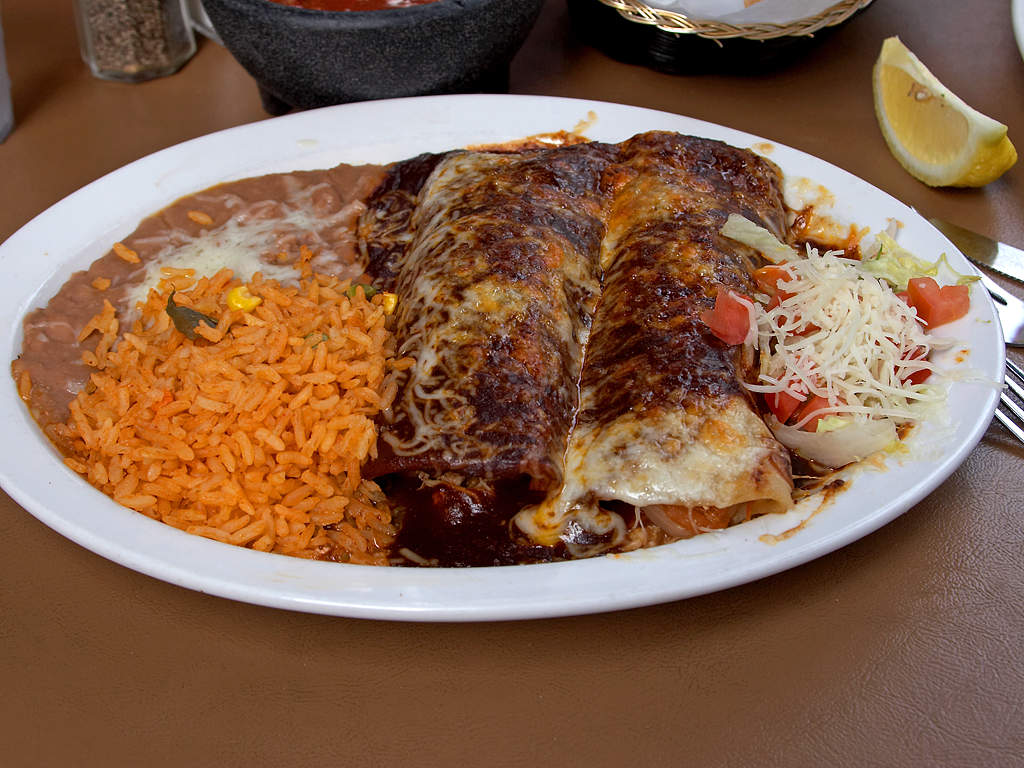
Corn tortillas dipped in chilli sauce, rolled around a filling such as chicken or cheese, and topped with more sauce, cream, crumbly cheese and onion. The name means 'seasoned with chilli'.
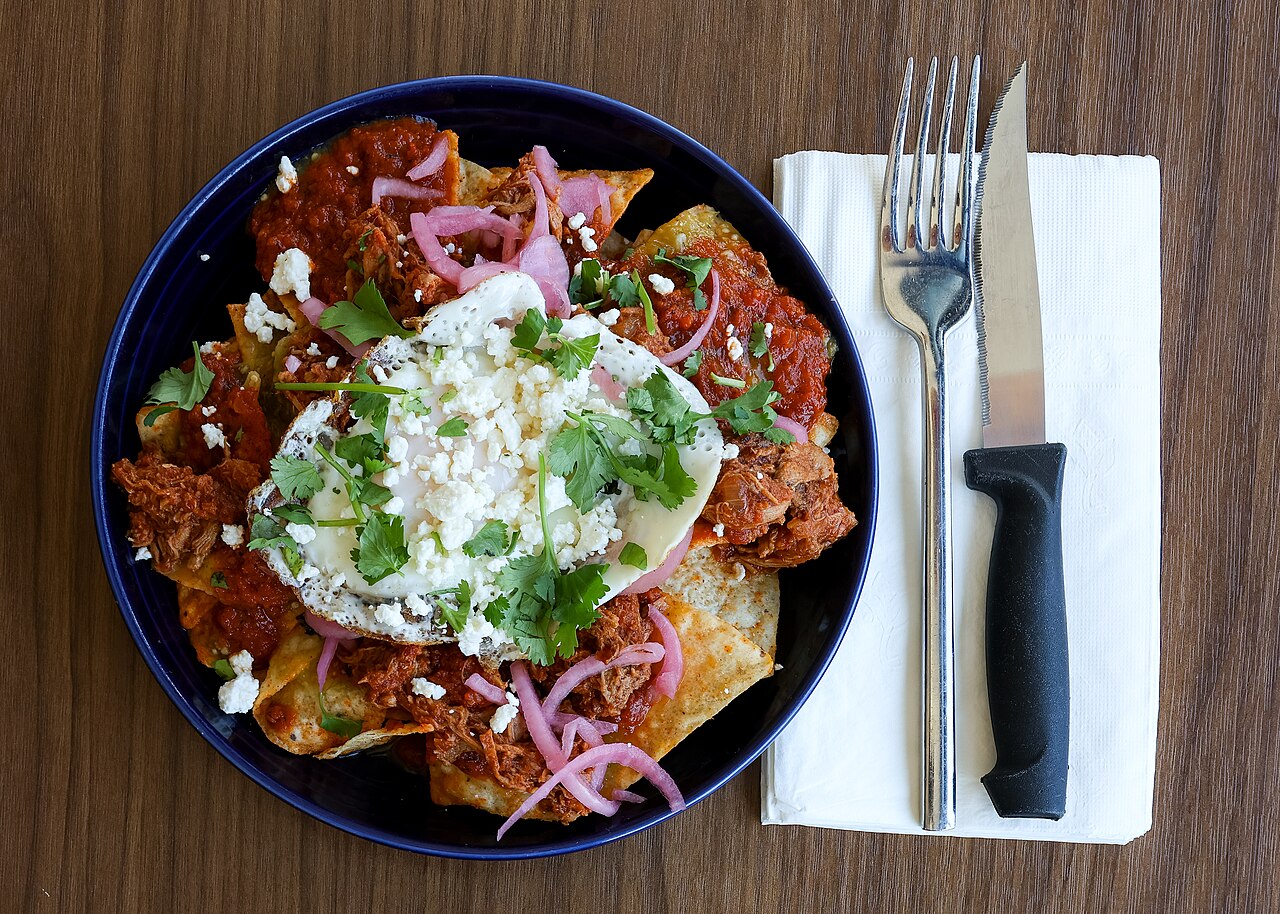
Fried tortilla pieces simmered briefly in green or red salsa, then topped with cream, crumbly cheese, onion and often shredded chicken or a fried egg. It is a clever way to use up yesterday's tortillas.
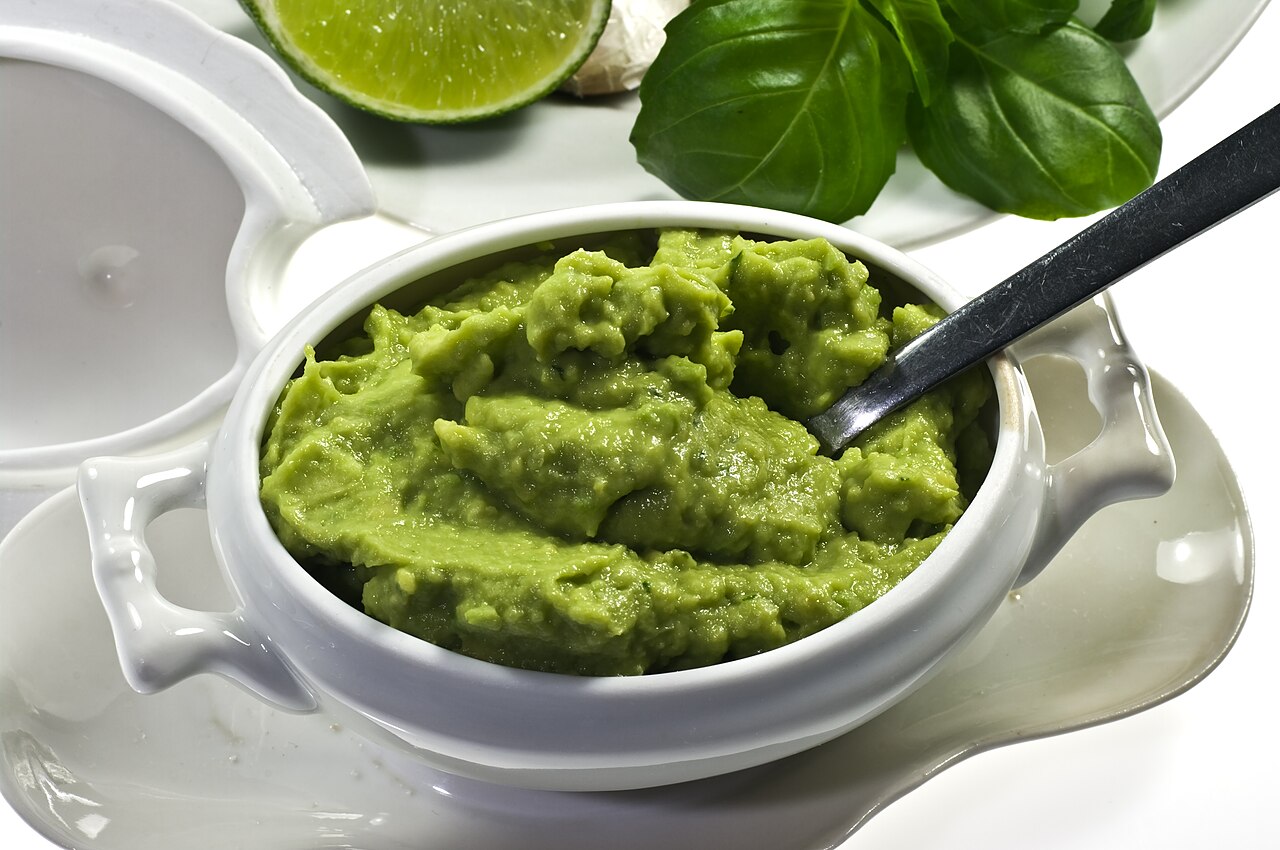
Ripe avocado mashed with lime juice, onion, chilli, coriander (cilantro) and salt, traditionally in a stone bowl called a molcajete. It is eaten with tortilla chips or served with tacos.
The name comes from the Nahuatl word āhuacamōlli, which means 'avocado sauce'.
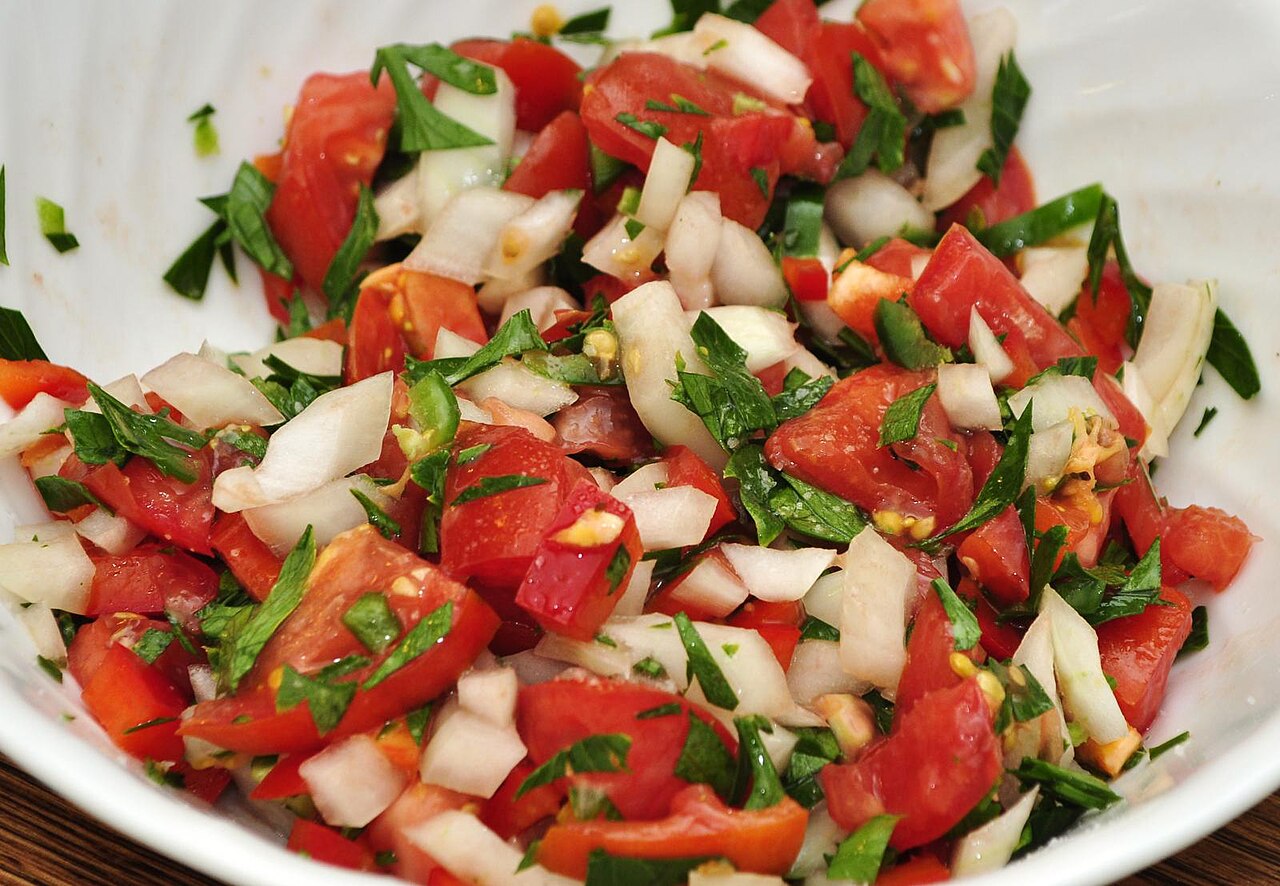
A fresh, uncooked salsa of chopped tomato, white onion, green chilli, coriander (cilantro), lime juice and salt, served with tacos, eggs and grilled meat.
The name means 'rooster's beak'. Because it is red, white and green, it is also called salsa bandera, 'flag sauce'.
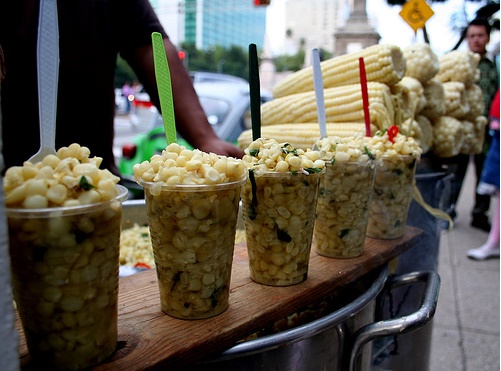
Corn kernels boiled with salt and the herb epazote, served in a cup with lime juice, mayonnaise, crumbly cheese and chilli powder. Street vendors sell them in the evening, next to elotes, whole corn cobs on a stick.
The name comes from the Nahuatl word ízquitl, meaning 'toasted corn'.
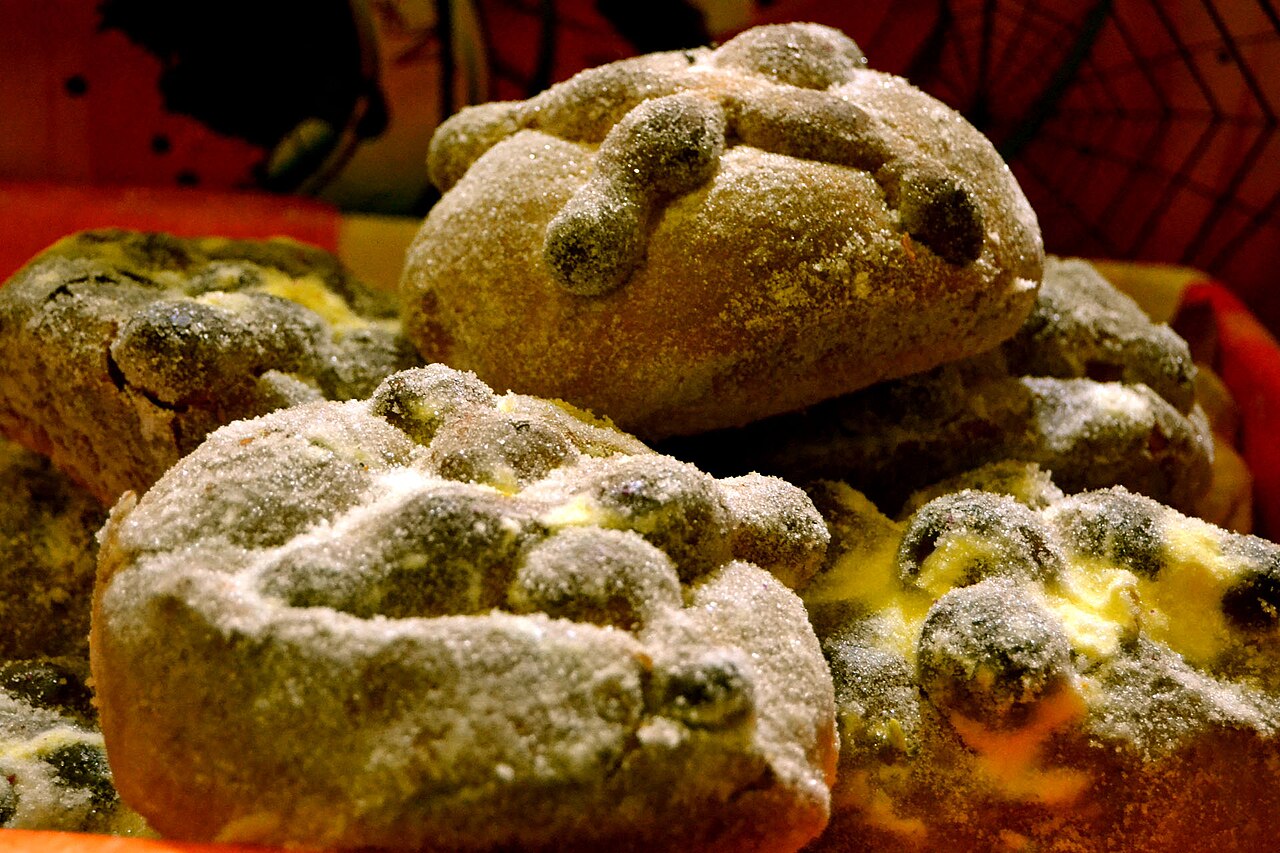
A soft, sweet round bun, often flavoured with orange blossom or anise, decorated with strips of dough shaped like bones and dusted with sugar. It is baked in the weeks before the Day of the Dead, on 1 and 2 November.
Families place pan de muerto on home altars called ofrendas as a gift for their loved ones who have died, and then share it themselves.
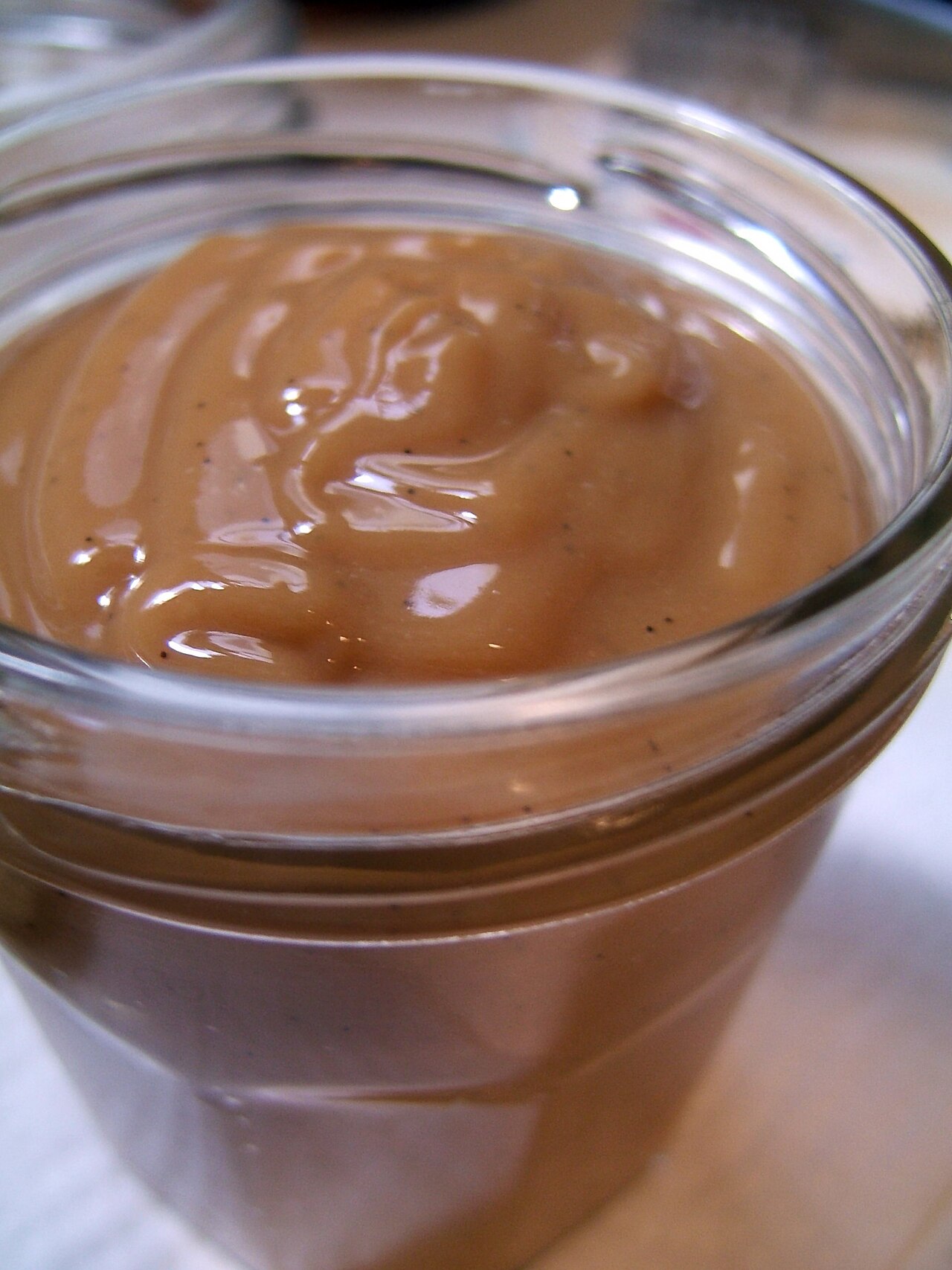
A thick, sweet caramel sauce made by slowly cooking goat's milk with sugar. It is spread on crêpes, poured over ice cream or eaten from a spoon, and cajeta from Celaya is the most famous.
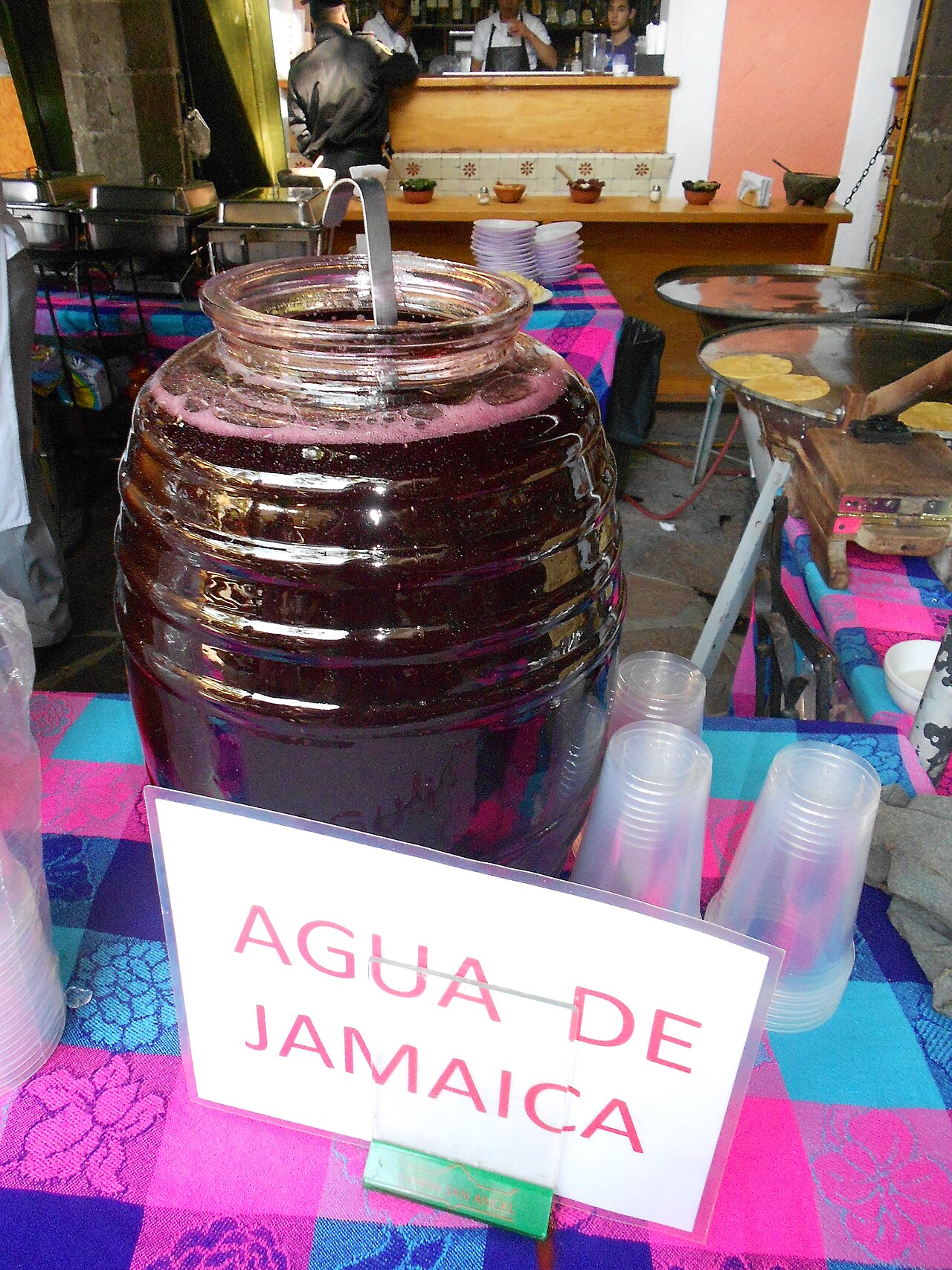
A cool, deep-red drink made by steeping dried hibiscus flowers in water and sweetening it. It is one of the most popular aguas frescas, the fresh drinks served in big glass jars at markets and taco stands.
The hibiscus flower came to the Americas from Africa, but agua de jamaica is now one of Mexico's favourite drinks.
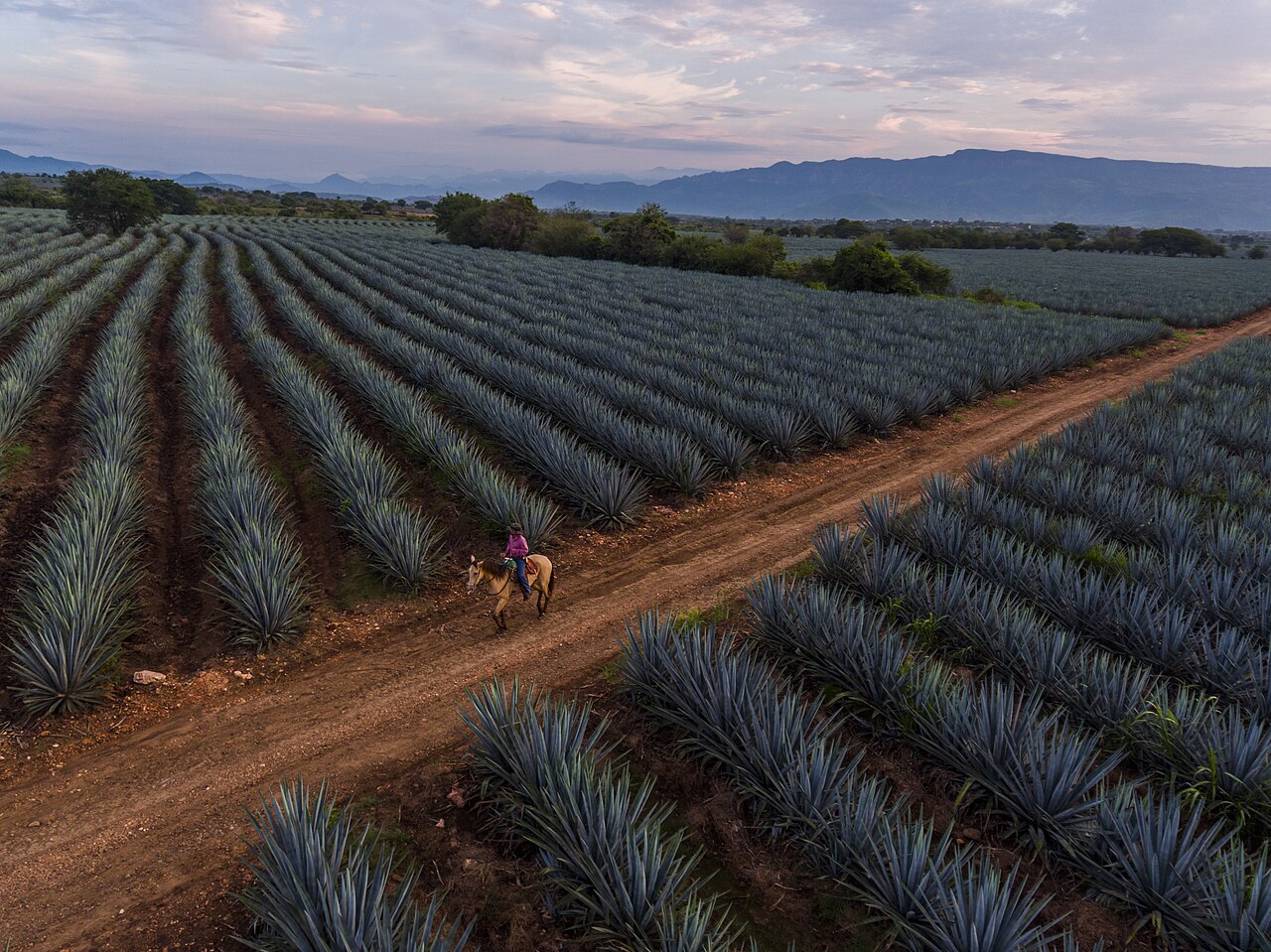
A spirit distilled from the heart of the blue agave plant. By law it must be made from blue agave in a protected area centred on Jalisco. Its smoky cousin, mezcal, can be made from many kinds of agave and comes mostly from Oaxaca.
In 1974 tequila became Mexico's first protected appellation of origin, so only spirit made in the approved area may use the name.
At the table in Mexico
The main meal, la comida, is eaten in the early afternoon and can last a long time. Supper in the evening is usually light.
Tacos are eaten with your hands, never with a knife and fork. Tilt your head, not the taco, so the filling stays inside.
When you pass people who are eating, or before you start, it is polite to say '¡Provecho!', which means 'enjoy your meal'.
Taste salsas carefully before you pour them on: the green ones are not always the mild ones.
Waiters do not bring the bill until you ask. Say 'La cuenta, por favor', or make a small writing sign in the air.
A tip of about 10 to 15 percent is normal in restaurants. Check first that it has not already been added to the bill.