Emirati cooking grew out of three ways of life: Bedouin herders with their camel milk and meat, fishermen of the Gulf, and farmers of the date-palm oases. Trade with India, Persia and East Africa brought rice and spices such as cardamom, saffron, turmeric and dried lime, called loomi. A traditional meal is a big shared platter of spiced rice with meat or fish, and a guest is always welcomed with small cups of Arabic coffee and a plate of dates. In the cities you can eat food from almost every country in the world, and Emirati dishes are easiest to find in heritage restaurants and during Ramadan.
The whole Gulf coast, a favourite for family lunches
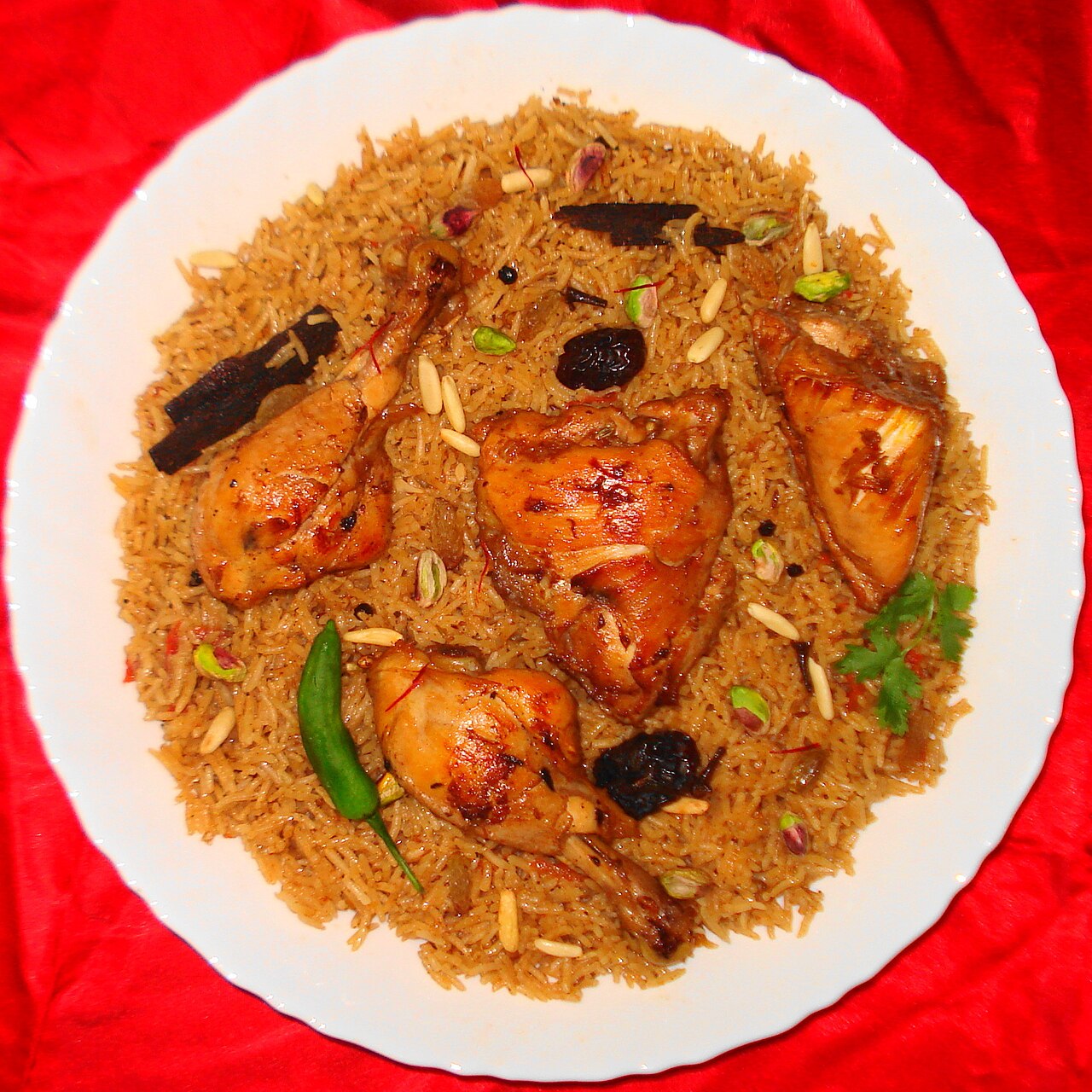
Rice cooked in a fragrant stock with chicken, lamb, fish or shrimp, spiced with cardamom, cinnamon, turmeric and loomi, the sun-dried lime of the Gulf. It is served on a large platter in the middle of the table.
Machboos is the Gulf name for a dish that Saudis call kabsa; it is often described as a national dish of all the Gulf countries.
All of the Emirates, especially in Ramadan, at Eid and at weddings
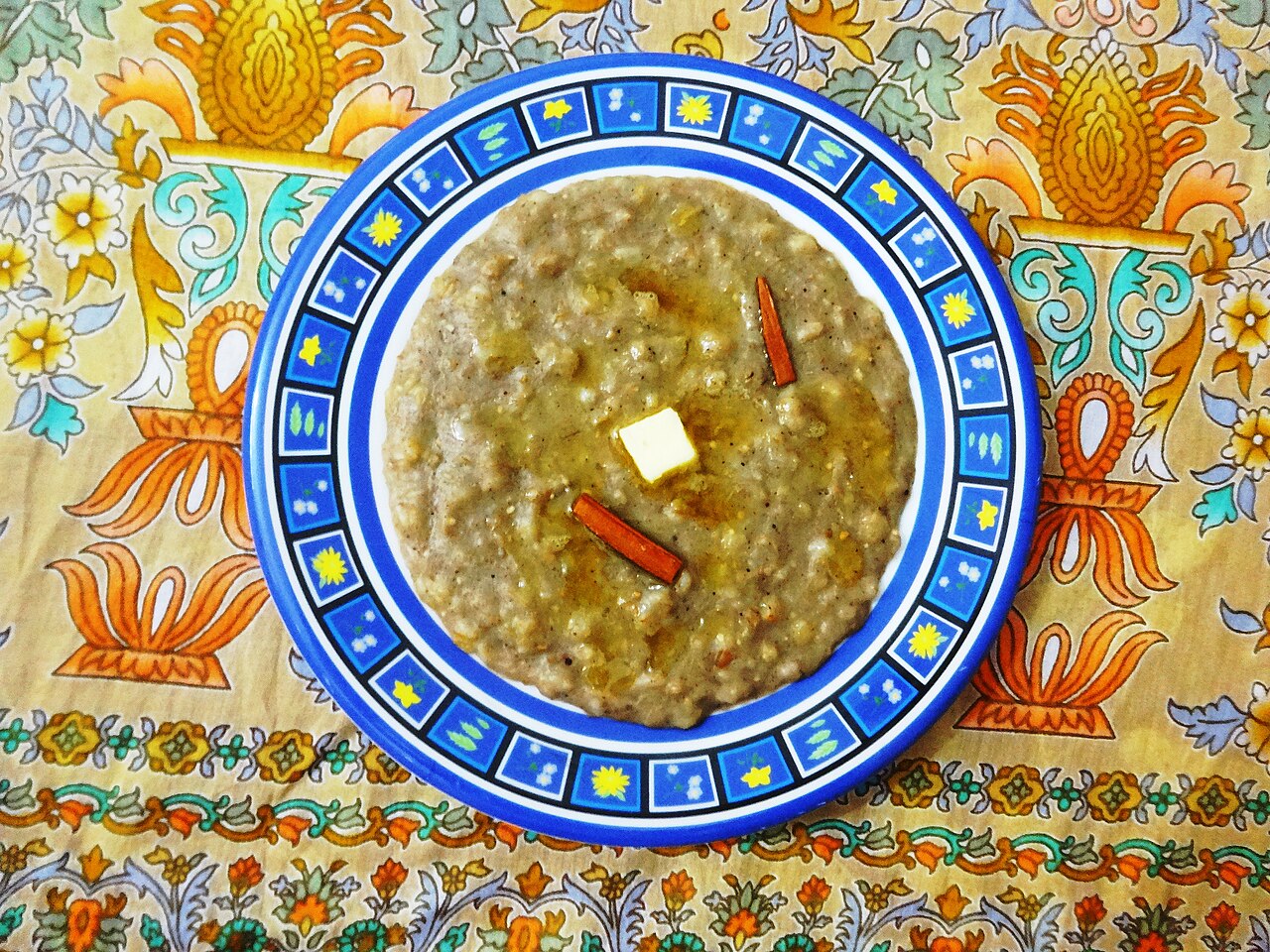
Whole wheat and meat, usually chicken or lamb, cooked slowly for hours and then beaten until they melt into a smooth, thick porridge. It is served with a spoonful of melted ghee on top.
Harees is so closely tied to Ramadan that many Emirati families cook a big pot of it for the evening meal that breaks the fast.
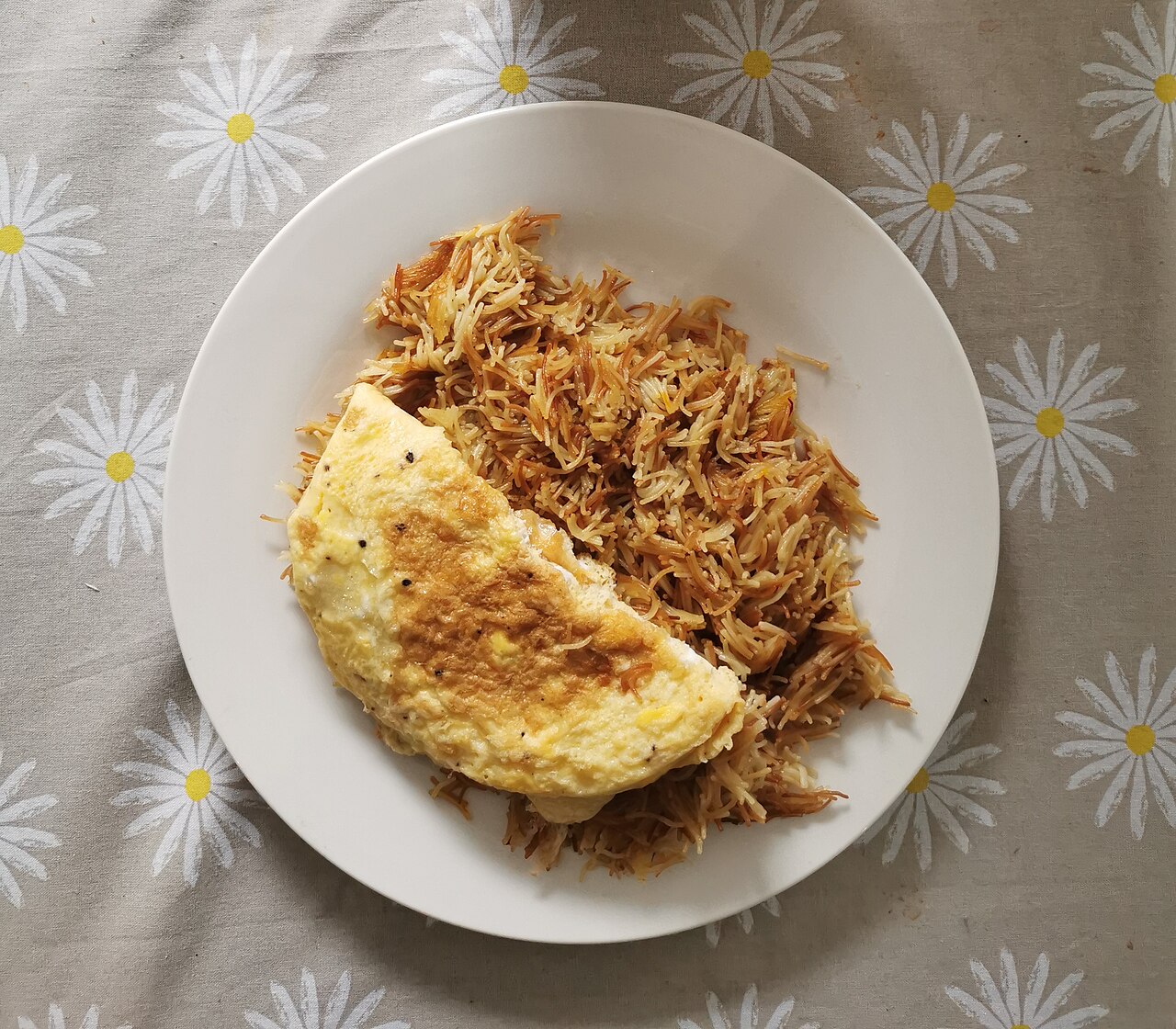
Thin vermicelli noodles cooked with sugar, cardamom, rose water and saffron, served with a thin omelette laid over the top. The mix of sweet noodles and savoury egg is the whole point.
Balaleet is often the first meal of the day at Eid al-Fitr, the festival that ends Ramadan.
All of the Emirates, at every gathering and in Ramadan
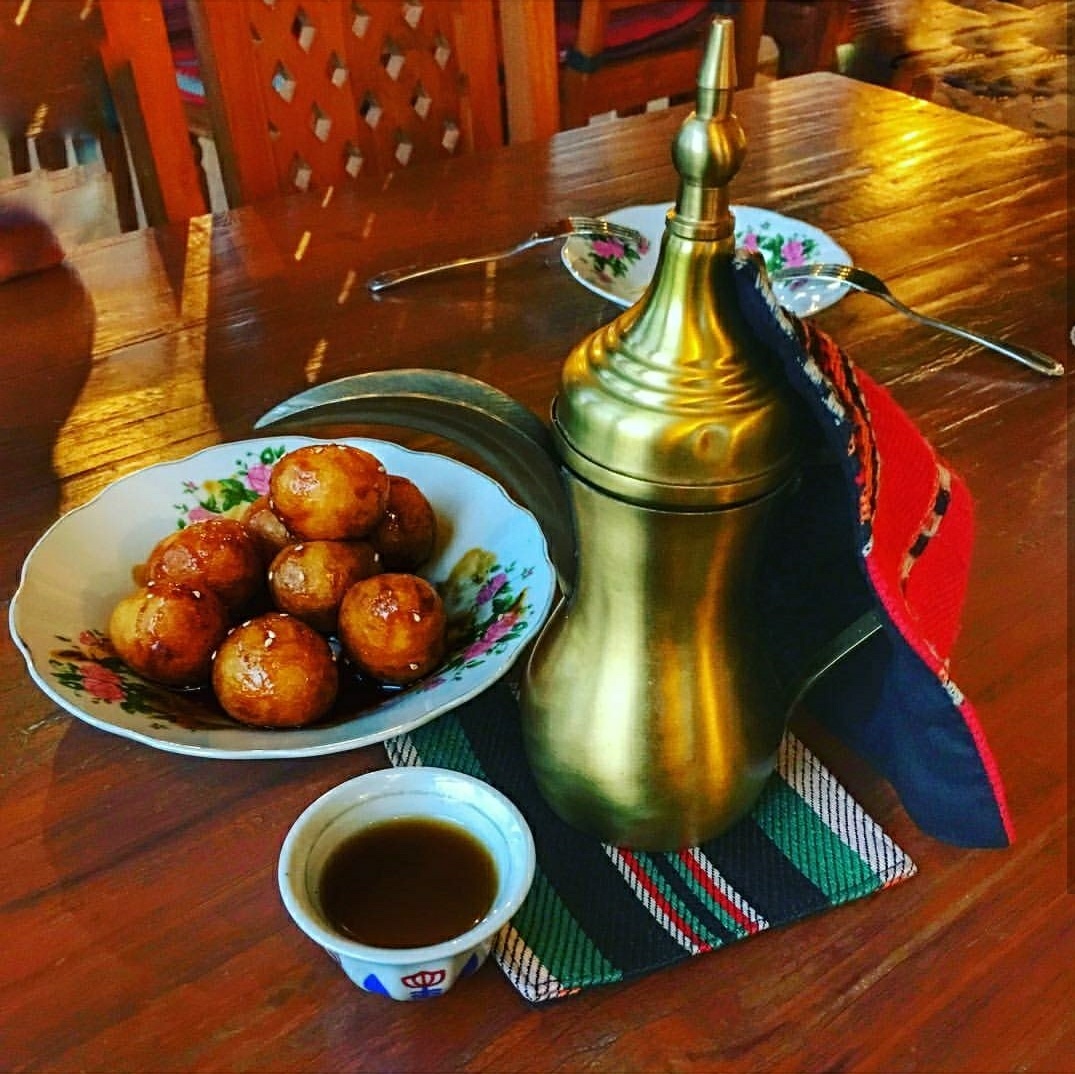
Small balls of yeast batter, flavoured with cardamom and saffron, deep-fried until crisp and golden outside and soft inside, then drizzled with date syrup and sprinkled with sesame seeds.
The name means 'little bites'. Similar fried dough balls go back to recipes written down in the 13th century.
The Gulf coast, served with tea at family gatherings
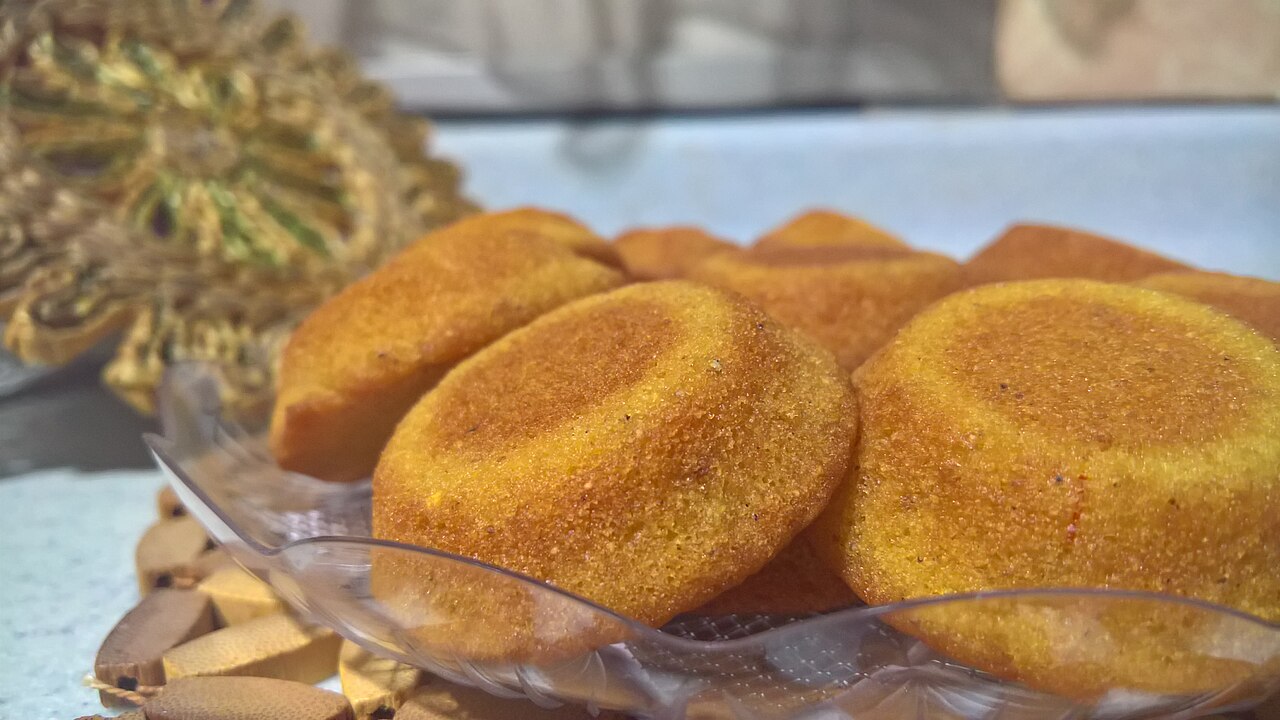
Small golden cakes made from eggs, flour, sugar, saffron and cardamom, sometimes with a little rose water. They are fried in oil until puffed and crisp at the edges.
Khanfaroosh is made all along the Gulf coast, and each family tends to have its own mix of spices.
The whole Arabian Peninsula; poured for guests in every Emirati home
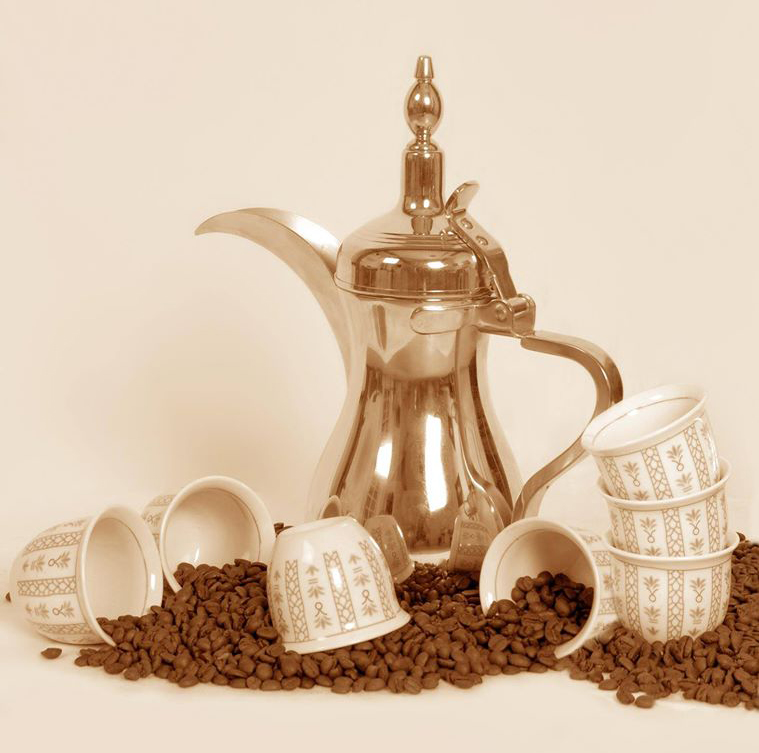
Lightly roasted coffee boiled with cardamom, and sometimes saffron, served without sugar from a tall pot called a dallah into tiny cups without handles. It is almost always offered with dates.
In 2015 UNESCO listed Arabic coffee, a symbol of generosity, as intangible cultural heritage, nominated by the UAE together with Saudi Arabia, Oman and Qatar.
From the Indian subcontinent; now sold at cafeterias across the Emirates
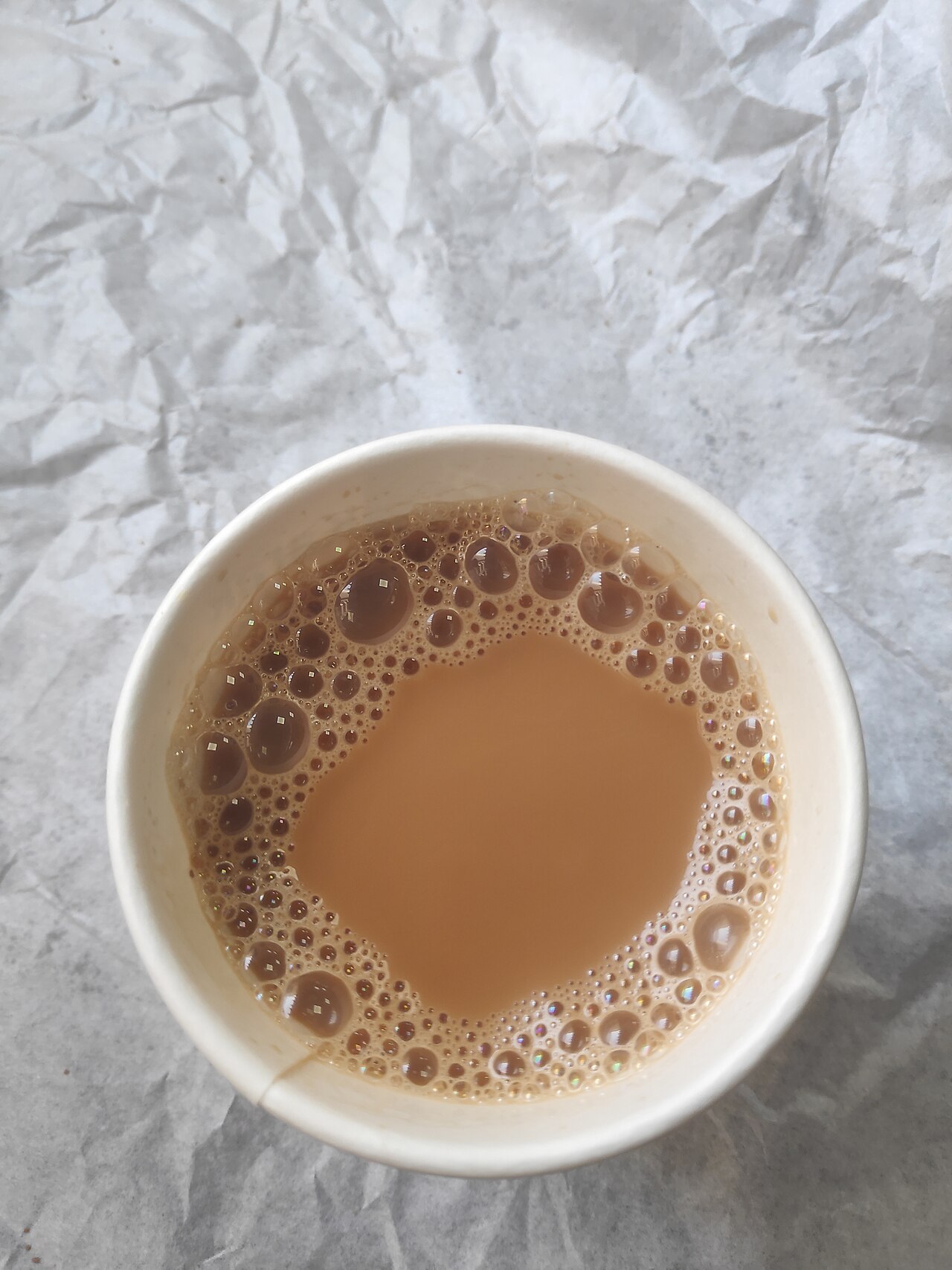
Black tea boiled hard with milk, sugar and cardamom until strong and creamy. Karak means 'hard' or 'strong'. It came to the Gulf from the Indian subcontinent and is now sold in small cups at cafeterias everywhere.
The oases of Al Ain and Liwa, and farms across the country
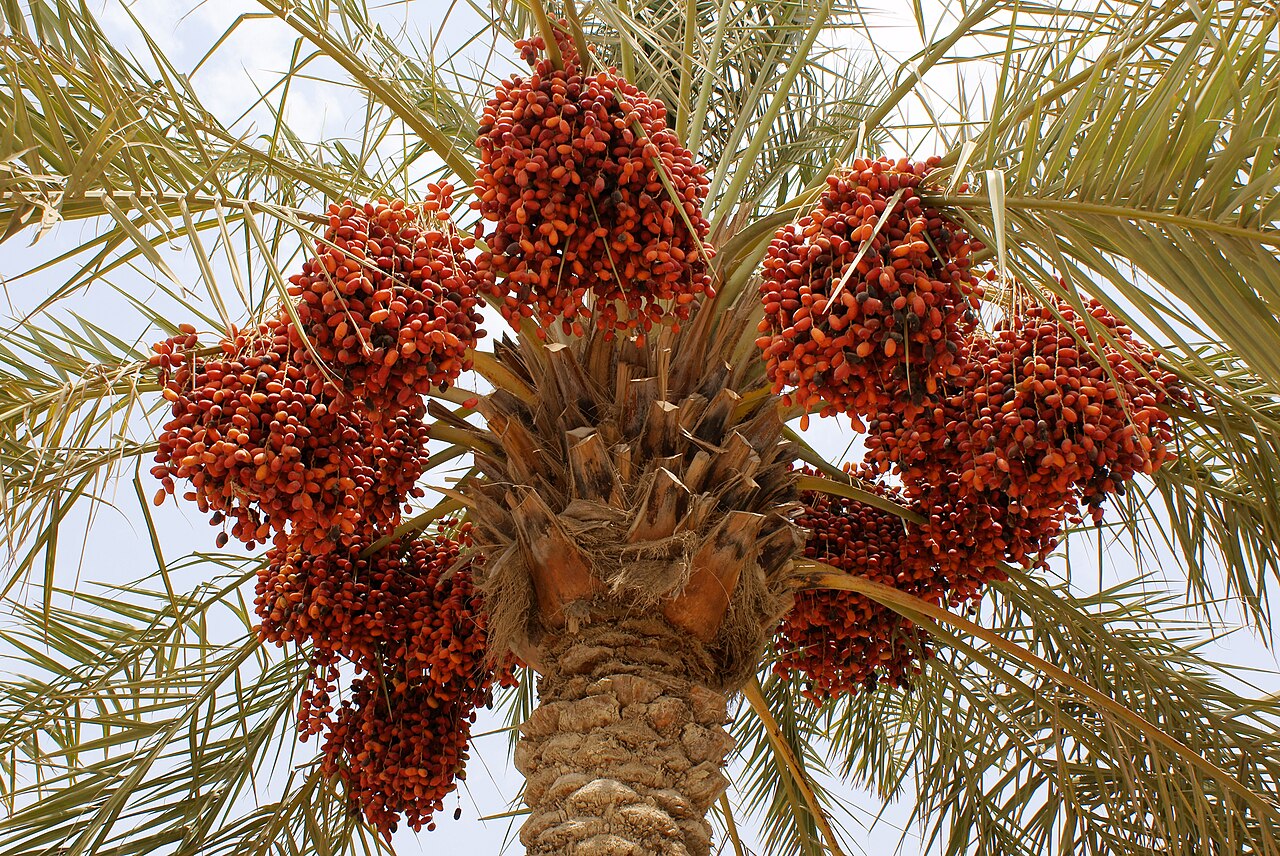
Soft, sticky dates from local palms, served with coffee to every guest and eaten to break the fast in Ramadan. The UAE grows many varieties, such as khalas, khenaizi and lulu.
Date seeds found at Bronze Age sites show that people in the region have grown date palms for more than 4,000 years.
Bedouin tradition; now sold in supermarkets across the Emirates
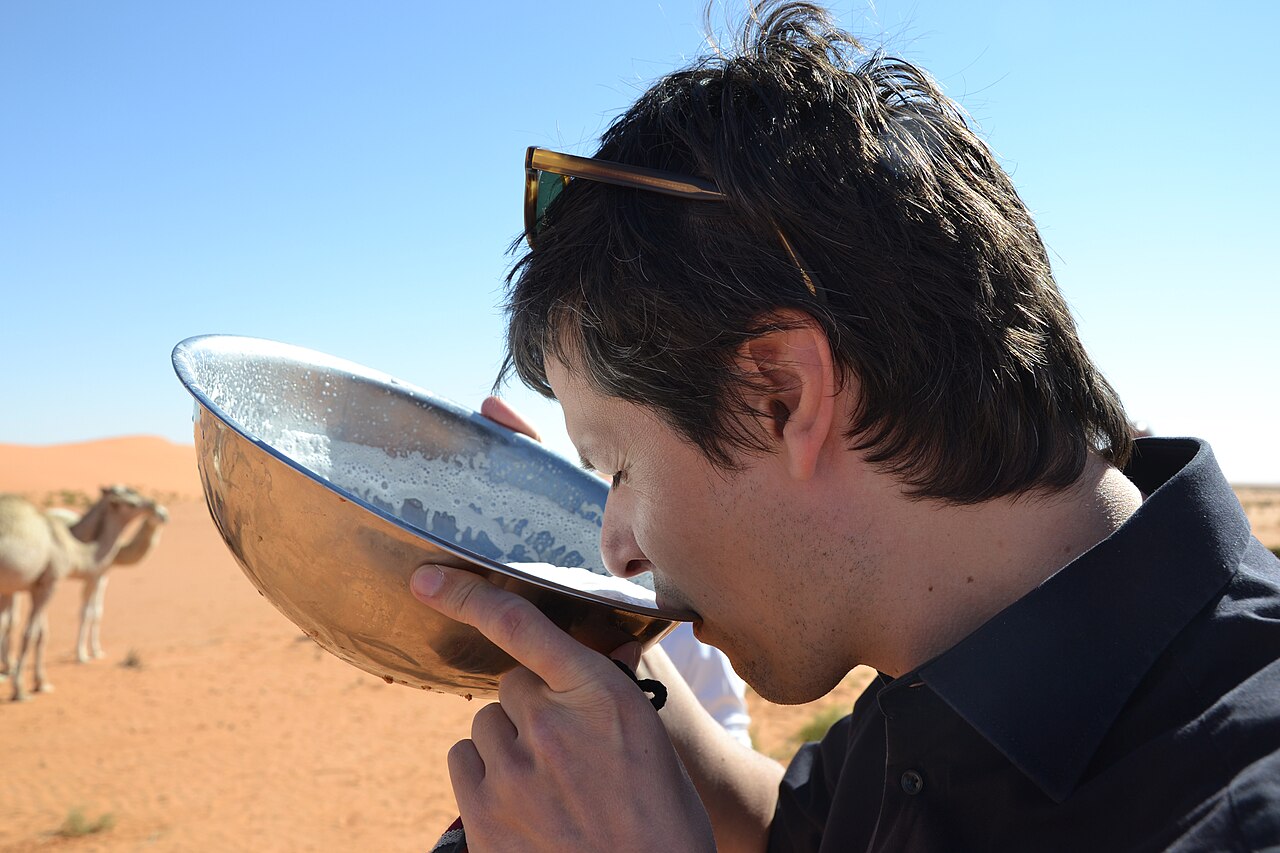
Slightly salty, rich milk that once kept desert families alive. Today you can buy it fresh in supermarkets, and also as flavoured milk, ice cream and chocolate.
Camel milk was a staple of the Bedouin diet together with dates and Arabic coffee.
From the Levant; the favourite quick meal of the Emirates
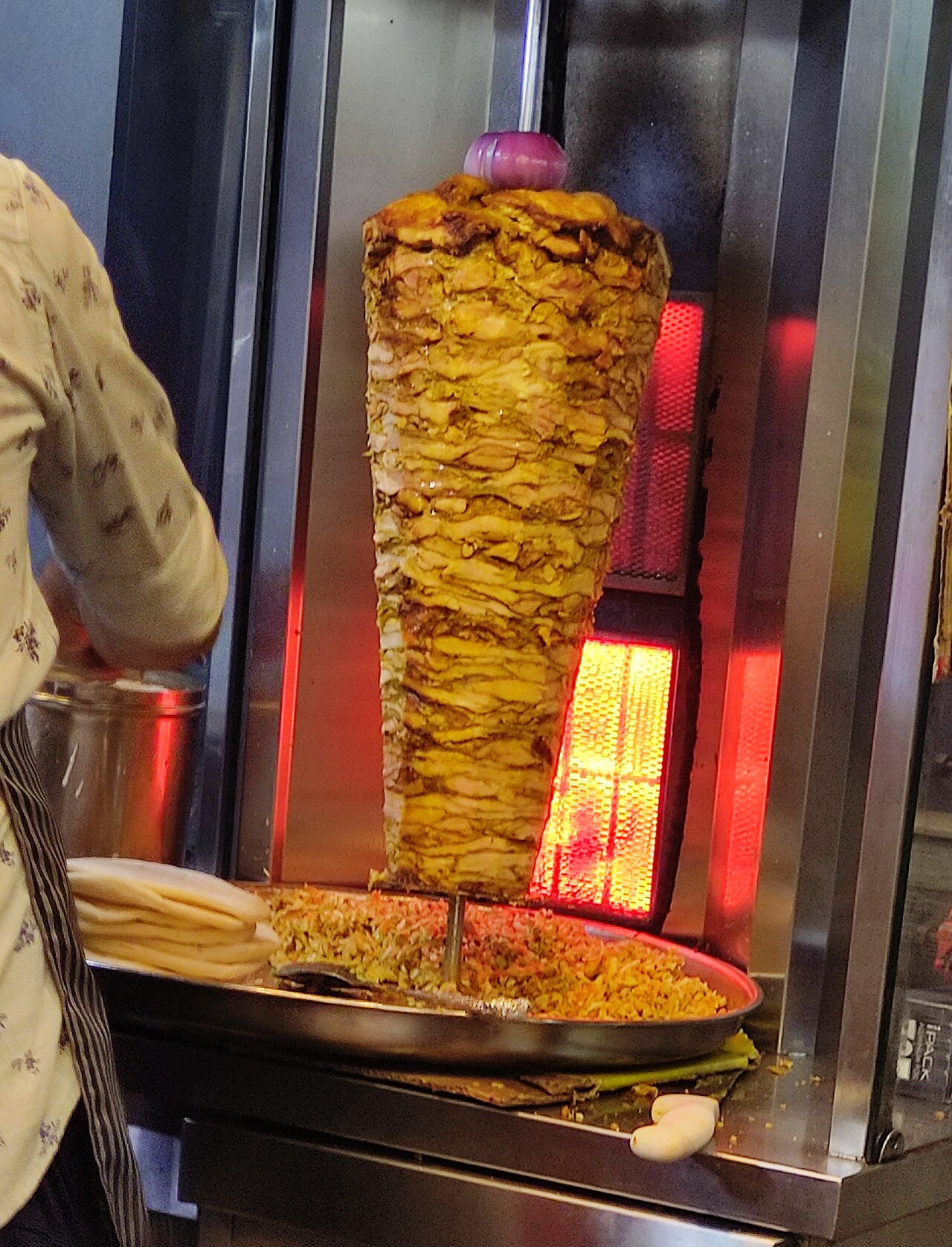
Thin slices of spiced chicken or lamb carved from a turning spit and rolled in flatbread with garlic sauce, pickles and chips. Small cafeterias sell it late into the night.
Shawarma is not Emirati in origin, but it is so popular that almost every neighbourhood has a shawarma stand.
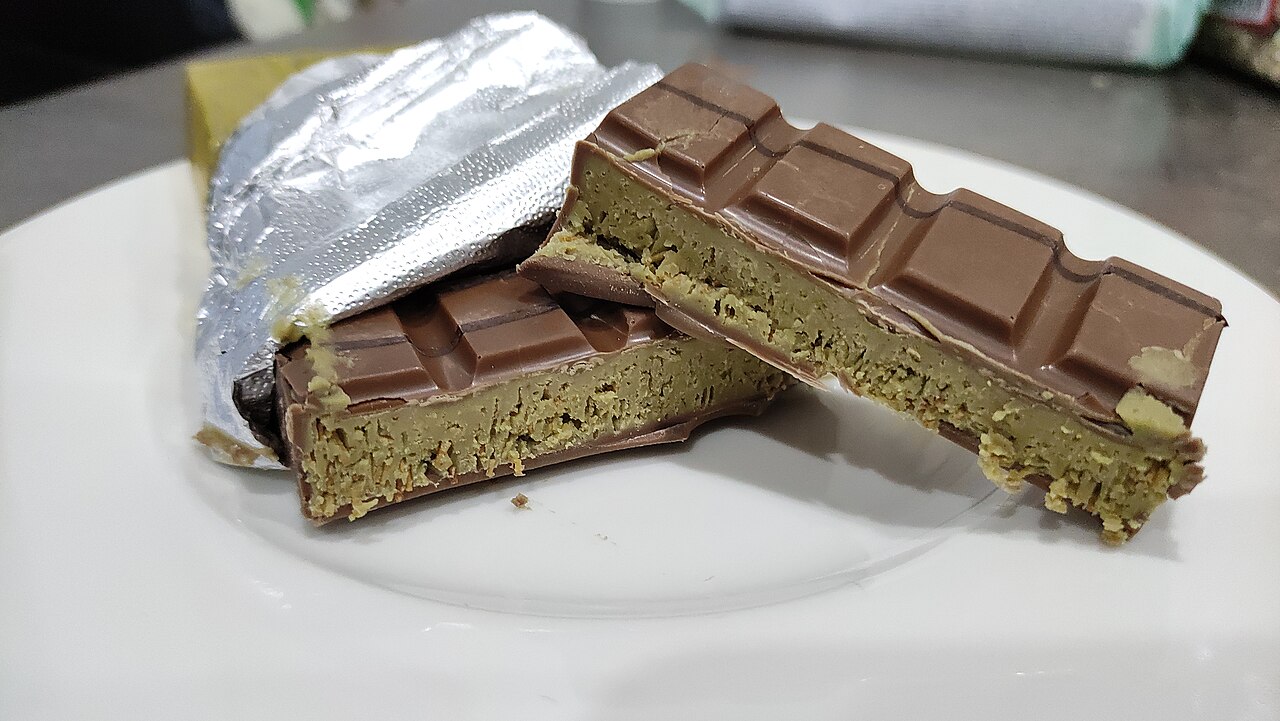
A thick milk chocolate bar filled with pistachio and tahini cream and crunchy shreds of kadayif pastry, the flavours of the dessert knafeh.
A small Dubai chocolatier first sold the bar in 2022; videos on social media made it famous around the world in 2024.
At the table in the United Arab Emirates
When you visit an Emirati home you will be offered Arabic coffee and dates. Take and return the small cup with your right hand. Your host will keep refilling it until you gently shake the cup as you hand it back.
Eat with your right hand, especially when eating from a shared platter.
Traditional meals are often eaten sitting on the floor around a large platter, taking food from the part in front of you.
Use only your right hand to pass things, shake hands or hand over a business card; the left hand is considered unclean.
Pork is not served in most places, and alcohol is served only in licensed hotels, restaurants and bars, never in the emirate of Sharjah.