Omani cooking grew up on trade routes, so it mixes Arab, Persian, Indian and East African flavours: rice, lamb, goat, chicken and plenty of fish, with cardamom, cinnamon, saffron, cloves, dried limes and chilli. The main meal is eaten in the middle of the day, often a big platter of spiced rice with meat or fish shared by the family, and the evening meal is lighter. Whenever a guest arrives, the first thing offered is kahwa, cardamom coffee, with fresh dates and a spoonful of sticky Omani halwa.
All of Oman, above all the villages of the interior; made for Eid
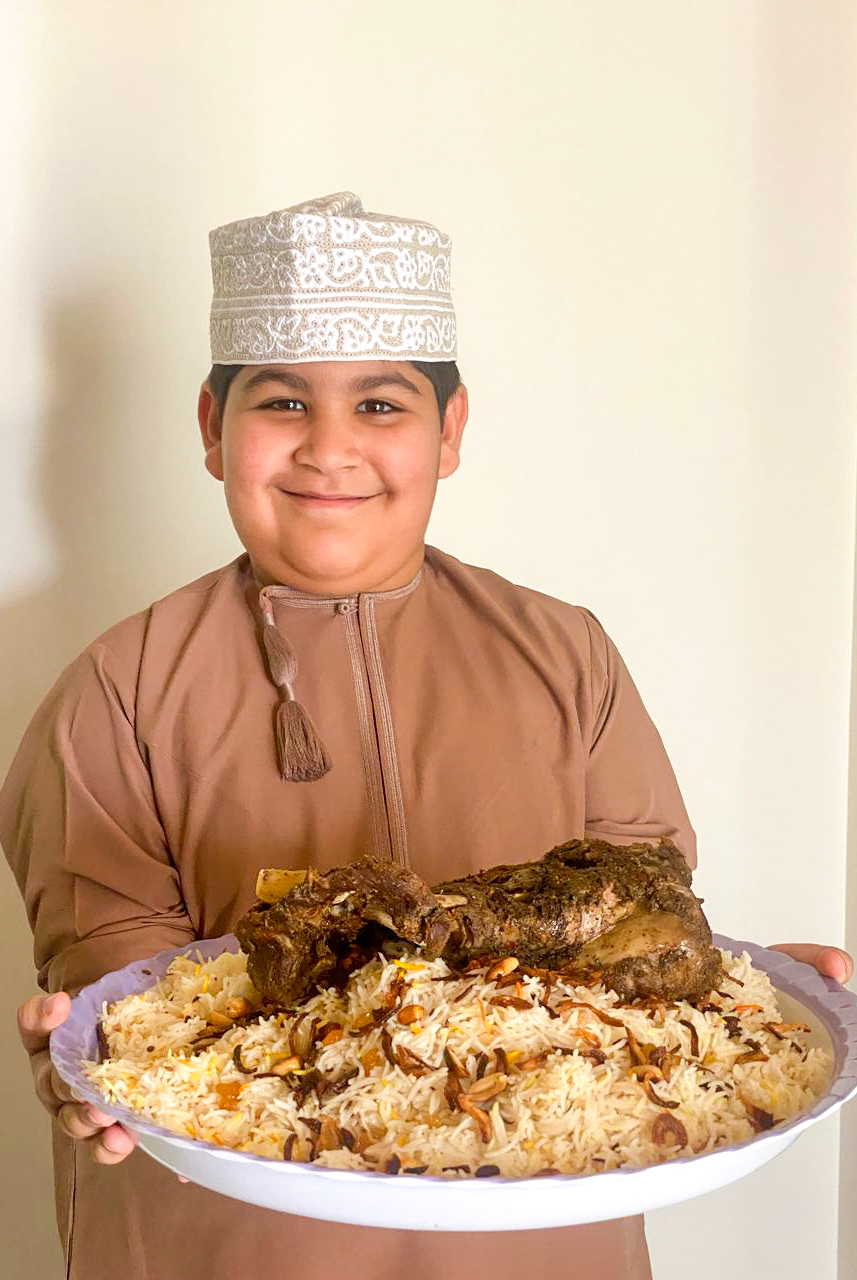
Oman's great festive dish: lamb, goat or camel rubbed with a paste of dried chillies, garlic, cumin, coriander and vinegar or date syrup, wrapped in palm or banana leaves and a sack, then lowered into a sand pit lined with hot coals and sealed. It cooks slowly for a day or even two, until the meat falls off the bone, and is served with rice.
On the first day of Eid al-Adha whole villages bring their meat bundles to the shared shuwa pit, and the bundles are dug up again a day or two later.
All of Oman and the Gulf coast; an everyday family lunch
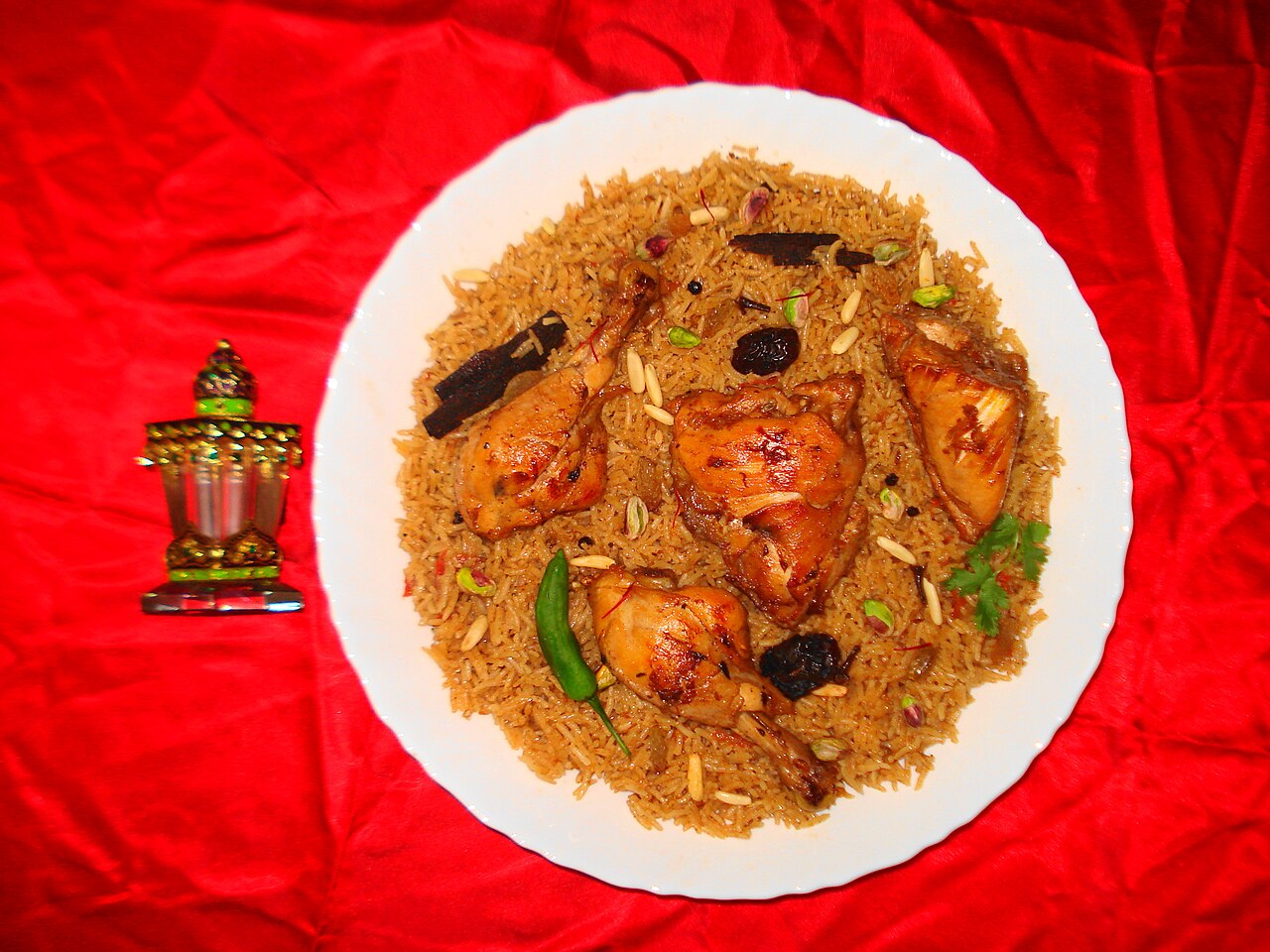
Spiced rice cooked in the broth of the chicken, lamb or fish that goes with it, flavoured with onion, tomato, dried black limes, cardamom, cinnamon and a pinch of saffron. The meat is often browned at the end and laid on top of the golden rice, with fried onions and nuts.
The dried limes, called loomi, are small limes boiled in salt water and left in the sun until they turn black and hollow; they give the rice a sour, smoky taste.
All of Oman and the Gulf; made in Ramadan, for Eid and for weddings
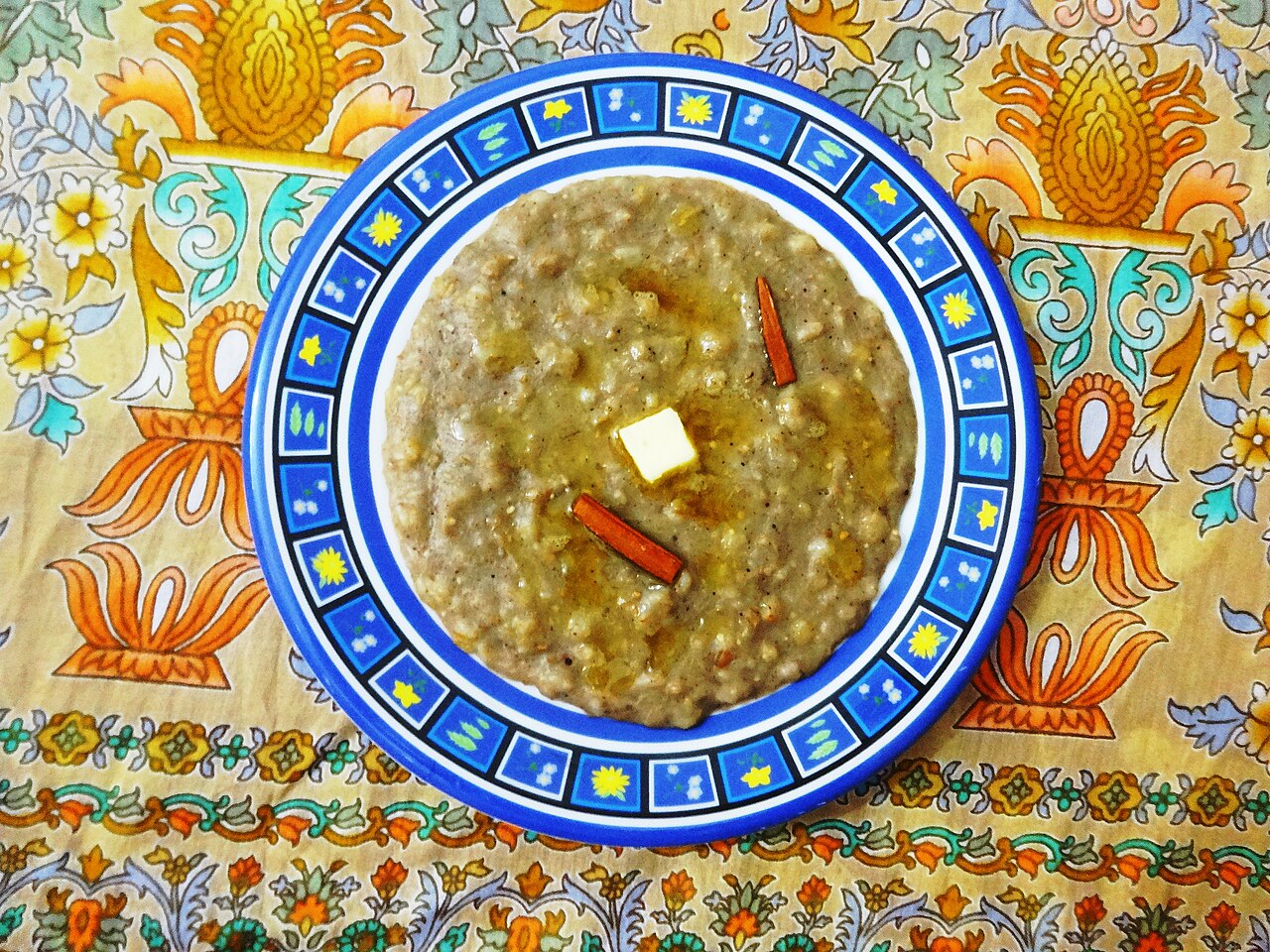
Whole wheat grains cooked very slowly with lamb or chicken and water until the meat melts and the mixture is beaten into a smooth, thick porridge. It is served in a shallow dish with a pool of melted ghee on top and sometimes a little cinnamon.
Harees is one of the oldest dishes of the Arab world: it appears in Ibn Sayyar al-Warraq's 10th-century cookbook from Baghdad. In 2023 UNESCO added harees, shared by Oman and six other Arab countries, to its list of intangible cultural heritage.
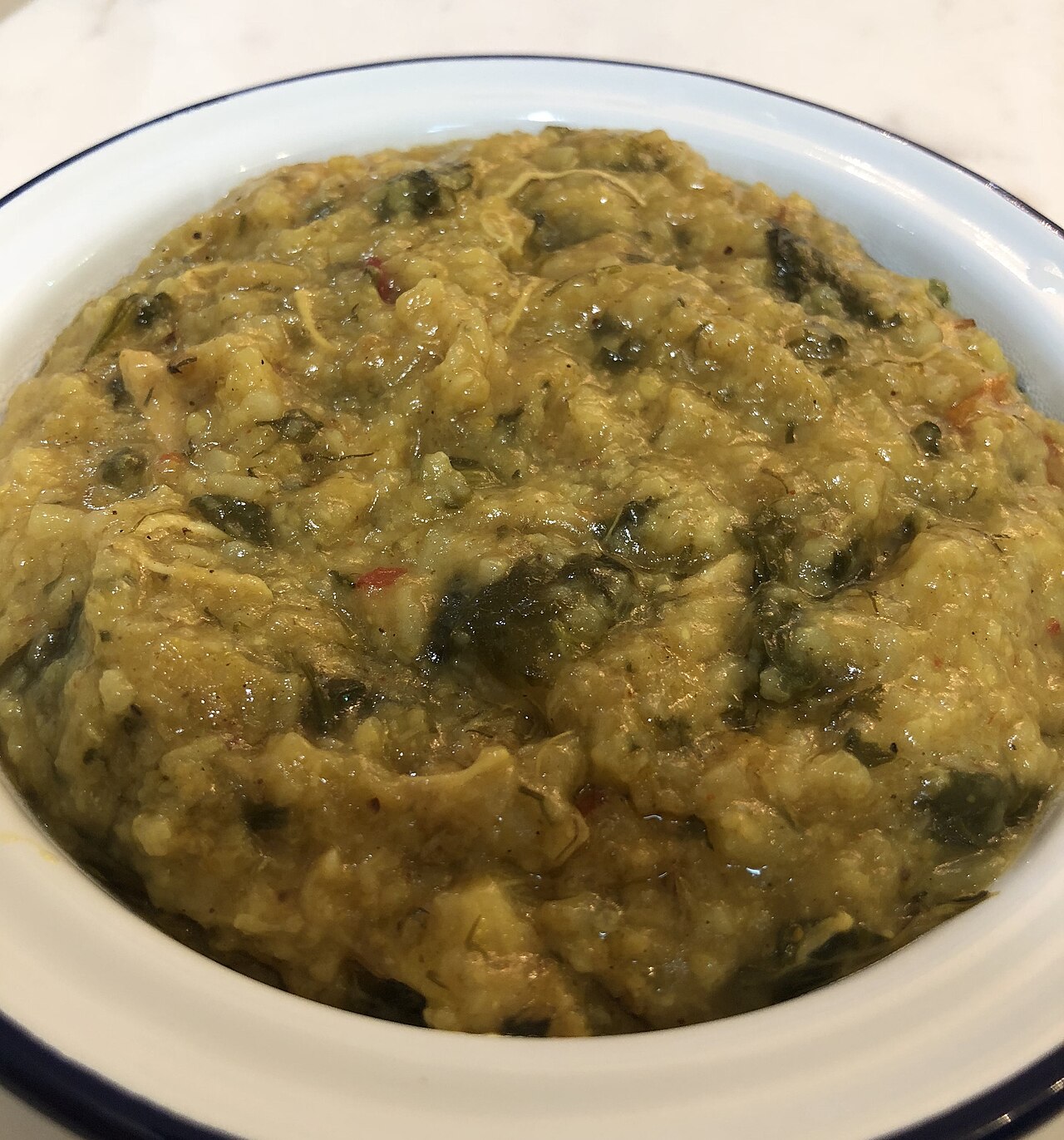
A soft, savoury porridge of rice, or sometimes cracked wheat, cooked with chicken or fish, onion, tomato and spices, then beaten hard until everything breaks down into one creamy mixture. It is eaten warm with a squeeze of lime.
Its name means 'beaten' in Arabic, from the long stirring and beating that gives it its smooth texture.
All of Oman; street food at night markets and festivals
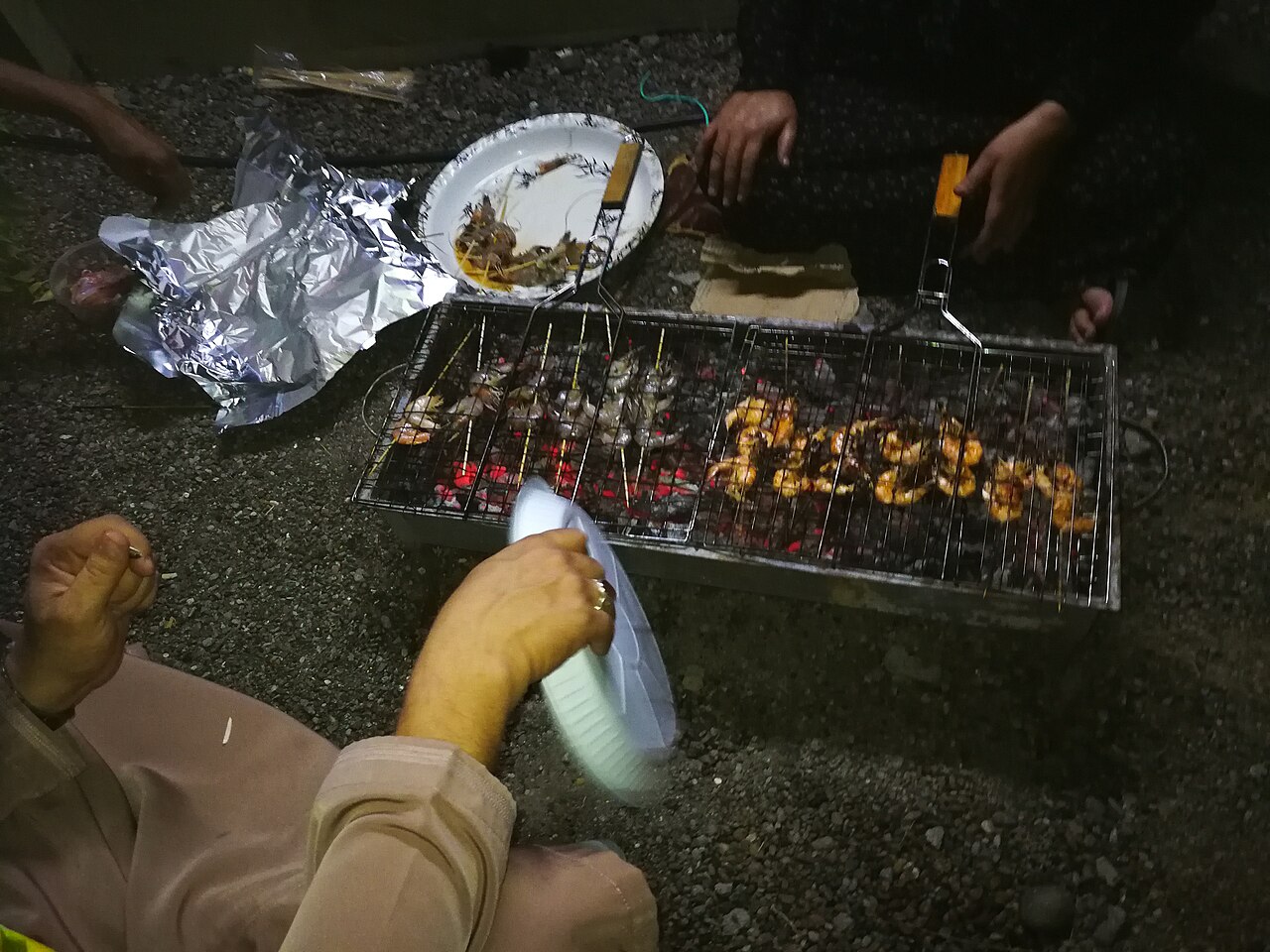
Small skewers of beef, lamb or chicken marinated in tamarind, garlic, chilli and spices, grilled over charcoal and eaten hot, often with a tangy tamarind sauce and bread.
In the evenings, and above all during Eid and the national holidays, smoke from mishkak grills rises along the beaches and corniches of Muscat.
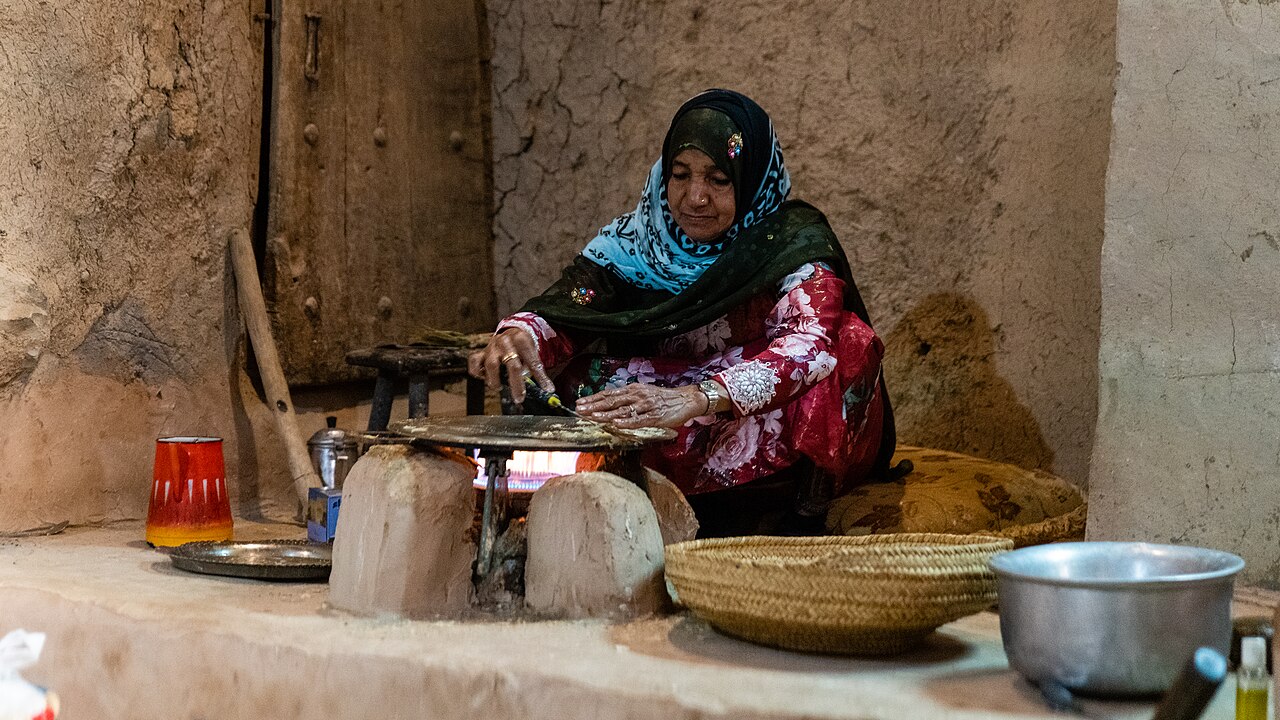
A paper-thin round bread made by spreading a runny wheat batter in one quick sweep across a very hot, slightly domed iron plate. It dries in seconds into a crisp sheet. For breakfast it is eaten with Omani honey or an egg, and at dinner it is crumbled into curry.
Skilled bakers spread the batter with the palm of the hand in a single circular stroke, and the finished bread is so thin that light shines through it.
All of Oman; famous shops in Muscat, Nizwa and Sur
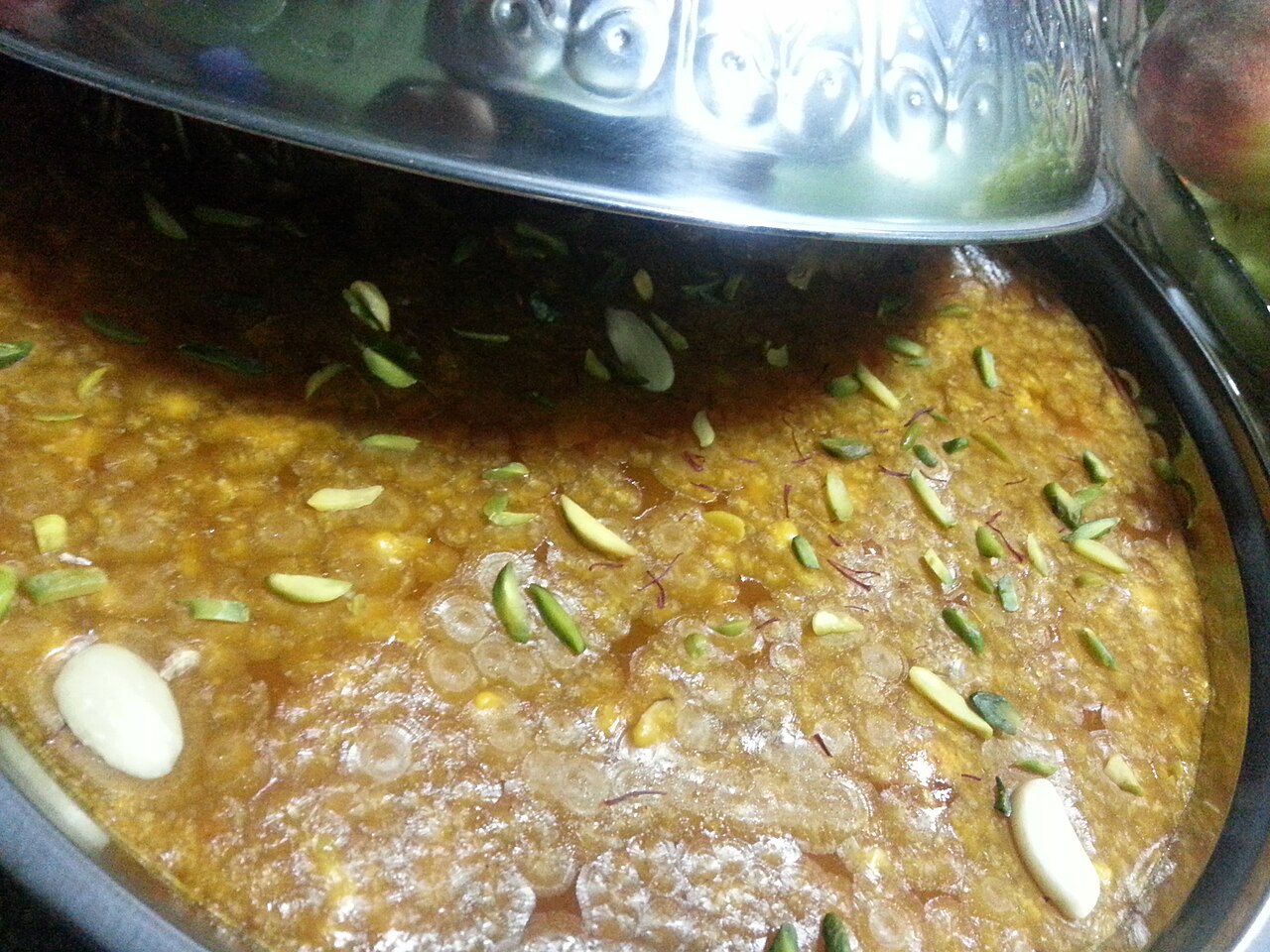
A glossy, sticky sweet of sugar, starch and ghee cooked for hours in a big copper pot and stirred all the time, then flavoured with rosewater, saffron, cardamom and nuts. Black halwa, coloured with caramelised sugar, is the classic; saffron halwa is golden.
Halwa is a symbol of Omani hospitality and is always served with coffee. It is sold in decorated bowls, and a visitor brings a bowl as a gift.
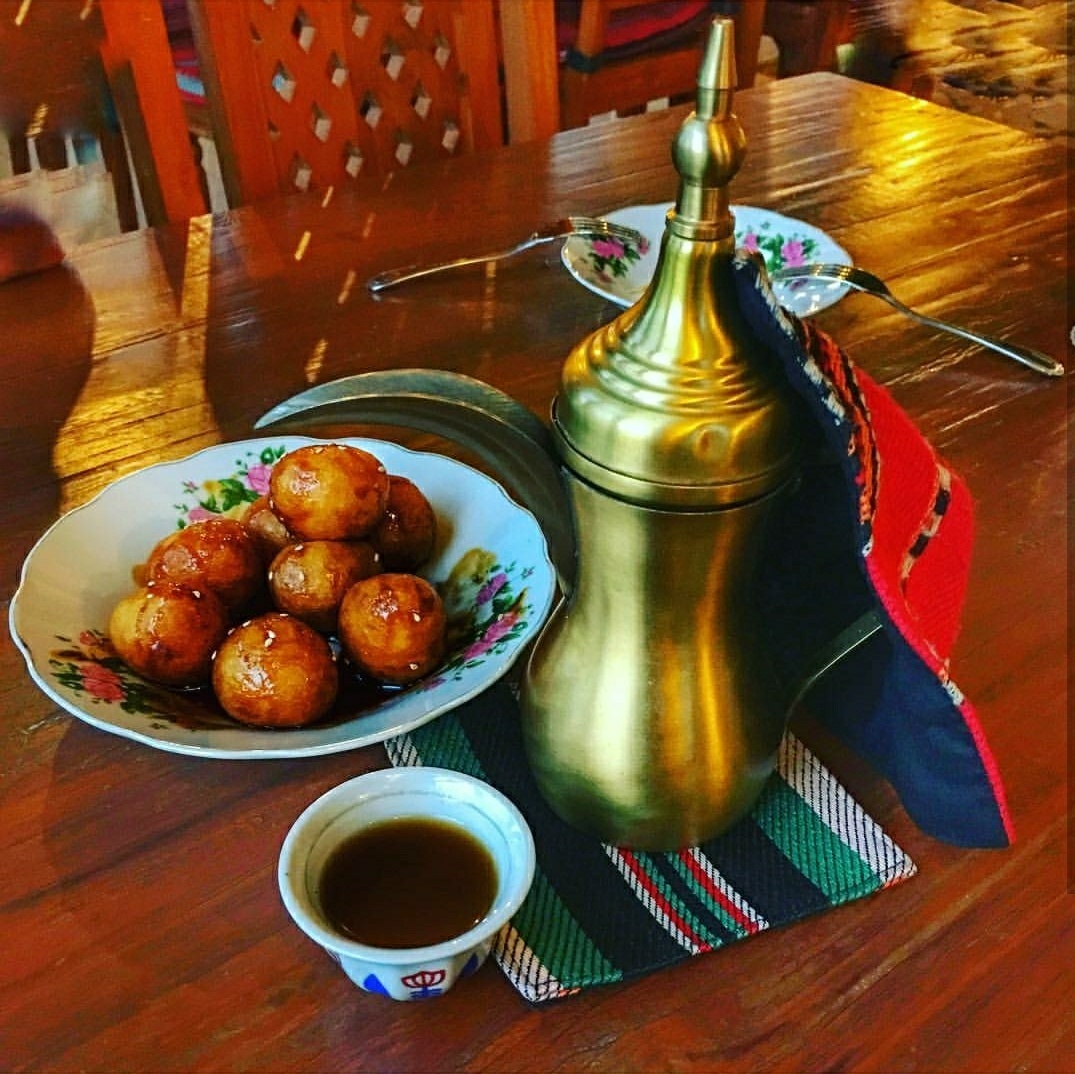
Small balls of yeast dough flavoured with cardamom and saffron, deep-fried until golden and crisp outside and soft inside, then drizzled with date syrup and sometimes sesame seeds.
The name means 'little bites'. In Ramadan, plates of luqaimat are shared with neighbours at sunset, when the fast is broken.
All of Oman and the Gulf; a breakfast for Eid and weekends
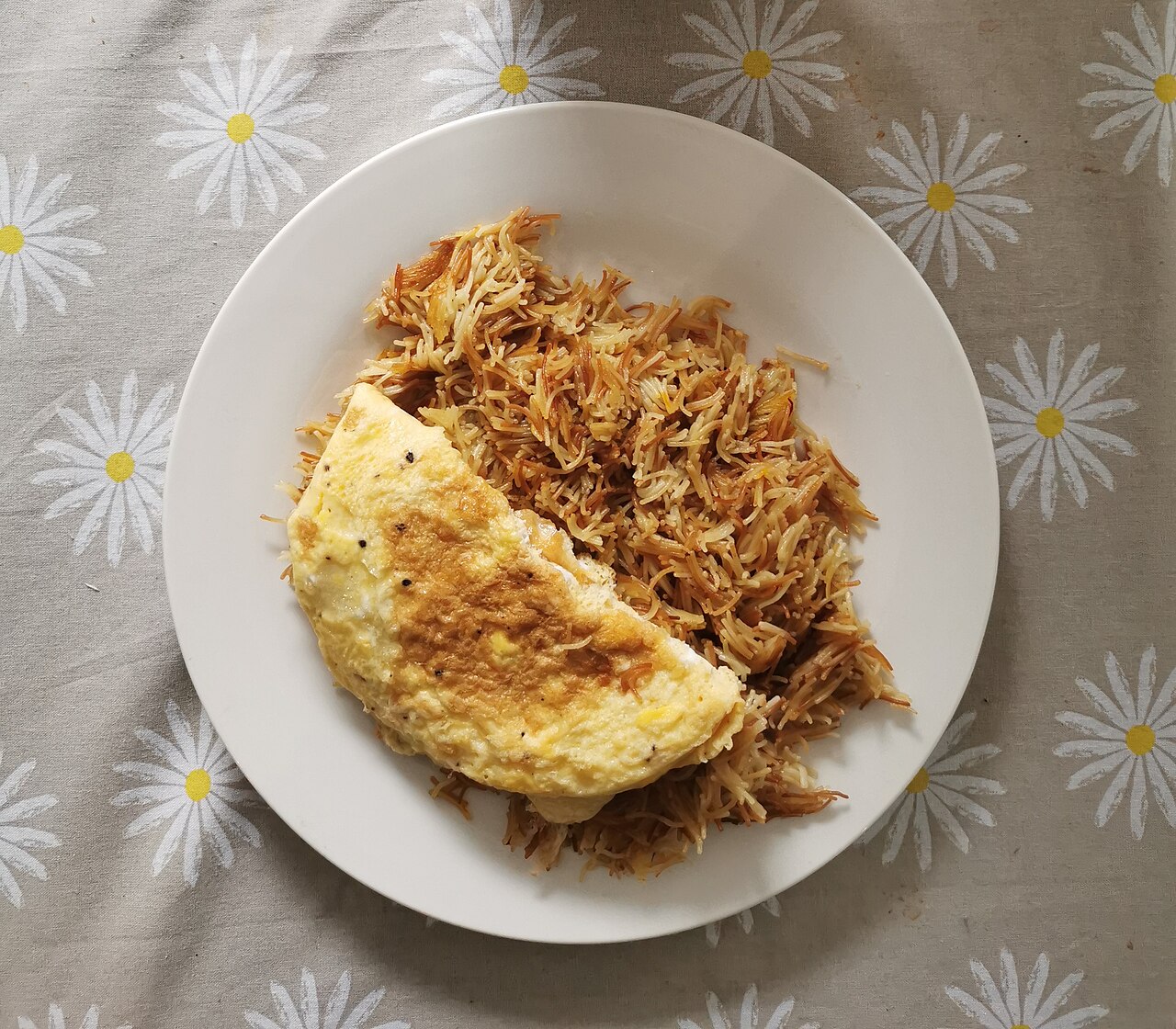
Thin vermicelli noodles fried in ghee and then cooked with sugar, saffron, cardamom and rosewater, served warm with a thin, plain omelette on top. The mix of sweet noodles and salty egg surprises many visitors.
Balaleet is a classic breakfast on the morning of Eid, eaten after the Eid prayer.
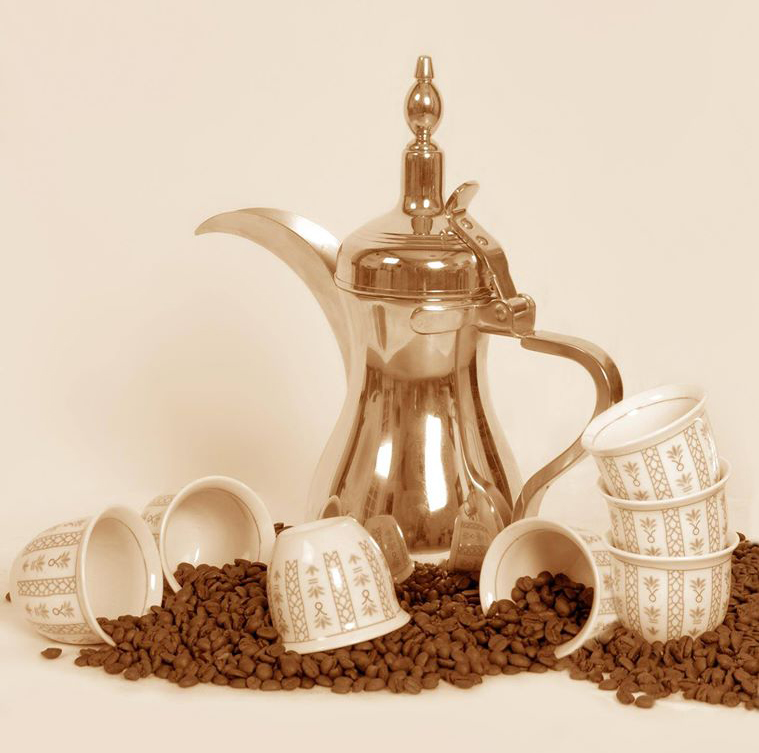
Lightly roasted coffee boiled with plenty of cardamom, and sometimes rosewater or saffron, poured from a tall brass pot called a dallah into tiny cups without handles. It is golden to light brown, bitter and fragrant, and is always drunk with dates or halwa.
The host pours only a small amount at a time and refills your cup until you gently shake it from side to side to show you have had enough.
Palm oases all over Oman, above all the Batinah coast and the interior
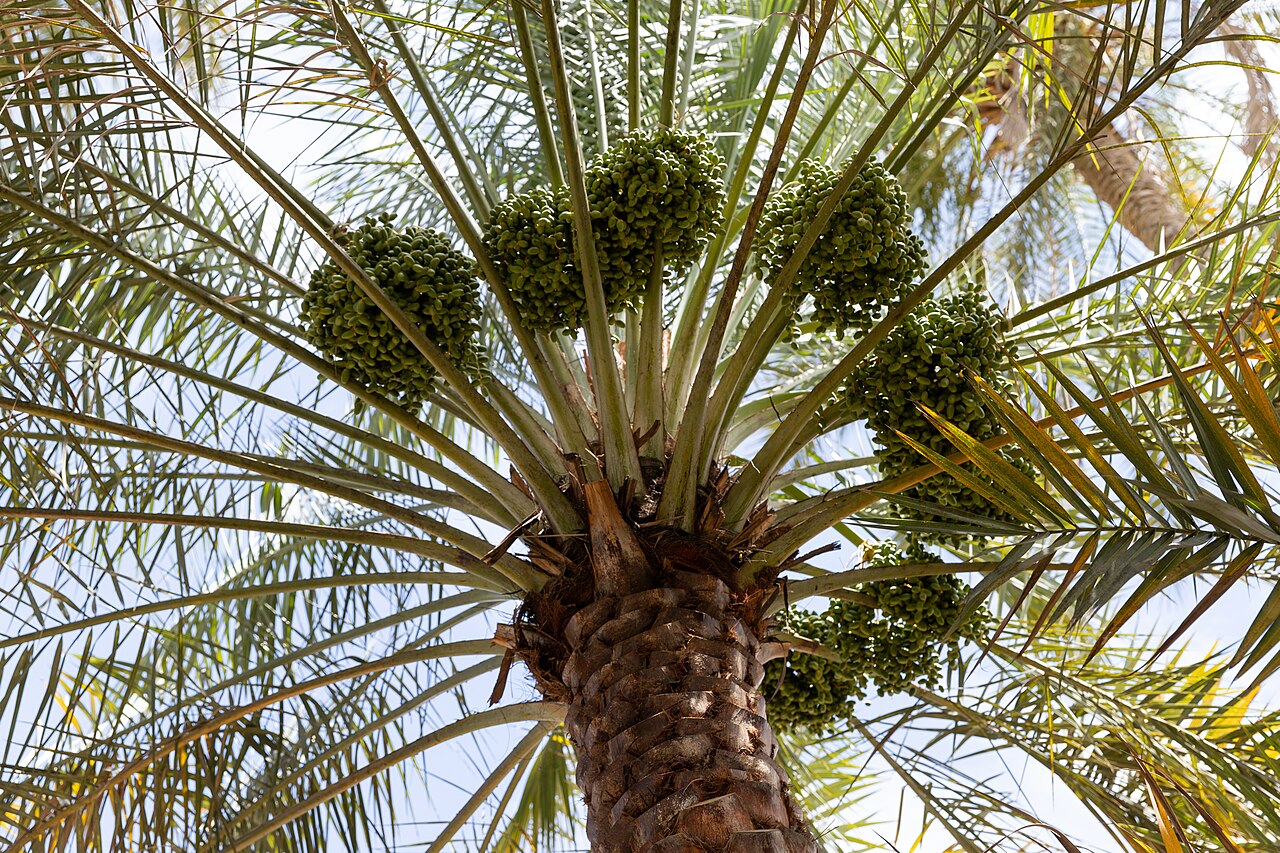
Fresh or dried dates from the country's millions of date palms, eaten with coffee at every visit, at breakfast and to break the fast in Ramadan. They range from soft, honey-like varieties to firm, dry ones, and some are pressed into a sticky paste or boiled down into date syrup.
Dates make up about 80% of Oman's fruit harvest, and date palms cover about half of the farmland in the country.
At the table in Oman
Hospitality is a point of honour. A guest is offered kahwa, dates and often halwa first, and it is polite to accept at least one cup.
Hold the coffee cup in your right hand. When you do not want more, gently shake the empty cup from side to side before handing it back.
Many families eat sitting on a mat on the floor around shared platters. Eat with your right hand only, and from the part of the platter in front of you.
Take your shoes off before stepping onto the mat or carpet where food is served.
Muslims do not eat pork or drink alcohol. During Ramadan, do not eat or drink in public during daylight hours; the day's meal starts at sunset, often with dates, water and luqaimat.